University of New Orleans University of New Orleans
ScholarWorks@UNO
ScholarWorks@UNO
University of New Orleans Theses and
Dissertations Dissertations and Theses
Fall 12-15-2012
An Exploration of Counseling Practicum Students' Experiences in
An Exploration of Counseling Practicum Students' Experiences in
Department-Based and Community-Based Settings
Department-Based and Community-Based Settings
Corrie DeLorge Minges [email protected]
Follow this and additional works at: https://scholarworks.uno.edu/td
Part of the Counseling Psychology Commons, Other Psychology Commons, Social Work Commons, and the Student Counseling and Personnel Services Commons
Recommended Citation Recommended Citation
DeLorge Minges, Corrie, "An Exploration of Counseling Practicum Students' Experiences in Department-Based and Community-Department-Based Settings" (2012). University of New Orleans Theses and Dissertations. 1545.
https://scholarworks.uno.edu/td/1545
An Exploration of Counseling Practicum Students’ Experiences in Department-Based and Community-Based Settings
A Dissertation
Submitted to the Graduate Faculty of the University of New Orleans
in partial fulfillment of the requirements for the degree of
Doctor of Philosophy in
Counselor Education
by
Corrie DeLorge Minges
B.S., Nicholls State University, 2004 M.A., Nicholls State University, 2006
Dedication
For my grandmother Serena “Weenie” Borne, who taught me that there are no dreams to big to
Acknowledgements
This journey has been long and arduous, and would not have been achievable without the help
and support of several people.
First and foremost, I would like to thank my husband, Les Minges. Thank you for your
unending love, support, encouragement, and sacrifice throughout the darkest parts of this
process. I am so excited about this new chapter in our lives. I truly love you with all my heart.
To my parents Ed and Carrie DeLorge, thank you for your continued encouragement and
support throughout my life and educational journey. To my family and friends, thank you for
your sacrifice and understanding of all the missed events and your constant encouragement to
stay focused. A special thanks to Carol Benoit, thank you for of your friendship and constant
encouragement.
To all of the strong women who have impacted my life, thank you for all of your wisdom,
encouragement, and examples of determination. It is impossible to name all of them, but a few
are my grandmother Weenie, my mother Carrie, my aunt Dr. Annette Knobloch, my
mother-in-law Candace Minges, my sister Emily DeLorge, and my dear friend Carol Benoit.
To my colleagues who have walked beside me through this journey especially Brian
Knight, Walt Hammerli, Gerard Williams, Dr. Stephanie Hall, Dr. Hideyuki Tanaka, Dr.
Lorraine Dinkel, thanks for making some of the most difficult times fun.
To my committee members Dr. Barbara Herlihy and Dr. Zarus Watson, thank you for all
of your support and guidance throughout the process. It has been an honor to study under you
To my chair and methodologist Dr. Roxane Dufrene, there are so many things to thank
you for such as your support, guidance, patience, and constant encouragement. However, I am
Table of Contents
List of Tables ... viii
Abstract ... ix
CHAPTER 1: Introduction ... 1
Background ... 1
Practicum student development. ... 2
Practicum setting. ... 5
Problem Statement ... 8
Significance of the Study ... 9
Purpose of the Study ... 9
Research Questions ... 9
Assumptions of the Study ... 10
Limitations of the Study... 10
Definitions of Terms ... 11
CHAPTER 2: Literature Review ... 14
Supervision Models and Supervisee/Counselor Development ... 14
Psychotherapy supervision models. ... 15
Social role supervision models. ... 16
Developmental supervision models. ... 17
Integrated developmental model. ... 19
Supervision Requirements of Practicum Students ... 36
Types of supervisors. ... 37
Modalities of supervision: indirect and direct. ... 37
Practicum Settings ... 45
Advantages and disadvantages of community-based settings. ... 46
Advantages and disadvantages of department-based settings. ... 51
Ethical issues in community-based and department-based settings. ... 58
CHAPTER 3: Methodology ... 61
Introduction ... 61
Research Questions ... 61
Participants ... 62
Instrumentation ... 62
Data Collection ... 66
Methods... 67
Research question 1. ... 67
Data analysis. ... 67
Research question 2. ... 67
Data analysis. ... 67
Research question 3. ... 68
Data analysis. ... 68
CHAPTER 4: Results ... 69
Demographics ... 69
SLQ-R Scores ... 73
Research Question 1 ... 74
Practicum settings. ... 74
Supervision. ... 78
Client population types. ... 84
Research Question 2 ... 87
Research Question 3 ... 87
Research Question 4 ... 88
Research Question 5 ... 89
Additional Findings ... 89
SLQ-R. ... 89
Amount of structure. ... 90
Satisfaction with the amount of structure. ... 91
Perceptions of supervisors’ knowledge. ... 91
Number of credit hours. ... 92
SLQ-R reliability estimates. ... 92
Summary ... 92
CHAPTER 5: Discussion ... 94
Summary of Research Findings ... 94
Discussion of Practicum Students’ Experiences ... 96
Practicum settings. ... 96
Supervision. ... 97
Credit hours. ... 99
Client populations. ... 100
Discussion of Practicum Students’ Level of Development ... 101
Implications for Counselor Educators ... 102
Recommendations for Further Research ... 106
Limitations of the Study... 107
Conclusions ... 108
References ... 110
Appendices ... 117
Appendix A: Demographic and Experience Questionnaire ... 117
Appendix B: Supervisee Levels Questionnaire ... 123
Appendix C: IRB Approval Letter ... 128
Appendix D: First Email Message ... 130
Appendix E: Reminder Email ... 133
Appendix F: Permission from Dr. Stoltenberg ... 136
List of Tables
Table 1: Frequencies of Participants' Sex ... 69
Table 2: Frequencies of Participants' Ethnicity ... 70
Table 3: Frequencies of Program Accreditation ... 70
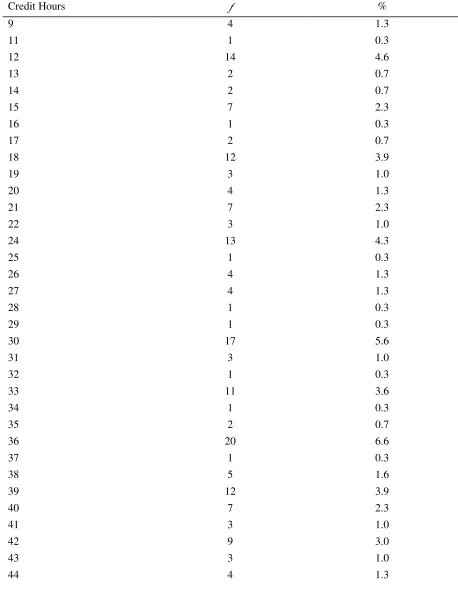
Table 4: Frequencies of Credit Hours Completed ... 71
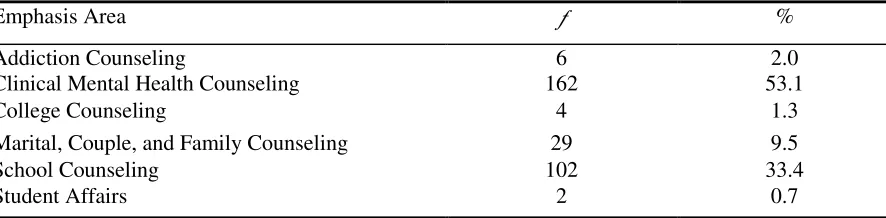
Table 5: Frequencies of Emphasis Area ... 73
Table 6: Participants' SLQ-R Total and Sub-Scale Scores ... 74
Table 7: Frequencies of Participants' Practicum Setting ... 74
Table 8: Frequencies of Whether Participants Would Choose Their Practicum Setting Again ... 75
Table 9: Frequencies of Participants' Perceptions of Their Practicum Setting Structure ... 76
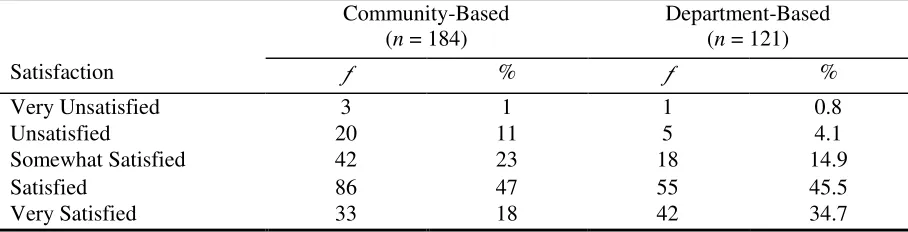
Table 10: Frequencies of Participants' Satisfaction with Practicum Setting Structure ... 76
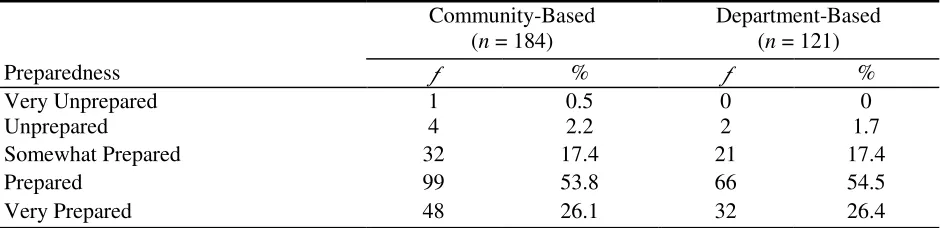
Table 11: Frequencies of Participants' Perceptions of Preparedness for Internship ... 77
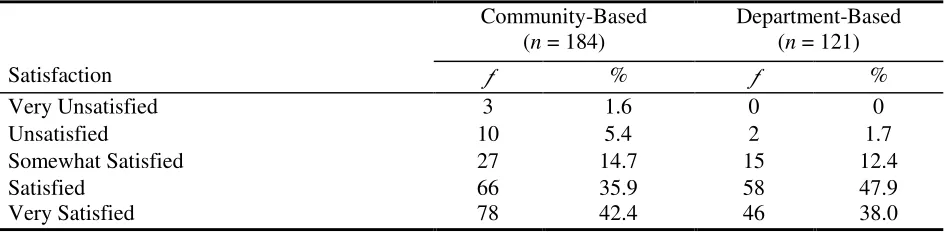
Table 12: Frequencies of Participants' Overall Satisfaction with Their Practicum Experience ... 78
Table 13: Frequencies of Number of Supervisors ... 78
Table 14: Frequencies of Kinds of Supervision Used ... 79
Table 15: Frequencies of Professional Level of Supervisors... 81
Table 16: Frequencies of Total Number of Hours of Supervision... 82
Table 17: Frequencies of Participants' Perceptions of Supervisors' Knowledge of Client Populations ... 82
Table 18: Frequencies of Modalities Utilized in Supervision ... 84
Table 19: Frequencies of Client Populations ... 85
Table 20: Frequencies of Client Issues ... 86
Table 21: MANOVA Results for SLQ-R Scores and Two Practicum Settings ... 87
Table 22: MANOVA Results for SLQ-R Scores and Two Groups of Supervison Modalites ... 88
Table 23: Correlations of SLQ-R Sub-Scale Scores and Number of Supervision Modalities ... 88
Table 24: Correlations of SLQ-R Sub-Scale Scores and Number of Credit Hours ... 89
Table 25: Correlations of SLQ-R Total Scores and Four Variables ... 90
Table 26: Correlations of Amount of Sturcture at Practicum Setting and Three Variables ... 90
Table 27: Correlations of Satisfaction with Amount of Structure and Three Variables ... 91
Table 28: Correlations of Supervisors' Knowledge of Client Populations and Two Variables .... 92
Abstract
Counselor educators are continually improving the quality of their training programs. The
purpose of the present study was to investigate counseling students’ practicum experiences and
development in community-based and department-based settings. The framework for this study
was based on Stoltenberg’s integrated developmental model, which describes stages of counselor
development and supervision conditions needed for a learning environment (Stoltenberg &
Delworth, 1987; Stoltenberg & McNeill, 2010; Stoltenberg, McNeill, & Delworth, 1998)
A nation-wide study was conducted utilizing counselor education practicum students
enrolled in programs listed in the CACREP program directory (2008) and Counselor
Preparation: Programs, Faculty, Trends (12th ed.; Schweiger, Henderson, Clawson, Collins, &
Nuckolls, 2008), and subscribed to three listserves COUNSGRAD, CESNET, and
COUNSLINK. A total of 435 responses were collected electronically with a completion rate of
70% (N = 305). The Demographic and Experience Questionnaire and the Supervision Level
Questionnaire Revised (SLQ-R) were used.
The results of this study indicated that practicum students’ experiences differed in
community-based versus department-based settings. Students in department-based settings
reported their settings were more structured than did students in community-based settings.
Students who rated their settings as more structured also reported they were more satisfied with
the amount of structure. Direct supervision modalities were utilized more often in
department-based settings than in community-department-based settings. Students in community-department-based settings were
supervised by licensed professional counselors, licensed professional counselor – supervisors,
and licensed clinical social workers. Students in department-based settings were supervised by
supervisors, and counseling doctoral students. Despite the differences in structure, supervision
modalities, and supervisors, practicum students reported similar experiences in client population
types and client issues.
Additionally, no differences were found in counseling practicum students’ SLQ-R scores
in community-based versus department-based settings, and no differences in students’ SLQ-R
scores were found in direct supervision in comparison to indirect supervision. The number of
supervision modalities used in practicum settings was not related to students’ SLQ-R scores.
Significant relationships were found in two of the sub-scales on the SLQ-R:self and others
awareness and autonomy with practicum students’ number of credit hours completed.
Keywords: counselor education, practicum, counseling students, training laboratories,
CHAPTER 1
Introduction
Counselor education programs include both didactic and clinical components in their
training programs. Within the clinical component, practicum is typically the first experience in
which counseling students work with clients. A goal of practicum is to facilitate development of
counseling students. Practicum experiences vary across counselor education programs.
Currently, two settings in which counselor education programs implement practicum are
department-based and community-based settings. The Council for Accreditation of Counseling
and Related Educational Programs (CACREP, 2009) has very specific requirements for
supervision of practicum students including the number of direct and indirect contact hours. Yet,
the 2009 CACREP Standards do not specify whether practicum must be implemented in
department-based or community-based settings. Because counselor development is a main goal
of practicum, providing the most conducive setting that facilitates counselor development is vital
for counselor education programs (Collison, 1994; Pate, 1994, 2010). The purpose of this study
is to investigate counseling students’ experiences and development during their practicum
experiences in community-based and department-based settings.
Background
Practicum experience is critical in counseling students’ development. Typically,
practicum is initiated after students have completed most of their course work in a counseling
program (Neufeldt, 1994). During practicum, counseling students are able to use their
counseling skills and knowledge with actual clients for the first time. A significant amount of
student learning and development takes place during practicum. Because practicum is such an
for excellence in facilitating student clinical experiences during practicum. Clinical settings and
experiences vary depending on the university and the counseling program in which students are
enrolled. Dye (1994) pointed out that practicum experiences differ greatly from program to
program in how they are facilitated. Currently, the two types of settings for practicum are
department-based settings and community-based settings. Regardless of the settings for
practicum, students are required to collect the same amount of indirect and direct contact hours
to meet CACREP Standards and licensure requirements. According to the CACREP 2009
Standards (2009), practicum requirements include a total of 100 hours. Of the 100 hours, 40
hours must include direct client contact and 60 hours must include indirect services. Supervision
requirements are one hour per week with an individual supervisor and one and one-half hours per
week with a group supervisor. If students are completing practicum in a community setting, they
must also meet with an on-site supervisor for one hour per week.
Practicum student development.
Practicum student developmental growth can be explained by looking at Stoltenberg’s
integrated developmental model (IDM). Although there are other developmental models,
Stoltenberg’s model provides a comprehensive breakdown of counseling students’
developmental process throughout their training, which extends beyond graduate training
programs (Bernard & Goodyear, 2004). IDM includes four levels of counseling students’
development (Stoltenberg, McNeill, & Delworth, 1998). The first level, Level 1, applies to
practicum students, applicable to the present study. Level 1 of IDM shows the possible
progression of development during the first practicum. Practicum students typically remain at
includes eight domains that occur within students’ developmental levels. The eight domains of
functioning in Stoltenberg’s model are: (1) intervention skills, (2) assessment techniques, (3)
interpersonal assessment, (4) client conceptualization, (5) individual differences, (6) theoretical
orientation, (7) treatment plans and goals, and (8) professional ethics (Bernard & Goodyear,
2004; Stoltenberg et al., 1998). The first domain, intervention skills, differs somewhat in
implementation depending upon students’ chosen theory. Examples of intervention skills are:
active listening, genuineness, unconditional positive regard, reflection, and paraphrasing (Fall &
Sutton, 2004). Examples of the second domain, assessment skills, include conducting
psychological assessments such as the use of the DSM-IV and assessing for suicide (Bernard &
Goodyear, 2004; Fall & Sutton, 2004). The third domain, interpersonal assessment, includes
understanding transference and countertransference and knowing the difference between a
client’s worldview and a student’s worldview (Fall & Sutton, 2004). The fourth domain,
students’ conceptualization skills, refers to the ability of students to see themes in clients’ stories,
to see underlying issues, and to understand clients’ worldview with all their complexities.
Bernard and Goodyear (2004) characterized the fifth domain, individual differences, as
counseling students’ acknowledgment of the racial, ethnic, and cultural differences between self
and others. Theoretical orientation, the sixth domain, is what counseling students understand and
use as a specific theory in a counseling session, which Bernard and Goodyear (2004) see as an
advanced skill. The seventh domain, treatment plans and goals, pertain to the level of
organization of plans and goals in therapy (Bernard & Goodyear, 2004). Finally, the eighth
domain, professional ethics, is how well counseling students know and apply ethical standards in
their counseling work (Fall & Sutton, 2004). Before counseling students begin practicum, they
(2004) stressed that students will not be proficient in the eight domains before beginning
practicum or even after completing practicum. In fact, students will continue to gain proficiency
in all eight domains after completing a master’s program.
Stoltenberg’s IDM uses three structures to measure counseling students’ developmental
level based on the eight domains previously discussed (Bernard & Goodyear, 2004; Stoltenberg,
et al., 1998). The three structures are: self and others awareness, motivation, and autonomy.
Bernard and Goodyear (2004) described the structure of self and others awareness as how
focused counseling students are on self during sessions, how aware counseling students are of
clients, how students understand self, and how students use self-understanding in therapy. The
structure labeled motivation is described by Bernard and Goodyear as the various forces that
motivate counseling students such as level of investment, interest in, and effort towards
therapeutic work or learning. The structure of autonomy is the degree to which counseling
students are dependent on supervisors. These three constructs apply to all eight domains.
Counseling students’ development in each domain can be assessed against each of these three
structures (McNeill, Stoltenberg, & Romans, 1992).
Borders (1990) completed a study of first semester practicum counseling students at the
beginning of practicum and again at the end of practicum using the Supervisee Levels
Questionnaire (SLQ). The results showed significant developmental growth on the SLQ
structures. For instance, counseling students felt less dependent on supervisors, more aware of
their motivation in therapy, and less anxious or worried about performance in therapy. Borders
(1990) also reported that students felt as though they were applying their skills and knowledge
Practicum setting.
In counseling programs, practicum settings occur in community-based or
department-based settings, with many similarities and differences. Community-department-based settings include
schools, mental health clinics, substance abuse treatment centers, hospitals, and specialized
agencies for specific populations such as women’s shelters. Ponton (2009) explained that
counseling students’ experiences with clients depend on the nature of the chosen clinics,
agencies or centers. Additionally, client population types and presenting issues can impact
counseling students’ experiences. Due to the variety of settings and counseling services
provided at community-based settings, counseling students’ experiences in gaining clinical hours
vary greatly. Brandt and Porteus (2009) pointed out that counseling students placed in
community settings such as school settings spend approximately half of their time working with
mental health issues. In school-based settings, students are required to participate in activities
such as play therapy, psychoeducational groups, and consulting with parents and teachers. A
wide variety of client issues that counseling students may encounter are family, behavioral,
academic, social relationships, trauma, and neglect. Brandt and Porteus (2009) explained that
several family issues that impact children and adolescents in schools include poverty,
homelessness, domestic violence, substance abuse, and parental incarceration. In comparison,
Ponton (2009) explained that in community-based settings counseling students’ experiences are
highly dependent on particular agencies or clinics and the setting’s mission. Various client
issues in community-based settings include substance abuse, mental health concerns,
developmental issues, and family adjustment problems. Community-based settings also allow
The 2009 CACREP Standards (2009) require students to be supervised in practicum;
however, counseling students’ supervision experiences may differ depending upon site
supervisors. The Standards do not limit site supervisors to licensed professional counselors or
certified school counselors. According to the Standards, site supervisors in community settings
must have a master’s degree in counseling or a related field, certification or license, minimum of
two years experience post master’s degree, knowledge of the counseling program’s expectations,
and relevant supervision training. Site supervisors’ may belong to any of the various related
mental health professions including: psychiatrists, psychologists, licensed clinical social workers,
licensed marriage and family therapists, and psychiatric nurses (Guo & Wang, 2009). Based on
the variety of professionals who provide supervision, site supervisors have their own methods
and styles of supervision. Vernon (2009) pointed out that site supervisors may or may not
require counseling students to audio or video record sessions and/or may or may not require live
supervision. He explained that some site supervisors use monitoring devices such as a baby
monitor to listen to counseling sessions and provide live supervision. Harper and Ricthie (2009)
explained that in some community agencies live supervision can and does occur, but live
supervision is rare and difficult to accomplish. Also, community settings offer counseling
students supervision by on-site supervisors who are immersed and experienced in the work at the
particular site (Vernon, 2009).
As with community-based settings, department-based settings vary in setup from
university campus to campus (Dye, 1994). Myers and Smith’s (1995) survey of counselor
education programs explored the different types of department-based settings, which may have
administrative space. Most clinics have one-way mirrors for live observation. The types of
electronic equipment include audio and video recorders, flat screen monitors, televisions,
computers, and telephones. Just as the department-based setting setup varies from campus to
campus, client populations also vary. Clients typically are from the community or are university
students (Altekruse & Seiters, 1994; Leddick, 1994; Myers & Smith, 1995). Clients from the
community are referred from local health services, mental health agencies, or private practices;
whereas clients are students from university counseling centers or departments within
universities (Altekruse & Seiters, 1994). Myers and Smith (1995) stated that in
department-based settings, clients are occasionally self-referred department-based on clinic advertisement; however,
Leddick (1994) explained that self-referrals are not common. Neufeldt (1994) reported that
counseling services are provided to clients with a wide range of presenting issues. Some of the
client issues seen by counseling students in department-based settings include, but are not limited
to eating disorders, personality disorders, depression, family conflict, life transitions, gang
activities, coping with loss, and relationship issues (Leddick, 1994; Neufeldt, 1994). Counseling
students are expected to conduct individual, group, and family counseling sessions with adults,
adolescents, and children (Myers & Smith, 1995).
With the wide range of client issues, supervision is extensive and is a major focus in
department-based settings (Neufeldt, 1994). In addition to the CACREP (2009) requirements of
one hour of individual supervision and one and one-half hours of group supervision, live
Neufeldt, 1994). Neufeldt explained that supervision is typically provided by either licensed,
experienced faculty members or by advanced doctoral students. Sweeny (1994) pointed out that,
in addition to supervision from advanced doctoral students and faculty, peer supervision also
occurs.
Problem Statement
Department-based and community-based settings are similar in many aspects; however,
the two types of settings also have many differences. University counseling programs use either
department-based or community-based settings to facilitate developmental growth of counseling
students during practicum experiences (Bernard & Goodyear, 2004; Stoltenberg et al., 1998).
Community-based settings often vary in experiences, in supervisors, and in clients, making it
difficult for faculty to monitor counseling students’ experiences received at agencies and schools
(Harper & Ritchie, 2009). Higher levels of supervision are recommended but are difficult to
accomplish in community agencies as opposed to department-based campus clinics (Bernard &
Goodyear, 2004; Stoltenberg et al., 1998). Within department-based settings, the similar training
experiences, supervisors, and structure make counseling students’ experiences more consistent
than in community-based settings (Dye, 1994; Sweeny, 1994). Both types of learning
environments offer advantages and disadvantages; however, each type of learning environment
may impact counseling students’ levels of growth differently. A priority of counselor education
programs is to facilitate counseling students’ development; thus, it is important to know the
Significance of the Study
Considering that practicum students’ clinical experiences can occur in community-based
or department-based settings, the present study provided information on the impact that each
setting has on counseling student development. Further evaluation of counseling students’
training experiences has implications for current practice and policies in counselor education
programs, as well as the settings where training occurs. Another element of the significance of this
study is the results added to the reliability and validity of Stoltenberg’s IDM and the SLQ-R.
Purpose of the Study
Counselor educators are continually improving the quality of counselor training
programs. For instance, counselor education programs strive to meet and exceed national
accreditation standards such as CACREP and state licensure requirements. The two ways
counselor education programs provide practicum experiences for counseling students are through
department-based and community-based settings. CACREP (2009) and state licensing boards
such as the Louisiana Licensed Professional Counselor Board of Examiners (2003) require
practicum experiences. However, specifications of where practicum clinical experiences take
place are not provided. The lack of specification may be due to the fact that little research has
been conducted to determine if there are significant differences in counselor training settings
during students’ clinical experiences. The purpose of this study was to investigate counseling
students’ development and their practicum experiences within community-based and
department-based settings.
Research Questions
The five research questions for the study are:
2. Are there group differences in counseling practicum students’ scores on Stoltenberg’s
Supervisee Levels Questionnaire-Revised (SLQ-R) and the setting of their practicum
experience?
3. Are there group differences in counseling practicum students’ scores on the SLQ-R and the
modalities of supervision they received in their practicum setting?
4. Is there a significant relationship between counseling practicum students’ scores on SLQ-R
and the number of supervision modalities received?
5. Is there a significant relationship between counseling practicum students’ scores on the
SLQ-R and the number of credit hours completed by students?
Assumptions of the Study
Three basic assumptions exist for this study. The first basic assumption is that
counseling students at the beginning of their practicum experience are the appropriate group of
participants for this study. A second assumption is that participants will answer the
Demographic and Experience Questionnaire and SLQ-R honestly and on their own initiative. A
third assumption is that the SLQ-R will be a valid measure of counseling students’ developmental
level.
Limitations of the Study
Three limitations existed for this study. First, data were collected through e-mail and an
online database collection method, Qualtrics™. According to Van Selm and Jankowski (2006),
response rates are not particularly high in e-mail surveys. However, the sample for the present
study was recruited from programs listed in the CACREP (2008) directory and programs listed in
from three listserves:COUNSGRAD, CESNET, and COUNSLINK. A second limitation was
that potential participants needed have access to the Internet because the documents were
distributed by email. A third limitation was that self-report responses of participants may have been
affected by social desirability bias (McMillan & Schumacher, 1997).
Definitions of Terms
Assessment techniques: Assessment techniques are psychological assessments (Stoltenberg &
McNeill, 2010). Examples of assessment techniques include: conducting psychological
assessments such as the use of the DSM-IV and assessing for suicide or harm to others (Bernard
& Goodyear, 2004; Fall & Sutton, 2004).
Autonomy: The structure of autonomy is the degree to which a counseling student is dependent
on the supervisor (Bernard & Goodyear, 2004).
Awareness of self and others: Bernard and Goodyear (2004) describe awareness of self and
others as how focused a counseling student is on self during the session, how aware a counseling
student is of the client, how a counseling student understands self, and how a counseling student
uses self-understanding in therapy.
Client conceptualization: Client conceptualization refers to the ability to see themes and patterns
in a client’s stories, underlying issues, and worldview (Fall & Sutton, 2004).
Community-based setting: Community-based settings are sites chosen by the student and faculty
that occur within a community or private agency, which provide counseling services to clients
(Harper & Ricthie, 2009).
Department-based setting: A department-based setting is a training clinic operated by a
counseling program. The clinic is typically set up with one-way mirrors, video equipment, and
Direct supervision: Direct supervision is when the supervisor observes and/or interrupts the
session in some fashion to give direction to a counseling student (Bernard & Goodyear, 2004).
Direct supervision is often referred to as live observation or live supervision.
Group supervision: Group supervision is defined as “a tutorial and mentoring relationship
between a member of the counseling profession and more than two counseling students”
(CACREP, 2008, p. 62).
Indirect supervision: Indirect supervision is defined as the review of process and case notes,
audiotapes, videotapes, and self-reports (Bernard & Goodyear, 2004).
Individual differences: Bernard and Goodyear (2004) characterize individual differences as the
supervisees’ acknowledgment of the racial, ethnic and cultural differences between themselves
and others.
Individual supervision: Individual supervision is defined as “a tutorial and mentoring
relationship between a member of the counseling profession and a counseling student”
(CACREP, 2000, p. 62).
Interpersonal assessment: Interpersonal assessment includes a counselor’s abilities to understand
transference and countertransference, personal strengths and weaknesses, and differences
between clients’ worldview from a counselor’s personal worldview (Fall & Sutton, 2004).
Intervention skill: Intervention skills are skills used to accomplish therapeutic interventions
(Stoltenberg & McNeill, 2010). Examples of intervention skills are: active listening,
genuineness, unconditional positive regard, empathy, reflection, paraphrasing, relationship
Motivation: Motivation is described by Bernard and Goodyear (2004) as the various forces that
motivate the counseling student such as level of investment, interest in, and effort towards
therapeutic work or learning.
Practicum: Practicum is defined as a “supervised clinical experience in which the student
develops basic counseling skills and integrates professional knowledge. Practicum is completed
prior to internship” (CACREP, 2009, p. 61).
Supervision: Supervision is defined as “a tutorial and mentoring form of instruction in which a
supervisor monitors the student’s activities in practicum and internship, and facilitates the
associated learning and skill development experiences. The supervisor monitors and evaluates
the clinical work of the student while monitoring the quality of services offered to clients”
(CACREP, 2009, p. 62).
Theoretical orientation: Theoretical orientation is a counseling student’s understanding and use
of a specific theory in session and is an advanced skill (Bernard & Goodyear, 2004).
Treatment plans: Treatment plans and goals pertain to the level of organization of plans and
goals in therapy (Bernard & Goodyear, 2004).
Triadic supervision: Triadic supervision is defined as “a tutorial and mentoring relationship
between a member of the counseling profession and two counseling students” (CACREP, 2009,
CHAPTER 2
Literature Review
During practicum, clinical experiences are an important part of counseling training for
master’s level students. Clinical experiences may be provided community-based settings or
department-based settings. Community-based and department-based settings offer similar yet
different clinical training experiences for counseling students. For instance, these two practicum
experiences vary in physical structure, availability of supervision modalities, and client needs,
which can impact the developmental growth of counseling students during their practicum
experiences. To explore these two types of clinical experiences, three bodies of literature will be
reviewed: (a) supervision models and supervisee/counselor development, (b) supervision
requirements for practicum students, and (c) practicum settings.
Supervision Models and Supervisee/Counselor Development
Many supervision theories and models have been developed to facilitate counselor
development and protect clients. In the CACREP (2009) standards, supervision is defined as “a
tutorial and mentoring form of instruction in which a supervisor monitors supervisees’ activities
in practicum and internship, and facilitates the associated learning and skill development
experiences. The supervisor monitors and evaluates the clinical work of supervisees while
monitoring the quality of services offered to clients” (p. 62). Generally, supervision models are
divided into three major categories: (a) psychotherapy, (b) social role, and (c) developmental.
Each category contains several models with descriptors of the supervisors’ roles and the main
Psychotherapy supervision models.
Psychotherapy models were among the first supervision models developed (Bernard &
Goodyear, 2004). Bernard and Goodyear (2004) credited Freud as the first supervisor. Several
of the supervision techniques and goals used in psychotherapy models are similar to the
techniques and goals of psychotherapy. The supervisor often plays the role of therapist as
opposed to expert, and focuses on supervisees’ processes in supervision and sessions with clients
in addition to clients’ processes. The four prominent psychotherapy models are: (a)
psychodynamic, (b) person-centered, (c) cognitive-behavioral, and (d) systemic. The first model,
psychodynamic, is the oldest supervision model, beginning with Freud, which was used in the
1920s at the Berlin Institute of Psychoanalysis and has continued to evolve with time (Bernard &
Goodyear, 2004). Frawley-O’Dea and Sarnat’s model of psychodynamic supervision focuses on
the process of both supervisees and clients with the role of the supervisor as an “uninvolved
expert” (Bernard & Goodyear, p. 78). The supervisor works collaboratively with supervisees in
the supervision process, which is composed of three dimensions. Dimension one is “the nature
of the supervisor’s authority in relationship to the supervisee” ranging from absolute knowledge
and direction to no knowledge or direction with clients, depending on the situation; dimension
two is “the supervisor’s focus” on the supervisory relationship, supervisees, or clients; and
dimension three is the “supervisor’s primary mode of participation” (p. 78) and reflects the
approach of the supervisor in supervision.
The second psychotherapy model is person-centered supervision founded by Carl Rogers
(Bernard & Goodyear, 2004). Rogers was among the first to use technology in supervision by
recording supervision sessions and using the recordings and transcripts of sessions in
abilities to grow towards self-actualization, the supervisor trusts in supervisees’ abilities “to
grow and explore both the therapy situation and the self” (p. 79). Just as person-centered
supervision is similar to person-center therapy, the third model, cognitive-behavioral
supervision, is similar to cognitive-behavioral therapy. The similarities in therapy and
supervision include focusing on adaptive and maladaptive behaviors, systematic and specific
nature of the sessions, and negotiation of goals. Several supervision methods are used such as
building a working relationship, analyzing and assessing, establishing goals, making a plan to
implement goals, and evaluating progress. The last psychodynamic supervision model is
systemic supervision, which focuses on supervisees’ family systems and the relationship between
the supervisor and supervisees (Bernard & Goodyear, 2004). “The therapist must be encouraged
to relate training to his or her own family of origin issues” (p. 81). A significant contribution to
the systemic supervision model is isomorphism, which occurs when supervisees act out the roles
they play in their families in supervision sessions. Systemic supervision often uses the modality
of live supervision in addition to the other supervision modalities.
Social role supervision models.
Social role models of supervision highlight the different roles supervisors may take
during supervision sessions. The two social role models are the discrimination model and
Holloway’s systems model. In each model, the supervisor incorporates some or all of the
following roles: teacher, counselor, consultant, administrator, facilitator, and evaluator (Bernard
& Goodyear, 2004). The discrimination model by Janine Bernard is based on three areas that the
supervisor should focus on with supervisees: intervention, conceptualization, and personalization
case conceptualization, emotional awareness, professional role, and self-evaluation (Bernard &
Goodyear, 2004). The supervisor’s roles that correspond with the focus areas are evaluator,
teacher, consultant, and counselor. In addition to the focus areas and supervisor roles, other
factors include the relationship between the supervisees and supervisor, the location of
supervision, and the characteristics of clients, supervisees, and the supervisor.
Developmental supervision models.
Developmental models of supervision all focus on supervisees’ level of development
from the beginning of training to experienced counselors. Developmental models have received
criticism. Holloway (1987) described developmental models as cumbersome, “exceedingly
complex,” and lacking “elegance” (p. 211) and longitudinal research. Despite Holloway’s
criticisms, he concluded that the literature showed support for developmental models.
Subsequent reviews such as those presented by Stoltenberg, McNeill, and Crethar (1994) and
Worthington (1987, 2006) are consistent with Holloway’s findings for support of developmental
models. Several studies with cross-sectional designs found developmental differences between
beginning practicum students and internship students (McNeill et al., 1985; McNeil et al., 1992;
Miars et al., 1983; Wiley & Ray, 1986; Worthington, 1984). Following Holloway’s (1987)
review, longitudinal studies were conducted which supported developmental models and growth
over time (Borders, 1990; Lovell, 2002; Tryon, 1996). Stoltenberg and Delworth’s (1988)
responded to Holloway and suggested that what was important was a model’s usefulness in
135). Becoming a counselor is not a simple process; therefore, a simple model may not be
adequate (Stoltenberg & Delworth, 1988). Research pointed to the following four developmental
models: (a) Ronnestad and Skovholt, (b) Hogan, (c) Loganbill, Hardy, and Delworth, and (d)
Stolenberg.
The first model, developed by Ronnestad and Skovholt, focuses on the development of
supervisees over time. According to Bernard and Goodyear (2004), this model stresses that
counselors’ development does not end, but continues throughout their professional life and is
divided into six phases: (a) lay helper, (b) beginning supervisee, (c) advanced supervisee, (d)
novice professional, (e) experienced professional, and (f) senior professional. The supervisor
provides more structure in the beginning phases and less structure in more advanced phases.
Varying themes are associated with the phases of development, which include professional
development, self-reflection, personal growth, and anxiety levels.
In comparison, Hogan’s developmental model is comprised of four levels of development
with specific recommendations for supervisors at each level (Hogan, 1964; Stoltenberg, 1981;
Stoltenberg & Delworth, 1987). His model emphasizes the “personal interaction” (Hogan, 1964,
p. 139) between the supervisor and supervisees that facilitates growth. The levels are cyclical
and supervisees can repeat the levels. Level 1 supervisees are characterized as being “dependent,
neurosis-bound, insecure, un-insightful, and highly motivated” (p. 139). Supervisees enter Level
2 when they begin to utilize self in counseling sessions instead of relying on strict procedures.
They are characterized by the “dependency-autonomy conflict,” (p. 140) of feeling dependent to
independent and confident to incompetent. Supervisees enter Level 3 when the conflict between
counselors. The supervisor-supervisee relationship shifts at this level to a peer relationship
rather than remaining strictly supervisory. Supervisees at Level 4 are considered master
counselors (Hogan, 1964).
The third model, presented by Loganbill, Hardy, and Delworth, is extensive and describes
supervisees’ growth as well as outlines interventions for supervisors (Bernard & Goodyear,
2004; Stoltenberg & Delworth, 1987). Their model contains three stages, eight supervisory
issues, and five supervisory interventions (Bernard & Goodyear, 2004; Loganbill, Hardy, &
Delworth, 1982; Stoltenberg & Delworth, 1987). Development is not a one-time occurrence.
Supervisees continue to cycle through the three stages (i.e., stagnation, confusion, integration)
along each of the eight supervisory issues (i.e., competence, emotional awareness,
purpose/direction, autonomy, respect for individual differences, professional ethics, motivation,
identity). Supervisors assess supervisees on the eight supervisory issues to determine
supervisees’ stages and use interventions to facilitate supervisee movement to the next stage of
development.
Integrated developmental model.
The fourth and most researched supervision model is Stoltenberg’s integrated
developmental model (IDM; Bernard & Goodyear, 2004; Stoltenberg & McNeill, 2010). IDM is
a comprehensive supervision model that offers a research-based explanation for counselor
development along with recommendations for supervisors and the supervisory environment.
IDM has been in a constant state of growth for the last 30 years (Stoltenberg & McNeill, 2010).
Originally, IDM was called the counselor complexity model (CCM). However, in 1987,
Stoltenberg and Delworth expanded CCM to incorporate other theories and models, thus
CCM was developed by Stoltenberg in 1981 (Stoltenberg, 1981; Stoltenberg & Delworth,
1987) and is based on two models: Hunt’s 1971 conceptual systems theory and Hogan’s 1964
model (Stoltenberg, 1981). Stoltenberg utilized the four levels of development from Hogan’s
model as well as the constructs of motivation, autonomy, and self-awareness. In addition to the
levels and constructs, Stoltenberg (1981) incorporated the optimum learning environment from
Hunt’s 1971 conceptual systems theory for the first three developmental levels. Hunt’s (1971)
theory changes the environment to match supervisees’ level and characteristics. In the early
levels of development, the environment is highly structured, gradually decreasing in structure as
supervisees move to higher levels. In Miars et al.’s (1983) study, supervisors reported changing
supervision environments is dependent upon the developmental level of supervisees. In
subsequent studies conducted by Krause and Allen (1988) and Wiley and Ray (1986) exploring
the optimum environment, results were consistent with Miars et al.’s (1983) findings that
supervisors changed supervision environments according to supervisees’ developmental level.
McNeill, Stoltenberg, and Pierce (1985) developed the Supervisee Levels Questionnaire (SLQ) to
measure counselor development across the structures of self and others awareness and autonomy,
and levels of the Stoltenberg’s 1981 CCM. The original version of the SLQ does not measure the
structure motivation. In McNeill et al.’s (1985) study, they included beginning, intermediate,
and advanced supervisees. Their results supported the constructs of CCM indicating
developmental growth occurs over time.
In addition to Hogan’s and Hunt’s supervision elements, Stoltenberg and Delworth
(1987) added elements from Loganbill, Hardy, and Delworth’s model to IDM, which includes
in 1992 to fit the development of the IDM and is now called the Supervise Levels
Questionnaire-Revised (SLQ-R, McNeill et al., 1992). The SLQ-R measures development across the three
structures self and others awareness, autonomy, and motivation. McNeill et al. (1992) utilized
the same cross sectional design in testing the SLQ-R as was used by McNeill et al. (1985).
McNeill et al. (1992) found significant differences between beginning and advanced supervisees
and intermediate and advanced supervisees. However, there were no significant differences
between beginning and intermediate supervisees. McNeill et al. (1992) attributed the differences
in supervisees’ levels to the fact that all the participants were master’s students and were in
Levels 1 and 2. In 1998, Stoltenberg et al. added Anderson’s (1996) theory on cognitions and
incorporated optimum environment because Anderson’s (1996) theory stresses that forming
schema is dependent upon the correct learning environment. Stoltenberg and McNeill (2010)
incorporated the reflective process from Schön to enhance schema development. IDM continues
to be developed and currently draws from several theories and models such as cognitive,
interpersonal influences, social intelligence, expert versus novice, motivation, and human
development models (Stoltenberg & McNeil, 2010; Stoltenberg et al., 1998).
Elements of IDM: structures.
Explanation and understanding of IDM has changed; however, the actual model is not
significantly different from the 1998 model. At present IDM is a comprehensive model, which
explains supervisee development across three structures, eight domains, and four developmental
levels (Bernard & Goodyear, 2004; Stoltenberg & Delworth, 1987; Stoltenberg & McNeill,
2010; Stoltenberg et al., 1998). Growth in the three structures must occur across the eight
domains before supervisees can move to the next level. As supervisees develop, they are
Stoltenberg and Delworth (1987) described the process of supervisee development as
structured, orderly, and systematic shifts across the three structures. The structures of self and
others awareness, motivation, and autonomy are considered markers for evaluating development
in all eight domains (McNeill et al., 1992; Stoltenberg & McNeill, 2010; Stoltenberg et al.,
1998). The structures identify which level of development (i.e. Level 1, Level 2, Level 3, or
Level 3i) supervisees are currently performing overall or on a specific domain. The structure of
self and others awareness is how focused supervisees are on themselves during sessions, their
awareness of clients and clients’ worlds, their understanding of themselves, and their use of
self-understanding in therapy sessions (Bernard & Goodyear, 2004). When evaluating self and others
awareness, two components are considered, cognitive and affective (Stoltenberg & Delworth,
1987; Stoltenberg & McNeill, 2010; Stoltenberg et al., 1998). The cognitive component focuses
on supervisees’ thoughts and the affective component focuses on supervisees’ feelings. By
examining the cognitive and affective components of self and others awareness, three areas are
observed, “self-preoccupation, awareness of the client’s world, and enlightened self-awareness”
(Stoltenberg & McNeill, 2010, p. 23). On the structure of self and others, students are generally
very focused on self and have difficulty focusing on clients. In Hale and Stoltenberg’s (1998)
study of self-awareness and anxiety of beginning counseling students, they were self-focused,
which paralleled their anxiety. As self-focus increased, anxiety increased. Students who
experienced overwhelming anxiety were not able to fully understand or focus on clients.
Stoltenberg and McNeill (2010) also identified three practicum student concerns that may evoke
anxiety: fear of being incompetent, fear of being ineffective, and feelings of confusion. Jordan
13% about effectiveness, and 9.2% about fulfilling requirements. A later quantitative study by
Jordan and Kelly (2011) had similar findings with beginning students who worried about
competence, supervision, and preparation.
The structure of motivation is described as the various forces that motivate supervisees
such as amount of investment, interest, and effort towards therapeutic work or learning (Bernard
& Goodyear, 2004; Stoltenberg, & Delworth, 1987; Stoltenberg & McNeill, 2010; Stoltenberg et
al., 1998). Motivation for beginning counseling students is usually high; however, motivation
often fluctuates from high to low with eventual stabilization. Motivation is impacted by
supervisees’ awareness of “cognitive and affective components of learning” and the environment
in which they are practicing counseling (Stoltenberg & McNeill, p. 24). The components of
learning and the environment can evoke a variety of reactions from supervisees such as
“confusion to clarity, self-absorption to empathy, and anxiety to a sense of confidence and
efficacy,” (p. 24), which impact the supervisees’ level of motivation for learning.
The third structure, autonomy, is the degree to which supervisees are dependent on the
supervisor, which changes over time (Bernard & Goodyear, 2004; Stoltenberg & Delworth,
1987; Stoltenberg & McNeill, 2010; Stoltenberg et al., 1998). For example, supervisees
beginning their training are extremely dependent on their supervisor, whereas supervisees at the
end of their training are more independent. Changes in the other two structures, self and others
awareness and motivation, impact supervisees’ feelings of independence. Supervisees vary
between being dependent to independent especially when they are functioning at Level 2 in most
domains. Supervisees’ desire to become independent can have two possible outcomes
possible or become avoidant to learning more than what is required. If the latter occurs,
supervisees may avoid any sort of evaluation including self-evaluation due to fear of failure or of
receiving negative feedback.
Using the SLQ with first semester practicum students at the beginning and at the end of
practicum, Borders’ (1990) results indicated significant growth for students on the structures of
autonomy as well as self-others awareness. For instance, students felt less dependent on
supervisors, more aware of their motivation in therapy, less anxious or worried about
performance in therapy, and they applied their skills and knowledge on a consistent basis.
Tryon’s (1996) longitudinal study was consistent with Borders’ 1990 study. Tryon used the
SLQ-R with five practicum students per year for five years over two semesters of practicum.
Significant differences over time on the structure self and others awareness and autonomy were
found. However, the results for the structure motivation were not significant. Although,
motivation did not reach significance, mean scores did increase over time. Additionally Lovell’s
(2002) study using the SLQ-R supported the findings of both Borders (1990) and Tryon (1996).
Lovell found significant mean gains on self and others awareness and autonomy with only slight
mean gains on motivation. Lovell concluded that the findings in his study align with constructs
of IDM because motivation is constantly changing.
Elements of IDM: domains.
IDM’s eight domains of therapeutic practice include: (a) intervention skills, (b)
assessment techniques, (c) interpersonal assessment, (d) client conceptualization, (e) individual
differences, (f) theoretical orientation, (g) treatment plans and goals, and (h) professional ethics
the three structures (McNeill et al., 1992). Stoltenberg and McNeill (2010) pointed out that
although domains are extensive and include many aspects of clinical practice, the eight domains
are meant to provide direction when looking at specific areas of supervisee development.
Fall and Sutton (2004) described the first domain of intervention skills as active listening,
genuineness, unconditional positive regard, empathy, reflection, paraphrasing, relationship
building, and appropriate use of self-disclosure. Development in this domain is impacted by how
much exposure supervisees have to the client population, the type of counseling provided (i.e.
group, individual, or couple) and the counseling theory used (Stoltenberg & McNeill, 2010;
Stoltenberg et al., 1998). Intervention skills differ somewhat depending upon the theory of
practice espoused by supervisees. Supervisors examine supervisees’ competence and confidence
in utilizing therapeutic interventions with clients.
The domain, assessment skills, allows supervisors to examine supervisees’ competence
and confidence in utilizing assessment skills with clients (Stoltenberg & McNeill, 2010;
Stoltenberg et al., 1998). Assessment skills include conducting psychological assessments such
as the DSM-IV and assessing for suicide or homicide (Bernard & Goodyear, 2004; Fall &
Sutton, 2004). Stoltenberg and McNeill (2010) and Stoltenberg et al. (1998) also include
personality, vocational, and neuropsychological assessment as assessment skills. Interpersonal
assessment, the third domain, addresses supervisees’ abilities to utilize self in understanding
clients’ world (Stoltenberg & McNeill, 2010; Stoltenberg et al., 1998). Fall and Sutton (2004)
explained that interpersonal assessment includes supervisees’ familiarity with transference and
countertransference, knowledge of personal strengths and weaknesses, and awareness of the
The fourth domain, client conceptualization, describes how supervisees understand
clients’ worlds and includes client diagnosis, characteristics, history, and current circumstance
(Stoltenberg & McNeill, 2010; Stoltenberg et al., 1998). Fall and Sutton (2004) explained that
client conceptualization skills include the ability to see themes and patterns in clients’ stories, see
underlying issues, and understand clients’ worlds with all of the complexities as well within the
framework of the overall picture. The fifth domain, individual differences, describes
supervisees’ abilities to understand the differences in their clients including, but not limited to,
gender, ethnicity, socioeconomic status, and culture (Stoltenberg & McNeill, 2010; Stoltenberg
et al., 1998). Bernard and Goodyear (2004) characterized individual differences as supervisees’
acknowledgment of racial, ethnic and cultural differences between self and others.
Theoretic orientation, the sixth domain, is supervisees’ knowledge and use of a specific
theory in sessions, which includes integrated theories (Stoltenberg & McNeill, 2010; Stoltenberg
et al., 1998). Fully understanding and utilizing theoretic orientation is an advanced and complex
skill (Bernard & Goodyear, 2004). The seventh domain, treatment plans and goals, pertains to
the level of organization in therapy (Bernard & Goodyear, 2004; Stoltenberg & McNeill, 2010;
Stoltenberg et al., 1998). The extent to which supervisees effectively utilize treatment plans to
accomplish goals depends on the counseling theory supervisees use, their skill level, and their
available resources (Stoltenberg & McNeill, 2010; Stoltenberg et al. 1998). Finally, the eighth
domain, professional ethics, addresses how well supervisees know and apply ethical standards in
their work with clients (Fall & Sutton, 2004; Stoltenberg & McNeill, 2010; Stoltenberg et al.,
1998). Bernard and Goodyear (2004) and Stoltenberg and McNeill (2010) suggested that ethics
According to Woodard and Lin (1999), students should be introduced to all of the
domains before beginning practicum. However, Bernard and Goodyear (2004) stressed students
will not be proficient in these domain skills before or after practicum. When counseling students
begin practicum, they are functioning at Level 1 on all domains (Stoltenberg & Delworth, 1987;
Stoltenberg & McNeill, 2010; Stoltenberg et al., 1998). Supervisees will continue to gain
proficiency in all eight domains even after completing a master’s program (Bernard & Goodyear,
2004; Stoltenberg & Delworth, 1987; Stoltenberg & McNeill, 2010; Stoltenberg et al. 1998).
Elements of IDM: levels.
In addition to the three structures and eight domains, all beginning counseling students
start at Level 1 of IDM’s four developmental levels (Level 1, Level 2, Level 3, and Level 3i;
Bernard & Goodyear, 2004; Stoltenberg & Delworth, 1987; Stoltenberg & McNeill, 2010;
Stoltenberg et al., 1998). Advanced supervisees can function at different levels depending on the
domain. For example, supervisees may function at Level 1 in assessment skills but on Level 2 in
intervention skills. Additionally, advanced counselors who are functioning at Level 3 or 4 can
function at Level 1 when faced with new client populations, new techniques, or new modalities
of counseling (e.g. groups or couples). In the beginning of supervisees’ development, Level 1 is
generally composed of counseling practicum students (Bernard & Goodyear, 2004). Practicum
students typically do not have prior experience applicable to the counseling field (Stoltenberg &
McNeill, 2010; Stoltenberg et al., 1998). Of the participants in Jordan and Kelly’s (2004) study,
approximately 83% of students did not have prior relevant counseling experience. Additionally,
practicum students’ knowledge of counseling is typically limited to introductory classes such as
of approaches when supervising practicum students. However, most supervisors focus on three
areas: building relationships, using interventions, and assessing clients.
Practicum students, functioning on Level 1, often experience anxiety and confusion on
the structure of self and others awareness (Bernard & Goodyear, 2004; Stoltenberg & McNeill,
2010; Stoltenberg et al., 1998). Several authors stressed that providing new information to
students at that time is not sufficient because practicum students need step-by-step directions to
utilize interventions in sessions (Bernard & Goodyear, 2004; Stoltenberg & McNeill, 2010;
Stoltenberg et al., 1998). Students may be able to talk about their knowledge out of sessions;
however, they are often unable to access this information with clients due their own anxiety and
self-focus. Cognitively, students are not focused on clients’ worlds because students are
hyper-focused on rules, procedures, skills, or theories (Stoltenberg & McNeill, 2010; Stoltenberg et al.,
1998). Because of their inability to fully hear and understand clients, students have a hard time
retrieving knowledge needed in sessions. Level 1 students also have a difficult time
remembering important interactions with clients, including client information. Over time
practicum students improve with counseling experience, reflection, feedback, and intentional
practice of interventions and skills. Affectively, Level 1 practicum students may also experience
a variety of negative feelings such as anxiety, fear, and sadness (Stoltenberg & McNeill, 2010).
Their self-focus is not “insightful self-understanding;” rather, it is considered a “preoccupation
on the self” (Stoltenberg & McNeill, 2010, p. 29). Borders’ (1989) study of ego development of
beginning practicum students found that while ego development did not change, students with
and clients. Both cognitively and affectively, Level 1 students fear failure and negative
evaluation. Stoltenberg and McNeill (2010) explained that anxiety and fear of failure and
evaluation can either increase motivation or hinder development.
Motivation for Level 1 practicum students is typically high for three possible reasons
(Bernard & Goodyear, 2004; Stoltenberg & Delworth, 1987; Stoltenberg & McNeill, 2010;
Stoltenberg et al., 1998). First, practicum students want to become independently functioning
counselors. Second, practicum students want to move beyond the negative feelings such as
anxiety, confusion, and uncertainty. Third, practicum students want a right way to work with
client issues. Students’ autonomy is at the lowest with Level 1 practicum students. McNeill et
al. (1992), Stoltenberg and McNeill (2010) and Stoltenberg et al. (1998) indicated students are
highly dependent on the supervisor along all eight domains. Stoltenberg and McNeill stressed
that this low level of autonomy is developmentally appropriate because practicum students do
not have sufficient knowledge, experience, or understanding of the counseling process.
Supervisors of Level 1 practicum students need to provide significant structure for student
development across all domains of therapeutic practice (Stoltenberg & McNeill, 2010;
Stoltenberg et al., 1998). As practicum students develop, they become less dependent on
supervisors and there is a general progression of development (Borders, 1990; Lovell, 2002;
Tryon, 1996). Students can remain at Level 1 for more than one practicum. However, it is
possible for students to progress to Level 2 by the end of practicum.
Several authors described a transition period between Level 1 and Level 2 (Stoltenberg &
Delworth, 1987; Stoltenberg & McNeill, 2010; Stoltenberg et al., 1998). However, before
students make the transition and move from Level 1 to Level 2, resolution of issues on all three
from themselves to clients. For the structure motivation, students begin to have moments of high
motivation as well as moments of low motivation. For the structure autonomy, students begin to
shift from feeling completely dependent on supervisors to somewhat independent. Stoltenberg
and McNeill pointed out that shifts occur across domains. Therefore, students may still be at
Level 1 on some domains. Variations of development on domains may be due to supervisors
focusing heavily on specific domains in supervision, or students receiving focused training on
specific domains.
As students enter Level 2, they become more aware of clients. Students tend to be less
anxious about acquiring skills, but not completely confident in using the skills. Shifts in
awareness allow students to be able to empathize with clients and focus on clients’ worlds
(Bernard & Goodyear, 2005; McNeill et al., 1992; Stoltenberg & McNeill, 2010; Stoltenberg et
al., 1998). Self and others awareness begins to shift cognitively and affectively (Stoltenberg &
McNeill, 2010; Stoltenberg et al. 1998). Cognitively, students begin to work hard to understand
clients’ worlds, which creates a safe atmosphere for clients. At this point, students may realize
that their basic skills and approaches are not going to work with every client. Additionally,
because awareness is beginning to shift to clients, students are beginning to see how their
interventions and actions in sessions impact clients. Affectively, students are beginning to
empathize with clients and accurately read clients’ verbal and nonverbal communication, which
increases students’ understanding of clients. However, students are more susceptible to
becoming overwhelmed by clients’ emotions, countertransference, and “intervention paralysis”
In Level 2, students’ motivation varies and the newly found awareness of clients can
impact students’ motivation (Stoltenberg & McNeill, 2010; Stoltenberg et al., 1998). As
students recognize that their basic skills and approaches are not adequate for every client, they
may have one of three responses. For some students, motivation to learn may increase and shifts
slightly from learning skills to perfecting skills (Bernard & Goodyear, 2004; Stoltenberg &
McNeill, 2010; Stoltenberg et al., 1998). Students may work harder to learn new techniques and
perfect existing skills, including asking for more support from supervisors. For other students,
motivation to learn may decrease and students wonder if they really want to be counselors.
Some students experience fluctuations of motivation from very high to low. The variation can be
attributed to the conflicting and fluctuating feelings of confusion and fear to confidence.
At Level 2, students’ autonomy begins to increase (Bernard & Goodyear, 2004; McNeill
et al., 1992; Stoltenberg & McNeill, 2010; Stoltenberg et al., 1998) and they experience the
“dependency-autonomy conflict” (Stoltenberg & McNeill, 2010, p. 36). The struggle between
wanting to be autonomous, yet needing structure and guidance can cause friction between
supervisors and students. The struggle is not just between students and supervisors, but is also
internally happening within students. Rabinowitz, Heppner, and Roehlke (1986) found that in
practicum and internship students experience a general trend of shifting from dependence to
independence. At times, students feel confident and in control while at other times students feel
completely lost. Students gain experience and begin to feel more independent, yet they
experience they some failures and still feel dependent on supervisors. Tracey, Elliekson, and
Sherry (1989) found fluctuations of autonomy depending on the content of supervision. In this