The differing profiles of the
human-computer interaction professional:
perceptions of practice, cognitive preferences
and the impact on HCI education
Ann Austin
A thesis submitted in partial fulfilment of the requirements of The University of West London for the degree of Doctor of Philosophy
Abstract
At a time when there is increasing demand for Human-Computer Interaction (HCI) skills, it becomes increasingly important that the curriculum is effective and relevant. This research aims to provide a better understanding of the
professionals who work in the field of HCI. It extends previous studies by
examining the different roles of HCI professionals in order to identify differences regarding cognitive preferences, background, what is valued, concerns and issues, and the potential impact of these upon curriculum design and delivery within the Higher Education sector. This study also extends technological frames theory by applying the framework to HCI practice.
The literature review covers the history of HCI, the position of HCI within the software development lifecycle, HCI academic research and its relationship to practice, HCI practice and HCI education. It then discusses cognitive style research and the Cognitive Styles Index (CSI) and the Object-Spatial Imagery and Verbal Questionnaire (OSIVQ), concluding with the social construction of technology and technological frames.
This study follows a mixed methods approach adopting a pragmatic
Both the quantitative and the qualitative data highlight a number of differences between the roles of the professionals, and in particular between those who educate and those who are involved in practice. The interview findings also highlight inconsistences in what is valued, and indicate that HCI is not well understood outside of the HCI community.
It appears that a dominant technological frame has not yet been achieved in the field of HCI, with particular incongruences noted between academia and practice. In particular, the interviews confirm the findings of the literature that the
Acknowledgements
I have had so much support from family, friends and colleagues both as critical friends and as ‘official’ supervisors. There are too many to mention each of you individually, but a few special thanks are due to the following:
The participants who gave their time to complete the survey and share their experiences during the interviews.
My initial supervisors, Professor Lynne Dunckley and Professor Andy Smith who started me off on this adventure – you are sorely missed – and my final
supervisors, Dr José Abdelnour Nocera and Dr. Maddie Ohl who have guided me to the conclusion.
My friends and colleagues from the ELSIN community who were so generous with their help and advice, and in particular to Professor Carol Evans who stimulated my interest in cognitive differences.
Table of Contents
Abstract ... iii
Acknowledgements ... v
1 Introduction ... 1
1.1 Background ... 1
1.2 The profile of the professional ... 3
1.3 Challenges facing the field of HCI ... 3
1.4 Challenges facing HCI education ... 4
1.5 Contributions of this study ... 6
1.6 Research questions ... 9
1.7 Theoretical background ... 11
1.7.1 Research design ... 11
1.7.2 Cognition and HCI ... 11
1.7.3 Technological frames of reference ... 13
1.8 Overview of the thesis ... 13
2 Literature review ... 17
2.1 Human-computer interaction ... 18
2.1.1 HCI as a discipline ... 19
2.1.2 The evolution of HCI ... 21
2.1.3 The evolution of the HCI professional ... 22
2.1.4 Usability and the user experience (UX) ... 23
2.1.5 The modern user of technology ... 25
2.1.6 Conclusion: HCI ... 27
2.2 HCI academic research ... 28
2.2.1 HCI special interest groups ... 29
2.2.2 Criticisms of academic research ... 30
2.2.3 Academic research and practice ... 31
2.2.4 Conclusion: HCI academic research ... 32
2.3 HCI practice ... 32
2.3.1 Snapshots of practice ... 33
2.3.2 Perspectives of the professional ... 34
2.3.3 Conclusion: HCI practice ... 37
2.4 HCI education ... 38
2.4.1 The position of computing within the UK school curriculum ... 38
2.4.2 The higher education (HE) HCI curriculum ... 40
2.4.3 The currency of the HCI curriculum ... 41
2.4.4 The ACM SIGCHI HCI Education project ... 46
2.4.5 Conclusion: HCI education ... 49
2.5 Cognitive style ... 51
2.5.1 Challenges of style research ... 53
2.5.2 Application of styles research ... 54
2.5.3 Cognitive style and human-computer interaction ... 55
2.5.4 The Cognitive Styles Index ... 56
2.5.5 The Object-Spatial Imagery and Verbal Questionnaire ... 59
2.5.6 Cognitive profiles ... 62
2.6 Technological frames ... 65
2.6.1 The history of technological frames ... 66
2.6.2 Application of technological frames research ... 71
2.6.3 Human-computer interaction as a technology ... 72
2.6.4 Conclusion: technological frames ... 76
2.7 Conclusion: literature review ... 76
3 Methodology... 81
3.1 Research questions ... 81
3.2 Research design ... 82
3.2.1 Mixed methods ... 84
3.2.2 Epistemological considerations ... 86
3.2.3 Constructivism and constructionism ... 87
3.3 Ethical considerations ... 87
3.4 Data collection methods ... 88
3.4.1 Recruitment of the population ... 90
3.4.2 Survey responses... 90
3.4.3 Design of the survey ... 97
3.4.4 Creation of the survey ... 98
3.4.5 Automation of the calculations of CSI and the OSIVQ ... 100
3.5 Quantitative data analysis approach ... 101
3.5.1 Creation of new variables ... 101
3.5.2 Assumptions and research questions ... 103
3.5.3 Statistical testing ... 105
3.6 Interviews ... 109
3.6.1 Recruitment of interview participants ... 110
3.6.2 Interview process ... 111
3.6.3 Interview questions ... 112
3.7 Qualitative data analysis approach ... 119
3.7.1 Template Analysis ... 120
3.7.2 Analysis of the interview data ... 122
3.7.3 Use of qualitative data analysis software ... 129
3.7.4 The application of technological frames of reference ... 133
3.7.5 Quality checks ... 137
3.8 Conclusion: methodology ... 137
4 Survey results ... 139
4.1 Participants ... 140
4.1.1 Profile of the respondents ... 141
4.1.2 Description of the Practitioners ... 141
4.1.3 Description of the Educators ... 142
4.1.4 Description of respondents who describe themselves as ‘Both’: ... 144
4.1.5 Global representation ... 145
4.2 Statistical testing ... 146
4.2.1 Data analysis strategy ... 147
4.2.2 Results: the Cognitive Style Index ... 148
4.2.3 Results: the Object-Spatial Imagery and Verbal Questionnaire ... 155
4.2.4 Results: the profile of the professional ... 157
4.2.5 Results: comparison of HCI professional roles ... 167
4.2.6 Key findings ... 173
5 Interview results ... 181
5.1 The roles of the professional ... 181
5.2 The application of technological frames ... 185
5.3 The application of matrix queries ... 187
5.4 Perspectives of the roles ... 188
5.5 Background ... 191
5.5.1 Career paths ... 191
5.5.2 Cognitive profile ... 193
5.5.3 Job satisfaction ... 196
5.5.4 Conclusion: background ... 197
5.6 What is valued ... 198
5.6.1 Valued skills ... 198
5.6.2 Valued tools and methods ... 204
5.6.3 The curriculum focus ... 209
5.6.4 The value of the analytic ... 215
5.6.5 How success is perceived ... 217
5.6.6 Conclusion: what is valued ... 222
5.7 Concerns and issues ... 223
5.7.1 Practitioner concerns and issues ... 223
5.7.2 Educator concerns and issues ... 233
5.7.3 Conclusion: concerns and issues ... 235
5.8 Overview of the interview data ... 235
6 Discussion ... 239
6.1 Key findings ... 240
6.2 Producers of technology, users of technology, and institutional actors ... 241
6.3 RQ1: Cognitive profile differences ... 243
6.3.1 Analytical/intuitive preferences ... 244
6.3.2 Age and intuition ... 246
6.3.3 Visual ability ... 248
6.3.4 Cognitive differences: role specialism ... 249
6.3.5 Cognitive differences: gender ... 251
6.3.6 Conclusion: RQ1 ... 252
6.4 RQ2: Background, what is valued, concerns and issues ... 253
6.4.1 Background ... 253
6.4.2 What is valued ... 256
6.4.3 Concerns and issues ... 260
6.4.4 Conclusion: RQ2 ... 264
6.5 RQ3: What are the implications for the curriculum? ... 265
6.5.1 Implications for curriculum design ... 266
6.5.2 Implications for curriculum delivery ... 269
6.5.3 Implications for course recruitment ... 272
6.5.4 Conclusion: RQ3 ... 272
7 Conclusion ... 275
7.1 Review of the aims of this study ... 275
7.2 Contribution to knowledge ... 278
7.2.1 Contribution to the study of HCI education ... 278
7.2.2 Contribution to the study of technological frames of reference ... 279
7.3 Limitations of the research ... 280
7.3.2 Limitations of the interviews ... 282
7.3.3 Limitations of the research method ... 282
7.4 Areas for further study ... 283
7.4.1 Research into the profile of teaching academics ... 284
7.4.2 Research into the profile of computing and engineering students ... 285
8 References ... 287
9 Appendix ... 300
9.1 Final template and mapping of research questions ... 300
9.2 Interview questions ... 304
9.2.1 Educator questions: ... 304
9.2.2 Practitioner questions: ... 307
9.2.3 ‘Both’ questions ... 309
9.3 Profile of the interviewees ... 314
List of tables Table 1-1: Definition of terms ... 16
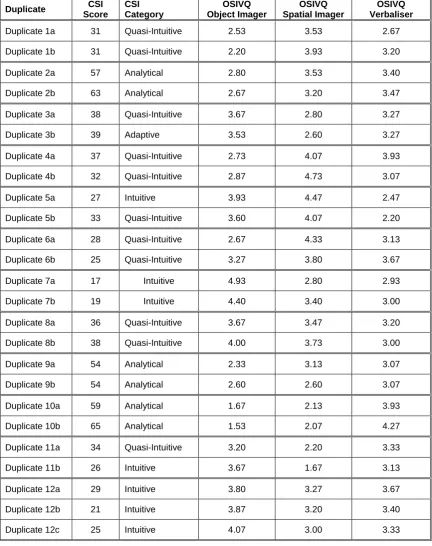
Table 3-1: Duplicate survey responses ... 93
Table 4-1: Hayes and Allinson CSI score ranges for the five cognitive styles ... 148
Table 4-2: The CSI profile for the roles of professional ... 149
Table 4-3: The HCI professional sample ... 152
Table 4-4: Comparison of the HCI professionals and the CSI sample ... 153
Table 4-5: CSI normative data provided by Allinson and Hayes (2012) compared with the sample in the current study ... 155
Table 4-6: Blazhenkova and Kozhevnikov profile of Scientist and Visual Artist 156 Table 4-7: Correlations of age, CSI and OSIVQ scores for HCI professionals .. 165
Table 4-8: Correlations of age, CSI and OSIVQ scores for HCI professionals separated by gender ... 166
Table 5-1: Summary of interviewees ... 184
Table 5-2: Suffixes used to categorise interviewees ... 184
Table 5-3: Differences in the roles of professional ... 237
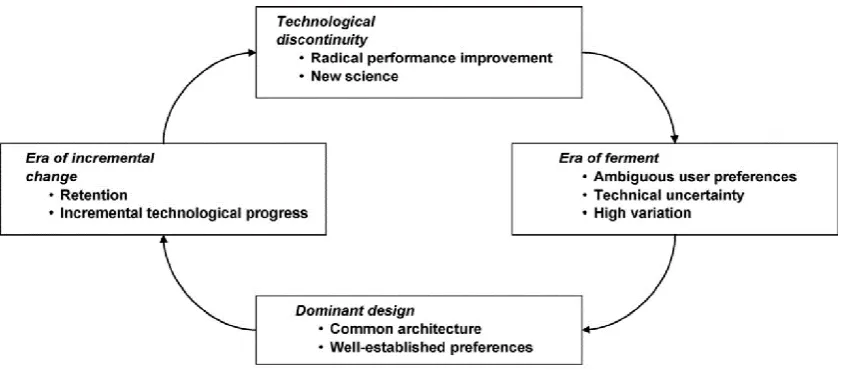
List of figures Figure 2-1 Kaplan and Tripsas Technology life cycle model (2008) ... 74
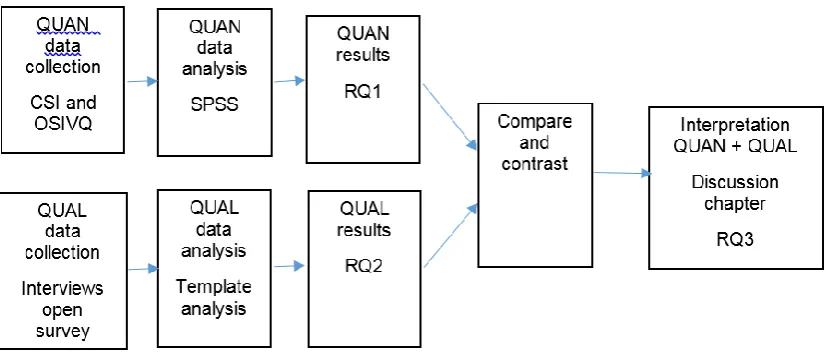
Figure 3-1: Triangulation design - convergence model - adapted from Creswell and Plano Clarke (2009) p63 ... 84
Figure 3-2: The roles of the professional ... 102
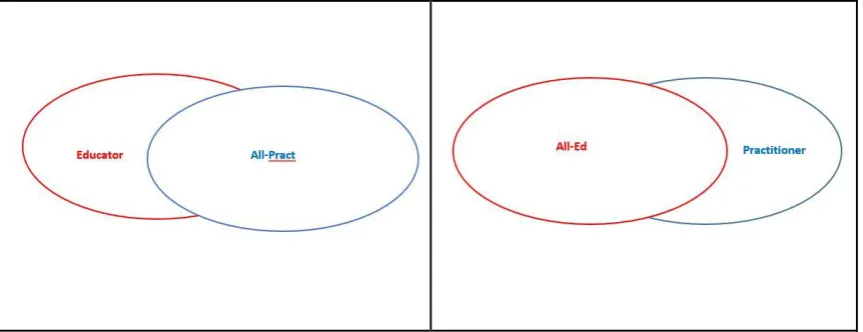
Figure 3-3: Those who don't teach (All-Pract) and those who don't practice (All-Ed) ... 102
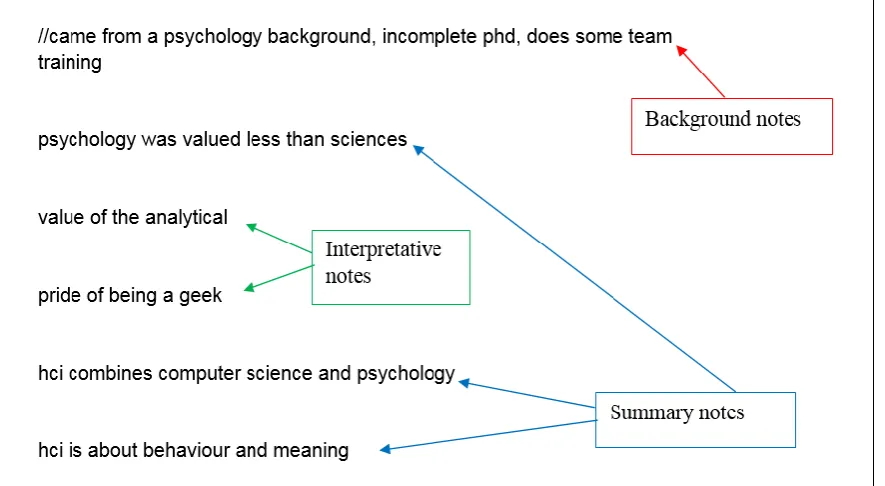
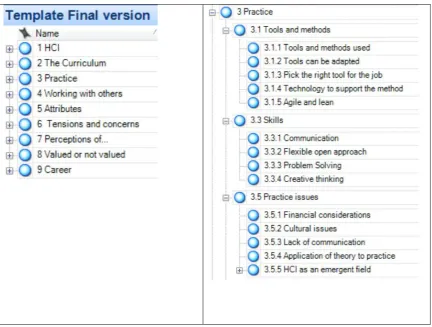
Figure 3-4: Preliminary analysis of the data ... 123
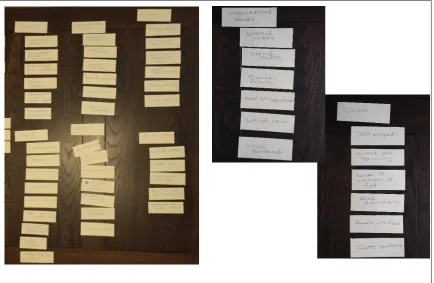
Figure 3-5: Development of themes from candidate codes ... 124
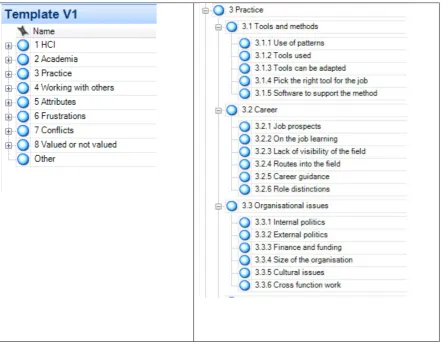
Figure 3-6: Unexpanded nodes, and sample of expanded NVivo nodes for Template V1 ... 125
Figure 3-7: The use of the Memo facility within NVivo ... 126
1
Introduction
The aim of this research is to provide a better understanding of the professionals who work in the field of Human-Computer Interaction (HCI) by examining the different roles in order to identify the differences between them, and the potential impact upon curriculum design and delivery. This is achieved by comparing the cognitive profiles and the perspectives of different roles of HCI professional, and identifying where there is consensus or variance.
A better understanding of the differences between HCI professionals and the potential impact upon practice and curriculum design and delivery will serve both to support the educational experience of the students and to strengthen the HCI curriculum, thereby producing graduates who are better equipped to practice in the field.
1.1
Background
The acronym HCI translates literally to Human-Computer Interaction. The study of HCI first emerged in the late 1970s when it was often referred to as Human Factors, and whilst it was originally a specialism within the computer science field, it has now evolved to involve many different areas, including engineering, information management, psychology and design, as well as information
HCI is studied in university courses both at undergraduate and postgraduate level in order to explore, understand and aid in improving the usability and user
experience of interactive systems and products; it is now a well-established and important subject in computing, technology and design courses throughout the world. However, the multidisciplinary nature of HCI and its rapid growth against the constantly changing backdrop of technology presents educators with a number of challenges, particularly when considering curriculum design. Other challenges derive from the background of the educator, from pressures
associated with the Higher Education landscape, and from the criticism that education is not meeting the demands of practice (e.g. Churchill, Bowser, & Preece, 2013a).
Whilst there have been several studies examining the differences between the HCI or usability professional and other professional roles within the field of
software development, little research has been conducted to compare the roles of professionals within the field of HCI. Additionally, little is known of how individual differences of the professional, whether Practitioner or Educator, can influence the content and approach to both teaching and practice. The tools and
1.2
The profile of the professional
In the context of this thesis, a profile is defined as those characteristics that are common to a particular role. The profiles that are considered in this study are the profiles of the HCI Educator, the HCI Practitioner, and those who are involved in both education and practice, who are referred to as ‘Both’. The role of the HCI Educator is defined as a professional who specialises in education and is not involved in practice. The role of the Practitioner is defined as a professional who is specialises in practice and is not involved in education. As the roles within HCI practice are diverse, the role of Practitioner has been further differentiated to consider profiles of the following job functions: Designer, User Researcher, User Experience (UX) Architect, and to a lesser extent, Software Developer.
This study contributes to the HCI Education and Culture project led by the University of West London’s Sociotechnical Centre for Innovation and User Experience. This has explored cultural differences and the cognitive styles of students in order to inform the curriculum taught in universities and is described in more detail on page 45.
1.3
Challenges facing the field of HCI
Whilst the acronym HCI may refer to human-computer interaction, many people who use the social networking features of a smart phone or devices such as the ticket machine at a railway station would not consider themselves to be
‘computer’ users. As a result, the term HCI is used less in practice, and the meaning has been extended to refer to interaction with other devices such as mobile phones, and other ‘smart’ devices. Very often the term User Experience (UX) is used instead, and at times the terms are used interchangeably, although there are differences between the two terms. HCI is generally considered to be focused on the tasks and the goals of the user, whereas UX extends this
definition to include an emotional response, affected by the characteristics of the system and the context of use (Hassenzahl & Tractinsky, 2006).
Whether or not HCI is understood, and whether it is referred to as HCI or UX, the discipline is valued by industry, and specialist websites such as
www.itjobswatch.co.uk reflect many job vacancies for the various roles of HCI professional. To support this demand, there are some specialist HCI degree courses within the Higher Education sector, but more often HCI is integrated within an existing programme of study.
1.4
Challenges facing HCI education
curriculum but there are also well documented concerns that the HCI curriculum does not reflect practice (e.g. Churchill et al., 2013a).
Inclusion of HCI within the curriculum is often a condition of course validation. However, there is a danger that as universities are under increased pressure to become more efficient, general computer science courses may include HCI as a learning outcome within another module (such as a programming module), rather than being delivered as a specific module with an HCI focus. This is not
necessarily a problem as it is often possible to naturally include HCI within the wider curriculum, particularly when the delivering computer science team include HCI specialists; however, often this is not the case and delivery of specialist HCI content by non-specialists can be problematical (Read, Sim, & McManus, 2009). For example, HCI may be an option within a computer science course, or even be embedded within another module, and delivered by an Educator who is a specialist in another area but teaches HCI alongside a range of other computing subjects.
This risk extends to curriculum design as well as delivery. For example, tensions have been noted between HCI as a design subject and as an engineering subject (Abdelnour-Nocera, Austin, Modi, & Oyugi, 2013) which may further lead to the subject being marginalised during the course design process. As courses are rationalised and streamlined, HCI topics may be subsumed into other modules. The concern is that educators who are not HCI specialists will naturally be
influenced by their own preferences and interests and may slant the curriculum to reflect these (Austin & Abdelnour-Nocera, 2014), thereby exacerbating the
problem that the HCI curriculum does not meet the needs of practice.
Finally, and of particular interest to this thesis, little is known of how individual differences of the professional, whether Practitioner or Educator, can influence the content and approach to both teaching and practice. Some HCI Educators, including those who specialise in HCI research, may have progressed directly from Higher Education to an academic post, and as a result may have no
experience of working in practice. Again, this is not to say that this will result in an unsatisfactory educational experience for the students, but merely that the natural aptitudes, perceptions and values of the Educator delivering HCI topics may be very different to that of the HCI Practitioner.
1.5
Contributions of this study
There have been many studies that survey the practice of the HCI professional (Boivie, Gulliksen, & Göransson, 2006; Clemmensen, 2005; Gulliksen, Boivie, & Göransson, 2006; Gulliksen, Boivie, Persson, Hektor, & Herulf, 2004; Rogers, 2004) and likewise, there have been a few studies comparing the differences in attitudes and perspectives between HCI professionals and other professionals within the field of software development (e.g. Lárusdóttir, Cajander, & Gulliksen, 2014; Putnam & Kolko, 2012). However, there has been little focus on the differing profiles of the HCI professional, and little research into cognitive differences.
This research intends to bridge this gap by examining the profile of the different roles of professionals within the field of HCI, including their cognitive preferences. Whereas previous studies have tended to concentrate on methods and the
application of those methods, the emphasis of this study is somewhat different; the purpose is not to investigate the practice of the professionals, but rather their perceptions of that practice. Of course, it is not possible to investigate
perceptions of practice without some discussion of the tools and techniques that are adopted but these are not the central focus of this study.
and underpinning philosophies of both education and practice in order to identify a global curriculum. Churchill and colleagues report that what the Practitioner and the Educator value are not always the same but they do not specifically
differentiate between those who both practice and educate and those who specialise in either area. This study, in contrast, considers the differences
between the Educator, the Practitioner and those who both educate and practice, referred to as ‘Both’ in this thesis, and the profiles which result from this study will be of particular value to those who are responsible for curriculum design and delivery.
It is important to HCI education that differences in the profile of the professional are recognised. Provided that Educators understand the Practitioner, and equally that they also understand themselves and how they are different from the
Practitioner, they will be able to design courses and provide an HCI education which satisfies the needs of the market. This requires that the differences between the roles of HCI Educator and HCI Practitioner are consciously
Practitioner, and which personal skills and attributes may lend themselves to a successful career in the field of HCI. If the Educator is aware and accepting of the differences, they will be able to tailor their delivery to explicitly address the
requisite attributes of the HCI Practitioner.
It is not only differences between Educators and Practitioners that are pertinent, but also differences between the various roles of the Practitioner. If Educators can also recognise the differences in profile of the professional roles both within the wider field of software development and within the field of HCI, they will be better able to advise students towards appropriate module and course choices. This is particularly important as some of the necessary ‘soft skills’ required to work in the field of HCI may not come naturally to those studying computer science.
In summary, this study extends previous research into HCI practice and
education firstly by including the perspective of those who are involved in both education and practice as well as those who educate and those who practice, and secondly by considering the cognitive profile of the professionals.
1.6
Research questions
As the purpose of this research is to have a better understanding of the profile of the HCI professional and the field of HCI rather than to offer any final or
141). This has resulted in the following central research questions which have been designed to investigate how the profile of the HCI professional differs according to their role, and the impact of these differences upon practice, curriculum design and delivery.
RQ1: What are the differences in the cognitive profile of the HCI
Practitioner, the HCI Educator and the general population?
RQ1 has been broken down into the following sub-questions and will incorporate findings from the survey data:
RQ1a: How does the cognitive profile of the HCI professional differ from that of the general population?
RQ1b: What are the differences between the Educator, the Practitioner and ‘Both’ in terms of their analytical/intuitive preferences, and their Visual Object, Visual Spatial and Verbal abilities?
RQ2: Does the profile of the HCI professional vary from role to role in
respect of their background, what is valued, and their concerns and
issues?
This will incorporate findings from the interviews with professionals and will be discussed in the context of technological frames of reference.
This will be discussed with reference to all of the above.
1.7
Theoretical background
1.7.1
Research design
This study takes a mixed methods approach adopting the triangulation
convergence model, which makes use of both quantitative and qualitative data (Creswell & Plano Clark, 2007). A correlational survey design using self-report measures to capture cognitive style was adopted for the quantitative phase of data collection. This was complemented by a number of interviews which provided the qualitative data. The epistemological approach is that of a pragmatist with a postpositive epistemological stance when considering the quantitative data, and a constructionist stance when considering the qualitative data.
1.7.2
Cognition and HCI
HCI practitioners act as an interface between the developer and the users during the development of a computer application or website. As such, they need
analytical skills to understand the functionality of the website or application, but at the same time, they need to be able to see the ‘whole picture’ and put
friendly, and the layout, appearance and aesthetics of the interface will contribute to this.
The first phase of this project used a survey to gather data relating to cognitive style. Within the field of cognitive style research, there is a diverse range of theoretical backgrounds and domains of application (Cassidy, 2004; Coffield, Moseley, Hall, & Ecclestone, 2004b; Kozhevnikov, 2007). However, when selecting a tool to measure the relationship between cognitive style and human-computer interaction, the range of candidate theories is constrained by the characteristics of the technology in question.
The Cognitive Style Index - CSI - (Allinson & Hayes, 1996) was considered appropriate as it investigates the intuitive/holistic – analytical spectrum, which correlates to the approach taken when evaluating systems for usability; the Object-Spatial Imagery and Verbal Questionnaire - OSIVQ - (Blazhenkova & Kozhevnikov, 2008) was selected as it investigates the visualiser - verbaliser spectrums which correspond to the medium being investigated.
1.7.3
Technological frames of reference
A technological frame is a cognitive device that helps an individual to make sense of technology or to describe practice by structuring their previous experience and knowledge in the context of their current experience. Technological frames can provide a framework with which to systematically analyse the perceptions of members of a particular social group, and compare them with the perceptions of another social group (Bijker, 1987; Lin & Silva, 2005; Orlikowski & Gash, 1994). In the context of this study, the application of the technological frames framework facilitated the identification of differences between the groups of professional.
1.8
Overview of the thesis
This thesis has seven chapters which are summarised below.
Chapter 1 has provided an introduction to this study detailing the background of the challenges faced by the field of HCI and in particular the challenges faced by those involved in HCI education. It presents the research questions and
introduces the concept of cognition and technological frames. The chapter concludes with a definition of the terms used in this thesis.
style instruments which have been selected for use in the study, namely the CSI and the OSIVQ and concludes with an account of the social construction of technology and technological frames.
Chapter 3 presents the research design which is a mixed methods approach adopting a pragmatic epistemological stance. The data was collected by means of a survey which provided some demographic data and the results of the two cognitive style instruments; these were subjected to a number of statistical tests. A series of interviews were conducted and the use of the Template Analysis approach and qualitative data analysis software is described.
Chapter 4 presents the survey results which addresses the cognitive differences between the profiles of the professional. This considers the professional roles of Educator, Practitioner and those who both educate and practice (‘Both). The results highlight a number of differences, particularly between those who educate and those who are involved in practice.
lack of standardisation and clear identity which is seen to be damaging to the profession.
Chapter 6 firstly presents the key findings of chapters 4 and 5 before discussing the results in the context of the research questions. The theoretical area of technological frames is revisited to support the discussion of the differences noted in chapter 5 and to discuss the maturity of HCI in the context of the technology lifecycle. It appears that a dominant technological frame has not yet been achieved in the field of HCI, with particular incongruences noted between academia and practice. In particular, the interviews confirm the findings of the literature that the curriculum may not be meeting the needs of practice, and that there still exists a lack of consensus regarding terminology and processes. The chapter moves on to consider the implications for the curriculum discussing the need for more input from practice when designing the curriculum, the advantages of embedding HCI skills within the curriculum in order to address graduate
attributes, and the need to be aware of role differences in order to offer appropriate academic advice to students.
Chapter 7 concludes this thesis by reviewing the aims of this study and
Definition of Terms
In order to guide the reader through this thesis, a number of key terms are defined below.
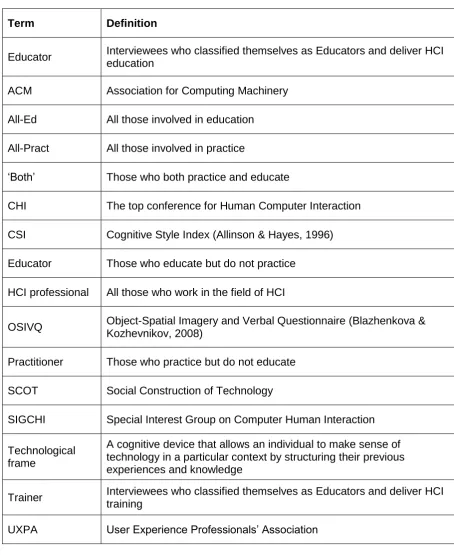
Table 1-1: Definition of terms
Term Definition
Educator Interviewees who classified themselves as Educators and deliver HCI education
ACM Association for Computing Machinery All-Ed All those involved in education All-Pract All those involved in practice
‘Both’ Those who both practice and educate
CHI The top conference for Human Computer Interaction CSI Cognitive Style Index (Allinson & Hayes, 1996) Educator Those who educate but do not practice
HCI professional All those who work in the field of HCI
OSIVQ Object-Spatial Imagery and Verbal Questionnaire (Blazhenkova & Kozhevnikov, 2008)
Practitioner Those who practice but do not educate SCOT Social Construction of Technology
SIGCHI Special Interest Group on Computer Human Interaction
Technological frame
A cognitive device that allows an individual to make sense of technology in a particular context by structuring their previous experiences and knowledge
Trainer Interviewees who classified themselves as Educators and deliver HCI training
2
Literature review
As discussed earlier in this thesis, there is increasing demand for skilled UX professionals in the field at a time when the curriculum is being squeezed, with less contact time being allocated to students. It is therefore increasingly important that what is delivered as part of the HCI curriculum prepares students to address these gaps in the job market (Dunford, 2016).
If students are to develop attributes that prepare them for employment within the field of HCI, it is not sufficient for the educator to consider only the topics that are to be included in the curriculum; these can be derived from the recommended texts, and indeed, the requisite skills and methods are well represented within the HCI literature. What is not so clearly represented within the literature is the profile of the HCI professional, and how this differs both according to the HCI role and also from that of other professionals.
This chapter commences with a general discussion of human-computer interaction, followed by a review of HCI research, HCI practice, and HCI
2.1
Human-computer interaction
This section will first of all consider HCI as a discipline. This is followed by a brief history of HCI, consideration of what is meant by the terms usability and the user experience, and how roles, users and practice have changed over time.
Human-Computer Interaction, as the name suggests is the study of how humans interact with computers and other technologies. It has a close relationship with the fields of design and psychology, with one of the key focuses of HCI being usability. It is now routinely considered in the development of interactive systems, and where possible, is integrated in the system development lifecycle (Lindgaard et al., 2006). The methods employed are adopted from the fields of design and psychology, and the lifecycle of an HCI project is similar to that of the system lifecycle which originated in the field of engineering, and has been adapted for use in software development projects. The lifecycle of an HCI project
incorporates requirements analysis, design, some sort of development or implementation, such as a prototype, and evaluation or testing, implemented in an iterative manner (Mayhew, 1999).
those delivering the HCI curriculum; practice is evolving at the required speed to meet the needs of the business and the new methods of interaction, but
education tends to evolve more slowly, resulting in the curriculum not matching practice. This situation is further complicated by disagreement amongst industry practitioners regarding what should be included in the curriculum, which provides educators with additional challenges (Dunford, 2016).
2.1.1
HCI as a discipline
There have been attempts to define what is meant by the discipline of HCI, although these are not without debate. Long and Dowell’s (1989) alternate conceptions of the discipline of HCI as a craft, an applied science and
engineering practice are considered by Carroll (2010) to be problematic when considered as competitive paradigms; he argues rather that the craft element is the origin of innovation in practice, that this innovation is explained by the applied science, and that this in turn provides the foundation for engineering models; in other words, the three paradigms need to be linked together rather than
the three elements, human-computer-interaction are all considered to be equally
important”.
Another area for debate is whether HCI is multidisciplinary, interdisciplinary or even cross-disciplinary. This depends on whether you are considering HCI from the perspective of practice or research. Van den Besselaar and Heimeriks (2001) describe multidisciplinary research as using different disciplinary perspectives, and different disciplinary perspectives are evident in practice. Dray (2009) refers to practice as ‘cross-disciplinary’; the HCI practitioner is one role in a larger development team which also includes, for example, design and development roles. The team members each have separate goals, and are working
independently on the project, using their own methodologies. Similarly, there is differentiation amongst the HCI specific roles, for example, between the HCI user researcher role, and the interaction designer. An interdisciplinary approach is more often found in research projects where the goal is to produce new
knowledge or to generate new theories (Blackwell, 2015); the researchers may be from different disciplines, for example computer science and psychology, but the goals are shared, and there is integration and synthesis of the disciplinary frameworks and methods (Choi & Pak, 2006) leading to innovation.
nature of the field, this will be in the context of both Van den Besselaar and Heimeriks’ and Dray’s designations above.
2.1.2
The evolution of HCI
In order to understand the issues and challenges faced by the field of HCI, it is necessary to understand how the field has developed. The study of HCI first emerged in the late 1970s. It has its roots in the field of human factors, and whilst it may have originally been a specialism within the computer science field, it is now a multidisciplinary subject, embracing many different areas of expertise, including engineering, information management, psychology and design, as well as computing and programming specialisms, and HCI now encompasses an international research community. The field is characterised by its diversity and the speed with which the discipline has grown, with Rogers (2004, p. 88)
describing it as “a young field in a state of flux”.
It is also worth pointing out at this stage that the brief history outlined above reflects Western practice, with HCI not being considered a priority in developing countries such as India and China until the late 1990s and early part of the 21st
century respectively (Smith et al., 2007).
2.1.3
The evolution of the HCI professional
Up until the mid-1950s, there were only three roles in the computer industry, and there was no specific consideration of human computer interaction. The three roles were management and system analysis roles, programmer roles and operator roles (Grudin, 2008). However, with the introduction and commercial application of mainframe computers in the mid-1960s there followed an expansion of these roles. In particular, the developer/programmer role has become increasingly specialised over the years, evolving into roles such as business analyst and user interface designers in the 1980s (Mayhew, 2008). The responsibility for user experience design was further specialised in the 1990s to include graphic designers and information architects, with the theory of HCI providing guidance to design practice, for example, the application of cognitive science theory to the design of interfaces such as visualisations or command line interfaces.
The rapid changes in technology evidenced over the last 20 years have produced new methods of interaction such as touch screen, gesture and voice input/output, with the science both informing and being informed by practice and application (Carroll, 2010; Churchill et al., 2013a; Rogers, 2004). These, in turn, have
resulted in new design disciplines emerging from the application of HCI theories, such as interaction design and user experience (UX) design. These changes have led to a diverse job market, and a huge variety of job titles many of which include terms such as ‘interaction design’ or ‘user experience’ (UX), indicating that Gulliksen et al.’s (2004, p. 271) observation that “Those performing usability
have a variety of educational backgrounds and areas of professional activity” still holds true.
HCI practice is generally viewed as a community expanding around the concept of usability (Carroll, 2010; Clemmensen, 2005). However, the term HCI is rarely used outside the academic arena, and the term UX instead dominates the job market. As an example, searches for HCI related jobs using a popular UK job site resulted in 472 live jobs using the search term ‘UX’ or ‘user experience’, 199 using the term ‘interface’, 20 for ‘usability’, 18 for ‘user researcher’ and 4 for the term ‘interaction’. The term HCI did not return any results (‘IT Jobs Watch, Tracking the IT Job Market’, 2016). Depending on the context, both terms are used in this thesis; however, the concept of usability remains central to the discussion throughout.
2.1.4
Usability and the user experience (UX)
Since its inception, the concept of usability has been central to HCI roles, leading to the establishment of the Usability Professionals’ Association in 1991 (UXPA, 2013), later renamed to the User Experience Professionals’ Association, known as the UXPA.
As illustrated above, the market prefers the term user experience. However, definitions of the term user experience also include the concept of usability. For example, the close association of the two terms is evidenced in Carroll’s (2010) definition of usability which incorporates many of the emotional qualities
International Standards Organization (ISO) advises that elements of the user experience can be evaluated with usability criteria (ISO-9241-210, 2010, p. 3). Clearly, consideration of usability is central to the work of the HCI professional, and this will be considered alongside any discussion of UX.
The term UX may be commonly used, but the user experience is difficult to define, and following from this, difficult to measure (Bevan, 2009; Hassenzahl & Tractinsky, 2006; Jokela, Iivari, Matero, & Karukka, 2003; Law, Roto,
Hassenzahl, Vermeeren, & Kort, 2009; Law, van Schaik, & Roto, 2014) which may go some way to explaining the variances in practice. Additionally there are many formal and less formal definitions of usability (ISO-9241-210, 2010;
Nielsen, 2012; Shackel, 1991), with practitioners finding the concept to be ‘fuzzy’ (Boivie et al., 2006).
The International Standards Organization define usability as the “extent to which
a system, product or service can be used by specified users to achieve specified
goals with effectiveness, efficiency and satisfaction in a specified context of use”
(ISO-9241-210, 2010). This definition of usability is succinct, with each of the terms apart from satisfaction being unambiguously defined and testable; however, this is not the case with the ISO definition of ‘user experience’: a
“person's perceptions and responses resulting from the use and/or anticipated
Law et al.(2009)found that within practice, but not necessarily academia, the terms UX and usability are often used interchangeably. Their survey of
professionals differentiates those who work in academia, those who work industry and those who either work in both or between the two (which I categorise in this thesis as ‘Both’). They noted a difference between those in industry, who equate user centred design and UX, and those in academia and ‘Both’ who differentiate them, considering them either as distinct entities, or perhaps perceiving UX as a more recent development. This confirms the findings of Naumann, Wechsung and Schleicher (2009) who surveyed practitioners, academic researchers and ‘Both’ on their practice and their views of usability and user experience; although they did not find significant differences between the three groups, they did note that those who worked in industry were the only group who all showed an interest in both usability and the user experience.
Of course, it is impossible to consider the user experience or usability without also considering the user, who is discussed in the next section.
2.1.5
The modern user of technology
As described above, the first computer users were computer specialists, but as the industry developed, particularly with the introduction of personal computers in the 1980s, computer use became more discretionary with non-computer
specialists regarding them as tools to support a workplace task.
Whilst the ‘first wave’ of HCI focused on cognitive science and human factors, the ‘second wave’ in the 1990s focused more on the context of use, workspaces and communities of practice as users became intolerant of systems that were difficult to master. Bannon (1991) describes the use of technology as discretionary, but it should be noted that whilst the use of technology may have been in some cases discretionary, even today this is very often not the case in the workplace, with use of particular software or hardware being mandatory. Although it was described as a ‘personal’ computer the majority of use was within the workplace as these were expensive items. For example, the Compaq Presario 4122 Desktop retailed at £1871 in 1996 (The Centre for Computing History, n.d.), which was
approximately 14% of the annual average wage of £13,777 (Clark, 2017).
or a mid-price Dell Inspiron laptop for under £500, less than 2% of the average national wage. The availability of such devices has resulted in technology becoming accessible with specialist knowledge no longer being required, and accordingly, the profile of the user has changed. Devices are now often used for leisure and social activities unconnected with the workplace, with the ‘third wave’ of HCI providing new contexts of use (Bødker, 2006; Churchill, Bowser, &
Preece, 2013b). This has resulted in Long and Dowell’s (1989, p. 5) definition of the ‘general problem’ of the HCI discipline (“humans and computers interacting to perform work effectively”) becoming too narrow as computers are no longer solely used in organisational settings to perform work tasks (Carroll, 2010).
Not only has the context of use changed, but also the attitude of the user towards technology. Whereas the use of technology may have been mandatory for the early user, particularly in the work environment, it is now very often discretionary. Dix (2010) observed that these changes have resulted in the recipient of the technology considering the product to be a service and that the proliferation of the internet of things and mobile applications, most of which are free of charge, has made the recipient of technology less likely to be tolerant of poor design or usability, particularly when using systems associated with leisure rather than work activities (Hertzum et al., 2011).
2.1.6
Conclusion: HCI
little relation to the new technologies and new methods of interaction that exist today, and when considering the ‘human’ element, there is now a new breed of user. As reflected in the jobs market, the focus of HCI is now very much on the user experience and usability. In summary, HCI has evolved from human
computer interaction and is now more focussed on users, technology and usability. Consideration of HCI should be an integral part of the system development lifecycle, and usability and the user experience are key
considerations for the development team. The multidisciplinary roots of the field of HCI have resulted in diverse methods and approaches being adopted in practice, and a plethora of job titles as the discipline has co-evolved with the emergent technologies. Technology is now more far more accessible and is used in a variety of contexts, including leisure. This has resulted in the use of technology very often being discretionary , and in turn, modern users have become more discerning, and less tolerant of a poor user experience (Dix, 2010; Hertzum et al., 2011).
The next four sections will consider how the HCI professional reports practice, how the professional perceives the differing roles of an HCI professional, the values, priorities, concerns and issues of the HCI professional, and the relationship between academic research, practice, and education.
2.2
HCI academic research
user researcher; this is considered to be a practitioner role, and separate and distinct from the role of the HCI academic researcher who is not specifically considered in this thesis. However, it is acknowledged that academic research is integral to the role of an academic educator, and therefore it will impact upon HCI education.
2.2.1
HCI special interest groups
As stated above, academic research is fundamental to the role of the academic, but it should also be noted that not all academic research is conducted in
universities; for example Facebook1, Google 2 and Microsoft 3 all conduct
academic research into HCI and regularly present at academic conferences.
The Association of Computer Machinery (ACM) Special Interest Group on Computer Human Interaction (SIGCHI)4 was founded in 1982; its membership
consists of practitioners, academic researchers and educators, and students. SIGCHI sponsors or co-sponsors many international conferences, including the Human Factors in Computing Systems, commonly known as CHI, where
academic research is presented by both academia and practice; CHI is widely regarded as the most prestigious international HCI conference (‘Welcome - SIGCHI’, 2016). The first European special interest group, The British HCI Group, was formed two years later in 1984. Now renamed Interaction5, this is a
specialist HCI group of the British Computer Society (BCS), also known as The
1 https://research.facebook.com/userexperience
2 https://research.google.com/pubs/Human-ComputerInteractionandVisualization.html 3 https://www.microsoft.com/en-us/research/research-area/human-centered-computing 4 http://www.sigchi.org
Chartered Institute for IT, and the largest national HCI group in Europe. Annual conferences are organised by Interaction in conjunction with the UK chapter of the professional group, the UXPA.
2.2.2
Criticisms of academic research
Whilst the multidisciplinary nature of the subject has contributed to its richness, the diversity of the research areas has equally led to criticisms that the field lacks identity, with a lack of mainstream ‘motor themes’ resulting in multiple research areas competing for attention within the research field (Kostakos, 2015; Liu et al., 2014). Another criticism is that much HCI academic research has no immediate relevance to practice as HCI research is often concerned with new and emerging technologies or the development of theoretical frameworks, and as a result, the research does not necessarily reflect practice in the field. For example, although Liu et al.’s (2014) survey of CHI submissions highlights the diversity of research topics, it also draws attention to the gap between research and practice, and in particular the paucity of research into the human aspects which are central to HCI practice (Padilla & Chantler, 2015). As Liu et al. observe, although attitudes and roles may have changed over the years as a result of the changes in technology, the changes in the human element of Human Computer Interaction are less dramatic, underlining the value of research into the psychology of HCI; however, trends in HCI research do not indicate this to be a growth area (Liu et al., 2014).
the practitioners (Dray, 2009). Dray highlights the differences and the tensions between academic research and practice, recommending a closer alliance between academic research and practice. Dix (2010) in contrast, finds that the relationship between research and practice is close, with conferences such as CHI offering opportunities for debate. This is valid in as far as that attendees are likely to engage in debate, but it overlooks the fact that the majority of
practitioners do not attend conferences. Whilst this gap between research and practice is not unique to the field of HCI, it is generally agreed that it needs to be addressed (Buie et al., 2010; Dray, 2009).
2.2.3
Academic research and practice
That is not to say that all HCI practitioners are uninterested in the underpinning theory generated by prior research. Clemmensen (2005) investigates the use and interpretation of theory in practice, and the role of theory in the development of community knowledge of usability specialists based in Denmark. Theory is perceived by the professionals to be of value in providing direction for the
development of both methods and interfaces, and also provides a foundation for the communication of concepts, with the methods themselves providing a
common framework with the potential to support the task, always assuming that a flexible approach is adopted, rather than rigid application of the methods. This is in contrast to the findings of Rogers (2004) who also investigates the roles of the theory and the methods employed in practice; she found that although
2.2.4
Conclusion: HCI academic research
In summary, the literature reflects a diverse range of research topics emanating from both industry and academia. However, this very diversity has led to
accusations that HCI research lacks identity due to a lack of clear motor themes. There are also criticisms regarding the relevance of research topics to current practice. Within practice, practitioners are aware of the underpinning theory generated by prior research, and this is used as a basis for communication. However, whether or not practitioners make direct use of this theory within their practice is inconclusive.
2.3
HCI practice
This next section focuses on how the HCI professional reports practice, how professionals themselves perceive the different roles of professional and the values, priorities, concerns and issues of the HCI professional. It is primarily concerned with the HCI practice: academia is discussed in section 2.4 on page 38.
It should be noted, however, that this research is interested in the perspective and attitude of the professional towards practice rather than the detail of actual practice. Of particular interest are the varying reports of practice, the skills required, and the attitudes toward practice, particularly when different
detailed coverage of these, but rather to focus on the profile of the professional, their attitudes, their values, and differences between the roles.
As discussed in the introduction to this chapter, previous research has compared HCI roles with other professional roles, but there has been little work comparing the different roles within HCI practice; additionally, it highlighted the centrality of usability and the user experience to the field of HCI. The next section will look at the background and demographics of HCI professionals, and differences in perspectives between professional roles.
2.3.1
Snapshots of practice
Around twelve years ago, there were a number of surveys of practitioners, particularly within the Nordic region, and these provide useful snapshots of practice at that time (Boivie et al., 2006; Clemmensen, 2005; Gulliksen et al., 2006, 2004; Rogers, 2004). For example, Gulliksen et al.’s (2004) profile of the professional – this included those working in industry and in academia – indicated that at that time, only around half of the professionals had formally studied HCI with the rest being either self-taught, or benefiting from on-the-job training; many of his respondents had transitioned to HCI from other roles, such as developer. Churchill, Bowser and Preece’s (2013a) survey presents similar findings, with 68% being educated in a related field, and 47% having formal HCI education. These earlier surveys provide accounts of usability practice within the system development lifecycle, success factors, obstacles to usability practice and the personal skills required of a usability professional (Boivie et al., 2006;
be communication skills, the ability to work as part of team, networking skills, being both analytical and creative, and having the necessary technical skills and knowledge (Boivie et al., 2006; Clemmensen, 2005).
2.3.2
Perspectives of the professional
As previously mentioned, HCI is a multidisciplinary field; the HCI professional works with other disciplines within the system development lifecycle, and multidisciplinarity is also evident within the field of HCI itself. For example, methods used may be grounded in psychology, engineering or design practice, with different roles preferring different methods, dependent on their work goals. It follows, then, that just as there are differences between the HCI practitioner and other members of the system development team, there are likely to be role differences within HCI practice. These roles have different disciplinary
backgrounds, different contexts of practice, and different goals, yet little is known of how they perceive the discipline of HCI, or how they perceive the other
stakeholders that they work with. For example, whilst Gulliksen, Boivie and
interest in theory and use of methods, he does not differentiate between the different roles of HCI professional.
One exception to this is the work of Putnam and Kolko (2012) who evaluated the requirement of HCI professionals to be able to ‘walk in the end-user’s shoes’, measuring the empathy and attitudes of UX centric and design centric roles towards the end user; they found designers to be more empathetic, but UX centric professionals more likely to refer to user centred design principles.
requires early access to the user, and will necessarily adopt a number of
approaches in order to carry out their function, whereas a business analyst, whilst also interested in the views of the user, will direct fewer resources towards this activity as it is less central to the primary function of their role.
As discussed above, the concept of usability is central to the practice of HCI. Hertzum and Clemmensen (2012) analysed what usability professionals understand by the term usability, finding that they are focused more on goal achievement (efficiency and effectiveness) than on the satisfaction (experiential) element of the ISO definition. This was followed by an analysis of the differing perspectives of usability from three separate viewpoints: that of usability
2.3.3
Conclusion: HCI practice
The primary emphasis of this section has been on HCI practice. It appears that the number of professionals benefitting from specialised education has not changed over the years with around half having formally studied HCI. Multidisciplinarity is very much in evidence, with evidence of collaboration
between other members of the development teams being core, and usability and a user centred approach seen as fundamental to the HCI function. The emphasis of this varies, however, dependant on the role of the practitioner and the goals of their tasks. What is valued, unsurprisingly, is what is required to support the role: communication, team working and networking skills, the ability to be both
analytical and creative, and having appropriate technical skills and knowledge. Although the literature does highlight differences between the roles, for the most part it focuses on the differences between the HCI practitioner and other
members of the software development team rather than differences between the HCI roles.
In summary, the studies discussed above provide valuable snapshots of practice reflecting the tools and methods adopted and the background of HCI
professionals. To some extent, they provide a comparison of the attitudes and perspectives of the roles of the HCI professional with other professional roles, particularly regarding perceptions of usability, and perception of the differing roles. However, there has been little research to date that concentrates
2.4
HCI education
The previous section focused on HCI practice. This section concentrates on academia and commences with an overview of the position of computing in the UK school system before moving on to HCI education at higher level; although HCI is taught in a variety of programmes, in the UK it is most often found within the computing curriculum where HCI is only one area of study within a computer science course. Although not directly relevant to the research questions, prior to discussing the position of HCI within the Higher Education curriculum, it is
necessary to understand a little bit about the position of computing within the UK education system and the poor reputation suffered by what was then referred to as Information and Communication Technology (ICT) courses (Brown, Sentance, Crick, & Humphreys, 2014).
This section then moves on to consider the findings of the previous section from the perspective of academia and delivering the curriculum.
2.4.1
The position of computing within the UK school curriculum
subject. As a result, computer science began to disappear from the curriculum (Brown et al., 2014).
Brown et al.provide a detailed account of the reintroduction of computer science into the curriculum, but in summary, in 2008 the Computing at School6 group
(CAS) was formed to promote the cause of computing and reverse this downward trend. In 2011 and 2012 a number of high profile organisations and individuals such e-skills UK (now known as the Tech Partnership7) which is the UKs sector
skills council for the IT industry, the Confederation of British Industry (CBI8) which
lobbies policymakers, and Google’s executive chairman Eric Schmidt highlighted the deficiencies of the UK computing curriculum, and mainstream media started to report the stories. The Royal Society9, the independent scientific academy of
the UK and the Commonwealth, produced a report in January 2012 making recommendations that computer science should be reintroduced into schools. Recognising the transferrable skills such as problem solving and computational thinking afforded by the study of computer science, this was effected by the UK Department for Education; from September 2014, the English national curriculum requires that computing be delivered in English schools to all students from the age of 5 to 16.
Whilst the resurgence in the interest in computer science is welcome, it appears that HCI is marginalised in the school curriculum with only a brief mention at Key
6 https://www.computingatschool.org.uk 7 https://www.thetechpartnership.com 8 http://www.cbi.org.uk
Stage 310 (11 to 14 year olds) and no specific mention at Key Stage 4 (14 to 16
years olds), which incorporates the years of GCSE study (Department for
Education, 2013). There is a little reference to HCI in the A level specification; for example, the OCR A level specification (OCR, 2014) makes several references to usability testing and evaluation but does not specifically mention HCI or UX
principles or theory; however, within the AQA specification there is less emphasis (AQA, 2016). HCI has a better presence in the vocational equivalent of A levels: it is a core module in two of BTEC’s Specialist Computing Diplomas and an option in several of the other offerings (Pearson, n.d.).
2.4.2
The higher education (HE) HCI curriculum
Clearly, HCI is also a subject for higher level study at both Masters’ and PhD level (Dix, 2010; Dunford, 2016; Hornbaek, Oulasvirta, Reeves, & Bødker, 2015). In this thesis, references to education and the curriculum will refer to the taught element of Human Computer Interaction prescribed in the curriculum at both undergraduate and graduate level rather than areas for study via a research project.
In the UK, HCI is credited with more importance at higher level study than in the school curriculum, with some institutions including it as a specialism within their undergraduate programmes. For example, the University of Manchester offers BSc Computer Science (Human Computer Interaction) for 2017 entry, and there
10 • undertake creative projects that involve selecting, using, and combining multiple applications, preferably across a range of devices, to achieve challenging goals, including collecting and analysing data and meeting the needs of known users
are similar offerings from Newcastle University, Brunel University London and The University of Dundee. The Quality Assurance Agency for Higher Education (the QAA) recommend that the latest curricula design of the ACM and IEEE should inform curriculum design for undergraduate computer science degrees (QAA, 2016, p. 11); within the 2013 Computer Science Curricula HCI is
presented as both as a Core Tier-1 and Tier-2 subject, indicating that some HCI provision should be core in a computer science course (Association for
Computing Machinery & Institute of Electrical and Electronics Engineers, 2013, p. 40). Beyond this, in the UK HCI is delivered as an option in many computing courses, and elements of human computer interaction are considered required for some courses accredited by professional bodies, for example, the Tech Partnership (2015) make specific reference to user centred design in documentation for their IT Management for Business degree programme.
However, it is noted that globally, just as HCI was not considered a priority in practice in developing countries (Smith et al., 2007), the importance warranted to HCI in the curriculum reflects the priority it is given by practice; for example, Sari and Wadhwa (2015) report that it is given less priority in developing countries
such as Indonesia than in developed countries such as Australia.
2.4.3
The currency of the HCI curriculum
Just as practice modifies the tools and methods used to reflect current
curriculum development, in contrast, moves at a much slower pace, particularly if it is standardised at a national or regional level. For example, work on the
Computer Science Curricula began in the autumn of 2010 and was published in December 2013 (Association for Computing Machinery & Institute of Electrical and Electronics Engineers, 2013).
There have been a number of initiatives to review the undergraduate HCI curriculum since the publication of the ACM SIGCHI Curricula for Human-Computer Interaction (Hewett et al., 1992), both in isolation and in the wider context of computing science, for example, the joint ACM and IEEE Computer Science Curricula mentioned above.
Literature discussing HCI education covers diverse areas including proposals for curriculum content, for example the work of Gulliksen, Boivie and Göransson (2006), as well as delivery approaches, for example Faiola’s proposed application of the Design Enterprise Model (2007), and the benefits of collaboration between academia and practice, for example the collaboration of SwissCHI with Swiss universities (Mueller, 2007).
Characteristics of HCI practice are reflected in HCI education. For example, the inclusion of problem based learning pedagogy within a physical and a virtual HCI design studio (Koutsabasis & Vosinakis, 2012) reflects the close relationship of HCI and design, and Faiola’s (2007) proposed application of the Design
(in particular elements of psychology and sociology), interaction and interface design, business awareness (in particular market awareness), and computing theory to support the conceptualisation, implementation and testing of interactive solutions.
However, by its very nature, HCI education is necessarily broader than HCI practice; in Dix’s discussion of the academic discipline of HCI (i.e., academic research), he reflects on the dichotomy of the HCI curriculum, differentiating between HCI as a design discipline – employed by practitioners using “skills, knowledge and processes in the production of devices, software and other
artefacts” – and HCI as an academic discipline focused on gaining understanding – “how it goes about doing what it is about” (Dix, 2010, p. 15). The very breadth of the field presents difficulties as to what should be included in the curriculum, and to what depth. For example, Gulliksen, Boivie and Göransson (2006) identify a number of items that ought to be included in an HCI curriculum to incorporate general IT practice knowledge, specific HCI topics, and a range of HCI practice specific skills, and whilst it is difficult to argue with any of the items on the list, as mentioned above, HCI is a only a part of many programmes of study, not the main focus of most programmes, and very often delivered by non-specialists (Read et al., 2009); if the list were to be included in its entirety, the delivery would be superficial (Grandhi, 2015). The charge of lack of relevance to practice
levelled against academic research (see page 30 above) applies to HCI
education as well as to academic research; the SIGCHI HCI Education project found that students and, to a lesser extent, academics are concerned that
or no exposure to practice, and subsequently do not provide students with an appropriate skillset so that they are prepared for a career in both practice and academia (Churchill et al., 2013a).
This has resulted in tensions that affect the both delivery of HCI education, and its perception by all roles of professional (Dunford, 2016; Grandhi, 2015). These, to some extent, arise from the multidisciplinary nature of the field; whilst the multidisciplinary nature of the field is seen as a positive, it is not possible to cover all areas in depth, resulting in course specialisation in some areas and a broader coverage of topics in another. However, equally the expectation exists that graduates will be prepared for employment with the requisite skills and
knowledge, which may not be the case with a broad curriculum (Churchill et al., 2013a). Gulliksen, Boivie and Göransson (2006) note that a number of skills identified as contributing to success in practice are transferable skills resulting from academic research; however, university education alone is no substitute for hands on experience. Whilst it is important to address the skills and knowledge that graduates should possess when entering the job market (Buie et al., 2010), specific pedagogical or curriculum delivery approaches, for example project based learning or use of design studios are beyond the scope of this thesis and discussion of these will only be in general terms.
what is delivered in the HCI curriculum. One solution to this is greater collaboration between academia and practice, and there is evidence of successful collaboration between practitioners and education to develop
educational programmes that meet the need of the market (Herbert et al., 2013; Mueller, 2007), and in particular, of the HCI community. Still closer collaboration between practice and education is recommended to ensure that what is taught meets the needs of practice, but also to ensure that practice is aware of current research (Collazos & Merchan, 2015).
As well as conference and journal publications, workshops targeting HCI education provide opportunities for national and