THE CHARACTERISTICS OF EFFECTIVE
LEADERSHIP IN AN ACADEMIC CONTEXT
D. A. A. AL KALBANI
PhD
UNIVERSITY OF BRADFORD
The characteristics of effective leadership in an academic context:
A case study of four colleges of technology in Oman
Darwish Abdullah Ali Al Kalbani
Submitted for the degree of Doctor of Philosophy
Faculty of Management and Law
University of Bradford
Darwish Abdullah Ali Al Kalbani
The characteristics of effective leadership in an academic context: A case study of four colleges of technology in Oman
Keywords – Academic Leadership, Colleges’ Deans, Colleges of Technology, Effective leadership, Head of Departments, Leadership, Leadership challenges, Multicultural organisations, Transactional leadership, Transformational leadership.
Abstract
Purpose – The purpose of this study is to advance the literature on leadership by investigating the Full Range Leadership Model (FRLM) Bass and Avolio (1994-1997) in the context of the Colleges of Technology (CoTs) in Oman.
Design/methodology/approach – In order to achieve the research objective and answer the research questions, a qualitative study was undertaken. The data was obtained by two methods, namely semi-structured interviews and focus groups. The semi-structured interviews were held with College Deans, Heads of Departments (HoDs) and teachers. The focus groups were carried out with seven groups of students from four CoTs. The data was analysed by a thematic approach, following the systematic steps outlined by Braun and Clarke (2006).
Findings – Significant relationships were found between the transactional leadership approach and institutional theory (Isomorphism and legitimacy). The findings advance leadership knowledge by exploring the relationship between the components of FRLM, transformational and the transactional leadership approaches in hierarchical levels of leadership in the context of the CoTs in Oman. Both the Deans and the HoDs employed transactional leadership approaches to ensure compliance with the requirements of the Ministry of Manpower. Moreover, the study extended the leadership literature
by exploring the interaction between leadership approaches of the Deans and the HoDs on multi-national teachers and Omani students.
Originality/value – The originality of this research lies in its exploration of the relationship between transformational and transactional leadership approaches in hierarchical levels of academic leadership and its identification of the characteristics of effective leadership in HEIs from a multicultural perspective.
Acknowledgments
I am indebted to some people without whom the achievement of this study would have been impossible.
First and foremost, I would like to express my sincere and heartfelt gratitude to my supervisors, Prof David Spicer and Dr Alan Maybury for their advice, guidance, constant support and encouragement. I am sure it would have been impossible to achieve this study without your priceless support and productive feedback during the process of my research.
I am grateful to my employer the Ministry of Manpower (MoMP) for granting me this invaluable opportunity to pursue my Ph.D at Bradford University, Faculty of Management and Law. I appreciated your financial support throughout my study period that enabled me and my children to study in the United Kingdom (UK). It is an opportunity of a lifetime and will continue to benefit our professional lives.
I would also like to extend my gratitude to the Deans, the HoDs and the entire academic staff and students at the CoTs who participated in this research as without their participation, this study would not have been accomplished.
I also wish to express my appreciation to Jackie Franklin and Anderea for their consistent administrative support and guidance. My sincere gratitude extends to my Ph.D colleagues for their morale support throughout the study journey. I cannot forgot my former Ph.D colleagues Abdullahi Nina and Sallah Alawadhi for their productive guidance and advice.
Last but by no mean least, I wish to thank my family for the support that they offered me during this long journey. Thank you all, words are not enough to express my gratitude.
Dedication
I dedicate this study to my father and my late mother. It would have been impossible to have completed this long journey without the valuable and priceless support and encouragement of my spouse Um Malik and my children, Mallak, Malik, Abdullmalik, Maryam and Reem. My dedication extends to my brothers, Ali, Mohammed, Jumma, Rashid, Saeed, Sultan and Naji, and my sister Um Abdullah.
Table of contents
Abstract ... I Acknowledgments ... III Dedication ... IV Table of contents ... V List of Figures ... XII List of Tables... XIII List of Abbreviations ... XIV
Chapter One ... 1
Introduction ... 1
1.1 Introduction ... 1
1.2 Research objective and research questions ... 7
Research Objective ... 7
Research Questions ... 8
1.3 Research methodology ... 8
1.4 The context of Oman ... 9
1.4.1 The context of Higher Education in Oman ... 11
1.4.2 The Colleges of Technology (CoTs) in Oman ... 13
1.5 Contributions of the study ... 19
1.6 Structure of the thesis ... 20
Chapter Two ... 22
2.1 Introduction ... 22
2.2 Characteristics of effective leadership ... 24
2.3 The Full-Range Leadership Model (FRLM) ... 27
2.3.1 Transformational leadership theory ... 30
2.3.1.1 Idealised influence ... 33
2.3.1.2 Inspirational motivation... 34
2.3.1.3 Intellectual stimulation ... 34
2.3.1.4 Individualised consideration ... 35
2.3.1.5 Strengths and criticism of transformational leadership ... 36
2.3.2 Transactional Leadership Theory ... 39
2.3.2.1 Contingent reward ... 40
2.3.2.2 Active management by exception ... 41
2.3.2.3 Passive management by exception ... 41
2.3.2.4 Strengths and criticism of transactional leadership ... 42
2.3.3 Laissez-Faire Leadership ... 44
2.3.4 Transformational and transactional leadership across business and management disciplines ... 45
2.3.5 The effectiveness of transformational and transactional leadership approaches ... 46
2.4 The relationship between theTransactional Leadership (FRLM) and the Institutional Theory ... 49
2.5.1 The transformational and transactional leadership approaches in
the academic context ... 56
2.5.2 Leadership approaches across levels of leadership of Deans and Head of Departments in HEIs ... 58
2.4.2.1 Transformational and transactional leadership approaches in the top level of leadership ... 60
2.4.2.2 Transformational and transactional leadership approaches in middle level of leadership ... 63
2.4.2.3 Transformational - transactional leadership across levels of top and middle leadership in HEIs... 67
2.5.3 Transformational - transactional leadership approaches in multicultural HEIs ... 68
2.5.4 Leadership and Students ... 71
2.6 Leadership challenges ... 74
2.7 Summary ... 78
Chapter Three ... 82
Methodology ... 82
3.1 Introduction ... 82
3.2 Research objective and questions ... 83
Research Objective ... 84
Research Questions (RQ) ... 84
3.3.1 ‘Interpretivism’ as the Philosophical paradigm in this study ... 90
3.4 Research approach ... 93
3.5 Research method ... 94
3.6 Research strategy ... 97
3.6.1 The context of the four case institutions: ... 100
3.6.1.1 The Higher College of Technology (HCT) in Muscat: ... 101
3.6.1.2 Al Musanna College of Technology (ACT) ... 103
3.6.1.3 Ibri College of Technology (IbriCT) ... 104
3.6.1.4 Shinas College of Technology (ShCT) ... 106
3.7 Research Sampling ... 108
3.8 Data Collection Methods ... 112
3.8.1 Semi-structured interviews ... 114
3.8.2 Focus groups ... 116
3.8.3 Documents interrogation ... 118
3.9 Techniques of Data Analysis ... 119
3.9.1 Using computer software to analyse qualitative data ... 122
3.10 Ethical Considerations ... 124
3.10.1 Ethics approval ... 125
3.11 Methodological limitations ... 126
3.12 Summary ... 127
Data Analysis ... 129
4.1 Introduction ... 129
4.2 The Deans ... 130
4.3 The Heads of Departments (HoDs) ... 155
4.4 The Teachers ... 177 4.5 Students ... 191 4.6 Conclusion ... 206 Chapter Five ... 208 Discussion ... 208 5.1 Introduction ... 208 5.2. Leadership approaches ... 209 5.3 Leadership impact ... 231
5.3.1 Leadership impact on teachers ... 231
5.3.2 Leadership impact on students ... 241
5.4 Leadership challenges ... 250 5.5 Summary ... 257 Chapter Six ... 261 Conclusion ... 261 6.1 Introduction ... 261 6.2 Research Questions (RQ) ... 261
6.2.2 Research Question two (RQ2) ... 267
6.2.3 Research Question three (RQ3) ... 269
6.2.4 Research Question four (RQ4) ... 271
6.2.5 Research Question five (RQ5) ... 273
6.3 Contribution of the study ... 277
6.4 Recommendations ... 280
6.5 Limitations of the study ... 283
6.6 Suggestions for future research ... 284
6.7 Summary ... 286
Refrences ... 288
Appendices ... 330
Appendix 1 : Information letter ... 330
Appendix 2-1: The protocol of interviews and focus groups ... 331
Appendix 2-2: The protocol of interviews and focus groups ... 332
Appendix 2-3: The protocol of interviews and focus groups ... 333
Appendix 3: Consent form ... 334
Appendix 4: The duties of the Deans (The Bylaws) ... 335
Appendix 5: The duties of the HoDs (The Bylaws) ... 336
Appendix 6: Quality Assurance Unit (The Bylaws) ... 337
Appendix 7: Teaching Load (The Bylaws) ... 338
Appendix 9: The duties of teaching staff ... 340
Appendix 10: Appreciating students’ work (IT Magazine) ... 341
Appendix 11: A student article in IT magazine ... 342
Appendix 12: Sample coding using Nvivo 10 ... 343
Appendix 13: competencies for effective leadership in HEIs (Spendlove, 2007, p.415) ... 344
Appendix 14: leadership competencies in HEIs (McDaniel, 2002, p. 83-86) ... 345
List of Figures
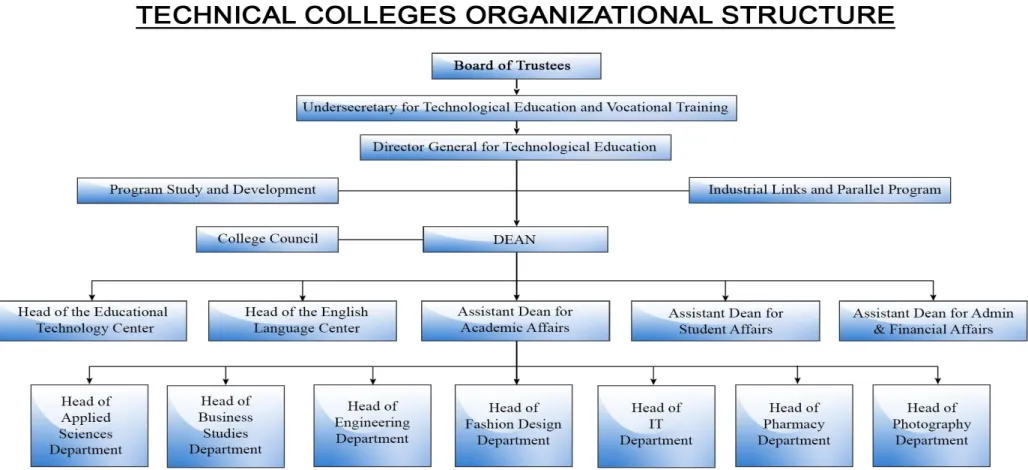
Figure 1-1 Organisational structure for the CoTs ………. 18
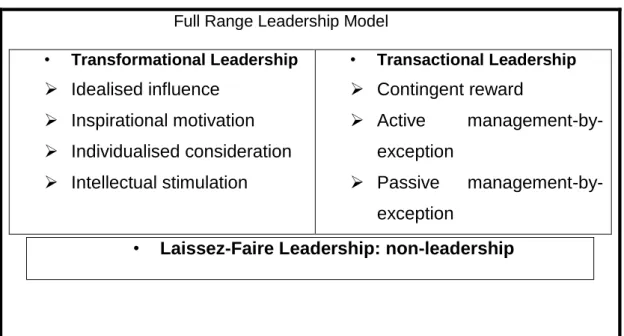
Figure 2-1 Full Range Leadership Model (FRLM) ……….. 28
Figure 2-2 Leadership Levels (Adair, 2007: 44) ……….. 59
Figure 2-3 Conceptual framework for the relationship between
institutional commitments, Academic leadership and their followers ……….…. 81
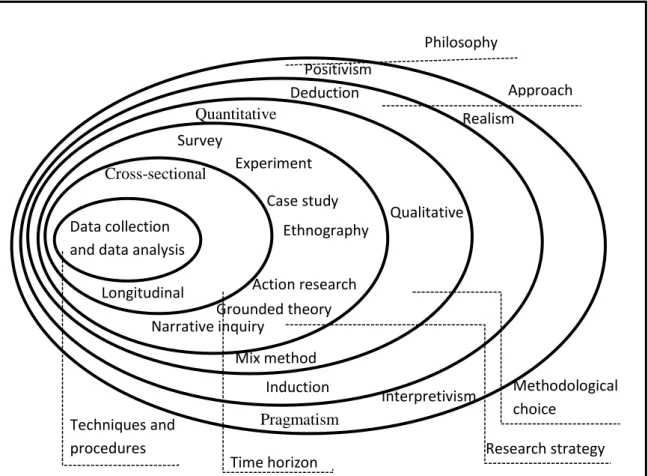
Figure 3-1 The research’ onion’ process (Saunders et al, 2012: 128)
……….. 83
Figure 3.2 Data collection process (Creswell, 2007: 110) ……… 113
Figure 5-1 The structure of chapter five ……….. 209
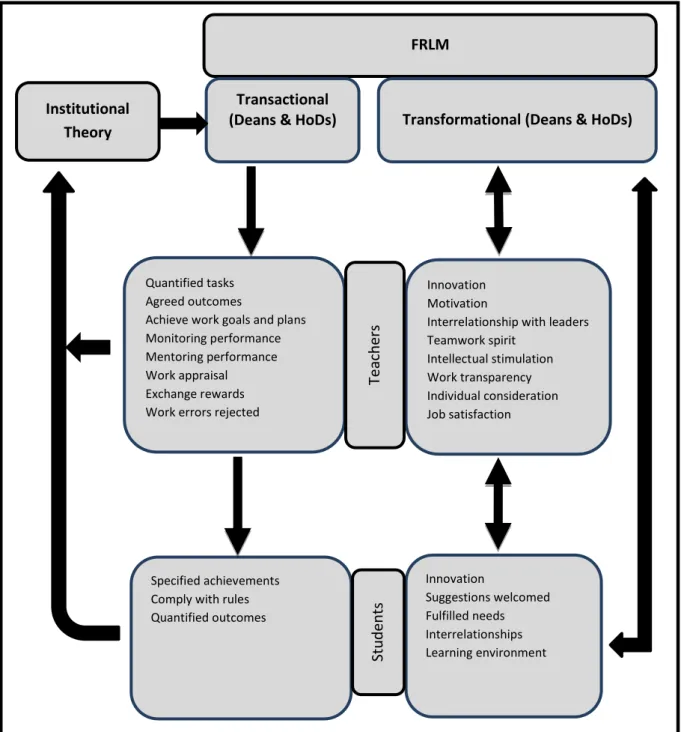
Figure 5-2 Conceptual framework for leadership at the CoTs in Oman...
List of Tables
Table 1-1 Private HEIs in Oman ……… 13
Table 3-1 Dedution and induction ( Sauders et al, 2012: 110) ………94
Table 3-2 Academic staff of the HCT ………..102
Table 3-3 Academic staff of the ACT ………..………104
Table 3-4 Academic staff of the IbriCT ………..…106
Table 3-5 Academic staff of the ShCT ………..………107
Table 3-6 The research Sample ………112
List of Abbreviations
ACT ………. Al Musanna College of Technology
ADAA ………...Assistant Dean for Academic Affairs
ADSA ………...Assistant Dean for Students Affairs
CoTs ……….Colleges of Technology
FRLM ………Full Range Leadership Model
HCT………Higher College of Technology
HE ………..Higher Education
HEIs ………...Higher Education Institutions
HELC………..Higher Education Leadership Competencies
HoD/HoDs ………….Head of Department
HoED……….Head of Engineering Department
HoELC………Head of English Language Centre
HoIT………Head of Information Technology Department
HoPD ……….Head of Photography Department
HoPhD ……… Head of Pharmacy Department
HoS………Head of Section
IbriCT ………..Ibri College of Technology
KSA ……… Kingdom of Saudi Arabia
MLQ………..Multifactor Leadership Questionnaire
MoH……….Ministry of Health
MoHE………. Ministry of Higher Education
MoMP……….Ministry of Manpower
OJT………The On Job Training
PDC ………. Professional Development Committee
QAU ……….Quality Assurance Unit
SDC………Staff Development Committee
ShCT………..Shinas College of Technology
SQU………The Sultan Qaboos University
UAE……….United Arab Emirates
UK………United Kingdom
Chapter One
Introduction 1.1 Introduction
The rapid growth of Higher Educational Institutions (HEIs) worldwide and significant levels of investment in higher education have led to greater attention being paid to seeking effective academic leadership that is able to navigate universities and colleges towards competitive results (Bryman 2007; Jones and Harvey 2017). Thus, effective leadership is not confined to the private sector to achieve high profits; rather, the public sector also realised the importance of leadership effectiveness for achieving a high performance. This is supported by Ford (2005) who asserted that abundant attention has been paid to leadership in the UK to solve organisational issues in both private and public sectors across education (schools and universities), health and local government organisations.
However, in contrast to leadership researches in business organisations, academic leadership has received considerably less attention. Accordingly, in recent years, there has been an increase in the number of calls to advance current understanding of academic leadership literature (Spendlove 2007; Shahmandi et al. 2011; Feng and Sun 2013; Maryam et al. 2013; Bell Iii et al. 2016). Therefore, this PhD research aims at exploring the characteristics of effective leadership in an academic context by investigating the relationship between transformational and transactional leadership approaches across different levels of leadership. Moreover, this study advances leadership
knowledge about the influence of leadership on teachers’ and students’ performance.
Despite the growing interest in academic leadership research, gaps still exist in academic leadership literature. This study will identify a number of gaps which will be addressed throughout this research. First of all, effective leadership in an academic context has received less attention than other facets of academia. Thus, the need for in-depth research into effective leadership in HEIs has become urgent (Spendlove 2007; Collinson and Collinson 2009; Law et al. 2010; Vilkinas and Ladyshewsky 2012; Jones et al. 2017). Likewise, Hamlin and Patel (2017: 309) suggest that there is a need for a focus in future studies on leadership effectiveness within different levels of academic leadership (top, middle, first line) in order to identify leadership effectiveness in general and to identify level-specific effectiveness.
The second gap that has been identified in the literature is the need to investigate the relationship between transformational and transactional leadership in different hierarchical levels of academic leadership. Transformational and transactional leadership approaches are components of Full Range Leadership Model (FRLM) (Avolio et al. 1999b), that have been extensively studied in various areas of leadership. Originally, both types of leadership approaches were proposed by Burns (1978) in a political context. Both approaches were developed and extended to the context of business management by Bass (1985). However, their relationships within hierarchical leadership levels in academia are still unclear. Therefore, this study aims to investigate the interaction between both of the transformational and
transactional approaches at the levels of the Deans and the Heads of Department. This study answers a literature call to advance the Full Range Leadership Model (FRLM) by identifying new distinct leadership behaviours (Anderson and Sun 2015a) and to answer the question “why do some leaders engage in transformational leadership behaviours and others do not?” (Jin et al. 2016: 79), at different levels of academic leadership (Hamlin and Patel 2017).
The third gap in the leadership literature relates to the competence of transformational and transactional leadership approaches in leading multicultural HEIs. Despite the cross-cultural studies and meaningful results which revealed that transformational and transactional were contextual leadership approaches (Darwish 2000; Fukushige and Spicer 2011; Pauliene 2012; Mitchell et al. 2014), the transformational and transactional approaches were not examined in a multicultural context of colleges and universities. Multicultural institutions are organisations that consist of employees from diverse backgrounds, who have diverse cultures and who speak different languages (Lauring and Selmer 2011). The vast majority of leadership studies were carried out in two distinct contexts or carried out in different countries. Thus, there is a need to understand leadership effectiveness on leading multinational employees working together in the same institutions. Consequently, this study investigates the academic leaders’ abilities to interact with people from diverse cultures and to know their cultural key values (Hooijberg et al. 1997).
The fourth gap in leadership literature concerns the paucity of knowledge about the relationship between leadership approaches and students’
attitudes in HEIs (Richards 2012). Although some researchers have revealed an indirect relationship between leadership and learning attitudes of students (Muijs 2011), there is a scarcity in the literature about the impact of transformational and transactional leadership approaches on students’ learning attitude at HEIs. Therefore, this study could be considered as one of few studies that engage college students’ perspectives on the effectiveness of academic leadership.
The fifth gap is the role of transformational and transactional leadership approaches in addressing academic leadership challenges. Academic leadership is always characterised as a difficult task for many reasons such as satisfying the teaching faculty (Spendlove 2007), students’ needs and behaviours (Richards 2012; Al-Khasawneh and Futa 2013) and the relationship with the external world such as globalisation and the development of technology (Eacott 2013). Therefore, the competency of transformational and transactional leadership approaches will be adopted as a framework for interacting with academic challenges. Consequently, the research objective and questions are outlined to fulfil the addressed gaps in the literature.
The researcher’s personal interest in this topic stems from two main sources. The first is that of understanding leadership effectiveness and its impact on leading academic institutions that consist of people from different ethnicities such as the Colleges of Technology (CoTs). This interest was mainly driven by the researcher’s role as Associate Dean for Students Affairs (ADSA) in the Shinas College of Technology (ShCT). The diverse workforce in the CoTs have various needs and interests; thus, the researcher was interested in
exploring leadership effectiveness that is able to fulfill the various needs and interests of multi-cultural employees and achieve organisational goals effectively.
The second reason was the contested literature on the effectiveness of the transformational and the transactional leadership approaches on leading multi-national employees. The researcher was curious to explore the effectiveness of the transformational and transactional leadership approaches to leading multinational employees in one institution such as the CoTs. The transformational and the transactional leadership approaches are two key parts of the Full Range Leadership Model (FRLM). The transformational leadership has four motivational factors that have a significant emotional impact, whilst, the transactional leadership approach possesses three transactional factors that aim at encouraging employees to move effectively towards achieving job tasks as outlined by the employer. The behaviours of both the transactional and transformational leadership approaches offer alternatives for academic leaders to satisfy all followers’ needs and requirements in multicultural institutions (Bass, 1985). Nevertheless, both leadership approaches have been comprehensively investigated in different cultural contexts which revealed that the transformational leadership approach was more appropriate for Western cultures whilst transactional leadership approach was preferable in an Eastern context (Darwish 2000; Fukushige and Spicer 2011). Accordingly, the researcher was interested to explore the characteristics of effective leadership in a multicultural context such as that which characterises the CoTs in Oman where employees originate from diverse cultures and
nationalities. The international workforce in the CoTs have various needs and interests; thus, the researcher was interested to explore leadership effectiveness that was able to fulfill the various needs and interests of multi-cultural employees and achieve organisational goals effectively.
The CoTs are familiar to the researcher who has worked in the Shinas College of Technology from 2006 to 2013. Therefore, as an insider researcher, it was easy to access the ShCT (Trowler 2011) because at the time of data collection the researcher had a good relationship with the college Dean. The Dean facilitated the research by providing access to the college and he directed all departments to facilitate the process of interviews and the focus groups with all respondents. Furthermore, private rooms were made available for conducting interviews. Despite, Floyd and Arthur (2012) and Trowler (2011) whose argument that the researcher’s position in an investigated case study could act as an obstacle due to researcher bias or interviewees giving what they considered to be expected responses rather than candid disclosure,being an insider researcher in the ShCT enabled the researcher to discuss various interview points in-depth due to having an intmate knowledge of the interviewees’ work contexts (Trowler 2011). Accordingly, the researcher endeavoured to ask general questions that emphasised the achievement of the research objectives and to avoid researcher bias. Furthermore, the researcher endeavored to analyse the data in relation to the discussed literature and the research objective in order to maintain personal integrity in the research (Floyd and Arthur 2012).
Despite the researcher’s insider position in ShCT, in the other three colleges of technology the researcher’s position was that of an outsider because they were located in different areas of Oman and comprised different people from various nationalities. They recognised the researcher as an outsider researcher because of not being known by the colleges’ leaders nor by their followers. Nevertheless, being an employee in the Ministry of Manpower (MoMP) and particularly in the ShCT might raise some concerns regarding researcher bias; however the researcher paid much attention to avoiding this kind of bias. Consequently, the researcher was in the middle of the insider-outsider continuum through careful phrasing of questions and by involving four CoTs (Milligan 2016) to avoid researcher bias and to obtain rich data from international participants.
1.2 Research objective and research questions
The objectives of this research are fulfilled by eliciting responses to a number of questions which have been designed to address the identified gaps in the literature (Mayo et al. 2013). Bryman (2008:69) stresses that research questions are crucial to finding suitable knowledge in literature, to determine the kind of data to be collected, to lead to data analysis and to lead the researcher to the correct path rather than following unproductive directions. The full justification for the research objective and questions is presented in the methodology chapter. The research objective and questions are stated below:
Research Objective
‘To explore the characteristics of effective leadership within the academic context of the Colleges of Technology in Oman’
The research objective leads to a set of questions, which are stated as follows:
Research Questions
1- What are the characteristics of effective leadership within the academic context of the Colleges of Technology (CoTs) in Oman? 2- What is the relationship between transformational and transactional
leadership approaches at different hierarchical levels of leadership of Deans and Heads of Departments at the CoTs?
3- How can transformational and transactional leadership approaches interact effectively within a multicultural faculty in HE Institutions of CoTs?
4- What is the impact of leadership approaches (transformational and transactional) on students’ attitudes in the CoTs?
5- What are the challenges facing academic leadership at the levels of Deans and Heads of Departments at CoTs?
1.3 Research methodology
A qualitative approach is employed in this research in order address the research questions by gaining an understanding of leadership effectiveness in depth from the perspective of interpretivist tradition. Actually, the majority of leadership researches have used quantitative methods which adopted a positivist stance (Ford and Lawler 2007; Harding et al. 2011). In contrast, a qualitative approach is adopted here as there is still much to understand by
means of an in-depth study of leadership processes and leadership effectiveness (Ford and Lawler 2007).
Therefore, in view of literature gap and consonant with the context and the aim of this study, the research will be conducted qualitatively through a case study of Colleges of Technology in Oman. Four colleges will be involved in this study to yield sufficient data. The data will be generated by two means of data collection: semi-structure interviews and focus groups (detailed in chapter three). The participants of this research will be College Deans, Heads of Departments (HoD), teaching faculty and the students. The semi-structured interviews will be employed for interviewing the deans, heads of departments and the teaching staff. The focus groups will be conducted to obtain data from the college students. More in-depth details about the research methodology will be provided in the methodology chapter (Chapter three). The next section presents the Omani context in order to provide an overview of the context in which this research is carried out.
1.4 The context of Oman
Oman is an Arabic country, it is in the Middle East, located on the south eastern of the Arabian Peninsula (Albadwawi 2011). It shares land borders with three countries which are United Arab Emirates (UAE) to the northwest, Saudi Arabia to the west and Yemen to the south east; Oman shares marine boarders with Pakistan and Iran (O'Rourke 2011; Wikipedia 2017). It occupies a strategic location in the Arabian Peninsula as it has a long coastline on the Arabian Sea and at the mouth of the Strait of Hormuz (Mujtaba et al. 2010; Albadwawi 2011; Wikipedia 2017). Oman is a member of the Gulf Cooperation Council (GCC) which consists of Saudi Arabia, UAE,
Kuwait, Bahrain, Qatar and Oman (Mujtaba et al. 2010; O'Rourke 2011). All GCC countries share the same culture, religion and language. Moreover, the income of all GCC countries relies heavily on their main resource of oil and gas which constitute over 90% of their income (Mujtaba et al. 2010; Albadwawi 2011; Alawadhi 2014).
The official language in Oman is Arabic, while the English language is the second language and is used as the main teaching and communication language at most private and public HEIs (Albadwawi 2011; Common 2011). This is because the HEIs in Oman rely on Western teaching programmes and most of the teachers at the HEIs are non-Omani teachers, who come from different countries worldwide (Common 2011). The rapid development of the Omani economy has led the government to procure expat labour to assist in building the country.
Over the last few decades the population of Oman has grown significantly as improved health care and education has changed the traditional Omani life to the modern lifestyle. The population of Oman was almost 2.773.500 in 2010 but that has increased rapidly to be estimated at 4,572,949 in 2016 (Wikipedia 2017). However, almost 45% of the population are expatriate labourers who come from different parts of the world to work in different fields. The vast majority of expat human resource comes from India, Pakistan, Bangladesh and the Philippines (Mujtaba et al. 2010; Elamin 2011). In the case of the GCC, the existence of the large number of expats is an economic need (Elamin 2011). Oman began its rapid economic development in 1970 when the current president came into power (Al-Lamki 2002; Common 2011). Higher Education in Oman employs a large number of
expatriate teachers in order to cover the local need for teachers who can provide a good quality of academic teaching (Mourssi and Al Kharosi 2014).
1.4.1 The context of Higher Education in Oman
Up to thirty years ago, Oman relied on sending a small number of students to complete their HE studies overseas. Then, in 1986, the government established the Sultan Qaboos University (SQU), the first public University in Oman (Al-Lamki 2002). It is the only public university and it is under the supervision of the Ministry of Higher Education (MoHE); it enrolled almost 17,000 students since 2009-2010 (Ministry of Higher Education).
Besides the SQU, there are several public colleges that are affiliated to different ministries in Oman. For instance there are seven Colleges of Applied Sciences that are under the umbrella of the MoHE and there are seven Colleges of Technology that are under the umbrella of the Ministry of Manpower (MoMP). Additionally, the College of Banking and Financial Studies is affiliated to the Central Bank of Oman. Besides these, there are a number of institutions that are under the control of other Ministries such as the Nursing institute that is controlled by the Ministry of Health (Albadwawi 2011).
Besides these governmental colleges and the university, there are a number of private colleges and universities that rapidly grew in recent decades to fulfil the needs of the Omani labour market (Albadwawi 2011; Ismail and Al Shanfari 2014). The growth of private HEIs came after the invitation of the Omani government that encouraged private investment in further education in Oman. Thus, the government supported them by providing them with
government-developed lands and a certain amount of money for each private HEI (Al-Lamki 2006; Ismail and Al Shanfari 2014). Accordingly, the number of the private colleges and universities in Oman increased rapidly over the last two decades. Now there are almost twenty seven private colleges and universities across the country (table 1-1) that provide academic services to Omani and international students. It is worth noting, however, that most teachers and administrative employees in most of the HEIs are non-Omani (Al-Lamki 2002; Al Bandary 2005; Ali 2012; Mourssi and Al Kharosi 2014). This is because the Omani government has just commenced programmes aimed at qualifying Omani people to hold academic jobs via sending them to pursue their higher education to some developed countries, particularly to Anglo-Saxon countries such as UK, USA, Australia and New Zealand (Al-Lamki 2002). Consequently, over the last two decades, the number of Omani teachers and leaders at the HEIs has increased because of the new Omani policies of localisation (Omanisation) (Al Bandary 2005; Mujtaba et al. 2010). Localisation or Omanisation is a policy which aims to replace expat labour with Omani skilled employees. Hence, the Omani government is paying significant attention to the training and qualification of Omani citizens to hold most of the jobs in Oman. However, this is a long term plan that is expected to last for several more decades because the population of Oman is still small in contrast with the needs of the Omani labour market (Al-Lamki 2002; Common 2011).
The 27 HEIs in Oman are listed in Table 1-1
Table 1-1 Private HEIs in Oman
No Institute Year Established 1 2 3 4 5 6 7 8 Private Universities Arab Open University-Oman Branch A’Sharqiyah University
Dhofar University Muscat University Nizwa University Sohar University
The German University of Technology in Oman University of Buraimi 2007 2010 2004 2016 2004 2001 2007 2010 1 2 3 4 5 6 7 8 9 10 11 12 13 14 15 16 17 18 19 Private Colleges Al-Zhara College for Girls
Al Buraimi University College Bayan College
Caledonian College of Engineering Gulf College
International College of Engineering and Management
International Maritime College Oman Majan College
Mazoon college
Middle East College of Information Technology Modern College of Business & Science
Muscat College
Oman College of Management & Technology Oman Dental College
Oman Medical College
Oman Tourism and Hospitality Academy Scientific College Design
Sur University College
Waljat College of Applied Sciences
1999 2003 2006 1996 2004 1998 2005 1995 1999 2002 1996 1997 2004 2006 2001 2001 2004 2001 2001 (Ismail and Al Shanfari 2014; Muscat Universiy 2016)
1.4.2 The Colleges of Technology (CoTs) in Oman
The CoTs are part of governmental HEIs that were established to accommodate the increased number of Omani students and to meet the increased demands for local skilled labour. The MoMP established seven
CoTs to meet this demand and they are distributed throughout Oman. They are located in Muscat, Salalah, Shinas, Al Musanna, Ibri, Ibra and Nizwa and are under the financial and governmental control of the Ministry of Manpower (MoMP) as per the ministerial decree 27/2004 (Higher College of Technology 2017a). The intake of the CoTs is almost 15,000 new students every year. The distribution of the Omani students over the governmental HEIs in Oman is under the control and regulations of the admission centre at the MoHE. The accepted students are allocated by their specialisations in the colleges according to their choices and their secondary school results (Mourssi and Al Kharosi 2014).
The CoTs offer seven main specialisations: Engineering, IT, Applied Sciences, Business Studies, Pharmacy, Photography and Fashion Design (Mourssi and Al Kharosi 2014). These seven main disciplines comprise 38 courses that could be selected by the students when they meet the requirements of each discipline. The new students begin with a foundation programme that provides them with the required English language proficiencies of writing, reading, speaking and listening because teaching at the CoTs is through the medium of the English language (Ali 2012). The foundation programme comprises four levels, the beginner level is level one, intermediate is level two, upper intermediate is level three and advanced level is level four. All students are allocated to appropriate levels of foundation according to their results on the placement test which they take at the beginning of academic year (Albadwawi 2011; Mourssi and Al Kharosi 2014). The foundation programme is compulsory for the students, therefore,
they have to pass all levels in order to transfer to academic specialisations or post foundation level (Mourssi and Al Kharosi 2014).
The CoTs grant three levels of certificates which are:
two academic years Diploma, three years Higher Diploma and
four years Bachelor (Higher College of Technology 2017b) .
Nevertheless, as per the Bylaws, the students are not awarded any certificate until they attain the requirement of practical training after they complete the requirements of all modules. As per the article 67 of the Bylaws, the On Job Training (OJT) is a requirement in order to be awarded any level of certificates (ibid).
In terms of leadership and management at the CoTs, each CoT has a dean and three associate deans; they are selected by the MoMP from the teaching faculty. The deans are responsible for running their colleges smoothly according to the Bylaws (Higher College of Technology 2017b). The main tasks of the deans are to supervise the implementation of the academic and training plans within a certain time framework. They have three associate deans, the Assistant Dean for Academic Affairs, the Assistant Dean for Students Affairs and the Assistant Dean for Finance and Administrative Affairs (See Figure 1-1). The Deans and their assistants are responsible for supervising the implementation of the colleges’ plans and goals as per the Bylaws. Apart from these managers, every academic department has a Head of Department (HoD) who holds some responsibilities for supervising the performance of their academic departments as follows:
Supervising the setting up and assessment of the department’s delivery plans and programmes in cooperation with the different sections, specifying the obstacles that hinder their implementation and suggesting means of overcoming these obstacles.
Supervising the department, following up the performance of the teaching and technical support staff, suggesting means of developing procedures, and assessing the performance of students, in cooperation with heads of sections.
Implementing quality assurance measures in the academic programmes.
Following up students’ academic counselling.
Providing the Dean with the minutes of the Departmental council meetings.
Evaluating staff and heads of sections performance and forwarding the appraisal forms to the Assistant Deans for Academic Affairs.
Carrying out any other tasks assigned by the Assistant Dean for Academic Affairs (Higher College of Technology 2017b: 21-22).
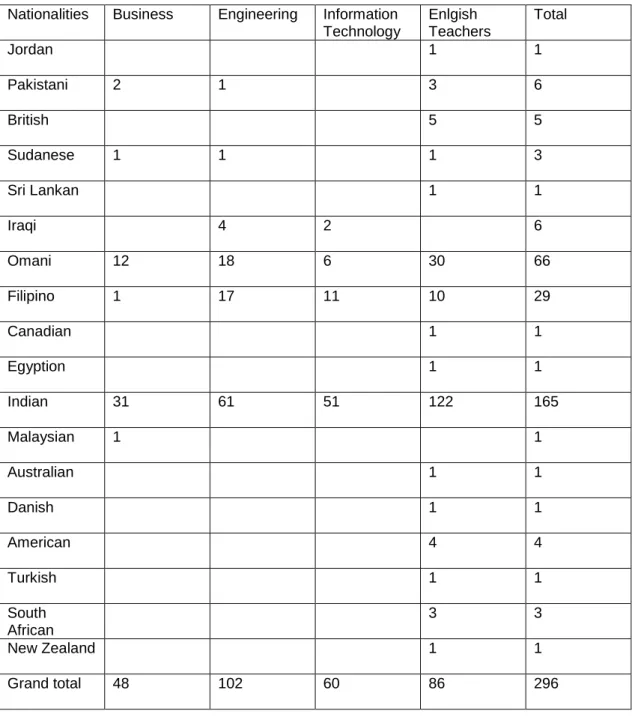
The teachers of the CoTs are from various nationalities, different backgrounds and they have wide ranging experiences (Mourssi and Al Kharosi 2014). The teachers are from most parts of the world, Australia, Africa, Asia, Europe and America. The vast majority of them are from India and the Philippines, whilst, the number of Omani teachers is still very small in comparison to non-Omani teachers (Al-Lamki 2002). The main duties of the teachers are listed below:
Teaching the assigned courses, preparing related materials and keeping a file for each course.
Supervising and counselling students on theoretical and practical activities.
Keeping records of the students’ results, activities and attendance. Writing exam papers and quizzes, conducting examinations, carrying
out the necessary assessment and reviewing results in compliance with the bylaws and the prevailing college regulations and instructions.
Offering academic counselling and career advice to students.
Supervising the on the job training of the students, providing assistance to the supervisors of industrial sector in charge of the college students during their training and presenting reports on the students’ progress to the concerned heads.
Carrying out any other tasks assigned by the concerned heads of centre, department or section.
1.5 Outcomes of the study
The outcomes of this research are threefold in nature, namely theoretical, empirical and methodological. The empirical outcome is expected to contribute to advancing the general understanding of academic leadership by exploring the characteristics of effective academic leadership in different hierarchal levels of the Deans and HoDs in HEIs.
Secondly, this study is expected to contribute theoretically to the leadership literature by exploring the relationship between transformational and transactional leadership methods in the different levels of academic leadership of College Deans and Heads of Departments. Explicitly, this study is expected to contribute to the literature by emphasising which approach is adopted by each level of leadership and why.
The second expected theoretical contribution lies in exploring the relationship between transformational and transactional leadership approaches in leading multinational teaching faculties in HEIs.
The third expected theoretical contribution of this study is an explorationof the relationship between the institutional theory and the leadership approach of the Deans and the HoDs at the CoTs. Despite the institutional pressures that are exerted by the Ministry of Manpower and the Bylaws on the CoTs, little is known about the influence of these on leadership approaches of the Deans and the HoDs.
The fourth expected contribution is the exploration of the relationship between transformational and transactional leadership on students’ learning attitudes. The transformational and transactional leadership approaches are
always associated with employees’ morale and working performance. However, the impact of leadership approaches on students’ learning attitude has not been investigated from the perspective of the students themselves.
The fifth expected contribution is the advancement of current understandings of the obstacles that face academic leaders and how transformational and transactional approaches can help in addressing these challenges. This is because transformational and transactional leadership approaches exhibit alternative leadership behaviours that can deal effectively with different sorts of contemporary managerial issues (Avolio et al. 1999).
The anticipated methodological contribution is the employment of a qualitative approach to understanding the leadership processes and leadership effectiveness in depth (Ford and Lawler 2007).
1.6 Structure of the thesis
The research is divided into six chapters; the first chapter consists of the introduction and an overview of the study in the form of the background to the study. It addresses the objective and the questions of this research. Besides, it presents the gaps in literature and the contribution of this study to leadership knowledge.
The second chapter is the literature review. It provides a critical insight into what has been written in the body of knowledge of leadership literature. It is based primarily on specific issues that are relevant to the characteristics of effective leadership in an academic context. Two key leadership approaches will be adopted in this research, namely, the transformational and transactional leadership approaches. Accordingly, the chapter will provide a
critical evaluation of what has been written about these two leadership approaches. It will also present a clear idea of the creation and the significant evolution of the transformational and the transactional leadership approaches over the last few decades.
Chapter three presents the methodology for this research, which includes a brief justification for the research objectives and questions. Moreover, it presents the process of gathering data from the field. An explanation of the instruments of data collection is presented. Additionally, ethical considerations are explained in the methodology chapter in order to provide the readers with a holistic picture of the research process. Chapter four presents the key findings from the collected data and its analysis. Chapter five discusses these findings with reference to the literature. The final chapter is a summary of the entire study and emphasises the key contributions made to advancing the corpus of knowledge relating to leadership literature. Research limitations are also highlighted in this chapter as well as suggested areas for further studies. The chapter ends with a conclusion that highlights the key points of entire study.
Chapter Two
Literature Review 2.1 Introduction
Organisational leadership is the single most important element of successful organisations, an element which could not be substituted for by anything else (Cohen 2008). This is because the success or failure of organisations are associated with the success or failure of leadership in achieving organisational goals (Northouse 2013), in creating a desired working culture (James 2013; Kamisan and Brian 2013), organisational performance (Ford and Harding 2007) and in setting targets to reach a desired future (Bass 1985; Cohen 2008). Moreover, leadership contributes to the general wellbeing, retention and job satisfaction of employees (Odumeru and Ogbonna 2013). Thus, whenever people gather to work in teams to achieve particular goals and tasks, good leadership is particularly in demand (Bodla and Nawaz 2010).
Nevertheless, over the last few decades, the conceptualisation of leadership has been hotly debated by researchers. The essence of the leadership phenomenon is still not clear and consequently the concept of leadership is difficult to define (Ford and Lawler 2007; Kelly 2014b). On one side of the debate are those who view leadership as a personality trait, and on the other side are those who view leadership as a process (Northouse 2013). However, more recently, there has been a growing consensus that leadership is not an individual trait, but rather a process by which an individual leader influences a group of followers toward attaining their organisational goals (Ford and Lawler 2007; James 2013; Kamisan and Brian
2013; Northouse 2013). Furthermore, leadership is not decreeing what should be occurring in organisations with the expectation that subordinates should implement such decrees in a mechanical way; rather, it is a process whereby all individuals are involved in achieving the organisational vision and mission (Ford 2005). Bodla and Nawaz (2010) point out that most people in organisations have a conscious or unconscious relationship with leadership by influencing others or by being influenced by leadership. Consequently, the effort of every single employee in the organisation is valued within the leadership process and is considered as part of the leadership process (Avolio et al. 2009). Therefore, the process of leadership is considered as a mutual influence between leaders and their subordinates and without this impact, leadership does not occur (Northouse 2013). Despite the massive number of researches on leadership and the recent consensus that leadership is a dynamic process rather than a matter of individual coercion, leadership is still an elusive phenomenon and a difficult concept to define (Ford 2005; Harding et al. 2011; Kelly 2014a).
Although leadership is broadly researched, there is a need to concentrate more on effective academic leadership (McDaniel 2002; Smith and Wolverton 2010) because little has been written about this important subject (Dessler 2012). Moreover, leading universities and colleges has been described as a challenging task; this is because academic systems still rely on the independent thoughts, autonomy and creativity of their employees (Spendlove 2007; Floyd 2012). Academic leaders act in a complex context that is characterised by a variety of factors including interactions network, building academic culture, dealing with diverse disciplines and departments
(Kekäle 1999). Similarly, Askling and Stensaker (2002) describe academic institutions as complex and paradoxical organisations and they emphasise that academic leadership could have more influence by turning complexity to meaning through effective leadership through building a transparent environment. Likewise, Shahmandi et al (2012) highlight the fact that academic leadership requires competences and skills different from those of other sectors and that, as a consequence, academic leadership models should be developed to match academic competency.
2.2 Characteristics of effective leadership
Although, leadership is a broad area that has been researched widely over the last few decades (Bodla and Nawaz 2010; James 2013; Northouse 2013; Epitropaki et al. 2017; Lee et al. 2017), there is considerable discussion among researchers about the definition of leadership (Ford 2005). A number of researchers conceptualise leadership as a behaviour based on individual traits whereby the leader’s purposeful influence is exerted over other employees in order to achieve scheduled strategies (Yukl 2010), while other researchers consider leadership as a mutual influence between leaders and their followers (Northouse 2013). Nevertheless, there is a consensus in most contemporary studies that leadership is a process by which an individual leader influences a group of followers toward attaining their organisational goals (Al-Khasawneh and Futa 2013; James 2013; Kamisan and Brian 2013; Northouse 2013). However, leadership, as an individual responsibility to influence others in organisations, is still contested in the literature (James 2013; Lee et al. 2017). Consequently, the purpose of adopting a suitable
definition in this research is to provide a framework of characteristics of effective leadership in an academic context.
Therefore, this study adopts Yukl’s (2010) conceptualisation of effective leadership. Yukl (2010: 23) conceptualises effective leadership as “the process of influencing others to understand and agree about what needs to be done and how to do it, and the process of facilitating individual and collective efforts to accomplish shared objectives”. Yukl’s definition is adopted as appropriate for this study because it is comprehensive and casts light on the key elements of leadership. The definition encompasses the effort required to influence and facilitate people for their current duties and preparing them to meet the future challenges (ibid). Moreover, embedded in this definition are the beliefs of a number of academic scholars that leadership is more vital for infusing organisational goals and meaning in the lives of subordinates than for enhancing economic performance (Silva 2014).
However, despite the attention given to issues of effective leadership by scholars over the last few decades, it still a contested field (Collinson and Collinson 2009). The literature has revealed that effective leadership has been understood contextually and thereby, interpreted as contingent on surveyed contexts (e.g.Ngcobo and Tikly 2010). Lee et al. (2017: 226) found that there was a strong correlation between contextual factors and leadership approaches whereby, effective leaders employed different approaches according to their situational factors. This supports the earlier findings of, Ngcobo and Tikly (2010) who were critical of the minimalist understanding of effective leadership in South African schools which measured it in terms of exam results as an outcome of the teaching process rather, than sorting out
their local issues such as considering the wider health implications for training awareness of the menace of HIV/AIDS and creating good citizenship. However, in their critique, Ngcobo and Tikly evaluated effective leadership from only one perspective of societal requirements and ignored internal requirements of institutions such as pedagogical requirements, creating a cooperative work environment, organisational learning and the educational environment (Falk 2003; Spendlove 2007). The suggestion of Ngcobo and Tikly (2010) about effective leadership originated from their belief that health education should be central in view of the numbers suffering from HIV/AIDS in secondary schools in the context of South Africa (James et al. 2006). Conversely, Gold (1998) argued that leadership effectiveness is not measured by resolving a particular organisational issue, but rather that it spanned other issues such as individuals’ development, organisational development and meeting the needs of modern society. Gold (1998) pointed to a significant role of effective leaders in developing individuals and organisations to cope with the requirements of the modern world (Schreurs et al. 2013). Furthermore, effective leadership was seen as not contingent on context alone but on its ability to yield good results across various contexts by enhancing individuals, teams, and organisational outcomes (Muchiri et al. 2011). Falk (2003) commented that the impact of effective leadership was also to be found internally in organisational rules, teachers and students, and externally in the environment and clients. Therefore, understanding the characteristics and behaviours of effective leaders was considered as crucial for the selection of appropriate leaders who would be able to navigate academic institutions towards desired results (Yukl 2012).
2.3 The Full-Range Leadership Model (FRLM)
Over the last few decades, considerable attention has been devoted to leadership which has resulted in the emergence of a wide variety of leadership theories. Some of these theories include: trait theories, great man theories, human relations and contingency theory. These have all been critically evaluated in the literature, (e.g.McCall 1986) and have subsequently become prominent once again on researchers’ agendas (Walter and Scheibe 2013). Furthermore, a significant development in leadership studies has included the current leadership-followership relationship theories (James 2013). Spinelli (2006: ,p.11) comments on this development with reference to Burns (1978) who developed the theories of transformational and transactional leadership as two distinct leadership approaches that constitute two ends of the leadership continuum. Later, Bass (1985) further developed this to form a paradigm in discerning effective leadership in various contexts. Subsequently, this paradigm of Bass (1985) has been researched widely in different disciplines, such as in business contexts by (e.g.Hinkin and Schriesheim 2008; Chun et al. 2009; Fukushige and Spicer 2011; Afsar et al. 2017), in educational contexts by (e.g.Abu-Tineh 2013; Onorato 2013), in healthcare institutions by (e.g.Spinelli 2006; van der Kam et al. 2014), and in academia by (e.g.Askling and Stensaker 2002; Floyd 2012; Bogler et al. 2013; Pongpearchan 2016).
Although, Bass (1985) modified the transformational and transactional leadership approaches, he did not agree with Burns (1978) about the relationship between these two theories (Avolio et al. 1999a; Rothfelder et al. 2012). Bass argued strongly that both leadership approaches were not in
opposition to each other, nor did they represent opposite ends of a leadership continuum; rather, they constituted a significant leadership model (Judge and Piccolo 2004). The theoretical advancement of Bass (1985) on transformational and transactional approaches has made a significant improvement to leadership studies in most fields (Vandenberghe et al. 2002; Judge and Piccolo 2004)
Initially, the development of transformational and transactional leadership theories took place in the USA with the works of Burns and Bass and were examined extensively in a Western context (Miao et al. 2012). The development of leadership studies continued to the present time with ever greater insights emerging regarding various dimensions of leadership (Rothfelder et al. 2012). Furthermore, Bass and Avolio (1995, 1997) have used the positivity of transformational and transactional theories and advanced them by developing a significant leadership model which they called the ‘Full Range Leadership Model’ (FRLM) (Spinelli 2006; Avolio et al. 2009), see Figure 2.1.
Figure 2-1 Full Range Leadership Model (FRLM)
Full Range Leadership Model • Transformational Leadership Idealised influence Inspirational motivation Individualised consideration Intellectual stimulation • Transactional Leadership Contingent reward Active management-by-exception Passive management-by-exception
The FRLM was developed by Bass and Avolio (1995-1997) and incorporated elements of both transformational theory and transactional theory. Bass and Avolio have examined the elements of the FRLM on a large heterogeneous sample and found a positive correlation between the transformational and transactional leadership approaches (Avolio et al. 1999a). Avolio et al’s (1999a) findings supported the proposition of the FRLM and confirmed Bass’s (1985) claim that effective leaders typically displayed both transformational and transactional leadership. Subsequently, the FRLM consisted of nine leadership behaviours that were derived from the transformational approach, the transactional approach and a non-leadership ‘Laissez-Faire’ style which represented the absence of leadership (Bass 1985; Bass and Avolio 1997; Bass 1998; Bass et al. 2003; Fukushige and Spicer 2011; Tipu and Ryan 2013). Four leadership factors were derived from the transformational approach: intellectual stimulation, idealised influence, inspirational motivation and individualised consideration. Three factors have been derived from the transactional approach: contingent reward, management by exception (active) and management by exception (passive) (Bass 1998; Bass and Riggio 2006).
Interestingly, the formation of the FRLM has received significant attention over recent years because of its effective measurement scale for leadership qualities (Avolio et al. 1999a). The measurement instrument of the FRLM in quantitative researches is the ‘Multifactor Leadership Questionnaire’ (MLQ) and incorporated the eight elements outlined in the previous paragraph (Pounder 2008). The MLQ became one of the most utilised tools in
leadership studies (Edwards et al. 2012). Significantly, Anderson and Sun(2015a) proved that FRLM could be developed further by integrating some of the contemporary leadership approaches. Anderson and Sun argue that many of the new leadership approaches consist of overlapped behaviours whereby they could be integrated to constitute a developed FRLM.
The next section presents the transformational leadership theory. Unlike the transactional leadership approach, the elements of the transformational leadership approach have received considerable attention in the literature in various fields. In contrast, the transactional approach is greatly critiqued for its negative impact on organisational performance.
2.3.1 Transformational leadership theory
Transformational leadership is one of the most prominent approaches in the literature since it has been developed by Bass (1985), it has been paid significant attention and investigation by leadership researches (Jin et al. 2016). Transformational leaders were considered as leaders who always sought to improve and develop their relationship with their followers (Militello et al. 2013; Pongpearchan 2016) and were capable of transforming employees’ feelings about themselves to perform effectively and beyond expectation (Bass 1985; Avolio and Bass 1995), possessed high standards of morale, encouraged inventive thinking and were able to meet followers’ needs (Bass and Avolio 1994; Jin et al. 2016). Significantly, Lowe et al (1996) asserted that transformational leaders sought new ways of dealing with daily issues and adopted their followers’ suggestions. Similarly, Moon(2017: 376) reveals that the transformational approach moderates the
negative impact of employees’ diversity on organisational performance via encouraging a teamwork spirit among them. Obviously, the characteristics of the transformational leadership approach were concerned more about nurturing their followers and building a considerable relationship between the leaders and followers.
Subsequently, to develop rich relationships with followers, transformational leaders were seen as having to motivate their followers, by energising them and adopting their views and decisions (Grimm 2010). Likewise, transformational leaders encouraged their followers to be more innovative and inspired problem solvers (Militello et al. 2013; Seyal and Rahman 2014). Increasingly, the transformational leadership approach has been considered as a vital driver for creative idea generation among employees within organisations (Chen and Tang. 2009). Transformational leaders encouraged the development of creativity environments in organisations, stimulated their followers to innovate and did not blame their followers for failed ideas (Herrmann and Felfe 2014).
Bass and Riggio (2006) asserted that followers of transformational leaders were more satisfied than those of non-transformational leaders. They pointed out the meaningful relationship which existed between followers’ job related attitudes and transformational leadership behaviours. They emphasised that the correlation between followers’ satisfaction and transformational leadership was a positive one. The findings of Bass and Riggio have been confirmed by a meta-analysis of transformational and transactional leadership by Lowe et al (1996) and Bogler et al (2013) who revealed a high positive correlation between transformational constituents and subordinates’
satisfaction. It has been supported by Boer et al. (2016) who asserted that transformational leaders influenced employees’ performance positively as well as increasing their job satisfaction and organisational commitment. Similarly, Judge and Piccolo (2004) revealed that 93% of their respondents indicated their satisfaction with transformational leadership which, in turn, confirmed the correlation which was found between transformational behaviours and subordinates’ job satisfaction. Likewise, Chow et al.(2007) revealed that leadership capacity for building a conducive and secure work environment could have an indirect influence on the job related attitudes of followers through justice, equity, motivation, encouragement and effective relationship between leaders and followers and rich relationships amongst the followers themselves. The findings of Chow and his colleagues endorsed Bass and Riggio’s findings that the rate of followers’ satisfaction depended on the leaders’ level of commitment and respect of their followers’ rights. Bass (1985) points out how transformational leaders motivated their followers in three ways. The first way was by making followers more conscious of the value of certain outcomes in their organisation. Secondly, leaders motivated their followers by stimulating them to rise above their own self-interests for the sake of their institutions. Finally, leaders could help followers to actualise their higher-order needs and requirements (Dansereau et al. 2013) through four components of transformational leadership theory which were idealised influence, inspirational motivation, intellectual stimulation and individualised consideration.
2.3.1.1 Idealised influence
Idealised influence leaders are visionary leaders who have a clear vision and have a sense of mission that is shared with their subordinates for achievement (Pounder 2008) . It was founded on trust between the leaders and followers whereby, leaders showed high moral and ethical standards to build good relationships with their followers (Kendrick 2011; Boer et al. 2016; Jin et al. 2016). The idealised influence was also known as charismatic leadership and it was common to consider transformational leadership and charismatic leadership as equivalent approaches because both presented high standards of ethical and personal conduct (Bass 1985; Yukl 1999; Jin et al. 2016). Yukl (1999) interpreted the assumption of equivalence between the transformational approach and charismatic leadership by stating that they were partially overlapped based on the results of several researches across the world. McCall (1986) pointed out that charismatic leaders had the ability to understand and build on the needs, hopes and values of their followers through actions and even persuasive words. Additionally, the literature described the charismatic leadership approach in terms of the degree of influential role of leaders on followers and the nature of the leader-follower relationship that developed in institutions (Yukl 1999). Kendrick (2011) described idealised influence behaviour as a foundation for building strong bonds between the leaders and their followers. Accordingly, the idealised influence approach began with leaders’ behaviours in their organisations as role models who influenced their followers.
2.3.1.2 Inspirational motivation
Inspirational motivation and idealised influence leadership formed an integrated single factor of charismatic-inspirational leadership (Bass 1998). Inspirational motivation is a transformational behaviour that is motivating and inspiring for other employees in the organisation by providing meaning and challenge to their followers. Inspirational motivation is the capacity to provide a strong vision and to help followers to understand clearly the right things to do (Kendrick 2011). Nevertheless, Antonakis and House(2014) argue that effective leadership is not only about sketching out vision and mission; rather it is about what vision is scheduled and why and how it is going to be achieved and how a visionary leader could facilitate its implementation for their followers. Thus, inspirational motivation is a transformational behaviour that possesses the ability to plan the future performance and provide needed materials to achieve it. Moreover, transformational leaders behave in ways that stimulate a teamwork spirit amongst followers who display enthusiasm and optimism. Transformational leaders involve their followers in sketching out an organisational vision and mission (Bass and Avolio 1994; Bass 1998; Bass and Riggio 2006).
2.3.1.3 Intellectual stimulation
Intellectual stimulation is a behaviour that stimulates followers to contribute effectively in improving institutions through their innovation and creative problem solving (Bass 1985; Vermeulen et al. 2016). Transformational leaders stimulate their followers to be innovative and creative in their work by reframing issues and thinking and using new methods and solutions (Bass and Avolio 1997; Bass 1998; Bass and Riggio 2006). Likewise, there is no