The Nurses' Knowledge and Attitudes towards the Palliative Care
Mr. Ahmad Ayed* Dr. Sumaya Sayej Mrs. Lubna Harazneh Dr. Imad Fashafsheh Mrs. Faeda EqtaitNursing Department, Arab American University, Palestine *E- mail of the correspondence author: [email protected] Abstract
Background: Palliative care (PC) is an approach that improves the quality of life of patients and their families facing the problem associated with life-threatening illness through the prevention and relief of suffering by means of early identification, impeccable assessment and treatment of pain and other problems like physical, psychosocial and spiritual. Palliative care is traditionally viewed as being the intense care of a patient who is close to death. In recent years, the scope of palliative care has expanded to include patients who may live for many years with end stage organ failure or cancer. Aim of the Study: The study aimed to assess the nurses' knowledge and attitudes towards PC among nurses working in selected hospitals in Northern districts, Palestine. Subjects and methods: Descriptive, cross sectional study was used for conducting the study, A purposive sample consisted of 96 nurses invited to participate in the study. Data collected through; nurses’ socio-demographic characteristic, knowledge level, and Attitude level towards PC which is developed by the researchers. Validity and pilot study were examined . Results: Study results have shown that 20.8 % of the respondents had good overall knowledge towards PC, 59.4 % had training of palliative care, and 6.2 % of participants had good attitude towards PC. There was a significant difference between Nurses' qualification, experience, and training of palliative care towards Knowledge of PC. Conclusion: The nurses had poor knowledge, but their attitude towards PC was moderate. Recommendations are that due attention should be given towards PC by the national health policy and needs to be incorporated in the national curriculum of nurse education.
Keywords: Knowledge, Nurses, Palliative care. 1. Introduction
Death is an inevitable phenomenon that affects every human being. Nurses are present at both the beginning and the end of life, and play a key role in caring for dying patients. That role is seen as one of the most stressful facets of nursing (Hopkinson, Hallett, and Luker, 2005).
“Palliative care (PC) is an approach that improves the quality of life of patients and their families facing the problem associated with life-threatening illness through the prevention and relief of suffering by means of early identification, impeccable assessment and treatment of pain and other problems like physical, psychosocial and spiritual” (WHO, 2006). Palliative care is traditionally viewed as being the intense care of a patient who is close to death. In recent years, the scope of palliative care has expanded to include patients who may live for many years with end stage organ failure or cancer. Some chronically ill patients die from the side effect of treatment (Sanderson and Tieman, 2010).
Palliative patients have to be hospitalised , because the problems cannot be handled in the home situation or because sufficient family care is lacking. More than half of the home patients moves in the last months for dying still to another setting because of acute medical problems, lack of professional home care or overload of the informal care (Visser, 2006).
Palliative care is an essential part of the nursing care that can be delivered at different levels of complexity (De Vlieger et al., 2004). Palliative patients are cared for not only on specialized units, but also at home or on general wards of hospitals and nursing homes. As a result, it is not only advanced nurses who come into contact with the palliative patients; recent nursing graduates must also be able to provide adequate care to them (De Vlieger et al., 2004).
One of the important factors influencing a successful delivery of palliative health care is the health care professionals’ knowledge, attitudes, beliefs, and experiences, which determine not only their procedure but also their behavior during evaluation and treatment of patients. Nurses are the most valuable palliative care team members who address the physical, functional, social, and spiritual dimensions of care (Skår, 2010).
Nurses find it difficult and emotionally heavy to deliver palliative care to patients and often do not feel competent enough (White et al., 2004). The success of nurses in palliative care relies on their relationship with each patient and it is related to her/ his interest and willingness to care for people at the end of life (Olthuis, Dekkers, Leget, et al., 2006). Nurses working on the day shift, and nurses having 17–21 years of experience reported more favorable attitudes toward caring for dying patients than younger nurses, nurses on afternoon and night shifts, and nurses with less experience (Román, Sorribes, & Ezquerro, 2001). Nurses as well as other healthcare workers often feel not well-prepared for their task in palliative care and are much in need of more expertise in the field of pain and symptom management, communication and dealing with ethical dilemma’s
(Armes & Addington-Hall, 2003; Yates et al., 2004; Andershed, 2006; Osse et al., 2006).
People live longer and longer and the number of people reaching a very high age is increasing. The increased medical-technological developments and the emphasis on safety aspects in e.g. traffic play an important part in this. Moreover the acute death from heart diseases and CVD has decreased. This means that the causes of death shift from acute to chronic (Mackenbach & Van der Maas, 2004). With the increasing age people more and more often suffer from chronic diseases, that can have a prolonged course after a possibly acute beginning. Globally the top five of these diseases is made up of heart disease, Cerebro- vascular disease, chronic respiratory disease, respiratory infections and lung cancer (Council of Europe, 2003; Davies & Higginson, 2004).
A cross-sectional descriptive survey using self-administered questionnaire sent to 15 hospitals in Lebanon was used; 1873 nurses and 1884 physicians participated in the study, to determine the knowledge, attitudes, and practices of physicians and nurses towards PC in Lebanon, and to assess the need and model for service delivery. Results showed that the response rate was 32% ; 51% for nurses and 13% for physicians. Around 93% of nurses and 96% of physicians were able to identify the goals of PC. The majority (94% to 99%) believes terminally ill patients and their families should be informed of the diagnosis and prognosis. Only 19% percent of physicians routinely inform terminally ill patients about their diagnosis. Around 100% of the respondents believe that PC services need to be developed in Lebanon warranting the need for continuing education in this field (Huijer and Dimassi, 2007).
A cross-sectional descriptive survey using a self-administered questionnaire; the total number of completed and returned questionnaires was 868, giving a 23% response rate, including 74.31% nurses (645) and 25.69% physicians (223). The purpose of study to determine the knowledge, attitudes, and practices of physicians and nurses on Palliative Care (PC) in Lebanon, across specialties. Results revealed that significant differences were found between medical and surgical nurses and physicians concerning their perceptions of patients’ and families’ outbursts, concerns, and questions. Knowledge scores were statistically associated with practice scores and degree. Practice scores were positively associated with continuing education in PC, exposure to terminally ill patients, and knowledge and attitude scores. Acute critical care and oncology were found to have lower practice scores than other specialties (Huijer, Dimassi, and Abboud, 2007).
A survey study with a response rate of 51%, participants included nurses, health care assistants and doctors was conducted to understand staff perceptions of the role of the hospital palliative care team and to identify knowledge and confidence levels of general staff caring for patients with palliative care needs. Results showed that the study highlighted several misconceptions about the role of the palliative care team, but demonstrated that the clinical staff surveyed were confident in their palliative care skills, with the exception of discharge planning, despite the fact that only 26% of nurses reported having undergone training in palliative care. It identified that HCAs felt confident in caring for dying patients yet had little confidence in dealing with distressed relatives or speaking to patients and families about death. It was also interesting to note that trained nurses felt confident in their symptom control skills, and they rated training in this area as one of the top priorities.(Oakley, Pennington, and Mulford, 2005).
A cross-sectional descriptive was to determine the knowledge and attitudes of Thai generalists (general physicians) toward palliative terminal cancer care (PC) in a primary care setting. The total number of completed and returned questionnaires was 63, giving a 56% response rate. Results showed that, overall, attitude and knowledge levels were slightly satisfactory. The general physicians had moderate scores in both attitudes (84.1%) and knowledge (55.7%) regarding palliative terminal cancer care. However, they had insufficient knowledge regarding truth telling, pain control and management with morphine, emergency management in terminal cancer care and treatment of fluid intake in terminal stages. Attitude and knowledge scores were statistically correlated (p=0.036). Knowledge scores were further positively associated with being taught palliative care in their medical curriculum (p=0.042) (Budkaew and Chumworathayi, 2013).
A cross sectional quantitative study design was carried out on 341 nurses from January 2012 to May 2012 to assess the knowledge, skills, attitudes and associated factors with PC in nurses working in selected hospitals in Addis Ababa, Ethiopia. Systematic random sampling was the method employed to select two governmental and two non-governmental hospitals. Result showed that of the total 365 nurses selected, a response rate of 341 (94.2%) were registered. Out of the total study participants, 104 (30.5%) had good knowledge and 259 (76%) had favorable attitude towards PC. Medical and surgical wards as well as training on PC were positively associated with knowledge of nurses. Institution, individuals’ level of education, working in medical ward and the training they took part on PC were also significantly associated with the attitude the nurses had. Nurses working in Hayat Hospital (nongovernmental) had a 71.5% chance of having unfavorable attitude towards PC than those working in Black Lion Hospital (governmental). Regarding their knowledge aspect of practice, the majority of the respondents 260 (76.2%) had poor implementation, and nearly half of the respondents had reported that the diagnosis of patients was usually performed at the terminal stage (Kassa, Murugan, Zewdu, Hailu and Woldeyohannes, 2014).
therapeutic intervention for younger people requiring palliative care. The sample was drawn from a target population of 68 community nurses working in one Primary Care Trust (PCT) in Northern England. Results revealed that the findings suggested that community nurses have limited knowledge pertaining to the use of life review and tend to confuse the intervention with reminiscence. Furthermore, they believed that life review could potentially cause harm to practitioners engaged in listening to another person’s life story. However, the participants concur that with appropriate training they would find life review a useful intervention to use in palliative care (Trueman and Parker, 2006).
An analytical study carried out to identify residential aged care nurses’ current knowledge of palliative care for older residents in need of end-of-life care on registered Nurses and assistants in nursing working in five high care residential aged care facilities in inner city region of Sydney, Australia . Results showed the total Palliative Care Quiz for Nursing score possible was 20. The mean score for Registered Nurses was 11.7 (SD = 3.1) and for assistants in nursing 5.8 (SD = 3.3), the difference between scores being significant (t = 8.7, df = 95, P = 0.000). Misconceptions in palliative care were identified for both groups of carriers (Ronaldson S., Hayes L., Carey M., and Aggar C., 2008).
A cross-sectional survey of 363 nurses in a multispecialty hospital carried out to assess the knowledge about palliative care amongst nursing Indian professionals using the palliative care knowledge test (PCKT). Results showed that the overall total score of PCKT was 7.16 ± 2.69 (35.8%). The philosophy score was 73 ± .65 (36.5%), pain score was 2.09 ± 1.19 (34.83%), dyspnea score was 1.13 ± .95 (28.25%), psychiatric problems score was 1.83 ± 1.02 (45.75%), and gastro-intestinal problems score was 1.36 ± .97 (34%). (P = .00). The female nurses scored higher than their male counterparts, but the difference was not significant (Prem, Karvannan, Kumar, &Karthikbabu et al., 2012).
A correlative survey was carried out among 83 third-year Diploma Nursing students by using cluster sampling method from selected nursing schools of Udupi district, to assess the level of knowledge and attitude of nursing students towards palliative care . The data analyzed showed that the majority (51%) of them was in the age group of 21years and 92% of them were females. Only 43.4% of them were aware of the term palliative care and it was during their training period. The data showed that 79.5% of students had poor knowledge (6.4± 1.64) on palliative care and 92.8% of them had favorable attitude (56.7± 8.5) towards palliative care. The chi-square showed a significant association between knowledge and age (χ2=18.52,P<0.01) of the nursing students (Karkada, Nayak, and Malathi, 2011).
A study was conducted on 140 oncology and intensive care unit (ICU) nurses in three hospitals supervised by Kerman University of Medical Sciences to examine oncology and intensive care nurses’ knowledge about palliative care in Southeast Iran. Using the Palliative Care Quiz for Nursing (PCQN). Results showed that the mean score was 7.59 (SD: 2.28). The most correct answers were in the category of management of pain and other symptoms (46.07%). The lowest correct answers were in the category of psychosocial and spiritual care (19.3%). The Significance of findings suggest that nurses’ knowledge about palliative care can be improved by establishing specific palliative care units to focus on end-of-life care. This establishment requires incorporation of an end-of-life nursing education curriculum into undergraduate nursing studies (Iranmanesh, Razban, Tirgari, and Zahra, 2014).
A study was conducted to determine the palliative care knowledge and attitudes of the nursing workforce of King Faisal Specialist Hospital and Research Centre-Riyadh KFSH&RC-Riyadh ,Saudi Arabia and any influencing factors. A questionnaire including demographic data, the Palliative Care Quiz for Nurses (PCQN), and Attitude Toward Care of the Dying scale (FATCOD) was completed by 395 staff nurses from 19 countries. Results showed that the nurses scored a mean of 111.66 out of 150 on the FATCOD scale and of 9.06 out of 20 on the PCQN. These scores indicate moderate attitudes towards but a knowledge deficit regarding palliative care. The nurses' palliative care training and years of nursing experience significantly affected the scores. The level of palliative care integration in the nurses' home countries was the most significant factor in multiple regression tests ( Abudari, Zahreddine, Hazeim, Al Assi, and Emara, 2014).
2. Subjects and Method
2.1 Aim of the study: The aim of this is study is to assess the nurses' knowledge and attitudes towards PC among nurses working in selected hospitals in Northern districts, Palestine.
2.2 Research questions
1. What are the knowledge and attitudes of the nurses towards palliative care?
2. What are the association between knowledge towards palliative care and selected variables? 2.3 Study design: Descriptive cross sectional explorative study was used for conducting the study.
affiliated to ministry of health in North West Bank region, first; Rafedia and Al-Wattani hospitals in Nablus city, Second; Thabet Thabet hospital in Tulkarem city, and third; Khalil Sulaiman hospital in Jenin.
2.5 Study period: The study was conducted between November 2014 and January 2015 in the Arab American University/Jenin, Palestine.
2.6 Study Sample: A purposive sample consisted of 120 nurses, who work in the previously mentioned settings invited to participate in the study. Twenty four nurses refused to participate without unknown in the study. So, the final participants were 96 nurses.
2.7 The inclusion criteria:The inclusion criteria set for sample selection were as follows: Palestinian nurses and working in the ICU, ER, Medical or Surgical wards at Rafedia, Al-Wattani, Thabet Thabet, and Khalil Solaiman hospitals with full time employment.
2.8 Tool of the study: For data collection a self-administrative questionnaire was developed by researchers and used to assess:
a. Nurses’ socio-demographic characteristic as regards their age, gender, hospital, Nursing Qualification, job position, Department of work, Working experience, Training in caring terminally ill clients .
b. Participants' knowledge was assessed as follows: each question had a group of answer points, one point was awarded for each correct answer; incorrect or I don’t know answer took zero. Correct responses were summed up to get a total knowledge scores for each participant. Total score for all questions reached 14 grades. The knowledge scores were classified into Poor knowledge (≤50%), Fair knowledge (51- 75%), and (≥76%) considered Good knowledge.
c. Attitude was assessed using a 5-item Likert scale (ranging from strongly agree 5 to strongly disagree, 1). Six of the items were worded positively and six were worded negatively. It had 12 item rating scale with the highest score of 5 for each option and total possible score was 60. The attitude scores were categorized into good (≥76%), moderate (51-75%), and poor (≤50%).
3. Validity and reliability of the study: The questionnaire was revised and validated by panel of 5 experts in academic and health field; they agreed and no comments. Internal consistency among the questionnaire items was 0.93 Cronbach's alpha (α) and it was considered within the acceptable range.
4. A pilot study: A pilot study was used to test the instrument. (Polit & Beck, 2012) defines pilot study as a smaller version of a proposed study conducted to refine the methodology. It is developed much like the proposed study, using similar subjects, the same settings, the same treatment, the same data collection and analysis techniques.
A pilot study was conducted with ten nurses in the medical and surgical wards from Khaleel Solaiman hospital to determine the clarity of questions, effectiveness of instructions, completeness of response sets, time required to complete the questionnaire and success of data collection technique.
Pilot subjects were asked to comment on the applicability and appropriateness (validity) of the questionnaire. All questions were answered no clarity of questions was required. The researchers determined that it would take fifteen (15) minutes to complete the questionnaire.
5. Ethical considerations: This study was approved by the nursing department, Arab American University. This emphasized by MOH agreement with their permission for the investigator to utilize the targeted hospitals. Approval from nurses were obtained. Several strategies were utilized to protect the nurse's rights who agreed to participate in this study. First, oral verbal consent of the nurses was obtained prior to the administration of the questionnaire. The nurses were informed of the purpose of the study, and that they had the right to refuse to participate. Also the voluntary nature of participation was stressed as well as confidentiality. Furthermore, the nurses were told that they can refrain from answering any questions and they can terminate at any time. Anonymity of the nurses was maintained at all times.
6. Results: The results of statistical analysis are presented into main four sections. The first section presents the assessment base line characteristics of the studied sample, the second section present the assessment of nurses' knowledge level of PC, the third section present the assessment of the nurses' attitude level of PC, and the fourth section present the relationship between the total mean knowledge of PC and selected variables The total number of completed and returned questionnaires was 96 resulting in a 80% response rate. Of these 28(29.2%) were from Thabet Thabet Hospital, 27(28.1%) were represent Rafedia hospital, 26 (27.1 %) were from Khaleel Solaiman, and 15(15.6%) taken from Al-Watani Hospital.(Figure 1)
Figure 1. Assessment the base line hospitals of the sample
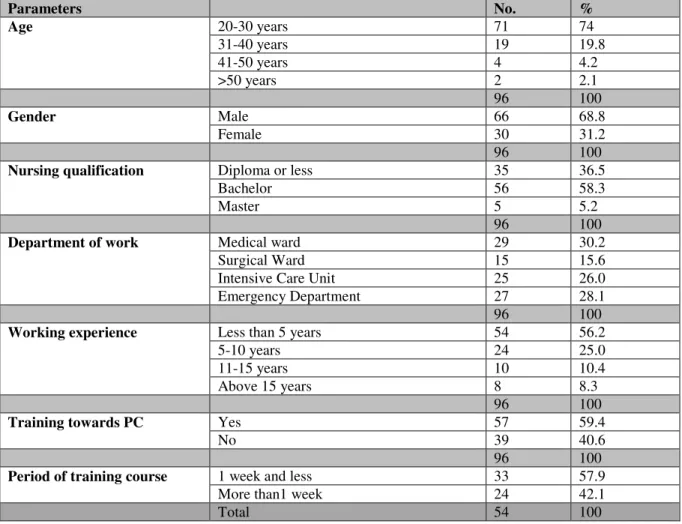
Table 1. Assessment the base line demographic and characteristics of the sample
Parameters No. % Age 20-30 years 71 74 31-40 years 19 19.8 41-50 years 4 4.2 >50 years 2 2.1 96 100 Gender Male 66 68.8 Female 30 31.2 96 100
Nursing qualification Diploma or less 35 36.5
Bachelor 56 58.3
Master 5 5.2
96 100
Department of work Medical ward 29 30.2
Surgical Ward 15 15.6
Intensive Care Unit 25 26.0
Emergency Department 27 28.1
96 100
Working experience Less than 5 years 54 56.2
5-10 years 24 25.0
11-15 years 10 10.4
Above 15 years 8 8.3
96 100
Training towards PC Yes 57 59.4
No 39 40.6
96 100
Period of training course 1 week and less 33 57.9
More than1 week 24 42.1
Total 54 100
The majority of respondents71 (74%) were within the age 20 - 30 years followed by 19(19.8%) were of 31-40 years, 4(4.2%) were of 41-50 years, and 2(2.1%) were above 50 years old. More male 66(68.8%) than female 30(31.2%). The majority of participants were prepared to BSN level of education 56(58.3%). Other educational qualifications recorded included 35(36.5%) Nursing Diploma and Nursing Master 5(5.2%). Around
one third of the sample 29(30.2%) were from medical wards, 27(28.1%) from ER, 25(26%) from ICU, and 15(15.6%) from surgical wards. (Table 1)
The majority of nurses 54(56.2%) had less than 5 years of experience with only 42(53.8%) indicating more than 5 years of nursing experience. Respondents were asked to record if they had received training towards PC, findings revealed that, more than half of the sample had obtained training course 57(59.4%) and the majority of them 33(57.9%) for less than 1 week. (Table 1)
Table 2. Assessment of the nurses' knowledge levels of palliative care
Knowledge level Frequency Percent
Poor Knowledge 44 45.8
Fair Knowledge 32 33.3
Good Knowledge 20 20.8
Total 96 100.0
Table 2 showed that around half of the nurses 44(45.8%) had poor knowledge level of palliative care, 32 (33.3%) had fair knowledge, and only 20 (20.8%) had good knowledge.
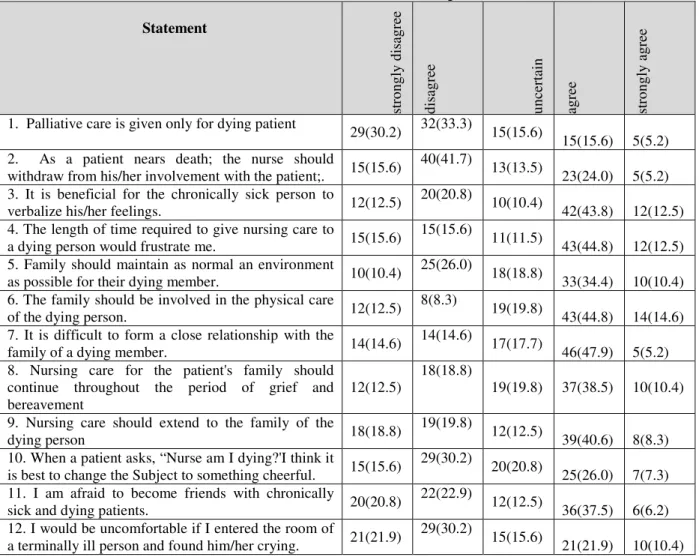
Table 3. Assessment of the nurses' attitude of palliative care Statement st ro n g ly d is ag re e d is ag re e u n ce rt ai n ag re e st ro n g ly a g re e
1. Palliative care is given only for dying patient
29(30.2) 32(33.3) 15(15.6)
15(15.6) 5(5.2) 2. As a patient nears death; the nurse should
withdraw from his/her involvement with the patient;. 15(15.6)
40(41.7)
13(13.5)
23(24.0) 5(5.2) 3. It is beneficial for the chronically sick person to
verbalize his/her feelings. 12(12.5)
20(20.8)
10(10.4)
42(43.8) 12(12.5) 4. The length of time required to give nursing care to
a dying person would frustrate me. 15(15.6)
15(15.6)
11(11.5)
43(44.8) 12(12.5) 5. Family should maintain as normal an environment
as possible for their dying member. 10(10.4)
25(26.0)
18(18.8)
33(34.4) 10(10.4) 6. The family should be involved in the physical care
of the dying person. 12(12.5)
8(8.3)
19(19.8)
43(44.8) 14(14.6) 7. It is difficult to form a close relationship with the
family of a dying member. 14(14.6)
14(14.6)
17(17.7)
46(47.9) 5(5.2) 8. Nursing care for the patient's family should
continue throughout the period of grief and bereavement
12(12.5)
18(18.8)
19(19.8) 37(38.5) 10(10.4) 9. Nursing care should extend to the family of the
dying person 18(18.8)
19(19.8)
12(12.5)
39(40.6) 8(8.3) 10. When a patient asks, “Nurse am I dying?'I think it
is best to change the Subject to something cheerful. 15(15.6)
29(30.2)
20(20.8)
25(26.0) 7(7.3) 11. I am afraid to become friends with chronically
sick and dying patients. 20(20.8)
22(22.9)
12(12.5)
36(37.5) 6(6.2) 12. I would be uncomfortable if I entered the room of
a terminally ill person and found him/her crying. 21(21.9)
29(30.2)
15(15.6)
21(21.9) 10(10.4) Attitudes of nurses toward PC are summarized in Table 3. More than half of the nurses were more likely to disagree of Palliative care is given only for dying patient (63.5%), as well as they also disagree if the nurse should withdraw from his/her involvement with the patient (56.7%). On the other hand, approximately fifty percent (56.3%) of nurses agreed with beneficial for the chronically sick person to verbalize his/her feelings. The attitudes toward the length of time required to give nursing care to a dying person would frustrate the nurse were slightly different from agree to disagree (agree 44.8%, disagree 15.6%). nurses’ attitudes toward Family should maintain as normal an environment as possible for their dying member (agree>30%). Whereas the attitudes toward The family should be involved in the physical care of the dying person were varied from agree
to disagree (44.8 and 8.3%). Most of nurses said that it is difficult to form a close relationship with the family of a dying member (47.9%). Approximately one third of nurses (47.9%) agreed with Nursing care for the patient's family should continue throughout the period of grief and bereavement It is interesting to note that Nursing care should extend to the family of the dying person (approximately 40%). In the opposite, the nurse thought that he would be uncomfortable if he entered the room of a terminally ill person and found him/her crying (21.9%). Their attitudes were slightly different regarding the afraid to become friends with chronically sick and dying patients. (agree 37.5, disagree 22.9%). Surprising 26.0% agreed that when a patient asks, “Nurse am I dying?'I think it is best to change the Subject to something cheerful.
Table 4. Assessment of the nurses' attitude of palliative care
Attitude level Frequency Percent
Poor attitude 36 37.5
Moderate attitude 54 56.2
Good attitude 6 6.2
Total 96 100.0
Table 4 showed that the most respondents' attitudes levels towards palliative care were moderate attitude 54 (56.2%), 36 (37.5%) poor attitude, and 6(6.2%) good attitude level .
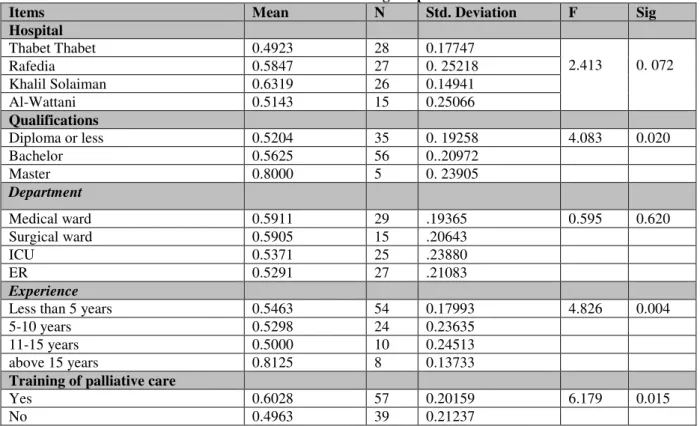
Table 5. Association between mean of scores knowledge of palliative care with selected variables.
Items Mean N Std. Deviation F Sig
Hospital Thabet Thabet 0.4923 28 0.17747 2.413 0. 072 Rafedia 0.5847 27 0. 25218 Khalil Solaiman 0.6319 26 0.14941 Al-Wattani 0.5143 15 0.25066 Qualifications Diploma or less 0.5204 35 0. 19258 4.083 0.020 Bachelor 0.5625 56 0..20972 Master 0.8000 5 0. 23905 Department Medical ward 0.5911 29 .19365 0.595 0.620 Surgical ward 0.5905 15 .20643 ICU 0.5371 25 .23880 ER 0.5291 27 .21083 Experience
Less than 5 years 0.5463 54 0.17993 4.826 0.004
5-10 years 0.5298 24 0.23635
11-15 years 0.5000 10 0.24513
above 15 years 0.8125 8 0.13733
Training of palliative care
Yes 0.6028 57 0.20159 6.179 0.015
No 0.4963 39 0.21237
Table 5 revealed that a highly statistically significant relation between Nurses' qualification, Nurses' experience and training of palliative care with total mean of knowledge (0.020, 0.004, 0.015) respectively. Where it was revealed that no statistical significant relation among total mean of knowledge of palliative care with the hospitals and departments of work.
7. DISCUSSION
This is the first study of its kind conducted in Palestine. Literature review does not indicate any comprehensive study for palliative care knowledge targeting nurses practices anywhere in our country. Nurses are the most important first contacts of patients.
It is necessary to first establish nurses’ baseline knowledge and beliefs so that relevant educational programs can be initiated. Assessing nursing knowledge is also important because knowledge plays a causal role in attitude or behavioral consistency (Fabrigar, Petty, Smith, & Crites, 2006). In this study the description of knowledge scores have shown that 20.8 % had good knowledge, about palliative care. To the contrary this study finding in (Kassa at al, 2014). showed that 30.5% of nurses had as good knowledge; However, (Budkaew and
Chumworathayi, 2013) study found in Thai general physicians more knowledgeable 55.7% than this study. The low level of nurses’ knowledge about palliative care in this study could also be associated with the lack of specific palliative care units in Palestine. The difference may be due to lack of updating information regarding palliative care, and this might be due to the fact that PC education was not incorporated into either diploma or degree curricula. On the other hand, Palestinian nurses, particularly those work in bedside care are overworked because of the nursing shortage in the nursing staff. Therefore, they have limited time to enhance their knowledge about palliative care.
The description of attitude scores shows that 56.2% of them had moderate attitude towards palliative care. This finding was in agreement with the findings of Kassa et al that 259 (76%) had favorable attitude towards PC. And (Karkada et al, 2011) indicated 92.8% of nursing students had favorable attitude (56.7± 8.5) towards palliative care.
A cross-sectional descriptive survey to determine the knowledge and practices of nurses on Palliative Care (PC) in Lebanon, across specialties. Results revealed that significant differences were found between medical and surgical nurses (Abu-Saad Huijer, Dimassi, and Abboud, 2007). These findings consistent with the present study where there is no significant association among nursing department and knowledge of palliative care, this may due to that the terminal ill patients haven’t special department in the hospitals. So we can find them in all departments. There is no significant association among hospital and knowledge of palliative care; However, there is a positive relationship between experience, qualification and training on palliative care and knowledge of nurses (p= 0.004, 0.020, and 0.015) respectively. It means when the nurses experience and qualification increase or if the nurses had training course on palliative care their favorable knowledge also improves. Nurses who had a higher education degree (master.) in this study had mean scores of knowledge (0.80) compared to BSc or diploma graduate nurses. This is consistent with (Huijer et al., 2009; Abudari et al, 2014 ). The reason for this may be master nurses are able to understand the FATCOD scale in a better way than that of diploma graduates.
8. Limitations of the study
lack of similar studies carried out in Palestine and in other parts of the world makes the comparison and discussion difficult. Lack of a standard tool for practice and unavailability of PC unit in the hospitals involved were challenges of this study to assess the real practice of nurses on PC.
9. Conclusion
The findings of this study showed that nurses are not knowledgeable about palliative care in Palestine. this study emphasize the need for developing PC services. The provision of quality PC services requires however the education and
training of nurses in this field. PC needs to become an integral part of all nursing school curricula as well as continuing nursing and medical education program offerings. Further studies are needed in this area to clearly understand the problems encountered in the practice setting and to guide the adoption of a PC delivery model that is culturally sensitive and meets the needs of the Palestinian population.
10. Acknowledgement:
The researchers are grateful to the nurses in the targeted governmental hospitals for the participation in this study, to the Ministry of health administration of Palestine, and to the Arab American University for help and support.
11. References
Abudari G., Zahreddine H., Hazeim H., Al Assi M., and Emara S. (2014). Knowledge of and attitudes towards palliative care among multinational nurses in Saudi Arabia. International Journal of Palliative Nursing. Volume 20 (9)
Andershed, B. (2006). Relatives in end-of-life care. Part 1: a systematic review of the literature the five last years. January 1999-February 2004. Journal of Clinical Nursing, 15(9) 1158-69.
Armes, P.J., & Addington-Hall J.M. (2003). Perspectives on symptom control in patients receiving community palliative care. Palliative Medicine, 17(7), 608-15
BudkaewJ. and Chumworathayi B. (2013) Knowledge and Attitudes toward Palliative Terminal Cancer Care among Thai Generalists. Asian Pac J Cancer Prev, 14 (10), 6173-6180.
Council of Europe. (2003). Aanbeveling Rec. 24 van het Comité van Ministers aan de lidstaten betreffende de organisatie van de palliatieve zorg
Davies E., & Higginson, I.J. (2004). The solid facts. Palliative Care. Copenhagen: WHO.
De Vlieger, M., Gorchs, N., Lankin, P.J., & Porschet, F. (2004). Palliative nurse education towards a common language. Palliative Medicine, 18 (5), 401-403.
Hopkinson, J.B., Hallett, C.E., and Luker, K.A. (2005). Everyday death: how do nurses cope with caring for dying people in hospital? International Journal of Nursing Studies, 42, 125-133.
Fabrigar, L., Petty, R., Smith, S., & Crites, S. (2006) Understanding knowledge effects on attitude–behavior consistency: The role of relevance, complexity, and amount of knowledge. Journal of Personality and Social Psychology. 90(4): 556–577.
Huijer H, Dimassi H. Palliative care in Lebanon : Knowledge, attitudes and practices of physicians and nurses. J Med Liban 2007 ; 55 (3) : 121-128.
Huijer H, Dimassi H., and Abboud S. Perspectives on palliative care in Lebanon: Knowledge, attitudes, and practices of medical and nursing specialties. Palliative and Supportive Care (2009), 7, 339–347.
Iranmanesh S., Razban F. , Tirgari B., and Zahra G., (2014). Nurses’ knowledge about palliative care in Southeast Iran. Palliative and Supportive Care, 12, 203–210.
Karkada S., Nayak B., and Malathi ( 2011). Awareness of Palliative Care Among Diploma Nursing Students. Indian J Palliat Care. VOL 17(1): 20–23.
Kassa H., Murugan R., Zewdu F., Hailu M. and Woldeyohannes D. (2014). Assessment of knowledge, attitude and practice and associated factors towards palliative care among nurses working in selected hospitals, Addis Ababa, Ethiopia. BMC Palliative Care . vol 13 NO 6
Mackenbach, J.P., & Van der Maas, P.J. (2004). Volksgezondheid en gezondheidszorg. Maarssen: Elsevier Gezondheidszorg.
Oakley C. , Pennington K., and Mulford P. (2005). Perceptions of the role of the hospital palliative care team. NT, Vol 101 No 37.
Olthuis, G., Dekkers,W., Leget, C., et al. (2006). The caring relationship in hospice care: An analysis based on the ethics of the caring conversation. Nursing Ethics, 13, 29–40.
Osse, B.H., Vernooij-Dasse, M.J., Schade, E., & Grol, R.P. (2006). Problems experienced by the informal caregivers of cancer patients and their needs for support. Cancer Nursing, 29(5), 378-388.
Prem V., Karvannan H., Kumar S., Karthikbabu S., Syed N., Sisodia V., Jaykumar S.(2012). Study of Nurses’ Knowledge about Palliative Care: A Quantitative Cross-sectional Survey. Indian Journal of Palliative Care. Vol 18 (2): 122-127
Román, E.M., Sorribes, E., & Ezquerro, O. (2001). Nurses’ attitudes to terminally ill patients. Journa l of Advanced Nursing, 34, 338–345
Ronaldson S., Hayes L., Carey M., and Aggar C. (2008). A study of nurses’ knowledge of a palliative approach in residential aged care facilities International Journal of Older People Nursing 3, 1–9
Sanderson C, Tieman J (2010). CareSearch-online palliative care information for GPs. Aust Family Physician, 39, 341-3.
Skår R. Knowledge use in nursing practice: The importance of practical understanding and personal involvement. Nurse Educ Today 2010;30:132-6.
Trueman I. and Parker J.(2006) Exploring community nurses’ perceptions of life review in palliative Care. Journal of Clinical Nursing, 15, 197–207
Visser, G. (2006). Mantelzorg in de palliatief terminale fase. Den Haag: NIZW Zorg/Lemma
World Health Organization (WHO): WHO definition of palliative care. 2006. Available from: http://www.who.int/cancer/palliative/definition/en/. Retrieved date: 22 August, 2012.
Yates, P., Aranda, S., Edwards, H., Nash, R., & Skerman, H. (2004). Family caregivers’ experiences and involvement with cancer pain management. Journal of Palliative Care, 20(4), 287-96.