Western University Western University
Scholarship@Western
Scholarship@Western
Electronic Thesis and Dissertation Repository
2-21-2017 12:00 AM
Communicating Through a Brain-Computer Interface: Towards the
Communicating Through a Brain-Computer Interface: Towards the
Assessment of Quality of Life in Minimally Conscious and
Assessment of Quality of Life in Minimally Conscious and
Covertly Aware Vegetative State Patients
Covertly Aware Vegetative State Patients
Jasmine Tung
The University of Western Ontario
Supervisor
Kathy Nixon Speechley
The University of Western Ontario Joint Supervisor Charles Weijer
The University of Western Ontario
Graduate Program in Epidemiology and Biostatistics
A thesis submitted in partial fulfillment of the requirements for the degree in Master of Science © Jasmine Tung 2017
Follow this and additional works at: https://ir.lib.uwo.ca/etd
Part of the Bioethics and Medical Ethics Commons, Cognitive Neuroscience Commons, and the
Epidemiology Commons
Recommended Citation Recommended Citation
Tung, Jasmine, "Communicating Through a Brain-Computer Interface: Towards the Assessment of Quality of Life in Minimally Conscious and Covertly Aware Vegetative State Patients" (2017). Electronic Thesis and Dissertation Repository. 4418.
https://ir.lib.uwo.ca/etd/4418
This Dissertation/Thesis is brought to you for free and open access by Scholarship@Western. It has been accepted for inclusion in Electronic Thesis and Dissertation Repository by an authorized administrator of
Abstract
Neuroimaging has been utilized to establish communication, using a brain-computer
interface, with select patients with severe brain injuries and profound communication
impairments. Due to the severe injuries sustained by these patients, traditional techniques
used to develop quality of life instruments cannot be used. The Aware Study used a novel
approach to establish the key dimensions for assessing the quality of life of patients who can
only communicate using this sophisticated technology. Consensus methodology was
employed, with the assistance of a multidisciplinary panel of experts, to collectively decide
which dimensions are essential for the inclusion in a quality of life instrument for these
unique patients.
Keywords
Severe Brain Injury, Disorders of Consciousness, Delphi Method, Consensus, Surveys,
Co-Authorship Statement
All chapters were written by Jasmine Tung and were intended to partially fulfill the
requirements for the degree of Master’s of Science in Epidemiology and Biostatistics. The
work presented in this thesis is a part of the larger grant, “The Ethics of Neuroimaging After
Serious Brain Injury”, funded by the Canadian Institutes of Health Research (ROLA #
2014-18). Specifically, this project falls under Subproject 2C of the grant, “Measuring Quality of
Life in Behaviourally Nonresponsive Patients”, which aims to development a preliminary
quality of life instrument for use in behaviourally nonresponsive patients. However, the
original idea was to convene an interdisciplinary group of experts in a two-day workshop to
address the problem. A team including Dr. Charles Weijer (CW), Dr. Kathy Speechley (KS),
and myself redesigned the methodology to include a systematic search and online surveys
using consensus methodology. Members of the larger research team, along with CW and KS,
assisted with expert recruitment for the project: Dr. Teneille Gofton, Dr. Bryan Young, Dr.
Lorina Naci, and Dr. Laura Gonzalez Lara. I was involved with all aspects of the project
including: designing the methodology, writing the ethics application, creating the online
surveys, collecting data, communicating with participants, analyzing data, creating and
disseminating summary reports. Feedback and suggestions on the project and thesis were
Acknowledgments
First and foremost, I would like to thank my supervisors, Dr. Kathy Speechley and Dr.
Charles Weijer, without whose guidance this thesis would not have been possible. The path
to this completed thesis has been far from linear but their continued assistance and
mentorship have set me up to become a researcher. Being a part of this project has been
exciting and deeply rewarding.
I would like to extend my gratitude to the members of the Neuroethics Research Group
(NeRG) for their words of encouragement and ongoing advice regarding the project. In
addition, I would like to thank Dr. Greta Bauer who provided valuable insight and
constructive feedback during the writing process.
Most importantly, I thank all the experts that took time out of their busy schedules to share
their thoughts and participate in the surveys.
Thank you to all the friends that I have made during my time in London, who became my
support system and positively shaped my experience in this program.
Finally, a special thanks goes out to my parents and siblings for their unconditional love and
unwavering faith in me. A heartfelt thanks to my partner in all aspects of life who inspires me
Table of Contents
Abstract ... i
Co-Authorship Statement... ii
Acknowledgments... iii
Table of Contents ... iv
List of Tables ... vii
List of Figures ... viii
List of Appendices ... ix
Chapter 1 ... 1
1 Introduction and Overview ... 1
1.1 Objectives ... 3
1.2 Thesis Structure ... 3
Chapter 2 ... 5
2 Literature Review ... 5
2.1 Severe Brain Injuries... 5
2.2 Disorders of Consciousness ... 6
2.3 Prognosis and Diagnosis ... 7
2.4 Neuroimaging Research ... 9
2.5 Controversy ... 13
2.6 Patient-Reported Outcomes ... 13
2.7 Defining Quality of Life ... 14
2.8 Dimensions of Quality of Life ... 17
2.9 Generic versus Disease-Specific Instruments ... 18
2.10Instrument Creation ... 19
2.12Importance of Measuring Quality of Life in Behaviourally Nonresponsive
Individuals... 22
2.13Response Shift ... 25
2.14Disability Paradox ... 27
2.15Existing Tools and Technologies ... 28
2.16A Novel Approach ... 30
2.17Proposed Study ... 31
Chapter 3 ... 32
3 Methodology ... 32
3.1 Consensus Methods ... 32
3.2 Delphi Method ... 33
3.3 Systematic Search ... 34
3.4 Questionnaire Development... 36
3.5 Participant Criteria ... 37
3.6 Recruitment ... 38
3.7 Study Procedure ... 40
3.8 Round 1 ... 41
3.9 Round 1 Analysis ... 41
3.10Round 2 ... 42
3.11Round 2 Analysis ... 43
3.12Round 3 ... 44
3.13Round 3 Analysis ... 44
3.14Confidentiality and Data Security ... 45
Chapter 4 ... 47
4 Results ... 47
4.2 Expert Panel ... 52
4.3 Round 1 ... 54
4.4 Round 2 ... 58
4.5 Round 3 ... 62
4.6 Subgroup Analyses ... 66
Chapter 5 ... 70
5 Discussion and Conclusion ... 70
5.1 Overview of Findings ... 70
5.2 Implications of Findings ... 74
5.3 Future Research ... 76
5.4 Study Strengths ... 77
5.5 Study Limitations ... 78
5.6 Implications for Study Design ... 79
References ... 80
List of Tables
Table 1. Respondents in Each Delphi Round ... 53
Table 2. Round One Dimension Ratings ... 56
Table 3. Round Two Dimension Ratings ... 60
Table 4. Round Three Dimension Ratings ... 63
Table 5. Top 10 Highest Rated Dimensions: Frequency of Selection and Ranked Position .. 64
Table 6. Top 10 Highest Rated Dimensions: Mean Rank Scores ... 65
Table 7. Subgroup Analysis of Dimensions Where Consensus Was Reached On Lack of Importance Comparing Patient Advocates and Professionals ... 68
List of Figures
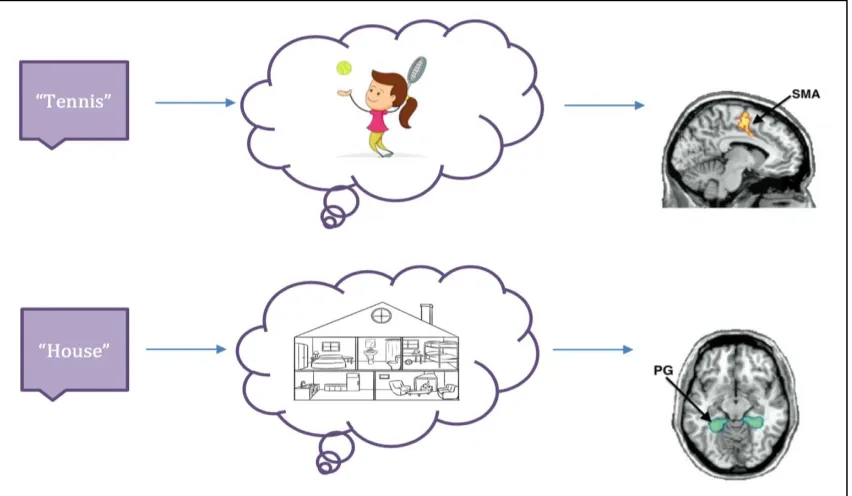
Figure 1. Imagery Paradigm Conceptualization ... 10
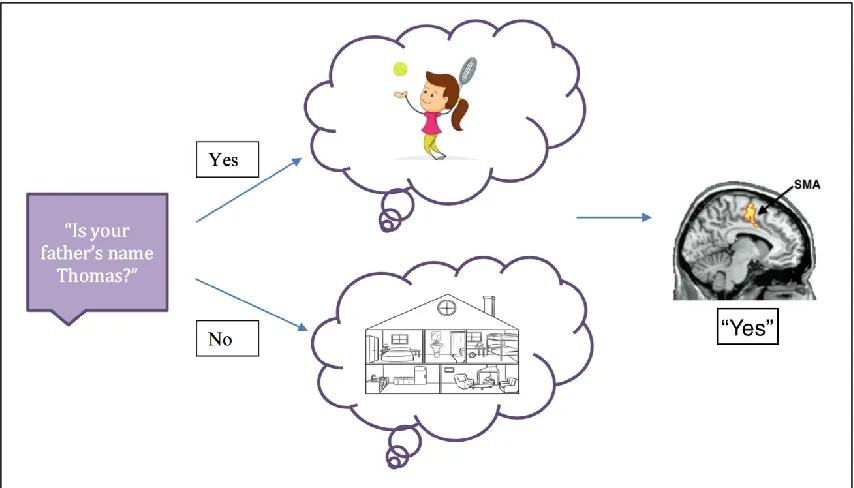
Figure 2. Communication Paradigm Conceptualization ... 12
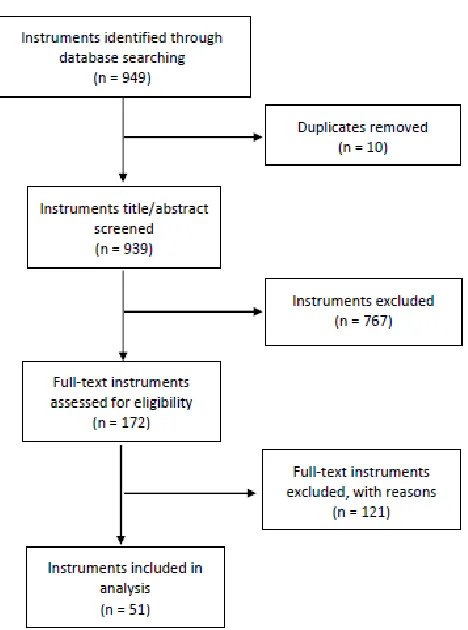
Figure 3. Dimension Search Strategy & Results ... 35
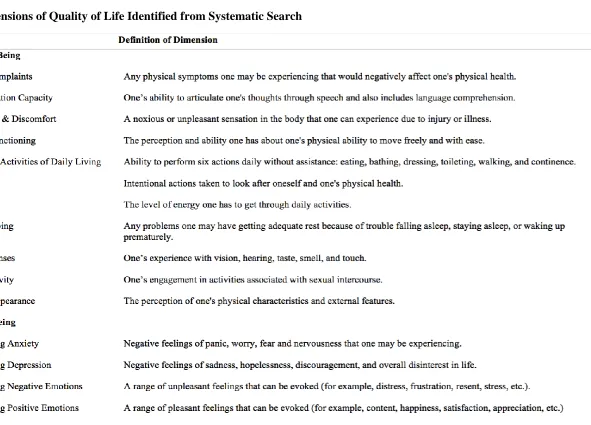
Figure 4. Dimensions of Quality of Life Identified from Systematic Search ... 49
Figure 5. New Dimensions Added in Round One ... 55
Figure 6. Final Dimension List Alternative (1) ... 75
Figure 7. Final Dimension List Alternative (2) ... 75
List of Appendices
Appendix 1. Western University Research Ethics Board Study Approvel ... 88
Appendix 2. Aware Study Research Team Members ... 89
Appendix 3. Letter of Information and Consent Form ... 90
Appendix 4. Informational Material ... 92
Appendix 5. Delphi Consensus Online Survey #1... 108
Appendix 6. Delphi Consensus Online Survey #2... 119
Appendix 7. Delphi Consensus Online Survey #3... 127
Appendix 8. Summary Report of Survey #1 ... 134
Appendix 9. Summary Report of Survey #2 ... 144
Appendix 10. Summary Report of Survey #3 ... 154
Chapter 1
1
Introduction and Overview
Researchers have demonstrated that functional magnetic resonance imaging (fMRI) can
be used as a tool to detect covert consciousness in individuals with disorders of
consciousness after severe brain injury (Owen et al., 2006). With the aid of this
sophisticated technology, known as a brain-computer interface, select patients in a
minimally conscious and covertly aware vegetative state have been able to communicate
by modulating their brain activity (Monti et al., 2010). For the purpose of this thesis,
these select patients are referred to as behaviourally nonresponsive because of their
unique ability to communicate using a brain-computer interface but inability to
communicate at the bedside. In the wake of these discoveries, some ethicists have argued
that being vegetative and covertly conscious should be grounds for withdrawal of
life-sustaining treatment to prevent needless suffering (Skene, Wilkinson, Kahane, &
Savulescu, 2009). A few have gone as far as saying that these lives are not worth living.
However, there is not enough information to make conclusive proclamations on the state
of lives led by these patients. It has previously been demonstrated that some individuals
who have a severe disability self-report their quality of life to be higher than assumed by
external observers (Albrecht & Devlieger, 1999). Therefore, the brain-computer interface
provides an opportunity for patients to directly provide information on their quality of
life.
While quality of life instruments have been developed for most health conditions,
consciousness (Jenkinson, Peters, & Bromberg, 2011). Due to the profound injuries
sustained by these patients, traditional techniques used to develop quality of life
instruments cannot be used. Challenges to the development of a quality of life instrument
in behaviourally nonresponsive patients include: the limited ability to interview patients;
the brain-computer interface is limited to ‘yes’ or ‘no’ responses; and only a small
number of questions may be posed during a scanning session. These circumstances
present obstacles that have not been navigated by any developers of existing quality of
life instruments. Nonetheless, such an undertaking is important because of society’s
moral obligation to take the welfare interests of these patients into consideration, the
insights that such research could provide into the vegetative and minimally conscious
state, and the opportunity to learn about the well-being of behaviourally nonresponsive
patients.
The challenges associated with evaluating quality of life in these patients requires
an innovative approach. This study was conducted as the fundamental first step in
developing a quality of life instrument specifically for behaviourally nonresponsive
patients. The development of a quality of life instrument is a multistage process that
requires extensive information regarding patients and their daily lives. Since there is a
scarcity of knowledge regarding the lived experience of behaviourally nonresponsive
patients, this thesis is the necessary next step in research into these patients’ well-being.
Conventionally, such an undertaking is not required in instrument development studies
because researchers are able to have a dialogue with patients. To determine the most
this study involved a systematic search of existing quality of life instruments along with
consensus methodology using a panel of experts.
1.1
Objectives
The aim of this thesis is:
To generate foundational knowledge as the first step in the creation of an instrument to
assess quality of life of patients in a minimally conscious and covertly aware vegetative
state who are able to communicate with the assistance of a brain-computer interface
(behaviourally nonresponsive patients).
The specific objectives of this thesis are:
1) To systematically identify relevant quality of life dimensions for
behaviourally nonresponsive patients.
(i) This will be accomplished by a systematic search of existing
quality of life instruments designed for patient populations similar
in some aspects to behaviourally nonresponsive patients.
2) To establish the key dimensions for assessing quality of life of
behaviourally nonresponsive patients.
(ii) This will be accomplished by designing and executing a consensus
process with a multidisciplinary expert panel.
1.2
Thesis Structure
This thesis comprises the following chapters: Literature Review; Methods; Results; and
detail and review the research on communicating with select patients using a
brain-computer interface. This will be followed by an explanation of quality of life and the
conventional process for developing quality of life instruments. Finally, challenges
related to measuring quality of life in behaviourally nonresponsive patients will be
described and a novel approach will be explored. In Chapter 3 (methods), a detailed
description of the methodology of the study conducted will be provided. Chapter 4
(results) will present the findings of our study. Lastly, in Chapter 5 (discussion), the
implications of the study and the findings will be discussed, along with the strengths and
limitations of the project. Suggestions for future directions for related research will be
outlined as well.
The appendix includes the signed Research Ethics Board approval for this study
and a list of the research team members. Furthermore, it includes the: informational
material, letter of information, three online surveys, and three summary reports that were
Chapter 2
2
Literature Review
This chapter begins with an overview of minimally conscious and vegetative states
including their etiology, prevalence, diagnosis and prognosis. A brief review of
neuroimaging research and how it led to the identification of behaviourally nonresponsive
patients will be provided. Afterwards, a summary of the concept of quality of life and
creation of instruments to measure it will be discussed. Additionally, the importance and
challenges of measuring quality of life in the target population will be outlined. Finally,
the chapter will present an alternative approach to creating a quality of life instrument for
behaviourally nonresponsive patients.
2.1
Severe Brain Injuries
Acquired brain injury is one of the leading causes of death and disability among
Canadians, with an incidence greater than that of breast cancer, spinal cord injury,
multiple sclerosis, and HIV/AIDS combined (Brain Injury Association of Canada, 2012).
An acquired brain injury can affect anyone, at any point in the life course. Although each
brain injury is unique, the consequence is a modification of neuronal activity to one or
more areas of the brain (Barnes & Good, 2013). An individual can suffer from a traumatic
brain injury due to an external physical force or a non-traumatic brain injury as the result
of a medical condition causing cerebral hypoxia. Of the nearly 165,000 Canadians who
suffer an acquired brain injury each year, the majority will recover (Brain Injury
Association of Canada, 2012). Many, however, will die and approximately 65,000 will be
left with some form of permanent disability (Brain Injury Association of Canada, 2012).
also known as a disorder of consciousness. Categories of disorder of consciousness
include: coma, vegetative state, and minimally conscious state (Greenwald & Nori, 1995).
2.2
Disorders of Consciousness
Consciousness is broadly defined as being awake and having awareness of oneself and
one’s environment (Bernat, 2006). After a severe brain injury, a patient is in a coma for a
period of hours or days. A coma is characterized by lack of arousal, where the patient’s
eyes remain closed, and lack of awareness of self or environment (Greenwald & Nori,
1995). A coma can be brought on after a physical injury or can be medically induced to
protect the brain from further damage (Greenwald & Nori, 1995). Within a period of days
of entering a coma, a patient can regain full consciousness, enter into a vegetative state or
minimally conscious state, or die (Laureys, Owen, & Schiff, 2004). Vegetative patients
display sleep-wake cycles along with motor reflexes but fail to communicate, move
volitionally, or show other signs of awareness (Laureys et al., 2004). There has been a
long-standing consensus that vegetative state patients are unable to interact with others or
their environment in a meaningfully way (Giacino, 1997). In contrast to vegetative
patients, minimally conscious patients have low levels of intermittent awareness of
themselves or their environment (Greenwald & Nori, 1995). To be classified as minimally
conscious, a patient’s volitional behaviour can be inconsistent but it must be reproducible
or sustained long enough to be differentiated from automatic behaviour (Greenwald &
Nori, 1995).
Globally, the prevalence of the vegetative state has been estimated at 0.2 to 6.1
patients per 100,000 people in the population (van Erp et al., 2014). Of the cases of severe
de la Morena, 2013). In the US, there is a wide discrepancy in the estimates of vegetative
and minimally conscious patients. Estimates range from 12,000 to 54,000 vegetative
patients and 112,000 to 280,000 minimally conscious patients (Beaumont & Kenealy,
2005; Hirschberg & Giacino, 2011). The fluctuation in the stated prevalence rates is
partially due to dated statistical estimates and a high misdiagnosis rate.
2.3
Prognosis and Diagnosis
Prognosis in patients with disorders of consciousness is highly variable. While some
patients rapidly emerge from coma and make a good recovery, some spend longer periods
in the minimally conscious state before emerging with long-term impairments. Yet others
remain in a vegetative or minimally conscious state permanently or succumb to their
injuries. Adding to this complexity, many families choose to withdraw life-sustaining
treatment in the days or weeks following brain injury, which is at a point where it is too
early for a conclusive verdict about consciousness to be established in the patient
(Kitzinger & Kitzinger, 2015).
Recent advances in the neuroscience of consciousness have yet to result in major
changes in the diagnosis and treatment of patients in the clinical setting. Indeed, the
standard diagnostic procedures for disorders of consciousness have remained relatively
unchanged for decades (Coleman et al., 2009). Traditionally, medical professionals
review the clinical history of the patient and conduct a series of bedside examinations to
determine whether the patient shows consistent signs of consciousness (von Wild,
Laureys, Gerstenbrand, Dolce, & Onose, 2012). During the clinical assessment, auditory
awareness, visual awareness, somatic awareness, and motor output are examined (Wade
after a series of stimuli are applied to the patient (Wade & Johnston, 1999). To meet the
diagnostic criteria for the vegetative state, a patient must exhibit: no evidence of
awareness of oneself or the environment; no volitional response to any sensory stimuli;
and no evidence of language comprehension (Wade & Johnston, 1999). A brain injured
patient is diagnosed as being minimally conscious if he or she is able to perform one or
more of the following to demonstrate awareness: purposeful behavior; gestural or verbal
yes/no responses; intelligible verbalization; or following simple commands (von Wild et
al., 2012). However, these patients remain unable to produce these behaviours
consistently.
Diagnosis of disorders of consciousness can vary by clinician and location (Wade
& Johnston, 1999). This can be partially attributed to the subjective nature of bedside
examinations that are conducted. Diagnosis can be further complicated by the fact that
patients can have motor impairment issues or fluctuating arousal states (Laureys et al.,
2004). It is also possible that a patient could be unable to produce physical movement on
command, but is in fact aware (Laureys et al., 2004). This ultimately can lead to a
misdiagnosis; an individual who is conscious is diagnosed as being vegetative. The
difficultly of diagnosis has led to a high rate of misdiagnosis in patients with disorders of
consciousness, which can have serious consequences. Nearly 43% of patients who are
minimally conscious are misclassified as being vegetative (Andrews, Murphy, Munday,
& Littlewood, 1996). Previous research has suggested that patients who possess
awareness can experience pain (Bernat, 2010). This means that a patient misdiagnosed as
being vegetative, who in fact possesses awareness, could be suffering without receiving
prognostic information to make end-of-life decisions for patients (Bernat, 2010). Since
patients with awareness may have a more favourable prognosis, an accurate diagnosis
could be the difference between life and death for a patient (Cullen, Park, & Bayley,
2008). With so much resting on the proper classification, researchers seek new ways to
detect patient awareness that might not be displayed at the bedside.
2.4
Neuroimaging Research
In the last decade, functional magnetic resonance imaging (fMRI) has emerged as a tool
to detect intact cognitive abilities in patients suffering from disorders of consciousness. In
2006, Owen and his colleagues were the first to explore if neuroimaging could detect
awareness in patients who are vegetative or minimally conscious. The original study was
conducted with a 23-year-old female patient, who met the clinical diagnosis of being in a
vegetative state. To assess covert awareness in this patient, a specific imagery paradigm
was used (Figure 1). The patient was verbally instructed to perform two mental imagery
tasks while being scanned using fMRI. The first task was to imagine hitting a tennis ball
back and forth, to activate the supplementary motor area (SMA) responsible for motor
function. The second task was to imagine walking from room to room in her house,
resulting in the parahippocampal cortices (PG) being activated, which are known to be
associated with spatial navigation. While in the scanner, the patient was prompted to start
imagining by the word ‘tennis’ or ‘house’ for a 30-second period. After this, the word
‘rest’ would signal for the patient to rest for 30-seconds. Each scan session involved a
block of five imagery-rest cycles. The researchers found that the patient’s responses,
displayed on a brain-computer interface, were indistinguishable from those of healthy
Figure 1. Imagery Paradigm Conceptualization
By performing the mental imagery task, the patient showed that she was able to
remember instructions given at the start of scanning, comprehend verbal commands while
in the fMRI, and respond correctly using her brain. Recall that during a standard bedside
assessment clinicians give verbal commands and observe behavioural or speech
responses. In the case of this fMRI study, the patient was following commands given to
her verbally by willfully modulating her brain activity. The researchers argued that such
neural activity linked to imagery motor action could be used as a proxy for physical
motor behaviour. Hence, successful completion of the imagery paradigm confirmed that
she was conscious.
The block experiment design used by the researchers ensured that what was being
displayed was not the product of random brain activations associated with hearing certain
positive result during the imagery paradigm, they must willingly sustain their responses
for a specified period of time and then switch between tasks as instructed.
This was the first study to demonstrate using fMRI that a clinically vegetative
patient was in fact covertly aware (Owen et al., 2006). Furthermore, the findings from this
study provide evidence that there are covertly aware patients who lack purposeful motor
function during bedside examination. The imagery paradigm provides a means to detect
cognitive function and awareness in select minimally conscious and vegetative state
patients.
A follow-up study was conducted on a group of 54 patients diagnosed as
vegetative or minimally conscious (Monti et al., 2010). After repeating the imagery
paradigm, it was determined that one minimally conscious and four vegetative state
patients were able to willfully modulate their brain activity, indicating conscious
awareness. Furthermore, this study used a new communication paradigm to establish
communication with a 22-year-old male vegetative state patient (Figure 2). Similar to the
imagery paradigm, the same mental tasks were used to answer questions through
modulation of brain activity. At the start of the scanning session, the patient was asked a
biographical question that could be answered with a ‘yes’ or ‘no’ response (e.g. Is your
father’s name Thomas?). To answer “yes” the patient was told to imagine playing a game
of tennis; to answer “no” he was told to imagine walking from room-to-room in his home.
While in the scanner, the verbal cue ‘answer’ would indicate the start of the imagery task
for 30-seconds, followed by the cue ‘rest’ to signal a 30-second rest period. The patient
was expected to imagine the mental task corresponding with the answer he wanted to
at time of scanning and analysis. The patient answered five of the six questions correctly
(one answer could not be decoded by investigators).
Figure 2. Communication Paradigm Conceptualization
This study was the first to establish communication with a patient suffering from a
disorder of consciousness using a brain-computer interface (Monti et al., 2010). To date,
three patients with disorders of consciousness have been able to successfully perform the
communication paradigm, despite not being able to overtly communicate at the bedside
(Fernández-Espejo & Owen, 2013; Monti et al., 2010; Naci et al., 2012). All of these
patients had a clinical diagnosis that did not reflect the true nature of their awareness and
level of cognitive ability. A term used to describe this special subset of patients, which
will be used for the remainder of this thesis, is behaviourally nonresponsive. Due to the
complexity of the mental tasks, it can be concluded that patients able to complete the
functioning beyond what is expected in their clinically diagnosed states
(Fernández-Espejo & Owen, 2013). Preserved cognitive functions include sustained attention,
language comprehension, working memory, and response selection.
2.5
Controversy
Legal cases regarding the withdrawal of treatment, specifically artificial nutrition and
hydration, for patients in a vegetative state have sparked controversy and garnered media
attention. Judges have been known to grant a family’s request to withdraw treatment if it
is demonstrated that the patient does not possess consciousness (Fine, 2005). It has been
argued that the presence of consciousness is grounds for allowing a patient to live, and
not doing so would be unethical (Fine, 2005). However, since the results of neuroimaging
research have revealed that a subset of vegetative patients and minimally conscious
patients are aware beyond what is expected, some philosophers have changed their stance
(Skene et al., 2009). A few ethicists have stated that being conscious but unable to
communicate could be “the worst form of solitary confinement” (Skene et al., 2009).
Some have gone as far as saying that it would be in the best interest of those patients if
treatment was withdrawn and they were allowed to die (Skene et al., 2009). Discussion
surrounding the experience of these covertly conscious patients is warranted. However,
missing from this discussion are those whose opinions (arguably at least) matter the most.
2.6
Patient-Reported Outcomes
Much of medical history has been documented through the lens of clinicians (Fayers &
Machin, 2013). Patient physiology and biochemical information were analyzed to
subjective experience (Fayers & Machin, 2013). The shift in recent years has led to health
system reform that focuses on patients taking on a more active role in their health.This
change to patient-centered care was largely due to the changing landscape of illnesses
(Fayers & Machin, 2013). As the population continues to age, there has been an increase
in the incidence of chronic diseases including cancers (Fayers & Machin, 2013). The
traditional end-point of survival or disease-free survival was no longer necessarily of the
utmost importance to patients (Garcia et al., 2007). Prolongation of life that would result
in more suffering was seen as undesirable and inappropriate (Garcia et al., 2007). Patients
and families of patients in palliative care were looking for enhancement of remaining life,
not survival, as the ultimate goal of any treatment (Fayers & Machin, 2013). This led to
the integration of patient reported outcomes, such as patient quality of life, into standard
medical practice (Fayers & Machin, 2013).
2.7
Defining Quality of Life
The field of quality of life research has seen considerable growth in the last 20 years
(Rapley, 2003). Quality of life has become the most widely used outcome in health
research with widespread support for the position that it is the most important patient
reported outcome (Guyatt, Feeny, & Patrick, 1993). The phrase “quality of life” has
seeped into every discipline and even everyday language (Rapley, 2003). The extensive
use of the term may mislead some into believing that the concept is relatively new.
However, questions about what constitutes a good life can be traced back to ancient
Greek philosophers (Cheung Chung, 1997). Various societies since have interpreted
quality of life within the context of their culture and values (Cheung Chung, 1997).
of life exists (Rapley, 2003). The complexity of defining quality of life is attributable in
part to its subjective nature; a good life means different things to different people (Carr,
Gibson, & Robinson, 2001). It can encompass anything from optimal physical
functioning to a low unemployment rate (Rapley, 2003). Many think of quality of life as
an umbrella term that covers an assortment of physical and psychosocial constructs
(Moons, Budts, & De Geest, 2006). Quality of life can be interpreted as individual
evaluation of one’s subjective well-being, achievement in life domains one considers
important, or perceived health status compared to a desired reference (Dijkers, 1997).
In the literature, there are three major taxonomies of definitions used by
researchers when discussing quality of life: global definitions, component definitions, and
focused definitions (Farquhar, 1995). First, global or general definitions offer an
all-encompassing concept of quality of life. The most widely cited definition of quality of
life is a global definition developed by the World Health Organization:
“…an individual’s perceptions of their position in life in the context of the culture
and value systems in which they live and in relation to their goals, expectations,
standards and concerns. It is a broad ranging concept affected in a complex way
by the person’s personal health, psychological state, level of independence, social
relationships, personal beliefs and their relationship to salient features of their
environment.” (World Health Organization, 1995)
As can be seen, global definitions tend to lack specific details about quality of life and
therefore issues can arise with how such a definition can be operationalized (Farquhar,
Second, component definitions break down quality of life into different
components or dimensions. These specific types of definitions identify dimensions that
are essential to consider when determining quality of life. For this reason, component
definitions are easier to operationalize compared to global definitions of quality of life
(Farquhar, 1995). One example would be Clark & Bowling’s (1989) quality of life
definition generated for elderly patients residing in nursing care facilities. They stated that
the quality of life of these patients encompasses “privacy, freedom, respect for the
individual, freedom of choice, emotional well-being, and maintenance of dignity” (Clark
& Bowling, 1989). From their definition, quality of life is broken down into dimensions
making it easier to measure in the target population.
Finally, focused definitions refer to only one or a couple of dimensions when
trying to describe the concept of quality of life. A common example of this is when
quality of life is addressed by focusing on health and/or function, also known as
health-related quality of life. Specifically, health-health-related quality of life looks at how people
perceive their lives, with the focus on their disease state and physical symptoms (Jia &
Lubetkin, 2005). Similar to component definitions, focused definitions are more readily
operationalized, however, they can be quite concentrated on singular aspects of life.
Since there is no information available on the reported quality of life of vegetative
and minimally conscious state patients, it remains to be determined what quality of life
means to these individuals. A global conceptualization of quality of life would lack the
ability to be operationalized, and a focused definition would only provide a narrow view
of quality of life. Therefore, this thesis sets out to explore quality of life in minimally
brain-computer interface, using a component definition. This will be accomplished by
identifying the dimensions that are most relevant to the evaluation of quality of life in this
patient population.
2.8
Dimensions of Quality of Life
To measure quality of life, both objective and subjective indicators are traditionally
included as a part of instruments. Objective parameters are tangible and measureable
aspects of life and usually center on social, economic, and health indicators (Costanza et
al., 2007). Subjective parameters focus on personal reports of life experiences and are not
usually directly observable (Costanza et al., 2007). Some have argued that the construct
of quality of life is predominantly a subjective one because it is built upon a person’s
perceived sense of well-being (Haas, 1999). However, individuals tend to rate their
quality of life in comparison to peers and other relevant groups, so their perspective is
sensitive to contextual influences (Schwarz & Strack, 1999). Furthermore, subjective
answers can be shaped depending on the wording or phrasing of a question (Schwarz &
Strack, 1999). To evaluate and obtain a fuller image of overall quality of life, both
objective and subjective indicators must be included (Cummins, 2000).
Areas of life, or domains, are composed of objective and subjective dimensions of
the same topic and can be grouped into categories like: physical, social, emotional,
mental, economic, and productive well-being. Brown (1997) describes various domains
that are conventionally included in quality of life instruments for individuals with
disabilities. The physical domain encompasses dimensions such as: health status, physical
fitness, mobility and other functional capabilities. Interpersonal relationships form the
relationships into account. Additionally, community support and engagement indicators
usually fall under the domain of social well-being. Emotional well-being is influenced by
mental state, self-esteem, religious faith, and sexual expression. Economic well-being is
largely composed of income satisfaction but also includes one’s living environment,
housing quality, and quality of the built environment. Productive quality of life is defined
by development growth, self-determination, and exercise of choice or control. Life
domains cannot be considered mutually exclusive; interdependency is inherent when
evaluating overall quality of life (Brown, 1997). A change in one domain can lead to
another domain being altered either positively or negatively. Accordingly, knowledge
about an individual’s rating in one domain does not provide enough information to make
conclusions about other areas in their life (Brown, 1997).
2.9
Generic versus Disease-Specific Instruments
The simplest way to gain insight into a communicative patient’s quality of life after
illness is to ask directly (Fayers & Machin, 2013). Detailed questions can be asked of
patients during in-person interviews, over the telephone, or in the form of a
self-administered questionnaire (Rapley, 2003). Constructing standardized quality of life
questionnaires has become the convention in research due to the ease of administration
and standard methods to assess validity and reliability (Fayers & Machin, 2013). There
are two main types of quality of life instruments: generic and disease-specific measures
(Fayers & Machin, 2013).
Generic quality of life tools are broad instruments that can be applied to
individuals irrespective of illness (Rapley, 2003). Furthermore, they can be used to
Generic instruments can be advantageous when trying to compare quality of life among
patients with different diseases, or comparing patients to healthy controls (Fayers &
Machin, 2013). In contrast, disease-specific measures are designed with a particular
disease group in mind (Rapley, 2003). This approach has merit, as it offers the ability to
tailor questions to a particular condition (Rapley, 2003). In addition, various dimensions
of quality of life can be emphasized or excluded in the questionnaire depending on the
respective illness. The number of generic and disease-specific quality of life instruments
has been on the rise since the incorporation of patient-reported outcomes in clinical
research (Fayers & Machin, 2013).
2.10
Instrument Creation
With the explosion of quality of life instruments created in recent years, there has been a
concomitant refinement of methods for quality of life tool development. The development
of both generic and disease-specific instruments is a rigorous process that is time- and
resource-consuming. The early stages of designing a questionnaire are focused on
qualitative methods to ensure that scores accurately reflect the quality of life of patients
(Fayers & Machin, 2013). Quantitative methods that follow after a measure has been
created, like testing validity and reliability, rely on the assumption that all previous steps
in the process of instrument development were carefully executed (Fayers & Machin,
2013). The established psychometric methods for scale development, which have been
extensively used in neurodegenerative-specific instruments, use a three-step system: item
generation, item reduction and scale generation, and psychometric evaluation (Jenkinson
First steps in developing a quality of life instrument include: clarifying the
objectives for measuring quality of life, generating a working definition of quality of life,
stating the intended respondents, and selecting relevant dimensions of quality of life
(Fayers & Machin, 2013). Objectives should state the intended purpose of collecting
quality of life data from respondents and what will be done with the information obtained.
To capture quality of life in respondents, what quality of life means to those subjects must
be clarified. The working definition affects which dimensions of quality of life will be
included in the instrument and which will be excluded (Fayers & Machin, 2013). Once
the initial processes outlined are completed, items need to be generated for potential
inclusion in the quality of life questionnaire (Fayers & Machin, 2013).
Item generation, the process of coming up with questions for patients to answer, is
composed of reviewing the literature, interviewing patients with the condition of interest,
and consulting with specialists (Jenkinson et al., 2011). First, a review of the literature is
conducted to consider all relevant issues of quality of life for the patient population of
interest (Fayers & Machin, 2013). This can include exploring existing quality of life
instruments, information about the illness and its symptoms, or aspects of quality of life
that would be impacted by a given health condition. This information is noted so it can be
used to guide discussion with patients.
Second, selected patients with differing severity of illness participate in
semi-structured interviews outlining how their condition has impacted their quality of life
(Jenkinson et al., 2011). Patients can help to provide information that is not available in
the literature or conveyed by specialists. Interviews are conducted until the data are
an alternative to conducting interviews with individual specialists or patients. In health
research, a focus group is defined as a small group interview focused on specific topic
and includes a moderator or facilitator (Fowler, 2002).
Third, specialists review interview transcripts independently and generate possible
scale questions (Jenkinson et al., 2011). Specialists are usually health care professionals
who work closely with the patient population of interest. They are able to use the material
gathered from the previous two steps to address content validity, and consolidate the list
of possible items for the questionnaire (Fayers & Machin, 2013). The generated questions
are collectively discussed by exerts for overlap and importance until an initial
questionnaire is developed (Jenkinson et al., 2011).
Item reduction and scale generation involve the preliminary questionnaire being
piloted on a new sample of patients. After completed questionnaires are returned with
feedback, standard item reduction approaches, such as exploratory factor analysis and
Cronbach’s alpha, are used to decide which questions were relevant and applicable
(Williams, Weinberger, Harris, Clark, & Biller, 1999). The removal of items from the
questionnaire occurs until a statistically sound scale is generated. The final step in
instrument development involves the psychometric evaluation of the finished scale
(Jenkinson et al., 2011). The instrument is administered to a large sample of patients and
the validity and reliability of the measure are assessed or estimated (Jenkinson et al.,
2.11
Gap in Knowledge
A gap in knowledge is evident when trying to establish the state of quality of life in
individuals suffering from disorders of consciousness. While tools have been created for
most health conditions, to date no such measure has been created to assess the welfare
and lived experience of patients suffering from disorders of consciousness. To follow the
procedures outlined for the development of quality of life instruments, like interviews and
focus groups, requires consciousness, fluid speech, and the ability to describe experiences
on the part of patients. With select vegetative and minimally conscious patients being
conscious and able to communicate using a brain-computer interface, research on this
patient population is anticipated to grow over the coming years. Ideally, quality of life
should be a central patient-reported outcome in all populations regardless of patients’
ability to communicate. It is essential to assess quality of life if health care professionals
and caregivers are to do more to increase the quality of life experienced by those
suffering severe brain injuries. Furthermore, measuring quality of life in patient
populations is imperative to provide insight into how patients are faring and the extent to
which they are satisfied with their existence.
2.12
Importance of Measuring Quality of Life in Behaviourally
Nonresponsive Individuals
Little has been said about the importance of measuring quality of life in behaviourally
nonresponsive patients. The complex tasks undertaken to develop a quality of life
instrument are not only justified but also necessary. Quality of life should be evaluated in
behaviourally nonresponsive individuals because these patients have moral status and
Additionally, there is an opportunity to gain insight into the vegetative and minimally
conscious state and to learn about the lived experience of these patients.
Graham (2015) has argued that patients in a minimally conscious or vegetative
state with covert awareness have moral status because they are sentient. Sentience is
simply the ability of an entity to suffer or experience pleasure (Graham et al., 2015).
Previous research has established that minimally conscious patients experience pain
similarly to healthy controls (Bernat, 2010). It has also been shown that patients in a
vegetative state may retain the capacity to experience physical pain through responses in
the pain matrix and pain-related brain activations (Kassubek et al., 2003). This provides
strong evidence that covertly aware vegetative patients have the ability to experience pain
and suffer but does not prove it with certainty. Nonetheless, it can be reasoned that
prudence demands that we treat these patients as sentient (Graham et al., 2015). The
alternative, possibly ignoring these patients’ suffering, has far worse consequences.
It can be reasoned that all sentient entities have moral status and, therefore, are
entitled to have their needs and interests considered equally (Graham et al., 2015). Moral
status is a characteristic of entities, that means they matter morally for their own sake
(Graham et al., 2015). Because of this status, other moral agents are obligated to weigh
their interests and well-being equally to that of other moral agents. This does not mean
that the interests of all entities with moral status are the same, but, rather that their
individual interests must be given consideration. Since covertly aware patients have moral
status, healthcare researchers and professionals have a moral obligation to take their
welfare interests into account (Graham et al., 2015). To understand patient welfare
nonresponsive individuals. Quality of life instruments can help address this gap in
knowledge.
Neuroimaging imagery and communication paradigms indicate possible
higher-level cognition in patients with positive results (Fernández-Espejo & Owen, 2013). Given
this information, it is conceivable that behaviourally nonresponsive patients have the
capacity to experience more complex welfare interests and needs than simply avoidance
of physical pain (Graham et al., 2015).In one study, it was found that behaviourally
nonresponsive patients had brain activity that was highly synchronized with healthy
controls, when watching a suspense-filled movie by Alfred Hitchcock while in fMRI
(Naci, Cusack, Anello, & Owen, 2014). The synchronization of executive function in the
two groups offers evidence that when exposed to the same information, they have a
similar cognitive experience (Naci et al., 2014). Further understanding of the extent of
complexity of needs in behaviourally nonresponsive individuals can be determined using
a brain-computer interface. Imagery responses to quality of life questions can indicate the
intricacies of their needs. Additionally, the information gained from evaluating quality of
life can help clinicians and researchers better understand the vegetative and minimally
conscious state. This can aid with the development of care guidelines for patients and
future research into disorders of consciousness.
What constitutes a ‘good life’ for a vegetative or minimally conscious patient has
yet to be determined. It would be erroneous to assume it is reasonable to apply the same
definition to both healthy adults and these patients. Direct quality of life assessment is the
only way to gain insight into whether behaviourally nonresponsive individuals are
opinion surveys of physicians and members of the general population are consulted for
perspective on the lived experience of these patients, the situation seems dire (Payne,
Taylor, Stocking, & Sachs, 1996). The majority of respondents fail to see how such a life
could be worth living, stating that vegetative state patients are better off dead (Pearlman
et al., 1993). It is important to know how patients with disorders of consciousness
perceive their circumstances after suffering a life-altering injury. Quality of life is based
on how an individual perceives his or her life, not what others attribute to it. Likewise,
information pertaining to quality of life is essential for healthcare professionals and
caregivers so they can modify or further enhance ongoing care.
2.13
Response Shift
Quality of life is a dynamic construct where values and expectations of self may change
over the course of time and in response to life events and experiences (Carr et al., 2001).
There is potential for instability in a person’s interpretation of what quality of life means
to him or her. In the literature, the change individuals undergo in the way they
conceptualize their quality of life as a result of internal changes in values or standards is
referred to as response shift (Sprangers & Schwartz, 1999). The phenomenon of response
shift has been observed in patients with severe disabilities (Livneh & Martz, 2015).
People suffering from chronic and life threatening illnesses have been known to evaluate
their quality of life differently post impairment (Wittink, Rogers, Sukiennik, & Carr,
2003). A person’s sense of self can be dramatically altered after a sudden acquired injury
or change in health status (Bishop, 2005). To respond to the functional, psychosocial, and
social changes occurring during such a time, the individual can undergo a process of
values, beliefs, and expectations (Brown, 1997). Adaptation to one’s changing
circumstances is not a new concept; an organism’s ability to adapt to change is not only
desirable but also necessary for survival. The construct of evolution is built upon the
foundation of species adjusting to their environment, or facing extinction.
Response shift can create challenges for measuring quality of life in patients with
disabilities (Schwartz, Sprangers, & Fayers, 2005). Methodologists need to consider how
adaptive behaviour results in certain values shifting and becoming more or less important
in quality of life reporting (Schwartz et al., 2005). This is especially true of questions
designed to measure objective quality of life. The individual may have learned to adapt to
their limitation(s) in a certain dimension and including an objective indicator would
needlessly result in a lower quality of life score. Both objective and subjective indicators
are important to obtain an accurate picture of an individual’s quality of life, but
considering one more favourable over the other may result in inaccuracies (Schwartz et
al., 2005).
It is reasonable to assume that when considering patients with disorders of
consciousness, some quality of life dimensions may be irrelevant because of the extent of
their injuries (Wittink et al., 2003). Vegetative and minimally conscious state patients are
dependent and bedridden, and would objectively have poor physical health and
functioning. Using only these dimensions to evaluate quality of life in patients with a
disorder of consciousness would be inappropriate. Additionally, due to response shift,
behaviourally nonresponsive patients quite possibly have altered their values and weigh
tailored to include only relevant dimensions presents a challenge, it is critical for
understanding life from the perspective of behaviourally nonresponsive patients.
2.14
Disability Paradox
It is a common misconception that those with severe disability have a lower quality of life
(Albrecht & Devlieger, 1999). ‘Disability paradox’ is the term coined to refer to the
phenomenon where the majority of individuals with moderate to serious disability rate
themselves as having excellent or good quality of life (Albrecht & Devlieger, 1999). The
concept may appear counter-intuitive to most external spectators, however many studies
have documented this paradox. A noteworthy example included locked-in syndrome
patients, a patient population that is comparable to behaviourally nonresponsive patients.
The locked-in distinction is used to describe patients who are fully conscious and
paralyzed (Laureys et al., 2005). Locked-in individuals are unable to produce speech,
limb or facial movements, but retain vertical eye movement (Laureys et al., 2005).
Patients can use coded eye movement to facilitate non-verbal communication with
healthcare providers, researchers, and loved ones. In one study, locked-in syndrome
patients self-scored their perceived well-being and their scores were not found to be
significantly different than that of age-matched controls in the general population
(Laureys et al., 2005). In a similar study of quality of life for 65 subjects, 47 (72%)
reported that they were happy while only 18 stated they were unhappy (Bruno, 2011).
Furthermore, very few locked-in patients report suicidal ideation after being in the state
for 6 years or longer (Lulé et al., 2009).
The evidence suggests that the quality of life of someone who is severely disabled
simple. It is possible that a behaviourally nonresponsive patient is satisfied with a level of
quality of life that a healthy adult in the general population would not be (Graham et al.,
2015). While physicians, ethicists, and family members can make assumptions about
what it is like to be suffering from a disorder of consciousness, it is impossible for them
to know definitively. Only an individual in a vegetative or minimally conscious state can
“speak” to his or her lived experience. For this reason, a dialogue on what constitutes a
life worth living should not be had without the patients themselves.
2.15
Existing Tools and Technologies
One of the greatest obstacles to determining quality of life in behaviourally nonresponsive
patients is the lack of existing validated instruments that could be applied to these
patients. Generic and disease-specific tools usually use a mixture of question formats and
the majority include questions that are ordinal in nature (Fayers & Machin, 2013).
Ordinal scales are composed of multiple response options that are inherently ordered or
graded (Fayers & Machin, 2013). The most widely used ordinal scale in quality of life
research is the Likert-type scale, which has response options labeled from ‘strongly
disagree’ to ‘strongly agree’ with a neutral response in the middle (Fayers & Machin,
2013). These options are problematic because the available brain-computer interface and
communication paradigm is designed to only support ‘yes’ or ‘no’ responses from
patients.
A standard overall quality of life measure typically contains dozens of questions
using ordinal response options. Using an existing lengthy quality of life measure, even if
valid and reliable, is not feasible in behaviourally nonresponsive individuals. Due to the
questions can be posed to patients during a scanning session. A longer questionnaire
would allow for more details to be captured but a shorter questionnaire would ensure all
the questions are answered. A balance must be struck when considering a quality of life
instrument for patients that can only communicate using mental imagery in fMRI.
Furthermore, much research has focused on proxy-rated quality of life to
determine if it can be an appropriate alternative to patient-rated quality of life. Bullinger
(2002) employed a consensus meeting with a group of experts discussing the methods
used to evaluated quality of life in patients who had suffered from a traumatic brain
injury. It was agreed by the experts that proxies should not be used because their
responses do not accurately reflect the patient’s perspective. Proxies, especially
physicians, tend to underestimate the quality of life of patients (Wilson, Dowling,
Abdolell, & Tannock, 2000). It is difficult for healthy individuals to imagine what it
would be like to be in a bedridden state with minimal mobility.
Finally, traditional methods to develop quality of life measures, like the ones
previously outlined, cannot be applied to patients with disorders of consciousness.
Regardless of the scale development technique, patient interviews are considered central
to the process (Jenkinson et al., 2011). They are vital to the initial process of item
generation to provide their personal experience. Currently, technology does not support
an open dialogue format between researchers and behaviourally nonresponsive patients.
This means that no interview process is possible and patients are unable to give their
These unique circumstances present obstacles that no other development process
for a quality of life instrument has had to navigate. A novel approach needs to be
considered if a measure to assess quality of life in this patient population is to be created.
2.16
A Novel Approach
In 2014, a study aimed at identifying the core dimensions of health-related quality of life
was conducted in the Netherlands (Pietersma, De Vries, & Van Den Akker-Van Marle,
2014). Since the concept of quality of life used in an instrument is based on the definition
used, there is no uniform set of dimensions used in every health-related quality of life
measure. The researchers set out to establish the dimensions that are important, in the
context of healthcare interventions, for inclusion in instruments to measure health-related
quality of life. To accomplish this task, the researchers conducted an online three-stage
Delphi consensus process with five stakeholder groups: patients, family members of
patients, clinicians, scientific experts, and members of the general population. A
non-systematic search was done in one database to identify existing disease-specific and
generic instruments measuring health-related quality of life. They considered instruments
that applied a global, component, or focused conceptualization of quality of life. The
identified health-related quality of life instruments were used to generate an extensive list
of dimensions of health-related quality of life. This list formed the basis of the Delphi
process and the stakeholders were asked to select the dimensions they felt were essential
for inclusion in health-related quality of life instruments. At the end, the researchers
The study by Pietersma et al. (2014) provides a novel approach for how the first
steps of instrument creation, mainly selecting relevant dimensions of quality of life, could
be accomplished.
2.17
Proposed Study
To date the literature contains no instrument that can reliably assess quality of life in
behaviourally nonresponsive patient, nor does it provide insight into which specific areas
of life should be considered important. The purpose of this thesis is to generate the
foundational knowledge necessary to complete the first step in developing a quality of life
instrument for behaviourally nonresponsive patients who are able to communicate
through a brain-computer interface. To accomplish this task, the Aware Study was
designed to determine which dimensions of quality of life are the most relevant and
important to behaviourally nonresponsive patients. Using similar methods undertaken by
Pietersma et al. (2014), a systematic search and a multidisciplinary panel of experts was
enlisted to help provide their expertise on the issue using consensus methodology. The
end product of the Aware Study is a list of key dimensions of quality of life that experts
have deemed essential in evaluating quality of life in behaviourally nonresponsive
Chapter 3
3
Methods
The Aware Study set out to determine which dimensions of quality of life are the most
relevant and important to minimally conscious and covertly aware vegetative state
patients, who can communicate using a brain-computer interface (behaviourally
nonresponsive patients). A two-pronged strategy was employed that included a systematic
instrument search and a Delphi consensus process. This chapter describes the Aware
Study including its design, recruitment strategies, and statistical analyses.
Approval was obtained from the Western University Health Science Research
Ethics Board on July 22, 2016 (File Number: 108066; Appendix 1).
3.1
Consensus Methods
There are many instances in which decisions must be made in light of conflicting or
scarce information. Consensus methodology was devised as a method to bring together
experts on a particular issue with the goal to reach a convergence of opinion (Jacobsen,
2011). This differs markedly from a standard committee or focus group, due to the
structured nature of consensus techniques. Furthermore, consensus methods use multiple
iterations for experts to reach agreement, a feedback process for experts to see how others
have responded, and the responses are analyzed statistically (Jones & Hunter, 1995).
Although there is considerable variation in the methods employed, the basic approach
typically requires participants to make independent judgments before and after exposure
guidelines have been developed to ensure that consensus techniques are carried out
consistently across studies (Fink, Kosecoff, Chassin, & Brook, 1984).
The term ‘agreement’ takes on two distinct forms in consensus methodology
research: (a) the degree to which individual experts agree with the issue or statement
posed to them, and; (b) the degree to which the participants agree with each other on a
particular issue or statement (Meijering, Kampen, & Tobi, 2013).
3.2
Delphi Method
The Aware Study employed the Delphi consensus technique, which involves the
systematic gathering of information from participants within their domain of expertise,
using a series of purposefully designed surveys (Keeney, Hasson, & McKenna, 2010).
With the advancement of technology, geography is no longer an obstacle and the Delphi
process is now almost exclusively conducted online. It is not necessary for participants to
meet in person to reach consensus on an issue. Surveys are sent out to participants online
and responses are collected. With each iteration of the questionnaire, called rounds,
results from the previous survey are summarized and fed back to participants before the
next survey is to be completed. The purpose of this feedback process is to allow the
experts to reassess their original answers and possibly change their opinion in the next
round (Keeney et al., 2010). Additionally, the feedback process is anonymous and only
aggregate data are shown to participants as part of the summary report. Anonymity allows
participants the equal opportunity to put forth ideas in an unbiased fashion with all
opinions being weighted the same (Hsu & Sandford, 2007). In the Delphi process,
participants are referred to as experts because these individuals have expertise in areas
In the Aware Study, there were a total of three rounds with three online surveys,
from September to November 2016. Invited study participants had expertise in at least
one of the following areas: healthcare, neuroscience, quality of life methodology,
philosophy (including bioethics), or patient advocacy. Experts who consented to study
participation were emailed links to each survey and had a two-week deadline to complete
the survey. Only those who participated in the first survey were sent the second and third
iteration of the survey. After each round, the results were analyzed and a summary report
with aggregate data was emailed to the participating experts. Experts were given the
opportunity to see how other participants responded and reflect on their own responses
before completing the next survey.
3.3
Systematic Search
To construct the first questionnaire for the Delphi process, a systematic literature search
was conducted to identify dimensions of quality of life from existing quality of life
instruments. Measures designed to be administered in patient populations similar in
aspects to behaviourally nonresponsive patients were considered, such as: those with
neurological or neurodegenerative conditions, disabilities or cognitive issues, along with
patients with trauma or brain injury. These specific patient populations were selected
because the aforementioned conditions can leave patients profoundly disabled with
motor, cognitive, and language issues. The dimensions identified from the systematic
search provided a starting point in assessing quality of life in behaviourally nonresponsive
patients. The assumption was that dimensions used by researchers to evaluate quality of
life in similar patients may have the potential to accurately capture quality of life in
developed for patients with life-changing injuries, the researchers likely accounted for
response shift in patients when selecting dimensions.
A search of published quality of life instruments in the aforementioned patient
populations was conducted in March 2016. The electronic databases Health and
Psychosocial Instruments, PsycTests, and Mental Measurement Yearbook were searched
using the following keywords: 1) quality of life OR well-being; 2) neurological OR
neurodegenerative OR disability OR cognitive OR trauma OR brain injury; 3) #1 AND
#2. Two levels of screening were performed to scan for keywords and relevance including
title/abstract and full text review.