Scholarship@Western
Scholarship@Western
Electronic Thesis and Dissertation Repository
8-23-2016 12:00 AM
Effect of Modified Corn Starch Ingestion on Soccer Skills and
Effect of Modified Corn Starch Ingestion on Soccer Skills and
Physical/Cognitive Performance During a Simulated Soccer Game
Physical/Cognitive Performance During a Simulated Soccer Game
Manuel D. Quinones
The University of Western Ontario
Supervisor Dr. Peter Lemon
The University of Western Ontario
Graduate Program in Kinesiology
A thesis submitted in partial fulfillment of the requirements for the degree in Master of Science © Manuel D. Quinones 2016
Follow this and additional works at: https://ir.lib.uwo.ca/etd
Part of the Sports Sciences Commons
Recommended Citation Recommended Citation
Quinones, Manuel D., "Effect of Modified Corn Starch Ingestion on Soccer Skills and Physical/Cognitive Performance During a Simulated Soccer Game" (2016). Electronic Thesis and Dissertation Repository. 4056.
https://ir.lib.uwo.ca/etd/4056
This Dissertation/Thesis is brought to you for free and open access by Scholarship@Western. It has been accepted for inclusion in Electronic Thesis and Dissertation Repository by an authorized administrator of
i
Generation UCAN® (UCAN), which contains heat treated non Genetically Modified
Organism (GMO) corn starch, has the potential to enhance endurance exercise performance
via altering substrate use; however, whether its effects are similar during high intensity,
intermittent exercise, like that performed in soccer is unknown. Therefore, the purpose of this
study was to assess the effects of UCAN on physical, skill and cognitive performance during
and following a simulated soccer game. Eleven trained male soccer players completed a
60-min soccer simulated game on a treadmill, under two experimental conditions: UCAN and an
isoenergetic carbohydrate (CHO) placebo. There were no significant treatment differences in
physical performance; however, UCAN improved skills and some measures of cognitive
performance (p<0.05) suggesting that UCAN supplementation may attenuate the decline in
cognitive and skill performance often seen toward the end of games. More study of UCAN is
warranted, especially on other aspects of cognitive and physical performance.
Keywords
Low Glycemic Starch, Dietary Supplements, High Intensity Intermittent Exercise, Muscular
Fatigue, Mental Fatigue, Motor Skills, Fat oxidation
ii
Acknowledgments
"No one can whistle a symphony. It takes an orchestra to play it." H.E. Luccock.
Thus, I would like to take this opportunity to thank very important and influential people in my life.
Foremost, I would like to thank my supervisor, Dr. Peter Lemon for giving me the
opportunity to pursue my academic dreams. Thank you for giving me a chance to explore my own research interests. These past two years here at Western have been a great learning experience, and have also make me not only a better person but also more professional. Thanks for your guidance and support.
To all the soccer players that participated in this study. Thanks for your hard work and commitment to the study without expecting anything in return. This attitude only shows the true spirit of an athlete. To my lab mates Arash Bandegan and Victor Nguyen. I really appreciate your help during the data collection process.
I would also like to thank my family. To my mother, thanks for your understanding and constant encouragement to help me be the best I can be. To my brother Mauricio, words cannot express the admiration I have for your tenacity and positivism in life. You have always believed in me no matter the circumstances and that only motivates me to keep pursuing my dreams. Thank you brother!
To my beautiful wife, thanks for your endless love and support during this endeavor. Thank you for being so kind, loving and supportive and for all the sacrifices you have made to help me achieve my goals. I would like to dedicate this thesis to my children Sara and Camila. You girls are the reason I wake up every day with the motivation to keep pursuing my dreams.
iii
Table of Contents
Abstract ... i
Acknowledgments ... ii
Table of Contents ... iii
List of Tables ... vi
List of Figures ... vii
List of Appendices ... viii
List of Abbreviations ... ix
1 Introduction ... 1
2 Literature Review ... 4
2.1 Carbohydrate (CHO) Metabolism ... 4
2.2 Fatigue and Exercise ... 6
2.2.1 Central Fatigue Hypothesis ... 7
2.2.2 CHO Supplementation and Central Fatigue ... 8
2.3 CHO Supplementation and Hypoglycemia ... 9
2.4 CHO Supplementation and Intermittent Exercise Performance ... 10
2.5 CHO Supplementation and Cognitive/Skill Performance ... 14
2.5.1 Sport-Specific Skills Performance. ... 16
2.6 Generation UCAN® (UCAN) ... 17
3 Methods ... 19
3.1 Participants. ... 19
3.2 Preliminary Visits and baseline testing ... 19
3.3 Experimental overview. ... 20
3.4 Supplementation Treatments ... 24
iv
3.6 Measurements ... 27
3.6.1 Body Composition ... 27
3.6.2 Aerobic Capacity ... 27
3.6.3 Sprint test ... 28
3.6.4 Heart Rate ... 28
3.6.5 Blood Glucose and Lactate ... 28
3.6.6 Fluid Ingestion ... 29
3.6.7 Cognitive Function... 29
3.6.8 Rate of Perceived Exertion (RPE) ... 32
3.6.9 Repeated Sprint Ability test (RSA) ... 32
3.6.10 Skill tests ... 33
3.7 Statistical Analysis ... 38
4 Results ... 39
4.1 Descriptive Analysis ... 39
4.2 Blood Metabolites ... 39
4.2.1 Blood Glucose ... 39
4.2.2 Blood Lactate ... 40
4.3 Respiratory Exchange Ratio (RER) ... 41
4.4 Ratings of Perceived Exertion ... 42
4.5 Measures of Exercise performance ... 43
4.5.1 Slalom Dribble Test ... 43
4.5.2 Loughborough Soccer Passing Test ... 44
4.5.3 Repeated Sprint Ability Test (RSA) ... 46
4.6 Measures of cognition ... 46
4.6.1 Eriksen-Flanker Task – Mean Reaction Time ... 46
v
4.6.3 Eriksen-Flanker Task – Conflict Cost ... 47
4.6.4 Serial Seven Subtraction Test ... 48
5 Discussion ... 50
5.1 Effects on Cognition ... 53
5.2 Effect on Soccer Skills ... 56
5.3 Effects on repeated sprint performance (RSA) ... 58
5.4 Limitations ... 59
5.5 Future Directions ... 60
5.6 Summary/Conclusion ... 61
References ... 62
Appendices ... 72
vi
List of Tables
Table 1. Participant Characteristics ... 39
Table 2. Loughborough Soccer Passing Test ... 45
Table 3. Repeated Sprint Ability Test ... 46
vii
List of Figures
Figure 1. Experimental protocol ... 23
Figure 2. Exercise Intensity Profile of each Running Block. ... 26
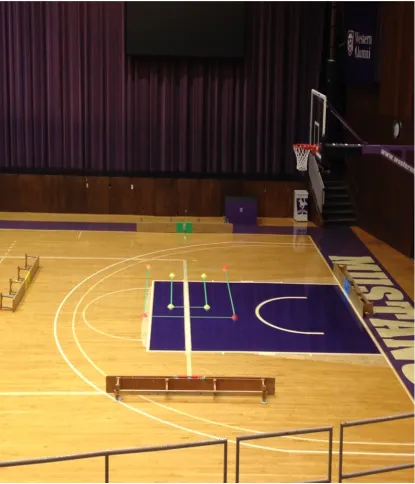
Figure 3. Set up for the Slalom Dribble Test ... 34
Figure 4. Diagram of the Slalom Dribble Test ... 35
Figure 5. Picture of the set up for the LSPT ... 37
Figure 6. Diagram of the LSPT ... 38
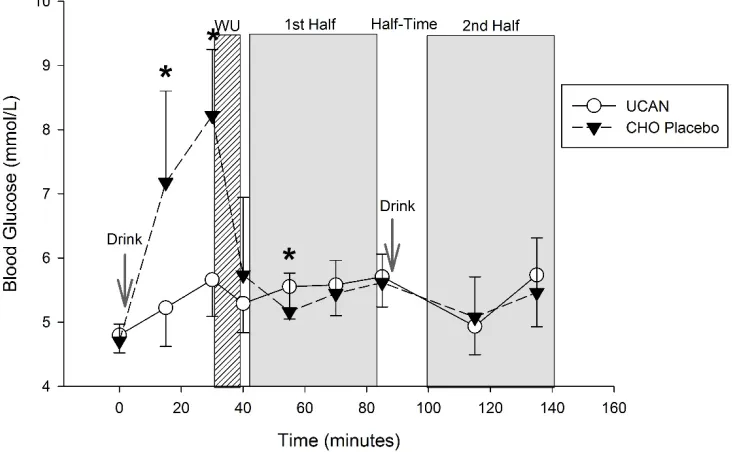
Figure 7. Blood Glucose Concentrations Before and During the Simulated Soccer Game. . 40
Figure 8. Blood Lactate Concentrations Before and During the simulated soccer game. ... 41
Figure 9. Respiratory Exchange Ratio (RER) ... 42
Figure 10. Ratings of Perceived Exertion (RPE). ... 43
Figure 11. Dribbling Time Before and After the Simulated Soccer Game. ... 44
Figure 12. Total Performance Time for the Loughborough Soccer Passing Test (LSPT) after the Simulated Soccer Game. ... 45
Figure 13. Eriksen-Flanker Conflict Cost………... 48
viii
List of Appendices
Appendix A. Human Ethics Approval ... 72
Appendix B. Letter of Information and Informed Consent ... 73
Appendix C. Participant Health Information Form ... 81
Appendix D. Physical Activity Readiness Questionnaire ... 82
Appendix E. Ratings of Perceived Exertion (RPE) Scale ... 83
ix
List of Abbreviations
ACSM American College of Sports Medicine
BBB Blood Brain Barrier
BCAA Branched Chain Amino Acids
BPM Beats per minute
CON Congruent
CHO Carbohydrates
ENRL Exercise Nutrition Research Laboratory
FFA Free Fatty Acids
f-TRP Free Tryptophan
GABA gamma-Aminobutyric acid
GLUT- 4 Glucose Transporter 4
HR Heart Rate
INC Incongruent
LSPT Loughborough Soccer Passing Test
Non – GMO Non Genetically Modified Organism
O2 Oxygen
PAR – Q Physical Activity Readiness Questionnaire
x
RER Respiratory Exchange Ratio
RPE Rating of Perceived Exertion
RSA Repeated Sprint Ability
UCAN Generation UCAN®
1
Introduction
In team sports of moderate to long duration such as soccer, fatigue is an inevitable aspect
that often becomes apparent towards the later portion of the event. Typically, this is
characterized by a drop in work rate (Bangsbo et al., 1991; Rampinini et al., 2007), i.e.
players cover less total distance and spend less time running at high intensities in
comparison to the first half. For example, Bangsbo et al. (1991) found that professional
soccer players covered 5% more distance in the first half compared to the second half.
Furthermore, Rampinini et al. (2007) reported that distance run at high exercise
intensities during the first half is significantly greater than in the second half.
Importantly, this fatigue may also lead to impaired cognitive function resulting in a
deterioration of technical skills such as passing, shooting or dribbling (Rampinini et al.,
2009a) and/or an increase in poor strategy decisions so critical in sports(Baker et al.,
2014).
It is known that hypoglycemia and depleted carbohydrate (CHO) stores are conditions
associated with the onset of fatigue (Stone & Oliver, 2009) and these are likely at least
partially responsible for the performance decrements later in games or practices. Some
investigators have observed that the majority of goals in soccer are scored in the last 30
minutes of a game (Ostojic & Mazic, 2002; Yiannakos & Armatas, 2006). Perhaps, this
results from the greater reduction in the work rate seen during this time, from mental
fatigue or perhaps a combination of the two for one team rather than an augmented
outcome of a game to mental mistakes that happen often in the latter stages of a game. In
light of this, nutrient supplementation strategies to avoid or delay the onset of fatigue has
always been of considerable interest to many.
Generation UCAN® (UCAN) is a CHO drink (made from heat treated, non-GMO corn
starch called Superstarch®) that due to its slow rate of absorption, causes a relatively
small release of insulin into the blood, which not only helps sustain normal blood
glucose, but also may help spare endogenous CHO stores by promoting the use of fats for
fuel during the early stages of exercise. Theoretically, these mechanisms could delay the
onset of fatigue (both physical and cognitive) and, therefore, enhance performance. For
example, storage of glucose in the brain is limited so a constant supply of CHO delivered
via the blood is best to preserve optimal functioning (Pardridge, 1983). Moreover, the
release of free fatty acids (FFA) from adipose tissue is very sensitive to insulin and even
small increases in insulin can reduce lipolysis considerably, which in turn reduces the
mobilization of FFA from adipocytes leading to lower overall fat oxidation rates
(Bonadonna et al., 1990) resulting in earlier CHO depletion. Therefore, not surprisingly,
ingesting CHO regularly, as opposed to one time, during exercise of moderate to long
duration has been shown to be beneficial for performance (Mitchell et al., 1989; Welsh et
al., 2002; Winnick et al., 2005; Ali et al., 2007a; Cermak & Van Loon., 2013). However,
many athletic competitions are designed in such way that supplementation during
exercise becomes difficult. Additionally, most sports drinks are composed of sucrose,
fructose, or maltodextrin, which are broken down and absorbed relatively rapidly. This
creates an unhealthy cycle of a rapid post ingestion increase and subsequent decrease
inducing low blood glucose concentrations [sometimes called rebound hypoglycemia
(Costill et al., 1977; Moseley et al., 2003).
Superstarch® (the key ingredient in UCAN) is made utilizing heat treatment of
non-GMO corn starch, a novel processing technique intended originally to help patients with a
rare genetic disorder called glycogen storage disease. This condition is characterized by a
failure to be able to utilize glycogen stores, due to a genetic deficiency of phosphorylase,
resulting in chronic hypoglycemia. Some studies have shown UCAN treatment to be
better than conventional treatments for prevention of hypoglycemia (Bhattacharya et al,
2007; Correia et al, 2008). Furthermore, one study has shown UCAN has the potential to
enhance endurance exercise performance (Roberts et al, 2011). However, whether the
effects of UCAN treatment are similar during high intensity, intermittent exercise, like
that performed in a soccer game (or other similar ball games), is still unknown.
Therefore, the purpose of the present study was to assess whether UCAN
supplementation can enhance physical, technical (ball skills) or cognitive performance
during a simulated soccer game.
We hypothesized that UCAN supplementation would enhance all three aspects of sports
2
Literature Review
2.1 Carbohydrate (CHO) Metabolism
Skeletal muscle uses CHO and fats primarily as fuel for energy during any type of
sustained or intermittent activity that requires significant muscle contraction (Van Loon
et al., 2001). The relative contribution of these macronutrients for energy depends largely
on factors such as duration and intensity of exercise (Van Loon et al., 2001), but can also
depend on other factors such as training status, environmental conditions, or even gender
(Coggan & Coyle, 1991; Van Loon et al., 1999). Carbohydrate stores in muscle (muscle
glycogen) are the preferred substrate for energy during high intensity exercise. Many
years ago, Gollnick et al. (1974) showed substantial increases in the rate of muscle
glycogenolysis, (breakdown of glycogen), during very intense exercise compared to
submaximal exercise on a cycle ergometer. At the molecular level, there appears to be
several mechanisms responsible for this intensity-dependent glycogen use. The activity of
the enzyme glycogen phosphorylase, the rate limiting enzyme for glycogenolysis, is
regulated by intramuscular and systemic hormonal factors. More specifically, the increase
in sarcoplasmic calcium and inorganic phosphate generated by muscle contractions
during intense exercise stimulates the use of glycogen early in exercise and later
epinephrine promotes muscle glycogen breakdown (Richter et al., 1982). This dual
control allows muscles to utilize glycogen primarily during high intensity exercise in an
attempt to match the energetic demands of the activity (Richter et al., 1982).
Blood glucose is also an important source of muscle fuel during exercise. Depending on
exercise intensity and duration, glucose uptake into skeletal muscle can increase several
extraction of glucose from blood into skeletal muscle (insulin-like effect of muscle
contraction). This is achieved not only due to a very large increase in skeletal muscle
blood flow (via capillary dilation) in the exercising muscles but also due to an increased
movement (translocation) of the glucose transporter isoform 4 (GLUT 4) to the plasma
membrane of muscle, which has been demonstrated to be extremely important for
glucose uptake (Zisman et al., 2000). In the past, it was understood that activation of the
insulin signaling pathways was required for cellular glucose uptake but insulin is not
necessary with muscle contraction. Newer evidence has shown that muscle
contraction-induced GLUT 4 translocation, can even have an additive effect when combined with
insulin (Holloszy, 2003). These findings suggest that insulin-mediated GLUT 4
translocation is independent of contraction-induced GLUT 4 translocation. Once glucose
enters the cell via facilitated diffusion, it is quickly phosphorylated and subsequently
oxidized to generate energy for muscle contraction (Katz et al., 1986). Consequently, the
ingestion of insulin stimulating CHO shortly before exercise can result in rebound
hypoglycemia and can cause impaired exercise performance even when muscle glycogen
stores are substantial (Costill et al., 1977).
Liver glucose output during dynamic exercise is also very important in the maintenance
of blood glucose. As mentioned, glucose uptake in muscle increases during exercise so
the liver becomes an important organ responsible for maintaining normal glycaemia.
Consequently, liver glucose output is also dependent on exercise duration and intensity.
Further, with intense exercise liver glucose output can be greater than muscle glucose
uptake resulting in hyperglycemia (Hultman and Harris, 1988). The quantity of glucose
not only from the breakdown of liver glycogen stores but also from gluconeogenesis, the
process of creating new glucose from substrates such as lactate, pyruvate, alanine, and
glycerol (Kristiansen et al., 1977). Although early in an exercise bout, the contribution of
gluconeogenesis for liver glucose output is quite small, as the duration of exercise
increases and liver glycogen stores become depleted, the liver starts to rely more on this
metabolic pathway to obtain glucose. Consequently, an increased uptake of these
gluconeogenic precursors as well as an increased activity of liver gluconeogenic enzymes
have been shown during prolonged exercise (Ahlborg et al., 1974). Unfortunately, despite
being a very important metabolic process to help regulate glycaemia as shown in rats by
John-Alder et al., (1986), gluconeogenesis cannot fully compensate for the decrease in
liver glycogen availability observed during prolonged exercise and thus liver glucose
output starts to decrease resulting in low blood glucose concentrations and subsequently a
decrease in both muscle glucose uptake (Coggan et al., 1995) and performance.
2.2 Fatigue and Exercise
Fatigue is often defined as the inability of muscles to generate (or maintain) force
(Rahnama et al., 2003). Typically, a reduction in force with intense exercise is attributed
to a reduced glycogen content in the active musculature (Saltin, 1973; Yaspelkis et al.,
1993) or low blood glucose concentrations (Coggan & Coyle, 1987). However, clearly
the reduction in force output seen with fatigue could also be due to a failure in the central
nervous system to provide an optimal neural drive to the contracting skeletal muscles
(Newsholme et al., 1987; Nybo and Nielsen, 2001). In team sports, fatigue is manifested
through a progressive reduction in muscle force and power output which affects not only
al., 2007), but also in their ability to perform complicated motor skills (Rampinini et al.,
2009a; Stone and Oliver, 2009). Nevertheless, the causes of fatigue are very complex and
could be derived from both peripheral and/or central mechanisms (Winnick et al., 2005).
2.2.1
Central Fatigue Hypothesis
This hypothesis was conceived based on the assumption that prolonged exercise can
influence the synthesis and metabolism of some monoamines such as serotonin,
dopamine, and noradrenaline (Meeusen et al., 2006). The first suggestion of a central
fatigue hypothesis was by Newsholme et al. (1987). They proposed that variations in
serotonergic neural activity during prolonged exercise contribute to the development of
central fatigue by increasing lethargy and loss of drive which, in turn, may affect motor
unit recruitment negatively resulting in a decreased mental and physical ability to
perform exercise (Newsholme et al., 1987). Importantly, serotonin cannot cross the
blood-brain barrier (BBB) and thus it needs to be synthesized by cerebral neurons
(Meeusen et al., 2006). This process in the brain is dependent on the cerebral
concentrations of the precursor amino acid tryptophan (TRP) (Dahlstroem & Fuxe, 1964;
Ashcroft et al., 1965). Further, TRP binds to the protein transporter albumin in blood,
which also serves as a transporter for free fatty acids (FFA). In blood, only a small
amount is present as free TRP (f-TRP). When glycogen stores become depleted, there is
an increase in the mobilization of FFA from adipose tissue. Consequently, TRP can be
displaced from its protein transporter albumin making it readily available for transport
across the BBB (Curzon et al., 1975). Subsequent increases in cerebral tryptophan
concentration are correlated with increases in serotonin synthesis (Eccleston et al., 1965;
rate of cerebral uptake of f-TRP is also determined by the concentration of brand chain
amino acids (BCAA) as these competing amino acids use the same transport system
(Fernstrom, 1983). Thus, the synthesis and release of serotonin may not only be
dependent on cerebral TRP concentrations but also on other factors such as the ratio of
f-TRP to BCAA (Newsholme et al., 1987), availability of oxygen (Cooper et al., 2003),
cerebral glucose availability (Bequet et al., 2002), and/or the activity of other
neurotransmitters such as dopamine and gamma-Aminobutyric acid (GABA).
Consequently, Davis and Bailey (1997) suggested a revised central fatigue hypothesis
arguing, based on their work, that the ratio of serotonin to dopamine would determine the
performance outcome. An increased ratio of serotonin to dopamine would affect
performance negatively by augmenting feelings of tiredness and lethargy whereas a low
ratio would enhance it by maintenance of motivation and arousal (Davis and Bailey,
1997).
2.2.2
CHO Supplementation and Central Fatigue
CHO supplementation during exercise has been proposed as an effective nutritional
strategy to regulate the synthesis of certain neurotransmitters, and thus delay the onset of
central fatigue (Messier, 2004; Meeusen et al., 2006). For example, glucose is needed for
acetylcholine synthesis and consequently the increase seen with ingestion of CHO is
believed to enhance cognitive function (Messier, 2004). In addition, CHO intake is
known to suppress lipolysis by increasing the concentration of circulating serum insulin
(Bonadonna et al., 1990). If the concentration of plasma FFA is reduced more TRP would
be bound to the protein carrier albumin and, therefore, the increase in f-TRP seen with
synthesis of serotonin and reduced central fatigue. A few studies have investigated the
effects of CHO feeding on the development of central fatigue. For example, Davis et al.
(1992) reported that the progressive increase in the plasma concentration ratio of f-TRP
to BCAA seen during prolonged exercise could be attenuated by CHO feeding. In
addition, their subjects receiving the CHO drinks were able to exercise longer compared
to placebo. However, the direct effect of CHO supplementation on central fatigue is
debated due to the ethical complications associated with measuring cerebral
concentrations of neurotransmitters in humans.
Welsh et al. (1997) have explored this issue in rodents exercising for either 60, 90 or 120
minutes after ingesting CHO, BCAA or water-placebo. At the end of their corresponding
exercise bout, the rodents were killed and brain concentrations of serotonin, dopamine
and their primary metabolites, specifically in the striatum and brainstem regions, were
measured. Neither BCAA nor CHO feedings affected brain serotonin or dopamine at 60
and 90 min of exercise. However, at 120 min, both BCAA and CHO feedings lowered the
concentration of these two neurotransmitters in the brainstem. Interestingly, only CHO
lowered serotonin in the striatum. These results suggest a possible positive influence of
CHO and BCAA on the development of central fatigue, at least with prolonged exercise.
Unfortunately, the animals were not exercised to exhaustion and, therefore, the
relationship between the cerebral concentrations of neurotransmitters and their role in
central fatigue and intense prolonged exercise in humans remains to be elucidated.
2.3 CHO Supplementation and Hypoglycemia
Another possible benefit of CHO feeding during exercise is to avoid hypoglycemia and
hypoglycemia has been shown not only to affect cerebral metabolic rate negatively by
reducing glucose uptake in brain (Nybo et al., 2003) but also to attenuate the ability to
sustain a high neural drive to the exercising muscles (Nybo, 2003). Perhaps, CHO
ingestion can delay this situation by sustaining optimal blood glucose concentrations to
allow normal glucose uptake in brain and provide an additional source of muscle CHO,
thereby enhancing performance late in exercise. Recent evidence suggests that another
potential exercise enhancing mechanism of CHO might involve CHO-sensitive receptors
in the mouth increasing central activation. This evidence comes from mouth rinsing
studies (no actual swallowing) with a 6% CHO solution (Jeukendrup, 2013; Turner et al.,
2014). Surprisingly, this research has shown that CHO mouth rinsing activates certain
areas of the brain responsible for motor control (Chambers et al., 2009; Turner et al.,
2014), improving performance during short duration (~60 minutes) high intensity (<75%
VO2max) exercise (Jeukendrup, 2010). However, these receptors have not been identified
yet, so, specifically how they affect the central nervous system or the role that they might
play on central fatigue remains unclear.
2.4 CHO Supplementation and Intermittent Exercise
Performance
Many sports are characterized by high intensity bouts of exercise interspersed with short
bouts of lower intensity exercise or relative rest. These include most team sports such as
soccer, basketball, rugby, hockey, football as well many individual sports such as tennis,
squash, badminton, etc (Cermak & Van Loon, 2013). The importance of CHO for
performance in these types of sports is well known (Cermak & Van Loon, 2013). As an
VO2max, with an average respiratory exchange ratio (RER) of 0.88 (Bangsbo, 1994).
This value indicates a heavy reliance on muscle and liver glycogen to supply the energy
needed to meet the demands of the exercise (Bangsbo 1994; Jeukendrup, 2004). Perhaps
the first to demonstrate how critical pre-game glycogen content can be for soccer
performance was Saltin (1973). In his study, two groups of soccer players started a soccer
game with differing amounts of glycogen in muscle by manipulating their diet and
exercise on the days preceding the game. One group started with 96 mmol glucose units •
kg-1 of muscle which is deemed to be normal, and the other group had only half that
concentration. At half time, the group with a greater glycogen content depleted about 2/3
of their stores whereas the other group had depleted almost all their stores. At the end of
the game, glycogen in muscle was very low in both groups. Interestingly, both groups
covered less distance in the second half, but the low group covered 25% less distance
than the high group. Furthermore, the low group covered 50% of the total distance
walking and only 15% running at maximal speed whereas the high group walked for only
27% of the total distance covered during the game and were able to run at maximal speed
24% of the time.
As mentioned earlier, blood glucose can also impact sports performance significantly.
With the onset of exercise, glucose in blood rises and remains elevated during activity as
long as liver glucose output is optimal. With the depletion of glycogen stores in liver, and
in the absence of supplementation, serum glucose drops to a point where it can affect
athlete’s performance negatively (Ekblom, 1986; Leatt, 1986; Coggan & Coyle, 1987).
Exercise CHO supplementation has been shown to reduce this drop in work rate during
al., 2007a; Cermak & Van Loon, 2013;). Nevertheless, the mechanisms underlying these
beneficial effects are not well established. One of the plausible benefits is ascribed to the
ability of the body to spare muscle glycogen stores when CHO are consumed during
exercise (Yaspelkis et al., 1993). For example, in a study by Yaspelkis et al. (1993)
subjects cycled for 190 minutes, alternating between low to moderate intensities while
consuming either a solid form of CHO, a liquid form of CHO or water-placebo. Muscles
biopsies were taken before and after exercise and at the end of the exercise. Individuals
who consumed CHO had a significantly greater amount of muscle glycogen indicating
that a sparing of muscle glycogen during exercise occurs with CHO ingestion. Although
there is other evidence to support this hypothesis (Tsintzas et al., 1995; Stellingwerff et
al., 2007), some investigators have failed to demonstrate it (Flynn et al., 1987;
Hargreaves & Briggs, 1988; Mitchell et al., 1989). In the Flynn et al. (1987) study,
subjects performed four exercise sessions where they consumed a CHO drink (three
sessions) or a water-placebo (one session) prior to and during 120 minutes of cycling
exercise. When all trials were compared, there was no significant difference in muscle
glycogen content at the end of exercise. Perhaps importantly, these subjects had
performed a glycogen depleting exercise session two days before the experimental trials
and then consumed the same diet (high CHO) in an attempt to match and maximize
muscle glycogen stores before all sessions. These results may indicate that when muscle
glycogen stores are great, the dependence on exogenous CHO is reduced. However, it
could be argued that either the duration of exercise influenced the results as muscle
glycogen changes have been shown to be time-dependent (Stellingwerff et al., 2007) or
the type and intensity of exercise. For instance, Stellingwerff et al. (2007) reported that
CHO supplementation only helped spare muscle glycogen during the early stages of
exercise while Tsintzas et al. (1995) showed that CHO ingestion only helps in sparing of
glycogen in type I (slow twitch) fibres. Interestingly, the intensity in both studies was
similar while the duration of exercise in the Tsintzas et al. (1995) was 60 minutes, and in
the Stellingwerff et al. (2007) was 180 minutes. Clearly, these methodological factors
play a role when determining differences in glycogen use.
Another possible mechanism responsible for performance enhancement with CHO
supplementation is the maintenance of blood glucose concentration within an adequate
range, i.e., avoiding low blood glucose concentrations during exercise (Coyle et al., 1986;
Coggan & Coyle, 1987; Ali et al., 2007a; Roberts et al., 2011). In the study by Coyle and
colleagues (1986), seven subjects who cycled at ~70% of VO2 max took four hours to
fatigue after ingesting a glucose polymer solution, which was one hour longer than
ingesting water. Further, in the water trial, fatigue was preceded by a gradual decrease in
blood glucose concentration, something that was not observed in the CHO trial.
Similarly, Febbraio et al. (2000) showed that ingestion of CHO during a 2-hour exercise
session helped maintain plasma glucose concentrations and improved performance on a
subsequent exercise time trial. In contrast, some have not been able to demonstrate this
benefit (Jentjens et al., 2003; Claassen et al., 2005; Russell et al., 2014). For example,
Russell et al. (2014) had soccer players ingest a 6% CHO-electrolyte solution before and
every 15 minutes during a 90-minute soccer game and found no effect on blood glucose
concentrations during the latter stages of the game vs those who ingested an electrolyte
concentration during the CHO trial, similar to a water-placebo trial, at the start of the
second half (following a 15-minute passive recovery time), a phenomenon sometimes
known as rebound hypoglycemia. This response depends on the timing of CHO ingestion
and exercise, and is thought to be due to a combination of the insulin effect on blood
glucose and the insulin-like effect of muscle contraction. Here, it is important to note that
in the Russell et al. study (2014), the first CHO ingestion was two hours before initiation
of the soccer game. Others have reported that ingesting high glycemic index CHO (CHO
that are absorbed rapidly and cause a rapid increase in blood glucose) within an hour or
two of activity can induce hypoglycemia (Costill et al., 1977; Moseley et al., 2003).
Similarly, Jentjens et al. (2003) found that ingestion of CHO prior to exercise did not
maintain plasma glucose concentrations during the latter stages of the exercise. Further, it
caused hypoglycemia in 6 out of 9 subjects and did not improve performance.
Other factors such as quantity and type of CHO have also received considerable attention
in the literature. There seems to be a ceiling value for CHO intake (~30g/h – 60g/h)
where no further benefit is seen if the dose increases perhaps due to delayed gastric
emptying (Leiper et al., 2001; Rodriguez et al., 2009). So, although there is plenty of
evidence supporting CHO as an ergogenic aid for performance, some studies failed to
show any improvements suggesting that a number of factors such as timing, type of CHO
and/or quantity should be considered in order to develop better supplementation
strategies.
2.5 CHO Supplementation and Cognitive/Skill Performance
Low blood glucose concentrations can also impair cognitive and/or psychomotor
exercise-induced hypoglycemia and thus could attenuate the deterioration on cognitive
and psychomotor performance often seen during the latter stages of exercise. However,
the effect of CHO supplementation on cognitive performance is unclear. There is some
evidence supporting enhanced cognitive performance (Collardeau et al., 2001; Bottoms et
al., 2006) but there is also evidence suggesting no benefit (Welsh et al., 2002; Winnick et
al., 2005; Bottoms et al., 2012). For example, cognitive function was measured using the
Stroop color-word test during an intermittent exercise bout designed to simulate the
physical demands of team sports but there was no effect on cognitive performance
despite observed improvements in physical performance measures such as jumping and
sprinting ability as well as in a whole body motor skill test (a pseudo hopscotch task)
(Winnick et al., 2005). A recent review of the literature by Baker et al. (2014) suggested
cognitive tests may not be sensitive enough to detect any positive effect given by exercise
CHO intake. Although this may be true, there are several methodological factors that
must be controlled before this suggestion can be substantiated. For instance, cognitive
assessment timing is a very important factor to consider. Dietrich and Sparling (2004)
suggested that the point at which cognitive tests are administered is very important
because neural activation associated with exercise rapidly returns to baseline following
the cessation of exercise. Further, a meta-analysis suggested that exercise led to an
impairment in cognitive performance when the tests were performed during exercise
while small improvements were seen when tests were performed following exercise
(Lambourne and Tomporowski, 2010). One possible explanation for the discrepancy may
be dual-task interference. Of course, athletes must complete complex motor skills, at
reduced attention perhaps due to the metabolic needs of the neural circuitry necessary to
execute the complex motor skills required (the so called “hypofrontality” hypothesis
proposed by Dietrich, 2003). So it would likely be best to measure cognitive performance
during exercise rather than following it.
2.5.1
Sport-Specific Skills Performance.
Clearly, the technical aspects (sport skills) become extremely important for performance
because the main objective of sports games is to score more goals/points than the
opposition (Russell and Kingsley, 2014). Some authors have even identified these aspects
as being more important than high intensity physical performance for success in soccer
(Hughes and Franks 2005; Di Salvo et al., 2009). According to Rampinini et al. (2009a),
passing and dribbling skills are the most frequent skills performed during soccer games.
Despite some studies showing no effect of CHO consumption on sport-specific motor
skills performance (Baker et al., 2007; Roberts et al., 2010), there is overwhelming
evidence supporting the efficacy of CHO supplementation before and during exercise to
enhance skill performance in sport disciplines such as basketball, tennis, soccer, etc
(Vergauwen et al., 1998; Dougherty et al., 2006). Specifically, in soccer, CHO
supplementation has been shown to attenuate the decrease in skill performance seen
during the latter stages of a game (Northcott et al., 1999; Ostojic and Mazic, 2002; Ali et
al., 2007a; Ali and Williams, 2009; Currel et al., 2009; Russell et al., 2012). Of course,
2.6 Generation UCAN
®(UCAN)
UCAN sports drink is a, relatively new, commercially available supplement intended to
enhance performance by optimizing energy use. Superstarch® its key ingredient, is a
CHO made from non-GMO corn starch that, due to its slow rate of absorption into the
blood stream, causes a relatively small release of insulin in blood (Roberts et al., 2011),
which may help spare body CHO stores by promoting the use of fats for fuel. This would
be good for athletes as CHO stores are limited and thus sparing them may represent an
advantage especially toward the end of the event. UCAN is cornstarch which has
undergone a heat-moisture treatment which alters the way it is absorbed. Heat treatment
of corn starch is a novel processing technique intended to help children with a rare
genetic disorder called glycogen storage disease. This disease involves an inability to
utilize glycogen due to absence of the enzyme phosphorylase resulting in life threatening
hypoglycemia. To survive these patients must eat every 2 hours even through the night.
The slow absorption of UCAN has been a near miracle type treatment allowing patients
to sleep through the night and to participate in regular activities by maintaining normal
blood glucose. Studies have shown Superstarch® treatment to be better than conventional
treatments for prevention of hypoglycemia (Bhattacharya et al, 2007; Correia et al, 2008).
As a result, it has been theorized, that UCAN may be a useful supplement for athletes
because low blood glucose concentrations and depleted glycogen stores are often
associated with the onset of fatigue in different sport disciplines; however, to our
knowledge, only one study has been published and it investigated endurance performance
of cyclists (Roberts et al., 2011). Therefore, the purpose of the present study was to
cognitive performance during intense, intermittent, repeated exercise like that found in
many ball games. It was hypothesized that UCAN supplementation would enhance all
3
Methods
3.1 Participants.
Fifteen experienced male soccer players were recruited but four participants did not
complete the entire experimental protocol. One participant vomited during the first
experimental trial, two other participants had work obligations during the study and could
no longer complete all measures and a fourth participant had unexpected academic
obligations. These four participants were excluded from data analysis (Table 1 in Results
section). All participants were competitive athletes from a range of outfield playing
positions and had been participating in soccer training at least ~3 d/wk for 6 months prior
to the study. Each completed a health information form (Appendix C) and the PAR-Q
(Canadian Society for Exercise Physiology, 2002, Appendix D) to screen out any
potential contraindications to the exercise. All risks and discomforts were explained fully
prior to any testing. All data collection was conducted in the Exercise Nutrition Research
Laboratory (ENRL) and Alumni Hall Gym (AH Gym) at The University of Western
Ontario. All participants provided written, informed consent of the protocol approved
previously by the Office of Research Ethics at Western.
3.2 Preliminary visits and baseline testing
Prior to any experimental testing, participants visited the ENRL/AH Gym on three
separate occasions for familiarization to laboratory and field testing procedures and
screening/baseline measures. On the first visit, participants had their body composition
oxygen consumption (VO2max).
On a subsequent day, at least 48 hours after the first visit, each was given an opportunity
to familiarize himself with both the cognitive and skill tests in order to limit any potential
learning effect during the study. The cognitive tests used included the Eriksen-Flanker
test and the Serial seven subtraction test. The soccer skill tests used were the Slalom
dribble test and the Loughborough soccer passing test (LSPT) (Ali et al., 2007b). All
participants completed 8 familiarization repeats for each test. In addition, they completed
a familiarization with the simulated soccer game protocol by performing a 15-minute (1
block) run on the treadmill at the intensities to be used during the experimental
simulation. During this time, cognitive performance was assessed in the same way it was
to be done during the experimental sessions. During this familiarization session, players
were introduced to the 20-point Borg Scale of perceived exertion (RPE; Borg, 1973; see
Appendix E) and were provided clear directions on how to use it to represent their
perceptions of effort during the simulated game.
On the third day of preliminary testing, baseline scores for the two skill tests were
collected. Specifically, after a standardized 10 min warm-up, all participants performed
four trials on the LSPT. The first two were “re-familiarization” trials and the average
score of the last two trials was used as the final score.
3.3 Experimental overview.
A double-blind, randomized, crossover research design was implemented involving two
experimental treatments heat treated corn starch (UCAN) or Dextrose (CHO Placebo).
separated by at least one week. Briefly, the first participant was assigned randomly to one
experimental treatment and thereafter treatments were systematically rotated to avoid
order effects. Each participant completed both conditions (UCAN and Placebo) and
neither the subject nor investigator knew which condition was which (supplement
preparation and assignment was completed by a Graduate student not involved in the
study). All drinks were given to the participants in opaque plastic 1L Green Gatorade®
drink bottles.
Participants recorded their food/drink intake for the two days prior to the first test day in
order to replicate nutrient consumption the two days preceding their next trial. Further, all
were provided a standardized low carbohydrate meal consisting of two burgers with
lettuce buns, boiled yellow mini-potatoes and apple juice (~9 kcal•kg-1 and 1 g•kg-1 of
carbohydrate [CHO]) at 1930 h on the eve of testing in order to minimize the intra- and
inter-variability of nutritional status (Jeacocke & Burke, 2010). This was the last food
intake prior to the experimental day but water intake was allowed ad libitum.
On test days, participants reported to the ENRL at 0730 h after a 12 h overnight fast
having abstained from strenuous exercise, caffeine or alcohol consumption for 24 h prior
to testing. Upon arrival at the laboratory, measures of baseline blood glucose, blood
lactate and resting expired gases were obtained. Subsequently, participants performed the
Eriksen-Flanker test and the Serial Seven subtraction test 3 times each. The first two were
“re-familiarization” attempts and the last test score was used as a baseline score. Once the
cognitive tests were finished, participants were provided with the first bottle of the
experimental or placebo drink and were allowed 30 minutes for gastric
ingestion of the experimental drink. Then, participants executed a standardized 10-minute
exercise warm-up, blood glucose and lactate were measured again and then the 60-minute
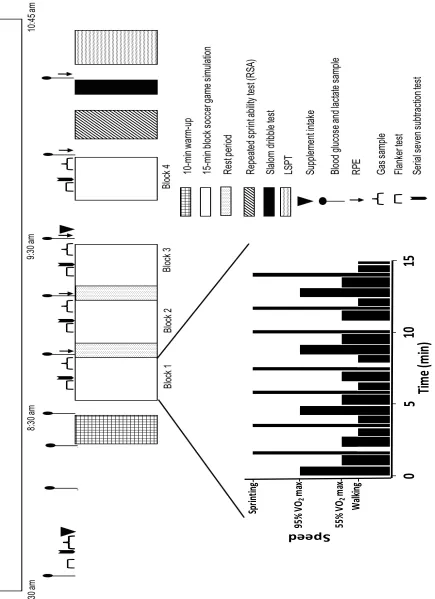
simulated soccer game protocol began. This game was comprised of 4 x 15-minute
intermittent running blocks interspersed with 3 minutes of passive recovery. The first 3
blocks corresponded to the first half of the game, then a 15-minute half time break was
given. During this time, the second bottle of the corresponding experimental drink was
provided. The Serial Seven subtraction test and the Eriksen-Flanker test were completed
at consistent time points during each standardized 15-minute running block and expired
gas samples were collected during the last 4 minutes of each exercise block (Figure 1). In
addition, heart rate was monitored throughout. Measures of blood glucose and lactate as
well as ratings of perceived exertion were collected during the passive recovery after
each exercise block. Ten minutes after completion of the last block, participants
performed a repeated sprint ability test (RSA), followed by two soccer skill tests, the
Slalom Dribbling test and the Loughborough soccer passing test (LSPT). The final
measures of blood glucose and lactate as well as ratings of perceived exertion were
Figure 1. Experimental protocol
0
Tim
e&(
mi
n)
5
10
15
Spe ed
Sp
rin
tin
g
95%
&VO2
ma
x
55%
&VO2
ma
x
Wa
lki
3.4 Supplementation Treatments
Both treatments were carbohydrate beverages because CHO or energy ingestion enhances
exercise performance and all participants completed both trials. Experimental treatments
included UCAN and Dextrose (placebo). Both drinks consisted of an 8% CHO solution
containing a total of 0.7g•kg-1•h-1 (2.8 kcal•kg-1•h-1) of the corresponding CHO. The total
amount of CHO was provided at two time points, the first one 30 minutes prior to
commencement of exercise (497+48 ml; containing 0.5g•kg-1) and the second one was
provided at half time (199+18 ml containing 0.2g•kg-1). The quantity of CHO ingested
and the volume of water used to prepare the beverages were determined based on ACSM
guidelines (2009). The electrolyte concentration in both beverages was controlled using a
non-caloric flavoured electrolyte replacement powder (UCAN Hydrate®) that contained
94 mg•L-1 of magnesium, 281.7 mg•L-1 of chloride, 563.4 mg•L-1 of sodium, 187.9 mg•L
-1 of potassium and 28 mg•L-1 of calcium. These quantities were determined based on
manufacturer’s guidelines. As mentioned, both experimental drinks were administered in
identical, opaque drink bottles. Prior to ingestion, participants were told not to open the
bottle nor discuss their supplement with anyone. The beverages were indistinguishable by
taste and texture. Participants were asked after ingesting each drink to try to identify the
solution as placebo or treatment. Their responses (only 3/11 guessed correctly) clearly
indicating that they did not know the order of treatments.
3.5 60-minute Simulated Soccer Game Protocol
The simulated soccer game was adapted from a protocol developed previously by Drust
et al. (2000) and later modified by Clarke et al. (2008). The latter investigators used the
same relative intensities based on their recorded maximum ability and at exercise
intensities known to occur in soccer games (Nicholas et al., 2000). The simulation was
conducted on a treadmill (Desmo Pro, Woodway®, Wisconsin, USA) interfaced with
computer based, interactive Software (PT Pro, Version 2.2). The Software was used to
ensure that changes of treadmill speed were done at the same times during all trials. The
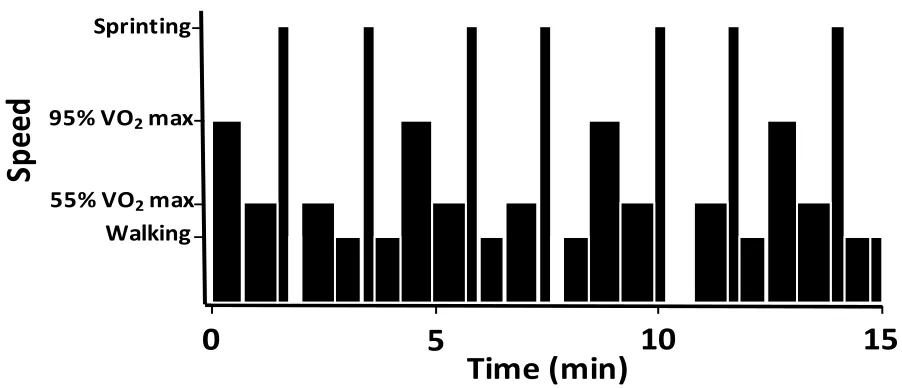
protocol was comprised of four, 15-minute blocks running at varying intensities to
replicate the activity pattern of soccer such as sprinting, jogging, cruising and walking.
Backwards movements, sideways movements and actions with the ball were not included
in the protocol because of the difficulty to execute these actions when using a motorized
treadmill. The first half was comprised of three blocks, each separated by three minutes
of passive recovery. The last intermittent running block was completed after a 15-minute
half time break. The proportion of time spent at each exercise intensity was allocated
based on a time-motion analysis of professional soccer players observed by Reilly and
Thomas (1976). The times used for each of these exercise intensities in each block were
as follows: full stopping (15 s), walking (35 s), jogging (46 s at 55 % VO2max), cruising
(42 s at 95% VO2max) and sprinting (17 s at 90% of their speed during the 15 sec
treadmill sprint). The duration of each bout included the time lag for changes in treadmill
speed. The different speeds used during the running block were determined using the
following equations:
For walking: (comfortable gait speed in males 20-29-year-old)
Speed (mph) = (0.788 cm/s x 0.0223694 mph-1) * Height (cm) (Bohannon, 1997).
0.55 VO2 max = 0.2 * Speed(m•s-1) + 0.9 * Speed(m•s-1) * fractional grade + 1 MET (ACSM, 2000)
For Cruising:
0.95 VO2 max = 0.2 * Speed(m•s-1) + 0.9 * Speed(m•s-1) * fractional grade + 1
MET (ACSM, 2000)
For Sprinting:
90% of their peak sprint speed in a 15-sec all out test on a non-motorized treadmill.
Throughout the block, participants were informed 15 seconds and 5 seconds prior to all
upcoming changes in speed. In addition, they were given feedback on time elapsed and
time remaining to complete the block.
Figure 2. Exercise Intensity profile of each running block.
0
Time&(min)
5
10
15
Sp
ee
d
Sprinting
95%&VO2max
3.6 Measurements
3.6.1
Body
Composition
Air displacement plethysmography body volume (BodPod®, Life Measurements,
Concord, CA) and body mass were used to determine body density. Participants were
required to fast three h prior to entering the BodPod®, and to wear approved clothing
(compression shorts and lycra swim cap) to minimize errors due to air in hair or under
clothing. Thoracic volume was estimated via a calculation integral to the BodPod®
software. Body composition was estimated from the measured body density using the Siri
(Siri, 1961) equation.
3.6.2
Aerobic Capacity
VO2max was determined via an incremental speed protocol on a treadmill (Desmo Pro,
Woodway®, Wisconsin, USA). Briefly, participants started running at 9.7 km•h-1 h with
the treadmill set at a constant gradient of 1%. Subsequently, increases in speed of 0.16
km •h-1 every 12 sec were applied until volitional exhaustion. Heart rate (HR) was
monitored throughout the test (Cardio 660TM, Sportline, Elmsford, New York). Expired
gases were collected via a breath-by-breath collection system (Sensormedics Vmax 29,
Yorba Linda, CA). The system was calibrated according to manufacturer’s guidelines
using known gases volumes and composition of air samples. The greatest value achieved
over a 20-second collection period was considered max whenever a plateau in VO2
occurred (<50% of the expected increase in oxygen uptake for the increased workload) or
when two of the following three criterion measures were attained (±10 bpm of age
predicted maximum HR, RER >1.15 [RER = volume of CO2 produced/volume of O2
3.6.3
Sprint test
Peak sprint speed was determined using a 15-second all-out effort on a non-motorized
treadmill (Desmo Pro, Woodway®, Wisconsin, USA). For this test, the treadmill running
belt was disengaged so that participants were able to propel it themselves. At a 2%
incline, participants grabbed onto the treadmill handle bars and ran as fast as they could
for 15-seconds. The highest speed shown on the treadmill’s display board during the test
was recorded as peak speed.
3.6.4
Heart Rate
HR was monitored continuously throughout the simulated soccer game protocol via a
Cardio 660TM heart rate monitor (Sportline, Elmsford, USA). Highest HR recorded for
two runs at each different exercise intensity throughout each block were averaged to
provide an estimation of HR for each exercise intensity and throughout the whole block.
3.6.5
Blood Glucose and Lactate
Finger prick blood glucose and lactate measurements were taken at baseline (fasted; 0730
h), before exercise (0830 h), after completing each of the four exercise blocks (0850 h,
0910 h, 0930 and 1005 h) and after completing the Slalom dribble test (1025 h). In
addition, blood glucose concentrations were also measured 15 and 30 minutes after
ingestion of the experimental drink. While sitting down on a chair within the ENRL,
participant’s finger was first washed with soap and water and subsequently cleaned with
an alcohol swab, air-dried then pierced with a FreeStyle Lancing Device® (Abbott
Diabetes Care Limited, Saint-Laurent, Quebec). The first drop of blood was discarded
and the second drop was analyzed via FreeStyle Freedom Lite® Glucometer (Abbott
Diagnostics, Cardiff, United Kingdom). The FreeStyle Freedom Lite® Glucometer and
the Lactate Scout+ analyzer were chosen as they required very little blood (0.3 µL of
blood and 0.2 µL of blood, respectively) and were shown previously to be accurate within
the range of expected blood glucose and lactate concentrations, respectively (Freckmann
et al., 2012; SensLab GmbH., 2012).
3.6.6
Fluid Ingestion
Prior to each simulated soccer game, participants were instructed to engage in normal
hydration practices and consume water ad libitum throughout the protocol. Participants
were provided a 1L Green Gatorade® squeeze bottle, filled with a pre-weighed volume
of water. At the end of the exercise session, the water bottle was reweighed to the nearest
1.0 g on a Mettler-Toledo® Scale PB3002 (Mettler-Toledo Canada, Mississauga,
Ontario). The volume of fluid consumption was quantified as the difference in pre- and
post-exercise water bottle mass.
3.6.7
Cognitive Function
Cognition was evaluated during exercise. Briefly, participants completed several basic
cognitive tasks, which have been shown previously to measure sport-specific cognitive
demands (Voss et al., 2009). A review conducted by Tenenbaum and Bar-Eli (1993)
concluded that decision making in sport is contingent on short-term/working memory,
visual search strategies, concentration and attentional allocation. Therefore, in order to
assess some of these fundamental cognitive demands of sport effectively, two cognitive
tests were conducted throughout the simulated soccer game. A modified one-minute
serial-seven subtraction test, as previously described by Kennedy & Scholey (2000), and
one cognitive outcome of interest. See below for details.
The PEBL (Michigan Tech University, Houghton, MI), a widely available Windows
computer software program, provided the platform for the Flanker test. Previous research
conducted by Piper and colleagues (2012) concluded that PEBL demonstrated similar
plasticity as other previously validated cognitive batteries when evaluating executive
function (umbrella term for the management of many of the aforementioned cognitive
traits of interest). Furthermore, as open-source software, our research team was able to
alter source codes and manipulate the number of trials to fit the current protocol during
the periods of time where participants where not sprinting. During each experimental
trial, the cognitive tests were conducted at baseline (prior to first supplement ingestion)
and during each exercise block of the simulated soccer game.
3.6.7.1
Modified Eriksen-Flanker Task
The Flanker task was incorporated as an assessment of attentional control - the ability to
direct attention dynamically while ignoring distractions (Eriksen and Eriksen, 1974).
Attentional control is often included in sport cognition batteries, as the ability to direct
attention and pick out relevant cues is believed to be associated with sport expertise
(Williams and Davids, 1998; Mann et al., 2007). Specifically, the Eriksen-Flanker task
presented five arrows centered linearly on the computer screen. Participants were
instructed to focus their attention on the center arrow, and ignore the two flanking arrows
on either side. Each test was comprised of 40 random trials (20 congruent and 20
incongruent). The congruent trials consisted of the target arrow being flanked by other
arrows that faced the same direction (e.g., ¬¬¬¬¬ or ®®®®®). The incongruent
directions (e.g., ¬¬®¬¬ or ®®¬®®).To respond, participants pressed a push
button on a hand held device interfaced with the computer, while running on the
treadmill. The push button for each hand also corresponded to the direction of the center
arrow on the computer screen, regardless of condition. This test was performed twice
within each exercise block for a total of 8 times during the soccer game simulation. The
task was scored as mean choice reaction time (ms), accuracy (%) and conflict cost (also
known as the ‘Flanker effect’) (ms). Eriksen-Flanker conflict cost was quantified as the
difference in mean choice-reaction time between congruent and incongruent trials.
3.6.7.2
Serial Seven Subtraction
Originally developed in 1942 by Hayman, serial subtraction is a mental math cognitive
task, which is postulated to measure working memory (DeStefano and LeFevre, 2004;
Kase et al., 2009). Participants completed a 1-minute verbal version of the serial-seven
subtraction task once for each of the four exercise blocks throughout the protocol.
Starting numbers for all trials were between 800-999 and chosen by means of a random
number generator. Prior to testing, participants were instructed to subtract seven
recursively from the starting number as quickly and as accurately as possible within the
allotted one minute. Time commenced once participants repeated the original number. If
a mistake was made, participants were asked to continue subtracting seven from the
erroneous value and subsequent responses were scored in relation to the incorrect
number. All verbal responses were recorded audibly to ensure answers were quantified
accurately. In order to minimize any potential learning curve, participants completed
practice trials during familiarization visits as well as before each simulated game. Each
% correct = correct responses / correct + incorrect responses
3.6.8
Rate of Perceived Exertion (RPE)
Subjective ratings of perceived exertion were collected after completing each of the four
exercise blocks (0850 h, 0910 h, 0930 and 1005 h) and after completing the Slalom
dribble test (1025 h) using the 20- point Borg Scale (Borg, 1973) (Appendix E). The
scale was shown to the participants at the end of each exercise block as well as after the
Slalom dribble test, and they were asked to rate how hard the exercise felt based on their
current state.
3.6.9
Repeated Sprint Ability test (RSA)
Soccer players’ ability to perform repeated high-intensity actions is considered a key
factor in elite soccer (Rampinini et al., 2009b). Therefore, a repeated sprint ability test
was implemented to assess physical performance after the 60-minute simulated soccer
game. The test was comprised of 12 x 30 m sprints interspersed with 35 seconds of
recovery (Glaister et al., 2008). All sprints were performed on a flat, non-slippery
wooden surface in Alumni Hall gym at Western University. Timing gates (Western
Engineering Electronic shop, London, CA) were placed at 0, 20m and 30m. Each sprint
was initiated one meter behind the start line to avoid false triggering of the first timing
gate, and finished one meter in front of the last timing gate to ensure participants did not
slow down before crossing the 30 m point. Participants were required to give a maximal
effort in each sprint. The following measures of performance were calculated from the
RSA:
2) Best sprint time = best time out of all the sprints performed.
3) Percent sprint decrement = 100 x (total sprint time / ideal sprint time) – 100, where:
Total sprint time = sum of sprint times from all sprints.
Ideal sprint time = number of sprints x fastest sprint time (Glaister et al., 2008).
3.6.10 Skill tests
All testing protocols were carried out on a flat, non-slippery wooden surface in Alumni
Hall gym at Western University. Grids and distances were measured using a 30m tape,
and were marked out with cones and green painters tape.
3.6.10.1 Slalom Dribble Test
Soccer dribbling skill was assessed using the slalom dribble test. This test has been
shown to have good ecological and construct validity as well as high test-retest reliability
(r = .95; Reilly and Holmes, 1983). It evaluates total body movement, challenging
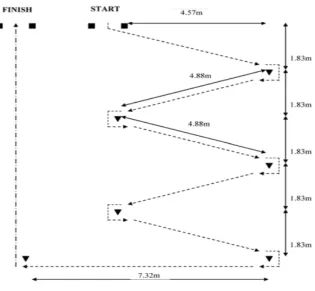
participants to dribble a ball around a set obstacle course as quickly as possible (Figures 3
and 4). Timing gates (Western Engineering Electronic shop, London, CA) were placed at
the start and end lines in order to measure accurately the time taken to complete the
course as shown (Figure 3). Participants stood with the ball 1 meter behind the starting
line. On the command go, they dribbled the ball towards the right of the first cone and
then alternately around the outside of the remaining cones in a zig-zag fashion. Once they
got to the sixth cone, the ball was stopped and subsequently they sprinted in a straight
line to the end line. Participants were required to perform the slalom dribble test four
times with a rest of 1 minute between trials. The first two were “re-familiarization” trials
Figure 4. Diagram of the Slalom dribble test
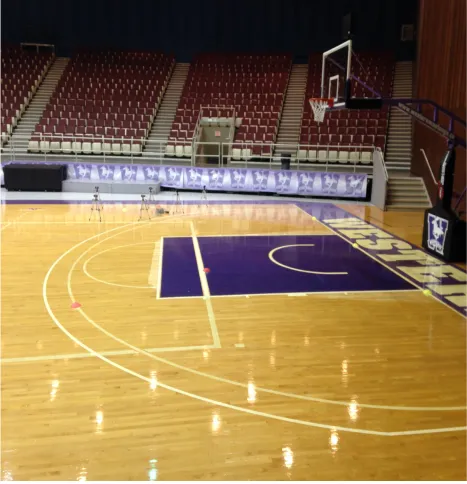
3.6.10.2 Loughborough Soccer Passing Test (LSPT)
The LSPT is a psychomotor skill test that incorporates various psycho-technical aspects
of soccer such as passing, control, dribbling and decision-making (Ali et al., 2007b).
Participants must perform 16 passes to four different coloured targets, while negotiating a
coned area, as quickly as possible (Figures 5 and 6). The four coloured target areas
measured 30 cm x 60 cm each with an inner aluminum target measuring 15 cm x 10 cm.
These targets were attached to wooden gym benches to allow rebounding of the ball.
Participants started with the ball in the middle of the inner grid. As soon as the first
colour was called, participants dribbled into the passing area and passed the ball to the
target as quickly and accurately as possible. As the ball was travelling back to them, the
examiner called the next colour target. Then, participants controlled the ball, moved in
the inner grid and then out to the corresponding passing area to perform the next pass.
The passing sequence was assigned randomly (Appendix F). There were 8 long and 8
short distance passes in total, and participants were allowed 43 seconds to complete the
test before they were penalized. Penalty and bonus time were accumulated according a
pre-set criterion (Ali et al., 2007b):
5 s for missing the bench completely or passing to the wrong bench
3 s for missing the target area (60 cm x 30 cm)
3 s for handling the ball
2 s for passing the ball from outside of the designated area
2 s for not crossing two inner lines
2 s if the ball touches any cone
1 s for every second over the allocated 43 s to complete the test
1 s was deducted from the total time if the ball hit the 10-cm strip in the middle of the target
Three parameters of performance were calculated from the LSPT including:
1) Test Time: Time to complete all 16 passes as measured with a stopwatch (Cardio 660TM, Sportline, Elmsford, USA).
2) Penalty Time: Total penalties accumulated from the mistakes made and the bonuses scored during the test execution.
bonus time.
Figure 6. Diagram of the LSPT
3.7 Statistical Analysis
Statistical analyses were performed using SigmaPlot for Windows (Version 12.0). Blood
metabolites concentrations, expired gases samples, ratings of perceived exertion,
accuracy and reaction times during cognitive performance results were analyzed using
two-way (condition by time) repeated measures ANOVA. The Slalom dribble test was
analyzed using one-way ANOVA. Tukey’s HSD was used for post-hoc analysis of any
significant effect. Furthermore, The Eriksen-Flanker conflict cost, RSA and LSPT data
were analyzed using a paired t test. Significance was set at p ≤ 0.05. Data are presented as
4
Results
4.1 Descriptive Analysis
With respect to physical characteristics the 11 experienced male soccer players studied
appeared to be representative of young, elite soccer players (Table 1). The total distance
run during the 60-minute simulated game was 8.7 km, comparable with the distance
covered in a game by professional soccer players (Rampinini et al., 2009a).
Table 1. Participant Characteristics (n=11)
Height, cm 177.7 ± 6.8
Mass, kg 77.3 ± 7.9
Age, y 22 ± 3
Body fat, % 12.8 ± 4.9
VO2 max, ml•kg-1•min-1 57.1 ± 3.9
Cm = centimeters; kg= kilograms; y = years, ml = milliliters, min = minutes. Data are reported as mean ± SD.
4.2 Blood Metabolites
4.2.1
Blood Glucose
Due to technical difficulties, two participants were excluded from the analysis (n=9).
There was a main effect of time (p < 0.001) for blood glucose concentration. Blood
glucose concentration at 30 minutes post drink was greater compared to any other time
during the experimental protocol. Additionally, there was a main (p= 0.006) effect of