NURSE AND TEACHER LED ADOLESCENT HEALTHY WEIGHT CLASSES TO IMPROVE HEALTH BEHAVIORS
Gary Dupart
A dissertation submitted to the faculty at the University of North at Carolina at Chapel in partial fulfillment of the requirement for the degree of Doctorate of Nursing Practice in the School of
Nursing
Chapel Hill 2017
© 2017 Gary Dupart
ABSTRACT
Gary Dupart: Nurse and Teacher Led Adolescent Healthy Weight Classes to Improve Health Behaviors
(Under the direction of Diane Berry)
Problem Statement: Weight management is a public health problem affecting adolescents across the United States that negatively impacts their current and future physical, social, and behavioral health. Rapid implementation of efficient and sustainable interventions is necessary to manage the problem.
Purpose: The purpose of this study was to examine the feasibility and initial efficacy of using a weight management intervention that was school-based, evidence-based, and developmentally appropriate to help adolescents develop and maintain healthy nutrition and physical activity behaviors and improve their adiposity and weight status.
Methods: This feasibility and initial efficacy study used a single group repeated measures design. The sample consisted of African American, non-Hispanic white and bilingual Hispanic
adolescents enrolled at the Just Right Academy in Durham, North Carolina. The participants
received a healthy nutrition and physical activity education and exercise intervention. The
intervention included a 7-week seriesof a 45-60 minute, nurse-led and classroom teacher
assisted, evidence-based, and developmentally appropriate nutrition and physical activity
education and exercise classes offered twice a week, for a total of 14 classes. Data were collected
before the intervention started at Time 1 (baseline), at Time 2 (after completion of the
collected included height, weight, body mass index (BMI) percentiles, and adiposity (waist
circumference and triceps and subscapular skinfolds). Health behavior information and changes
were collected using the Child Health Behavior Survey, physical activity logs, and parental and
schoolteachers’ interviews.
Analysis: Descriptive data analyses and correlations were conducted but interpreted
conservatively, considering the small sample size and methodology as a feasibility and initial
efficacy study. Paired t-tests were run on weight, adiposity, nutrition and physical activity data
from Time 1 to Time 2 and Time 1 to Time 3 to examine changes in weight, adiposity and health
behaviors across time.
Results: As expected participants mean height increased from Time 1 to Time 2. However, at
the researcher included only printing ($30) and assorted teaching materials ($20).
Significance: The results of this study suggest that an evidence-based and developmentally
appropriate weight management intervention is acceptable and feasible in a non-traditional school setting. Management of adiposity and weight in adolescents may improve their physical, social, and health behaviors and contribute to their overall wellness. Further study is needed to
ACKNOWLEDGEMENTS
TABLE OF CONTENTS
LIST OF TABLES ...xi
LIST OF ABBREVIATIONS AND SYMBOLS ...xii
CHAPTER 1: INTRODUCTION ...1
Background and Significance ...1
Problem Statement ...2
Study Purpose ...3
Clinical/Practice Question ...3
CHAPTER 2: REVIEW OF LITERATURE ...4
Adolescent Health Risks .………4
Dietary Factors Affecting Weight ...………7
Physical Activity Factors Affecting Weight ………...8
Evidence Based Interventions ...………..9
CHAPTER 3: THEORETICAL FRAMEWORK ……….………..………..12
Developmental Theory ………..………12
Ecological Systems Theory ……….………...……...………13
Experiential Learning Theory ……….………..………14
CHAPTER 4: METHODOLOGY ...……….………16
Project Design ……..……….16
Intervention Design ………...18
Variables and Measurement ………..…25
Adiposity Outcomes ……….….27
Health Behaviors ……..……….28
CHAPTER 5: RESULTS ..………29
Parental and Student Demographics …………...………..29
Anthropometric Results ………...……….34
Health Behavior Results ………..……….36
Process Evaluation and Lessons Learned ……….…41
CHAPTER 6: DISCUSSION ……….………..51
Overview of Study ……..………..51
Adiposity and Weight Management ……….………51
Health Behavior Changes ..………..……….52
Feasibility and Systemic School Changes ..………...………...54
Plan to Sustain ………..56
Limitations ……….….…..57
Conclusion .……….………..57
APPENDIX A: CHILD HEALTH BEHAVIOR SURVEY ………...………..59
APPENDIX B: PHYSICAL ACTIVITY LOG ………..……….…68
APPENDIX C: RECRUITMENT FLYER ……….……….….69
APPENDIX D: PARENTAL CONSENT FORM ……….………...70
APPENDIX E: ADOLESCENT ASSENT FORM ………..………74
LIST OF TABLES
Table 1 - Nutrition and Exercise Education Classes for Adolescents ………...18
Table 2 - Summary of Measures …………..……….26
Table 3 - Demographic Data ……….………30
Table 4 – Weight and Adiposity Data ………...34
Table 5 – Weight and Adiposity T-Tests………...35
LIST OF ABBREVIATIONS AND SYMBOLS
BMI Body Mass Index
CDC Center for Disease Control and Prevention
CM Centimeters
DDHS Department of Health and Human Services
KG Kilograms
MM Millimeters
NC North Carolina
US United States
USDA United States Department of Agriculture WC Waist Circumference
& And
% Percent
> Greater than
CHAPTER 1: INTRODUCTION
Overweight and obesity in adolescents is a national public health concern. Within the United States (US), adolescents with overweight and obesity have increased dramatically over
the last 30 years (Center for Disease Control and Prevention [CDC], 2015). North Carolina (NC) is ranked 23rd in the US for having the highest childhood obesity rates (Community and Clinical Connections for Prevention and Health, 2016). Durham County in NC is particularly affected (Angle & Sharpe, 2010; Child and Adolescent Health Measurement Initiative, 2012).
Adolescents with overweight and obesity are at a greater risk for physical, behavioral, and social
health problems than their average weight peers (Black, Zhou, Takayanagi, Jacobsen, &
Koebnick, 2013; Park, Falconer, Viner, & Kinra, 2012; Pulgaron, 2013).
Despite interventions developed at the state and national level, decreasing overweight and obesity remains challenging. Individual and cultural barriers to healthy eating and physical activity create obstacles that make it challenging for adolescents to achieve healthy adiposity and weight (Sallis & Glanz, 2006; Strasburger, Jordan, & Donnerstein, 2010). A review of dietary variables contributing to poor weight management demonstrated that unhealthy eating patterns
such as high-calorie foods and low consumption of fruits and vegetables are important for
adolescent weight management (Office of the Surgeon General, 2010; Sallis & Glanz, 2006).
Also, low levels of regular physical activity and increased sedentary behaviors including video
When a theoretical framework was applied to an adolescent obesity intervention,
researchers found that strategies targeting the individual, family, and school environment
appeared to have the greatest impact (Bloonpleng et al., 2013). Research suggests that
school-based interventions may be the best approach for childhood obesity management, but few study
designs have used nurse-led and evidence-based interventions (American Dietetic Association
[ADA], 2006; Brown & Summerbell, 2009; Katz, O’Connell, Njike, Yeh, & Nawaz, 2008; Kelishadi & Azizi-Soleiman, 2014; Kriemler et al., 2011; Sun et al., 2013; Tucker & Lanningham-Foster, 2015).
Problem Statement
Weight management is a significant problem negatively affecting adolescents across the
US. The prevalence of children and adolescents with overweight and obesity has increased from
14.7% in 1980 to 31.8% in 2012 (CDC, 2015). A total of 33% of adolescents aged 10-17 years in NC are currently overweight or obese (Child and Adolescent Health Measurement Initiative, 2012). Also, Durham County is ranked 52 out of 100 counties in NC for children with
overweight and obesity (Eat Smart, Move More, NC, 2012a; Eat Smart, Move More, NC,
2012b). Overweight and obesity has negatively impacted adolescents by increasing their risk for metabolic and cardiovascular disease, bullying and stigmatization, and behavioral health
concerns including body dissatisfaction (Puhl & Latner, 2007; Pulgaron, 2013; Wills,
Backett-Milburn, Gregory, & Lawton, 2006).
Adolescents are experiencing high levels of overweight and obesity that may negatively
impact their health and increase morbidity and mortality as they move into young adulthood.
This trend has increased over the last three decades and is not expected to improve in the near
innovative interventions that are immediately sustainable by embedding them in schools with
teachers are needed. Accordingly, such an intervention should be appropriate for the school’s
population and easily deployed within the school’s established operations (Smith & Petosa,
2016).
Purpose
The purpose of this study was to examine the feasibility and initial efficacy of a healthy nutrition and physical activity intervention to improve adiposity and weight management in adolescents using an evidence-based and developmentally appropriate intervention in the school setting and partnering with school educators to produce immediate implementation and
sustainability. The specific aim was to examine weight status (body mass index [BMI] percentile), adiposity (waist circumference and triceps and subscapular skinfolds), and health behaviors (nutrition and physical activity) from Time 1 (baseline) to Time 2 (after completion of intervention) and from Time 1 (baseline) to Time 3 (after 3 months without contact from the study staff).
Clinical/Practice Question
CHAPTER 2: REVIEW OF THE LITERATURE Adolescent Health Risks
Adolescents with overweight and obesity have a greater risk of immediate and future physical, behavioral, and social health problems (Puhl & Latner, 2007; Pulgaron, 2013; Wardle & Cooke, 2005). Improvements in nutrition and physical activity may reduce these health risks by using evidence-based interventions that are appropriate for the developmental level and based in a school setting (American Dietetic Association, 2006; Bloonpleng et al., 2013; Brown & Summerbell, 2009; Katz et al., 2008).
Physical Health. Adolescents with overweight and obesity are at an increased risk for prediabetes, type 2 diabetes mellitus, hypertension, cardiovascular disease asthma, poor dental
health, orthopedic disorders, and sleep apnea (American Diabetes Association, 2016; Black et
al., 2013; Mozaffarian et al., 2016; Park et al., 2012; Pulgaron, 2013). Diabetes and cardiovascular disease in adults are associated with overweight and obesity in adolescence
(CDC, 2015; Tirosh et al., 2011). Immediate physical health risks including prediabetes, diabetes, asthma, and orthopedic problems in adolescence are of urgent concern since there is
limited data on the long-term consequences of overweight and obesityin adolescents (Black et
al., 2013; Park et al., 2012; Pulgaron, 2013).
increased risk for depression and suicide was found in adolescents with obesity and extreme obesity, with markedly lower risk for adolescents with overweight (Boutelle, Hannan, Fulkerson, Crow, & Stice, 2010; Hoare, Skouteris, Fuller-Tyszkiewicz, Millilar, & Allender, 2014; Zeller, Reiter-Purtill, Jenkins, & Ratcliff, 2013). These outcomes indicate a significant difference in potential risk for depression and suicide among adolescents with overweight and obesity. Further evidence demonstrated that the higher the BMI category, the higher risk for the overall poor current health, prevalence of chronic conditions, sleep problems, and difficulties with behavioral health (Wake et al., 2013).
It is important to distinguish overweight from obesity due to the presence of some risk factors that exist only for those adolescents who fall in the obese category. However, it is also worth noting that the trajectory of adolescents with overweight is toward future obesity that will ultimately bring them into the higher risk category (Krebs, Himes, Jacobson, Nicklas, Guilday, & Styne, 2007). More research is needed that distinguishes overweight from obesity and clarifies the direction of causality between adolescent weight and depression (Hoare et al., 2014; Mühlig, Antel, Focker, & Hebebrand, 2016; Peirson et al., 2015).
Rasmussen, Lawlor, Tynelius, & Gunnell, 2006). Despite the mixed findings, suicide remains a threat to be taken seriously in an already vulnerable population. Several eating disorders also place adolescents at an increased risk for suicide and have shared risk factors with obesity (Haines & Neumark-Sztainer, 2006; Neumark-Sztainer et al., 2006; Pompili et al., 2006).
Social Health. Adolescents with overweight and obesity also experience a higher risk of body dissatisfaction with an increased related risk of unhealthy eating behaviors (Puhl & Latner, 2007). In a study by Danielsen and colleagues (2012), children with overweight reported lower levels of confidence and self-assurance related to appearance, athletic ability, and social status. It is likely that the combination of social and internal pressures contributes to decreased feelings of self-worth among adolescents with overweight. Poor self-image has also been linked to bullying (Wills et al., 2006).
Adolescents with obesity have been subjected to more bias, stereotyping, discrimination, and ridicule than their average weight peers (Puhl & King, 2013). One study found that nearly half of adolescents with overweight or obesity reported being bullied or called derogatory names because of their weight (Wills et al., 2006). This same study indicated that these adolescents were subjected to regular criticism and experienced anxiety while eating, trying on clothes, and during social activities (Wills et al., 2006). These findings suggest that such repetitive
denigration could result in poor outcomes for adolescents’ self-concept and confidence.
Dietary Factors
Management of overweight and obesity in adolescents requires a balance between nutrition and physical activity (CDC, 2011a). Unhealthy eating practices such as fast food, lack of fruit and vegetables, and oversized portion sizes contribute to the development of obesity (Office of the Surgeon General, 2010; Sallis & Glanz, 2006). Adolescents gain weight when they consume more calories in their diet than they are able to expend by their physical activity (CDC, 2011a).
A healthy diet is an important component in maintaining a healthy body weight and body composition (CDC, 2011b; Ho et al., 2013; Office of the Surgeon General, 2010). A study in Saudi Arabia found that weight gain and inadequate nutritional intake was higher for adolescents who began eating a “Western style diet,” fast food and snacks high in calories and low in
nutrients, compared to those eating the traditional Arabic diet (Washi & Ageib, 2010). The typical US adolescent diet consists of a low level of fruits and vegetables combined with energy- dense snacks, fast food, and sugar-sweetened beverages, which results in an increased risk of developing obesity (CDC, 2011b; Ebbelling et al., 2012; Office of the Surgeon General, 2010; Washi & Ageib, 2010). To promote healthy weight in adolescents, interventions should provide education on both healthy eating and physical activity (CDC, 2011a).
Physical Activity Factors
Physical activity is another essential component in creating an energy balance to manage and prevent overweight and obesity in adolescents (Office of the Surgeon General, 2010; CDC, 2011a). Sedentary behaviors such as television watching, video games, and playing on the computer are all risk factors for developing overweight and obesity (Office of the Surgeon General, 2010; Sallis & Glanz, 2006). Also, sedentary behaviors were found to be negatively associated with fruit and vegetable consumption and positively related to energy dense snacks and increased fast food consumption (Pearson & Biddle, 2011). The poor outcomes and increased risk related to the increasingly common sedentary behaviors in adolescents indicate a need for an intervention increasing physical activity. Researchers have found that brief
The increased use of technological devices in homes, schools, and at work, has also decreased daily physical activity (Ng & Popin, 2012; Office of the Surgeon General, 2010; Strasburger et al., 2010). Obesity prevention efforts should include reducing the amount of sedentary behavior and increasing physical activity. Increasing physical activity in adolescents can be accomplished by reducing electronic screen time, encouraging outdoor play, and
incorporating more walking into daily routines (CDC, 2011; Johnson, Kremer, Swinburn, & De Silva-Sanigorski, 2012; Sallis & Glanz, 2006). To reduce inactive media time and support additional outdoor activity, interventions should engage adolescents with developmentally appropriate concepts and evidence-based teaching strategies.
Evidence-Based Interventions
A focused literature review was completed to examine which components were necessary to include in an intervention developed for adolescents that would most likely be well received. The studies included were primarily conducted in the US and contained results using only adolescents’ ages 13-19, or mixed age ranges that included teenagers. The research, from the last ten years, included systematic reviews, randomized control trials, case-control studies, semi-experimental designs, and descriptive surveys. The studies selected described the best
environment for interventions, types of physical activity for adolescents, appropriate duration of interventions, strategies to improve dietary habits, and plans to encourage maintenance of the behavioral modifications.
significantly increased with multicomponent interventions (American Dietetic Association, 2006; Van Sluijs et al., 2007). Multicomponent interventions including diet, physical activity, and behavior were specifically identified as being effective in reducing weight status and adiposity (American Dietetic Association, 2006). Also, several studies have identified that adolescents are more willing to participate in exercise and physical activity that was perceived as enjoyable (Hill & Cleven, 2005; Schneider, Dunn, & Cooper, 2009).
Based on the evidence, an effective intervention to improve physical activity in
adolescents should include multifaceted and enjoyable exercises within a school setting. Hill & Cleven (2005) identified a range of activity preferences that should be incorporated into
interventions designed to be fun for adolescents. Adolescent’s preferences included competitive and group activities and individual and non-competitive activities (Hill & Cleven, 2005; Silva Filho, Tani, Correia, & Correa, 2012; Wilson, 2007). Successful interventions for a mixed gender group should include a variety of activities that best accommodate most preferences.
teaching adolescents nutrition information (Bleich, Herring, Flagg, & Gary-Webb, 2012; Evans et al., 2015).
To promote adolescent’s selection of healthier food choices, interventions should encourage food preparation skills and focus on the social context of their food consumption (Husby, Heitmann, & O’Doherty Jensen, 2009; Wrieden et al., 2007). Strategies to accomplish this with adolescents include teaching basic cooking skills, encouraging healthy packed meals, and eating within social groups (Husby et al., 2009; Wrieden et al., 2007). Use of a participative cooking class within the school setting should include these techniques and have previously demonstrated efficacy (Fisher, Nicholas, & Marshall, 2011). The participative design of the cooking classes and activities provides an opportunity to apply the experiential learning theory in
CHAPTER 3: THEORETICAL FRAMEWORK
Developmental theory, ecological systems theory and experiential learning theory provide partial explanations for many adolescent dietary and exercise habits (Erikson, 1994; Bronfenbrenner, 1979; Kolb, 1984).
Developmental Theory
Healthy behaviors and weight control are often influenced by the current developmental stage of adolescents (Salvy, De La Haye, Bowker, & Hermans, 2012). The Identity versus Role Confusion stage is a time that adolescents begin establishing their sense of self with more independence and less identification as their parent’s child (Block, 2011; Erikson, 1994). The shift toward egocentrism and identity searching often results in adolescents’ relying on peers and “teen idols” for values while rejecting parental standards (Block, 2011). However, parental responses to their teen’s increasing autonomy may influence the degree of resistance received and the establishment of a secure identity (Koepke & Denissen, 2012; Kroger, 2008).
These developmental changes suggest that adolescent eating and exercise habits will be less influenced by parental advice than by peers, media, and teen heroes. Research findings suggest that social influences, mainly perceived cultural norms for eating and physical activity, affecting adolescents’ diet and activity levels are high during adolescence (Salvy et al., 2012). Also, interventions using popular culture references will engage adolescents at their
intake is also influenced by environmental variables including parental behaviors, food exposure, and portion sizes (Golan, 2013; Johnson et al., 2012).
Ecological Systems Theory
Ecological systems theory describes the impact of different environmental systems on child development (Bronfenbrenner, 1979). This theory facilitates an understanding of how environmental contexts may influence adolescents struggling with weight management and assist researchers with identifying key environmental contributors (Bloonpleng et al., 2013; Davison & Birch, 2001). A fundamental component of this theory is the five nested environments
(Bronfenbrenner, 1979). The nested environments concept works well to explain the various environments and how they impact adolescent development (Bronfenbrenner, 1979). A model of these nested environments provides a visual aid in the understanding of how the multiple
interacting environments contribute to obesity in adolescents.
A model of the nested environments includes the microsystem, mesosystem, exosystem, macrosystem, and chronosystem (Bronfenbrenner, 1979). The microsystem is closest to the developing person and includes groups that the developing person comes in direct contact with (Bronfenbrenner, 1979). Examples of microsystem groups include family, school,
includes events that occur throughout a person’s lifetime and includes sociohistorical changes, environment and other transitions over the lifespan (Bronfenbrenner, 1979).
The ecological systems theory provides ways to comprehend the multiple interconnected variables that may influence a multifaceted problem like adolescents with obesity. The multiple environmental contexts evaluated by this theory provide a wide area of consideration when choosing targets for interventions for adolescent weight management. Applying this theory to adolescent weight management, interventions can be developed to target adolescent perception and behaviors in both their school and home environments. Key people from critical
environments, such as parents, teachers, and peers, can then be included in various parts of the interventions. The school setting provides a routinely accessible and convenient setting for an intervention targeting adolescents. However, low levels of adolescent and parent participation and low use of take-home activities may limit the potential efficacy outside of the school setting and consequently reduce the weight management impact. These limitations were addressed in the project by using evidence supporting the school environment as having the greatest potential impact on weight management based on the ecological systems theory (Bloonpleng et al., 2013). Experiential Learning Theory
Kolb’s (1984) experiential learning theory provides a strong foundation for designing interventions to reduce obesity in adolescents. The experiential learning model focuses on how each learns through their personal experimentation, experience, reflection, and conceptualization (Kolb, 1984). This type of learning requires an actively involved participant to explore and self-reflect while instructors primarily function as a facilitator (Kolb, 1984).
CHAPTER 4: METHODOLOGY
This feasibility and initial efficacy study used a one group repeated measures design.
The sample consisted of African American, non-Hispanic white and bilingual Hispanic
adolescents enrolled at the Just Right Academy in Durham, NC. The group of adolescents
received a healthy nutrition and physical activity education and exercise intervention. The
adolescents received a series of nurse-led and classroom teacher assisted, evidence-based, and
developmentally appropriate nutrition and physical activity education and exercise classes. These
classes were 45-60 minutes in length and offered twice a week, for a total of 14 classes across
7-weeks. The classes werebased on evidence that interactive tasks engage adolescents and that
home and social interventions provide the best settings for weight loss (Bloonpleng et al., 2013;
Davison & Birch, 2001). Data were collected at Time 1 (before the classes started), Time 2
(after completion of the classes), and Time 3 (after three months on their own). Data collected
included height, weight, BMI percentiles, adiposity (waist circumference and triceps and
subscapular skinfolds), and health behaviors using the Child Health Behavior Survey
(Department of Health and Human Services (DHHS), 2004; Appendix A) with parent and
teacher interviews, and physical activity logs (Appendix B). The University of North Carolina at Chapel Hill Institutional Review Board approved the study.
Setting
The Just Right Academy is located in Durham, NC and is a small private school for
strategies that are difficult to accommodate in the public school system (Just Right Academy,
2015). The researcher and Doctor of Nursing Practice Project Chair met with the school
administrator and teacher of the adolescent classroom to discuss and plan the intervention. They
expressed interest in providing the healthy nutrition and exercise intervention to the adolescent
class since the overweight and obesity rate among these adolescents was anecdotally reported as
high. The site administration described their environment as flexible and willing to make
reasonable adjustments for the intervention as needed. In the future, they would like to expand
this program to the majority of their classrooms.
Sample
This convenience sample included fifteen adolescents primarily from one classroom, with
two students from another class. Two weeks before the enrollment period the researcher and
school administrator distributed a letter and a flyer explaining (Appendix C) the classes along
with parental consent forms (Appendix D) and adolescent assent forms (Appendix E). The letter
explained the study, the intervention classes, and the need for both parent consent and adolescent
assent to participate in the study. Parents and adolescents who were interested in participating
were asked to meet at the school to learn more about the study and intervention from the Doctor
of Nursing Practice student researcher, the Doctor of Nursing Practice Project Chair, and the
high school teachers. After the study was explained, risks and benefits of participation and all
questions were answered, if the parents and adolescents were interested in participating, parents
were asked to sign the consent form and adolescents were asked to sign the assent form
signifying their agreement to participation in the study.
that the format of the intervention was a poor match for a student and would have prevented their
participation in-group nutrition and exercise education classes in the school.
Intervention Classes
The healthy eating and exercise education classes for the study were developed in
collaboration with the Doctor of Nursing Practice Project Chair and are based on evidence-based
strategies. The best evidence indicates that healthy eating and exercise is essential to healthy
weight maintenance and should be fun (Han et al., 2010; Schneider et al., 2009; Schneider &
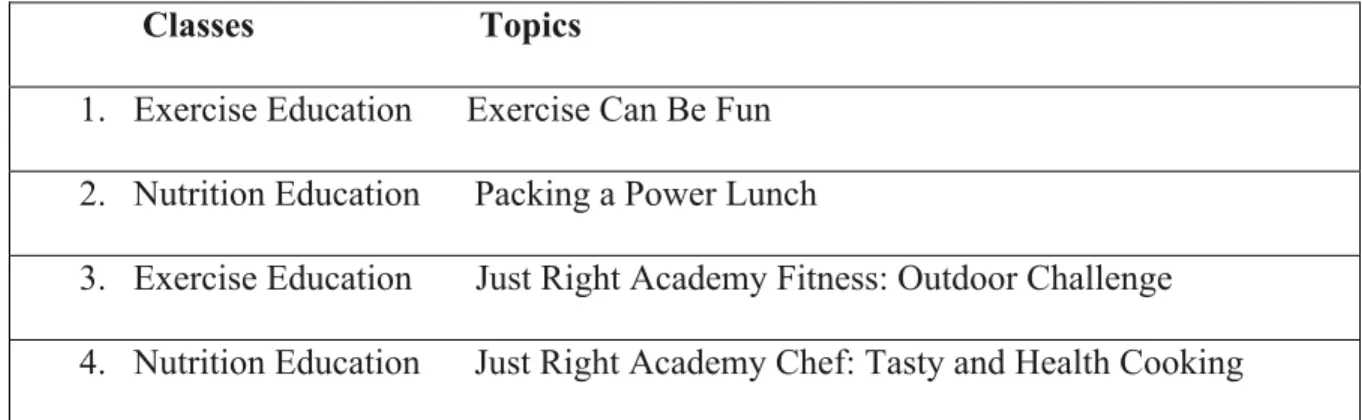
Cooper, 2011). The classes were interactive and used food models, cooking, games, and popular culture references to engage the adolescents (see Table 1). The classroom sessions lasted
approximately 45-60 minutes and began and ended with goal setting. The intervention content
was designed to accommodate an appropriate developmental level with consideration for the
unique learning needs of each participant. The classes were taught by a certified pediatric
registered nurse with experience in nutrition and exercise education and co-taught with three
high school teachers at Just Right Academy. The lead high school teacher had been with Just Right Academy for five years and also serves as the assistant director for the school. The lead high school teacher has a bachelor of science in chemistry with a minor in biology and worked as a developmental scientist before to her teaching career.
Table 1. Nutrition and Exercise Education Classes for Adolescents Classes Topics
1. Exercise Education Exercise Can Be Fun
2. Nutrition Education Packing a Power Lunch
3. Exercise Education Just Right Academy Fitness: Outdoor Challenge
5. Exercise Education Just Right Academy Fitness: Field Day
6. Nutrition Education Try This… Not That… Jeopardy
7. Exercise Education Just Right Academy Fitness: Indoor Challenge
8. Nutrition Education Sugar? No Thanks, I’m Sweet Enough
9. Nutrition Education Just Right Academy Chef: Fruit and Vegetable Competition
10. Exercise Education Video Presentations/ Field Day II
11. Exercise Education Talent Show/ Scavenger Hunt
12. Nutrition Education Just Right Academy Chef: Potluck and Nutrition Review
Class 1. Exercise Education: Exercise Can Be Fun
“Exercise Can Be Fun” provided exercise ideas and hobbies that adolescents may
perceive as “fun” to encourage regular physical activity (Hill & Cleven, 2005; Schneider et al.,
2009). The first class included information about how “fun” physical activity is good for your health and a discussion of ideas including swimming, dance, martial arts, team sports, walking
while with friends and family, and other ideas that the students came up with (Hill & Cleven,
2005). This class was used for goal setting including a personal weekly exercise goal and a collaborative walking challenge. The walking challenge was designed so that each participant
could convert their steps into miles and use a map to show how far they made it towards their
destination, with a goal of 1-2 miles a week. Each participant’s physical activity was recorded
using the activity log provided; however, at week three the teachers developed their tracker to
help the students monitor their progress. This was done due to the routinely incomplete activity
reward of eating outdoors on Fridays for completing the laps. This strategy resulted in
sustainable physical activity changes for the high school health class beyond the scope of this
project.
To encourage the students to pursue physical activity at home, they were assigned a
project to either make a video or participate in an exercise talent show to be presented in the final
two exercise classes (Van Sluijs et al., 2007). This project could have been done individually or
as a group. A newsletter was distributed to each participant with a description of the take home
part of the intervention.
Class 2. Nutrition Education: Packing a Power Lunch
“Packing a Power Lunch” was designed to teach students how to pack healthy lunches
using evidence of the link between high-calorie food and drink consumption and obesity (Husby
et al., 2009). This class specifically addressed the avoidance of soda and high-calorie snacks (Ebbelling et al., 2006; Ebbelling et al., 2012; Washi & Ageib, 2010). Content also considered
the social context of snacking amidst food sharing, while encouraging the selective inclusion of
“junk food” for special occasions as opposed to routine inclusion (Husby et al., 2009).
The healthy lunch packing ideas were inspired by United States Department of
Agriculture (USDA) recommendations with resources from ChoseMyPlate.gov. As a group,
participants applied knowledge of the food groups to design several balanced lunches using a
participative learning activity that involved putting a balanced plate together and snack
swapping. The game designed was played using the National Dairy Council’s Food Model
Cards #0012N (Washington State Dairy Council, 2016). The students were provided with a
the model form at ChoseMyPlate.gov. Teachers and the researchers reviewed the students’
plates and discussed nutrition information.
Class 3. Exercise Education: Just Right Academy Fitness: Outdoor Challenge
This game used a scavenger hunt format that was compared to “The Amazing Race”
competition. The students completed an outdoor scavenger hunt challenge in three teams. Their
teacher chose teams based on ability to promote fairness. To complete the challenges quickly,
jogging or running was encouraged between clues. The challenges required a physical activity
component to be met as a team in order to access the next clue. The teachers and researchers
determined if the challenge was completed appropriately and demonstrated the exercises if they
are unfamiliar. Identification card lanyards served as clue markers as well as rewards for
completing the activity.
Class 4. Nutrition Education: Just Right Academy Chef: Tasty and Healthy Cooking
“Just Right Academy Chef: Tasty and Healthy Cooking” was designed to follow a
cooking show format to teach a simple recipe, identify unprocessed foods and food groups used
in the recipe. The recipe came from a healthy cookbook that has an accompanying free recipe
blog with nutrition information (Higgins, 2015). The project researcher was in the Head Chef
role, and one of the classroom teachers was the Sous Chef. Students helped put the recipe
together in kitchen assistant roles, were provided resources for healthy recipe ideas, and tasted
the completed recipe (Wrieden et al., 2007). The potential for Just Right Academy students to
benefit from this intervention was supported in an intervention that took place in a school in the
United Kingdom for students requiring extra teaching support (Fisher et al., 2011). The United
competition that was developed to provide practical food-based activities in the classroom
setting.
Class 5. Exercise Education: Just Right Academy Fitness: Field Day
This class was based on research evidence on adolescent gender activity preferences and
findings that adolescents are willing to increase their exercise time and engage in regular
physical activity that they find pleasurable (Hill & Cleven, 2005; Schneider et al., 2009; Wilson,
2007). Consideration of gender preferences led to the researcher to purposely include game-based and competitive activities game-based on male and female preferences and social and individual
activities in each exercise activity (Hill & Cleven, 2005; Silva Filho, Tani, Correia, & Correa,
2012; Wilson, 2007). Within this class, students participated in a mix of activities using both competition and an individual “beat your best” goals to encourage individuals to strive for
personal records. There was a Mummy relay race, balloon sidesteps game, a tug of war, and a
group physical activity mirror game (instructor led). At the end of the class, we briefly talked
about how enjoyable it could be to incorporate fun physical activities into the participant’s free
time.
Class 6. Nutrition Education: Try This… Not That…
“Try this…Not That…” was designed to discuss how to make healthier food and drink
choices when grocery shopping and at restaurants. To engage the students and create a fun
learning environment, Jeopardy was used to teach and apply the content learned (Simkin, 2013)
Questions were asked in simple formats that have proven to reduce calorie intake including
physical activity energy equivalents “how long would you have to run to burn the calories from a
Big Mac?” and as a percent of daily value, “What percent of your daily fat is in two scoops of ice
foods that are high in fat, sugar, and sodium in advertisements, 89.4% of these advertisements
are seen by adolescents, with 49.1% of the calories in the advertisements coming from sugar
(Powell, Szczypka, Chaloupka, & Braunschweig, 2007). It is important that adolescents learned how to read nutrition labels and gain basic nutritional literacy to help them navigate the barrage
of unhealthy food advertising.
Class 7. Exercise Education: Just Right Academy Fitness: Indoor Challenge
Class 7 was designed to mimic the “Biggest Loser” challenge format. The activities for
this class were designed to reduce sedentary activity at home by providing fun indoor physical
activities (Drenowatz, Kobel, Kettner, Kesztyus, & Steinacker, 2014; Simon et al., 2014; Van
Lippevelde et al., 2014). The students were placed on the teams based on their individual ability. The individual efforts went towards their teams score to determine the winner of the challenge.
These activities included Yoga (hold poses for 1 min) with 3 different poses, shuttle run w/lunge
back twice, squats (maximum possible in 30 sec intervals with 20 seconds rest) three times, team
ball toss where the next person in line increased the distance to catch the ball, and ball pass using
feet and also with arms linked varying the activity with looking in versus out.
Class 8. Nutrition Education: Sugar? No Thanks, I’m Sweet Enough
This class required students to build sugar board displays. To encourage an interactive
and participative learning experience, the students collaboratively made several sugar board
displays (Wu, Martin-Briggers, Worobey, & Byrd-Bredbenner, 2012). They measured and
described the quantity of sugar in snacks, beverages, or foods that they have brought in for lunch,
or that were commonly consumed at home (Dudley et al., 2015). Students created the displays
making the displays, we discussed weight gain, sugar content in common foods and drinks, and
strategies to limit sugar to 10% of their daily calories (World Health Organization, 2015).
Class 9. Nutrition Education: Just Right Academy Chef: Fruit and Vegetable Competition
Class 9 was designed to use a cooking competition format similar to “Top Chef.” This
participative cooking competition was supposed to encourage student teams to creatively
combine healthy ingredients into a meal they would enjoy while increasing confidence and
positively influencing food choices (Wrieden et al., 2007). Ideas of simple meals were provided,
and the students were able to prepare and combine ingredients while the teachers facilitated the
experiential learning environment. Research has shown how experiential learning is one of the
best methods to promote positive changes in nutritional knowledge and behaviors in adolescents
(Dudley et al., 2015).
Class 10. Exercise Education: Video Presentations
Class 10 was designed as an alternative activity for students who preferred to do a video
presentation rather than participate in a talent show. Students were scheduled to watch each
other’s video presentations, and discuss how similar activities could be used in meeting their
weekly exercise goals. However, due to the distress that public presentations caused the
students, the researcher privately viewed the videos. To make the best use of this scheduled
class a second field day was held using the student’s favorite activities and new ones that
encouraged communication and teamwork. A guided discussion following these activities
focused on how many calories were burned (in activity calorie equivalents), and ideas of how
these exercises could be done as part of a regular weekly routine.
Class 11. Exercise Education: Talent Show
reality TV show. The students were to perform their routines, and a panel of judges (their
teacher, another student representative, and the researcher) was to evaluate the performances.
However, a limited number of students wanted to participate in a talent show format, so the
remaining time was spent completing a new scavenger hunt game. In the scavenger hunt game,
the students were asked questions about calorie equivalents, macro, and micronutrients. The
final newsletter distributed to participants reminded them of the upcoming potluck and provided
them with recipes ideas and a brief summary of concepts learned throughout the classes.
Class 12. Nutrition Education: Just Right Academy Chef: Potluck and Nutrition Review
This was a review class for the nutrition information that was learned over the course of
the intervention. Students were encouraged to bring in their favorite healthy recipe to create a
healthy eating potluck. The adolescents ate their meals while discussing the nutritional content
using concepts learned in previous classes including physical activity equivalents, percent of
daily value, and the amount of sugar. This class was conducted over their lunch break to provide
time to enjoy the meals with the last 30 minutes used for nutrition lesson review.
Variables and Their Measurement
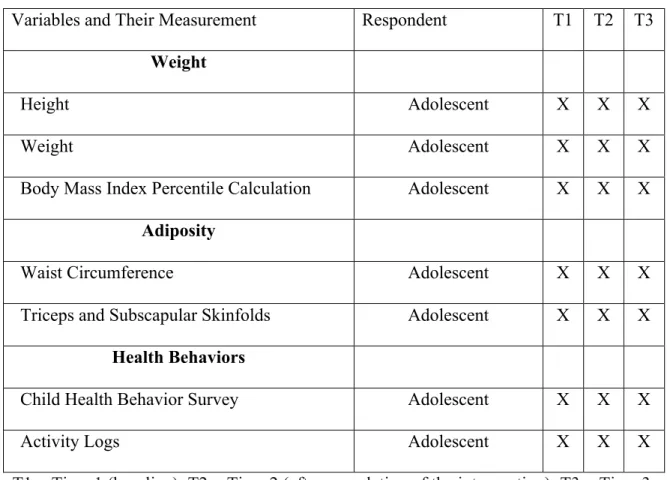
Table 2 shows the variables and measures to be used in the study, the data source, and measurement times. Data were collected before the intervention started at Time 1 (baseline), at Time 2 (after completion of the intervention), and Time 3 (after three months without contact
from the study staff). Weight Outcomes
Weight. Weight on adolescents was measured in a private room in street clothes without shoes to the nearest 0.1-kilogram using a Tanita WB-110A Digital Scale. The WB-110A has a maximum capacity of 270 kilograms (600 pounds) and measures in graduations of 0.1 kilograms. It weighs 11 pounds and is portable. The WB-110A self-calibrates before each weight to 0. Weight was measured twice and averaged.
Table 2. Summary of Measures
Variables and Their Measurement Respondent T1 T2 T3
Weight
Height Adolescent X X X
Weight Adolescent X X X
Body Mass Index Percentile Calculation Adolescent X X X Adiposity
Waist Circumference Adolescent X X X
Triceps and Subscapular Skinfolds Adolescent X X X Health Behaviors
Child Health Behavior Survey Adolescent X X X
Activity Logs Adolescent X X X
T1 = Time 1 (baseline); T2 = Time 2 (after completion of the intervention); T3 = Time 3 (after three months without contact from the study staff)
Adiposity Outcomes
Waist Circumference. The Doctor of Nursing Practice Project Chair, who had training and previous experience taking anthropometric measurements measured waist circumference in the adolescents. In a private area of the room, each participant was asked to stand erect on both feet, and the measurement was taken over a single layer (t-shirt) of clothing. A decision was made by the Doctor of Nursing Practice student researcher and Doctor of Nursing Practice Project Chair to do the measurements consistently over a t-shirt, as many of the students were very sensitive to touch and shy about allowing a researcher to measure them who they had not met previously. Standing on the adolescent’s right side, the researcher placed the measuring tape around the trunk in a horizontal plane at the level equal to the opposite side of the trunk. The researcher ensured that the tape was parallel to the floor and was snug but did not compress the skin. The measurement was made at the end of normal expiration and was measured to the nearest 0.1 cm and then recorded (McDowell & National Center for Health Statistics (US), 2008). All
measurements were performed three times and averaged according to the National Health and Nutrition Examination Survey procedures.
Triceps and Subscapular Skinfolds. Skinfolds were measured in adolescents on the right side of the body using Lange skinfold calipers three times and averaged. The triceps and
where the measurement was taken, and the jaws of the calipers were placed perpendicular to the length of the fold. The skinfold was measured to the nearest 1 mm while the fingers continued to hold the skinfold for about 3 seconds after the caliper tension was released and then recorded. The measurement was taken three times, averaged, and interpreted according to guidelines. Health Behaviors
Child Health Behavior Survey. The Child Health Behavior Survey (20 items) was used to collect information on usual food and drink intake (DHHS, 2004). Answers are scored from zero (none) to 5 (on most or all days of the week) with 3 unhealthy choices and 2 healthy choices. All answers were recoded as a 1 to reflect a healthy choice or a 2 as an unhealthy choice.
Activity Logs. Activity logs were given to the adolescents, and they were asked keep them in the classroom so that they could be reviewed and feedback given by the researcher and the classroom teacher. By week 3 the original activity logs were replaced with an activity-tracking sheet maintained by the high school teachers and intended for use beyond the end of the intervention.
Data Analysis
Descriptive data analyses and correlations were interpreted conservatively, considering
the small sample size and design methodology. Before performing analyses, descriptive statistics
statistics were calculated. All data were entered into an SPSS database and checked for inaccuracies and corrected against raw data. Paired t-tests were run on weight, adiposity,
nutrition and physical activity data from Time 1 to Time 2 and Time 1 to Time 3 to examine
differences across time. Parent and schoolteacher interviews were transcribed and reviewed for
CHAPTER 5: RESULTS
Parent’s Demographics
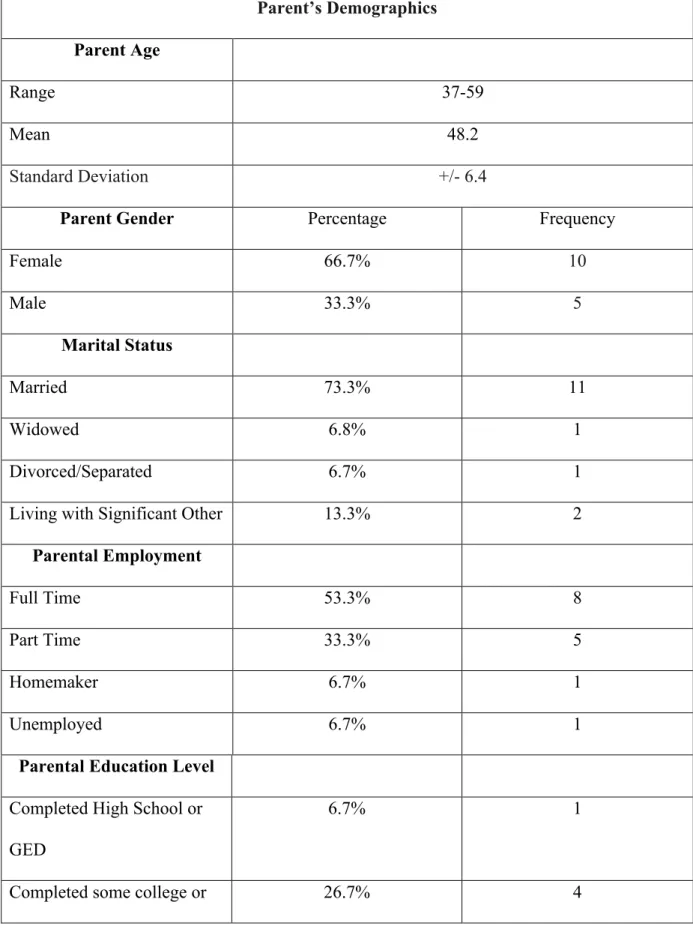
The parents’ mean age was 48 (Range = 37-59; SD+/- 6.4) years old; the majority were female, married, and employed full time (see Table 3). The majority of parents (46.7%) reported their education level as a graduate or professional degree. The majority of the parents were non-Hispanic white (80.0%) according to the self-reported demographic survey. A total of 40.0% of parents reported an income range of $20,000-$40,000. However, 33.3% of the respondents reported making over $80,000, which was greater than the median family income of $68,426 reported by the US Census Bureau (2015). The majority of the parents (60.0%) reported being in “good” health, and 86.7% reported themselves as being the child’s biological parent. Most of the parents reportedly made decisions about daily dietary intake (86.7%) and physical activity (73.3%) for the adolescent participants.
Student’s Demographics
Table 3. Demographic Data
Parent’s Demographics
Parent Age
Range 37-59
Mean 48.2
Standard Deviation +/- 6.4
Parent Gender Percentage Frequency
Female 66.7% 10
Male 33.3% 5
Marital Status
Married 73.3% 11
Widowed 6.8% 1
Divorced/Separated 6.7% 1
Living with Significant Other 13.3% 2
Parental Employment
Full Time 53.3% 8
Part Time 33.3% 5
Homemaker 6.7% 1
Unemployed 6.7% 1
Parental Education Level Completed High School or GED
6.7% 1
associates degree
Completed baccalaureate degree
20.0% 3
Completed graduate or professional degree
46.7% 7
Parent Ethnicity
Hispanic or Latino 20.0% 3
Not Hispanic or Latino 80.0% 12
Parent Race
Black or African American 20.0% 3
White 80.0% 12
Parent Annual Income
$20,000-$39,000 40.0% 6
$40,000-$59,000 6.7% 1
$60,000-$79,000 6.7% 1
$80,000-$99,000 13.3% 2
> $100,000 20.0% 3
Do not wish to respond 13.3% 2
Parent Health Status
Excellent 6.7% 1
Good 60.0% 9
Are you the biological parent
Yes 86.7% 13
No 13.3% 2
Student’s Demographics
Adolescent’s Age In years of age
Range 14-18
Mean 15.7
Standard Deviation +/- 1.2
Adolescent’s gender Percentage Frequency
Male 80.0% 12
Female 20.0% 3
Adolescent’s Education Level
8th Grade
6.7% 1
9th Grade 53.3% 8
10th Grade 26.7% 4
11th Grade 13.3% 2
Adolescent’s Ethnicity
Hispanic or Latino 6.7% 1
Non-Hispanic or Latino 93.3% 14
Adolescent’s Race
White 80.0% 12 Adolescent’s Birth Order
First Born 40.0% 6
Second Born 33.3% 5
Third Born 6.7% 1
Fourth Born 13.3% 2
Other 6.7% 1
Lives with parents
Yes 100.0% 15
Does the parent make decisions about food purchased and served?
Yes 86.7% 13
No 13.3% 2
Does the parent make decisions how much physical activity the adolescent participates in
daily?
Yes 73.3% 11
Weight and Adiposity Results
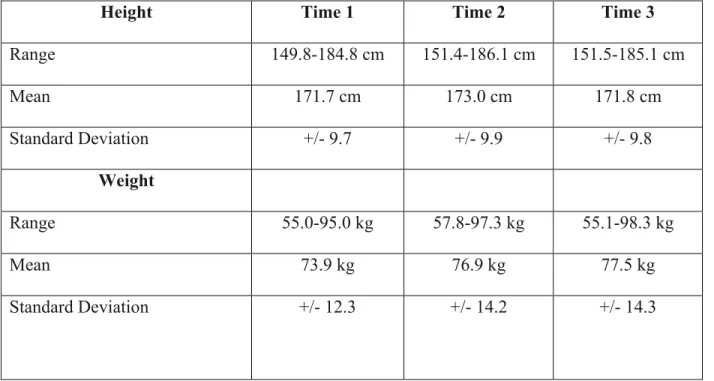
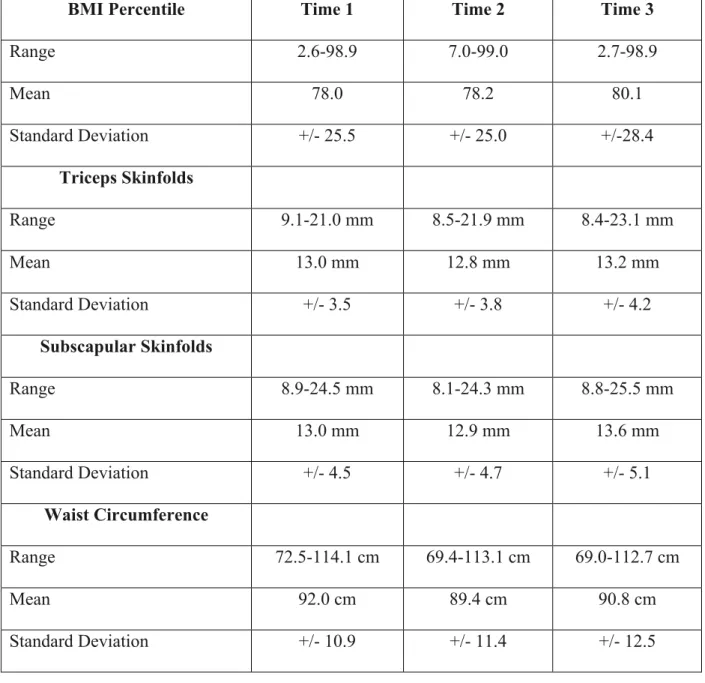
As expected participants mean height increased from Time 1 to Time 2. However, at Time 3 mean height decreased, which was most likely secondary to several students who were quite tall left the school, and we were unable to contact them for the Time 3 data collection (see Table 4 and Table 5). There was a significant increase in both weight and BMI percentile at both Time 2 and Time 3. The BMI percentile measurements indicated that during the Time 1
measurement 1 of 15 students was underweight, 6 of 15 students were normal weight, 4 of 15 students were overweight, and 4 of 15 were obese. During the Time 2 measurement 7 of 14 students were normal weight, 3 of 14 students were overweight, and 4 of 15 were obese. During the Time 3 measurement 1 of 12 students was underweight, 3 of 12 students were normal weight, 3 of 12 students were overweight, and 5 of 12 were obese. There was no significant decrease in triceps or subscapular skinfolds at either Time 2 or Time 3. There was a significant decrease in waist circumference at both Time 2 and Time 3.
Table 4. Weight and Adiposity Data
Height Time 1 Time 2 Time 3
Range 149.8-184.8 cm 151.4-186.1 cm 151.5-185.1 cm
Mean 171.7 cm 173.0 cm 171.8 cm
Standard Deviation +/- 9.7 +/- 9.9 +/- 9.8
Weight
Range 55.0-95.0 kg 57.8-97.3 kg 55.1-98.3 kg
Mean 73.9 kg 76.9 kg 77.5 kg
BMI Percentile Time 1 Time 2 Time 3
Range 2.6-98.9 7.0-99.0 2.7-98.9
Mean 78.0 78.2 80.1
Standard Deviation +/- 25.5 +/- 25.0 +/-28.4
Triceps Skinfolds
Range 9.1-21.0 mm 8.5-21.9 mm 8.4-23.1 mm
Mean 13.0 mm 12.8 mm 13.2 mm
Standard Deviation +/- 3.5 +/- 3.8 +/- 4.2
Subscapular Skinfolds
Range 8.9-24.5 mm 8.1-24.3 mm 8.8-25.5 mm
Mean 13.0 mm 12.9 mm 13.6 mm
Standard Deviation +/- 4.5 +/- 4.7 +/- 5.1
Waist Circumference
Range 72.5-114.1 cm 69.4-113.1 cm 69.0-112.7 cm
Mean 92.0 cm 89.4 cm 90.8 cm
Standard Deviation +/- 10.9 +/- 11.4 +/- 12.5
Table 5. Weight and Adiposity Paired T-Tests
Height (cm) Difference
in Means
Difference in
Standard Deviation
t value p value
T1-T2 -0.98 .64 -5.70 0.01
Weight (kg) Difference
in Means
Difference in
Standard Deviation
t value p value
T1-T2 -2.85 3.32 -3.09 0.01
T1-T3 -2.96 3.89 -2.63 0.02
BMI Percentile
T1-T2 -0.36 0.61 -2.19 0.04
T1-T3 -0.53 1.21 -1.52 0.16
Triceps (mm)
T1-T2 0.21 0.54 1.47 0.17
T1-T3 0.15 .91 0.57 0.58
Subscapular (mm)
T1-T2 0.08 .52 0.56 0.58
T1-T3 0.04 .71 0.20 0.84
Waist Circumference
(cm)
T1-T2 2.58 2.07 4.65 0.01
T1-T3 2.23 2.41 3.22 0.01
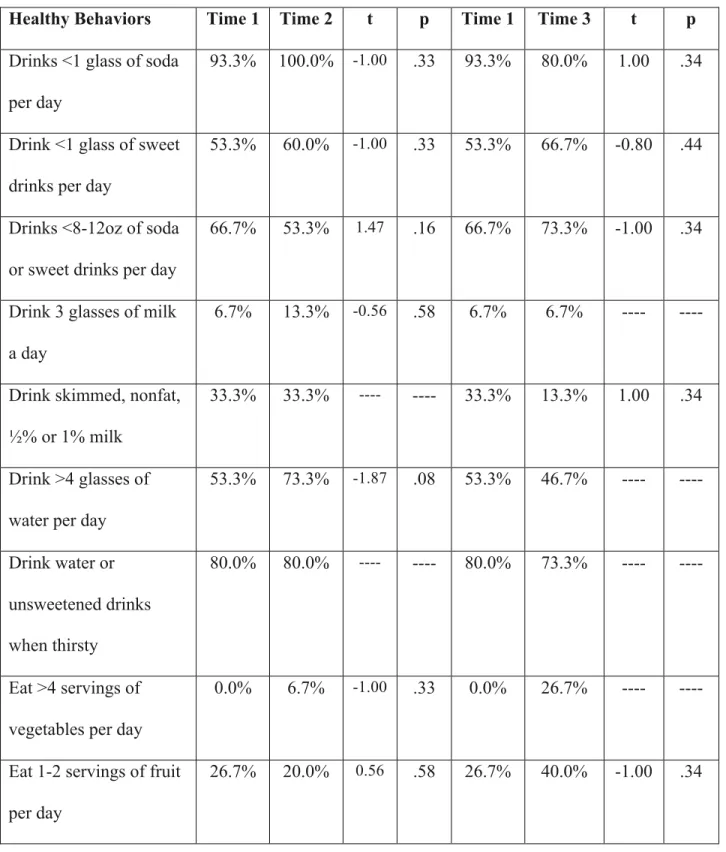
Health Behavior Results
class. At the Time 3 data collection significantly fewer students ate breakfast every day which may have been related to the fact that they had just come off summer vacation.
Table 6. Health Behavior Survey Data
Healthy Behaviors Time 1 Time 2 t p Time 1 Time 3 t p
Drinks <1 glass of soda
per day
93.3% 100.0% -1.00 .33 93.3% 80.0% 1.00 .34
Drink <1 glass of sweet
drinks per day
53.3% 60.0% -1.00 .33 53.3% 66.7% -0.80 .44
Drinks <8-12oz of soda
or sweet drinks per day
66.7% 53.3% 1.47 .16 66.7% 73.3% -1.00 .34
Drink 3 glasses of milk
a day
6.7% 13.3% -0.56 .58 6.7% 6.7% ---- ----
Drink skimmed, nonfat,
½% or 1% milk
33.3% 33.3% ---- ---- 33.3% 13.3% 1.00 .34
Drink >4 glasses of
water per day
53.3% 73.3% -1.87 .08 53.3% 46.7% ---- ----
Drink water or
unsweetened drinks
when thirsty
80.0% 80.0% ---- ---- 80.0% 73.3% ---- ----
Eat >4 servings of
vegetables per day
0.0% 6.7% -1.00 .33 0.0% 26.7% ---- ----
Eat <1 servings of
French fries or chips per
day
93.3% 93.3% ---- 1.0 93.3% 73.3% 1.00 .34
Eat fast food <1 time
per week
53.3% 66.7% -1.00 .33 53.3% 80.0% -2.69 .02
Supersize drinks or food
never or sometimes
80% 86.7% -1.00 .33 80% 86.7% -1.47 .17
Eat fruit, vegetables,
low fat cheese for a
snack
60% 53.3% 0.44 .67 60% 33.3% 1.39 .19
Buy extra food/drink <3
times per week at school
100% 100% ---- ---- 100% 93.3% ---- ----
Eat breakfast 5-7 times a
week
100.0% 100.0% ---- ---- 100.0% 66.7% 2.28 .04
Eat whole wheat or dark
bread
53.3% 60.0% -0.56 .58 53.3% 60.0% -1.00 .34
Eat unsweetened
breakfast cereal
40.0% 53.3% -1.47 .16 40.0% 46.7% -0.43 .67
Do not prepare fried
foods at home
46.7% 53.3% -1.00 .33 46.7% 26.7% 1.39 .19
Eat fried foods at home
<1 time per week
86.7% 86.7% ---- ---- 86.7% 86.7% -1.00 .34
at home <1 time per
week
Feasibility and Systemic School Changes
The school made systemic changes over the course of the study that has continued beyond the end of the project. These changes included the initiation of a “salad club” for teachers and administration, tracking and rewarding students’ physical activity with positive reinforcement, the director embarking on a personal weight loss journey, and an adaptation of this intervention that will be integrated into their regular curriculum.
The salad club has continued into the following school year and has expanded to include more of the staff with “increased enthusiasm and competition to create fancier salads” according to the school’s director. The students’ activity tracker for laps walked or ran during the school day has also continued with the rewards offered including “Just Right Academy Bucks” that could be spent at the school store and outdoor lunch days. The Just Right Academy director has continued her weight loss journey with significant weight loss and credits the partnership with helping her achieve these goals. The lead high school teacher has been adapting the nutrition and physical activity class series for regular use in one of their life skills programs.
The teachers stated that many of the parents were pleased with the classes and appreciative of the project. The teachers also reported that the project was beneficial for the students, the students learned new concepts, the students enjoyed the activities, and that the content was delivered well. During the interviews with parents, students, and teaching staff, many comments suggested behavioral changes that were not captured by the survey. One parent mentioned that their child was “reading nutrition labels” and that they “had a discussion about vitamin D and Doritos,” commenting that that was a new interest. Another parent mentioned, “Their child was “trying to make better choices” and was “open to grilled chicken,” which he had not previously enjoyed. In general, the parents described their adolescents’ new interest in nutrition information, desire to eat “healthier” foods, and seeking recognition when they ate healthier foods as new behaviors.
The school administration also expressed how important it was for the staff and students to enjoy working with the researcher and specifically mentioned how it contributed to a healthier Just Right Academy environment. The local school similarly demonstrated that they valued and accepted the researcher by inviting him to assist with a forest field trip seven weeks into the intervention. The school staff also asked the researcher to help with activities for a field day during the school year following the completion of the final measurements. The school has exhibited a continued commitment to a healthier culture by encouraging fun physical activity and maintaining the activity tracker and rewards for physical activity milestones. During the field day, the researcher and students talked about continuing to do regular physical activity, eating better, and how their school year was going resulting in further relationship building with the local school.
printing ($30) and teaching materials ($20) paid for by the primary researcher. There were no costs for the local school, parents, or students.
Process Evaluation of the Intervention and Lessons Learned
Class 1. Exercise Education: Exercise Can Be Fun
This class served as an icebreaker to get to know the students and to acquaint them with
the new “teacher/researcher” through conversation and discussion of their interests. However,
the classroom management became difficult with many students talking at once. A verbal turn-
taking strategy such as a “talking stick” should be used for this type of class to help encourage an
organized discussion. A variety of specific topics or talking points should also be prepared in
advance to keep the conversation moving. Many of the students were shy, and others would
interrupt timid students causing minor disruptions to the discussion. Having their regular
teachers as co-teachers for this project was critical to managing the classroom environment.
Later in the class series, it was observed that many students were not reliably documenting their
activity on the initial activity-tracking sheet. The teachers developed a tracking log that included
all students in the health class and were put onto the classroom wall, which resulted in the
consistent recording of weekly activity performed during the school day. This strategy led to
more consistent measurement and disseminated the activity-tracking concept into their regular
high school health curriculum. This change also encouraged more sedentary students to move
more as it was incentivized with the outdoor eating reward.
Class 2. Nutrition Education: Packing a Power Lunch
they asked questions about the game, portion sizes, and what counted as a vegetable. While trying to fill their plates, some students inquired about which combination foods counted for each food group and demonstrated non-facilitated inquiry and conceptualization regarding the concepts taught. For example, one student felt strongly that pizza was not a vegetable and was willing to remove it from his points toward winning to keep other students from believing that pizza was a vegetable.
This activity transitioned well to the conversation at the end of class about plates at home and how many students felt they ate enough vegetables daily. This format was useful for
learning, encouraging inquiry, and maintaining interest in a nutrition education class. One of the teachers noted that the difficulty fulfilling the vegetable requirement could have been a message to eat more vegetables. In future classes fewer cards will be used, 18 cards went to each student this time; instructors should purposely leave out more vegetables and other food groups that are typically neglected. This activity could also be adjusted for cognitive ability by having students meet a minimum number of cards requirement in each food group in place of obtaining all of the serving equivalents. For example, students would have to collect a set number of vegetable cards to instead of having to calculate serving sizes to make it easier or use actual serving sizes by ounces, cups, or size equivalents to make it more challenging.
Class 3. Exercise Education: Just Right Academy Fitness: Outdoor Challenge
keep their interest. One of the teachers commented that when she previously tried a similar outdoor scavenger hunt, there were many “tears and meltdowns.” She believed that this lesson was a success and noted that the students appeared to be enjoying themselves.
The majority of the students appeared to enjoy the physical exercise in between the questions. The students were able to find the answers to the activities within five minutes using the graphic charts provided and solved the “more complicated” calorie math well with the teachers’ assistance. As “prizes” for finding the scavenger hunt clues, retractable reel ID badge holders were given out at each correct answer location. It was difficult to assess how well they retained the course content but there were able to identify how long it would take to burn off everyday foods using different physical activity equivalents in their groups of five.
Class 4. Nutrition Education: Just Right Academy Chef: Tasty and Healthy Cooking
This class was challenging to organize due to the students’ varied levels of ability and limited workspaces. Clear direction and visual aids were instrumental in organizing the various group keeping the students engaged. This class required a lot of teacher intervention and redirection due to the multiple tasks being accomplished simultaneously, such as cutting foods and preparing ingredients for the meal, which required direct supervision. This activity
demonstrated that the level of independence for many of these students might not have been the best fit for some of the planned cooking activities. The teacher and I noticed that it was
necessary for only certain students to be given jobs such as dicing fruit and similar potentially dangerous tasks. The students who completed their duties first also needed additional jobs to be kept busy.
setting like Just Right Academy was essential to provide the amount of teacher supervision required to make this work. This lesson could be improved with a better-defined action plan for each of the students as well as a learning activity for those who finished their assignments first or were waiting to assist. One possible idea for younger students would be to practice cutting Playdough or clay with butter knives to improve knife skills. At the completion of this lesson, the students verbalized that they enjoyed the taste of the “healthy” dessert, used fruit and whole grains, as well as performing the basic cooking techniques practiced.
Class 5. Exercise Education: Just Right Academy Fitness: Field Day
This class started off with some difficulty due to the student’s unfamiliarity with the activities. However, one of the teachers quickly suggested that we, the teachers and researcher, demonstrate the activities as a model for the students. The activities maintained all of the students’ interest and kept them moving throughout the entire class. The length of the class, 40 minutes, was sufficient to get all of the activities completed. The activities were completed in two groups that were chosen by the teachers for fairness. There was a mix of group and individual activities, and no score was tracked for winning teams or individuals.
seek guidance in forming teams to minimize problematic social dynamics and ensure that the teams are equally matched.
Class 6. Nutrition Education: Try This… Not That…
This class required an understanding of each student’s academic abilities. Arriving early and discussing the plan with one of the co-teachers resolved the schedule and activity details. She first suggested that they are given specific concepts to explore. She then suggested
modeling the students’ exploration by bringing a food model with nutrition label up to the front of the room and discussing learning goals. The first activity involved demonstrating how to read a nutrition label and discussion of serving sizes. The class was broken into three groups of five for small group discussion with one teacher at each table. The room was occasionally loud, and some of the students required redirection to keep them engaged when they were not speaking about the food item they were describing. However, the lesson appeared to keep the majority of the students involved as they handled the containers and read the nutrition labels.
Class 7. Exercise Education: Just Right Academy Fitness
This class will be redesigned to make it more engaging and active for the students. The original plan required unanticipated adjustments due to a school store occupying the indoor space that had been previously discussed for use. Consequently, the location changes caused some activities to have more disruption and noise than was anticipated. However, the staff helped maintain order and verbalized that these types of situations happen commonly within their school setting. The teachers felt that the activities went well and the teachers were
instrumental in helping with the classroom management on this day. The students were asked to verbalize what they liked or activity that they would have preferred for indoor exercise. Many of the male students liked the lunges, one of the female students liked the yoga poses, and several from both genders enjoyed the ball game. The students were generally in a good mood
following the activity and appeared to have had fun during the games. In the future, the teamwork and circle activities will be designed better so that the objectives are more clearly understood. Instructors should also verify that the planned indoor location remains available closer to the class date to prevent disruptive adjustments due to lack of indoor space.
Class 8. Nutrition Education: Sugar? No Thanks, I’m Sweet Enough. Process Evaluation