THE EFFECT OF INSTRUCTIONS ON LOWER EXTREMITY BIOMECHANICS AND PERFORMANCE MEASURES
Lauren Elizabeth Hawkinson
A thesis submitted to the faculty at the University of North Carolina at Chapel Hill in partial fulfillment of the requirements for the degree of Master of Arts in the Department of Exercise and Sports Science (Athletic Training) in the graduate school.
Chapel Hill 2014
Approved by: Darin A. Padua
ii © 2014
iii ABSTRACT
Lauren Elizabeth Hawkinson: The Effect of Instructions on Lower Extremity Biomechanics and Performance Measures
(Under the direction of Darin Padua)
The type of instructions given during completion of an anterior cruciate ligament injury prevention program may influence its effect on injury prevention and performance benefits. Research has yet to identify the impact of different instructions on injury prevention variables – knee abduction angle, knee flexion angle, hip adduction angle, vertical ground reaction force – and performance variables – vertical jump height and stance time. A crossover research design was used. Participants received injury prevention and performance based instructions in
counterbalanced order. Separate paired T-test’s were performed between change scores for each condition to determine the effect of different instructions on the dependent variables. A
iv
TABLE OF CONTENTS
LIST OF TABLES ... VII
CHAPTER 1 ... 1
1.1 EPIDEMIOLOGY... 1
1.2 PREVENTION PROGRAMS ... 4
1.3 PERFORMANCE VARIABLES ... 6
1.4 RESEARCH VARIABLES ... 7
Independent Variables ... 7
Dependent Variables ... 7
1.5 RESEARCH QUESTIONS/HYPOTHESES ... 9
1.6 OPERATIONAL DEFINITIONS ... 16
1.7 ASSUMPTIONS ... 19
1.8 DELIMITATIONS ... 19
1.9 LIMITATIONS ... 20
CHAPTER 2 ... 21
2.1 IMPACT OF ACL INJURY ... 21
2.2 ANATOMY OF THE KNEE JOINT ... 23
2.3 ETIOLOGY OF ACL INJURIES ... 25
2.4 ACL LOADING ... 26
2.5 ACL INJURY PREVENTION ... 28
v
2.7 INCREASING EFFECTIVENESS OF PREVENTION PROGRAMS ... 34
2.8 PROTOCOL AND TESTING ... 41
CONCLUSION ... 43
CHAPTER 3 ... 44
3.1 SUBJECTS ... 44
3.2 INSTRUMENTATION... 45
3.3 PROCEDURES ... 46
Subject Screening ... 46
Data Collection ... 47
Motion Analysis ... 48
Verbal Instructions Intervention ... 50
3.4 DATA PROCESSING AND ANALYSIS ... 57
CHAPTER 4 ... 60
OVERVIEW ... 60
INTRODUCTION ... 61
METHODS ... 63
Experimental Approach to the Problem ... 63
Subjects ... 63
Procedures ... 64
Data Reduction ... 68
Statistical Analysis ... 69
RESULTS ... 69
vi
PRACTICAL APPLICATIONS ... 78
APPENDIX 1: CONSENT FORM ... 83
APPENDIX 2: SCREENING FORM... 90
APPENDIX 3: TASK INSTRUCTIONS ... 91
APPENDIX 4: MODIFIED PEAKC INSTRUCTIONS ... 92
APPENDIX 5: INJURY PREVENTION INSTRUCTIONS ... 94
APPENDIX 6: PERFORMANCE ENHANCEMENT INSTRUCTIONS ... 98
vii
LIST OF TABLES
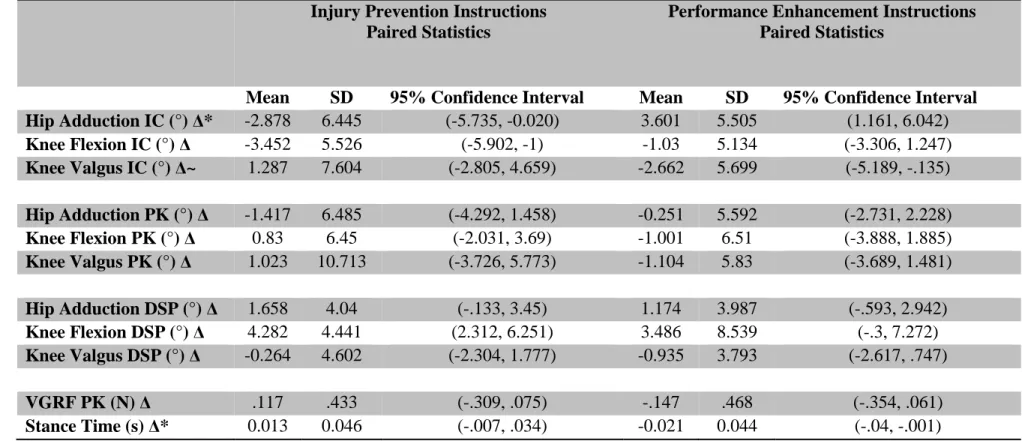
Table 1. Double Leg Jump Landing Change Scores ... 79
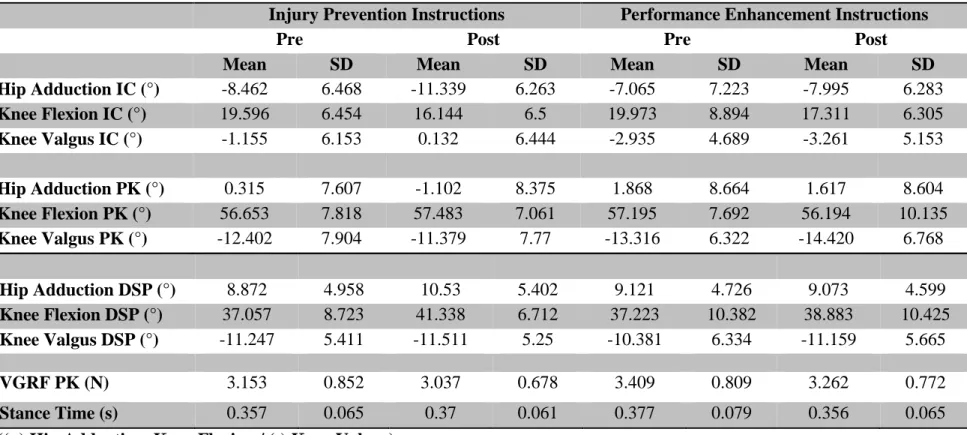
Table 2. Double Leg Jump Landing Mean Scores ... 80
Table 3. Single leg cut Change Scores ... 81
1 CHAPTER 1 INTRODUCTION
Anterior cruciate ligament (ACL) injury is one of the most common, and most
debilitating, injuries sustained in sports. It is estimated that as many as 250,000 ACL injuries happen each year in the United States (Griffin et al., 2006). Females are more likely to sustain an ACL injury during sport in comparison to males (Arendt & Dick, 1995; Mountcastle, Posner, Kragh, & Taylor, 2007). Fortunately, a vast amount of injury prevention research has focused on this gender disparity and worked towards developing injury prevention programs (IPPs) that have been successful in reducing injury incidence (Gilchrist et al., 2008; Hewett, Lindenfeld, Riccobene, & Noyes, 1999; Mandelbaum et al., 2005). However, getting coaches and teams to comply with these IPPs is an ongoing issue and limits the scope of their effectiveness.
Anecdotally, coaches may be more interested in these programs if they were presented as performance enhancing. However, evidence is lacking as to how these IPPs may affect sports performance and requires further study.
1.1 EPIDEMIOLOGY
2
50% of those who suffer an ACL injury will show radiographic signs of osteoarthritis 12 years after injury (Lohmander, Ostenberg, Englund, & Roos, 2004). Financially, ACL reconstructive surgery is estimated to cost $20,000 per case (Brophy, Wright, & Matava, 2009), resulting in an annual financial burden of $1.6 - $5 billion.
Females tear their ACLs at much higher rate in sports that involve stopping quickly, cutting, and changing direction and are 4-8 times more likely to experience a non-contact knee injury compared to males (Barber-Westin, Noyes, & Galloway, 2006; Ireland, 2002). For the purposes of this study, a non-contact knee injury is defined as an injury occurring during sport, or sport-like activities, during which the knee is not struck directly and the injury occurs due to the athlete’s own movements (Marshall, 2010). Particularly in sports that involve large amounts of stopping quickly, cutting, and changing direction, such as soccer and basketball, females are 3 times and 2.4-4 time more likely, respectively, to tear their ACLs through a non-contact
mechanism than their male counterparts (Arendt & Dick, 1995; Mountcastle et al., 2007). Females display more hip adduction and internal rotation causing valgus at the knee and tibial external rotation during a mini-squat (Ireland, 2002), a similar position to the one used when completing stopping and cutting maneuvers (Boden, Torg, Knowles, & Hewett, 2009; Krosshaug et al., 2007). Prospectively, females who went on to tear their ACLs had a knee abduction angle 8.4° larger than females who did not injure their knees (Hewett et al., 2005).
3
These factors are known to contribute to the gender disparity in sport related injury and are the focus of ACL injury prevention programs because they are believed to be modifiable.
Research studies have investigated specific cadaveric loading states that place more strain on the ACL, identified biomechanical risk factors for ACL injury, and observed the motion patterns that occur when they do suffer an ACL injury via video analysis, and all are closely tied. When using cadaveric studies, it isn’t as simple as the sum of two forces; certain forces
combined are more detrimental than others (Markolf et al., 1995). In particular, the highest ACL forces recorded by Markolf, et. al. were found when the knee was in flexion less than 20° and the anterior tibial force was combined with internal rotation torque. In addition, the authors purport anterior tibial shear force paired with valgus moment in knee flexion as well as anterior tibial shear force paired with varus moment in knee extension/hyperextension creates the most dangerous forces for the ACL.
4 1.2 PREVENTION PROGRAMS
While all of these risk factors increase the likelihood that females will tear their ACLs, participation in ACL prevention programs has been found to reduce this likelihood (Gilchrist et al., 2008; Hewett et al., 1999; Mandelbaum et al., 2005). When female soccer players
participated in an injury prevention program, they reduced the incidence of ACL injury by 74% compared to their age and skill matched controls who participated in a standard warm-up (Mandelbaum et al., 2005). Participating in an injury prevention program not only helps those females who have never been injured, but aids those who have been previously injured. Females who have previously suffered an ACL injury and then participated in an injury prevention
program, suffered new ACL injuries at a rate five times less than previously injured females who do not participate in prevention programs (Gilchrist et al., 2008).
However, not all IPPs have been found to reduce the number of ACL injuries. In one study, the incidence rates of ACL injury were actually higher in the intervention group than in the control group (Soderman, Werner, Pietila, Engstrom, & Alfredson, 2000). Another study implemented an IPP, called the “11,” which uses core stability exercises, lower extremity strengthening exercises, and neuromuscular control and stability exercises (Steffen, Myklebust, Olsen, Holme, & Bahr, 2008). They found no difference in proportion of injuries or the location and severity of injury between the intervention and control groups. However, a very important factor reported by each of these authors was low compliance of the athletes, thereby potentially contributing to the ineffectiveness of the program.
5
(Myklebust et al., 2003; Soderman et al., 2000; Steffen, Myklebust, et al., 2008). In order for the prevention program to have a positive effect, compliance (attendance x completion) needs to reach at least 66% (Sugimoto et al., 2012).
Oftentimes, compliance starts at the coach’s level. Many IPPs are implemented as a team warm-up, however coaches frequently have a problem with the length of time required and are not willing to give up the practice time. Coaches are usually the ones required to teach and implement the program, which is a hurdle if they do not feel comfortable doing so. A survey of coaches agreed unanimously that these IPP’s were important, but they needed to be better educated on how to properly implement the program and better understand it’s positive effects (Joy, 2013). Finally, there are some coaches who simply do not feel the pressing importance of an injury prevention program because they have not experienced an injury of this magnitude on their team.
While compliance may start with the coach, it has to end with the athlete. Ultimately, the athlete will be the one an ACL injury most affects and he/she will be the one to reap the benefits of completing an IPP. Motivation is a key component not only in compliance, but in the
6 1.3 PERFORMANCE VARIABLES
While coaches and athletes may like to hear that they will see a decrease in the number of injuries, oftentimes performance on the field or court is just as important to increase motivation to participate in IPPs. However, research is currently lacking on the effect of injury prevention programs on overall improvements in athletic performance (Noyes & Barber-Westin, 2012) and the information we have is conflicting in its findings. One study had female soccer players participate in an IPP and subsequently measured linear sprint performance, countermovement jump height, and agility tests and found that the IPP reduced performance scores – slower sprint and agility tests and smaller jump height (Vescovi & VanHeest, 2010). In a review of IPPs by Noyes, et al. (Noyes & Barber-Westin, 2012), it was found that only two IPPs improved performance as well as reduced ACL injury. The Sportsmetrics program increased athletes’ performance in vertical jump height, single-leg crossover hops, tennis agility measures, and knee flexion peak torque values, while the Prevent Injury and Enhance Performance (PEP) program significantly improved peak torques for hip abduction, hip extension, and knee flexion (Noyes & Barber-Westin, 2012) – all of which are important in both injury prevention and performance enhancement.
Too often, sport performance and injury prevention are at odds with one another. Athletes need to have quick reaction times and force production to perform well, but this can come at the cost of safe movement patterns. In contrast, telling an athlete to land softly may impact his/her length of stance phase and ability to move quickly when landing from a jump. However, research is necessary to better understand these relationships to guide researchers and clinicians in
7
Ideally, these same IPP’s that have decreased the incidence of ACL injury could also improve athletic performance. The ability to present these programs as injury preventing and performance enhancing may result in greater compliance by coaches and athletes overall. Programs that utilized verbal instructions in combination with injury prevention exercises have been shown to be most effective in altering variables believed to contribute to ACL injury (Herman et al., 2009; Padua & Distefano, 2009; Stroube et al., 2012). However, it is unknown if verbal instructions specific to ‘preventing injury’ or ‘enhancing performance’ could also impact these results.
Therefore, the primary purpose of this study is to evaluate the acute effects of an ACL injury prevention program with two different sets of verbal instructions on lower extremity kinematics and performance measures during sport specific movements in female participants with at risk movement patterns who have at some point participated in specific competitive sport. More specifically, verbal instructions packaged as “injury preventing” or “performance
enhancing” will be utilized in a crossover format in all participants. Determining the best way to present an ACL injury prevention program could influence compliance among coaches and athletes and in turn, increase the effectiveness of ACL prevention programs.
1.4 RESEARCH VARIABLES
Independent Variables
The following independent variable will be used in this study: 1. Instructions
a. Performance based instructions b. Injury Prevention based instructions
Dependent Variables
8
a. The Change Score Between Pre and Post Test of the Following ACL Injury Prevention Variables
i. Knee abduction angle ii. Hip adduction angle iii. Knee flexion angle
iv. Vertical ground reaction force
b. The Change Score Between Pre and Post Test of the Following Sport Performance Variables
i. Length of stance phase ii. Vertical jump height 2. Single leg cut (SLC)
a. The Change Score Between Pre and Post Test of the Following ACL Injury Prevention Variables
i. Knee abduction angle ii. Hip adduction angle iii. Knee flexion angle
iv. Vertical ground reaction force
b. The Change Score Between Pre and Post Test of the Following Sport Performance Variables
9 1.5 RESEARCH QUESTIONS/HYPOTHESES
The following research question has been identified for this thesis:
1. What are the effects of two sets of verbal instructions on lower extremity biomechanics and performance measures during a double leg jump-landing task and a single leg cut task?
The following research hypotheses have been developed for this thesis:
1. When given prevention based verbal instructions during an intervention, participants knee abduction angles, hip adduction angles, vertical jump heights and vertical ground reaction forces will have a greater magnitude decrease, while knee flexion angles and stance times will have a greater magnitude increase during a double leg jump landing task and single leg cut than when given performance based verbal instructions.
2. When given performance based verbal instructions while completing an intervention, participants length of stance phases will have a greater magnitude decrease while vertical jump heights, knee flexion angles, and vertical ground reaction forces will have a greater magnitude increase during a double leg jump landing task, than participants given prevention based verbal instructions. No change is expected in knee abduction angles or hip adduction angles.
10
length of stance phase will have a greater magnitude decrease during a single leg cut maneuver. No change is expected in knee flexion angles.
4. When completing the DL jump landing task, larger magnitude change scores will occur when receiving the prevention based instructions for knee
abduction angles, hip adduction angles, and stance times and larger magnitude change scores will occur when receiving the performance based instructions for peak vertical ground reaction forces and vertical jump heights. No difference is expected for knee flexion angles.
5. When completing the single leg cut task, larger magnitude change scores will occur when receiving the prevention based instructions for stance time and larger magnitude change scores will occur when receiving performance based instructions for knee abduction angles, hip adduction angles, and peak vertical ground reaction forces. No difference is expected for knee flexion angles. The following statistical hypotheses have been developed for this study:
1.1 HO: µ prevention-based instructions DL landing and Single leg cut Kn Abd =
µ performance-based instructions Kn Abd
HA: µ prevention-based instructions DL landing and Single leg cut Kn Abd <
µ performance-based instructions Kn Abd
1.2 HO: µ prevention-based instructions DL landing and Single leg cut Hip Add =
µ performance-based instructions Hip Add
11
1.3 HO: µ prevention-based instructions DL landing and Single leg cut VGRF = µ
performance-based instructions VGRF
HA: µ prevention-based instructions DL landing and Single leg cut VGRF < µ performance-based instructions VGRF
1.4 HO: µ prevention-based instructions DL landing and Single leg cut Kn Flex angle = µ performance-based instructions Kn Flex angle HA: µ prevention-based instructions DL landing and Single leg cut
Kn Flex > µ performance-based instructions Kn Flex
1.5 HO: µ prevention-based instructions DL landing and Single leg cut stance time = µ performance-based instructions stance time
HA: µ prevention-based instructions DL landing and Single leg cut stance time > µ performance-based instructions stance time
2.1 HO: µ performance-based instructions DL landing stance time= µ prevention-based instructions stance time
HA: µ performance-based instructions DL landing stance time < µ
prevention-based instructions length of stance phase
2.2 HO: µ performance-based instruction DL landing VJH= µ prevention-based instruction VJH
HA: µ performance-based instruction DL landing VJH > µ prevention-based instruction VJH
12
HA: µ performance-based instruction DL landing Kn Flex > µ prevention-based instruction Kn Flex
2.4 HO: µ performance-based instruction DL landing VGRF = µ prevention-based instruction VGRF
HA: µ performance-based instruction DL landing VGRF > µ prevention-based instruction VGRF
2.5 HO: µ performance-based instruction DL landing Kn Abd ≠µ prevention-based instruction Kn Abd
HA: µ performance-based instruction DL landing Kn Abd = µ prevention-based instruction Kn Abd
2.6 HO: µ performance-based instruction DL landing Hip Add ≠µ prevention-based instruction Hip Add
HA: µ performance-based instruction DL landing Hip Add = µ prevention-based instruction Hip Add
3.1 HO: µ performance-based instruction Single leg cut Kn Abd = µ prevention-based instruction Kn Abd
HA: µ performance-based instruction Single leg cut Kn Abd > µ prevention-based instruction Kn Abd
3.2 HO: µ performance-based instruction Single leg cut Hip Add = µ prevention-based instruction Hip Add
13
3.3 HO: µ performance-based instruction Single leg cut VGRF = µ prevention-based instruction VGRF
HA: µ performance-based instruction Single leg cut VGRF > µ prevention-based instruction VGRF
3.4 HO: µ performance-based instruction Single leg cut stance time = µ
prevention-based instruction stance time
HA: µ performance-based instruction Single leg cut stance time < µ prevention-based instruction stance time
3.5 HO: µ performance-based instruction Single leg cut Kn Flex ≠µ prevention-based instruction Kn Flex
HA: µ performance-based instruction Single leg cut Kn Flex = µ prevention-based instruction Kn Flex
4.1 HO: µ DL landing Kn Abd change score prevention-based instruction =
µ DL landing Kn Abd change score performance-based instruction HA: µ DL landing Kn Abd change score prevention-based instruction >
µ DL landing Kn Abd change score performance-based instruction 4.2 HO: µ DL landing Hip Add change score prevention-based instruction
= µ DL landing Hip Add change score performance-based instruction
HA: µ DL landing Hip Add change score prevention-based instruction > µ DL landing Hip Add change score performance-based
instruction
14
instruction =µ DL landing stance time change score performance based instruction
HA: µ DL landing stance time change score prevention-based instruction > µ DL landing Kn Abd change score performance based instruction
4.4 HO: µ DL landing VGRF change score performance-based instruction = µ DL landing VGRF change score prevention-based instruction HA: µ DL landing VGRF change score performance-based instruction
> µ DL landing VGRF change score prevention-based instruction 4.5 HO: µ DL landing VJH change score performance-based instruction
= µ DL landing VJH change score prevention-based instruction HA: µ DL landing VJH change score performance-based instruction
> µ DL landing VJH change score prevention-based instruction 4.6 HO: µ DL landing Kn Flex change score performance-based instruction
≠µ DL landing Kn Flex change score prevention-based instruction HA: µ DL landing Kn Flex change score performance-based instruction
= µ DL landing Kn Flex change score prevention-based instruction 5.1 HO: µ Single leg cut stance time change score prevention-based
instruction = µ Single leg cut stance time change score performance-based instruction
15
5.2 HO: µ Single leg cut Kn Abd change score performance-based instruction = µ Single leg cut Kn Abd change score prevention-based instruction
HA: µ Single leg cut Kn Abd change score performance-based instruction > µ Single leg cut Kn Abd change score
prevention-based instruction
5.3 HO: µ Single leg cut Hip Add change score prevention-based instruction = µ Single leg cut Hip Add change score performance-based instruction
HA: µ Single leg cut Hip Add change score prevention-based instruction > µ Single leg cut Hip Add change score performance-based instruction
5.4 HO: µ Single leg cut VGRF change score prevention-based instruction = µ Single leg cut VGRF change score performance-based instruction
HA: µ Single leg cut VGRF change score prevention-based instruction > µ Single leg cut VGRF change score performance-based instruction
5.5 HO: µ Single leg cut Kn Flex change score performance-based instruction ≠µ Single leg cut Kn Flex change score prevention based instruction
16 based instruction
1.6 OPERATIONAL DEFINITIONS
The following operational definitions will be used in this study:
Healthy College-aged Females: Females between the ages 18-26 with no prior history of ACL injury or participation in an IPP
Physically Active: Engages in 30-60 min of physical activity at least three times a week
Competitive Sport: Sport that involves cutting, jumping, and/or
quick changes of direction or would have included such movements during training, such as, but not limited to, volleyball, basketball, lacrosse, soccer, field hockey, and tennis. Competed at least one year at the varsity level in high school or competing currently in club sports.
At Risk Movement Pattern: Identified as accessory movements when completing a single leg squat, such as: shoulders not level, trunk rotated in (towards the stance leg), trunk rotated out (toward non-stance leg), hip hikes on non-stance leg, hip drops on stance leg ( +Trendelenburg), femoral adduction and medial knee displacement. Performance Based Instructions: Instructional cues given with emphasis on performance gain aspects
Injury Prevention Based Instructions: Instructional cues given with emphasis on injury prevention aspects
17
Single-leg Land and Cut (SLC): A double leg forward jump over a hurdle placed one foot in front of the force plate, land single leg on the force plate, and 45° cut to the contralateral side
Dominant Leg: The leg the subject would kick a soccer ball with
Initial Contact: The first time point during each trial of the jump landing and cutting tasks where the vertical ground reaction force recorded by the force plate registers over 10N
Stance phase: The time between initial contact and toe-off, while the foot is in contact with the force plate during both tasks
Loading phase: The time period from initial contact to peak knee flexion, representing the period of time where the subject is absorbing the landing forces during both tasks
Push-off phase: The period of time between the end of the loading phase at peak knee flexion and toe-off
Initial Contact Knee Abduction Angle: The knee abduction angle reached during initial contact of the foot with the force plate of the JL task and stance phase of the SLC task
Initial Contact Hip Adduction: The hip adduction angle reached during the initial contact of the foot with the force plate of the JL task and stance phase of the single leg cut task
18
Peak Knee Abduction Angle: The maximum knee abduction angle reached during the loading phase of the JL task and stance phase of the SLC task
Peak Hip Adduction: The maximum hip adduction angle reached during the loading phase of the DL jump landing task and stance phase of the single leg cut task
Peak Knee Flexion: The maximum knee flexion angle reached during the loading phase of the DL jump landing task and the stance phase of the single leg cut task Peak Vertical Ground Reaction Force: The peak vertical ground reaction force reached during the loading phase of the JL and SLC tasks, normalized to body weight (N)
Stance Time: The period of time between initial contact and toe off, representing the period of time the subject’s foot is in contact with the force plate during the JL task SCL task
Max Vertical Jump: The maximum height a subject can jump during the JL task, as measured by the force plate and “Time in Air” equation/displacement of the pelvis marker on the subject (½ g(t / 2)2, where g = 9.81 m · sec-2 and t = time in air)
Knee Abduction Displacement: The amount of degrees the knee joint has rotated around the anteroposterior axis during the loading phase of the JL task and stance phase of the SLC task
Hip Adduction Displacement: The amount of degrees the hip joint has rotated around the anteroposterior axis during the loading phase of the JL task and stance phase of the SLC task
19
around the mediolateral axis during the loading phase of the JL task and stance phase of the SLC task
Wash-out Period: The time between completion of condition one and condition two which, based on previous research studies, will be set at 7-10 days
Change Score: The difference between pre-test measurement and post-test measurement
1.7 ASSUMPTIONS
The following assumptions will be used in this study:
A. Force plate is an accurate measure of vertical ground reaction force B. Force plate is an accurate measure of maximal vertical jump height
C. A electromagnetic tracking device is a reliable measure of body segment position and movement
D. Subjects are at about the same level of participation/talent, have similar backgrounds
E. Subjects are representative of all college-aged females with at risk movement patterns during a SL squat task
1.8 DELIMITATIONS
The following will be used as delimitations in this study:
A. College-aged (18-26) females who display at risk movement patterns B. Subjects have participated in competitive sport
C. Subjects may NOT be varsity athletes at UNC-CH
20
E. Subjects will have no prior history of ACL injury
F. Subjects will have no prior history of lower extremity injury in the past 6 months that kept them from activity for more than two days
G. Subjects may not be experiencing lower extremity pain
H. To reduce the possible carry-over effect of the cross-over design, the wash-out period will be 7-10 days
I. Intervention is an acute, pre/post test measure, not a motor learning type of design J. Subjects will not be included if they have just begun a new workout regime, or
another intervention study, and will not be allowed to make changes while participating in study
1.9 LIMITATIONS
The following have been identified as limitations of the study:
A. May have carryover effect between groups with crossover study B. No long term effects will be gathered, only acute effects
21 CHAPTER 2
REVIEW OF THE LITERATURE
2.1 IMPACT OF ACL INJURY
Injury to the anterior cruciate ligament (ACL) is one of the most common, and
devastating, injuries to sustain in athletics. It is estimated that between 80,000 and 250,000 ACL injuries happen per year, most occurring in athletes between the ages of 15-25 (Griffin et al., 2006). Females tear their ACL’s at a much higher rate in sports that involve stopping quickly, cutting, and changing directions such as soccer and basketball. Females are 4-8 times more likely to experience a non-contact ACL injury during these activities in comparison to males playing the same sports (Barber-Westin et al., 2006; Ireland, 2002). More specifically, females were three times more likely to suffer a non-contact ACL injury in soccer and four times more likely in basketball in comparison to males (Arendt & Dick, 1995).
22
An ACL injury comes at a serious cost to the athlete and their family, physically,
financially, and emotionally. An ACL injury is extremely painful acutely, and often continues to create problems long term. The risk of osteoarthritis increases following ACL reconstruction, regardless of the surgical method used (Lohmander et al., 2004). Twelve years following ACL reconstruction, 50% of the women studied had radiographic osteoarthritis and 80% had
radiographic features of osteoarthritis (Lohmander et al., 2004).
In addition, the risk of a second ACL injury is much higher than for those who are injury free. Young athletes who return to cutting and pivoting sports are 15 times more likely to
reinjure compared to healthy controls, and females returning were 4 times more likely to reinjure than males (Paterno et al., 2012). Research has demonstrated an equal occurrence of re-injury among the contralateral and ipsilateral knees in returning athletes (Salmon et al., 2005), indicating the original contributing factors to ACL injury may not have been addressed in rehabilitation process.
The financial cost of the surgery can become a huge burden on the patient and their family. An ACL reconstructive surgery is estimated to be $20,000 (Brophy et al., 2009). If that number is factored into the number of injuries per year, the total cost of ACL surgery in the United States reaches roughly $1.6 - $5 billion each year.
23
reconstruction had attempted play and their pre-injury level (Ardern et al., 2011). It also results in time away from work and school, and could even impact a current scholarship or future offers.
2.2 ANATOMY OF THE KNEE JOINT
The bony anatomy of the knee is comprised of three bones, the femur, the tibia, and the patella. The femur connects the pelvis and the tibia and broadens at it’s distal end to form the medial and lateral condyles which articulate with the tibia through the menisci (Starkey, Brown, & Ryan, 2010). The medial condyle is longer than the lateral condyle and although both
condyles share an anterior surface, they are separated posteriorly by the intercondylar notch (Starkey et al., 2010). Anteriorly, there is a hollowed femoral groove, or trochlea, formed by the condyles where the patella articulates (Prentice, 2009). The medial and lateral tibial condyles fit with the femoral condyles, with the medial tibial condyle being 50% larger than the lateral condyle to accept the larger medial femoral condyle (Starkey et al., 2010). The tibia’s intercondylar eminence matches up with the femur’s intercondylar notch and separates the condyles (Starkey et al., 2010). It is also this area where the cruciate ligaments attach (Prentice, 2009). Finally, the patella sits within the patellar tendon and improves mechanical function of the quadriceps during extension, dissipates forces received from the extensor mechanism, and
protects the anterior knee (Starkey et al., 2010).
24
weight bearing than not (Starkey et al., 2010). The medial meniscus is especially crucial to this stabilization, particularly when the knee is in 90° of flexion (Prentice, 2009).
The ACL arises from the anteromedial intercondylar eminence of the tibia, travels posteriorly lateral to PCL, and inserts on medial wall of lateral femoral condyle (Starkey et al., 2010). The ACL’s main functions include prevention of anterior translation of the tibia, internal and external rotation of the tibia, and hyperextension of the tibiofemoral joint (Starkey et al., 2010). The ACL is comprised of two twisted bands, the anteromedial and posterolateral which change places when the knee moves; in flexion the posterolateral bundle is anterior and most taut while in extension the anteromedial bundle is anterior and most taut (Prentice, 2009; Starkey et al., 2010).
The posterior cruciate ligament (PCL) is much less frequently injured than the ACL being that it is stronger and 120%-150% wider than the ACL (Starkey et al., 2010). The PCL arises from posterior aspect of tibia, moves superior and anterior medial to ACL, and attaches on the lateral portion of the medial femoral condyle and prevents internal rotation of tibia,
25
prevents primarily against varus forces at the knee and secondarily internal tibial rotation (Starkey et al., 2010).
2.3 ETIOLOGY OF ACL INJURIES
There are many factors that influence the risk of sustaining an ACL injury. Any one or a number of factors can be the cause of an ACL injury and all must be taken into account when examining the etiology of the injury. Hormonal factors, particularly in females, have been shown in some studies to relate to ACL injury risk, but have not been associated with injury in others (Griffin et al., 2006; Ireland, 2002; Shultz et al., 2012). Bio-psychosocial factors are also gaining interest. More specifically, a recent study suggested that gender differences in areas other than the common muscle strength and anatomy may play a contributing role in ACL injury (Elliot et al., 2010). This study suggested attention to gender differences in the areas of overuse/burnout, diet, sleep/fatigue, substance use, and stress should be taken into account when looking at higher incidence rates of ACL injury among women.
26
Some research has been done investigating the effect of the environment on the rate of ACL injury. It has been found that athletes face a higher risk of sustaining ACL injury if playing on artificial floor rather than wood floor, but data has been inconsistent (Griffin et al., 2006; Olsen, Myklebust, Engebretsen, Holme, & Bahr, 2003). The type of footwear and use of knee braces are both still contested as possible risk factors in injury (Griffin et al., 2006). Shoes with shorter cleat length are associated with fewer ACL injuries, however, athletes also alter their movement patterns based on their footwear indicating it may be a combination of the two factors that lead to ACL injury (Griffin et al., 2006). With regard to bracing, one large study found prophylactic knee braces were associated with a decrease in knee injuries however, another study found no effect on the incidence of ACL graft tear one year following surgery (Griffin et al., 2006).
We acknowledge the fact that hormonal, bio-psychosocial, anatomical, and
environmental factors contribute to ACL injury. However, for the purposes of this study, we will focus on biomechanical and neuromuscular factors.
2.4 ACL LOADING
Research using cadaver knees found combined loading forces are more detrimental to the ACL (Markolf et al., 1995). The highest ACL forces recorded, were found when anterior tibial shear force was paired with a valgus moment in flexion and a varus moment in
extension/hyperextension (Markolf et al., 1995). Anterior tibial shear force is the most direct loading mechanism for the ACL as this is the motion that the ligament works to prevent. However, combined loading in other planes of motion can be potentially more problematic.
27
mechanisms in which the knee is not struck directly, rather a physical perturbation caused from their own movement or a disruption in the planned movement require a sudden change that lead to injury (Marshall, 2010). Several studies have completed video analyses of ACL injuries and some common themes have emerged. It seems the time period shortly after landing from a jump or cutting is the most dangerous for female athletes; in particular, females show much greater knee abduction angles (knee valgus collapse) during the landing phase at the time of injury than do males (Boden et al., 2009; Hewett et al., 2009; Krosshaug et al., 2007).
This increase in knee abduction makes the risk of knee valgus collapse 5.3 times more likely in females than in males (Krosshaug et al., 2007). Females also tend to have an increased lateral trunk angle during movements when an ACL injury is sustained (Hewett et al., 2009). Poor core control contributes to faulty lower extremity biomechanics due to the fact that it provides a stable base of support to reduce the forces transmitted through the lower extremity (Ireland, 2002; Shultz et al., 2012). Generally, landing or making ground contact in a relatively upright position with little hip and knee flexion, a relatively straight back, with excessive knee valgus collapse is often demonstrated during a noncontact ACL injury event, termed the “position of no return” (Ireland, 2002). When landing in a more upright position, the resulting vertical ground reaction force increases the amount of anterior tibial translation which, in turn, effects the amount of strain placed on the quadriceps and hamstrings to control the movement and unanticipated cutting places a similar strain on the muscles acting on the knee (Dai, Herman, Liu, Garrett, & Yu, 2012a; Griffin et al., 2006; Ireland, 2002; Shultz et al., 2012).
28
double leg drop landing that were 8.4° larger in comparison to those that did not sustain an ACL injury (Hewett et al., 2005). In addition, a high correlation was found between greater vertical ground reaction forces (VGRF) and larger knee abduction angles in the injured group compared to those who did not sustain an injury (Hewett et al., 2005). In a larger prospective study, Pauda et al. (Padua, Boling, & Goerger, 2012) found military cadets that went on to suffer an ACL injury (n=98) demonstrated greater hip adduction and external rotation as well as knee valgus upon landing from a double leg jump.
In combination, previous research has demonstrated that performing landing movements with a small degree of knee flexion and a large degree of knee valgus and hip adduction, may contribute to an individual sustaining an ACL injury. Fortunately, movement re-training may be effective in modifying these movement patterns to potentially decrease the risk of ACL injury.
2.5 ACL INJURY PREVENTION
29
beneficial in identifying individuals at greater risk of suffering an ACL injury as well as re-assessing modifications in movement as injury prevention interventions are implemented.
All of the studies above (Boden et al., 2009; Dai et al., 2012a; Griffin et al., 2006; Hewett et al., 2009; Ireland, 2002; Krosshaug et al., 2007; Markolf et al., 1995; Shultz et al., 2012) are in agreement that a certain dynamic load place on the knee during activity is a major contributor to ACL injury. This dynamic load, which happens when completing activities such as cutting and landing from a jump, can be modified with training and therefore reduce ACL injury risk (Griffin et al., 2006).
Injury prevention programs focus on training individuals to modify their movement patterns in hopes of reducing ACL injury rate. Different injury prevention programs place emphasis on different aspects of training (strength, flexibility, balance, plyometrics, and core). However, those programs that incorporate aspects of each component are the most successful in preventing ACL injury (Gilchrist et al., 2008; Hewett et al., 1999; Mandelbaum et al., 2005). Many of these programs are implemented as a warm up (Bien, 2011), and take as little as 15-20 minutes to complete. There is a reason programs that incorporate all of the variables listed above are more successful in preventing ACL injury as each impacts the body in a different way.
Strength training is important with regard to increasing muscle strength as well as decreasing landing forces (Hewett et al., 1999). Specifically, females tend to have a poor
30
(Bien, 2011). There has been research using EMG information indicating a quicker hamstrings activation and a greater peak hamstring activation following balance training (Hurd,
Chmielewski, & Snyder-Mackler, 2006). Plyometric training has been found to decrease landing forces as well as adduction and abduction knee moments (Hewett, Stroupe, Nance, & Noyes, 1996), which have been identified as dangerous moments for the knee with regard to ACL injury (Hewett, Stroupe, Nance, & Noyes, 1996; Markolf et al., 1995).
Previous research has also found more distinct gains in those subjects who display poor biomechanics before the intervention (DiStefano, Padua, DiStefano, & Marshall, 2009). Those subjects identified as having “poor” landing mechanics using the LESS grading scale, improved 3 times more than the overall mean improvement and those in the “moderate” and “good” groups improved significantly more than those in the “excellent” group (DiStefano et al., 2011). The authors concluded those athletes who have poor movement techniques are those with whom improvement is most critical to reducing injury risk. Therefore, female participants in the current study will be identified as displaying medial knee displacement during a functional task.
It is important to remember not all injury prevention programs are created equal. While those programs that are integrative have shown marked improvement in the rate of ACL injury, those programs that are less comprehensive show little to no effect on the athlete’s participating in them. Incorporation of many different types of exercises is important in a successful program, however, there are several factors that contribute to the overall effectiveness of ACL injury prevention programs.
2.6 EFFECTIVENESS OF ACL INJURY PREVENTION PROGRAMS
31
Gilchrist et al., 2008; Hewett et al., 1999; Mandelbaum et al., 2005). Female athletes may even benefit more from participating in injury prevention programs. High school aged female athletes who participated in volleyball, basketball and soccer, and completed an IPP, incidence of injury was 2.4 times lower than their counterparts who did not complete an IPP (Hewett et al., 1999). The same study found trained females reduced their rate of injury to the level of untrained males while untrained females were injured at a rate 4.8 times higher than the males (Hewett et al., 1999). Those serious knee injuries recorded in the female soccer athletes all occurred to those in the untrained group however, the incidence of serious knee injury among female basketball players was insignificant (Hewett et al., 1999)
Participation of female soccer players, age 14-18, over a two-year period and
participating in the Prevent Injury and Enhance Performance (PEP) IPP, reduced ACL tears by 74% compared to age and skill matched controls that participated in a standard warm-up (Mandelbaum et al., 2005). It is suggested by the authors of the PEP program that it be completed three times per week, but it was not specified in the study how often each team completed the program. Yet another study used National Collegiate Athletic Association
32
who participated in the IPP, suffered new ACL injuries at a rate five times less than those in the control group with a previous ACL injury (Gilchrist et al., 2008).
However, some research investigating the benefits of an ACL injury prevention program has not observed a decrease in injury rates. One study, whose population included female soccer teams in the Under-17 division in southeast Norway, reported no difference in the rate of ACL injury between the control and intervention groups even though they employed the “11,” a varied program including flexibility, core, strength, and plyometrics (Steffen, Myklebust, et al., 2008). They used a varied program, but had no progression within the exercises, which the authors state may have influenced the participants’ motivation to complete the study, the average player only completed 15 intervention sessions, and in turn led to a low team compliance rate (52%)
(Steffen, Myklebust, et al., 2008).
A second study used only balance board training and had even worse results. Female soccer players from the second and third Swedish divisions between the ages of 20-25 completed five balance board exercises at home, each completed daily for the first 30 days and 3 days a week after that (Soderman et al., 2000). Four of the five ACL injuries that occurred while
completing the program happened in the intervention group (Soderman et al., 2000). As with the previous study, variation in exercises were lacking, the only progression being an increase it height of the balance board, potentially leading to low motivation to complete them and a higher than expected drop out rate (37%) (Soderman et al., 2000).
Finally, a third study experienced good results using a balance IPP using three different exercises, but only at the elite athlete level (Myklebust et al., 2003). The authors followed female teams in the elite, second, and the four third division conferences of the Norwegian Team
33
were instructed to perform the program 3 times a week during a 5-7 week training period and once a week in-season (Myklebust et al., 2003). The overall compliance for the three divisions was only 29% and that of just the elite division, where improvements were seen, 50%
(Myklebust et al., 2003). This low compliance rate was the authors’ explanation for poor results at the lower levels.
Another aspect that has to be considered when determining the effectiveness of ACL IPPs is the age of those participating. Those in different age groups have different biomechanical and neuromuscular patterns and studies have been done to investigate whether training programs would be effective with those of different ages.
34
Reviewing previous literature has made it possible to identify factors that may contribute to the success or failure of injury prevention programs in decreasing injury rates. Prevention programs that use an integrative approach have more success in preventing ACL injury (Gilchrist et al., 2008; Hewett et al., 1999; Mandelbaum et al., 2005). Another common theme throughout effective programs is a progression of exercises. The exercises increase in difficulty as the athletes progress. This progression of exercises may also help with compliance and motivation. Lack of compliance and motivation were common reasons given in those programs without positive outcomes (Myklebust et al., 2003; Soderman et al., 2000; Steffen, Myklebust, et al., 2008). Finally, the use of verbal instructions or feedback was present in studies with positive results following an ACL IPP (Herman et al., 2009; Myer et al., 2013; Padua & Distefano, 2009). The question then becomes, how can the use of each of these factors be implemented or
increased in the IPP’s currently in use?
2.7 INCREASING EFFECTIVENESS OF PREVENTION PROGRAMS
A common theme in these effective programs is the integrative approach to exercises included in the IPP. Two of the three studies cited above (Gilchrist et al., 2008; Mandelbaum et al., 2005) used the Prevent Injury and Enhance Performance (PEP) IPP, which includes
flexibility, strengthening, agility, and plyometric components. In addition, the PEP is short, taking only 15-20 minutes to complete and only needs to be completed three times a week. While the Hewett study did not use the PEP IPP, the authors still included aspects of flexibility, strength, agility, power, and plyometric training. The program was performed three times a week, but was much longer than the PEP, lasting 60-90 minutes.
35
the University of North Carolina Chapel Hill however, incudes both an integrative approach to a prevention program and a progression to more difficult exercises. Therefore, as the PEAKc addresses both, it will be the IPP used in the current study.
It is widely recognized that participation in an ACL injury prevention program cuts down on the number of ACL injuries. However, compliance and motivation to participate in the program are still lacking and this lack of compliance and motivation has a negative impact on the program’s effectiveness. One study had great results with regard to cutting down ACL injuries, yet the same study found that coaches “knowledge, attitudes, beliefs, and behaviors regarding injury prevention” was not different between the coaches of intervention and control groups (Gilchrist et al., 2008). While the authors did not elaborate on this finding, the fact that the attitudes and beliefs of the coaches were similar across the board indicates they were not completely comfortable with the implications of having their team perform an IPP. If there is a lack of knowledge of what theses IPPs do, it may lead to less enthusiasm on the coaches’ part to complete the program, which could influence the athletes’ attitudes and behaviors.
36
It is important to get coaches on board, as their support would help with compliance rates. As mentioned earlier, low compliance rates may explain some of the ineffectiveness of prevention programs that have been looked at in recent studies (Dai, Herman, Liu, Garrett, & Yu, 2012b). This fact is further exemplified in a meta-analysis which found that the overall
compliance rate (attendance x completion) needed to be more than 66% to effectively reduce the risk of ACL injury (Sugimoto et al., 2012). The average overall compliance rate of all studies involved in the meta analysis was only 45.3% and it was this number the authors used to separate out high compliance (>45.3%) and low (<45/3%) compliance rates (Sugimoto et al., 2012). After the authors compared the number of ACL injuries within each of these groups, compliance rates were further separated out into the final categories of high (<66%), moderate (33.3%-66.6%), and low (>33.3%) (Sugimoto et al., 2012). The question is then, how can IPPs become more attractive to coaches?
Coaches like the idea of injury prevention programs increasing the level of performance in their players. Overall, the literature is lacking in the number of studies that look at the effects on performance of ACL prevention programs (Noyes & Barber-Westin, 2012). The same study found that two programs, Sportsmetrics and PEP, not only reduced the number of ACL injuries, but helped athletes to increase several common performance measures while participating, including isokinetic knee flexion peak torque value, hamstings:quadriceps ratio,
countermovement vertical jump, abdominal strength, estimated VO2 max, speed on shuttle runs, distance hopped on a single leg, and agility. These two programs differ in the length of time needed to complete them (120min vs. 15-20min respectively, and when during the training cycle they are completed (prior to the beginning of practices and used in-season as a warm-up
37
study; suggesting that not only is high compliance important to injury prevention, but increasing sport performance as well.
A second study found minimal to no effect on performance after the completion of a prevention program, but also attributed this to the fact that the performance tests used lacked specificity with the prevention program training (Vescovi & VanHeest, 2010). Athletes were put through a linear sprint, countermovement jump, Illinois agility, and Pro-agility performance tests. The authors used the PEP IPP, which while it included a vertical jump component; the agility components included no shuttle run like portions, which would most mimic the Illinois agility and Pro-agility tests gauged by the authors. The authors also suggested that improvement in countermovement jump height may have more to do with how the drill is performed (Vescovi & VanHeest, 2010); where is the athlete’s focus? This variable will be taken into account in the current study.
It is important to understand why performance variables such as stability, agility and power are important to coaches and athletes alike. Specifically, having good core stability can directly influence the stability of the distal joints (Kibler, Press, & Sciascia, 2006). A strong core is essential to the ability to generate proper force in the extremities as well as placing the joints in the correct position for efficient movement (Kibler et al., 2006).
38
Magnusson, & Dyhre-Poulsen, 2002). Authors of one study found an increase in rate of torque production following resistance training, which led them to believe this increase in rate of torque production allowed for an increase in maximal force and velocity during rapid movements (Aagaard et al., 2002), important aspects to agility, power, and athletic performance overall. If an athlete is able to increase their rate of torque production, this in turn should decrease the length of their stance phase, allowing them to move more quickly when performing cutting maneuvers, making them more difficult to defend.
Power is defined as the ability to produce a large amount of force quickly (Prentice, 2009). Just as rate of torque production can be used as a measure of agility, so can it be used as a measure of power. The double-leg jump task/countermovement jump task has been used in several studies as a measure of performance (Kilding, Tunstall, & Kuzmic, 2008; Reis, Rebelo, Krustrup, & Brito, 2013; Steffen, Bakka, Myklebust, & Bahr, 2008) and power is needed to perform well during this task. Performing well on a double leg jump task is also relevant to sport performance as is evident when completing a block on the volleyball court, shooting over a defender on the basketball court, and heading the ball on the soccer field.
39
Motivation to complete the injury prevention program may play a role in increased compliance, as well as influence learning and are tied to the way the subjects are instructed. In turn, the effectiveness of the instructions can rely on the motivation of the learner (Wulf et al., 2010). If clinicians were able to improve the motivation of the learner, would they be able to improve overall performance as well? Essentially, would a different instructional focus (injury prevention vs. improved performance) change the way the individual practiced and learned the exercises?
40
These previous findings have influenced the hypotheses in the current study. We hypothesize that when given injury prevention instructions, hip adduction, knee abduction, and vertical ground reaction force will decrease while knee flexion will increase. These changes in variables play an important role in ACL injury prevention, however it may come at the detriment of performance, thus we hypothesized that vertical jump height will decrease and stance time will increase with prevention instructions. Conversely, when given performance instructions performance variables such as length of stance time and vertical jump height will change
41 2.8 PROTOCOL AND TESTING
In the current study, subjects will participate in the PEAKc IPP. This program consists of dynamic stretching, balance/stability, strength, and plyometric/agility exercises, which are progressed in difficulty throughout a season. The current study is interested in a single
intervention session combined with different verbal instructions, therefore Phase I will be used. The program is currently used as a warm-up prior to the beginning of practice and takes only 10-15 minutes to complete. The goal of this particular IPP is to improve an individual’s stability, agility, and power – important components in both injury prevention and athletic performance. Each subject will complete the program twice, receiving different set of standardized verbal instructions each time.
Subjects used will be females displaying at risk movement patterns during a functional task. Those with improper/poor mechanics to begin with see larger improvements compared with those who have good or excellent movement mechanics (DiStefano et al., 2009). It is these individuals with poor movement mechanics who are most likely to injure themselves in the first place and therefore could benefit the most from an injury prevention program.
Subjects will be screened for at risk movement patterns when performing a single-leg squat. Each subject will be asked to perform five consecutive trials of the single-leg squat and if in at least three trials the patella moves medial to the great toe, she will be automatically
42
Hip adduction, knee flexion, and knee valgus, in addition to vertical ground reaction force, will be used as injury prevention measures and will be measured for each subject prior to and following the intervention using a double-leg and single leg functional task. The use of the double leg jump landing (JL) has been used in several studies to identify these injury prevention measures with good results (DiStefano et al., 2009; Hewett et al., 2005; Shultz et al., 2012).
The Single leg cut (SLC) maneuver has been shown to be successful in highlighting risky movement patterns (Kipp, McLeanb, & Palmieri-Smithb, 2011). Gradual and controlled hip flexion during early landing and overall hip flexion motion throughout the landing movement may minimize knee adduction and internal rotation torques (Kipp et al., 2011). If the landing motion is controlled, this may lead to a smaller vertical ground reaction force which has been tied to a smaller risk of injury (Hewett et al., 2005). Vertical ground reaction force will be measured using a floor embedded force plate and hip adduction, knee flexion, and knee valgus will be measured using an electromagnetic tracking device which has been shown to be a reliable device for tracking body motion (An, M.C. Jacobsen, L.J. Berglund, & Chao, 1988).
Length of stance phase and vertical jump height will be used as measures of sport performance in the current study. Previous studies have used these, or variables very similar to these, to track changes in sport performance (Kilding et al., 2008; Lindblom et al., 2012; Noyes & Barber-Westin, 2012; Reis et al., 2013; Vescovi & VanHeest, 2010). It has also been
43
amount of time in air in order to use the “Time in Air” equation to determine jump height (jump height = ½ g(t / 2)2, where g = 9.81 m · sec-2 and t = time in air) as well as the pelvis marker used through Motion Monitor (VanderZanden, Wurm, & Hopkins, 2010).
CONCLUSION
Studies have shown females are at a much higher risk of suffering a non-contact ACL injury than males. Specific risk factors have been identified, as well as prevention programs, biomechanical patterns most at risk, and screening tools that have the ability to cut down on these injuries. What is still unknown, however, is how to best implement these programs to gain optimal results in all areas, including compliance, improvement of lower extremity
44 CHAPTER 3
METHODS 3.1 SUBJECTS
23 physically active females with at risk movement patterns during a single leg (SL) squat were recruited for this research study. A power analysis was conducted a priori and it was determined 11-30 subjects would be needed to reach approximately 80% power for hip
adduction (11) (DiStefano et al., 2011), knee flexion (14) (Herman et al., 2009), knee valgus (30) (Mizner, Kawaguchi, & Chmielewski, 2008), and peak vertical ground reaction force (25)
(Milner, Fairbrother, Srivatsan, & Zhang, 2012). Physically active was defined as engaging in 30-60min of physical activity 3 or more days per week. Subjects must have had previous
experience participating in competitive sport (at least one year at the varsity level in high school or current participation in club sports). Screening sessions were performed to identify subjects with at risk movement patterns. Medial knee displacement was visually identified by the primary investigator if the midpoint of the patella moved medial to the great toe in three or more
completions of a SL squat in a set of five (Mauntel et al., 2012). Research has identified medial knee collapse prominently in female athletes at the time of ACL injury (Boden et al., 2009; Hewett et al., 2009; Krosshaug et al., 2007) therefore this population was representative of a high risk population and subjects displaying MKD will automatically qualify. The subject also
45
level. All subjects were between the ages of 18-26 years and were recruited from the students at the University of North Carolina at Chapel Hill.
To be included in this study, all subjects satisfied the following criteria:
• Female
• MKD or any two or more of the following: femoral adduction, hip drops on the stance leg (+Trendelenburg), hip hikes on the non-stance leg, trunk rotated out (toward non-stance leg), trunk rotated in (toward stance leg), and/or shoulders not level, on at least three trials of the single leg squat performed on the dominant kicking leg
• Past participation in competitive sport
• May NOT currently be varsity athlete at UNC-CH
• No history of ACL injury
• No history of participating in an ACL injury prevention program or injury prevention research study
• No history of musculoskeletal injury in the past 6 months that kept them from activity for more than two days or currently experiencing lower extremity pain
• May not have just began a new workout regime, or another intervention research study, and will not be allowed to make changes while participating in study
3.2 INSTRUMENTATION
Kinematic data was recorded using an electromagnetic motion capture system (Motion Star, Ascension Technologies Inc., Burlington, VT) sampled at 140 Hz during the jump landing and single leg hop to cut tasks. The equipment was calibrated according to manufacturer
46
additional landmarks were digitized using a 0.165 m stylus, including 1) lateral malleolus, 2) medial malleolus, 3) lateral femoral condyle, 4) medial femoral condyle, 5) T12/L1 vertebrae, 6) right ASIS, 7) left ASIS, 8) distal phalanx of the second phalange of the foot. Local coordinate systems for each body segment were aligned such that the X-axis was positive anterior to the subject, the Y-axis was positive to the left of the subject, and the Z-axis was positive superior to the subject.
Two floor embedded force plates (Bertec 4060, Columbus, OH) were used as a time marker of initial ground contact and push-off to determine the length of the stance phase, peak vertical ground reaction force during the loading phase, and a component in calculating vertical jump height. All data was captured via The Motion Monitor data acquisition software
(Innovative Sports Training, Inc., Chicago, IL). Kinetic data was sampled at 1400 Hz and the kinematic data will be time synchronized with the ground reaction force data and re-sampled at 1400 Hz via linear interpolation. This instrumentation has been used previously in our lab during these tasks with reliable measures.
3.3 PROCEDURES
Prior to participation in this research study, all subjects read and signed an informed consent form approved by the University’s Institutional Review Board.
Subject Screening
47
the screening, the subject was asked to move into 60° of knee flexion, as measured by a
goniometer. A tripod was adjusted to the correct height and placed behind the subject to serve as a guide in order to reach the correct squat depth. When the subject’s gluteal fold made contact with the tripod, the subject knew to return to the upright position. The potential subject was instructed to stand with the feet shoulder width apart, both hands on hips, and then raise one foot about 5-10cm off the ground. The subject was asked to descend into a squat, 60° knee flexion, and then return to the upright posture taking about two seconds to reach the tripod and two seconds to return to standing. If the middle of the patella moved medial to the great toe in three or more squat trials, the subject does display medial knee displacement and was automatically included in the study (Mauntel et al., 2012). If the subject displayed any two or more of the following variables, she will also qualify: femoral adduction, hip drops on the stance leg (+Trendelenburg), hip hikes on the non-stance leg, trunk rotated out (toward non-stance leg), trunk rotated in (toward stance leg), and/or shoulders not level. Video was taken of the frontal and sagittal plane movements of each screening subject to ensure qualifying body mechanics are present. Those who did not display MKD or any two of the other qualifying variables were thanked and excused. All qualifying subjects were scheduled for their first data collection session prior to leaving the lab after the screening session.
Data Collection
All subjects reported to the Sports Medicine Research Laboratory for a one-hour data collection session on two separate days, with 7-10 days in between. Each session consisted of anthropometric data recording, motion analysis, verbal instructions intervention
48
prevention and sports performance verbal instructions were implemented in a counterbalanced order during the Performance Enhancement and Kinetic Control (PEAKc) program (Padua, 2011). Subjects were asked to wear athletic shorts and a t-shirt with their own comfortable athletic shoes for testing. Shoes worn on Day 2 were the same as those worn on Day 1. All biomechanical data was recorded unilaterally on the dominant kicking limb.
Anthropometric data was recorded prior to testing, including subject’s height (cm) and mass (kg). A cardiovascular warm-up was not be performed prior to testing, as the main goal is to see how the ACL injury prevention program, designed to be a dynamic warm-up, alters movement patterns acutely.
Motion Analysis
The single leg squat (SLS), double leg jump landing (JL), and single leg cut (SLC) tasks were performed in a randomized order prior to and after the completion of the PEAKc program with verbal instructions. Electromagnetic sensors were placed on the subject with double sided tape and secured using pre-wrap and athletic tape at the sacrum, C7 spinous process, the lateral aspect of the thigh, the anteromedial tibia, and between the second and third metatarsal heads of the foot. Digitization bony landmarks included T12/L1 spinous process, right ASIS, left ASIS, and the following landmarks on each individual subject’s dominant limb: medial femoral condyle, lateral femoral condyle, medial malleolus, lateral malleolus, and distal phalanx of the second phalange of the foot.
49
with permanent marker. To ensure digitization of the same bony landmark following the intervention, each of the aforementioned landmarks were marked using a permanent marker.
To safeguard correct sensor placement during the second intervention as close to sensor placement during the first intervention, sensors were placed at the midpoint between two bony landmarks during pre-test of both sessions. The sacrum was identified upon palpation, as was C7. The lateral aspect of the thigh was identified as the midpoint between the greater tubercle of the femur and the lateral joint line, the anteromedial tibia was identified as the midpoint between the medial malleolus and pes anserine, and the dorsal foot sensor was placed at the midpoint between the bases of second and third metatarsals.
To perform the single leg squat (SLS), subjects completed the same procedures as during the screening session. Subjects stood with one foot on each force plate with feet shoulder width apart, both hands on hips, and raised their non-dominant foot about 5-10 cm off the ground. They descended into a squat, 60° knee flexion, and then returned to a full upright posture. Subjects were instructed to perform five consecutive squats while keeping their hands on their hips and non-dominant foot off of the ground. Incorrect completion was defined if any of the following occured during the squat: hands came off hips, heel of foot left ground, the subject did not reach 60° knee flexion, and/or the subject did not return to the full, upright position. This task was performed at both pre test and post-test for each verbal instructions intervention because it was the same exercise used to screen subjects for participation. However, data from this task was not utilized in the analysis of this project.