ANTI-RACISM AND PUBLIC PEDAGOGY: TOWARD A THEO-AESTHETIC APPROACH
Jeremy Trad Godwin
A dissertation submitted to the faculty at the University of North Carolina at Chapel Hill in partial fulfillment of the requirements for the degree of Doctor of Philosophy in the School of
Education (Cultural Studies and Literacies).
Chapel Hill 2019
Approved by: Sherick A. Hughes George W. Noblit James Trier Xue Lan Rong
ABSTRACT
Jeremy Trad Godwin: Anti-Racism and Public Pedagogy: Toward a Theo-Aesthetic Approach (Under the direction of Sherick A. Hughes)
The purpose of this dissertation is to explore and envision how the principles of public pedagogy might inform the practice of anti-racism in (religious) education. The study is framed by three major gaps in the literature, namely a lack of attention to religion and theology in public pedagogy, an underdeveloped consideration of anti-racism in religious education, and methodological uncertainty about how to capture the pedagogical component of public pedagogy. In an effort to address this gap in the literature in a way that brings together theory and practice, this study is guided by two central research questions: (1) How might anti-racism education be implemented in a faith community using strategies from public pedagogy? (2) How might this pedagogical action speak back to field of public pedagogy, as a way of
reconceptualizing how we understand the intersections of race, religion, and education? Using action research and a/r/tography, this study investigates the impact of three curated aesthetic experiences and the subsequent discussions on illuminating the connections between race and theology. The study took place in a church setting with the involvement of 17 parishioners who all participated in the classes as well as completed individual journals and took part in an interview. The insights that arise from the analysis of the data form the basis for an articulation of a theo-aesthetic approach to anti-racism education. Theo-aesthetic anti-racism is an approach that both illuminates the epistemological foundations of racism (including theology) and
To Elizabeth.
Through all the changes and chances of life, you have been a constant source of love and support.
And to Isaac.
ACKNOWLEDGEMENTS
First, I want to express my thanks to the members of my committee, without whom this dissertation would not have been possible. Each of you, in your own way, has made me a better scholar and teacher, and for that, I will always be grateful. To Sherick, my advisor, your support and guidance have been unwavering from day one of my journey at UNC. My first month here, we drove to Camden County for a Moral Monday rally, and I met nearly all of your family (and had some of your mom’s sweet potato biscuits). The rest, they say, is history. You have taught me more than I could ever articulate and have always pushed me to do my best work, but the constant care that you have always demonstrated for me and for my family has made just as much of a difference. You will always be an advisor, teacher, mentor, and friend. To George, perhaps without even realizing it, you are largely responsible for my deep interest in qualitative research. I am one of the last students whose committees you will sit on, and I am glad I can count myself among all those who have been fortunate enough to have learned from you. I hear your words coming out of my mouth when I teach, and I think perhaps that is the best way I can show my thanks. To Jim, I can say without a doubt that the three classes of yours that I took have had the most impact on my thinking and my identity as a scholar. I learned so much about
and raised a host of issues with which I am still grappling. You encouraged me to turn the critical eye on society and myself, and that is a lesson I try to remind myself of every day, especially in these times. To Tisa, in many ways, this dissertation feels like the end of a journey that you started me on at Yale Divinity School. Thank you for encouraging me to explore the connections between race, religion, and education. The questions that have arisen from that exploration over the past nine years will likely continue to play a defining role in my career, and I will be forever grateful for the solid foundation you provided.
St. Stephen’s Episcopal Church in Durham has been a major part of my life over the past six years, so much so that I cannot even think about my time at UNC without thinking about my parish community. Your love and support have helped to get me through this process. Even though I am the Director of Education, you all have taught me so much about what it means to be a teacher and a leader. To the participants especially, even though you cannot be named
individually here or in this dissertation, I am indebted to you for your willingness to participate so thoroughly and thoughtfully in this study. You care deeply about St. Stephen’s, about each other, about Durham, and about making this world a better place. I am grateful to know each of you.
TABLE OF CONTENTS
LIST OF TABLES ... xii
LIST OF FIGURES ... xiii
PART I: INTRODUCTION TO THE STUDY ... 1
CHAPTER 1: INTRODUCTION ... 1
Background and Justification ... 1
Research Questions ... 7
Significance of the Study ... 8
Outline of the Document ... 9
CHAPTER 2: LITERATURE REVIEW AND CONCEPTUAL FRAMEWORK ... 11
Selection Criteria for Relevant Literature ... 12
A Note on Terms... 12
Linking Literature Review and Conceptual Framework ... 13
Public pedagogy←→Education. ... 15
Education←→Religion. ... 22
Religion←→Public Pedagogy. ... 29
CHAPTER 3: METHODOLOGY ... 40
The Site of Research ... 46
St. Stephen’s Episcopal Church. ... 46
Entry/Access. ... 55
The Researcher Role and Ethics ... 55
Researcher Role. ... 55
Ethical Considerations... 57
Research Design ... 58
Data collection. ... 60
Data Analysis ... 63
A Note on Validity ... 65
Positionality. ... 66
PART II: ACTION RESEARCH PROJECT NARRATIVE ... 68
CHAPTER 4: ACTION-REFLECTION CYCLE 1 ... 69
Pre-Exhibit Reflections ... 78
Post-Exhibit Reflections ... 80
My Reflection ... 85
CHAPTER 5: ACTION-REFLECTION CYCLE 2 ... 91
Post-Exhibit Reflections ... 109
My Reflection ... 113
CHAPTER 6: ACTION-REFLECTION CYCLES 3 AND 4 ... 117
Post-Experience Reflections ... 133
My Reflection ... 139
Action-Reflection Cycle 4 ... 141
PART III: ANALYSIS AND DISCUSSION ... 144
Overall Reactions ... 147
Learning in Cycles 1 and 2 ... 152
Learning in Cycle 3 ... 160
My Role ... 167
The Future of St. Stephen’s ... 171
CHAPTER 8: DISCUSSION – TOWARD A THEO-AESTHETIC APPROACH TO ANTI-RACISM EDUCATION ... 182
Aesthetics and Anti-Racism Education ... 182
Theology and Anti-Racism Education ... 188
A Theo-Aesthetic Approach to Anti-Racism Education ... 194
The prophetic. ... 194
Time and event. ... 195
A Theo-Aesthetic Approach To Anti-Racism Education Take Two ... 199
CHAPTER 9: EPILOGUE ... 203
APPENDIX A: JOURNAL GUIDES... 208
APPENDIX B: INTERVIEW PROTOCOL ... 211
APPENDIX C: RESEARCH MAP ... 212
APPENDIX D: LITURGY FOR ACTION-REFLECTION CYCLE 3 ... 213
LIST OF TABLES
LIST OF FIGURES
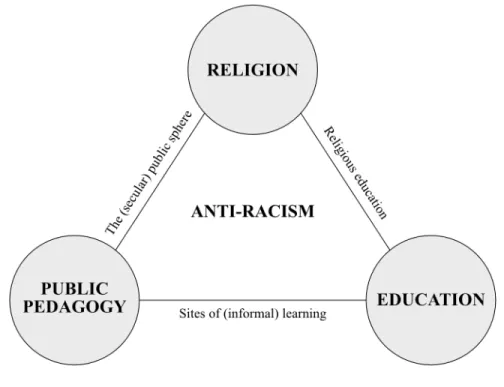
Figure 2.1 – Conceptual Framework ... 14
Figure 4.1 – NOVA ET ACVRATISSIMA TOTIVS TERRARVM ORBIS TABVLA, World Map, Johannes Blaeu, 1664 ... 93
Figure 4.2 – Settler Trinity ... 96
Figure 4.3 – Station 2 Symbol ... 98
Figure 4.4 – Station 3 Symbol ... 99
Figure 4.5 – Station 4 Symbol ... 100
Figure 4.6 – Station 5 Symbol ... 102
Figure 4.7 – Station 6 Symbol ... 104
Figure 4.8 – Station 7 Symbol ... 106
Figure 4.9 – Station 9 Symbol ... 108
Figure 5.1 – Central Table ... 132
Figure 7.1 – Collage A ... 155
Figure 7.2 – Collage B ... 156
Figure 7.3 – Collage C ... 157
PART I: INTRODUCTION TO THE STUDY
CHAPTER 1: INTRODUCTION
“The Southern theological drama decided each individual’s role, from the mudsill to the top of the ladder, black or white. That was my curriculum” (McKnight, 2017, p. 9).
This reflection by curriculum theorist, Ed Douglas McKnight, seems an apt place to begin, because this dissertation is born out of the Southern theological drama. In just a few words, McKnight captures many of the intricacies of the relationship between race and theology: a sense of the individual and the society, the hierarchy, its performativity, its aesthetic quality, its inevitability. Every Southerner has their own monologue, their own story. However, like any great drama, there is also action, conflict, emotion, and dialogue. Moreover, as McKnight’s second sentence suggests, all of these aspects of the Southern theological drama have
pedagogical implications. At its core, this dissertation seeks to tease out the contours of those pedagogical implications. I have certainly been taught by the Southern theological drama, but now, as one who teaches in the South in both church and university settings, I have grown increasingly interested in how this drama continues to teach, how we all play a role in propagating its lessons, and how we, in turn, might challenge it pedagogically. Background and Justification
the practice of anti-racism in (religious) education. This study is animated by a significant gap in the literature, one that came to the fore not only through reading and study in the areas of interest mentioned above but also through my own work as a religious educator. As such, this section will serve to describe the contours of that gap. First, in the field of education, is an area of research called public pedagogy. In the broadest sense, public pedagogies are those “spaces, sites, and languages of education and learning” that exist beyond those of formal schooling (Sandlin, Schultz, & Burdick, 2010). The concept is based on the seemingly obvious premise that “we are constantly being taught, constantly learn, and constantly unlearn” (Sandlin et al., 2010). The amount of scholarship on these pedagogical forms has greatly increased over the past two decades, enlarging the scope of educational research. However, raising the concept of education to near ubiquity via the concept of public pedagogy has not been without its drawbacks and criticisms. Savage (2010) issued an insightful critique that the term public pedagogy has been used in totalizing ways, potentially rendering it meaningless. Leaders in the field have addressed this critique in order to provide some conceptual clarity moving forward (Sandlin, O’Malley, & Burdick, 2011; Burdick & Sandlin, 2013; Burdick, Sandlin, & O’Malley, 2014). The need for clarity is not likely to go away. In an ever-changing world, scholarship on public pedagogy concomitantly has ever-shifting boundaries and ever-growing sites of inquiry. However, issues of religion have not been at the forefront of public pedagogy scholarship, with two potential exceptions (Whitlock, 2010; Slattery, 2010), though religion is still not particularly central, and neither of these articles considers race or racism. This overlooked area of inquiry in the public pedagogy literature forms one side of the gap.
scholars in the subfield of religious education. Religious education is another term that has a variety of meanings and purposes in a variety of contexts and often requires some conceptual clarity. Religious education can refer to learning that takes place in religious communities and religious schools or to programs/efforts to teach religion in public schools. However, in 2000, Moy identified racism as the “null curriculum in religious education,” largely absent from its areas of inquiry due to its being held “in captivity to a Euro-American ideology that avoids dealing with racism” (pp. 131-132). The problem has not improved. As Goto (2017) notes, since the Moy (2000) article, “racism is rarely a focal topic in religious education” (p. 34). To be clear: the historical, sociological, theoretical, and theological literature on race and religion is quite vast, as is the literature on anti-racism education, in general. What Moy and Goto are pointing to is that the pedagogical literature on (anti-)racism and religion is largely non-existent. The few exceptions that do take up racism in religious education will be considered in the conceptual framework section in Chapter 2, but this identified oversight in the religious education literature forms another side of the gap.
The final side of the gap is largely a methodological one. Sandlin, O’Malley, and Burdick (2011) in their review of public pedagogy literature identify a lack of studies that deal with “how these educational sites and practices actually work to teach the public and how the intended educational meanings of public pedagogies are internalized, reconfigured, and mobilized by public citizens” (p. 359). In other words, we do not have a clear sense of “what public
“capacities and variegations of educational activity” beyond the school (Burdick, Sandlin, & O’Malley, 2014, p. 8). This gap is compounded by a further lack of methodological work and understanding of how to capture these public pedagogies in a way that does not rely on “institutional texts and tools as analytic technologies for exploring decidedly anti-institutional pedagogical work” (p. 8). To rearticulate my point, the final side of the gap that forms the background and justification of this dissertation is framed by an overall lack of understanding of how to adequately study the pedagogical component of public pedagogy and how it is received by those who encounter or participate in these spaces of informal learning without falling back only on the methodologies native to formal education.
and a desire to address those same issues in her own faith and religious identity, as well as in the parish community at St. Stephen’s. I did not know at the time that my dissertation research would end up taking shape in this parish, but it ended up being a rather prescient interview question.
In that position, the Episcopal Diocese of North Carolina (of which St. Stephen’s is a part) has passed a resolution asking that congregations “undertake at least one initiative annually, to address systemic racial inequity and injustice” (The Episcopal Diocese of North Carolina, 2015, p. 94). This effort is a response to the broader actions of the General Convention, the legislative body of the Episcopal Church, which meets every three years. At the meeting in the summer of 2015, the church renewed its commitment to striving for racial justice and
Barndt (2011) notes, one of the most damning aspects of Christian history is the extent to which the Church has often deemed issues of social justice to be “totally unrelated and irrelevant to the gospel” (p. 15). This training certainly seeks to overturn that legacy. On the other hand, if church and society are conflated, then participants are not provided with any robust account for what makes this a Christian anti-racism training other than prayers at the beginning and end.
I would argue that this oversight is highly problematic for an anti-racism curriculum that claims to have a religious foundation. It pays virtually no attention to the epistemological and theological underpinnings of systemic racism. This highly-scripted and pre-determined training is akin to focusing on remodeling the kitchen in a house whose foundation is fundamentally unsound. To put it another way: the curriculum as it is now is like applying a band-aid for a chronic disease, far too easy for participants to rip off, because it is does not really address the underlying issues (the effects of which are also mitigated by one’s privilege). This issue has been addressed in the literature, albeit from a largely theoretical standpoint. Hess (2017) writes:
Dismantling racism, indeed all that is involved in engaging race in religious education, is not a “technical” challenge: find the right diversity workshop, apply, and move forward. Instead it is a deeply adaptive challenge, and at the heart of that challenge is our need to change the way that we know, our epistemological commitments (Hess 2005, 1-2). We need to recognize how these commitments have come to be shaped through time into a particularly narrow understanding of Christianity, which built a pernicious construction of race. (p. 50)
experience visible today by devising new interpretations of ancient attitudes and practices” (Pinar, 2006, p. xiii). In other words, approaches to anti-racism in the Church and beyond must address history if they hope to counter the ongoing legacies of racism that may in fact just be old practices revived in new forms. This attention to history, epistemology, the questioning of the foundations of knowledge, and the critique of the “technical” and formal, also resonates with the goals of public pedagogy scholarship (Ellsworth, 2005; Burdick, Sandlin, & O’Malley, 2014). This study will proceed from addressing these critiques from the literature by drawing on the insights of public pedagogy in order to develop an approach to anti-racism in religious education that specifically focuses on and addresses the epistemological, historical, and theological
foundations that undergird the very racism that such pedagogies seek to overturn. Research Questions
In an effort to address this gap in the literature in a way that brings together theory and practice, this study is guided by two central research questions:
(1) How might anti-racism education be implemented in a faith community using strategies from public pedagogy?
(2) How might this pedagogical action speak back to field of public pedagogy, as a way of reconceptualizing how we understand the intersections of race, religion, and education?
methodology can be found in Chapter 3. The second question seeks to move the study beyond the gap outlined above to open up new lines of inquiry.
Significance of the Study
Although each of these items will be revisited throughout the document, this study is potentially significant in several ways, largely connected with the research questions. First, this study addresses gaps in the literature and brings together fields of inquiry that heretofore have not been in dialogue in order to address an important issue and to develop a new approach to anti-racism education, one that I will call a theo-aesthetic approach. Second (and related), this study articulates an understanding of anti-racism that foregrounds religion and theology,
elements of the epistemological foundation of racism that has been woefully ignored. Third, the results of the process can inform and perhaps help us to better understand the relationship between race, religion, and education—both in terms of how they intersect and how they push against each other. I am particularly interested in the ways in which this study troubles the binaries like the one between the religious and the secular and interrogates how those binaries have served as a managing force for race and education in our society. Fourth and finally, this study is significant on methodological grounds, as it can offer a nascent understanding of what action research might look like both in public pedagogy and religious education.
True to the critical self-reflection at the core of action research, this study is also personally significant. Willie Jennings (2017c) starts his piece with an important question: “What does it mean to teach as a person of faith at this moment” (p. 58)? This question is an incredibly important one. I would add that part of this process will be interrogating what it means to teach as a White person of faith at this moment. I am deeply troubled by the election of
safety, security, and patriotic duty. It is easy to feel paralyzed at times, and I certainly see this study as a means to counter those paralyzing forces. However, it goes beyond that. In Divided by Faith: Evangelical Religion and the Problem of Race in America, Michael Emerson and
Christian Smith (2000) provided a powerful and provocative assessment of the power of religion (evangelical Christianity, in particular) to foster racial unity in American society. Their argument was that religion in America “is unable to make a great impact on the racialized society” (p. 18). This book gained a massive readership inside and outside of the academy, and it continues to be important reading both for clergy-in-training and for church discussion groups (Hawkins & Sinitiere, 2014). I count myself among those who have been impacted by their work. They ask an extremely important question that guides their research, one that is connected to the preceding questions in this paragraph: “What is religion’s role now [as an agent for racial change] (p.2)? I continue to be haunted by this question. My greatest fear is that religion and people of faith will be impotent in the face of the daunting challenges at hand. My greatest hope is that religion and people of faith can significantly contribute to anti-racism education and activism. This study is ultimately an effort to illuminate that hope for a better way forward.
Outline of the Document
CHAPTER 2: LITERATURE REVIEW AND CONCEPTUAL FRAMEWORK This chapter will serve as the literature review for the study that ultimately informs and is informed by a conceptual framework. It reflects an iterative process that is in line with
Maxwell’s (2006) approach to the literature review, “one focused on relevance rather than comprehensiveness” (p. 31). Instead, he offers the idea of a conceptual framework, where “the goal is an integrated set of theoretical concepts and empirical findings, a model of the
phenomena [researchers] are studying that informs and supports the research, rather than a review of the body of literature” (p. 30). For one, this is desirable, because there is basically no pre-existing literature that directly addresses the questions at hand. The emphasis on relevance also allows for a certain level of focus on the pertinent literature that does address the contours of the gap outlined in Chapter 1, contours that will also form the basis of the conceptual framework in the sense Maxwell outlines above and will guide the research process.
Another issue to consider is the role of a literature review in action research, the primary methodology for this dissertation. There is a debate in the field as to whether a literature review is even appropriate for action research (Craig, 2009), largely rooted in the methodology’s
overlap with grounded theory (Klein, 2012). The prevailing consensus, however, is that an action research dissertation/project will “provide sufficient literature to frame the initial research
Selection Criteria for Relevant Literature
Relevant literature was chosen from graduate coursework pertinent to the topic,
particularly independent studies with experts in the field on religion and education, anti-racism education, and public pedagogy. As stated above, there is a significant gap in the literature about anti-racism in religious education, so the few pieces available were identified via the Articles+ search engine using all the possible combinations of the following terms: “anti-racism” (and its variants), “religion”/”religious,” “theology”/”theological,” “education,” and “Christian” (given the context of this study). I then completed the same search process in the two major religious education journals (Religious Education and The British Journal of Religious Education) to identify any possible pieces that were missed in the Articles+ search. I read all 22 pieces that emerged from that search process and included articles related to the topic at hand.
A Note on Terms
practices, objects, and beliefs in order to understand God’s presence in human experience” (p. 7). I will revisit lived theology later in this chapter. The orientation of each term is different, and they ultimately serve different purposes. Theology is thinking and living in and through a particular religion; in the case of this study, that religion is Christianity. For example: as will be seen in Chapter 4 in the first action-reflection cycle, the primary focus was racialized depictions of Jesus. Certainly, the material culture and the practices associated with that culture in their historical context are crucial to this study, which impacts how we understand the intersections of race and religion. However, when we as a group moved into thinking about how these racialized depictions impact our understanding of the incarnation and how we worship, then we have moved into the realm of theology. Even further, when you start considering questions of how a certain group’s theological understanding of a Black Jesus impacted their sociopolitical action, then the distinction becomes much less clear. For this study, theology and religion—and their intersection with race/racism—are both at play. I try to make distinctions between them where appropriate and where it has a significant impact on the story or analysis (in Part III), though as will be seen, the lines between them are quite porous at times.
Linking Literature Review and Conceptual Framework
Recognizing that this process of determining relevant literature is continuous, Maxwell writes about the role of literature being dynamic and open to change based on how the research develops, an approach that resonates with the open-ended nature of action research (2006). New literature is brought into this form of qualitative research as the action-reflection cycles unfold and is reflected in the final report or dissertation (Herr & Anderson, 2015). As such, in the final action research report, the literature runs through the document, being brought in where
section (McNiff & Whitehead, 2011). The conceptual framework (depicted in Figure 1)
presented here in Chapter 2 serves as a snapshot of the review of relevant literature that informed the design of this project—only the first stage in the larger, iterative process of the action
research cycles and the subsequent analysis, which are reflected in the remainder of the dissertation.
Figure 2.1: Conceptual Framework
mutual areas of inquiry/lines of the triangle as the primary guides. Along the way, I will not only critically discuss the literature as it fits along the figure, but I will also be careful to demonstrate where connections and critiques arise across the literature.
Public pedagogy←→Education. One issue at the heart of public pedagogy is what the purpose of scholarship in this area is, what it should do. The Handbook of Public Pedagogy addresses this issue directly in the way it is framed. As Pinar (2010) notes in his Foreword, this work is no mere academic exercise; it is a political commitment. He further claims that
The underlying question for public pedagogy scholars seems to be: what purpose does social justice as an idea (perhaps even the ultimate idea) serve in public pedagogy? Social justice has been afforded teleological status in public pedagogy scholarship, and as Pinar’s notion of “totemic” suggests, it is always there, even when not explicitly named. Somewhat incongruously, this omnipresence of social justice makes it even more ambiguous, even more slippery of a concept. What are we to make of this? Pinar (2010) writes further:
By reducing all our dissatisfaction with the world to one issue—dehumanization or injustice or inequality—and inflating our subjective frustration into longing for one abstract solution (total revolution or, in the present moment, social justice), we raise the stakes so high that the odds against us become overwhelming. In its demand for a new humanity, longing for total revolution enacts a secular form of Christianity. Does its otherworldliness ensure its frustration in this world? Never mind the odds, in the emergency of the postmodern present public pedagogues pledge themselves to the revolution now. (p. xvii)
On the one hand, Pinar’s critique is important. It does raise the stakes so high that it can almost become paralyzing. Or perhaps worse, it can lead to the kind of navel-gazing that prevents seeing a wider range of issues. On the other hand, Pinar’s last statement is key. Public pedagogues push on despite the odds. Nevertheless, I would assert that the field must take seriously Gaztambide-Fernández and Matute’s (2014) admonition about the lack of moral vision that often
Burdick and Sandlin (2013) delineate three pedagogical categories into which public pedagogy scholarship can be classified: transfer, relation, and the monstrous. This study will draw primarily on the second category, the idea of pedagogy as relation. In this approach, “theorists and researchers privilege the subject and the object of pedagogy—the relational meanings that are generated via active, sensate, embodied interactions” (p. 147), including (and perhaps especially) aesthetic forms. Gaztambide-Fernández and Matute (2014) provide an excellent foundation for understanding this conceptualization of public pedagogy. Though they state that their ultimate goal is to articulate a definition of pedagogy regardless of the context, working across the three approaches that Burdick and Sandlin (2013) propose, they also make clear that even with critique, their vision for public pedagogy is ultimately consistent with the relational approach (p. 62). Their definition is:
Thus, we see pedagogy as a relational process through which multiple subjects enter— not always deliberately or directly—into a temporal and spatial relationship through which one makes an attempt to influence or “push against” the experiences of another. Based on this, we argue that pedagogy—public or otherwise—is always relational, always intentional, and always moved by an ethical imperative. (p. 56)
the means available” (p. 60). So, if the self, knowledge, and the other are always in-the-making as they exist in relation, then not only is the future always open to change, but it also makes it impossible to prescribe, even as an intellectual exercise. This is perhaps why Pinar (2010) states that political commitment is a more important prerequisite for this work than academic
knowledge. As such, this study will seek to put the ideas put forth in conceptual pieces regarding pedagogy as relation into action, moving the commitment to social justice, and anti-racism specifically, beyond mere totemic status to that of ethical imperative.
Gaztambide-Fernández and Matute (2014) do not provide a great deal of detail in terms of what that pedagogy might look like. However, their argument rests on the idea that
The central figure in this area of public pedagogy research is Elizabeth Ellsworth, whose text, Places of Learning (2005), provides an important foundation for understanding public pedagogy as relation. Interestingly, she never uses the term public pedagogy in this work, but she is specifically concerned with pedagogies that take place in what she calls “anomalous places,” those that are outside of schools and where pedagogy is normally thought to take place (p. 5). She argues that pedagogy not be viewed by the current center of “dominant educational
discourses and practices” (p. 5). Her goal is to expand the notion of what pedagogy is and can be, which is directly in line with the goals of public pedagogy scholarship.
re-made, so even as we maintain a sense of separation, the only way to learn anew is to enter into relation again with the other (p. 55). Though she uses different terms than
Gaztambide-Fernández and Matute, she is clearly interested in the ethics of relation, particularly with regard to how the self and the other negotiate the pedagogical encounter. To put it in her language, Ellsworth calls this the crisis of learning, which can be “a source of creativity but can also be the source of a terrifying anxiety,” when we come up against “discourses that dominate and threaten to overwhelm” (p. 89). This is the great public pedagogical task (and perhaps a key in the work for social justice and anti-racism education): to find a way to foster transitional spaces where those dominant discourses are broken down and are subject to the same productive learning that happens in relation. While Gaztambide-Fernández and Matute are mostly interested in the types of learning that lead to social change within what they call “institutional hierarchies” (p. 55), Ellsworth addresses this as well in calling for the creation of spaces and institutions that undo— as much as possible—those very hierarchies that manage the pedagogical encounter.
Ellsworth (2005) also responds to what she sees as an over-reliance on “resistance as critique” and calls for pedagogies and practices that emphasize augmentation instead of critique and invention instead of negation. She writes:
Education is not utopic; it is bound to the present by the necessity to tear half-living knowledges out of their histories, to declare what of them is still of use and what of them we must now deem to be dead. […] Because pedagogy is a way of conceptualizing the present’s problems, all the work of education, all of its labor of producing alternative knowledges, methods, and criteria, has yet to begin. Learning is beyond the utopian, because no vision, narrative, or plan can anticipate or perform the work of remaking knowledge in the moment. (p. 149)
The future is radically open, and pedagogies must issue a call to invention that pushes us,
that eschew relationality, or it can be done in those transitional spaces where critique is not an end in and of itself but serves the purposes of clearing room for imagining a new reality, one that is always in-the-making.
Ellsworth (2005) does not directly address the issue of social change or anti-racism directly except on a couple of occasions in her book. At the outset, she makes clear that she is interested in challenging “approaches to social and political change” that “would have us believe that meaningful and effective political change happens only or primarily at the macro-systemic level” (p. 29). She writes about this approach instead for those “who think that linear, purely cognitive approaches to alleviating racisms, sexisms, and other oppressive structures, have failed or proven to be woefully inadequate” (p. 62). She is not interested in outlining yet another linear approach to anti-racism. To do so would be to undercut her claims. It is also worth noting that I count myself among those who consider such approaches, like the one used by the Episcopal Church, to be largely inadequate for the work of anti-racism. Ellsworth’s text is a call to create, to design new pedagogical spaces and foster new pedagogical encounters. My own project is an attempt to answer that call.
Moving toward the education bubble on the conceptual framework, Thompson (1997) writes about anti-racism education in a way that is not part of public pedagogy scholarship but very much aligns with Ellsworth’s (2005) perspective on the nature of pedagogy. She argues for anti-racism education that is “expressive rather than reactive, creative rather than argumentative” (p. 18). Approaches that are reactive and corrective in nature assume that racism is the function of some sort of error in truth, rather than a problem with our underlying framework of
need to begin by changing the relations that shape our values and assumptions regarding race” (p. 25). Much like Ellsworth, Thompson argues for the use of art and aesthetics as a metaphor for anti-racism education, where spaces are created where meaning itself is problematized and “unimagined possibilities” are fostered and examined (p. 30). That is, these spaces are
performative, where such alternatives can be played out, unsettling the idea that the framework that undergirds racism is somehow natural.
Though Goto does not cite Ellsworth, they both draw on the work of D. W. Winnicott. Goto (2016) also works to challenge the “schooling model” that has largely informed religious education (p. xvi). Instead, she develops the idea of revelatory experiencing, which involves “practices that decenter habitual patterns of thinking, feeling, and doing, both individually and together, which opens up possibilities for re-centering” (p. 3). She uses the same language of relation to talk about the nature of pedagogy, but she does so specifically via a metaphor of play. She writes specifically that “to play is to experience losing and finding oneself in engaging reality and one another ‘as if,’ exploring freely a world of possibilities bounded by structure that facilitates relationship” (p. 15). This kind of play “defies definition” and is open-ended in nature (p. 14). That is, in Goto’s model, play involves relational encounters with others, in which players can be changed by the experience as they mutually engage in creative and imaginative ways of understanding reality and opening up new ways of being (pp. 18, 29). Goto’s use of play is largely akin to Ellsworth’s idea of transitional spaces. Instead, Goto extends the metaphor, calling these spaces “grounds for playing” or “playgrounds” (p. 83). Goto’s pedagogies are also sensational, beyond the limits of language, and concerned with aesthetics (pp. 99-100). Given her context in religious education—specifically Christian education—she argues that churches should be “key aesthetic spaces” or playgrounds for the realization of God’s new creation (p. 101). Ultimately, given the overlap in interlocutors, I largely see Goto’s and Ellsworth’s texts as parallel, neither actually using the term public pedagogy, but each developing similar ideas in their respective fields for how education can proceed outside of the prevailing metaphors of schooling.
specifically to one issue. That being said, she does specifically address racism in a few instances. She identifies racism as one of the habitual patterns of thinking, feeling, and doing that needs to be challenged, disturbing the patterns of power and privilege through pedagogies of play (pp. 106, 129). She explains further:
Communities have internalized histories of racism…that shape a community’s
theological and moral orientation, behavior, and being. Helping a community play with what limits its members is an act of love…especially when people are heavily or unconsciously invested in problematic patterns of being. (p. 133)
The task of religious education in the face of this reality is no easy one. These internalized images or ideas—these racialized epistemologies—that undergird racism must “fall away” through the pedagogy of play, so that they can be decentered, directly challenged, and opened to re-centering and recreation (p. 105). So, in Goto’s model, the job of the religious educator is to provide the (aesthetic) conditions for such a process to evolve, to create and design pedagogical playgrounds for experiential learning, critical reflection, and imaginative play that can serve as “bridge[s] between the reality of the present moment” and a new way of being rooted in love and God’s new creation. Again, Goto and Ellsworth are largely in alignment, not only in terms of their theoretical approach but also in their vision for praxis. Given the context of my study in a church setting, Goto provides an important theological component for this conceptual
framework. As will be seen in Chapter 3, the coalescence of their ideas will also provide a foundation for this study’s approach to anti-racism within religious education regarding the aesthetic elements of design, sensation, and (inter)activity.
lessons of mystics in developing an approach to anti-racism, especially the work of Bryan Stevenson, who she identifies as a mystic. A major component of her overarching argument is that White Christian religious educators need to “change the narrative[s]…with which we have constructed and sustained our identities,” specifically with regard to race (p. 49). In close alignment with Ellsworth (2005), Goto (2016), and Thompson (1997), she argues that
“dismantling racism, indeed all that is involved in engaging race in religious education, is not a ‘technical’ challenge: find the right diversity workshop, apply, and move forward” (p. 5). Instead, our approaches must be “adaptive” and must challenge the “epistemological
commitments” that have shaped “a particularly narrow understanding of Christianity, which built a pernicious construction of race” (p. 5). Again, my own study will proceed from this very idea that the present approach to anti-racism education in the Episcopal Church (and indeed in many, if not most, churches and schools) fall under what Hess (2017) calls “technical” approaches, which are completely inadequate to the task of anti-racism, given that they do not sufficiently address the underlying epistemological and theological foundations of racism. Hess (2017) calls instead for Christian religious educators not only to challenge but also to invite learners into opportunities to center themselves in new understandings of identity (as Christians) and to provide them the tools and space to embrace such discomfort (p. 51), which is a much deeper and much more difficult commitment to achieve.
assumptions about race by purposefully creating opportunities for cognitive dissonance and discomfort within a “supportive environment” that allows for reflection on that dissonance and subsequent relocation into new epistemological frameworks—all of which must be sustained and cultivated beyond the confines of one class or workshop (pp. 12-15). This model is not all that different from the model Hess (2017) provides or the decentering/re-centering idea of Goto (2016). One potential challenge is that Evans and Shearer (2017) do not really attend to how this model might translate into other non-classroom based settings, though they are careful to
emphasize that the process is often not linear and must be adaptive in nature.
In the third article, Fears (2017) uses the Underground Railroad (UGRR) as a model for anti-racism. Though at times the metaphor seems a bit forced, the UGRR does provide a
compelling image. I will not go into great detail about the parallels she draws, but Fears (2017) writes that the overall paradigm is one of escaping and moving from racist ideologies to a new place of freedom and community. Anti-racism in religious education must be about fostering spaces for “epistemological rupture,” where “long-held beliefs about race, racism, and religion are examined, questioned, and challenged” (p. 26). She also is critical of workshop-based models and emphasizes that no single method must be employed by everyone and that approaches should be context-specific (pp. 24-25). Essentially, Fears (2017) is trying to recover what she argues was a cross-racial, cross-generational historical phenomena that involved people of faith as a model for those seeking to develop anti-racism pedagogies in today’s context that are communal and creative.
determined. For Evans and Shearer (2017) and Fears (2017) especially, the metaphors and principles they develop all imply movement from one place to another, which does not
necessarily have to proceed in a linear fashion, but none of the pieces tease out the unexpected, open-ended—even rhizomatic (à la Deleuze and Guattari, 1987)—qualities that such a journey can exhibit. Moreover, all three of these articles rely heavily on a text-based approach to learning, even as they seek to challenge, or at least adjust, traditional pedagogical forms. While none the models offered therein are particularly translatable to a public pedagogy framework or Goto’s (2016) pedagogies of play, even Goto acknowledges that sometimes experiential forms of pedagogy can effectively be framed or paired with more “transmissive” forms of teaching (p. 5). That is, critically reading and discussing texts can be close partners with experiential learning. I do plan to incorporate a sense of balance into my own approach, which will be detailed in Chapter 3. Ultimately, even though I will not be specifically using one of the models in these articles, all three share a common idea of challenging underlying epistemologies as the focal point for anti-racism education, but they also argue that such approaches must then move to the formation of new epistemological frameworks that also address issues of theology and religious identity. They likewise draw on scholars who have demonstrated that Christianity has played a major role in the development of racism in the United States (and in the West more broadly) and readily acknowledge the necessary discomfort that can come in religious education when that particular aspect of the epistemological foundation of racism is brought to bear and challenged in anti-racism pedagogies.
two sections provide a historical and sociological analysis of racism in the church. The final section consists of “a practical step-by-step process for…defining, designing, and creating an anti-racist church” (Barndt, 2011, p. 147). This process is articulated primarily through a six-step continuum, with the first three steps titled “Where the Predominantly White Church Is Now” and the next three steps titled “Where the Predominantly White Church Needs to Go,” with the crucial crossover between steps three and four being moving from a “multicultural church” to a process of identity change, leading to “an anti-racist church” (pp. 148-149). Barndt
acknowledges that moving from where the church is now to where it needs to go can be an extremely difficult process, and in order for that to happen, the church must experience an identity crisis, where there is an awareness that the “old racist identity” is no longer acceptable and that a new, anti-racist identity must be formed (p. 159). This idea is akin to Ellsworth’s (2005) “crisis of learning” discussed above. Then, once the church is ready to start moving on the “long path” to forming that new identity, then it must begin with “anti-racism training workshops and other educational programs” (p. 163). These programs are merely step one in his fifteen-step process that takes up the second half of the continuum.
tension. Barndt tries to apply a technical, linear model to a process that he even acknowledges may not be linear at all (and may involve some significant setbacks). Moreover, Barndt does not really discuss in detail the extent to which pedagogical processes can also be important in initiating and addressing an identity crisis, in the first place, which he says is necessary to even begin crossing over to the steps in the second half of the continuum.
All that said, Barndt provides an important caveat: “it is absolutely essential that the context and content of all teaching about racism and about an anti-racist identity be grounded in the biblical and theological teaching of the church” (p. 173). This is where the current model in the Episcopal Church falls short. It does not actually address the religious identity of the
participants and therefore makes theology meaningless as a tool for change. This shortcoming is precisely why the literature discussed heretofore is insistent that all approaches that are largely information-driven are insufficient and that fostering epistemological crisis must an essential part of any anti-racism pedagogy. My own study will seek to “flesh out” the identity crisis aspect of Barndt’s model, focusing narrowly on that underexplored aspect of his continuum, using the insights of public pedagogy and Goto’s pedagogies of play. In fact, the identity crisis is not considered a separate stage and does not even appear on the visual form of the continuum. He only discusses it briefly in the text explanation as an experience that drives movement along the continuum. The study will also proceed taking into account Barndt’s admonition regarding the importance of contextualizing and including theological content in any approach to religious anti-racism education.
exist, at least not explicitly, in the present literature, apart from a handful of pieces that do not address race. There is, however, some relevant literature that can help to illuminate the contours of that gap and in turn, will help to further define further the contours of this study. First, I will make some brief comments about an area of inquiry in the field religion: lived theology. Lived theology is, in many ways, based on a similar foundation to public pedagogy in education. Lived theology is concerned with making sense of the beliefs and practices of people of faith as a form of theological inquiry and discourse, as opposed to the formal theological discourse that governs the church’s “official” beliefs and practices—the latter of which has been the primary concern of academics (Marsh, 2017). This line of study seeks to expand the theological vocabulary,
transgress disciplinary boundaries, and extend the scope of what counts as theology in the first place (Marsh, 2017).
As stated above, public pedagogy seeks to do much the same: to expand what counts as education without relying on the formal pedagogical discourse that has shaped the field of education up to this point. That being said, public pedagogy has been criticized for expanding its scope so far as to become totalizing and meaningless (Savage, 2010), and Marsh (2017) shares a similar concern about lived theology (p. 15). While I am not situating my study in lived
theology—my concerns are primarily, though not exclusively, pedagogical—the questions that animate this study certainly share an affinity with the questions that underlie those in lived theology. Just as I am pushing the boundaries of the pedagogical, I am also exploring how that pedagogy is experienced by the parishioners. How do they make (theological) sense of the content (or curriculum) and the pedagogical encounter?
capacities of Christian theology itself” (p. 67, emphasis in original). That is, “what identity does Christian theology perform?”—particularly as it pertains to the lives of Christians (p. 67). Jennings argues that Christian theology is diseased and distorted by the “boundary thinking” of race, specifically that of Whiteness (p. 75). He writes further: “The possibilities of authentic Christian performance, authentic Christian life and knowledge, were gauged by the possibilities of being white, becoming white, and/or imitating whiteness” (p. 80). It is important to note that Jennings is arguing that Christian theology as a whole (in its “official” and “lived” forms) is marred by Whiteness and racism and even further, is also implicated in the very formation of Whiteness and racism. This has resulted in “an epistemological density” that has also influenced our “stories of education,” specifically denying “relationality and connectivity” (p. 81).
Elsewhere, Jennings (2017c) has expanded on this idea about the impact of race on theological education.
I would like my own project to expand that inquiry into religious education and
education, more generally, drawing on aesthetic public pedagogies of relation as a potential (and hopeful) counter. It is precisely this diseased and distorted sense of identity whereby Christian theological thinking has been bounded by Whiteness that will form the foundation of the
Returning to the original idea in this final line of inquiry, it is important to consider why religion is largely absent from public pedagogy scholarship, even though it seems to fit into the overall framework. There are certainly scholars of religion who are interested in pedagogy. Perhaps it is because of the fraught relationship between religion and education in the public schools that have been the primary locus of educational scholarship in this area. In that sense, public pedagogy provides an opportunity for rearticulating the role of religion in educational thought. I do think, however, that the issue goes beyond the taxonomies of education research. The public sphere is generally considered to be a secular one (Fessenden, 2007), even if there are debates within public pedagogy scholarship over the exact contours of that public sphere. Putting religion and public pedagogy into dialogue in this final line of inquiry moves us toward an account of what it means for the public sphere to be considered secular, even as it is perfuse with religious voices and influence. Moreover, the process by which those voices—and all voices, for that matter—are managed by the secular is one that is inherently racialized (Fessenden, 2007; Goldschmidt, 2004; and Lloyd, 2016).
Before proceeding to an analysis of racialization and the secular, I will take a moment to examine the secular on its own terms, particularly as it relates to the public sphere. One of the primary scholars studying secularism in U.S. society is Winnifred Fallers Sullivan. The U.S. is an interesting context in which to study secularism, because it is “a place where religion proudly and independently flourishes” (Sullivan, 2009, p. 2). Despite the discourse of religion being in decline, it is really a narrative about a different use of (public) space, where “the new religious resurgence is less a return of religion than its reorganization” (p. 229). In light of this
rights (2013) as spaces to interrogate the place of religion in society. Sullivan’s (2009) guiding question in this exploration is “how [religion] might be fairly regulated in a democratic pluralist society” (p. 17). Though the issues specific to prisons are not particularly relevant to task at hand, the conclusions she draws as a result of that analysis about the secular and its management of religious pluralism are important.
Specifically, Sullivan (2009) draws on Gilpin’s (2007) three modes of secularism in concluding her analysis of the regulation of religion in prisons and in U.S. society more broadly. All three modes are operative in contemporary society and provide “different spaces for a
religion that is always understood to be plural in form” (p. 229). The first is religious secularism, which is based on the de facto nineteenth-century establishment of Protestantism, but is found today in conservative evangelical Protestantism, and draws its power “partly in its denial of its religiousness” (p. 230). That is, it takes a system of Christian universalism and tries to apply it through state authority without admitting the rootedness of those values and ideas in the religious (p. 230). When Giroux (2004) articulates religious fundamentalism as a “site of public
pedagogy” that is one of the “organizing forces” of the “dominant public pedagogy” of neoliberal ideology (pp. 497-498), this is the kind of secularism to which he is referring.
However, religious fundamentalism is able to undergird some of those neoliberal ideas while still going unnoticed to the degree to which it successfully proffers those ideas as being universally founded and applicable and not actually grounded in specific religious views.
irreligious secularism is the public school (p. 231). However, it also contains a particular conceptualization of the public sphere:
For irreligious secularism, the rule of law in the guise of the doctrine of the separation of church and state has acted as gatekeeper to the public space, the irreligiously secular public space, the place of rationality, the rationality of modern science. […] The
irreligiously secular model is faltering as a result of the modernist assumptions about the nature of humans and of human language. It has failed because these spaces no longer make sense. (pp. 231-232)
This perspective represents perhaps, the most traditional view of secularism, the view that assumes that the secular public sphere is a neutral one. It has come under question as the postmodern has put all claims of neutrality under question. In many ways, public pedagogy has arisen as a field of inquiry in the waning of the irreligious secularism, even as most, if not all, public pedagogy scholars “get it” that the public sphere is anything but neutral.
The third and final mode is areligious secularism, where “religion is honored as a human universal and religious pluralism can be creatively negotiated in sites of cultural exchange” (Sullivan, 2009, p. 230). It is clear that Sullivan sees great promise in this latter category in terms of its honest reflection of the rather eclectic nature of contemporary religion (p. 233). It holds the most promise as a category that can foster a public sphere that is capable of sustaining pluralism. That said, she argues that even though “areligious secularism affirms the universality of
under contestation by competing visions of how religion should be managed, each of which is maintained by powerful actors and interests.
Tracy Fessenden is another important figure in the study of secularism, and although her approach (2007) is largely in alignment with Sullivan’s, it does have some important differences. Her intervention in the scholarship has a clear purpose: to overturn any simplified narrative of “secularization-as-progress” (p. 12). In addition, she is interested in examining how secularism developed in relation to specific religious traditions, not just religion, in general. She writes:
When secularism in the United States is understood merely as the absence of religious faith, or neutrality in relation to religious faith, rather than as a variety of possible relationships to different religious traditions—for example, an avowedly secular United States is broadly accommodating of mainstream and evangelical Protestantism,
minimally less so of Catholicism, unevenly so of Judaism, much less so of Islam, perhaps still less so of Native American religious practices that fall outside the bounds of the acceptably decorative or ‘spiritual’—then religion comes to be defined as ‘Christian’ by default, and an implicit association between ‘American’ and ‘Christian’ is upheld even by those who have, one imagines, very little invested in its maintenance. (3)
Her primary task is to articulate a historical narrative of how the secular became equated with a kind of unmarked Christianity that can manage difference or plurality. One important move took place in the late nineteenth century, just as there was considerable debate over whether or not tax money for the common schools (which were de facto Protestant at this point) could instead be diverted to support sectarian schools in the wake of increased immigration and religious and racial diversity (pp. 78-82). This move caused an uproar with supporters of the common schools who argued that they provide unity for U.S. society (p. 81). Those supporters of Protestant common schools were able to squash the dissent, and in schools and in wider society,
(racially and otherwise) in the attempt to produce American(ized) citizens (p. 99). Over time, the prominent discourse of religious difference largely transformed into a (supposedly) secular one of racial difference. Specifically, “the racializing of a Protestant religious vocabulary created ‘whiteness’ as a category that might strategically cross religion and ethnicity in the interests of national unity, while also being capable of assigning different ethnic and religious groups to separate races” (p. 113). This idea is directly related to Sullivan’s assertion that the secular actually maintains some of the tasks of the religious (p. 7)—in this case, managing difference in the public sphere. The foundations and progenitors of secularism in U.S. society are made clear through Fessenden’s analysis: White Protestantism. Race and religion are often unmarked in the secular, not absent.
Goldschmidt (2004) argues that because of this legacy and the way that race was superimposed on religious differences, many scholars—particularly those in cultural studies— assert that religious identities have been superseded by racial identities when in fact they were just superimposed on religious identities (p. 4, 12). This assertion has resulted in a “conceptual blind spot” regarding the links between religious identity and other categories of identity (p. 6). To counteract such conceptual separation, Goldschmidt argues that race, nation, and religion are “in fact, co-constituted categories, wholly dependent on each other for their social existence and symbolic meanings” (p. 7). To put it even more bluntly: in the U.S. context, “there are no such things as race, nation, religion, per se—only race, nation, and religion as they are constructed in and through each other, and through other categories of difference” (p. 7). One may take
difference, completely divorced from the others and the discourse of secularism that obscures their co-constitution.
Most recently, Lloyd (2016) pushes this discussion beyond one based primarily on identity and one that, in many ways, brings together some of the perspectives of the other scholars. He argues that “race and religion are conjoined” (p. 2) and asserts that he seeks to uncover the “processes by which race and religion are excluded or managed” by the secular (p. 4) in what he calls the “secularist-racializing knot” of Whiteness (p. 7). This management is about individual bodies and identity, but it is also about systems and regimes. Even as the U.S. is animated by a “rhetoric of freedom,” it is also governed by the “reality of management,” where “the subtle technologies of control” serve to “create the horizons of possibility for both religious and racialized lives” (p. 7). To put it another way: the secular public sphere where citizens are supposedly free to act is always-already bounded by Whiteness and will assert its power to manage when those lives threaten to transgress those boundaries—all of which limits what is possible, including the pedagogies that might be enacted.
world, between religion and the public sphere is a blurry one, if indeed it exists at all. Taken from another angle, if religious anti-racism education is successful in fostering an identity crisis and laying the groundwork for new epistemological foundations, then those pedagogies have the potential for “spilling over” into the a larger, more public identity crisis. I would not argue that it works in the reverse, however, and that most anti-racism education models—both religious and otherwise—are not as efficacious as they could be, because they try to do just that. Leaving religion and theology out of the anti-racism equation is problematic, because as we have seen, it is part of the equation of racism, the very epistemological fabric of Western society.
I will close the section by moving closer again to the public pedagogy bubble of the conceptual framework but still within this line of inquiry based on the intersection of religion and public pedagogy. How might we move beyond the notion of the secular and its (racialized) impact on our conceptualizations of the public and the public sphere? There has been an
emerging discourse of the post-secular in critical thought, which has only recently entered the field of education (Wexler & Hotam, 2015, pp. 6-7). There are two interconnected topics in post-secular thought:
The first is about changes in contemporary society: a return to religious and/or spiritual quests characterizing contemporary society. The question is whether empirical evidence now demands a revision, if not abandonment, of the secularization thesis that has dominated the social studies in recent decades. […] The second topic is discursive. It is about the ways that social scientists, historians, philosophers, and culture critiques turn their attention and analyses to religion and theology. (p. 7)
In this sense, the “post” element of the post-secular refers to (potentially) moving past a very specific conceptualization of the secular, that which corresponds with Sullivan’s (2009)
the “new secular” (p. 241). Despite the lack of agreement on terminology amongst scholars, the post-secular is nevertheless consistent with the kinds of issues I have been articulating thus far. I am in complete agreement with Wexler and Hotam’s (2015) pronouncement that the challenge facing education is “addressing what has been mostly left out by critical thought: the relation between religion and society, the secular and the sacred, faith and political action, and to engage and influence accordingly new lines of work, theoretically, empirically, and practically” (p. 9). So, can public pedagogy make the post-secular turn? If it does, what would a post-secular public pedagogy look like? For one, if the secular is inherently racialized, then any post-secular public pedagogy (indeed any post-secular pedagogy, in general) must be also be anti-racist.
Here we have arrived full circle and back restating the central research questions guiding the study:
(1) How might anti-racism education be implemented in a faith community using strategies from public pedagogy?
(2) How might this pedagogical action speak back to field of public pedagogy, as a way of reconceptualizing how we understand the intersections of race, religion, and education?
From a conceptual standpoint, the approach/“answer” to the first question informs the
CHAPTER 3: METHODOLOGY
Broadly conceived, action research is the methodology for this study. As Herr and
Anderson (2015) point out, there are numerous definitions and forms of action research preferred by a variety of scholars, and the first task for anyone writing an action research dissertation is to choose an iteration of action research appropriate to the study and to make that choice clear. Contrary to this perspective, McAteer (2014) argues that even though the proliferation of approaches to action research is interesting and important from an academic perspective, it is largely irrelevant to the actual process of engaging in action research. While I do not necessarily agree that it is irrelevant, I do tend to side with Stout (2006) who argues that action research is “bricoleuring, tak[ing] what it needs from various methodologies and philosophical traditions” (p. 196). Moreover, action research is not a rigid set of techniques (McNiff, 2013); in fact, it is not a “thing” at all, not a “set of procedures to be applied to practice” (p. 24). There is no one “‘right’ way to conduct action research” (Klein, 2012, p. 4). My own approach to action research will be a bricolage, but in line with Herr and Anderson’s (2015) advice, I will begin by
attempting to define generally the contours and content of that bricolage, similarly to what I did with the conceptual framework. Each of these issues is considered further in forthcoming sections.
practice to critical inquiry, challenging the ‘taken for granted’ and consciously seeking
alternative perspectives as a means through which to generate the understanding that will bring practical improvements into being” (p. 11). There is a “moral as well as an epistemological dimension” to action research (p. 7). As for moral dimensions, McNiff (2013) would argue that action researchers engage in the improvement of practice as a demonstration of their
commitment to social justice and the improvement of the human condition. On the epistemological front, “action researchers see knowledge as something they do, a living process…never static or complete; [knowledge] is in a constant state of development as new understandings emerge” (p. 29). This articulation of the foundations of action research aligns with my study. I am not only seeking to improve practice but also to challenge the status quo with regard to anti-racism in (religious) education, the commitment to which aligns with a larger commitment to social justice and the acknowledgement that just as racism is not static, anti-racism education must also not rely on static approaches and understandings like the workshop-based models discussed previously. As such, I want to articulate an approach that better reflects the dynamism between the epistemological foundations of (anti-)racism and practice.
This focus on epistemological foundations is reflected in the idea of “epistemologies of practice” (Hughes & Pennington, 2017, p. 147), which is drawn from Weil’s (1998) approach, critically reflexive action research (CRAR). Even though I am not using the entire CRAR framework for this study—the CRAR model is more collaborative in terms of leadership than this study—this idea of exploring the epistemological nature of one’s practice is another
1. Epistemologies of practice promotes an approach to research that challenges our taken-for-granted knowledge and exposes our tacit assumptions and worldviews, which can vary widely from that which we espouse.
2. Epistemologies of practice renders the distinction between theory and practice irrelevant by focusing our learning within and on situations of action. For example, within classrooms, curriculum, instruction, and “implementation are not polarized as separate processes but can become integrated ongoing cycles of strategic learning.” 3. Epistemologies of practice involves exploration through action questions such as
“What counts here as legitimate knowing, thinking, and deciding? What are the limitations and other characteristics of these processes of knowing, thinking, and deciding?”
4. Epistemologies of practice questions the soundness of our action choices in relation to different dilemmas.
5. Epistemologies of practice invites notions of multiple authorship, and multiples subjectivities are no longer managed out. Instead, they are allowed to emerge, as sources of innovation and novel response to interaction with the environment, within mutually clarified parameters and anchored in shared values.
6. Epistemologies of practice promotes learning not as something people do as separate from their work or their lives; instead, it focuses on the complex ways in which learning, as both enabling and disabling, influences a system’s capacity to thrive in an ever-changing situation.
7. Epistemologies of practice enables us to examine the appropriateness of assumptions deriving from different paradigms of thought and the influence of those assumptions on our choices of action and inquiry, our languages, and our metaphors.
8. Epistemologies of practice is based on an alternative, emergent worldview that sees us as implicated and embedded in the realities we are creating, including through our rhetoric. It shifts the emphasis from causes, effects, and linear change to seeing people as engaged, fallible “change agents” and organizations as living systems that are continuously learning and changing, coevolving through dynamic interactions within their environment.
9. Epistemologies of practice focuses on how epistemologies are “lived” out in the behaviors and choices of people who seems themselves as either “managing” learning and change or, alternatively, “working with learning and change.”
10.Epistemologies of practice gives rise to different emphases and choices in action [i.e., objectivism versus subjectivism]. (pp. 147-148)
Overall, epistemologies of practice serve as a reminder that our actions, our teaching, our