Women’s Alcohol and Other Drug
Services Development Program
Needs Analysis
Final Report
Prepared for NADA by LeeJenn Health Consultants May 2014
About NADA
The Network of Alcohol and other Drug Agencies (NADA) is the peak organisation for the non government drug and alcohol sector in NSW, and is primarily funded through NSW Health. NADA has approximately 100 members providing drug and alcohol health promotion, early intervention, treatment, and after-care programs. These organisations are diverse in their philosophy and approach to drug and alcohol service delivery and structure.
NADA’s goal is ‘to advance and support non government drug and alcohol organisations in NSW to reduce alcohol and drug related harm to individuals, families and the community’.
The NADA program consists of sector representation and advocacy, workforce development, information and data management, governance and management support and a range of capacity development initiatives. NADA is governed by a Board of Directors primarily elected from the NADA membership and holds accreditation with the Australian Council on HealthCare Standards (ACHS) until 2014.
Further information about NADA and its programs is available on the NADA website at www.nada.org.au.
About LeeJenn Health Consultants
LeeJenn Health Consultants is a specialist health consultancy focused on health service development through research and evaluation, training and workforce development, and translation of research to practice. Directors, A/Prof Nicole Lee and Linda Jenner, have worked in the mental health and drug treatment fields in clinical practice, research, training and management, and have a
combination of skills that enables a balance of academic research knowledge, an understanding of the realities of frontline practice and an ability to make complex concepts accessible to a range of audiences.
Email: [email protected] Phone: 1300 988 184 Web: www.leejenn.com.au Post: PO Box 359 Elwood VIC 3184
Suggested citation: Jenner, L., Lee, N., Cameron, J. & Harney, A. (2014) Women’s Alcohol and Other Drug Services Development Program: Needs Analysis Final Report, Network of Alcohol and other Drug Agencies, Sydney NSW.
1 | P a g e
Acknowledgements
NADA and LeeJenn acknowledge the strong commitment of the Women’s Alcohol and Other Drug Services Network to improve outcomes for women and women with children, and for the vision that both inspired and guided this important work.
NADA is also very grateful to each and every one of the 51 women from six services across NSW who generously shared their views and experiences of seeking and receiving treatment for their
substance use issues.
NADA and LeeJenn would also like to thank the following 28 member services for their considered and important contributions to the consultations:
A Woman's Place, Mission Australia Canberra Recovery Service, Salvation Army Centre for Youth Well Being: Junaa Buwa,
Mission Australia Detour House
Dianella Cottage, Blue Mountains Drug and Alcohol Recovery Services Inc.
Drug and Alcohol Multicultural Education Centre Freeman House, St Vincent de Paul Society
GROW Community, NSW Guthrie House
Jarrah House, Women's Alcohol and Drug Advisory Centre
Kamira
Karralika Programs, Karralika Programs Inc. Kathleen York House, Alcohol and Drug
Foundation NSW
Leichhardt Women's Community Health Centre Alcohol, Tobacco and Drugs Service
Lou's Place, Marmalade Foundation The Lyndon Community
Maryfields Day Recovery Centre, St Vincent de Paul Society
McAuley Outreach Service, Mercy Community Services
New Beginnings, We Help Ourselves Odyssey House, Odyssey House McGrath
Foundation
The Peppers, Alcohol and Drug Service, Calvary Health Care Riverina
Phoebe House
Sydney Medically Supervised Injecting Centre , Uniting Care
Sydney Women's Counselling Centre Triple Care Farm, Mission Australia Upper Hunter Drug and Alcohol Service Weigelli Centre, Weigelli Centre Aboriginal
Corporation
Women and Girls Emergency Centre
The authors are also grateful to members of the Expert Advisory Group for their valuable assistance: Dr Lucy Burns, National Drug and Alcohol Research Centre (NDARC), University of NSW
Dr Courtney Breen, National Drug and Alcohol Research Centre (NDARC), University of NSW Sunara Fernando, Mental Health and Drug and Alcohol Office, NSW Ministry of Health (MHDAO) Jane Fischer, National Centre for Education and Training on Addiction (NCETA), Flinders University Alice Hanna, Jarrah House, Women's Alcohol and Drug Advisory Centre
Kristi Hawkins, Australian Government Department of Health (DOH) Catherine Hewett, Kamira
Latha Nithyanandam, Kathleen York House, Alcohol and Drug Foundation NSW Juanita Sherwood, Faculty of Arts and Social Sciences, University of Technology Sydney
2 | P a g e
Contents
About this report... 4
Executive summary ... 5
Background ... 5
Method ... 5
Key findings from the literature ... 5
Key findings from consultations with NADA member services ... 6
Key findings from consultations with women clients ... 7
Snapshot of the drug and alcohol non government service system for women in NSW ... 7
Policy and practice context for delivering drug and alcohol services to women in NSW ... 8
Recommendations ... 9
Background ... 12
The Women’s Alcohol and Other Drug Services Development Program ... 12
The Needs Analysis ... 13
Practice guidelines ... 13
Information collection methods for the needs analysis ... 14
Literature review ... 14
Policy and practice context ... 14
Snapshot of the non government drug and alcohol sector in NSW ... 14
Consultation with NADA member services ... 14
Consultation with women clients ... 15
What the evidence tells us about women’s drug and alcohol treatment ... 16
Barriers and enablers of drug and alcohol treatment seeking, access and retention for women ... 16
Risk factors for women ... 17
Best practice in women’s drug and alcohol treatment ... 18
Considerations for specific groups of women ... 18
What the consultations tell us about women’s drug and alcohol treatment... 28
About the participants ... 28
Key issues in women’s drug and alcohol treatment ... 29
Service gaps and barriers to providing services to women in NSW who use drugs and alcohol ... 36
What were the access barriers to drug and alcohol treatment for women in NSW? ... 40
What were the enablers of drug and alcohol treatment-seeking by women in NSW? ... 41
What were the recommendations for improving service delivery? ... 42
What are the skills and abilities necessary for drug and alcohol workers to enable them to work effectively with women? ... 45
3 | P a g e
The non government drug and alcohol service system for women in NSW ... 47
Women-only drug and alcohol services ... 47
NADA member services that provided care to both female and male clients ... 50
The policy and practice context for delivering drug and alcohol services to women in NSW ... 53
Specialist services for women that use drugs and alcohol during pregnancy ... 53
Drug and alcohol specific guidelines ... 54
Other guidelines and action plans that influence drug and alcohol service provision to women in NSW ... 55
Future legislation and treatment models that may influence drug and alcohol service provision to women in NSW ... 55
Summary and recommendations... 57
References ... 68
Table of figures
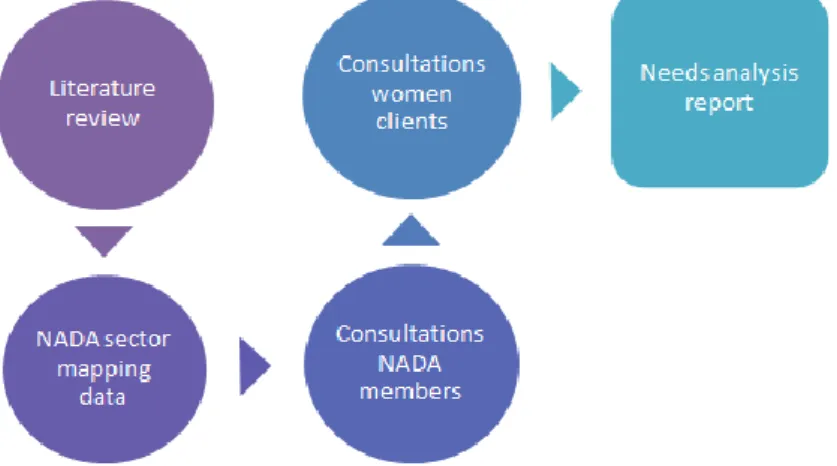
Figure 1. Overview of information collection methods for the needs analysis ... 15Figure 2. Location of non government drug and alcohol services available to women in NSW by Local Health District ... 47
4 | P a g e
About this report
The report summarises the national and international literature on what is known to be good and best practice in responding to the needs of women who seek, and receive, treatment from drug and alcohol services. It also highlights the important issues that emerged during the face to face and telephone consultations conducted in October 2013 with the Women’s Alcohol and Other Drug Services Network and other NADA member services, and those raised by NADA members through an online survey.
The perspectives of women engaged with drug and alcohol treatment services in NSW are also reported, including where these overlap with the views of service providers. The report provides a snapshot of the NSW non government drug and alcohol sector for women that were current members of NADA, and the policy and practice context for service delivery in NSW. The report identifies barriers to treatment seeking by women, barriers to treatment access, gaps in services for women, and finally offers recommendations for enhancing the service system.
The recommendations are intended to assist NADA in identifying the areas of greatest need that may be addressed by the one-off service delivery grants that are available to specialist women’s services through the Women’s Alcohol and Other Drug Services Development Program.
5 | P a g e
Executive summary
Background
In 2012, NADA received funding from the Australian Government Department of Health1 to improve the capacity of non government drug and alcohol services to identify and respond to clients with drug and alcohol, mental health and other complex health and social issues. An area of focus was drug and alcohol services for women. NADA subsequently gained additional funding for the
Women’s Alcohol and Other Drug Services Development Program, which aims to build the capacity of specialist women’s non government drug and alcohol services to meet the needs of substance using women and their children in NSW. The program incorporates the following four capacity building strategies:
1. A needs analysis of women seeking drug and alcohol treatment 2. The development of practice guidelines
3. One-off service delivery grants to specialist women’s drug and alcohol services 4. Support to services through partnership, organisational and workforce development
activities.
This report describes the findings from an analysis of the needs of women seeking and receiving drug and alcohol treatment and the services that provide such care in NSW, and offers
recommendations for consideration by NADA and specialist women’s drug and alcohol treatment services in the context of the Women’s Alcohol and Other Drug Services Development Program.
Method
The needs analysis was informed by the following five data sources:
1. A review of the best practice literature for women’s drug and alcohol treatment 2. A review of the policy and practice context for delivering services to women by the non
government drug and alcohol sector in NSW
3. An analysis of data collected by NADA through an organisational survey of members (n=27) 4. Consultations with specialist women’s services and other relevant NADA members2 (n=28).
The sub-groups were:
a. Specialist women’s drug and alcohol treatment services (n=8)
b. Specialist women’s services that incorporate drug and alcohol treatment (n=5) c. Drug and alcohol services that offer services to women as well as men (n=15) 5. Consultations with women clients of NADA member services (n=51)
Key findings from the literature
Women access treatment at lower rates than men and are under-represented in the drug and alcohol treatment system.
1 Formerly the Australian Government Department of Health and Ageing (DoHA)
2 47 members were invited to participate in the consultations and 28 did so, representing 59.5% of eligible
6 | P a g e A range of issues create barriers for women’s access to drug and alcohol services including
social stigma, childcare and custody concerns, financial issues and models of care.
Women have a number of specific risk factors including: higher rates of mental health issues; more severe clinical profile and complex presentations; greater risk taking; pregnancy and childcare issues; and greater social and economic disadvantage.
Evidence-based interventions for drug and alcohol treatment in general such as behaviour therapies (e.g. contingency management, community reinforcement approach) cognitive behaviour therapies (e.g. coping skills and relapse prevention), motivational interviewing and 12-step-facilitation (TSF) are suitable for women.
Access to childcare, prenatal care, women-only programs, psychoeducation sessions focused on women-specific topics, mental health and comprehensive services that offer multiple components have been associated with improved outcomes for women.
In addition to treatments that are effective for women in general, specific groups of women have specific needs that should be addressed by drug and alcohol treatment services through individualised assessment and treatment planning.
Key findings from consultations with NADA member services
The key issues in women’s drug and alcohol treatment that were identified by the Women’s Alcohol and Other Drug Services Network and other NADA member services were:
pharmacotherapy, including lack of places for women on pharmacotherapy and inconsistent collaborative care planning with prescribers and pharmacotherapy case managers
relationships with children, including lack of treatment places for women with children in their care; increasing numbers of women presenting for treatment with children in out-of- home care (OOHC); inconsistent collaborative care planning with case workers from Family and Community Services (FaCS)
increasingly complex needs of women:
o Trauma and its enduring effects on drug and alcohol treatment and women’s quality of life
o Mental health problems co-existing with substance use issues o Cognitive impairment that complicates drug and alcohol treatment o Physical health issues particular to women
housing and other support services, particularly the lack of affordable and appropriate housing available to women
changing cohorts of women seeking treatment, such as greater numbers of first-time treatment seekers and well-resourced older women.
Identified gaps in the service system included:
overall lack of treatment places specifically for women and women with children, a gap which is even more evident in regional and rural NSW resulting in waiting lists for the places that are available
limited access to childcare
the variable capacity of services to meet the needs of Aboriginal women
the variable capacity of services to meet the needs of women from culturally and linguistically diverse (CALD) backgrounds.
7 | P a g e
Key findings from consultations with women clients
Women were generally well engaged with the services they were attending. More than half had self-referred, and many were receiving treatment for the first time. Waiting for a treatment place was by far the most frequently identified barrier to gaining access to drug and alcohol treatment. Other barriers to receiving treatment included:
cost of treatment
not fitting criteria for service entry lack of services where women resided transport issues
services did not accommodate children unsuitable appointment times
unsatisfactory experience with mixed-gender residential rehabilitation short duration of programs
lack of access to aftercare
Enablers of treatment for women were:
absence of, or short, waiting lists for entry low or free cost of treatment
location suitable for women clients (e.g. close to home, close to public transport) access to childcare
access to transport women’s only service
Snapshot of the drug and alcohol non government service system
for women in NSW
3Data from 28 NADA member services were available for analysis. Seven were providers of women-only services, all of which were located in metropolitan Local Health Districts, and 21 were mixed-gender services.
Women-only specialist services
Seven women-only services catered primarily to women aged 18 years and over. Six of the seven women-only programs had a residential component. Residential withdrawal was offered by only one specialist women’s service, and no women’s only outpatient withdrawal services were available at the time of writing. This was identified by some respondents as a substantial gap in services for women.
All of the six residential services reported a client waiting list for access. Of the seven services, only two reported that women had no difficulties with accessing their programs and the most common barrier to treatment access for clients was considered to be a lengthy waiting list.
3 These data were accurate at the time of reporting in February 2014, however are subject to change following
8 | P a g e Respondents to the survey described increasing complexity of client presentations including complex mental health problems and involvement with FaCS.
Mixed-gender services
Of the 21 mixed-gender services, sixteen provided services primarily to adult women and men. The remainder catered for young people or young people and their families. Of the nine services located outside metropolitan Local Health Districts, two were in Western NSW, three were in Hunter New England, one was in Murrumbidgee, and three were located in the Illawarra Shoalhaven area. Nine services provided residential rehabilitation, most commonly as a thirteen-week stay. Most services were funded to provide either psychosocial counselling and/or case management. The majority of organisations provided a psychosocial aftercare or continuing care program, and more than half provided services through outreach.
Like the women-only services, 19 of the 21 mixed-gender services (90.5%) reported having a waiting list for treatment. Also consistent with women-only services, most respondents reported increased complexity in client presentations coupled with an increase in demand for services generally.
Policy and practice context for delivering drug and alcohol services
to women in NSW
Pregnant women
At the time of writing, there were a number of specialist services for pregnant women who use drugs and alcohol in NSW, including pregnant women enrolled in an opioid pharmacotherapy program. Specialist services included4:
Drugs in Pregnancy Services (DIPS) located in the Mid North Coast of NSW and Western Sydney
Chemical Use in Pregnancy Services (CUPS) located at the Langton Centre in the Royal Hospital for Women in Sydney and also in Sutherland
Drug Use in Pregnancy Service (DUPS) at Westmead and Blacktown Substance Use in Pregnancy and Parenting (SUPPS) in Wollongong
Perinatal and Family Drug Health (PAFDH) located at the Royal Prince Alfred Hospital.
These services provided secondary consultation to health workers in NSW about clients in their care as required.
Guidelines and action plans
Care of women, including pregnant women, in NSW was influenced by several key practice guidelines, including:
National Clinical Guidelines for the Management of Drug Use During Pregnancy, Birth and the Early Development Years of the Newborn (in press), NSW Department of Health Neonatal Abstinence Syndrome Guidelines (2013), NSW Ministry of Health
4
9 | P a g e New South Wales Opioid Treatment Program: Clinical guidelines for methadone and
buprenorphine treatment (2006), NSW Mental Health Drug and Alcohol Office, Department of Health.
Also of relevance to women’s drug and alcohol treatment were the following action plans and guidelines:
Supporting Families Early Package – SAFE START Guidelines: Improving mental health outcomes for parents and infants (2009)
Keep Them Safe: A shared approach to child wellbeing, the NSW Government’s a five year
(2009-2014) action plan for improving the protection of children
Child Wellbeing and Child Protection: NSW Interagency Guidelines (2006), produced by FaCS to support collaborative efforts to improve child wellbeing and child protection in NSW NSW Mandatory Reporter Guide (2012) that assists workers to navigate the ‘grey areas’ and
make confident decisions when considering making a child protection report to FaCS.
Legislation
Future legislation and treatment models that may influence drug and alcohol service provision to women in NSW include:
potential amendments to legislation governing the ‘Parent Responsibility Contract’, which may have implications for how drug and alcohol non government services deliver care to pregnant women under such orders
Drug and Alcohol Clinical Care and Prevention (DA-CCP) Planning Project, which is the first national population-based model for drug and alcohol service planning that will estimate the need and demand for services and calculate the resources needed to provide such services.
Recommendations
1. Increase the number of women-specific drug and alcohol treatment places in NSW.
Increase the number of women-only treatment places available in all areas of NSW, including residential and non-residential places.
Increase the number of specialist places that offer withdrawal services to women and women with children.
Examine models of care for Aboriginal women and establish the number, type and location of treatment places to meet the identified needs of Aboriginal women. Examine models of care for CALD women and establish the number, type and
location of treatment places to meet the identified needs of women from CALD backgrounds.
2. Promote a ‘women-friendly’ non government drug and alcohol sector.
Create a voluntary ‘women-capable’ drug and alcohol endorsement system for service development.
Establish a yearly or biannual symposium on women’s drug and alcohol treatment. Create a new position for a senior nurse (e.g. Clinical Nurse Consultant for Women’s
Drug and Alcohol Treatment) in one of the women-only specialist services with a state-wide capacity building role.
10 | P a g e Build an online presence for women’s drug and alcohol treatment in NSW (e.g., by
adding an area to the existing NADA website) that acts as a portal for information sharing.
The senior nurse and endorsed ‘women-capable’ services to support drug and alcohol non government services in regional/rural NSW by offering secondary consultation and advice regarding women in their care.
3. Improve collaboration between drug and alcohol services and FaCS for women with children who are subject to care and protection orders.
Establish a Child Protection Coordinator position to promote collaboration between the non government drug and alcohol sector and FaCS.
Trial a program of staff outreach from a women’s drug and alcohol service into a FaCS office in the Metropolitan Local Health District.
Work with FaCS to identify satisfactory arrangements for women on a waiting list for a place in a specialist women’s service and who also have children that are subject to care and protection orders.
4. Improve coordination of care with pharmacotherapy prescribers for women whose care is shared by non government drug and alcohol services and pharmacotherapy programs.
Trial a program of outreach by staff from a specialist women’s drug and alcohol service into a pharmacotherapy clinic in a metropolitan Local Health District. Encourage opportunities for joint case conferencing.
5. Put into place a range of strategies to maintain engagement of women on a waiting list for treatment.
Support services to establish or strengthen waiting list management strategies such as examining opportunities to link waiting list support to aftercare services.
6. Improve access to information about drug and alcohol and other support services available to women in NSW.
Establish an internet based information portal for women and service providers.
7. Improve access to childcare for women receiving drug and alcohol treatment.
Fund a trial of a voucher system for childcare or other initiatives that are likely to meet the needs of women and services in particular geographical locations. 8. Support workforce development initiatives to enhance the capacity of the drug and alcohol
non government sector to respond effectively to women with complex mental health issues and experiences of trauma.
Offer training for workers in the practice guidelines to be developed by NADA in 2014.
Establish a ‘community of practice’ with membership drawn from services across NSW.
11 | P a g e Identify a small team of specialists from within the sector who are willing to act as
mentors for other workers.
Include high priority women’s topics, such as mental health and trauma, in the annual Women’s Drug and Alcohol Treatment Symposium.
12 | P a g e
Background
The Women’s Alcohol and Other Drug Services Development
Program
In 2012, NADA was funded by the Australian Government Department of Health5 (DoH) under the Substance Misuse Services Delivery Grant Fund to improve the capacity of non government drug and alcohol services to identify and respond to clients with drug and alcohol, mental health and other complex health and social issues. One area of focus under this initiative was drug and alcohol services for women.
A number of organisations provide specialist services to substance using women in NSW, including services to their children. Service delivery is often complex in comparison to ‘conventional’ drug and alcohol treatment services. Information from NADA members indicated that women report having difficulty accessing other necessary services in the community such as pre-natal classes and housing due to stigma and discrimination, and fear of scrutiny by child protection services.
With support from NADA’s Sector Capacity Building Program, the Women’s Alcohol and Other Drug Services Network was established in January 2013. The Network comprises representatives of organisations that provide specialist services to women who use substances, including those that also provide services to their children. The Network is intended to facilitate sustainable collaboration, knowledge and information sharing with the view to strengthening women's non government drug and alcohol organisations and to further the common strategic interests of member services. Following several meetings, the Network agreed that an analysis of existing services available to substance using women and their children in NSW was required, as was the development of guidelines to assist these services to provide best practice interventions and ensure consistency of care for substance using women, women who are pregnant and women with children.
NADA subsequently secured a one-off service capacity grant from DoH in July 2013 for the Women’s Alcohol and Other Drug Services Development Program, which aims to build the capacity of
specialist women’s non government drug and alcohol services to meet the needs of women and their children in NSW. The program incorporates the following four capacity building strategies:
1. A needs analysis
2. The development of practice guidelines
3. One-off service delivery grants to specialist women’s drug and alcohol services 4. Support to services through partnership, organisational and workforce development
activities.
In July 2013, NADA engaged the services of LeeJenn Health Consultants to complete the first and second of these capacity building strategies.
13 | P a g e
Needs analysis
This report relates to the first of the four capacity building strategies of the Women’s Alcohol and Other Drug Services Development Program; an analysis of the needs of women seeking and receiving drug and alcohol treatment including women who are pregnant, women with or without children and women receiving pharmacotherapy treatment. The needs analysis was conducted between August and December 2013.
The objectives of the needs analysis were to:
1. identify what is current best practice for service delivery to women with substance use issues in Australia and internationally
2. identify existing policy, practice guidelines and practices in drug and alcohol service provision for women with a specific focus in NSW
3. identify the gaps and challenges in providing services to women with substance misuse issues including women who are pregnant, women with and without children and women receiving pharmacotherapy treatment from the point of view of NADA member services 4. identify women’s service needs, service gaps and the challenges faced when accessing
services from the point of view of women clients of NADA member services
5. make recommendations to address the gaps and challenges identified by the needs analysis.
Practice guidelines
The second of the four capacity building strategies – the development of practice guidelines for specialist drug and alcohol services working with women in NSW – will build on the findings of the needs analysis and will be conducted between February and June 2014. The guidelines will be disseminated by NADA to support the non government drug and alcohol sector to provide best practice interventions to women and children in their care.
14 | P a g e
Information collection methods for the
needs analysis
Literature review
A review of the literature regarding best practice for women’s drug and alcohol treatment was conducted at the beginning of the needs analysis project. The review focused on women in general, pregnant women, women with children, and women receiving pharmacotherapies. The review also highlighted issues specifically relevant to Aboriginal women and their children and women from CALD backgrounds, as well as issues relevant to certain sub-groups of women such as those in the criminal justice system; lesbian, bisexual, transgender and intersex women; women working in the sex industry; and homeless women.
Relevant literature was identified through a search of the following electronic databases: Medline, PsycINFO, Scopus, CINAHL and the Cochrane Library. A total of 1,307 citations were located and screened during stage 1. Of these, 870 were excluded and 428 assessed as potentially eligible for inclusion in the review. After screening for duplicates and hand searching seminal papers, 161 papers were reviewed.
Early findings from the review influenced the development of the questions that were asked during the consultations. The comprehensive review will inform the development of practice guidelines, which is phase two of the four capacity building strategies of the Women’s Alcohol and Other Drug Services Development Program. The full literature review was extensive, thus the findings were summarised for inclusion in this report.
Policy and practice context
Specialist services for pregnant women who use drugs and alcohol in NSW, including pregnant women enrolled in an opioid pharmacotherapy program, were identified, as were key guidelines, action plans and policies that influence how non government drug and alcohol services deliver care to women in NSW.
Snapshot of the non government drug and alcohol sector in NSW
NADA completed an organisational survey across a specific cohort of the NADA membership in 2013. These data, in conjunction with the results of the consultations, have been used to identify current practices and potential gaps in service delivery.
Consultation with NADA member services
To identify the gaps and challenges in providing services to women with substance use issues, consultations with NADA member services were conducted throughout October and November 2013. For the purpose of conducting consultations relevant to this needs analysis, member services were divided into three categories:
15 | P a g e 1. Category 1: specialist women’s (with or without children) drug and alcohol services (n=8). 2. Category 2: specialist women’s services that did not provide a specialist drug and alcohol
program, but incorporate drug and alcohol service provision in their specialist women’s service role (n=5).
3. Category 3: specialist drug and alcohol services who, as a part of a larger program, also provided services to women. This category also included youth services that offered programs for young women (n=34).
All Category 1 services were members of the Women’s Alcohol and Other Drug Services Network (the Network). Six were consulted as a group during the Network’s meeting in October; those not present were later consulted by telephone. One of the Category 2 services also had a representative present at the October meeting of the Network, and the remainder of the Category 2 services were consulted via telephone during the consultation period.
Of the Category 3 services, four had a family program and three of these services agreed to participate in a telephone or face to face consultation. The remainder of the Category 3 services were invited to share their views via a personalised link to an online consultation and 10 services agreed to do so.
In all, every Category 1 and Category 2 service participated in the consultations, as did 15 of the 34 Category 3 services. Of the 47 NADA member services invited to participate in the consultations, 59.5% (n=28) did so. The findings for the needs analysis are therefore considered to be
representative of the sector as a whole.
Consultation with women clients
To identify women’s service needs, service gaps and the challenges women face when accessing services, a sample of women clients of NADA member services were consulted. A semi-structured interview was developed. The six specialist women’s drug and alcohol services involved in the client consultations chose to facilitate the interviews with their clients and provided the responses to NADA. A total of 51 women participated in the consultations.
16 | P a g e
What the evidence tells us about women’s
drug and alcohol treatment
Barriers and enablers of drug and alcohol treatment seeking, access
and retention for women
Although the prevalence of 12-month substance use disorders among women is about half that of men (3.3% vs. 7%) [1], less than a third of closed treatment episodes in NSW and nationally were for women (32%) [2], suggesting that women are under-represented in treatment services.
There are a number of barriers to women seeking drug and alcohol treatment, including: Social stigma, labelling and community disapproval of substance use and lack of family
support [3-6].
Lack of awareness of the treatment options available, childcare concerns, the economic and time costs of residential treatment, concerns about the confrontational models used by some treatment services, and stereotypical views of clients of treatment services (e.g. ‘religious’ aspects of 12-step groups) [4].
Pregnancy, lack of services for pregnant women, fear of losing custody when the baby is born, or fear of prosecution, voyeurism, and sexual harassment and lack of available affordable childcare [7].
Women who use drugs or alcohol have a higher prevalence of co-occurring mental health issues such as mood, anxiety, posttraumatic stress and eating disorders than males and appropriate dual diagnosis treatment may be difficult to access [5].
Key points
Women access treatment at lower rates than men and are under-represented in the drug and alcohol treatment system.
A range of issues create specific barriers for women’s access to drug and alcohol services including social stigma, childcare and custody concerns, financial issues and models of care. Women have a number of specific risk factors including: higher rates of mental health
issues; more severe clinical profile and complex presentations; greater risk taking; pregnancy and childcare issues; and greater social and economic disadvantage.
Evidence-based interventions for drug and alcohol treatment in general, such as behaviour therapies (e.g. contingency management, community reinforcement approach) cognitive behaviour therapies (e.g. coping skills and relapse prevention), motivational interviewing and 12-step-facilitation (TSF), are suitable for women.
Access to childcare, prenatal care, women-only programs, psychoeducation sessions focused on women-specific topics, mental health and comprehensive services that offer multiple components have been associated with improved outcomes for women.
In addition to treatments that are effective for women in general, specific groups of women have specific needs that should be addressed by drug treatment services through
17 | P a g e Women appear more likely than men to encounter disapproval for their substance use and
their participation in treatment [3, 5, 6].
Women are more likely than men to attribute their substance use to external issues, such as stress, psychological, or physical health conditions and may not perceive their use as a problem [6].
Women who use drugs or alcohol are more likely to have substance-using partners, which could contribute to defining their use as non-problematic [5, 8].
Risk factors for women
Best practice treatment for women takes into account the varied and unique drug and alcohol risk factors that women face. Although treatment retention, outcomes and rates of relapse to substance use among women do not differ from men, compared to men:
Psychiatric comorbidity and, in particular, experiences of trauma, including childhood sexual abuse and intimate partner violence, is more prevalent among women [3, 5, 7, 9], increasing the risk of neglect and abuse of their own children [10].
Women generally present with a more severe clinical profile and more problems related to mental health, family and interpersonal relationships, employment, and physical health [11], including involvement with child protective services and partners who are also substance users [3, 12].
Women who enter treatment generally have fewer years of substance use and have used smaller quantities than men but have an equivalent severity of their substance use problem and symptoms [5, 13].
Women are more likely than men to inject drugs, use drugs with many partners, share paraphernalia after an injection partner, exchange sex for money or drugs, and have difficulty negotiating condom use with their sex partners [3], resulting in a higher vulnerability to HIV infection.
Women may be pregnant, presenting unique perinatal risks that are associated with a higher rate of obstetric complications and poor outcomes, including miscarriage, birth defects, decreased birth weight, cognitive deficits, growth restriction, increased neonatal mortality, and maternal health problems [14]; and are more likely to be parenting, increasing risks to their children [15].
Women more commonly experience lower levels of education and income, as well as financial dependence on partners or others and have lower rates of employment [16, 17]. These specific risk factors suggest that women need integrated programs that, in addition to drug and alcohol treatment, ask about and focus on:
pre and post natal care of children and family programs
mental health issues, especially those related to trauma, including treatment for post-traumatic stress disorder (PTSD), personality disorders, eating disorders, depression and anxiety
vocational training, education and employment
specific harm reduction strategies for blood borne viruses, sexual risk taking, violence, safer drug use.
18 | P a g e While findings are inconsistent, early reviews suggest that women in women-only treatment may have better treatment retention and outcomes than women in mixed-gender treatment programs. Women with substance use disorders are more likely to seek treatment in non-specialty settings [5], suggesting collaboration and colocation of drug and alcohol agencies with other relevant services may act as enablers for women to enter drug and alcohol treatment; outreach case management can also assist women to address issues that prevent them seeking treatment [6].
Best practice in women’s drug and alcohol treatment
Evidence-based interventions for drug and alcohol treatment populations include behaviour therapies (e.g. contingency management, community reinforcement approach) cognitive behaviour therapies (CBT) (e.g. coping skills and relapse prevention), motivational interviewing and 12-step-facilitation (TSF) [18, 19]. These interventions are aligned with the specific clinical needs of women who use drugs or alcohol, or are capable of being easily adapted to gender-specific treatment environments.
Ashley et al. [3] identified six components of women’s treatment that are associated with positive treatment outcomes such as longer retention in treatment; decreased substance use; decreased mental health symptoms; improved birth outcomes; greater employment; HIV risk reduction; and improved self-reported health status. These components were access to childcare, access to prenatal care, access to only programs, psychoeducation sessions focused on women-specific topics, mental health interventions and comprehensive services that offer multiple components [3].
Greenfield et al. [5] identified effective women’s specific interventions including: alcohol
interventions for pregnant women; contingency management to increase abstinence in pregnant women; comprehensive service models for pregnant women; parenting skills for mothers on methadone maintenance; relapse prevention for women with PTSD, relapse prevention for women with marital distress and alcohol dependence; and dialectical behaviour therapy for patients with co-occurring drug dependence and borderline personality disorder. Family inclusive practices that focus on repairing relationships with children and family members; enhancing the quality of the
family/domestic environment; addressing trauma; and developing a support system to prevent relapse, were considered vital for women with drug and alcohol issues [5]. In a longitudinal study of recovery and relapse cycles, self-help participation was more strongly associated with moving from substance use to recovery for women than for men in substance use treatment, and women were more likely than men to participate in self-help [11].
Considerations for specific groups of women
Pregnant women
Pregnant women who use drugs or alcohol are more likely to be disadvantaged and are at higher risk of a range of issues. Pregnant women who use drugs or alcohol are more likely than non-users to be smokers, to have a psychiatric condition, to be single, Aboriginal, experience greater social and economic disadvantage, to be living in a metropolitan area, younger, unemployed, Australian-born, and to have previously given birth [20, 21]. Access to a comprehensive range of well-connected
19 | P a g e services, such as social support, case management, and mental health services is therefore crucial. Pregnant women with drug and alcohol issues require services that can support them throughout their pregnancy and provide post-natal support for themselves and their baby. Among pregnant women who use drugs or alcohol, opiate use remains most prevalent; however use of other drugs, such as methamphetamine, are of increasing concern due to the impact on women’s mental and physical health and the heightened risk for obstetric complications [22].
Gold standard treatments for pregnant substance users include extended hospitalisation if required, additional support during birth and post-delivery, and the option of assertive follow-up of the mother and child through the child’s formative years to assist the woman in the areas of healthcare, navigating social services, accessing housing, and positive parenting [23]. Women-only and gender-specific treatment programs are best suited to respond to the gender-specific health and medical needs of pregnant women with substance use issues [5].
Evidence supports a range of psychosocial interventions for pregnant women, including: programs that incorporate standard evidence-based practice treatment modalities treatment approaches that begin during pregnancy
treatment engagement strategies home-based interventions
comprehensive treatment that includes perinatal care, mental health services, child-care and other supports
service integration approaches, where addiction services are provided with onsite services related to pregnancy, parenting, or other child-related services.
Women with children
Women who have children and experience issues with their drug or alcohol use are more likely to have a range of material and personal support needs; a higher prevalence of psychiatric symptoms; early childhood and lifetime trauma experiences; and lack of social support. These issues present significant clinical challenges, and many of these factors may also inhibit the mother’s attachment to her infant, their advancement of parenting skills and their capacity to maintain child custody. In addition, mothers may face difficulties maintaining engagement with, or completing drug and alcohol treatment [5].
Significant maternal drug or alcohol use is associated with a variety of caregiving, child and family functioning problems, including a greater likelihood of neglect or abuse of children, reduced emotional involvement and attachment, increased punitive behaviour toward children, insensitive and interfering behaviour, ambivalent feelings about retaining custody, feelings of guilt and
increased parenting stress [24-27]. The continuing presence of drugs or alcohol significantly reduces an individual’s dopaminergic response to stress, leaving the mother highly vulnerable to negative emotions and potentially lacking feelings of pleasure or reward ordinarily associated with caring for young children [27].
The need to enhance capacity for care giving, and interventions focusing on the relationship between mother and infant, is a developing area of research. Best practice treatment services for women with children include:
20 | P a g e Women-centred treatment that involves children such as women specific outpatient clinics
and day programs; women-only residential treatment including residential services that allow children to stay with their mothers.
Specialised health and mental health services, particularly pre and post-natal health interventions and specialist mental health interventions such as individual or group therapies.
Home visits, typically by a nurse, focusing on providing maternal support, promoting healthy parent-child interactions, and providing information and linkages to material resources. Concrete assistance, such as transportation, childcare, and worker assistance to link with
treatment services.
Short-term targeted interventions, including psycho-educational groups, counselling or support groups and contingency management approaches.
Comprehensive and holistic interventions, including programs that integrate several of these components.
Women in pharmacotherapy treatment
Women in pharmacotherapy treatment have the same needs as women in drug and alcohol treatment more generally, including access to childcare and greater focus on engagement and retention in treatment.
Regular benzodiazepine use during pregnancy is associated with a neonatal abstinence syndrome as are opioids. However, benzodiazepines may be administered for symptomatic relief during inpatient alcohol withdrawal if required with appropriate supervision and neonatal care [23, 28]. For pregnant women who are dependent on benzodiazepines, best treatment approaches aim for tapering of dose and subsequent discontinued use when and if this is safely achievable. Benzodiazepines are generally unsafe for use while breastfeeding and cause significant withdrawal symptoms for the newborns of dependent mothers [14].
For opioid-dependent pregnant women, induction to methadone maintenance as part of comprehensive treatment programs is considered best practice [14, 29]. Commencement of
methadone should ideally take place in an inpatient setting, with maternal and obstetric supervision [28]. Continued buprenorphine treatment is safe for women who become pregnant while already in this type of treatment, achieves similar outcomes in reducing maternal drug use and promoting positive neonatal outcomes to methadone, and appears to result in a less severe neonatal
abstinence syndrome compared to methadone [28, 30]. However; as buprenorphine induction may place the foetus at risk from precipitated maternal withdrawal and potentially trigger relapse in mothers, methadone is recommended for active opioid users who need to be inducted to pharmacotherapy during pregnancy [28].
Young women
Young people who enter specialist treatment for their drug and alcohol use frequently present with multiple issues, such as mental health problems, involvement with the criminal justice system, social exclusion, and lack of education or employment opportunities. Young women in particular may have lower levels of psychological wellbeing and have been found to be more likely than young men to experience psychological problems prior to treatment entry, with greater prevalence of anxiety and depression [31, 32]. There is also evidence that young women who come into contact with specialist drug and alcohol treatment services and the criminal justice system may have more severe drug and
21 | P a g e alcohol issues and mental health problems than young men, and may be more vulnerable in other ways such as exposure to sexual exploitation [33].
Younger women in drug and alcohol treatment may also need greater support to build their friendships and recovery support networks, with research suggesting that they are less likely than younger men to have social support and support to maintain abstinence, and more likely to have a smaller social network and to have a heavy drinking partner [33, 34]. They may particularly benefit from interventions aimed at helping them to expand their social networks to those that provide support for changing their drinking or substance use and build their friendship skills [33, 34]. Younger age is associated with poorer treatment retention than for older people, suggesting a need to increase motivation for younger women to enter and stay engaged in drug and alcohol treatment. Greater vulnerability and psychiatric comorbidity commonly seen among younger women in
treatment highlights the need for enhanced psychological support and thorough but sensitive approach to assessment to identify their specific needs.
There is relatively limited evidence relating to effective drug and alcohol treatment for young women. Recent reviews suggest that for adolescents generally, both CBT and family systems therapy are effective [18], as aremotivational interviewing, multidimensional family therapy, and adolescent community reinforcement approach [33]. These interventions are effective in both residential and community outpatient settings [33].
Key approaches for tailoring treatment specifically for young women includes: the establishment of regular outreach or practical support type contact that aims to overcome barriers to accessing and engaging with treatment; the provision of support to help establish supportive relationships and networks; and the prioritising of one-to-one services rather than group work for young women with multiple issues. Age differences among members in group treatment settings may act as a barrier to younger people’s attendance [32].
Older women
Coinciding with the ageing of the population in Australia, the proportion of clients entering treatment aged 40 years and older has increased significantly, and the numbers of younger clients entering treatment such as opioid substitution programs is decreasing [35].
The literature on drug and alcohol use among older people is limited, and there is little research examining the impact of gender and age on drug and alcohol treatment outcomes [5]. In general, older adults who use drugs or alcohol may have a range of issues and barriers that differ from those who are younger. Older people in treatment may have specific transport and mobility needs, have reduced social networks and be socially isolated [36, 37]. A language barrier to treatment access is an increased issue with older people in treatment who are migrants and/or whose first language is not English. Stigma can be a more salient issue among older women who use drugs and alcohol. These issues potentially impede treatment-seeking and can be barriers to ongoing treatment engagement. However, research suggests that being older may be correlated with higher levels of treatment attendance and length of treatment once access barriers are overcome.
22 | P a g e Specific clinical issues for older people who use drugs and alcohol include complex interactions with prescribed medicines, decreasing mobility and increasing disability, unintentional injury, and
increased risk of falls, car accidents and suicide [38, 39].They are more likely than younger people to experience complex and severe psychiatric comorbidity, including symptoms of anxiety, dementia, loneliness, memory problems and confusion, and prolonged use of illicit drugs is also associated with depression and cognitive impairment [39]. Due to physiological changes associated with aging, older people can be more sensitive to drugs and alcohol, physically and cognitively [36, 39]. Although the evidence is limited, withdrawal is generally considered medically riskier for an older person [36], indicating a highly supervised and supported detoxification process may be needed for this cohort.
Women who have experienced trauma
Women with substance use disorders, and especially those with co-occurring mental health disorders, have a higher likelihood of past experience of traumatic events, including sexual assault and domestic violence. This is a particular barrier to entering or completing treatment in a mixed-gender setting and may make some treatment approaches less desirable for these women [5, 6]. Drug and alcohol use disorders, mental health and trauma are now recognised as critical and interrelated issues, requiring comprehensive treatment responses addressing both trauma and drug and alcohol issues [40]. Factors associated with early attrition among women with co-occurring PTSD and substance use disorders in treatment include experience of partner violence during adolescence [41]. The addition of trauma-focused group behavioural treatments to existing substance abuse treatment has been found to reduce PTSD symptoms in women with co-occurring substance use and post-traumatic stress disorder [10].
Comprehensive services integrating mental health, drug and alcohol and trauma-informed services may provide more effective treatment for women than non-integrated service settings, with provision of more integrated counselling (addressing trauma, mental health, and substance use issues) associated with better mental health and substance use related outcomes for women [5].
Women with mental health problems
In Australia, between 20-30% of women who have alcohol use issues meet diagnostic criteria for a mental health disorder [42]. Co-occurring mental health problems are common among women who use drugs and alcohol. Affective disorders, such as major depression, are associated with poorer treatment outcomes and higher rates of relapse. In a review of the evidence for women in drug and alcohol treatment, Greenfield et al [5] suggest that higher rates of co-occurring disorders among women, such as depression, anxiety, eating disorders and posttraumatic stress disorder, may make it difficult for women to gain appropriate treatment for both mental health and substance use
problems. Additionally, the experience of multiple disorders may increase the chances that women perceive their issues as specific to their mental illness and focus on seeking psychiatric help, rather than drug and alcohol treatment.
Psychiatric status has been associated with recent participation in sex work, elevated risk for infectious diseases, poorer treatment retention and outcomes, and difficulty engaging in treatment [43, 44], indicating a range of additional harm reduction and health supports are required.
23 | P a g e Women with co-occurring psychiatric and drug and alcohol disorders may exhibit a more erratic recovery process than those not experiencing mental illness, more commonly moving in and out of treatment programs.
They may require a highly structured treatment environment, at least initially, to allow for a stabilisation period [5, 45].
Due to the high risks and complex needs of women experiencing substance use disorders and co-occurring mental health issues, integrated and holistic treatment approaches are commonly
recommended for this group [46-48]. The need for a longer term approach to recovery and sensitive outreach, engagement, and support interventions are also indicated [42, 46].
Women who work in the sex industry
The prevalence of women entering treatment who have past year involvement with sex work is high, with rates of 30% to 40% reported [49, 50]. Women who work in the sex industry, particularly street-based sex workers, have high rates of drug and alcohol use and dependence, including intravenous drug use and poly-drug use, as well as increased risk of contracting blood borne viruses [51, 52]. A recent study found that women who work in the illegal sex industry have significantly poorer mental health than those working in brothels or privately [53].
An investigation into street-based sex work in Sydney found that many workers initiated sex work to obtain money for drugs [51]. Working in the sex industry is associated with higher risk of physical and mental health problems, primarily among those involved in street-based sex work, and is often linked with socio-demographic disadvantage. Sex workers commonly report experiences of
childhood trauma and adult sexual assault and violence compared to women generally and women who use drugs and alcohol in particular [49, 51, 52, 54].
Harm reduction approaches are indicated for this group, but there are few controlled studies to guide other interventions. Street outreach services and motivational interviewing techniques for linking female workers in the sex industry into substance use treatment are both effective [51, 52]. While there is some indication that women working in the sex industry do participate and benefit from mainstream drug and alcohol treatment, the available evidence points toward greater benefits from targeted interventions. The provision of additional mental health services such as seeing a psychologist and individual counselling, as well as services such as employment counselling and housing assistance, have been associated with stopping work in the sex industry, which in turn was associated with improved drug and alcohol and mental health outcomes.
Homeless women
Homeless women who use drugs and alcohol also have higher risk and rates of mental health issues, experience of trauma and potential involvement in the sex industry [43, 55]; addressing these issues is therefore highly important for this group.
Structured group sessions (CBT, motivational interviewing), community reinforcement approach and advocacy/case management in combination with CBT appear to be effective in reducing
24 | P a g e psychological symptoms and improving health service utilisation for homeless women, with some support for targeted therapeutic communities [56, 57]. The introduction of trauma informed care is also important, such as targeted informal day programs and drop-in programs where services integrate components of harm reduction, trauma informed care and social support to homeless and marginally housed women [55, 58]. Studies indicate that low-threshold and tailored environments for care can engage highly vulnerable and intervention-resistant clients into regular service contact, with benefits for health and wellbeing reported.
Evaluation of intensive comprehensive housing support programs, utilising long term case management, trauma informed care and holistic support, have shown positive outcomes for homeless substance users, requiring the establishment of strong partnership across substance use, housing and other relevant services [59, 60].
Women involved in the criminal justice system
Women involved in the criminal justice system experience high rates of victimisation and mental health issues [61]. Women leaving prison have significant and complex health care needs, and this time of transition has been identified as an opportunity to offer effective drug and alcohol
treatment, support and other health-promoting interventions [62].
Highly structured, manual-based interventions may be less effective among mandated clients, especially pregnant women, and may be counterproductive in terms of retention [63].
Hall et al. [61] recommended that interventions should comprehensively address psychological and social needs of these women, because addressing victimisation, drug and alcohol use and other mental disorders is more effective than criminal justice programs that do not address these factors. The authors suggested that comprehensive intervention models for women in the criminal justice system should include components that aim to address the woman’s immediate needs, such as assistance in accessing safe and affordable housing and providing job training, education and employment assistance [61].
For drug and alcohol treatment among women in residential correctional facilities, therapeutic effects of treatment programs appear to be enhanced when trust-based relationships are
established, care is individualised and the treatment facilities are separate from the general prison environment [64]. For women in court-mandated treatment, women-only or gender-specific programs are advocated for [65]. Women themselves favoured individualised, tailored, treatment approaches and indicated individual and group counselling, twelve-step programs, opportunities to develop life skills, vocational training, and job placement interventions, in addition to services that enabled access to family throughout the treatment process [65].
Brief intervention for women offenders may result in short term increases in number of days abstinent from alcohol [66] and there are indications that women-only treatment may result in improved outcomes for female offenders (e.g. [5, 67]). The value of aftercare programs for women offenders post-release is emphasised [52] and is associated with reduced risk of recidivism,
25 | P a g e
Lesbian, bisexual, transgender and intersex women
As with all populations, there is variability in drug and alcohol use patterns among women who identify as lesbian, bisexual, transgender or intersex (LBTI). However in general, sexual minority women report higher rates of drug and alcohol use disorders than heterosexual women [69, 70]. LBTI women are at least as likely as heterosexual women to seek help for their drug and alcohol use issues [70, 71].
A range of specific characteristics and treatment needs have been identified for LBTI substance users. Due to the elevated prevalence of drug and alcohol use, and potentially earlier age of commencing use, sexual minority clients are likely to enter treatment with more severe substance abuse problems than heterosexual clients and have an elevated prevalence of mental health issues [70]. Socialising in the LBTI communities often occurs in settings where drugs or alcohol are available, increasing women’s risk of substance use and relapse after treatment [67, 69]. The additional stress related to being a member of a sexual minority may contribute to increased levels of substance use [69, 70, 72]. Sexual minorities face unique barriers when seeking and staying in substance abuse treatment, including providers who hold stigmatising attitudes about homosexual behaviour or who lack knowledge about sexual minorities and their health needs [69, 71, 72]. Elevated levels of substance use in the LBTI community could lead to unique expectations and perceived normality around drug and alcohol use, increasing the likelihood of individuals choosing to drink heavily or use drugs and consequently affecting treatment goals [70].
There is a paucity of treatment outcome data for sexual minority women. The available evidence has not shown large benefits in the use of LBTI specific treatment protocols, nor demonstrated that unique aspects of sexual minority substance users and patterns of use require specialised treatment protocols [69, 70]. Best practice guidelines to treat LBTI women with drug and alcohol issues (e.g. [73, 74]) also emphasise the need for cultural competence and inclusive approaches, especially in response to the elevated potential of these clients to have histories of trauma and experiences of stigma based on both sexism and homophobia. Services are advised to develop trauma informed treatment and consider sexuality and gender issues in assessment procedures and treatment planning (e.g. issues of ‘coming out’, the role of sexual minority bars, the need for clean and sober social networks for recovery).
Aboriginal women
Aboriginal women entering treatment are likely to present with complex needs. Among Aboriginal Australians, the high prevalence of poor physical health, social disadvantage and co-occurring mental health issues [75] greatly increase their risk for poor treatment outcomes. The complexity of issues faced by many Aboriginal people include high rates of trauma (including intergenerational trauma), histories of family separation or disruption and elevated experiences of grief related to early deaths and high rates of incarceration [76]. Aboriginal women have poorer physical health and higher rates of psychological distress than non-Aboriginal women, and are significantly more likely to have children with lower birth weight, be admitted to hospital for assault, and are up to twice as likely to die as a result of illicit drug use [75].
26 | P a g e Of all closed drug and alcohol treatment episodes for women in NSW for the period 2011-2012 (n=112,676), approximately 11% (n=12,858) were provided to Aboriginal and Torres Strait Islander women6,7. As Aboriginal women comprised only 2.5% of all women resident in NSW in 20118, these
data suggest that Aboriginal women use drug and alcohol treatment services at a higher rate than non-Aboriginal women in NSW, potentially reflecting their elevated need for treatment and suggesting that service providers need to offer tailored programs that are culturally as well as gender appropriate.
Guidelines for effectively working with Aboriginal people who use drugs and alcohol have been developed, but there is a lack of well-controlled studies to support their consensus
recommendations [77]. Aboriginal-specific treatment programs have tended to focus on men so studies that examine substance use treatment specifically for Aboriginal women and their children are lacking [78].
Recommendations for responding to Aboriginal women are similar to those recommended for non-Aboriginal women, including addressing co-occurring trauma and mental health issues by
“holistically and simultaneously, within an Aboriginal worldview, using a strength-based approach” [77, pp. 331], including linking the support of mothers with their children and cultural components [77]. For example, gender mixing in some services may conflict with cultural perspectives [79]. Community Reinforcement Approach (CRA) and Community Reinforcement Approach and Family Training (CRAFT) are interventions consistent with the role that family and community factors play in modifying Aboriginal people’s health risk behaviours [80]. In the Calabria et al study, CRA was considered by the Aboriginal people surveyed (51% of whom were women) as most acceptable for people following alcohol withdrawal, while CRAFT was most acceptable for people who want to help a problem-drinking relative or friend initiate alcohol treatment [80].
Evaluation of a ‘soft entry’ drug and alcohol intervention strategy aimed at Aboriginal Australians in an area of rural NSW, found the approach demonstrated great effect, particularly in regard to increasing the number of Aboriginal women accessing drug and alcohol services in that community [78]. Drug and alcohol counsellors provided access to their services at Aboriginal community events, groups and gatherings. Although no treatment outcomes were measured, the study found the soft entry approach provided services in a way that was acceptable to those receiving them and women were particularly responsive.
Women from culturally and linguistically diverse backgrounds
A low level of culturally and linguistically diverse (CALD) communities’ engagement with treatment services is reflected by national data on treatment utilisation. From the 2012 ATOD-NMDS data, in 96% of closed treatment episodes English was recorded as the preferred language [2]. This finding may reflect an under-utilisation of services by CALD communities, even if drug and alcohol problems
6 Alcohol and Other Drug Treatment Services, National Minimum Data Set (ATODS-NMDS) data cubes
http://www.aihw.gov.au/alcohol-and-other-drug-treatment-services-data-cubes/
7These data do not include Aboriginal services funded by the Office for Aboriginal and Torres Strait Islander Health (OATSIH)
27 | P a g e may be lower among women in some CALD communities in Australia than in the general community due to cultural attitudes, religious beliefs and conventional patterns of use.
Women from CALD communities commonly experience two key issues related to potential problematic drug or alcohol use: the stress of migration and mental health problems [81]. In addition, refugees and asylum seekers in Australia are particularly vulnerable to, and affected by, homelessness. Women from CALD backgrounds may experience violence at increased rates and be at greater risk of victimisation than women from non-minority backgrounds [42].
A range of barriers to accessing treatment have been identified, which highlight specific needs and areas relevant for treatment. Some of the barriers for these women include language difficulties and lack of availability of translation services; social stigma; lack of family and/or community support; insecure living conditions; immigration status that impacts on eligibility for many social and health supports; and cultural perceptions including spirituality and beliefs around health and/or drug and alcohol use which may be contradictory to western models of health and harm reduction
approaches [42, 82]. More time may be needed to build trust and rapport with clients, and additional services such as longer-term supported English-language learning and one-on-one case worker support are recommended to assist women with engagement in treatment and long-term recovery [42].
Many of the strategies and best practice approaches indicated for other groups (e.g. trauma
informed services) are also relevant for services aiming to engage and work with women from CALD backgrounds. Treatment programs that build on women’s strengths, use supportive rather than confrontational approaches, and involve women-only groups or mixed-gender programs that incorporate strong policies related to sexual harassment and safety are important [42]. Outcome studies of specific interventions are rare for this group but mindfulness-based relapse prevention (MBRP) provided as part of a residential addiction treatment program for women referred by the criminal justice system (n = 70) was found to be more effective that traditional relapse prevention [83].