Copyright © 2012, 2014 by Felipe Kast, Stephan Meier, and Dina Pomeranz
Working papers are in draft form. This working paper is distributed for purposes of comment and discussion only. It may not be reproduced without permission of the copyright holder. Copies of working papers are available from the author.
Under-Savers Anonymous:
Evidence on Self-Help Groups
and Peer Pressure as a Savings
Commitment Device
Felipe Kast
Stephan Meier
Dina Pomeranz
Working Paper
12-060
June 30, 2014
Under-Savers Anonymous
Evidence on Self-Help Groups and Peer Pressure
as a Savings Commitment Device
∗Felipe Kast† Stephan Meier‡ Dina Pomeranz§
June 2014
Abstract
We test the effectiveness of self-help peer groups as a commitment device for pre-cautionary savings, through two randomized field experiments among 2,687 Chilean micro-entrepreneurs. The first experiment finds that self-help peer groups are a powerful tool to increase savings (the number of deposits grows 3.7-fold and the average savings balance almost doubles). In contrast, a more classical measure, a substantially increased interest rate, has no effect for most participants. A second experiment tests an alternative delivery mechanism and shows that effects of similar size can be achieved by holding people accountable through feedback text messages, without meetings or peer pressure.
JEL classification: D03, D14, D91, O16
∗We thank Alberto Abadie, Alberto Alesina, Nageeb Ali, John Beshears, Raj Chetty, Shawn Cole, David Cutler, Pascaline Dupas, Nicola Fuchs-Schuendeln, Edward Glaeser, Jessica Goldberg, Daniel Hojman, Lakshmi Iyer, Sandy Jencks, Dean Karlan, Lawrence Katz, Michael Kremer, David Laibson, Josh Lerner, Dan Levy, Jeffrey Liebman, Stephan Litschig, Brigitte Madrian, Sendhil Mullainathan, Rohini Pande, Alvin Roth, Guy Stuart, Richard Zeckhauser and participants at various seminars and conferences for helpful comments and discussions. We are grateful to Fondo Esperanza, Banco Credichile and Microdatos for outstanding collaboration in the implementation process. This project would not have been possible without the generous support by the following institutions: the Ford Foundation, Banco Credichile, the Lab for Economic Applications and Policy (LEAP) at Harvard, the Women and Public Policy Program at the Harvard Kennedy School, the David Rockefeller Center for Latin American Studies, the Chazen Institute of International Business at Columbia Business School, the Columbia University CIBER, and the Russell Sage Foundation Small Grants Program.
†Pontificia Universidad Catolica de Chile. ‡Columbia University GSB.
1
Introduction
While commitment devices such as defaults and direct deposits from wages into savings accounts have been found to be highly effective to increase savings (e.g. Madrian and Shea, 2001; Carroll et al., 2009; Thaler and Benartzi, 2004), most of these mechanisms are out of reach for large segments of the world’s population, since they depend crucially on the existence of a formal wage bill. This is particularly problematic in developing countries, where many work as low-income micro-entrepreneurs or in the informal sector, but also affects independent entrepreneurs and the unemployed in the developed world.
This paper investigates the effectiveness of an alternative mechanism that is poten-tially available to anyone: peers as a commitment device. In fact, the use of peers as a commitment device to reach a shared but individual goal is a widely observed phe-nomenon, both informally (e.g., running groups or study groups) and formally (e.g.,
Al-coholics Anonymous (AA) or weight-loss groups).1 While self-help peer groups have been
subject to theoretical analysis (e.g. Schelling, 1984; Battaglini et al., 2005), to our knowl-edge there exists no clean evidence investigating whether they actually help participants achieve their goals and if so, what aspects make them effective.
We conducted two randomized field experiments among low-income micro-entrepreneurs in Chile to study the power of self-help peer groups as a commitment device for precautionary savings. Our first experiment, the “Peer Group Experiment,”
shows that self-help peer groups have a strong impact on savings. We offered 2,687
micro-entrepreneurs, who met regularly as members of a microcredit association, the op-portunity to open a formal savings account. Participants were randomly assigned to one of three conditions: 1) a control condition where individuals only received the basic account, 2) a Self-Help Peer Group Treatment where participants additionally had the option to publicly announce their savings commitment, which was then monitored in the weekly meetings; and 3) a High Interest Rate Treatment with a 5% real interest rate instead of the 0.3% in the basic account, which served as a benchmark to measure the effectiveness of the Peer Group Treatment.
Participants assigned to the Peer Group Treatment deposit 3.7 times as often into the savings account and their average savings balance is almost twice that of the control group.
1For example, AA has more than 2m members world-wide, 1.3 of them in the US
(www.aa.org), and each week an average of 1.3m participants attend a Weight Watchers meeting (www.weightwatchersinternational.com).
The Treatment-on-the-Treated effect on the total amount deposited of 25,900 Chilean pesos (about 45 USD) represents about 32% of mean monthly income and corresponds in size to the type of expenditures participants had expressed wanting to build a buffer stock for, such as unexpected doctor’s visits and payments for heating, electricity or food during periods of short-term income fluctuation.2 Correspondingly, participants in the peer group
treatment were subsequently significantly less anxious about their financial future (Kast and Pomeranz, 2013), consistent with other studies showing that even relatively small amounts of savings can make a substantial difference (e.g., Burgess and Pande, 2005; Brune et al., 2011; Ashraf et al., 2010; Dupas and Robinson, 2013b,a).
In contrast to the effect of the Peer Group Treatment, the strongly increased interest rate has a surprisingly small effect, even though it was made exceptionally salient. While average savings increase somewhat, suggesting by linear extrapolation that the effect of self-help peer groups would correspond to an interest rate increase of at least 7.8 percentage points, quantile analysis reveals that the vast majority of participants do not respond to the interest rate at all, neither in terms of amount saved nor by reallocating savings from pre-existing accounts to the newly offered high interest rate account.
Our second “Feedback Message Experiment” was conducted one year after the open-ing of the accounts and was designed to distopen-inguish some of the mechanism behind the effectiveness of self-help peer groups. Such group meetings always consist of a bundle of different, potentially important elements: being observed by others or peer pressure, observing the behavior of others, regular feedback and holding participants accountable for following through with their goals, goal setting, rewards, etc. The Feedback Message Experiment strips the treatment of many of these aspects in order to get more information about what might be driving the effect. Participants were assigned to one of two types of weekly feedback text messages, or to a control group. Even though the findings from two separate experiments cannot be directly compared, the results suggest that holding people accountable through the weekly feedback messages increases savings almost as much as self-help peer groups – even without any physical meetings.
In addition to the regular feedback and follow-up, we distinguished one treatment that includes the aspect of peer pressure – others observing the performance of the partici-pant (Schelling, 1984) – from a second treatment that includes the aspect of observing the
2While large amounts of savings would be suboptimal for a population that is borrowing at the same
time, this type of precautionary savings is valuable at any level of debt, because of the different liquidity of savings and loans (Zinman, 2007).
performance of others (Battaglini et al., 2005). Surprisingly, we find that the feedback message coupled with peer pressure by a real-life “Savings Buddy”, who was regularly informed about the performance of the participant, has no larger effect than the feedback message that simply informs participants of their own achievement and the success rate of other participants. These results suggest that while peer groups can provide a highly effective commitment device, neither in-person meetings nor peer pressure are indispens-able features, and regular accountability and follow-up play an important role. Modern technology – in the form of text messages or other feedback devices – has the poten-tial to render the accountability mechanism of self-help peer groups more scalable and potentially more attractive to larger and different populations.
This paper makes contributions in three areas. First, it speaks to the literature on commitment devices for saving. While much of the literature on savings commitment
devices in developed countries has studied deposit commitment devices (e.g., Madrian
and Shea, 2001; Thaler and Benartzi, 2004; Carroll et al., 2009), most of the literature
on developing countries has focused on withdrawal commitment devices (see, e.g., Ashraf
et al., 2006b; Brune et al., 2011, and Bryan et al., 2010 for a review article). With the notable exception of Ashraf et al. (2006a), who study the determinants of take-up for deposit collectors in the Philippines, our paper provides one of the first analyses of the effectiveness of a deposit commitment device for developing countries. Roscas (Gugerty, 2007; Dupas and Robinson, 2013b) are an interesting hybrid case. Their strict deposit and withdrawal schedule generates both a deposit and withdrawal commitment device, and during different phases of the cycle, they function as a savings- and later a credit-vehicle. Deposit commitment devices with liquid accounts are particularly important for precautionary savings, since in contrast to withdrawal commitment devices, the savings are always available in times of need. This limits the risk that the commitment device creates welfare losses if an emergency arises. This paper demonstrates the effectiveness of a deposit commitment device that does not rely on a formal wage bill, and is there-fore available to those working in the informal sector, the unemployed, or independent entrepreneurs.
Second, this paper provides evidence on the role of self-help peer groups as a com-mitment device more generally. Peer effects have been widely shown to affect behavior, for example with respect to productivity at work (e.g., Falk and Ichino, 2005; Mas and Moretti, 2009; Bandiera et al., 2010), alcohol consumption (e.g., Kremer and Levy, 2008), and financial decision-making (e.g, Duflo and Saez, 2002, 2003; Bursztyn et al., 2012).
Individuals can use these effects strategically to overcome self-control problems by joining self-help peer groups as a commitment device. Despite the large prevalence of self-help peer groups as commitment device in many domains, there is surprisingly little evidence evaluating their effectiveness.3 Our findings show that self-help peer groups can provide a
way in which individuals can leverage their peers to support them towards an individual but mutually shared goal. After having found an effective policy to increase precaution-ary savings, it is helpful to understand what mechanism might be driving the result, in order to gain a better understanding about how the policy might be implemented or scaled most effectively (Ludwig et al., 2011). The Feedback Message Experiment takes a step in that direction. It starts to unbundle some of the mechanisms and at the same time provides an alternative delivery mechanism of the service provided by peer group meetings, that proves to be almost as effective. Combined with evidence that information about the savings behavior of peers has only limited effects (Beshears et al., 2009)4 and
that even simple regular reminders can increase savings (Karlan et al., 2010)5, the results
suggest that the regular feedback and follow-up could be more important to the success of self-help peer groups than the peers themselves.
Third, the results on the interest rate contribute to the discussion of the relative impact of ‘social’ or behavioral versus monetary incentives (e.g. Bertrand et al., 2010; Ashraf et al., 2012; Chetty et al., 2013). The finding that the interest rate has limited effectiveness for most individuals fits into a larger pattern of evidence showing the relative effectiveness of social incentives versus monetary rewards for behavioral change (Gneezy et al., 2011). In addition of serving as a benchmark for the effect of peer groups, the high interest rate treatment is interesting in itself as it provides one of the first experimental tests estimating the effect of interest rate on savings (Schaner (2011) and Karlan and Zinman (2013) also provide experimental evidence on the effect of interest rates on savings
3 Walsh et al. (1991) compare the effect of AA meetings to a hospital treatment. The effect of AA
meetingsper se is not tested, however. Jebb et al. (2011) show that a commercial Weight Watchers (WW) program is more effective than a standard program of care for obese individuals.
4The evidence on peer information is in general mixed. While positive effects have been found in some
domains, such as electricity usage when bundled with tips to save energy (Ayres et al., 2012; Allcott, 2011) or contributions to public goods (e.g., Frey and Meier, 2004; Chen et al., 2010; DellaVigna et al., 2012), peer information has been shown to reduce work effort (Barankay, 2010) or lower take-up of tax credits (Manoli and Bhargava, 2011). For a discussion in psychology about the ambiguous effects of peer information, see Schultz et al. (2007).
5Reminders have also been found to be effective in other areas, for example to decrease overdraft bank
fees (Stango and Zinman, 2011), or to improve books returns to the library (Apesteguia et al., 2013), repayment of loans (Cadena and Schoar, 2011), goal achievement in the workplace (Cadena et al., 2011), and vaccination rates (Milkman et al., 2011).
and Mills et al. (2008), Engelhardt and Kumar (2009) and Duflo et al. (2006) analyze the effect of matching contributions to individual savings plans). Our finding that a large majority of participants do not increase savings when interest rates are substantially higher, and do not adjust their savings portfolio towards the higher return account, has implications for the literature on the elasticity of intertemporal substitution, and for models and policies based on individuals’ responsiveness to the interest rate.
The remainder of the paper is organized as follows: Section 2 presents set-up and design of both field experiments. Section 3 and 4 show the results of the Peer Group Experiment and the Feedback Message Experiment respectively. Section 5 compares the Peer Group Treatment with the High Interest Rate Treatment. Section 6 concludes.
2
Background, Data, and Design of Experiments
2.1
Background and Data
Both randomized field experiments for this study were conducted in collaboration with the microfinance institution Fondo Esperanza (FE), and a large commercial bank, Banco Credichile. The context of FE is particularly suitable to analyze the role of self-help peer groups as a savings commitment device for those outside the formal labor market. The study participants were members of FE, and the savings accounts that were offered were held with Banco Credichile. Members of FE are self-employed micro-entrepreneurs (e.g., street vendors, cosmetic saleswomen), many of whom work in the informal sector. Participants are typically from the same geographic area, but do not work together, as each has their own micro-entreprise. They meet regularly, on a weekly or biweekly basis, in groups of about 10-20 peers, together with a group supervisor from FE. The purpose of the meetings is to enforce the regular repayment of the micro-loans that participants receive from FE in 3-month cycles for investment in their micro-enterprise. This feature allowed us to incorporate the peer group-based commitment structure.
Members expressed substantial desire to increase their savings. Sixty-nine percent said they frequently regret not having saved more. In focus groups conducted before
the intervention,6 many mentioned the goal of building savings as a buffer stock for
emergencies. The main reason why they were looking to build savings, while borrowing
at the same time from the microfinance organization, is the difference in liquidity (see also Zinman, 2007). The rigid schedule of the micro-loans renders them unsuitable to cover irregular or unexpected financial needs (Karlan and Mullainathan, 2009). However, given this precautionary motive, the optimal amounts of savings can be expected to be low, since for amounts beyond what is necessary for short-term smoothing, it would be more beneficial to reduce the amount of debt first.
This paper draws on three different sources of data. First, information on take-up and all transactions in the accounts was obtained directly from Banco Credichile. The second source of data came from FE’s administrative files, which include participants’ estimated household size, income, and years of education. Unfortunately, data on loan size or default rates was not available. Finally, we complemented these two sources of administrative data with an extensive baseline and follow-up survey, conducted by the independent survey agency Microdatos. These surveys include questions about participants’ savings and debt, their economic situation and recent economic difficulties, as well as a number of questions about individuals’ preferences and self-assessment, such as attitudes towards savings and banks, financial literacy, time preferences, etc.
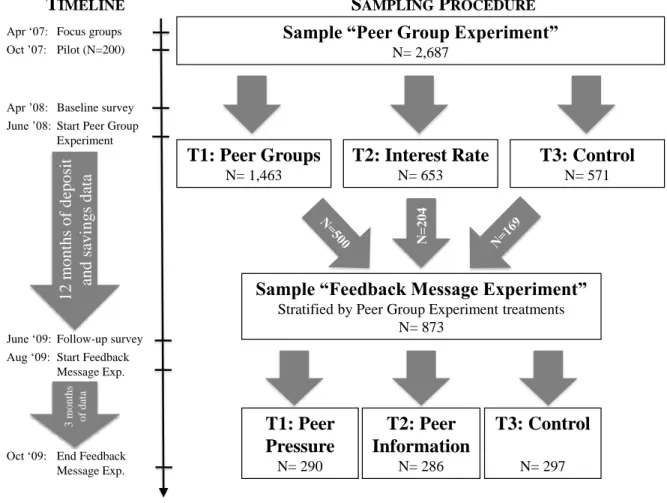
The timeline of the interventions was as follows (see Figure 1 for an illustration): The baseline survey was conducted in April-May 2008, during one of the group meetings. The savings accounts for the Peer Group Experiment were introduced soon after, in June-July 2008. A year later, the follow-up survey was conducted through individual interviews at participants’ home or workplace, to be able to cover all participants, including those that had left FE in the meantime. During this follow-up survey, eligible participants were introduced to the second experiment, the Feedback Message Experiment.
[Figure 1 about here.]
2.2
Experiment 1: Self-Help Peer Groups and Interest Rate
Design
The Peer Group Experiment analyzes the effect of self-help peer groups on savings and was conducted among 196 groups with a total of 2,687 members of the microfinance organization Fondo Esperanza (FE). The universe of study participants consists of all members of the 196 groups who were present in the meeting when the baseline survey
In the weeks following the baseline survey, one of three types of savings accounts was introduced to the groups (see below). Groups were randomly assigned to either the control group or one of two treatment accounts. All members within a group were offered the same type of account, without learning of the existence of other accounts (see Figure 1 for a graphical representation of the experimental design).
The randomization was stratified by group supervisor, which automatically led to balance by region as well. Half of the groups were randomly selected for the self-help peer group account, while the rest were assigned to the high-interest rate and the basic account in equal proportion.7 The accounts had the following features:
1. The basic savings account (control group) had a real annual interest rate of 0.3% (similar to the highest standard alternative in the Chilean market). It was attractive compared to other options in the market in that it had no maintenance fee and no minimum balance, except for a 2-dollar minimum opening deposit. The account was completely liquid for withdrawals at any time, and the financial conditions were guaranteed for at least two years.
2. The self-help peer group account was identical to the basic account, but was ac-companied by an accountability structure, in which the weekly meetings acted as a self-help peer group in the following way: group members had the option of publicly announcing to the group what their weekly savings goal was for the coming three months. Subsequently, members verified in each group meeting who had complied with their savings goal. Those who complied, and showed a deposit slip as proof, received a sticker in a booklet, and those who collected enough stickers received a diploma as a non-monetary award. There were no financial incentives for complying with one’s goal.
3. The high-interest accountwas identical to the basic account, but offered a 5% real in-terest rate. It was explicitly presented as the “Best Option in the Market”-Account, and when the account was introduced, its high return was illustrated graphically and with great care by their FE group leader during a one-hour workshop in the weekly meeting, which included the visualization of a growing piggy-bank and an illustration of compounded interest rates.
7The design also included a pure control group that received no savings account, used for an impact
Summary Statistics
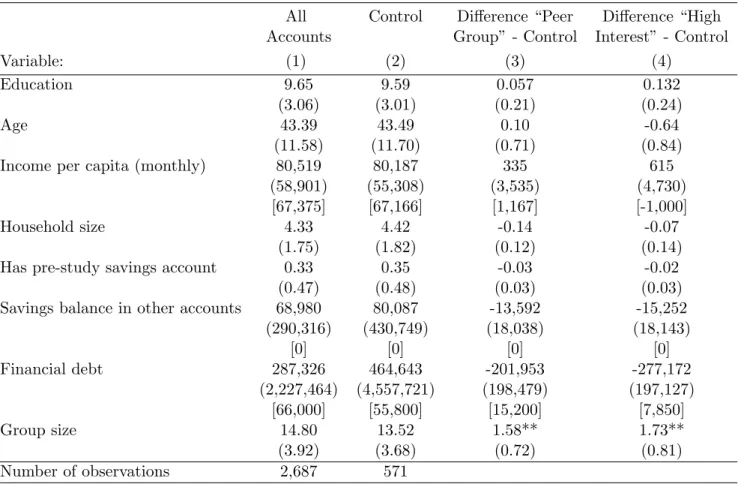
Table 1 presents summary statistics for the 2,687 participants in the sample of the Peer Group Experiment. As expected given the random assignment, average characteris-tics in the three treatment groups are very similar and there are no statistically significant differences, with the exception of group size.
[Table 1 about here.]
Participants in the study are an average of 43 years old and have a mean of 9.7 years of schooling. Monthly income per capita of their households is 80,519 pesos (about 160 USD), with an average household size of 4.3 people. Sixty-seven percent of participants did not have a savings account prior to the study.8 Correspondingly, the median of
pre-existing savings was zero, with a mean of 68,980 pesos (while income is expressed in per capita terms, these savings may combine savings of several household members, especially including participants’ children). Participants’ reported mean debt, including the micro-loan from FE, is 287,326 pesos, with a median of 66,000 pesos. The larger amounts of debt compared to savings is not surprising given that participants are entrepreneurs and most of their debt is backed up by inventories and future sales.
The average number of participants was 15 per group, with a slightly lower average in groups offered the basic savings account.9 For the questions about participants’ attitudes
and preferences, we conducted an F-test, which clearly rejects the null hypothesis that they are jointly significant in predicting whether a group had been assigned to a basic account or one of the other two accounts.
2.3
Experiment 2: Feedback Messages
Design
Since the Peer Group Treatment consists of a whole bundle of different, potentially important elements, the goal of the Feedback Message Experiment is to strip the treat-ment of most of these aspects. It keeps many things constant, in order to advance our understanding of what drives the effect and investigate an alternative, potentially more scalable delivery mechanism.
8In Chile in general, 40% do not have a bank account (Demirg¨u¸c-Kunt et al., 2008, p. 190).
This experiment was conducted one year later, during the follow-up survey, among 873 participants who had opened an account in the scope of the intervention (see Figure 1). Eligible participants were randomly assigned to either the control group, or one of two weekly text message services designed to simulate the regular feedback and follow-up of peer group meetings. The research team matched weekly transaction data from the bank with individuals in the study, and sent corresponding messages to the participants. If participants had made a deposit, the text message congratulated them for doing so. If they had missed it, the text message alerted them to that fact.
Peer groups are often thought to affect behavior by creating pressure on individuals. Reneging on one’s commitment can be punished directly or can negatively affect a person’s reputation or image (e.g. Schelling, 1984).10 Alternatively, Battaglini et al. (2005) suggest
that participants of self-help peer groups may be motivated by observing the success of others, which leads them to update their belief about their own ability to follow through with the shared goal. In addition to the regular feedback, one treatment therefore included the aspect of peer pressure – others observing the success rate of the participant – while the second treatment included the aspect of the participant observing the success rate of others.
1. Peer Pressure Treatment: Participants set a weekly savings goal for themselves. They then chose a person as their “Savings Buddy” to monitor their performance and encourage them to stick to their goal. Both the participant and the Savings Buddy subsequently received weekly text messages, informing them whether the participant did or did not make their deposit that week. The message sent to par-ticipants also reminded them that the Savings Buddy received the same information. The text message to the Savings Buddies also thanked them for being the partici-pant’s Savings Buddy (see the Appendix A for exact wording of the messages). 2. Peer Information Treatment: In the same way as in the Peer Pressure Treatment,
participants set a weekly savings goal for themselves and received a weekly text message, informing them whether they made their weekly deposit. However, no one else could observe the participant’s performance and there was no Savings Buddy exerting pressure. Instead, participants were told what share of other participants similar to them made their weekly deposit.11
10For a similar argument about norm adherence, see, e.g., Bernheim (1994) and for image motivation,
see Benabou and Tirole (2006); Ariely et al. (2009).
3. Control Group: Participants are only asked to set a weekly savings goal for them-selves, but are not offered any text-message service.
Sample Selection and Set-Up of the Intervention
Prior to administering the follow-up survey, all participants who opened a savings account during the first experiment were randomly assigned to one of the three treatment groups for the second experiment. The randomization was stratified by savings balance in the study account and by the group to which participants belonged. The latter auto-matically assures stratification by treatment in the first experiment. In order to maximize take-up, a set of screening questions was asked during the survey, to determine who re-mained in this study. Only those 873 participants who had a cell phone (89.6% of the total) and were interested in a weekly text message service designed to help people reach their savings goals (80.2% of participants with cell phones) were included in the Feedback Message Experiment.
All participants, including the control group, were asked what their weekly savings goal would be for the next three months if such a service were offered. Because this question was asked prior to the assignment of treatment and worded exactly the same regardless of treatment, we can rule out that the effect is driven by the process of goal-setting itself (see e.g., Locke and Latham, 2006; Hsiaw, 2013). Those assigned to one of the treatments were then informed that they could indeed receive such a service for free, and the details of their particular service were explained (without mention of the existence of other treatments). Since the interviews happened in a staggered manner, different participants started receiving the service at different points in time. However, the service ended for everyone at the same time (at the end of October 2009).
Summary Statistics
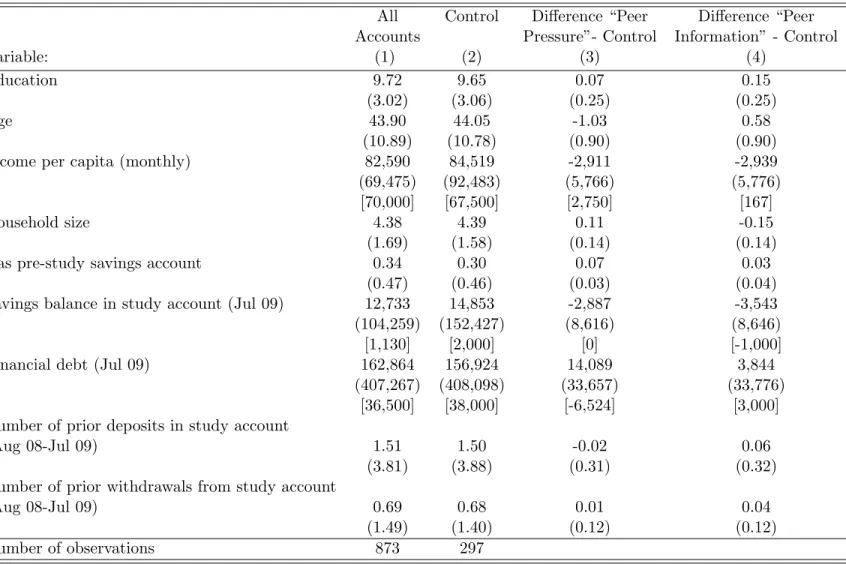
Table 2 presents summary statistics of the Feedback Message Experiment. As ex-pected given the random assignment, average characteristics across treatment groups are very similar.
varying quality of peers, by introducing random variation in which peers participants were compared to. We assigned participants to four ‘comparison’ groups in order to create random variation in peer quality. This makes it possible to test whether participants who are informed about a different level of success of their peers in their first week of treatment display a different deposit pattern thereafter. However, power limitations did not allow distinguishing such differential treatment effects.
[Table 2 about here.]
Similar to the Peer Group Experiment, participants have an average of 9.7 years of schooling, their mean age is 44 years, and 67% did not have a savings account prior to the account they opened in the context of this study. The mean monthly per capita income of participants’ households is 82,590 Chilean pesos (about 165 USD), with a median of 70,000 pesos. The average number of household members is 4.4. The average savings balance in the study accounts at the beginning of the Feedback Message Experiment is 12,733 pesos and participants made an average of 1.51 deposits and 0.69 withdrawals during the 12 months preceding the Feedback Message Experiment.
3
The Effect of Self-Help Peer Groups on Savings
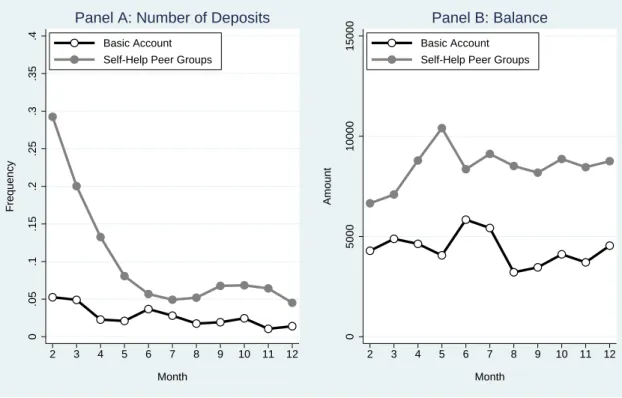
This section analyzes the effect of the Peer Group Treatment, which tests the effect on savings of self-help peer group meetings, compared to the control group, which was offered a savings account with no accountability structure. Figure 2 shows the effect of self-help groups on the monthly number of deposits and average savings balance. It displays the Intent-To-Treat (ITT) effect for 12 months starting in August 2008, after the opening period of the accounts (June-July 2008). It compares those assigned to the Peer Group
Treatment to those assigned to the basic account. The self-help peer groups clearly
increase the savings outcomes. Panel A shows that the number of deposits is almost four times higher in the Peer Group Treatment. While the effect strongly decreases over time, even in the last quarter of the year, the number of deposits is still over three times higher (0.059 vs. 0.016; p < 0.001).
[Figure 2 about here]
Panel B of Figure 2 shows that self-help peer groups not only increase the number of deposits but also lead to higher savings balances. The average balance is twice as high for participants in the Peer Group Treatment as in the control group. The effect persists over time and does not decrease during the entire year. The fact that savings increase initially and stay constant afterwards suggests that individuals may have reached a stable level of savings that they maintain, consistent with a precautionary savings model. Before
building any savings beyond a small buffer stock, it would be in their interest to first reduce their debt.
The decrease in the number of deposits over time might also be explained by at least two other reasons. First, individuals might not continuously participate in the self-help peer groups, for example if they leave FE. Secondly, the FE group leader might lose some of the initial motivation, and the quality and regularity of the self-help peer group follow-up in the meetings might consequently decline over time. Answers to corresponding questions from our follow-up survey suggest that all of the above seem to be happening to some degree. Individuals in the Peer Group Treatment who are still with FE one year after the introduction of the accounts make more deposits until the end, in groups in which the leader implemented the treatment more judiciously, the treatment effect stays higher for longer. However, these correlations have to be interpreted with caution, since they are not exogenously identified and very prone to selection effects.
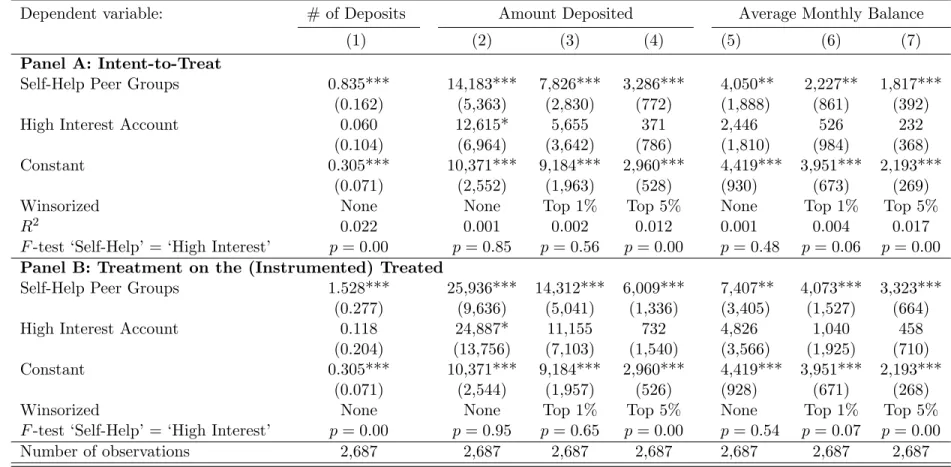
Table 3 shows these results in an OLS framework.12 We estimate regressions of the
following specification:
Si =α+β1Self Helpi+β2Interest Ratei+i (1)
Si is the savings outcome for individuali. We analyze three savings outcomes,
start-ing in August 2008: (1) the number of deposits over 12 months, (2) the total amount deposited, and (3) the average monthly balance. In order to illustrate the effect of out-liers, we also show the results for a sample that is winsorized at top 1% and top 5%.13
Self Help is a dummy equal to one for individuals in the Peer Group Treatment and
Interest Rate is a dummy equal to one for those in the High-Interest Treatment. is
the error term. This section focuses on the analysis for the Peer Group Treatment, com-pared to the basic account. Section 5, below, compares these effects to the results for the High-Interest Treatment as a benchmark.
Panel A of Table 3 presents the ITT effect for all three outcomes. The ITT effects support the findings of Figure 2: the number of deposits, the amount deposited, and the savings balance are significantly higher for those in the Peer Group Treatment. Panel
12Tobit specifications do not change the results qualitatively.
13The winzorized dataset sets the top 1% and 5% of the observations, respectively, to the 99th and
95th percentile value using the entire dataset, including the period of the first and second experiment combined.
B shows Treatment-on-the-Treated (TOT) effects. Take-up rates of the savings accounts are very similar across the three treatments. 49.7% of participants opened an account among those offered the basic account, 54.7% among those offered the self-help peer group account, and 50.7% among those offered the high-interest rate account (the differences are not statistically significant). Correspondingly, Panel B shows that the TOT effects are about twice the size of the ITT effects.
[Table 3 about here.]
These effects are both statistically and economically significant, as the number of deposits increases 6-fold and average savings balances almost triple.14 The increase in the
balance of 7,400 pesos (approximately 15 USD) represents about 9% of mean monthly income and corresponds in size to the precautionary savings goal of these accounts.
In sum, the evidence indicates that the self-help peer groups are effective in en-couraging deposits, which in turn leads to substantially increased savings balances. The increased number of deposits is not offset by a corresponding increase in withdrawals, even though the accounts are fully liquid and withdrawals are not observable by the peers.
Are These Real Additional Savings?
Having found that self-help peer groups double savings in the study account, it is important to ask whether this constitutes additional savings or just crowds out other forms of savings. Generally, it is very difficult to obtain evidence on this question, since researchers usually only have information about one savings vehicle, and survey data on total savings tends to be very noisy. Keeping this caveat in mind, most previous studies that tested for this found no evidence of crowd-out, or even some evidence for crowding in (e.g. Ashraf et al., 2006b; Dupas and Robinson, 2013b,a; Gelber, 2011; Prina, 2012). In line with our results, Chetty et al. (2013) find that nudges such as automatic contributions by employers do not crowd out retirement savings. In contrast, a tax subsidy as a financial incentive for savings crowds out other savings almost one-to-one.
14Evidence from e.g. Ashraf et al. (2006b) and Meier and Sprenger (2010) suggests that individuals
who exhibit time-inconsistent preferences might benefit particularly from financial commitment devices. In our context, peer groups lead to front-loading of the cost of not saving, which may have a particularly strong effect on those with time-inconsistent preferences. Table C1 in the Appendix explores differential treatment effects along this category, and the evidence indeed suggests that the treatment might be particularly effective for those with time-inconsistent preferences.
Consistent with these previous findings, our sources of evidence suggest that the self-help peer groups increase total savings and do not just replace other forms of savings. First, we measure the impact on other forms of savings based on detailed information from the baseline and follow-up surveys about participants’ other forms of formal and informal
savings.15 This data does not show any indication of crowd-out. However, the data on
self-reported savings amounts is very noisy and does not allow for strong conclusions.16
Anticipating the noisiness of self-reported amounts, we also elicited a binary measure, where participants indicated whether they made deposits or withdrawals from any other account in the previous six months. This measure is much less noisy, since it is easier for participants to remember than exact amounts of the balance.17 Analyzing this binary measure confirms that those in the Peer Group Treatment are not less likely to use other accounts than those in the control group, both in terms of deposits and withdrawals.
A second indicator that the savings account in the study has real impacts and does not only replace other savings stems from evidence in Kast and Pomeranz (2013). This pa-per analyzes the impact of access to any of the study accounts (i.e. basic, peer group, and high interest) compared to a control group, which was not offered any account. The anal-ysis shows that having access to the study account helps participants alleviate the burden of economic shocks, both objectively and subjectively. After one year, participants with access to the study accounts have 25% fewer outstanding payments to service providers
(p < 0.01) and 37% fewer outstanding payments to family and friends (p < 0.05).
Fur-thermore, their need to cut back consumption in times of economic difficulty is reduced by 44% (p <0.05). Subjectively, they report being significantly less anxious about their financial future, and evaluate their recent economic situation as less severe. The magni-tudes of these subjective improvements correspond in size to more than half of the change in these measures associated with a job loss or severe business downturn. The study lacks the statistical power to make very precise statements about the impact of the Peer Group Treatment compared to the other two accounts. However, it does find that the improvements in anxiety about the financial future are significantly stronger (p < 0.05)
15For the 67% of participants that did not have another savings account, savings in the study account
represents all newformal savings.
16To get a sense of how noisy the self-reported information is, we compare the self-reported amount
for the study account with the correct amount in the account, which we know from administrative data, and find a correlation of merely 0.43.
17Confirming the validity of this measure, we test whether participants in the Peer Group Treatment
reported a higher probability of having made a deposit into the study account, which we know from the administrative data to be true, and find that this is indeed the case (p <0.01).
for individuals in the Peer Group Treatment than for those with access to the basic or high interest account. Taken together, this evidence suggests that the savings in our field experiment seem to be additional rather than mere substitution.
4
How Crucial are Meetings and Peer Pressure?
The previous section established that the self-help peer group meetings are effective at increasing savings. As mentioned above, such peer group programs consist of a whole bun-dle of interventions. To understand whether there might be alternative ways to deliver the service that peer groups provide, it is important to unpack some of these mechanisms to learn which elements are required for the effectiveness (Ludwig et al., 2011). This section therefore makes a step towards distinguishing some of these elements by investigating the importance of two of its key elements: physical meetings and peer pressure. We first analyze whether in-person meetings (and all the related activities such as distribution of stickers, diplomas, moral support, etc.) are required, by testing the effectiveness of reg-ular feedback and follow-up in “synthetic” peer groups through text messages. We then investigate whether peer pressure is the driving force, by comparing two different types of feedback message treatments.
The Effect of Feedback Text Messages on Savings
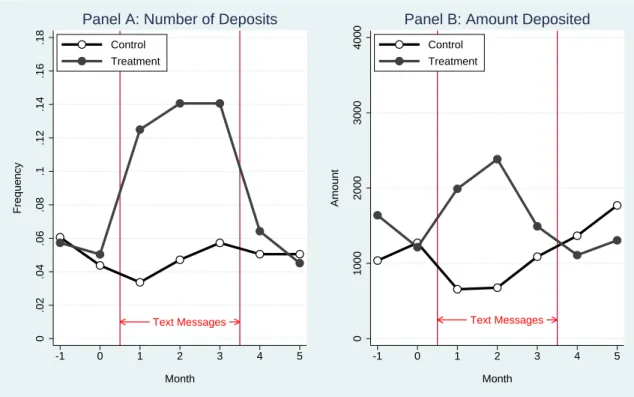
Figure 3 shows the impact of being offered the weekly text message feedback service. The horizontal axis represents months since the treatment began in the year 2009, and the area between the vertical lines marks the period during which the text message in-tervention was implemented (called “inin-tervention period” going forward). Panel A shows the number of deposits per month, and Panel B shows the amount deposited.
[Figure 3 about here]
Figure 3 reveals three important points. First, there is no significant difference be-tween treatment and control groups in both panels before the experiment begins in August 2009 (month “1” in the figure). Deposits in June and July trend slightly downward in the cold winter months in Chile, but this trend is no different between treatment and control. Second, during the intervention period, savings outcomes are substantially higher in the
treatment compared to the control group, almost tripling the number of weekly deposits. The amounts deposited are more noisy, but even there we see a substantial increase. Third, after the text messages stop, the savings behavior looks very similar again across groups, and we observe no long-run impact on savings habits.
Also, in contrast to the self-help peer groups, the effect of the text messages does not seem to decay over the three treatment months.18 This might be due to the fact that the
default with respect to continuing participation is different: In order to stop participating in the text message service, individuals would have to actively opt out, while for the peer group support to continue, participants have to actively opt in each week by attending the meeting. The effect of text messages might therefore be more sustainable over time. Future research is required to test the effectiveness of the messages over the long run.
In order to estimate the significance of the treatment effects, we run regressions of the following form:
Si =α+β1T reatmenti+P rior Savingsi+i (2)
where Si is the savings outcome for individual i, and T reatment is a dummy
vari-able equal to one for individuals in the treatment groups. In addition, we control for the amount saved prior to the intervention period, which reduces much of the noise by capturing individual-specific variation, similar to what would be the case in a difference-in-difference specification.19 We use the following measures of S
i: (1) total number of
deposits, (2) total amount deposited, and (3) net new savings (deposits-withdrawals) in the intervention period. Amounts are also shown winsorized at the top 1% and top 5%.
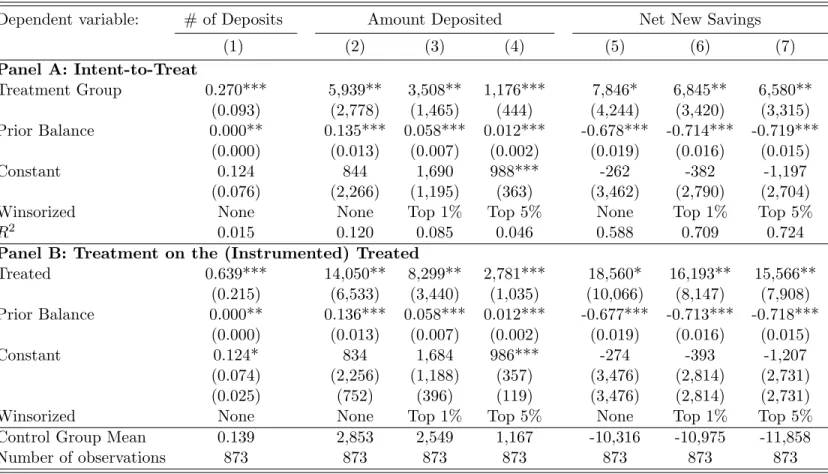
Table 4 presents the results for all three outcomes during the intervention period. Panel A shows Intent-to-Treat (ITT) and Panel B Treatment-on-the-Treated (TOT)
ef-fects.20 The feedback text messages have a substantial effect on savings. In the ITT
specification, the average number of deposits is almost three times that of the control group, and the amount deposited is about 6,000 pesos higher. Overall, participants in the treatment group increase their savings balance in the intervention period by about
18This can be seen more clearly in figure C1 in the Appendix, which represents weeks since a given
participant started the treatment.
19Results without controlling for prior balance (shown in Table C2 in the appendix) are qualitatively
similar but measured more imprecisely.
20Since the treatments are stratified across groups, clustering standard errors at the group level does
7,800 pesos.21 Take-up rates of the two treatments are very similar. Of participants who
initially express interest in the service, 42.8% end up signing up when offered the Savings
Buddy service and 41.6% when offered the Peer Information service.22 Correspondingly,
the TOT effects are somewhat more than double in size, increasing amounts deposited nearly 6-fold in the full sample and 3.4-fold in the winsorized sample. To put these num-bers in perspective, Karlan et al. (2010) find that in a pooled sample from Peru, Bolivia and the Philippines, monthly savings reminders in increased savings by 6%.
[Table 4 about here.]
With respect to the relationship of the Feedback Message Experiment with the pre-ceding Peer Group Experiment, two questions arise. 1) Is there an interaction effect of having been in the peer group treatment on the effectiveness of the Feedback Message Treatment? 2) How do the magnitudes of the Peer Group and Text Message treatments compare? With respect to the first question, analysis of interaction terms between treat-ments in the two experitreat-ments shows no significant effect of having been in the Peer Group Treatment on take-up or effectiveness of the Feedback Message treatments. With respect to the second question, comparison of the treatment effects between the two experiments (self-help peer groups versus feedback messages) clearly has to be interpreted with much caution, since it is not based on random assignment. The treatment happens in a dif-ferent year, to a difdif-ferent subsample of participants, and over a difdif-ferent length of time. However, a back-of-the-envelope calculation allows us to get some sense on how much of the effect of self-help peer groups can be achieved without physical meetings.
First, we need to take into account that participants in the Feedback Message Ex-periment are a non-random subsample of the Peer Group ExEx-periment, namely those who opened an account in the scope of the first experiment, own a cellphone, and expressed interest in a text message service to help them save more. We therefore recalculate the effect of self-help peer groups among only those 873 participants. To further increase comparability, we hold the duration constant and focus on the initial period, when the
21The coefficient on prior savings is negative, since mechanically, people who have prior savings can
withdraw more in the intervention period, leading to possible negative new savings. The net new savings of zero in the control group correspondingly indicates that participants in this group withdrew the same amount as they deposited. We also test whether the effect of the Feedback Message Experiment varies by treatment in Experiment 1 and find no significant differences.
22Take-up was not significantly different for those who had previously received the peer group treatment
than for those who had received the basic account (35.7 vs. 39.6% respectively). Take-up was highest (53.5%) among those in the high interest treatment.
Peer Group Treatment had the strongest effect. This stacks the odds in favor of the Peer Group Treatment, and therefore provides a conservative estimate for the hypothesis that physical meetings are less important than expected. It also has the advantage of control-ling for seasonal effects, since it compares savings in the same calendar months one year apart. Table C3 in the Appendix shows this specification and indicates a treatment effect of 10,058 pesos for the Peer Group Treatment among this sample.
Finally, TOT and ITT for the Peer Group Experiment are by construction identical in this sample, since all participants in the Feedback Message Experiment opened a savings account in the scope of the Peer Group Experiment. For a conservative comparison, we therefore compare it with the ITT effect of the Feedback Message Experiment in Table 4,
where savings increase by about 8,000 pesos.23 This back-of-the-envelope calculation
suggests that feedback text messages can achieve 80% or more of the effect of self-help peer groups in terms of new savings balance, and implies that physical meetings might not be as central to the effect of self-help peer groups as previously thought.
In sum, feedback text messages provide an alternative delivery mechanism to self-help peer groups that has a substantial effect on savings and is potentially more scalable. They strip the bundle of interventions used in self-help peer groups of many elements and thereby provide a first step towards understanding the underlying mechanism of peers as commitment device.
Is Peer Pressure Required for the Effectiveness?
The previous section established that peer-related feedback text messages can achieve substantial increases in savings rates without actual in-person meetings. This section investigates whether the effect can also be achieved without peer pressure, by comparing the two types of feedback message treatments (see Section 2 for a description of their design).
Figure 4 shows the ITT effect of the Peer Pressure Treatment compared to both the control group and the Peer Information Treatment. The savings behavior in the two treatments follows a very similar pattern, both in terms of the number of deposits per
month (Panel A) and in terms of amount deposited (Panel B).24
23If we choose the specification that does not control for prior balance, shown in Table C2, then the
benchmark effect of the text messages is even higher, at 10,000 pesos.
24The figures seem to suggest that there is a different time trend between the two treatments. However,
[Figure 4 about here.]
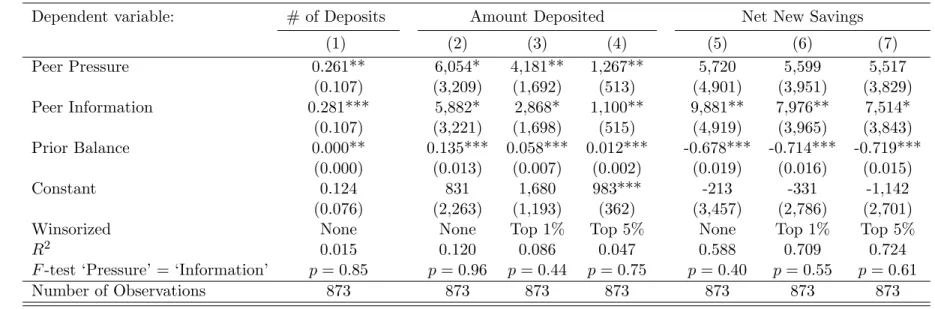
Table 5 confirms this impression with regressions. Both treatments independently increase savings compared to the control group (statistically significantly for all three outcomes except net new savings in the Peer Pressure Treatment). When comparing the effects of the two treatments with anF-test, having a Savings Buddy has no substantially different effect on any of the three outcome variables.
[Table 5 about here.]
The fact that the Peer Pressure Treatment does not lead to stronger effects is even more striking in light of a) the kind of person participants chose as their Savings Buddy and b) the information contained in the Peer Information messages.
a) When signing up for the text message service, participants in the Peer Pressure Treatment indicate their relationship to the Savings Buddy and the main reason they chose that person. Participants are allowed to select their own Savings Buddy so that they can choose their “optimal” peer. The reasons given for choosing that particular person indeed indicate that participants are using the text message services as a peer pressure commitment device and select Savings Buddies who really hold them accountable. The most frequently stated reason (31%) is that the person chosen is very strict and will motivate the participant to comply with his or her savings goal (see Table C4 in the Appendix). This is followed by 29% indicating that the person was chosen because the participant generally shares financial information with them; 19% because the person is a role model when it comes to saving, by being very organized and good at complying with his or her own savings goals; and 12% because the participant shares a bank account with that person. Very few participants (5%) indicate that they chose their Savings Buddy for being a relaxed person who would be understanding if the participant could not reach their savings goal.
In terms of their relationship to their Savings Buddy, participants tend to choose someone who is close to them, either a close relative or a close friend. The most common choice is a son or daughter (32%), followed by partner (25%), close friend (17%), other relative (14%), parent (6%), neighbor (2%), and someone else (3%). According to Mas
participants joined the treatment in different weeks. When looking at a graph representing weeks since the start of treatment for a given participant (shown in Figure C1 in the Appendix), the two treatments look very similar over time.
and Moretti (2009), peer pressure can be expected to be particularly strong if the peers know each other, have had past interactions, and expect future interaction. Similarly, research by Ferrara (2003) and Karlan (2007) shows that in peer lending groups, close social connections can reduce default. This would suggest that the selected peers should be particularly effective. However, we cannot rule out that in our context, the optimal social distance is different, for example if close peers are too understanding when a commitment is not reached and therefore less likely to exert pressure.
b) One possible explanation as to why the Peer Pressure Treatment does not have a stronger effect than the Peer Information Treatment could be that the peer pressure effect is strong, but the effect of the information about the performance of others is equally strong. While we cannot rule out that this could be the case, the nature of the information that was conveyed suggests that this is not very likely. The message in the Peer Information Treatment (see text in Appendix A) informs participants about the percentage of others similar to them that made a deposit in a given week. It turns out that in most weeks, that number is very low or even zero (on average, they are informed that 6% of their peers followed through with their goals). This fact, combined with evidence from Beshears et al. (2009) showing that such information may have very limited effects on savings, suggests that the peer information component is not very likely to have had a strong effect.25
In sum, we find that feedback text messages are effective even without a savings buddy and that peer pressure is not required. This not only makes them less cumbersome to implement and scale, it also avoids the potential disutility from social pressure, which can make participants potentially worse off (e.g., DellaVigna et al., 2012).
5
Benchmarking the Effect of Peer Groups against
that of a High Interest Rate
The results so far show that self-help peer groups can be a powerful tool to increase savings – even if the mechanism might be more due to feedback and follow-up than through peer pressure. We now compare this behavioral intervention to a more traditional incentive
25We also analyzed whether the treatment effect of the Peer Information Treatment is different for those
who have been randomly assigned to different quality peers, but did not find any significant differences (for details, see Footnote 11).
to increase savings, an increased interest rate. This section compares the effect of self-help peer groups to the High Interest Rate Treatment in which the real interest rate was increase to 5% annually, instad of the 0.3% in the basic and peer group accounts.
In addition to serving as a benchmark for the Peer Group Treatment, the high interest rate account allows us to test the impact of the interest rate on savings. This setting provides a particularly strong test, since in the context of this experiment, the higher interest rate was made exceptionally salient, including an entire training session that elaborated this point (see Section 2). In many other contexts, the interest is likely to be even less impactful, since participants may be less aware of it.
While from a theoretical perspective, an argument could be made that the overall effect of interest rates on savings is ambiguous, due to the income effect that could po-tentially dominate the substitution effect26, the prediction on the substitution effect is
clear: In the absence of significant transaction costs, individuals should reallocate their savings portfolio towards the higher-return account. In our setting, we have the ability not only to look at the overall effect of the interest rate on savings, but also at whether participants who had pre-existing savings move them to the high interest account. Since the 5% interest rate is higher than anything else offered in the market for these popula-tions, we know that their pre-existing savings must have a lower return. If the interest rate does not even lead to such reallocation of the savings portfolio to the account with the highest return, policies and theories based on the premise that the interest rate is an effective tool to steer savings may have to be called into question to some degree, at least for this type of population.
[Figure 5 about here]
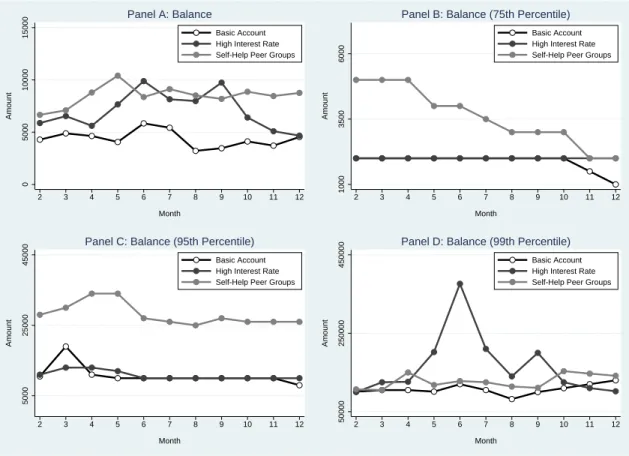
Figure 5 shows the mean monthly savings balance as well as the 75th, 95th, and 99th percentiles.27 Looking at the mean, it is not readily apparent whether the savings balance
differs between the High-Interest Treatment and either the Peer Group Treatment or the basic account. However, Panels B-D show that looking at the whole distribution reveals a much starker result. The vast majority of participants do not respond to the increased interest rate at all. At the 75th and even at the 95th percentile, the savings balance in the basic account and the High-Interest Treatment are virtually identical, while participants
26In practice, the income effect is likely to be less important for shorter-term precautionary savings,
such as those in this study.
in the Peer Group Treatment display substantially higher savings. Only at the very top of the distribution (Panel D for the 99th percentile) does the interest rate lead to higher savings. In sum, Figure 5 indicates that self-help peer groups shift the entire distribution of savings, while the increased interest rate only affects the very top tail of the savings distribution.
The results of Table 3 support those findings in regressions for all three of our savings outcomes. The Peer Group Treatment not only leads to a much bigger increase in the number of deposits than the High-Interest Treatment, but also to a substantially higher balance. The treatment effect on the balance is almost twice as large overall, and almost eight times larger when we winsorize the top 5%. Consistent with the graphical evi-dence above, the difference only becomes statistically insignificant in the non-winsorized specification. If we take the results from Column (5) and linearly extrapolate the point estimation of the interest rate increase, the results suggest that the self-help peer groups have an effect equivalent to an increase in the interest rate of 7.8%.
The fact that an increase in the interest rate of almost five percentage points has no impact on savings for most participants is noteworthy. We next investigate whether those participants who had substantial pre-existing savings reallocate them to the higher-yield account. When asked in the follow-up survey, less than 1% indicate having made any transfers from a pre-existing account into their study account. Since for small amounts of savings, the transaction costs may be too large to warrant reallocation, we also split the group of those with pre-existing accounts further in two, and focus on those with above-median pre-existing balance. Interestingly, even these ‘high pre-treatment savers’ do not shift their savings towards the high-interest account. While their average balance in the pre-existing accounts is about 315,000 pesos (or about 650 USD), their savings in the study accounts are only about 15,000 pesos.28
There are many potential explanations: tangible or mental costs associated with this transaction, limited liquidity of the alternative account, a lack of understanding of the interest rate, mental accounting, or reasons other than the interest rate that lead participants to prefer the alternative bank account. Determining the specific reasons goes beyond the scope of this paper. However, we elicited some qualitative information through a series of detailed questions in the follow-up survey about the motives for moving or not moving money from other accounts. Two aspects stand out in the survey responses: a
28Similarly, but less surprisingly, we do not observe a shift for those with below-median pre-existing
lack of understanding of the interest rate and mental accounting (Thaler, 1990). There is also some indication that this might be less the case for those with higher education and financial literacy. For a full tabulation and more detailed discussion of these descriptive results, see Appendix B.
In sum, the comparison between the Peer Group Treatment and the High Interest Rate Treatment suggests that a behavioral intervention is more effective in this setting in that it increases savings for a much larger part of the population than increasing the financial incentives to save. In addition, even participants who have pre-existing formal savings with lower rates of return do not reallocate their savings to the higher-return account, suggesting a very limited role of the interest rate for savings decisions.
6
Discussion and Conclusion
Peer groups are often used as a commitment device to achieve personal goals, but there has been little empirical evidence evaluating their effectiveness and analyzing what aspects lead to their success. Our findings that self-help peer groups increase the number of deposits 3.7-fold, and almost double the average savings balance after a year, show that these groups can be a powerful tool to help participants reach an individual but mutually shared goal. Beyond savings, this mechanism is applicable for a wide area of self-control problems.
Self-help peer groups may be particularly effective in areas where a small behavior change can generate a large impact. This is for example the case in our context of pre-cautionary savings, where the relatively small magnitudes in dollar amounts (about 15 USD) can have large implications for participants’ quality of life. The income stream of these populations is not only low, but also highly volatile. Correspondingly, prior to the intervention, many participants expressed the desire to build a buffer stock against economic shocks, and frustration about their inability to do so on their own. This can have large implications, as having a small cushion on the side can for example make the difference between paying the utility bill or sleeping in the cold during the freezing Chilean winter.29
Adding a savings peer group component is especially convenient in contexts where
29In line with this, Kast and Pomeranz (2013) find that after one year, participants in the Peer Group
people meet regularly anyway, such as microfinance groups, schools, sports clubs, or churches. The Feedback Message Experiment suggests that even outside of such contexts, savings can be strongly increased by holding people accountable through simple feedback messages. While self-help peer group meetings can be cumbersome to set up and to maintain, text message services require little coordination and do not rely on physical proximity, making them more broadly applicable. Given the astonishing growth rate of cell phone use worldwide, this is a channel that can potentially reach millions of people and may be attractive to a wider and different population than those who are willing to come together for regular meetings.
In addition, the Feedback Message Experiment makes a first step towards disentan-gling the mechanism of self-help peer groups as a commitment device. The fact that regular Feedback Messages are surprisingly effective even without physical meetings and without a Savings Buddy that observes participants’ behavior, suggests the hypothesis that rather than exerting pressure, participants may simply provide a mutual service to regularly hold each other accountable. This interpretation raises at least four additional research questions: 1) How important is the feedback element, and would simple reminders (Karlan et al., 2010) have a similar effect? 2) Could other types of Savings Buddies than the ones chosen by the participants (e.g., in terms of social distance, personality traits, etc.) be more effective at holding them accountable? 3) Does the peer information have a motivational effect after all, despite the fact that participants are informed that only few others are making a deposit each week? 4) How generalizable are these findings to other settings?
Beyond the issue of savings, feedback and follow-up through text messages have many potential applications in other areas where people make resolutions but find it dif-ficult to follow through, such as preventive health measures (e.g., for diabetes, exercising, or vaccinations), environmentally-friendly behavior (e.g., saving energy), education (e.g., completing homework, solving math exercises), etc. As these methods find wider applica-tion, the question arises to what degree multiple feedback messages crowd out attenapplica-tion, and further research is required to investigate interactions between multiple messages, as well as the effect of feedback messages over a longer time period.
The analysis of the interest rate serves as a benchmark for the effectiveness of the Peer Group Treatment. In addition, the absence of an effect of the interest rate for most participants is of interest by itself. While further research is needed to understand whether
of policies or economic models that assume large shares of the population will respond to changes in the interest rate.
Finally, our results speak to a larger point about behavioral interventions versus
financial incentives to affect behavior. A growing pattern of evidence shows the
im-portance of social incentives (e.g., Bandiera et al., 2010; Barankay, 2010; Gneezy and Rey-Biel, 2014) and surprisingly limited effects of monetary rewards, even for financial decisions (e.g. Gneezy et al., 2011; Choi et al., 2010; Karlan and Zinman, 2013). Our finding of strong effects of self-help peer groups and feedback messages, compared to the limited effectiveness of the interest rate, fits into this pattern. This is consistent with a new and rapidly growing literature that uses field experiments to directly compare social and behavioral interventions with financial incentives (e.g., Bertrand et al., 2010; Ashraf et al., 2012; Chetty et al., 2013). While traditional economic incentives may be effective in contexts where individuals lack motivation, they may have limited impact if the con-straint that impedes the behavior change lies elsewhere.30 Implementing behavior change
can be challenging even for motivated individuals – either psychologically, due for exam-ple to self-control problems, or practically, due for examexam-ple to complicated processes. In these situations, policies that facilitate compliance may be more effective than policies that further increase incentives.
References
Allcott, Hunt, “Social Norms and Energy Conservation,”Journal of Public Economics, 2011,
95(9-10), 1082–1095.
Apesteguia, Jose, Patricia Funk, and Nagore Iriberri, “Promoting Rule Compliance
in Daily-Life: Evidence from a Randomized Field Experiment in the Public Libraries of Barcelona,”European Economic Review, 2013, 64, 266–284.
Ariely, Dan, Anat Bracha, and Stephan Meier, “Doing Good or Doing Well? Image
Motivation and Monetary Incentives in Behaving Prosocially.,”American Economic Review, 2009,99(1), 544–555.
Ashraf, Nava, Dean Karlan, and Wesley Yin, “Deposit Collectors,”Advances in Economic
Analysis & Policy, 2006, 6(2), Article 5.
, , and , “Tying Odysseus to the Mast: Evidence from a Commitment Savings Product
in the Philippines,”Quarterly Journal of Economics, 2006,121 (1), 635–672.
, , and , “Female Empowerment: Impact of a Commitment Savings Product in the
Philippines,”World Development, 2010,38(3), 333–344.
, Oriana Bandiera, and Kelsey Jack, “No Margin, No Mission? A Field Experiment on
Incentives for Pro-Social Tasks,”Working Paper, 2012.
Ayres, Ian, Sophie Raseman, and Alice Shih, “Evidence from Two Large Field
Exper-iments that Peer Comparison Feedback Can Reduce Residential Energy Usage,” Journal of Law, Economics, and Organization, 2012.
Bandiera, Oriana, Iwan Barankay, and Imran Rasul, “Social incentives in the workplace,”
Review of Economic Studies, 2010,77 (2), 417–458.
Banks, James and Zoe Oldfield, “Understanding Pensions: Cognitive Function, Numerical
Ability and Retirement Saving,”Fiscal Studies, 2007,28 (2), 143–170.
Barankay, Iwan, “Rankings and Social Tournaments: Evidence from a Field Experiment,”
Working Paper, 2010.
Battaglini, Marco, Roland B´enabou, and Jean Tirole, “Self-Control in Peer Groups,”
Journal of Economic Theory, 2005,123 (2), 105–134.
Benabou, Roland and Jean Tirole, “Incentives and Prosocial behavior,” American
Eco-nomic Review, 2006, 96(5), 1652–1678.
Bernheim, Douglas, “A Theory of Conformity,”Journal of Political Economy, 1994,102(5),
841–877.
Bertrand, Marianne, Dean Karlan, Sendhil Mullainathan, Eldar Shafir, and
Jonathan Zinman, “What’s Advertising Content Worth? Evidence from a Consumer Credit
Marketing Field Experiment,”Quarterly Journal of Economics, 2010,125 (1), 263–305.
Beshears, John, James Choi, David Laibson, Madrian Brigitte, and Katherine Milk-man, “The Effect of Providing Peer Information on Retirement Savings Decisions,” NBER Working Paper No. 17345, 2009.
Brune, Lasse, Xavier Gin´e, Jessica Goldberg, and Dean Yang, “Commitments to Save:
a Field Experiment in Rural Malawi,”Policy Research Working Paper 5748, 2011, Develop-ment Research Group, The World Bank.
Bryan, Gharad, Dean Karlan, and Scott Nelson, “Commitment Devices,”Annual Review
of Economics, 2010, 2 (1).
Bursztyn, Leonardo, Florian Ederer, Bruno Ferman, and Noam Yuchtman, “Un-derstanding Peer Effects in Financial Decisions: Evidence from a Field Experiment,” NBER Working Paper, 2012.
Cadena, Ximena and Antoinette Schoar, “Remembering to Pay? Reminders vs. Financial
Incentives for Loan Payments,”NBER Working Paper No. 17020, 2011.
, , Alexandra Cristea, and Heber Delgado-Medrano, “Fighting Procrastination in
the Workplace: An Experiment,” NBER Working Paper No. 16944, 2011, National Bureau of Economic Research.
Carroll, Gabriel, James Choi, David Laibson, Brigitte Madrian, and Andrew Met-rick, “Optimal Defaults and Active Decisions,” Quarterly Journal of Economics, 2009, 124 (4), 1639–1674.
Chen, Yan, Maxwell Harper, Joseph Konstan, and Sherry Xin Li, “Social Comparisons
and Contributions to Online Communities: A Field Experiment on Movielens,”The American Economic Review, 2010,100 (4), 1358–1398.
Chetty, Raj, John N. Friedman, Soren Leth-Petersen, Torben Heien Nielsen, and
Tore Olsen, “Active vs. Passive Decisions and Crowd-Out in Retirement Savings,”Working
Paper, 2013.
Choi, James, David Laibson, and Brigitte Madrian, “Why Does the Law of One Price
Fail? An Experiment on Index Mutual Funds,” Review of Financial Studies, 2010, 23 (4), 1405–1432.
DellaVigna, Stefano, John List, and Ulrike Malmendier, “Testing for Altruism and
Social Pressure in Charitable Giving,”Quarterly Journal of Economics, 2012,127 (1), 1–56.
Demirg¨u¸c-Kunt, Asli, Thorsten Beck, and Patrick Honohan,Finance for All?: Policies
and Pitfalls in Expanding Access, Washington, DC: World Bank Publications, 2008.
Duflo, Esther and Emmanuel Saez, “Participation and Investment Decisions in a Retirement
Plan: The Influence of Colleagues’ Choices,”Journal of Public Economics, 2002,85(1), 121– 148.
and , “The Role of Information and Social Interaction in Retirement Plan Decisions: Evidence from a Randomized Experiment,” Quarterly Journal of Economics, 2003, 118 (3), 815–841.
, William Gale, Jeffrey Liebman, Peter Orszag, and Emmanuel Saez, “Saving
In-centives for Low-and Middle-Income Families: Evidence from a Field Experiment with H&R Block,”The Quarterly Journal of Economics, 2006,121 (4), 1311–1346.
Dupas, Pascaline and Jonathan Robinson, “Savings Constraints and Microenterprise
De-velopment: Evidence from a Field Experiment in Kenya,”American Economic Journal: Ap-plied Economics, 2013, 5 (1), 163–192.
and , “Why Don’t the Poor Save More? Evidence from Health Savings Experiments,” American Economic Review, 2013, 103 (4), 1138–71.
Engelhardt, Gary V and Anil Kumar, “The Elasticity of Intertemporal Substitution: New
Evidence from 401 (k) Participation,”Economics Letters, 2009,103 (1), 15–17.
Falk, Armin and Andrea Ichino, “Clean Evidence of Peer Effects,” Journal of Labor
Eco-nomics, 2005,34 (1), 39 – 57.
Ferrara, Eliana, “Kin Groups and Reciprocity: A Model of Credit Transactions in Ghana,”
The American Economic Review, 2003,93 (5), 1730–1751.