i
Midwives’ Knowledge and Ability in Interpreting Foetal
Heart Rate Patterns in Cape Town in the Western Cape
Province of South Africa
by
Portia Letitia Tities
Student Number: 2930976
A Mini-Thesis Submitted in Partial Fulfillment of the
Requirements for the Degree of Magister Curationis in
Advanced Midwifery and Neonatology in the School of
Nursing, University of the Western Cape
Supervisor: Professor Nomafrench Mbombo
May 2012
ii
DECLARATION
I, Portia Letitia Tities, declare that this study entitled, “Midwives’ Knowledge and Ability in Interpreting Foetal Heart Rate Patterns in Cape Town in the Western Cape Province of South Africa”, is my own work, that it has not been submitted before for any degree or
examination at any other university and that all sources I have used or quoted have been
indicated and acknowledged by complete references.
Portia Letitia Tities : ...
Date Signed : ...
iii
DEDICATION
This study is dedicated to my wonderful husband, Martin, and our beautiful children, Jamie
and Aydn Tities. All that I am, all that I have accomplished is because of your trust and
support.
iv
ACKNOWLEDGEMENTS
I would like to thank my Lord and Savour for granting me this opportunity to extend my knowledge. Lord, You taught me how to love and strive; you taught me how to appreciate the
little things in life. You are my symbol of stability, Jesus I love you. Without You I would be
nothing.
I would like to express my sincere thanks to the following people who assisted me throughout
my studies and whose contributions were valuable.
Martin Tities, my dearest husband, partner and closest friend. Thank you for your continuous support. I love you dearly. Jamie and Aydn Tities, my loving children. Thank you that I could always depend on you. My sisters, Jillian Heckrath and Dalene Jacobs, thank you.
Professor N. Mbombo, for your continuous support, guidance and prompt responses.
Mr Ryan Carelse, my extended arm, brain and legs at the University of the Western Cape. Thank you for your motivation and assistance.
Prof Ganga-Limando and your department, CENTALS, for awarding me a scholarship.
Mr A. Latief, Department of Statistics at the University of the Western Cape, who assisted me with the data analysis
Professor D.C. Hiss, Department of Medical Biosciences at the University of the Western Cape, for editorial assistance.
Mrs R.M. Basson, the Director of Nursing at Tygerberg Hospital. Your support and guidance are appreciated.
The staff and colleagues at Tygerberg Hospital, your input is appreciated. To the nursing directors at Groote Schuur, Karl Bremer and Mowbray Maternity Hospital and your staff, thank you for your contribution.
v
ABSTRACT
Background: Intrapartum hypoxia is a common cause of perinatal deaths in South Africa. Electronic foetal heart rate monitoring (EFHRM) is used to detect foetal hypoxia. The midwife is responsible to apply the electronic foetal monitor and it is therefore important to understand the interpretation of the cardiotocograph (CTG). Poor clinical skills and poor recording of clinical findings in EFHRM are some of the contributors to perinatal deaths and
illnesses. Aim: The purpose of this study was to determine the midwives’ knowledge and ability in interpreting foetal heart rate patterns according to their years of clinical experiences.
Objectives: The objectives of this study were to determine midwives’ knowledge in performing foetal heart rate monitoring, to assess midwives’ abilities in the interpretation of
foetal heart rate patterns according to their years of clinical experience as a registered
midwife. Research design: A quantitative approach with a descriptive design and a close-ended questionnaire was used. Participants: The participants for this study included all the registered midwives permanently employed by the Western Cape Department of Health
(n=121), in the maternity wards at Groote Schuur, Tygerberg and Karl Bremer hospitals.
Procedure: A questionnaire was distributed to the participants by the researcher. Analysis of the data was done using the statistical package for social sciences (SPSS, Version 19).
Results: The results of the study indicated that there is no correlation between midwives foetal monitoring knowledge and their years of clinical experience. It also proofed that there
is no correlation between midwives cardiotocograph interpretation and their years of clinical
experience. Recommendations: There is a need for further research on midwives’ knowledge and ability to interpret EFHRM. It is recommended that more in-depth methodology be
applied and included in open-ended questions and interviews to explore and describe the lived
experiences of midwives in performing CTGs.
vi
KEYWORDS
Electronic foetal heart rate monitor Foetal heart rate
Cardiotocograph Midwife Neonatal Mortality Morbidity Hypoxia Intrapartum
vii
TABLE OF CONTENTS
TITLE PAGE i DECLARATION ii DEDICATION iii ACKNOWLEDGEMENTS iv ABSTRACT v KEYWORDS viTABLE OF CONTENTS vii
DEFINITIONS OF CONCEPTS xi
LIST OF ABBREVIATIONS xii
LIST OF TABLES xiii
LIST OF FIGURES xiv
LIST OF APPENDIXES xv
CHAPTER 1: OVERVIEW OF THE STUDY 1
1.1 Introduction 1
1.2 Rationale 4
1.3 Problem Statement 4
1.4 Aims of the Research 5
1.5 Research Objectives 6
1.6 Hypothesis 6
1.7 Method of Enquiry 6
1.8 Limitations of the Study 7
1.9 Ethical Considerations 7 1.10 Structural Overview 8 1.11 Summary 9
viii
CHAPTER 2: LITERATURE REVIEW 10
2.1 Introduction 10
2.2 Theoretical Framework 10
2.3 Training of Midwives on the Interpretation of CTG 13
2.4 Neonatal Mortality and Morbidity Related to CTG Interpretation 17
2.5 Foetal Monitoring and Record Keeping 17
2.6 Summary 19
CHAPTER 3: RESEARCH METHODOLOGY 20
3.1 Introduction 20 3.2 Research Approach 20 3.3 Research Design 20 3.4 Setting 21 3.5 Population 21 3.6 Criteria 21 3.6.1 Inclusion Criteria 21 3.6.2 Exclusion Criteria 22
3.7 Sampling and Sampling Procedure 22
3.8 Sample Size 22
3.9 Data Collection Instrument 23
3.10 Data Collection Procedure 23
3.11 Data Analysis 24 3.12 Pilot Study 24 3.13 Validity 25 3.14 Reliability 25 3.15 Ethical Considerations 25
ix
CHAPTER 4: RESEARCH FINDINGS27
4.1 Introduction 27
4.2 Demographic Data 27
4.2.1 The Country of Training as a Registered Nurse and the Country of Training as a Registered Midwife
28
4.2.2 The Overall Years of Clinical Experience as a Registered Midwife 28
4.2.3 The Qualifications of the Participants 28
4.2.4 Clinical Experience in Labour Ward in Performing CTGs 30
4.2.5 Clinical Experience in Antenatal Ward in Performing CTGs 32
4.2.6 Clinical Experience in Performing CTGs 34
4.3 Foetal Monitoring Knowledge 36
4.4 Cardiotocograph Interpretation 39
4.5 Knowledge Versus Interpretation 42
4.5.1 Correlation Analysis 42
4.5.2 Comparison of the Average Knowledge Score Versus the Average Interpretation Score
43
4.6 Conclusion 43
CHAPTER 5: DISCUSSION AND CONCLUSIONS 44
5.1 Introduction 44
5.2 Objectives of the Study 44
5.3 Hypothesis 44
5.4 Limitations 45
5.5 Interpretation of the Findings 45
5.5.1 Demographic Data 45
5.5.1.1 Years of Experience 46
5.5.1.2 Experience in the Clinical Setting 46
5.6 Foetal Monitoring Knowledge 47
5.7 Cardiotocograph Interpretation 48
x
5.8 Knowledge Versus Interpretation 49
5.9 Recommendations 49
5.9.1 Further Research 49
5.9.2 Formal and Informal Training 50
5.10 Conclusion 50
REFERENCES 52
APPENDIX 1: PERMISSION TO USE QUESTIONNAIRE 56
APPENDIX 2: APPROVAL FROM THE HIGHER DEGREES COMMITTEE OF THE UNIVERSITY OF THE WESTERN CAPE, ETHICAL CLEARANCE
57
APPENDIX 3: PARTICIPANT INFORMATION LEAFLET AND CONSENT FORM 58 APPENDIX 4: QUESTIONNAIRE 60
xi
DEFINITIONS OF CONCEPTS
Cardiotocograph
The monitoring of foetal heart rate (cardio) and uterine contractions (toco) during labour.
Both measurements are recorded on a monitoring device (Freshwater & Maslin-Prothero
2005, p. 108).
Neonatal Period
The period immediately after birth continuing up to 28 days of life (Freshwater &
Maslin-Prothero 2005, p. 383).
Midwife
A person qualified and competent to independently practise midwifery in the manner and to
the level prescribed and who is capable of assuming responsibility and accountability for such
practice (Nursing Act 2005, p.25)
Intrapartum
The period occurring during labour or delivery (Freshwater & Maslin-Prothero 2005, p. 308).
xii
LIST OF ABBREVIATIONS
CTG Cardiotocograph
CIST Cardiotocograph Interpretation Skills Test
EFHRM Electronic Foetal Heart Rate Monitoring
FHR Foetal Heart Rate
FHRM Foetal Heart Rate Monitoring
SANC South African Nursing Council
MDG Millennium Development Goals
xiii
LIST OF TABLES
Table 1 Summary of the sampling frame 22
Table 2 Distribution of years of clinical experience as a registered midwife and qualification
30
Table 3 Clinical experience in labour ward in performing CTGs versus years of experience as a registered midwife in labour ward
31
Table 4 Means and standard deviations of clinical years of experience as a registered midwife in labour ward
32
Table 5 Clinical exposure in the antenatal ward versus experience as a registered midwife
33
Table 6 Means and standard deviations of clinical experience in antenatal ward
33
Table 7 Clinical experience in performing CTGs versus clinical experience as a registered midwife
34
Table 8 Means and standard deviations of clinical experience in performing CTGs
35
Table 9 Means, standard deviations, and minimum and maximum scores for knowledge of foetal monitoring
36
Table 10 Comparison of the years of clinical experience 36
Table 11 Means, standard deviations, minimum and maximum knowledge score per qualification
37
Table 12 Clinical experience versus no experience 37
Table 13 Means, standard deviations, minimum and maximum scores of CTG interpretation
38
Table 14 Average scores among the groups 39
Table 15 Means, standard deviations, minimum and maximum cardiotocograph interpretation score per qualification
40
Table 16 Clinical experience versus no clinical experience in performing CTGs 40
xiv
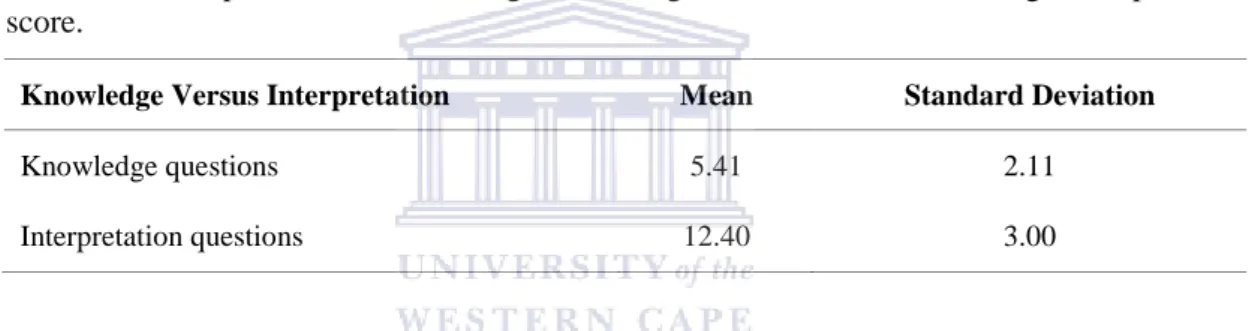
Table 17 Comparison of the average knowledge score versus the averageinterpretation score 41
xv
LIST OF FIGURES
Figure 1 Clinical years of experience as a registered midwife 29
xvi
LIST OF APPENDIXES
APPENDIX 1: PERMISSION TO USE QUESTIONNAIRE 53
APPENDIX 2: APPROVAL FROM-THE HIGHER DEGREES COMMITTEE OF THE UNIVERSITY OF THE WESTERN CAPE, ETHICAL CLEARANCE
54
APPENDIX 3: PARTICIPANT INFORMATION LEAFLET AND CONSENT FORM 55 APPENDIX 4: QUESTIONNAIRE 57
1
CHAPTER 1
OVERVIEW OF THE STUDY
1.1
Introduction
The eight millennium development goals (MDG) were adopted to alleviate poverty and
improve health by the year 2015 (WHO n.d.). The focus of the fourth MDG has a direct
impact on child healthcare with the focus to reduce child mortality between 1990 and 2015. It
is evident that nationally, an alarming number of deaths occur among children under the age
of five years, with the majority of deaths recorded during the neonatal period. The neonatal
causes of deaths include infection, asphyxia, diarrhoeal diseases, preterm births, congenital
anomalies, and other factors. Most of these causes of neonatal deaths are preventable if the
standard of intrapartum care is improved, which includes having trained personnel available
and responding to foetal distress (Pattinson 2007, p. 52).
The foetus is exposed to contractions during labour. Uterine contractions during labour are
associated with periodic cord compressions or the reduction of retro-placental perfusion. This
may expose the foetus to possible hypoxic injury which, in return, if not managed
successfully, may lead to neonatal mortality or morbidity (Blincoe 2005, p. 108). Electronic
foetal heart rate monitoring is one of the measures to determine the well-being of the foetus
and to prevent foetal injury due to impaired oxygenation of the foetus (Fedorka 2010, p.15).
Foetal heart rate monitoring (FHRM) is performed on all foetuses above 28 weeks gestation.
The method of FHRM is determined by risk factors from the mother and/or the pregnancy.
This may include pregnancy or non-pregnancy related risk factors that will place the mother
in a high risk category. Electronic FHRM is commonly used for assessing the foetal status on
2
all high risk pregnancies where there is a risk of perinatal death, cerebral palsy or neonatal
encephalopathy (Blincoe 2005, p. 109).
Globally and nationally, midwives are responsible for monitoring the progress of pregnancy,
labour and the puerperium (International Confederation of Midwives 2002). Any
abnormalities, complications or illnesses such as foetal distress should be reported to a
medical practitioner (Regulation 2488 1990). Foetal distress can be detected by using a
hand-held Doppler or foetoscope, electronic foetal heart rate monitor (EFHRM) and a foetal scalp
electrode. The EFHRM can be a fatal tool if it is used by midwives who are unable to apply it
and interpret the pattern it produces. Foetal well-being plays a pivotal role in midwifery
(Blincoe 2005, p. 111).
Intrapartum hypoxia is one of the primary causes of perinatal mortality in South Africa, and
can be detected and prevented by applying and using an EFHRM (Buchmann & Pattinson
2005, p. 62; Wood & Dobbie 1989, p. 1). EFHRM is used globally in various obstetric units
to evaluate the well-being of the foetus (Gauge & Henderson 2005, p. 3). Any abnormalities
in the foetal heart rate (FHR) pattern have to be reported to the physician and noted
accordingly in the patient’s records. In low risk patients, intermittent auscultation is used to determine the well-being of the foetus (Gauge & Henderson 2005, p. 4). The EFHRM is
widely used in high risk patients due to the high maternal morbidity and the risks posed to the
foetus. Any medical conditions, pregnancy related diseases and drugs administered to the
mother can place the mother and foetus in a high risk category (Gauge & Henderson 2005, p.
6). An EFHRM is commonly used in tertiary hospitals, to monitor foetal well-being and
maternal labour contractions to ascertain the risks posed to the foetus.
The Confidential Enquiry into Stillbirths and Deaths in Infancy (CESDI) provides
information on stillbirths, deaths in infants and ways on how it could have been prevented
(Young et al 2001 p. 226). High levels of suboptimal intrapartum care were consistently
3
found in England, Wales and Northern Ireland in the CESDI report of 1993. This may be due
to the failure in recognizing a problem or the inability to act accordingly (Young et al 2001 p.
226). Intrapartum asphyxia and birth trauma is one of the major causes of neonatal deaths.
Buchmann and Pattinson (2005, p. 61) stated that foetal distress that was not detected
intapartumly was one of the most avoidable factors that contributed to neonatal deaths. A
retrospective analysis of case notes and regular low Apgar meetings were held in North
Staffordshire Hospital. All medical staff invited and cases that had a low Apgar score were
classified with regard to different gradings. According to Young et al (2001, p. 226), the
CESDI grading was as follows:
1. CESDI 0: No suboptimal care
2. CESDI I: Suboptimal care, but different management would have made no difference to the outcome (defendable risk)
3. CESDI II: Suboptimal care where different management might have made a difference to the outcome - an avoidable factor of uncertain clarity or influence on outcome (possibly defendable risk)
4. CESDI III: Different management would reasonably be expected to have made a difference to the outcome. A clearly avoidable factor implying that the adverse outcome could have been prevented (undefendable risk) (Young et al 2001, p. 226)
In their study, the CESDI 11 and CESDI 111 categories were highlighted. These cases could
have been avoided or the outcome could have been positive if different management was
given. A cardiotocograph training course was implemented and more midwives than doctors
participated. The proportion of CESDI 11/111 cases dropped significantly. This study
concluded that medico-legal risks are minimized by improving standards of intrapartum care
and that the cases that occur due to midwifery error were reduced because of the attendance
of CTG training (Young et al 2001, p. 229).
4
1.2 Rationale
Foetal well-being is one of the many responsibilities of a midwife. It is expected of midwives
to fulfill their roles irrespective the years of experience they have or the type of training they
received.
A lack of overall description of FHRM is identified as some of the substandard practices in a
study done at three maternity facilities in New Zealand (Maude & Foureur 2009, p. 29).
EFHRM is only a valuable method to reduce neonatal mortality and morbidity if the CTG is
interpreted correctly and appropriate actions are taken to secure neonatal and maternal
well-being (Dover & Gauge 1995, p. 18). According to a confidential enquiry in South African
public hospitals, the lack of identification and response to foetal distress are a contributing
factor to perinatal deaths in South Africa (Buchmann & Pattinson 2005, p. 61). Foetal
morbidity and mortality can be decreased if cardiotocograph patterns are interpreted correctly
and the required action is taken.
The researcher developed an interest to investigate the knowledge and ability of midwives in
interpreting foetal heart rate patterns. She considered it relevant to investigate this because
there is a global focus to decrease child mortality and improving healthcare by 2015
(Pattinson 2007, p.1). In order to interpret a CTG, there are specific terms that are used and
specific points to look at. The researcher made the assumption that not all midwives were
aware of the terminology that surrounds the interpretation and recording of a CTG.
1.3
Problem Statement
Intrapartum foetal and perinatal mortality and morbidity due to intrapartum hypoxia are a
major concern for all health practitioners, including midwives. Midwives perform their duties
based on their theoretical knowledge learnt through training, and exposure to practical
5
experience. Intrapartum hypoxia and stillbirths can be avoided through correct interpretation
and management of the FHR pattern.
Studies and confidential enquiries in South African public hospitals, the United Kingdom and
New Zealand revealed substandard care of women in labour as contributors to perinatal
deaths and intrapartum morbidity (Buchmann & Pattinson 2005, p. 61; Confidential enquiries
into stillbirths and deaths in infancy 2001 as cited in Maude & Foureur 2009, p. 24). This
includes poor intrapartum monitoring and misinterpretation of foetal distress (Farrell &
Pattinson 2005, p. 13).
A study done in KwaZulu Natal in South Africa, where midwives are responsible for the
maternity labour wards, identified the inconsistency of FHRM, incorrect application of the
FHRM, inability to interpret FHR patterns and the recording thereof ( Philpott & Voce 2005,
p. 70). In Pretoria, South Africa, the relationship between the number of staff per delivery per
day and the deaths due to intrapartum hypoxia were investigated. It was surprisingly
significant that the availability of more staff correlated with a higher number of deaths due to
intrapartum hypoxia. The possible reasons were stated as the presence of non-skilled birth
attendants and the lack of training (Pattinson & Prinsloo 2005, p. 68). The inability of
midwives to interpret and document foetal distress relates directly to foetal deaths and
illnesses. Therefore, it has become imperative to conduct research on midwives’ knowledge
and ability in interpreting FHR patterns.
1.4
Aims of the Research
The aims of this study were to determine midwives’ knowledge and ability in interpreting
foetal heart rate patterns according to their years of clinical experience as a midwife.
6
1.5 Research Objectives
1. To determine the knowledge of midwives in performing FHRM according to the years of clinical experience as a registered midwife.
2. To assess midwives ability in interpreting of FHR patterns according to the levels of the years of clinical experience as a registered midwife.
1.6
Hypothesis
It is hypothesized that there is a positive correlation between midwives’ knowledge and their
years of experience as a registered midwife. It is also hypothesized that there is a positive
correlation between midwives’ cardiotocograph interpretation skills and their years of experience as a registered midwife.
1.7
Method of Enquiry
A quantitative approach was used with a descriptive design because the researcher wanted to
differentiate between the scores obtained in section B and section C of the administered
questionnaire, in correlation to the years of experience. A quantitative approach was followed
and this refers to the collection and analysis of numerical data (Creswell 2009, p. 17). This
approach was chosen based on the research question, the objectives, the data to be collected
and the analysis thereof. There was no manipulation of variables, no control over the setting
and no intervention. The purpose of a descriptive design is to explore and describe the
phenomena in their real life situation (Brink 2006, p. 102). An existing questionnaire used in
a study by Devane and Lalor (2006, p. 300) to monitor the effectiveness of a foetal education
programme was evaluated, adopted and adapted accordingly (Devane & Lalor 2006, p. 300).
Permission to use the questionnaire was obtained from Declan Devane (Appendix 1). The
questionnaire consisted of three sections. Section A requested demographic data of the
7
participants. Section B comprised knowledge-based questions which reflected the knowledge
ability of the participants. Section C was an interpretation questionnaire that indicated the
ability to interpret CTG tracings. All sections consisted of multiple choice questions and
closed-ended questions.
1.8
Limitations of the Study
Other factors that could have interfered with the study such as shortages of staff and
equipment were not taken into account. Locum midwives (not permanently employed) and
community health practitioners were excluded because they were not permanently employed
at any of the three participating hospitals.
The researcher was guided by the assumption that there will be a positive correlation between
midwives’ knowledge and interpretation skills in accordance with their years of clinical experience as a registered midwife. The researcher might have been bias due to such an
assumption in the analysis of the results. However, this was largely overcome by reporting all
the findings.
Another limitation of the study was that the researcher had to collect the questionnaires
several days after she handed them out. Participants could have consulted with colleagues or
textbooks in order to complete the questionnaire. The researcher made every attempt to
overcome this by collecting the data in the shortest period of time, but this was not always
feasible due to reasons beyond the control of the researcher.
1.9
Ethical Considerations
The proposal was sent to the Higher Degrees Committee of the University of the Western
Cape for approval and ethical clearance (Appendix 2). Permission was granted by the Chief
8
Executive Officer of Mowbray Maternity Hospital to conduct the pilot study at the institution.
Thereafter, permission was also obtained to conduct the main study at Karl Bremer, Groote
Schuur and Tygerberg hospitals.
The researcher made use of convenience sampling and this included the whole population.
Nevertheless, all the participants had the right to participate or not and no one was forced into
doing so. The participants were provided with a detailed written explanation and, in some
cases, verbal explanation of what the study entailed (Appendix 3). Every participant gave
written consent to be part of the population (Appendix 4). All the participants were reassured
of their privacy and confidentiality throughout the study. There were no risks or benefits that
the participants, patients or the institution were subjected to.
1.10 Structural Overview
Chapter 1 Provides an overview of the study.
Chapter 2 Entails the literature review with the focus on the theoretical framework that underpins this study, training of midwives on the interpretation of CTG,
neonatal mortality and morbidity related to CTG interpretation, foetal
monitoring and record keeping. The findings of other studies will be
discussed and compared in context.
Chapter 3 Focuses on the research methodology used in gathering and analyzing data.
Chapter 4 Summarizes the research findings.
9
Chapter 5 Concludes with the discussion and recommendations of the research.1.11 Summary
Midwifery is a specialist field in nursing science and a specialist practice. Midwives are the
primary healthcare providers and spokespersons for their patients. It is expected that they
should be able to assess foetal heart patterns and inform the obstetrician should any
abnormalities be detected. Accurate record keeping plays a pivotal role in the execution of a
midwife’s duties. Newly appointed midwives are expected to function independently, irrespective of their years of clinical experience as a registered midwife. This study examines
midwives’ knowledge and ability to interpret foetal heart rate monitoring according to their
years of clinical experience as registered midwife.
10
CHAPTER 2
LITERATURE REVIEW
2.1
Introduction
This chapter focuses on aspects that give clarity and understanding with regard to midwives’
knowledge of and skills in performing FHRM, and the path to becoming an expert in this
clinical field.
The literature review’s outline is as follows:
1. The theoretical framework that underpins this study
2. The midwife and CTG interpretation
3. Neonatal mortality and morbidity related to CTG interpretation, and
4. Foetal monitoring and record keeping
2.2
Theoretical Framework
The research was guided by Patricia Benners’ five stages of clinical competencies as adapted
from the Dreyfus model of skills acquisition (Benner 1984, p. 13). Nurses pass through five
stages of competencies before the stage of being recognized as an expert is reached. The
competency of a nurse can be determined according to the clinical exposure in a specific
field. Upon learning of a new skill or domain, nurses can rotate in the various competency
levels.
11
Stage 1: Novice
Novice nurses can also be referred to as beginner nurses who have no experiences or exposure
to the situations in which they are expected to perform. Nurses implement rules and concepts
that were theoretically given to them and they are guided and bounded by the rules (Benner
1984, p. 20). Nursing students can be classified as being novice nurses due to their limited
exposure in the same situation. Novice nurses constantly change their work environment to
get the clinical exposure and to grasp the link between the theoretical knowledge and the
practical setting. They absorb a lot of information that apply to the setting they are exposed
to with limited understanding of the correlation between the purpose of clinical findings and
the actions. An expert nurse can move to the role of being a novice nurse if she is moved from
her speciality field to a vastly different field (Benner 1984, p. 21; Jooste & Troskie 1995, p.
38). An example is an expert theatre professional nurse who decided to move to the maternity
wards. Although she is an expert in theatre, she suddenly becomes a novice nurse when
working in the maternity wards because she might have to learn new skills and she is in an
area that is new to her.
Stage 2: Advanced Beginner
The newly registered midwife can be described as an advanced beginner, who completed the
minimum requirements as a registered nurse and midwife (Regulation 425 1985). Jooste and
Troskie (1995, p. 38) stated that an “advanced beginner refers to the newly qualified nurse
allocated to a unit”. Benner (1984, p. 24) described an advanced beginner nurse as one who
can gather and interpret information, but requires guidance to determine and set priorities.
Advanced beginners focus on one aspect at a time and are unable to see the holistic view of a
situation. They find it difficult to adapt to the changes surrounding them although they display
acceptable professional attitudes. An advanced beginner nurse who just started working still
requires mentoring by those who are experienced in the specific field. She has the theoretical
knowledge, but lacks certain practical knowledge, interpretation and appropriate intervention
12
thereof (Benner 1984, p. 25). The advanced beginner’s situational perception is still limited.
Information is treated separately and is given equal importance. She can perform her duties,
but will need mentoring in interpreting the data correctly and guidance on the management
thereof (Benner 1984, p. 24). It is expected for a novice nurse to move to the level of
advanced beginner within 2 years when gaining experience as midwife.
Stage 3: Competent
A competent nurse is able to manage many clinical situations, but lacks speed, flexibility and
the experience to view the situation holistically (Benner 1984, p. 25). She is capable of
applying the foetal heart monitor and shows improvement in her abilities in the interpretation
of the foetal heart rate pattern. Her critical thinking skills regarding the management and
identification of foetal distress are improving. Her focus in a situation is still limited to a
specific aspect. It is expected for a nurse to move to the level of a competent nurse with 2-3
years of experience (Benner 1984, p. 25). The competent nurse executes her duties with little
understanding of prioritizing. In the case where there is a lack of resources available, the
competent nurse tends to focus on finishing her duties instead of setting priorities while
completing her duties. Competent nurses are driven by the completion of clinical tasks rather
than an integration of clinical and managerial responsibilities.
Stage 4: Proficient
The proficient nurse views a situation holistically and is capable of determining and setting of
priorities. Benner (1984, p. 31) stated that “ proficient performance can be found in nurses
who have worked with similar patient populations for approximately 3-5 years” She perceives
a situation in terms of long term goals. Through past experience, she knows what can be
expected in a situation. The proficient nurse prepares herself in advance for possible
outcomes that she foresees due to past experience (Benner 1984, p. 28).
13
Stage 5: The Expert
The expert nurse no longer relies strictly on rules and guidelines to determine the appropriate
action in a situation. Due to her experience and exposure in the clinical setting, she possesses
an intuitive grasp of every situation and act accordingly (Benner 1984, p. 32). She views the
situation holistically. The professional nurse passes through different stages in order to
acquire clinical skills. There are other factors that play a role in moving through these
different stages and not all individuals are able to move through all of the stages. In order to
become an expert nurse it can often takes 5 years or longer. Theoretical knowledge and
practical exposure are integrated into clinical expertise (Goodlin et al 2007, p. 4).
Winchcombe (2000, p. 228) describes a competent professional as a person who has acquired
a set of skills with the ability to apply and measure it against performance standards. A
registered midwife has to translate her knowledge and skills into practice so that quality
services can be rendered.
2.3
Training of Midwives on the Interpretation of CTG
A professional nurse is a person who has successfully completed formal training and who has
met the minimum requirements as stipulated by Regulation 425 of 1985, the course leading to
the enrolment as a registered nurse. The professional nurse has to function independently. She
is expected to be competent in all her duties and has to be responsible and accountable for all
her actions (Nursing Act 33 2005; Regulation 2488 1990). The scope of practice for a
registered midwife entails the monitoring of the progress of the pregnancy, labour and the
puerperium (Regulation 2598 1984). Upon completion and registration as a midwife, one has
met the minimum requirements to qualify as a practitioner as set out by the relevant statutory
body.
The European Community Midwives Directive and the Midwives’ Code of Practice states
that foetal monitoring is fundamental to midwifery practice and that “a midwife must care for
14
and assist the mother during labour, and monitor the condition of the foetus in utero by the
appropriate clinical and technical means” (The European Community Midwives Directive 80/155/EEC Article 4; Midwives’ Code of Practice UKCC 1994 p. 4-6, cited in Dover &
Gauge 1995, p. 19).
South African midwives are expected to report to a medical doctor if any signs of foetal
distress are present and ensure that clear and accurate records are kept (Regulation 2488
1990). In South Africa, student midwives receive midwifery training, most commonly in their
third year of the training programme. This implies that registered midwives only practice
midwifery after two years of theoretical and practical exposure in midwifery which may lead
to a gap in exposure to midwifery practice and skills acquisition.
Continuous learning is an inevitable part of any healthcare worker to ensure professional and
personal enrichment and development. This learning can be in the form of informal or formal
training. Employers are responsible to provide informal training to their workers to ensure
professional growth and to empower them with information and exposure with regard to daily
tasks and responsibilities. The healthcare worker is accountable for identifying learning
opportunities and undergoing and completing formal training. Williams and Arulkumaran
(2004, p. 460) states that CTG misinterpretation is the most common source of alleged
negligence in obstetric litigation.
To assist midwives in performing and interpreting electronic foetal heart rate patterns,
informal and formal training should be available to ensure that appropriate actions can be
implemented and that high risk factors can be identified. They advised that 6-monthly interval
CTG study days would assist in keeping midwives and doctors up to date with CTG
interpretation. All new staff should undergo induction and training programmes to ensure that
trained staff assist women in labour and assess the well-being of the foetus (Williams &
15
Arulkumaran 2004, p. 460). This may lead to decreasing foetal and neonatal morbidity and
mortality.
The fourth MDG states that child mortality (under 5 mortality rate) should be reduced by two
thirds between 1990 and 2015 (WHO n.d.). The reduction of maternal morbidity and
mortality will result in a significant drop in neonatal morbidity and mortality rates. By
ensuring coverage, quality care, skilled staff, adequate resources, access to healthcare, rapid
referral and transportation, the maternal and neonatal mortality and morbidity rates will also
decrease (Farrell & Pattinson 2005, P. 1-18).
Nurses go through various phases of competencies and have to gain experience in order to
function as an expert or master in a specific field (Goodlin et al. 2007, p. 4). The registered
nurse progresses from being a student, as a novice nurse, to a beginner practitioner to an
expert in her journey of acquiring clinical competence. On this path, theoretical and practical
knowledge as well as exposure are integrated into clinical experience (Goodlin et al 2007, p.
4).
Devane and Lalor (2006, p. 302) conducted a randomized controlled trial evaluating a foetal
monitoring programme. The length of experiences of midwives ranged from less than 2 years
to more than 21 years, with 64% having 6 or more year’s clinical experience. Most of the
midwives (67%) indicated that they did not receive any training on foetal monitoring. All
respondents (n=55) with clinical experiences from 2-21 years indicated that they would
benefit from training on CTG interpretation (Devane & Lalor 2006, p. 303). Their research
concluded that attendance at a foetal monitoring education programme increased midwives’
foetal monitoring knowledge and CTG interpretation skills (Devane & Lalor 2006, p. 305).
Irrespective the years of clinical experience and exposure, midwives identified the need for
CTG training. The Maternal and Child Health Research Consortium (1997; 1998; 1999; 2000;
2001) stated that misinterpretation and misrecognition of abnormal FHR patterns and
16
inappropriate actions are some of the problems associated with the use of intrapartum
EFHRM (The Maternal and Child Health Research Consortium 1997; 1998; 1999; 2000;
2001, as cited in Devane & Lalor 2006, p. 305). Moreover, it was found that 84.1% of Swiss
midwives, participating in a study in Switzerland, indicated that they were confident in
interpreting CTG tracings. However, 97.4% indicated that they would want more training and
care reviews on CTG. About 69.9% of the participants had 5 to 20 years of experience
(Luyben & Gross 2001, p. 181).
The ability to interpret cardiotocograph tracings and initiate appropriate actions has become a
fundamental skill required of midwives (Devane & Lalor 2006, p. 297). The International
Federation of Gynaecology and Obstetrics (FIGO) set out guidelines to assist in the proper
use of EFHRM. The importance of having trained staff in labour wards to monitor FHR
during labour and to take appropriate action was one of the guidelines (Huch, Huch & Rooth
1985, p. 129). Hale (2007, p.107) concluded in her study that the interpretation of FHRM
should be part of a midwife’s skill set and is central to intrapartum care. She also highlighted
that according to the National Institute of Clinical Excellence, staff should receive annual
training and assessment to keep their skills functional and efficient.
Lack of supervision in labour ward and designated supervisors is one loophole that was
identified in selected hospitals in KwaZulu Natal (Philpott & Voce 2005, p. 69). No
indication was given of the length of experience of the participants. This lack of supervision
as experienced personally, contributes to inadequate guiding and on the spot training of new
or junior staff. This invariably leads to insufficient monitoring of junior staff members and
their lack of confidence (Philpott & Voce 2005, p. 69).
Research findings regarding midwives and the interpretation of CTG do not differentiate
between the knowledge according to the levels of competencies. However, it included
midwives from less than 2 years of clinical experience (the beginner level) up to more than 10
17
years of clinical experience (the expert midwife) (Luyben & Gross 2001, p. 180; Devane &
Lalor 2005, p. 137; Devane & Lalor 2006, p. 302).
2.4
Neonatal Mortality and Morbidity Related to CTG Interpretation
It is evident that errors in the interpretation of FHRM are a major contributor to infant
mortality and morbidity, globally and nationally. Misinterpretations of FHRM in relation to
infant mortality and morbidity, was highlighted in United Kingdom’s (UK) confidential
enquiry into stillbirths and deaths in infancy (Confidential enquiry into stillbirths and deaths
in infancy 2001 as cited in Maude & Foureur 2009, p. 24). Electronic FHRM is only a
valuable method to reduce neonatal mortality and morbidity if the CTG is interpreted
correctly and appropriate actions are taken to secure neonatal and maternal well-being.
EFHRM is fatal if the user is unable to interpret the findings thereof (Farell 2007, p. 14).
According to a confidential enquiry in South African public hospitals, the lack of
identification and response to foetal distress are a contributing factor to perinatal deaths in
South Africa (Buchmann & Pattinson 2005, p. 62). Neonatal-related causes of deaths are
indicated as the highest contributor to causes of under-5 deaths globally. Birth asphyxia
accounts for the third most common cause of neonatal mortality (Bradshaw 2009, p. 52).
Likewise, a confidential enquiry into mature stillbirths and neonatal deaths in the West
Midlands region in the UK, revealed that 78% of the deaths were due to factors that involved
clinical practice of caregivers. Medical staff contributed to 39.3% of the sub-optimal care,
with the highest number of junior staff who were involved, and 12.8% due to failure of
interpretation and management of CTGs (Tan et al 1999, 251).
18
2.5 Foetal Monitoring and Record Keeping
The foetal heart rate is monitored from 28 weeks gestation when the foetus is viable.
Prematurity decreases variability before 28 weeks gestation (Sweha & Hacker 1999, p. 2487).
The foetal monitor has three functions, namely:
1. To monitor the foetal heart
2. To assess uterine activity, and
3. To determine the interval between contractions
The foetal heart can be monitored by using an electrode applied to the foetal scalp or
externally using an ultrasound transducer applied to the maternal abdomen. The latter is
commonly used because it is easy to apply. The main objective of FHRM is to reduce
intrapartum asphyxia and stillbirths. FHRM prepares the midwife and obstetrician for an
abnormal outcome of the neonate and enables them to intervene timely and appropriately
before permanent or severe damage is suffered by the neonate (Wood & Dobbie 1989).
Twenty eight midwives of the Republic of Ireland participated in a study to determine
midwives’ intra- and inter-observer agreement on the visual interpretation of intrapartum cardiotocographs (Devane & Lalor 2005, p. 137). The length of experience ranged from 2
years to over 21 years. Amongst this group of expertise, inconsistencies in intra-rate
agreement of CTG interpretations were observed (Devane & Lalor 2005, p. 138).
To ensure consistency in the interpretation and record keeping of foetal and maternal
well-being, healthcare workers should follow a systematic approach with a full qualitative and
quantitative description of the following:
Baseline heart rate
19
Baseline variability Presence of accelerations
Periodic decelerations
Changes of foetal heart rate pattern over time
Frequency and intensity of uterine contractions, and
Interventions done (Fedorka 2010, p. 15).
The interpretation of foetal heart rate patterns and the ability to communicate foetal
well-being is very important in obstetrics. It is necessary for midwives to understand the standard
terminology and method of record keeping (Wood & Dobbie 1989). The correct interpretation
of the cardiotocograph contributes to early detection of an abnormal foetal heart rate pattern,
allowing intervention to prevent neonatal and foetal mortality and morbidity (Devane & Lalor
2005).
2.6
Summary
This chapter highlighted selected literature pertaining to the impact that inferior intrapartum
care has on a foetus and the need for skilled trained midwives. It has substantiated that
midwives of various levels of clinical experiences are in need of formal and informal training
to improve their ability to interpret CTGs. The next chapter will focus on the methodological
process followed to gather and analyze the data.
20
CHAPTER 3
RESEARCH METHODOLOGY
3.1
Introduction
The purpose of this chapter is to explain how the researcher collected and analyzed the data.
Aspects that are covered in this section include the research approach, research design, the
setting, the population and the sampling procedure. The validity and reliability of the
instrument as well as ethical considerations are also discussed.
3.2
Research Approach
The concept refers to the approach that was adopted in order to complete the research. A
quantitative approach was followed which refers to the collection of numerical data and to
quantify and analyzed it. This approach was chosen based on the research question, the
objectives, the data to be collected and the analysis thereof. In this study, the midwives’
knowledge and interpretation of CTG, and their responses according to their years of clinical
experience were compared and quantified.
3.3
Research Design
A research design is a plan for finding answers to the research question. It guides the
researcher in organizing and performing research (Creswell 2009, p. 3). A descriptive design
was used and a simple survey study was performed. There was no manipulation of variables,
no control over the setting and no intervention. The purpose of the descriptive design was to
explore and describe the phenomena as they occurred in a real life situation (Brink 2006, p.
21
104). Brink (2006 p. 104) states that “the researcher merely searches for accurate information
about the characteristics of a single sample - subjects or groups”
3.4
Setting
The study was conducted at three tertiary institutions in the Western Cape, namely,
Tygerberg, Groote Schuur and Karl Bremer hospitals. High risk patients are admitted and
treated at these institutions and EFHRM is used commonly to monitor foetal and maternal
well-being. All the midwives permanently employed at these institutions, who are working in
the maternity wards, participated in the study. The maternity wards included the antenatal
outpatient units, antenatal wards, labour wards and postnatal wards.
3.5
Population
Population refers to the group on whom the study was focused. The population consisted of
all permanently employed midwives at Tygerberg, Groote Schuur and Karl Bremer hospitals.
The total number of midwives permanently employed in the three participating hospitals was
121. All midwives on day and night duty were targeted. The off-duty roster was used to
ensure that all the midwives were included.
3.6
Criteria
The following selection criteria were used for this study:
3.6.1
Inclusion Criteria
All permanentlyemployed midwives at the three participating hospitals.
22
3.6.2
Exclusion Criteria
Community service practitioners
Locum-registered midwives (not permanently employed)
Other categories of nurses
3.7
Sampling and Sampling Procedure
Convenience sampling is also referred to as availability sampling because the population is
readily available and accessible (Brink 2006, p. 132). All midwives were included to allow
generalization of the results.
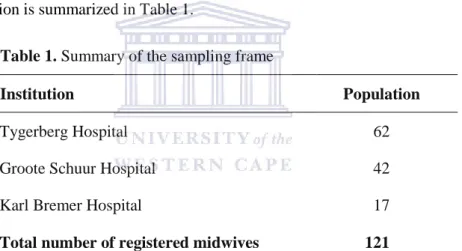
The population is summarized in Table 1.
Table 1. Summary of the sampling frame
Institution Population
Tygerberg Hospital 62
Groote Schuur Hospital 42
Karl Bremer Hospital 17
Total number of registered midwives 121
All questionnaires were hand delivered. The research topic was explained and written consent
was obtained from participants. A written explanation accompanied the questionnaire.
3.8
Sample Size
Polit and Hungler (1997, p. 234) suggests that in quantitative studies a large sample should be
used to minimize sampling error. The population consisted of 121 registered midwives, and
for the purpose of this study all the 121 midwives were included. Only 99 questionnaires were
returned, therefore, the sample size consisted of 99 participants.
23
3.9 Data Collection Instrument
A close-ended questionnaire was used following the suggestions of Polit and Hungler ((1997,
p. 256). A demographic questionnaire (Section A) was used to collect data on the country of
training as a midwife, length of experience after registration as a registered midwife,
experience in labour ward, the antenatal ward and performing of CTGs. The second section
(Section B) is a foetal monitoring knowledge test that consists of 14 multiple choice questions
(Devane & Lalor 2006, p. 300). The third section (Section C) is a structured questionnaire
based on cardiotocograph interpretation skills test (Devane & Lalor 2006, p. 300; Gauge &
Henderson 2005, p. 49). Certain background information of the lady and her pregnancy was
given. This information includes the lady’s gestational age, obstetric history of the current and
previous pregnancy and whether cervical dilatation was provided. Midwives had to interpret
three cardiotocograph patterns. Each tracing consisted of 7 multiple choice questions.
Participants were expected to answer questions with regard to the baseline, baseline
variability, periodic changes, uterine activity, possible causes of foetal heart rate abnormality
and the proposed intervention required applicable to the specific pattern (Devane & Lalor
2005, p. 136; Devane & Lalor 2006, p. 300; Gauge & Henderson 2005, p. 49).
3.10 Data Collection Procedure
The researcher provided the participants with a written document outlining the details of the
study. Herein, she requested written consent from them to participate in the study. The
researcher administered the questionnaires to them at a time and place convenient for them.
The researcher visited on various day and nights shifts, in order to make contact with all the
midwives on the establishment. Data collection took place over a 4-week period.
24
3.11 Data Analysis
All the data were analyzed so that the relation to the study could be determined. Participants
were divided into groups according to their years of clinical experience as a registered
midwife.
According to Brink (2006, p. 171), statistics is the most powerful tool for analyzing
quantitative data. Brink (2006, p. 171) concludes that ‘descriptive statistics are used to
describe and summarize data’. Data were analyzed using descriptive statistics, i.e., the mean,
standard deviation and cross- tabulation. The statistical software package, SPSS 19, was used
for this purpose. All completed questionnaires were marked and the data were registered on
an Excel® spreadsheet. A correct answer scored 1 (one) and an incorrect answer scored 0
(zero). All questionnaires and data were registered twice to exclude possible mistakes. The
data were entered into Excel® per institution and grouped according to the years of clinical
experience. This data were then imported into SPSS 19 and grouped according to the years of
clinical experience.
3.12
Pilot Study
A pilot study is defined by Polit and Hungler (1997, p 44) as “a small-scale version of the
major study”. It was carried out to detect if any loopholes existed in the questionnaires and to rectify unclear questions. A pilot study was done at Mowbray Maternity Hospital (MMH).
This is a governmental hospital that admits and manages high-risk patients. The researcher
selected a sample of 10 midwives. The midwives who took part in the pilot study were not
included in the major study. Input with regard to the layout of the questionnaire was received
and changes were made accordingly.
25
3.13
Validity
Validity refers to the effectiveness, comprehensiveness and quality of the measuring
instrument. The focus is on the end result of the measurement and will show if the desired
information was measured (Polit & Hungler 1997, p. 299; Brink 2006, p. 159). Face validity
was achieved by obtaining input from experts in the field to determine whether the instrument
measured what it should (Brink 2006, p. 160). The expert panel consisted of 10 midwives.
The cardiotocograph interpretation skills test (CIST) was customized and adopted for this
purpose. CIST was tested to determine midwives’ visual interpretation CTG (Devane & Lalor
2005, p. 136).
3.14
Reliability
The reliability of an instrument refers to the consistency with which an instrument performs.
A reliable instrument will produce consistent results on repeated use (Brink 2006, p. 163). An
existing instrument that was piloted before was used, contextualized to the setting by adapting
the literature. This instrument was used and piloted by Devane and Lalor (2005, p. 136; 2006,
p. 300) on various occasions, amongst midwives with different levels of years of experience.
Cronbach’s Alpha reliability test was used to determine the internal consistency of the instrument with a value of 0.53 (Devane & Lalor 2006, p. 301).
3.15
Ethical Considerations
The proposal was sent to the Senate Higher Degrees Committee of the University of the
Western Cape for approval. Following this, a copy of the same was sent to the Research and
Ethics Committee of each of the three hospitals for approval. The researcher informed the
26
participants of the purpose and the aim of the study. Each participant signed a consent form
prior to participating in the study. All the participants were assured of their anonymity and
confidentiality. All information collected throughout this study was treated as confidential
(Brink 2006, p. 35). Participants were informed that they could withdraw from the research
process at any stage and that this would not disadvantage them in any way.
27
CHAPTER 4
RESEARCH FINDINGS
4.1
Introduction
This chapter will present the findings of the study. The findings that are presented relate to the
knowledge and ability of midwives in interpreting foetal heart rate patterns according to the
years of clinical experience. The population consisted of 121 registered midwives from
Tygerberg, Groote Schuur and Karl Bremer hospitals. All registered midwives at the three
participating hospitals, who met the inclusion criteria for this study, had equal opportunity to
participate in the study. A total number of 99 (81.8%) registered midwives signed consent and
completed the questionnaire.
The findings presented include the demographic data, the results of the foetal monitoring
knowledge questionnaire, the results of the cardiotocograph (CTG) interpretation
questionnaire and the foetal monitoring knowledge versus the CTG interpretation. These
findings are discussed in relation to the overall years of clinical experience as a registered
midwife and the clinical experience in performing CTGs.
4.2
Demographic Data
This section focuses on the demographic profile of the participants. The demographic profile
consists of the demographic data, the country of training as a registered midwife, the years of
experience as a registered midwife, the qualifications of each participant, clinical experience
in labour ward, clinical experience in the antenatal ward and clinical experience in performing
CTGs.
28
4.2.1
The Country of Training as a Registered Nurse and the Country of
Training as a Registered Midwife
Eighty nine (89.9%) of participants completed their training as a registered midwife in South
Africa. Ten (10.1%) of the participants did not mention their country of training. The
understanding is that the majority of the participants had to meet the same requirements
according to the South African Nursing Council (SANC), upon completion of their studies
(Regulation 254 1975; Regulation 425 1985).
4.2.2
The Overall Years of Clinical Experience as a Registered Midwife
This section focuses on the overall years of clinical experience as a registered midwife and
not the clinical years of experience in relation to conducting CTG’s. The participants were divided into four groups according to their years of clinical experience as a registered
midwife. This entails a registered midwife with less than two years of clinical experience, a
registered midwife with two to three years of clinical experience, a registered midwife with
three to five years of clinical experience and a registered midwife with more than five years
of clinical experience.
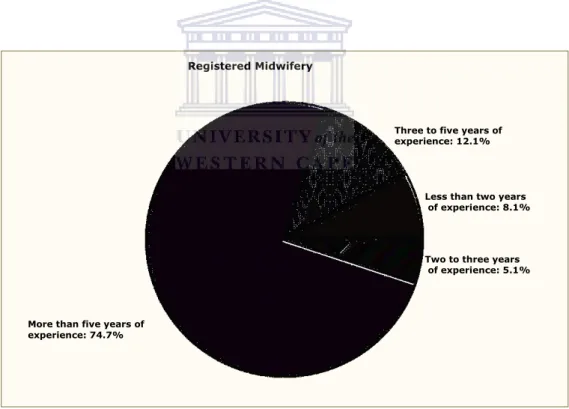
Figure 1 displays the total participants according to the different clinical experience as a
registered midwife. Most midwives, 74 (74.7%), have more than five years clinical
experience as a registered midwife.
4.2.3
The Qualifications of the Participants
This section focuses on the qualifications of the participants. The qualifications consist of a
four year nursing midwifery diploma leading to the qualification as a professional registered
nurse, a four year nursing midwifery degree leading to the qualification as a professional
29
registered nurse, one year post basic honours degree and an advanced midwifery and
neonatology diploma.
Table 2 summarizes the distribution of the years of clinical experience as a registered midwife
and the qualifications of the participants. Two participants omitted to indicate their
qualifications and 97 indicated their qualification. Out of the participants (n=97) who filled in
their qualifications, 61 (62.9%) had a four year diploma as the highest qualification leading to
a professional registered midwife. The majority of the participants with more than five years
of clinical experience as a registered midwife had advanced midwifery as their highest
qualification.
Figure 1. Clinical years of experience as a registered midwife Registered Midwifery
Less than two years of experience: 8.1% Three to five years of experience: 12.1%
More than five years of experience: 74.7%
Two to three years of experience: 5.1%
30
Table 2. Distribution of years of clinical experience as a registered midwife andqualifications Years of clinical experience as a registered midwife Four Year Diploma Four Year Degree
One Year Post Basic Honours
Degree
Advanced Midwifery Diploma Less than two years of
clinical experience (n=8) % within qualification 5 (8.2%) 3 (15.0%) 0 (0%) 0 (0%)
Two to three years of clinical experience (n=5) % within qualification 1 (1.6%) 4 (20.0%) 0 (0%) 0 (0%)
Three to five years of clinical experience (n=12) % within qualification 4 (6.6%) 7 (35.0%) 0 (0%) 1 (6.7%)
More than five years of clinical experience (n=72) % within qualification 51 (83.6%) 6 (30.0%) 1 (100.0%) 14 (93.3%)
Total per Qualification
(n=97) 61 20 1 15
4.2.4 Clinical
Experience in Labour Ward in Performing CTGs
In this section, the clinical experience of the participants in performing CTGs in labour wards
is shown. The participants were divided into four categories based on their years of clinical
experience as a registered midwife.
Table 3 summarizes the clinical experiences in labour ward in performing CTG’s and the
years of experience as registered midwife. One participant omitted to indicate the overall clinical
experience and 98 indicated their overall clinical experience in labour ward in performing
CTGs. Out of the participants (n=98) who filled in their overall clinical experience, 62
(63.3%) participants indicated that they were working for the past year in labour ward as
opposed to 36 (36.7%) of participants who did not work for the past year in labour ward.
The core responsibility of midwives is to ensure maternal and foetal well-being. These
findings show that the majority of the participants are exposed to EFHRM where the practice
31
of the skill is required. Expertise is developed over a number of years (Benner 1984).
Expertise in midwifery is required mostly in the intrapartum clinical areas for early
identification and diagnosis of foetal distress.
Table 3. Clinical experience in labour ward in performing CTG’s versus years of experience as registered midwife
Years of experience as registered midwife
Clinical Experience for the Past Year in Labour Ward
Yes No
Less than 2 years of clinical experience as a registered midwife (n=8)
% with clinical experience
3 (4.8%)
5 (13.9%)
Two to three years of clinical
experience (n=5)
% with clinical experience
4 (6.5%)
1 (2.8%)
Three to five years of clinical experience (n=12)
% with clinical experience
8 (12.9%)
4 (11.1%)
More than five years of clinical experience (n=73)
% with clinical experience
47 (75.8)
26 (72.2%)
Total with clinical experience (n=98) 62 36
Participants had to indicate their clinical experience in labour ward, in months. The clinical
experience in labour ward includes the clinical experience in performing CTGs. Out of the 62
(63.3%) who had clinical experience in labour ward, 32 (51.6%) participants specified the
duration of clinical experience in labour ward in months. The mean of the total months of
clinical experience in labour ward was 9.03 and the standard deviation 3.93 (Table 4).
Participants with more than 5 years of experience as a registered midwife also had the most
clinical experience in labour ward for the past year. This group had the highest mean and the
lowest standard deviation.
32
It was noted from the data that the range were closely spread, in other words, more than one
participant had the same extent of experience in months. The participants in the group with
3-5 years of clinical experience as a registered midwife had a lower mean and the highest
standard deviation, suggesting that they had the lowest clinical experience and their
experience in months was widely spread. The participants had different duration of
experience.
Table 4. Mea