Georgia State University
ScholarWorks @ Georgia State University
Educational Policy Studies Dissertations Department of Educational Policy Studies
Spring 5-11-2018
Adolescent Economic Empowerment in a Kenyan
Urban Rural Context
Amanda Lane Moll
Georgia State University
Follow this and additional works at:https://scholarworks.gsu.edu/eps_diss
This Dissertation is brought to you for free and open access by the Department of Educational Policy Studies at ScholarWorks @ Georgia State University. It has been accepted for inclusion in Educational Policy Studies Dissertations by an authorized administrator of ScholarWorks @ Georgia State University. For more information, please [email protected].
Recommended Citation
Moll, Amanda Lane, "Adolescent Economic Empowerment in a Kenyan Urban Rural Context." Dissertation, Georgia State University, 2018.
ACCEPTANCE
This dissertation, ADOLESCENT ECONOMIC EMPOWERMENT IN A KENYAN URBAN
RURAL CONTEXT, by AMANDA MOLL, was prepared under the direction of the candidate’s
Dissertation Advisory Committee. It is accepted by the committee members in partial fulfillment
of the requirements for the degree, Doctor of Philosophy, in the College of Education and
Human Development, Georgia State University.
The Dissertation Advisory Committee and the student’s Department Chairperson, as
representatives of the faculty, certify that this dissertation has met all standards of excellence and
scholarship as determined by the faculty.
_________________________________ Janice B. Fournillier, Ph.D.
Committee Chair
_________________________________ Kevin Fortner, Ph.D.
Committee Member
_________________________________ Erin Murphy-Graham, Ph.D.
Committee Member
_________________________________ Richard Lakes, Ph.D.
Committee Member
_________________________________ Date
_________________________________ William Curlette, Ph.D.
Chairperson, Department of Educational Policy Studies
_________________________________ Paul A. Alberto, Ph.D.
AUTHOR’S STATEMENT
By presenting this dissertation as a partial fulfillment of the requirements for the advanced
degree from Georgia State University, I agree that the library of Georgia State University shall
make it available for inspection and circulation in accordance with its regulations governing
materials of this type. I agree that permission to quote, to copy from, or to publish this
dissertation may be granted by the professor under whose direction it was written, by the College
of Education and Human Development’s Director of Graduate Studies, or by me. Such quoting,
copying, or publishing must be solely for scholarly purposes and will not involve potential
financial gain. It is understood that any copying from or publication of this dissertation which
involves potential financial gain will not be allowed without my written permission.
NOTICE TO BORROWERS
All dissertations deposited in the Georgia State University library must be used in accordance
with the stipulations prescribed by the author in the preceding statement. The author of this
dissertation is:
Amanda Lane Moll Education Policy Studies
College of Education and Human Development Georgia State University
The director of this dissertation is:
Dr. Janice B. Fournillier
Department of Education Policy Studies College of Education and Human Development
CURRICULUM VITAE
Amanda L. Moll
ADDRESS: 1433 Montclair Ct Smyrna, GA 30080
EDUCATION:
PROFESSIONAL EXPERIENCE:
2007-present Senior Advisor for Adolescent
Programming (also: Knowledge & Learning Advisor, Senior Project Coordinator, Grants and Knowledge Manager, Program Associate, and Curriculum Intern)
CARE USA
PRESENTATIONS AND PUBLICATIONS:
Moll, A, and Renault, L. (2014) Rebirth, empowerment, and youth leading social change: non-formal education in Honduras. Gender & Development22.1: 31-47.
Moll, A, Kintz, G., and Janoch, E.. (2015). 6 Empowering Girls Through Leadership Development. In Educating Adolescent Girls Around the Globe: Challenges and Opportunities
Moll, A. (2017, September). A continuum: a capabilities approach to understanding education's link to adolescent economic empowerment. UK Forum for International Education & Training (UKFIET), Oxford, UK.
Moll, A. (2017, March). Clubs, friends, and mentors, oh my! The transformative power of leadership skills development and social networks for adolescent girls. Comparative and International Education Society (CIES), Atlanta, GA.
Ph.D. 2018 Georgia State University
Educational Policy Studies Masters of Arts Degree 2008 Georgia State University
Political Science Bachelor of Science
Degree
2006 Berry College
Moll, A. and Renault, L. (2016, October). Data Cleaning – Learning from Errors and Gaps in Development Contexts. American Evaluation Association (AEA). Atlanta, GA.
Moll, A. (2016, March). Enterprises, Education, and Economic Empowerment. Comparative and International Education Society (CIES), Vancouver, Canada.
Moll, A. (2016, March). Assessing Complex Outcomes in Fragile Settings – Data for What? Comparative and International Education Society (CIES), Vancouver, Canada.
Moll, A. (2015, October). Tools for Longitudinal Gendered and Educational Measurements. American Evaluation Association (AEA). Chicago, IL.
Moll, A. (2016, March). Innovative approaches for robust evidence in complex environments. Comparative and International Education Society (CIES), Vancouver, Canada.
Moll, A. (2015, September). Robust Evidence In Complex Environments: What Does It Mean? Forum for International Education & Training (UKFIET), Oxford, UK.
Moll, A. (2015, March). What works in adolescent girls’ empowerment and education; CARE’s
leadership development framework. Comparative and International Education Society (CIES), Washington, DC.
Moll, A. (2014, March). Gendered approaches to empowerment and quality educational outcomes. Comparative and International Education Society (CIES), Toronto, Canada.
Moll, A. (2013, October). Adolescent Girls’ Leadership Development: CARE’s Approach to Empowerment
and Its Impact on Educational Outcomes. Comparative and International Education Society (CIES) Regional, Tallahassee, FL
Moll, A. (2013, May). Girls’ Leadership Development In Action – Experience from the Field. Women Deliver Conference. Kuala Lumpur, Malaysia.
Moll, A. (2013, March). Increasing educational quality, equality, attainment, and students’
empowerment through quasi-experimental designs. Comparative and International Education Society (CIES), New Orleans, LA.
Moll, A. (2012, March). Using Research to Inform Practice in Developing Contexts. Comparative and International Education Society (CIES), San Juan, Puerto Rico.
ADOLESCENT ECONOMIC EMPOWERMENT IN A KENYAN URBAN RURAL CONTEXT
by
AMANDA MOLL
Under the Direction of Dr. Janice B. Fournillier
ABSTRACT
This research study examined the ways in which adolescent economic empowerment is
constructed amongst adolescents, their households, and teachers in urban and rural Kenyan
contexts. Adolescents and youth make up the world’s largest population, yet they are
systematically un- and under-employed. The relationship between educational opportunities and
wage-earning and economic opportunities is strong, yet often disconnected. Adolescent
economic empowerment is defined as the building of skills, capabilities, and capital so young
people can make their own choices in life through access to and control over resources and
opportunities, in relation to the people, norms, and structures that shape their lives. Utilizing
quantitative and qualitative data secondary data, this study examined the issue of adolescent
economic empowerment amongst urban and rural, in-school and out-of-school, and girls and
boys in a Kenyan context.
With regards to financial knowledge and skills, key findings include the dissociation by
financial concepts such as profit and loss. While having savings resulted in higher adolescent
savings scores, differentiating between savings in terms of liquid versus non-liquid assets is
unclear. Opportunities to save are restricted for some by beliefs that adolescents should not earn
money. At the same time, access and use of monetary and non-monetary resources were valued
as enablers in the empowerment process. The application of knowledge, resources and skill
regarding adolescents’ financial decision making leaves room for stronger connections between
market demand and skills development for long-term financial viability; yet, this did not stop
many from engaging in income-generating activities. Across the study, gender, geographic
location, and schooling status often resulted in differences amongst respondents.
Recommendations include the need to consider economic empowerment knowledge,
resources and skills as they interact with educational and schooling curricula and opportunities.
There is also room for continued exploration into the spiral and cyclical patterns of
empowerment as individuals grow. Better understanding of the knowledge, skills, access, and
resources that adolescents need and value could provide insight into the type of structures and
access needed to enhance their agency and decision-making, and might act as a lever to
improved global development.
INDEX WORDS: Adolescent empowerment, adolescent economic empowerment, Kenya,
education, financial literacy, financial resources, financial decision making, agency, gender,
ADOLESCENT ECONOMIC EMPOWERMENT IN A KENYAN URBAN RURAL CONTEXT
by
AMANDA MOLL
A Dissertation
Presented in Partial Fulfillment of Requirements for the
Degree of
Doctor of Philosophy
in
Research, Measurement, & Statistics
in
Education Policy Studies
in
the College of Education and Human Development
Georgia State University
Copyright by Amanda L. Moll
ii
ACKNOWLEDGMENTS
My journey through this doctorate program and dissertation research has been both challenging
and rewarding. I am thankful for the ongoing inspiration, backing, and grace provided by my
family, friends, colleagues, and committee members. In reverse order, thank you to my
committee for your time, critial perspective, and dedication to a solid research study. Thank you
to my colleagues at CARE USA and CARE Kenya for not only supporting this research, but
teaching me so much more than I ever learned in a classroom or from a book. Thank you to my
friends who have provided reassurance and an open ear, as well as a few diversions. Finally,
thank you to my family who has always encouraged me, supported me, and been there for me in
iii Table of Contents
LIST OF ACRONYMS ... vi
LIST OF TABLES ... vii
LIST OF FIGURES ... viii
CHAPTER ONE: The Problem ... 1
Problem Statement ... 1
Positionality & Subjectivity ... 1
Background to the study ... 4
Study Context: The Republic of Kenya ... 6
Purpose Statement and Research Questions ... 12
Significance of the Study ... 12
Overview of the Study ... 14
CHAPTER TWO: Review of the Literature ... 16
Empowerment Theory ... 16
Empowerment and Capabilities Theory ... 21
Adolescent Empowerment ... 23
Adolescent Economic Empowerment ... 25
Savings Habits ... 29
Resources (monetary and non-monetary) ... 29
Financial literacy ... 30
Financial Decision Making ... 31
Engagement in activities ... 32
Education/learning opportunities ... 32
Enabling environment ... 36
Individual agency ... 36
Power and gender ... 36
Adolescent Economic Empowerment Programming in Kenya... 37
CHAPTER THREE: Methodology ... 39
Conceptual Framework ... 39
Philosophical Approaches ... 39
Study Design ... 40
Participants ... 42
iv
Study Limitations and Delimitations ... 44
Methodology ... 48
Procedures ... 50
Methodological fit with the data ... 56
Methodology & Theory Mapping... 56
Methodology & context mapping ... 59
Data Quality & Testing ... 60
Data Trustworthiness ... 60
Data Validity ... 61
Instrument Testing ... 62
CHAPTER FOUR: Results ... 72
Qualitative Findings ... 72
Skills ... 73
Access ... 78
Knowledge ... 80
Resources ... 85
Enabling Environment ... 88
Agency, Gender, and Power ... 92
Quantitative Findings ... 96
Savings Habits ... 96
Resources ... 99
Financial Literacy ... 104
Financial Decision Making ... 106
Engagement ... 107
Mixed Methods Findings ... 109
Savings Habits ... 110
Resources (monetary and non-monetary) ... 112
Financial literacy knowledge ... 114
Financial Decision Making ... 115
Engagement in activities – access ... 116
Influence of relations and norms ... 117
Role of Education & Learning ... 118
Role of Gender & Power ... 119
Individual & Collective Agency ... 120
v
Conclusions ... 121
Reflections on empowerment theory ... 122
Adolescent economic empowerment ... 126
Measurement of empowerment ... 127
Implications... 128
Recommendations for practitioners ... 130
Suggestions for further research ... 133
Bibliography ... 135
vi LIST OF ACRONYMS
CBO Community-Based Organization CSO Civil Society Organization
DFID Department for International Development DHS Demographic & Health Survey
FBO Faith Based Organization FGD Focus Group Discussion FGM Female Genital Mutilation GDP Gross Domestic Product GNP Gross National Product GBV Gender Based Violence
HIV/AIDS Human Immunodeficiency Virus/ Acquired Immune Deficiency Syndrome ICT Information & Communication Technology
IGA Income Generation Activity ILO International Labour Organization
INGO International Non-Governmental Organization KCPE Kenyan Certificate of Primary Education KII Key Informant Interview
NGO Non-Governmental Organization OOS Out-of-school
SDG Sustainable Development Goal UIS UNESCO Institute for Statistics UN United Nations
UNESCO United Nations Educational, Scientific, & Cultural Organization UNFPA United Nations Population Fund
UNGEI United Nations Girls’ Education Initiative UNICEF United Nations Children’s Fund
vii LIST OF TABLES
Table Page
Table 1: KCPE 2016 Assessment
Data………...
11
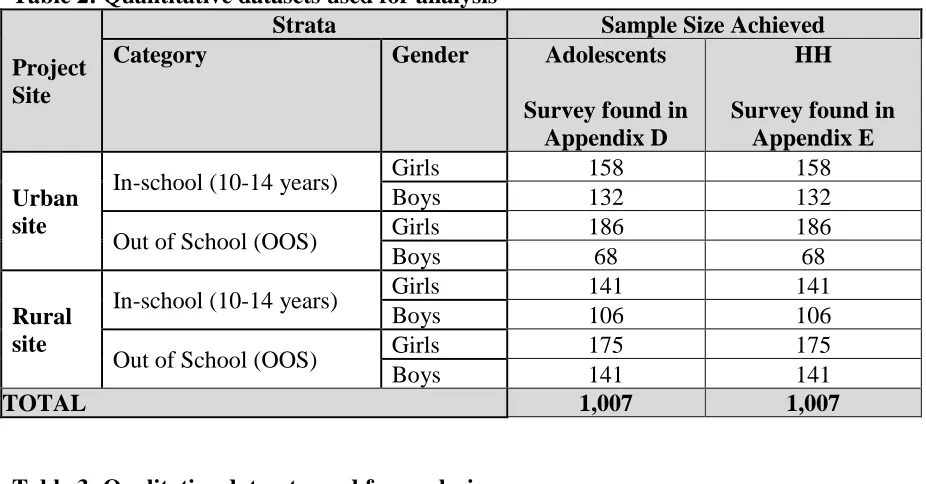
Table 2: Quantitative Databases available for
analysis………...
43
Table 3: Qualitative databases available for
analysis……….
43
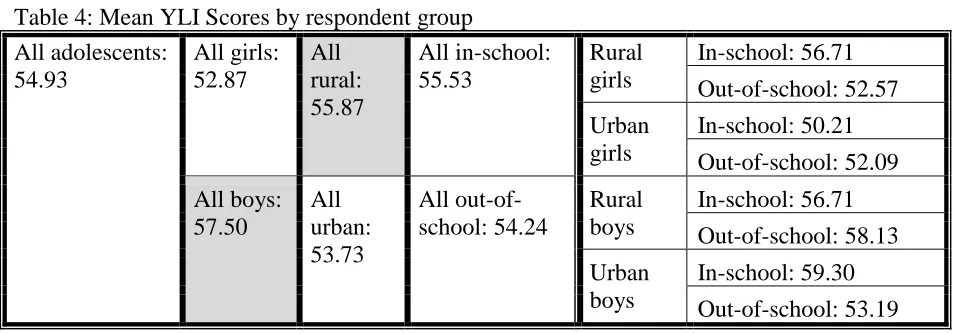
Table 4: Mean YLI Scores by respondent group………... 64 Table 5: Adolescent Savings Scale Mean
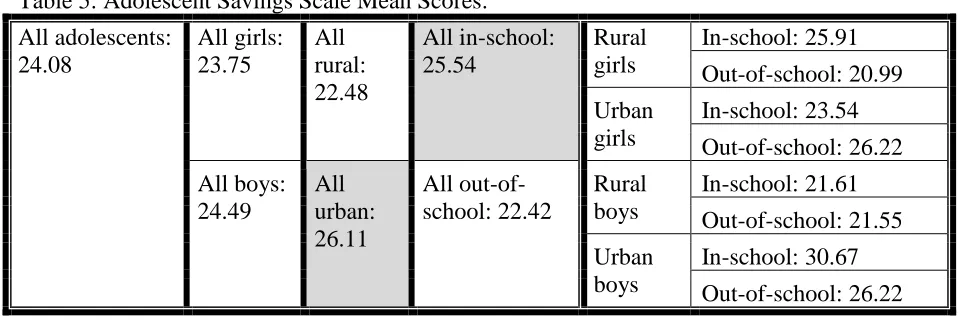
Scores………...
67
Table 6: Mean Financial Literacy Calculation
Scores………...
70
Table 7: Percentage of adolescents who reported saving any money in the past 12
months………... .
98
Table 8: ICT Device Ownership and
Use………...
103
Table 9: Financial Literacy Calculation Scores were significantly higher for adolescents who reported learning about
saving………
viii LIST OF FIGURES
Figure Page
Figure 1: A conceptual framework of adolescent empowerment ………... 25
Figure 2: Conceptual mapping of adolescent economic empowerment & education……. 35
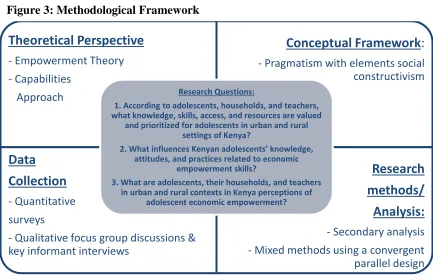
Figure 3: Methodological Framework………. 39
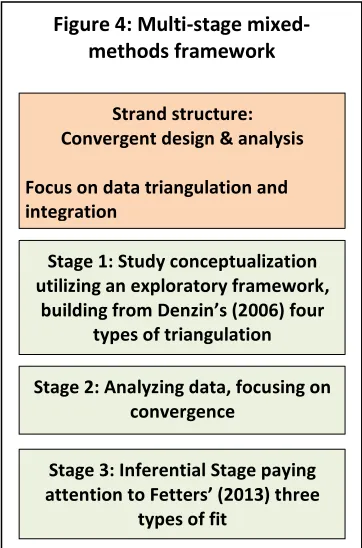
Figure 4: Multi-stage mixed methods framework……… 49
Figure 5: Analytical process………. 55
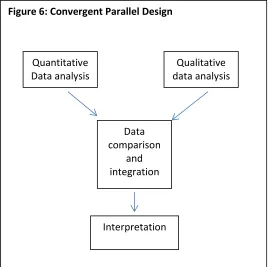
Figure 6: Convergent parallel design………... 56
Figure 7: Adolescent age differences based on schooling status………. 62
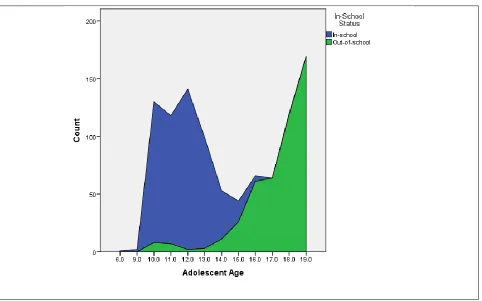
Figure 8: Percentage of students who responded positively that ICT devices are owned at their home………... 101
1
CHAPTER ONE: The Problem
Problem Statement
“There are too many competing priorities to take time out for ‘learning’.” “Taking time to learn now does not pay off in my future.”
“There are no jobs, anyway, why change the way things are done, it won’t make any difference?”
“There are no resources for learning or development.” “The parents do not make their children go to school.”
These are examples of statements I heard while talking with children, young people,
parents, and teachers across multiple communities in developing countries. Perceptions such as
these influence the current and future opportunities of children and young people. Opportunity
costs for learning and/or activities perceived as new/different often mean time away from tasks
such as housework or work for pay. This competition with economic constraints, social
expectations, and perceived and actual relevance of learning too often result in limited
opportunities for learning, exploration, and development. What I learned through these
experiences from adolescents and community members around the world influenced my world
view, positionality and became the focus of my dissertation research.
Positionality & Subjectivity
According to Freire (1970), “Authentic reflection considers neither abstract man nor the
world without people, but people in their relations with the world. In these relations
consciousness and world are simultaneous: consciousness neither precedes the world nor follows
it” (p. 81). Freire’s writings on reflections and positionality influence my approaches to research
2
within a large international nongovernmental organization (INGO), CARE. In this role, I
experienced a variety of programs that employ community-based approaches to education and
development and learned there is not a universally appropriate standard. While a uniform
approach that promises a silver bullet sounds appealing, I learned the importance of listening to
the needs of each unique community.
Thus, the stories and suggestions that adolescents and community members shared with
me about their skills, desires, and experiences inspired this research. Two adolescents in Mali
taught me that literacy and numeracy skills allow them to facilitate daily communications and
financial decision making for their families, and gave them the needed confidence to develop
business relationships. A group of parents in India shared with me how they struggle with the
decision to educate their children. They asked how they can learn about vocational training
programs that will provide jobs for their children. A group of youth in Zimbabwe shared with
me how issues of power and gender influence their decision making, community engagement,
and their confidence to engage in economic ventures. The combination of lessons those
individuals imparted led me to question the relevance of education and skills development in
meeting the needs of adolescents in developing contexts. What does the construct “adolescent
economic empowerment”1 mean to adolescents, their households, and teachers in urban and rural
contexts in Kenya? While I have not spent time in the communities from where the data come, I
have worked amongst similar communities in other countries that are considered marginalized.
My own history and positionality with regards not only to the individuals included in this
study but also in relation to the field of work in general, influence my motivations and
1 I define adolescent economic empowerment as the building of skills, capabilities, and capital so young people can
make their own choices in life through access to and control over resources and opportunities, in relation to the people, norms, and structures that shape their lives. It is defined in this paper as a sub-dimension of
3
perspectives. In order to study perspectives regarding adolescent economic empowerment in this
Kenyan context, it is important to recognize that authors, who area not from sub-Saharan Africa,
have written a large proportion of the material about education in sub-Saharan African. The large
majority of writers, including myself, who have explored this and similar issues, are from
northern or western states that did not undergo the process of colonization and decolonization in
the same ways that sub-Saharan African countries, including Kenya, did. Spivak (1988) cautions
us about trying to make rash claims about a group that we are not part of:
Yet the assumption and construction of a consciousness or human subject sustains such
work and will, in the long run, cohere with the work of imperialist subject-constitution,
mingling epistemic violence with the advancement of learning and civilization. And the
subaltern women will be as mute as ever. (p. 295)
In other words, we run the risk of continuing to impose imperialist subjectivity on our research
subjects, in this case, primary school girls in sub-Saharan Africa, if we are not actively aware of
our positionality, and that of those whose work we are including in the study. Utilizing these
tenets of post-colonial theoretical perspectives allows me to consider the sources of information
and perspectives for the work (largely external to this piece of research and analysis), and also
reminds me, as a researcher, that unchecked claims risk perpetuating colonial legacies
(Fournillier, 2009).
With this in mind, I continue to reflect upon my positionality as it relates to this work.
As aforementioned, I have worked in international educational development for CARE USA for
the past ten years, something which has greatly influenced my worldview and positionality as it
relates to this work. The simple act of choosing the issue of adolescent economic empowerment
4
economic empowerment is a critical process and encompassing skillset, which necessitates better
understanding, especially from the perspectives of those with whom we work.
Background to the study
Today the world is seeing its largest generation of young people2 ever (UNFPA, 2014a),
and developing countries are home to 89% of the world’s youth (UNFPA, 2014b). Too many are
out of school; according to a 2017 UNESCO and UNESCO Institute for Statistics (UIS) report,
there are currently 61.4 million primary-school-aged children out-of-school, 61.9 million out of
lower secondary school, and 141 million out of upper secondary school (UNESCO, 2017).
These same numbers show us that 130.9 million are female and 133.4 are male, with more
females out-of-school at the primary school age, and then more males out-of-school when
advancing to lower and upper secondary.
Why do the numbers of out-of-school children and young people matter, and what
problems does it create? Educating the children and youth of the world, especially girls, is one
of the most effective tools we have for long-term family and community (Winthrop &
McGivney, 2015) development. According to Women’s Learning Partnership for Rights,
Development, and Peace, (2015), for every year beyond fourth grade that a girl remains in
school, her future wages rise 20 percent. In addition, farmers with just four years of education
are nine percent more productive than their neighbors with none (Food and Agriculture
Organization of the United Nations, 2005). In families where women have an elementary school
education, there are 15 percent fewer child deaths (UNICEF, 2010). In a study of 175 countries,
Gakidou et al, (2010) found that increases in women’s education levels accounted for more than
2In this paper, I use the UN’s definitions of adolescence as ages 10 – 19; youth as ages 15 – 24, and young people
5
half of reductions in child mortality under the age of five. We might, therefore, assume that
education provides access to economic livelihoods and is a key component in more equitable,
healthful communities.
However, it is also important to note that schooling for the sake of schooling, or
education for the sake of education3, do not automatically produce these types of benefits. While
millions of children benefitted from enrollment in schools, many do not meet basic proficiency
levels for both literacy and numeracy competencies (Winthrop and McGivney, 2015). Not only
are baseline levels for skills such as literacy and numeracy lower than expected, such as was
found in the rigorously evaluated Girls’ Education Challenge Innovation Window projects
(Coffey International Development, 2015), but gaining those skills takes time (Girls’ Education
Challenge, 2016).
Millions of children and young people are missing out on educational opportunities, or
are not gaining critical and basic skills. At the same time, global unemployment rates,
specifically for youth (defined as ages 15-24), are on the rise and sit at 9.5% in developing
countries (ILO, 2016). This data does not fully capture the state of economic opportunities and
realities for youth, as many are working, but receive a wage that leaves them below the poverty
line, which is currently defined by the World Bank as earning $1.90 USD a day or less (World
Bank, 2015). Facing high levels of unemployment, or working poverty-level employment, it
would seem the opportunity to learn new knowledge and skills would be an attractive path
forward. However, too many children and young people face issues of limited access to learning
opportunities, and/or poor quality learning and/or training opportunities (UNESCO 2016),
3In this paper, I use the term ‘education’ to refer to the attainment of ethno-relative and foundational knowledge
and skills. While ‘education’ is often used simultaneously with ‘schooling’, I am separating the terms. Education
6
rendering many of them without momentum, support, or inspiration for a self-determined path
forward.
As children grow, they move through unique and changing periods in their life that offer
different opportunities and also come with different challenges (Making Cents International,
2014b). Addressing the skills, educational, and economic barriers that affect overall
development and poverty is key during the adolescent age range. According to Soto, Knoote,
and Palk (2015), adolescents who have fallen into the cycles of poverty (defined by the high
prominence of characteristics such as early marriage, early age of first pregnancy, high exposure
rates to sexually transmitted infections), are also economically vulnerable. Building educational
skills (cognitive and non-cognitive) and incorporating skills related to economic empowerment is
therefore critical to equipping young people, especially girls, with the resources they need to
succeed. This study therefore examined this issue from the perspectives of the individuals who
responded to the surveys and participated in the focus group interviews that are part of the
secondary data used.
Study Context: The Republic of Kenya
In a study looking at youth entrepreneurship in Africa, Pellowski-Wiger, Chapman,
Baxter, and DeJaeghere (2015) address the significance of context: “Youth operate in a social
context shaped by cultural views of relationships, gender roles, and orientation toward the
present and future. These aspects of the social context create both opportunities for and
constraints on entrepreneurial behavior” (p. 8). Given the significance of context, culture, and
history, this section focuses on understanding the localized influences which influence the
research study.
7
“Current youth problems, both in Kenya an in Africa as a whole, can be traced from the colonial
period, a time during which traditional value systems that had previously served young people
and their communities well were weakened” (Mutuku, 2011, p. 3)
As a study delimitation, this research study is not designed to explore the impact of
colonialism on education or adolescent empowerment in Kenya, and therefore, colonialism
theory is not one of the lenses through which this study is shaped. However, it is helpful to
address the history of education and the prioritization of skills, including recognition of the role
that colonialism played in influencing this agenda.
During the period of colonization, educational programs were set up in most colonies, but
designed “by colonists and their collaborators to keep Africans and African descendants in the
West in subservient positions culturally, politically, and economically” (Marah, 1987, p. 463).
Although the Berlin Treaty opened up European involvement in Africa in 1885, missionaries
began their work in Kenya approximately fifty years before the United Kingdom formally
colonized the country (Sheffield, 1973). Newly created missionary schools were often removed
from reality, decentralized, halfhearted, and with unclear intents (Willinsky, 1998; Marah, 1987).
Some of these British schools tried to incorporate local customs, with varying effects:
The diversity in British Africa ranged from educational policies that imposed the English
model and all its components on the African to policies that attempted to develop an
educational program based on the African’s own environment and on his own way of life.
This lack of uniformity in British educational policy led to a great deal of controversy
(D’Souza, 1975, p. 249).
Although the British government was very influential in other aspects of the colonization
process, it was largely the Church of England that worked in changing local and traditional
8
such as home and farm work, and in personal reflections and the correct behavior to be used with
specific people; built into this was a focus on building knowledge and skills needed to pass from
one initiation to another (Sheffield, 1973). The prioritization of ‘bush school’ as a traditional
training, lifeskills, and tradition-building experience for adolescents and youth was commonly
practiced across communities in Africa, including Kenya (Murray, 1967). This included training
on specific skills and occupations, such as “wood-carvers, tanners, blacksmiths, hunters,
beekeepers, or medicine men” (Sheffield, 1973, p. 2).
Not only was the disconnect between colonial/mission-based education and traditional
education a problem in effectively and consistently providing a relevant and high-quality
learning experience for children, but many colonial methods of ‘spreading education’ were
ineffective because they were not representative of nor tailored to the individual communities
desires and needs (Baal, 1968; Lewis, 1968). Effectiveness and appropriateness aside, the norms
established during the colonial period extend far beyond independence, which for Kenya, was
gained in 1963. Values that were imparted by the colonial powers are likely to transcend the
locus of power when a state transfers from colonial rule to independence; for example, Kenya’s
schooling structure follows the British model.
Education & Development in Kenya Today
Africa is often referred to as the world’s youngest continent with regards to the age of its
population, and high proportion of young people (Garcia & Fares, 2008). Kenya is no exception
with individuals 14 years and younger composing 42% of the country’s population (UNESCO
Institute of Statistics, 2017). At the primary school level, UNESCO Institute of Statistics (UIS)4
4Global education data is officially tracked by the UNESCO Institute for Statistics (UIS) with other global
databases, such as the one maintained by the World Bank, drawing from this repository. As such, they are the
9
data indicated a net enrollment rate5 of nearly 85%, coupled with a gross enrollment ratio6 of
slightly over 116% (UNESCO Institute of Statistics, 2017), suggesting a high number of
out-of-age-range (likely overage) children in school. UNICEF (2017) data suggests a high survival rate
with 96% of pupils who start grade 1 reaching grade 5. These rates drop at the secondary school
level, with a net enrollment rate just over 50% and a gross enrollment rate just over 60%
(UNESCO Institute of Statistics, 2017). This drop from primary to secondary indicates a high
dropout rate and may also reflect the fact that although 96% of students are reported to have
reached grade 5 (UNICEF, 2017), which is in the middle of upper primary school7. This statistic
is a product of misleading data due to automatic progression policies (Republic of Kenya, 2015),
coupled with the fact that many of the students who have been automatically progressing from
one grade to the next during primary school never sit for their Kenya Certificate of Primary
Education exam to complete grade 8, and be eligible to enter secondary school. Kenyan DHS
data suggests approximately a quarter of urban and rural women complete primary school
education (Republic of Kenya, Kenya National Bureau of Statistics, 2015). When looking at
these statistics, it may be easy to focus on their discrepancies. However, when examined
together, they consistently tell a story that although high numbers of children may enroll in
primary school, and may progress through grades 1 to 8, many enroll late, few are actively
staying in school, and the number reaching secondary school is significantly smaller than those
who begin at the primary school level. At the primary school level, there is a gender parity
5 Net enrollment rates are measured by dividing the number of children enrolled in school whose age matches the
age range officially corresponding to the schooling levels, divided by the population of the same age group.
6 Gross enrollment ratios are measured by dividing the total number of children enrolled in school, regardless of
their age, and dividing it by the population of children whose age corresponds to the official ages for the given grades. Gross enrollment ratios may, therefore, be more than 100%.
7 They Kenyan schooling system is a 4-4-4 system, with lower primary school constituting grades 1-4, upper
10
index8 of 1.04, while at the secondary level it is 0.97 (UNFPA, 2016), indicating that while there
are more females enrolled in school than males at the primary school level, this reverses at the
secondary school level, suggesting potential gendered barriers to higher levels of education for
adolescents.
While students may be enrolled in primary school, 2015 UWEZO9 results, published in 2016,
indicate they are not learning. The 2016 survey was comprehensively conducted in 157/158
districts in Kenya, covering 69,183 households and 130,653 primary school aged children from
across 4,529 schools. Its findings indicate learning levels are low. Included are interesting
trends with regards to overall learning levels, as well as trends with regards to geographic
location, demographic influences, and gender. For example, only three out of 10 Grade 3
students can successfully complete Grade 2 work; by Grade 8, 8% of students still cannot do
grade 2 work successfully. This seems to indicate that students are not demonstrating learning
on-par with national standards for their grade, and there are cohorts of students who are
habitually behind. When disaggregating learning outcome results by geographic location, urban
students have higher learning outcomes than students in rural areas. When looking at the
gendered disaggregation of learning outcomes, girls scored statistically significant higher
learning outcomes (p < 0.001) than boys in all three subjects (math, Kiswahili, and English) at
both grade 3 and grade 8 levels.
When the UWEZO assessment data is compared with results from the Kenya Certificate of
Primary Education (KCPE), the picture is the same: low learning levels. Table 1 presents Kenya
8 Gender parity index rates are calculated by dividing the female gross enrollment ratio by the male gross
enrollment ratio.
9UWEZO, which means ‘capability’ in Kiswahili, is a validated learning assessment, with origins in Eastern Africa. It
11
National Examinations Council data on the percent scores by subject, for pupils who took the
[image:28.612.69.420.133.354.2]exams:
Table 1: KCPE 2016 Assessment Data Number of
candidates who took the
exam
Male 473,684
Female 478,706
Mean score (% out of 100%)
Exam subject English language 50.52 English composition 40.26 Kiswahili Lugha 49.20 Kiswahili Inshah 48.27
Mathematics 45.27
Science 61.28
Social studies 57.38
Religious education 70.99 Source: Kenya National Bureau of Statistics, 2017
Data in Table 1 indicate consistently low learning percentage scores, across multiple subjects,
going beyond the core subjects of math, English, and Kiswahili.
Additional statistics provide insight into the beliefs and norms driving local cultures,
many in a gendered way that disproportionately affect females. For example, when it comes to
adolescent sexual and reproductive health, 23% of women between the age of 20-24 gave birth
before the age of 18, and 23% in the same age group were married or in a union before the age of
18 (UNICEF, 2017). As it relates to employment, 25% of children between the ages of 5-14 are
engaged in child labor (UNICEF, 2017). Women’s education levels help to explain differences
in employment rates: 43% of women with no education versus 60%+ of women with varying
degrees of education are employed. Patterns are similar with men, although, interestingly, men
with the highest level of education were less likely to be employed than men with no education
12 Purpose Statement and Research Questions
Better understanding the knowledge, skills, access, and resources that the adolescents in
these contexts need and value, could provide insight into the type of structures and access needed
not only to enhance their agency and decision-making processes but also as might act as a lever
to improved global development. The purpose of this mixed methods (Plano, Clark & Ivankova,
2016) study is to examine, from the perspectives of adolescents, households, and teachers their
conceptualization of adolescent economic empowerment within two separate contexts in Kenya
using a secondary data analysis. The following combination of mixed methods research
questions frame the study:
1. According to adolescents, households, and teachers, what knowledge, skills, access, and
resources are valued and prioritized for adolescents in urban and rural settings of Kenya?
2. What influences Kenyan adolescents’ knowledge, attitudes, and practices related to
economic empowerment skills?
3. What are adolescents, their households, and teachers in urban and rural contexts in Kenya
perceptions of adolescent economic empowerment?
Significance of the Study
This study addressed multiple gaps in existing research. Existing literature regarding the
operationalization of empowerment theory has largely focused on its application and relevance in
adult women; a smaller set of studies have looked at youth empowerment. The issue and
conceptualization of adolescent empowerment have yet to be fully defined and explored, based
on the review of the literature I conducted. Not only is the concept of adolescent empowerment
still evolving, but existing studies, focusing on the construct of ‘adolescent economic
13
with education and capabilities theory, has yet to be fully explored and clearly defined as a
sub-dimension of empowerment frameworks,. Not only is the construct largely unexplored, but
studies regarding adolescent economic empowerment have not been found to disaggregate
between urban and rural settings, or explore any contextual differences in how it is defined
and/or operationalized10. These gaps in defining and operationalizing the term thus result in
limited existing guidance about how it can or should be measured; something that is further
expanded upon in Chapters Two and Three. By conducting a mixed methods study, the findings
will add value to the cadre of what Nastasi and Hitchcock (2016) have conceptualized as
‘evidence-based practices’ and research findings.
The selection of Kenyan adolescents as the focus of this study is deliberate. The
Government of Kenya, as well as multiple international organizations and donors, have invested
heavily in curriculum design and development (see Chapter Three for more information)11. As a
hub for business, economics, and culture in eastern African, Kenya’s geopolitical presence as
well as existing infrastructure (tangible and intangible) results in a strategic choice for future
cascading of change. The dearth of studies on adolescent economic empowerment in general,
and also about education and schooling concepts, provides a significant opportunity for the
applied relevance of the study.
10 This is built upon the theory that because: (1) education is theorized to be a necessary but not sufficient
condition for empowerment (Hanmar & Klugman, 2016; Monkman, 2011; Warner, Malhotra, & McGonagle, 2012), and because (2) education beyond a basic level may produce enhanced empowerment results (Hanmar &
Klugman, 2016; Monkman, 2011; Warner, Malhotra, & McGonagle, 2012)and because (3) education levels have been shown to be statistically significantly different across urban and rural populations in Kenya (UWEZO, 2016), as a result: there is an expectation that empowerment processes and influences may be different across urban and rural populations.
11 Given education’s role in empowerment processes, looking at investments in curriculum is appropriate in an
14 Overview of the Study
This research paper is organized into five chapters. This first chapter provided the
overview and purpose of the study, clearly specifying the research questions guiding the data
analysis, as well as the significance of the study. This first chapter also included a reflection on
my own positionality in the study.
Chapter Two focuses on a literature review, including an inquiry into a series of specific
issues. It looks at empowerment theory broadly, as well as its relationship with capabilities
theory; these theoretical perspectives provide a foundation for the exploration of adolescent
empowerment as a sub-dimension of empowerment theory. Specifically, within the study of
adolescent empowerment, the chapter will include a focus on the dimensions of adolescent
empowerment, the linkages with education, and then it will specifically define adolescent
economic empowerment as a sub-dimension of adolescent empowerment theory.
Chapter Three outlines the research methodology, methods, and specifics of the research
study. This research study focuses on utilizing a mixed methods research methodology to
provide a secondary data analysis using data collected by CARE Kenya in a baseline evaluation
study for a project focused on adolescent education and empowerment, of which adolescent
economic empowerment is one component. This chapter provides the methodological
framework used in this analysis, as well as details regarding the original data collection study,
and the connection between mixed methods methodology and empowerment theory. The
relevance for this in the case of Kenya will also be explored.
Chapter Four provides the results of the analyses conducted. Due to the convergent
parallel analysis design employed as part of the mixed methods methodology guiding the
15
findings from the qualitative analysis; the second sub-section focuses on findings from the
quantitative analysis, and the third sub-section analytically weaves the results from the first two
sub-sections as part of a mixed methods analysis.
Chapter Five wraps up the research study through a brief discussion regarding the
16
CHAPTER TWO: Review of the Literature
The purpose of this mixed methods study is to examine, from the perspectives of
adolescents, households, and teachers their conceptualization of adolescent economic
empowerment within two specific contexts in Kenya using a secondary data analysis. This
chapter therefore provides an overview of existing scholarship on the issues of empowerment,
capabilities, and their application to adolescents, specifically adolescents in Kenya.
Empowerment theory, and its connections to capabilities theory – especially as it relates to
developing contexts, such as Kenya – is an overarching lens with which to analyze the context of
adolescent economic empowerment. As adolescence is a unique age period encompassing key
life transitions, as well as cognitive and developmental advancements (Steinberg, 2015), better
understanding the nuances of adolescent empowerment means exploring its relation to education,
as well as key skills such as economic empowerment.
Empowerment Theory
The data analyzed in this research study come from a CARE Kenya project designed with
a goal of adolescent empowerment. Although the analysis in this report is a secondary analysis
of data from this project, building upon the project’s empowerment-based theoretical framework
maximizes the use of available data. This paper’s analysis goes further than earlier analysis in
examining respondents’ conceptions of adolescent economic empowerment. This section
explores what is empowerment theory, and its relevance to the exploration of adolescent
perspectives and beliefs regarding key economic empowerment skills.
I begin the literature review with a discussion of the central tenets of empowerment
theory that framed the study. Several scholars (e.g., Kabeer, 1999; Mosedale, 2005; Malhotra,
17
process of empowerment at the individual level. Specifically, in this study, I focus on exploring
the combination of central tenets of empowerment theory which, when combined, produce a
singular construct of empowerment. Monkman (2011) uses six tenets, which are supported
widely (see below), in her discussion of empowerment. The following review of empowerment
components build from Monkman’s original six tenets (labeled E1 to E6), and add a seventh
tenet (E7) that I have included based on research. The recognition of empowerment as a
multidimensional construct is common across the literature (Malhotra & Schuler, 2005) and it
influences the ways in which it is measured. Chapter 3 of this study provides a more detailed
discussion on why the multidimensionality of empowerment finds a good fit in the use of mixed
methods research methodologies. There is also an assumption and/or precondition of
disempowerment before someone can go through an empowering process (Malhotra, Schuler, &
Boender, 2002).
The first empowerment tenet (E1) is that education in itself is not empowerment
(Monkman, 2011; Murphy-Graham, 2008; Stromquist, 2002). The simple act of going to school
does not automatically provide an individual with the knowledge or skillset needed to make
empowered and informed choices. However, this does not mean the role of education as a
component of an empowerment process should be dismissed. On the contrary, it should be seen
as an integral consideration, just not a stand-alone. Warner, Malhotra, and McGonagle (2012)
suggest that education enhances resources and agency, which are critical foundations for
empowerment at the individual level. Murphy-Graham (2008) also notes that “education can act
as a catalyst of empowerment if it increases women’s knowledge and understanding
18
The second tenet (E2) is that empowerment is a non-linear process (CARE USA, 2010;
Kabeer, 1999; Malhotra, Schuler & Boender, 2002; Monkman, 2011; Mosedale, 2005; Perkins &
Zimmerman, 1995; Stromquist, 1995). This tenet is significant because although empowerment
is a process, it may look differently for different people, and it may or may not be linear in shape,
direction, and fortitude. An individual may progress and regress with regards to agency-enabled
informed decision-making in their lives. This concept is further explored in the section below on
adolescent economic empowerment, as it relates to perspectives and measurement of
empowerment across childhood to adolescence to youth to adult periods.
Thirdly (E3), context matters (Baily, no date, as cited in Monkman, 2011, CARE USA,
2010;, Malhotra, Schuler & Boender, 2002; Monkman, 2011; Mosedale 2005). The role of
context largely affects: the supporting and restricting frameworks in which an individual lives;
the enabling environment related to the domains of empowerment an individual may explore;
and the opportunities within which to exercise skills and rights. In this dissertation study, the
contextual constructs of Kenyan culture is explored, as are urban/rural contextual differences and
their relation to adolescent economic empowerment.
Fourth (E4), collective engagement is important to empowerment processes (CARE
USA, 2010; Hanmar & Klugman, 2016; Monkman, 2011; Perkins & Zimmerman, 1995;
Stromquist, 1995). Collective engagement can be thought of as the process of multiple people or
groups working together toward a common goal. Even though empowerment is largely
conceptualized and measured as an individualistic concept, there is a recognized significance and
focus paid to the role of collective engagement in empowerment processes. This may come in a
19
group (Kabeer, 1999) to the role of men and boys in the empowerment process of women and
girls (CARE, 2010; Murphy-Graham, 2008).
Fifth (E5), and related to collective engagement (E4), is the tenet that issues of power and
gender are important, and the engagement of men and boys in women and girls' empowerment is
important (CARE USA, 2010; Monkman, 2011, Murphy-Graham, 2008; Stromquist, 2015). As
important to empowerment frameworks as a focus on gendered approaches, which are inclusive
of the traditional power-up and power-down groups, is the importance to have space, freedom,
and support to explore, practice, and exercise things such as new knowledge, access, and rights.
The sixth tenet (E6) is that education beyond primary school is needed (Hanmar &
Klugman, 2016; Monkman, 2011; Warner, Malhotra, & McGonagle, 2012). While this may
seem contradictory to E1, I view these as complimentary to one another: education is a necessary
but not sufficient prerequisite for individual-level empowerment. Chapter One of this research
study provided a series of global statistics regarding the impact of increased education levels; in
applying the lens of ‘education as a necessary but not sufficient’ prerequisite for individual-level
empowerment, we can gain further insight. For example, take the statistic from the Food and
Agriculture Organization of the United Nations (2005) that “for every year beyond fourth grade
that a girl remains in school, her wages rise 20 percent”. In this instance, having increased
knowledge and skills likely enables individual girls and women to potentially access higher-level
formal and informal work, or even work at all, and potentially to negotiate higher wages. This is
in-line with the empowerment literature, which suggests that education beyond a basic level may
produce enhanced empowerment results (Hanmar & Klugman, 2016; Monkman, 2011; Warner,
20
Finally, the seventh point I include (E7), which goes beyond Monkman’s original six
tenets of empowerment, is that individual agency is critical to empowerment processes (Hanmer
and Klugman, 2016; Klugman et. al., 2014; Malhotra, Schuler, & Boender, 2002). While the
term ‘agency’ may be common in the empowerment literature, its definition is sometimes
assumed. In this paper, I draw from Kabeer’s (1999) definition of agency as:
… the ability to define one’s goals and act upon them. Agency is more than observable
action; it also encompasses the meaning, motivation and purpose which individuals bring
to their activity, their sense of agency, or the power within… it can be exercised by
individuals as well as by collectives. (p. 438)
According to Hanmar and Klugman (2016), Sen’s (1985) original definition of agency is
the foundation not only for Kabeer’s 1999 oft cited definition of the term (above), but also
general understanding of the term. There is an assumption that agency assumes the ability to
take action, not necessarily whether an individual chooses to do so, or it leads to positive
outcomes (Hanmer & Klugman, 2016, p. 237). Gammage, Kabeer, and van der Meulen Rodgers
(2016) explore the proliferation of both agency and voice in empowerment research and
literature, and how the absence of both often breeds disempowerment. At the same time,
DeJaeghere, McCleary, and Josic’s (2016) edited work specifically focuses on the ways in which
youth have exercised agency, including barriers and implications. If we accept the assumption
that empowerment has to be claimed by an individual (Mosedale, 2005), building agency is a
critical condition for individuals to claim and exercise empowerment. Furthermore, within
development settings, such as Kenyan contexts, empowerment theory may be used to explore
21
Murphy-Graham and Lloyd, 2016; Warner, Malhotra, & McGonagle, 2012; Hanmar and
Klugman, 2016).
Based on the seven core empowerment tenets presented here, empowerment is a
multi-faceted construct containing many nuanced elements that guide its definition and application. In
this study, I build upon these seven tenets of empowerment to construct my definition of
empowerment. I define empowerment as a process that broadens and enables an individual to
make informed choices, reach his/her potential, and realize his/her rights. Within this definition,
I recognize and apply E1 to E7.
Empowerment and Capabilities Theory
Poverty is not entirely about a lack of money, but also relates to a dearth of skills,
knowledge, and capabilities, all of which mire an individual’s attempts at personal advancement
and development. Sen (1985, 1999) has written considerably about capabilities and their
relationship with poverty, asserting that “… poverty must be seen as the deprivation of basic
capabilities rather than merely as lowness of incomes, which is the standard criterion of
identification of poverty” (p. 87). If we accept this theory that poverty is not solely tied to a lack
of money, but it is also related to a lack of skills, knowledge, and capabilities, it supports the
notion that knowledge is viewed as emancipatory as well as a catalyst that enables individuals to
realize their rights and exercise various skills and qualities gained through empowering
activities12, growth, and development. Utilizing Sen’s (1999) capabilities theory provided a
foundational linkage between resources, knowledge, education, and empowerment at an
individual level. Nikoi (2016), referencing work from DeJaeghere & Baxter (2014), and Walker
12 Empowering activities may be thought of as activities where individuals are able to build and exercise their
confidence, engagement, and practice new skills. An example of this is documented in Strack, Magill, and
22
(2012), goes one step further to suggest that “capabilities are thus the building blocks that inform
an individual’s actions and the ultimate functioning with which they engage” (p. 63).
Nussbaum (2000) suggests the concept of capabilities is about making room for choice,
and also provides an expanded perspective regarding capabilities through her listing of ten key
capabilities: life; bodily health; bodily integrity; senses, imagination and thought; emotions;
practical reason; affiliation; other species; play; and control over one’s environment.. The skills
needed to attain these key capabilities can be enabled through empowering processes.
Empowering processes, actions, decisions, and opportunities are what Sen (1999) refers to as the
‘taking of freedoms’, with the expansion of capabilities as what individuals need in order to have
the “basic building blocks” needed to “live the life they value” (p. 18). This expansion of
capabilities couples neatly with empowerment theory’s end goal of being able to make informed
choices to reach a person's potential and realize their rights. Capabilities theory adds that
individuals may reach their full potential with a set of critical capabilities, while recognizing the
relationship between capabilities and skills as an emancipatory process out of poverty. These
may be risked by a set of “unfreedoms”, as Sen (1999) calls them: famines, under-nutrition, lack
of access to healthcare, lack of clean water, functional education, gainful employment, economic
and social justice, being denied civil rights, a harsh political system, economic security, and the
lack of democratic rights and liberties (Sen, 1999). In essence, these “unfreedoms” correlate
with the foci of development defined not only by Sen but also supported by developmental
economists such as Sachs (2005) and Easterly (2006).
A final consideration when exploring the relationship between capabilities theory, skills
development, empowerment theory, and poverty, is the role of gender. The inequalities of
23
women, boys, and girls. According to Parra and Holden (2014), “the incidence and acuteness of
poverty is harshest for women and girls. Poverty-reduction goals can therefore only be achieved
if in large part they address women and their economic empowerment” (p. 5). A conclusion may
be that empowerment and capabilities theory-based studies need to take into account the
differential pre-determined effects of specific groups based on things like gender. This research
study therefore examined differences in perceptions of adolescent empowerment and capabilities
based on gender, geographic location, and schooling status (in-school versus out-of-school)13
using secondary data.
Adolescent Empowerment
Most academics and theorists view the concept of empowerment as a process (Kabeer,
1999; Malhotra, Schuler, & Boender, 2002; Mosedale, 2005). As such, it begs the question:
[how] does it change during a lifecycle? There are key transitions that individuals go through at
different stages of life that may affect the relevant and age-appropriate skills to learn, as well as
change the spaces and opportunities for decision making and exercising rights. An UNFPA
report (2016) focuses on how the age of 10, when entering adolescence, is a key turning point in
a girls’ life, specifically regarding her future, opportunities, decisions, and expectations.
Because this study specifically focuses on the adolescent age range (10-19), it is important to
disaggregate the age assumptions of empowerment theory. This section is focused on exploring
13Gender is explored not only because it is a key consideration in empowerment theory (CARE USA, 2010;
24
the relationship between adolescent and adult empowerment, as well as what lifecycle and
transition means for empowerment.
So, what does adolescent empowerment look like? While the definition of adolescent
empowerment may not differ from the broad definition of empowerment, there is reason to
believe that its operationalization needs to be specifically tailored to be age and
context-appropriate. Chinman and Linney (1998) suggest that adolescent empowerment can be seen as
“active participation, awareness of the surrounding world, and identification of strengths” (p.
395). They go further to suggest that,
The empowerment process, as it has been previously conceptualized, overlaps with
adolescent identity development in such a way that becoming empowered may also have
a positive effect on developmental outcomes. Identity formation, like empowerment, is
not a passive experience, but the result of action. (p. 396)
More has been written about empowerment at the youth age range (15-24) than at the adolescent
age range (10-19). Due to the overlap in ages, I include some of the references regarding youth
empowerment, to help fill some of the gaps not yet covered in adolescent-specific literature. The
‘Positive Youth Development’ program out of the Youth Power Consortium, based on a
meta-review of 105 documents, defines four key domains as critical for youth development: assets,
agency, contribution, and an enabling environment. Their definition of youth extends beyond the
UN definition of 15-24 and goes from 10-29, which is why I include it. The overlap of these key
domains with empowerment literature at the adult and/or adolescent/youth levels is notable, as is
the overall goal of healthy, productive, and engaged youth.
The focus of adolescent and youth empowerment frameworks on the inclusion of agency
25
McCleary, 2016; Murphy-Graham & Lloyd, 2016; Nikoi, 2016; Shah, 2016). Within this
literature, the importance of creating safe spaces, such as age-appropriate extra-curricular
activities within which adolescence and young people can learn and practice new skills and
knowledge, building confidence needed to succeed in and out of school, is also highlighted as
important for this age group (Kirk, 2012; Marcus & Page, 2016; Moll, Kintz & Janoch, 2015).
With this background on some specific considerations regarding what adolescent
economic empowerment, as a sub-dimension of broad empowerment theory, Figure 1 proposes a
conceptual framework regarding adolescent empowerment, as well as an idea about what role
economic empowerment, as a sub-component of adolescent empowerment, plays.
Adolescent Economic Empowerment
26
“The role of income and wealth … has to be integrated into a broader and fuller picture of success and deprivation” (Sen, 1999, p. 20)
When discussing issues of economic empowerment, a misnomer rests in the perception
that the end goal is financial wealth. However, as it has been conceptualized, its goal is very
different. Golla et al. (2011) theorized that women’s economic empowerment includes access to
advance economically in markets, and to have power and agency over how money is made and
influences decisions. Kabeer (2012) suggests that women’s economic empowerment includes a
focus on labor markets and enterprise development. Examining the quotes at the beginning of
this section, the focus of economics and wealth may lay, most importantly, with what they
enable, or what their deprivation denies. For example, the denial of transaction opportunities,
such as in local markets, can be seen as a source of unfreedoms, as conceptualized by Sen
(1999), and a deprivation of capabilities.
Borrowing from Stromquist’s empowerment framework (2002), which includes
economics and the ability to generate income as one of her four dimensions of empowerment, I
include economic empowerment is a sub-dimension of empowerment theory. Accepting that
empowerment is a process (Kabeer, 1999; Malhotra, Schuler, & Boender, 2002; Mosedale,
2005), economic empowerment is one of the pathways that can be developed in order to reach
desired personal and development goals (e.g., Stromquist, in Monkman, 2011; Duflo, 2012;
Mosedale, 2005).
Although I recognize the potential to explore adolescent economic empowerment from a
neoliberal lens, given the focus on economic domains such as savings and finance relate to
free-market concepts, in this study I choose to use the lens of empowerment theory and capabilities
27
and teachers in urban and rural Kenya. This is filling a niche that has not yet been researched, to
my knowledge.
“Education and employment are the measures of economic resources most often available for
macro-level analysis” (Kabeer, 2012, p. 5)
“… the relationship between income and capability would be strongly affected by the age of the person (e.g. by the specific needs of the old and the very young), by gender and social roles … by
location … by epidemiological atmosphere … and by other variations over which a person may
have no – or only limited – control” (Sen, 1999, p. 88)
“… a significant proportion of youth, especially in developing countries, is unable to enrol in
education (e.g. due to the economic necessity to work and to supplement their household
incomes), thereby running the risk of remaining trapped in poverty through lack of access to
better jobs” (ILO, 2016, p. 3).
Building from the above perspectives of Kabeer (2012) and Sen (1999), as well as the
ILO’s statistic regarding youth, poverty, and their risks, there is reason to consider tailoring
economic empowerment to the adolescent age range and ask: hat is adolescent economic
empowerment?
It is important, before beginning this discussion, to recognize that adolescent economic
empowerment is uniquely different from adult economic empowerment. Revisiting Golla et al.’s
(2011) theorization that women’s economic empowerment includes economically advancing via
markets, and exercising power and agency over how money is made, it is clear this
conceptualization is not necessarily appropriate for adolescents. Adolescent-appropriate access,
actions, and decision making spheres of influence are different from adults. We know that
adolescent girls are more economically vulnerable than women or boys their same age due to
28
informally through exposure), and often the lack of supportive environments and structures that
can aid their economic advancement (Fewer, Ramos, & Dunning, 2013).
However, we can learn and draw from definitions of women’s economic empowerment.
Parra and Holden (2014) suggest that a woman is economically empowered when she can make
decisions and act on them to make economic decisions. Further, “while economic empowerment
for adolescent girls should include both economic advancement and girls’ ability to make
economic decisions, the extent to which girls should or can achieve these goals will vary by their
age and social-economic contexts’ (Parra and Holden, 2014, p. 4). Within this, they warn that
because girls often engage in economic activities, specifically within the formal or informal labor
force, to support their families, girls’ financial independence should not be isolated from their
contextual “social fabric” and put the burden on them in a way that separates them from this
reality (Parra & Holden, 2014, p. 4).
So, while adolescent economic empowerment may be different from adult economic
empowerment, what does this actually look like? Fewer, Ramos, & Dunning (2013) suggest
(Table 2) that there are six key factors that contribute to adolescent economic empowerment:
financial capital (e.g., cash, savings, access to credit, and other financial assets), human capital
(e.g., education, health, self-esteem,and communication skills), social capital (e.g., social
networks, friends, mentors, and supportive family members), physical capital (e.g., ID card,
household goods, land, housing, and transport), social norms (e.g., early marriage, childbearing,
influence of age, gender, and ethnicity), and institutions (e.g., political and legal rights, market
structure, and the education system).
For the purpose of this paper, I define economic empowerment for adolescents as the