Abstract
I
ntRoductIonThis paper reports findings from an overview of systematic reviews concerning educational, behavioral, and social interventions for children with autism. In the context of our wider research, we were particularly interested in interventions for children at the more severe end of the spectrum, referred to as “level 3” in The American Psychiatric Association’s Diagnostic and Statistical Manual of Mental Disorders (DSM‑5, 2013).[1] DSM‑5 describes individuals as
requiring “very substantial support” because of their severe deficits in social communication and obsessed repetitive behavior that “markedly interfere with functioning in all spheres.”
An initial scoping search of the literature using the OVIDSP and ERIC databases using the keywords “severe autism” and “systematic review” did not identify any systematic reviews specifically targeting severely disabled autistic children. There were, however, some studies which
included, among others, participants at the more severe end of the spectrum.[2,3]
Therefore, it was decided to broaden the search to cover systematic reviews and meta‑analyses that have investigated children within the whole spectrum of autism, then to look specifically for participants with severe disabilities within the selected studies of these reviews. This approach was expected to reveal the relevant body of evidence on the effectiveness of various interventions for children with autism in general, and those at the severe end of the spectrum in particular.
This paper presents an analysis of the available systematic reviews of educational, behavioral, and social interventions for children on the autism spectrum. Forty‑six out of 1299 full‑text articles were assessed against eligibility criteria, with a further 16 articles excluded for different reasons. The quality of the remaining 30 reviews was variable, and a further five were excluded due to low methodological quality. In the remaining 25 systematic reviews, none of the intervention types was found superior to the others, and there is generally weak evidence for the effectiveness of the reviewed interventions in improving autism‑related impairments. Applicability of this evidence on children with severe autism is generally questionable. While there have been repeated calls for more large‑scale studies, specifically randomized controlled trials, we conclude that the environments in which interventions typically take place are not conducive to this. Instead, researchers are advised to adopt sensitive, evidence‑based approaches that work well with small sample groups.
Keywords: Applied behavior analysis, children, communication, computer‑based learning, education, early intensive behavioral intervention, interventions, picture exchange communication system, severe autism, social stories, treatment and education of autistic and communication physically challenged children
Address for correspondence: Mrs. Salima Yousif A. Elzouki, MENA Research Group, School of Clinical and Applied Sciences, Leeds Beckett University, LS1, 3HE, Leeds, UK.
E‑mail:[email protected]
Access this article online
Quick Response Code:
Website:
www.ljmsonline.com
DOI:
10.4103/LJMS.LJMS_58_18
This is an open access journal, and articles are distributed under the terms of the Creative Commons Attribution‑NonCommercial‑ShareAlike 4.0 License, which allows others to remix, tweak, and build upon the work non‑commercially, as long as appropriate credit is given and the new creations are licensed under the identical terms.
For reprints contact: [email protected]
How to cite this article: Elzouki SY, Fabri M, Moore D, Tashani OA. Educational, behavioral, and social interventions for autistic children, with particular reference to those at the more severe end of the spectrum: An overview of systematic reviews. Libyan J Med Sci 2018;2:126‑37.
Educational, Behavioral, and Social Interventions for Autistic
Children, with Particular Reference to those at the more Severe
End of the Spectrum: An Overview of Systematic Reviews
Salima Yousif A. Elzouki, Marc Fabri1, David Moore1, Osama A. Tashani
A note on language
We acknowledge the recommendations by Kenny et al. regarding the use of language when writing about autism.[4]
We have followed these in our own writing, however when referring to findings from systematic reviews we have adopted the relevant authors’ terminology to avoid confusion.
Research questions
We conducted an overview and analysis of the available systematic reviews of educational, behavioral, and social approaches for autistic children to answer the following three questions:
1. How effective are the different educational and behavioral intervention in improving the difficulties of autistic children?
2. How strong is the evidence for the effectiveness of these interventions, or of one intervention compared to others? 3. How applicable is the available evidence to children at
the more severe end of the spectrum?
Scope
The interventions which were included in this overview are the mainstream educational approaches which are listed below, regardless of the setting (school, care unit, or home) in which they are delivered:[5‑7]
• Applied behavior analysis (ABA) and early intensive behavioral intervention (EIBI)
• Computer‑based intervention (CBI) including computer‑based learning (CBL)
• Picture exchange communication system (PECS) • Social skills interventions including social stories • Treatment and education of autistic and communication
physically challenged children (TEACCH) program.
M
ethodsCriteria for considering reviews for inclusion
For a review to be included in this overview, it had to be a systematic review or meta‑analysis of experiments or trials investigating the response of children with autism toward an educational, behavioral, or social intervention. Narrative reviews and opinion articles with no apriori design, or those containing an extensive search of literature were excluded, in line with the recommendation by Higgins and Green.[8]
Pharmacological, nutritional, or clinical interventions were excluded also.
The procedure for inclusion was as follows:
1. The first author conducted database searches (see below for criteria)
2. From these results, the first author screened papers based on their titles and abstracts, for inclusion in the eligibility test
3. The first and the fifth author applied, independently, the eligibility criteria to the selected papers
4. Eligible reviews were assessed on methodological quality using the 11‑item AMSTAR tool (NCCMT, 2011)[9]
5. Reviews with an AMSTAR score below five were deemed of too low quality and excluded from the final synthesis of evidence, in accordance with Cheung etal.[10]
s
eaRchM
ethodsf
oRI
dentIfIcatIono
fR
evIews A broad search strategy, with no time or language limits, with a combination of the following entries was conducted: ( [ A U T I S * ] A N D [ C H I L D R E N ] [ R E V I E W ] ) AND ([EDUCATION*] OR [PECS OR TEACCH OR ABA OR INTERVENTION]).These keywords were used as Medical Subject Headings, which is a comprehensive controlled vocabulary for the purpose of indexing journal articles and books. This broad search strategy was chosen in order not to miss any potentially relevant literature. Several databases of medical and educational literature were identified as possible sources of literature relevant to the aim of this review. These included the Cochrane Central Register of Controlled Trials, MEDLINE, EMBASE, PsycINFO, and ERIC. To ensure a comprehensive search, it was conducted through OVID (http://www.ovid. com/) and Web of Knowledge (http://www.isiknowledge.com) which cover all relevant databases.
For a review to be included, it had to be a systematic review or meta‑analysis investigating an educational or teaching approach or behavioral intervention on participants <16 years of age with autism spectrum condition.
Data extraction and management
The data were extracted from the selected reviews by the first author of this paper, then cross‑checked by to lessen bias and reduce inaccuracies. Any dispute about the numerical or qualitative data was resolved by re‑examining the borderline articles. The data were then tabulated and listed alphabetically according to the type of intervention as so that it could be managed effectively. Reporting of the findings of this review adheres to the guidelines of the PRISMA statement.[11] Assessment of methodological quality of reviews
The selected systematic reviews or meta‑analyses were assessed for quality by two reviewers independently, using AMSTAR criteria. To guarantee that the two reviewers followed a similar routine to assess the quality of the selected reviews and to exclude the possibility that their agreements were due to chance, fixed‑marginal multirater kappa was calculated.[12] Kappa was calculated using the Online Kappa
calculator developed by Randolph.[13]
Data synthesis and evaluation of evidence
In this overview, the synthesis of evidence is based on the general conclusion of each review and the strength of evidence, based on the authors’ own conclusions and cross‑checked against the Grading of Recommendations Assessment, Development, and Evaluation (GRADE) system.[14] GRADE
Using GRADE, randomized controlled trials (RCTs) will be rated first as “HIGH” then downgraded to “INTERMEDIATE,” “LOW,” or “VERY LOW” if there are serious risks of bias, inconsistency, and indirectness of evidence, imprecision or publication bias.[14] Observational studies, on the other hand,
are initially rated as “LOW,” then can be upgraded if there are large effects. It must be noted that the GRADE system is a judgment on how much research is needed to be sure of the evidence in any outcome. Therefore, “VERY LOW” and “LOW” outcomes indicate that more research is needed in the areas under investigation. It could also indicate that a change of methodology may be necessary to raise the level of evidence.
R
esultsResults of the selection process
Initially, 1299 articles were identified through the database searches and another 31 articles through a manual search of references lists of systematic reviews. One hundred and eighty‑seven articles were then removed because they were duplicates. The remaining 1143 articles were screened based on their abstracts, resulting in 1097 exclusions. The remaining 46 articles were screened based on their full text, leading to a further 16 exclusions.
Accordingly, 30 systematic reviews published since 2007 were deemed eligible for inclusion in this overview and subjected to the AMSTAR quality assessment with scores ranging from 3 to 10.
There was 75% agreement on AMSTAR quality between the two assessors (κ = 0.7). In cases of disagreement, the difference was no more than one AMSTAR point. Five reviews were then excluded from the final synthesis of evidence because they had an AMSTAR score below 5.
Description of included systematic reviews
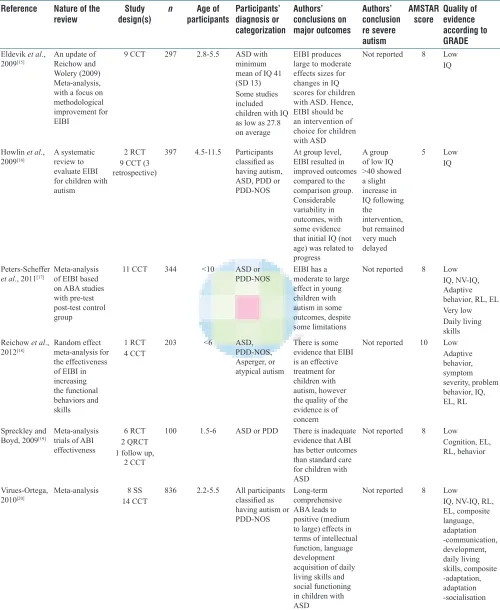
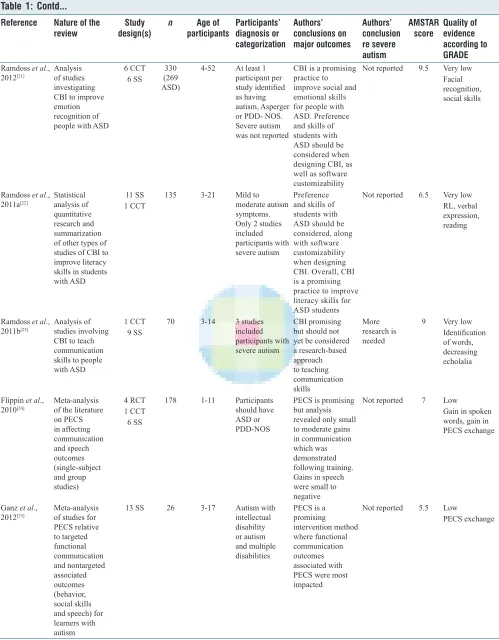
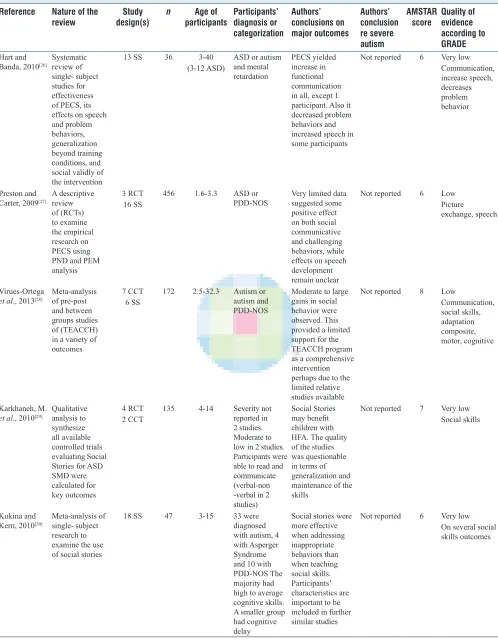
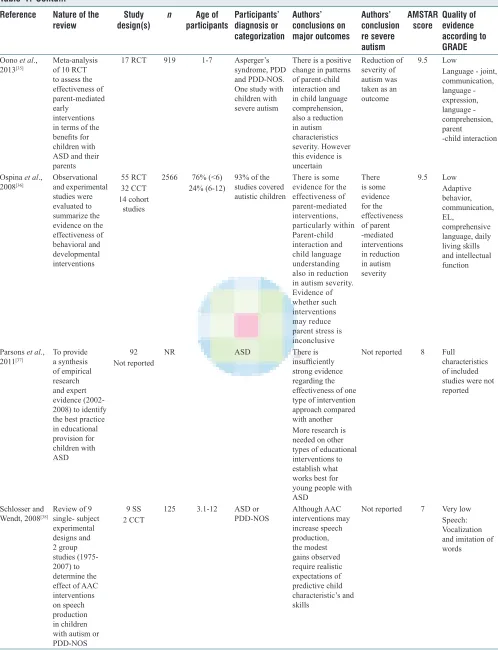
Table 1 describes the characteristics of the 25 included systematic reviews and reports the number of selected studies and number of participants within each review.
Out of the 25 included reviews:
• Six examined the effectiveness of ABA and EIBI • Four concentrated on PECS
• Four reviewed social skills interventions • Three focused on CBL
• One review evaluated the evidence for TEACCH • And the remaining seven reviews evaluated the evidence
for multiple interventions.
There were 10 meta‑analyses and 15 systematic reviews. Among the systematic reviews of single‑subject studies, some have used a percentage of nonoverlapping data points or similar measures to provide a measure of intervention effectiveness.[39]
One systematic review used both empirical results and expert opinions to reach a conclusion.[37]
The selected studies in these reviews vary according to each review’s aims and objectives, as well as number of participants.
The number of studies per review was five to 102, while the number of participants ranged from 26 to 2566. However, some studies have been selected by more than one review of the same intervention. For example, five studies selected by Hart and Banda’s (2010)[26] (n = 10) overlap with Preston and
Carter[27] (n = 28). This might be taken into consideration when
one evaluates the weight of the evidence based on the number of selected studies and number of participants.
From 483 studies in the included reviews, 99 (20%) were RCTs and 124 (26%) were Controlled Clinical Trials. Overall, the single‑subject design was the preferred method of choice with n = 260 (54%).
Effects of interventions
Applied behavior analysis and early intensive behavioral intervention
Four systematic reviews concluded that EIBI produces large to moderate effects in interventions measuring changes in IQ levels.[15‑18] Virués‑Ortega reviewed single‑subject
studies and claimed that long‑term interventions may lead to improvements in IQ level and language development in autistic children.[20] However, some expressed concerns over
the quality of evidence[18] or limitations on the generalizability
of the evidence.[17] Spreckley and Boyd concluded, after
reviewing RCTs and Quasi RCTs, that there is not sufficient evidence for improved cognitive skills, adaptive behavior, expressive, and receptive language when comparing an experimental group with the standard care group.[19]
Computer‑based intervention
Three reviews concerning the effectiveness of CBI intervention for people with autism suggest that CBI is a “promising practice” to improve emotional recognition and literacy skills.[22‑23] However, Ramdoss etal. (2011) which addressed
the use of CBI to teach communication skills warned that it “should not yet be considered a research‑based approach” to teach communication skills to children with autism spectrum disorder (ASD).[23]
Picture exchange communication system
There was a wide range of findings in the four reviews analyzing the evidence for PECS effectiveness. Three reviews observed improved communication skills while two reviews described the effects as “small to moderate or promising.”[25]
Hart and Banda have not quantified the evidence in their review of single‑subject studies but concluded that there was an increase in functional communication and speech.[26] In
contrast, Preston and Carter who reviewed three RCTs with sixteen single‑subject studies concluded that the data to support improvement in communication was limited. However, all noted that children could learn the use of PECS quite readily.[27]
Treatment and education of autistic and communication physically challenged children
Contd... Table 1: Characteristics, AMSAR scores and quality of evidence according to Grading of Recommendations Assessment, Development, and Evaluation of included reviews
Reference Nature of the
review design(s) Study n participantsAge of Participants’ diagnosis or
categorization
Authors’ conclusions on major outcomes
Authors’ conclusion re severe autism
AMSTAR
score Quality of evidence according to GRADE Eldevik et al.,
2009[15] An update of Reichow and
Wolery (2009) Meta‑analysis, with a focus on methodological improvement for EIBI
9 CCT 297 2.8‑5.5 ASD with minimum mean of IQ 41 (SD 13) Some studies
included
children with IQ as low as 27.8 on average
EIBI produces large to moderate effects sizes for changes in IQ scores for children with ASD. Hence, EIBI should be an intervention of choice for children with ASD
Not reported 8 Low IQ
Howlin et al.,
2009[16] A systematic review to
evaluate EIBI for children with autism
2 RCT 9 CCT (3 retrospective)
397 4.5‑11.5 Participants classified as having autism, ASD, PDD or PDD‑NOS
At group level, EIBI resulted in improved outcomes compared to the comparison group.
Considerable
variability in outcomes, with some evidence that initial IQ (not age) was related to progress
A group of low IQ >40 showed a slight
increase in
IQ following the intervention, but remained very much
delayed
5 Low
IQ
Peters‑Scheffer
et al., 2011[17] Meta‑analysis of EIBI based
on ABA studies with pre‑test post‑test control group
11 CCT 344 <10 ASD or
PDD‑NOS EIBI has a moderate to large effect in young children with autism in some outcomes, despite some limitations
Not reported 8 Low IQ, NV‑IQ, Adaptive behavior, RL, EL Very low Daily living skills Reichow et al.,
2012[18] Random effect meta‑analysis for
the effectiveness of EIBI in increasing the functional behaviors and skills
1 RCT
4 CCT 203 <6 ASD, PDD‑NOS, Asperger, or atypical autism
There is some evidence that EIBI is an effective treatment for children with autism, however the quality of the evidence is of
concern
Not reported 10 Low Adaptive behavior, symptom severity, problem behavior, IQ, EL, RL
Spreckley and
Boyd, 2009[19] Meta‑analysis trials of ABI
effectiveness
6 RCT 2 QRCT 1 follow up,
2 CCT
100 1.5‑6 ASD or PDD There is inadequate evidence that ABI has better outcomes than standard care for children with ASD
Not reported 8 Low
Cognition, EL, RL, behavior
Virues‑Ortega,
2010[20] Meta‑analysis 14 CCT8 SS 836 2.2‑5.5 All participants classified as
having autism or PDD‑NOS
Long‑term comprehensive ABA leads to positive (medium to large) effects in terms of intellectual function, language development acquisition of daily living skills and social functioning in children with ASD
Not reported 8 Low
Table 1: Contd...
Reference Nature of the
review design(s) Study n participantsAge of Participants’ diagnosis or
categorization
Authors’ conclusions on major outcomes
Authors’ conclusion re severe autism
AMSTAR
score Quality of evidence according to GRADE Ramdoss et al.,
2012[21] Analysis of studies
investigating CBI to improve emotion recognition of people with ASD
6 CCT
6 SS
330 (269 ASD)
4‑52 At least 1 participant per study identified as having autism, Asperger or PDD‑ NOS. Severe autism was not reported
CBI is a promising practice to improve social and emotional skills for people with ASD. Preference and skills of students with ASD should be considered when designing CBI, as well as software customizability
Not reported 9.5 Very low Facial recognition, social skills
Ramdoss et al.,
2011a[22] Statistical analysis of
quantitative research and summarization of other types of studies of CBI to improve literacy skills in students with ASD
11 SS 1 CCT
135 3‑21 Mild to
moderate autism symptoms. Only 2 studies
included
participants with severe autism
Preference
and skills of students with ASD should be considered, along with software customizability when designing CBI. Overall, CBI is a promising practice to improve literacy skills for ASD students
Not reported 6.5 Very low RL, verbal expression, reading
Ramdoss et al.,
2011b[23] Analysis of studies involving
CBI to teach communication skills to people with ASD
1 CCT 9 SS
70 3‑14 3 studies
included
participants with severe autism
CBI promising but should not yet be considered a research‑based approach to teaching communication skills
More
research is
needed
9 Very low Identification of words, decreasing echolalia
Flippin et al.,
2010[24] Meta‑analysis of the literature
on PECS in affecting communication and speech outcomes (single‑subject and group studies)
4 RCT 1 CCT
6 SS
178 1‑11 Participants should have ASD or PDD‑NOS
PECS is promising but analysis revealed only small to moderate gains in communication which was demonstrated following training. Gains in speech were small to negative
Not reported 7 Low
Gain in spoken words, gain in PECS exchange
Ganz et al.,
2012[25] Meta‑analysis of studies for
PECS relative to targeted functional communication and nontargeted associated outcomes (behavior, social skills and speech) for learners with autism
13 SS 26 3‑17 Autism with
intellectual disability or autism and multiple disabilities
PECS is a promising intervention method where functional communication outcomes associated with PECS were most impacted
Not reported 5.5 Low
PECS exchange
Table 1: Contd...
Reference Nature of the
review design(s) Study n participantsAge of Participants’ diagnosis or
categorization
Authors’ conclusions on major outcomes
Authors’ conclusion re severe autism
AMSTAR
score Quality of evidence according to GRADE Hart and
Banda, 2010[26] Systematic review of
single‑ subject studies for effectiveness of PECS, its effects on speech and problem behaviors, generalization beyond training conditions, and social validly of the intervention
13 SS 36 3‑40
(3‑12 ASD)
ASD or autism and mental retardation
PECS yielded
increase in
functional communication in all, except 1 participant. Also it decreased problem behaviors and increased speech in some participants
Not reported 6 Very low Communication, increase speech,
decreases
problem behavior
Preston and
Carter, 2009[27] A descriptive review
of (RCTs) to examine the empirical research on PECS using PND and PEM
analysis
3 RCT
16 SS 456 1.6‑3.3 ASD or PDD‑NOS Very limited data suggested some positive effect on both social communicative and challenging behaviors, while effects on speech development remain unclear
Not reported 6 Low Picture exchange, speech
Virues‑Ortega
et al., 2013[28] Meta‑analysis of pre‑post
and between groups studies of (TEACCH) in a variety of outcomes
7 CCT
6 SS
172 2.5‑32.3 Autism or autism and PDD‑NOS
Moderate to large gains in social behavior were observed. This provided a limited support for the TEACCH program as a comprehensive intervention perhaps due to the limited relative studies available
Not reported 8 Low
Communication, social skills, adaptation composite, motor, cognitive
Karkhaneh, M.
et al., 2010[29] Qualitative analysis to
synthesize all available controlled trials evaluating Social Stories for ASD SMD were calculated for key outcomes
4 RCT 2 CCT
135 4‑14 Severity not reported in 2 studies. Moderate to low in 2 studies. Participants were able to read and communicate (verbal‑non ‑verbal in 2 studies)
Social Stories may benefit children with HFA. The quality of the studies was questionable in terms of generalization and maintenance of the skills
Not reported 7 Very low Social skills
Kokina and
Kern, 2010[30] Meta‑analysis of single‑ subject
research to examine the use of social stories
18 SS 47 3‑15 33 were
diagnosed with autism, 4 with Asperger Syndrome and 10 with PDD‑NOS The majority had high to average cognitive skills. A smaller group had cognitive
delay
Social stories were more effective when addressing inappropriate behaviors than when teaching social skills. Participants’ characteristics are important to be included in further similar studies
Not reported 6 Very low On several social skills outcomes
Table 1: Contd...
Reference Nature of the
review design(s) Study n participantsAge of Participants’ diagnosis or
categorization
Authors’ conclusions on major outcomes
Authors’ conclusion re severe autism
AMSTAR
score Quality of evidence according to GRADE Reichow et al.,
2013[31] A cochrane systematic
review and meta‑analysis of RCT examined the effectiveness of social skills. All studies selected were conducted in the US
5 RCT 196 6‑21 ASD. The
studies focused mainly on children aged 7 to 12, and the participants were all of average or above average intelligence
There is some evidence that social skills groups can improve social competence for some children and adolescents with ASD. More research is needed to draw more robust conclusions, especially with respect to improvements in quality of life
No RCT examined the interventions with lower functioning ASD
10 Low
Social
competence,
social
communication, emotion recognition, quality of life
Williams White et al., 2007[32]
To summarize the state of research in group‑based SST programs for age‑school children and adolescents
4 CCT
10 SS 141 6‑35 All participants classified as having ASD
Group‑based SST approaches may be a useful intervention for children with ASD, based on small initial efficacy studies. The field requires the development of manual‑based curricula that can be evaluated in large RCT
Not reported 5.5 Very low Social skills
Lang et al.,
2009[33] Quantifiable review of the
interventions (1998‑2008) that focused on teaching play to children with autism by including range of conceptual and developmental models and were applied in different settings
14 SS 1 CCT
53 0‑8 All participants had diagnosis of autism
Three
factors (modeling, prompting, and naturalistic instruction)
underlie successful
play interventions for children with autism
Not reported 7 Low
Functional and symbolic play
McDonald and Machalicek, 2013[34]
Examining the peer‑reviewed interventions of mostly single subject studies (1980‑2011) for adolescents with ASD
98 SS 4 CCT
154 12‑21 Adolescents with ASD: Most had autism (without specification of severity). Other diagnoses were autism with/without intellectual disability, AS, PDD‑NOS, high‑functioning autism, moderate autism, autism and PDD‑ NOS 2 participants received multiple diagnoses and 3 had severe autism
Encouraging findings of the effectiveness of some approaches e.g., behavioral and CBL interventions. However, concerns regarding addressing such approaches to academic skills and in comparing their effectiveness across autism severity, age and interventions
Autism severity was rarely reported and most studies
relied on
previous diagnosis which may not provide a clear current assessment of autism severity
5 Very low Social skills, communication, challenging behavior, academic skills
Table 1: Contd...
Reference Nature of the
review design(s) Study n participantsAge of Participants’ diagnosis or
categorization
Authors’ conclusions on major outcomes
Authors’ conclusion re severe autism
AMSTAR
score Quality of evidence according to GRADE Oono et al.,
2013[35] Meta‑analysis of 10 RCT
to assess the effectiveness of parent‑mediated
early
interventions in terms of the benefits for children with ASD and their parents
17 RCT 919 1‑7 Asperger’s
syndrome, PDD and PDD‑NOS. One study with children with severe autism
There is a positive change in patterns of parent‑child interaction and in child language comprehension, also a reduction in autism characteristics severity. However this evidence is uncertain
Reduction of severity of autism was taken as an outcome
9.5 Low
Language ‑ joint, communication, language ‑ expression, language ‑ comprehension, parent
‑child interaction
Ospina et al.,
2008[36] Observational and experimental
studies were evaluated to summarize the evidence on the effectiveness of behavioral and developmental interventions
55 RCT 32 CCT 14 cohort
studies
2566 76% (<6)
24% (6‑12) 93% of the studies covered autistic children
There is some evidence for the effectiveness of parent‑mediated interventions, particularly within Parent‑child interaction and child language understanding also in reduction in autism severity. Evidence of whether such interventions may reduce parent stress is inconclusive
There is some evidence for the effectiveness of parent ‑mediated interventions in reduction in autism severity
9.5 Low
Adaptive behavior, communication, EL,
comprehensive language, daily living skills and intellectual function
Parsons et al.,
2011[37] To provide a synthesis
of empirical research and expert evidence (2002‑ 2008) to identify the best practice in educational provision for children with ASD
92
Not reported NR ASD There is insufficiently strong evidence regarding the effectiveness of one type of intervention approach compared with another More research is needed on other types of educational interventions to establish what works best for young people with ASD
Not reported 8 Full characteristics
of included
studies were not reported
Schlosser and
Wendt, 2008[38] Review of 9 single‑ subject
experimental designs and 2 group studies (1975‑ 2007) to determine the effect of AAC interventions on speech production in children with autism or PDD‑NOS
9 SS 2 CCT
125 3.1‑12 ASD or
PDD‑NOS Although AAC interventions may increase speech production, the modest gains observed require realistic expectations of predictive child characteristic’s and skills
Not reported 7 Very low Speech: Vocalization and imitation of words
insignificant to minor range.[28] In comparison, there were
moderate to large gains in social and maladaptive behavior. However, the authors point out that the limited support for the TEACCH programs in their meta‑analysis could be due to the “limited pool” of studies available and therefore, their findings should be considered as “exploratory.”
Social skills interventions including social stories
Four reviews examined the evidence of the effectiveness of interventions aimed at improving social skills using social stories,[29,30] and other social skills training (SST)
techniques.[31,32] Social stories were found to be of value when
given in a school setting and may be most effective when addressing inappropriate behavior.[30] The authors highlighted
that the characteristics of participants and nature of settings are significant moderators to the effect of Social stories on the investigated outcome. However, the two reviews on Social Stories cautioned against a blanket generalization of their findings.
Further, a systemati review summarized the state of research in group‑based SST and concluded that there was some evidence based on small initial efficacy studies that this intervention may be useful.[32] In addition, another review
analyzed the evidence of interventions used to improve social skills and suggested that there is some evidence that social skills groups can improve social competence for some children and adolescents with ASD.[31] However, the
generalizability of their findings is affected by the fact that the participants in the studies they reviewed have average or above average IQ. This was also the case in the claimed success of Social Stories.[30]
Multiple interventions
Among the 25 included reviews in this overview, there were six reviews which did not specify a particular intervention. Instead, they either targeted a specific population of people with autism, for example, adolescents,[34] or used different
interventions through a specified mediator, for example, parents,[35] or analyzed interventions that may target a
specific skill.[38] McDonald and Machalicek (2013) reviewed
the effect of different interventions such as behavioral and technology‑based interventions, social skills, and parent training interventions with adolescents with autism.[34]
In summary, reviews of multiple interventions recommended that further research is needed to identify the effectiveness of any one intervention compared to others. Parsons et al. reviewed the evidence for education based interventions for individuals with autism to inform best practice and concluded that there is insufficiently strong evidence to favor one particular intervention.[37] Ospina etal. concluded
that no definitive behavioral intervention would improve all symptoms and advised that it is probably best to individualize each intervention and tailor it toward the specific needs of those involved.[36]
d
IscussIonSummary of main results
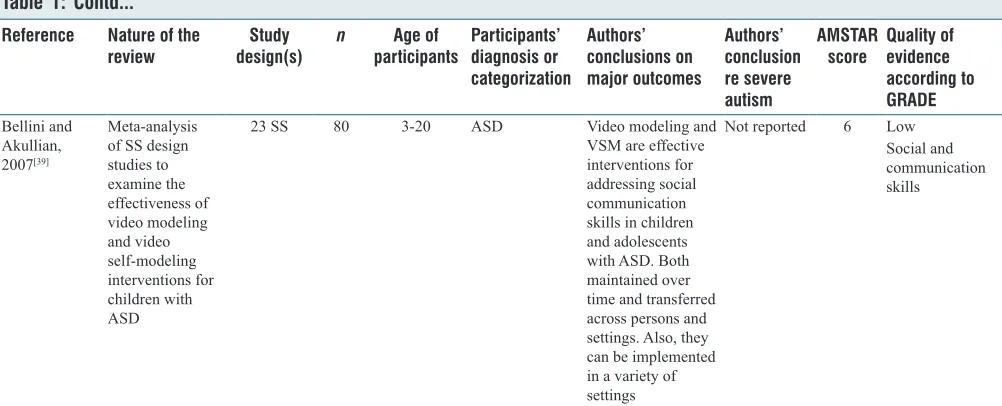
[image:9.612.56.557.70.273.2]This overview attempted to synthesize the evidence of the effectiveness of mainstream educational and behavioral interventions for autistic children in general and those at the more severe end of the spectrum in particular. The selected systematic reviews listed in Table 1 investigated a variety of Table 1: Contd...
Reference Nature of the
review design(s) Study n participantsAge of Participants’ diagnosis or
categorization
Authors’ conclusions on major outcomes
Authors’ conclusion re severe autism
AMSTAR
score Quality of evidence according to GRADE
Bellini and
Akullian, 2007[39]
Meta‑analysis of SS design studies to examine the effectiveness of video modeling and video self‑modeling interventions for children with ASD
23 SS 80 3‑20 ASD Video modeling and
VSM are effective interventions for addressing social communication skills in children and adolescents with ASD. Both maintained over time and transferred across persons and settings. Also, they can be implemented in a variety of settings
Not reported 6 Low
Social and
communication skills
interventions, and outcomes such as level of IQ, social skills, communication skills, and literacy.
Results showed that the six reviews evaluating the effects of ABA/EIBI generated similar conclusions, finding positive effects on the participants’ level of IQ after the interventions.[15,27]
However, all six reviews expressed serious concerns about the lack of RCTs to further support this trend. Other limitations are related to the quality of studies on EIBI because of a lack of randomized assignment of treatment in RCTs. A direct comparison between EIBI and other interventions is also lacking. Intervention duration and the amount of training of mediators for interventions are further sources of heterogeneity between the studies, making combining data from different studies in one conclusive outcome difficult.
The participants’ age at which an intervention starts was found to be an important factor in determining the success of the intervention.[16] Other factors in the success of an intervention
include the level of autism severity and the level of initial language skills (in particular, receptive language skills). However, there is controversy in the literature concerning what level of severity is more susceptible to intervention. Some argue that children with less severe symptoms will show better improvement in certain outcomes.[18] Others argue that there is
more room for change if the individuals’ levels of behavioral problems and autism symptoms are more evident.[16] Clearly,
more research is needed with children with severe impairments to examine this argument further.
Further, IQ as a variable of choice in many studies has led to neglecting other variables such as social interaction. In some instances, an increase in IQ did not mean that the social functions of the participants have improved.[16,17] In addition, Eldevik etal.
argue for more research to improve the adaptive behaviors of autistic children.[15] In summary, there is no evidence to suggest
the superiority of one intervention over another.
Overall completeness and applicability of evidence
Many reviews raised concerns regarding experimental designs and robustness of the methodology used in investigating the effectiveness of interventions. Several argued that the most rigorous research design to investigate interventions may be RCTs in which both the control and intervention groups are allocated randomly and go through identical conditions apart from the intervention, and both the investigators and participants are unaware of which intervention was given. There are inherent problems in implementing RCTs in autism research, however. For example, a double‑blind design would be very difficult to achieve with educational interventions in school settings because participants would know the difference between their usual educational scheme and the interventional scheme. Further, randomization would be difficult to achieve with a small number of individuals with autism in each unit of study. It is no surprise, therefore, that the types of studies included were mainly single‑subject studies (where a participant’s response to the intervention is compared to that participant’s
own baseline data). This design is widely used in psychology and educational research and other branches of applied social sciences. The single‑subject design is sensitive to differences affecting the participant as it measures before and after changes in the same participant. This is in contrast to RCTs where a control group is composed of participants different from the treatment group.
Applicability of evidence to children at the severe end of the spectrum
There was a wide range of individuals with autism in the studies selected by these reviews. However, the severity of autism was rarely reported as shown in Table 1. Moreover, most studies failed to apply clear and concise criteria of how they described or assessed their participants’ autism severity and they relied mostly on a previous diagnosis which may not take into consideration any improvement in the abilities of an individual since the first diagnosis was made, or the rich pattern of abilities and challenges often faced by autistic individuals.
In some reviews,[31] it was clear that the participants had high
cognitive and verbal abilities and therefore the quality of evidence for the effectiveness of the intervention may need to be downgraded when used with children with more severe disabilities, as the indirectness rule of the GRADE system clearly suggests.
It is worth noting that the majority of studies are biased toward individuals with good cognitive, verbal and communication skills. Indeed, Reichow et al. who examined the empirical evidence of recently studied social skills interventions (SST) concluded that none of these studies examined the interventions with more severely disabled autistic individuals.[31] Two
reviews,[35,36] though found some evidence that the involvement
of parents, or more specifically parent‑mediated intervention, can reduce the more severe symptoms of autism.
Merely, 9 out of the 25 included reviews reported that some children in their selected studies were at the more severe end of the autism spectrum. However, 4 of these 9 reviews had not reported the applicability of evidence for this group EIBI,[15]
CBI,[22] PECS,[26] and Social Stories.[29] The five remaining
reviews reported suitability of the interventions used in reducing autism severity in relation to their intervention, albeit with limited effectiveness. For example, Howlin etal. recognized a small increase in IQ following an EIBI intervention for a group of participants with previously low IQ.[16] Concerning CBI,
Ramdoss etal. (2011) saw promise for teaching communication skills, but acknowledged that more research which includes participants with severe autism is needed.[23]
Quality of evidence
Only systematic reviews and meta‑analyses with an AMSTAR score of five or higher were included in this synthesis of evidence. This method of establishing the evidence from high‑quality reviews and studies is standard practice in systematic reviewing. It is also advised to use a grading system to judge the quality of evidence, as applied in the current overview. The quality of evidence from reviews based on studies using RCTs is judged to be stronger than other methods of investigations, such as observational research. It can therefore be postulated that the conclusion of Spreckley
and Boyd[19] that there is inadequate evidence that ABA has
better outcomes than standard care for children with ASD carries more weight than Virués‑Ortega conclusion that long‑term comprehensive ABA leads to positive (medium to large) effects in a range of outcomes in children with ASD.[20]
This is despite the latter having based their conclusion on a larger sample (n = 836 vs. n = 100). The reason for this is that Spreckley and Boyd based their evaluation on a range of studies including six RCTs while the lack of a control group in Virues‑Ortega’s study was evident. However, the quality of evidence in all research on ABA and EIBI was generally considered low, indicating that further research is needed to have greater confidence in the estimate of effect.
Potentials biases of the overview process
A potential bias is that some of the secondary outcomes in the selected original articles of the systematic reviews overviewed may have been masked by the tendency of the reviewers to report the major outcomes. Further, it should be pointed out that this overview included only publications which were peer‑reviewed systematic reviews or meta‑analyses. Reviews in the grey literature and government reports were omitted. We believe that by focusing on peer‑reviewed material only, the quality of the material considered and thereby the quality of this overview has been maximized.
Conclusions and implications for research
Although social difficulties are a central feature of the diagnostic approaches to autism of both DSM and WHO, the emphasis on the effectiveness of social and behavioral interventions has only gathered momentum in the last decade or so. One factor that might explain the increase in research and application of social‑based intervention is the development of theories to explain autism further. For example, in a synthesis framework published in Dialogues in Clinical Neuroscience the argument was that many of the social‑based approaches have attempted to “marry specific psychological theories with studies of brain and behaviour.”[40] The authors of this
synthesis gave an example of Theory of Mind and the need to find a neurological explanation for it, but also mention the other dominating theories of deficits in executive function and weak central coherence.
One of the challenges that this overview revealed is that more RCTs need to be carried out to improve the quality of evidence. However, as argued earlier, since randomizing and blinding
of interventions is difficult in educational and behavioral research, the next‑best alternative to RCTs is the single‑study design, which may in fact be more sympathetic to the needs and preferences of participants and the environment in which research is taking place.
It is essential to improve the quality of evidence of autism intervention research in general and systematic reviews in particular, to inform the research community. There is a particular need to study children at the more severe end of the spectrum. One way of doing this is to further research interventions that show promising results in improving some outcomes for this group of children since the quality of evidence is still very low. Likewise, the quality of data available on speech development resulting from the application of PECS is weak too, albeit promising.
This overview also indicates that interventions such as social stories, which are based on the assumption that children have high levels of receptive language skills, may not be appropriate for children with severe autism due to their limited, or delayed language skills. Instead, interventions such as PECS and CBI may be the tools of choice for this group of children because these interventions are based on visual stimuli.
Other factors such as the duration of the intervention, age, and level of severity of the participants should be considered in research since they have been recognized as effective variables in the evaluation of an intervention’s success.
c
onclusIonIn summary, this overview of educational, behavioral, and social interventions for children with autism, with a particular focus on the severe end of the spectrum, found that:
• None of the intervention types is superior to the others • There is generally weak evidence for the effectiveness
of the reviewed interventions in improving symptoms of autism
• Applicability of this evidence on children with severe autism is generally questionable.
Clearly, there is a gap in the research investigating the responses of children with severe autism to educational and behavioral interventions. Indeed, the limited research in this area is illustrated by the prevalence of “VERY LOW” and “LOW” classifications for most reviews, as applied by the GRADE evaluation system [Table 1]. It suggests an urgent need for research with severely disabled autistic children. Most importantly, there does not appear to be a definitive intervention that would improve all symptoms of autism. Any intervention that wants to be effective needs to be customized to the specific circumstances, needs and abilities of the individual.
Acknowledgments
Financial support and sponsorship
Nil.
Conflicts of interest
There are no conflicts of interest.
R
efeRences1. American Psychiatric Association. Diagnostic and Statistical Manual of Mental Disorders. Arlington: American Psychiatric Publishing; 2013. 2. Moore M, Calvert S. Brief report: Vocabulary acquisition for children
with autism: Teacher or computer instruction. J Autism Dev Disord 2000;30:359‑62.
3. Bosseler A, Massaro DW. Development and evaluation of a computer‑animated tutor for vocabulary and language learning in children with autism. J Autism Dev Disord 2003;33:653‑72.
4. Kenny L, Hattersley C, Molins B, Buckley C, Povey C, Pellicano E, et al. Which terms should be used to describe autism? Perspectives from the UK autism community. Autism 2016;20:442‑62.
5. Francis K. Autism interventions: A critical update. Dev Med Child Neurol 2005;47:493‑9.
6. Davis P, Florian L, Ainscow M. Teaching Strategies and Approaches for Pupils with Special Educational Needs: A Scoping Study. Nottingham: DfES Publications; 2004.
7. Eikeseth S. Outcome of comprehensive psycho‑educational interventions for young children with autism. Res Dev Disabil 2009;30:158‑78. 8. Higgins JP, Green S. Cochrane Handbook for Systematic
Reviews of Interventions; 2011. p. 5. Available from: http://www. cochrane‑handbook.org. [Last accessed on 2016 Jul 18].
9. National Collaborating Centre for Methods and Tools. AMSTAR: Assessing Methodological Quality of Systematic Reviews. Hamilton, ON: McMaster University; 2011.
10. Cheung A, Weir M, Mayhew A, Kozloff N, Brown K, Grimshaw J. Overview of systematic reviews of the effectiveness of reminders in improving healthcare professional behavior. Syst Rev 2012;1:36. 11. Moher D, Liberati A, Tetzlaff J, Altman DG. Preferred reporting items
for systematic reviews and meta‑analyses: The PRISMA statement. Ann Internal Med 2009;151:264‑9.
12. Brennan RL, Prediger DJ. Coefficient kappa: Some uses, misuses, and alternatives. Educ Psychol Meas 1981;41:687‑99.
13. Randolph JJ. Online Kappa Calculator; 2008. Available from: http:// www.justus.randolph.name/kappa. [Last accessed on 2016 Jul 18]. 14. Guyatt G, Oxman AD, Akl EA, Kunz R, Vist G, Brozek J, et al. GRADE
guidelines: 1. Introduction‑GRADE evidence profiles and summary of findings tables. J Clin Epidemiol 2011;64:383‑94.
15. Eldevik S, Hastings RP, Hughes JC, Jahr E, Eikeseth S, Cross S. Meta‑analysis of early intensive behavioral intervention for children with autism. J Clin Child Adolesc Psychol 2009;38:439‑50.
16. Howlin P, Magiati I, Charman T. Systematic review of early intensive behavioral interventions for children with autism. Am J Intellect Dev Disabil 2009;114:23‑41.
17. Peters‑Scheffer N, Didden R, Korzilius H, Sturmey P. A meta‑analytic study on the effectiveness of comprehensive ABA‑based early intervention programs for children with autism spectrum disorders. Res Autism Spectr Disord 2011;5:60‑9.
18. Reichow B, Barton EE, Boyd BA, Hume K. Early intensive behavioral intervention (EIBI) for young children with autism spectrum disorders (ASD). Cochrane Database Syst Rev 2012;10:CD009260. 19. Spreckley M, Boyd R. Efficacy of applied behavioral intervention in
preschool children with autism for improving cognitive, language, and adaptive behavior: A systematic review and meta‑analysis. J Pediatr 2009;154:338‑44.
20. Virués‑Ortega J. Applied behavior analytic intervention for autism in early childhood: Meta‑analysis, meta‑regression and dose‑response meta‑analysis of multiple outcomes. Clin Psychol Rev 2010;30:387‑99.
21. Ramdoss S, Machalicek W, Rispoli M, Mulloy A, Lang R, O’Reilly M, et al. Computer‑based interventions to improve social and emotional skills in individuals with autism spectrum disorders: A systematic review. Dev Neurorehabil 2012;15:119‑35.
22. Ramdoss S, Lang R, Mulloy A, Franco J, O’Reilly M, Didden R, et al. Use of computer‑based interventions to teach communication skills to children with autism spectrum disorders: A systematic review. J Behav Educ 2011;20:55‑76.
23. Ramdoss S, Mulloy A, Lang R, O’Reilly M, Sigafoos J, Lancioni G, et al. Use of computer‑based interventions to improve literacy skills in students with autism spectrum disorders: A systematic review. Res Autism Spectr Disord 2011;5:1306‑18.
24. Flippin M, Reszka S, Watson LR. Effectiveness of the picture exchange communication system (PECS) on communication and speech for children with autism spectrum disorders: A meta‑analysis. Am J Speech Lang Pathol 2010;19:178‑95.
25. Ganz JB, Davis JL, Lund EM, Goodwyn FD, Simpson RL. Meta‑analysis of PECS with individuals with ASD: Investigation of targeted versus non‑targeted outcomes, participant characteristics, and implementation phase. Res Dev Disabil 2012;33:406‑18.
26. Hart SL, Banda DR. Picture exchange communication system with individuals with developmental disabilities: A meta‑analysis of single‑subject studies. Remed Spec Educ 2010;31:476‑88.
27. Preston D, Carter M. A review of the efficacy of the picture exchange communication system intervention. J Autism Dev Disord 2009;39:1471‑86.
28. Virues‑Ortega J, Julio FM, Pastor‑Barriuso R. The TEACCH program for children and adults with autism: A meta‑analysis of intervention studies. Clin Psychol Rev 2013;33:940‑53.
29. Karkhaneh M, Clark B, Ospina MB, Seida JC, Smith V, Hartling L. Social stories™ to improve social skills in children with autism spectrum disorder: A systematic review. Autism 2010;14:641‑62. 30. Kokina A, Kern L. Social story interventions for students with
autism spectrum disorders: A meta‑analysis. J Autism Dev Disord 2010;40:812‑26.
31. Reichow B, Steiner AM, Volkmar F. Cochrane review: Social skills groups for people aged 6 to 21 with autism spectrum disorders (ASD). Evid Based Child Health 2013;8:266‑315.
32. Williams White S, Keonig K, Scahill L. Social skills development in children with autism spectrum disorders: A review of the intervention research. J Autism Dev Disord 2007;37:1858‑68.
33. Lang R, O’Reilly M, Rispoli M, Shogren K, Machalicek W, Sigafoos J, et al. Review of interventions to increase functional and symbolic play in children with autism. Educ Train Dev Disabil 2009;1:481‑92. 34. McDonald T, Machalicek W. A systematic review of intervention
research including adolescents with autism spectrum disorders: 1980‑2011. Res Autism Spectr Disord 2013;7:1439‑60.
35. Oono IP, Honey EJ, McConachie H. Parent‑mediated early intervention for young children with autism spectrum disorders (ASD). Evid Based Child Health 2013;8:2380‑479.
36. Ospina MB, Krebs Seida J, Clark B, Karkhaneh M, Hartling L, Tjosvold L, et al. Behavioural and developmental interventions for autism spectrum disorder: A clinical systematic review. PLoS One 2008;3:e3755.
37. Parsons S, Guldberg K, MacLeod A, Jones G, Prunty A, Balfe T. International review of the evidence on best practice in educational provision for children on the autism spectrum. Eur J Spec Needs Educ 2011;26:47‑63.
38. Schlosser RW, Wendt O. Effects of augmentative and alternative communication intervention on speech production in children with autism: A systematic review. Am J Speech Lang Pathol 2008;17:212‑30. 39. Bellini S, Akullian J. A meta‑analysis of video modeling and video
self‑modeling interventions for children and adolescents with autism spectrum disorders. Except Child 2007;73:261‑84.