Barriers to implementation of stratified
care in primary biliary cholangitis: a
scoping exercise
Margaret Corrigan,1,2 Gideon Hirschfield,1,2 Sheila Greenfield,3 Jayne Parry3
To cite: Corrigan M,
Hirschfield G, Greenfield S, et al. Barriers to implementation of stratified care in primary biliary cholangitis: a scoping exercise. BMJ Open Gastro 2019;6:e000226. doi:10.1136/ bmjgast-2018-000226
Received 17 July 2018 Revised 31 August 2018 Accepted 7 September 2018
1University of Birmingham,
NIHR Birmingham Biomedical Research Centre, Centre for Liver Research, Birmingham, UK 2Department of Liver
medicine, University Hospitals Birmingham NHS Foundation Trust, Birmingham, UK 3University of Birmingham,
Institute of Applied Health Research, Birmingham, UK
Correspondence to Dr Margaret Corrigan; m. corrigan@ bham. ac. uk © Author(s) (or their employer(s)) 2019. Re-use permitted under CC BY-NC. No commercial re-use. See rights and permissions. Published by BMJ.
AbsTrACT
Patients with primary biliary cholangitis (PBC) can be stratified into low-risk and high-risk groups based on their response to treatment. Newly published guidelines from the British Society of Gastroenterology suggest low-risk patients can be managed substantially in primary care. This represents a shift from existing practice and makes assumptions about service capacity and the willingness of both patients and health care practitioners (HCPs) to make this change. The aim of this paper is to identify possible barriers to the implementation of these new care pathways through review of the PBC-specific literature and by identifying the experiences of patients and HCPs managing a different condition with comparable patients and disease characteristics. Searches of MEDLINE, CINAHL and EMBASE were undertaken. Within the existing PBC literature there is little data surrounding stakeholder perspectives on place of care. Review of the breast cancer literature highlights a number of barriers to change including primary care practitioner knowledge and work load, communication between healthcare settings, and the significance of the established doctor–patient relationship. Further research is needed to establish the extent to which these barriers may surface when changing PBC care pathways, and the actions required to overcome them.
IntroductIon
Primary biliary cholangitis (PBC), formerly known as primary biliary cirrhosis, is a chronic autoimmune liver disease. The inci-dence of PBC in the UK is 32.2 per 100 000,1
with approximately 20 000 people presently affected. Incidence is higher in females compared with males (10:1) and in the fifth and sixth decade of life such that a woman over 40 years of age has a 1/1000 chance of having this condition.2 While early natural
history studies suggested that life expec-tancy from time of diagnosis was less than 10 years,3 this is no longer true. Increasing
understanding of the pathophysiology of the disease, along with the ability to diagnose PBC earlier in its course, and the widespread use of ursodeoxycholic acid (UDCA) has led to the recognition that, for many patients,
PBC is a chronic disease but not life limiting. The name changes from ‘primary biliary cirrhosis’ to ‘primary biliary cholangitis’ was adopted into use by clinicians, researchers and patients in 2015 to reflect the emerging evidence that only a minority of patients go on to develop cirrhosis and end-stage liver failure.
Patients with PBC can be categorised or ‘stratified’ into two groups (responders or non-responders) based on whether or not there is an improvement in biochemical parameters following 12 months of treat-ment with UDCA. Those who respond to treatment with UDCA (between 60% and 70% of all patients) do not go on to develop progressive disease and have a transplant free survival similar to the general population.4–7
Up until a few years ago, in the absence of second line treatment, those who failed to respond to UDCA were at risk of progres-sion to end stage liver disease and liver trans-plantation, with younger patients and males with PBC over-represented in this group.8
However, following recent positive outcomes in trials, obeticholic acid (OCA), a Farsenoid X receptor agonist has been approved by the National Institute for Health and Care Excel-lence (NICE) for the treatment of patients who have had an inadequate response to treatment with UDCA or were unable to tolerate UDCA.9 However, despite the
avail-ability of effective treatment, there is no cure for the disease and even for those who respond, life-long treatment with UDCA is still required and patients will requirement regular follow-up.
Reflecting both the increased under-standing of the natural history of PBC and the availability of second line therapy, recently published guidelines from the British Society of Gastroenterology10 highlight the impor-tance of formal risk stratification for all patients at 1-year postdiagnosis with manage-ment of treatmanage-ment non-response or high-risk
copyright.
on May 30, 2020 by guest. Protected by
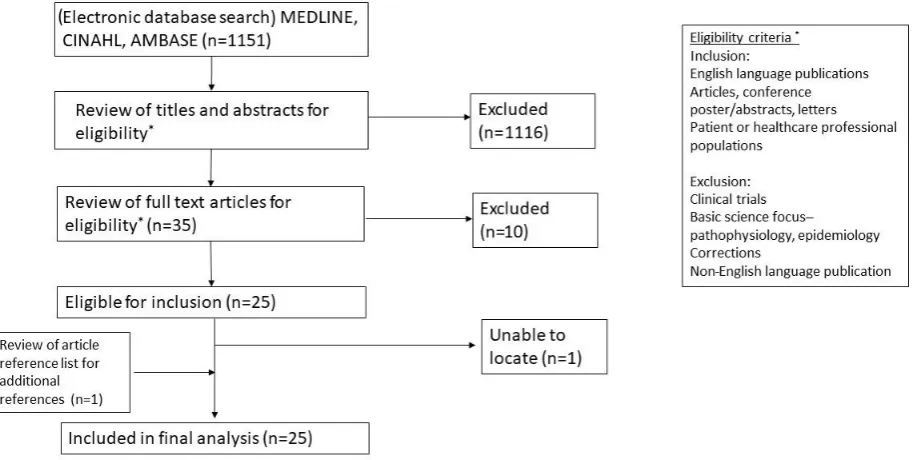
Figure 1 Study selection process for primary biliary cholangitis.
patients necessitating discussion with specialist services for consideration of OCA or clinical trials. For those with low-risk disease, while long-term treatment and follow-up are required, it has been suggested that this does not necessarily need to take place in a hospital-based setting and there is the opportunity for an increased role for primary care services in the long-term care of these patients. These recommendations are echoed in the recent guidelines from the European Association for the Study of Liver Disease.11
New models of care for management of chronic liver disease as a whole are essential and timely. In contrast to other countries in Western Europe, rates of liver disease are increasing in the UK; over 600 000 people are known to have liver disease with 10% of these having cirrhosis and liver disease mortality has increased by 400% over the last 40 years.12 The Lancet Commission on Liver Disease has highlighted the numerous challenges currently faced by the National Health Service (NHS) and by patients including inequalities in service provision (the so-called ‘postcode lottery’). The Commission’s recommendations included the need to improve access to specialist care and services for those most in need as well as increasing involvement from primary care and community services.12
However, changing patterns of established care requires ‘buy in’ from all users of the pathways: patients, stakeholders, and health care practitioners (HCPs) in primary, secondary and tertiary settings. This requires an appreciation of the various user’s perspectives of current care, of the possible impacts any changes will have on them as new pathways are introduced, and in turn the identification of potential barriers to change and the facilitators required for these to be overcome. This paper seeks to identify what is already known about these factors in the currently available PBC literature. In addition, we also review the existing literature around patient and
HCP perspectives on follow-up in a comparable condi-tion where recent changes in management parallel the proposed evolution of PBC in order to gain insights that may be relevant to reforms in PBC care.
Methods
review of the PBc literature
A scoping review was chosen with the goal of estab-lishing the type and breadth of literature available.13 The potential remained to perform a systematic review if the scoping study revealed a large body of relevant literature. Using the framework set out by Arksey and O’Malley,14 the following stages were undertaken: (1) identification of the research question, (2) identification of relevant studies, (3) selection of studies, (4) charting of the data (5) collation, summarising and reporting of results.
The research question was divided into two parts. (1) What is the breadth and type of literature available looking at the perspectives of patients and clinicians on all aspects of PBC and its management? (2) Is there existing data looking specifically at how patients and clinicians view the role of primary care in the manage-ment of PBC?
A search of three electronic databases: MEDLINE, CINAHL and EMBASE was carried out. A schematic of the study selection process is shown in figure 1. The following search terms were used: Primary biliary cirrhosis OR primary biliary cholangitis AND quality OR experience OR perception* OR perspective* OR attitude* OR expectation* OR understand* OR view*. Eleven hundred and fifty-one distinct citations were iden-tified by the initial database searches with 24 included in the final analysis. In order to establish whether there were any additional resources available but not captured by the initial electronic database searches, a review of all
copyright.
on May 30, 2020 by guest. Protected by
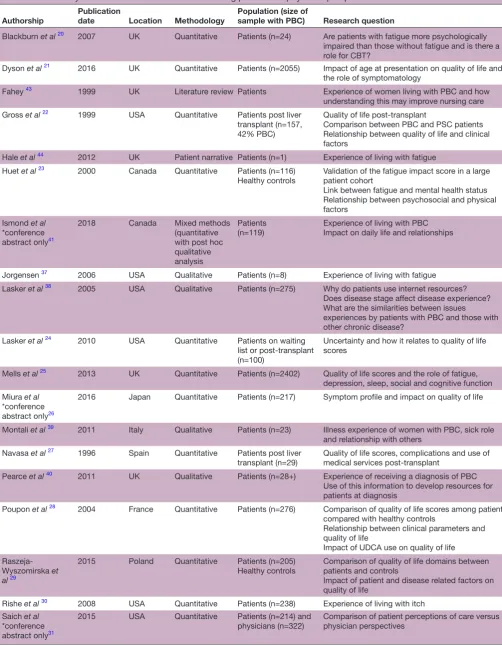
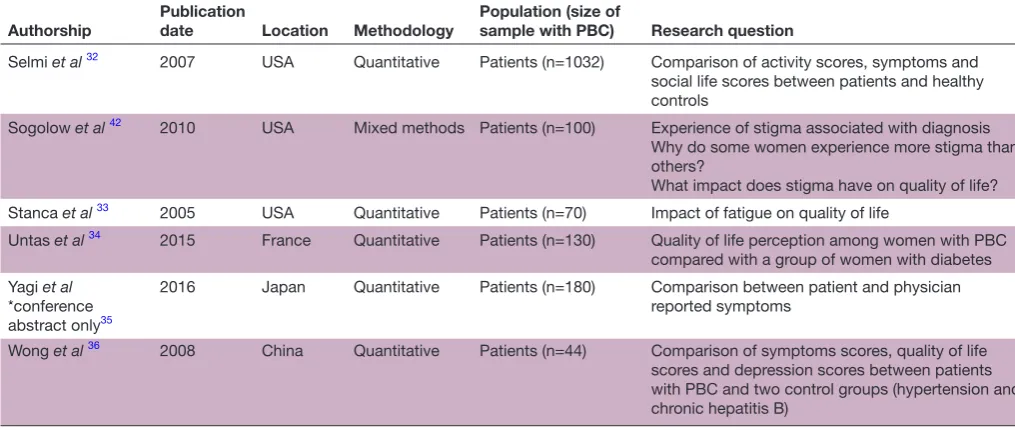
the reference lists from the 24 texts was undertaken; this yielded one further article. A search of the grey litera-ture using Open Grey (http://www. opengrey. eu) using the search terms ‘primary biliary cirrhosis’ and ‘primary biliary cholangitis’ returned 18 and five citations, respec-tively. None were relevant to the research question. The key characteristics and emerging research themes of the 25 studies are summarised in table 1.
choosing a comparable condition
A number of factors were deemed to be of relevance when selecting a comparable condition including the demo-graphics of the patient population, availability of clear stratification parameters and the need for ongoing but minimal input long-term follow-up for low-risk groups. Possible conditions considered included other forms of liver disease, other chronic diseases (including autoim-mune and non-autoimautoim-mune) and malignancies. Breast cancer satisfied the criteria (see table 2); it is mainly a disease of older females, patients are stratified after primary treatment into those who have achieved remis-sion and those who have not responded, and even where remission has been achieved, there continues to be a need for a form of life-long input for responders that does not necessarily require specialist input.15 A number of other
parallels are also evident, including the ongoing psycho-logical morbidity, and symptoms that may persist despite remission being achieved. In addition, issues around how best to follow-up patients who have undergone curative treatment remain a source of debate.16 NICE guidelines
on breast cancer from 2002 stated that all patients should be followed up for a minimum of 3 years (although they did not state how frequently patients should be seen) before care could be transferred back to primary care.17 A systematic review of the breast cancer literature
in 200718 identified seven randomised controlled trials
which compared different forms of follow-up care both in terms of frequency of review and appropriate health-care professional. Overall, they found no difference in recurrence rates, survival or quality of life. The updated NICE guidelines in 200919 reflect the existing research
and recommend patients decide how they would like to be followed up after primary treatment is completed with options including primary care, secondary care or shared care.
review of the breast cancer literature
The second scoping exercise again followed the Arksey and O’Malley structure.14 As the topic of long-term
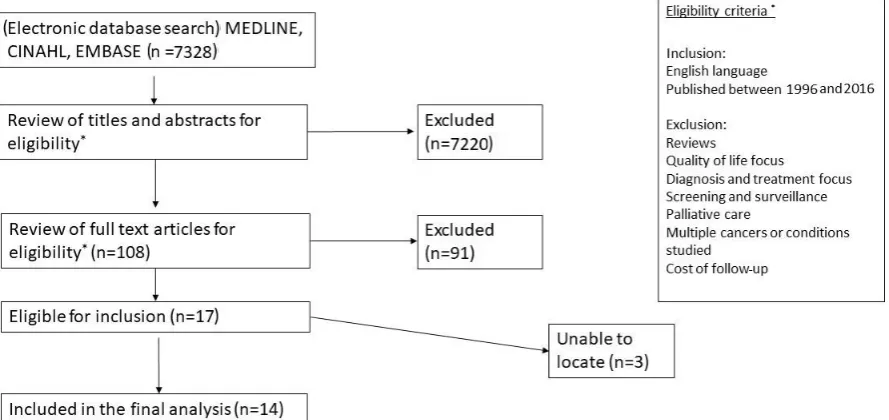
follow-up in breast cancer survivorship has been widely studied, the goal of this review was to (1) gain an overview of the commonly occurring themes in this literature and (2) identify barriers to follow-up in primary care which may have potential relevance in PBC. An electronic base search was undertaken using the same three data-bases. A schematic of the sample selection process is shown in figure 2. The following search terms were used: breast cancer OR breast carcinoma OR breast neoplasm
AND perspective* OR opinion* OR view* OR attitude* OR experience* or perception* AND discharge OR ‘follow-up’ OR ‘primary care’ OR ‘secondary care’ OR hospital* OR special* OR general practice*. A date limit was set to cover 1996–2016 in order to capture data rele-vant to recent changes in breast cancer follow-up strategies between the 2002 and 2009 NICE guidelines and studies undertaken following this change in practice. Review of the reference lists from relevant articles did not identify any further relevant citations within the specified date range. For each study the following data were extracted: authorship, publication date, location, population type, sample size and barriers to primary care follow-up.
results PBc literature
Twenty-five studies identified from the PBC literature were included in the final analysis (table 1). Seventeen quantitative studies were identified,20–36 four qualita-tive,37–40 two mixed methods study,41 42 one literature review43 and one patient narrative.44 Of these studies, 24 focused on the patient perspective only, with one looking at both patient and physician perspectives.31 The majority of the studies focused on symptoms and quality of life. Of those that took a qualitative or mixed approach, one study looked specifically at the impact of fatigue,37 one at the experience of receiving a diagnosis40 and the other at stigma associated with PBC.42 Two studies explored the experience of living with PBC.39 41
While no studies directly addressed issues surrounding follow-up care and the role of primary, secondary and tertiary care, there were a number of emerging themes that are likely to be of relevance when looking at the impact of changes in the structure of care. Montali et
al39 identified the theme of ‘delegitimisation’ and how, when patients look well (as is often the case in PBC), the impact of their disease is minimised by familial and social contacts. Discharge from specialist care to the primary care setting may further impact these perceptions both for the patient and their social contacts. The significance of the disease may be perceived as lesser when care is transferred to practitioners who may be seen as being less ‘specialist’ or ‘expert’.40 44 In addition, the stigma experi-enced by patients may also be influexperi-enced by new changes in care structure. A study looking at posts on an internet forum for patients with PBC revealed that a number of posts were related to stigma38 and when directly asked many patients reported that they felt a degree of stigma associated with their disease.42 This stigma seemed to stem not specifically from the diagnosis of PBC itself but with the associations between liver disease and cirrhosis with drugs and alcohol. Of note, this stigma was not just related to the perception of lay people but also to non-specialist HCPs.
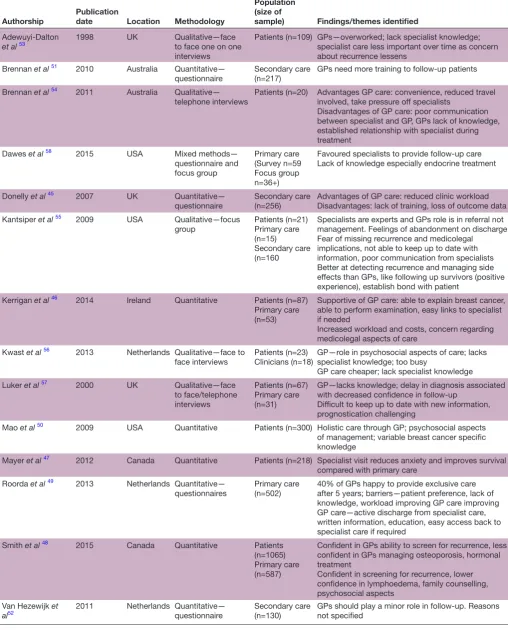
Breast cancer literature
From the breast cancer literature, 14 papers were included in the final analysis (table 3). Quantitative
copyright.
on May 30, 2020 by guest. Protected by
Table 1 Summary of research themes in PBC addressing patient and physician perspectives on disease
Authorship
Publication
date Location Methodology
Population (size of
sample with PBC) Research question
Blackburn et al 20 2007 UK Quantitative Patients (n=24) Are patients with fatigue more psychologically
impaired than those without fatigue and is there a role for CBT?
Dyson et al 21 2016 UK Quantitative Patients (n=2055) Impact of age at presentation on quality of life and
the role of symptomatology
Fahey 43 1999 UK Literature review Patients Experience of women living with PBC and how
understanding this may improve nursing care Gross et al 22 1999 USA Quantitative Patients post liver
transplant (n=157, 42% PBC)
Quality of life post-transplant
Comparison between PBC and PSC patients Relationship between quality of life and clinical factors
Hale et al 44 2012 UK Patient narrative Patients (n=1) Experience of living with fatigue
Huet et al 23 2000 Canada Quantitative Patients (n=116)
Healthy controls Validation of the fatigue impact score in a large patient cohort Link between fatigue and mental health status Relationship between psychosocial and physical factors
Ismond et al *conference abstract only41
2018 Canada Mixed methods (quantitative with post hoc qualitative analysis
Patients
(n=119) Experience of living with PBCImpact on daily life and relationships
Jorgensen 37 2006 USA Qualitative Patients (n=8) Experience of living with fatigue
Lasker et al 38 2005 USA Qualitative Patients (n=275) Why do patients use internet resources?
Does disease stage affect disease experience? What are the similarities between issues experiences by patients with PBC and those with other chronic disease?
Lasker et al 24 2010 USA Quantitative Patients on waiting
list or post-transplant (n=100)
Uncertainty and how it relates to quality of life scores
Mells et al 25 2013 UK Quantitative Patients (n=2402) Quality of life scores and the role of fatigue,
depression, sleep, social and cognitive function Miura et al
*conference abstract only26
2016 Japan Quantitative Patients (n=217) Symptom profile and impact on quality of life
Montali et al 39 2011 Italy Qualitative Patients (n=23) Illness experience of women with PBC, sick role
and relationship with others Navasa et al 27 1996 Spain Quantitative Patients post liver
transplant (n=29)
Quality of life scores, complications and use of medical services post-transplant
Pearce et al 40 2011 UK Qualitative Patients (n=28+) Experience of receiving a diagnosis of PBC
Use of this information to develop resources for patients at diagnosis
Poupon et al 28 2004 France Quantitative Patients (n=276) Comparison of quality of life scores among patients
compared with healthy controls
Relationship between clinical parameters and quality of life
Impact of UDCA use on quality of life
Raszeja-Wyszomirska et al 29
2015 Poland Quantitative Patients (n=205)
Healthy controls Comparison of quality of life domains between patients and controls Impact of patient and disease related factors on quality of life
Rishe et al 30 2008 USA Quantitative Patients (n=238) Experience of living with itch
Saich et al *conference abstract only31
2015 USA Quantitative Patients (n=214) and
physicians (n=322) Comparison of patient perceptions of care versus physician perspectives
Continued
copyright.
on May 30, 2020 by guest. Protected by
Authorship
Publication
date Location Methodology
Population (size of
sample with PBC) Research question
Selmi et al 32 2007 USA Quantitative Patients (n=1032) Comparison of activity scores, symptoms and
social life scores between patients and healthy controls
Sogolow et al 42 2010 USA Mixed methods Patients (n=100) Experience of stigma associated with diagnosis
Why do some women experience more stigma than others?
What impact does stigma have on quality of life? Stanca et al 33 2005 USA Quantitative Patients (n=70) Impact of fatigue on quality of life
Untas et al 34 2015 France Quantitative Patients (n=130) Quality of life perception among women with PBC
compared with a group of women with diabetes Yagi et al
*conference abstract only35
2016 Japan Quantitative Patients (n=180) Comparison between patient and physician reported symptoms
Wong et al 36 2008 China Quantitative Patients (n=44) Comparison of symptoms scores, quality of life
scores and depression scores between patients with PBC and two control groups (hypertension and chronic hepatitis B)
[image:5.595.42.550.75.290.2]CBT, cognitive behavioural therapy; PBC, primary biliary cholangitis; PSC, primary sclerosing cholangitis; UDCA, ursodeoxycholic acid. Table 1 Continued
Table 2 Comparison of primary biliary cholangitis and breast cancer
PBC Breast cancer
Gender F:M 9:1 (2) F:M 99:1 (40) Age Most common in fifth and sixth decade2 50% over 6515
Prognosis 70% response rate6 >70% 5-year survival15
Long-term treatment required Yes, UDCA Some cases—hormonal treatment Long-term symptoms Itch and fatigue Lymphoedema
PBC, primary biliary cholangitis; UDCA, ursodeoxycholic acid.
methods were used in eight of the studies,45–52 five used
qualitative methods53–58 and one mixed methods study58
was identified. Nine studies looked at the views of the patient population,46–48 50 53–57 six included primary
care clinicians46 48 49 55 57 58 and five included specialists
(comprising surgeons, oncologists and nurses).45 51 52 55 56
Barriers to primary care follow-up identified included lack of knowledge among primary care physicians which was a recurrent theme among patients,50 53 54 57
special-ists45 51 56 and primary care physicians themselves.49 57 58
Allied to this concern was a fear that recurrence could be missed which was expressed by both primary care and specialist care55 with some primary care clinicians
expressly mentioning medicolegal concerns.46 55 There
was an association between cases where patients had experienced delays at the time of initial diagnosis and reduced confidence in their primary care practitioners ability to provide adequate follow-up.57 When asked to
rate their survival outcomes in different healthcare settings, patients felt that their chance of survival long term was higher if they were followed up by a specialist.47
In terms of practical aspects of care, both patients and doctors felt that primary care clinicians are already over-worked,46 49 53 that communication between primary care
and specialists was poor54 55 and this may impact on care.
Specialists highlighted that they would lose long-term outcome data if they did not follow-up patients them-selves.45 They also described the relationship that forms
with patients over time which was echoed by patients who described forming a bond with their specialists and feel-ings of abandonment when discharged.54 55 The
special-ists reported the positive reinforcement they received from following up patients in remission rather than just seeing patients with complications and more advanced/ untreatable disease.55
dIscussIon
This scoping exercise identified the paucity of available literature exploring patient and HCP perspectives on the follow-up and management of PBC and a lack of any data around the role of primary care in the long-term management of patients with low-risk PBC. However, studies reporting stakeholder perspectives on changes to the delivery of breast cancer follow-up care have shown that not all patients or practitioners are comfortable with management being located substantially in the primary care setting. A series of themes emerged which have relevance to proposed care pathway changes including the knowledge base and workload of primary care,
copyright.
on May 30, 2020 by guest. Protected by
[image:5.595.39.561.649.739.2]Figure 2 Study selection process for breast cancer.
communication between care settings and the impor-tance of the doctor–patient relationship. Within the data available specifically for PBC, the impact of delegitimi-sation and stigmatidelegitimi-sation felt by PBC patients is likely to be of relevance when developing new strategies for follow-up care.
This scoping review has identified a gap in the litera-ture around patient and HCP perspectives on manage-ment in primary care and the need for further study in this area to look specifically at the potential concerns of users of this pathway and whether or not the themes identified in this scoping review are relevant, if there are additional barriers or facilitators not identified here and, if so, how they can be overcome.
As is common with the use of a scoping review rather than a systematic review, there was a focus on identifying the breadth of literature available rather than looking at the available studies in depth and the quality of the studies identified was not assessed. However, the identi-fication that there is little relevant literature in this field meant that this was less important. We aimed to conduct a comprehensive search of the literature, using a multiple database strategy. However, it is possible that some rele-vant articles were missed. The lack of identification of additional relevant studies from reference lists of the chosen papers would support the belief that the search identified the relevant data in the field. Finally, it is not possible to know whether, and to what extent, any of the conditions considered by the authors for the second stage of the scoping study (including other forms of auto-immune disease, other forms of chronic liver disease and breast cancer) truly act as comparators to PBC. While breast cancer was chosen as a comparator condition due to its similarities to PBC in terms of demographics of the patient population, this decision makes the assumption about the overall importance of patient demographics in determining its healthcare related behaviours. In
addition, there are likely to be fundamental differences in comparing a malignant and non-malignant condition that will impact on how patients and clinicians view their future care needs. Finally, PBC as a rare disease is likely to pose different challenges to breast cancer which is now relatively common.
conclusIon
The recent guidelines from both the UK and European Societies propose a shift towards individualised care for patients with PBC. While individualised care is not explic-itly defined, one potential consequence that is discussed in the British Guidelines is the discharge of patients deemed ‘low risk’ from hospital care to follow-up in primary care. The feasibility of this strategy is unclear and as such, the purpose of this scoping review was to identify the breadth and depth of the data already available about patient and clinician perspectives on management in primary care in order to identify facilitators and barriers to implementing this in practice. This review however highlighted that there is in fact a lack of data and that in order to be able to definitively answer the question of feasibility within PBC, further study may be required.
In developing a stratified approach to the care of the patient with PBC it will be essential to frame changes in care around high quality research. Underpinning this are opportunities to change practice by first of all an emphasis on education. This should address specific education for patients with PBC, and for primary care physicians, a broader education effort on the management of chronic liver diseases. With such an approach there would then be a greater opportunity to perhaps implement further change though targeted education, and use of smart technology/Apps to aid individualise risk assessment and changes to care pathways. Any approaches to change would require sensitive implementation adapted to local
copyright.
on May 30, 2020 by guest. Protected by
Table 3 Summary of themes identified in breast cancer literature
Authorship Publication date Location Methodology
Population (size of
sample) Findings/themes identified
Adewuyi-Dalton
et al 53 1998 UK Qualitative—face to face one on one
interviews
Patients (n=109) GPs—overworked; lack specialist knowledge; specialist care less important over time as concern about recurrence lessens
Brennan et al 51 2010 Australia Quantitative—
questionnaire Secondary care (n=217) GPs need more training to follow-up patients Brennan et al 54 2011 Australia Qualitative—
telephone interviews Patients (n=20) Advantages GP care: convenience, reduced travel involved, take pressure off specialists Disadvantages of GP care: poor communication between specialist and GP, GPs lack of knowledge, established relationship with specialist during treatment
Dawes et al 58 2015 USA Mixed methods—
questionnaire and focus group
Primary care (Survey n=59 Focus group n=36+)
Favoured specialists to provide follow-up care Lack of knowledge especially endocrine treatment
Donelly et al 45 2007 UK Quantitative—
questionnaire Secondary care (n=256) Advantages of GP care: reduced clinic workloadDisadvantages: lack of training, loss of outcome data Kantsiper et al 55 2009 USA Qualitative—focus
group Patients (n=21)Primary care (n=15)
Secondary care (n=160
Specialists are experts and GPs role is in referral not management. Feelings of abandonment on discharge Fear of missing recurrence and medicolegal implications, not able to keep up to date with information, poor communication from specialists Better at detecting recurrence and managing side effects than GPs, like following up survivors (positive experience), establish bond with patient
Kerrigan et al 46 2014 Ireland Quantitative Patients (n=87)
Primary care (n=53)
Supportive of GP care: able to explain breast cancer, able to perform examination, easy links to specialist if needed
Increased workload and costs, concern regarding medicolegal aspects of care
Kwast et al 56 2013 Netherlands Qualitative—face to
face interviews
Patients (n=23) Clinicians (n=18)
GP—role in psychosocial aspects of care; lacks specialist knowledge; too busy
GP care cheaper; lack specialist knowledge Luker et al 57 2000 UK Qualitative—face
to face/telephone interviews
Patients (n=67) Primary care (n=31)
GP—lacks knowledge; delay in diagnosis associated with decreased confidence in follow-up
Difficult to keep up to date with new information, prognostication challenging
Mao et al 50 2009 USA Quantitative Patients (n=300) Holistic care through GP; psychosocial aspects
of management; variable breast cancer specific knowledge
Mayer et al 47 2012 Canada Quantitative Patients (n=218) Specialist visit reduces anxiety and improves survival
compared with primary care Roorda et al 49 2013 Netherlands Quantitative—
questionnaires Primary care (n=502) 40% of GPs happy to provide exclusive care after 5 years; barriers—patient preference, lack of knowledge, workload improving GP care improving GP care—active discharge from specialist care, written information, education, easy access back to specialist care if required
Smith et al 48 2015 Canada Quantitative Patients
(n=1065) Primary care (n=587)
Confident in GPs ability to screen for recurrence, less confident in GPs managing osteoporosis, hormonal treatment
Confident in screening for recurrence, lower confidence in lymphoedema, family counselling, psychosocial aspects
Van Hezewijk et
al52 2011 Netherlands Quantitative—questionnaire Secondary care (n=130) GPs should play a minor role in follow-up. Reasons not specified
GP, general practitioner.
copyright.
on May 30, 2020 by guest. Protected by
resources: for example, where large group practices and primary networks exist in primary care, opportunities to use a few embedded primary care liver champions may be effective, whereas in rural areas, IT/nurse supported change to care for GPs may be better.
Across the various models of healthcare delivery, it will be essential to evaluate feasibility of stratified care for patients with PBC in many different settings and health-care models. Solutions for urban areas may, for example, be distinct to those for rural environments, and obstacles to implementation may include economic and personnel issues. Nevertheless, there exists the opportunity to be innovative in-service design and then to evaluate the impact of any service change.
We believe the similarities between the patient, disease and management characteristics of postsurgery breast cancer and low-risk PBC patients to be such that it is reasonable to anticipate comparable barriers will emerge to the implementation of the new management guide-lines for PBC. Dedicated research involving patients and clinicians is still required to confirm that barriers to change exist, to identify what these barriers are and to plan strategies for intervention in this group of patients and clinicians. This information will be relevant not only to the possible future implementation of stratified care models in the PBC population but will also be applicable to other rare chronic diseases including, but not exclu-sive to, liver disease.
Acknowledgements This paper presents independent research supported by the NIHR Birmingham Biomedical Research Centre at the University Hospitals Birmingham NHS Foundation Trust and the University of Birmingham. The views expressed are those of the authors and not necessarily those of the NHS, the NIHR or the Department of Health.
Contributors MC contributed to the conception and design of this scoping review, the acquisition and analysis of the data, and drafted and revised the paper for final submission. GH, SG and JP contributed to conception and design and revised the draft paper for final submission. MC acts as the guarantor for this submission. Funding The authors have not declared a specific grant for this research from any funding agency in the public, commercial or not-for-profit sectors.
Competing interests MC and GH are collaborating investigators for UK-PBC, a MC stratified medicine platform. SG and JP declare no competing interests.
Patient consent for publication Not required.
Provenance and peer review Not commissioned; externally peer reviewed. Data availability statement No additional data are available.
Open access This is an open access article distributed in accordance with the Creative Commons Attribution Non Commercial (CC BY-NC 4.0) license, which permits others to distribute, remix, adapt, build upon this work non-commercially, and license their derivative works on different terms, provided the original work is properly cited, appropriate credit is given, any changes made indicated, and the use is non-commercial. See: http:// creativecommons. org/ licenses/ by- nc/ 4. 0/.
reFerenCes
1. James OF, Bhopal R, Howel D, et al. Primary biliary cirrhosis once rare, now common in the United Kingdom? Hepatology 1999;30:390–4.
2. Mells GF, Hirschfield GM. Genetics of primary biliary cirrhosis. eLS, 2013.
3. Prince M, Chetwynd A, Newman W, et al. Survival and symptom progression in a geographically based cohort of patients
with primary biliary cirrhosis: follow-up for up to 28 years. Gastroenterology 2002;123:1044–51.
4. Parés A, Caballería L, Rodés J. Excellent long-term survival in patients with primary biliary cirrhosis and biochemical response to ursodeoxycholic acid. Gastroenterology 2006;130:715–20. 5. Corpechot C, Abenavoli L, Rabahi N, et al. Biochemical response
to ursodeoxycholic acid and long-term prognosis in primary biliary cirrhosis. Hepatology 2008;48:871–7.
6. Corpechot C, Chazouillères O, Poupon R. Early primary biliary cirrhosis: biochemical response to treatment and prediction of long-term outcome. J Hepatol 2011;55:1361–7.
7. Kuiper EMM, Hansen BE, de Vries RA, et al. Improved prognosis of patients with primary biliary cirrhosis that have a biochemical response to ursodeoxycholic acid. Gastroenterology 2009;136:1281–7.
8. Carbone M, Mells GF, Pells G, et al. Sex and age are determinants of the clinical phenotype of primary biliary cirrhosis and response to ursodeoxycholic acid. Gastroenterology 2013;144:560–9.
9. Nationalinstitute for Health and Care Excellence. Obeticholic acid for treating primary biliary cholangitis. nice. org. uk/ guidance/ ta443: NICE; 2017. Report no.: TA443 contract No.: TA443, 2017. 10. Hirschfield GM, Dyson JK, Alexander GJM, et al. The british society
of Gastroenterology/UK-PBC primary biliary cholangitis treatment and management guidelines. Gut 2018;67:1568–94.
11. European association for the study of the liver. Electronic address eee, European association for the study of the L. EASL clinical practice guidelines: the diagnosis and management of patients with primary biliary cholangitis. J Hepatol 2017;67:145–72.
12. Williams R, Aspinall R, Bellis M, et al. Addressing liver disease in the UK: A blueprint for attaining excellence in health care and reducing premature mortality from lifestyle issues of excess consumption of alcohol, obesity, and viral hepatitis. The Lancet 2014;384:1953–97.
13. Armstrong R, Hall BJ, Doyle J, et al. 'Scoping the scope' of a cochrane review. Journal of Public Health 2011;33:147–50. 14. Arksey H, O'Malley L. Scoping studies: towards a methodological
framework. International Journal of Social Research Methodology 2005;8:19–32.
15. Cancer Research UK. Breast Cancer statistics. Available: http:// www. cancerresearchuk. org/ health- professional/ cancer- statistics/ statistics- by- cancer- type/ breast- cancer
16. Taggart F, Donnelly P, Dunn J. Options for early breast cancer follow-up in primary and secondary care - a systematic review. BMC Cancer 2012;12.
17. National Institute for Clinical Excellence. Improving outcomes in breast cancer, 2002.
18. Montgomery DA, Krupa K, Cooke TG. Alternative methods of follow up in breast cancer: a systematic review of the literature. Br J Cancer 2007;96:1625–32.
19. National Institute of Clinical Excellence. Early and locally advanced breast cancer: diagnosis and treatment, 2009.
20. Blackburn P, Freeston M, Baker CR, et al. The role of psychological factors in the fatigue of primary biliary cirrhosis. Liver International 2007;27:654–61.
21. Dyson JK, Wilkinson N, Jopson L, et al. The inter-relationship of symptom severity and quality of life in 2055 patients with primary biliary cholangitis. Aliment Pharmacol Ther 2016;44:1039–50. 22. Gross CR, Malinchoc M, Kim WR, et al. Quality of life before and
after liver transplantation for cholestatic liver disease. Hepatology 1999;29:356–64.
23. Huet P-M, Deslauriers J, Tran A, et al. Impact of fatigue on the quality of life of patients with primary biliary cirrhosis. Am J Gastroenterology 2000;95:760–7.
24. Lasker JN, Sogolow ED, Olenik JM, et al. Uncertainty and liver transplantation: women with primary biliary cirrhosis before and after transplant. Women & Health 2010;50:359–75.
25. Mells GF, Pells G, Newton JL, et al. Impact of primary biliary cirrhosis on perceived quality of life: the UK-PBC national study. Hepatology 2013;58:273–83.
26. Miura K, Tanaka A, Takikawa H. Assessment of quality of life of Japanese patients with primary biliary cirrhosis using PBC-40.
Hepatology International 2016;10:S37–S8.
27. Navasa M, Forns X, Sánchez V, et al. Quality of life, major medical complications and hospital service utilization in patients with primary biliary cirrhosis after liver transplantation. Journal of Hepatology 1996;25:129–34.
28. Poupon RE, Chretien Y, Chazouilleres O, et al. French pBC Study Group. Quality of life in patients with primary biliary cirrhosis.
Hepatology 2004;40:489–94.
29. Raszeja-Wyszomirska J, Wunsch E, Krawczyk M, et al. Assessment of health related quality of life in Polish patients with primary biliary
copyright.
on May 30, 2020 by guest. Protected by
cirrhosis. Clinics and Research in Hepatology and Gastroenterology 2016;40:471–9.
30. Rishe E, Azarm A, Bergasa NV. Itch in Primary Biliary Cirrhosis: A Patients’ Perspective. Acta Derm Venereol 2008;88:34–7. 31. Saich A, Swanson H, Mayer TJ, intercept Pharmaceuticals.
Physician versus patient perceptions of medical care quality in primary biliary cirrhosis. In: American Association for the study of liver disease. San Francisco, CA: Hepatology, 2015.
32. Selmi C, Gershwin ME, Lindor KD, et al. Quality of life and everyday activities in patients with primary biliary cirrhosis. Hepatology 2007;46:1836–43.
33. Stanca CM, Bach N, Krause C, et al. Evaluation of fatigue in U.S. Patients with primary biliary cirrhosis. Am J Gastroenterol 2005;100:1104–9.
34. Untas A, Boujut E, Corpechot C, et al. Quality of life and illness perception in primary biliary cirrhosis: a controlled cross-sectional study. Clinics and Research in Hepatology and Gastroenterology 2015;39:52–8.
35. Yagi M, Tanaka A, Miura K, et al. The assessment of subjective symptoms and patient-rported outcomes in patients with primary biliary cholangitis using PBC-40. Journal of Gastroenterology and Hepatology 2016;31.
36. Wong GL-H, Law FM-Y, Wong VW-S, et al. Health-related quality of life in Chinese patients with primary biliary cirrhosis. Journal of Gastroenterology and Hepatology 2008;23:592–8.
37. Jorgensen R. A phenomenological study of fatigue in patients with primary biliary cirrhosis. Journal of Advanced Nursing 2006;55:689–97.
38. Lasker JN, Sogolow ED, Sharim RR. The role of an online community for people with a rare disease: content analysis of messages posted on a primary biliary cirrhosis Mailinglist. J Med Internet Res 2005;7:e10. 39. Montali L, Frigerio A, Riva P, et al. ‘It's as if PBC didn’t exist’: The illness experience of women affected by primary biliary cirrhosis. Psychology & Health 2011;26:1429–45.
40. Pearce RM, Jones DE, Newton JL. Development of an evidence-based patient information medium: empowering newly diagnosed patients with primary biliary cirrhosis. J Vis Commun Med 2011;34:4–13.
41. Ismond K, Azziz B, Wright G, et al. Self reported experiences of patients living with primary biliary cholangitis (pBC) and ursodiol.
Hepatol Int 2018;12(supplement 2).
42. Sogolow ED, Lasker JN, Sharim RR, et al. Stigma and liver disease. Illness, Crisis & Loss 2010;18:229–55.
43. Fahey S. The experience of women with primary biliary cirrhosis: a literature review. J Adv Nurs 1999;30:506–12.
44. Hale M, Newton JL, Jones DEJ. Fatigue in primary biliary cirrhosis. BMJ 2012;345:e7004.
45. Donnelly P, Hiller L, Bathers S, et al. Questioning specialists’ attitudes to breast cancer follow-up in primary care. Ann Oncol 2007;18:1467–76.
46. Kerrigan D, Waters P, Ryan M, et al. Follow up arrangements for breast cancer patients: is it appropriate to trabsfer surveillance to general practitioners. Irish Medical Journal 2014;107:273–5. 47. Mayer EL, Gropper AB, Neville BA, et al. Breast cancer survivors'
perceptions of survivorship care options. JCO 2012;30:158–63. 48. Smith SL, Murchison S, Singh-Carlson S, et al. Survivorship care in
breast cancer: perceptions of patients and primary care physicians.
Canadian family physician 2015;61:277–83.
49. Roorda C, Berendsen AJ, Haverkamp M, et al. Discharge of breast cancer patients to primary care at the end of hospital follow-up: a cross-sectional survey. European Journal of Cancer 2013;49:1836–44.
50. Mao JJ, Bowman MA, Stricker CT, et al. Delivery of survivorship care by primary care physicians: the perspective of breast cancer patients. JCO 2009;27:933–8.
51. Brennan ME, Butow P, Spillane AJ, et al. Survivorship care after breast cancer: follow-up practices of Australian health professionals and attitudes to a survivorship care plan. Asia Pac J Clin Oncol 2010;6:116–25.
52. van Hezewijk M, Hille ETM, Scholten AN, et al. Professionals’ opinion on follow-up in breast cancer patients; perceived purpose and influence of patients’ risk factors. European Journal of Surgical Oncology 2011;37:217–24.
53. Adewuyi-Dalton R, Ziebland S, Grunfeld E, et al. Patients' views of routine hospital follow-up: a qualitative study of women with breast cancer in remission. Psycho-Oncology 1998;7:436–9.
54. Brennan ME, Butow P, Marven M, et al. Survivorship care after breast cancer treatment – Experiences and preferences of Australian women. The Breast 2011;20:271–7.
55. Kantsiper M, McDonald EL, Geller G, et al. Transitioning to breast cancer survivorship: perspectives of patients, cancer specialists, and primary care providers. J Gen Intern Med 2009;24:459–66. 56. Kwast ABG, Drossaert CHC, Siesling S, et al. Breast cancer
follow-up: from the perspective of health professionals and patients. Eur J Cancer Care 2013;22:754–64.
57. Luker K, Beaver K, Austin L, et al. An evaluation of information cards as a means of improving communication between hospital and primary care for women with breast cancer. J Adv Nurs 2000;31:1174–82.
58. Dawes AJ, Hemmelgarn M, Nguyen DK, et al. Are primary care providers prepared to care for survivors of breast cancer in the safety net? Cancer 2015;121:1249–56.
copyright.
on May 30, 2020 by guest. Protected by