P a g e i
Exploring Children’s Views and Experiences of Having
a Learning Difficulty and the Support They Receive at
School
Abigail Wilson
A thesis submitted in partial fulfilment of the
requirements of the University of East London for the
degree of Doctor of Applied Educational and Child
Psychology
April 2017
P a g e ii
Abstract
Few studies have focused on gaining the views and experiences of primary aged children with the highest level of SEN – those with Statements of SEN (SSEN) or Education, Health and Care Plans (EHCPs). This exploratory study aimed to understand from the perspective of children with moderate or general learning difficulties what they think of school, the additional support they
receive, and what they would change about it in the future. It also aimed to investigate the extent to which these children are involved in the
decision-making process around their provision and whether their views are considered. Six children were interviewed using pictorial prompts and the data were
transcribed and analysed thematically from a social constructivist standpoint. The study found that the pupils with SSEN or EHCPs held generally positive views of schools, preferred creative subjects, but experienced a range of difficulties at school. Friends and the support of a considerate adult were viewed as important elements of school. However, close TA support and appearing different from their learning-abled peers seems to promote physical isolation, a lack of agency and bullying. Pupils placed more value on support linked to developing their interaction skills rather than support that helped them to learn, or support related to changes in their environment. Overall, the most valued support was ‘Working with different adults’. The most important change for children was a desire to have more opportunities to interact with their peers within the learning environment. The children showed mixed experiences of being involved with decision-making at the school, but generally findings showed that children were mostly left out of decision-making. These developments have the potential to inform schools, EPs and other
P a g e iii
Declaration
I hereby declare that, except where explicit attribution is made, the work
presented in this thesis is entirely my own. Other sources are acknowledged by explicit references in the text. A full reference list is included in the thesis.
P a g e iv
Acknowledgments
I would like to thank the UEL tutor team for their advice and support. I am especially grateful to my supervisor Dr Helena Bunn, who has been an invaluable source of support and encouragement.
In addition, I would also like to thank my family, particularly my boyfriend Ben and my father for providing me with endless encouragement and feedback. I am forever grateful to my parents who have always supported me and believed that I could succeed in whatever I set out to do.
I would also like to thank my colleagues at the Educational Psychology Service and my fellow Trainee Educational Psychologists; whose support has been invaluable.
P a g e v
Table of Contents
1 INTRODUCTION ... 1
1.1 Introduction to the current chapter ... 1
1.2 Terminology ... 1
1.2.1 Learning Difficulties ... 1
1.2.2 Special Educational Needs ... 2
1.2.3 SSENs, EHCPs and Additional Support ... 2
1.3 National and International context ... 3
1.3.1 Legislation ... 5
1.4 Local Context ... 6
1.5 Philosophical perspective ... 7
1.6 Purpose of research ... 8
1.7 Research question ... 9
2 LITERATURE REVIEW ... 10
2.1 Introduction to literature review ... 10
2.2 Details of systematic search ... 10
2.3 Details of previous research findings ... 11
2.3.1 Awareness and experiences of feeling ‘different’ ... 12
2.3.2 Inclusion and children’s experiences of school ... 14
2.3.3 Additional support... 17
2.3.4 Pedagogy ... 19
2.3.5 Support staff ... 21
2.3.6 Service delivery models ... 23
2.3.7 Participating in the decision-making process ... 24
P a g e vi
2.4 Issues arising from this review of literature ... 31
2.5 Theoretical Underpinnings of this Study ... 31
2.5.1 Personal Construct Theory ... 31
2.5.2 Relevance of Personal Construct Theory to this study ... 32
2.5.3 Determination theory ... 32
2.5.4 Relevance of Determination theory to this study ... 33
2.6 Conclusions linking previous research to the current research aims ... 34
3 METHODOLOGY ... 36
3.1 Introduction to Methodology ... 36
3.2 Design ... 36
3.2.1 Sampling method ... 36
3.2.2 Participants ... 38
3.3 Method ... 38
3.3.1 Semi-structured interviews ... 38
3.4 Procedures ... 40
3.4.1 Research Timeline ... 40
3.4.2 Interview Procedure ... 40
3.4.3 Pictorial cues ... 41
3.4.4 Drawing ... 42
3.4.5 Interviewing Children ... 44
3.5 Ethical Consideration ... 45
3.5.1 Gaining informed consent ... 45
3.5.2 Confidentiality ... 46
3.6 Approach to data analysis ... 46
3.7 Summary ... 48
4 FINDINGS ... 49
P a g e vii
4.2 Overview of the data ... 49
4.3 Key theme 1: Experience of school life ... 51
4.3.1 Individual portraits of lessons ... 53
4.3.2 General positive attitude towards school ... 55
4.3.3 Not stimulated ... 55
4.3.4 Some understanding of school importance ... 56
4.3.5 Routine is important ... 59
4.3.6 Strengths and difficulties ... 59
4.3.7 Bullying ... 62
4.3.8 Adults playing significant role ... 64
4.3.9 Summary ... 69
4.4 Key theme 2: Important factors in child’s life ... 70
4.4.1 Hobbies and Interests ... 71
4.4.2 Peers ... 73
4.4.3 Family ... 75
4.4.4 Food is important... 76
4.4.5 Summary ... 76
4.5 Key theme 3: Additional support ... 77
4.5.1 Learning ... 79
4.5.2 Interactions ... 81
4.5.3 Environmental factors ... 81
4.5.4 Summary ... 83
4.6 Key theme 4: Things children want to change ... 83
4.6.1 Presentation of task ... 84
4.6.2 Breaks ... 85
4.6.3 Working with different adults ... 85
P a g e viii
4.6.5 Having a quiet place to go ... 86
4.6.6 Summary ... 87
4.7 Overview ... 88
5 DISCUSSION ... 89
5.1 Introduction to current chapter ... 89
5.2 Interpretation of results ... 89
5.2.1 Views & experiences of having a LD – labels & feeling different ... 89
5.2.2 Views and experience of school ... 90
5.2.3 Individual portraits of lessons ... 93
5.2.4 Relationships with peers – friendship and bullying ... 95
5.2.5 Other important factors in the children’s lives ... 96
5.2.6 Views and experiences of additional support ... 97
5.2.7 Changes to additional support for the future ... 102
5.2.8 Involvement and participation in decision-making ... 105
5.3 Distinctive Contribution ... 107
5.4 Evaluating the methodology and limitations of the study ... 109
5.4.1 Sample selection and generalisability ... 109
5.4.2 Data collection ... 110
5.4.3 Ethical issues ... 113
5.4.4 Analysis ... 114
5.5 Feedback to stakeholders ... 115
5.6 Implications for practice ... 115
5.6.1 Implications for Educational Psychologists and schools ... 115
5.6.2 Implications for CYP ... 117
5.7 Further Research ... 118
5.8 Reflections ... 119
P a g e ix
6 REFERENCES ... 124
7 APPENDIX A – UEL ethical approval ... 143
8 APPENDIX B – Summary of the literature review process ... 146
9 APPENDIX C– Summary of the selected articles ... 150
10 APPENDIX D - Prompts for Semi-Structured Interviews ... 160
11 APPENDIX E - Information letter and consent form for parents/carers . 163 12 APPENDIX F - Invitation Letter for Children ... 165
13 APPENDIX G - Information letter & consent form for Head Teachers ... 166
14 APPENDIX H - Consent form for Children ... 168
15 APPENDIX I - Participatory cards ... 169
16 APPENDIX J – Example of Thematic Analysis for Child D ... 171
17 APPENDIX K - Thank You Certificate for Participants ... 194
P a g e x
List of Figures
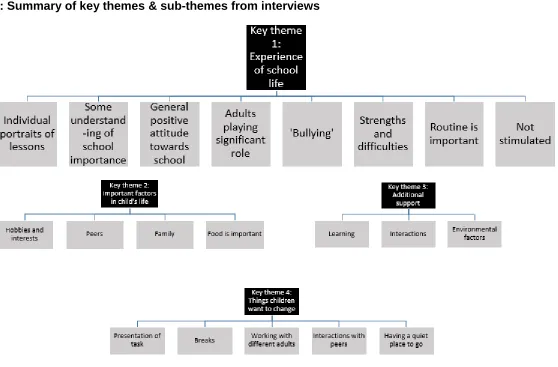
Figure 4.1: Summary of key themes & sub-themes from interviews ... 50
Figure 4.2: Key theme 1: Experience of school life ... 52
Figure 4.3 - Key theme 2: Important factors in child’s life ... 71
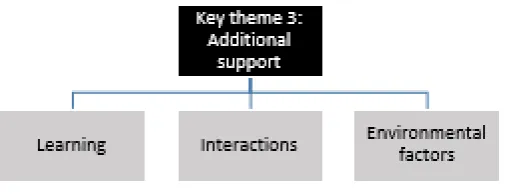
Figure 4.4: Key theme 3: Additional support ... 78
Figure 4.5: Key theme 4: Things children want to change ... 84
List of Tables
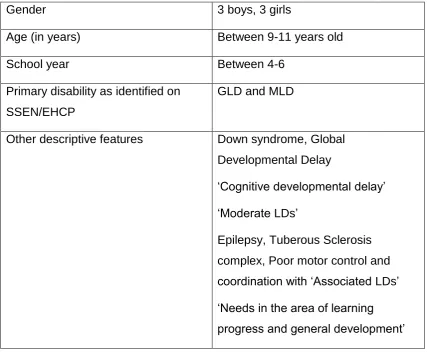
Table 3.1: Demographic information about participants ... 37
P a g e xi
List of Abbreviations
BPS British Psychological Society
CoP Code of Practice
DfE Department for Education
DoH Department of Health
EP Educational Psychologist
EPS Educational Psychology Service
EHCP Education, Health, and Care Plan
GLD General Learning Difficulties
IEP Individual Education Plan
LA Local Authority
MLD Moderate Learning Difficulties PCP Personal Construct Psychology SDT Self Determination Theory SEN Special Educational Needs
SENCo Special Educational Needs Co-ordinator SSEN Statement of SEN
TA Teaching Assistant
UEL University of East London
P a g e 1
1 INTRODUCTION
1.1
Introduction to the current chapter
This chapter introduces the reader to the area of focus in the present research. It starts by explaining the terminology used in the study; a presentation of both the national and local context of initiatives related to children with SEN follows; the chapter then proceeds to an exploration of the philosophical perspective adopted in the study and finishes by stating the research purpose and related research questions.
1.2
Terminology
There is a range of different terms used within society in the area of children with learning difficulties and disabilities and it is important to understand what they mean before discussing the literature. Below are defined some of the terms used regularly within the current research.
1.2.1 Learning Difficulties
Often there is confusion in the terminology around learning difficulties. Different terminologies used include: ‘learning disability’, ‘intellectual disability’,
‘developmental disability’, and outdated terms such as ‘mentally handicapped’. In America and Canada, the phrase ‘intellectual disability’ is widely used, whereas in the UK, the Department of Health (DoH) used the term ‘learning disability’ in their policy documents.
P a g e 2
many individuals with LDs say they prefer the term ‘difficulties’ rather than ‘disabilities’. In 2014, the Children and Families Act was passed, followed by its statutory guidance for organisations in England which work with and support students who have SEN: Special Educational Needs and Disability Code of Practice 2015 (DfE, 2015). In this new legislation, the term LDs is used to refer to children with difficulties in the area of learning and cognition. For these reasons, i.e., current Government policy as well as preferences made by individuals, the current research will use the term ‘LDs’.
1.2.2 Special Educational Needs
The term ‘SEN’ is used as an overarching term to include LDs or disabilities, which are terms used interchangeably in the guidance.According to the revised Code of Practice (CoP), a student has SEN if they have a LD or disability which “calls for special educational provision to be made for him or her” (DfE,
2015:15). It defines students as having a LD or disability if:
he or she has a significantly greater difficulty in learning than the majority of others of the same age, or has a disability which prevents or hinders him or her from making use of facilities of a kind generally provided for others of the same age in mainstream schools or mainstream post-16 institutions
(DfE, 2015:16).
The CoP categorises SEN into four broad areas of need: communication and interaction; cognition and learning; social, emotional, and mental health difficulties; and sensory and/or physical needs. LDs falls under the ‘cognition and learning’ area of need, which states that LDs can cover a wide range of needs. This includes specific LDs, moderate LDs (MLD), severe LDs (SLD), and profound and multiple LDs (DfE, 2015:97).
1.2.3 SSENs, EHCPs and Additional Support
Additional support for LDs may be required when children learn at a slower pace than their peers, even with appropriate differentiation (DfE, 2015). The CoP states that: “Where a pupil is identified as having SEN, schools should take action to remove barriers to learning and put effective special educational
P a g e 3
thought of as putting together tailored interventions and specific strategies to aid the child’s learning. A SSSE or an EHCP is awarded when, despite the school having taken relevant and purposeful action to identify, assess and meet the SEN of the pupil, the pupil has not made expected progress (DfE, 2015). The purpose of a SSEN or EHCP is to name the child’s complex and significant SEN, make special educational provision to meet the SEN of the pupil, to secure the best possible outcomes for them across education, health, and social care, and to prepare them for adulthood. Local Authorities (LAs) are in the process of transferring SSENs issued before 2014 into EHCPs.
1.3
National and International context
Nationally, increasing emphasis is being placed upon the importance of involving children in decisions about their own life. Influential changes in the area of pupil voice began in 1989, when the United Nations Convention on the Rights of the Child (UNCRC) provided a landmark in the development of rights for students. It refers to giving respect to the views of the child, by stating that every child has the right to express their views, feelings and wishes in all matters affecting them, and to have their views considered and taken seriously (UNCRC, Article 12, 1989). The Children Act of England and Wales 1989 states that any court making a decision about a child's life should 'have regard in particular to the ascertainable wishes and feelings of the child concerned' (Part 1, section 1).
The UNCRC talks about the right to express a view in terms of those “capable of forming views” and taking them into account as depending on “age, maturity and capability” (1989, Article 12). When advocating for pupil participation, this is also reflected in the previous SEN CoP (DfE, 1994) which suggests that
children’s views should be gathered based on “age, ability and past experience” (p. 124). However, for some, any provisos to participation can lead to the
P a g e 4
the ways in which ‘they perceive the world and communicate their ideas in a way that is meaningful to them’ (Tolfree & Woodhead, 1999: 21).
The Children and Families Act 2014 set out the principles underpinning the legislation and guidance in the new CoP (DfE, 2015, section 19). The CoP places an even greater emphasis on pupil participation in discussions about their education and including the views, interests and aspirations of the child and their parents in the EHCP. It sets out a new system to help students with SEN. One of these principles states that LAs, in carrying out their functions under the Act in relation to disabled students and young people and those with SEN, must have regard to the views, wishes and feelings of the child or young person, and the child’s parents (DfE, 2015).
This principle is designed to support the participation of students, their parents and young people in decision-making. It explains that the principle can be put into practice successfully by LAs ensuring that students and their parents are involved in discussions and decisions about their individual support. The CoP also states that while gaining parental views are important in the planning for their child’s SEN, their views should not be used as a proxy for the student’s views, as the students will have their own perspective to contribute (DfE, 2015). Historically, students with SEN have not taken an active role in the decision making involved in the educational planning for their SEN (Martin et al, 2006). Teachers and other professionals have tended to make decisions for students with disabilities (Allen, Smith, Test, Flowers, & Wood, 2001). One example that reflects the way that children’s voices are marginalised is in their SSENs, which detail a child's LD and the help that will be given. Children’s views are
sometimes omitted, or written by the school or the parent/carer or marginalised
by the voices of stakeholders. This is despite the advantages that have been
found for involving students with SEN in assessment, planning and review
processes, such as increased motivation, perception of personal control, and
independence (Roller, 1998).
P a g e 5
pupils, have a SSEN/EHCP, and 11.6% are on SEN support (replacing
categories previously known as ‘School Action’ and ‘School Action Plus’). The figures also show that MLD remains the most common primary type of need overall, with 24.2% of pupils with SEN having MLD as a primary need. It is also the most common type of need for pupils on SEN support. For those children with a SSEN/EHCP, Autistic Spectrum Disorder (ASD) remains the most common primary type. 13.4% of pupils with SEN who have MLD as a primary need have a SSEN/EHCP (DfE, 2016).
Statistics suggest that 89% of children with MLD are educated in a mainstream school rather than a special school (DoH, 2011). This may suggest the
importance of differentiated support for these children in the mainstream
classroom where they are educated alongside their ‘typically’ developing peers. It is also the area where LAs are continuing to move forward with inclusive developments.
Only a small percent of the population - 2.8% - currently require a SSEN/EHCP. Due to its small size maybe, relatively little research has been carried out with this particular group of children and very little is known about how best to
support them, making it even more imperative to carry out research in this area.
1.3.1 Legislation
In ensuring that the SEN of individuals are recognised and that equality of opportunity occurs, several important pieces of guidance and legislation have been written.
P a g e 6
A few of the steps towards achieving this vision include support for families of young disabled children and support during transition into adulthood, with a key objective being that disabled people are kept at the heart of these initiatives. The aim of the initiative is to improve access for disabled pupils which has links to many other current initiatives and legislation, both within Children's Services and across partner agencies.
The Equality Act, 2010, which replaced the Disability Discrimination Act 2005 (DfES, 2005) demonstrated a commitment to equality of access and opportunity despite the change of government earlier in 2010. The Act placed emphasis on ensuring that vulnerable people are not discriminated against and will have equality of opportunity.
In 2011, a SEN Green Paper was published (DfE, 2011) which provided a basis for radically reforming the current system for identifying, assessing and
supporting children and young people (CYP) who are disabled or have SEN, and their families. The SEN CoP (DfE, 2015) followed, which places great importance on the use of person-centred planning in order to empower the CYP, and their families through their involvement in the decision-making process.
1.4
Local Context
The Educational Psychology Service (EPS) where the research was undertaken has embraced the new ways of working and has adapted the service delivery to a person-centred approach following the changes in legislation. It aims to listen to service users and take their views seriously to improve practices.
In the EPS’ CYP Plan (2015-17), one priority was to Listen to children, young people and their parents to shape services. The plan states that the service will know they have achieved this goal when CYP contribute actively to the
P a g e 7
children’s views about school and the SEN support they receive in order to help improve future practices when working with children with LDs.
1.5
Philosophical perspective
It is important to consider the ontological and epistemological positions of the current research to help to contextualise the methodology used (Carter & Little, 2007). The researcher’s ontology, described as the beliefs held about reality (Guba & Lincoln, 1998), falls within the social constructivism paradigm. Constructivist ontology argues that reality is socially constructed by and between the people who experience it (Gergen, 1999). As a result, the
constructivist position argues that there is not one objective reality but multiple realities or perspectives (Mertens, 2010). The researcher should attempt to understand the complex world of lived experience from the point of view of those who live it (Schwandt, 2000). However, the meanings of the research findings therefore are fundamentally interpretative (Mertens. 2010).
Taking this stance fits well with the current research which involved the researcher interviewing children in order to elicit their views and experiences, and then interpreting the research findings to create a socially constructed reality of what school and the support they receive is like in mainstream schools for these particular children. Additionally, social constructionists would argue that the concepts of both "impairment" and "disability" are socially constructed and would not exist in the absence of the social processes that create them (Dudley-Marling, 2004; Goodley, 2001). Therefore, many different perceptions of LDs exist rather than one objective reality. The research will aim to interpret the research findings to create a socially constructed reality of the LD
experience for these children.
P a g e 8
The interactive mode of data collection and the social constructivist stance of this research allow the voice of the child to be at the heart of the investigation.
1.6
Purpose of research
This current piece of research aimed to explore an under-researched area. Through completing the research, it was hoped that the views of children with LDs about school, the additional support they receive and their experiences of participating in the decision-making process, would help to improve future practices when working with this particular group of children in mainstream education.
The current research focused on interviewing children with MLD or GLD due to the move towards greater inclusion (e.g., Norwich and Kelly, 2004).
The research was undertaken in mainstream schools rather than special education schools because the researcher was interested in the views of children who are educated in a school where the class teacher and TA hold responsibility for their education and support, yet do not necessarily hold specialist knowledge that is available in specialist provisions. This is with the knowledge that nearly half - 42.9% - of pupils with SSEN/EHCPs attended a mainstream school in 2016 (DfE, 2016).
Additionally, the research hoped to help inform future practices for EPs, who have led the way: in assessing the student’s perspective (Gersch, 1996); in conducting studies of the impact of participation on motivation and behaviour (Bennathan, 1996); and in advocating for participation (Davie & Galloway, 1996).
Finally, literature around children with LDs is not comprehensive, possibly due to the difficulty that exists in gaining the views of this particular group of
children. When children’s views are elicited, research has shown that often the child’s voice is marginalised (e.g., Goepel, 2009) but that children are
P a g e 9
well as cover a wide scope of the experiences and views around several matters affecting them at school. In order to gain the views of these children, the research aimed to address the question below.
1.7
Research question
What are views and experiences of children with a SSEN or an EHCP for a LD, of:
• their LD?
• the additional support they receive in school?
• participating in the planning for their additional support? • what else could happen to promote their progress at school?
P a g e 10
2 LITERATURE REVIEW
2.1
Introduction to literature review
This chapter presents a critique of the research literature available in key areas related to the views of individuals with LDs about the SEN provision they
receive. It starts with an overview of the systematic search and terminology used to identify relevant articles; it then performs a critique of the literature identified, following which the argument for the present research is being made. The chapter then finishes with an exploration of the theoretical underpinnings which were deemed fit for this research.
2.2
Details of systematic search
Before proceeding to detailing the process of the systematic search carried out, it is important to remember that LD is an umbrella term which encompasses a range of terminologies. Because of this, the literature review has used the terminology as stated by the authors of the different articles and so the terms ‘intellectual disability’ (ID) and ‘learning disability’ are used interchangeably. In order to explore the research question posed, the researcher examined the literature base to identify and explore related studies that have been previously undertaken. Three separate searches were carried out specifically in relation to children’s views about:
1) their LD;
2) the additional support they receive in school; and 3) participating in the planning for their additional support.
The literature base around the last element of the research question which looks at children’s views of ‘what else could happen to promote their progress at school?’ was not specifically explored in the systematic search as the
P a g e 11
The systematic searches were carried out to address each of these three areas using a range of search terms within electronic databases. EBSCO Host with ‘PsyInfo’ and ‘Academic Search Complete’ databases were used. Numerous searches were run using a combination of the terminologies (see Appendix B for full process details). The first search was carried out on 31/05/2016 and focused on children’s views of their LD. Eight research articles were finally produced.
The same process was applied for the second and third searches (i.e. children’s views on the additional support they receive in school; and participating in the planning for their additional support). What differed was the search terms used and the number of articles deemed relevant. The second search was carried out on 06/06/2016 and produced 10 articles. The third search was carried out on 10/08/2016 and produced eight articles. The final number of papers reviewed summed up to 26 (see Appendix C for a summary of the articles that were selected).
2.3
Details of previous research findings
Previous research has tended to focus on secondary school aged CYP. Very little research was found to focus on the voice of the child in primary schools. From the articles selected, a number of themes were identified, which were used as a framework for the articles’ critique:
• Awareness and experiences of feeling ‘different’ • Inclusion and children’s experiences of school • Additional support
• Pedagogy • Support staff
• Service delivery models
• Participating in the decision-making process
P a g e 12
2.3.1
Awareness and experiences of feeling ‘different’
Previous literature and research in the area of children’s awareness and
understanding of having a LD is both limited and varied in nature. The question of whether children are aware of having any difficulties, or of having been labelled as such remains an elusive one. Children’s understanding of the labels that have been applied to them or of why they are treated differently is often queried by researchers and professionals alike (Kelly & Norwich, 2004). Raskind, Margalit and Higgins (2006) examined children’s presentations of the learning disability “experience" as expressed in online messages on a public website designed for children with learning and attention problems. The sample consisted of 164 children aged 9-18 years old. The difficulties shared by
children included academic difficulties, emotional distress, and social isolation; children felt safe enough online to identify themselves as having a learning disability. While most children who sent e-mails on the site knew of, and were able to describe, their learning disability, several of them questioned the validation and identification of a learning disability. This suggests that despite children having an awareness of having a learning disability, there is still a lack of clarity around the nature of these difficulties for some children. However, the study only included children who identified themselves as "learning disability" and if the sample primarily consisted of learning disability children who already had a propensity toward self-disclosure then this may have biased the sample as it is unlikely to be reflective of the range of individual differences within the learning disability population (Raskind et al, 2006).
Kelly (2005) discusses perceptions and experiences of impairment and
P a g e 13
experiences in the study illustrate their ability to articulate the experience of impairment and disability in their daily lives.
Kelly and Norwich (2004) studied 10-14-year-old children with SSENs for mild to moderate general LDs who attended either a mainstream school or a special school in England. The participants were interviewed about their perceptions of themselves and of the label of disability. 90% of the pupils expressed an
awareness of their LDs and there were no notable differences between pupils in mainstream compared to those in special school. However, older pupils
expressed more awareness of their own LDs than the younger ones. The term ‘SEN’ had been heard by only 12% of the pupils while ‘LD’ had been known by nearly half of pupils. The only label that had more positive evaluations than neutral or negative was 'has help'. 'LD' and 'SEN' had more neutral evaluations than negative or positive, and the more colloquial or historic terms had more negative evaluations. 'Stupid' was the most commonly known label (78%). Whilst only few pupils used these labels to describe themselves (between 0– 16%), more reported that labels were used by others to describe them (1–51%), with ‘Stupid’ being the one most common (51%). The findings suggest that the pupils in both mainstream and special schools are sensitive to the negative connotations associated with some of the labels applied to them.
Additionally, varied emotional responses were reported in relation to the pupils’ personal awareness of their LDs. For example, some pupils were reluctant to recognise their difficulties with learning, implying that a certain amount of selectivity and re-interpretation of what they internalise could exist within this group of children. Many children reported negative responses to having a LD (Kelly & Norwich, 2004). However, overall, mostly mixed perceptions were found in mainstream schools.
Overall, literature in this area suggests mixed findings and several possible factors that may affect the degree to which children understand and are aware of ‘difference’ (whether difference is in ability or social barriers). It is also important to consider the difficulties that are attached to the concept of
P a g e 14
Additionally, the studies assume a direct correspondence between what the child does or does not say, and their views or knowledge. Mostly mixed
emotions are reported relating to how children with LDs feel about themselves.
2.3.2
Inclusion and children’s experiences of school
Inclusive education can be defined as the education of all children within their local community in their neighbourhood school (Sebba & Ainscow, 1996). Farrell (2000) emphasises that inclusion involves a focus on the quality of education provided for pupils. The 1981 Education Act (cited in Warnock & Norwich, 2010) gave parents of children with a SSEN the right to have their child educated in a mainstream school. Following such changes in legislation, the number of CYP with SEN educated in mainstream UK schools has greatly increased over the last 30 years (Thomas & Vaughan, 2004). In order to include and meet the needs of a diverse range of pupils, schools have faced a wide range of challenges. Various debates have taken place in relation to these challenges, including the effective inclusion of pupils with a SSEN, as well as effective use of pedagogical approaches (Norwich & Kelly, 2005; Warnock & Norwich, 2010).
Maxwell (2006) used personal construct psychology (PCP) methods to elicit the views of 13 junior aged children, who were on the SEN register, about school. A case study approach was taken, with findings suggesting that social activities were of greater importance for the pupils than formal learning experiences. Peer relationships were found to be paramount and defined the positive or negative experiences the pupils had of school in general. Maxwell (2006) concludes that PCP methods can be a useful approach for gaining the voice of the child with SEN, and emphasises the importance of developing teacher awareness of the importance of listening and responding to the views and opinions of their pupils. Webster and Blatchford (2015) carried out a project called ‘Making a
Statement’, which tracked the educational experiences of forty-eight 9- 10-year-old pupils with SSENs for either MLD or behaviour, emotional and social
P a g e 15
interviews with SENCOs, teachers, TAs and each pupil’s parents/carers, as well as documentation and observation. Results indicated that children with SSEN experienced: both explicit and subtle forms of separation daily; a high level of pedagogical decision-making by TAs; an impoverished pedagogical diet compared to their peers; and finally, gaps in teachers’ and TAs’ knowledge concerning meeting the needs of pupils with SSEN.
In Norwich and Kelly’s (2004) study mentioned earlier, pupil’s views around their experiences of school, teaching, and learning in school were also sought. The results indicated that while most children expressed positive evaluations of their schools and the teaching they received, a significant minority expressed mixed views. Mainstream pupils reported receiving learning support in
withdrawal settings (80%) and in-class (84%). Small group work and one-to-one support was also reported by more than half. A significant proportion of pupils in the mainstream preferred learning support in the form of withdrawal (40%); 33% preferred in-class support; while 30% preferred a mix of the two. The majority of pupils in both settings preferred their current school, however, a significant minority in special schools preferred to be in a mainstream setting. A high incidence of ‘bullying’ was reported and around half of pupils thought it was related to their LDs. However, as Norwich and Kelly stated, it is difficult to know whether this level of ‘bullying’ is higher or lower than for a sample of pupils not identified as having MLD because there are no apparent appropriate reference points for comparisons in the form of other research studies. The findings were suggested to reflect previous research findings relating to negative experiences associated with the stigma attached to ‘difference’ experienced by children with SEN.
P a g e 16
excluded from the dining hall or canteen due to the level of noise or an over-stimulated visual environment within the classroom. Other issues that arose included problems with toilets in relations to smells; and for a few pupils the head teacher’s office space was associated with sanction rather than reward or a mix of both. Most importantly, Ryan emphasised that ‘reasonable’
adjustments may not fully be considered reasonable where the pupil at the centre of the need for adjustments has not had an input into the decision-making process.
Kerins (2014) explored the perspectives of a cohort of principals, teachers, parents, and pupils (over 12 years old) on differences in educational provision between mainstream and special schools through interviews. A multiple case study design was employed involving four special schools in Ireland for pupils with GLDs. Pupils had transferred from mainstream primary settings to special schools for pupils with GLDs. Differences relating to curricular provision,
resource allocation and teacher expertise were highlighted. For example, while many of the pupils who had transferred would have preferred to remain in a mainstream setting, parents and teachers felt that special schools had greater levels of resources to support pupils. In terms of curriculum differences,
principals and teachers emphasised difficulties experienced in trying to cater for diverse learning needs in the context of a regular curriculum in mainstream primary classrooms. Some of the pupils who had attended a secondary
mainstream school before transferring also reported their difficulties accessing the curriculum. Additionally, many parents, teachers and principals in
mainstream schools expressed the view that there was greater teacher expertise in the area of SEN available to pupils in special schools. While the pupil’s views were elicited in this study alongside principals, teachers, and parents, it is difficult to gain a clear picture of their ideas as there were only a couple of direct references made of the pupil’s views in the report.
Messiou (2002) used a range of drawing, observation, and interview techniques to listen to what children in one primary school class had to say about
P a g e 17
further more focused observations were carried out of these particular children. While the marginalisation seemed to relate to different factors for each child, there were some common themes including that the children’s feelings and responses appeared to be closely related to how other children behaved towards them. The participants were from the same class in one school, questioning whether the findings relate only to that particular class which is likely to differ in many diverse ways including its inclusive practices to other classes and thinking more widely, to other schools.
In summary, the author identified mixed findings in this area. Some important findings include: pupils reporting friendships with peers as being the most important aspect of school life; experiences of both explicit and subtle forms of separation daily; a high level of pedagogical decision-making by TAs; a high incidence of ‘bullying’; and a preference for receiving additional support in the form of withdrawal. Pupils have strongly held views about some of the sensory aspects of the school environment, though they generally have positive
evaluations of their schools. The importance of including pupils in decisions that affect them was evident in all studies, although some were not necessarily successful at gaining the views of children directly.
2.3.3 Additional support
SSEN and EHCPs are drawn up by LAs, and they are said to identify students with the most complex needs, outlining the support they require. The LAs subsequently monitor the progress the pupils make through Annual Reviews. Therefore, schools have some flexibility as to how they support pupils with a SSEN/EHCP. Additional support could be defined as being:
resources and strategies that aim to promote the development, education, interests, and personal well-being of a person and that enhance individual functioning
(Luckasson et al., 2002, p. 151).
P a g e 18
been paid to how these pupils experience the supports. Yet to begin to
understand the presence and potential impact of supports in the lives of children with SEN, it is essential to gain insights into their experiences and perspectives concerning this issue.
Mortier, Desimpela, De Schauwer, and Van Hove (2011) interviewed Belgian children attending mainstream schools aged between 9-18 years-old with a range of SEN and their peers to gain their views on the supports they
experience at school. The SEN pupils were mainly positive about the supports in their school life because they felt supports removed restrictions in activities due to the impairment. The perspectives of the peers on supports were also positive because they recognised it helped their peer. However, the results also showed that a positive support can, at the same time, restrict the pupil’s
activities and negatively affect their psycho-emotional well-being, demonstrating the ambiguous nature of supports. The pupils also felt that they received too much support from adults and peers, rather than in terms of devices and
adaptations, and expressed that they did not like appearing ‘different’ from their peers as a result of receiving additional support.
De Schauwer, Van Hove, Mortier and Loots (2009) examined the experience of inclusive education from the perspective of disabled children with a range of SEN in Flanders. 15 children aged between 5-17 years-old attending a mainstream school were observed and interviewed as part of a three-year research effort. The results indicated that being active and doing the things they like to do is more important than being able to master things; and that they were aware of being different from their peers. They were generally positive about their teachers and talked about school in terms of non-academic activities, emphasising the community aspect of school life as being most important. Additionally, friendships mattered to them. Support from peers and adults came in different forms and was seen positively, apart from when it meant they
P a g e 19
In Sweden, Isaksson, Lindqvist, and Bergstro (2010) interviewed eight pupils aged between 12-14 years-old with SEN (ADHD or dyslexia) and their parents to explore the main concern of special support given to pupils with SEN and how pupils and parents experience this. A grounded theory approach found that pupils and parents were struggling for recognition and inclusion, which was a process that involved negotiations due to diverging interests of experts and strategies to deal with stigma, ambivalence, and special support measures. Additional support was observed to be mostly in the form of either individual support or small group support outside of the regular classroom. Pupils felt ambivalent towards the differentiated support measures due to mixed feelings around preferring to be supported outside the regular classroom due to the peaceful environment it brought, and feeling isolated from the other pupils at the same time. Labels derived from medical diagnosis were seen as restrictive in terms of the stigmatising effect it brought, as well as being a contributory factor in the provision of extra special resources. Aside from the limited sample size; one issue with this study is that children were interviewed with parents at their homes and one could question whether the views they expressed were a true reflection of their experiences and opinions.
In summary, the literature around additional support indicates that while children with SEN feel mostly positive toward the additional support they receive, they would like less support from adults and also report the negative emotional impact that ‘appearing different’ has as a result of the support. Pupils reported feeling ambivalent towards being taught inside the regular classroom and receiving in-class support versus pull-out. The following discussions around additional support touch upon more specific areas of research carried out around some of the different ways schools have supported pupils with SEN.
2.3.4 Pedagogy
According to Norwich and Lewis (2001), pedagogy encompasses a wide range of variables about teaching, including sequencing of lessons, grouping
P a g e 20
both concerning mathematics; Gresham et al., 1996, more generally), it does not follow that effective teaching for those pupils is different from teaching other pupils.
There is limited research that has focused on the need for different pedagogy approaches for children with SEN (Norwich & Lewis, 2001). Moreover, even fewer studies looked at the views of children in relation to teaching approaches, particularly primary-aged children. In relation to research in this area focusing specifically on children with MLD/GLD, there appears to be few experimental studies in which pupils with MLD are identified and given selective teaching approaches or little evidence of a systematic attempt to develop a ‘MLD pedagogy’, but lots of evidence of multiple local initiatives (Norwich & Lewis, 2001). There is no ‘MLD curriculum’ as such except as a vague and/or narrow modified version of the ‘mainstream curriculum’ or a vague and broader version of the ‘developmental curriculum’.
Griffiths (2009) used research diaries and small group-based interviews to gain the views of twenty Year 8 pupils all with a SSEN and their teachers, of a set of teaching approaches used during a three-week literacy project. One group of pupils attended a mainstream school and one group attended a special school and were taught together for the programme; half the time was spent in the special school and half the time in the mainstream school. The study found that a flexible approach to the curriculum to include a variety of tasks, content, and themes to allow for varied learning styles, and the provision of social learning opportunities in the context of inclusive pedagogies, quickly helped to break down any barriers to inclusion between the two groups of pupils that pupil attitudes to SEN can create. However, it is difficult to envisage how the suggested inclusive teaching approaches could be effectively applied in a context where both non-SEN and children with SEN attend.
P a g e 21
autonomy include establishing a supportive learning climate or environment, and promoting self-regulated learning strategies. Pupils reported that they valued process-oriented instruction facilitated through the use of dialogue and discussion, as well as audio and visual stimuli in the form of PowerPoints, brainstorming and concept/mind mapping. Learners also appreciated teaching instruction that stimulated the learning process as a thinking activity, one that explicated the process of learning instead of conceiving it simply as the memorisation and reproduction of facts.
Despite the paucity of research that gains children’s perspective on teaching and learning in the classroom, research by Morgan (2009) indicated CYP do want to have a say about these matters. Morgan investigated how teachers in a secondary school in the UK consulted pupils about teaching and learning in their classrooms and what pupils thought about this. Qualitative case-studies of four teachers were carried out over one academic year using lesson
observation and semi-structured interviews with teachers, seventy-five Year 8 pupils and school management staff. Teachers were encouraged to consult at least one class a year to get feedback on teaching and learning. Pupils in five classes were interviewed on two occasions: after the consultations took place and later in the year to gather any views on perceived impact. Pupils welcomed consultation, had much to say about its benefits, valued feedback from
teacher’s post-consultation, and had concerns around issues of trust and anonymity.
The main implications for the research in the area of pedagogy for children with SEN are that they value many different teaching approaches from communal learning experiences to process-oriented instruction facilitated through the use of dialogue and discussion. Most importantly, the students showed that they had an opinion about what helps them learn best, and that they value their views being heard and taken seriously in matters that affect their education.
2.3.5 Support staff
P a g e 22
A large-scale Deployment and Impact of Support Staff (DISS) project by Blatchford et al (2009) was commissioned by the Department for Children, Schools and Families and the Welsh Assembly Government. Large scale surveys (Strand 1), followed by a multi-method and multi-informant approach (Strand 2), were carried out in primary, secondary, and special schools in England and Wales. Some of the key findings were as follows: TAs interactions with pupils, compared to teachers’ interactions with pupils, tended to be more concerned with the completion of tasks rather than learning and understanding; TAs tended to be reactive rather than proactive, and at secondary level the more contact pupils had with support staff, the less individual attention they had from teachers. Also, while support staff had a positive effect on teachers’
workload, level of job satisfaction and levels of stress, the more support pupils received, the less progress they made. They conclude by suggesting
recommendations for the deployment of support staff; including the need for schools to examine the deployment of support staff to ensure that they do not routinely support lower attaining pupils and pupils with SEN.
Rutherford (2012) conducted a series of semi-structured interviews with ten students with disabilities, aged from 8 to 17 years, and eighteen teacher aides to explore disabled students’ and aides’ experiences of working together in New Zealand schools. The findings were consistent with those documented in
existing international research (e.g., Angelides, Constantinou, & Leigh 2009), that “aides play a pivotal, complex and ambiguous role in both helping and hindering students’ presence, participation and achievement in school life” (2012:770). Although in the minority, those who experienced inclusive contexts showed that the presence of aides, utilised in educationally sound ways and in partnership with teachers, can benefit all students and teachers. However, most of the students experienced school as being stuck somewhere on, or outside, the boundary that separates mainstream from ‘special’ education, as a result of being supported by a teacher aide.
P a g e 23
finished school within the last five years. The study found that there was a primacy and exclusivity of the relationships between the former students and the support staff assigned to support them. This was characterised by four interrelated themes regarding the student’s perspectives of support staff as: mother; friend; protector (e.g., from bullying); and primary teacher. Students provided both positive and negative perspectives on these four descriptors, however, Broer et al state that each descriptor represents cause for concern. Overall, research on support staff for children with SEN has indicated that they
play a “pivotal, complex, and ambiguous role” in supporting SEN pupils
(Rutherford, 2012:770).Those who experienced inclusive contexts showed that
the presence of aides, utilised in educationally sound ways and in partnership
with teachers, can benefit all students and teachers. However, the findings highlight the need for schools to examine the deployment of classroom or pupil based support staff more thoroughly, and to consider the social validity of support staff and importance of increasing teacher involvement.
2.3.6 Service delivery models
P a g e 24
significantly influenced by their view of which setting provided more academic benefits. The most common reasons for preferring the resource room were that: there was less and easier work; learning and understanding things better; receiving more help; having more fun; and participating in more extra-curricular activities.
The large majority of students preferred receiving help from the learning support assistant, with those who preferred the resource room setting also preferring help from the learning support assistant (89.9%) rather than the class teacher (10.1%). This could be interpreted as being because the majority of these students were used to being taught in this way at the time of the study, and did not receive additional in-class support. Despite students not having any
experience of in-class support, almost one-half of the students preferred to receive the additional support within the regular class. Interestingly, research previously mentioned found some similar findings; children prefer withdrawal support for a number of reasons, but felt isolated from peers as a result, and a significant minority preferred in-class support (i.e. Norwich & Kelly, 2004; Isaksson et al, 2010).
2.3.7 Participating in the decision-making process
The literature on pupil voice suggests that disabled children are often restricted from opportunities to freely negotiate their self-identity (Priestley, 1999). For example, researchers have found that adults rarely consult disabled children or involve them in decision-making processes (Morris, 1998; Thomas, 1998; Burke & Cigno, 2000). Participation is generally acknowledged to be a relative term, dependent upon a context, and therefore, there is currently no universally agreed upon definition. Treseder (1997) described participation “as a process where someone influences decisions about their lives and this leads to change” (cited in Davey, 2010:6).
P a g e 25
improvement work’ (2007:10). Despite this, there is a continuing presence of barriers in educational settings. Gibson (2006) suggests that these barriers are the result of an unconscious commitment to aspects of modernism leading to distortions in understandings. Previous research (Curtis et al. 2004; Soar et al. 2005; Spicer & Evans 2006; Lundy 2007; McLeod, 2001, 2007; Percy-Smith 2007) indicates the extent to which young people’s voices are truly ‘listened to’ varies according to the extent to which young people with different needs, cultural and social contexts and backgrounds, may want to be included in decision-making, or indeed the extent to which they are allowed to participate. McLeod (2001) suggests that marginalised groups such as CYP with SEN may be more at risk of being overlooked.
Research that aims to explore whether children with SEN are consulted about all matters affecting them includes Kelly’s (2005) study mentioned earlier which found adults often fail to take into account the views and experiences of
learning disabled children resulting in children developing their own
interpretations of impairment and disability based on their experiences and interactions with others.
Nordmann (2001) described two case histories of secondary school students with learning disabilities in America and attended polar opposite educational contexts: one a public institution that sees itself as mandated by public law to identify and address learning differences and fulfils this mandate aggressively; and one a private institution that sees itself as a mainstream cultural institution with no mandate to identify or accommodate individuals with learning
differences. Both students experienced marginalisation in that their views and wishes for either no further SEN support (in the public school) or requirement for further SEN support (in the private school) were ignored in favour of institutional empowerment.
Norwich and Kelly (2006) conducted a study of the participation of children with SEN in decision-making about their needs in a sample of mainstream schools which were self-selected for having promising participation practices. They interviewed students and collected data from school professionals (12
P a g e 26
children across 18 primary and secondary schools; along with data collected from a SENCO questionnaire; LA questionnaire and LA officer interviews) about pupil participatory practices. The results found that schools were using both formal and informal participation processes; including use of Individual
Education Plans (IEPs), talking about specific topics, using open questions and observations, and talking to a child in an informal setting such as a school trip, and giving the child the opportunity to record their views in writing through an adult acting as a scribe and by drawing pictures.
However, the study illustrates the complexity and challenge of consulting and sharing decision-making with CYP. Inconsistencies in practices were found, and many perceived barriers to eliciting pupil’s views existed, including barriers to consulting with them and negotiating over decisions. The importance of a school participation ethos in creating a ‘listening culture’ was highlighted. Norwich and Kelly (2006) suggest that due to the systemic nature of their research, there are lessons to be learnt for professionals such as EPs, in supporting schools to implement effective participatory practices.
McKay’s (2014) study explored the implementation of the previous SEN Code of Practice, with specific focus on relationships between service users and service providers. Interviews and observations were carried out with two secondary school students (12 years-old & 14 years-old), their parents and their
P a g e 27
legitimacy and the extent to which they truly influence decision-making, requires further examination.
Pawley and Tennant (2008) gained the views of nineteen Year 8 pupils and the SENCOs in three schools to explore their understanding of IEPs. The findings were cross-referenced against an examination of their IEPs. Findings indicated that very few pupils were able to communicate a clear understanding of IEPs. The pupils reported targets that mostly reflected mainstream target-setting, and very few stated targets matched with those in their IEPs. Only two pupils were able to communicate an understanding of an IEP and IEP targets, and recalled discussions with teachers in which they were involved in target setting and review of the targets. SENCOs reported difficulties with the manageability of the IEP process, particularly in communicating with subject teachers in large
schools, with staff differing in attitude and relevant training.
The purpose of Goepel (2009) study was to investigate to what extent there is common agreement between the teacher, parent and child with regard to the nature of the child’s need. Additionally, they explored to what extent partnership is expressed through the targets shown on the IEP and in particular whether the voice of the child is heard. Four children receiving support for their SEN aged 10 and 11 in their final year at junior school, their parents, and teachers, answered a questionnaire and were interviewed about their views. Results indicated that differences in the perception of need occurred between the stakeholders. A lack of clarity meant that the writing of an effective and appropriate IEP that demonstrated effective partnership between all
stakeholders was much less likely. Furthermore, partnerships that specifically exclude the child were least effective.
In summary, research has shown that adults often fail to take into account the views and experiences of learning disabled children, and stories of
marginalisation in favour of institutional power exist. One consequence of this is that children develop their own interpretations of impairment and disability. Students appear to have varying experiences of participation, which can
P a g e 28
participation processes were found to be used in schools. However, the
complexity and challenge of consulting and sharing decision-making with CYP was highlighted.
2.3.8
Increasing children’s involvement and its challenges
Given that research has shown that children with SEN appear to have limited involvement in decision-making and the greater emphasis that has been placed on pupil voice in recent national and international initiatives, the question is raised about how this can be effectively achieved. A limited number of studies have explored ways that schools and outside agencies working with CYP with SEN can help to increase their level of involvement in all matters affecting them. One example is Woods, Martin, and Humphrey’s (2013) study which
investigated the Self-Directed IEP. The Self-Directed IEP is 10-step program designed by Martin, Marshall, Maxson, and Jerman (1996) that teaches students to actively participate in their IEP meetings and to learn crucial self-determination skills, including goal setting, planning, self-advocacy, etc. This had been found to be effective in increasing student participation in the first IEP meeting (e.g., Allen et al, 2001; Arndt et al, 2006). A case-study approach was used with a student who has a learning disability in her first and second year of high school. Qualitative data was collected and analysed from two IEP meetings that took place, as well as data from post-meeting surveys, observer notes and 10-second momentary time sampling to triangulate the data.
The results indicated that when compared to the first IEP meeting, the student in the second meeting a year later had a marked increase in word count and speaking rate, a more focused post-school employment vision, and an increase in meeting leadership. The researchers suggest that the findings support the focus on early instruction in IEP leadership and engagement instruction, and that this process needs to be implemented year after year. It is important to note that this was an exploratory case study and therefore, it is difficult to come to any causal conclusions regarding the Self-Directed IEP and student
P a g e 29
Carter, Cameron, Walton, and Houghton (2012) propose that one way to enhance the involvement of young people with LDs is through the use of social pedagogy. Social pedagogy is described as an approach to working with
children who see them as equals. They explored whether this method was an effective way to increase participation and focused on a group of six young people aged between 14 to 18 years with learning disabilities who used short break services. They found that social pedagogy helped to build trusting and equal relationships between young people and the adults who worked with them, increasing their involvement in the context of a person-centred approach. While the researchers could see the benefit of social pedagogy, they highlight the difficulty with getting a balance between ‘head, heart, hands’ for every activity and it is proposed that difficulties with the consumerist agenda in the UK affect its level of success. There also appears to be a limited amount of direct feedback from the participants themselves in the study, making it difficult to get a clear idea of how they felt about the method.
Woolfson et al (2006) explored young people’s opinions in Scotland with and without SEN about how they would like to be consulted about the decision-making around their education. Four focus groups of young people aged 12 years and above (twenty-six participants in total) were held to address this question. The results indicated that not only did the young people want to be involved in decisions made about them, the factor they reported as being the most important in consultation was individual choice, i.e., they want choice regarding the nature of their involvement. The researchers conclude that the findings provide important advice for schools, EPs and other professionals who seek (or should seek) children’s views when making decisions affecting their education.
Research that has explored ways to increase children’s level of involvement in
matters that affect their education has indicated that methods such as the Self-Directed IEP and Social Pedagogy can be effective. However, barriers still exist in using such methods. Importantly, research showed that not only did the young people want to be involved in decisions made about them, they want
P a g e 30
Rudduck, Chaplain and Wallace (1996) argued that it is often the ‘less effective learners’ whose voices are ‘least likely’ to be heard and yet most important to be heard (1996:8). Additionally, Lundy (2007:927) suggests that ‘voice is not enough’ when seeking to fulfil our obligations under the UNCRC. In other words, those working with CYP need to take care not to make this process a tokenistic one, but rather one that is authentic and attempts to generate an element of change as appropriate.
This is not a simple undertaking, nor is it easy and straightforward (Kubiak, 2015). In the literature, several important issues are raised for those attempting to undertake this important process, which may help to shed some further light on why the views of children with SEN are still not routinely gained and taken seriously within the world of education and research. Flutter (2007) suggests that one issue about the use of pupil voice is that it may undermine teachers’ authority and has the potential to change the power relationships that exist between students and their teachers; this in turn may also lead to ‘unlocking a barrage of criticism of them and their teaching’ (Flutter & Rudduck, 2004:75). Its perceived potential to undermine adult authority was a key reason why the United States did not ratify the Convention (Kilbourne, 1998).
Other concerns relate more specifically to research. MacBeath, Demetriou, Rudduck and Myers have criticised the flawed nature of research where only the ‘more articulate . . . are more likely to shape the decisions of their peers and to be “heard” by their teachers – leaving others, ironically, feeling
P a g e 31
2.4
Issues arising from this review of literature
In the introduction to this chapter, the researcher's commitment to improving outcomes for children with LDs was emphasised through aiming to listen to what they have to say about school life, the provision they receive and the changes they would like to make to improve their educational experience. From this review of relevant literature, a number of gaps in knowledge are identified. These include:
• A paucity of studies which seek the views of children with SEN, particularly primary-aged children
• Unclear evidence about the impact of general measures to support children with LDs and about the concept of LDs
• The absence of evidence of significant or widespread participation of children in matters affecting their education
This research study aims to explore these issues.
2.5
Theoretical Underpinnings of this Study
This research is based mainly upon self-determination theory and on personal construct theory. Both theoretical underpinnings fit within a constructivist epistemology (see chapter 1 for more detail on Constructivist epistemology).
2.5.1 Personal Construct Theory
P a g e 32
conflict is likely to be created between them (Roller, 1998). In which case, if conflict is to be avoided, each CYP’s perspective should be considered as unique and must therefore be obtained by adults for them to act appropriately on their behalf (Roller, 1998).
2.5.2 Relevance of Personal Construct Theory to this
study
Roller’s (1998) argument for listening to the views of CYP is relevant in practice when working with and supporting CYP. The researcher suggests that
ascertaining the views of individual CYP with SEN could contribute to the success of future decisions and plans, as their suggestions, agreement, or sense of being heard and understood may impact positively on their
experiences of inclusion and learning. Due to the theoretical underpinnings of this study, it was decided that an adapted version of a PCP approach based on a mixture of drawing and discussion would be effective in eliciting the views of children with LDs and therefore applied here. This strategy will be discussed in more detail in the Methodology section.
It is important to note the distinction between gathering the views of CYP, and participation that is necessary for the current research. It is argued by the researcher that participation requires the views of CYP, however simply gathering their views should not be mistaken for participation. This is with the view that participation goes beyond the act of listening to children, to ensuring that their views influence a decision and bring about change for those children as defined by Davey (2010). The current research gathers the views of these children with the aim to improve future participatory and inclusive practices in schools in the future.
2.5.3 Determination theory
P a g e 33
suggests that self-determined pupils make choices, act on those choices, experience the results, and then make new choices (Martin, Woods, Sylvester, & Gardner, 2005). These strategies enable pupils to regulate their behaviour independent of external control, and to become active participants in their learning and planning.
SDT emphasises the importance of school-based autonomy and belongingness to academic achievement and psychological adjustment and engagement in school is thought to act as a mediator in terms of the influence of autonomy and belongingness on these important aspects (Van Ryzin, Gravely & Roseth, 2009:1). Van Ryzin et al (2009) state that a highly autonomous learning situation allowing for choice and self-direction will promote pupil motivation, engagement, and academic achievement. Therefore, it proposed that by
promoting engagement in school through for example, having their views heard and taken seriously, and being involved in decision making, CYP will be
provided with a sense of autonomy and belongingness in their education that leads to positive outcomes for them.
All children have a right to be self-determined, however, research suggests that educational professionals may restrict independence in choice-making for children with SEN and make all decisions for them in an atmosphere of ‘knowing best’ (e.g., Morgan, Bixler & McNamara, 2002).
2.5.4 Relevance of Determination theory to this study
P a g e 34
2.6
Conclusions linking previous research to the current
research aims
As previously mentioned in Chapter one, this research aimed to explore an under-researched area. Currently, there are a limited number of studies that have effectively elicited the views of pupils, particularly studies that have been carried out in the UK. Even fewer have sought the views of those with LDs with the highest level of SEN (i.e., those with SSEN/EHCP) attending a mainstream setting. The few studies that have been carried out with pupils with
SSEN/EHCPs have tended to include older pupils (e.g., Griffths, 2009; Kubiak, 2015), involve participants with a wide range of ages and/or SEN (Webster & Blatchford, 2015), or did not gain a comprehensive picture of what life is like for this group of children including gaining their views of school, SEN support and their lev