HOW FAMILY-CENTERED CARE AND BEING A GOOD PARENT IMPACTS PARENT EXPERIENCES IN THE PEDIATRIC INTENSIVE CARE UNIT
Carrie A. Hill
A dissertation submitted to the faculty at the University of North Carolina at Chapel Hill in partial fulfillment of the requirements for the degree of Doctor of Philosophy in the School of Nursing.
Chapel Hill 2018
ABSTRACT
Carrie A. Hill: How Family-Centered Care and Being a Good Parent Impacts Parent Experiences in the Pediatric Intensive Care Unit
(Under the direction of Sheila J. Santacroce)
Being a parent to a critically ill child requiring care in the pediatric intensive care unit (PICU) can be a stressful experience for parents. Family-centered care (FCC) has been shown to improve outcomes for pediatric patients and families, however there has been little research examining FCC in the PICU from the parent perspective. This dissertation consists of three distinct studies that examined the delivery of family-centered care and the parenting of a critically ill child in the PICU.
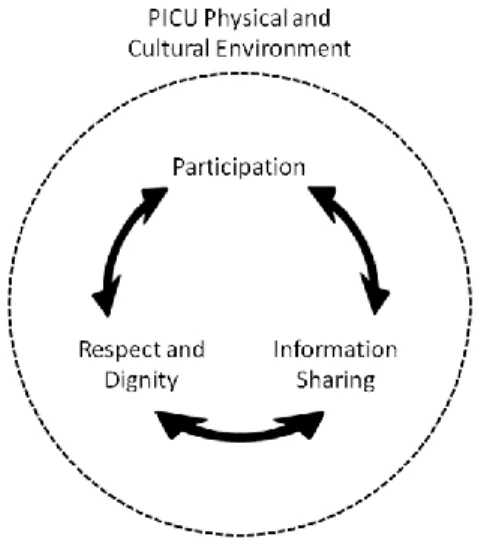
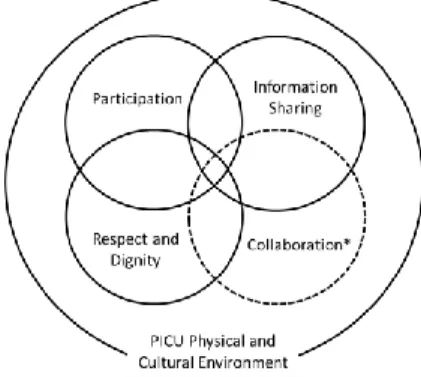
The first study synthesized the research literature regarding FCC in the PICU from the parent perspective based on the Institute for Patient and Family Centered Care (IPFCC) identified core concepts (e.g., respect and dignity, information sharing, participation, and collaboration). This literature synthesis revealed that parents described both met and unmet needs regarding the implementation of FCC and led to development of a conceptual model of FCC in the PICU that included respect and dignity, information sharing, and participation as interacting with one another within the physical and cultural environment of the PICU.
Based on the findings of the first study, the second study aimed to further develop the PICU FCC conceptual model and examined parental perspectives of the impact of the physical and cultural
environment of the PICU in the delivery of FCC. The physical and cultural environment was found to exert both positive and negative contextual influence in the delivery of FCC per parent report.
relationships with other PICU infants and families, and developing a trusting relationship with members of the health care team.
ACKNOWLEDGEMENTS
I would like to acknowledge my committee members for their support, encouragement, and for working with me throughout this doctoral program. A special thanks to Dr. Sharron Docherty for the generous use of data from her study (R01NR010548) for this dissertation.
I would also like to thank all for the financial support received during this doctoral program. I received training support from T32NR007091, awarded to the University of North Carolina at Chapel Hill School of Nursing by the National Institute of Nursing Research. Additionally, I received the James M. Johnston Doctoral Nursing Scholarship during this program.
TABLE OF CONTENTS
LIST OF TABLES ... x
LIST OF FIGURES ... xi
LIST OF ABBREVIATIONS ... xii
CHAPTER 1. FAMILY-CENTERED CARE ... 1
Background ... 1
Evolution of the Intensive Care of Infants and Children ... 2
Nurse and Parent Perspectives: Factors that Influence Family-Centered Care ... 4
Being a Good Parent to a Seriously Ill Child ... 6
Purpose Statement ... 8
REFERENCES ... 10
CHAPTER 2. FAMILY-CENTERED CARE FROM THE PERSPECTIVE OF PARENTS OF CHILDREN CARED FOR IN A PEDIATRIC INTENSIVE CARE UNIT: AN INTEGRATIVE REVIEW ... 14
Overview ... 14
Introduction ... 15
Background ... 15
Aims ... 16
Methods ... 17
Search Method ... 17
Search Outcome ... 17
Quality Appraisal ... 18
Data Abstraction and Synthesis ... 19
Respect and Dignity ... 29
Information Sharing ... 32
Participation ... 35
Collaboration ... 39
Discussion ... 39
Implications for Practice, Research and Education ... 43
Strengths and Limitations ... 43
Conclusion ... 44
REFERENCES ... 45
CHAPTER 3. PARENT PERCEPTIONS OF THE IMPACT OF THE PICU ENVIRONMENT ON DELIVERY OF FAMILY-CENTERED CARE ... 51
Introduction ... 52
Background ... 52
Methods ... 55
Primary Study ... 55
Secondary Analysis ... 55
Results ... 58
Information Sharing ... 59
Participation ... 60
Respect and Dignity ... 62
Discussion ... 64
Information Sharing ... 65
Participation ... 67
Respect and Dignity ... 68
Limitations ... 68
REFERENCES ... 70
CHAPTER 4. BEING A GOOD PARENT WHEN YOUR CHILD IS HOSPITALIZED IN THE PEDIATRIC INTENSIVE CARE UNIT; PARENT PERSPECTIVES ... 74
Overview ... 74
Introduction ... 75
Background ... 75
Methods ... 79
Primary Study ... 79
Secondary Analysis ... 79
Results ... 83
Case 1 ... 83
Case 2 ... 93
Case 3 ... 104
Across-Cases Comparison ... 115
Discussion ... 121
Conclusions ... 123
REFERENCES ... 124
CHAPTER 5. THE IMPACT OF FAMILY-CENTERED CARE PRACTICES ON PARENTS OF CHILDREN HOSPITALIZED IN A PICU ... 127
Synthesis of Findings ... 127
Study 1 ... 127
Study 2 ... 130
Study 3 ... 134
Strengths of the Dissertation ... 136
Limitations of the Dissertation ... 137
Future Research and/or Clinical Implications ... 138
LIST OF TABLES
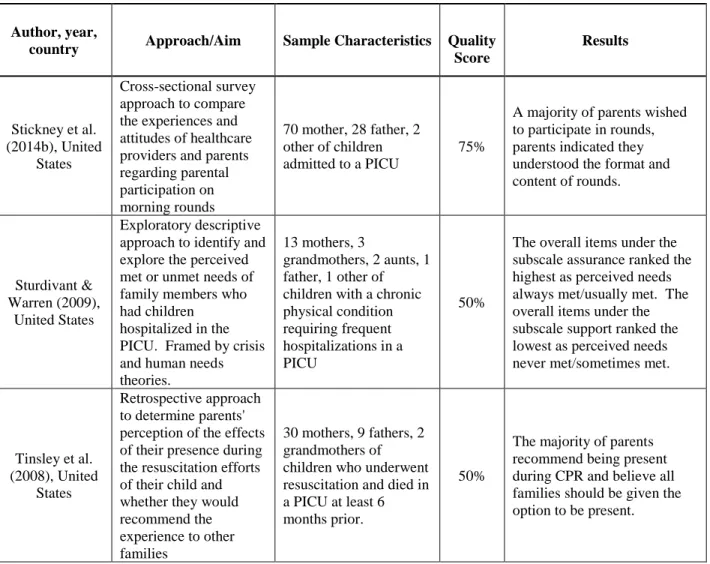
Table 2.1: Summary of articles included in the review ... 19
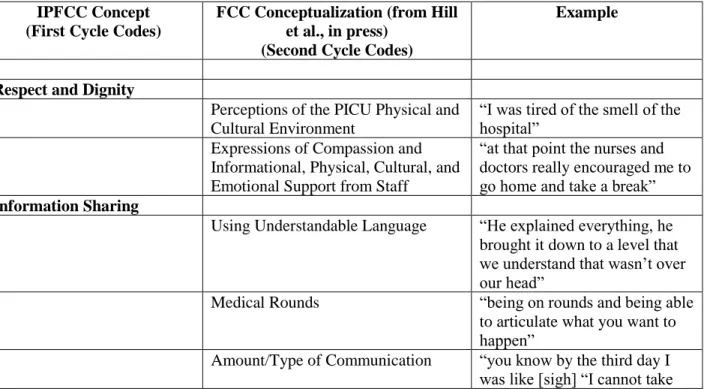
Table 3.1: Coding scheme ... 57
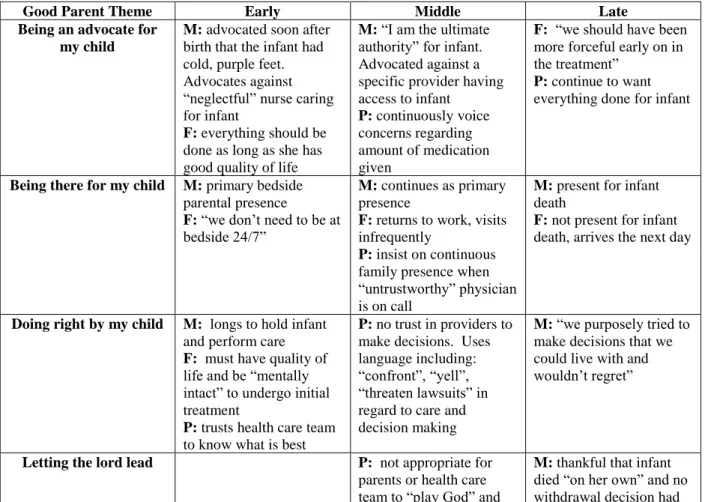
Table 4.1: Equivalent themes across good parent literature ... 78
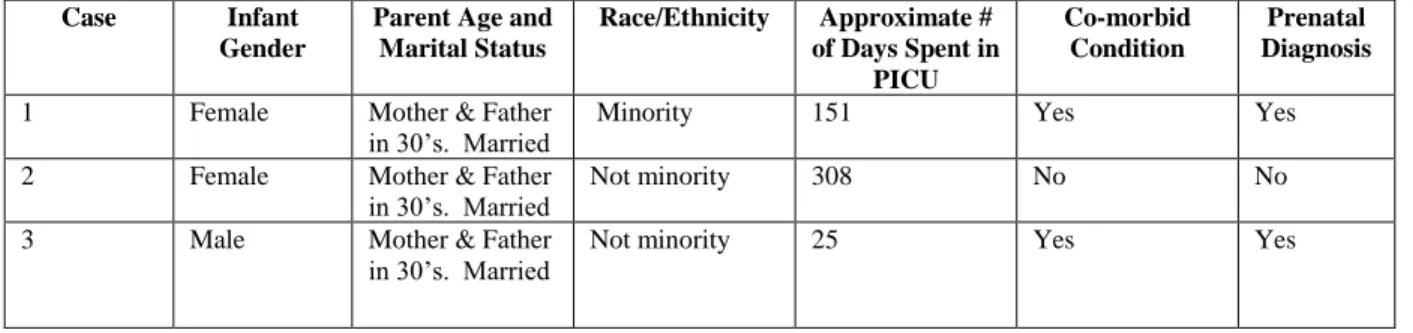
Table 4.2: Key demographics and clinical data by case ... 83
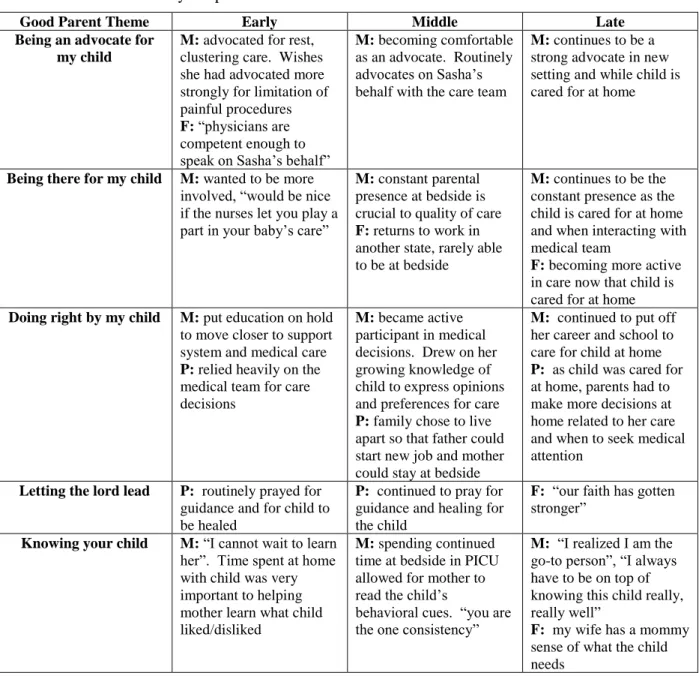
Table 4.3: Case 1 summary template ... 92
Table 4.4: Case 2 summary template ... 103
Table 4.5: Case 3 summary template ... 114
Table 4.6: Across case comparison ... 118
Table 5.1: Subthemes identified in Hill et al., (in press) ... 128
Table 5.2: Linking good parent themes to FCC core concepts ... 134
LIST OF FIGURES
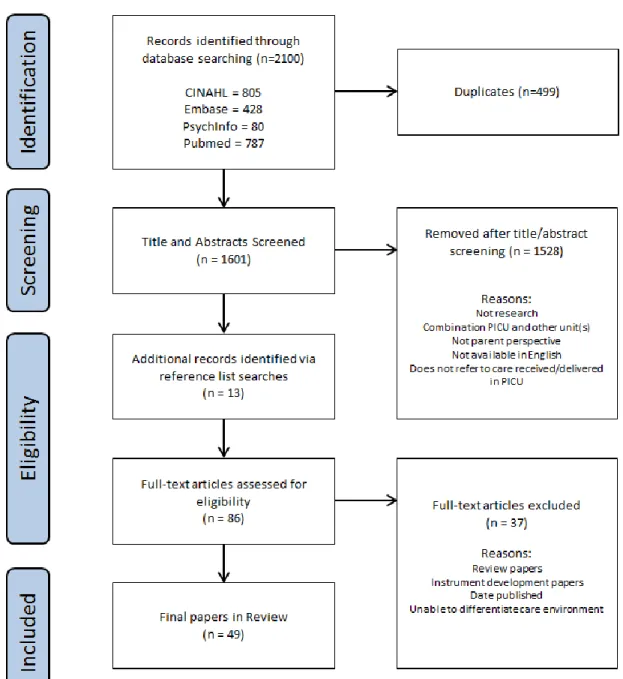
Figure 2.1: PRISMA flow chart of search process ... 18
Figure 2.2: Conceptualization of FCC in the PICU. ... 40
Figure 3.1: Conceptualization of FCC in the PICU. ... 53
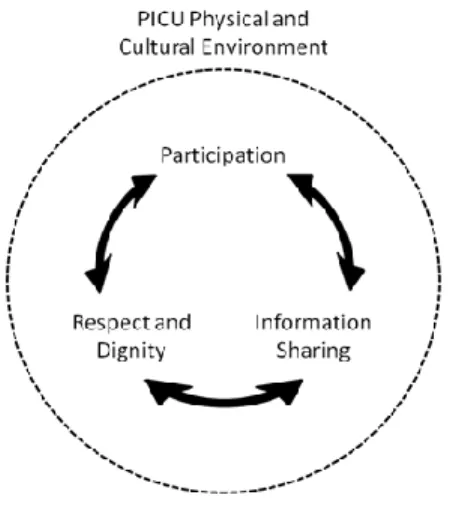
Figure 3.2: Further conceptualization of FCC in the PICU. ... 65
Figure 5.1: Conceptualization of FCC in the PICU ... 129
LIST OF ABBREVIATIONS
ACCH Association for the Care of Children’s Health
CINAHL Cumulative Index to Nursing and Allied Health Literature CPR Cardiopulmonary Resuscitation
DNR Do Not Resuscitate
DOL Day of Life
EMBASE Excerpta Medica Database
GI Gastrointestinal
GT Gastrostomy Tube
FCC Family-Centered Care
IPFCC Institute for Patient- and Family-Centered Care IRB Institutional Review Board
MESH Medical Subject Heading MMAT Mixed Methods Appraisal Tool
NGT Nasogastric Tube
CHAPTER 1. FAMILY-CENTERED CARE
Background
Family-centered care (FCC) is an approach to planning, delivering, and evaluating health care through mutually beneficial partnerships among patients, families, and health care professionals. This approach to care encompasses the core values of respect and dignity, information sharing, participation in care and decision-making, and collaboration (Institute for Patient and Family-Centered Care, 2015). Because infants and young children are unable to self-report their symptoms and care preferences due to their developmental stage or illness state, parents play critical roles in not only understanding the child’s needs and goals for care, but also communicating these needs to nurses and other health care
professionals. Thus, understanding how parents experience FCC while their child is hospitalized is fundamental to ensuring that its core values are achieved in practice.
for children with special health care needs. Additionally, they provided checklists for providers, parents, researchers, and hospitals, each aimed to promote and advance the delivery of FCC (Shelton et al., 1987).
In recent years, several major professional associations have released statements stressing the importance of adopting FCC as an approach to pediatric care (e.g., Institute of Medicine, 2001; American Academy of Pediatrics, 2003, 2012; American Nurses Association, 2003). As a result, pediatric care has shifted toward a more family-centered approach, with notably increased family presence at the bedside of the hospitalized child patient. The introduction of FCC in pediatric settings, particularly those settings providing intensive care to infants and children, has changed the way nurses interact with families and care for hospitalized children. The very nature of intensive care: fast paced, technology driven, and laden with uncertainty brings unique challenges and opportunities to the nurses providing care around the clock at the bedside (Foglia & Milonovich, 2011). A discussion of the intensive care environments that care for infants and children is presented next.
Evolution of the Intensive Care of Infants and Children
Caring for critically ill infants and children can be considered a specialty within a specialty (Foglia & Milonovich, 2011). Not only do these nurses need the education and training to perform in a critical care environment, they must also give consideration to the unique care that is required of infants and children. Hospital care of critically ill infants and children is generally provided in either the neonatal intensive care unit or the pediatric intensive care unit.
particular needs of the infant patient and their family (White, 2011). With both physical and
psychological outcomes of the infant and family being linked to their treatment in the NICU, there is now an expected focus on providing a developmentally appropriate, nurturing environment for the infant and family (White, 2011).
Parents of infants admitted to a NICU may face uncertainty and unfamiliar surroundings. They often see their newborn for the first time behind the barrier of an incubator and must navigate the challenges of their parenting role in the foreign environment of the NICU. Research has shown that parents report feelings of stress, strain, separation, depression, despair and a lack of control (Obeidat, Bond, & Callister, 2009) after their infant is admitted to the NICU. These parents transition to feeling safer, more confident and connected to their infant, and being more active in care when nursing practices involved the parents in the care of their infant through decision making, daily care, and allowing them to touch, hold, or speak to their child routinely (Obeidat et al., 2009). Nurses in the NICU have a distinct responsibility and opportunity to guide parents as they assume this alternative form of the parenting role, that of a parent to a critically ill infant. NICU nurses must balance care for the medically-fragile newborn as well as the new parent; an understanding of the needs of new parents navigating the NICU care is important (Cleveland, 2008). In a review of NICU parent involvement, Cleveland (2008) identified practices such as parent empowerment and guided participation of care skills as being supportive
behaviors that NICU nurses performed to assist in meeting needs of new parents. As an indication of the importance of FCC in the NICU, Van Riper (2001) found that the perceived delivery of FCC positively impacted mothers’ satisfaction and psychological well-being in the NICU. In another study, NICU nurses were able to identify important aspects of FCC and indicated that parents should be actively involved in all aspects of their newborn’s care (Higman & Shaw, 2008).
NICU, the PICU environment requires that nurses possess expertise to manage the advanced technology required to sustain life in a critically ill child. While managing high patient acuity, the PICU nurse must also provide care and guidance for the parents and/or family members at the bedside. Distinctly different from the NICU, children in the PICU can range in age from neonate to young adult; nurses in the PICU do not routinely care for infant patients immediately after birth- these patients are most often treated in the NICU if they have yet to be discharged home. Because of this, PICU nurses infrequently encounter new parents who are in the midst of assuming their parenting role. Commonly parents of a child in the PICU have assumed their parenting role and have previously cared for/parented their child in a home environment, but there are some situations wherein a neonate may be discharged to home and then soon after develop symptoms that require surgery; these neonates would be cared for in the PICU. Nurse and Parent Perspectives: Factors that Influence Family-Centered Care
Factors critical to the appropriate implementation of FCC include awareness of nurse and parent perspectives regarding FCC and its implementation. Referring to the adoption of FCC in the pediatric setting, Shelton, Jeppson, and Johnson stated “as with other ‘revolutions’, this one demands a great deal of the participants. Neither parents nor professionals are fully prepared for the new roles they must play in developing programs that are truly family-centered” (1987, p. 7). A discussion of both the nurse and parent perspectives on FCC, specifically in the PICU, is presented next.
(Baird, et al., 2015; Maxton, 1997; Soderstrom, Benzein, & Saveman, 2003). Maxton (1997) reported nurses not wanting parents to be present at bedside at all times, perceiving parents as interfering with patient care, and not wanting parents to actively participate in care. Nurses also reported that they avoided contact with families that were deemed difficult or demanding by themselves or other staff members (Baird, et al., 2015; Soderstrom, et al., 2003). The lack of knowledge and unfavorable attitudes displayed by nurses is counter to the core values of FCC and helps explain the slow implementation of FCC by nurses in some PICU environments. Since nurses are the ones who interact with the family the most, if they do not embody those values in their practices, the environment may be seen as contrary to FCC by the family.
Parent perspectives. Of the studies that have addressed parental perspectives on involvement in care while in the PICU, the most often reported concern expressed by parents relates to parental role strain (Board & Ryan-Wenger, 2002; Frazier et al., 2010; Hall, 2005; Kirschbaum, 1990; Macdonald et al., 2012; Smith, Hefley, & Anand, 2007). Parental role strain can include the stress or strain experienced by parents when they are unable to perform normative behaviors or actions associated with the parenting role in western culture (Miles & Carter, 1982). During a child’s hospitalization, these normative
behaviors can include comforting, feeding, bathing, and protecting the child. Parents of hospitalized children have reported not feeling like a parent to their child, but merely a visitor (Aldridge, 2005; Ames, Rennick, & Baillargeon, 2011; Board & Ryan-Wenger, 2002; Frazier et al., 2010; Hall, 2005;
Dionne, 2006; Moore & Beckwitt, 2003; Studdert et al., 2003). This idea of “retribution” for being a “difficult” parent is a recurring theme in the literature reporting parent perspectives, supported by the previously mentioned literature reporting nurse perspectives (Soderstrom et al., 2003). In a study by Hurst (2001), mothers said they were hesitant to push for partnership with nurses because their actions could be misconstrued by stressed nurses as interfering in care and thus adversely affect their child’s nursing care. Parents of children hospitalized with cancer also reported a hesitancy to upset nurses, indicating they believed their child will receive better care if the nurses liked the parents and the child (Moore & Beckwitt, 2003).
Despite these findings that suggest poor implementation of FCC practices as perceived by parents in the PICU, there is evidence of parents who reported satisfaction with and benefit from FCC
implementation. Parents reported being thankful for participation in care of their critically ill child, one mother stated, “the nursing staff has been very good about letting me do the things that I am skilled to do” (Ames et al., 2011, p. 147). Additionally, parents felt empowered when staff looked to them to share their unique parental expertise on their child, thus informing the plan of care for the child (Ames et al., 2011).
Parent report of both positive and negative experiences with FCC implementation in the PICU provides evidence of the importance of developing a cultural environment that emphasizes understanding and sensitivity to the parents’ situation and need to be in their role while their child is hospitalized in the PICU. Often parents behave in a manner that is consistent with how they feel they can best love, or provide care for their child, which is the manifestation of what they believe a good parent would do. Being a Good Parent to a Seriously Ill Child
Researchers have begun to explicate the construct of being a good parent to seriously ill children (Feudtner et al, 2015; Hinds et al, 2009; 2012; October, Fisher, Feudtner & Hinds, 2014). Based upon a content analysis of parent response to an interview question in her study about end-of-life care
with their personal views on being a good parent, they felt more able to make decisions on their child’s behalf, and as a result, cope with and endure their child’s dying and death. While these studies have explored parent perspectives on being a good parent of a child with cancer and in the PICU, more research is needed to advance our understanding of being a good parent in the PICU context, and in turn, the implications for delivery of FCC and how nurses might enhance FCC to better support parents. Specifically, no research has examined how parents’ conceptions of being a good parent to a critically ill child evolve over time as they are faced with prolonged or repeated stays in the PICU. Additionally, we lack understanding of what being a good parent means to individuals in the midst of transitioning to the parental role when their infant must be hospitalized in a PICU immediately or soon after birth. When an infant requires intensive care soon after birth, a parent’s ability to assume the parental role may be even more impaired because it was not allowed to develop fully prior to the hospitalization. Moreover,
admission to the PICU interferes with normative parenting behaviors in the immediate postpartum period, which might affect the typical course of parental role attainment (Bialoskurski, Cox, & Hayes, 1999; Dodwell, 2010; Miles, Carter, Spicher, & Hassanein, 1984; Miles & Frauman, 1993; Odom & Chandler, 1990). Such is the case for parents of infants born with a complex congenital heart defect, the most common congenital defect in the United States today. Over 40,000 infants are born with a congenital heart defect each year, of which 4800 have defects so severe that the infant requires surgical intervention and prolonged intensive care shortly after birth to survive (March of Dimes, 2016).
sharing of information, and that fosters and encourages participation by parents to the level parents choose, nurses have the opportunity to support new parents in their efforts to be a good parent to their critically ill newborn while hospitalized in the PICU.
The FCC literature presented regarding nurse and parent perspectives on care practices illustrates a disconnect between the core values of FCC as envisioned by The Institute for Patient- and Family-Centered Care (IFPCC) and the enactment of those core values in the PICU environment. The disparity between nurse and parent expectations (Avis & Reardon, 2008; Coyne, 1995; Uhl et al., 2013) can create tension at the bedside, decrease satisfaction, and strain interactions of both parents and nurses (Hall, 2005; McAllister & Dionne, 2006; McGraw et al., 2012, Merk & Merk, 2013; Wills & Wills, 2009). Long after discharge, psychological distress has been shown to be elevated in parents whose children have been cared for in a PICU (Board & Ryan-Wenger, 2002; Colville et al., 2009; Ehrlich, Von Rosenstiel, Grootenhuis, Gerrits, & Bos, 2005). Knowledge of parent and nurse views on FCC in the PICU,
specifically parent involvement in the care of their critically ill child will contribute to the development of interventions that will promote a shared understanding of FCC, a more productive working relationship between nurses and parents, and better parent and family outcomes. Unlike parents of a healthy newborn, parents of children requiring intensive care are challenged to understand and function in the foreign environment of the intensive care unit while negotiating involvement in their child’s care with PICU clinicians, meaning they need to be given encouragement to parent their child, but also guidance on how to do that in this complex and foreign environment. Knowledge of parents’ experiences with FCC and parenting in the context of the PICU is foundational to the development of interventions to facilitate FCC and maximize quality of life outcomes for the child and family by supporting parents in their pursuit to be a good parent to a child in the PICU.
Purpose Statement
REFERENCES
Aldridge, M. (2005). Decreasing parental stress in the pediatric intensive care unit: one unit’s experience. Critical Care Nurse, 25, 40-50.
American Academy of Pediatrics. (2003). Family pediatrics: Report of the task force on the family. Pediatrics, 111, 1541–1571.
American Academy of Pediatrics. (2012). Patient and family-centered care and the pediatrician’s role. Pediatrics, 129, 394-404.
American Nurses Association. (2003). Scope and Standards of Pediatric Nursing Practice. Washington, DC: Nursesbooks.org
Ames, K., Rennick, J., & Baillargeon, S. (2011). A qualitative interpretive study exploring parents’ perception of the parental role in the paediatric intensive care unit. Intensive and Critical Care Nursing, 27, 143-150. Doi: 10.1016/j.iccn.2011.03.004
Avis, M., & Reardon, R. (2008). Understanding the views of parents of children with special needs about the nursing care their child receives when in hospital: a qualitative study. Journal of Child Health Care, 12, 7-17. Doi: 10.1177/1367493507085615
Baird, J., Davies, B., Hinds, P., Baggott, C., & Rehm, R. (2015). What impact do hospital and unit-based rules have upon patient and family-centered care in the pediatric intensive care unit? Journal of Pediatric Nursing, 30, 133-142. Doi: 1031016/j.pedn.2014.10.001
Bialoskurski, M., Cox, C., & Hayes, J. (1999). The nature of attachment in a neonatal intensive care unit. The Journal of Perinatal & Neonatal Nursing, 13, 66-77. Doi: 10.1097/00005237-199906000-00007
Board, R., & Ryan-Wenger, N. (2002). Long-term effects of pediatric intensive care unit hospitalization on families with young children. Heart & Lung, 31, 53-66. Doi: 10.1067/mhl.2002.121246 Cleveland, L. (2008). Parenting in the Neonatal Intensive Care Unit. Journal of Obstetric, Gynecologic, &
Neonatal Nursing, 37, 666-691. Doi: 10.1111/j.1552-6909.2008.00288.x
Colville, G., Darkins, J., Hesketh, J., Bennett, V., Alcock, J., & Noyes, J. (2009). The impact on parents of a child’s admission to intensive care: integration of qualitative findings from a cross-sectional study. Intensive and Critical Care Nursing, 25, 72-79. Doi: 10.1016/j.iccn.2008.10.002
Coyne, I. (1995). Partnership in care: parents’ view of participation in their hospitalized child’s care. Journal of Clinical Nursing, 4, 71-79. Doi: 10.1111/j.1365-2702.1995.tb00014.x
Dodwell, M. (2010). The effects of postnatal separation on mother-infant interaction. National Childbirth Trust, 49, 21.
Epstein, D., & Brill, J. (2005). A history of pediatric critical care medicine. Pediatric Research, 58, 987-96. Doi: 10.1203/01.PDR.0000182822.16263.3D
Feudtner, C., Walter, J., Faerber, J., Hill, D., Carroll, K., Mollen, C…Hinds, P. (2015). Good-parent beliefs of parents of seriously ill children. JAMA Pediatrics, 169, 39-47. Doi:
10.1001/jamapediatrics.2014.2341
Foglia, D., & Milonovich, L. (2011). The evolution of pediatric critical care nursing: past, present, and future. Critical Care Nursing Clinics of North America, 23, 239-253. Doi:
10.1016/j.ccell.2011.02.003
Frazier, A., Frazier, H., & Warren, N. (2010). A discussion of family-centered care within the pediatric intensive care unit. Critical Care Nursing Quarterly, 33, 82-86. Doi:
10.1097/cnq.0b013e3181c8e015
Hall, E. (2005). Being in an alien world: Danish parents’ lived experiences when a newborn or small child is critically ill. Scandinavian Journal of Caring Sciences, 19, 179-185. Doi:
10.1111/j.1471-6712.2005.00352.x
Higman, W., & Shaw, K. (2008). Nurses’ understanding about the delivery of family centred care in the neonatal unit. Journal of Neonatal Nursing, 14, 193-198. Doi: 10.1016/j.jnn.2008.07.008
Hinds, P., Oakes, L., Hicks, J., Powell, B., Srivastava, D., Spunt, S. … Furman, W. (2009). “Trying to be a good parent” as defined by interviews with parents who made phase I, terminal care, and resuscitation decisions for their children. Journal of Clinical Oncology, 27, 5979-5985. Doi: 10.1200/JCO.2008.20.0204
Hinds, P., Oakes, L., Hicks, J., Powell, B., Srivastava, D., Baker, J…Furman, W. (2012). Parent-clinician communication intervention during end-of-life decision making for children with incurable cancer. Journal of Palliative Medicine, 15, 916-22. Doi: 10.1089/jpm.2012.0006
Hurst, I. (2001). Vigilant watching over: mothers’ actions to safeguard their premature babies in the newborn intensive care nursery. TheJournal of Perinatal & Neonatal Nursing, 15, 39-57. Doi: 10.1097/00005237-200112000-00005
Institute for Patient- and Family-Centered Care. (2015). Retrieved February 10, 2015 from www.ipfcc.org Institute of Medicine. Crossing the quality chasm. A new health system for the 21st century. Washington,
DC: National Academy Press; 2001.
Johnson, B. (1990). The changing role of families in health care. Children’s Health Care, 19, 234-241. Jolley, J. (2007). Separation and psychological trauma: a paradox examined. Paediatric Nursing, 19,
22-25. Doi: 10.7748/paed.19.3.22.s22
Jolley, J., & Shields, L. (2009). The evolution of family-centered care. Journal of Pediatric Nursing, 24, 164-170. Doi: 10.1016/j.pedn.2008.03.010
Kuo, D., Houtrow, A., Arango, P., Kuhlthau, K., Simmons, J., & Neff, J. (2012). Family-centered care: current applications and future directions in pediatric health care. Maternal Child Health Journal, 16, 297-305. Doi: 10.1007/s10995-011-0751-7
Macdonald, M., Liben, S., Carnevale, F., & Cohen, R. (2012). An office or a bedroom? Challenges for family-centered care in the pediatric intensive care unit. Journal of Child Health Care, 16, 237-249. Doi: 10.1177/1367493511430678
March of Dimes. (2015). Retrieved December 1, 2015 from www.marchofdimes.org
Maxton, F. (1997). Old habits die hard: changing paediatric nurses’ perceptions of families in ICU. Intensive and Critical Care Nursing,13, 145-150. Doi: 10.1111/j.1365-2702.2008.02525.x McAllister, M., & Dionne, K. (2006). Partnering with parents: establishing effective long-term
relationships with parents in the NICU. Neonatal Network, 25, 329-337.
McGraw, S., Truong, R., Solomon, M., Cohen-Bearak, A., Sellers, D., & Meyer, E. (2012). “I was still able to be her mom”- parenting at end of life in the pediatric intensive care unit. Pediatric Critical Care Medicine, 13, e350-56. Doi: 10.1097/PCC.0b013e31825b5607
Merk, L., & Merk, R. (2013). A parents’ perspective on the pediatric intensive care unit, our family’s journey. Pediatric Clinics of North America, 60, 773-780.
http://dx.doi.org/10.1016/j.pcl.2013.02.012
Miles, M., & Carter, M. (1982). Sources of parental stress in pediatric intensive care units. Children’s Health Care, 11, 65-69.
Miles, M., Carter, M., Spicher, C., & Hassanein, R. (1984). Maternal and paternal stress reactions when a child is hospitalized in a pediatric intensive care unit. Issues in Comprehensive Pediatric
Nursing, 7, 333-342.
Miles, M. S., & Frauman, A. (1993). Barriers and bridges: Nurses' and parents' negotiations of caregiving roles for medically fragile infants. In S. G. Funk, E. M. Tornquist, M. T. Champagne, & R. A. Weise (Eds.), Key aspects of caring for the chronically ill: Hospital and home (pp. 239-249). New York: Springer.
Moore, J., & Beckwitt, A. (2003). Parents’ reactions to conflict with health care providers. Western Journal of Nursing Research, 25, 30-44. Doi: 10.1177/0193945902238834
Noyes, J. (1999). The impact of knowing your child is critically ill: a qualitative study of mothers’ experiences. Journal of Advanced Nursing, 29, 427-435. Doi: 10.1046/j.1364-2648.1999.00906.x Obeidat, H., Bond, E., & Callister, L. (2009). The parental experience of having an infant in the newborn
intensive care unit. The Journal of Perinatal Education, 18, 23-29. Doi: 10.1624/105812409x461199
Odom, S., & Chandler, L. (1990). Transition to parenthood for parents of technology-assisted infants. Topics in Early Childhood Special Education, 9, 43-54.
PBS News Hour. (2018). Retrieved January 24, 2018 from https://www.pbs.org/newshour/health/coney-island-sideshow-advanced-medicine-premature-babies
Shelton, T., Jeppson, E., & Johnson, B. (1987). Family-centered care for children with special health care needs. Association for the Care of Children’s Health, Washington, DC.
Soderstrom, I., Benzein, E., & Saveman, B. (2003). Nurses’ experiences of interactions with family members in intensive care units. Scandinavian Journal of Caring Sciences, 17, 185-192. Doi: 10.1046/j.1471-6712.2003.00222.x
Smith, A., Hefley, G., & Anand, K. (2007). Parent bed spaces in the PICU: effect on parental stress. Pediatric Nursing, 33, 215-21. Doi: 10.1097/00130478-200501000-00083
Studdert, D., Burns, J., Mello, M., Puopolo, A., Truog, R., & Brennan, T. (2003). Nature of conflict in the care of pediatric intensive care patients with prolonged stay. Pediatrics, 112, 553-558. Doi: 10.1542/peds.112.3.553
Tomlinson, P., & Harbaugh, B. (2004). Assessing ambiguity at the family-nurse boundary interface in pediatric health crisis. Journal of Pediatric Nursing, 19, 399-410. Doi:
10.1016/j.pedn.2004.11.004
Uhl, T., Fisher, K., Docherty, S., & Brandon, D. (2013). Insights into patient and family-centered care through the hospital experiences of parents. Journal of Obstetric, Gynecologic, & Neonatal Nursing,42, 121-131. Doi: 10.1111/1552-6909.12001
Van Riper, M. (2001). Family-provider relationships and well-being in families with preterm infants in the NICU. Heart and Lung, 30, 74-84. Doi: 10.1067/mhl.2001.110623
CHAPTER 2. FAMILY-CENTERED CARE FROM THE PERSPECTIVE OF PARENTS OF CHILDREN CARED FOR IN A PEDIATRIC INTENSIVE CARE UNIT: AN INTEGRATIVE
REVIEW
Overview
Problem: The Institute for Patient- and Family-Centered Care’s (IPFCC) definition of family-centered care (FCC) includes the following four core concepts: respect and dignity, information sharing, participation, and collaboration. To date, research has focused on the provider experience of FCC in the PICU; little is known about how parents of children hospitalized in the pediatric intensive care unit (PICU) experience FCC.
Eligibility Criteria: Articles were included if they were published between 2006 and 2016, included qualitative, quantitative, or mixed methods results, related to care received in a PICU, and included results that were from a parent perspective.
Sample: 49 articles from 44 studies were included in this review; 32 used qualitative/mixed methods and 17 used quantitative designs.
Results: The concepts of respect and dignity, information sharing, and participation were well represented in the literature, as parents reported having both met and unmet needs in relation to FCC. While not explicitly defined in the IPFCC core concepts, parents frequently reported on the environment of care and its impact on their FCC experience.
Conclusions: As evidenced by this synthesis, parents of critically ill children report both positive and negative FCC experiences relating to the core concepts outlined by the IPFCC.
Introduction
The Institute for Patient- and Family-Centered Care (IPFCC) defines family-centered care (FCC) as encompassing four core concepts: respect and dignity, information sharing, participation in care and decision-making, and collaboration between patients, families, and the healthcare team (Institute for Patient and Family-Centered Care, 2017). In pediatrics, respect and dignity encompass how the child and the child’s family are treated; information sharing involves communicating with and making information available to patients and families in formats they understand. Participation entails including the family in decision making and the child’s care at the level the family chooses, and collaboration comprises
partnering with families to improve policy, programs, and infrastructure. As an approach to care, the goal of FCC is to improve patient and family satisfaction and care outcomes; FCC has the potential to
influence health care delivery at levels ranging from social and institutional policies to daily interpersonal interactions with staff and family (Institute for Patient and Family-Centered Care, 2017).
Partnerships between families and the health care team are essential in pediatrics where children are often unable to self-report symptoms or treatment preferences due to their developmental stage or health status. Thus, parents are charged with communicating on the child’s behalf, necessitating that parents be included in their child’s care. Additionally, parents are most often responsible for the child’s care after discharge, making critical that they are involved in care and decisions during the child’s hospitalization to aid in the transition to home. Multiple professional organizations have released statements stressing the importance of adopting FCC as a policy in the pediatric hospital environment (e.g., The Institute of Medicine, 2001; American Academy of Pediatrics, 2003, 2012; American Nurses Association, 2008, 2015); however, the extent to which FCC as defined by the IPFCC is enacted in pediatric critical care units (PICU) is largely unknown. To inform understanding of FCC in pediatric intensive care, an integrative literature review was performed; this paper reports on the findings.
Background
allowed from family members. Parents of children with chronic health conditions and key advocacy groups joined together to bring about change and prioritized FCC in the late-20th century (Johnson, 1990). Slowly the care of hospitalized children has shifted to a more family-centered model; however the PICU has been slow to adopt these standards (Butler, Copnell, & Willetts, 2013; Foglia & Milonovich, 2011).
The introduction of FCC in pediatric settings was intended to change how providers interact with families and care for hospitalized children. Based on FCC principles, the family is central to the child’s health and pediatric care should focus on partnership with the family (Just, 2005). These ways of
interacting can be challenging in PICUs which have traditionally limited family visitation, involvement in direct care, and decision-making (Kuo et al., 2012). Published first-hand accounts of parents who have had children treated in a PICU illustrate poor implementation of the core concepts of FCC as envisioned by the IPFCC (Merk & Merk, 2013; Wills & Wills, 2009).
While others have examined FCC implementation in pediatric environments including the PICU, these syntheses have focused on healthcare professionals’ experiences and perspectives rather than those of parents. Given that parents are the voice, advocate, and caregiver for their child including during critical pediatric illness, their perspective is critical to understanding FCC implementation in the PICU. The overall purpose of this review was to examine parents’ perspectives on and experiences with implementation of the FCC core concepts in the context of having a child in the PICU.
Aims
Methods
Search Method
The searches were guided by the Preferred Reporting Items for Systematic reviews and Meta-Analyses (PRISMA: Moher, 2009). Search strategies were developed by the first author (CH) in
consultation with a research librarian. The databases searched between July and October 2016 included: Cumulative Index to Nursing and Allied Health Literature (CINAHL), Excerpta Medica Database
(Embase), PubMed, and PsycINFO. To be included in this review, reports had to be available in English, published between January 1, 2006 and October 31, 2016, include qualitative, quantitative, or mixed methods results, relate to the PICU, and include results of parental perspective via parent report regarding PICU care. To reflect the most recent research on FCC in the PICU and ensure timeliness and clinical relevance, the literature search was limited to reports published within the last 10 years. Articles that included other care environments or reports of healthcare professionals’ experiences were included only if the parent report and PICU environment were distinguishable among the results. Excluded were first-hand accounts, editorials, and other works that were not primary research.
Search terms included PICU, pediatric intensive care unit, family-centered care, parent,
collaboration, decision-making, participation, and information. Keywords and Medical Subject Heading (MeSH) terms were customized to the database searched. Additionally, truncation of words was used when appropriate to reflect syntax and search rules common to individual databases (Havill et al., 2014). Search Outcome
Figure 2.1: PRISMA flow chart of search process
Quality Appraisal
The first author critically appraised the retained articles using the Mixed Methods Appraisal Tool (MMAT) (Pluye, Gagnon, Griffiths, & Johnson-Lafleur, 2009), a tool designed to assess the
studies. An article could score 0, 25, 50, 75, or 100% based on how many assessment items the article addressed. No articles were excluded based on poor quality; for individual quality scores see Table 2.1. Data Abstraction and Synthesis
Data were extracted from included reports using an extraction template structured to summarize results related to each FCC core concept as outlined by the IPFCC, as well as evidence for refining core concepts definitions and/or adding concepts not previously explicated as central to FCC. The first author (CH) extracted data from the remaining articles using the template, and then either the second (KK) or third author (SS) reviewed the abstractions for completeness and conceptual fit. The authors met to review and resolve data extraction discrepancies.
Table 2.1: Summary of articles included in the review
Author, year,
country Approach/Aim Sample Characteristics Quality Score Results Mixed Methods Designs
Cameron et al. (2009), United
States
Prospective, observational and survey-based design to evaluate the effect of parental presence on PICU rounds
Rounding was observed on 130 patients in a PICU. 52 parents participated in semi-structured interviews.
50%
Parents report increased satisfaction from participation and provide new information when on rounds. However, parental presence may limit discussion during rounds which may limit discussion during rounds which may adversely affect patient care.
Cantwell-Bartl & Tibballs
(2013), Australia
Mixed methods design to evaluate the psychosocial status of mothers and fathers of infants with hypoplastic left heart syndrome (HLHS)
29 parents of alive children with HLHS. 16 mothers and 13 fathers.
75%
All parents of surviving children with HLHS exhibited clinical levels of traumatic stress; the PICU environment alienates parents from their infants and interferes with parent-infant bonding.
Levin et al. (2015), United
States
Prospective, cross-sectional approach to identify areas for improvement in family-centered rounds from both family and provider perspective
232 rounds observed. 61 mothers, 25 fathers, 6 others surveyed.
75%
Families and providers agreed that rounds keep the family informed. Families offered advice that providers could improve upon rounds by being more considerate and
Author, year,
country Approach/Aim Sample Characteristics Quality Score
Results
McPherson et al. (2011),
Canada
Mixed methods design to develop a detailed understanding of the physical, professional and interpersonal contexts of a PICU in order to develop a feasible, relevant and sustainable approach to parental inclusion on rounds
Survey: 32 parents of 32 children. Interview: 3 parents.
50%
Parents indicated a strong desire to participate in pediatric intensive care unit rounds.
October et al. (2014), United
States
Mixed methods design to identify factors important to parents making decisions for their critically ill child. Good parent
framework.
43 parents of 29 children for whom a family conference was being convened. 25 mothers
75%
Most common components of being a good parent described by parents included focusing on their child's quality of life, advocating for their child with the medical team, and putting their child's needs above their own.
Qualitative
Designs
Abib El Halal et al. (2013),
Brazil
Descriptive design to explore parents' perspectives of the quality of the care offered to them and their terminally ill child in the child's last days of life
15 parents of 9 children who had died in 2 PICUs.
75%
Quality of communication was low. Parental participation in decision-making was low. Families reported
uncompassionate attitudes from medical staff.
Ames et al. (2011), Canada
Descriptive interpretive design to explore parents' perception of the parental role
7 parents of 7 children admitted to the PICU and being prepared for discharge. 2 fathers and 5 mothers.
75%
Three main themes emerged: (1) being present and participating in the child's care; (2) forming a partnership of trust with the PICU health care team; and (3) being informed of the child's progress and treatment plan as the person who "knows" the child best.
Baird et al. (2015), United
States
Grounded theory approach to identify best practices in parent/nurse
interactions in the PICU for the parents of children with complex chronic conditions. Symbolic interactionism framework
7 parents of children admitted to a PICU with complex chronic conditions. 5 mothers and 2 fathers.
100%
Author, year,
country Approach/Aim Sample Characteristics Quality Score
Results
Carnevale et al. (2007), France
and Quebec, Canada
Grounded theory approach to examine whether physicians or parents assume responsibility for treatment decisions for critically ill children and how this relates to subsequent parental experience
19 mothers, 12 fathers
of children in the PICU. 75%
In France, physicians were predominantly the decision makers, in Quebec, parents were the most common decision maker.
Carnevale et al. (2011), Italy
To report on how life-sustaining treatment decisions are made for critically ill children in Italy, and how these decisional processes are experienced by
physicians, nurses, and parents. Cultural interpretive framework
9 parents of children who had a life-sustaining decision made in the PICU. 7 mothers, 2 fathers.
75%
Uncovered "private worlds" of parents in the PICU. Parents struggle with their dependence on physicians and nurses to provide care for their child and strive to understand what is happening to their child.
Colville et al. (2009), United
Kingdom
Qualitative portion of a larger mixed methods study reporting on the psychological distress in parents 8 months after child's discharge from PICU
50 parents of 34 children. (17 mother father pairs, 15 mothers, 1 father)
75%
Parents report significant and persisting distress after having a child previously admitted to the PICU.
DeLemos et al. (2010), United
States
Qualitative portion of a larger mixed methods study to explore the role of communication in building trust between intensivists and parents
122 parents of 96 children admitted for at least 48 hours in a PICU. 87 mothers and 34 fathers.
75%
Parents articulated that communication was integral to building trust. Parents wanted communication that was honest, inclusive, compassionate, clear and comprehensive, and coordinated.
De Weerd et al. (2015), Netherlands
Longitudinal approach to describe the perceptions of parents, doctors, and nurses of suffering of critically ill children
29 parents of 29 children admitted to a PICU
75%
Parents considered suffering caused by or associated with visible signs as discomfort. Various aspects of the child's suffering and admission to a PICU caused suffering in parents.
Gaudreault & Carnevale (2012), Canada
Grounded theory approach to examine the experiences of parents encountering the critical deterioration and resuscitative care of another child in the PICU where their own child was admitted
10 parents of critically ill children who witnessed the
resuscitation of another child. 4 fathers, 6 mothers.
75%
Author, year,
country Approach/Aim Sample Characteristics Quality Score
Results
Graham et al. (2009), United
States
Exploratory approach to describe the experience of PICU hospitalization from the perspective of parents of children with severe, antecedent disability
8 parents of 8 children admitted to a PICU with severe antecedent disabilities. 7 mothers, 1 father.
100%
Major themes emerged including: know my child's baseline, integrate and bridge multiple services, disconnect between roles of parent at home vs. parent in the PICU, high-stakes learning
environment, PICU admission does not equate with respite, heterogeneity within group, and lack of fit within the acute care model.
Latour et al. (2011a), Nethlerlands
Retrospective approach to explore and to identify accounts of the parents' experiences of a PICU admission of their child
39 mothers, 25 fathers of 41 children
discharged from PICUs.
75%
Six major themes emerged including: attitude of the professionals, coordination of care, emotional intensity, information management, environmental factors, and parent participation.
McGraw et al. (2012), United
States
Retrospective approach to examine how parents of children dying in the pediatric intensive care unit understood their role and discuss implications for care and policy
Parents of 18 children
who died in a PICU. 75%
Many of the factors deemed important by parents related to their capacity fo be a "good parent" to their child throughout their stay in the PICU.
Macdonald et al. (2012),
Canada
Ethnographic approach to examine the
experience of families whose children were hospitalized in a PICU
18 children. 17 mothers, 11 fathers of children hospitalized in a PICU
75%
There was a disconnect between the espoused model of FCC and quotidian professional practices.
Majdalani et al. (2014), Lebanon
Phenomenological approach to understand the lived experience of Lebanese parents of children admitted to the PICU in Beirut
10 parents of children admitted to a PICU for at least 48 hours, 5 mothers, 5 fathers.
100%
All parents described their experience in the PICU as strange, new and mysterious. They described their
experience as a "journey into the unknown".
Mattsson et al. (2014), Sweden
Phenomenological approach to investigate the meaning of caring in the PICU from the perspective of parents. Guided by the caring theory
7 mothers, 4 fathers of 7 children admitted to PICUs.
100%
Author, year,
country Approach/Aim Sample Characteristics Quality Score
Results
Maxton (2008), Australia
Phenomenological approach to provide understanding of the meaning for parents who were present or absent during a
resuscitation attempt on their child in the PICU
Parents of 8 children who experienced a resuscitation event in the PICU. Eight interviews, 2 with only one parent, 6 with both parents.
75%
There is an inherent need for parents to choose to be present during resuscitation to make sense of the situation. Those who did not witness their child's resuscitation were more distressed than those who did.
Meert et al. (2007), United
States
Retrospective approach to investigate parents' perspectives on the desirability, content, and conditions of a physician-parent conference after their child's death in the PICU
56 parents of 48 children who had died in a PICU. 37 mothers, 17 fathers, 2 other.
75%
Many parents want to meet with the intensive care physician after their child's death. Parents seek to gain information and emotional support, and to give feedback about their PICU experience.
Meert et al. (2008), United
States
To explore parents' environmental needs during their child's hospitalization and death in the PICU
33 parents of 26 children who died in a PICU. 20 mother, 12 father, 1 other.
75%
The PICU environment affects parents at the time of their child's death and produces memories that are vivid and long lasting.
Meert et al. (2008), United
States
Secondary analysis approach to describe parents' perceptions of their conversations with physicians regarding their child's terminal illness and death in the PICU
56 parents of 48 children who died in a PICU. 37 mothers, 17 fathers, 2 other.
75%
When discussing bad news, parents want physicians to be accessible and to provide honest and complete information with a caring affect, using lay language, and at a pace in accordance with their ability to comprehend.
Meert et al. (2009), United
States
To gain a deeper understanding of parents' needs around the time of their child's death in the PICU
Interview: 33 parents of 26 children who died in a PICU. 20 mother, 12 father, 1 other. Focus Group: 13 parents of 10 children who died in a PICU.
75%
Four overarching categories of parental need emerged: who I am, while my child was dying, my child's death context, and my bereavement journey.
Meyer et al. (2006), United
States
Retrospective approach to identify and describe the priorities and recommendations for end-of-life care and communication from the parents' perspective
56 parents of children who died in a PICU after withdrawal of life support. 36 mothers, 20 fathers.
75%
Author, year,
country Approach/Aim Sample Characteristics Quality Score
Results
Michelson et al. (2011), United
States
Retrospective approach to examine clinicians' and parents' reflections on pediatric intensive care unit family conferences in the context of discussion about end of life decision making
18 parents of 13 children who died in a PICU. 11 mothers, 7 fathers.
75%
Limited data from parents limited the ability to comment on parent perceptions of family conferences.
Oxley (2015), United Kingdom
Phenomenological approach to explore the lived experiences of parents whose children have been admitted to a PICU
5 mothers, one couple of children hospitalized in a PICU.
50%
The lived experience of a parent with a child in the PICU is fraught with varying emotions with the beginning of the journey and the ending of the PICU admission causing the most anxiety.
Rennick et al. (2011), Canada
To describe how mothers experienced involvement in their children's care through a Touch and Talk intervention
65 mothers of children undergoing an invasive procedure in the PICU.
75%
The overarching theme centered on the importance of comforting the critically ill child, this included being there for the child, making a difference in the child's pain experience, and feeling comfortable and confident about participating in care.
Smith da Nobrega Morais
& Geraldo da Costa (2009),
Brazil
To understand the existential experience of mothers of children hospitalized in a PICU. Framed by the
humanistic nursing theory
5 mothers of children
admitted to a PICU. 75%
The relationship between mothers and the nursing professionals throughout the PICU stay was important. Mothers reported experiencing fear, despair, and loneliness in the face of the child's PICU stay.
Stickney et al. (2014a), United
States
To compare
perceptions, goals, and expectations of health care providers and parents regarding parental participation in morning rounds and target specific areas of opportunity for educational interventions
13 mothers, 6 fathers, 2 other of children admitted to a PICU.
75%
Parents believed goals for rounds included helping parents achieve an
understanding of the child's current status and plan of care. Parents reported a strong desire to provide expert advice about their children and expected transparency from the care team.
Vasli et al. (2015), Iran
Ethnographic approach to define culture of FCC in PICU of one of the Iranian hospitals and to detect its related cultural and baseline
4 parents of children
admitted to a PICU. 100%
Author, year,
country Approach/Aim Sample Characteristics Quality Score
Results
Quantitative
Designs
Abuqamar et al. (2016), Jordan
Cross-sectional descriptive design to identify parental perceptions on pediatric intensive care-related satisfaction within three domains: child's care, environment and parent-staff communication
123 parents of children admitted to a PICU with chronic underlying conditions. 45 fathers, 78 mothers.
100%
Availability of health care professionals, the support and the information they share with the child's parents are all significant to parent's
satisfaction and hence to better quality of care.
Aronson et al. (2009), United
States
Prospective
observational design to determine the impact of family presence during PICU rounds on family satisfaction, resident teaching, and length of rounds
100 family members. 67 mothers, 26 fathers, 7 other.
75%
On the first day of admission, family members were less likely to understand the plan, to feel comfortable asking questions, or to want bad news during rounds. They were more likely to have privacy concerns and to want one individual to convey the plan after rounds. Family
satisfaction with being present for rounds was high; family members liked being present (98%) and thought (97%) it was helpful to hear the entire presentation and discussion of their child's case.
Drago et al. (2013), United
States
Observational approach to explore whether family characteristics or opinions affected their likelihood of being present on rounds or the family's perception of rounds
100 family members of children in a PICU, 67 mothers, 26 fathers, 7 other.
75%
Families felt that participating in family centered rounds improved the care of the child.
Ebrahim et al. (2013), Canada
Prospective longitudinal approach to describe parent satisfaction, involvement, and presence after admission to PICU
103 parents of 91 children previously admitted to a PICU.
100%
Parent satisfaction was high; however satisfaction was lower in parents of children receiving more ICU therapies.
Jee et al. (2012), United
Kingdom
Prospective cohort approach to evaluate and compare the needs, stressors, and coping strategies of mothers and fathers in a PICU
91 sets of parents of children admitted to a PICU. 91 mothers and 91 fathers.
100%
Author, year,
country Approach/Aim Sample Characteristics Quality Score
Results
Ladak et al. (2013), Pakistan
Non-randomized before-after design to assess whether family-centered rounds improve parents' and health care
professionals' satisfaction, decrease patient length of stay, and improve time utilization when compared to traditional practice rounds in a population with a low literacy rate,
socioeconomic status, and different cultural values and beliefs
82 parents of children who were hospitalized for at least 48 hours in a PICU. 41 from
traditional rounds (24 fathers, 17 mothers), 41 from FCC rounds (25 fathers, 16 mothers).
100%
Parents were satisfied with both forms of rounds, however, they appeared to have a greater preference for family-centered rounds. FCC rounds were a resource for parents.
Latour et al. (2011b), Nethlerlands
To explore similarities and differences in perceptions on pediatric intensive care practices between parents and staff
559 parents of children
admitted to a PICU 50%
Compared with parents' perceptions, nurses and physicians undervalued a substantial number of PICU items. Parents rated items related to information provision as important.
Madrigal et al. (2016), United
States
Prospective cohort approach to assess sources of support and guidance on which parents rely when making difficult decisions in the PICU
86 parents of 75 children hospitalized in a PICU for greater than 72 hours. 60 mothers, 26 fathers.
75%
Most parents chose physicians, nurses, friends, and extended family as their main sources of support and guidance when making a difficult decision.
Madrigal et al. (2012), United
States
To assess parental decision-making preferences in the high-stress environment of the PICU
Parents of 75 children admitted to a PICU for more than 72 hours. 66 mother responses, 29 father responses.
75%
Author, year,
country Approach/Aim Sample Characteristics Quality Score
Results
Mortensen et al. (2015), Denmark
Cross-sectional approach to investigate the association between parents' experience of nursing care and levels of traumatisation, to identify potential gender differences within this group, and to examine the possible relationships among the severity of a child's illness, the parents' fear of losing their child, and the parents' experience of support and development of acute stress disorder symptoms
Parents of 47 children admitted to a PICU. 47 mothers, 44 fathers.
75%
One third of parents had ASD or subclinical ASD. Mothers with very young children had higher levels of acute stress. Fathers exhibited higher stress when their children had higher illness severity scores.
Needle et al. (2009), United
States
Exploratory approach to examine the impact of parental anxiety on comprehension of medical information within 24 hours of a child's admission to the PICU
Parents of 35 children admitted to a PICU with high Pediatric Risk of Mortality scores. 27 mothers, 8 fathers.
100%
62% had state anxiety that was significantly higher than a validated sample of patients with GAD. Mechanical ventilation was a significant predictor of high parental state anxiety.
Phipps et al. (2007), United
States
Prospective, blinded, observational approach to evaluate parental presence during bedside medical rounds in a PICU
48 mothers, 29 fathers, 3 grandparent, 1 other of children hospitalized in a PICU.
100%
Parents reported satisfaction with participation in rounds, they do not perceive violations to privacy.
Roets et al. (2012), South
Africa
To describe emotional support given to mothers of children in ICUs and make recommendations to nurse managers regarding family-centred nursing care in PICU's in South Africa
62 mothers of children
admitted to a PICU. 100%
15 stressors were identified by mothers.
Smith et al. (2007), United
States
To identify the impact of providing parent bed space in the PICU, allowing for continual parental presence, on stress of parents of critically ill children
138 mothers, 34 fathers, 5 other of children in PICUs that had undergone renovations.
100%
Stress scores were
Author, year,
country Approach/Aim Sample Characteristics Quality Score
Results
Stickney et al. (2014b), United
States
Cross-sectional survey approach to compare the experiences and attitudes of healthcare providers and parents regarding parental participation on morning rounds
70 mother, 28 father, 2 other of children admitted to a PICU
75%
A majority of parents wished to participate in rounds, parents indicated they understood the format and content of rounds.
Sturdivant & Warren (2009),
United States
Exploratory descriptive approach to identify and explore the perceived met or unmet needs of family members who had children
hospitalized in the PICU. Framed by crisis and human needs theories.
13 mothers, 3
grandmothers, 2 aunts, 1 father, 1 other of children with a chronic physical condition requiring frequent hospitalizations in a PICU
50%
The overall items under the subscale assurance ranked the highest as perceived needs always met/usually met. The overall items under the subscale support ranked the lowest as perceived needs never met/sometimes met.
Tinsley et al. (2008), United
States
Retrospective approach to determine parents' perception of the effects of their presence during the resuscitation efforts of their child and whether they would recommend the experience to other families
30 mothers, 9 fathers, 2 grandmothers of children who underwent resuscitation and died in a PICU at least 6 months prior.
50%
The majority of parents recommend being present during CPR and believe all families should be given the option to be present.
Results
Table 2.1 summarizes the articles included in this integrative review. The IPFCC core concepts respect and dignity, information sharing, and participation were evident in the reports of parent
perspectives; collaboration was mentioned just once in the implications section of one article. An additional review finding was the impact of the physical and cultural environment of the PICU on the parents’ perception of FCC implementation. In the following sections we discuss our findings based on each IPFCC core concept, the need for FCC model refinement, and parent report of whether
Respect and Dignity
The IPFCC defines respect and dignity as “health care practitioners listen to and honor patient and family perspectives and choices. Patient and family knowledge, values, beliefs and cultural backgrounds are incorporated into the planning and delivery of care” (Institute for Patient and Family-Centered Care, 2017). We operationalized this core concept as results addressing “how patients and their families are treated”. Themes included perceptions of the PICU physical and cultural environment and expressions of compassion and support from providers.
Perceptions of the PICU physical and cultural environment. A common theme throughout the research reports was the PICU environment and how it impacted parents’ experiences. Although not explicitly mentioned in the definitions of any core concept, the PICU environment (e.g., patient room, overall unit, waiting room) was experienced by parents as conveying respect and dignity for the family and their situation and, attempts to preserve dignity through attention to the child and parents’ privacy and emotional decompression, or lack thereof.
2009). When a waiting area was associated with the PICU, parents also found negatives related to this. Parents remarked that the waiting area was generally an uncomfortable social space where stressed family members exhibited a wide range of emotional and sometimes distressing behaviors, with no one “in charge” (Meert et al., 2008a). One report described the waiting room furniture as not conducive to sitting or resting (Sturdivant & Warren, 2009).
Expressions of compassion and support from providers. In the PICU, delivering care in ways that parents experience as dignified and respectful requires not only technical skill, but behaviors that convey the staff’s compassion, support, and understanding of families’ experiences. Parents discussed how being treated like a human being conveyed respect (Colville et al., 2009). Respect was conveyed through professional attitudes (Latour et al., 2011a) and by listening to parents without judgment (Meyer, Ritholz, Burns, & Truog, 2006). They commented that nurses were compassionate, kind, and caring (Cantwell-Bartl & Tibballs, 2013; Smith da Nobrega Morais & Geraldo da Costa, 2009; Sturdivant & Warren, 2009), treated their child with love and tenderness (Mattsson, Arman, Castren, & Forsner, 2014), and provided what parents perceived to be good care (Mortensen et al., 2015; Smith da Nobrega Morais & Geraldo da Costa, 2009). While not specifically referring to nurses, other articles reported that parents thought that the attention their child received was caring and compassionate, and staff relayed empathy and commitment to providing good care (Delemos et al., 2010; Latour et al., 2011a; Meyer et al., 2006; Sturdivant & Warren, 2009). Parents also discussed respect as it was shown to their child; providers conveyed a sense of love, comfort, and care for their child and treated the child as an individual (McGraw et al., 2012). Parents noticed when providers respected the personhood of their child by knowing their name and gender (Meert, Briller, Schim, Thurston, & Kabel, 2009). Physicians too were viewed as being kind and compassionate; parents appreciated when they delivered information in consoling and supportive tones (Meert et al., 2008b). Parents in one study stated, “She treated my daughter as a mother more than a physician” (Majdalani et al., 2014, p. 221). Parents who witnessed resuscitation attempts on other
Parents also experienced behaviors that did not convey respect and dignity. Parents commented on a perceived lack of compassion (Abib El Halal et al., 2013; Cantwell-Bartl & Tibballs, 2013; Meyer et al., 2006), cold and callous communication (Abib El Halal et al., 2013, Meert et al., 2007; Meert et al., 2008b), and inappropriate body language by providers (Colville et al., 2009). Parents in one report described feeling abandoned by their physician after their child’s death (Meert et al., 2007). In the study by Maxton (2008), mothers commented that they felt nurses would judge them if the mother cried; one parent noted having been chastised by a nurse for crying. Cantwell-Bartl & Tibballs (2013) found that parents reported hearing insensitive comments by nurses and that providers had poor interpersonal skills and a lack of empathy; lack of empathy by providers was also reported by Meyer et al. (2006).
Common courtesies such as providers introducing themselves, and being addressed directly by physicians were viewed as signs of respect (Levin, Fisher, Cato, Zurca, & October, 2015; Stickney et al., 2014b). Conversely, Aronson, Yau, Helfaer, and Morrison (2009) found that medical team members introduced themselves to parents just 11% of the time when observed on rounds. In a study by Colville et al. (2009), parents reported that providers did not introduce themselves. Furthermore, Delemos et al. (2010) found that only one third of enrolled parents could identify the physician in charge of their child’s care.
Parents appreciated providers who gave compassionate, honest, and trustworthy support regardless of the child’s age or condition, as shown through body language, words, or actions (Meert et al., 2009). Parents reported high satisfaction scores when they felt supported by nurses (Mortensen et al., 2015). In a study by Roets, Rowe-Rowe, and Nel (2012), 71% of mothers felt emotionally supported when providers assured them about their child’s likely recovery and 61% when providers displayed emotional concern. This study also revealed that 44% of parents felt emotionally supported when providers were friendly and spoke in a friendly manner, overall, the articles included in this review suggest that implementation of respect and dignity continues to be unmet from the perspective of parents with children in the PICU.
Information Sharing
Information sharing is defined as “health care practitioners communicate and share complete and unbiased information with patients and families in ways that are affirming and useful. Patients and families receive timely, complete, and accurate information in order to effectively participate in care and decision-making” (Institute for Patient and Family-Centered Care, 2017). In coding the extracted data, the authors operationalized information sharing as “results addressing communication and availability of information to families”. We identified four themes related to information sharing: using understandable language, medical rounds, amount/type of communication, and satisfaction with communication.