Factors Affecting Implementation and Sustainability of the
Walk with Ease Program for Adults with Arthritis in
Community Organizations Receiving Short-Term Grants
Leigha Vilen, BSPH Candidate
April 2018
Undergraduate Honors Thesis
Advisors:
Dr. Leigh F. Callahan, PhD
Mary Links Briggs Distinguished Professor of Medicine
Professor, Departments of Orthopaedics and Social Medicine, UNC School of Medicine Adjunct Professor, Department of Epidemiology, Gillings School of Global Public Health Associate Director, Thurston Arthritis Research Center
Director, Osteoarthritis Action Alliance University of North Carolina at Chapel Hill
Dr. Mary Altpeter, PhD
Research Scientist, UNC Center for Health Promotion and Disease Prevention Research Associate, Thurston Arthritis Research Center
Adjunct Assistant Professor, Department of Health Behavior, Gillings School of Global Public Health
ABSTRACT
Background. The Arthritis Foundation’s evidence-based Walk with Ease (WWE) program improves symptoms, function, and psychosocial measures among adults with arthritis, and is feasible for widespread adoption and implementation in community organizations. This study examines barriers and facilitators to WWE implementation and sustainability among a subset of organizations receiving year-long grants to implement WWE. The research aims were: 1) identify factors affecting the implementation and plans for sustainability of WWE, 2) identify major barriers to implementation and sustainability, and solutions that grantees have employed to overcome these barriers, and 3) determine what minimum resources would improve grantees’ likelihood to sustain the program post-grant.
Methods. Five grantees that had begun yearlong WWE grants in April 2017 were selected for interviews: three Early Success Cases (ESCs) (>30% of goal participants reached by 6-mo. progress report) and two Early Delay Cases (EDCs) (no participants reached by 6-mo. progress report). One interviewer conducted semi-structured interviews with program managers from these grantees. The interviewer then transcribed and coded for themes using an integrated approach based on the Planning for Sustainability Framework and the Consolidated Framework for Implementation Research. Grantees’ responses were grouped by reported likelihood to sustain the program (“definitely will” vs. “hope to”) and by ESC/EDC status to identify differences in barriers and facilitators between these groups.
Results. Three grantees indicated they “hoped to sustain” the WWE program after funding ends, while two grantees indicated they “definitely will”. The strength of WWE’s evidence-base, it’s potential to supplement other programs, and strong, developed community partnerships
facilitated implementation and confidence for sustainability. Rigid program design (3x/week instructor-led), difficulties recruiting and retaining volunteer leaders, and organizational
upheaval impeded implementation; organizational upheaval especially was a a major reason for early delays experienced by EDCs. While all grantees experienced barriers to WWE
implementation, most barriers that ESCs experienced had concrete solutions while some barriers experienced only by EDCs, like organizational upheaval and competing staff priorities, did not. Organizations reported a variety of resources that would improve likelihood of sustainability. Notably, many of these resources were non-financial and could be provided by an outside advocacy organization or through community partnerships.
INTRODUCTION
Doctor-diagnosed arthritis affects 54.4 million (22.7%) adults and is the number one cause of disability in the United States.2,3 Osteoarthritis (OA) is the most common form of arthritis, affecting more than 30 million adults.4 There is no cure for OA; however, the American College of Rheumatology strongly recommends physical activity to help manage OA symptoms.5
Research indicates that regular physical activity improves pain and physical function in all forms of arthritis, each by about 40%.6 Despite the benefits, fewer adults with arthritis meet Centers for Disease Control and Prevention (CDC) physical activity guidelines compared with the general population.7,8
People with arthritis experience additional barriers to physical activity beyond those experienced by others without the disease. For example, they may fear that physical activity will exacerbate their arthritis symptoms or that their symptoms are too severe to exercise effectively.9
Alternatively, they may lack knowledge of the types of physical activity that are appropriate for arthritis or feel that physical activity programs are not appropriate for their condition.10
Community-based organizations can help combat these fears by offering physical activity programs proven effective among people with arthritis.
Arthritis-appropriate evidence-based interventions (AAEBIs) have been shown in research trials to improve arthritis symptoms like pain, stiffness, or physical function. The CDC recommends six physical-activity based AAEBIs: Active Living Every Day, Enhance®Fitness, Fit & Strong, Walk with Ease, the Arthritis Foundation Aquatic Program, and the Arthritis Foundation
Exercise Program.11 These programs vary considerably, by type of exercise (aerobic,
strengthening, or stretching), mode of delivery (group or self-directed) and duration (6 weeks to ongoing).
This study will center around a single AAEBI, the Arthritis Foundation’s Walk with Ease
(WWE) program. WWE is a six-week walking program available in both an instructor-led group format and a self-directed format that participants do individually using a workbook. WWE carries a substantial evidence-base for its effectiveness as a physical activity program for
arthritis. Callahan et al. (2011) reported that both formats reduce arthritis symptoms and increase physical performance up to one-year post-program.12 Other studies demonstrated similar
improvements with diverse racial/ethnic groups and in community-based locations like
workplaces.13-15 A study of WWE within 28 community sites in Oregon demonstrated that the program is feasible and efficacious even when scaled up for widespread implementation.16 While the Oregon scale-up study also conducted an evaluation of barriers and facilitators to WWE implementation, it is unknown whether the barriers and facilitators identified in that study hold true for organizations nationally.17
Program-Level Barriers: Research studies often receive federal or organizational grants to implement and test programs, and lack of sustained funding sources can be a barrier to those wishing to offer these programs outside of the research environment.19,20
Additionally, community organizations must ensure the program delivery model does not contain unsustainable features such as high stipends or incentives for leaders or participants, expensive program licensure and leader training and materials costs.17,19 The organization must also ensure that program managers have the capacity to manage staff and/or volunteer leaders.17,19
Organizational-Level Barriers: To address organizational-level barriers, health promotion programs need continuing support from organizational leadership.21 The likelihood of maintenance of programs increases when there is an understanding among program leaders and organizational leaders that the program’s mission aligns with the mission of the organization and when there is a program champion.20,22 Integrating the program into regular organizational functions and using existing staff to facilitate and manage the program help to maintain personnel support.20,22 Finally, organizations must drum up continuing demand for the program through marketing.19,22
Community-Level Barriers: To address barriers to community buy-in, community champions for health promotion programs can help organizations find funding and encourage participation in the program.20,22 Additionally, community partner organizations can provide financial or logistic support for the program.20
Sustaining AAEBIs within community organizations is as important to the ultimate goal of improving outcomes among people with arthritis as establishing the evidence-base for these programs.
RESEARCH QUESTIONS
Our study population includes community-based organizations (henceforth “grantees”) that received year-long mini-grants in March of 2017 from the Osteoarthritis Action Alliance (OAAA), a national coalition dedicated to the prevention and management of osteoarthritis. These grants of between $2800 and $7000 were designed to promote the dissemination and delivery of WWE.
The research questions for this study are threefold:
• What are the program-, organization-, and community-level factors related to the implementation of WWE by grantees, and how do they affect plans to maintain the program after the end of grant funding?
• What minimum resources would increase grantees’ likelihood to sustain the program after the end of grant funding?
We conducted a series of semi-structured interviews with organizational leaders at grantee organizations to identify common themes and concerns related to the sustainability of the program after the conclusion of the grant period.
LITERATURE REVIEW
The Effectiveness of Walk with Ease for People with Arthritis
Walk with Ease is one of six physical activity programs that the CDC recommends for people with arthritis.11 Its core components include health education, motivational strategies, group
support (classroom format only), stretching and strengthening exercises and walking. WWE is the least expensive and easiest to implement of the CDC-recommended AAEBIs in that there is no program license, the cost for the leader training is modest and online, and the program requires no special facility or equipment. WWE also has a self-directed format in addition to an instructor-led group format, which may increase the program’s reach to participants with limited transportation, time, or interest in participating in a group activity. Both formats center around the WWE Workbook which is likewise inexpensive for community-based organizations to purchase and easy to order online.
WWE has proven effective for people with arthritis across multiple indicators of success. In an observational, pre-post study with 462 mostly older adults, Callahan et al. (2011) found that participants in both the group and self-directed program improved in measures of arthritis symptoms (pain, fatigue, disability), psychosocial factors (arthritis self-efficacy, helplessness), and physical function (strength, balance, walking pace).12 Some of these improvements were maintained at one-year post-program, though the self-directed participants maintained improvements better than the group participants.12 In a secondary analysis of the same set of participants, those in both the group and self-directed programs walked similar amounts of time, but group participants were more likely to adhere to other aspects of the program, like warm-up, cool-down, and stretching.23
While the original study was conducted with majority white (72.9%) and female participants (88.9%), the program is also efficacious among other racial/ethnic groups. A secondary analysis of the original study by Wyatt et al. (2014) found the program similarly effective among African-American participants compared with whites, while Callahan et al. (2016) demonstrated the program’s efficacy among Latino participants (using the Spanish translated version, Camine con Gusto). 12,15 One limitation of all these studies is a strong majority (over 75%) of female
participants; however, it should be noted that the prevalence of arthritis is higher among females compared with males in all racial/ethnic groups.3
churches – could successfully adopt the program, implement it with fidelity to the original program design, and reach people with arthritis in their networks through targeted marketing.16 The researchers also conducted a qualitative evaluation, where they identified both
organizational and program-level barriers and facilitators to WWE implementation.17 The Oregon study established WWE’s potential for widespread implementation in community organizations but did not address the organizations’ capabilities to maintain the program after funding and support from the research study ended.
The OA Action Alliance WWE Expansion Mini-Grant Program
The present study examined implementation factors and maintenance plans from a sample of community-based organizations that received one-year grants in March 2016 from the OAAA. The OAAA’s WWE expansion grant program is part of a five-year CDC grant designed to identify and implement effective delivery and dissemination models for AAEBIs, including WWE. The grantees are the first participants in a five-year grant initiative to expand WWE programming into at least 25 states. Therefore, lessons learned from year one grantees have the potential to inform and improve WWE program expansion activities in subsequent years.
THEORETICAL FRAMEWORK
RE-AIM Framework: Conceptualizing the Challenge of Embedding Health Promotion Programs in the Non-Research Environment
Organizational leaders face numerous challenges in embedding health promotion programs within community organizations outside the research environment. Theoretical evaluation frameworks like the RE-AIM framework are often used to inform the process of scaling up and embedding these types of programs within communities. 24 RE-AIM was used to structure
several studies similar to the present one that have examined the dissemination, implementation, and sustainability of physical activity programs like WWE.20,21,25 This framework conceptualizes the public health impact of a program as a function of five factors: reach, efficacy, adoption, implementation, and maintenance.24 Because research studies often emphasize program efficacy and provide scant information about other aspects of program delivery, community
organizational efforts to scale programs up often run into challenges in addressing the other four factors. This section will define each of the RE-AIM components and address the literature on strategies to promote them in the context of embedding health promotion programs in
community organizations.
Reach
Reach is an individual-level measure of participation in the program, including the percentage of the population needing the program, and the demographic and health characteristics of program participants compared with the total population in need.24 To reach target populations with a health promotion program, such as people with arthritis wanting to be more active and WWE, community organizations need partners with access, credibility and influence among those populations. One strategy is to partner with other organizations that have preexisting access and established chains of communications with target populations (such as email listservs or
program and willing to serve as champions or “walking advertisements”.21 Organizations that actively recruit partners and build demand through multiple strategies – partner advertising, word-of-mouth, healthcare provider referrals, and mass media –maintain better long-term interest in their programs compared with organizations that expect programs to “sell themselves”.19
Adoption
Adoption refers to the proportion and representativeness of settings adopting a program, such as those organizations interested in offering physical activity programs for people with arthritis.24 A broader definition also includes embeddedness into the organization’s existing structures,
including acceptance by staff and integration with existing programming at the organization. Community organizations that sustainably adopt evidence-based programs embed them into their existing organizational structure.19-21,25,26 First, the organization must ensure that the program aligns with the organization’s mission –otherwise, organizational leaders are unlikely to commit.20,21 Further, the program must integrate with existing infrastructure. For instructor-led exercise classes such as WWE, this means finding class times that work for the organization, instructor, and for participants, reserving space for the program within the facility, and
scheduling staff to manage and deliver the program long-term.20,21 In one study, organizations
that indicated they would “definitely” sustain a physical activity program were much more likely to use existing staff (rather than temporary staff or partners) to manage and facilitate the program compared with organizations who only “hoped” they could sustain the program.20
Implementation
Implementation refers to the extent to which a program, such as WWE, is delivered within an organization as intended by the program designers.24 Successful implementation occurs when organizations deliver programs with fidelity to the program’s protocol. This is particularly
important with evidence-based programs, where the protocol has been research-tested to improve health outcomes.24 Fidelity is commonly monitored through five dimensions: study design, provider training, treatment delivery, treatment receipt, and enactment of treatment skills by participants.27 Fidelity to a program is associated with better program outcomes; however,
perfect fidelity is not necessary to achieve success. One quantitative analysis of implementation fidelity found that positive results were obtained with 60% fidelity and that few implementation efforts exceeded 80%.28 Organizations must balance complete fidelity with adaptability,
determining how to stay true to the core elements of the program while adapting to the unique needs of program participants and the organization. For example, in one implementation study of the evidence-based Enhance®Fitness program for older adults, YMCA instructors described adapting the program by bringing on assistants, so the program’s required fitness evaluations could fit within the YMCA schedule.21
Maintenance (or Sustainability)
Maintenance is defined both at the individual-level as the preservation of benefits by
participants, and at the organizational-level as the extent to which the program becomes a stable, enduring part of the organization’s routine functions.24 As this study will examine the WWE
the most commonly cited barriers.20,25 In one study of physical activity program grant recipients, the majority of participants reported planning for financial sustainability and obtaining core funding for the program as a barrier, but interestingly, none of the organizations in this study prioritized this in their maintenance plan.20
One oft-recommended strategy to obtain resources for sustainability and maintain long-term interest in a health promotion program is to cultivate community partners and community champions.21,26,28 Developing these partnerships may take significant time, as potential partners may worry that the organization has an ulterior motive, not feel that the program benefits them, or fear investing in a program that may not last long-term.26 In addition, certain delivery partners
(e.g. YMCAs) may have decentralized leadership and others (e.g. large hospital systems) may have very complicated leadership.25 In both cases, leadership structure can make it difficult to find the right people within the organization to partner with and to embed the program within the partner organizations. However, when they are successful, committed partnerships can provide resources, time, special skills, and access to the target population. The managing organization can then invest its time primarily in developing new partnerships, providing technical assistance for program delivery and any evaluation, and improving program quality.25
The five dimensions of RE-AIM address different aspects of a program’s impact, but they are not independent and often have interrelated effects. For example, highly complex programs that are particularly efficacious may tend towards low adoption and poor implementation.24 Further, common strategies associated with improvements in one RE-AIM dimension could also impact other dimensions. For example, employing project champions is associated with increased reach, implementation, adoption, and maintenance.29
While all five dimensions of RE-AIM contribute to a program’s success, the present study addresses only implementation and maintenance, examining how grantees’ implementation of WWE during their one-year grant period impacts their plans for maintenance of the program after grant funding ends. We did not study reach and efficacy for two reasons: 1) the efficacy of WWE is well-established in the literature and 2) both dimensions are measures of individual-level impact, while our study will examine WWE from the organizational individual-level.24 We discuss adoption only under its broader definition, which examines how organizations embed programs into their existing structures. However, for the purposes of this study and due to the similarity of constructs related to this definition of adoption and constructs related to implementation,
adoption-related aspects are included under implementation.
Beyond RE-AIM, this study employs two additional frameworks to further define constructs related to implementation and maintenance. For implementation, we use the Consolidated Framework of Implementation Research and for maintenance, we use Shediac-Rizkallah et al.’s (1998) Planning for Sustainability Framework.18,30
Implementation – the Consolidated Framework for Implementation Research
Several definitions of implementation emerge in seminal articles in implementation science, including the following:
“ active and planned efforts to mainstream an innovation within an organization”32 “ constellation of processes intended to get an intervention into use within an organization” 30
Within these three definitions of implementing a “thing” – an idea, innovation or program-, two important concepts emerge. First, the program (thing) must be adopted and then it must be implemented before it can be embedded into the organization’s structure. Therefore,
implementation is an active process that can be measured and shaped by a variety of factors.
The theoretical framework for implementation that we use in this study is the Consolidated Framework of Implementation Research (CFIR), a conceptual model that consolidates several
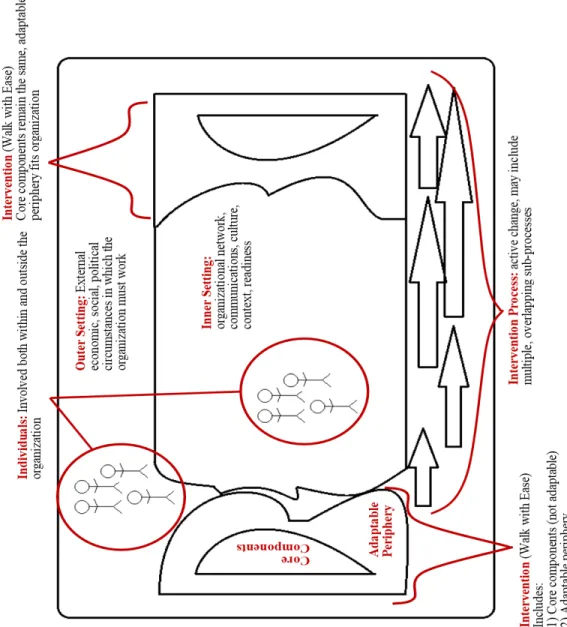
Fig. 1. The Consolidated Framework for Implementation Research, in the context of WWE Implementation
previous theories of implementation and expands on seminal research by Greenhalgh (2004), Rogers (2003) and others on the translation of research findings into practice.30-32 The CFIR (Fig. 1) comprises five domains that interact to influence program effectiveness. 30
1. Characteristics of the Intervention: The CFIR imagines a program having both core components, which must exist for it to fulfill its purpose, and an adaptable periphery, which may alter during the implementation process to fit the needs of the
implementing organization. All the grantees in this study are implementing the WWE program, which includes core components of health education, motivational strategies, group support (classroom format only), stretching and strengthening exercises and walking. However, grantees have some leeway in how they deliver the program, such as locations to walk (indoor/outdoor), how participants are recruited to the walking group, which three days per week the classes will be held, and the duration of the walking period based on participant capabilities.
2. Inner Setting: The inner setting describes aspects of the organization, including culture, political and social contexts, and readiness to implement the program. One example of a particularly supportive inner context for WWE is when the
organizational staff have experience offering other, similar evidence-based programs.17
3. Outer setting: The program and the organization delivering it reside inside an
economic, political, and social context. This context can change how the organization implements the program, often through changes in the internal setting. One example for WWE is when a health plan envisions a walking program to be beneficial for its membership.17
4. Individuals: individuals both within and outside the organization (for example, program managers, external change agents, program champions) actively affect
implementation. They can advocate for and change programs and they can also impede them. For WWE, gaining buy-in from clinicians, particularly rheumatologists, to recommend the program to their patients can improve reach to participants with arthritis.25
5. Implementation Process: Implementation process examines the actual activities of implementation, including planning for implementation and executing that plan and engaging leaders within and outside the organization. In other words, this construct examines how organizations implement a program. For WWE, preparing for implementation by building organizational capacity to offer the program (training instructors, networking with sites to deliver the program) is a key aspect of process often overlooked by organizations eager to begin enrolling participants.17
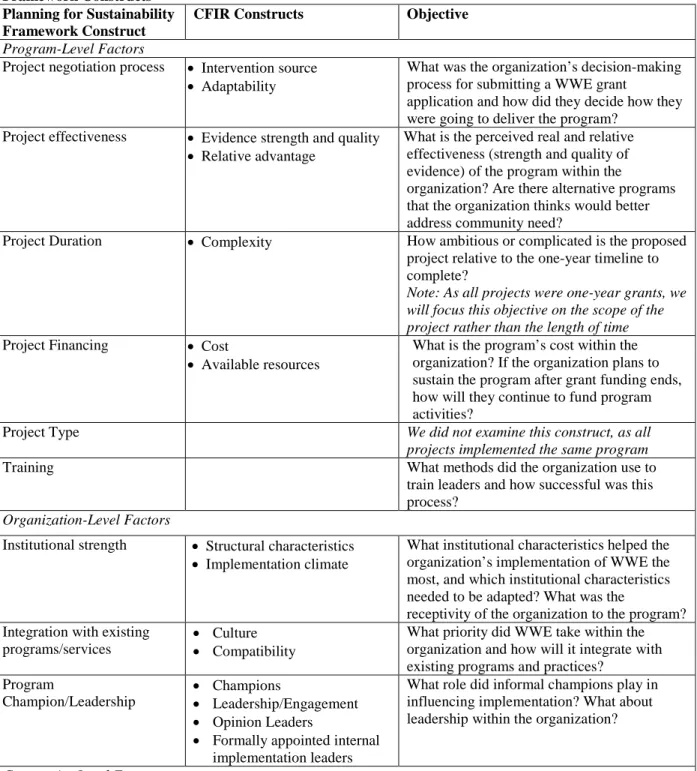
The CFIR is a comprehensive framework of 39 constructs within these five domains. While assessing all of these constructs is outside the scope of this study, we examined 18 CFIR constructs that matched well with our other framework for maintenance. These constructs are enumerated in Table 1.
Maintenance – Planning for Sustainability Framework
impact of these programs, and can cause great disappointment among former and potential participants. Particularly when launching new implementation efforts, program sustainability is often viewed a “latent concern" that is assigned secondary importance while programs are being launched. However, sustainability is appropriately promoted by formulating, at the onset of program implementation, the plans for maintaining the program demand, partnerships and needed resources.18
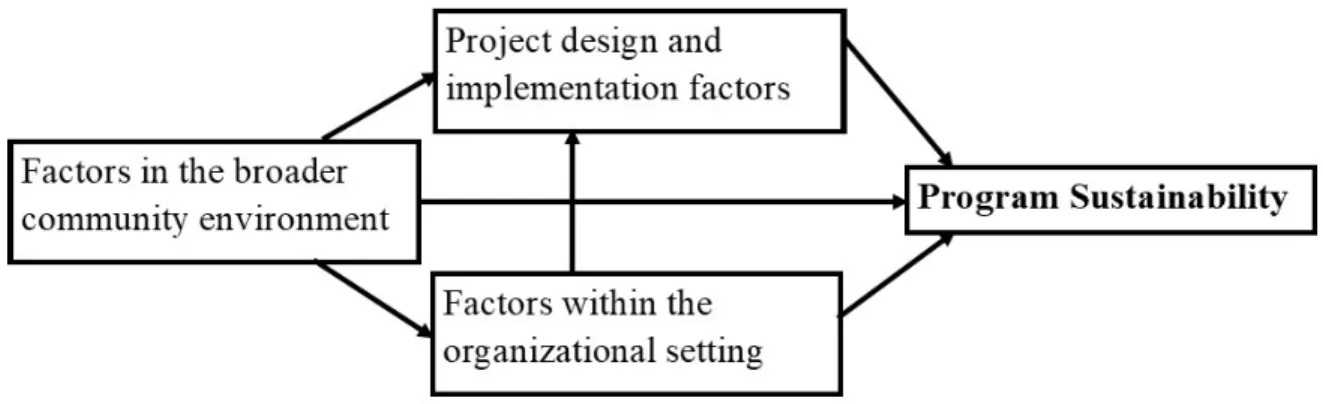
The theoretical framework we use to operationalize maintenance is Shediac-Rizkallah’s (1998) Planning for Sustainability Framework (Fig. 2).18 This framework is appropriate for this study because it emphasizes the need to plan for specific sustainability goals by changing various influences on sustainability. The framework defines sustainability in three ways:
1) Maintenance of health benefits achieved through the initial program 2) Institutionalizing the program within the organization
3) Developing the capacity of the community to maintain the program
Because this study examines maintenance from the level of the organization and the community context, the second and third definitions are most relevant in this case.
The framework identifies three factors that impact sustainability.18
1. Project Design/ Implementation Factors: Projects that involve training components (like training WWE instructors), that are highly effective or have a reputation for being highly effective, and that respond to a community’s need for ease of acquisition and relevance rather than responding to outside interests are more likely to be
maintained. Project implementation processes that involve greater than five-year funding periods and use community resources rather than outside resources are also more likely to be maintained.
2. Organizational Factors: More sustained programs are well integrated with existing programs and services within the organization and fit well with the organization’s mission and activities. For example, the WWE program might fit best at an
organization that offers other similar evidence-based programs for adults with arthritis. Program champions and leadership dedicated to the program also promote
sustainability.
3. Community-Level Factors: Community participation and support from a broad range of groups and individuals promotes sustainability of a program. A broad range of community partners, including hospitals and clinics, YMCAs, and Area Agencies on Aging, might be interested in serving as community partners for the delivery of AAEBIs like WWE.25
Figure 2. The Planning for Sustainability Framework
from Shediac-Rizkallah et al. (1998)18
Both the CFIR and the Planning for Sustainability framework emphasize the importance of program, organizational, and community-level factors in promoting the implementation and sustainability of health promotion programs.18,30 The similarity of constructs for implementation and maintenance in both theories indicates that organizations’ decisions about how to implement programs can have broad impacts on the sustainability of the program long-term.
METHODS
We used a multiple case study design to examine the implementation and sustainability plans of March 2017 recipients of OAAA mini-grants to expand WWE. We addressed three research questions:
• What are the program-, organization-, and community-level factors related to the implementation of WWE by grantees, and how do they affect plans to maintain the program after the end of grant funding?
• What minimum resources would increase grantees’ likelihood to sustain the program after the end of grant funding?
• What major barriers to sustainability do grantees predict after the ending of grant funding?
Planning for Sustainability Framework Constructs, with Definitions Clarified and Expanded by CFIR
Program-level factors that influence sustainability
• What was the organization’s decision-making process for submitting a WWE grant application and how did they decide how they were going to deliver the program? • What was the perceived effectiveness (strength and quality of evidence) of the program
within the organization? Are there alternative programs that the organization thinks would better address community need?
• How ambitious or complicated was the proposed project relative to the one-year timeline to complete?
• What was the program’s cost within the organization? If the organization plans to sustain the program after grant funding ends, how will they continue to fund program activities? • What methods is the organization using to train leaders and how successful was this
process?
Organization-level factors that influence sustainability
• What institutional characteristics helped the organization’s implementation of WWE the most, and which institutional characteristics needed to be adapted? What was the
receptivity of the organization to the program?
• What priority did WWE take within the organization and how did the organization integrate it with existing programs and practices?
• Who were the key individuals involved with implementing WWE and what were their roles? How will this change when grant funding ends?
• What role did informal champions play in influencing implementation? What about leadership within the organization?
Community-level factors that influence sustainability
• What kinds of resources or policies are available in communities that may help organizations sustain the program long-term?
• What partnerships did the organization use and what do they plan to use during the sustainability period (other than the OAAA)? How did these impact implementation and sustainability plans?
Grantees were asked to rank their organizations’ likelihood of sustaining the WWE program post grant-funding on a Likert-style scale of “definitely will”, “hope to”, “little chance”, and “no chance”.20 Those who provided less than “definitely will” were asked what, if any, minimum external resources could be provided that would improve their likelihood of sustaining the program up to the next level (e.g. from “hope to” to “definitely will”).
To address barriers to sustainability, we initially asked grantees to rate a preselected list of barriers to implementation based on their priority of concern (e.g “high priority”, “medium priority”, “low priority”, “not a concern”). This strategy of determining barriers was adapted from a similar study of AAEBI sustainability in YMCAs.20 However, after the first two
improved sustainability (“Knowing what you know now, are there any changes you would have made to your activities during the grant period to improve your likelihood of sustaining the program?”). Probes to this question were developed from theory and included a variety of activities associated with finding resources for WWE, including partnerships, funding,
community champions, and marketing support. Our full interview guide is provided in Appendix A.
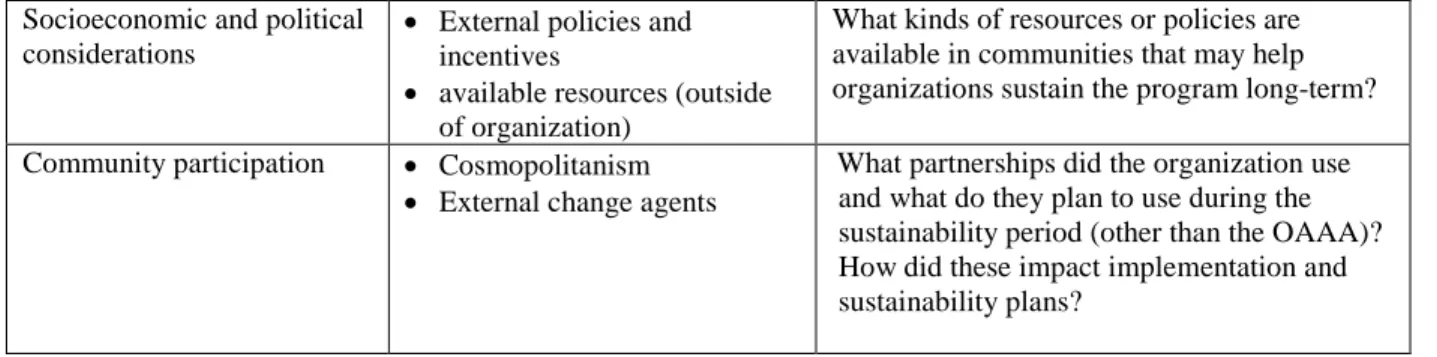
Table 1. Development of Measurable Objectives based on CFIR and Planning for Sustainability Framework Constructs
Planning for Sustainability Framework Construct
CFIR Constructs Objective
Program-Level Factors
Project negotiation process • Intervention source
• Adaptability
What was the organization’s decision-making process for submitting a WWE grant
application and how did they decide how they were going to deliver the program?
Project effectiveness • Evidence strength and quality
• Relative advantage
What is the perceived real and relative effectiveness (strength and quality of evidence) of the program within the
organization? Are there alternative programs that the organization thinks would better address community need?
Project Duration • Complexity How ambitious or complicated is the proposed
project relative to the one-year timeline to complete?
Note: As all projects were one-year grants, we will focus this objective on the scope of the project rather than the length of time
Project Financing • Cost
• Available resources
What is the program’s cost within the organization? If the organization plans to sustain the program after grant funding ends, how will they continue to fund program activities?
Project Type We did not examine this construct, as all
projects implemented the same program
Training What methods did the organization use to
train leaders and how successful was this process?
Organization-Level Factors
Institutional strength • Structural characteristics
• Implementation climate
What institutional characteristics helped the organization’s implementation of WWE the most, and which institutional characteristics needed to be adapted? What was the
receptivity of the organization to the program? Integration with existing
programs/services
• Culture
• Compatibility
What priority did WWE take within the organization and how will it integrate with existing programs and practices?
Program
Champion/Leadership
• Champions
• Leadership/Engagement
• Opinion Leaders
• Formally appointed internal implementation leaders
What role did informal champions play in influencing implementation? What about leadership within the organization?
Socioeconomic and political considerations
• External policies and incentives
• available resources (outside of organization)
What kinds of resources or policies are available in communities that may help organizations sustain the program long-term?
Community participation • Cosmopolitanism
• External change agents
What partnerships did the organization use and what do they plan to use during the sustainability period (other than the OAAA)? How did these impact implementation and sustainability plans?
Data Sources
One interviewer conducted 45-minute semi-structured interviews by phone with between one and four WWE program managers at five grantee organizations. The semi-structured interview format provided flexibility to structure the interview around theoretically driven constructs, while allowing grantees to address complexities or issues within the constructs beyond what we would include in a more structured survey or interview.33 The interviewer also reviewed
grantees’ grant applications and progress reports and used them to customize interview guides, developing specific probes for certain interview questions based on these documents.
Customization can improve both the depth and flexibility of the semi-structured interview format.34
Selection of Interview Subjects
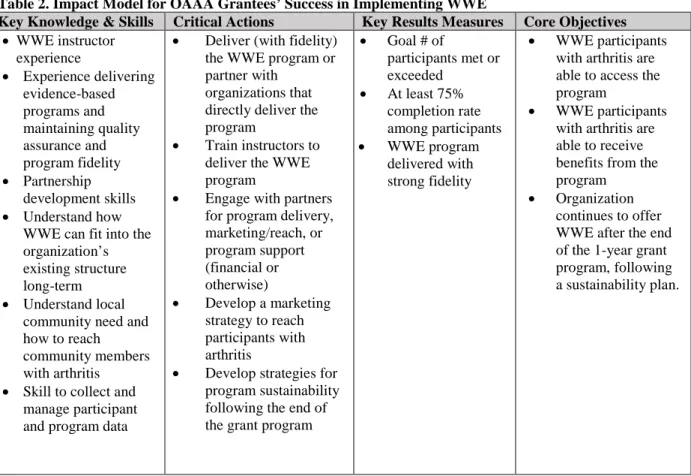
We selected five grantee organizations to interview using an adapted version of Brinkerhoff’s Success Case Method (SCM), which theorizes that examining how the most successful organizations implemented a program is an efficient method to determine successful implementation strategies (Table 2).35 The SCM asks program evaluators to develop an impact model to describe “what the program would do if it was really working”, and then to use that impact model to determine measures for success and select “success cases” to study in-depth.35 The impact model we developed (Table 3) indicated that to find the most successful grantees, we should evaluate whether they had met their goal # of
participants, had experienced at least a 75% completion rate among participants, and had delivered the program with strong fidelity.
We were unable to measure completion rate or fidelity using available data from the grantees, so we selected grantees based on their performance on the key result that we could measure: % of goal number of participants they had reached. For our adapted version of the SCM, we chose to
Table 2. Selection of Early Success Case and Early Delay Cases based on % of Goal
Participants and Programs they had reached at 6-month Progress Report
Grantee Selected as ESC/
EDC/ Not Selected % of Goal Participants Reached
Not Selected 25.56%
Not Selected 23.45%
ESC 31.41%
Not Selected 20.00%
ESC 64.00% EDC 0.00% EDC 0.00%
Not Selected 7.60%
ESC 30.50%
interview the three grantees that had reached greater than 30% of their goal number of
participants during the initial 6-months of the grant (Early Success Cases (ESCs)), but we also interviewed the two grantees that had experienced the most substantial delays in implementation, preventing them from offering the program to any participants during the first 6-months of the grant (Early Delay Cases (EDCs)). This approach allowed us to evaluate whether differences emerged in factors affecting implementation between the grantees that experienced the most and the least success during the first half of their grant.
Data Collection
Primary data collection was conducted by one interviewer via telephone interviews over a 3-week period. WWE Program Managers (1-4 people per organization) were invited by email to participate in 45-minute interviews. These individuals were the same people involved in all other OAAA communication with the grantees. They were informed that participation in the interview was voluntary and separate from any required OAAA grant activities, and then they provided informed consent to participate in the interview and to be recorded. Additionally, grantees received an agenda of interview topics by email when they agreed to participate, though not the specific interview questions. One interview was conducted per organization, with one to four people from the organization participating.
Data Analysis
Table 2. Impact Model for OAAA Grantees’ Success in Implementing WWE
Key Knowledge & Skills Critical Actions Key Results Measures Core Objectives
• WWE instructor
experience
• Experience delivering
evidence-based programs and maintaining quality assurance and program fidelity
• Partnership development skills
• Understand how
WWE can fit into the organization’s existing structure long-term
• Understand local
community need and how to reach community members with arthritis
• Skill to collect and manage participant and program data
• Deliver (with fidelity)
the WWE program or partner with
organizations that directly deliver the program
• Train instructors to
deliver the WWE program
• Engage with partners
for program delivery, marketing/reach, or program support (financial or otherwise)
• Develop a marketing
strategy to reach participants with arthritis
• Develop strategies for
program sustainability following the end of the grant program
• Goal # of
participants met or exceeded
• At least 75%
completion rate among participants
• WWE program
delivered with strong fidelity
• WWE participants
with arthritis are able to access the program
• WWE participants
with arthritis are able to receive benefits from the program
• Organization
All interviews were transcribed and analyzed for common themes using NVivo 11 data analysis software. Coding proceeded by an integrated approach, employing a “start-list” of codes
reflecting theoretical constructs (see Table 1) but allowing for inclusion of additional codes that emerged during the process.36,37 Three new codes were added during the process: “Participant Needs” (reflecting unique needs of adults served by WWE), “Ease of Implementation”, and “Experience with WWE program”.
To analyze for common themes, this study examined data by research question and by theoretical construct rather than examining individual organizations case-by-case. In addition to identifying common factors affecting implementation and sustainability, we grouped organizations’
responses to examine whether there were differences in implementation and sustainability factors between ESCs and EDCs, and between those who expressed differing likelihoods of sustaining the WWE program after grant funding ended.
We used the same topic-by-topic approach followed by clustering by ESC/EDC and likelihood of sustainability to examine barriers to sustainability and minimum necessary resources. Patterns of common barriers were identified and solutions that organizations experiencing those barriers had used were recorded with each barrier. This type of analysis is consistent with Miles and Huberman’s methods of “clustering” and “noting patterns/themes”.37
This study was exempted from review by the Institutional Review Board of the University of North Carolina at Chapel Hill.
RESULTS
Plans for Sustainability
All grantees reported that they either “will definitely sustain the program” (n=2) or “hoped to sustain the program” (n=3). One grantee reported that they would definitely sustain the program within their senior centers, where they had already been offering the program pre-grant, but only hoped to sustain the program within the new locations that they had expanded to during the grant, and so were assigned to “hoped to sustain the program”. Both EDCs and one ESC reported hoping to sustain the program, while the other two ESCs reported they will definitely sustain the program.
Plans for financing the program after the end of grant funding varied (organizational, state, corporate, and federal funding sources); however, all grantees focused on the importance of their community partners to sustaining the program long-term. Some grantees’ plans largely relied on strengthening existing partnerships, while others offered ideas for future partnerships that they planned to develop during the sustainability period. One key difference between “hope to sustain and “definitely will sustain” organizations emerged in the level to which partnership had
developed: both “definitely will sustain” organizations reported on partnerships they had already established for the sustainability period while “hope to sustain” organizations primarily
Relationship of Implementation Factors to Plans for Sustainability
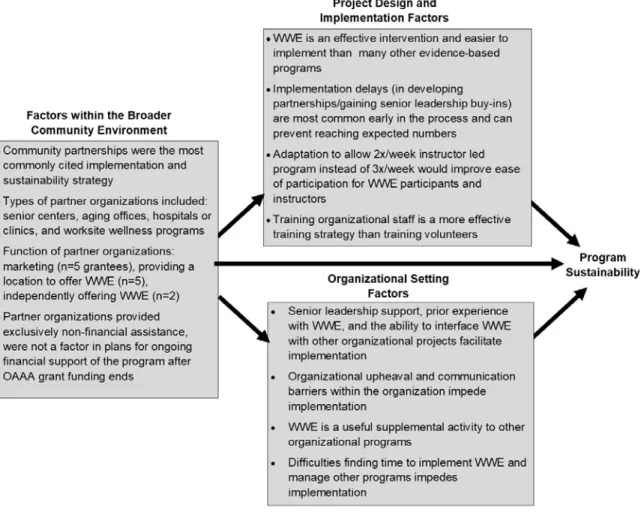
Themes related to grantees’ implementation of WWE are summarized within the context of the Planning for Sustainability Framework’s constructs and groups under program-level,
organizational-level, or community-level factors affecting implementation (Fig. 3). No major differences emerged between “hope to sustain” and “definitely will sustain” organizations in any of these objectives, though two major differences in organizational-level factors were observed between ESCs and EDCs (discussed below). The following section summarizes these themes, organized by construct.
Program-Level Constructs
Need for a WWE Grant and Adaptations to fit with Community Setting. All but one organization had previous experience with the WWE program. These organizations applied for a WWE grant to expand the program geographically (n=2), begin offering the instructor-led format (n=1), or otherwise improve the program’s availability within their setting. One organization had never
offered WWE but had offered other evidence-based programs for older adults and thought WWE would be a good supplement to these programs.
All but one organization either reported implementing (n=1) or recommended implementing (n=3) an adaptation to WWE that allowed the instructor-led program to be offered twice a week instead of three times per week as required by the evidence base. Organizations believed this adaptation would make it easier for sites (n=1), WWE leaders (n=2) and participants (n=2) to use the program. Organizations described the need for the adaptation in the following ways:
“With some sites…sometimes they can’t commit to three days a week and that’s what the evidence shows is best, so we have encouraged them to start with two and then move up to three and that really has been helpful, and we can start recording, you know, the data when it gets to the three days a week”
“it’s a big time commitment, like we have volunteers in our other evidence-based programs, I mean to go, to teach a class once a week for two hours, I think is easier than teaching three times a week for one hour because you have to go to the facility or to wherever the place the class is three times a week, I mean that’s a big, it’s a big time commitment for volunteers.”
“We teach Enhance®Fitness, which is an ongoing exercise program and it’s taught three times a week for an hour and, I don’t know why Walk with Ease seems different, and like it’s hard for the participants to commit to come that many times”
The reason only one grantee actually implemented this adaptation was that offering the program two times per week was not compatible with fidelity to the evidence base and was not allowed by the OAAA. The grantee that implemented it regardless simply did not collect data for the OAAA until the site had moved up to three days/week. Another organization reported that they would look into this adaptation once funding had ended, and the remaining two did not plan to adopt the adaptation but recommended it as a way to improve program implementation.
Perceived Effectiveness of the Program within the Organization. For every organization, WWE’s evidence base was an important factor in deciding to implement the program or in gaining buy-in from senior leadership or important external partners. No organizations reported any concerns with the effectiveness of WWE. In addition to its effectiveness for participants, two
organizations reported WWE’s relatively easy implementation as a factor for choosing this program over implementing a different evidence-based program.
Ambitiousness of Project Relative to One-Year Timeline. Four organizations reported difficulties related to meeting expected participant, program, and instructor numbers during the one-year timeline of the grant. The only organization that did not report these difficulties was also the only organization that had exceeded 50% of their expected participants by their 6-month progress report to the OAAA (Table 3). Program managers at this organization spoke to their existing experience with the program as a means for their success under this timeline:
“We had already had…about three years prior experience of working with the program, embedding it into our system, and the community had already embraced and was slightly aware of the program…I think it worked to our advantage that we already had Walk with Ease presence within the region.”
how the program should be implementable within a one-year time period; however, unexpected issues with recruiting partner organizations or gaining buy-in from senior leadership hindered the project in the early months. One organization spoke to this theme of early difficulties by
expressing a desire for an 18-month grant instead of a 12-month grant.
“We wish it was actually an 18-month grant…we ran into some issues in the beginning…but we actually needed about four or five months to actually get everything up and going and to be able get everybody on board. Because you know as well as I do when you’re dealing with the powers that be, it’s a long process, but then once you get to the top, it was actually smooth sailing after that”
When asked what they would recommend to another organization like theirs just starting a one-year grant, organizations echoed the importance of engaging partner organizations and senior leadership. Three organizations also mentioned early recruitment of program leaders who would remain able to teach the program long-term.
Program Costs and Funding Sources beyond the OAAA. For all grantees, actual program costs were very close to the budgets they submitted when they applied for the grant. The only
exception was one grantee that reported greater costs for personnel time; the WWE program took the program manager approximately 15 hours per week when they expected that it would take five. Planned funding sources after OAAA grant funding ended varied widely: internal (n=3), federal (n=1) or state (n=1) government, and corporate sources (n=2). Several had leveraged or were planning to leverage multiple sources to fund the program after the grant ended.
Prioritization of Training Activities. All grantees were required to train WWE instructors as part of their OAAA grant. Three organizations trained only staff at their organization or partner organizations to deliver the program, while two relied on both staff and volunteers. One
organization attempted to recruit volunteers but did not end up actually employing any volunteer leaders. The organizations that reported training staff all found this to be a successful strategy to recruit and retain trained leaders. In contrast, every organization that trained volunteers found this to be a difficult strategy for both recruitment and retention. Potential volunteers often lacked long-term commitment, did not want to work without compensation, or were difficult to recruit in the first place. Organizations that recruited or attempted to recruit volunteers described this process as follows:
“They couldn’t offer up that voluntary work and we didn’t have the opportunity to reimburse them for things like travel or provide some incentive for that leader.”
“Maybe I wasn’t expecting it to be as hard…I had a few people say that they were really interested in volunteering to be trained to teach the class, and then one person dropped out…two people were trained and one person halfway through dropped out… spending that much time, I didn’t realize it would be that time consuming”
“I’ve done presentations at three of our six senior centers. I’ve also gone to, um, one of the bigger area hospitals…So I have promoted being a volunteer for the program, but I haven’t had any luck
unfortunately…I’ve also, you know, historically with other programs, at the end I’ve asked if someone maybe is interested in being trained as a leader for that. I did do that with Walk with Ease and, you know no luck”
Structural and Institutional Characteristics Shaping WWE Implementation. Institutional
characteristics that organizations reported as facilitators to WWE implementation included senior leadership support (endorsed by all organizations), prior experience with the program, and the ability to interface WWE with other projects at the organization.
EDCs reported similarities in two institutional characteristics that did not appear for ESCs. First, both these organizations experienced substantial changes in their organizational structure and leadership: one organization was in the process of a hospital merger while another had
experienced high senior leadership turnover at the beginning of the grant period. Second, both organizations reported difficulties communicating logistics within their organization–for example, getting instructor-training funds from the organization’s payment system, and lack of understanding between staff planning to lead WWE and WWE program managers about the time commitment to lead the WWE program.
Integrating WWE with Existing Functions. All five grantees described WWE as a beneficial supplemental activity to their other programming, either for participants in other evidence-based programs like the Chronic Disease Management Program (CDSMP) or the Diabetes Self-Management Program (DSMP), or other physical activity or walking programming. Three organizations also explicitly mentioned that WWE fit well with their mission, values or goals: they described WWE as fitting with the “physical-activity conscious” nature of their organization or meeting their organization’s aims of providing wellness activities and promoting walking.
While all five grantees found WWE to be a positive supplemental activity within their organizations, the two EDCs reported difficulties finding the time to integrate the program, a problem not reported by any of the ESCs. These two organizations described their time barriers in the following ways:
“I had some volunteer turnover in my other programs and it was kind of a hindrance then in getting new
people in Walk with Ease.My numbers for peer leaders in the other evidence-based programs… have
dropped significantly and my time and my salary comes out of other budgets so unfortunately, you know I had to focus more on those programs as opposed to the Walk with Ease program”
“I do multiple programs, so I have to juggle, you know…so, yeah, I’ve had to put some things on the back burner”
Roles of Personnel: Implementation Leaders and Program Champions. Individual champions were less important than partner organizations at influencing the program, but individuals did play important roles in certain organizations. Influential employees encouraging colleagues at the organization to participate in walking and become invested in the WWE program through
worksite wellness or lunch walking programs was a common theme at three organizations. Non-employee champions were mentioned as influential at three organizations and seemed to be particularly important for grantees trying to spread the programs to geographically distant locations.
Community-Level Constructs
partner organizations varied widely between grantees, with no major differences between ESCs and EDCs or between “hope to sustain” and “definitely will sustain” organizations. Senior centers, aging offices, hospitals or clinics, and worksite wellness programs all served as partners to more than one organization. The types of assistance that partnering organizations provided also varied widely: all organizations used partners to market the program to potential participants and provide locations for delivering WWE, but two grantees also partnered with organizations that delivered the program independently. Grantees preached the importance of ensuring that partner organizations’ mission and vision for the grant matched theirs, and that the partner organization had a strong relationship with the program’s target population.
Availability of Community Resources to Promote WWE Sustainability. None of the grantees reported relying on partner organizations for ongoing financial support to sustain WWE. However, organizations did rely on organizational partners for non-financial resources, such as indoor walking space to offer WWE in the winter and marketing space. For funding support after the WWE grant ends, most grantees planned to rely on non-local sources like federal or state funding.
Barriers to Implementation and Sustainability
Grantees reported a variety of barriers to implementation success and employed different strategies to overcome these barriers (Table 4). While ESC and EDC organizations experienced many of the same barriers during the implementation period, two barriers for which grantees were unable to find solutions (structural changes within the organization, other commitments taking staff time) were found only in the EDC organizations. All of the barriers that lacked solutions were reported only by “hope to sustain” organizations.
Minimum Resources Needed to Support Sustainability
Table 4. Barriers to WWE Implementation and Solutions Employed by Grantees
Barriers to Implementation & Sustainment
# of Org.’s
Reporting Example Quote
Solutions Grantees Used
Large Geographic Area* 2
“…three times a week to meet with individuals in the community and it’s a very geographically large area that we were instituting the project within.”
• Train WWE leaders at
geographically distant partner organizations
Uncooperative (cold, hot,
rainy, snowy) weather 3
“Only one of our senior centers have an indoor walking path, which it’s hard to teach a walking program without…if it’s too hot or too cold or even if it’s not a safe walking environment outside.”
• Partner with organizations that have indoor walking locations
Difficulties Engaging Partner
Organizations 2
“It took us a long time to get the right people in the room at the right time...that’s I think something that we learned or we’re reminded of is that, oh yeah, you can’t just make a community partner overnight.”
• Train interns to provide support at partner organizations
• Ensure early on that partnerships are mutually beneficial; visions and goals align
Inability to Provide
Incentives to Leaders 2
“We really were not concerned but challenged with providing incentives for the leaders. You know, to ensure
their long-term participation.” No Solutions Reported
Difficulties Working with
Older Adult Populations 2
“…sometimes our older adults are a little bit more difficult to get walking, they need special encouragement.”
• Suggest WWE could
be offered 2x/week
Responsiveness/ Willingness
of Volunteer WWE Leaders 2
“…trained three people and in the end only one person ended up teaching it, and then after the six-week session they were like I don’t want to teach it again.”
• Train organizational staff
• Cross-train dedicated volunteers leading other programs
• Suggest WWE could
be offered 2x/week
Big Structural Changes
within the Organization 2
“We are a huge healthcare organization, plus we were right in the middle of a merger which did not
help things at all.” No Solutions Reported
Other Commitments
Draining Staff Time 2
“I have been a little bit more lax than I have with other programs…just due to my time constraint and you know where my priorities and where I need
to get things done.” No Solutions Reported
Lengthy Administrative
Approval Processes* 2
“Being a public entity it’s very hard to be able to cut through that red tape, so for about ten months we worked with our county administrator, the county council, our insurance carrier and finally have gotten an
incentivized wellness program.”
• Slowed process at outset, grantees were able to work through and begin
recruitment, suggested beginning administrative processes earlier
DISCUSSION
This study aimed to discover the factors affecting implementation and sustainability for WWE grantees, identify major barriers to sustainability and what solutions grantees used to overcome them, and to determine what minimum resources would improve grantees’ likelihood for sustainability.
Factors Affecting Implementation and Sustainability
This investigation revealed a number of factors on the program, organization, and community levels that impacted implementation of WWE in community organizations. These factors
correspond well with implementation barriers and facilitators found in other studies of WWE and AAEBI implementation, as well as in implementation theory. The most prescient implementation factors were:
The rigidity of the program design. Four grantees spoke to a desire to implement the instructor led WWE program 2x/week instead of 3x/week to improve both participant and instructor recruitment and retention; however, this change was not within the boundaries of program
fidelity and therefore not allowed by CDC requirements. This finding supports research by Conte et al., which also found that organizations implementing WWE felt bound by the CDC’s rigid definition of fidelity to WWE.17
The commitment of volunteer vs. staff leaders. Organizations that trained their own or their partner organizations’ staff members reported fewer problems retaining leaders compared with those organizations that engaged volunteer lay leaders. Managing volunteers was another program-level barrier to implementation in Conte et al.’s study of WWE implementation.17 Training staff employees as leaders is also a known facilitator in the implementation and sustainability of other AAEBIs.20,21
WWE’s “fit” as a supplemental program to other organizational activities. All five grantees found WWE a useful supplement to other health promotion programs within their organization. Viewing WWE as supplemental to other programs could strengthen external buy-in from and may havedhelped grantees spread the program to their partner organizations with whom they had previously worked. Internally, staff support and motivation are critical for implementing and sustaining new programs; hence, the positive reception to WWE could bode well for gaining support from staff already invested in other health promotion programs at the organization.30 Further, program compatibility with other organizational activities is one of eight critical events associated with program routinization in Pluye et al., and so could have a particular impact on sustainment of WWE long-term.38
providing staff to lead programs in geographically distant counties. Contrary to the literature, none of the grantees reported relying on community partners to fund WWE.20 Instead, most
grantees discussed using either internal sources of funding or leveraging state or federal funding sources.
Contrary to what we expected, we did not observe any differences in implementation factors between organizations that hoped to sustain WWE and those that reported they would definitely sustain WWE. However, we did observe difference between these two groups in the extent to which they had already acted on their sustainability plans: “hope to sustain” organizations had considered or planned community partnerships for the sustainability period; while “definitely sustain” organizations had already acted on developing these partnerships. This finding suggests the importance of acting on plans for sustainability during the initial implementation period.18
Our study found two differences in factors affecting implementation between ESCs and EDCs. While there were no differences in program-level or community-level factors, both EDCs reported two barriers to implementation at the organizational level that were not experienced by ESCs: 1) they both underwent large structural changes in their organizations during the
beginning of the grant period, and 2) they both reported other time commitments that specifically hindered their ability to focus on WWE.
Barriers to WWE Implementation and Sustainability
Both ESC and EDC organizations, and both “hope to sustain” and “definitely will sustain” organizations experienced similar barriers to WWE implementation and sustainability, indicating that experiencing barriers does not in itself impede successful implementation. However, being able to find solutions to common barriers does appear to impact both successful implementation and plans for sustainability: two of three barriers without any reported solutions were reported only by EDCs, and all three barriers without solutions were reported only by “hope to sustain” organizations. Our study provides a useful resource for those providing technical assistance to, and for those organizations that are implementing WWE and experiencing common barriers by listing real-world solutions to overcome these barriers.
Minimum Resources to Sustain WWE
Grantees’ responses to what constitutes the minimum necessary resources to sustain WWE were varied, but importantly, did not include major financial investments and were largely feasible, particularly if there is support from a technical assistance entity such as the OAAA. Grantees specified various needed resources that could be provided or sought during the grant period to position organizations for success after funding ends. Two organizations described corporate sponsors or in-kind/cost sharing mechanisms. As part of technical assistance, an external facilitating organization like the OAAA could help grantees locate and secure these types of financial resources during the grant period. One organization recommended having a
Implications for Future Research in WWE
This research supports the need for additional research on WWE, specifically related to fidelity and program adaptation and WWE’s relevance for conditions beyond arthritis.
Fidelity and Program Adaptation.Implementation science emphasizes the need to balance fidelity to the essential core components of an evidence-based program with adaptation that integrates the program to new organizational and community contexts.39 CDC policy has prevented organizations receiving funding for WWE from adapting the programs because of concerns about fidelity; however, implementation research supports adaptation as a complement to fidelity, not an inherent conflict.40 Yet, to adapt WWE in a way that maintains program fidelity, we need to know the core components of the program. Further research evaluating program effectiveness in the context of certain adaptations (for example, offering the instructor-led program 2x/week) could provide necessary information on core components and improve the program’s adaptability to organizational needs.
WWE’s Relevance for Conditions beyond Arthritis.One of the primary mechanisms generating staff buy-in for WWE was the program’s ability to supplement other programs, including self-management programs for diabetes and other chronic diseases than arthritis. Additionally, WWE’s research-tested effectiveness was a strong motivator for many organizations to
implement the program. While WWE is primarily designed to serve people with arthritis, many participants at grantee organizations had other conditions and participated because WWE is a low-impact physical activity program designed for older adults who have been sedentary or minimally active. Establishing a research-base for WWE for participants with other common conditions, like diabetes and heart disease, could enhance the program’s appeal within
organizations, salience to a broader population and thus, ultimately enhance the likelihood for broader dissemination and uptake.
Study Limitations
Small sample size may allow random bias. Due to time limitations for data collection, this study relied on interviews with only five OAAA grantees. Knowing that our time limitations would preclude a large sample size, we attempted to maximize the variety of our sample using the success case method: selecting the grantees with the greatest and the least implementation success by the date of their 6-month progress report.35
Study design did not consider relative importance of implementation factors. The purpose of this study was to determine the implementation factors affecting WWE implementation and
sustainability in a diverse set of community organizations; however, our study did not assess the relative importance of these implementation factors with any quantitative or qualitative method. Nevertheless, this study does provide a useful “start-list” of themes for researchers and
community organizations to consider related to the implementation and sustainability of WWE.
plans and confidence for long-term sustainability. Program managers’ confidence in
sustainability may not reflect actual likelihood of sustainability. Additionally, self-reported plans for sustainability may reflect a bias toward reporting more optimistic, in-depth plans than
organizations will actually implement or even find ultimately feasible.
Most grantees had implemented WWE before. Four out of five grantees had previous experience implementing WWE. The challenges and factors affecting implementation in an organization with experience implementing the program may differ from an organization where the program is new.
Evaluating only OAAA grantees may limit generalizability. OAAA grantees were selected from a pool of applicants that had experience with WWE or other evidence-based programs. Hence, their experiences with WWE may not reflect the type of factors and challenges that the general population with less or no experience with evidence-based programs might have. Additionally, grantees received external technical support from the OAAA on a one-on-one basis and through monthly group calls throughout the year. Therefore, implementation actions, plans for
sustainability, and solutions to barriers may be augmented by those strategies contributed by the OAAA.
Combining multiple theoretical approaches may mask assumptions made by individual theories. This study primarily relied on the Planning for Sustainability Framework to structure interviews, develop a coding strategy, and present results. Additionally, the CFIR was used to specify
implementation constructs. Literature shows that combining multiple theoretical approaches does allow for more complete understanding and explanation of relationships between constructs, but it can also mask areas where frameworks have contrasting assumptions.41
STUDY IMPLICATIONS
Successful implementation of WWE in community organizations receiving grants and sustainability of those programs after grant funding ends is important for grant funders, organizational leaders investing time and effort in programs, and community members with arthritis who can benefit from these programs. This investigation examined real-world implementation factors that could impact sustainability, assessed actual barriers to
implementation and feasible solutions that community organizations employed to overcome those barriers, and specified resources that organizations believed could help improve sustainability of the WWE program long-term. The results of this study could provide useful information for future WWE grantees in evaluating their organizational and community context and developing plans for implementation and sustainability. The results also help ground those organizations that provide oversight and technical assistance of WWE to community
organizations by highlighting the everyday issues those organizations face in implementing and sustaining the program. The results also provide insights regarding avenues for future research in WWE – to test adaptations like offering the program 2x/week that could improve the