DRUG DELIVERY SYSTEMS BETWEEN METAL, LIPOSOME,
AND POLYMER-BASED NANOMEDICINE: A REVIEW
Saad S. M. Hassan,
[a∗]Ayman H. Kamel,
[a∗]Heba M. Hashem
[a]and E. M.
Abdel Bary
[b]Keywords: Drug delivery system; nano-medicine; metallic nano-material; polymeric nanomaterial, polymeric structures.
Herein, the drug delivery systems (DDS) based on nanomedicine proofed high potential and wide applicability that have distinct features related to Nano-sized. Enhancement of bioavailability and pharmacokinetics after oral administration via utility of natural/synthetic biodegradable polymeric nanomaterials. Improving biocompatibility, safety, enhanced permeability, better retention time, lower toxicity and efficient transportation of drugs to desired tissues or cells. These nanomaterials based on different types including metallic and polymeric Nano-medicine that can hydride with each other to gain new and unique features increase the efficiency of drug delivery and decrease patient compliance.
*Corresponding Authors Fax: (+20)1222162766
E-Mail: [email protected](S.S.M.H.); [email protected] (A.H.K.)
[a] Chemistry Department, Faculty of Science, Ain Shams
University, Cairo, Egypt
[b] Chemistry Department, Faculty of Science, Mansoura
University, Mansoura, Egypt
INTRODUCTION
The therapeutic delivery in our bodies can be achieved by temporal and spatial drug delivery systems, which ensure effective and efficient transportation for the drugs into the
desired cells and tissues.1,2 Since 1500 BC, using the pills as
a form of administration of drugs had the precedence.3 Pill
administration concept involves swallowing the pill and dissolving it in the stomach which is absorbed in the intestines and goes into circulation. Some limitations have been encountered in this approach, in cases of drugs which can break down in the stomach such as insulin. Consequently, insulin is injected into the fatty tissues and is
then absorbed into the systemic circulation.4 There are
several other ways of drug administration such as transdermal, ocular and gastrointestinal or stimuli-reactive
routes.5 The first and second routes were applied,
respectively, for avoiding the drawbacks of oral administration of pills. Later on, the sustained release was a desirable objective for developing the therapeutic profile by maintaining the drug levels in blood and tissues by a gradual release of medication for a prolonged interval of time, after single-dose administration.
The sustained-release phenomenon was achieved first in the late 1940s and early 1950s when the pills were coated with a talc-mucilage composition that converts the pills into
shape looked alike pearls.6 These coatings were
hydrophobic and non-swelling at acidic pH of the stomach but are converted to ionized form in slightly alkaline pH of the intestinal region of the gastrointestinal tract, then get dissolved and release the drug. The prolonged time of drug release from the stomach to the small intestine, protect the stomach from the drug and protect the drug from being
destroyed by digestive enzymes in the stomach.7 However,
these systems had some shortcomings due to their sensitivity for different physiological parameters such as pH, gastric
emptying and so on.8 The trials until the 1950s were
unsuccessful to control drug release.
By progressing the drug release process, SmithKline Beecham developed the oral predetermined-release
formulation as Spansules®.9 Spansules® could sustain the
release kinetics of dextroamphetamine sulfate (Dexedrine®) up to 12 h. Hence, the term of controlled release was achieved by developing the design of the tablets to prolong the time of therapeutic release through the introduction of different drug release mechanisms (dissolution-controlled, diffusion-controlled, osmosis-controlled, and ion-exchange-controlled mechanisms).
Introducing Spansules® as capsules containing micro-pellets coated with water-soluble wax, developed this design. Then the liposomes were considered as one of the earliest targeted systems, which were discovered in the 1960s. The anticancer agent was discovered as the liposomal-encapsulated formulation of doxorubicin (Doxil) in the 1990s which was approved first by the US Food and Drug
Administration (FDA).10
The watershed in the drug delivery occurred in 1976 when Robert Langer and Judah Folkman discovered the large molecules could be delivered over days and weeks from
polymer matrices.3 The development was the replacement of
waxy coatings with reproducible synthetic and more stable
polymers that get gradually dissolved7, 11 to insure the
sustained level of effective drug concentration in the blood and enhance the control on drug release with obviously
efficient new DDSs.12,13
DEVELOPMENT OF DDSs FROM BENCH-SIDE
TO MARKET
the tremendous amount of scientific effort that goes into the production and development of modern medicines before they reach the pharmacies. There are four stages from bench to the patient as shown: (1) drug discovery, (2) drug development, (3) regulatory review and approval, and (4)
marketing.14
Drug discovery
The key to both academic biomedical research and the pharmaceutical industry is explicitly associated with the discovery and exploitation of new drug targets. An appropriate target, which can be called 'druggable' is categorized into biomolecule and protein receptors that can be determined according to disease conditions or
pathology.15 This step is followed by confirmation of its
impact on disease progression with target validation and identification. To completely understand this aspect, the effect of interaction of another molecule with the target molecule/receptor is studied.
Drug development
The term 'drug candidate' is the best term of identification of the picked compounds through its dosage, efficacy, safety, and toxicity. There are two phases to ensure drug acceptance
and confirm its features.16 Firstly, the preclinical phase,
which composed of two ways to study desired compounds pharmacodynamics and pharmacokinetics, features. These are simulated in cells (in vitro) and in animals (in vivo), which confirm the compound's profiles from its absorption, metabolism, excretion, and toxicity. The best and promising compounds have no toxicity, high absorption, effective distribution into desired cells and highly efficient metabolism. Secondly, a clinical phase which investigated in patients through 3 phases as following 1) testing in a small group of healthy volunteers, 2) testing in a small group of patients and finally 3) testing in a large group of patients to
show its efficacy.14
Regulatory review and approval
Approval, by the food and drug administration agency (FDA), and marketing of the new drugs involve two phases. The first one is pre-approval (pre-market), FDA continues its oversight of drug safety and effectiveness in the drug's proposed use; appropriateness of the proposed labelling; and adequacy of manufacturing methods to assure the drug's identity, strength, quality, and purity. Second, the phase of post-approval (post-marked) that the drug introduced finally
in the markets.17
NANOMEDICINE IN DRUG RELEASE
Recently developed, the multidisciplinary nanotechnology field has a considerable potential for solving many problems in therapeutic delivery systems. These advanced technologies overcome different therapeutic issues of conventional formulations like its poor bioavailability, drug
instability or insolubility.18 Nanomaterial with size below
350 nm has high efficiency and the ability for enhancing both medical devices and therapeutic areas due to its unique
working mechanism and specific properties. There are different types of nanomaterial and their conjugates, for example, polymeric nanomaterial, metallic nanomaterial, metal-metal nanocomposites or hybrids, and metal-polymer
nanocomposites.19 For a clear understanding of the types of
nanomaterial, they have been divided into two broad categories.
Metal-based nanomedicine
The noticeable potential of drug release is related directly to nano-carriers for drug transportation into the desired cells and tissues, and this is based on the type of materials used. Metallic composites have high efficacy in the drug delivery and release that depend on the abundance of metals such as gold, silver, porous iron oxide, zinc oxide, nano-titanium
dioxide, and nano-silica etc.20 Various categories of
metal-based nano-medicine have great potential and an obvious role in drug release that included the two broad applicable types, carbon nanotubes and mesoporous silica nanoparticles.
Carbon-based nanomedicine
Unique and distinct chemical and physical properties of carbonaceous materials allow them to penetrate the drug release domain. These compounds have variability in their shape and several characters and are able to be an efficient part of active gradients of many therapeutic molecules. At
first, the sp2hyperdization of carbon materials allowed them
to have exclusive features for the drug release, according to its valence.
The different types of carbon-based- materials show different shapes and dimensions ranged from zero, 0D, to 3D dimensions such as 0D fullerenes and graphene clusters, 1D carbon nanotubes (CNTs) and graphene nanoribbons, 2D graphene surface and 3D graphite crystal and nanotube
networks.21 CNTs cylindrical morphology is formed by
rolling one or multiple graphene layers. It is classified as single-walled carbon nanotubes (SWCNTs), and multiple-walled carbon tubes (MWCNs). SWCNs consist of one single cylinder of graphite sheet, with a diameter ranging
from 0.4 to 3.0 nm.22 On the other hand, MWCNs are
conventionally depicted as an array of tubes that are coaxially aligned around a central hollow with the uniformed distance between layers. The numbers of layers dictate the diameters of MWCNs: the inner diameter can change from 0.4 nm to a few nanometers, while the outer
diameter ranges from 2 to 100 nm.21,23 The drug loading
mechanism on CNTs is due to its unique properties of high surface area and spherical shape that ensure the remarkable loading of drug molecules. Hydrophilic or amphiphilic polymeric materials can be used for enhancement of the drug loading of CNTs and can affect the drug loading mechanism.Various approaches can illustrate the drug loading mechanism on CNTs such as encapsulation inside
the cavities of the tubes,24 functionalization of the surface,
and adsorption on the wall or among the walls of CNTs.25
Mesoporous silica nanoparticles (MSNs)
have unique features and characteristics such as robustness, easy surface modification, high surface area large pore volume and its tunable shape provide the drug release profile. For the first time, MCM-41 (Mobil Composition of Matter No. 41) was introduced as a novel drug system in 2001. This material was introduced to develop advanced
nano-therapeutics.26-28
O
O
NH2
R
O H
R O
O
H N R
a
b
d
c
e
Figure 1. Overall approaches of attaching the drug to the outer
surface of CNTs, a) π-π interaction n,b) Covalent bond, c)
Hydrogen bonding, d) Ionic interaction and e) encapsulation inside the cavity.
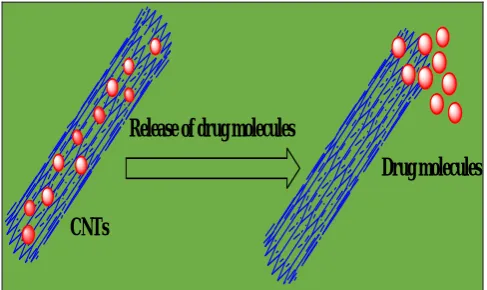
Drug molecules
CNTs
Release of drug molecules
Figure 2. Drug release from carbon nanotubes.
2003 2004 2005 2006 2007 2008 2009 2010 2011 2012 2013 2014 2015 2016 2017 2018 2019 0
200 400 600 800 1000 1200 1400 1600
Up to 1st
May 2019
"Carbon nanotube in drug delivery" "Web Of Science (ISI)" "9464 publications"
N
um
be
r o
f publ
ic
at
io
ns
Publication year
Figure 3. The number of publications per year indexed in the ISI Web of Science on the topic of “carbon nanotube in drug delivery” up to 1st May 2019.
Their therapeutics index and promising features as high drug loading capacity, protection and transportation of drugs to the target site to enhance the drug release. The high surface area of MSNs ensures a high percentage of contact area with guest molecules. MSNs architecture such as tuneable pore
diameters, large surface areas and pore volumes, and high chemical and thermal stabilities has a crucial role in their combination therapies and influence the performance of
drugs with these nano platforms.29 Their pore diameter,
which acts as a limiting factor, manipulates diffusion processes of drug molecules to the physiological environment. The pore diameter of the mesoporous cavities acts as selector of size of biologically active molecules that are loaded in these cavities. Besides, their Chemical composition and versatile chemistry for surface functionalization make them good hosts for accommodating guests biologically active molecules of various sizes, shapes,
and functionalities.30,31
Polymer and Liposome-Based Nano-medicine
Polymeric ano-carriers are considered an essential part of manufacture of drug and are of two types, Liposomes and lipid-based polymers, and (2) Carbohydrate and lipid-based polymers
Figure 4. SEM image of mesoporous silica nanoparticles.1
2003 2004 2005 2006 2007 2008 2009 2010 2011 2012 2013 2014 2015 2016 2017 2018 2019 0
200 400 600 800 1000 1200 1400
N
um
be
r o
f publ
ic
at
io
ns
Publication year
"Mesoporous silica in drug delivery" "Web Of Science (ISI)"
"7782 publications" Up to 1 st
May 2019
Figure 5. The number of publications per year indexed in the ISI Web of Science on the topic of “mesoporous silica in drug
delivery” up to 1st May 2019.
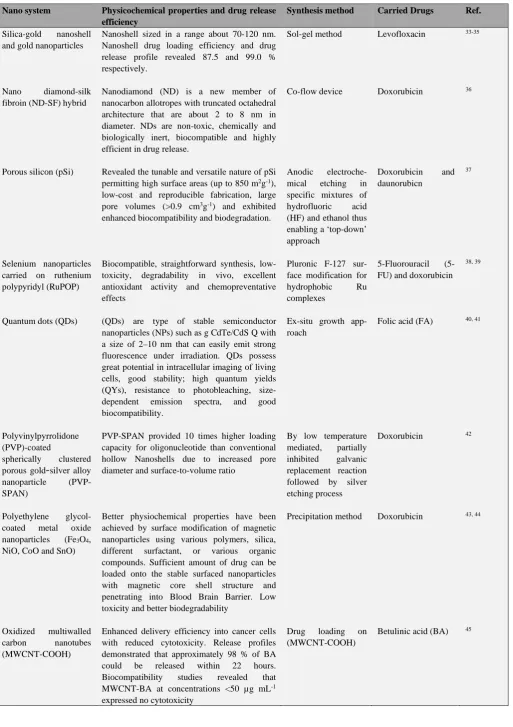
Table 1. Summary of some drug loaded metal-based nanoparticles together with their properties.
Nano system Physicochemical properties and drug release efficiency
Synthesis method Carried Drugs Ref.
Silica-gold nanoshell
and gold nanoparticles
Nanoshell sized in a range about 70-120 nm. Nanoshell drug loading efficiency and drug release profile revealed 87.5 and 99.0 % respectively.
Sol-gel method Levofloxacin 33-35
Nano diamond-silk fibroin (ND-SF) hybrid
Nanodiamond (ND) is a new member of nanocarbon allotropes with truncated octahedral architecture that are about 2 to 8 nm in diameter. NDs are non-toxic, chemically and biologically inert, biocompatible and highly efficient in drug release.
Co-flow device Doxorubicin 36
Porous silicon (pSi) Revealed the tunable and versatile nature of pSi
permitting high surface areas (up to 850 m2g-1),
low-cost and reproducible fabrication, large
pore volumes (>0.9 cm3g-1) and exhibited
enhanced biocompatibility and biodegradation.
Anodic electroche-mical etching in specific mixtures of hydrofluoric acid (HF) and ethanol thus enabling a ‘top-down’ approach
Doxorubicin and daunorubicn
37
Selenium nanoparticles carried on ruthenium polypyridyl (RuPOP)
Biocompatible, straightforward synthesis, low-toxicity, degradability in vivo, excellent antioxidant activity and chemopreventative effects
Pluronic F-127 sur-face modification for hydrophobic Ru complexes
5-Fluorouracil (5-FU) and doxorubicin
38, 39
Quantum dots (QDs) (QDs) are type of stable semiconductor
nanoparticles (NPs) such as g CdTe/CdS Q with a size of 2–10 nm that can easily emit strong fluorescence under irradiation. QDs possess great potential in intracellular imaging of living cells, good stability; high quantum yields (QYs), resistance to photobleaching, size-dependent emission spectra, and good biocompatibility.
Ex-situ growth app-roach
Folic acid (FA) 40, 41
Polyvinylpyrrolidone (PVP)-coated
spherically clustered
porous gold
-
silver alloynanoparticle (PVP-SPAN)
PVP-SPAN provided 10 times higher loading capacity for oligonucleotide than conventional hollow Nanoshells due to increased pore diameter and surface-to-volume ratio
By low temperature mediated, partially inhibited galvanic replacement reaction followed by silver etching process
Doxorubicin 42
Polyethylene
glycol-coated metal oxide
nanoparticles (Fe3O4,
NiO, CoO and SnO)
Better physiochemical properties have been achieved by surface modification of magnetic nanoparticles using various polymers, silica, different surfactant, or various organic compounds. Sufficient amount of drug can be loaded onto the stable surfaced nanoparticles with magnetic core shell structure and penetrating into Blood Brain Barrier. Low toxicity and better biodegradability
Precipitation method Doxorubicin 43, 44
Oxidized multiwalled carbon nanotubes (MWCNT-COOH)
Enhanced delivery efficiency into cancer cells with reduced cytotoxicity. Release profiles demonstrated that approximately 98 % of BA could be released within 22 hours. Biocompatibility studies revealed that
MWCNT-BA at concentrations <50 µg mL-1
expressed no cytotoxicity
Drug loading on (MWCNT-COOH)
TiO2 film on TLM alloy (TLM) alloys are Ti–25Nb–3Mo–2Sn– 3Zr
consisting of biocompatible elements Nb, Mo, Sn, and Zr has good mechanical properties and biological compatibilities
Two-step anodization Dexamethasone
(DXM)
46
Single-walled carbon nanotubes (SWCNTs)
SWCNT provides enhanced biocompatibility, stability, and solubility in physiological solutions.
SWCNT complexes Curcumin,
gambogicacid and doxorubicin
47-49
Mesoporous silica nanoparticles (MSNs) and organic-inorganic hybrid on mesoporous silica nanoparticles
Excellent vehicle to carry drugs molecule. high thermal/chemical stability, tunable biocom-patibility/degradability and resistance to corrosion under extreme condition
Co-condensation and post –grafting method
Ibuprofen,
hydrophilic and hydrophobic
anticancer drugs
50-52
Mesoporous bioactive glass nanoparticles
Bioactive glass nanoparticles (BGn) have recently gained potential usefulness to load and deliver therapeutic molecules (drugs and particularly genes). Spherical BGn with sizes of 80–90 nm were produced to obtain 3–5 nm sized mesopores
Sono-reacted sol–gel process
Chemical drug (Na-ampicillin) and gene (small interfering RNA; siRNA)
53
They were discovered by Alec D. Bengham at the University of Cambridge in 1964 and were considered as the most efficient nano-carriers of drugs. Lipid bilayer structure or membrane that surrounds an aqueous compartment is the simple definition of the liposome. Mainadvantage of the liposomes in drug delivery systems is a core-shell design, for example, a typical phospholipid-based liposome, which allows a better encapsulation strategy for the sustained drug release. Phospholipid-based liposome has smart design as the hydrophilic or aqueous core that allows encapsulation of hydrophilic drugs, while the lipid membrane can encapsulate hydrophobic drugs. Thus the advantage of the liposomal smart design is the encapsulation proficiency of both hydrophilic as well as hydrophobic drugs. Nevertheless, there are some disadvantages of this design also e.f., nano-carriers containing lipids undergo severe degradation and then the toxicity level increases. Lately, there are approximately 12 clinically approved liposomal nano-medicine and around 80 under clinical investigation.
Secondly, carbohydrate and protein-based polymers type have promising clinical progress and results. This type containing polysaccharide polymers can be natural or synthetic such as cellulose, gelatin, chitosan, heparin, polylactic acid, polyglycolic acid, and their copolymer poly (lactic-co-glycolic acid) (PLGA). Natural degradation by the enzymes in the body and highly biocompatibility are the most inherent features of carbohydrate based polymers. Combining two or more polymers to form a core-shell design of polymeric micelles by is an alternate strategy used in the formulation of polymeric nano-medicine, which are currently under clinical investigations.
Classification of Polymers
Natural and synthetic classes are the essential two categories of polymeric materials that are used in the drug delivery system with broad applicability. Natural polymers are classified into two subdivisions as polysaccharide-based
and protein-based polymers, which synthetic polymers have different subdivisions as polyesters, polyether, poloxamers,
and recombinant protein-based polymers.54
Natural polymers in drug delivery
Natural polymers have an important role in drug release and in delivering therapeutic agents to the target tissue. Special features of natural polymers that are attractive in drug delivery are their biodegradability, lack of toxicity, inexpensive, great economic features and safety. There are various sources for natural polymers, mainly polysaccharides, including plants, microbes, algae, and fungus. Chemical character of some polymers is neutral and the carboxylate or sulfate groups have negative charges (Carrageenan, Chondroitin, and Dermatan) but Chitosan is the only cationic polysaccharide currently known. Various origins of natural polymers are described below:
O
H H
HO
H NH2 H
OH O
H
H HO
H
OH NH2 H
O OH
Chitosan
O
OH H
OH
H
H H
OH H
O
O
OH H
H
H OH H -OOC
OH
O OH
H
OH H
H
O H
H OH
O H
H HO
OH
OH H H
H O
H HO
H
HO
OH H H
O
OH
Guar gum
Figure 6. Structures of some natural polymers.
Synthetic polymers in drug delivery:
Synthetic biodegradable polymers have a wide and distinct impact on drug delivery and tissue engineering fields. Synthetic polymers, due to their structure, are devoid of certain disadvantages of natural polymers such as microbial contamination. Many natural polymers are exposed to external environment and there are chances of microbial contamination. Industrial production is a controlled procedure with definite quantities of ingredients, while the natural polymers are dependent on environmental
and seasonal factors.60 Unstable climate conditions and
differences in the regions lead to an uncontrolled rate of hydration and different times of harvest collection of natural materials. There are commonly used synthetic polymers in drug delivery such as PLA (polylactic acid), PGA (polyglycolic acid), PCL (poly (e-caprolactone)), PHB (poly hydroxybutyrate), PLGA (Poly (lactide-co-glycolide), PDS (Polydioxanone) and Polyamide etc. Biocompatibility and degradability are the required important features of the polymers, which are selected for incorporation into the drug delivery system. Biocompatible polymers offer a highly
efficient transition of desired drugs into the tissues or organs without issues in biological systems. Biodegradable polymers disintegrate with the cleavage of covalent bonds between the drug molecule and the polymer. This erosion of the polymer is due to the dissolution of linking chains without causing any change in the chemical structure of the drug molecule.
O
O HO
CH3
H
n
PLA
O
O HO
CH3
n
O
O H
m
PLGA
O
O OH H
n
PCL
O
O O
n
PDS
Figure 7. Structures of some synthetic polymers.
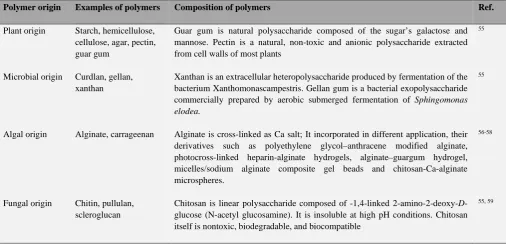
Table 2. The origins of some natural polymers.
Polymer origin Examples of polymers Composition of polymers Ref.
Plant origin Starch, hemicellulose,
cellulose, agar, pectin, guar gum
Guar gum is natural polysaccharide composed of the sugar’s galactose and mannose. Pectin is a natural, non-toxic and anionic polysaccharide extracted from cell walls of most plants
55
Microbial origin Curdlan, gellan,
xanthan
Xanthan is an extracellular heteropolysaccharide produced by fermentation of the bacterium Xanthomonascampestris. Gellan gum is a bacterial exopolysaccharide commercially prepared by aerobic submerged fermentation of Sphingomonas elodea.
55
Algal origin Alginate, carrageenan Alginate is cross-linked as Ca salt; It incorporated in different application, their
derivatives such as polyethylene glycol–anthracene modified alginate, photocross-linked heparin-alginate hydrogels, alginate–guargum hydrogel, micelles/sodium alginate composite gel beads and chitosan-Ca-alginate microspheres.
56-58
Fungal origin Chitin, pullulan,
scleroglucan
Chitosan is linear polysaccharide composed of -1,4-linked 2-amino-2-deoxy-D-glucose (N-acetyl glucosamine). It is insoluble at high pH conditions. Chitosan itself is nontoxic, biodegradable, and biocompatible
Table 3.Methods of preparation of polymeric nanomedicine
Method of preparation Definition Examples Ref.
Coacervation or ionic gelation of hydrophilic polymers
Coacervation is an electrostatic interaction between two aqueous media in which the liquid-to-gel (i.e., ionic gelation) transition occurs at normal conditions.
The cationic (amino groups of chitosan are positively charged) interaction with anions (tripolyphosphates are negative charged) to form coacervates.
61-63
Interfacial polymerization
The interfacial polymerization of two reactive monomers in two different phases (i.e., disperse and continuous) with the cross-linking of interfacial reactions.
Radical polymerization, polycondensation, or polyaddition
64, 65
Emulsification-solvent evaporation
Two-step process consists of polymeric emulsification in an aqueous medium followed by solvent evaporation from the polymer and nanoparticle precipitation.
Poly(lactic-co-glycolic acid) (PLGA),
poly-D,L-lactic acid (PLA), poly(ε-caprolactone) (PCL),
ethyl cellulose, poly(β-hydroxybutyrate) etc.
66
Salting out This phenomenon based on separation of the
water-miscible phase (solvent) from the aqueous phase by the salting-out method
PLA, poly (methacrylic) acids, and ethyl cellulose nanospheres.
62, 67
Some smart platforms of polymeric Nanomedicine
in drug delivery systems
Polymeric nano-materials have distinct characteristics that qualify them to be good sources for sustained and controlled release. These materials offer required perquisites, which ensure the efficient drug delivery system such as biocompatibility, biodegradability, high accuracy and efficiency, a high loading capacity of the desired drug and finally temporal and spatial directing of the drug into the desired cell or tissue with limited cytotoxicity and side effects.
The entrapment of the drug either physically or covalently bound to the polymer matrix is controlled by the method of preparation and the final shape and properties of the materials. Hyperbranched macromolecules (dendrimers), Polymeric micelles (amphiphilic core/shell) and drug-conjugates are the different shapes of polymeric nanomaterial conjugated with the drug.
Dendrimers
These three-dimensional, well-organized nanoscopic and highly branched polymers of less than 10 nm size were was discovered in 1978 by Vogtle as a novel and highly efficient
nanotechnology platforms for drug delivery.68 Their
constructions take place via two different approaches, a divergent method and a convergent approach. A typical dendrimer structure consists of mainly three parts that are core molecule, multiple layers or generations of branched
molecules and surface molecules.69
Encapsulation or loading mechanism of the drug within the dendrimers is through two ways that are as shown in figure 9. Drug molecules can be loaded both in the interior of the dendrimers as well as attached to the surface groups (terminal groups). Dendrimers are highly efficient vehicles for drug molecules either by encapsulating drugs within the
dendritic structure or by inter-acting with drugs at their terminal functional groups via electrostatic or covalent
bonds.70
a b
c
Figure 8. Dendrimer shape consists of a) core, b) multilayers (generations) and c) surface groups.
a
b
Micelles (core-shell)
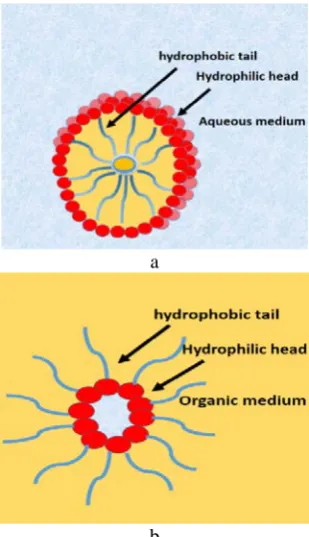
Micelles represent spherical lipid NSs consists of two parts (hydrophobic and hydrophilic parts) like a sheet folded back onto itself. According to the surrounding medium, micelle or reverse micelle can be arranged. Micelle remains with hydrophobic chains on the inside with the polar heads on the outside when the surrounding is an aqueous medium. However, if the surrounding medium is organic, then the components of the micelle are reversed-hence the name becomes reverse micelle. The polar heads are in interior, and
the hydrophobic chains are outside.71
Polymeric micelles are emerging as a powerful design in the field of nano-medicine for drug release and act as a carrier for different drugs due to their tunable size, in vivo stability, and efficiency in solubilizing water-insoluble drugs, small particle size, good thermodynamic stability in solution
and extended-release of various drugs.72
a
b
Figure 10. Structure of (a) micelle and (b) reverse micelle.
Hydrogels
Hydrogels are biocompatible hydrophilic networks that can be constructed from both natural and synthetic materials. Some unusual properties of hydrogels make them more attractive and efficient for drug delivery and tissue engineering. Their high-affinity for water and high swelling property, relatively low cytotoxicity, injectability, biodegradability, mucoadhesiveness, and tuneable bioadhesive properties are the most beneficial property of
hydrogel for enhancement of drug delivery system.73 Some
widespread polymers used to synthesize hydrogels are poly(N-isopropyl acrylamide), poly(L-lactic-co-glycolic acid), poly ethylene glycol), methacrylated poly (glycerol
succinic acid) dendrimers, and hen egg-white lysozyme.74,75
(N-isopropyl acrylamide) (pNIPAm)-based microgels are stimuli-responsive microgels that reversible pNIPAm's volume phase transition temperature (VPTT) at 32 °C. "Breathing-in" technique is the most effective encapsulation of insulin as one of the hydrogel applications in the drug delivery system when compared to more common encapsulation methods in which the gel is re-hydrated in the aqueous solution of the desired material. Its permeability is controlled by lowering the temperature or increasing pH that
increases the swelling degree of the desired drug.73
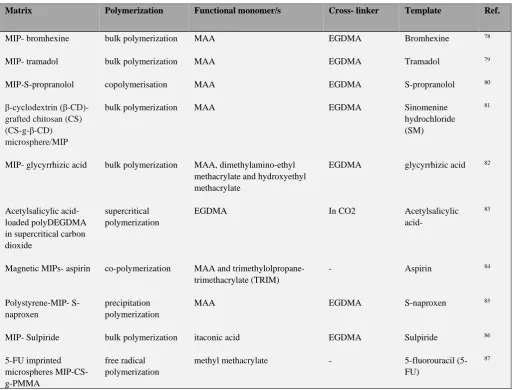
Molecularly imprinted polymer (MIP)
Recently, the investigations of new drug delivery vehicles have been directed on the development of some "intelligent" drug delivery devices that can increase the transportation efficiency of the desired drug and decrease patient non-compliance. MIPs have high potential and selectivity for drug delivery to desired tissue and cells without exposure of another cells, which has definite and selective cavities to the desired material. The molecular imprinting phenomenon is related to three steps of synthesis that started with the creation of a pre-polymerization complex of selected functional monomer(s) and a template molecule. It is followed by cross-linking of the complex via polymerization process and finally removing the template from the matrix
leaving the well-defined three-dimensional cavities,76,77
attaching the template with MIPs via a covalent or non-covalent approach. The non-non-covalent approach is the most widely adopted in the case of a drug delivery system in which, there are no interactions between the template and the functional monomers that ensure the efficiency of the drug release.
CONCLUSION AND FUTURE PERSPECTIVES
From this review, it can be shown that there are various methods for the preparation of DDS that have different potential and impacts in the release efficiency and desired requirements for efficient DDS. Nano-medicine is highly sophisticated and triggered vehicles for enhancement of DDS efficacy that has definite features as biocompatibility, efficient cargo of desired drugs, transportation efficiency that help in decreasing the administration times of drug and reducing the patient compliance. Types of nanomaterial include metallic and polymeric based nanomedicine, which refers to a wide range of applicability of nanomaterial, hence there are different preparation methods and different properties of synthesized materials. Therefore, it can be expected that there is tremendous development in DDS and therapeutic recognition and monitoring according to the new trends and objectives.
Table 4. Some applications of molecular imprinted polymers in DDS.
Matrix Polymerization Functional monomer/s Cross- linker Template Ref.
MIP- bromhexine bulk polymerization MAA EGDMA Bromhexine 78
MIP- tramadol bulk polymerization MAA EGDMA Tramadol 79
MIP-S-propranolol copolymerisation MAA EGDMA S-propranolol 80
β-cyclodextrin (β -CD)-grafted chitosan (CS) (CS-g-β-CD) microsphere/MIP
bulk polymerization MAA EGDMA Sinomenine
hydrochloride (SM)
81
MIP- glycyrrhizic acid bulk polymerization MAA, dimethylamino-ethyl
methacrylate and hydroxyethyl methacrylate
EGDMA glycyrrhizic acid 82
Acetylsalicylic acid-loaded polyDEGDMA in supercritical carbon dioxide
supercritical polymerization
EGDMA In CO2 Acetylsalicylic
acid-
83
Magnetic MIPs- aspirin co-polymerization MAA and
trimethylolpropane-trimethacrylate (TRIM)
- Aspirin 84
Polystyrene-MIP- S-naproxen
precipitation polymerization
MAA EGDMA S-naproxen 85
MIP- Sulpiride bulk polymerization itaconic acid EGDMA Sulpiride 86
5-FU imprinted microspheres MIP-CS-g-PMMA
free radical polymerization
methyl methacrylate - 5-fluorouracil
(5-FU)
87
REFERENCES
1Jain, K. K., Drug delivery systems-an overview, in "Drug delivery
systems", Springer, 2008, 1-50. https://doi.org/10.1007/978-1-59745-210-6_1
2Webster, J. G., Encyclopedia of medical devices and
instrumentation, John Wiley & Sons, Inc. 1990.
3Lavik, E. B., Kuppermann, B. D., Humayun, M. S., Drug Delivery
in Retina, Elsevier, 2013, 734-745.
https://doi.org/10.1016/B978-1-4557-0737-9.00038-2
4Frid, A., Hirsch, L., Gaspar, R., Hicks, D., Kreugel, G., Liersch,
J., Letondeur, C., Sauvanet, J.-P., Tubiana-Rufi, N., Strauss, K., New injection recommendations for patients with
diabetes. Diabetes Metab., 2010, 36, 3-18.
https://doi.org/10.1016/S1262-3636(10)70002-1
5Zaidi, S. A., Molecular imprinted polymers as drug delivery
vehicles, Drug Deliv., 2016, 23, 2262-2271.
6Rezaie, H. R., Esnaashary, M., Arjmand, A. A., Öchsner, A. A.,
Review of Biomaterials and Their Applications in Drug Delivery, Springer, 2018.
7Hillery, A.M.; Park, K.; Drug Delivery: Fundamentals and
Applications. CRC Press, 2016. https://doi.org/10.1201/9781315382579
8Akiti, O., Jimoh, A. G., Wise, D. L., Barabino, G. A., Trantolo, D.
J., Gresser, J. D., Multiphasic or “Pulsatile” controlled release system for the delivery of vaccines, in Human Biomaterials Applications, Springer, 1996, 319-343.
https://doi.org/10.1007/978-1-4757-2487-5_14
9Rezaie, H. R., Esnaashary, M., Öchsner, A., The History of Drug
Delivery Systems, in A Review of Biomaterials and Their Applications in Drug Delivery, Springer, 2018, 1-8.
10Lian, T., Ho, R. J., Trends and developments in liposome drug
delivery systems, J. Pharm. Sci., 2001, 90, 667-680.
https://doi.org/10.1002/jps.1023
11Zhang, W., Zhao, Q., Deng, J., Hu, Y., Wang, Y., Ouyang, D.,
Big data analysis of global advances in pharmaceutics and
drug delivery1980-2014, Drug Discov. Today, 2017, 22,
1201-1208. https://doi.org/10.1016/j.drudis.2017.05.012
12Park, K., Controlled drug delivery systems: past forward and
future back, J. Control. Release, 2014, 190, 3-8.
https://doi.org/10.1016/j.jconrel.2014.03.054
13Park, K., Drug delivery of the future: Chasing the invisible
gorilla, J. Control. Release, 2016, 240, 2-8.
https://doi.org/10.1016/j.jconrel.2015.10.048
14Agrawal, P., Drug discovery and development: an insight into
pharmacovigilance, J. Pharmacovigil., 2014, 2-3.
DOI:10.4172/2329-6887.1000e120
15Rask-Andersen, M., Almén, M.S., Schiöth, H.B., Trends in the
exploitation of novel drug targets, Nature Rev. - Drug Discov., 2011, 10, 579-590. https://doi.org/10.1038/nrd3478
16Elhassa, G. O., Alfarouk, K. O., Drug development: stages of
drug development, J. Pharmacovigil. 2015, 3, 1-3.
https://doi.org/10.4172/2329-6887.1000e141
17Thaul, S., How FDA approves drugs and regulates their safety
and effectiveness, Congressional Research Service, 7-5700,
18Anton, N., Jakhmola, A., Vandamme, T. F., Trojan
microparticles for drug delivery, Int. J. Pharm., 2012, 4,
1-25. https://doi.org/10.3390/pharmaceutics4010001
19Steinhoff, G., Regenerative medicine-from protocol to patient: 5.
Regenerative therapies II, Springer, 2016.
https://doi.org/10.1007/978-3-319-28293-0
20Kaushik, A., Jayant, R. D., Nair, M., Advances in Personalized
Nanotherapeutics, Springer, 2017.
https://doi.org/10.1007/978-3-319-63633-7
21Keservani, R. K., Sharma, A. K., Nanoconjugate Nanocarriers
for Drug Delivery, CRC Press., 2018.
https://doi.org/10.1201/9781351171045
22Iijima, S., Helical microtubules of graphitic carbon. Nature,
1991, 354, 56-58. https://doi.org/10.1038/354056a0
23Ajayan, P., Ebbesen, T., Nanometre-size tubes of carbon, Rep.
Prog. Phys., 1997, 60, 1025-1062.
https://doi.org/10.1088/0034-4885/60/10/001
24Arsawang, U., Saengsawang, O., Rungrotmongkol, T., Sornmee,
P., Wittayanarakul, K., Remsungnen, T., Hannongbua, S., How do carbon nanotubes serve as carriers for gemcitabine transport in a drug delivery system? Mol. Graph. Model,
2011, 29, 591-596.
https://doi.org/10.1016/j.jmgm.2010.11.002
25Das, M. C., Xu, H., Wang, Z., Srinivas, G., Zhou, W., Yue, Y.-F.,
Nesterov, V.N., Qian, G., Chen, B., A Zn 4 O-containing doubly interpenetrated porous metal–organic framework for
photocatalytic decomposition of methyl orange, Chem.
Commun., 2011, 47, 11715-11717.
https://doi.org/10.1039/c1cc12802g
26Tang, F., Li, L., Chen, D., Mesoporous silica nanoparticles:
synthesis, biocompatibility and drug delivery, Adv. Mater.,
2012, 24, 1504-1534.
https://doi.org/10.1002/adma.201104763
27Martínez-Carmona, M., Colilla, M., Vallet-Regí, M., Smart
mesoporous nanomaterials for antitumor therapy. Nanomaterials, 2015, 5, 1906-1937.
https://doi.org/10.3390/nano5041906
28Castillo, R. R., Colilla, M., Vallet-Regí, M., Advances in
mesoporous silica-based nanocarriers for co-delivery and
combination therapy against cancer, Expert Opin. Drug.
Deliv., 2017, 14, 229-243.
https://doi.org/10.1080/17425247.2016.1211637
29Vallet-Regí, M., Colilla, M., González, B. Medical applications
of organic–inorganic hybrid materials within the field of
silica-based bioceramics. Chem. Soc. Rev., 2011, 40,
596-607. https://doi.org/10.1039/C0CS00025F
30Trewyn, B. G., Whitman, C. M., Lin, V. S.-Y., Morphological
control of room-temperature ionic liquid templated mesoporous silica nanoparticles for controlled release of
antibacterial agents, Nano Lett., 2004, 4,
2139-2143.https://doi.org/10.1021/nl048774r
31Wang, L.-S., Wu, L.-C., Lu, S.-Y., Chang, L.-L., Teng, I.-T.,
Yang, C.-M., Ho, J.-a. A., Biofunctionalized phospholipid-capped mesoporous silica nanoshuttles for targeted drug delivery: improved water suspensibility and decreased
nonspecific protein binding, ACS Nano, 2010, 4, 4371-4379.
https://doi.org/10.1021/nn901376h
32Borisova, D., Möhwald, H., Shchukin, D. G., Mesoporous silica
nanoparticles for active corrosion protection, ACS Nano,
2011, 5, 1939-1946. https://doi.org/10.1021/nn102871v
33Kaur, R., Dhari, J., Sharma, O.P., Gupta, G., Kharb, V., Res. J.
Pharm. Biol. Chem. Sci., 2012, 3, 1037-1041.
34Kumar, A., Zhang, X., Liang, X.-J., Gold nanoparticles:
emerging paradigm for targeted drug delivery system, Biotechnol. Adv., 2013, 31, 593-606.
https://doi.org/10.1016/j.biotechadv.2012.10.002
35Raghavendra, R.. Arunachalam, K., Annamlai, S. K., Aarrthy,
M., Diagnostics and therapeutic application of gold nanoparticles. medicine (bio diagnostics, drug delivery and
cancer therapy), J. Pharm. Pharm. Sci., 2014, 6(2), 74-82.
36Khalid, A., Mitropoulos, A. N., Marelli, B., Tomljenovic-Hanic,
S., Omenetto, F.G., Doxorubicin loaded nanodiamond-silk spheres for fluorescence tracking and controlled drug release. Biomed. Opt. Express, 2016, 7, 132-147.
https://doi.org/10.1364/BOE.7.000132
37Yazdi, I. K., Ziemys, A., Evangelopoulos, M., Martinez, J. O.,
Kojic, M., Tasciotti, E., Physicochemical properties affect the synthesis, controlled delivery, degradation and pharmacokinetics of inorganic nanoporous materials,
Nanomedicine, 2015, 10, 3057-3075.
https://doi.org/10.2217/nnm.15.133
38Liu, W., Li, X., Wong, Y.-S., Zheng, W., Zhang, Y., Cao, W.,
Chen, T., Selenium nanoparticles as a carrier of 5-fluorouracil to achieve anticancer synergism, ACS Nano,
2012, 6, 6578-6591. https://doi.org/10.1021/nn202452c
39Huang, Y., L. He, L., Liu, W., Fan, C., Zheng, W., Wong, Y.-S.,
Chen, T., Selective cellular uptake and induction of apoptosis
of cancer-targeted selenium nanoparticles, Biomaterials,
2013, 34, 7106-7116.
https://doi.org/10.1016/j.biomaterials.2013.04.067
40Zhao, M.X., Zeng, E.Z., Zhu, B.J., The biological applications of
inorganic nanoparticle drug carrierr, ChemNanoMat, 2015, 1,
82-91. https://doi.org/10.1002/cnma.201500036
41Zhao, H., Ma, D., Synthesis and Characterization of Quantum
Dots, Biosensors Based on Nanomaterials and Nanodevices,
CRC Press, 2013, p. 11.
42Jang, H., Min, D.-H, Spherically-clustered porous Au–Ag alloy
nanoparticle prepared by partial inhibition of galvanic replacement and its application for efficient multimodal
therapy, ACS Nano, 2015, 9, 2696-2703.
https://doi.org/10.1021/nn506492s
43Javed, K. R., Ahmad, M., Ali, S., Butt, M.Z., Nafees, M., Butt, A.
R., Nadeem, M., Shahid, A., Comparison of doxorubicin anticancer drug loading on different metal oxide
nanoparticles, Medicine, 2015, 94, 1-6.
https://doi.org/10.1097/MD.0000000000000617
44Liu, J., Huang, C., He, Q., Pharmaceutical application of
magnetic iron oxide nanoparticles, Sci. Adv. Mater., 2015, 7,
672-685. https://doi.org/10.1166/sam.2015.1887
45Tan, J.M., Karthivashan, G., Arulselvan, P., Fakurazi, S.,
Hussein, M. Z., Characterization and in vitro studies of the anticancer effect of oxidized carbon nanotubes functionalized
with betulinic acid, Drug Des. Dev. Ther., 2014, 8,
2333-2343. https://doi.org/10.2147/DDDT.S70650
46Zhang, Y., He, F., Sun, Z., Li, L., Huang, Y., Controlled delivery
of dexamethasone from TiO2 film with nanoporous structure
on Ti–25Nb–3Mo–2Sn–3Zr biomedical alloy without
polymeric carrier, Mater. Lett., 2014, 128, 384-387.
https://doi.org/10.1016/j.matlet.2014.04.149
47Li, H., Zhang, N., Hao, Y., Wang, Y., Jia, S., Zhang, H., Zhang,
Y., Zhang, Z., Formulation of curcumin delivery with functionalized single-walled carbon nanotubes: characteristics and anticancer effects in vitro, Drug Deliv.,
2014, 21, 379-387.
https://doi.org/10.3109/10717544.2013.848246
48Saeed, L. M., Mahmood, M., Pyrek, S. J., Fahmi, T., Xu, Y.,
Mustafa, T., Nima, Z. A., Bratton, S. M., Casciano, D., Dervishi, E., Single-walled carbon nanotube and graphene nanodelivery of gambogic acid increases its cytotoxicity in
breast and pancreatic cancer cells, J. Appl. Toxicol., 2014, 34,
1188-1199. https://doi.org/10.1002/jat.3018
49Liu, Z., Sun, X., Nakayama-Ratchford, N., Dai, H.,
Supramolecular chemistry on water-soluble carbon
nanotubes for drug loading and delivery, ACS Nano, 2007, 1,
50Dave, P. N., Chopda, L. V, A review on application of
multifunctional mesoporous nanoparticles in controlled release of drug delivery, in Mater. Sci. Forum, Multi-Functional Nanomaterials and their Emerging Applications, Trans. Tech. Publ., 2014, p. 17,
https://doi.org/10.4028/www.scientific.net/MSF.781.17
51Chen, Y., Chen, H., Shi, J., Drug delivery/imaging
multifunctionality of mesoporous silica-based composite
nanostructures, Expert Opin. Drug. Deliv., 2014, 11,
917-930. https://doi.org/10.1517/17425247.2014.908181
52Chen, Z., Li, Z., Lin, Y., Yin, M., Ren, J., Qu, X.,
Biomineralization inspired surface engineering of nanocarriers for pH-responsive, targeted drug delivery, Biomaterials, 2013, 34, 1364-1371.
https://doi.org/10.1016/j.biomaterials.2012.10.060
53El-Fiqi, A., Kim, T.-H., Kim, M., Eltohamy, M., Won, J.-E., Lee,
E.-J., Kim, H.-W., Capacity of mesoporous bioactive glass nanoparticles to deliver therapeutic molecules, Nanoscale,
2012, 4, 7475-7488. https://doi.org/10.1039/c2nr31775c
54Hamid Akash, M. S., Rehman, K., Chen, S., Natural and
synthetic polymers as drug carriers for delivery of therapeutic
proteins, Polym. Rev., 2015, 55, 371-406.
https://doi.org/10.1080/15583724.2014.995806
55Jana, S., Gandhi, A., Sen, K., Basu, S., Natural polymers and
their application in drug delivery and biomedical field, J. Pharm. Sci. Tech., 2011, 1, 16-27.
56El-Sherbiny, I. M., Abdel-Mogib, M., Dawidar, A.-A.M.,
Elsayed, A., Smyth, H. D., Biodegradable pH-responsive alginate-poly (lactic-co-glycolic acid) nano/micro hydrogel matrices for oral delivery of silymarin, Carbohydr. Polym.,
2011, 83, 1345-1354.
https://doi.org/10.1016/j.carbpol.2010.09.055
57Mennini, N., Furlanetto, S., Cirri, M., Mura, P., Quality by design
approach for developing chitosan-Ca-alginate microspheres
for colon delivery of celecoxib-hydroxypropyl-β
-cyclodextrin-PVP complex, Eur. J. Pharm. Biopharm., 2012,
80, 67-75. https://doi.org/10.1016/j.ejpb.2011.08.002
58Pongjanyakul, T., Puttipipatkhachorn, S., Modulating drug
release and matrix erosion of alginate matrix capsules by microenvironmental interaction with calcium ion, Eur. J. Pharm. Biopharm., 2007, 67, 187-195.
https://doi.org/10.1016/j.ejpb.2006.12.009
59Hwang, D.-C., Damodaran, S., Selective precipitation and
removal of lipids from cheese whey using chitosan, J. Agric.
Food Chem., 1995, 43, 33-37.
https://doi.org/10.1021/jf00049a008
60Bourne, D., Banker, G., Rhodes, C., Modern Pharmaceutics,
Informa Healthcare, New York, 2002, 67-92.
61Jana, S., Jana, S., Natural polymeric biodegradable nanoblend for
macromolecules delivery, in Recent Developments in Polymer Macro, Micro and Nano Blends, Elsevier, 2017,
289-312.
https://doi.org/10.1016/B978-0-08-100408-1.00010-8
62Pal, S. L., Jana, U., Manna, P. K., Mohanta, G. P., Manavalan,
R., Nanoparticle: An overview of preparation and
characterization, J. Appl. Pharm., 2011, 1, 228-234.
63Dustgania, A., Vasheghani Farahani, E., Imani, M., Preparation
of chitosan nanoparticles loaded by dexamethasone sodium
phosphate, Iranian J. Pharm., 2008, 4, 111-114.
64Scott, C., Wu, D., Ho, C.-C., Co, C. C., Liquid-core capsules via
interfacial polymerization: a free-radical analogy of the nylon
rope trick, J. Am. Chem. Soc., 2005, 127, 4160-4161.
https://doi.org/10.1021/ja044532h
65Crespy, D., Stark, M.; Hoffmann-Richter, C., Ziener, U.,
Landfester, K., Polymeric nanoreactors for hydrophilic reagents synthesized by interfacial polycondensation on
miniemulsion droplets, Macromolecules, 2007, 40,
3122-3135. https://doi.org/10.1021/ma0621932
66Song, C., Labhasetwar, V., Murphy, H., Qu, X., Humphrey, W.,
Shebuski, R., Levy, R., Formulation and characterization of
biodegradable nanoparticles for intravascular local drug
delivery. J. Control. Release, 1997, 43, 197-212.
https://doi.org/10.1016/S0168-3659(96)01484-8
67Kadian, R., Nanoparticles: a promising drug delivery approach,
Asian J. Pharm. Clin. Res., 2018, 11, 30-35.
https://doi.org/10.22159/ajpcr.2018.v11i1.22035
68Buhleier, E., Wehner, W., Vögtle, F., "Cascade"- and
"Nonskid-Chain-like" Syntheses of Molecular Cavity Topologies, Synthesis, 1978, 2, 155-158. https://doi.org/10.1055/s-1978-24702
69Tolia, G. T., Choi, H. H., The role of dendrimers in topical drug
delivery, Pharm. Technol. Int., 2008, 32, 88-98.
70Rai, A.K., Tiwari, R.;, Maurya, P., Yadav, P., Dendrimers: a
potential carrier for targeted drug delivery system, Pharm.
Biol. Evaluat., 2016, 3, 275-287.
71Singh, A. K., Yadav, T. P., Pandey, B., Gupta, V., Singh, S. P.,
Engineering Nanomaterials for Smart Drug Release: Recent Advances and Challenges, in Applications of Targeted Nano Drugs and Delivery Systems, Elsevier, 2019, 411-449.
https://doi.org/10.1016/B978-0-12-814029-1.00015-6
72Gundloori, R. V., Singam, A., Killi, N., Nanobased Intravenous
and Transdermal Drug Delivery Systems, in Applications of Targeted Nano Drugs and Delivery Systems. Elsevier, 2019,
551-594.
https://doi.org/10.1016/B978-0-12-814029-1.00019-3
73Schwall, C., Banerjee, I., Micro-and nanoscale hydrogel systems
for drug delivery and tissue engineering, J. Mater. Sci., 2009,
2, 577-612. https://doi.org/10.3390/ma2020577
74Söntjens, S. H., Nettles, D. L., Carnahan, M. A., Setton, L. A.,
Grinstaff, M. W., Biodendrimer-based hydrogel scaffolds for
cartilage tissue repair, Biomacromolecules, 2006, 7, 310-316.
https://doi.org/10.1021/bm050663e
75Shi, G., Cai, Q., Wang, C., Lu, N., Wang, S., Bei, J., Fabrication
and biocompatibility of cell scaffolds of poly (L-lactic acid)
and poly (L-lactic-co-glycolic acid). Polym. Adv. Technol.,
2002, 13, 227-232.https://doi.org/10.1002/pat.178
76Cormack, P. A., Elorza A. Z., Molecularly imprinted polymers:
synthesis and characterisation, J. Chromatogr. B, 2004, 804,
173-182. https://doi.org/10.1016/j.jchromb.2004.02.013
77Kamel, A. H., Mohammad, S. G., Awwad, N. S., Mohammed, Y.
Y., Survey on the Integration of Molecularly Imprinted Polymers as Artificial Receptors in Potentiometric Transducers for pharmaceutical Drugs, Int. J. Electrochem.,
2019, 14, 2085-2124. https://doi.org/10.20964/2019.02.23
78Azodi-Deilami, S., Abdouss, M., Javanbakht, M., The syntheses
and characterization of molecularly imprinted polymers for the controlled release of bromhexine, Appl. Biochem. Biotechnol., 2011, 164, 133-147.
https://doi.org/10.1007/s12010-010-9121-y
79Azodi-Deilamia, S., Abdoussa, M., Seyedib, S.R., Synthesis and
characterization of molecularly imprinted polymer for
controlled release of tramadol, Open Chem., 2010, 8,
687-695. https://doi.org/10.2478/s11532-010-0035-x
80Bodhibukkana, C., Srichana, T., Kaewnopparat, S., Tangthong,
N., Bouking, P, Martin, G. P., Suedee, R., Composite membrane of bacterially-derived cellulose and molecularly imprinted polymer for use as a transdermal enantioselective controlled-release system of racemic propranolol, J. Control. Release, 2006, 113, 43-56.
https://doi.org/10.1016/j.jconrel.2006.03.007
81Chen, H., Zhang, W., Yang, N., Chen, C., Zhang, M.,
Chitosan-Based Surface Molecularly Imprinted Polymer Microspheres for Sustained Release of Sinomenine Hydrochloride in
Aqueous Media, Appl. Biochem. Biotechnol., 2018, 185,
370-384. https://doi.org/10.1007/s12010-017-2658-2
82Cirillo, G., Parisi, O. I., Curcio, M., Puoci, F., Iemma, F.,
Spizzirri, U.G., Picci, N., Molecularly imprinted polymers as drug delivery systems for the sustained release of
glycyrrhizic acid, J. Pharm. Pharmacol., 2010, 62, 577-582.
83Duarte, A. R. C., Casimiro, T., Aguiar-Ricardo, A., Simplício, A.
L., Duarte, C. M., Supercritical fluid polymerisation and impregnation of molecularly imprinted polymers for drug
delivery, J. Supercrit. Fluids, 2006, 39, 102-106.
https://doi.org/10.1016/j.supflu.2006.01.013
84Kan, X., Geng, Z., Zhao, Y., Wang, Z., Zhu, J.-J., Magnetic
molecularly imprinted polymer for aspirin recognition and
controlled release, Nanotechnology, 2009, 20,
165601-165608. https://doi.org/10.1088/0957-4484/20/16/165601
85Li, X. X., Hao, L.F., Huang, Y. P., Duan, H. Q., Liu, Z.S.,
Release evaluation of molecularly imprinted polymers prepared under molecular crowding conditions, Polym. Eng. Sci., 2012, 52, 1440-1449. https://doi.org/10.1002/pen.23086
86Zhang, W., She, X., Wang, L., Fan, H., Zhou, Q., Huang, X.,
Tang, J. Z., Preparation, Characterization and Application of a Molecularly Imprinted Polymer for Selective Recognition
of Sulpiride, J. Mater. Sci., 2017, 10, 475-490.
https://doi.org/10.3390/ma10050475
87Zheng, X.-F.. Lian, Q., Yang, H., Wang, X., Surface molecularly
imprinted polymer of chitosan grafted poly (methyl
methacrylate) for 5-fluorouracil and controlled release, Sci.
Rep., 2016, 6, 21409-21420.
https://doi.org/10.1038/srep21409