Introduction
Inflammatory arthritis is a term used to describe a group of conditions which affect the immune system. These conditions are also known as autoimmune diseases, and the three most common forms include rheumatoid arthritis, ankylosing spondylitis and psoriatic arthritis.1 The focus of this article will be on rheumatoid arthritis (RA).
Rheumatoid arthritis is a chronic, progressive disease with articular (or joint), extra-articular (e.g. rheumatoid nodules, pericarditis, uveitis etc.) and systemic (e.g. anaemia, cardiovascular disease, osteoporosis etc.) manifestations of unknown cause.2 A genetic predisposition has been identified and the heritability, estimated from twin studies, is 40–60%.3 Relatives of patients with autoimmune disorders often have autoantibodies (antibodies directed against an individual’s own proteins) and the specificity is frequently similar.4 Environmental factors, e.g. viral infections and cigarette smoking, are also thought to play a role in triggering and maintaining inflammation of the joints.5 Although limited data is available on the epidemiology of RA in South Africa, data from developing countries suggests a prevalence of 1%,6 which corresponds to the estimated worldwide prevalence.7 Women are affected two to three times more often than men and the onset may be at any age but most often between 35–50 years.5
This disease has a destructive course which negatively impacts on the quality of life. Rheumatoid arthritis not only significantly affects function6 but can lead to severe physical disability, multiple co-morbidities,2 and premature death.8 The risk of infection is increased due to the disease itself and subsequent
immunosuppressive therapy, causing further concern due to the high incidence of e.g. HIV and TB in developing countries.6 Mortality rates are more than twice as high in patients with RA when compared to the general population.2 Timeous diagnosis of RA and initiation of appropriate therapy is very important as ± 90% of patients with RA present with some form of disability within two decades of onset.9 This disease thus carries a substantial individual and socioeconomic burden.10
Pathogenesis of rheumatoid arthritis
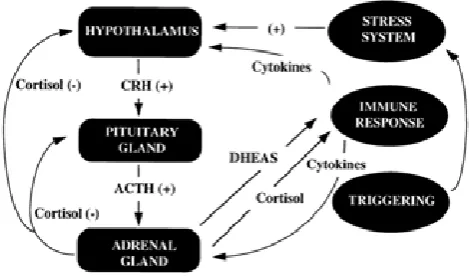
The cause of onset is currently unknown.7 The pathogenesis of RA is complex and multifactorial,11 including a range of immune, neuroendocrine and psychosocial variables. The stress system is directly linked to the immune system, and plays a pivotal role in RA – refer to Figure 1.12
Rheumatoid arthritis
Engler D, BPharm, BScHons (Pharmacology), MScMed (Clinical Pharmacy), Lecturer; Skosana P, BPharm, Lecturer Department of Pharmacy, Faculty of Health Sciences, Sefako Makgatho Health Sciences University
Correspondence to: Deirdré Engler, e-mail [email protected]
Keywords: rheumatoid arthritis, autoimmune, human leucocyte antigen, anti-cyclic citrullinated peptides, extra articular manifestations, disease-modifying anti-rheumatic drugs
Abstract
Rheumatoid arthritis is an autoimmune disease that does not only affect the small joints, but also presents with extra-articular manifestations e.g. anaemia, cardiovascular diseases, depression etc., leading to increased morbidity and mortality. Pharmacists, as part of the healthcare team, should take cognisance of this chronic, debilitating condition and keep up to date with the latest treatment strategies. Early diagnosis of rheumatoid arthritis is imperative and treatment should be individualised and appropriate as it improves the prognosis. The 2013 South African algorithm for the treatment of rheumatoid arthritis recommends the use of disease-modifying anti-rheumatic medicine as first-line therapy. The choice of treatment depends on the side-effect profile, patient preference for route of administration, disease characteristics, and cost. There is no cure for rheumatoid arthritis but articular damage can be prevented or at least delayed.
© Medpharm S Afr Pharm J 2016;83(9):34-40
The acquired (or adaptive) immune system develops as a person grows13 and identifies foreign invading molecules for elimination. Any molecule capable of being recognised by the immune system is considered an antigen (Ag).4 Immune cells respond to cell signalling molecules (cytokines e.g. interleukins) and include antigen-presenting cells (e.g. dendritic cells, macrophages), and T-helper cells and B cells (the two main types of lymphocytes).14 T-helper cells coordinate the immune response by communicating with nearby B cells to produce antibodies.15 Each B cell is programmed to secrete soluble Ag-specific antibodies. Successful immune defence requires activation, regulation, and resolution of the immune response.4
Autoimmune diseases, such as RA, refer to problems with the acquired immune system’s reactions16 as it produces antibodies to an endogenous Ag (autoantigen).4 Synovial lining cells and inflamed blood vessels produce immune complexes and the antibodies produced by plasma cells, e.g. rheumatoid factor (RF) and anticyclic citrullinated peptide antibodies (anti-CCP), contribute to these complexes. Early in the disease stage, macrophages migrate to diseased synovia, and lymphocytes (primarily CD4+ T cells) infiltrate the synovial tissue.5 Activation of the immune system is associated with increased circulating levels of cytokines e.g. interleukin (IL)-1, IL-6 and tumour necrosis factor alpha (TNF-α),12 a preformed inflammatory mediator.15 The latter is chronically elevated in the joints of patients with RA.3 Interleukin-1 and TNF-α stimulate cartilage destruction, osteoclast-mediated bone absorption, synovial inflammation, and prostaglandins.5 They aggravate the inflammatory response by activating endothelial cells and attract immune cells to accumulate within the synovial
area. Activated fibroblasts, together with the accumulated activated T and B cells, and monocytes and macrophages trigger osteoclast generation.10 The principal cause of bone erosion is the pannus, which is found at the interface with cartilage and bone.2 Pannus is an abnormal layer of fibrovascular tissue or granulation tissue over a joint surface.Release of TNF-α, IL-1 and IL-6 from synovial tissue alters the function of distant tissues, including adipose tissue, skeletal muscle, liver and the vascular endothelium.2 The morbidity and mortality caused by RA are a consequence of local and systemic inflammatory processes that damage cartilage, bone and soft tissue, as well as blood vessels and viscera.17
A positive family history increases the risk of RA approximately three to five times, implicating genetic factors in the pathogenesis. Over a hundred loci (the specific location of a gene’s DNA sequence) have been associated with RA risk in genome-wide association studies, most of which implicate immune mechanisms – refer to Figure 4. The human leukocyte antigen (HLA) system is Figure 2. a&c: A normal joint and its changes in RA18
Normal joint; b&d: Joint with established RA
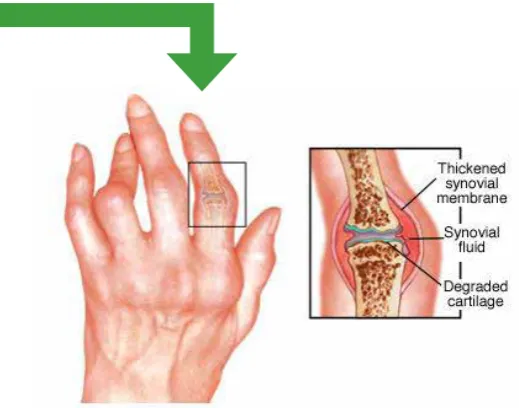
Figure 3. RA of the interphalangeal joints19
the dominant influence and implicates peptide and self-peptide binding in the pathogenesis. Aggressive erosive RA with higher mortality has been associated with HLA genotypes.10
Types of rheumatoid arthritis
Researchers believe there are many types of RA due to the uncertainty of which patients develop symptoms and the severity thereof. Research is being conducted to classify RA into sub-types that each specify unique sets of symptoms and progressions.20 Currently doctors determine whether a patient has seropositive or seronegative RA as this difference can determine treatment options - refer to Figure 5.
Biomarkers for rheumatoid arthritis
Because of the uniqueness of an individual’s genetic make-up and the heterogeneity or diversity of RA, individualised therapy is needed. Biomarkers are characteristics of an individual that can be objectively measured and serve as indicators of organ activity, pathogenic processes, or response to treatment. Biomarkers can be clinical, histological, or imaging parameters as well as specific molecules or molecular patterns. The latter include genomic, proteomic, and lipidomic biomarkers and are considered one of the most valuable types of biomarker as they can reflect changes that occur early in the disease process or in the response to therapy.
Proteomics is the large-scale study of proteomes, the entire set of proteins produced by a cell or organism. The overall picture of intracellular protein composition, structure, and activity is investigated with proteomics and is capable of identifying biomarkers and improving the understanding of disease pathogenesis. Research is ongoing to identify a biomarker to predict a high risk of joint destruction and disability using proteomic approaches.11
Disease activity is a central component in the assessment of patients with RA and comprises the signs and symptoms of the disease. For the assessment of disease severity, radiography is widely used, but often there is no visible manifestation for 1–3 years after disease initiation.11 In daily clinical practice the Health Assessment Questionnaire (HAQ) and Simplified Disease
Activity Index (SDAI) are often used to measure disease activity and damage.6
Anti-CCP antibodies may be involved in the pathogenesis of RA and assays for the detection of autoantibodies against CCP have been developed to aid in the diagnosis of RA. These antibodies are highly specific to RA, unlike RF, which is the traditional RA biomarker. The sensitivity of this biomarker however ranges between 40–71% as approximately 30% of RA patients never develop anti-CCP antibodies.16
Biomarkers are integral to disease stratification and hence targeted therapy because early therapeutic intervention can result in disease remission.16 To successfully treat patients, it is important to identify individuals who will have severe destructive disease as early as possible, and to prevent irreversible damage to the joints.17 Early RA is often defined as disease duration of less than two years, but more recent clinical trials have been using six months to one year as a cut-off point.6
Signs, symptoms and diagnosis of rheumatoid
arthritis
The American College of Rheumatology (ACR) classification criteria is often used to diagnose RA and include clinical, serological and radiological features. Four or more of the following are required6: • Morning stiffness for ≥ 1 hour
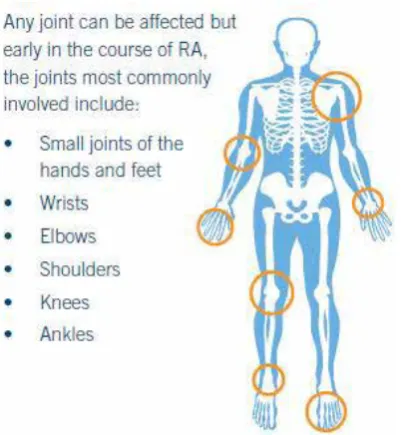
• Arthritis of ≥ 3 joint areas – refer to Figure 6
• Arthritis of wrists/metacarpal phalangeal/proximal interphalangeal joints
• Symmetric arthritis* • Rheumatoid nodules** • Serum rheumatoid factor (IgM)
• Radiographic changes: peri-articular osteopaenia, marginal erosions
* Same joints on both sides of your body, swollen and sometimes feeling hot to the touch21
** Growths that form under the skin, most commonly elbows, hands and feet21
Types of RA
Figure 5. Types of rheumatoid arthritis20
Biomarkers for rheumatoid arthritis
Because of the uniqueness of an individual’s genetic make-up and the heterogeneity (diversity) of RA, targeted (or individualised) therapy is needed. Biomarkers are characteristics of an individual that can be objectively measured and serve as indicators of organ activity, pathogenic processes, or response to treatment. Biomarkers can be clinical, histological, or imaging parameters as well as specific molecules or molecular patterns. The latter include genomic, proteomic, and lipidomic biomarkers and are considered one of the most valuable types of biomarker as they can reflect changes that occur early in the disease process or in the response to therapy. Proteomics is the large-scale study of proteomes, the entire set of proteins produced by a cell or organism. The overall picture of intracellular protein composition, structure, and activity is investigated with proteomics and is capable of identifying biomarkers and improving the understanding of pathogenesis. Research is ongoing to identify a biomarker to predict a high risk of joint destruction and disability using proteomic approaches.11
Disease activity is a central component in the assessment of patients with RA and comprises the signs and symptoms of the disease. For the assessment of disease severity, radiography is widely used, but often there is no visible manifestation for 1–3 years after disease initiation.11 In daily clinical practice the Health Assessment
Questionnaire (HAQ) and Simplified Disease Activity Index (SDAI) are often used to measure disease activity and damage.6
Anti-CCP antibodies may be involved in the pathogenesis of RA and assays for the detection of autoantibodies against CCP have been developed to aid in the diagnosis of RA. These antibodies are highly specific to RA, unlike the traditional RA biomarker RF. The sensitivity of this biomarker however ranges between 40–71% as approximately 30% of RA patients never develop anti-CCP antibodies.16
Biomarkers are integral to disease stratification and hence targeted therapy because early therapeutic intervention can result in disease remission.16 To successfully treat patients, it is important to identify
Types of RA
Patients present with anti-cyclic citrullinated peptides (anti-CCPs) in their blood results. Anti-CCPs are also referred to as anti-citrullinated protein antibodies (ACPAs). It is a reliable diagnostic indicator as 60–80% of RA patients test positive for the presence of anti-CCPs. It can be detected as early as 5–10 years before clinical RA symptoms appear.
Patients that develop RA without the presence of antibodies (anti-CCPs or RF) in their blood are classified as seronegative. These patients are diagnosed with RA upon demonstration of clinical RA symptoms, as well as cartilage and bone destruction evident on X-ray results. Seronegative patients might have milder symptoms compared to seropositive patients, but not always.
Juvenile RA, also known as juvenile idiopathic arthritis, affects patients under the age of 17 years. It is the most common type of arthritis in this age group and the symptoms can be persistent, some patients experiencing RA symptoms for the rest of their lives.
Patients present with cyclic citrullinated peptides (CCPs) in their blood results. Anti-CCPs are also referred to as anti-citrullinated protein antibodies (ACPAs). It is a reliable diagnostic indicator as 60–80% of RA patients test positive for the presence of anti-CCPs. It can be detected as early as 5–10 years before clinical RA symptoms appear.
Patients that develop RA without the presence of antibodies (anti-CCPs or RF) in their blood are classified as seronegative. These patients are diagnosed with RA upon demonstration of clinical RA symptoms, as well as cartilage and bone destruction evident on X-ray results. Seronegative patients might have milder symptoms compared to seropositive patients, but not always.
Extra-articular manifestations
Apart from RA being a debilitating disease of small joints, it is also associated with significant extra-articular manifestations and mortality. Since RA is an autoimmune disease, any part of the body can be affected. These manifestations most commonly involve the respiratory, cardiac and visual systems.
The risk of stroke is increased by 65% and that of myocardial infections, pleural effusions and lung infections is increased through the development of rheumatic nodules.7 The incidence of cardiovascular disease (CVD) events in patients with RA is more than three times that in the general population. Pro-atherogenic changes linked to systemic inflammation are associated with RA.
After CVD, anaemia is the most common systemic manifestation of RA. Interleukin-6 levels are significantly higher in patients with anaemia than persons without anaemia. Haemoglobin is furthermore inversely correlated with IL-6 levels.2
Corticotrophin-releasing hormone (CRH) is a key regulator of the hypothalamic-pituitary-adrenal (HPA) axis and the overall stress system. The stress system is directly linked to the immune system and therefore patients with RA commonly present with persistent fatigue and high rates of depression.2 Another common manifestation is osteoporosis and results in an elevated risk of bone fracture.
Management of rheumatoid arthritis
Early treatment improves prognosis of RA9 and reversal of inflammation is the major therapeutic target. Disease-modifying anti-rheumatic drugs (DMARDs) target inflammation and reduce structural damage progression.10 When comparing patients treated with DMARDs to those not treated with DMARDs, the latter had a significantly higher number of deformed and damaged joints.
Clinical evidence indicates that long-term use of DMARDs significantly slows the rate of disease progression compared with
non-steroidal anti-inflammatory drug (NSAID) treatment alone. It has been recognised in recent years that long-term treatment with NSAIDs is associated with increased morbidity and mortality among patients with RA. Serious adverse effects of chronic NSAID use include peptic ulceration and upper gastrointestinal bleeding.9 These medicines are effective in controlling pain and stiffness and are used for symptomatic relief but offer no disease-modifying action.8
Glucocorticoids offer rapid symptomatic and disease-modifying effects. When used in early RA and in combination with DMARDs, glucocorticoids may inhibit development of erosions. It is well known that glucocorticoids are associated with serious long-term side-effects limiting their use. In established RA, they may be used as “bridging” therapy with the initiation of biologic therapy, and should be withdrawn once the disease is controlled.8
Long-term toxicity of DMARD use is at least no worse than the toxicity of chronic NSAID use. DMARD use improves the long-term outcome and quality of life over the lifetime of patients with RA.9
Table I. Biologic DMARDs currently available in South Africa8,10,22
Synthetic Biological
Conventional Targeted TNF inhibitors
(TNFi) Non-TNF inhibitors Methotrexate
Sulfasalazine Leflunomide Chloroquine
Janus kinase inhibitors • Tofacitinib
Infliximab Etanercept Adalimumab Golimumab
T cell co-stimulation • Abatacept Anti-B cell • Rituximab Anti-IL 6R • Tocilizumab
Many patients respond to the conventional synthetic DMARDs, but patients with active disease despite synthetic DMARDs over at least six months, can be considered candidates for biologic therapy. Biologics are genetically-engineered from natural sources (human, animal or microorganism) and have made a huge impact on severe RA by preventing disability. Systemic reviews suggest that the biologics have similar efficacies, thus the choice of medicine depends on the side-effect profile, patient preference for administration route, cost, and disease characteristics23: • biologic drugs with an alternative mode of action than inhibiting
TNF might be considered as first-line therapy in South Africa due to the high risk of tuberculosis, particularly associated with TNFi • patients that are RF-negative are less likely to respond to
rituximab
• patients with systemic symptoms e.g. anaemia, high CRP levels and fatigue, are likely to respond well to tocilizumab
Conventional DMARDs, methotrexate or leflunomide, should be co-prescribed with biologics, except for tocilizumab where there is good evidence for monotherapy.23
Table II. Synthetic DMARDs8,22
Indication Dose Side-effects Monitoring Contraindications
Methotrexatel (MTX)
First choice DMARD Mono- or combination therapy
Co-prescribed with biologic drugs
7.5–25 mg weekly per os or SC
Co-prescribe with folic acid 5–10 mg/week, 24 hours after MTX
Common: Nausea and vomiting, mucosal ulceration and bleeding#, alopecia, hepatotoxicity, anaemia, neutropaenia, blurred vision, increased serum uric acid##
Less frequent: Pneumonitis, teratogenic
Chest X-ray at baseline; FBC* and liver
transaminase test within first month of therapy and 3–6 monthly thereafter
Pregnancy and lactation, alcoholism, renal or hepatic disease, bone marrow suppression, interstitial lung disease, ascites or pleural effusion
Caution in HIV-positive patients
Chloroquine Mild RA or as part of combination therapy
4 g/kg/day (generally 200 mg 3–5 times per week), per os
Common: Gastrointestinal intolerance, skin hyperpigmentation, headache, dizziness Less frequent: Retinopathy and myopathy Annual ophthalmological assessments**
Avoid in severe renal insufficiency
Sulfasalazine Monotherapy in case of MTX intolerance or contraindicated, or as part of combination therapy
1–3 g/day, per os Common: Gastrointestinal intolerance (e.g. anorexia, nausea, vomiting), skin rash, elevated liver enzymes, turn skin or body fluids yellow-orange=, myelosuppressionş
FBC and liver
transaminase test within the first 1–2 months of treatment, and thereafter 3–6 monthly,
Leflunomide Monotherapy or in combination with MTX
20 mg/day per os, but 20 mg on alternate days can be used
Nausea, vomiting, abdominal pain, diarrhoea, alopecia, elevated liver enzymes, skin rash
Teratogenic in both male and female patients
FBC and liver transaminase test within the first month of treatment, and thereafter 3–6 monthly
Pregnancy and lactation, suspension is recommended two years before a possible pregnancy, alternatively cholestyramine washoutξ, severe
immunodeficiency states, liver impairment
* FBC = full blood count; # necessitate withdrawal of treatment; ## may precipitate an acute gout attack: ** ocular damage limits prolonged therapy; ş megaloblastic anaemia may occur;
folic acid supplementation should be prescribed; l MTX is a folate antagonist and folic acid should be added to the regimen; ξ leflunomide undergoes enterohepatic recycling; = no clinical
consequence
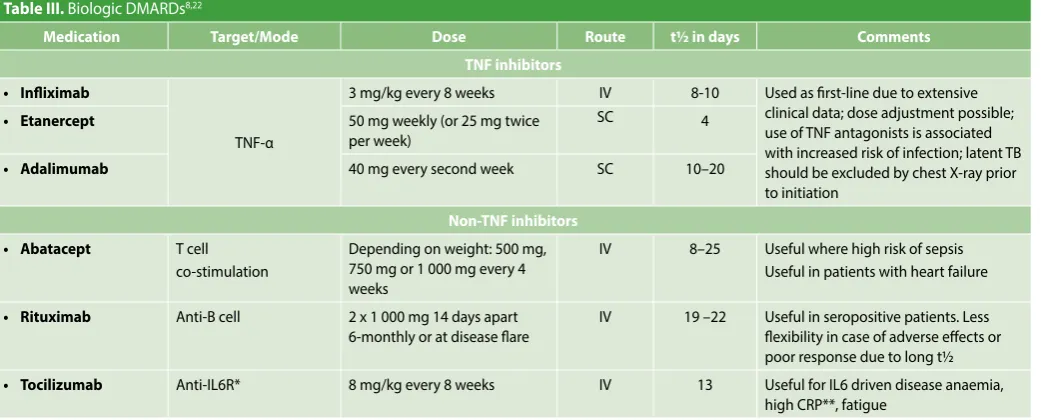
Table III. Biologic DMARDs8,22
Medication Target/Mode Dose Route t½ in days Comments
TNF inhibitors
• Infliximab
TNF-α
3 mg/kg every 8 weeks IV 8-10 Used as first-line due to extensive clinical data; dose adjustment possible; use of TNF antagonists is associated with increased risk of infection; latent TB should be excluded by chest X-ray prior to initiation
• Etanercept 50 mg weekly (or 25 mg twice
per week)
SC 4
• Adalimumab 40 mg every second week SC 10–20
Non-TNF inhibitors
• Abatacept T cell co-stimulation
Depending on weight: 500 mg, 750 mg or 1 000 mg every 4 weeks
IV 8–25 Useful where high risk of sepsis Useful in patients with heart failure
• Rituximab Anti-B cell 2 x 1 000 mg 14 days apart 6-monthly or at disease flare
IV 19 –22 Useful in seropositive patients. Less flexibility in case of adverse effects or poor response due to long t½ • Tocilizumab Anti-IL6R* 8 mg/kg every 8 weeks IV 13 Useful for IL6 driven disease anaemia,
high CRP**, fatigue
Points to ponder
8• Smoking has been shown to increase the risk of developing RA and also worsens the severity of joint disease, extra-articular complications and comorbidities of RA.
• Patients should receive killed vaccines (e.g. influenza, pneumococcal, hepatitis B and human papillomavirus) based on age and risk, ideally at least two weeks before commencing DMARD therapy.
• Rheumatoid arthritis tends to improve during pregnancy. DMARDs are not recommended, and low-dose glucocorticoids may be sufficient to control symptoms.
Conclusion
It is important that pharmacists keep abreast of developments in RA treatment. They form part of a multidisciplinary team and play a very important role in providing information regarding new treatment strategies. The management of RA has been changing and patients are treated much earlier and more aggressively with different agents. It is necessary to be aware of each individual patient’s needs, to offer patient education and support, and motivate adherence to therapy. There is no cure for RA, however, early diagnosis and appropriate treatment can avoid joint damage, enabling patients to lead an active and productive life.
References
1. The inflammatory arthritis pathway. http://www.arthritisresearchuk.org/arthritis-informa-tion/inflammatory-arthritis-pathway.aspx (Accessed 27/09/2016).
2. Choy E. Understanding the dynamics: pathways involved in the pathogenesis of rheuma-toid arthritis. Rheumatology. 2012; 51:v3–v11.
3. Newton J, Brown MA, Milicic A, et al. The effect of HLA-DR on susceptibility to rheumatoid arthritis is influenced by the associated lymphotoxin α-tumor necrosis factor halotype. Ar-thritis Rheum. 2003; 48(1): 90–96.
4. Delves PJ. Overview of the immune system. https://www.merckmanuals.com/profes- sional/immunology-allergic-disorders/biology-of-the-immune-system/overview-of-the-immune-system (Accessed 28/09/2016).
5. Altman RD. Rheumatoid arthritis. http://www.merckmanuals.com/professional/muscu-loskeletal-and-connective-tissue-disorders/joint-disorders/rheumatoid-arthritis-ra (Ac-cessed 28/09/2016).
6. Ally MMTM, Visser CC. Rheumatoid arthritis. 2010; http://www.scielo.org.za/pdf/saoj/v9n1/ v9n1a03.pdf (Accessed 27/09/2016).
7. Dowman B, Campbell RM. Estimating the burden of rheumatoid arthritis in Africa: A sys-temic analysis. 2012; 2(2). https://www.ncbi.nlm.nih.gov/pmc/articles/PMC3529310/pdf/ jogh-02-020406.pdf (Accessed 27/09/2016).
8. Hodkinson B, Van Duuren E, Pettipher C, Kalla AA. South African recommendations for the management of rheumatoid arthritis: An algorithm for the standard of care in 2013. SAMJ. 2013; 103(8). http://www.scielo.org.za/pdf/samj/v103n8/30.pdf (Accessed 27/09/2016).
9. Emery P, Breedveld FC, Dougados M, et al. Early referral recommendation for newly diagnosed rheumatoid arthritis: evidence based development of a clini-cal guide. Ann Rheum Dis. 2002; 61: 290–297. https://www.ncbi.nlm.nih.gov/pub-med/11874828 (Accessed 27/09/2016).
10. Smolen JS, Aletaha D, McInnes IB. Rheumatoid arthritis. 2016; http://www.thelan-cet.com/pdfs/journals/lancet/PIIS0140-6736(16)30173-8.pdf (Accessed 28/09/2016). 11. Yune-Jung P, Min KC, Daehee H, Wan-Uk K. Proteomics in rheumatoid arthritis
research. https://www.ncbi.nlm.nih.gov/pmc/articles/PMC4553255/pdf/in-15-177.pdf (Accessed 28/09/2016).
12. Walker JG, Littlejohn GO, McMurray NE, Cutolo M. Stress system response and rheu-matoid arthritis: a multilevel approach. http://rheumatology.oxfordjournals.org/con-tent/38/11/1050.full.pdf+html (Accessed 27/09/2016).
13. Understanding autoimmune diseases. http://www.niams.nih.gov/health_info/autoim-mune/ (Accessed 2/10/2016).
14. Understanding the Immune System How It Works. National Institute of Allergy and Infec-tious Diseases. 2003. http//www.niaid.nih.gov (Accessed 18/08/2016).
15. Janeway CA Jr, Travers P, Walport M, et al. Immunobiology: The Immune System in Health
and Disease. 5th ed. New York: Garland Science. 2001. http://www.ncbi.nlm.nih.gov
(Ac-cessed 18/08/2016).
16. Lindstrom TM, Robinson WH. Biomarkers for rheumatoid arthritis: Making it personal. Scand J Clin Lab Invest Suppl. 2010; 242:79–84. https://www.ncbi.nlm.nih.gov/pmc/arti-cles/PMC3417774/pdf/nihms393191.pdf (Accessed 28/09/2016).
17. Niewold TB, Harrison MJ, Paget SA. Anti-CCP antibody testing as a diagnostic and prognostic tool in rheumatoid arthritis. http://qjmed.oxfordjournals.org/content/ qjmed/100/4/193.full.pdf (Accessed 28/09/2016).
18. Smolen JS, Steiner G. Therapeutic strategies for rheumatoid arthritis. https://www.ncbi. nlm.nih.gov/pubmed/12776222 (Accessed 28/09/2016).
19. Mayo clinic staff. Rheumatoid arthritis. http://www.mayoclinic.org/diseases-conditions/ rheumatoid-arthritis/home/ovc-20197388 (Accessed 28/09/2016).
20. Types of rheumatoid arthritis. https://www.rheumatoidarthritis.org/ra/types/ (Accessed 28/09/2016).
21. Rheumatoid arthritis: causes, symptoms and treatments. http://arthritis.ca/ getmedia/6c39edce-5b2d-498d-bd60-28d33f3e1850/Rheumatoid-Arthritis-Causes-Symptoms-and-Treatments.pdf?ext=.pdf (Accessed 2/10/2016).
22. Rossiter D, editor. South African medicine formulary. 12th ed, Cape Town: Health and
Medi-cal Publishing Group. 2016.