University of Warwick institutional repository:http://go.warwick.ac.uk/wrap
A Thesis Submitted for the Degree of PhD at the University of Warwick
http://go.warwick.ac.uk/wrap/74245
This thesis is made available online and is protected by original copyright. Please scroll down to view the document itself.
1
The Experiences and Risks of Living with Bipolar Disorder.
Katie Turner
This thesis is submitted in partial fulfilment of the requirements for the degree of Doctorate
in Clinical Psychology.
Coventry University, Faculty of Health and Life Sciences
University of Warwick, Department of Psychology
2 Contents
Title Page 1
Table of Contents 2
List of Tables 7
List of Figures 7
List of Abbreviations 8
List of Appendices 9
Acknowledgments 10
Declaration 11
Summary 12
Chapter 1 Literature Review 13
1.1 Abstract 14
1.2 Introduction 15
1.2.1 Bipolar Disorder across the lifespan 15
1.2.2 Bipolar Disorder and co morbidity 18
1.2.3 Substance Use Disorders 19
1.2.4 Prevalence Rates 19
1.2.5 Primary and secondary Substance Use Disorder 20
1.2.6 Aim and scope of the current review 21
1.3 Method 21
1.3.1 Search strategy 21
1.3.2 Data sources 22
1.3.3 Selection criteria 22
1.3.3.1 Inclusion criteria 23
1.3.3.2 Exclusion criteria 23
1.3.4 Systematic search results – study selection 23
1.3.4.1 Phase 1 23
1.3.4.2 Phase 2 24
3
1.3.6 Study quality assessment 26
1.3.6.1 Quality assessment tool 26
1.3.6.2 Methods for assessing quality 27
1.4 Results 27
1.4.1 Findings overview 27
1.4.2 Key findings 36
1.4.3 Individual risk factors 36
1.4.3.1 Behavioural/attention disorders 36
1.4.3.1.1 Conduct disorders 36
1.4.3.1.2 Operational defiant disorders 37
1.4.3.1.3 Attention deficit hyperactivity disorder 38
1.4.3.2 Co morbid psychiatric disorders 38
1.4.3.2.1 Anxiety disorders 38
1.4.3.2.2 Psychosis 39
1.4.3.2.3 First episode type (Bipolar Disorder) 39
1.4.3.3 Other individual factors 40
1.4.3.3.1 Experience of trauma 40
1.4.3.3.1.1 History of sexual abuse 40
1.4.3.3.1.2 Post traumatic stress disorder 41
1.4.3.3.2. Emotional regulation 41
1.4.3.3.3 Self medication 42
1.4.3.3.4 Suicide Attempts 42
1.4.4 Summary of individual risk factors 43
1.4.5 Familial risk factors 43
1.4.5.1 Family history of Substance Use Disorder 43
1.4.5.2 Family cohesiveness 44
1.4.6 Summary of familial risk factors 44
1.4.7 Additive risk factors 45
4
1.4.8.1 Family structure 46
1.4.8.2 Use of psychiatric medication 46
1.5 Discussion 46
1.5.1 Summary and discussion of findings 46
1.5.2 Consideration of methodological limitations 47
1.5.2.1 Study design 47
1.5.2.2 Sample size 47
1.5.2.3 Control group 48
1.5.3 Limitations of the review 49
1.5.4 Clinical limitations 50
1.5.5 Future directions 51
1.6 Conclusion 52
1.7 References 53
Chapter 2 Empirical Paper 61
2.1 Abstract 62
2.2 Introduction 63
2.2.1 Bipolar disorder 63
2.2.2 The lived experience of bipolar disorder 64
2.2.3 The experience of mania 66
2.2.4 Rationale and aims of the current research 67
2.4 Method 68
2.3.1 Research design 68
2.3.2 Participants 68
2.3.3 Methods 69
2.3.4 Procedure 69
2.3.4.1 Ethics 69
2.3.4.2 Recruitment 70
2.3.4.3 Interview procedure 70
5
2.3.5.1 Validity of the study 71
2.3.5.2 The researcher’s position 71
2.4 Results 72
2.4.1 Theme 1 ‘If you could bottle it and sell it’ 72
2.4.1.1 Theme 1a ‘It’s like a drug’ 73
2.4.1.2 Theme 1b ‘Becoming super human’ 74
2.4.2 Theme 2 ‘The darker side of mania’ 77
2.4.2.1 Theme 2a ‘Never fitting in’ 77
2.4.2.2 Theme 2b ‘Fear of stigma’ 79
2.4.2.3 Theme 2c ‘Control and change’ 80
2.4.2.4 Theme 2d ‘Culture and mania’ 82
2.4.3 Theme 3 ‘Loss – past, present and future’ 84
2.4.3.1 Theme 2a ‘Loss of the future’ 84
2.4.3.2 Theme 3b ‘Who am I?’ 85
2.4.3.3 Theme 3c ‘Loss of the family’ 88
2.5. Discussion 90
2.5.1 Discussion of the findings 90
2.5.1.1 Theme 1 ‘If you bottle it and sell it’ 90 2.5.1.2 Theme 2 ‘The darker side of mania’ 91 2.5.1.3 Theme 3 ‘Loss – past, present and future’ 93
2.5.2 Methodological Limitations 94
2.5.3 Clinical Implications 94
2.5.4 Areas for future research 95
2.6 Conclusion 96
2.7 References 97
Chapter 3 Reflective Paper 102
3.1 The scientific practitioner model and me 103
3.2 Identity as a researcher 103
6
3.4 Communication 107
3.5 The research topic and subjectivity 108
3.6 Conclusion 110
3.7 References 112
7 List of Tables
Table 1:1 Search terms based on the review question “What are the 21 risk factors associated with Substance Use Disorder in adolescents with
Bipolar Disorder?”
Table 1:2 Description of reviewed studies 28
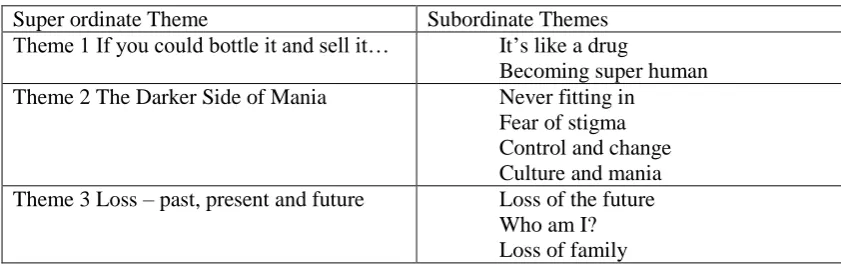
Table 2:1 Participant Inclusion and Exclusion Criteria 69 Table 2:2 Superordinate and subordinate themes. 72
List of Figures
8
List of Abbreviations
BD – Bipolar Disorder
SUD – Substance Use Disorder CD – Conduct Disorder
ODD – Operational Defiant Disorder
ADHD – Attention Deficit Hyperactivity Disorder PTSD – Post Traumatic Stress Disorder
9
List of Appendices
Appendix A. Submission Guidelines for the Journal of Affective Disorders 113
Appendix B. Search Term Combinations 119
Appendix C. Data Extraction Form 123
Appendix D. NICE Quality Checklist 124
Appendix E. Quality Checklist Ratings 125
Appendix F. Submission Guidelines for the Journal of Psychology and 128 Psychotherapy
Appendix G. Interview Schedule 131
Appendix H. Research Ethics Committee Approval 133
Appendix I. Participant Information Sheet 135
Appendix J. Participant Consent Sheet 139
Appendix K. Excerpt of participant transcript with initial IPA coding 141 Appendix L. Super ordinate and sub ordinate themes for one participant 144
10
Acknowledgements
I would like to thank all of the participants who shared their experiences with me, and were so open and trusting in their accounts. It was a privilege to be able to hear them. I would like to thank my supervisors, Dr Eve Knight Dr Carolyn Gordon, Dr Adrian Neal and Dr Lesley Pearson for being so generous with their time and support. I would especially like to thank Dr Knight and Dr Gordon for being so accommodating and understanding of my circumstances during the write up period. I would also like to thank Dr Julia Cook for her very sensible and much appreciated advice.
11 Declaration
12 Summary
This thesis is an exploration of some of the risks associated with Bipolar Disorder and the lived experiences of people with Bipolar Disorder. It begins with a systematic review of the risk factors associated with Substance Use Disorder in adolescents with Bipolar Disorder. Eleven research papers, consisting of seven separate research projects were included for review. Support for a number of risk factors being implicated as causing a higher risk for the development of substance use disorder were identified. The majority of these consisted of individual factors such as co morbid mental health issues and exposure to trauma. However, these finding must be considered within the context of the methodological limitations of the current research body. Implications with regards to clinical practice are discussed.
The second paper reports on an Interpretative Phenomenological Analysis exploring the experiences of mania in adults with Bipolar Disorder. Six participants were recruited to this study and interviewed using semi-structured interviews. Three super ordinate themes
emerged from the data; ‘if you could bottle it and sell it’, ‘the darker side of mania’ and ‘Loss - past, present and future’. Participant’s accounts were characterised by recognition of the positive but unsustainable nature of their manic experiences. Participants reflected upon the aftermath of their manic experiences and what it meant to live now as a person who had had this experience. Finally, participants considered the losses they had encountered as a part of their manic experiences, and the existential questions they had been forced to ask about their identities. The clinical implications of the findings and future directions for research are discussed.
13
Chapter 1 Literature Review
A systematic review of the risk factors associated with Substance Use Disorder in adolescents with Bipolar Disorder
In preparation for submission to the Journal of Affective Disorders (See Appendix A for
author instructions for submission)
14 1:1 Abstract
Aims: Adolescents with Bipolar Disorder are at high risk of developing a co morbid Substance Use Disorder. This systematic review was conducted to critically review which risk factors are associated with the development of substance use disorder.
Method: ASSIA, Medline (OVID), Pilots Database, PsyArticles, PsychINFO, Pubmed, Scopus, Web of Science, CINAHL and Embase were searched for articles. Reference and citation searches were also conducted. A total of 11 papers met inclusion criteria.
Results: A number of factors which related to the presence of behavioural and psychiatric disorders, experiences of trauma, suicide attempts and family structure were reported. Findings are mixed, and considered within the context of methodological limitations. Conclusions: This review indicates that there are a number of risk factors which may increase the risk of developing substance use disorder in adolescents with bipolar disorder. However, there is an absence of longitudinal, large scale research affecting the overall conclusions that can be drawn about risk factors. Implications for clinicians and service provision are discussed.
15 1.2. Introduction
1.2.1. Bipolar Across the Lifespan
Bipolar Disorder (BD) is an affective disorder characterised by episodes of manic and
depressive states (Maniscalo & Hamnin, 2008). While prevalence data for BD varies across
countries, populations and the applicability of DSM criteria, is has been estimated that BD
has a life time prevalence of 0.1 % to 3.8% in adulthood (Dell’Aglio, Basso, de Lima Argimon & Arteche, 2013). Bipolar Disorder is associated with high rates of impairment , with many adults with BD experiencing high levels of social and functional difficulties, especially when
compared to other types of mental disorder (Scott et al. 2014, Carra et al. 2014).
For many years the focus of research in BD was in adults. Recently there has been
acknowledgement that Bipolar Disorder is clinically expressed in both children and
adolescents (Carlson & Mayer, 2006). The rate of diagnosis of BD in patients under 18 has
increased rapidly in the past 20 years (Moreno et al, 2007). There are few studies which
examine the prevalence of adolescent onset BD (Maniscalo & Hamnin, 2008). However the
estimated prevalence of BD is thought to be between 1.1% and 3 % (Van Meter, Moreira &
Youngstrom, 2011) which is similar to the prevalence rate seen in adulthood.
There is debate about how much the symptoms used to diagnose BD in adults are visible in
children and adolescents with BD, and how the expression of BD may differ depending on
developmental stage (Carlson & Mayer, 2006). Despite these debates, the majority of studies
investigating the phenomenology of BD in children and adolescents have found that symptom
expression is similar to that of adults (Gupta, Agarwal & Sitholey 2012; Demeter et al, 2003; Lewinsohn, Klein & Seeley, 1995) with older adolescents seeming to be the most similar to adult presentations (Masi et al. 2006) with an episodic course of illness while the very young
16
Arszman, & Johns 2007). In general, those with early onset BD present a diagnostic challenge as it is sometimes difficult to determine symptoms from normal youth behaviour (Carlson &
Mayer, 2006).
The diagnostic criteria for Bipolar Disorder are split into Bipolar I Disorder, Bipolar II
Disorder and Cyclothymic Disorder by the Diagnostic and Statistical Manual of Mental
Disorders (5th ed.; DSM-5; American Psychiatric Association, 2013). Bipolar I Disorder (BP
I) is characterised by at least one life time occurrence of a manic episode. A person who is in
a manic episode may have an abnormally elevated, expansive or irritable mood with
abnormally increased energy or goal directed activity. This mania will have a marked
impairment in functioning or necessitate hospitalization. Some people with BP I may also
experience periods of major depression. Usual age of onset of the disorder is around 18 years.
In children and adolescents the differentiation between mania and normal behaviour for the
developmental period can be hard to define and so diagnosis is done on a case by case basis using the child’s own behaviour as a baseline. Bipolar II Disorder (BP II) is characterised by
at least one episode of major depression and at least one episode of hypomania. Hypomania
has similar characteristics to mania, but hypo manic episodes are shorter, and do not cause as
much impairment to day to day functioning. People with BP II are more likely to present to
clinicians during a depressive episode and are less likely to find their hypomania problematic
than people with BP I. Usual age of onset is early to mid twenties. In children and
adolescents, BP II can be less episodic than in adults, and is often associated with prolonged
periods of irritability (5th ed; DSM-5; American Psychiatric Association, 2013). Cyclothymic
disorder involves episodes of hypo manic symptoms and depression which do not meet
criteria for a major depressive disorder or hypomania. In adults this must have occurred for
17
age of onset is late adolescence or early adulthood and may be a risk factor for the
development of BP I or BP II.
The Diagnostic and Statistical Manual of Mental Disorders Version V (5th ed.; DSM-5;
American Psychitric Association, 2013) criteria for Bipolar Disorder are slightly different to
those in the previous version of the manual (4th ed., text rev.; DSM-IV-TR; American
Psychiatric Association, 2000). The diagnostic and statistical manual of mental disorders (4th
ed., text rev., 2000) included a diagnostic category called Bipolar Disorder Not Otherwise
Specified (BP NOS) which was applied to all people not meeting formal criteria for BD I or BD II (Angst 2013). Instead the DSM V now includes a diagnosis called ‘Other specified
Bipolar and Related Disorders’ which defines more specific symptoms for sub threshold
Bipolar conditions. In the DSM V, criteria for mania and hypomania have been revised to be
more expansive and include changes in activity levels as well as mood symptoms.
The current guidelines in Britain for the treatment and management of Bipolar Disorder in
adults (National Iinstitute of Clinical Excellence, 2014 (NICE)) recommend the use of
medication for the management of manic symptoms, and appropriate psychological
intervention for depressive episodes. NICE also recommends the use of psychosocial
interventions that are Bipolar specific. The success of the type of intervention seems to be
dependent on the current symptoms the person is experiencing. Miklowitz (2008) found that
interventions focusing on treatment adherence and early warning signs were helpful for
reducing mania, and interventions which focused on cognitive and interpersonal coping
strategies were more helpful for depression.
The NICE guidelines also make recommendations for adolescent and childhood onset Bipolar
Disorder. These are similar to those in adults, but also stress how important it is to have the
18
highlights the lack of research into child and adolescent Bipolar Disorder, which makes the
recommendation of treatment and management strategies difficult. As part of their research
recommendations NICE emphasises the need for more research into child and adolescent
Bipolar Disorder, specifically on psychological interventions which target the complexities of
the disorder in these age groups.
As mentioned previously, BD in adulthood is associated with higher illness burden and
poorer outcomes and prognoses than other mental health issues (Fajutrao, Locklear, Priaulx &
Heyes 2009). Early age of onset has been associated with a worse prognosis including higher rates of suicidal ideation and attempts, rapid cycling of mood states and are more likely to
develop substance use disorder (SUD) (Carter , Mundo, Parikh & Kennedy, 2003). BD in children and adolescents also has a high level of persistence into later adolescence and
adulthood. Wozniak et al (2011) found in a longitudinal study of children diagnosed with BD,
that 93.6 % of those were still symptomatic at four year follow up and had experienced
longer illness episodes than those whose symptoms were in remission. Perlis et al (2004)
similarly found, in a retrospective study of 983 adults with BD, that 65.3% of these
participants had experienced the first symptoms of BD when they were aged 18 years or
under. The early onset BD adults were more likely to experience rapid cycling, co morbid
disorder and suicide attempts than their adult onset counterparts.
People with BD experience a number of losses and burdens as a result of having BD. People
who have early onset BD experience a similar set of symptoms to those with adult onset BD,
however they face an even worse prognosis than their adult onset counterparts making them a
particularly high risk and vulnerable group. One of the biggest issues associated with having
BD is the high number of co morbid disorders.
19
Both Adult and Early Onset BD are associated with a number of co morbid disorders. Adults
with BD have been shown to have a higher rate of serious physical illness and mortality from
those illnesses than controls (Schoept and Heun, 2014). There have been similar findings in
children and adolescents with BD. Jerrell, McIntyre & Tripathi (2010) found that children under 18 with BD were significantly more likely to have 2 or more chronic health conditions,
including obesity, diabetes and cardio vascular disorders, than control participants. BD also
seemed to lead to a more complex treatment burden in this sample as BD participants used
more outpatient services and took longer to treat these disorders than controls with a similar
diagnostic profile.
In a systematic review of recent research findings, Frias, Palma and Fariols (2015) found
common co-morbidities of BD in early onset BD to be ADHD, Disruptive behaviour
disorders, Anxiety disorders and Substance Use Disorders. Follow up studies have indicated
a much worse prognosis in those without co morbid disorders (Birmaher et al. 2009).
1.2.3. Substance Use Disorders
One of the most common co morbidities of BD in adults is SUD (Grant et al. 2005).
Prevalence rates vary in adults but research has indicated up to 40% of all adults diagnosed
with BD will experience co morbid SUD (Cerullo & Strakowski, 2007). The clinical impact
of having a co morbid substance use disorder has been well documented for adults. A co
morbid substance use disorder in BD adults has been shown to be a risk factor for suicide (
Carrà, Bartoli, Crocamo, Brady & Clerici, 2014), lower life expectancy (Fenn et al. 2005), poorer remission rates of BD (Goldberg, Garno, Leon, Kocsis & Portera 1999) and poor treatment adherence and dropout (Sajatovic et al. 2008).
There has also been research which has suggested adolescents with BD are at higher risk of
20 1.2.4. Prevalence rates
While a younger age of onset of BD has been shown to have a poorer prognosis when
comparing under 18 to over 18 as a whole (Post et al. 2010), research into SUD in early onset
BD has tended to focus only on adolescent subjects. This is in part due to the very small
number of pre adolescent patients with BD and SUD who have been identified. Research has
also suggested that people who develop BD as adolescents are more likely or more at risk of
developing SUD than those who develop BD during childhood (Wilens et al. 1999).
Adolescents also have more access to substances than children and experience more peer
related incentive to experiment with substances.
Adolescents with BD are at high risk of both using substances and developing SUD, due to
their diagnosis and age group. While the physical and mental costs of using substances during
adolescence are problematic, the development of SUD during early onset BD can have a
devastating effect on the course of the BD illness. This makes adolescents with early onset
BD who go onto develop SUD particularly important to focus research efforts on, in order to
identify those at high risk and when and how to intervene.
1.2.5. Primary and secondary SUD
There have been several hypothesis suggested as to why BD and SUD have such strong
associations (Tohen, Greenfield, Weiss, Zarate & Vagge, L. M. 1998). One hypothesis suggests that for some people, the presence of BD increases the risk of SUD, while others may only
develop BD if they have had a SUD for a number of years.
Strakowski and Delbello (2000) noted that in a sample of 77 adult patients with first episode
mania, 60% of them had developed an SUD prior to the onset of their BD symptoms, referred
21
most of the participants developing symptoms of BD well before they developed SUD,
referred to as Secondary SUD. In adolescent samples there are some indications that this is a
similar pattern, with some participants developing SUD prior to the onset of BD, and others
developing BD initially and then SUD (Dell’Aglio et al. 2013) . This pattern has led to the suggestion that there are different sub groups of BD which has different interactions with
SUD.
In adolescent samples, while there have been suggestions of both types of symptom course,
the majority appear to be secondary SUD developing after BD (Kenneson et al. 2013). Those
with primary SUD tend to be older at age of BD onset, for example Wilens et al (1999) found
an average age difference of 5 years between the age of onset of BD in young adults with and
without SUD. This suggests that there is a subgroup of adolescent BD who go on to develop
secondary SUD. This group is particularly vulnerable and requires early targeted intervention
in order to have the best chance of recovery.
1.2.6. Aim and Scope of the Current Review
The goal of this literature review was to systematically evaluate the research on risk factors
associated with SUD in adolescents with Bipolar Disorder.
The recognition of Bipolar Disorder as a diagnostic category which is relevant to adolescents
is in its infancy so it was anticipated that there would be a variety of published research on
this topic, both in style and quality. Therefore a systematic review was considered the most
appropriate approach to achieve the goal above as this method allows for a broad
22
It was anticipated that this review would highlight the risk factors associated with SUD in
BD, with a view to identifying those most at risk from developing SUD, and important areas
for targeted early intervention.
1.3. Method
1.3.1 Search Strategy
Search terms were informed by the question “What are the risk factors associated with
Substance Use Disorders in adolescents with Bipolar Disorder?”.Several different search
terms were identified from published research in the field and synonyms were selected for
different components of the question (Table 1).
Table 1.1.
Search terms based on the review question “What are the risk factors associated with Substance Use Disorder in adolescents with Bipolar Disorder?”
Concept Bipolar Substance Use
Disorder
Adolescent
Search Terms Bipolar Substance Use Disorder
Adolescent Additional Variations Bipolar*, Mania,
Juvenile Bipolar* Paediatric/Pediatric Bipolar*
Substance*, Co morbidity, Dual Diagnosis
Adolescen*, Juvenile, Youth, Young People, Teen*
Note Terms taken from concepts 1,2 and 3 were combined using the Boolean operator “and”. * represents truncation to capture variation in the terminology. See appendix B for search term combinations used.
1.3.2. Data Sources
Initially both the Cochrane Database of Systematic Reviews and the Centre for Reviews and
Dissemination (DARE) were searched to ensure that this review was an original contribution
to the literature regarding BD and SUD.
Identified search terms were entered into ASSIA, Medline (OVID), Pilots Database,
23
March 2015. These databases were chosen to provide access to journals where content
reflected the psychological and psychiatric nature of the review. To maintain consistency of
searches, each database was searched by title only. See appendix for the results of each
database search.
1.3.3. Selection Criteria
To assess articles retrieved through database searches for eligibility, inclusion and exclusion
criteria were applied.
1.3.3.1. Inclusion Criteria
Studies were included if they: (i) had been published in a peer reviewed journal (to ensure
quality of the research), (ii) included participants diagnosed with adolescent onset Bipolar
Disorder and were evaluated for a SUD, (iii) measured and reported hypothesised risk factors
for SUD present in the participant sample (iv) were published from 1980 onwards and
included a diagnosis of BP which mapped on to ICD 10 (WHO, 1979, 10; 1992) or DSM
(III, APA, 1980; III-R, 1987; IV, 1994; IV-TR,2000).
1.3.3.2. Exclusion Criteria
Studies were excluded if; (i) the paper was a review, commentary, book chapter, letter,
conference proceeding, discussion piece or a legal paper, (ii) Bipolar Disorder was not the
primary diagnosis, (iii) age of Bipolar Disorder onset was childhood (below 10 years) or
adult (18 years and over), (iv) SUD preceded Bipolar Disorder onset, (v) substance use rather
than substance abuse disorder was being examined (vi) the paper was not avaliable in
24 1.3.4. Systematic Search Results – Study Selection
1.3.4.1. Phase 1
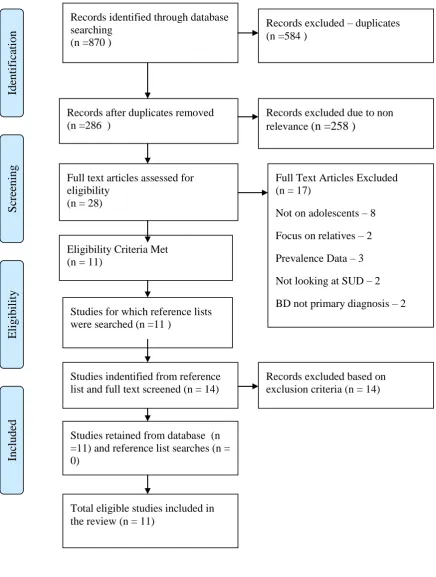
Initially, 870 articles were retrieved through the database search after limits were applied.
These were saved to the Refworks interface and after duplicate removal, a total of 286
articles remained. Titles and abstracts were screened against the inclusion and exclusion
criteria to produce 28 potential articles. Full-text versions of these articles were screened and
11 articles met the selection criteria.
1.3.4.2. Phase 2
The references of the 11 articles were hand-searched and scanned. This process revealed a
further 14 potentially relevant articles. Scanning full-text articles revealed that none of these
articles were suitable for inclusion. The total number of articles suitable for inclusion was 11.
The study selection process is detailed in Figure 1, in accordance with PRISMA group
25 Records identified through database searching
(n =870 )
S cre ening Inc luded Eligi bil it y Ide nti fic ati on
Records after duplicates removed (n =286 )
Full text articles assessed for eligibility
(n = 28)
Full Text Articles Excluded (n = 17)
Not on adolescents – 8 Focus on relatives – 2 Prevalence Data – 3 Not looking at SUD – 2 BD not primary diagnosis – 2 Eligibility Criteria Met
(n = 11)
Studies for which reference lists were searched (n =11 )
Records excluded – duplicates (n =584 )
Records excluded due to non relevance (n =258 )
Records excluded based on exclusion criteria (n = 14) Studies indentified from reference
list and full text screened (n = 14)
Studies retained from database (n =11) and reference list searches (n = 0)
[image:26.595.54.491.126.704.2]Total eligible studies included in the review (n = 11)
26 1.3.5. Data Extraction and Synthesis
Following the identification of studies, a data extraction form was created for the review to
ensure relevant information was consistently obtained and to enable the review of
predominant themes for synthesis (Appendix C). This form was based on the Population,
phenomenon of Interest/Intervention, Context, Outcome, Study Design framework (PICOS)
(Joanna Briggs Institute, 2011).
1.3.6. Study Quality Assessment
Prior to examining the results of the identified studies, methodological quality was assessed
to identify sources of bias in the review (Eiser, Hill & Vance, 2000). Studies were not
excluded on the basis of receiving a poor quality rating, rather the quality assessment was
used as a basis for examining quality of evidence when synthesising findings.
1.3.6.1. Quality Assessment Tool
The studies identified during the systematic review process all used similar study designs and
aims, which focused on looking at associations or correlations. The National Institute for
Health and Social Care Excellence (NICE) identifies that the main sources of bias in these
types of studies are confounding factors from selection, and bias introduced through recall of
participants in retrospective studies or withdrawal from prospective studies.
NICE has developed a quality checklist for these types of studies based on the ‘Graphical Appraisal Tool for Epidemiological Studies’ (Jackson et al. 2006) and focuses on the study’s
internal and external validity as a way of evaluating the amount of bias which may be in the
study. As this quality tool was designed for the type of studies found by the systematic
27 1.3.6.2. Methods for Assessing Quality
Some of the questions in the NICE Quality Appraisal Checklist – Quantitative studies
reporting correlations and associations (2012) were not appropriate as they were for
evaluating studies where an intervention had been used. These were removed leaving 16
questions which focused on the minimisation of bias in the areas of population, selection of
comparison, outcomes, analysis and general overview (see appendix D).
Each criterion was rated as either ‘yes’, ‘no’ or ‘partially’. ‘Yes’ was scored at two points,
‘partially’ one point, ‘no’ zero points. The total number of ratings was then calculated (out of
32) and a score provided which was then converted to a percentage (see appendix E). The
mean quality percentage was 77% with a range from 75% to 78%.
1.4. Results
1.4.1. Findings Overview
The systematic search strategy detailed above results in 11 research papers meeting the
inclusion criteria for review. These studies all examine adolescents with Bipolar Disorder
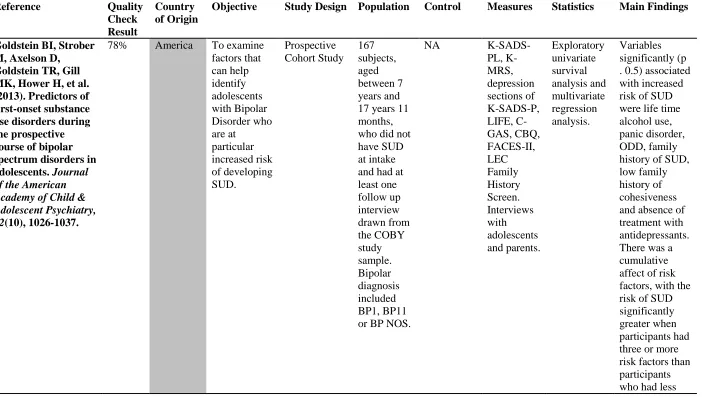
who have co morbid substance use disorder. See table 1.2 for details of these studies. Due to
the focus on the associated factors for SUD in adolescents with BD, only those factors are
discussed in detail. The quality assessment enabled identification of a number of
methodological limitations which are discussed later in this section. Some of the studies had
an initial participant pool which included participants who were younger than 10 and older
than 18. These studies were deemed appropriate to be included in the review as those
participants fewer than 10 years of age did not display SUD and so were excluded from
28
with Bipolar Disoder before the age of 18 so the studies were deemed appropriate to remain
in the review.
All of the studies utilised quantitative methodology. Five out of the 11 used a prospective
cohort design, five used a case control design and one used a retrospective cohort design. Six
of the studies were based on data regarding different variables drawn from the same
population. A further two studies were based on the same study population, but one was a
longitudinal design while the other utilised a case control design. Ten of the studies examined
the data drawn from American participants, one was on Italian participants. Findings,
including critical analysis of the evaluations, are discussed below, beginning with individual
29 Table 1:2
Description of reviewed studies
Reference Quality
Check Result
Country of Origin
Objective Study Design Population Control Measures Statistics Main Findings
Goldstein BI, Strober M, Axelson D,
Goldstein TR, Gill MK, Hower H, et al. (2013). Predictors of first-onset substance use disorders during the prospective course of bipolar spectrum disorders in adolescents. Journal of the American Academy of Child & Adolescent Psychiatry, 52(10), 1026-1037.
78% America To examine factors that can help identify adolescents with Bipolar Disorder who are at particular increased risk of developing SUD. Prospective Cohort Study 167 subjects, aged between 7 years and 17 years 11 months, who did not have SUD at intake and had at least one follow up interview drawn from the COBY study sample. Bipolar diagnosis included BP1, BP11 or BP NOS.
NA
30
than three. Goldstein BI, Strober
MA, Birmaher B, Axelson DA,
Esposito-Smythers C, Goldstein TR, et al. (2008). Substance use disorders among adolescents with bipolar spectrum disorders. Bipolar Disorders, 10(4), 469-478.
75% America To document the
prevalence of SUD in the sample and to identify clinical and demographic factors associate with SUD. Case Control Study 249 subjects (110 male, 139 female) aged between 12-17 years drawn from the COBY study sample. Bipolar diagnosis included BP1, BPII or BP NOS.
NA
SADS-PL, K- SADS-DRS, K- SADS-MRS, SCID, Family History Screen, Life Events Checklist,. Interviews with adolescents and parents. Exploratory univariate analysis and multivariate analysis. Factors significantly associated (p < 0.5) with SUD were living with less than two biological parents and a history of physical and sexual abuse, being in trouble with the police and pregnancy and abortion in females. Significant (p , 0.5) predictors of SUD were conduct disorder and suicide attempt history. Hua LL, Wilens TE,
Martelon M, Wong P, Wozniak J, &
Biederman J. (2011). Psychosocial
functioning, familiality, and psychiatric comorbidity in
82% America To examine the impact of psychotic symptoms in juveniles with BPD. Prospective Cohort Study
N = 226 participants aged between 4 – 18 years. 151 with BD, and 75 with BD and
NA KSADS-E,
SCID, GAF, SAICA, FES, Vocabulary and Block Design subtests of Logistic Regression
31 bipolar youth with
and without psychotic features. Journal of Clinical Psychiatry, 72(3), 397-405.
psychosis. the
Weschler Intelligence Tests
Kenneson A, Funderburk JS, & Maisto SA. (2013). Risk factors for secondary substance use disorders in people with childhood and adolescent-onset bipolar disorder: Opportunities for prevention. Comprehensive Psychiatry, 54(5), 439-446.
78% America To determine the prevalence of potential risk factors for secondary SUD in people with childhood or adolescent-onset primary BD and to identify the factors that increase the chances of developing a secondary SUD in this population.
Retrospective cohort study.
N = 99 participants who developed BP aged between 13 and 18 years drawn from a larger sample from the NCS-R study cohort. There was also a comparison group of 59 participants who developed BD aged under 13 years.
CIDI, Logistic regression, Proportional Hazards Model,
Significant (p < 0.5) predictors of SUD where being male, ODD, the presence of an anxiety disorder and a history of suicide
attempts.
Lorberg B, Wilens TE, Martelon M,
75% America To compare the
Case Control Study
N = 105 adolescents
N = 98 non mood
KSADS-E, SCID,
Logistic Regression
32 Wong P, & Parcell T.
(2010). Reasons for substance use among adolescents with bipolar disorder. American Journal on Addictions, 19(6), 474-480.
frequency, motivation and drug of choice for reported self medication by substance using adolescents with BD as compared to non mood disordered substance using controls. aged between 10 – 18 years.
disordered controls aged between 10 – 18 years.
DUSI, significantly
more likely to use drugs to attenuate their mood than substance using controls
(p=0.02).
Masi G, Milone A, Manfredi A, Pari C, Paziente A, & Millepiedi S. (2008). Comorbidity of conduct disorder and bipolar disorder in clinically referred children and
adolescents. Journal of Child & Adolescent Psychopharmacology, 18(3), 271-279.
78% Italy To explore the clinical meaning of the CD-BD co morbidity in a large consecutive sample of referred children and adolescents followed up in a third level research hospital.
Case Control Study
N = 109 BD adolescents, N = 106 CD adolescents, N = 92 CD + BD adolescents KSADS-PL, MOAS, CGI-S, C-GAS, Last Observation Carried Forwards Analyses Adolescents with both BD and CD were significantly more likely to have SUD than either CD or BD only adolescents (p=0.003).
Steinbuchel PH, Wilens TE, Adamson JJ, & Sgambati S. (2009). Posttraumatic
75% America To examine the
relationship between BP,
Prospective Cohort Study
N = 105 adolescents aged between 10
33 stress disorder and
substance use disorder in
adolescent bipolar disorder. Bipolar Disorders, 11(2), 198-204.
SUD and PTSD.
– 18 years. aged between 10 – 18 years.
PTSD than controls (p=0.003). Trends indicated a higher rate of PTSD in the BP adolescents with SUD than without. Stephens, J. R.,
Heffner, J. L., Adler, C. M., Blom, T. J., Anthenelli, R. M., Fleck, D. E., et al. (2014). Risk and protective factors associated with substance use disorders in
adolescents with first-episode mania. Journal of the
American Academy of Child and Adolescent Psychiatry, 53(7), 771-779.
82% America To examine the clinical and
demographic characteristic s associated with SUD in adolescents with BD and to identify potential risk and resilience factors associate with the onset of a SUD after hospitalizatio n for a first manic episode.
Prospective Cohort Study
N = 103 subjects, aged between 12 and 20 years, who were diagnosed with BPI and hospitalizes for the first time for a mixed or manic episode.
NA
34 manic rather than mixed episode at baseline than those participants who did not develop SUD. Treatment with stimulants prior to the
development of BDI was a protective factor for SUD. Wilens TE, Martelon
M, Anderson JP, Shelley-Abrahamson R, & Biederman J. (2013). Difficulties in emotional regulation and substance use disorders: A controlled family study of bipolar adolescents. Drug & Alcohol Dependence, 132(1-2), 114-121.
75% America To examine DEST in a high risk sample of BD youth, non-mood disordered controls and their siblings. Case Control Study
N = 74 adolescents aged between 10 – 18 years.
N = 139 adolescents aged between 10 – 18 years.
KSADS-E, SCID, CBCL ANOVA, Logistic Regression
Both BD and non BD youth with high rates of DESR were at an elevated risk for SUD as compared to non elevated DESR youths.
Wilens TE, Martelon M, Kruesi MJ, Parcell T,
75% To evaluate
the
associations
Case Control Study
N = 105 adolescents aged
35 Westerberg D,
Schillinger M, et al. (2009). Does conduct disorder mediate the development of substance use disorders in adolescents with bipolar disorder? A case-control family study. Journal of Clinical Psychiatry, 70(2), 259-265. between BPD and SUD attending to the co morbidity with CD. between 10 – 18 years.
controls aged between 10 – 18 years.
Linear and Logistic Regression Models,
not a risk factor for developing SUD in youths with BP, however it was associated with more
complicated SUD and poorer overall
functioning.
Wilens, T. E., Yule, A., Martelon, M., Zulauf, C., &
Faraone, S. V. (2014). Parental history of substance use disorders (SUD) and SUD in offspring: A controlled family study of bipolar disorder. American Journal on
Addictions, 23(5), 440-446.
75% America To examine the impact of parental SUD history on a combined sample of adolescents with and without BPD. Case Control Study
N = 84 adolescents aged between 10 – 18 years. 65 with a parental history of SUD, 25 without.
36 1.4.2. Key Findings
1.4.3. Individual Risk Factors
There were a wide variety of individual risk factors examined by the studies included
in this review. In order to enhance clarity, each of these individual risk factors will
be discussed.
1.4.3.1. Behavioural/Attention Disorders
1.4.3.1.1. Conduct Disorder
Four of the studies examined the role of co morbid conduct disorder in the
development of SUD (Masi et al, 2008;Goldstein et al. 2008; Wilens et al, 2009;
Kenneson et al 2013). Masi et al (2008) found that participants with a co morbid
conduct disorder (CD) had higher rates of substance abuse disorders than
participants with only conduct disorder or bipolar disorder. Goldstein et al (2008)
found that rates of conduct disorder were significantly higher in the adolescents with
SUD. Wilens et al (2009) found that the presence of CD was not associated with any
additional risk of developing SUD in BD, however it was associated with a more
complex SUD presentation and poorer overall functioning. Kenneson et al (2013)
did not find that the presence of CD was significantly higher in adolescents with BD
and SUD when compared to those with BD alone.
Although conduct disorder appears to be associated with BD and SUD in adolescents
from the above evidence, there are several issues which make the relationship
between the three disorders difficult to determine. In terms of the quality checklist,
all of the research received a similar quality rating. However, Wilens et al (2009)
37
that conduct disorder may lead to a more complex presentation of SUD rather than
be a risk factor for it. Kenneson et al (2013) and Goldstein et al (2008) did look at
the temporal relationship between CD and SUD (which came first). Kenneson et al
(2013) determined whether CD was present before the onset of SUD, and found no
significant effect of this on the development of SUD. Goldstein et al (2008) also
looked at the time of CD onset but only to the year of occurrence which makes it
difficult to determine which came first and therefore which disorder, if either, had an
influence on the development of SUD. These studies determined the onset or
presence of a disorder by using diagnostic checklists. These checklists do not take
into account when sub threshold symptoms may have begun which make it difficult
to determine the relationship between the disorders and how that affects course. For
example someone may have experienced the onset of both BD and CD sub threshold
symptoms at the same time, but have reached clinical levels at different times. Those
sub threshold symptoms may have had an equal influence on the person developing
SUD, regardless of which disorder reached clinical levels first.
1.4.3.1.2. Operational Defiant Disorder
Two of the studies examined the role of co morbid Operational Defiant Disorder
(ODD) in the development of SUD (Goldstein et al, 2013; Kenneson et al, 2013). In
a prospective cohort study, Goldstein et al (2013) found that those participants who
had been diagnosed with ODD at intake assessment were more likely to develop
SUD during follow up than those who had not. Kenneson et al (2013) in a
retrospective cohort study found adolescents with ODD were more likely to develop
secondary SUD than those without. Both studies examined the risk of developing
38
data set not explicitly collected for this study which may affect the conclusions
which can be drawn from this evidence. There was also no control group used in
either study so a comparison to the rates of SUD in non BD ODD cannot be made.
Both of the studies received the same quality rating.
1.4.3.1.3. Attention Deficit Hyperactivity Disorder (ADHD)
Four of the studies examined the role of ADHD in the development of SUD in BD
(Goldstein et al 2008, 2013; Kenneson et al 2013; Stephens et al, 2014). A further
study included ADHD as a variable but did not make sufficient comparisons to
assess the relationship (Masi et al 2008). None of the studies found the presence of
co morbid ADHD to be a significant predictor of the development of SUD.
1.4.3.2. Co-Morbid Psychiatric Disorders
1.4.3.2.1. Anxiety Disorders
Four of the studies evaluated the affect of co morbid anxiety disorders on the
development of SUD. Goldstein et al (2013) found that the presence of a panic
disorder was a significant risk factor for the development of SUD. Kenneson et al
(2013) found that the presence of any anxiety disorder was a significant predictor of
the development of SUD. However Goldstein et al (2008) and Stephens et al (2014)
did not find significant associations with anxiety disorders and development of SUD.
The sample of participants in both of Goldstein et al studies are the same, the 2008
study being based on baseline data while the 2013 is the follow up result. The
discrepancy in findings could be due to anxiety disorders being a relevant predictor
of SUD only in those participants who went on to develop SUD during the course of
39
viewed, the overall methodological qualities of the studies was very similar and so
do not suggest which findings to give more weight to on the basis of quality.
1.4.3.2.2. Psychosis
Three of the studies examined the effect of psychosis on the development of SUD
(Goldstein et al 2008; Hua et al, 2011; Stephens et al, 2014). Goldstein et al (2008)
and Hua et al (2011) found no difference between adolescents with BD and
Psychosis and without in terms of their rates of SUD. Stephens et al (2014) in a
longitudinal study found that in adolescents hospitalised for a first manic episode,
those who went on to develop SUD during follow up were significantly more likely
to have psychosis prior to the onset of their SUD. There were many methodological
differences between these studies which may have caused the discrepancy in results.
Stephens et al (2014) looked at BD I cases who had been hospitalised while
Goldstein et al (2008) and Hua et al (2011) data was a baseline measurement drawn
from a sample consisting of participants diagnosed with BD I, BD II and BD NOS.
Stephens et al (2014) sample had an older mean age which has been noted as a risk
for developing SUD. None of the studies used control/comparison groups so the
independent affect of psychosis cannot be controlled for. In terms of quality, the
Stephens et al (2014) study received a slightly higher rating due to the longitudinal
nature of the study. Stephens et al study may have been better able to capture the
changes which occur during a manic episode and have an effect on the development
of SUD due to the design of the study.
1.4.3.2.3. First Episode Type (Bipolar Disorder)
One of the papers looked at the influence of the first episode on the development of
40
al (2014) found that, using a proportional hazards model, a manic first episode rather
than a mixed presentation was a significant risk factor for the development of SUD.
However, there was no control/comparison group in the study and sample size was
small making it difficult to draw any solid conclusions.
1.4.3.3. Other Individual Factors
1.4.3.3.1. Experiences of Trauma
1.4.3.3.1.1. History of Sexual Abuse
Three of the studies looked at whether a history of sexual abuse was a risk factor for
the development of SUD. Goldstein et al (2008) found that sexual abuse history was
significantly higher in those with BD and SUD, however when this was entered into
a logistic regression model for predictors of the development of SUD, sexual abuse
history was not a significant predictor. This was replicated in the follow study by
Goldstein et al in 2014. Stephens et al (2014) also found similar results. While life
time diagnosis SUD in their sample was associated with a history of sexual abuse, it
was not a significant predictor of the development of SUD. The association of sexual
abuse and the development of SUD remains unclear from the above evidence. In
studies where sexual abuse has been recorded as a variable, significantly higher
numbers of those with SUD are noted, however this is not a robust predictor of the
development of SUD, possibly because it has not been examined whether the sexual
abuse occurred before or after the onset of SUD. Participants in these samples were
in adolescence and their parents also completed some of the measures. It may be that
this age group, who are vulnerable to both familial and stranger abuse, were unable
to report the existence of this to interviewers. In terms of quality, all of the studies
41
1.4.3.3.1.2. Post Traumatic Stress Disorder (PTSD)
Three of the studies examined the association between PTSD, BD and SUD
(Goldstein et al 2008; Steinbuchel et al 2009; Stephens et al 2014). In all studies, a
positive correlation between the three disorders was found. In Stephens et al (2014)
the presence of co morbid PTSD was a significant predictor of the development of
SUD in participants experiencing their first manic episode with a BD I diagnosis.
Steinbuchel et al (2009) found only a trend of PTSD being present rather than a
significant proportion in their baseline measurement of adolescents with BD and
SUD. Secondly in their sample, only three out of the seven participants with BD,
SUD and PTSD developed their SUD after the onset of PTSD. While Goldstein et al
(2008) found that there was a significantly higher proportion of the participants with
PTSD who developed SUD, when this was used as a predictor variable in further
analysis, the relationship was no longer significant.
There appears to be higher rates of PTSD in adolescents with BD and SUD in the
above evidence, however small sample sizes make determining the nuances of this
relationship difficult. In terms of quality the studies had very similar ratings.
1.4.3.3.2. Emotional Regulation
One study looked at emotional regulation skills and the development of SUD.
Wilens et al 2013 found that rates of poor emotional regulation were higher in the
sample of adolescents with BD as compared to controls. However, poor emotional
regulation did not prove to be an additive risk factor for SUD in adolescents with
BD, rather both controls and those with BD who had poor emotional regulation were
at risk of developing SUD. To be classed as having poor emotional regulations skills,
42
score on three sub scales of the child behaviour checklist. This may not have been a
valid measure of emotional regulation.
1.4.3.3.3. Self Medication
One study examined the reason adolescents with BD and controls gave for taking
substances, in an effort to determine if there were differences in why these two
groups took substances (Lorberg et al, 2010). Adolescents with BD and SUD were
more likely than controls to report that they took substances in order to alter their
mood, in other words to self medicate. However, sample sizes were very small (27
BD vs 13 control) and so were not generalisable due to low experimental power.
1.4.3.3.4. Suicide Attempts
Three studies looked at the risk factor of suicide attempt in the development of SUD.
Goldstein et al (2008) found that those with BD and SUD were significantly more
likely to have a history of suicide attempt. Goldstein et al (2008) also found suicide
attempt to be a significant predictor of the development of SUD, however this
finding was not replicated in the 2014 follow up study of the same participant
sample. Kenneson et al (2013) found that a history of suicide attempt was the biggest
single predictor of co morbid SUD in their sample. None of these studies utilised
control groups so it is difficult to determine the risk that suicide attempt confers on
its own. Also, in the Goldstein et al 2008, the temporal aspects of suicide as
compared to onset of BD were not ascertained. This makes it difficult to determine
whether suicide attempt is a risk factor to developing SUD, a consequence of SUD
or a combination of both. This may also explain the discrepancy in findings across
the two Goldstein et al studies. In terms of quality, all the studies had very similar
43 1.4.4. Summary of Individual Risk Factors
Within the 11 studies identified by the search strategy a number of individual risk
factors for the development of secondary substance use disorder in adolescents with
Bipolar Disorder were identified. The presence of co morbid conduct disorder,
operational defiant disorder, post traumatic stress disorder, a history of sexual abuse
and suicide attempts all were found to increase the risk of developing secondary
SUD. However, the evidence for each of the risk factors is low, with small sample
sizes and lack of control groups making it very difficult to draw conclusions from the
evidence base. All of the studies use correlation or association designs and while
most of them are careful to look at risks which were present prior to the onset of
SUD, correlation designs make it very difficult to determine the direction of
causality.
1.4.5. Familial Risk Factors
There were a number of familial risk factors for substance use disorder in
adolescents with BD indentified by the studies. Familial risk factors are those that occur as a part of the participants’ family history or family structure.
1.4.5.1. Family History of SUD
Three studies examined the role that a parental history of SUD would have on the
development of SUD in adolescents with BD. The results from these studies are
mixed. Two of the studies looked at longitudinal data. In a retrospective study of
adolescents who developed SUD, Kenneson et al (2013) found that parental history
was not predictive of SUD. However, in a prospective study of adolescents with
44
predictor of SUD. Neither of these studies utilised a control group but did have a
similar participant population. Wilens et al (2014) did use a control group in their
study and found that while the presence of a parent with a history of SUD increased
the risk of developing an SUD in both the control and experimental group, this risk
was not higher in the adolescent with BD group. As a parental history of SUD is an
established predictor of SUD development in offspring these finding indicate that
this is the case in those with BD also, but does not cause an inflated risk. In terms of
quality, these studies had very similar ratings.
1.4.5.2. Family Cohesiveness
One of the studies examined the effect of family cohesiveness on the development of
SUD. Goldstein et al (2013) found that participants who developed SUD in their
sample, rated their family cohesiveness as lower than those who did not. This was a
significant predictor of the development of SUD. However, no control group was used in the study and ratings were based only on the adolescent’s view of the mother
rather than both parents which make it difficult to base conclusions on this.
1.4.6. Summary of Familial Risk Factors
There were two familial risk factors identified in the reviewed studies as being
associated with the development of SUD. Family history of SUD had the best quality
evidence for being a risk for the development of SUD, but this was not thought to
have a higher amount of risk for adolescents with BD than adolescents in the general
45 1.4.7. Additive Risk Factors
Seven of the identified studies looked at the effect of a single risk factor on the
development of SUD. Four of the studies looked at a wider range of variables and
used them to create predictive models using regression analysis. Regression models
indicate how much a particular risk factor is likely to be present with the expected
result i.e. a history of sexual abuse and the presence of SUD. Two of the papers
looked at additive risk factors (Kenneson et al 2013; Goldstein et al 2013). Kenneson
et al (2013) found that boys with none or one of the identified risk factors had 0%
frequency of SUD, while boys with three risk factors had a 73.7% frequency of
SUD. Boys who had all four of the identified risk factors had 100% frequency of
SUD. Girls had a similar picture with the presence of one risk factor having a 10 %
frequency of SUD, three risk factors a 62.5% frequency and all four risk factors a
100% frequency. This not only indicates that the more risk factors present indicate a
higher risk of developing SUD but that the risk rapidly increases rather than
proportionally increases. Similar results were found in Goldstein et al (2013) who
found that, in their sample, 57% of those with three or more risk factors developed
SUD compared to 14.1% of those with less than three. This again indicates a
compound effect of the presence of risk factors.
1.4.8. Protective Factors
Although the studies identified in the search strategy were looking at risk factors for
the development of SUD some protective factors were also identified during the
46 1.4.8.1. Family Structure
One study looked at family structure as a risk factor to the development of SUD.
Goldstein et al (2008) found that living with both biological parents was a significant
negative predictor of developing SUD.
1.4.8.2. Use of Psychiatric Medication
Two of the studies found that the use of prescribed psychiatric medication had a
protective effect on the development of SUD. Goldstein et al (2013) found in a
prospective study of adolescents with BD, those who were prescribed lithium during
treatment for mania were less likely to develop SUD during follow up. Goldstein et
al (2013) also found that in the study described above, those who were taking anti
depressants at baseline were less likely to have a co morbid SUD. Stephens et al
(2014) found that treatment with stimulants prior to the onset of BD appeared to be a
protective factor in the onset of SUD after BD was diagnosed. However, these
studies did not look at the details of the prescribed medication i.e. what it was
prescribed for, treatment adherence, optimal versus subclinical dose. This makes it
particularly difficult to determine, what, if any, were the protective mechanisms of
taking medication, or whether medication adherence points to another protective
factor such as help seeking behaviour, better general medical care or longer in the
mental health system.
1.5. Discussion
1.5.1. Summary and Discussion of Findings
The reviewed studies indicated that there were several risk factors associated with
47
individual or external in nature and that there may be an additive effect of having
one or more of these risk factors.
Overall, individual risk factors were the most assessed in the studies identified. A
history of attempted suicide and overall co morbidity with other psychiatric disorders
had the most robust evidence, however in all of the studies small sample sizes and/or
lack of control groups meant any results should be interpreted with caution.
For the risk factors identified in more than one study there were variations and
contradictions in the reported results. This could be attributed to variances in the
aims of the studies, but they may also be attributable in part, to variances in, and
limitations of the studies’ methodology.
1.5.2. Consideration of Methodological Limitations
1.5.2.1. Study Design
All of the studies utilised a study design which looked at associations or correlations
of certain variables with BD and SUD. While this type of design is very useful for
identifying areas for further experimental study, they are unable to determine
causality.
1.5.2.2. Sample Size
None of the studies used power analysis to inform them of requisite sample size
needed to adequately detect effects. The studies had a sample size which ranged
between 105 to 307 participants. These are fairly small sample sizes, especially when
assessing the associations of multiple variables. When these sample groups were
divided further into subsets such when comparing adolescents with BD, SUD and
48
the studies looking at number of variables (Goldstein et al 2008, 2013; Masi et al
2008; Kenneson et al 2013, Stephens et al 2014) using small sample sizes while
making multiple comparisons which were not corrected for statistically there is an
increased risk in a type II errors. Conversely for the studies looking at singular
variables (Hua et al 2011; Lorborg et al, 2010; Steinbuchel et al 2009; Wilens et al
2009; Wilens et al 2013; Wilens et al, 2014) there is an increased risk of making a
type I error.
1.5.2.3. Control Group
Five of the studies utilised a control group (Lorberg et al, 2010; Steinbuchel et al
2009; Wilens et al 2009; Wilens et al 2013; Wilens et al, 2014). A further study
compared rates of SUD in BD to another clinical group (CD) but did not use a
control group from the general population. While the sample sizes of both the
experimental and control groups were small in the above study, this did mean that
the effects of the variables examined could be separated from the effect of Bipolar
Disorder. However, the control groups in the studies could not be randomly allocated
to groups as it was the presence or absence of BD which determined which group
they were put into. This may have made the groups less well matched, introducing
the possibility of confounding variables.
For those studies that did not use a control group, it is even more difficult to make
conclusions about which risk factors are associated with SUD in BD. While these
studies compared differences between adolescents with BD and with or without
SUD, the lack of normal controls or controls from another psychiatric population
49 1.5.3. Limitations of the Review
The literature review was conducted in a systematic way in order to critically
evaluate the evidence for risk factors associated with SUD in adolescents with BD.
However there exist some limitations which may affect the overall validity of the
review.
Identified studies were limited to those published in the English language. This
criterion may have resulted in the exclusion of potentially relevant research
published in other languages. Additionally, all of the identified papers were from the
United States, apart from the Masi et al (2008) which was conducted in Italy. This
may mean the results of the review are not relevant to non western cultures. The
identification of studies only from peer reviewed journals, while intending to ensure
quality of retrieved studies may have resulted in publication bias, obscuring those
with non significant results and potentially over estimating the association of risk
factors with the development of SUD.
Due to the scarcity of research, a number of concessions were made; some of the
studies used the same participant pool and therefore may have been over represented
in the review. Furthermore, there were variations in the type of Bipolar Disorder
endorsed by the diagnostic criteria used in the studies. While all of the studies used
the same, well validated and highly reliable instrument in their screening and
diagnostic procedure, there were different rates of Bipolar Disorder I, Bipolar
Disorder II and Bipolar Disorder NOS included in each of the participant samples. It
has been argued that different types of BD diagnosis represent not different subtypes
of the disorder, but rather different disorders which have been grouped using the
50
subtypes were compared, no significant differences were found, indicating type of
BD may not have an influence.
The decision to exclude studies where sub threshold substance use is reported rather
than SUD was a considered one, based on the serious prognosis this causes for
adolescents with BD. However, substance use in general or substance dependence
such as nicotine dependence and excessive alcohol abuse also has serious
consequences for the adolescent engaging in them. It is possible that the risk factors
for substance use are similar to those for substance use disorder, however in order to
keep this review specific and manageable studies examining sub threshold substance
use were excluded.
The quality checklist in this review has been recommended by NICE (2012) as a
means of assessing the quality of the types of study design included in this review.
However, as all of the papers received a similar rating using this tool it was not
particularly discriminatory it was difficult to use this as a means of giving weight to
the results. A checklist which included other variables as quality indicators may have
been helpful.
1.5.4. Clinical Implications
Despite the methodological limitations of the studies presented in this review, there
is evidence to suggest that there are a number of risk factors associated with the
presence of SUD in adolescents with BD. Given the rising recognition of BD in
adolescents and the recent guidance on how to more thoroughly assess and work
with this group (NICE 2014) there are now ample opportunities for professionals to