Cognitive Deficits and their
Underlying Structural and Functional
Alterations in Mice Selectively Bred
for High Stress Reactivity
Alana Knapman
Dissertation
Faculty of Biology
Cognitive Deficits and their
Underlying Structural and Functional
Alterations in Mice Selectively Bred
for High Stress Reactivity
Dissertation
Faculty of Biology
Ludwig Maximilian University
Munich
Alana Knapman Msc
born 23
rdJune 1979
in Landvetter, Sweden
Supervisor: Dr. Chadi Touma
1. Examiner: Prof. Dr. Rainer Landgraf
2. Examiner: Prof. Dr. Lutz Wiegrebe
“Intellect is in itself a mode of
exaggeration, and destroys the harmony of
any face.”
Content 5
CONTENT
CONTENT 5
ABBREVIATIONS 7
LIST OF PUBLICATIONS 10
SUMMARY 11
AIMS OF THE THESIS 13
INTRODUCTION 14
MAJOR DEPRESSION………...14
Symptoms of Major Depression………..14
Subtypes of Major Depression………15
Treatment of Major Depression………..16
SCHIZOPHRENIA………...……….16
Symptoms of Schizophrenia………17
Treatment of Schizophrenia……….17
SIMILARITIES BETWEEN MAJOR DEPRESSION AND SCHIZOPHRENIA………..17
MODELING PSYCHIATRIC DISEASES IN MICE………..18
THE STRESS REACTIVITY MOUSE MODEL………29
AIMS AND SCOPE OF THE THESIS………...20
DISCUSSION 23
A GENETIC PREDISPOSTION FOR INCREASED STRESS REACTIVITY………23
COGNITIVE DEFICITS IN PSYCHIATRIC DISORDERS……….24
Content 6
GLUCOCORTICOID EXPOSURE AND NEURONAL DEATH……….25
MITOCHONDRIAL DYSFUNCTION IN PSYCHIATRIC DISORDERS……...26
THE NEUROTROPHIC HYPOTHESIS OF MAJOR DEPRESSION…..…….27
THE ASSOCIATION BETWEEEN ENERGY METABOLISM, BRAIN-DERIVED NEUROTROPHIC FACTOR AND N-ACETYLASPARTATE LEVELS………..28
ADVANTAGES OF THE STRESS REACTIVITY MODEL…………..………..29
OUTLOOK AND CONCLUDING REMARKS………...…….29
REFERENCES 31
ACKNOWLEDGEMENTS 40
DECLARATION 42
DECLARATION OF CONTRIBUTION AS CO-AUTHOR 43
CURRICULUM VITAE 44
PAPER I
PAPER II
Abbreviations 7
ABBREVIATIONS
2-DE Two-dimensional gel electrophoresis ANOVA One factor analysis of variance
ATP Adenosine-5'-triphosphate BDNF Brain derived neurotrophic factor
CgCtx Cingulate cortex CHESS Chemical shift selective
CP Caudate putamen
Cre Creatine CRH Corticotrophin releasing hormone
CS Conditioned stimulus DAT Dopamine transporter D1R Dopamine 1 receptor
D2R Dopamine 2 receptor
ELISA Enzyme-linked immunosorbent assay
FWHM Full-with-at-half-maximum FST Forced swim test
1
H-MRS Proton magnetic resonance spectroscopy
HPA Hypothalamus-pituitary-adrenal HR High stress reactive
i.p Intraperitoneally
IR Intermediate stress reactive ITI Inter-trial interval
KWH-test Kruskall-Wallis H-test Li Latent inhibition LiCl Lithium chloride
Abbreviations 8
LR Low stress reactive MALDI Matrix-assisted laser desorption/ionization MEMRI Manganese-enhanced magnetic resonance
imaging
MD Major Depression
MnCl2 Manganse Chloride MR Magnetic resonance MRI Magnetic resonance imaging
MWU-test Mann-Whitney U-test
MS Mass spectrometry
N Number of animals
NAc Nucleus accumbens NAA N-acetylaspartate
NAAG N-acetyl-aspartylglutamate NaCl Sodium chloride
No-PE Non Pre-exposed NOR Novel object recognition
PFC Prefrontal cortex PE Pre-exposed pI/MW Isoelectric point/molecular weight
ppm Parts per million RARE Relaxation enhanced ROI Region of interest
RIA Radioimmunoassay
SEM Standard error of the mean S/N Signal to noise ratio
SNP Single nucleotide polymorphism
Abbreviations 9
SVZ Subventricular zone SZ Schizophrenia
T Total acrylamide-bisacrylamide monomer concentration
T1w T1-weighted T2w T2-weighted TOF Time-of-flight mass spectrometer
US Unconditioned stimulus VTA Ventral tegmental area
List of publications 10
LIST OF PUBLICATIONS
This thesis is based on the following papers, which will be referred to by their roman numerals.
I. Knapman A, Heinzmann J-M, Hellweg R, Holsboer F, Landgraf R and Touma C (in press). Increased Stress Reactivity is Associated with Cognitive Deficits and Decreased Hippocampal Brain-Derived Neurotrophic Factor in a Mouse Model of Affective
Disorders. J Psychiatr Res. [Epub ahead of print]
II. Knapman A, Heinzmann J-M, Landgraf R, Holsboer F and Touma C (in press).
Modeling psychotic and cognitive symptoms of affective disorders: Disrupted latent
inhibition and reversal learning deficits in highly stress reactive mice. Neurobiol Learn Mem [Epub ahead of print]
III. Knapman A*, Kaltwasser S*, Martins-de-Souza D, Holsboer F, Landgraf R, Turck CW, Czisch M and Touma C. Increased stress reactivity is associated with decreased N-acetylapartate, neuronal activity and alterations in mitochondrial proteins. Manuscript
Summary 11
SUMMARY
The hypothalamus-pituitary-adrenal (HPA) axis has repeatedly been found to be dysregulated in patients suffering from major depression (MD), as well as in patients suffering from schizophrenia (SZ). In this body of work, the relationship between stress reactivity and cognitive deficits, relevant to MD and SZ, has been investigated, using a mouse model of affective disorders, the “stress reactivity” (SR) mouse model. The SR mouse model consists of three lines of mice, selectively bred for high (HR), intermediate (IR), and low (LR) stress reactivity, respectively.
These three mouse lines were subjected to tests of prefrontal cortex- (PFC) and hippocampus-dependent memory, as well as a test of selective attention associated with psychotic behavior. In addition, mechanisms whereby increased stress reactivity may cause cognitive deficits were studied, using several different methods, including; in-situ hybridization, proton magnetic resonance spectroscopy (H+-MRS), manganese enhance magnetic resonance imaging (MEMRI) and proteomics.
The results revealed that HR mice have deficits in PFC- and hippocampus-dependent tasks, in similarity to patients suffering from MD and SZ. In addition, latent inhibition, a measure of selective attention associated with psychosis, was found to be disrupted in HR mice. Furthermore, H+-MRS revealed that HR mice have decreased levels of N-acetylaspartate, a marker of neuronal integrity, in the hippocampus and PFC. The activity of the hippocampal neurons was additionally reduced as measured by MEMRI. These findings also coincide well with finding in patients suffering from MD and SZ.
Summary 12
Aims of the thesis 13
AIMS OF THE THESIS
The aim of this thesis was to characterize the three lines of mice selectively bred for extremes in stress reactivity with regard to their cognitive phenotype. We furthermore aimed to investigate the morphology and functionality of brain areas relevant to cognition. Ultimately the goal was to gain insight into the role of an increased hypothalamus-pituitary-adrenal axis reactivity in the etiology of symptoms of major depression and schizophrenia, with an emphasis on cognitive deficits frequently observed in patients suffering from these disorders.
SPECIFIC AIMS
To investigate hippocampus-dependent memory, prefrontal cortex-dependent memory and measures of psychotic-like behavior in the stress reactivity mouse model
To investigate underlying mechanisms of cognitive deficits in highly stress reactive mice
To find phenotypic similarities between the stress reactivity mouse lines and patients suffering from major depression or schizophrenia
To elucidate the underlying biological mechanisms of these phenotypic similarities
To use the stress reactivity mouse model to investigate new targets to treat major depression and schizophrenia
Introduction 14
INTRODUCTION
MAJOR DEPRESSION
Major depression (MD) is a highly debilitating disorder, with a lifetime prevalence estimated to between 13 and 17 percent in Europe and the United States of America (Carta et al., 1995). It is a life threatening disorder, as MD is the most important risk factor for suicide, with two thirds of suicides being committed by patients suffering from MD (Sartorius, 2001). MD is also one of the leading causes of disability worldwide and causes substantial socioeconomic losses (Wong and Licinio, 2001). The US economy alone is estimated to loose 43 billion dollars per year due to MD (Greenberg et al., 1993). One of the reasons for these large economical losses is that for a large portion of the patients we are still lacking successful treatment options that allow the patients to resume a fully functioning life.
Symptoms of Major Depression
MD is a very heterogeneous disorder, which may partly explain why it is such a difficult disorder to treat. MD is characterized in the diagnostic and statistical manual of mental disorders (DSM) (APA, 2000) by a certain duration and number of symptoms, that cause impairment and dysfunction, distinguishing the disorder from normal sadness or grief. These symptoms include; depressed mood, feelings of worthlessness, diminished interest or pleasure in activities, large change in appetite or weight gain, psychomotor agitation or slowness of movement, fatigue and recurrent thoughts of death (APA, 2000).
Apart from these core symptoms of MD, patients also suffer from cognitive deficits. These cognitive deficits are mainly in the realm of executive functioning (Austin et al., 2001; Porter et al., 2003; Reppermund et al., 2007) and verbal memory deficits (Reppermund et al., 2007). Interestingly, the cognitive symptoms have been reported to precede the onset of MD, (Airaksinen et al., 2007) and often remain when the patients’ other symptoms have successfully been treated (Reppermund et al., 2007). This raises the question whether the symptoms are a more integral part of the disease’s development, rather than a byproduct of MD.
Introduction 15
increased hypothalamus-pituitary-adrenal (HPA) axis activity (Holsboer, 2000; Ising et al., 2005). Many studies have shown that excessive exposure to glucocorticoids has a detrimental effect on neurons (Sapolsky et al., 1990; Watanabe et al., 1992; Sousa et al., 1999; McKittrick et al., 2000; Lyons et al., 2007). Brain areas involved in cognition, such as the hippocampus and PFC have abundant glucocorticoid receptors. Thus, an excess exposure to glucocorticoids has been implicated in the cognitive deficits in depression. The exact mechanism by which the damage occurs to these areas is however still not precisely known.
Subtypes of Major Depression
Due to the heterogeneity of MD, certain subtypes of depression have been proposed. DSM-IV lists two distinct clinical depressive syndromes; melancholic and atypical depression. These two types of depression are the antithesis of one another in many aspects. The term atypical depression stems from a group of depressed patients who did not respond to typical antidepressants, however, they did respond to monoamine oxidase inhibitors (MAOIs) (Parker et al., 2002). These patients were less likely to report early morning wakening or worsened mood in the morning and were also less likely to have a pattern of clinical features consistent with “the more classical endogenous depression” (Parker et al., 2002). The DSM-IV criteria for atypical features also include hypersomnia and hyperphagia. Atypical depression has furthermore been associated with being overweight and aggressive personality traits (Nierenberg et al., 1998; Hasler et al., 2004). Interestingly, it has also been reported that patients suffering from atypical depression more commonly have a hypoactive HPA axis rather than a hyperactive HPA axis as is most commonly associated with MD (Gold et al., 1995).
Introduction 16
patients often have a longer duration of episodes (Coryell et al., 1987; Maj et al., 2007) and a greater likelihood of recurrent depression (Lykouras et al., 1986; Aronson et al., 1988). Cognitive deficits are also more prominent in PMD (Cornell et al., 1984; Austin et al., 1999; Basso and Bornstein, 1999)
Treatment Options for Major Depression
The most common first-line treatment for MD are selective serotonin reuptake inhibitors (SSRIs) (Koenig and Thase, 2009; Rakofsky et al., 2009). SSRIs are however not always successful in treating the symptoms of MD and also have a myriad of side-effects, such as sexual dysfunction, dry mouth and weight gain (Koenig and Thase, 2009). Due to the many side effects there is a high incidence of non-compliance in patients. In cases where SSRIs are ineffective, other types of drugs can be used including combined serotonin-norepinephrine reuptake inhibitors or tricyclic antidepressants (Shelton et al., ; Koenig and Thase, 2009; Rakofsky et al., 2009). Tricyclic antidepressants can however exasperate cardiac diseases, so they should be used with caution (Haanpaa et al.). PMD is most commonly treated with a combination of SSRIs and antipsychotics (Goodwin et al., 2009). Monoamine oxidase inhibitors (MAOIs) are in many cases more effective in treating atypical depression, but they have interactions with common foods, including cheese and certain types of meat (Fiedorowicz and Swartz, 2004). It is furthermore possible to commit suicide by over-dose of MAOIs, which is not ideal for the treatment of depression (Fiedorowicz and Swartz, 2004). Some patients do not respond well to any of the above mentioned treatment options, and furthermore, there is a delayed response to antidepressant treatment, which can be of crucial importance when dealing with suicidal patients. It is therefore apparent that the there is a need for better treatment strategies for treating MD.
SCHIZOPHRENIA
Introduction 17
Symptoms of Schizophrenia
The diagnosis of SZ is based upon the presences of certain so-called “positive symptoms”, that include delusions, hallucinations and thought disorder, as well as “negative symptoms”, such as avolition, alogia and affective flattening (Andreasen, 1995). According to the DSM-IV these symptoms must be present for a minimum of six months and may not be secondary to any other disorder, such as depression or substance abuse (APA, 2000). There are also physiological alterations characteristic of SZ, including ventricular enlargement and decreased cortical and hippocampal volume (Harrison, 1999). Interestingly, an increased HPA axis reactivity has also been reported in patients suffering from SZ (Muck-Seler et al., 2004; Ryan et al., 2004; Gallagher et al., 2007; Ritsner et al., 2007).
Treatment Options for Schizophrenia
The first generation of antipsychotics, the so-called “typical antipsychotics” are dopamine 2 receptor (D2R) inhibitors (Snyder and Murphy, 2008). They are relatively effective in treating positive symptoms, however, they are known to cause extrapyramidal movement disorders (Snyder and Murphy, 2008). The second generation of antipsychotics, “atypical antipsychotics”, inhibit D2Rs as well as other receptors including 5-hydroxytryptamine 2A receptors (Snyder and Murphy, 2008). The atypical antipsychotics are less likely to cause extrapyramidal side effects, however they cause other side-effects, such as weight gain, prolactin and glucose elevation, and sedation (Snyder and Murphy, 2008). A striking 74 percent of patients discontinue the use of their medication within 18 months of treatment, due to these side effects or poor efficacy of the drugs (Lieberman et al., 2005), leading to the need for improved pharmacological treatment options for patients suffering from SZ.
SIMILARITIES BETWEEN MAJOR DEPRESSION AND SCHIZOPHRENIA
Introduction 18
similarity to patients suffering from MD (Austin et al., 1999; Merriam et al., 1999), as well as deficits in sensorymotor gating (Braff et al., 1978; Perry et al., 2002; Martinez-Gras et al., 2009) and the ability to ignore irrelevant stimuli in paradigms such as latent inhibition (Baruch et al., 1988; Guterman et al., 1996; Rascle et al., 2001; Schmidt-Hansen et al., 2009). Furthermore, patients suffering from melancholic or PMD and patients suffering from SZ have been reported to have an increased HPA axis reactivity (Holsboer, 2000; Muck-Seler et al., 2004; Ryan et al., 2004; Ising et al., 2005; Gallagher et al., 2007; Ritsner et al., 2007). This provides a possible common underlying mechanism for the cognitive deficits in both disorders. In this body of work, we have therefore studied these cognitive symptoms as a phenotypic endpoint relevant to both SZ and MD.
MODELING PSYCHIATRIC DISEASES IN MICE
Psychiatric diseases are among the most difficult diseases to model due to the complex nature of the symptoms that are mainly in the realm of higher order cognitive processes. A good animal model of a disorder should provide face-, construct-, and predictive- validity (Anisman and Matheson, 2005). The face validity of a mouse model pertains to the similarity of the phenotype of the mouse model to the symptoms of the disease it is to model. Construct validity refers to the animal model of a disorder and the patients suffering from this disorder having a common underlying mechanism of these symptoms. Finally, predictive validity concerns the ability of known treatment strategies to reverse the symptoms in the mouse model in similarity to clinical observations.
Introduction 19
In modeling SZ, the main focus in providing face validity for a model has been on the cognitive deficits associated with psychotic behavior, as delusions and hallucinations are not possible to assess in mice. One test used to assess selective attention deficits associated with psychotic behavior, is latent inhibition (Li) (Lubow, 2005). Li is the phenomenon whereby the pre-exposure to the to-be conditioned stimulus, retards subsequent pairing of the unconditioned stimulus to the conditioned stimulus (Lubow, 1973) and has been associated specifically with psychotic episodes in SZ (Lubow et al., 2000).
THE STRESS REACTIVITY MOUSE MODEL
The stress reactivity (SR) mouse model was established to model on of the core neuroencdocrine symptoms of MD. This model consists of three lines of mice that are selectively bred for high (HR), intermediate (IR) or low (LR) stress reactivity. This was achieved by taking a founder population of CD-1 mice and testing their plasma corticosterone increase in response to a 15-min restraint stressor. Male and female mice with extremely high HPA axis reactivity were selected and mated to create the HR mouse line and mice with extremely low stress reactivity were mated in order to create the LR line. This procedure was then repeated for each generation. The third line, the IR line was selected according to an intermediate stress reactivity, representative of the average CD-1 mouse and serves as a control group with the same inbreeding status as the HR and LR mice.
Introduction 20
HR mice also have an increased response to the dexamethasone/ corticotropin releasing hormone (CRH) test. Interestingly, the CRH and arginine-vassopressin levels in the paraventricular nucleus of the HR mice did not differ between the three lines.
In the FST, HR mice show increased struggling and decreased floating in comparison to IR and LR mice, indicative of increased arousal and a hyper-active coping style (Touma et al., 2008; Knapman et al., 2009). The HR mice are thus similar to the melancholic and psychotic subtype of depression, whereas the LR mice are more similar to the atypical subtype of depression. The LR mice also show other similarities to patients suffering from atypical depression, such as increased body weight in the absence of increased food intake and increased social aggression (Touma et al., 2008). Furthermore, the sleep architecture of the HR mice is similar to patients suffering from MD with increased sleep fragmentation, increased rapid eye movement sleep and decreased slow wave activity (Touma et al., 2009). It should also be noted that the three lines do not differ in anxiety related behavior, as differences in anxiety would be a confounding factor in many of the behavioral tests presented here (Touma et al., 2008).
AIMS AND SCOPE OF THE THESIS
The studies presented here aimed to further characterize the stress reactivity mouse model with regard to its cognitive phenotype, in order to better understand the link between stress reactivity and cognitive deficits and to provide construct and face validity for the HR mouse line as a model MD and SZ. To this end, mice from the three breeding lines were subjected to a number of learning and memory paradigms. Firstly, we aimed to assess the hippocampus-dependent memory. This was achieved by using two tasks that take advantage of the mice innate preference for novelty, namely the novel object recognition (NOR) task and the Y-maze task. The first task, the NOR task is used to assess object memory which is believed to be dependent on the hippocampal formation and adjacent areas such as the perirhinal cortex (Dere et al., 2007). The second task, the Y-maze task, is a spatial learning task that lesion studies have revealed to be hippocampus-dependent (Sanderson et al., 2009) (see paper I).
Introduction 21
suitable to subject the SR mouse model to though; as the swimming-induced stress would cause an acute effect on memory that would severely confound our results. In order to assess PFC-dependent tasks in the SR mouse model, we therefore designed a dry-land version of the T-maze reversal learning task involving a minimal amount of stress (see paper II). Reversal learning provides an analogue to the Wisconsin Card Sorting test, which is commonly used to assess medial PFC function in humans (Lie et al., 2006). Patients suffering from both SZ and MD have been found to have deficits in performing this task (Volz et al., 1997; Merriam et al., 1999; Rabin et al., 2009; Shirayama et al., 2009).
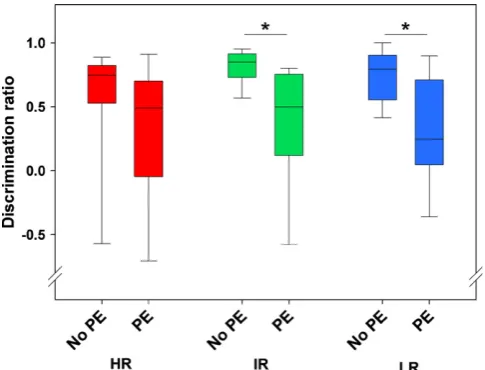
As cognitive deficits are more commonly observed in patients exhibiting psychotic symptoms or suffering from melancholic depression (Cornell et al., 1984; Austin et al., 1999; Basso and Bornstein, 1999), it was also of importance to assess psychotic-like behavior in the SR mouse model. A paradigm that has been shown to assess selective attention deficits associated with psychotic symptoms in mice is Li (Baruch et al., 1988; Guterman et al., 1996; Rascle et al., 2001; Schmidt-Hansen et al., 2009). Li is the phenomenon whereby the pre-exposure of a to-be conditioned stimulus (CS) retards the learning of the subsequent CS –unconditioned stimulus (US) pairing (Lubow, 1973). Li can be assessed in several ways. In order to test the SR mouse model, a conditioned taste aversion paradigm was chosen, where the CS was sucrose solution and the US was sickness, induced by a lithium chloride injection (see paper II).
Once the cognitive phenotype of the SR mouse lines had been assessed, the underlying mechanisms of the differences in behavior between the three lines were investigated using a number of different methods. In the first instance, brain-derived neurotrophic factor (BDNF) was measured using an enzyme-linked immunosorbent assay (ELISA) (see paper I). BDNF has been shown to be involved in cognitive processes and is regulated by glucocorticoids, making it an interesting candidate to explain differences in the cognitive performance of the SR mouse lines. Furthermore, depressed patients have been reported to have reduced plasma BDNF levels, which are normalized in response to antidepressant treatment (Nibuya et al., 1996; Santarelli et al., 2003; Lee et al., 2007; Huang et al., 2008; Monteleone et al., 2008). BDNF is therefore a promising target to investigate in the search for drug targets able to improve cognitive abilities in depressed patients.
Introduction 22
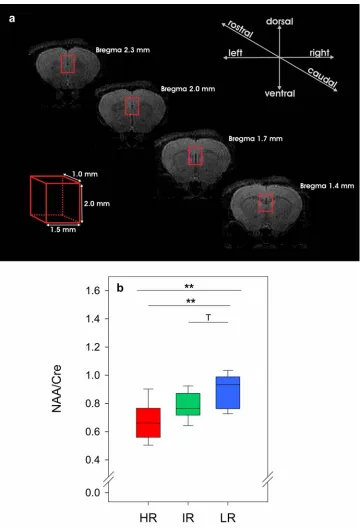
hippocampus (Buckley et al., 1994; Bertolino et al., 1998; Gonul et al., 2006). NAA is a metabolite exclusively found in neurons (Birken and Oldendorf, 1989; Moffett et al., 1991), which is decreased in association with cellular dysfunction and neuronal loss (Demougeot et al., 2001). NAA is therefore considered to be a maker of neuronal integrity. We therefore assessed the NAA levels in the hippocampus and PFC of the SR mouse lines (see paper III).
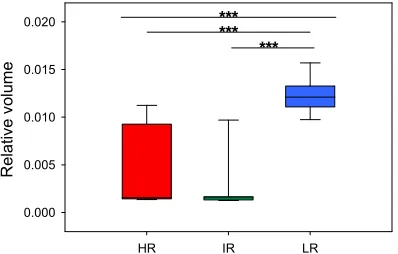
Studies conducted on humans, non-human primates and rodents have previously shown that excess glucocorticoid exposure can reduce both the volume and activity, measured by blood flow, of the hippocampus (Endo et al., 1997; Bremner et al., 2000; Czeh et al., 2006). Therefore, in addition, mice from the three SR lines were injected with Mn2+ in order to assess the manganese enhanced signal intensity, as a measure of neuronal activity of these brain areas and to enable voxel-based morphometric studies to measure if increased glucocorticoid exposure decreased the volume of relevant brain areas, such as the hippocampus and PFC (see paper III).
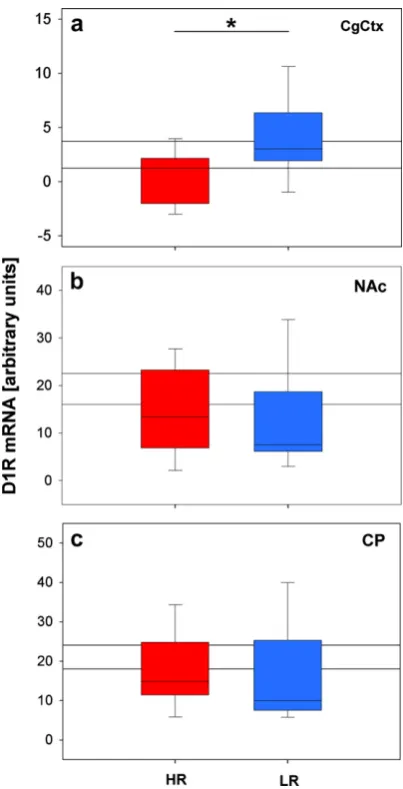
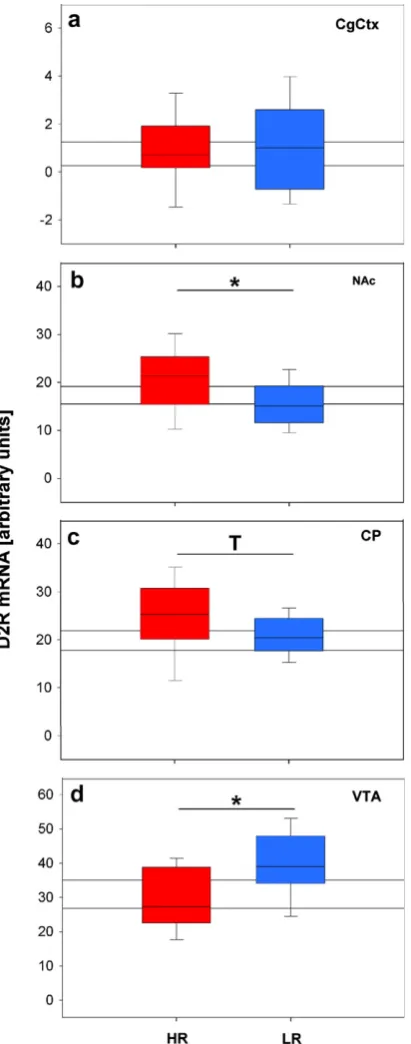
The dopaminergic system was furthermore investigated, as the mesolimbic dopamine system is strongly linked to Li and psychotic behavior in psychiatric patients (Crow et al., 1976; Solomon and Staton, 1982; Weiner, 1990; Davis et al., 1991; Young et al., 1993; Lubow, 2005). The PFC dopaminergic system reportedly also sub-serves the optimal functioning of the PFC (Cropley et al., 2006), which is relevant to the reversal learning task. In situ hybridization histochemistry was employed to semi-quantify the dopamine 1 receptor (D1R), dopamine 2 receptor (D2R) and dopamine transporter (DAT) mRNA levels in the mesolimbic area and PFC, of mice from the three breeding lines (see paper II). The dopaminergic system also represents an interesting candidate in the search for new drug targets that can be used to treat the cognitive deficits in MD, as well as treatment resistant MD, as atypical antipsychotics have shown great promise in treating depressed patients who do not respond to typical antidepressants (Quintin and Thomas, 2004).
Discussion 23
DISCUSSION
In this body of work, the stress reactivity (SR) mouse line has been characterized with respect to cognitive abilities and underlying functional alterations, with the aim of modeling cognitive symptoms of psychiatric diseases in order to gain insight into the molecular underpinnings of theses symptoms. The highly stress reactive (HR) mouse line show several cognitive deficits which are similar to those observed in patients suffering from major depression (MD) and schizophrenia (SZ). These cognitive deficits include hippocampus-dependent tasks (papers I & III), prefrontal cortex- (PFC) dependent tasks (see papers II & III) and disrupted latent inhibition (Li) (see paper II). Furthermore, the HR mice display similar alterations in brain structures that are presumed to be responsible for the cognitive deficits in MD and SZ, including decreased brain-derived neurotrophic factor (BDNF) levels in the hippocampus (see paper I), decreased N-acetylaspartate (NAA) levels in the Hippocampus and PFC (see paper III) and alterations of the dopaminergic system (see paper II). In addition, proteins involved in energy metabolism have been found to differ between HR and low (LR) stress reactive mice, which proposes a mechanism whereby glucocorticoids may damage the brain (paper III).
A GENETIC PREDISPOSTION FOR INCREASED STRESS REACTIVITY
Discussion 24
MODELLING COGNITIVE DEFICITS IN PSYCHIATRIC DISORDERS
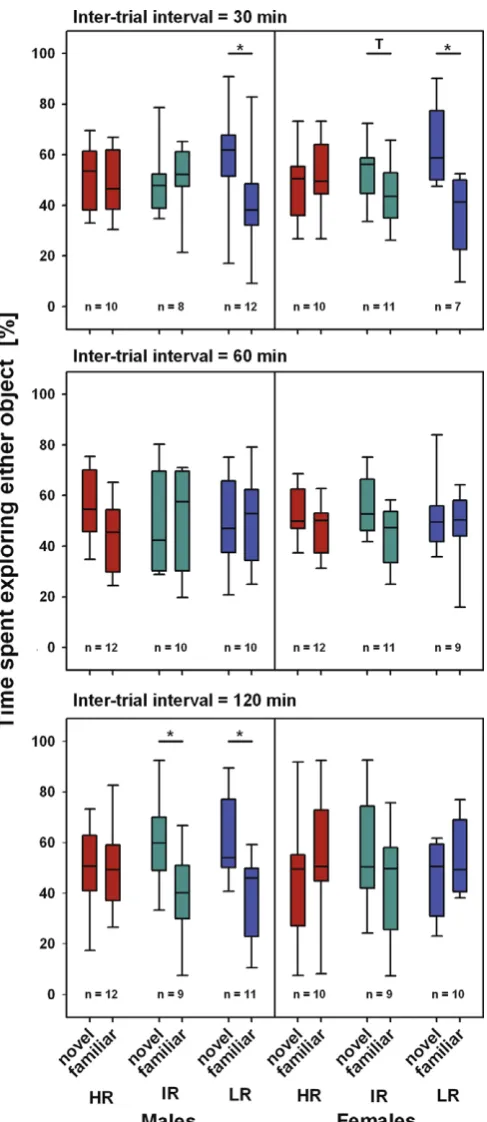
We have shown that HR mice have deficits in two hippocampus-dependent tests, the novel object recognition task and the Y-maze task (see papers I & III). Furthermore, HR mice showed reversal learning deficits indicative of poor PFC function (see papers II & III). In similarity, patients suffering from MD commonly exhibit deficits in hippocampus-dependent tasks, such as verbal memory as well as deficits in PFC-dependent executive functioning tasks (Austin et al., 2001; Porter et al., 2003; Reppermund et al., 2007; Rabin et al., 2009; Reppermund et al., 2009; Shirayama et al., 2009). Interestingly these cognitive deficits are reportedly worse in patients with psychotic MD (Cornell et al., 1984; Austin et al., 1999; Basso and Bornstein, 1999). This is of particular interest as HR mice additionally show cognitive deficits associated with psychotic behavior, namely disrupted Li (see paper II) (Gray et al., 1992; Gray et al., 1995; Lubow et al., 2000; Rascle et al., 2001). The HR mice also demonstrate certain morphological alterations that are specifically related to patients suffering from SZ, a disorder with prominent psychotic features. These alterations include increased dopamine 2 receptors in the NAc and decreased dopamine 1 receptors in the PFC in HR mice in comparison to LR mice (see paper II), which mimics what is observed in patients suffering from SZ (Carlsson and Lindqvist, 1963; Carlsson et al., 2000; Mawlawi et al., 2001; Abi-Dargham, 2003; Alves Fda et al., 2008). HR mice thus demonstrate both construct and face validity as a model of psychotic behavior.
Interestingly, patients suffering from MD as well as patients suffering from SZ have repeatedly been reported to have an increased HPA axis activity (Holsboer, 2000; Muck-Seler et al., 2004; Ryan et al., 2004; Ising et al., 2005; Ritsner et al., 2007). In patients suffering from MD this is specifically associated with memory deficits, psychotic features and the melancholic subtype of depression (Belanoff et al., 2001; Gold and Chrousos, 2002; Bremner et al., 2004; Gomez et al., 2006).
Discussion 25
THE EFFECT OF EXCESS GLUCOCORTICOID EXPOSURE ON THE HIPPOCAMPUS
Excess glucocorticoid exposure has been associated with global changes to the hippocampus, including decreased birth of new granular cells in the dentate gyrus of the hippocampus, dendritic atrophy in the CA3 region of the hippocampus and reduced hippocampal volume (Sapolsky et al., 1990; Watanabe et al., 1992; Sousa et al., 1999; McKittrick et al., 2000; Lyons et al., 2007). Clinical studies have found contradicting results regarding hippocampal volume in MD with some studies indicating that patients suffering from unipolar depression have reduced hippocampal volume in comparison with healthy controls (Bremner et al., 2000; Campbell et al., 2004; Kaymak et al., 2009; McKinnon et al., 2009) and others reporting no such difference (Keller et al., 2008; Bearden et al., 2009; Kronmuller et al., 2009).
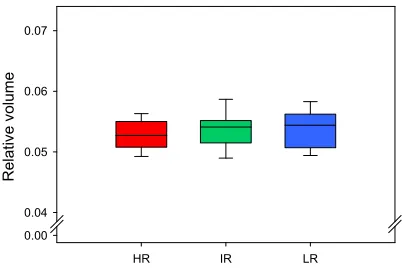
We therefore investigated if the increased glucocorticoid exposure of the hippocampus of HR mice had led to global morphological changes. This study revealed that the volume of the hippocampus was not decreased in HR mice in comparison to IR and LR mice (see paper III). However, both BDNF (see paper I) and NAA levels were decreased in the hippocampus of HR mice (see paper III). This indicates that the deficits in hippocampus-dependent learning tasks observed in HR mice are presumably not due to a global deterioration of the entire hippocampal structure, but are more likely due to more discrete morphological changes or changes occurring on the level of cellular processes.
Discussion 26
oxygen radical generation. These processes together are detrimental for the cells functioning (Lee et al., 2002).
Energy availability is also believed to be a key regulatory mechanisms in neuronal function (Beal et al., 1993; Turski and Turski, 1993). As a strategy to divert energy toward using muscles during a stressor, glucocorticoids inhibit glucose transport in various peripheral tissues (Munck, 1971). A similar mechanism has been proposed to occur in the hippocampus. Glucocorticoids decrease glucose uptake in cultured neurons and glia cells, and decrease local glucose utilization in the hippocampus (Kadekaro et al., 1988; Horner et al., 1990; Virgin et al., 1991; Freo et al., 1992; Doyle et al., 1993). This reduction in glucose reduces the capacity of neurons and glia cells to remove glutamate from the synaptic cleft and the capacity of the cells to remove calcium from the cytoplasm, as both of these processes are highly energy costly (Lee et al., 2002). Alterations in proteins involved in energy metabolism in HR mice could thus potentially be a key factor in the decreased functioning of the hippocampus.
MITOCHONDRIAL DYSFUNCTION IN PSYCHIATRIC DISORDERS
The hippocampal proteomes of HR and LR mice were compared in order to use an unbiased approach to investigate if hippocampal-dependent learning deficits and decreased NAA levels were dependent on alterations in specific cellular processes. This comparison revealed differences in numerous proteins involved in energy metabolism (see paper III). Interestingly, these proteins appear to directly or indirectly be inducers of apoptosis and are up-regulated in HR mice in most cases.
Mitochondrial dysfunction in psychiatric disorders has been the focus of many recent studies (Jou et al., 2009; Rezin et al., 2009a) as post mortem studies of patients suffering from MD and SZ have reported alterations in proteins involved in energy metabolism (Beasley et al., 2006; Martins-de-Souza et al., 2009). Studies using animal models of depression where rats are subjected to chronic stress have also reported mitochondrial dysfunction and inhibition of the mitochondrial respiratory chain (Madrigal et al., 2001; Rezin et al., 2008; Rezin et al., 2009b) thus confirming a link between glucocorticoid exposure and mitochondrial dysfunction.
Discussion 27
postmortem brains of subjects suffering from SZ in comparison to controls (Uranova et al., 2001). It has also been suggested that drug treatment increases the number of mitochondria in patients suffering from SZ (Inuwa et al., 2005). Studies have also been conducted on animals implicating mitochondrial energy metabolism as a target for certain mood stabilizing drugs, such as lithium and valproate (Wang et al., 2004; Zarate et al., 2006).
The mitochondria are consequently a potential new target for drugs to treat MD and SZ. HR mice provide an excellent tool in the search for such drug targets and in the evaluation of new treatment strategies focusing on mitochondrial dysfunction.
THE NEUROTROPHIC HYPOTHESIS OF MAJOR DEPRESSION
Glucocorticoids have also been proposed to exert their detrimental effects on the hippocampus via other pathways than those mentioned above. The neurotrophic hypothesis of depression states that stress-induced vulnerability and the therapeutic action of antidepressant treatments occur via intracellular mechanisms that decrease or increase, respectively, neurotrophic factors necessary for the survival and function of particular neurons (Duman et al., 1997). The neurotrophic factor that has most prominently been implicated in MD is BDNF (Castren et al., 2007). BDNF is reportedly decreased in the plasma of depressed patients and the levels tend to increase in response to treatment with antidepressants (Nibuya et al., 1996; Santarelli et al., 2003; Lee et al., 2007; Huang et al., 2008; Monteleone et al., 2008).
Reduced BDNF levels have also been implicated in the pathophysiology of SZ. BDNF plasma levels and cerebrospinal fluid levels were significantly lower in first-episode patients diagnosed with SZ in comparison to healthy controls (Chen da et al., 2009; Pillai et al., 2010). Plasma levels of BDNF have also been shown to be decreased in chronic patients with SZ (Xiu et al., 2009). Interestingly, the plasma levels vary in accordance with the medication with which these patients were treated. Patients treated with risperidone had lower plasma levels of BDNF than those treated with clozepine and typical antipsychotics (Xiu et al., 2009). However, in contrast to MD the improvement of SZ symptoms has not been associated with increased BDNF levels (de Lucena et al.).
Discussion 28
about by increased HPA axis activity and decreased BDNF levels. These findings also support the hypothesis that increased exposure to glucocorticoids leads to decreased BDNF levels and show that the HR mice can be used in the search for new treatment strategies aiming at increasing BDNF levels.
THE ASSOCIATION BETWEEN ENERGY METABOLISM, BRAIN-DERIVED NEUROTROPHIC FACTOR AND N-ACETYLASPARTATE LEVELS
It has been suggested that alterations of neurotrophic or neuroprotective factors may be the underlying cause of lower hippocampal NAA levels that have been reported in several psychiatric disorders including bipolar disorder (BPD) (Deicken et al., 2003) unipolar depression and SZ (Buckley et al., 1994; Bertolino et al., 1998; Gonul et al., 2006). This is particularly interesting as the HR mice not only have decreased BDNF in the hippocampus (see paper I), but were also found to have decreased NAA levels in the hippocampus (see paper III). A positive correlation between plasma BDNF and NAA levels in the anterior cingulate cortex has been reported in healthy controls (Lang et al., 2007). Furthermore, a single nucleotide polymorphism (SNP) that results in decreased BDNF levels has been associated with decreased NAA levels in humans (Gallinat et al., 2010). This SNP encodes a Valine or Methionine at amino acid 66 of the gene product, where the Methionine allele has been associated with increased risk of MD (Gatt et al., 2008), poorer episodic memory, abnormal hippocampal activation, assayed with fMRI, and lower hippocampal NAA, assayed with MRI spectroscopy (Egan et al., 2003). This demonstrates that the link between memory deficits, NAA levels and BDNF that we observe in HR mice is also present in patients, lending further support to the validity of this mouse model.
Discussion 29
ADVANTAGES OF THE STRESS REACTIVITY MODEL
There are several well established animal models of depression, however, the SR mouse model has the advantage of having a more natural etiology in comparison with models where mice are repeatedly stressed or models where genes are overexpressed or knocked out. A further advantage of the SR mouse model, in comparison with models using genetic engineering techniques, is that the SR mouse lines are derived from an outbred mouse line. This means that the phenotypes we observe are independent of a homogenous genetic background. This is an important factor to consider as the same gene knocked out in different mouse lines can lead to entirely different phenotypes (Banbury_Conference, 1997; Lesch and Mossner, 1998). The SR mouse model thus has the added advantage of being more analogous to psychiatric disorders in that the HR mice show similar phenotypic endpoints to patients suffering from MD and SZ, driven from a variable genetic background, where a multitude of genes contribute to the observed endophenotype.
The approach of breeding lines of mice that will develop a known disease-like state also allows the investigation of the development of the disease over time. The HR mice can be utilized in future studies to investigate if the hippocampus is functioning suboptimally at birth or if these differences occur as a cumulative effect of exposure to excess amounts of glucocorticoids across their lifespan. Top down approaches going from a known behavior to screening of the genome or proteome are a further advantage of the model. This approach allows for an unbiased approach to finding new candidate proteins or genes that are important in the development of affective disorders.
OUTLOOK AND CONCLUDING REMARKS
Discussion 30
sequencing the mitochondrial DNA in order to discover if the origin of differences in protein expression are brought about by differences on the DNA level, or by downstream mechanisms that regulate gene expression, such as transcription factors activated by glucocorticoids. Proteins that are found to differ in the adult could then be investigated early in life or in the embryonic stage, in order to discover if these protein differences are the cause or effect of the stress reactivity phenotype.
References 31
REFERENCES
Abi-Dargham A (2003) Probing cortical dopamine function in schizophrenia: what can D1 receptors tell us? World Psychiatry 2:166-171.
Airaksinen E, Wahlin A, Forsell Y, Larsson M (2007) Low episodic memory performance as a premorbid marker of depression: evidence from a 3-year follow-up. Acta Psychiatr Scand 115:458-465.
Alves Fda S, Figee M, Vamelsvoort T, Veltman D, de Haan L (2008) The revised dopamine hypothesis of schizophrenia: evidence from pharmacological MRI studies with atypical antipsychotic medication. Psychopharmacol Bull 41:121-132.
Andreasen NC (1995) Symptoms, signs, and diagnosis of schizophrenia. Lancet 346:477-481. Anisman H, Matheson K (2005) Stress, depression, and anhedonia: caveats concerning animal
models. Neurosci Biobehav Rev 29:525-546.
APA (2000) Diagnostic and Statistical Manual of Mental Disorders, Text Revision. Washington, DC: American Psychiatric Association.
Aronson TA, Shukla S, Gujavarty K, Hoff A, DiBuono M, Khan E (1988) Relapse in delusional depression: a retrospective study of the course of treatment. Compr Psychiatry 29:12-21. Austin MP, Mitchell P, Goodwin GM (2001) Cognitive deficits in depression: possible
implications for functional neuropathology. Br J Psychiatry 178:200-206.
Austin MP, Mitchell P, Wilhelm K, Parker G, Hickie I, Brodaty H, Chan J, Eyers K, Milic M, Hadzi-Pavlovic D (1999) Cognitive function in depression: a distinct pattern of frontal impairment in melancholia? Psychol Med 29:73-85.
Banbury_Conference (1997) Mutant mice and neuroscience: recommendations concerning genetic background. Banbury Conference on genetic background in mice. Neuron 19:755-759.
Baruch I, Hemsley DR, Gray JA (1988) Differential performance of acute and chronic schizophrenics in a latent inhibition task. J Nerv Ment Dis 176:598-606.
Basso MR, Bornstein RA (1999) Neuropsychological deficits in psychotic versus nonpsychotic unipolar depression. Neuropsychology 13:69-75.
Beal MF, Hyman BT, Koroshetz W (1993) Do defects in mitochondrial energy metabolism underlie the pathology of neurodegenerative diseases? Trends Neurosci 16:125-131. Bearden CE, Thompson PM, Avedissian C, Klunder AD, Nicoletti M, Dierschke N, Brambilla P,
Soares JC (2009) Altered hippocampal morphology in unmedicated patients with major depressive illness. ASN Neuro 1.
Beasley CL, Pennington K, Behan A, Wait R, Dunn MJ, Cotter D (2006) Proteomic analysis of the anterior cingulate cortex in the major psychiatric disorders: Evidence for disease-associated changes. Proteomics 6:3414-3425.
Belanoff JK, Kalehzan M, Sund B, Fleming Ficek SK, Schatzberg AF (2001) Cortisol activity and cognitive changes in psychotic major depression. Am J Psychiatry 158:1612-1616. Bertolino A, Callicott JH, Elman I, Mattay VS, Tedeschi G, Frank JA, Breier A, Weinberger DR
(1998) Regionally specific neuronal pathology in untreated patients with schizophrenia: a proton magnetic resonance spectroscopic imaging study. Biol Psychiatry 43:641-648. Birken DL, Oldendorf WH (1989) N-acetyl-L-aspartic acid: a literature review of a compound
prominent in 1H-NMR spectroscopic studies of brain. Neurosci Biobehav Rev 13:23-31. Braff D, Stone C, Callaway E, Geyer M, Glick I, Bali L (1978) Prestimulus effects on human
References 32
Bremner JD, Narayan M, Anderson ER, Staib LH, Miller HL, Charney DS (2000) Hippocampal volume reduction in major depression. Am J Psychiatry 157:115-118.
Bremner JD, Vythilingam M, Vermetten E, Anderson G, Newcomer JW, Charney DS (2004) Effects of glucocorticoids on declarative memory function in major depression. Biol Psychiatry 55:811-815.
Buckley PF, Moore C, Long H, Larkin C, Thompson P, Mulvany F, Redmond O, Stack JP, Ennis JT, Waddington JL (1994) 1H-magnetic resonance spectroscopy of the left temporal and frontal lobes in schizophrenia: clinical, neurodevelopmental, and cognitive correlates. Biol Psychiatry 36:792-800.
Campbell S, Marriott M, Nahmias C, MacQueen GM (2004) Lower hippocampal volume in patients suffering from depression: a meta-analysis. Am J Psychiatry 161:598-607. Cannon M, Jones P (1996) Schizophrenia. J Neurol Neurosurg Psychiatry 60:604-613. Carlsson A, Lindqvist M (1963) Effect of Chlorpromazine or Haloperidol on Formation of
3methoxytyramine and Normetanephrine in Mouse Brain. Acta Pharmacol Toxicol (Copenh) 20:140-144.
Carlsson A, Waters N, Waters S, Carlsson ML (2000) Network interactions in schizophrenia - therapeutic implications. Brain Res Brain Res Rev 31:342-349.
Carta MG, Carpiniello B, Kovess V, Porcedda R, Zedda A, Rudas N (1995) Lifetime prevalence of major depression and dysthymia: results of a community survey in Sardinia. Eur Neuropsychopharmacol 5 Suppl:103-107.
Castren E, Voikar V, Rantamaki T (2007) Role of neurotrophic factors in depression. Curr Opin Pharmacol 7:18-21.
Chen da C, Wang J, Wang B, Yang SC, Zhang CX, Zheng YL, Li YL, Wang N, Yang KB, Xiu MH, Kosten TR, Zhang XY (2009) Decreased levels of serum brain-derived neurotrophic factor in drug-naive first-episode schizophrenia: relationship to clinical phenotypes. Psychopharmacology (Berl) 207:375-380.
Cornell DG, Suarez R, Berent S (1984) Psychomotor retardation in melancholic and
nonmelancholic depression: cognitive and motor components. J Abnorm Psychol 93:150-157.
Coryell W, Endicott J, Keller M (1987) The importance of psychotic features to major
depression: course and outcome during a 2-year follow-up. Acta Psychiatr Scand 75:78-85.
Cropley VL, Fujita M, Innis RB, Nathan PJ (2006) Molecular imaging of the dopaminergic system and its association with human cognitive function. Biol Psychiatry 59:898-907. Crow TJ, Johnstone EC, Deakin JF, Longden A (1976) Dopamine and schizophrenia. Lancet
2:563-566.
Cryan JF, Holmes A (2005) The ascent of mouse: advances in modelling human depression and anxiety. Nat Rev Drug Discov 4:775-790.
Czeh B, Simon M, Schmelting B, Hiemke C, Fuchs E (2006) Astroglial plasticity in the hippocampus is affected by chronic psychosocial stress and concomitant fluoxetine treatment. Neuropsychopharmacology 31:1616-1626.
Davis KL, Kahn RS, Ko G, Davidson M (1991) Dopamine in schizophrenia: a review and reconceptualization. Am J Psychiatry 148:1474-1486.
de Lucena D, Fernandes BS, Kunz M, Fries GR, Stertz L, Aguiar B, Pfaffenseller B, Gama CS Lack of association between serum brain-derived neurotrophic factor levels and
placebo-References 33
controlled trial of memantine as adjunctive therapy to clozapine. J Clin Psychiatry 71:91-92.
Deicken RF, Pegues MP, Anzalone S, Feiwell R, Soher B (2003) Lower concentration of hippocampal N-acetylaspartate in familial bipolar I disorder. Am J Psychiatry 160:873-882.
Demougeot C, Garnier P, Mossiat C, Bertrand N, Giroud M, Beley A, Marie C (2001)
N-Acetylaspartate, a marker of both cellular dysfunction and neuronal loss: its relevance to studies of acute brain injury. J Neurochem 77:408-415.
Dere E, Huston JP, De Souza Silva MA (2007) The pharmacology, neuroanatomy and
neurogenetics of one-trial object recognition in rodents. Neurosci Biobehav Rev 31:673-704.
Doyle P, Rohner-Jeanrenaud F, Jeanrenaud B (1993) Local cerebral glucose utilization in brains of lean and genetically obese (fa/fa) rats. Am J Physiol 264:E29-36.
Duman RS, Heninger GR, Nestler EJ (1997) A molecular and cellular theory of depression. Arch Gen Psychiatry 54:597-606.
Egan MF, Kojima M, Callicott JH, Goldberg TE, Kolachana BS, Bertolino A, Zaitsev E, Gold B, Goldman D, Dean M, Lu B, Weinberger DR (2003) The BDNF val66met polymorphism affects activity-dependent secretion of BDNF and human memory and hippocampal function. Cell 112:257-269.
Elliott EM, Sapolsky RM (1992) Corticosterone enhances kainic acid-induced calcium elevation in cultured hippocampal neurons. J Neurochem 59:1033-1040.
Elliott EM, Sapolsky RM (1993) Corticosterone impairs hippocampal neuronal calcium regulation--possible mediating mechanisms. Brain Res 602:84-90.
Endo Y, Nishimura JI, Kobayashi S, Kimura F (1997) Long-term glucocorticoid treatments decrease local cerebral blood flow in the rat hippocampus, in association with histological damage. Neuroscience 79:745-752.
Fiedorowicz JG, Swartz KL (2004) The role of monoamine oxidase inhibitors in current psychiatric practice. J Psychiatr Pract 10:239-248.
Floresco SB, Zhang Y, Enomoto T (2009) Neural circuits subserving behavioral flexibility and their relevance to schizophrenia. Behav Brain Res 204:396-409.
Freo U, Holloway HW, Kalogeras K, Rapoport SI, Soncrant TT (1992) Adrenalectomy or metyrapone-pretreatment abolishes cerebral metabolic responses to the serotonin agonist 1-(2,5-dimethoxy-4-iodophenyl)-2-aminopropane (DOI) in the hippocampus. Brain Res 586:256-264.
Gallagher P, Watson S, Smith MS, Young AH, Ferrier IN (2007) Plasma
cortisol-dehydroepiandrosterone (DHEA) ratios in schizophrenia and bipolar disorder. Schizophr Res 90:258-265.
Gallinat J, Schubert F, Bruhl R, Hellweg R, Klar AA, Kehrer C, Wirth C, Sander T, Lang UE (2010) Met carriers of BDNF Val66Met genotype show increased N-acetylaspartate concentration in the anterior cingulate cortex. Neuroimage 49:767-771.
Gatt JM, Kuan SA, Dobson-Stone C, Paul RH, Joffe RT, Kemp AH, Gordon E, Schofield PR, Williams LM (2008) Association between BDNF Val66Met polymorphism and trait depression is mediated via resting EEG alpha band activity. Biol Psychol 79:275-284. Gold PW, Chrousos GP (2002) Organization of the stress system and its dysregulation in
References 34
Gold PW, Licinio J, Wong ML, Chrousos GP (1995) Corticotropin releasing hormone in the pathophysiology of melancholic and atypical depression and in the mechanism of action of antidepressant drugs. Ann N Y Acad Sci 771:716-729.
Gold PW, Gabry KE, Yasuda MR, Chrousos GP (2002) Divergent endocrine abnormalities in melancholic and atypical depression: clinical and pathophysiologic implications. Endocrinol Metab Clin North Am 31:37-62, vi.
Gomez RG, Fleming SH, Keller J, Flores B, Kenna H, DeBattista C, Solvason B, Schatzberg AF (2006) The neuropsychological profile of psychotic major depression and its relation to cortisol. Biol Psychiatry 60:472-478.
Gonul AS, Kitis O, Ozan E, Akdeniz F, Eker C, Eker OD, Vahip S (2006) The effect of
antidepressant treatment on N-acetyl aspartate levels of medial frontal cortex in drug-free depressed patients. Prog Neuropsychopharmacol Biol Psychiatry 30:120-125.
Goodwin G, Fleischhacker W, Arango C, Baumann P, Davidson M, de Hert M, Falkai P, Kapur S, Leucht S, Licht R, Naber D, O'Keane V, Papakostas G, Vieta E, Zohar J (2009) Advantages and disadvantages of combination treatment with antipsychotics ECNP Consensus Meeting, March 2008, Nice. Eur Neuropsychopharmacol 19:520-532.
Goto Y, Yang CR, Otani S Functional and dysfunctional synaptic plasticity in prefrontal cortex: roles in psychiatric disorders. Biol Psychiatry 67:199-207.
Gray NS, Pilowsky LS, Gray JA, Kerwin RW (1995) Latent inhibition in drug naive
schizophrenics: relationship to duration of illness and dopamine D2 binding using SPET. Schizophr Res 17:95-107.
Gray NS, Pickering AD, Hemsley DR, Dawling S, Gray JA (1992) Abolition of latent inhibition by a single 5 mg dose of d-amphetamine in man. Psychopharmacology (Berl) 107:425-430.
Greenberg PE, Stiglin LE, Finkelstein SN, Berndt ER (1993) The economic burden of depression in 1990. J Clin Psychiatry 54:405-418.
Guterman Y, Josiassen RC, Bashore TE, Johnson M, Lubow RE (1996) Latent inhibition effects reflected in event-related brain potentials in healthy controls and schizophrenics.
Schizophr Res 20:315-326.
Haanpaa ML, Gourlay GK, Kent JL, Miaskowski C, Raja SN, Schmader KE, Wells CD Treatment considerations for patients with neuropathic pain and other medical comorbidities. Mayo Clin Proc 85:S15-25.
Harrison PJ (1999) The neuropathology of schizophrenia. A critical review of the data and their interpretation. Brain 122 ( Pt 4):593-624.
Hasler G, Drevets WC, Manji HK, Charney DS (2004) Discovering endophenotypes for major depression. Neuropsychopharmacology 29:1765-1781.
Heinzmann J, Thoeringer C-K, Knapman A, Palme R, Holsboer F, Uhr M, Landgraf R, Touma C (under revision) Intrahippocampal corticosterone dynamics in mice selectively bred for extremes in stress reactivity: a microdialysis study. Journal of Neuroendocrinology XXX:XXX.
Holsboer F (2000) The corticosteroid receptor hypothesis of depression. Neuropsychopharmacology 23:477-501.
Horner HC, Packan DR, Sapolsky RM (1990) Glucocorticoids inhibit glucose transport in cultured hippocampal neurons and glia. Neuroendocrinology 52:57-64.
References 35
Inuwa IM, Peet M, Williams MA (2005) QSAR modeling and transmission electron microscopy stereology of altered mitochondrial ultrastructure of white blood cells in patients
diagnosed as schizophrenic and treated with antipsychotic drugs. Biotech Histochem 80:133-137.
Ising M, Kunzel HE, Binder EB, Nickel T, Modell S, Holsboer F (2005) The combined dexamethasone/CRH test as a potential surrogate marker in depression. Prog Neuropsychopharmacol Biol Psychiatry 29:1085-1093.
Jou SH, Chiu NY, Liu CS (2009) Mitochondrial dysfunction and psychiatric disorders. Chang Gung Med J 32:370-379.
Kadekaro M, Ito M, Gross PM (1988) Local cerebral glucose utilization is increased in acutely adrenalectomized rats. Neuroendocrinology 47:329-334.
Kaymak SU, Demir B, Senturk S, Tatar I, Aldur MM, Ulug B (2009) Hippocampus, glucocorticoids and neurocognitive functions in patients with first-episode major depressive disorders. Eur Arch Psychiatry Clin Neurosci.
Keller J, Schatzberg AF, Maj M (2007) Current issues in the classification of psychotic major depression. Schizophr Bull 33:877-885.
Keller J, Shen L, Gomez RG, Garrett A, Solvason HB, Reiss A, Schatzberg AF (2008)
Hippocampal and amygdalar volumes in psychotic and nonpsychotic unipolar depression. Am J Psychiatry 165:872-880.
Knapman A, Heinzmann JM, Hellweg R, Holsboer F, Landgraf R, Touma C (2009) Increased stress reactivity is associated with cognitive deficits and decreased hippocampal brain-derived neurotrophic factor in a mouse model of affective disorders. J Psychiatr Res. Koenig AM, Thase ME (2009) First-line pharmacotherapies for depression - what is the best
choice? Pol Arch Med Wewn 119:478-486.
Kronmuller KT, Schroder J, Kohler S, Gotz B, Victor D, Unger J, Giesel F, Magnotta V, Mundt C, Essig M, Pantel J (2009) Hippocampal volume in first episode and recurrent
depression. Psychiatry Res 174:62-66.
Kubo T, Nonomura T, Enokido Y, Hatanaka H (1995) Brain-derived neurotrophic factor (BDNF) can prevent apoptosis of rat cerebellar granule neurons in culture. Brain Res Dev Brain Res 85:249-258.
Lang UE, Hellweg R, Seifert F, Schubert F, Gallinat J (2007) Correlation between serum brain-derived neurotrophic factor level and an in vivo marker of cortical integrity. Biol Psychiatry 62:530-535.
Lee AL, Ogle WO, Sapolsky RM (2002) Stress and depression: possible links to neuron death in the hippocampus. Bipolar Disord 4:117-128.
Lee BH, Kim H, Park SH, Kim YK (2007) Decreased plasma BDNF level in depressive patients. J Affect Disord 101:239-244.
Lee KS, Frank S, Vanderklish P, Arai A, Lynch G (1991) Inhibition of proteolysis protects hippocampal neurons from ischemia. Proc Natl Acad Sci U S A 88:7233-7237.
Lesch KP, Mossner R (1998) Knockout mice in neuropsychopharmacology: present and future. Int J Neuropsychopharmacol 1:87-92.
Lie CH, Specht K, Marshall JC, Fink GR (2006) Using fMRI to decompose the neural processes underlying the Wisconsin Card Sorting Test. Neuroimage 30:1038-1049.
Lieberman JA, Stroup TS, McEvoy JP, Swartz MS, Rosenheck RA, Perkins DO, Keefe RS, Davis SM, Davis CE, Lebowitz BD, Severe J, Hsiao JK (2005) Effectiveness of
References 36
Lubow RE (2005) Construct validity of the animal latent inhibition model of selective attention deficits in schizophrenia. Schizophr Bull 31:139-153.
Lubow RE, Kaplan O, Abramovich P, Rudnick A, Laor N (2000) Visual search in schizophrenia: latent inhibition and novel pop-out effects. Schizophr Res 45:145-156.
Lykouras E, Malliaras D, Christodoulou GN, Papakostas Y, Voulgari A, Tzonou A, Stefanis C (1986) Delusional depression: phenomenology and response to treatment. A prospective study. Acta Psychiatr Scand 73:324-329.
Lyons DM, Parker KJ, Zeitzer JM, Buckmaster CL, Schatzberg AF (2007) Preliminary evidence that hippocampal volumes in monkeys predict stress levels of adrenocorticotropic
hormone. Biol Psychiatry 62:1171-1174.
Madrigal JL, Olivenza R, Moro MA, Lizasoain I, Lorenzo P, Rodrigo J, Leza JC (2001) Glutathione depletion, lipid peroxidation and mitochondrial dysfunction are induced by chronic stress in rat brain. Neuropsychopharmacology 24:420-429.
Maj M, Pirozzi R, Magliano L, Fiorillo A, Bartoli L (2007) Phenomenology and prognostic significance of delusions in major depressive disorder: a 10-year prospective follow-up study. J Clin Psychiatry 68:1411-1417.
Martinez-Gras I, Rubio G, del Manzano BA, Rodriguez-Jimenez R, Garcia-Sanchez F, Bagney A, Leza JC, Borrell J (2009) The relationship between prepulse inhibition and general psychopathology in patients with schizophrenia treated with long-acting risperidone. Schizophr Res 115:215-221.
Martins-de-Souza D, Gattaz WF, Schmitt A, Novello JC, Marangoni S, Turck CW, Dias-Neto E (2009) Proteome analysis of schizophrenia patients Wernicke's area reveals an energy metabolism dysregulation. BMC Psychiatry 9:17.
Mawlawi O, Martinez D, Slifstein M, Broft A, Chatterjee R, Hwang DR, Huang Y, Simpson N, Ngo K, Van Heertum R, Laruelle M (2001) Imaging human mesolimbic dopamine transmission with positron emission tomography: I. Accuracy and precision of D(2) receptor parameter measurements in ventral striatum. J Cereb Blood Flow Metab 21:1034-1057.
McKinnon MC, Yucel K, Nazarov A, MacQueen GM (2009) A meta-analysis examining clinical predictors of hippocampal volume in patients with major depressive disorder. J Psychiatry Neurosci 34:41-54.
McKittrick CR, Magarinos AM, Blanchard DC, Blanchard RJ, McEwen BS, Sakai RR (2000) Chronic social stress reduces dendritic arbors in CA3 of hippocampus and decreases binding to serotonin transporter sites. Synapse 36:85-94.
Merriam EP, Thase ME, Haas GL, Keshavan MS, Sweeney JA (1999) Prefrontal cortical
dysfunction in depression determined by Wisconsin Card Sorting Test performance. Am J Psychiatry 156:780-782.
Moffett JR, Namboodiri MA, Cangro CB, Neale JH (1991) Immunohistochemical localization of N-acetylaspartate in rat brain. Neuroreport 2:131-134.
Monteleone P, Serritella C, Martiadis V, Maj M (2008) Decreased levels of serum brain-derived neurotrophic factor in both depressed and euthymic patients with unipolar depression and in euthymic patients with bipolar I and II disorders. Bipolar Disord 10:95-100.
References 37
Munck A (1971) Glucocorticoid inhibition of glucose uptake by peripheral tissues: old and new evidence, molecular mechanisms, and physiological significance. Perspect Biol Med 14:265-269.
Nemeroff CB, Vale W (2005) The neurobiology of depression: Inroads to treatment and new drug discovery. Journa of clinical psychiatry 66 (supl 7):5-13.
Nibuya M, Nestler EJ, Duman RS (1996) Chronic antidepressant administration increases the expression of cAMP response element binding protein (CREB) in rat hippocampus. J Neurosci 16:2365-2372.
Nierenberg AA, Alpert JE, Pava J, Rosenbaum JF, Fava M (1998) Course and treatment of atypical depression. J Clin Psychiatry 59 Suppl 18:5-9.
Parker G, Roy K, Mitchell P, Wilhelm K, Malhi G, Hadzi-Pavlovic D (2002) Atypical depression: a reappraisal. Am J Psychiatry 159:1470-1479.
Perry W, Feifel D, Minassian A, Bhattacharjie I, Braff DL (2002) Information processing deficits in acutely psychotic schizophrenia patients medicated and unmedicated at the time of admission. Am J Psychiatry 159:1375-1381.
Pillai A, Kale A, Joshi S, Naphade N, Raju MS, Nasrallah H, Mahadik SP (2010) Decreased BDNF levels in CSF of drug-naive first-episode psychotic subjects: correlation with plasma BDNF and psychopathology. Int J Neuropsychopharmacol 13:535-539.
Porsolt RD, Bertin A, Jalfre M (1977) Behavioral despair in mice: a primary screening test for antidepressants. Arch Int Pharmacodyn Ther 229:327-336.
Porter RJ, Gallagher P, Thompson JM, Young AH (2003) Neurocognitive impairment in drug-free patients with major depressive disorder. Br J Psychiatry 182:214-220.
Quintin P, Thomas P (2004) Efficacy of atypical antipsychotics in depressive syndromes. Encephale 30:583-589.
Rabin RA, Sacco KA, George TP (2009) Correlation of prepulse inhibition and Wisconsin Card Sorting Test in schizophrenia and controls: effects of smoking status. Schizophr Res 114:91-97.
Rakofsky JJ, Holtzheimer PE, Nemeroff CB (2009) Emerging targets for antidepressant therapies. Curr Opin Chem Biol 13:291-302.
Rascle C, Mazas O, Vaiva G, Tournant M, Raybois O, Goudemand M, Thomas P (2001) Clinical features of latent inhibition in schizophrenia. Schizophr Res 51:149-161.
Reppermund S, Ising M, Lucae S, Zihl J (2009) Cognitive impairment in unipolar depression is persistent and non-specific: further evidence for the final common pathway disorder hypothesis. Psychol Med 39:603-614.
Reppermund S, Zihl J, Lucae S, Horstmann S, Kloiber S, Holsboer F, Ising M (2007) Persistent cognitive impairment in depression: the role of psychopathology and altered
hypothalamic-pituitary-adrenocortical (HPA) system regulation. Biol Psychiatry 62:400-406.
Rezin GT, Amboni G, Zugno AI, Quevedo J, Streck EL (2009a) Mitochondrial dysfunction and psychiatric disorders. Neurochem Res 34:1021-1029.
Rezin GT, Cardoso MR, Goncalves CL, Scaini G, Fraga DB, Riegel RE, Comim CM, Quevedo J, Streck EL (2008) Inhibition of mitochondrial respiratory chain in brain of rats subjected to an experimental model of depression. Neurochem Int 53:395-400.
References 38
Ritsner M, Gibel A, Maayan R, Ratner Y, Ram E, Modai I, Weizman A (2007) State and trait related predictors of serum cortisol to DHEA(S) molar ratios and hormone concentrations in schizophrenia patients. Eur Neuropsychopharmacol 17:257-264.
Ryan MC, Sharifi N, Condren R, Thakore JH (2004) Evidence of basal pituitary-adrenal overactivity in first episode, drug naive patients with schizophrenia.
Psychoneuroendocrinology 29:1065-1070.
Sanderson DJ, Good MA, Skelton K, Sprengel R, Seeburg PH, Rawlins JN, Bannerman DM (2009) Enhanced long-term and impaired short-term spatial memory in GluA1 AMPA receptor subunit knockout mice: evidence for a dual-process memory model. Learn Mem 16:379-386.
Santarelli L, Saxe M, Gross C, Surget A, Battaglia F, Dulawa S, Weisstaub N, Lee J, Duman R, Arancio O, Belzung C, Hen R (2003) Requirement of hippocampal neurogenesis for the behavioral effects of antidepressants. Science 301:805-809.
Sapolsky RM, Uno H, Rebert CS, Finch CE (1990) Hippocampal damage associated with prolonged glucocorticoid exposure in primates. J Neurosci 10:2897-2902.
Sartorius N (2001) The economic and social burden of depression. J Clin Psychiatry 62 Suppl 15:8-11.
Sartorius N, Jablensky A, Korten A, Ernberg G, Anker M, Cooper JE, Day R (1986) Early manifestations and first-contact incidence of schizophrenia in different cultures. A preliminary report on the initial evaluation phase of the WHO Collaborative Study on determinants of outcome of severe mental disorders. Psychol Med 16:909-928.
Schmidt-Hansen M, Killcross AS, Honey RC (2009) Latent inhibition, learned irrelevance, and schizotypy: assessing their relationship. Cogn Neuropsychiatry 14:11-29.
Shelton RC, Osuntokun O, Heinloth AN, Corya SA Therapeutic options for treatment-resistant depression. CNS Drugs 24:131-161.
Shirayama Y, Obata T, Matsuzawa D, Nonaka H, Kanazawa Y, Yoshitome E, Ikehira H, Hashimoto K, Iyo M (2009) Specific metabolites in the medial prefrontal cortex are associated with the neurocognitive deficits in schizophrenia: A preliminary study. Neuroimage.
Signoretti S, Marmarou A, Tavazzi B, Lazzarino G, Beaumont A, Vagnozzi R (2001)
N-Acetylaspartate reduction as a measure of injury severity and mitochondrial dysfunction following diffuse traumatic brain injury. J Neurotrauma 18:977-991.
Snyder EM, Murphy MR (2008) Schizophrenia therapy: beyond atypical antipsychotics. Nat Rev Drug Discov 7:471-472.
Solomon PR, Staton DM (1982) Differential effects of microinjections of d-amphetamine into the nucleus accumbens or the caudate putamen on the rat's ability to ignore an irrelevant stimulus. Biol Psychiatry 17:743-756.
Sousa N, Madeira MD, Paula-Barbosa MM (1999) Corticosterone replacement restores normal morphological features to the hippocampal dendrites, axons and synapses of
adrenalectomized rats. J Neurocytol 28:541-558.
Touma C, Fenzl T, Ruschel J, Palme R, Holsboer F, Kimura M, Landgraf R (2009) Rhythmicity in mice selected for extremes in stress reactivity: behavioural, endocrine and sleep changes resembling endophenotypes of major depression. PLoS ONE 4:e4325. Touma C, Bunck M, Glasl L, Nussbaumer M, Palme R, Stein H, Wolferstatter M, Zeh R,
References 39
Turski L, Turski WA (1993) Towards an understanding of the role of glutamate in
neurodegenerative disorders: energy metabolism and neuropathology. Experientia 49:1064-1072.
Uranova N, Orlovskaya D, Vikhreva O, Zimina I, Kolomeets N, Vostrikov V, Rachmanova V (2001) Electron microscopy of oligodendroglia in severe mental illness. Brain Res Bull 55:597-610.
Virgin CE, Jr., Ha TP, Packan DR, Tombaugh GC, Yang SH, Horner HC, Sapolsky RM (1991) Glucocorticoids inhibit glucose transport and glutamate uptake in hippocampal astrocytes: implications for glucocorticoid neurotoxicity. J Neurochem 57:1422-1428.
Volz HP, Gaser C, Hager F, Rzanny R, Mentzel HJ, Kreitschmann-Andermahr I, Kaiser WA, Sauer H (1997) Brain activation during cognitive stimulation with the Wisconsin Card Sorting Test--a functional MRI study on healthy volunteers and schizophrenics. Psychiatry Res 75:145-157.
Wang JF, Shao L, Sun X, Young LT (2004) Glutathione S-transferase is a novel target for mood stabilizing drugs in primary cultured neurons. J Neurochem 88:1477-1484.
Watanabe Y, Gould E, McEwen BS (1992) Stress induces atrophy of apical dendrites of hippocampal CA3 pyramidal neurons. Brain Res 588:341-345.
Weiner I (1990) Neural substrates of latent inhibition: the switching model. Psychol Bull 108:442-461.
Wong ML, Licinio J (2001) Research and treatment approaches to depression. Nat Rev Neurosci 2:343-351.
Xiu MH, Hui L, Dang YF, Hou TD, Zhang CX, Zheng YL, Chen da C, Kosten TR, Zhang XY (2009) Decreased serum BDNF levels in chronic institutionalized schizophrenia on long-term treatment with typical and atypical antipsychotics. Prog Neuropsychopharmacol Biol Psychiatry 33:1508-1512.
Young AM, Joseph MH, Gray JA (1993) Latent inhibition of conditioned dopamine release in rat nucleus accumbens. Neuroscience 54:5-9.
Zarate CA, Jr., Singh J, Manji HK (2006) Cellular plasticity cascades: targets for the
Acknowledgements 40
ACKNOWLEDGEMENTS
Somebody I know once described being a PhD student as running a marathon while people stand on the sidelines and throw rotten eggs at you. Despite the rotten egg throwers in the form of broken freezers, disappearing manganese and endless BDNF in situ hybridization attempts, I made it to the finish line but not without the help of a lot of people. Rotten eggs and all, it has been a privilege to be lucky enough to spend my days doing something as interesting as this. There are many people I would like to thank for being there though all the ups and downs.
I would especially like to thank:
My supervisor Dr. Chadi Touma for always listening to my ideas, for believing in me and giving me the freedom to test my own hypotheses. The handing in of this thesis would never have been possible if you hadn’t had my back.
Prof. Dr. Rainer Landgraf and Prof. Dr. Dr. Dr. h.c. Floorian Holsboer for the opportunity to work at this institute and for their scientific input to my work. The excellent resources and opportunities to collaborate with excellent scientist from around the world has made the past three years here more interesting and full of new challenges than I could have ever hoped for. My parents, Ann and David Knapman for always supporting me whatever I wanted to do with my life, for letting me do “backsides” whenever I needed to, for never making me feel guilty for fulfilling my dreams when they brought me far from home, for giving me the integrity to stand up for myself and when all else fails I will always have the Knapman sense of humor thanks to you. I would also like to thank my mother for supporting my shopping addiction, supplying me with soderte and always being there for financial support. I’m thankful I didn’t have to spend my time being a PhD student being poor and badly dressed. I hope I can repay you some day, hopefully not in “demesvard years”. A special thanks to my sister Kimberley too for always being such a good role model ;-).
My bestest best friend Jenny Ramstedt. Even though we haven’t lived in the same place for ten years now, you have always and will always be my best and closest friend. Nobody knows me as well as you do (and still likes me). Without our skype and wine sessions my quality of life would be vastly diminished. You have always come to see me wherever I have been, you are the only persons advice I ever listen to, you have a wicked sense of humor that never fails to cheer me up and I really honestly don’t know what I would ever do without you. Good friends are hard to come by, but ones as good as you are a once in a lifetime thing.
Andreas Sundarp, Ante, for getting me though some pretty rough patches in life. I know you will always be there for me when I need you. I’m terribly transparent to you, but you still somehow like me just the way I am.
Eva Kankis for being an endless source of inspiration and for being a person I can count on. I owe you so much.