Electronic Thesis and Dissertation Repository
4-21-2011 12:00 AM
Development and Testing of a Low Vision Product Selection
Development and Testing of a Low Vision Product Selection
Instrument (LV-PSI): A Mixed-Methods Approach
Instrument (LV-PSI): A Mixed-Methods Approach
Daniel Fok
The University of Western Ontario
Supervisor
Dr. Janice Miller Polgar
The University of Western Ontario
Graduate Program in Health and Rehabilitation Sciences
A thesis submitted in partial fulfillment of the requirements for the degree in Doctor of Philosophy
© Daniel Fok 2011
Follow this and additional works at: https://ir.lib.uwo.ca/etd
Part of the Occupational Therapy Commons, and the Other Rehabilitation and Therapy Commons
Recommended Citation Recommended Citation
Fok, Daniel, "Development and Testing of a Low Vision Product Selection Instrument (LV-PSI): A Mixed-Methods Approach" (2011). Electronic Thesis and Dissertation Repository. 127.
https://ir.lib.uwo.ca/etd/127
This Dissertation/Thesis is brought to you for free and open access by Scholarship@Western. It has been accepted for inclusion in Electronic Thesis and Dissertation Repository by an authorized administrator of
(Thesis format: Integrated-Article)
by
Daniel Fok
Graduate Program in Health & Rehabilitation Sciences
A thesis submitted in partial fulfillment of the requirements for the degree of
Doctor of Philosophy
The School of Graduate and Postdoctoral Studies The University of Western Ontario
London, Ontario, Canada
Supervisors
______________________________ Dr. Janice Miller Polgar
______________________________ Dr. Lynn Shaw
Supervisory Committee
______________________________ Dr. Jeffrey Jutai
______________________________ Dr. Craig Hall
Examiners
______________________________ Dr. Craig Hall
______________________________ Dr. Anthony Vandervoort
______________________________ Dr. Jim Dickey
______________________________ Dr. Jim Lenker
The thesis by
Daniel Fok
entitled:
Development and Testing of a Low Vision Product Selection
Instrument (LV-PSI): A Mixed-methods Approach
is accepted in partial fulfillment of the requirements for the degree of
Doctor of Philosophy
(LV) in the performance of everyday meaningful activities (or occupations). Some examples of products and ATDs that may be used by persons with LV include:
telephones with large buttons and display, large computer displays, white canes, handheld magnifiers, closed-circuit televisions and electronic magnifiers. Studies have shown that the use of products by persons with LV may mitigate serious consequences of
occupational deprivation. Unfortunately, approximately 30% of all ATDs that may be used by persons with disabilities are abandoned. In Canada, it is conservatively estimated that $46 million is lost per annum from LV ATDs abandonment alone. The proper matching of the person and the technology during the selection process has been theorized as necessary to mitigate inappropriate device abandonment. In this dissertation, a mixed-methods approach with qualitative and quantitative study components was used to develop and test a LV product selection instrument (LV-PSI) that may help with the matching process.
The qualitative inquiry began with gaining initial insight on ATDs usage and their perceived importance from a sample of 17 participants with LV. Two qualitative
research sessions with LV participants (N=10) then followed. Each session was made up of two data collection modes of a modified nominal group technique and focus group discussions. The two modes were used to elicit voice and perspectives of the participants on product selection. Content analysis and a grounded theory approach were used to analyze the respective data obtained. Three major themes that may inform product selection emerged and they included: (1) product attribute, (2) personal compatibility, and (3) meaning.
theorized as congruent with the factors of: Product (visual) attribute, meaning,
independence, and personal compatibility. The alpha values were 0.77, 0.63, 0.63 and 0.59, respectively. Future research to further examine the LV-PSI’s content and construct validity, score interpretations, format and predictive value was proposed.
during my doctoral career:
Thu-Thuy, my wife, for firstly trading in her cool sounding last name that flowed well with her first name (Thu-Thuy Tang) for one that is hard-to-pronounce; but more importantly, for supporting my personal aspiration and challenge to pursue a doctoral degree. I shall forever be grateful for your love, understanding and willingness to put up with me throughout the years.
Chloe, my daughter, for being our ‘funny bunny’ who is blessed with the ability to cheer us up at any time; and for being attentive as I read her my journal publication drafts in lieu of bedtime stories.
Tin Chu and Pauline, my parents, for making the tough decision to emigrate from Hong Kong to Canada at the prime of their careers so that (my [sometimes] wonderful sister) Bo See and I have can have the opportunity to pursue higher education and flourish.
Dr. Janice Miller Polgar and Dr. Lynn Shaw, my doctoral supervisors, for tirelessly challenging me, and providing me with opportunities to grow throughout my studies.
Dr. Craig Hall and Dr. Jeffrey Jutai for serving on my thesis advisory committee. I would also like to thank Dr. Graham Strong, Dr. Alex Mao and their staff for
volunteering their time to help me with participant recruitment.
Social Sciences and Humanities Research Council of Canada, Ontario Graduate Scholarship and Lawson Health Research Institute for their generous funding support.
Co-Authorship Statement... v
Acknowledgments... vi
List of Tables ... xi
List of Figures ... xii
List of Appendices ... xiii
Chapter 1... 1
1 Introduction... 1
1.1 The problem: Assistive technology devices (ATD) and ATD abandonment ... 3
1.2 Dissertation purpose and overview of design ... 6
1.2.1 Mixed-Methods... 7
1.2.2 Organization of the dissertation... 11
1.3 References... 12
Chapter 2... 16
2 Theoretical background and review of literature ... 16
2.1 Occupation and deprivation ... 16
2.1.1 Theorized determinants of occupation deprivation for persons with disabilities ... 17
2.1.2 The importance of ATDs and products to mitigate occupation deprivation for persons with disabilities ... 18
2.2 Product selection framework ... 20
2.2.1 ATD Frameworks ... 21
2.2.2 A Model of the Innovation-Decision Process (Rogers’ model)... 25
2.3 Review of literature: LV participants’ product selection considerations... 30
2.3.1 Stage 1 – Identify the research question. ... 31
2.3.2 Stage 2 – Identifying relevant studies... 32
2.3.3 Stage 3 – Study selection ... 33
2.3.4 Stage 4 - Charting the data... 34
Chapter 3... 55
3 Low vision assistive technology device usage and importance in daily occupations.. 55
3.1 Introduction... 55
3.1.1 Occupation and persons with low vision ... 57
3.1.2 Low vision assistive technology devices ... 59
3.2 Methods... 60
3.2.1 Sample... 60
3.2.2 Data collection and analysis... 62
3.3 Results... 64
3.4 Discussion... 68
3.4.1 Assistive technology device usage... 68
3.4.2 Ranking of importance of assistive technology devices and occupation.. 70
3.4.3 Study limitations and future studies... 72
3.5 Concluding thought... 74
3.6 References... 74
Chapter 4... 78
4 Product selection: Perspectives of persons with low vision... 78
4.1 Introduction... 78
4.1.1 Study purpose and LV definition... 80
4.2 Research Design and Methods... 81
4.2.1 Research Design... 81
4.2.2 ATD models... 82
4.2.3 Methods... 82
4.2.4 Recruitment... 83
4.2.5 Research protocol... 83
4.2.6 Low vision research considerations ... 84
4.2.7 Data analysis ... 85
4.4.1 Theme 1: Product Attribute ... 95
4.4.2 Theme 2: Personal compatibility ... 97
4.4.3 Theme 3: Meaning ... 100
4.4.4 Limitations and strengths of the present study ... 102
4.5 Conclusion ... 103
4.6 References... 103
Chapter 5... 108
5 Development and initial testing of the Low Vision Product Selection Instrument (LV-PSI)... 108
5.1 Introduction... 108
5.1.1 Literature review... 109
5.1.2 Study purpose and purpose of the LV-PSI ... 112
5.2 Phase one – Item Generation ... 113
5.2.1 Methods for instrument development (iterations 1, 2, 3)... 113
5.2.2 Winnowing and item revision with expert reviewers ... 115
5.2.3 Results... 116
5.3 Phase two – Pilot and factor structure testing of the instrument (iterations 4 and 5) ... 119
5.3.1 Participant recruitment... 119
5.3.2 Pilot research procedures ... 121
5.3.3 Procedures for the Principal Component Analysis ... 122
5.3.4 Results... 123
5.4 Discussion... 130
5.4.1 Interpretation and labeling of factors... 130
5.4.2 Limitations and future studies... 134
5.5 Conclusion ... 138
5.6 References... 138
importance in daily occupations (Chapter 3) ... 145
6.1.2 Article two: Product selection - Perspectives of persons with low vision (Chapter 4) ... 145
6.1.3 Development and initial testing of the Low Vision Product Selection Instrument (LV-PSI) (Chapter 5)... 146
6.2 Integration of knowledge ... 146
6.2.1 Finding 1 - Human component: Voice and perspective matters in the exploration of the complex product selection process... 147
6.2.2 Finding 2 – AT component: Visual attributes matter in product selection ... 148
6.2.3 Finding 3 – AT component: Mainstream products matter in enabling some occupations... 148
6.2.4 Finding 4 - Context and occupation matter and may influence selection considerations ... 149
6.2.5 Summary ... 150
6.3 Evaluation of the mixed-methods research... 151
6.3.1 Foundational elements ... 151
6.3.2 Qualitative and quantitative elements... 151
6.3.3 Mixed-methods elements ... 153
6.3.4 Summary ... 155
6.4 Next steps: Further research, use and practice implications ... 156
6.4.1 Summary ... 157
6.5 Conclusions... 158
6.6 References... 158
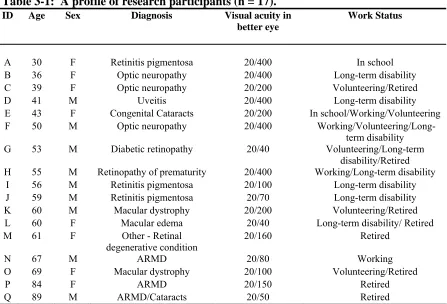
Table 3-1: A profile of research participants (n = 17). ... 62
Table 3-2: ATDs currently used or not used by the participants (n = 17). ... 66
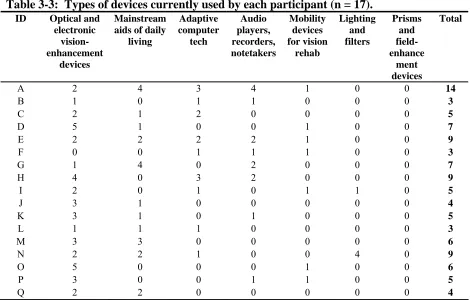
Table 3-3: Types of devices currently used by each participant (n = 17)... 66
Table 3-4: Mean ranking of importance of ATDs to one’s daily occupations (n = 17). . 67
Table 4-1: A profile of research participants (n = 10). ... 87
Table 4-2: Products discussed during the focus groups... 87
Table 4-3: Summary of content analysis from step one data collection. ... 89
Table 4-4: Sample concepts and quotes from two of three main themes. ... 92
Table 5-1: Sample item stems... 115
Table 5-2: Winnowing and item revision samples. ... 118
Table 5-3: Results of content analysis based on behaviour coding. ... 125
Table 5-4: Final elimination of items based on participant feedback and instrument administration findings. ... 127
Table 5-5: Component correlation matrix... 128
Appendix B: Letters of information and consent form... 168
Appendix C: Sample data collection protocols and form ... 178
Appendix D: Low Vision Product Selection Instrument – Original version ... 194
Appendix E: Copyright for publication ... 199
1
Introduction
The World Health Organization (WHO, 2010) estimated that 650 Million people or approximately 10% of the world’s population have some form of disability. This number is increasing due to factors such as population growth, ageing and medical advances to prolong life (WHO, 2010). In Canada, the Participation and Activity Limitation Survey (PALS), based on postcensal data, estimated that 12.4% of Canadians have one or more disabilities (Statistics Canada, 2006). Overall, persons with disabilities were
disproportionably represented by those above the age of 65 at 41%, while 10% of
working age adults 15 to 64 have one or more disabilities (Statistics Canada, 2006). The PALS also reported that 2.5% of the Canadian population has some form of seeing disability (Statistics Canada, 2006). This figure was a rough aggregate estimate given that there have been no major population-based studies which would reliably determine the epidemiological and demographic data on low vision and other vision loss disabilities in Canada (Jutai et al., 2007). Based on eight population-based studies worldwide, which was applied to the U.S. 2000 census, The Eye Diseases Prevalence Research Group (2004) estimated that of Americans of age 40 or over, 2.4 million (2.0%) were low vision and 937,000 (0.8%) were blind. Interestingly, Vitale, Cotch, and Sperduto (2006) estimated that of the 14 million people in the U.S. that were visually impaired, only 3 million had visual impairment that cannot be corrected with assistive technology devices (ATD) such as lenses, while the vision of the remaining 11 million people may be
corrected with lenses good enough to qualify them for diver’s license in most states. The authors further suggested that the provision of corrective lenses was a matter of public health with implications for safety and quality of life (Vitale, Cotch, & Sperduto, 2006). Given the factors of an aging population in the foreseeable future, and that most people with a seeing disability in Canada are 65 years of age or older, it may be expected that there will be an increase in the number of persons with vision loss (Statistics Canada, 2006; Jutai et al., 2007). The prevalence of vision loss in Canada was projected to
continue to increase (Jutai et al., 2007).
To meet the challenges of service provision to persons with vision loss, CNIB and the Canadian Ophthalmological Society commissioned Access Economics (a consulting firm) to conduct a report on the cost and impact of vision loss in Canada. The report estimated the cost of vision loss to be $15.8 billion or 1.19% of Canada’s GDP. The direct (health system related) cost of vision loss was estimated to be $8.6 billion. The economic impact of vision loss on the performance of occupations, or what people need, want or are obliged to do throughout the day (Wilcock, 2006), can be estimated at 7.2 billion dollars. From the report, the impact of vision loss on occupational performance was observed in the indirect costs of lost productivity, tax reduction and disability support programs, and care and rehabilitation (e.g., lost productivity of caregivers, and specialized library services)
The cost of assistive technology devices (ATDs) for people with vision loss, such as canes, talking watches, handheld magnifiers, closed-circuit televisions, electronic magnifiers, and electronic screen readers, was grouped into indirect costs to vision loss and was estimated to be at $303.9 million dollars (Access Economics, 2009). Note that the estimated cost of ATDs for vision loss did not include mass market commercial products and that they were based on actual costs of ATDs. From the published analysis in the report, the cost was allocated between “individuals, family and friends,
government, employment and society/ other insurance entities” (p. 86). Though the cost of products such as ATDs and commercial products to stakeholders are in and of
themselves significant, their potential and actual enablement of occupations in the contemporary setting is substantial and merits further investigation. A cursory search in the literature revealed that the provision of ATDs is a cornerstone of low vision
and related products have the potential to facilitate occupations that may increase productivity, independence, self-confidence, and overall quality-of-life and health of persons with vision loss (Day, Jutai, Woolrich, & Strong, 2001; Goodrich, 2003; Inge, 2006; Sperazza, 2001; Stelmack, Rosenbloom, Brenneman, & Stelmack, 2003).
In this dissertation, I focused on the selection aspect which may contribute to the success of product use and integration in the lives of persons with low vision. As suggested in the second chapter, though there have been a number of published works which indirectly point to considerations that persons with low vision have as they are selecting or using ATDs and related products, there is a gap in the literature when it comes to the
examination of selection factors in a comprehensive fashion. Thus, for the remainder of this introductory chapter and for part of the next chapter, I will draw on research from the general ATD literature. The next sections will present a more formal definition of ATD, raise the issue of ATD abandonment, and provide the purpose of my dissertation along with an overview of its organization by the mixed-methods technique.
1.1 The problem: Assistive technology devices (ATD) and
ATD abandonment
An ATD may be defined as “any item, piece of equipment, or product system, whether acquired commercially, modified, or customized, that is used to increase, maintain or improve functional capabilities of individuals with disabilities” (Assistive Technology Act, 2004). Over the past 20 years, the number of ATDs, normally used by individuals with a disability to engage and participate in occupations, have quintupled to
designed for people with disabilities but may nevertheless be used by them in the performance of occupations. The word product was used to encompass both ATD and commercial product.
Despite the high prevalence of ATDs, as well as, their popularity among vendors, health practitioners, researchers and critics of technologies alike, the literature showed that many ATDs are abandoned shortly after they are obtained, often within four months of purchase (Strong, Jutai, Bevers, Hartley, and Plotkin, 2003). The abandonment of commercial products by persons with disabilities is less clear. Regardless, product abandonment is a serious issue given that they could be the last means by which a person may be able to perform meaningful occupations or be deprived of them. To further elaborate, there are associated social and human costs such as reduced functioning, reduced participation in meaningful and social activities, as well as the reduced choices and opportunities to engage in social, productive work, leisure and everyday occupations. These losses may lead to greater alienation, marginalization and perception of self as disabled which can erode a person’s self-esteem and identity (Hocking, 1999).
In a commonly cited survey study of 227 adults with disabilities, Phillips and Zhao (1993) found that 29.3% (507 of 1732) of all ATDs were abandoned. Many of these devices were used for mobility as the sample contained mostly of persons with mobility impairments, although other major types of disabilities were represented as well, with the exception those with communicative disorders. These authors took a conservative definition of abandonment in that switching of brands, even if a person is dissatisfied with a particular ATD brand, was not considered abandonment. Further, logistic
regression analysis suggested four predictors of abandonment and they included: A lack of consideration of user opinion in selection, easy device procurement, poor device performance and change in user needs or priorities.
at the significance of abandonment factors derived from Roger’s theory of diffusion (1995) and existing literature. The ‘relative advantage’ of continuing to use a device over abandoning it was found to be strongest predictor of ATD usage. Similar to Phillips and Zhao’s (1993) study, Riemer-Reiss and Wacker (2000) found that a lack of consumer involvement “in deciding upon the device” (p. 46) was a predictor for abandonment. One of the key recommendations from the study was that “consumers must be involved in the selection of their assistive technology” (p. 49).
Mann, Goodall, Justiss and Tomita’s (2002) study provided more data to show that different nonuse rates were found with different ATDs, as well as with commercial products (e.g., 32.4% canes, 26.5% magnifiers, and 12.1% handheld showers were abandoned). Furthermore, they presented categorized list of reasons for nonuse or dissatisfaction of ATDs such as hearing aids, magnifiers and wheelchairs from 1056 frail elders. For example, the top five reasons for participants to stop using magnifiers
included: “magnification not strong enough”, “device is too small”, “does not help”, “vision has deteriorated too much” and “print appears to be blurry”.
Sutarno, 2003).
In summary, from both a social and economic costing standpoint, it is important that we are aware of the magnitude of the ATD abandonment problem as well the cascading effect on daily life of persons with vision loss. The initial process of device selection, which focuses on the matching of the person and the technology, is paramount. A failure to successfully achieve this process was theorized as the first step towards abandonment (Scherer, Sax, Vanbiervliet, Cushman, & Scherer, 2005). As mentioned by several authors, the person with the disability who will be using the product should be given primary control in the selection process (Mann, et al., 2002; Riemer-Reiss & Wacker, 2000; Phillips & Zhao, 1993; Wessels, 2004; Polgar, 2006). Their involvement right from the beginning in the process cannot be overstated (Gray, Quatrano, & Lieberman, 1998; Law et al., 1998). As such, this dissertation primarily focused on the involvement of persons with low vision to explore product selection considerations.
1.2 Dissertation purpose and overview of design
with the stated focus.
A mixed-methods approach was used to develop and initially test the LV-PSI. More specifically, the sequential exploratory mixed-methods study design was adopted (Creswell & Plano Clark, 2007). This study design consisted of both qualitative and quantitative research components. The purpose of the qualitative and the quantitative parts of the study will be discussed in the next section.
1.2.1 Mixed-Methods
The mixed-methods approach, which was used in this dissertation, orients its worldview towards pragmatism. Pragmatism focuses on “what works”, and takes advantage of multiple ways of understanding and data collection, for the primary purpose of
addressing the research question(s) (Creswell & Plano Clark, 2007) To elaborate using Tashakkori & Teddlie’s (1998) description of pragmatism: i) both quantitative and qualitative methods were used, ii) both objective and subjective points of view
(epistemology1) were used, and iii) values played a large role in interpreting, especially,
the qualitative results (axiology2).
Despite the use of pragmatism as a research paradigm for over 50 years (Creswell & Plano Clark, 2007), it was omitted from Guba and Lincoln’s (2005) classification of paradigms. According to Guba and Lincoln (1994), a paradigm is a set of basic believes (or metaphysics) which defines a person’s worldview and conduct or research. The authors advocate for the use of a metaphysical approach to classifying paradigms, which consists of an explication of the “logical (if not necessary) primacy” between ontological, epistemological and methodological assumptions (Guba & Lincoln, 1994, p. 108). The
1
Epistemology refers to an understanding of how a researcher gains knowledge of what he knows; and as well, the relationship between the researcher and that being researched (Creswell & Plano Clark, 2007).
2
Axiology refers to the role of values in the conduct of the research (Creswell & Plano Clark, 2007). The decision to focus on low vision device selection from a personal location reasoning point of view
and, therefore, what is there that can be known about it?” (Guba & Lincoln, 1994, p.108). Does the researcher believe in a ‘singular reality’ or ‘multiple realities’ (Creswell & Plano Clark, 2007)? The conceptualization of ontology and its implications on
epistemology and methodology has been a source of debate and controversy. In the first issue of Journal of Mixed-methods Research, Morgan (2007) challenged Guba and Lincoln’s omission of pragmatism as a research paradigm. He criticized the arbitrariness of what Guba and Lincoln defined as a paradigm, and suggested that ontological
assumptions have little effect on the conduct of research. Rather, Morgan (2007) inferred that the claim by Guba and Lincoln of paradigms being incommensurate with each other may actually discourage practical and interdisciplinary work between researchers. Morgan would like to shift the focus to discussing the connection between
methodological and epistemological concerns, as well as, methodological and methods concerns: “The pragmatic approach that I am advocating would concentrate on
methodology as an area that connects issues at the abstract level of epistemology and the mechanical level of actual methods” (p68).
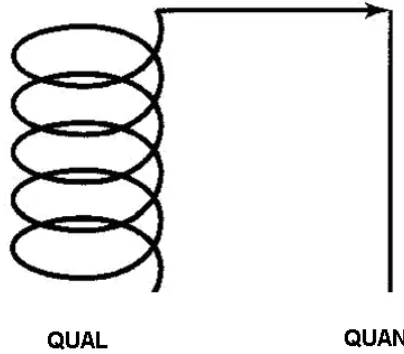
authors, which was employed in the current research, can be found in Figure 1-1.
Figure 1-1: Mixed-Methods – Sequential exploratory design (adopted from DePoy and Gitlin, 1998).
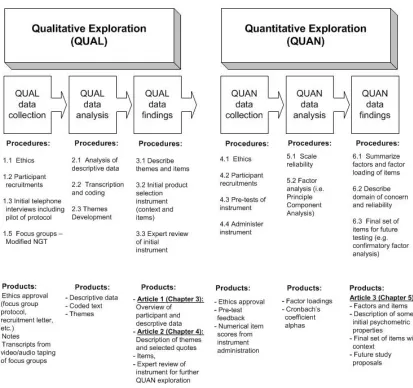
Figure 1-2: Overview of Mixed-Methods study processes in the dissertation (adopted from Creswell & Plano Clark, 2007)
represents the domains of concern was completed using Principal Component Analysis (PCA). The aim of the instrument is to enable persons with low vision, and service providers, to consider selection criteria which are deemed as important in the successful selection of a product. Moreover, it is envisioned that the LV-PSI may be used by persons with low vision with service providers (along with other instrument or assessment processes), but also independently by persons with low vision to select products where no service providers are available.
1.2.2
Organization of the dissertation
This dissertation is organized in an integrated-article format. Chapter 2 provides foundational elements to the subsequent chapters to explore the product selection considerations by persons with LV through mixed-methods. More specifically, the next chapter will present: (1) Theoretical impetus for conducting the research, (2) a review of selected conceptual frameworks that may be useful for LV product selection, and (3) a scoping review of the data collected from LV participants in the literature that may be related to product selection, usage and/ or abandonment.
As indicated in Figure 1-2, three articles are included in this dissertation. The first two articles were generated from the qualitative study and the last article was from the quantitative study. The focus of the first article (Chapter 3) was to obtain initial insights on the perceived relative importance of products that LV participants use (N=17) on a daily basis. Descriptive demographic data from LV participants were also collected and analyzed. The information obtained from this article was then used to generate and refine the protocol used in the two qualitative data collection sessions that followed in the second article (Chapter 4). Ten of the 17 participants whose data are reported in the first article participated in the sessions. Each session consisted of two data collection modes which included the use of a modified nominal group technique and focus group
the mixed-methods approach in the overall study. Future work to improve the
development and testing of the instrument, as well as, to allow for its use in practice, will also be discussed.
1.3 References
Access Economics Pty Limited. (2009). The cost of vision loss in Canada: Full report for Canadian National Institute for the Blind and Canadian Opthalmological Society. Retrieved June 30, 2009, from www.cnib.ca/en/research/pages/covl.aspx
Assistive Technology Act of 1998, as amended. Pub.L. No.108-364. §3, 118 Stat. 1707 2004.
Colenbrander A. (2002). Visual standards: Aspects and ranges of vision loss. Report prepared for the International Council of Ophthalmology at the 29th International
Congress of Ophthalmology, Sydney, Australia.
Cornman, J.C., Freedman, V.A., & Agree, E.M. (2005). Measurement of assistive device use: Implications for estimates of device use and disability in late life. The
Gerontologist, 45(3), 347-358.
Creswell, J. & Plano Clark, V. (2007). Designing and conducting mixed-methods research. Thousand Oaks, CA: Sage Publications, Inc.
Crudden, A. (2002). Employment after Vision Loss: Results of a Collective Case. Journal of Visual Impairment & Blindness, 96, 615-622.
Day, H., Jutai, J.W., Woolrich, W. & Strong, G. (2001). The stability of impact of assistive devices. Disability and Rehabilitation, 23(9), 400-403.
DePoy, E. & Gitlin, L. (1998). Introduction to research: Understanding and applying multiple strategies (2nd edition). St. Louis, MO: Mosby.
DeVellis, R. (1991). Scale development: Theory and application. Newbury Park, CA: Sage Publications, Inc.
Fok, D. & Sutarno, C. (2003). Overcoming barriers: Workplace accommodations for people with vision impairment, in: Proceedings of the 34th Annual Conference of the Association of Canadian Ergonomist, London, ON.
Gerber, E. (2003). The benefits of and barriers to computer use for individuals who are visually impaired. Journal of Visual Impairment & Blindness, 97(9), 536-550. Goodrich, G.L. (2003). Available and emerging technologies for people with visual
impairment. Generations (spring edition), 64-70.
Girdler, S., Packer, T. L., & Boldy, D. (2008). The impact of age-related vision loss. OTJR: Occupation, Participation & Health, 28(3), 110-120.
Thousand Oaks, CA: Sage.
Guba, E., & Lincoln,Y. (2005). Paradigmatic controversies, contradictions, and emerging confluences. In N. Denzin & Y. Lincoln (Eds.), Handbook of qualitative research (3rd ed., pp. 191-215). Thousand Oaks, CA: Sage.
Harper, R., Doorduyn, K., Reeves, B., & Slater, L. (1999). Evaluating the outcomes of low vision rehabilitation. Ophthalmic & Physiological Optics : The Journal of the British College of Ophthalmic Opticians (Optometrists), 19(1), 3-11.
Hesse-Biber, S.N., & Leavy, P. (Eds.) (2004). Approaches to qualitative research. New York, NY: Oxford University Press.
Hocking, C. (1999). Function or feelings: Factors in abandonment of assistive devices. Technology and Disability, 11, 3-11.
Hooper, P., Jutai, J. W., Strong, G., & Russell-Minda, E. (2008). Age-related macular degeneration and low-vision rehabilitation: A systematic review. Canadian Journal of Ophthalmology, 43(2), 180-187.
Inge, K.J. (2006). Assistive technology as a workplace support. Journal of Vocational Rehabilitation, 24(2), 67-71.
Jutai, J., Hooper, P., Strong, G., Russell-Minda, E., Cooper, L., Hutnik, C., Sheidow, T., & Tingey, D. (2007). Vision rehabilitation evidence-based review: Module 1:
Terminology, demography, and epidemiology of low vision. Unpublished manuscript,
The University of Western Ontario, The Lawson Health Research Institute, and CNIB.
Jutai J.W., Strong J.G., Ariizumi H., Plotkin A. (2006). Feasibility of dynamic modeling of outcomes for low vision devices. In J.S., H.D. & Rubin G (Eds.), Proceedings of the Vision 2005 International Congress on Low Vision Research. Amsterdam: Elsevier.
Law, M., Baptiste, S., Carswell, A., McColl, M. A., Polatajko, H., & Pollock, N. (1998). Canadian Occupational Performance Measure (3rd ed.). Ottawa, Ontario: CAOT Publications.
Mann, W.C., Goodall, S., Jutiss, M.D., and Tomita, M. (2002). Dissatisfaction and nonuse of assistive devices among frail elders. Assistive Technology, 14 (2): 130-139.
Morgan, D. (2007). Paradigms lost and pragmatism regained: Methodological implications of combining qualitative and quantitative methods. Journal of Mixed-methods Research, 1(1), 48-76.
National Eye Institute. (2007). What you should know about low vision. Retrieved July 29, 2009, from www.nei.nih.gov/health/lowvision/LowVisPatBro2.pdf.
Phillips, B., & Zhao, H. (1993). Predictors of assistive technology abandonment. Assistive Technology, 5(1), 36-45.
Polgar, J. (2006). Assistive technology as an enabler to occupation: what’s old is new again (Muriel Driver Lecture). Canadian Journal of Occupational Therapy, 73(4), 199-205.
Reimer-Reiss, M. & Wacker, R. (2000). Factors associated with assistive technology discontinuance among individuals with disabilities. Journal of Rehabilitation, 66(3), 44-49.
Rogers, E.M. (1995). Diffusion of innovations (4th edition). The Free Press. New York. Rosenberg, E. A., & Sperazza, L. C. (2008). The visually impaired patient. American
Family Physician, 77(10), 1431-1436.
Scherer, M., Sax, C., Vanbiervliet, A., Cushman, L., & Scherer, J. (2005). Predictors of assistive technology use: The importance of personal psychosocial factors. Disability and Rehabilitation, 27(21), 1321-1331.
Schwandt, T.A. (1994). Constructivist, interpretivist approaches to human inquiry. In N.K. Denzin & Y.S. Lincoln (Eds.), Handbook of qualitative research. Thousand Oaks, CA: Sage Publications.
Sperazza, L.C. (2001). Rehabilitation options for patients with low vision. Rehabilitation Nursing, 26(4), 148-151.
Statistics Canada. (2006). Participation and Activity Limitation Survey. Retrieved July 29, 2009, from
www.statcan.gc.ca/cgi-bin/imdb/p2SV.pl?Function=getSurvey&SDDS=3251&lang=en&db=imdb&adm =8&dis=2
Stelmack, J.A., Rosenbloom, A.A., Brenneman, C.S. & Stelmack, T.R. (2003). Patients’ perceptions of the need for low vision devices. Journal of Visual Impairment & Blindness, 97(9), 521-535.
Strong, G., Jutai, J., Bevers, P., Hartley, M. & Plotkin, A. (2003). The psychosocial impact of closed-circuit television low vision aids. Visual Impairment Research, 5(3), 179-190.
Tashakkori, A. & Teddlie, C. (1998). Mixed methodology: Combining qualitative and quantitative approaches. Thousand Oaks, CA: Sage Publications, Inc.
The Eye Diseases Prevalence Research Group. (2004). Causes and prevalence of visual impairment among adults in the United States. Archives of Ophthalmology, 122, 477-485.
Impairment and Blindness, 100(11), 687-692.
Watson, G. R. (2001). Low vision in the geriatric population: Rehabilitation and management. Journal of the American Geriatrics Society, 49(3), 317-330 Wessels, R. (2004). Ask the user. User perspective in the assessment of assistive
technology. Thesis. Maastricht University.
Wilcock, A.A. (Ed.). (2006). An occupational perspective of health (2nd ed.). New Jersey: Slack Incorporated.
World Health Organization (WHO). (2010). World report on disability: Concept note. Retrieved December 20, 2010, from
www.who.int/disabilities/publications/concept_note_2010.pdf
2
Theoretical background and review of literature
The theoretical background of the dissertation is presented in this chapter. The terms occupation and occupational deprivation are defined. This chapter emphasizes the importance of occupation in the lives of people with disabilities, and how products (i.e., assistive technology device (ATD) or mass market commercial products) may help to reduce occupational deprivation. This discussion is followed by a review of several relevant frameworks available in the ATD and consumer literature that may inform product selection by persons with low vision (LV). A scoping review was conducted on published works to gain perspective on what persons with LV deemed to be important during product section. This perspective, obtained from the literature, informed and provided directions to the subsequent qualitative and quantitative research studies reported in this dissertation.
2.1 Occupation
and
deprivation
There are a plethora of products available to persons with or without a disability that may be used throughout the day. Though some of us may feel inundated by the amount of technology around us (Wilcock, 2006) or be distracted by their promised capabilities, we must not lose sight of the fact that one of their purposes is to assist us in the performance of activities or occupations. Many occupational scientists believe that the engagement in meaningful occupations is as elemental as food and water for our survival (Wilcock, 1993; Wilcock, 2006). One of the earliest definitions of occupation from occupational science came from Yerxa et al. (1989) who referred to occupation as “chunks” of
an occupation is considered a sub-occupation of another.
First, one can use the perspective of the individual engaged in the occupation. Does he or she see the occupation as starting at the point of gathering the clothes, or does she or he see it starting with the loading of the washer? Does he or she see doing the laundry as part of something called “doing Saturday occupations?” Second, one can use sociocultural norms... How would most people in a culture or at a particular social level judge these matters? (p. 129)
Though such self or culturally defined occupations or activities may seem mundane, being deprived of doing them may have dire consequences to our health, well-being and quality of life. Wilcock (2006) cited the example of children being developmentally delayed when deprived of occupations and given nothing more than water, food and a place to sleep; and in jails, prison riots and suicides have also been linked to a deprivation of occupations. In a less extreme example, working age adults who are not performing productive occupations to their potential (unemployed or underemployed) may
experience poverty and depression (Wilcock, 2006). Formally, occupational deprivation may be defined as “a state of prolonged preclusion from engagement in occupations of necessity or meaning due to factors outside the control of an individual” (Christiansen & Townsend, 2004, p. 278). One large segment of our population that has been identified in the occupational science literature as being especially vulnerable to occupational deprivation is persons with disabilities (Whiteford, 2004).
2.1.1 Theorized determinants of occupation deprivation for persons
with disabilities
Given the established importance of occupations, it is beneficial to highlight two
persons with disabilities may also present barriers for occupational performance and participation. These attitudinal barriers may include but are not limited to “stereotyped perceptions, limited expectations, and subtle marginalization” (p. 236). For example, Roulstone (1998) provided an excerpt from a semi-structured interview with Clive, a part-time database and spreadsheet worker with cerebral palsy (CP), which suggested that attitudinal barriers may have contributed to his underemployment. Clive said:
Employers are prejudiced against those with CP, and also against those in wheelchairs... They also assume that because my speech is impaired I’m mentally handicapped... Employers seem amazed that I would even have the nerve to go for a job with my disabilities… They have already got this mental picture of what I am capable of. You could say you were a world expert on database construction, but it wouldn’t make a bit of difference (p. 110).
Changing attitudes and designing better environments are important components to consider in the mitigation of occupational deprivation experienced by persons with disabilities. The contexts or milieu becomes very important to participation and are part of the complexities toward underscoring the lived experience of a person with a disability as he performs an occupation (Cook & Polgar, 2008; Scherer, 1998).
2.1.2
The importance of ATDs and products to mitigate occupation
deprivation for persons with disabilities
Despite the best efforts to foster hospitable settings and optimal built environments for people with disabilities, they may still be precluded from the performance of occupations as no design of environments or planned contexts can be truly universal and
accommodate everyone (Trachtman, 1998, p.2). As such, the use of ATDs and related products are essential to the performance of everyday meaningful occupations by persons with disabilities (Vanderheiden, 1988; Whiteford, 2004; Polgar & Landry, 2004).
Several studies in the low vision disability literature support this assertion.
normal vision group. The use of vision devices was not measured but the authors suggested that assistive mobility devices were needed for person with ARMD to remain independent.
In a longitudinal study (n = 438) that used multivariate analysis, the question concerning the relationship between optical and adaptive aides on change in depression and disability was assessed. Comparing data from time 1 (pre-service) and time 2 (6 months after), the authors findings significantly “support the efficacy of optical device use for declines in IADL disability and depression” (Horowitz, Brennan, Reinhardt, & MacMillan, 2006, p. S278).
Strong, Jutai, Bevers, Hartley, and Plotkin (2003) used the Psychosocial Impact of Assistive Devices Scale (PIADS) to look at the psychosocial impact of the use of closed circuit televisions (CCTV) on a cohort of participants with low vision (n = 36) annually for three years after adoption. Their finding suggests substantial psychosocial benefits were experienced by the cohort especially in the first two years after CCTV adoption. The authors suggest that the relatively lower PIADS scores in the third year may be due to a “response shift”, where the effectiveness of the CCTV was not necessarily lessened but the meaning behind the participants’ self-evaluation of the psychosocial constructs may have shifted.
Finally, in a similar study involving 68 CCTV users, Huber, Jutai, Strong, and Plotkin (2008) also found that participants experienced significant psychosocial benefits from the initial adoption of CCTV. Furthermore, while the PIADs scores peaked at one-month and waned over a six month period, the functional status of the participants remained the same as measured by the National Eye Institute Visual Function Questionnaire (NEI VFQ-25). This finding provided validation for Strong et al.’s (2003) assertion that the effectiveness of CCTV does not necessarily diminish even though the perceived
different ways by facilitating the performance of occupations. Though the important linkage between occupational performance and products was shown in the four
aforementioned studies, this linkage may sometimes be taken-for-granted by clinicians or clients in the evaluation of device outcomes. The relation between occupational
performance and ATDs is so inexorably linked or assumed that many rehabilitation outcome measurement instruments do not make the distinction between occupational performance with or without the use of products in their measures or items. Some examples include the Canadian Occupational Performance Measure (Law, et al., 1998), Impact on Participation and Autonomy (Cardol et al., 1999) and The Life Space
Questionnaire (Stalvey, Owsley, Sloane, & Ball, 1999). Certainly, depending on the intended use of the instrument, the distinction between occupational performance with or without the use of an ATD may not be as relevant. For the purpose of the current work to produce a product selection instrument however, the ATD or product needed to be explicitly identified and examined. As Hocking (1997) advocated in the Person-Object Interaction model, it is important to examine the ‘object’, or in this case the product, which is often overlooked when discussing occupation or occupational performance within the occupational science literature. As such, several frameworks from the general ATD and consumer product literature that take into account the ‘object’ were included for the purpose of grounding the current LV product selection research.
2.2 Product selection framework
relevance of these models to the current dissertation is also discussed.
2.2.1 ATD Frameworks
Dr. Marcia Scherer and colleagues have made significant contributions in the area of ATD selection through research and practice with the Matching Person and Technology (MPT) model. The MPT model suggested that considerations of the person, the milieu and the technology are necessary for a best “match” during the selection process. These three focused areas originally emerged from a grounded theory study with 10 adults with physical disabilities (five participants with spinal cord injury and five with cerebral palsy) (Lenker & Paquet, 2003). Of significance is that the MPT system of instruments
(Scherer, 1998; Scherer & Craddock, 2002) have advanced and focused our
understanding of the pre-dispositions to matching a person and the technology and these are mentioned shortly. A summary of the MPT assessment process and instruments may be found in Scherer et al. (2005, p. 1322, Table I). An example of one MPT instrument is the Assistive Technology Device Predisposition Assessment - Consumer form (ATDPA – C). It provides a section which asks the consumer to rate 10 general, non-disability specific items relating to “how do you feel about using the device?” (Scherer, 1998).
Although Scherer's approach has been heavily promoted, there has been limited
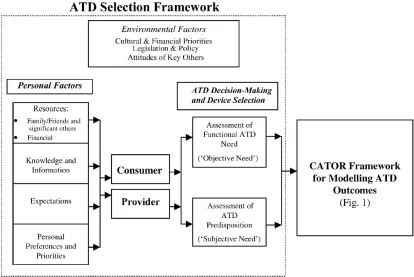
Figure 2-1: Framework for modeling the selection of ATDs (Scherer et al., 2007).
The two sets of pre-disposition factors expressed in this framework include
environmental (cultural and financial priorities, legislation and policy, attitudes of key others) and personal factors of the consumer and the provider (resources, knowledge and information, expectations, personal preferences and priorities). “Together, these
environmental and personal factors create the context in which ATD decision-making and device selection for a given individual occurs” (Scherer et al., 2007, p. 4). Objective needs (e.g., walk 50 feet on a smooth surface) are normally determined by the provider, whereas subjective needs (e.g., desire to move independently) are decided by the
for occupational performance. In other words, the goal of the current work was not to replace the MPT but rather, to gain a better understanding of LV participants’
perspectives (e.g., personal factors) that may influence product selection. These factors can then be operationalized as LV domain specific items that may supplement more generic items found in the MPT.
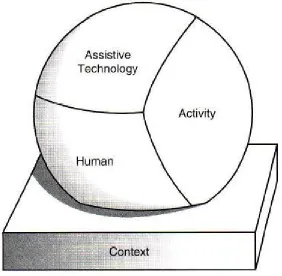
In terms of utility, Lenker and Paquet (2003) suggested that the MPT is a useful heuristic tool for ATD provision given its broad applicability, much like the HAAT model. The HAAT model focuses on capturing the components of the human, the activity and the assistive technology used within a context. “The human component includes physical, cognitive, and emotional elements; activity includes self-care, productivity and leisure; assistive technology includes intrinsic and extrinsic enablers; and the context includes physical, social cultural and institutional contexts.” (Cook & Polgar, 2008, p. 36.)
to the foreground. In the HAAT model, activity is analogous to occupation as previously defined. The HAAT model is arguably less developed and less tested for ATD selection because the model and its respective components have not been operationalized.
However, as Lenker and Paquet (2003) suggested, the HAAT’s “all-encompassing nature affords possibilities as a reference framework upon which outcomes research can be based.” (p. 4). Given the exploratory nature of the research presented in the current dissertation, the use of the HAAT model served to minimally acknowledge the dynamic negotiation between these key components to ensure that they were not overlooked. The HAAT model provided a method to organize the relevant literature identified in the scoping review of LV product selection (below), and as well, suggested possible content, especially the context for which the LV-PSI was administered.
depth experiences of successes or failures associated with product selection.
2.2.2
A Model of the Innovation-Decision Process (Rogers’ model)
Unlike the previous models reviewed, Rogers’ model (1995, 2003) is drawn from the
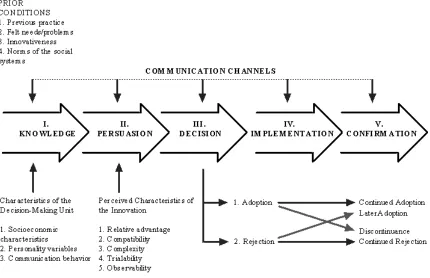
Diffusion of Innovation or ideas literature and not from the ATD literature. Rogers (2003) defined diffusion as “the process in which an innovation is communicated through certain channels over time among the members of a social system.” (p.5) The model is presented in Figure 2-3, and can be described as a five step process through which a person goes from 1) gaining initial knowledge of an innovation, say a product, 2) to forming an attitude about it (persuasion), 3) to making a decision on whether to adopt or reject it, 4) to putting the product to use (implementing), and then 5) to the
Figure 2-3: A model of five stages in the innovation-decision process (Rogers, 2003).
In the persuasion stage, a general perception of the product is developed and the main outcome of the stage is a favourable or an unfavourable attitude towards the product (Rogers, 2003). As shown in Figure 2-3, the five perceived characteristics of the
innovation play a major role at this stage. The definitions from Rogers (2003, pp. 15-16) of these characteristics are illustrated below along with an example of considerations that may go into the purchase of a portable CCTV based on this model.
1. Relative advantage: is the degree to which a product is perceived as better than the product it supersedes. For example, does a person feel that the use of a portable CCTV may be more suitable, more modern and more advantageous than using a non-electronic handheld magnifier at the supermarket to look at food labels?
past to help with her activities of daily living? Note that ‘compatibility’ as described by Rogers (2003) is not necessarily about whether a product is compatible with another product (e.g., electronic screen reader with a computer system – discussed shortly).
3. Complexity: is the degree to which a product is perceived as easy or difficult to understand and use. For example, does a person feel that a particular design of a portable CCTV is simple such that it can be picked up and its major features and functionalities may be understood and used right away with minimal training or instructions?
4. Trialability: is the degree to which a product may be tested or experienced on a limited basis. For example, can a person take the portable CCTV out of the store for 30-days so that she can try it out in different real life use contexts?
5. Observability: is the degree to which the results of using the product are visible to people. For example, a person with low vision may notice another person with LV using a portable CCTV to read regular sized newsprint independently at her optometrist’s office. As a result, she may inquire and find information about it, and adopt it later on. Note that as described by Rogers (2003), observability is distinct from visual feedback of using a product which may be closer to the idea of complexity.
Rogers explains that the decision stage, much like the previous stage is aimed at capturing the person’s behaviour of attempting to reduce uncertainty. This stage often involves trying out a product, and/ or watching a demonstration, and if there is a
proprietary computer system found in a workplace (unless their integration was
considered during the design and implementation of the computer system), and scripting may be required to make the software and the system technically compatible.
Rogers’ work is important in that it reminds us that a person with a disability is a consumer who happens to have a disability. Researchers need to at least conceive that the consumer with the disability may or may not have similar wants and needs, and may or may not follow similar processes for adoption of an innovation as other consumers without a disability. As mentioned in the introduction, Riemer-Reiss and Wacker’s (2000) work has attempted to use and validate parts of Rogers’ model (1995) with a sample of 115 persons with cognitive and mobility impairment. Riemer-Reiss and Wacker (2000) used an instrument to measure the factors of relative advantage (nine items), compatibility (one item), trialability (one item), re-invention (one item) and change agent (persons who influences the adopter) support (seven items) (Lenker & Paquet, 2003), along with other factors (consumer involvement and changes in consumer needs) found in the literature. These independent variables (factors) were examined and relative advantage and consumer involvement were found to be significant predictors of technology discontinuance (Riemer-Reiss & Wacker, 2000). Much like the work of Riemer-Reiss and Wacker (2000), the current work attempted to include the quantitative testing (see Chapter 5) of a number of general consumer considerations as outlined by Rogers (2003). There were at least three rationales for this decision. First, the stated goal of the selection instrument was to assist persons with LV in the selection of products as opposed to the selection of ATDs only. Second, the product selection consideration findings from the qualitative study in Chapter 4 corroborated with a number of concepts or factors identified by Rogers (2003). Finally, from the perspective of a person with LV, she may abandon a product for a number of reasons beyond just a good fit between her residual vision and the product’s capabilities. Roger’s model (2003) may account for some of these other reasons.
revamped Norman’s classic work (1988) on the design of everyday things, to add to the usability of ATD literature. The ten revamped principles by King (1999) that were important to consider in the Human Factors design of ATDs include: (1) Transparency-translucency-opacity, (2) cosmesis of AT devices, tools, and systems, (3) mappings of ATD learning, use, and operation, (4) affordances, (5) learned or taught helplessness, (6) feedback from switches, controls, screens and devices, (7) knowledge of technology use that is “in the head” versus “in the world”, (8) constraints of ATD use, (9) incorporations of “forcing” or failed-safe functions for systems, and (10) prevention of errors, mistakes misactivations (“miss hits”) in ATD use. Generally, these ideas have not been applied to LV research for the purpose of product selection; though as the reader may note later through the scoping review, ideas related to ease of use and the intuitive use of a device have appeared in the literature.
scoping review to follow in the next section. While the four models as outlined in the section created an important backdrop for the current research, it is important to emphasis that these are generic, non-disability domain specific models. In other words, while themes, factors or concepts relating to product selection may be identified through these models, there is a gap in that participants with LV did not necessarily inform the
development of these models. A survey of the literature was necessary to identify the potential selection considerations that have been expressed, directly or indirectly, by LV study participants.
2.3 Review of literature: LV participants’ product selection
considerations
More attention is needed to include consumers with LV in the development of criteria to support consumer-based product selection. To date, there is a lack of synthesis on what is known in the literature on product selection from the perspectives of LV participants that may be translated into the development of an instrument for product selection. Although some consumer-based criteria for evaluating general ATDs exists (e.g.,
Demers, Weiss-Lambrou, & Ska, 1996), there is only a small number of studies that may directly inform product selection considerations by persons with LV. One such study is the often cited work from Bativia and Hammer (1990) which included a small number of consumers with LV in the development of consumer-based criteria to evaluate ATDs.
Through the use of a modified Delphi Method with focus groups, Bativia and Hammer (1990) sought to identify and prioritize factors used by consumers for evaluation of a variety of ATDs. Consumer experts who have mobility impairments (N = 6) or sensory impairments (N =6) were included in the two panels. From the sensory panel of
consumer experts, two were reported being legally blind. They assessed a type reader (e.g., Kurzweil machine), a recording system, and a location based system (Bativia & Hammer, 1990, pp. 429- 430).
acceptance, physical security, consumer repair and ease of assembly. Overall, the two panels’ top four priorities were consistent (Pearson’s r = 0.82). The top four priorities from most important to least important included: effectiveness, affordability, operability and dependability. An important point to note, however, is that when only blind
technologies were considered, operability was replaced by portability such that the ranking from most to least important was: affordability, effectiveness, dependability and portability. The stability of these rankings should be further explored with a larger number of persons with vision loss. This study showed that the list of factors was dependent upon the type of technology selected for discussion. For example, if a technology, say a desktop computer, was to be discussed, then it would be unlikely that portability will turn up as a key factor. In other words, this was a useful study as it identified concepts which may affect the selection of ATDs by persons with disabilities. However, it is unknown if the summary of concepts applies to persons with low vision. Furthermore, the consideration of contextual factors, for example as outlined by the HAAT or the MPT was underreported. Thus, knowledge of factors important to product selection for persons with LV requires further examination.
A better understanding of the extant product selection concepts specifically expressed by study participants with LV was achieved through the use of a scoping review of the literature. The scoping review adopted here provided a comprehensive synthesis and coverage (breadth) of the available literature on the topic of product selection for persons with LV (Arksey & O’Malley, 2005). The methodological framework for a scoping review offered by Arksey & O’Malley (2005, p.22) included five stages that were used in this review: Stage 1 – identify the research question; stage 2 – identify relevant studies; stage 3- study selection; stage 4- charting the data and stage 5 - Collating, summarizing and reporting the results.
2.3.1 Stage 1 – Identify the research question.
The research question for the scoping review was as follows: What key concepts or
factors have low vision study participants expressed as being important during selection,
nature; which was especially amenable to a scoping review as supposed to systematic review (Davis, Drey, & Gould, 2009). As this was a scoping review and not a systematic review, the quality of the studies selected varied greatly and was not assessed (Arksey & O’Malley, 2005). For the overall dissertation purpose of verifying concepts and item generation in the development of an instrument, it was important to err on the side of including more content (breadth) rather than less. The content is used in the subsequent chapters for check of congruency, revision and testing of concepts. Second, the scope of search was widened to include not only those studies that directly asked questions related to LV product selection, but also those that examine usage as abandonment. Two key rationales for this decision were that there exist only a small number of studies that focus on LV product selection, and that several factors for usage and abandonment have been theorized to influence ATD selection (Cook & Polgar, 2008; Riemer-Reiss & Wacker, 2000; Bativia & Hammer, 1990).
2.3.2
Stage 2 – Identifying relevant studies
Eight databases were searched including Abledata, CINAHL, Cochrane Review, EMBASE, Psychinfo, PubMed, SCOPUS and Socindex. Combinations of keywords were used in the search and they included: low vision, visual impairment; adaptive technology, assistive technology, technical aid, technical device, aid, device and technology. The search parameters were limited by context and time (search period) consistent with scoping review methods (Arksey & O’Malley, 2005) which included: English, Adults (18+ years old), between 1984 to 2009 (25 years span) and human
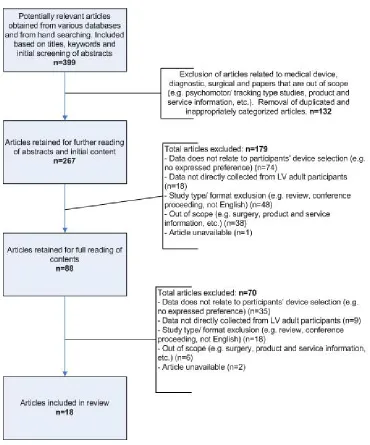
Figure 2-4: A flow summary of the process taken to including relevant articles for the purpose of this scoping review.
2.3.4
Stage 4 - Charting the data
A summary table of the articles included in this review can be found in Table 2-1. The following headings were used:
Study/purpose – Authors, year of study, purpose of study
Research design/ participants – Study design type, method type, N, mean age, gender, visual disability/ acuity (if stated) otherwise assume ‘low vision’
Device examined/ Context
Table 2-1: Low vision device selection, usage and abandonment: Summary of articles found in the literature
Study/ Purpose Research Design/ participants Device examined/ Contexts Relevant findings – on selection, usage or abandonment of devices Becker, Wahl, Schilling,
and Burmedi (2005) - Exploring the role of control beliefs in assistive device use.
- Cross-sectional and repeated measure
- Measures: ATD use and control-theory-related variables; At T1, T2.
- N =71 (mean age = 79.5; 26 M, 64 F; Age-related Macular Degeneration, ARMD)
- Visual aids (not including mobility or hearing aids) - Contexts: Participant use of devices in their everyday life.
- Use of technology is predicted by different things at different times.
- “We found selective primary control [i.e., invest effort to learn to attain goal] to be a significant predictor of assistive device use at time 1.
- After a 1-year period of disease progression, compensatory primary control took over at time 2 [i.e., actually seeking external (ATD, others) for help to reach goal].”
Boulton (1989) - Reporting on clinical evaluation of several ATDs
- Clinical evaluation of equipment by low vision and blind
- N = 17 (Age: 21 to 42) - N = 8 (Age: 9 to 20
- CCTV
- Keynote (screen reader), talking word processor, Vista (electronic screen magnifier), VTS reporter (portable scan-read machine).
- Context: Clinical
- 3 adults felt CCTV would increase work capabilities. - 4 other adults already had CCTV for work use.
- 3 homemakers found CCTV useful for recreational reading. - Few participants liked VTS reporter for portability.
- One young adult able to use keynote right away.
- One adult found keynote invaluable to access information.
Buning and Hanzlik (1993) - Explore adaptive
computer use by a person with visual impairment
Single-subject research - Quantitative measure for various types of reading; - Qualitative and quantitative: Occupational Performance History Interview (OPHI) - 31 yrs old, F, legally blind since 19 (acute MD)
- Mac computer, built in screen enlargement, screen reader
- Context: Campus apartment
- The subject attributed changes in her roles, role balance, and interest enactment to her increased independence, empowerment and efficiently of time use as a result of her adapted computer system.
Copolillo and Teitelman (2005)
- Describe individual factors affecting the likelihood to seek, acquire and use LV ATD.
- Applied ethnography (interview), grounded theory (focus groups)
- N = 15 (10 M, 5 F; Mean age = 75.7)
- Visual acuity between 20/70 to 20/400 in better eye
- “Low vision assistive device” (LVAD)
- Contexts: Study took place in clinical and in home.
Thematic analysis results:
1) Experiences and characteristics leading to successful LVAD use decision making. (a) Positive health care experience, (b) benefits of LVAD, (c) resource exchange (informal network, support group, peers), and (d) savvy consumerism.
knowledge of services), and (b) Limits of LVADs – e.g., in describing CCTV limitations the lack of features, clarity, too big, heavy or awkward, and the screen not being wide enough, emerged as issues.
3) Adjustment to LV disability included negative emotional aspects that extended beyond the decision of using a device to the
employment of other mechanisms to cope with lifestyle changes. - General: Training and choice of appropriate devices assured continuous use.
- Trial-ability and assistance from professional was important during selection.
- Device that provides substantial solutions to serious problems preferred.
- Devices that are cumbersome and require unreasonable amount of energy to use and provide limited solutions to functional loss are discarded.
Crudden (2002) - Explore and report on challenges of job retention after vision loss.
- Collective case study approach (telephone interview with participant and others such as employer, counselor – specifics not reported)
- N = 10 (blind or LV)
- 9 of 10 used computers with assistive technology
- Mobility aids
- Context considered is work.
- Mobility aid usage for transportation
- 1 participant suggested that the use of a cane was like “coming out of the closet” so people would realize the participant is visually impaired.
- Impact of computer technology on job retention throughout case studies – positive
- However, use of computer technology also source of stress: delay obtaining equipment, fear of not enough time to learn, fear of incompatibility
Culham, Chabra, and Rubin (2009)
- Evaluate electronic vision enhancement system - Correlate opinions with performance
- Mixed-methods
- N = 10 (ARMD; Mean age 41.8)
- N = 10 (Early onset MD; Mean age = 73.5)
- Head mounted devices - Jordy, Flipperport, Maxport, NuVision (participants allowed to change
magnification and contrast to their liking)
- Contexts: Study took place in the laboratory and at the participant’s home (where they were allowed to take the machine)
- 1/3 said no instructions needed. May reflect “try and see approach rather than labouring through written instructions.”
- Extensive training not required as long as they demonstrate they can use the device before going home.
- On-going support and training may be useful.
- Important features: magnification, comfort (weight not size); but only magnification was significantly predictive of rating
- Newly diagnosed respond more positively
- “Knowing what performance aspects influence user opinion” may help curb abandonment.