ABSTRACT
STALEY, BRYAN FLEET. Environmental and Spatial Factors Affecting Microbial Ecology and Metabolic Activity during the Initiation of Methanogenesis in Solid Waste. (Under the direction of Morton A. Barlaz and Francis L. de los Reyes III.)
Anaerobic decomposition of organic matter occurs in both natural (e.g., soil, peat bogs, digestive tracts) and engineered (e.g. landfills, anaerobic digesters) ecosystems. The primary end-products of anaerobic decomposition are methane (CH4) and carbon dioxide (CO2). Upon landfilling, rapidly degradable materials within the refuse
anaerobically decompose resulting in an accumulation of volatile fatty acids (VFAs) and a commensurate drop in pH to a minimum ranging between 5.5 and 6. These low pH, high carboxylic acid conditions have been shown as inhibitory to methanogenic Archaea in analogous ecosystems such as peat and the rumen. In contrast to these findings, methanogenesis initiation occurs under these conditions, indicating the mechanism by which methane production begins in refuse is poorly understood.
There are two theories for how methane production initiates in landfills. One is that methanogenic Archaea (i.e. methanogens) tolerant to the low pH, high VFA conditions consume acids until the bulk pH is suitable for the establishment of
methanogens that grow under pH-neutral conditions. The second theory is that spatially isolated areas of neutral pH exist while bulk pH is acidic and these localized regions of neutral pH act as initiation centers for methanogenesis. The goal of this study was to test these two theories and validate their importance relative to methanogenesis initiation in refuse.
refuse and, (3) peat. Under high VFA concentrations, results showed methanogenesis initiation occurred at pH minima of 6.25, 5.75 and 5 for actively decomposing refuse, well-decomposed refuse and peat, respectively. The hydrogenotrophic Methanoculleus genus facilitated methane initiation in actively decomposing refuse (pH 6.25) while Methanosarcina triggered methane production in well-decompose refuse (pH 5.75). In peat, methanogenesis was facilitated by an uncultured Methanosarcinales. This is the first study to fully characterize methanogens responsible for methane initiation under low pH, high VFA conditions and suggests acid tolerance (pH 5 – 6.25) is relatively common provided sufficient acclimation time. However, methane production rates at lower pH were found to be 3 to 6 fold lower than those at neutral pH.
To evaluate the spatial influences on methanogenesis initiation, fresh refuse was placed into triplicate laboratory scale reactors, decomposed to the anaerobic acid phase, and destructively sampled when methanogenesis initiated. Large differences were observed spatially in refuse pH, moisture content and VFA concentration. No pH neutral niches were observed in reactors prior to methanogenesis. RNA clone library results showed most bacterial activity was attributed to the Clostridiales order. Methanogenic Archaea activity at low pH was catalyzed by Methanosarcina barkeri. After
methanogenesis, pH neutral conditions developed in high moisture content areas
Environmental and Spatial Factors Affecting Microbial Ecology and Metabolic Activity during the Initiation of Methanogenesis in Solid Waste
by
Bryan Fleet Staley
A dissertation submitted to the Graduate Faculty of North Carolina State University
in partial fulfillment of the requirements for the Degree of
Doctor of Philosophy
Civil Engineering Raleigh, North Carolina
2009
APPROVED BY:
Morton A. Barlaz Francis L. de los Reyes III (Co-chair of Advisory Committee) (Co-chair of Advisory Committee)
ii
DEDICATION
iii
BIOGRAPHY
Bryan Staley received his Bachelor of Science degree in Biological and Agricultural Engineering from North Carolina State University in 1994. He received his Master of Science degree in Biosystems Engineering, with an Environmental Engineering minor, from the University of Tennessee in 2000. Bryan began his consulting career in 1996 with Agri-Waste Technology, Inc. (Raleigh, NC) where he was a project manager. After receiving his professional engineering license in 2000, Bryan was briefly Vice President and Engineering Manager for a small consulting firm prior to becoming a project
iv
ACKNOWLEDGEMENTS
I would like to thank the Environmental Research and Education Foundation for providing 4 years of support through a Francois Fiessinger scholarship and Waste Management, Inc. for funding this research. I would also like to thank N.C. Beautiful and the Air and Waste Management Association for their support via multiple
scholarships and North Carolina State University for sponsoring my studies and for institutional support. I cannot over express my gratitude to my co-advisors, Dr. Morton Barlaz and Dr. Francis de los Reyes III, who have provided excellent ideas and advice that have propelled this research and improved my capabilities as a researcher and author. Their clear direction and mentorship have provided a solid academic and professional foundation and better prepared me for future success. I also thank Dr. Neal Blair and Dr. Michael Hyman, who served on my committee, for their guidance and interest in this research. I thank David Black, Fang Xu, Johnsie Hingley, and Debra Kantner for their effort and support of this research because, without their help, I would still be in the laboratory. I also thank my colleagues at NCSU for the numerous conversations,
v
TABLE OF CONTENTS
LIST OF FIGURES ... ix
LIST OF TABLES ... xii
Chapter 1. METHANOGENESIS INITIATION BACKGROUND & JUSTIFICATION OF RESEARCH INTRODUCTION AND RESEARCH OBJECTIVES ... 1
MECHANISMS AFFECTING METHANOGENESIS INITIATION... 4
Acid Tolerant Methanogens... 5
pH as a Controlling Variable in Methanogenesis Initiation... 7
Spatial variation and microniches in refuse ... 8
Spatial Differences in Anaerobic Digesters ... 9
Vertical Stratification of Methanogenesis in Peat Bogs ... 10
Impact of Scale on Soil and Sediment Communities... 11
Effect of Soil Structure/Particle Size ... 11
REFERENCES ... 13
Chapter 2. PROCESSING HETEROGENEOUS MATERIALS PRIOR TO DNA EXTRACTION IS ESSENTIAL FOR MINIMIZING BIAS: A COMPARISON OF METHODS USING DECOMPOSED REFUSE INTRODUCTION ... 27
MATERIALS & METHODS ... 30
Refuse Sample Preparation and Reactor Monitoring... 30
Experimental Design... 31
Processing Methods ... 31
DNA Quantitation and Extraction ... 34
PCR Conditions ... 35
T-RFLP Analysis ... 36
Analysis of T-RFLP Profiles ... 37
Comparison of methods using MDS analysis of Bray-Curtis Similarities ... 37
Pure Culture Spiking and Quantitative PCR... 38
RESULTS AND DISCUSSION ... 39
DNA Extraction and Yield... 39
Microbial Community Structure Bias ... 41
Pure Culture Spiking and Recovery using Quantitative PCR... 45
Recommendations... 46
ACKNOWLEDGEMENTS... 47
vi
Chapter 3. COMPARISON OF BACTERIA AND ARCHAEA COMMUNITIES IN MIXED REFUSE, INDIVIDUAL REFUSE COMPONENTS AND LEACHATE
INTRODUCTION ... 70
MATERIALS AND METHODS... 72
Sample Collection... 72
Sample Processing and DNA Extraction ... 74
PCR Conditions ... 75
Clone Library of 16S rRNA Gene ... 75
T-RFLP Analysis ... 76
Statistical and Phylogenetic Analyses ... 77
Quantitative PCR ... 77
Chemical Analyses... 78
Nucleotide Sequence Accession Numbers... 79
RESULTS ... 79
Chemical Analyses... 79
Fresh MSW 16S Clone Library ... 81
Total DNA Recovery and qPCR of Bacteria and Archaea... 81
MSW and Individual Refuse Components T-RFLP ... 82
Microbial Community Demographics in MSW Solids versus Leachate ... 83
DISCUSSION ... 85
Comparison of Microbial Communities in Refuse ... 85
Fresh Refuse Collected at Different Times... 87
Solids versus Leachate ... 88
ACKNOWLEDGEMENTS... 90
REFERENCES ... 90
Chapter 4. MICROBIAL ECOLOGICAL SUCCESSION DURING MUNICIPAL SOLID WASTE DECOMPOSITION INTRODUCTION ...104
RESULTS ...106
Methane, pH, Volatile Fatty Acids, Moisture Content, Volatile Solids and Complex Carbohydrates...106
Bacteria and Archaea 16S rRNA Gene Clone Libraries...107
Correlating Microbial Demographics to Decomposition Phase/Environmental Parameters...108
Shifts in Individual T-RFs During Decomposition...109
DISCUSSION ...110
EXPERIMENTAL PROCEDURES...113
Reactor Operation and Sample Collection...113
vii
PCR Conditions ...115
Clone Library of 16S rRNA Gene ...116
T-RFLP and Statistical Analyses ...117
Phylogenetic Analyses ...117
Chemical Analyses...118
ACKNOWLEDGEMENTS...118
REFERENCES ...119
Chapter 5. IDENTIFICATION OF METABOLICALLY ACTIVE METHANOGENS IN REFUSE AND PEAT DERIVED INOCULA UNDER LOW PH AND HIGH VOLATILE FATTY ACID CONDITIONS INTRODUCTION ...137
MATERIALS AND METHODS...140
Experimental Design...140
Sample Collection and Refuse Decomposition...142
Inoculum Generation ...143
Microcosm Monitoring and Sampling ...143
RNA Extraction ...144
Reverse Transcription and PCR Conditions ...145
16S RNA Clone Library ...145
T-RFLP and Statistical Analyses ...146
Phylogenetic Analysis...147
RESULTS ...147
Microcosm pH and Volatile Fatty Acids ...147
Methane Production ...148
RNA Clone Libraries ...150
RNA T-RFLP...151
DISCUSSION ...152
ACKNOWLEDGEMENTS...156
REFERENCES ...156
Chapter 6. THE EFFECT OF SPATIAL DIFFERENCES IN MICROBIAL ACTIVITY, PH, AND SUBSTRATE LEVELS ON METHANOGENESIS INITIATION IN REFUSE INTRODUCTION ...174
MATERIALS AND METHODS...176
Experimental Design...176
Sample Collection and Reactor Monitoring ...177
Chemical Analyses of Core Samples ...178
viii
RNA Extraction ...178
Reverse Transcription and PCR Conditions ...179
16S RNA Clone Library ...180
T-RFLP and Statistical Analyses ...180
Phylogenetic Analysis...181
RESULTS ...182
Moisture Content ...182
pH...182
Volatile Fatty Acids ...183
16S RNA Clone Libraries...183
Canonical Correspondence Analysis using RNA T-RFLP ...184
qPCR and RT-qPCR ...185
DISCUSSION ...186
ACKNOWLEDGEMENTS...191
REFERENCES ...191
Chapter 7. SUMMARY AND RESEARCH IMPLICATIONS RECOMMENDATIONS FOR FUTURE WORK ...218
ix
LIST OF FIGURES
Chapter 2. PROCESSING HETEROGENEOUS MATERIALS PRIOR TO DNA EXTRACTION IS ESSENTIAL FOR MINIMIZING BIAS: A
COMPARISON OF METHODS USING DECOMPOSED REFUSE
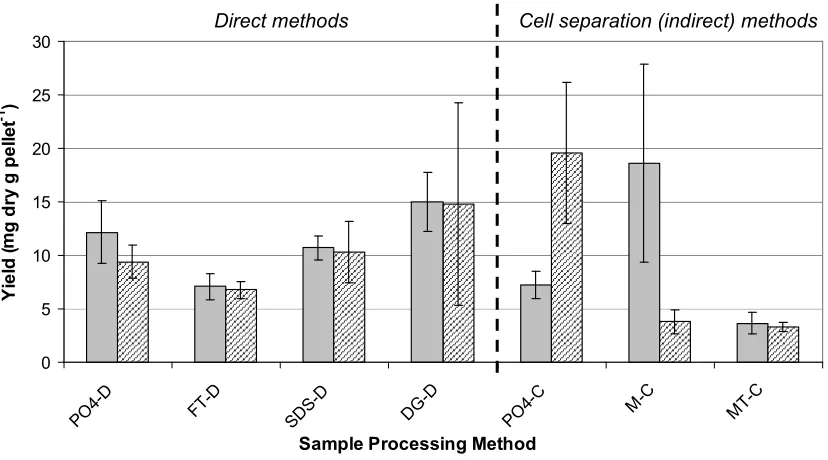
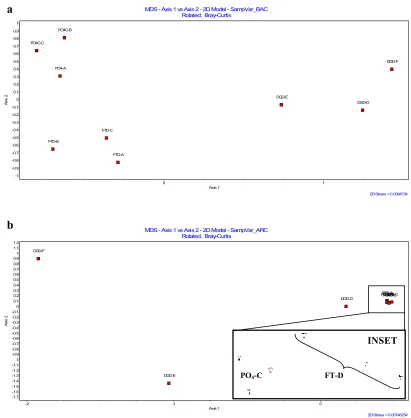
Figure 1. Effect of sample processing methods on DNA yield... 60 Figure 2. MDS using Bray-Curtis similarity for triplicate aliquots of
sample processing methods FT-D, DG-D and PO4-C for
Bacteria and Archaea using well-decomposed refuse... 61 Figure 3. MDS using Bray-Curtis similarity for sample processing
methods for Bacteria in well-decomposed and accelerated CH4 phase refuse and for Archaea in well-decomposed and
accelerated CH4 phase refuse... 62
Chapter 3. COMPARISON OF BACTERIA AND ARCHAEA COMMUNITIES IN MIXED REFUSE, INDIVIDUAL REFUSE COMPONENTS AND LEACHATE
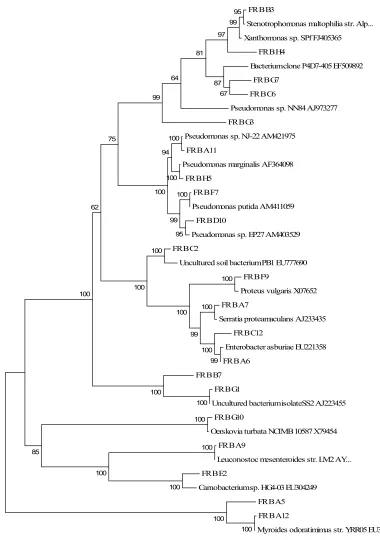
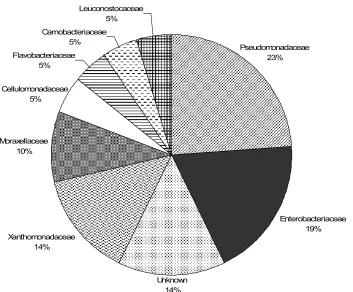
Figure 1. Phylogenetic tree of representative bacterial sequences
recovered from fresh MSW (November 18 sample)... 95 Figure 2. Representative bacterial sequences categorized by family
from fresh refuse (November 18 sample) ... 96 Figure 3. T-RFLP PCA correlation of bacterial communities... 97 Chapter 4. MICROBIAL ECOLOGICAL SUCCESSION DURING MUNICIPAL
SOLID WASTE DECOMPOSITION
Figure 1. Methane production rate, pH and volatile fatty acid
concentrations during refuse decomposition in a laboratory-
scale simulated landfill ...124 Figure 2. Phylogenetic tree of representative Bacteria 16S rRNA
gene sequences recovered from decomposing MSW ...125 Figure 3. Phylogenetic tree of representative Archaea 16S rRNA
x
Figure 4. Canonical correspondence analysis based on T-RFLP
of Bacteria and Archaea...130 Figure 5. Relative abundance of representative dominant bacterial
T-RFs during refuse decomposition...131 Figure 6. Relative abundance of representative dominant archaeal
T-RFs during refuse decomposition...132 Chapter 5. IDENTIFICATION OF METABOLICALLY ACTIVE METHANOGENS
IN REFUSE AND PEAT DERIVED INOCULA UNDER LOW PH AND HIGH VOLATILE FATTY ACID CONDITIONS
Figure 1. Cumulative methane production from the acid phase and
well-decomposed phase refuse microcosms ...162 Figure 2. Cumulative methane production from peat microcosms
with low and high VFA levels ...163 Figure 3. Phylogenetic tree of cDNA Archaea sequences retrieved
from acid phase, well-decomposed and peat inocula at
varying pH ...164 Chapter 6. THE EFFECT OF SPATIAL DIFFERENCES IN MICROBIAL
ACTIVITY, PH, AND SUBSTRATE LEVELS ON METHANOGENESIS INITIATION IN REFUSE
Figure 1. Moisture content as a function of reactor depth...197 Figure 2. pH profiles at methane compositions of 4.6% (Reactor A),
10.2% (Reactor B) and 23.1% (Reactor C) as a function
of reactor depth and moisture content...198 Figure 3. Typical reactor slice from Reactor A indicating core sample
locations and corresponding pH and moisture content ...201 Figure 4. Acetic, propionic and butyric acid concentration as a function
of reactor depth and moisture content at 10% CH4 (Reactor B)...202
Figure 5. Phylogenetic tree of representative Bacteria sequences recovered from Reactor B (10.2% CH4) at pH values of
xi
Figure 6. Phylogenetic tree of representative Archaea cDNA sequences recovered from Reactor B (10.2% CH4) at pH values of 6.2
and 6.98...208 Figure 7. Canonical correspondence analysis for Bacteria and Archaea
using RNA T-RFLP ...209 Figure 8. RT-qPCR quantitation of archaeal 16S RNA for selected samples
xii
LIST OF TABLES
Chapter 2. PROCESSING HETEROGENEOUS MATERIALS PRIOR TO DNA EXTRACTION IS ESSENTIAL FOR MINIMIZING BIAS: A
COMPARISON OF METHODS USING DECOMPOSED REFUSE Table 1. Occurrence of sample processing and DNA extraction techniques
used in previous solid waste, rumen and soil studies... 65
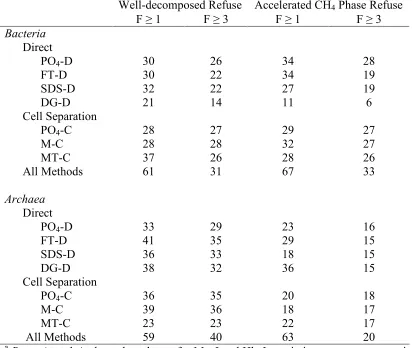
Table 2. Effect of sample processing method on bacterial and archaeal
richness at capture frequencies (F) of ≥1 and ≥3 ... 67 Table 3. Recovery of pure cultures spiked into refuse and processed
with selected methods measured using qPCR ... 68 Chapter 3. COMPARISON OF BACTERIA AND ARCHAEA COMMUNITIES IN
MIXED REFUSE, INDIVIDUAL REFUSE COMPONENTS AND LEACHATE
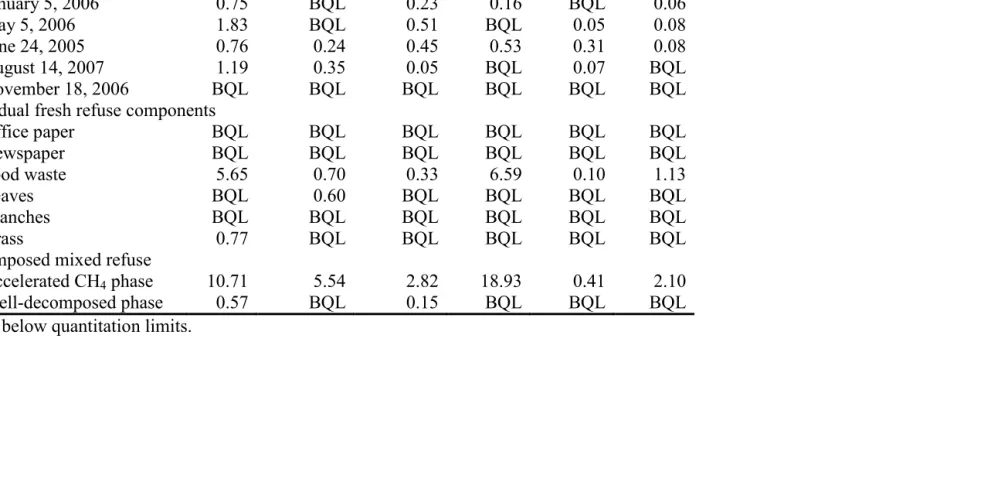
Table 1. Moisture content, pH, cellulose and lignin for MSW and
individual components ... 98 Table 2. Volatile fatty acid concentrations for MSW and individual
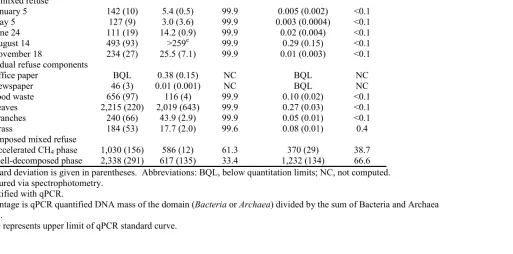
components ... 99 Table 3. DNA recovery and qPCR quantitation of Bacteria and Archaea...100 Table 4. T-RFLP comparison of microbial communities in MSW
solids versus leachate ...101 Table 5. Total DNA recovery and qPCR quantitation of Bacteria
and Archaea DNA in MSW solids and leachate...102 Chapter 4. MICROBIAL ECOLOGICAL SUCCESSION DURING MUNICIPAL
SOLID WASTE DECOMPOSITION
Table 1. Cumulative methane, moisture content, volatile solids, cellulose, hemicellulose and lignin content during refuse
decomposition ...133 Table 2. Distribution (% sequences) of Bacteria between major phases
xiii
Table 3. Distribution (% sequences) of Archaea between major phases
of refuse decomposition and associated T-RF length ...135 Chapter 5. IDENTIFICATION OF METABOLICALLY ACTIVE METHANOGENS
IN REFUSE AND PEAT DERIVED INOCULA UNDER LOW PH AND HIGH VOLATILE FATTY ACID CONDITIONS
Table 1. Initial conditions of material used to generate inocula for
microcosm experiments ...166 Table 2. pH and VFA concentrations during microcosm operation
and sampling time for microbiological analysis ...167 Table 3. Distribution (% sequences) of Archaea cDNA from selected
peat and refuse derived inocula samples...169 Table 4. Relative abundance of dominant cDNA T-RF lengths measured
in inocula samples...171 Chapter 6. THE EFFECT OF SPATIAL DIFFERENCES IN MICROBIAL
ACTIVITY, PH, AND SUBSTRATE LEVELS ON METHANOGENESIS INITIATION IN REFUSE
Table 1. Reactor operating conditions at lowest pH (day 10) and
immediately before destructive sampling (day 14)...212 Table 2. Distribution (%) of Bacteria cDNA sequences in Reactor B
at pH values of 5.6, 6.2 and 7 ...213 Table 3. Environmental conditions and RT-qPCR/qPCR quantitation
of archaeal RNA and DNA in selected Reactor B (10.2% CH4)
1
Chapter 1.
METHANOGENESIS INITIATION: BACKGROUND AND JUSTIFICATION OF
RESEARCH
Introduction and research objectives
Anaerobic decomposition of organic matter occurs in both natural (e.g., soil, peat bogs,
digestive tracts) and engineered (e.g. landfills, anaerobic digesters) ecosystems. The
primary end-products of anaerobic decomposition are methane (CH4) and carbon dioxide
(CO2). Both of these gases contribute to global warming and CH4 has been implicated as
being 25 times more potent as a greenhouse gas compared to CO2 (IPCC, 2007). It is
estimated that landfills are a major anthropogenic source of methane emissions, releasing
roughly 25 Tg CH4/yr to the atmosphere (Khalil, 1999). Biogenic organic carbon not
ultimately released as CO2 or CH4 in landfills is sequestered at an estimated rate of 119 Tg
C/year (Barlaz, 1998). Both CH4 formation and carbon sequestration are microbially
mediated via a series of complex processes. Using recently developed molecular
techniques, studies have identified the landfill microbial community to the genera and
species level (Huang et al., 2002; Chen et al., 2003a; Chen et al., 2003b; Huang et al.,
2003; Uz et al., 2003; Huang et al., 2004; Huang et al., 2005), but have yet to correlate
community structure with functional characteristics of refuse degradative processes (e.g.,
CH4 formation, production/consumption of metabolic intermediates, pH, etc.).
Decomposition of organic matter in various anaerobic ecosystems (e.g., landfills,
2
both temporally and spatially (Barlaz et al., 1989a; Yao et al., 1999). In refuse, these
phases have been defined as aerobic, acid, accelerated methane and well-decomposed or
decelerating methane (Barlaz et al., 1989a). Of these, the acid phase is brought about by
rapid fermentation and hydrolysis reactions that typically cause an accumulation of
carboxylic acids, thereby driving down ecosystem pH. Typically, refuse pH minima in the
acid phase range between 5.5 and 6 (Barlaz et al., 1989a; Mormile et al., 1996). Over time,
accumulated acids are consumed and the pH increases to neutral. It is widely accepted that
under these conditions methanogenic Archaea are the primary microorganisms that
consume carboxylic acids or their metabolites, but the mechanisms by which this occurs
are poorly characterized. One difficulty is that most methanogens isolated in pure culture
have an optimal pH range between 6.5 and 7.8 (Ferry, 1993) and the optimal pH for
methane production in refuse has been reported as 6.8 to 7.2 (Kasali et al., 1988). If true
for all methanogens, one would expect methanogenesis to be absent or at least severely
inhibited when pH is well below optimal. However, previous research in refuse (Barlaz et
al., 1992), peat (Cadillo-Quiroz et al., 2006) and anaerobic bioreactors (Ueno et al., 2006)
has shown methanogenesis initiation can occur when the bulk ecosystem pH is around
5.75, 4 and 6, respectively. This leads to the question of how is methanogenesis initiated.
There are currently two hypotheses on how methanogenesis is initiated in landfills.
The first is that acid-tolerant or acidophilic methanogens consume acids until the bulk pH
is amenable for the establishment of pH-neutral methanogens. Thus far, one study has
identified a methanogen isolate that exhibited some growth at pH 5 (Ladapo and Barlaz,
3
second hypothesis is that localized areas of neutral pH exist while bulk pH is acidic. It is
presumed that these zones act as methanogenesis initiation centers and expand as acids are
consumed (Martin et al., 2003). Currently, the existence of localized pH neutral areas in
refuse has been implicated via modeling (Vavilin and Angelidaki, 2005). However, the
experimental work performed to validate this model examined the impact of refuse mixing
on methanogenesis initiation and did not measure discrete spatial characteristics. Thus, the
presence, size and abundance of any pH-neutral zones have not been definitively proven.
The overall objective of this research is to evaluate causal factors contributing to
methanogenesis initiation during refuse decomposition. Based on the hypothesized
mechanisms initiating CH4 formation, specific goals of this research are to: 1) determine
the role of acid-tolerant methanogens in facilitating the transition from the acid phase to
the accelerated CH4 phase during refuse decomposition, 2) evaluate the importance of
localized pH-neutral areas, and 3) correlate microbial metabolic activity to environmental
conditions in a particular phase of decomposition.
The remainder of this chapter discusses previous research performed related to the
mechanisms affecting methanogenesis initiation such as acid tolerance, dependence on pH,
and spatial factors. Subsequent chapters contain the following manuscripts submitted for
publication in peer-reviewed journals:
Chapter 2. Processing heterogeneous materials prior to DNA extraction is essential for minimizing bias: a comparison of methods using decomposed refuse
Chapter 3. Comparison of Bacteria and Archaea communities in mixed refuse,
4
Chapter 4. Microbial ecological succession during municipal solid waste decomposition
Chapter 5. Identification of metabolically active methanogens in refuse and peat derived inocula under low pH and high volatile fatty acid conditions
Chapter 6. The effect of spatial differences in microbial activity, pH, and substrate levels on methanogenesis initiation in refuse
Mechanisms affecting methanogenesis initiation
Two potential hypotheses for the initiation of methanogenesis have been proposed. The
primary variables in both hypotheses, acid-tolerant methanogens and pH, appear to be
inextricably linked to many other factors, such as: syntrophic interactions, population size,
substrate availability, and initial or start-up conditions, among others. In addition,
variables affecting acid-tolerant methanogens and pH can also be dependent on one
another, emphasizing the complexity of methanogenesis initiation. For example, volatile
fatty acid (VFA) concentration impacts pH which affects methanogen activity which, in
turn, directs VFA consumption.
Although these intricate associations are expected, a literature review of every
interrelated variable would represent an extensive body of literature. While the coverage
of this review primarily focuses on studies directly relevant to acid-tolerant methanogens
and spatial variations in methanogenesis, a number of secondary variables described in
previous research have been identified as important. Therefore, background information
presented here incorporates research related to substrate availability, reactor start-up
5
Acid-tolerant methanogens. Very few ecosystems have been evaluated for the presence of
acid-tolerant methanogens, and northern peat bogs are by far the most studied since they
are typically characterized by low pH conditions (Horn et al., 2003). Numerous studies
have indicated methane production in peat at a pH <5 (Williams and Crawford, 1985;
Bergman et al., 1998; Brauer et al., 2004; Kotsyurbenko et al., 2004; Juottonen et al.,
2005). This research has led to the identification of a number of acid-tolerant methanogens
belonging to either Methanobacteriaceae (Williams and Crawford, 1985; Horn et al.,
2003; Sizova et al., 2003), or Methanomicrobiales (Horn et al., 2003; Sizova et al., 2003).
Recently an acidophilic methanogen from the Methanomicrobiales order was isolated from
a New York, USA peat bog (Brauer et al., 2006). Optimal CH4 production from this
species occurred at a pH of 4.8-5.0, which is lower than any previously described
methanogen.
All acid-tolerant methanogens identified thus far have been hydrogenotrophic, most
likely because the low acetate concentrations seen in peat do not promote robust
populations of acetoclastic methanogens. In a study by Kotsyurbenko et al (2004), acidic
peat soils that produced CH4 optimally around a pH of 5 were incubated for 90 days at
different pHs. After incubation, optimal CH4 production shifted to a more neutral pH
range (pH = 6-7) indicating that acid-tolerant and neutral-pH methanogens appear to
co-exist but that the dominant group is selected by pH. Research on peat indicates that high
acetate concentrations (>1 - 5 mM) tend to inhibit methanogenesis at low pH (Brauer et al.,
2004). This is in agreement with studies on the bovine rumen, which found that acetate in
6
1991; VanKessel and Russell, 1996). Hydrogenotrophic methanogens typically dominate
in both peat (see above) and rumen ecosystems (VanKessel and Russell, 1996).
In refuse, both H2/CO2 methanogens (Methanomicrobiales) and acetate utilizing
methanogens (Methanosarcina/Methanosaeta) dominate, with acetate utilizers tending to
be more active in younger refuse (Chen et al., 2003a; Chen et al., 2003b; Huang et al.,
2003; Mori et al., 2003). At a pH of less than 6, acetate concentrations in refuse ranged
between 120 – 135 mM in a laboratory-scale simulation (Barlaz et al., 1989b). Assuming
no methane generation, this suggests that methanogens in refuse may not experience the
toxic effects reported under high acetate concentrations in peat and rumen ecosystems.
One study in refuse (Ladapo and Barlaz, 1997) found an isolate that produced measurable
CH4 at a pH of 5 and an acetate concentration of 20 mM. The experiment was conducted
in a liquid inoculum, thus implicating the existence of isolates that can tolerate both low
pH and high acetate levels.
Similarly, methane composition from an anaerobic digester treating solid waste was
60% methane at pH 6 and an acetic acid concentration of 84.8 mM (Griffin et al., 1998).
This experiment was performed under mesophilic conditions and the data noted refers to
day 12 from reactor start-up. The same research group observed that high acetate
concentrations (135.7 mM) did not affect Methanobacteriaceae whereas Methanosarcina
and Methanosaeta species were inhibited (McMahon et al., 2004). Another anaerobic
digester study isolated a hydrogenotrophic acid-tolerant methanogen, Methanobrevibacter
acididurans, that was able to produce CH4 at a pH of 5; however, optimal production
7
Ranade (2004) found that biochemical methane potential assays of acidogenic (pH = 5.6,
acetate = 122.2 mM) and methanogenic (pH = 6.2, acetate = 41.6 mM) digester slurries
bioaugmented with Methanobrevibacter acididurans enhanced methane production by
12.2% and 7.5%, respectively. This study, in particular, provides the most definitive proof
of a methanogen able to grow at low pH and high acetate concentrations. The evidence
from these studies and research on peat confirms the existence of acid-tolerant
methanogens; however, their role in the transition from acidic to neutral pH in refuse is
still unclear.
pH as a Controlling Variable in Methanogenesis Initiation. The inhibitory effect of low
pH on methanogenesis in landfills and anaerobic digesters has been well documented
(Griffin et al., 1998). Other work implies that high acetate concentrations inhibit
methanogenesis under some conditions (see above); however, these results may indicate
that high VFAs act as a selection mechanism for certain microbial populations. For
example, James et al. (1998) operated chemostat reactors treating landfill leachate where
butyrate and valerate were the sole carbon sources prior to an acetate spike. Limiting
available substrates in this manner likely diminished the acetoclastic methanogen
population since hydrogenotrophic methanogens would have been selected (due to
butyrate/valerate oxidization to H2/CO2 by syntrophic bacteria). Thus, methanogenesis in
this situation would be very sensitive to acetate fluctuations which may explain the lack of
methane production when acetate was added. Furthermore, Barlaz et al. (1989b) found
8
acid concentrations. These VFA concentrations were almost as high as measured in the
acid phase of decomposition, suggesting that VFAs do not inhibit CH4 production.
Another study in an anaerobic digester treating solid waste found that methane formation
was not inhibited by high VFA levels and production increased with increasing VFAs
(Ohmura et al., 2003).
However, the selection of specific microbial populations by VFA concentration has
been observed (McMahon et al., 2001; Karakashev et al., 2005; Conklin et al., 2006), and
this can inhibit or delay the onset of CH4 formation if substrate conditions abruptly change
(Hori et al., 2006). Indeed, many issues related to process instability or inhibited CH4
generation during start-up or initiation can be attributed to low pH and/or selection effects
due to VFA accumulation (Gujer and Zehnder, 1983; Griffin et al., 1998). The importance
of pH as a controlling variable for methanogenesis initiation has been noted (Dearman et
al., 2006); however, VFA levels are obviously linked to pH since they contribute to pH
reduction and select for microbial sub-populations.
Spatial variation and microniches in refuse. Barlaz et al. (1992) found no differences
between trophic level (fermentative, acetogenic, methanogenic) microbial populations in
laboratory-scale reactors degrading refuse operated with and without leachate recirculation.
Despite this, CH4 production in recirculated reactors was higher and was attributed to a
more uniform distribution of substrate and microorganisms. Mathematical modeling
suggests that as decomposition proceeds methanogen populations may become more
9
recirculation makes substrate more widely available across a reactor, a more uniformly
distributed population would be expected compared to reactors without leachate
recirculation which, in contrast, would exhibit greater non-uniformity. Differential
methanogen populations have been attributed to localized areas of high substrate
variability, or ‘hotspots’, in various types of soils (Wachinger et al., 2000). The differential
CH4 production observed by Barlaz et al. (1992) implies that, despite similar population
sizes at the trophic level, substrate availability may induce spatial differences that affect
the extent of degradation. In addition, methanogen populations in undegraded refuse and
individual refuse components appear to be highly variable (Qian and Barlaz, 1996). This
suggests that initial population differences in undegraded refuse could also cause spatial
variations in methanogenesis once landfilled. However, many unknowns exist amongst
these experiments, stressing the need for studies designed specifically to address initiation
of methanogenesis and to bridge the gap between experimental and modeled results.
Spatial differences in anaerobic digesters. Spatial variation in methane formation is also
observed in highly engineered processes such as anaerobic digesters and upflow anaerobic
sludge blanket (UASB) reactors. In digesters with high organic loading rates and low
mixing conditions, spatial variation has been implicated in the formation of
microenvironments that contribute to shorter methanogenesis initiation times (i.e. start-up
time) (McMahon et al., 2004). In a UASB process, biomass granules are formed that
consist primarily of a bacterial and methanogenic consortia (Macario et al., 1991; Visser et
10
bulk liquid outside the granule was at a neutral pH. A pH drop from 7 to 5.4 was measured
from the surface of the granule to a depth of 200 µm after which pH increased. It was
found that most fermentative activity was in the outer 300 µm of the granule while
methanogenesis occurred at depths greater than 300 µm. These results confirm that spatial
stratification occurs and implies that substrate consumption by the methanogens maintain
more neutral pH microniches, even when the surrounding material is acidic.
Vertical stratification of methanogenesis in peat bogs. Given the depleted nutritional state
of organic matter typically found in peat bogs (Kotsyurbenko et al., 2004), the anaerobic
degradation phases observed in refuse are absent. Nevertheless, spatial variation in
methane production is observed and typically follows a bell curve distribution with depth.
In a study by Galand et al (2002), three peat cores were advanced to a depth of 40 cm and
were located 20 cm from one another laterally. Methane production was found to vary by
depth, with most CH4 production at higher depths (10-20 cm). A shift in methanogen
community structure from Methanomicrobiales to Methanosarcinales was observed from
shallow to deeper layers, respectively. Two to six fold differences in methane production
were observed laterally (at a depth of 20 cm). Localized variations in methanogen activity
were attributed to substrate differences or competition with other bacteria and similar
observations have been noted in other studies (McDonald et al., 1999; Merila et al., 2006).
These results are applicable to the proposed research because they suggest that spatial
differences, and the factors associated with them, affect methanogen community structure
11
extrapolate that the larger the shift in environmental conditions (e.g. perturbation) the
greater the potential for spatial differences.
Impact of scale on soil and sediment communities. A study by Wachinger et al. (2000)
sampled soil at the 1 cm scale and found wide changes in methanogenesis with depth.
Interestingly, no CH4 production was found at some depths, whereas high CH4 production
occurred at depths directly above and below. This finding shows that, in unsaturated
conditions, spatial differences in CH4 production do not necessarily follow a gradient
induced by diffusive/convective processes, as typically seen in peat (see above) or in
sediments (Falz et al., 1999; Inagaki et al., 2004). Wachinger (2000) suggested that spatial
variations are due to both the presence fresh organic material and the degree to which the
material is accessible. This finding parallels the concept of neutral pH microhabitats in
refuse since limited accessibility would be necessary to maintain localized pH conditions
suitable for methanogen activity during the acid phase. Roy et al. (1997) found
methanogenesis was initiated in rice paddy soils one day after anoxic conditions were
established, while in the presence of higher redox potential electron acceptors (NO3-, SO42-,
Fe3+). Methanogenesis typically occurs after higher electron acceptors have been depleted,
suggesting that spatial variations may have resulted in microhabitats where higher electron
acceptors were absent.
Effect of Soil Structure/Particle Size. Both particle size and soil structure have been shown
12
degradation of 2,4-dichlorophenoxyacetic acid (2,4-D) was correlated to localized niches
of 2,4-D degraders and niche abundance (Pallud et al., 2004). The study found that low
abundances of 2,4-D degraders correlated to much larger distances between niches,
suggesting that microbial population is not uniform. Mummey et al (2006) found that soil
microbial communities in microaggregates (<250 um in size) were enriched in or
contained microbial groups absent in macroaggregates (>250 um in size). Results showed
that these microniches select for specific microbial lineages within the soil matrix.
Mummey et al. (2006) state that “soil structure is a dominant factor controlling microbial
diversity and processes”. Other studies have shown similar trends (Grundmann and
Debouzie, 2000; Corgie et al., 2006). This implies that: 1) the presence of microbial
niches in a more heterogeneous material such as refuse would be expected, and 2) niche
formation due to particulate structure could be an important factor affecting degradative
processes in solid waste.
In fact, the range in refuse particulate size is arguably much wider and variable than
soil (Hull et al., 2005) which suggests that refuse “structure” after placement in a landfill
may be a dominant factor affecting microbial community diversity. Many variables
determine the structure of refuse in a landfill setting (e.g. waste composition, compaction,
inert material content, etc.); however, no studies have been performed assessing how such
variables affect microbial community structure. Research has also suggested that
microniche formation is both a function of particulate structure and microbially directed
processes (Tisdall and Oades, 1982; Oades, 1984; Six et al., 2000). Given this, the
13
may serve to disrupt relatively stable niche communities which could promote (methane
phase) or inhibit (acid phase) decomposition. This idea may explain why extensive lag
times are sometimes observed when neutralized leachate is recirculated at a high frequency
during the acid phase of solid waste.
References
Ankelfuchs, D., and Thauer, R.K. (1986) Methane Formation from Methyl-Coenzyme-M
in a System Containing Methyl-Coenzyme-M Reductase, Component-B and Reduced
Cobalamin. European Journal of Biochemistry156: 171-177.
Ankelfuchs, D., Huster, R., Morschel, E., Albracht, S.P.J., and Thauer, R.K. (1986)
Structure and Function of Methyl-Coenzyme M Reductase and of Factor F430 in
Methanogenic Bacteria. Systematic and Applied Microbiology7: 383-387.
Avery, G.B., Shannon, R.D., White, J.R., Martens, C.S., and Alperin, M.J. (1999) Effect of
seasonal changes in the pathways of methanogenesis on the delta C-13 values of pore
water methane in a Michigan peatland. Global Biogeochemical Cycles13: 475-484.
Barlaz, M.A. (1998) Carbon storage during biodegradation of municipal solid waste
components in laboratory-scale landfills. Global Biogeochemical Cycles12: 373-380.
Barlaz, M.A., Schaefer, D.M., and Ham, R.K. (1989a) Bacterial Population Development
and Chemical Characteristics of Refuse Decomposition in a Simulated Sanitary
14
Barlaz, M.A., Schaefer, D.M., and Ham, R.K. (1989b) Inhibition of Methane Formation
from Municipal Refuse in Laboratory Scale Lysimeters. Applied Biochemistry and
Biotechnology20-1: 181-205.
Barlaz, M.A., Ham, R.K., and Schaefer, D.M. (1992) Microbial, Chemical and Methane
Production Characteristics of Anaerobically Decomposed Refuse with and without
Leachate Recycling. Waste Management & Research10: 257-267.
Bergman, I., Svensson, B.H., and Nilsson, M. (1998) Regulation of methane production in
a Swedish acid mire by pH, temperature and substrate. Soil Biology & Biochemistry30:
729-741.
Boone, D.R., and Bryant, M.P. (1980) Propionate-Degrading Bacterium,
Syntrophobacter-Wolinii Sp-Nov Gen-Nov from Methanogenic Ecosystems. Applied and Environmental
Microbiology40: 626-632.
Boone, D.R., Johnson, R.L., and Liu, Y. (1989) Diffusion of the Interspecies Electron
Carriers H-2 and Formate in Methanogenic Ecosystems and Its Implications in the
Measurement of Km for H-2 or Formate Uptake. Applied and Environmental
Microbiology55: 1735-1741.
Bozkurt, S., Lucisano, M., Moreno, L., and Neretnieks, I. (2001) Peat as a potential
analogue for the long-term evolution in landfills. Earth-Science Reviews53: 95-147.
Brauer, S.L., Yavitt, J.B., and Zinder, S.H. (2004) Methanogenesis in McLean Bog, an
acidic peat bog in upstate New York: Stimulation by H-2/CO2 in the presence of
15
Brauer, S.L., Cadillo-Quiroz, H., Yashiro, E., Yavitt, J.B., and Zinder, S.H. (2006)
Isolation of a novel acidiphilic methanogen from an acidic peat bog. Nature442:
192-194.
Cadillo-Quiroz, H., Brauer, S., Yashiro, E., Sun, C., Yavitt, J., and Zinder, S. (2006)
Vertical profiles of methanogenesis and methanogens in two contrasting acidic
peatlands in central New York State, USA. Environmental Microbiology8: 1428-1440.
Chauhan, A., and Ogram, A. (2006) Fatty acid-oxidizing consortia along a nutrient
gradient in the Florida Everglades. Applied and Environmental Microbiology72:
2400-2406.
Chauhan, A., Reddy, K.R., and Ogram, A.V. (2006) Syntrophic-archaeal associations in a
nutrient-impacted freshwater marsh. Journal of Applied Microbiology100: 73-84.
Chen, A.C., Imachi, H., Sekiguchi, Y., Ohashi, A., and Harada, H. (2003a) Archaeal
community compositions at different depths (up to 30 m) of a municipal solid waste
landfill in Taiwan as revealed by 16S rDNA cloning analyses. Biotechnology Letters
25: 719-724.
Chen, A.C., Ueda, K., Sekiguchi, Y., Ohashi, A., and Harada, H. (2003b) Molecular
detection and direct enumeration of methanogenic Archaea and methanotrophic
Bacteria in domestic solid waste landfill soils. Biotechnology Letters25: 1563-1569.
Chugh, S., Clarke, W., Pullammanappallil, P., and Rudolph, V. (1998) Effect of
recirculated leachate volume on MSW degradation. Waste Management & Research
16
Condon, C. (2003) RNA processing and degradation in Bacillus subtilis. Microbiology and
Molecular Biology Reviews67: 157-+.
Conklin, A., Stensel, H.D., and Ferguson, J. (2006) Growth kinetics and competition
between Methanosarcina and Methanosaeta in mesophilic anaerobic digestion. Water
Environment Research78: 486-496.
Conrad, R. (2002) Control of microbial methane production in wetland rice fields. Nutrient
Cycling in Agroecosystems64: 59-69.
Corgie, S.C., Beguiristain, T., and Leyval, C. (2006) Profiling 16S bacterial DNA and
RNA: Difference between community structure and transcriptional activity in
phenanthrene polluted sand in the vicinity of plant roots. Soil Biology & Biochemistry
38: 1545-1553.
Dearman, B., Marschner, P., and Bentham, R.H. (2006) Methane production and microbial
community structure in single-stage batch and sequential batch systems anaerobically
co-digesting food waste and biosolids. Applied Microbiology and Biotechnology69:
589-596.
Falz, K.Z., Holliger, C., Grosskopf, R., Liesack, W., Nozhevnikova, A.N., Muller, B. et al.
(1999) Vertical distribution of methanogens in the anoxic sediment of Rotsee
(Switzerland). Applied and Environmental Microbiology65: 2402-2408.
Ferry, J.G. (1993) Methanogenesis: ecology, physiology, biochemistry and genetics. New
17
Galand, P.E., Saarnio, S., Fritze, H., and Yrjala, K. (2002) Depth related diversity of
methanogen Archaea in Finnish oligotrophic fen. Fems Microbiology Ecology42:
441-449.
Griffin, M.E., McMahon, K.D., Mackie, R.I., and Raskin, L. (1998) Methanogenic
population dynamics during start-up of anaerobic digesters treating municipal solid
waste and biosolids. Biotechnology and Bioengineering57: 342-355.
Grundmann, G.L., and Debouzie, D. (2000) Geostatistical analysis of the distribution of
NH4+ and NO2--oxidizing bacteria and serotypes at the millimeter scale along a soil
transect. Fems Microbiology Ecology34: 57-62.
Gujer, W., and Zehnder, A.J.B. (1983) Conversion Processes in Anaerobic-Digestion.
Water Science and Technology15: 127-167.
Hennigan, A.N., and Reeve, J.N. (1994) Messenger-Rnas in the Methanogenic Archaeon
Methanococcus-Vannielii - Numbers, Half-Lives and Processing. Molecular
Microbiology11: 655-670.
Hines, M.E., Duddleston, K.N., and Kiene, R.P. (2001) Carbon flow to acetate and C-1
compounds in northern wetlands. Geophysical Research Letters28: 4251-4254.
Hori, T., Haruta, S., Ueno, Y., Ishii, M., and Igarashi, Y. (2006) Dynamic transition of a
methanogenic population in response to the concentration of volatile fatty acids in a
thermophilic anaerobic digester. Applied and Environmental Microbiology72:
18
Horn, M.A., Matthies, C., Kusel, K., Schramm, A., and Drake, H.L. (2003)
Hydrogenotrophic methanogenesis by moderately acid-tolerant methanogens of a
methane-emitting acidic peat. Applied and Environmental Microbiology69: 74-83.
Huang, L.N., Zhou, H., Zhu, S., and Qu, L.H. (2004) Phylogenetic diversity of bacteria in
the leachate of a full-scale recirculating landfill. Fems Microbiology Ecology50:
175-183.
Huang, L.N., Zhu, S., Zhou, H., and Qu, L.H. (2005) Molecular phylogenetic diversity of
bacteria associated with the leachate of a closed municipal solid waste landfill. Fems
Microbiology Letters242: 297-303.
Huang, L.N., Zhou, H., Chen, Y.Q., Luo, S., Lan, C.Y., and Qu, L.H. (2002) Diversity and
structure of the archaeal community in the leachate of a full-scale recirculating landfill
as examined by direct 16S rRNA gene sequence retrieval. Fems Microbiology Letters
214: 235-240.
Huang, L.N., Chen, Y.Q., Zhou, H., Luo, S., Lan, C.Y., and Qu, L.H. (2003)
Characterization of methanogenic Archaea in the leachate of a closed municipal solid
waste landfill. Fems Microbiology Ecology46: 171-177.
Hull, R.M., Krogmann, U., and Strom, P.F. (2005) Composition and characteristics of
excavated materials from a New Jersey landfill. Journal of Environmental
Engineering-Asce131: 478-490.
Inagaki, F., Tsunogai, U., Suzuki, M., Kosaka, A., Machiyama, H., Takai, K. et al. (2004)
Characterization of C-1-metabolizing prokaryotic communities in methane seep
19
mxaF, mcrA, and 16S rRNA genes. Applied and Environmental Microbiology70:
7445-7455.
Ishii, S., Kosaka, T., Hotta, Y., and Watanabe, K. (2006) Simulating the contribution of
coaggregation to interspecies hydrogen fluxes in syntrophic methanogenic consortia.
Applied and Environmental Microbiology72: 5093-5096.
Jablonski, P.E., and Ferry, J.G. (1991) Purification and Properties of Methyl Coenzyme-M
Methylreductase from Acetate-Grown Methanosarcina-Thermophila. Journal of
Bacteriology173: 2481-2487.
James, A.G., Watson-Craik, I.A., and Senior, E. (1998) The effects of organic acids on the
methanogenic degradation of the landfill leachate molecules butyrate and valerate.
Water Research32: 792-800.
Juottonen, H., Galand, P.E., Tuittila, E.S., Laine, J., Fritze, H., and Yrjala, K. (2005)
Methanogen communities and Bacteria along an ecohydrological gradient in a northern
raised bog complex. Environmental Microbiology7: 1547-1557.
Karakashev, D., Batstone, D.J., and Angelidaki, I. (2005) Influence of environmental
conditions on methanogenic compositions in anaerobic biogas reactors. Applied and
Environmental Microbiology71: 331-338.
Karakashev, D., Batstone, D.J., Trably, E., and Angelidaki, I. (2006) Acetate oxidation is
the dominant methanogenic pathway from acetate in the absence of Methanosaetaceae.
20
Kasali, G.B., Senior, E., and Watsoncraik, I.A. (1988) Preliminary Investigation of the
Influence of Ph on the Solid-State Refuse Methanogenic Fermentation. Journal of
Applied Bacteriology65: 231-239.
Khalil, M.A.K. (1999) Non-CO2 greenhouse gases in the atmosphere. Annual Review of
Energy and the Environment24: 645-661.
Komilis, D.P., Ham, R.K., and Stegmann, R. (1999) The effect of landfill design and
operation practices on waste degradation behavior: a review. Waste Management &
Research17: 20-26.
Kotsyurbenko, O.R., Chin, K.J., Glagolev, M.V., Stubner, S., Simankova, M.V.,
Nozhevnikova, A.N., and Conrad, R. (2004) Acetoclastic and hydrogenotrophic
methane production and methanogenic populations in an acidic West-Siberian peat
bog. Environmental Microbiology6: 1159-1173.
Ladapo, J.A., and Barlaz, M.A. (1997) Isolation and characterization of refuse
methanogens. Journal of Applied Microbiology82: 751-758.
Lens, P.N.L., Debeer, D., Cronenberg, C.C.H., Houwen, F.P., Ottengraf, S.P.P., and
Verstraete, W.H. (1993) Heterogeneous Distribution of Microbial Activity in
Methanogenic Aggregates - Ph and Glucose Microprofiles. Applied and Environmental
Microbiology59: 3803-3815.
Luo, H.W., Zhang, H., Suzuki, T., Hattori, S., and Kamagata, Y. (2002) Differential
expression of methanogenesis genes of Methanothermobacter thermoautotrophicus
21
with fatty acid-oxidizing syntrophs. Applied and Environmental Microbiology68:
1173-1179.
Macario, A.J.L., Visser, F.A., Vanlier, J.B., and Demacario, E.C. (1991) Topography of
Methanogenic Subpopulations in a Microbial Consortium Adapting to Thermophilic
Conditions. Journal of General Microbiology137: 2179-2189.
Martin, D.J. (2001) The site of reaction in solid-state digestion - A new hypothesis.
Process Safety and Environmental Protection79: 29-37.
Martin, D.J., Potts, L.G.A., and Heslop, V.A. (2003) Reaction mechanisms in solid-state
anaerobic digestion - II. The significance of seeding. Process Safety and
Environmental Protection81: 180-188.
McDonald, I.R., Upton, M., Hall, G., Pickup, R.W., Edwards, C., Saunders, J.R. et al.
(1999) Molecular ecological analysis of methanogens and methanotrophs in blanket
bog peat. Microbial Ecology38: 225-233.
McMahon, K.D., Stroot, P.G., Mackie, R.I., and Raskin, L. (2001) Anaerobic codigestion
of municipal solid waste and biosolids under various mixing conditions - II: Microbial
population dynamics. Water Research35: 1817-1827.
McMahon, K.D., Zheng, D.D., Stams, A.J.M., Mackie, R.I., and Raskin, L. (2004)
Microbial population dynamics during start-up and overload conditions of anaerobic
digesters treating municipal solid waste and sewage sludge. Biotechnology and
22
Merila, P., Galand, P.E., Fritze, H., Tuittila, E.S., Kukko-oja, K., Laine, J., and Yrjala, K.
(2006) Methanogen communities along a primary succession transect of mire
ecosystems. Fems Microbiology Ecology55: 221-229.
Mori, K., Sparling, R., Hatsu, M., and Takamizawa, K. (2003) Quantification and diversity
of the archaeal community in a landfill site. Canadian Journal of Microbiology49:
28-36.
Mormile, M.R., Gurijala, K.R., Robinson, J.A., McInerney, M.J., and Suflita, J.M. (1996)
The importance of hydrogen in landfill fermentations. Applied and Environmental
Microbiology62: 1583-1588.
Mummey, D., Holben, W., Six, J., and Stahl, P. (2006) Spatial stratification of soil
bacterial populations in aggregates of diverse soils. Microbial Ecology51: 404-411.
Nercessian, D., Upton, M., Lloyd, D., and Edwards, C. (1999) Phylogenetic analysis of
peat bog methanogen populations. Fems Microbiology Letters173: 425-429.
Oades, J.M. (1984) Soil Organic-Matter and Structural Stability - Mechanisms and
Implications for Management. Plant and Soil76: 319-337.
Ohmura, T., Sakai, T., Shindo, Y., Nakamura, K., Ike, T., and Katayama, Y. (2003)
Start-up of full-scale anaerobic digesters treating municipal solid waste. Water Science and
Technology48: 249-252.
Pallud, C., Dechesne, A., Gaudet, J.P., Debouzie, D., and Grundmann, G.L. (2004)
Modification of spatial distribution of 2,4-dichloro-phenoxyacetic acid degrader
microhabitats during growth in soil columns. Applied and Environmental Microbiology
23
Qian, X.D., and Barlaz, M.A. (1996) Enumeration of anaerobic refuse-decomposing
micro-organisms on refuse constituents. Waste Management & Research14: 151-161.
Roy, R., Kluber, H.D., and Conrad, R. (1997) Early initiation of methane production in
anoxic rice soil despite the presence of oxidants. Fems Microbiology Ecology24:
311-320.
Russell, J.B. (1991) Intracellular Ph of Acid-Tolerant Ruminal Bacteria. Applied and
Environmental Microbiology57: 3383-3384.
Savant, D.V., and Ranade, D.R. (2004) Application of Methanobrevibacter acididurans in
anaerobic digestion. Water Science and Technology50: 109-114.
Savant, D.V., Shouche, Y.S., Prakash, S., and Ranade, D.R. (2002) Methanobrevibacter
acididurans sp nov., a novel methanogen from a sour anaerobic digester. International
Journal of Systematic and Evolutionary Microbiology52: 1081-1087.
Schnurer, A., Zellner, G., and Svensson, B.H. (1999) Mesophilic syntrophic acetate
oxidation during methane formation in biogas reactors. Fems Microbiology Ecology
29: 249-261.
Shannon, R.D., and White, J.R. (1996) The effects of spatial and temporal variations in
acetate and sulfate on methane cycling in two Michigan peatlands. Limnology and
Oceanography41: 435-443.
Six, J., Elliott, E.T., and Paustian, K. (2000) Soil macroaggregate turnover and
microaggregate formation: a mechanism for C sequestration under no-tillage
24
Sizova, M.V., Panikov, N.S., Tourova, T.P., and Flanagan, P.W. (2003) Isolation and
characterization of oligotrophic acido-tolerant methanogenic consortia from a
Sphagnum peat bog. Fems Microbiology Ecology45: 301-315.
Staley, B.F., Xu, F., Cowie, S.J., Barlaz, M.A., and Hater, G.R. (2006) Release of trace
organic compounds during the decomposition of municipal solid waste components.
Environmental Science & Technology (accepted).
Stams, A.J.M., and Dong, X.Z. (1995) Role of formate and hydrogen in the degradation of
propionate and butyrate by defined suspended cocultures of acetogenic and
methanogenic bacteria. Antonie Van Leeuwenhoek International Journal of General
and Molecular Microbiology68: 281-284.
Tisdall, J.M., and Oades, J.M. (1982) Organic-Matter and Water-Stable Aggregates in
Soils. Journal of Soil Science33: 141-163.
Ueno, Y., Sasaki, D., Fukui, H., Haruta, S., Ishii, M., and Igarashi, Y. (2006) Changes in
bacterial community during fermentative hydrogen and acid production from organic
waste by thermophilic anaerobic microflora. Journal of Applied Microbiology101:
331-343.
Uz, I., Rasche, M.E., Townsend, T., Ogram, A.V., and Lindner, A.S. (2003)
Characterization of methanogenic and methanotrophic assemblages in landfill samples.
Proceedings of the Royal Society of London Series B-Biological Sciences270:
S202-S205.
VanKessel, J.A.S., and Russell, J.B. (1996) The effect of pH on ruminal methanogenesis.
25
Vavilin, V.A., and Angelidaki, I. (2005) Anaerobic degradation of solid material:
Importance of initiation centers for methanogenesis, mixing intensity, and 2D
distributed model. Biotechnology and Bioengineering89: 113-122.
Vavilin, V.A., Rytov, S.V., Pavlostathis, S.G., Jokela, J., and Rintala, J. (2003) A
distributed model of solid waste anaerobic digestion: sensitivity analysis. Water
Science and Technology48: 147-154.
Veeken, A., Kalyuzhnyi, S., Scharff, H., and Hamelers, B. (2000) Effect of pH and VFA
on hydrolysis of organic solid waste. Journal of Environmental Engineering-Asce126:
1076-1081.
Visser, F.A., Vanlier, J.B., Macario, A.J.L., and Demacario, E.C. (1991) Diversity and
Population-Dynamics of Methanogenic Bacteria in a Antigranulocytes Consortium.
Applied and Environmental Microbiology57: 1728-1734.
Wachinger, G., Fiedler, S., Zepp, K., Gattinger, A., Sommer, M., and Roth, K. (2000)
Variability of soil methane production on the micro-scale: spatial association with hot
spots of organic material and Archaeal populations. Soil Biology & Biochemistry32:
1121-1130.
Williams, R.T., and Crawford, R.L. (1985) Methanogenic Bacteria, Including an
Acid-Tolerant Strain, from Peatlands. Applied and Environmental Microbiology50:
1542-1544.
Yao, H., Conrad, R., Wassmann, R., and Neue, H.U. (1999) Effect of soil characteristics
on sequential reduction and methane production in sixteen rice paddy soils from China,
26
Chapter 2.
PROCESSING HETEROGENEOUS MATERIALS PRIOR TO DNA
EXTRACTION IS ESSENTIAL FOR MINIMIZING BIAS: A COMPARISON OF
METHODS USING DECOMPOSED REFUSE
ABSTRACT
Landfills represent a unique microbial ecosystem and play a significant role in global
biogeochemical processes. However, sample processing and nucleic acid extraction from
refuse is challenging due to material heterogeneity. Decomposed refuse was used to
evaluate the effect of seven sample processing methods on Bacteria and Archaea
community structure using T-RFLP. Bias was assessed using measured richness and by
comparing community structure using multi-dimensional scaling (MDS). Results showed
bias in microbial community structure was primarily dependent on the processing method
used rather than variation induced by refuse heterogeneity. Generally, direct methods were
most biased while indirect methods (i.e. blending in buffer followed by hand squeezing
through mesh fabric) were least biased. An indirect method using PO4 buffer gave
consistently high bacterial and archaeal richness and also resulted in 28 and 34% recovery
of R. albus and M. formicicum spiked into refuse, respectively. However, the highest
recovery of less abundant ribotypes was achieved using multiple processing methods.
Results suggest differences in measured ribotype diversity from studies of complex
ecosystems could be caused by methodological variation rather than true divergence in
27
INTRODUCTION
The relationship between community structure and microbial function in landfill environments
is important as these ecosystems significantly impact global biogeochemical processes (e.g.,
greenhouse gas emissions, carbon sequestration). Landfilled refuse is the second largest global
source of anthropogenic methane (CH4), which is a potent greenhouse gas (Denman et al., 2007).
Refuse decomposition is microbially mediated and the diversity and metabolic function of
microbial communities act as mechanistic controls on the rate of greenhouse gas emissions, extent
of decomposition and carbon sequestration capacity. There is a pressing need for improved
technologies to enhance solid waste decomposition. Unfortunately optimization of these
technologies is limited by a poor understanding of microbial interactions during refuse
degradation which are due, in part, to the heterogeneous and unstructured nature of the wastes.
Compared to culture-based techniques, the study of complex microbial ecosystems
using molecular techniques can be advantageous since they allow for analysis of
uncultured organisms and offer higher resolution in measuring demographic (number of
species) and metabolic (functional) diversity. However, accurate ecological assessments
are predicated on extracting nucleic acids that are representative of the microbial
community. The importance of DNA extraction and sample processing procedures in
assessing microbial diversity has been recognized and it has been suggested that using
multiple extraction techniques may give rise to the least biased DNA pool in sediments
(Luna et al., 2006). Previous studies on soil and activated sludge have shown that sample
processing can impose a bias because microbial community structure in the extracted
28
This suggests that methods used to process samples from complex or heterogeneous
materials may be equally or more important than the extraction procedure. Heterogeneous
materials can be defined as having variable consistency, particle size, and composition and
include organic-rich soils/sediments, humus, leaf litter, manure, rumen/cecum contents,
peat, compost and refuse.
The sample mass from which nucleic acids are extracted using commercial kits and
many laboratory protocols typically ranges from 0.25 to 1 g with lower and upper limits of
roughly 0.1 and 10 g, respectively. This range is governed by a number of factors
including available tube size, reagent volume:sample mass ratio and cell lysing efficiency.
Such small masses, along with large particle sizes, often preclude direct placement of
heterogeneous materials into extraction tubes. For example, particle size in municipal
refuse can vary from millimeters to meters depending on the composition and extent of
degradation (Hull et al., 2005). Additionally, refuse contains varying fractions of paper,
plastic, metals, food scraps and other components (USEPA, 2005), making it extremely
heterogeneous from a chemical and structural perspective. Thus, traditional extraction
protocols used for soils, sediments, wastewater and other comparatively homogeneous
matrices cannot be employed. Rather, heterogeneous materials must be processed prior to
extraction to reduce particle size and ensure a reasonable degree of sample homogeneity.
The distinction between the extraction procedure and sample processing is often vague
since most extraction protocols employ some form of sample processing. Most sample
processing protocols utilize one or more types of physical, chemical or enzymatic methods
29
addition, direct methods, where cells are lysed within the sample matrix, have been
compared to indirect methods, where cells are first separated from non-cellular debris prior
to lysing (6). Recently, the most widely used protocols have been direct methods. The
direct method assumes the material placed into extraction tubes is representative of the
sampled ecosystem; however, this assumption is tenuous for heterogeneous materials.
Thus, indirect methods may prove beneficial for heterogeneous samples since separation
from the material matrix may serve to concentrate cells from larger sample masses.
The objective of this study was to develop a sample processing method for municipal
refuse for DNA extraction that minimizes bias while ensuring quantity and quality are
sufficient for highly sensitive downstream molecular applications such as qPCR. Previous
molecular studies evaluating landfill microbiology have relied on aqueous phase (leachate)
samples or have extracted DNA without consideration of sample processing or extraction
bias (9,10). Seven processing methods, comprising both direct and indirect protocols,
were modified from previously published studies and compared using terminal restriction
fragment length polymorphism (T-RFLP). Most studies evaluating sample processing and
DNA/RNA extraction methods have used yield and extract purity as metrics for assessing
effectiveness (Table 1). Only a few have evaluated how a particular method affects
community structure using fingerprinting methods (e.g. DGGE, T-RFLP) or clone libraries
(1,3,6). Although T-RFLP is not effective at estimating absolute diversity or detecting
very rare species, it has been shown to be effective for comparing differences in
30
MATERIALS & METHODS
Refuse sample preparation and reactor monitoring. Roughly 1.4 m3 of municipal
refuse was obtained from a residential area collection vehicle at the Holly Springs (NC)
Transfer Station. The refuse was shredded the same day in a slow speed, high torque
shredder to a particle size of approximately 2 cm x 6 cm. After shredding, refuse was
mixed on a clean plastic sheet using hand tools and then stored at 4°C in plastic trash bags
prior to placing a portion of the refuse (~20% by volume) in a 208-L reactor for anaerobic
degradation. The reactor was maintained at 37°C and operated with leachate recycle and
neutralization to accelerate decomposition, as described previously (Staley et al., 2006).
Gas was collected in tedlar gas bags (PMC, Inc; Oak Park, IL) and volume was measured
by evacuation into a container of known volume (Sanin et al., 2000). CH4, CO2, O2, and
N2 were analyzed using a GOW-MAC 580 gas chromatograph with a thermal conductivity
detector (Price et al., 2003). Samples were removed from reactors during the accelerated
methane and decelerated methane (also referred to as well-decomposed) phases of
decomposition (Barlaz et al., 1989). For accelerated methane phase sampling, refuse was
removed when the fraction of CH4 in the biogas reached 50% and while the gas production
rate was increasing exponentially (~31 days after reactor initiation). The CH4 production
rate at the time of sampling was 0.76 mL d-1 dry g refuse-1. For the well-decomposed
phase, refuse was allowed to decompose for approximately 6 months and the CH4
production rate at the time of sampling was 0.004 mL d-1 dry g refuse-1. For each phase of
decomposition, roughly 2 kg refuse was removed from the reactor and mixed well prior to
31
Experimental design. Triplicate 50 g aliquots from the same refuse sample were
processed with each method and treated individually. Triplicate DNA extractions were
performed for each aliquot, resulting in 9 total DNA extractions per processing method.
The variability due to the heterogeneous nature of the refuse material was assessed using
T-RFLP for three processing methods FT-D, DG-D and PO4-C (processing methods are
described below). The richness and Bray-Curtis similarities using multi-dimensional
scaling (MDS) analysis (see below) were compared for the triplicate aliquots. The results
showed that in general, the variation due to refuse heterogeneity was lower than the
differences between sample processing methods. Thus, in subsequent comparisons for all
methods, equal DNA masses from each of the nine extracts were combined to create a
pooled DNA sample for T-RFLP analyses. This pooling served to minimize both
sample-to sample as well as extraction variability for each processing method. Parallel aliquots
were used for moisture content analysis.
Processing methods. A number of methods identified from the literature review (Table 1)
were highly cited but were not incorporated into sample processing protocols for this
study. For example, bead beating was a component of the DNA extraction kit used and
thus was not considered for sample processing. Differential centrifugation was not
selected as an indirect protocol given its potential to select against attached
microorganisms (Robe et al., 2003). CTAB is a cationic detergent typically used in DNA
extraction to precipitate polysaccharides and proteins and does not aid in either cell
detachment or lysis (Mygind et al., 2003). Similarly, PVPP aids humic acid removal but is