Glasgow Theses Service http://theses.gla.ac.uk/
Palmer, Melanie Louise (2015)
Low-intensity topic-specific group
parenting programmes: enhancing intervention outcomes.
PhD thesis.
http://theses.gla.ac.uk/6912/
Copyright and moral rights for this thesis are retained by the author
A copy can be downloaded for personal non-commercial research or study This thesis cannot be reproduced or quoted extensively from without first obtaining permission in writing from the Author
The content must not be changed in any way or sold commercially in any format or medium without the formal permission of the Author
When referring to this work, full bibliographic details including the author, title, awarding institution and date of the thesis must be given
Low-intensity topic-specific group
parenting programmes
Enhancing intervention outcomes
Melanie Louise Palmer
A thesis submitted in fulfilment of the requirements for a Universitas 21 Joint Doctor of Philosophy, The University of Auckland and The University of Glasgow, 2015.
Abstract
Low-intensity parenting programmes play a key role in a public health approach to parenting support and are designed to be a cost-effective intervention for child conduct problems. Several studies that have evaluated a single topic-specific Triple P–Positive Parenting Program Discussion Group, an example of a low-intensity parenting programme, have found promising results for improving child and parent outcomes among parents with young children. This thesis aimed to examine ways to enhance the intervention outcomes of low-intensity topic-specific parenting groups for parents with young children.
In study one, the effects of generalisation promotion strategies, such as teaching multiple exemplars, were examined. As a single training exemplar may not be sufficient for parents to effectively generalise parenting skills, multiple exemplars may assist parents to flexibly apply skills across a range of behaviours and settings leading to greater change in child behaviour, parenting practices, and parenting self-efficacy. This study also sought to extend the literature by examining the effects of low-intensity parenting groups with parents of primary school aged children using topics relevant to this development phase and investigating outcomes for mothers and fathers separately. A two arm randomised control trial design was used to compare the two conditions (single exemplar vs. multiple exemplar). Participants were 75 mothers and 58 fathers with a 5-8 year old child displaying at least a mild level of conduct problems. They represented 78 families: 66 two-parent families and 12 single parent families. Among two-parent families, there were 55 mother-father pairs, nine mothers who participated alone, and two fathers who participated alone. The majority of the single parent families were mothers (n = 11). Self-report measures of child behaviour, parenting practices, parenting self-efficacy, parent’s perceptions of their parenting role experience, parental mental health, inter-parental conflict, partner support, and partner relationship satisfaction were completed by parents at pre-intervention, post-intervention, and 6-month follow-up. Satisfaction with each intervention condition and the individual sessions was also examined. Low-intensity topic-specific parenting groups led to improvements on a range of child and parent outcomes for both mothers and fathers of primary school aged children. Receiving multiple exemplars resulted in more robust change in mother- and father-rated child behaviour, mothers’ parenting practices, and mothers’ behavioural parenting self-efficacy at post-intervention. For mothers in the multiple exemplar condition, superior improvements in child behaviour, parenting practices, and behavioural parenting self-efficacy were maintained at 6-month follow-up. Greater improvements in mothers’ setting parenting self-efficacy, mental health, and perceptions of partner support were also found at 6-month follow-up among the multiple exemplar condition.
The second study in this thesis added to the literature on low-intensity parenting programmes by exploring whether addressing parental mental health, in addition to parenting, was beneficial for parents with young children. As poor parental mental health is linked with child conduct problems, negative parenting practices, and can negatively impact the effects of parenting programmes for families, simultaneously addressing parental mental health when delivering low-intensity parenting programmes may be advantageous. A mixed-method quasi-experimental evaluation of a combined low-intensity parenting and mental health programme was conducted. Thirteen families with a 3-8 year old child took part in the study. Self-report symptoms of anxiety, depression, and stress and ineffective parenting practices were obtained at pre-intervention, mid-intervention, post-intervention, and 3-month follow-up. Parents also completed report measures of child behaviour, parenting self-efficacy, parent’s perceptions of their parenting role experience, family relationships, and positive mental health at pre-intervention, post-intervention, and 3-month follow-up. Post-intervention semi-structured interviews were conducted with 12 parents and explored parents’ experiences of taking part in the programme, their perceived impact of the programme, and their implementation of strategies. The combined intervention produced promising changes in parenting practices and parental mental health. Parents perceived some positive impacts after attending the programme and generally the combined programme was acceptable to participating parents.
Collectively, the findings from the two studies suggest that low-intensity topic-specific group parenting programmes have positive effects for young children and parents. Delivering multiple exemplars leads to added benefits and addressing parental mental health simultaneously has positive effects for families.
Acknowledgements
This Universitas 21 (U21) Joint PhD thesis represents the efforts of many people across two countries. It is my aim that as a result of the hard work of all of those involved this thesis will make a small but important contribution to effectively supporting parents, promoting child and family wellbeing, and ultimately leading to a healthier society.
Firstly, I would like to express my special thanks to the families who participated in this research. Thank you for giving up your time and for openly sharing your experiences with me. I hope your efforts will lead to benefits for many more families with young children. I would also like to acknowledge the many schools, organisations, and individuals who assisted with recruitment.
To my supervisors, Dr Louise Keown and Dr Marion Henderson, thank you for all of your support over the past four years. Louise, thank you for your support with developing my skills as a researcher, for your insightful advice, compassion, and encouragement, and for all the teaching and research assistant opportunities you provided me. Thank you Marion for expanding my knowledge on evaluation, for guiding me through all the challenges I faced with my research, and for providing me with thoughtful feedback. Thanks must also go to you and your family for welcoming Nick and I into your homes when we arrived in Glasgow. Your generosity made our move to Glasgow a lot less daunting. I would also like to thank my advisor Professor Matthew Sanders for his invaluable advice and guidance and for his assistance with setting up the U21 Joint PhD. The impact you have had on the lives of families worldwide is truly an inspiration.
I have been fortunate to undertake this journey with the support of inspiring doctoral candidates in two different countries. To Joanna Chu, Tenille Frank, and Nike Franke, thank you for your assistance with various parts of my research, your friendship, and for being a sounding board for problems. To all the other students in H118, thank you for making my time there enjoyable. I am also grateful to all the students at the Medical Research Council/Chief Scientist Office (MRC/CSO) Social and Public Health Sciences Unit who made my time in Scotland so memorable. Special thanks go to Caoimhe Clarke, Karen Maxwell, Jessica Macdonald, and Gillian Fergie for all your warmth, kindness, and thought provoking conversations.
I owe a great deal of gratitude to Dr Jim White for all his assistance and support with my research. Thanks to Carol Richards and Anne Houston for your time and support and to all the other staff at the South East Glasgow Primary Mental Health Team who provided invaluable assistance. Thanks also to Fiona Murray and Peter Copeland for being
accommodating of my research when Stress Control changed to the Stress and Wellbeing course. I am greatly appreciative of the time Kirsty Craig and Kirsty Burns contributed to this research. A special thanks to Louise Gaunt for her support and kindness.
I would also like to acknowledge the funding sources who contributed to this PhD. This thesis would not have been possible without the financial support provided by the University of Auckland Universitas 21 Joint PhD Programme Scholarship. This research was also made possible by the generous funding support provided by the MRC/CSO Social and Public Health Sciences Unit. Thank you also to Triple P New Zealand for providing me with training and resources.
I must of course thank two people who have played a central role in my life, my parents. Glenis and Barry, thank you for providing me all I have had in life. Completing a PhD would not have been possible without all the support and guidance you have provided me. Last but not least, I would like to extend my sincere gratitude to my husband. Nick, thank you for your love and encouragement throughout the past four years. Your assistance with various parts of my research has been invaluable. I am so excited about our next journey together.
Table of Contents
Chapter 1. Introduction ... 14
1.1 Overview of Thesis ... 14
Chapter 2. Literature review ... 16
2.1 Overview of Chapter ... 16
2.2 Conduct Problems ... 17
2.3 Intervention for Child Conduct Problems ... 27
2.4 The Issue of Poor Parental Mental Health ... 48
2.5 Summary of the Literature and Aims and Hypotheses of the Current Research ... 56
Study One: Enhancing Intervention Outcomes of Low-Intensity Parenting Groups for Parents of Primary School Aged Children Through Generalisation Promotion Strategies ... 62
Chapter 3. Method ... 62 3.1 Overview of Chapter ... 62 3.2 Trial Registration ... 62 3.3 Participants ... 62 3.4 Measures ... 71 3.5 Design ... 79 3.6 Procedure... 79 3.7 Data Analysis ... 84 Chapter 4. Results ... 91 4.1 Overview of Chapter ... 91 4.2 Preliminary Analyses ... 91
4.3 Short-Term Condition Effects ... 94
4.4 Long-Term Condition Effects ... 100
4.5 Change Over Time by Condition ... 105
4.6 Statistically Reliable and Clinically Significant Change at Post-Intervention... 107
4.7 Participant Attendance and Satisfaction... 112
Chapter 5. Discussion ... 119
5.2 Summary and Discussion of Key Findings ... 119
5.3 Limitations ... 125
5.4 Future Research ... 127
5.5 Implications for Practice ... 128
5.6 Key Contributions of the Study ... 129
Study Two: Enhancing Intervention Outcomes of Low-Intensity Parenting Groups by Simultaneously Addressing Parenting and Parental Mental Health ... 131
Chapter 6. Method ... 131 6.1 Overview of Chapter ... 131 6.2 Study Registration ... 132 6.3 Participants ... 132 6.4 Measures ... 137 6.5 Design ... 144 6.6 Procedure... 146 6.7 Data Analysis ... 151 Chapter 7. Results ... 156 7.1 Overview of Chapter ... 156 7.2 Preliminary Analyses ... 156
7.3 Change Over Time in Outcome Measures ... 157
7.4 Statistically Reliable and Clinically Significant Change at Post-Intervention... 160
7.5 Analysis of Interviews ... 161
7.6 Participant Attendance and Satisfaction... 172
Chapter 8. Discussion ... 175
8.1 Overview of Chapter ... 175
8.2 Summary and Discussion of Key Findings ... 175
8.3 Limitations ... 178
8.4 Future Research ... 179
8.5 Implications for Practice ... 179
Chapter 9. Conclusion... 181
9.1 Overview of Chapter ... 181
9.2 Major Conclusions ... 181
9.3 Overall Future Directions ... 184
9.4 Concluding Remarks ... 185
Appendix A. Table Displaying the Triple P System of Parenting and Family Support ... 211
Appendix B. Example Advertising Materials ... 214
Appendix C. Eyberg Child Behavior Inventory Intensity Subscale 15 Item Version ... 216
Appendix D. Measures ... 217
Appendix E. Example Participant Information Sheets and Consent Forms ... 252
List of Tables
Table 3.1 Demographic Details of Participating Families ... 69
Table 3.2 Demographic Details of Participating Parents ... 70
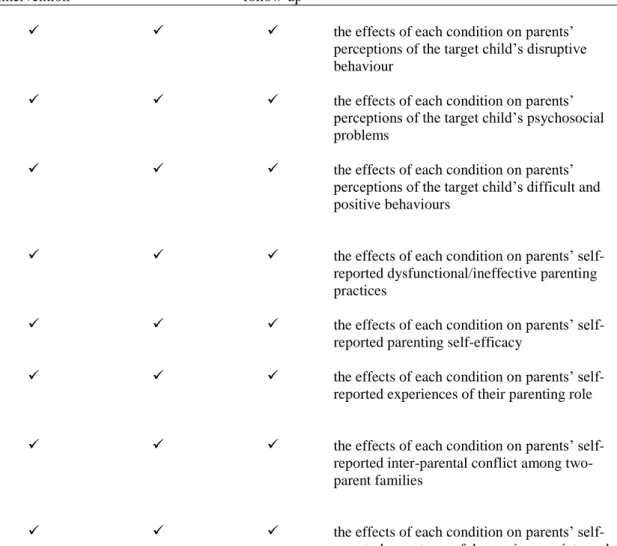
Table 3.3 Constructs Measured, Their Rationale for Use, and Data Collection Points... 77
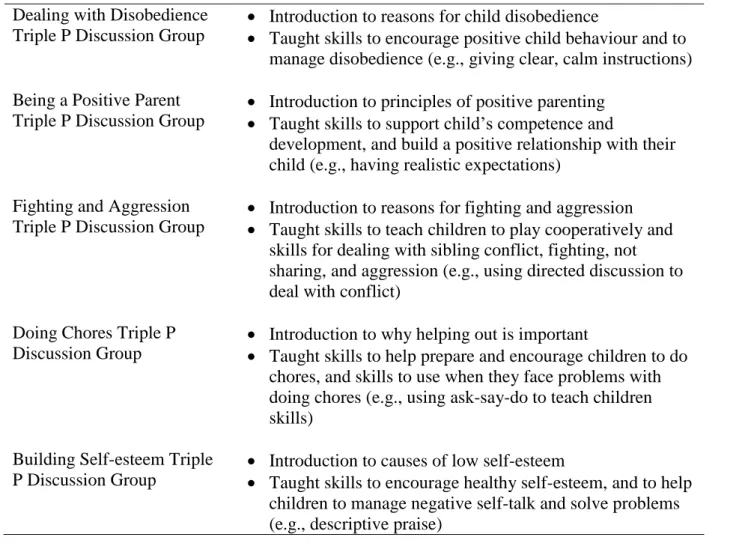
Table 3.4 Description of Programme Sessions ... 83
Table 4.1 Descriptive Statistics and Univariate Effects for Condition for Mothers at Post-Intervention ... 98
Table 4.2 Descriptive Statistics and Univariate Effects for Condition for Fathers at Post-Intervention ... 99
Table 4.3 Descriptive Statistics and Univariate Effects for Condition for Mothers at 6-Month Follow-Up ... 103
Table 4.4 Descriptive Statistics and Univariate Effects for Condition for Fathers at 6-Month Follow-Up ... 104
Table 4.5 Statistically Reliable Change From Pre- and Post-Intervention by Condition for Mother-Rated Disruptive Child Behaviour and Parenting Practices ... 109
Table 4.6 Clinically Significant Change From Pre- and Post-Intervention by Condition for Mother-Rated Disruptive Child Behaviour and Parenting Practices ... 109
Table 4.7 Statistically Reliable Change From Pre- and Post-Intervention by Condition for Father-Rated Disruptive Child Behaviour and Parenting Practices ... 111
Table 4.8 Clinically Significant Change From Pre- and Post-Intervention by Condition for Father-Rated Disruptive Child Behaviour and Parenting Practices ... 111
Table 4.10 Number of Attendees who Completed the Discussion Group Satisfaction Questionnaire, and the Mean and Standard Deviation for Each Item and Total Scores for Each Topic ... 115
Table 6.1 Constructs Measured, Their Rationale for Use, and Data Collection Points... 142
Table 6.2 Description of Programme Sessions ... 149
Table 7.1 Medians and Freidman’s Test Statistics for the Outcomes Measures at All Time Points ... 159
Table 7.2 Statistically Reliable Change From Pre- and Post-Intervention for Parenting
Practices, Mental Health Problems, and Disruptive Child Behaviour ... 160 Table 7.3 Clinically Significant Change From Pre- and Post-Intervention for Parenting
Practices, Mental Health Problems, and Disruptive Child Behaviour ... 161 Table 7.4 Coding Categories and Topic Descriptions ... 162 Table 7.5 Comments Regarding Parents’ Preference for Support and the Number and
Proportion of Parents who Mentioned Each Comment ... 172 Table 7.6 The Number of Sessions Attended by Parents of the Participating Families who
List of Figures
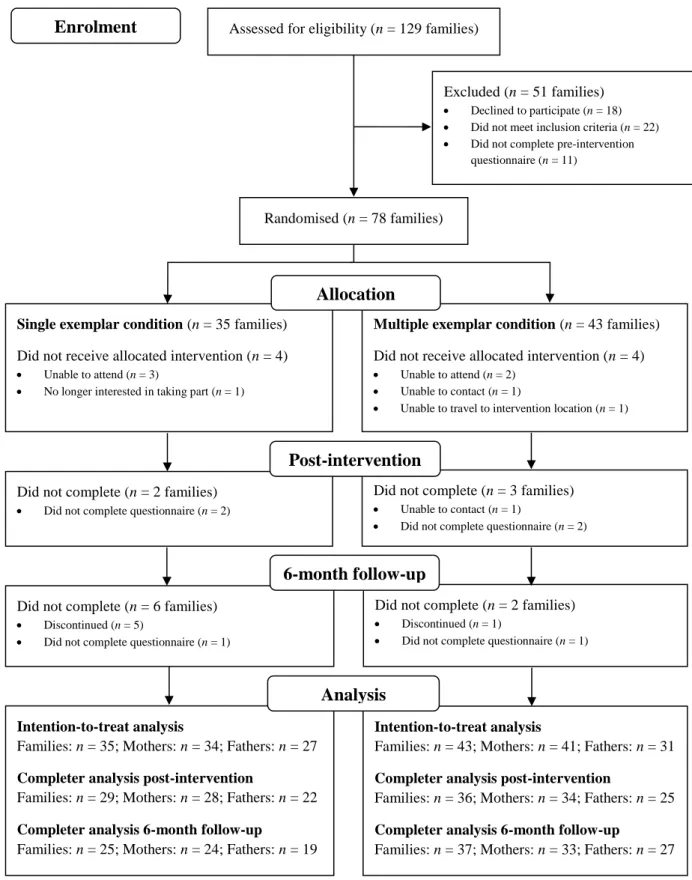
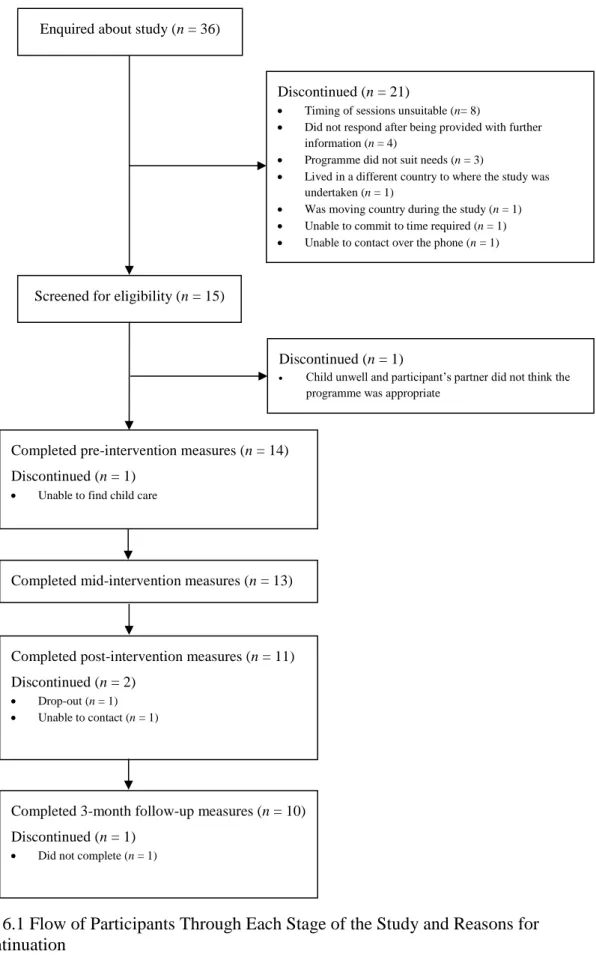
Figure 3.1 Flow of Participants Through Each Stage of the Study and Reasons for
Discontinuation ... 67 Figure 6.1 Flow of Participants Through Each Stage of the Study and Reasons for
List of Abbreviations
ANCOVA: Univariate Analysis of Covariance ANOVA: Univariate Analysis of Variance
CAPES: Child Adjustment and Parent Efficacy Scale CBT: Cognitive behavioural therapy
CF: Consent Form
CONSORT: Consolidated Standards of Reporting Trials CSO: Chief Scientist Office
CSQ: Client Satisfaction Questionnaire
DASS-21: Depression Anxiety Stress Scales 21 DGSQ: Discussion Group Satisfaction Questionnaire
DSM-5: Diagnostic and Statistical Manual of Mental Disorders (5th ed.) ECBI: Eyberg Child Behavior Inventory
FBQ: Family Background Questionnaire GGC: Greater Glasgow and Clyde GP: General Practitioner
ITT: Intention-To-Treat
MANCOVA: Multivariate Analysis of Covariance MAR: Missing at Random
MCAR: Missing Completely at Random MI: Multiple Imputation
MNAR: Missing Not at Random MRC: Medical Research Council NHS: National Health Service
PAFAS: Parenting and Family Adjustment Scale PDR: Parent Daily Report Checklist
PES: Parenting Experience Survey PIS: Participant Information Sheet PPC: Parent Problem Checklist PS: Parenting Scale
RCI: Reliable Change Index RCT: Randomised Control Trial REC: Research Ethics Committee RQI: Relationship Quality Index R&D: Research & Development
SDQ: Strengths and Difficulties Questionnaire
SWEMWBS: Short Warwick-Edinburgh Mental Well-being Scale U21: Universitas 21
UK: United Kingdom US: United States
Chapter 1.
Introduction
1.1
Overview of Thesis
This thesis was completed as part of a Universitas 21 (U21) Joint PhD. The U21 Joint PhD involves studying and conducting research at two universities during candidature. Undertaking a U21 Joint PhD offers several benefits for the PhD researcher including joint supervision across two high quality research institutions, access to the training and facilities at both institutions, and enhances research and employment opportunities through international networking. For the current PhD thesis, the University of Auckland was my primary institution and where I spent two-thirds of my PhD studies, and the University of Glasgow was my secondary institute where I spent the remaining third of my studies. The arrangement for my U21 Joint PhD was to conduct an evaluation of the Triple P Discussion Groups in each setting. The overall aim of this thesis was to examine ways to enhance the intervention outcomes of low-intensity group parenting programmes. Two key approaches to enhancing outcomes were investigated. In study one, the effects of generalisation promotion strategies which aimed to enhance generalisation of parenting skills were examined by experimentally controlling the number of parenting exemplars parents received. In study two, the benefits of simultaneously addressing parental mental health in addition to parenting practices were explored.
This thesis builds on the current research on low-intensity group parenting programmes by conducting two separate but interlinked studies. The aim of study one was to examine the effects of single exemplar training in comparison to multiple exemplar training of low-intensity topic-specific parenting groups. It was expected that receiving a broader range of exemplars should assist parents to apply parenting skills flexibly and that skills would generalise to a more diverse range of parenting concerns. The study used a randomised control trial (RCT) design to examine the effects of the two conditions for parents with a 5-8 year old child screened in on the basis of their child’s conduct problems. Study two aimed to explore the effects of attending a low-intensity group based parenting programme combined with a low-intensity group based cognitive behavioural intervention for common mental health problems among parents with 3-8 year old children.
The thesis is structured as follows. Chapter 2 provides a review of the literature that informed this thesis. It begins by discussing the definition, measurement, and risk factors for child conduct problems. The chapter then describes interventions for conduct problems and illustrates the rationale and evidence for low-intensity parenting programmes. The review of
the literature then demonstrates why it is important to promote generalisation and address parental mental health when delivering low-intensity topic-specific parenting groups. The chapter ends with a summary of the relevant literature and outlines the aims and hypotheses of the current research. Given that the U21 Joint PhD involved conducting research in both New Zealand and the United Kingdom (UK), and the parenting programme used in the current thesis is designed for parents with 3-8 year old children, the literature review mainly focused on research with samples in this age range and where relevant, research conducted in these two geographical locations. Chapter 3, Chapter 4, and Chapter 5 detail the method, results, and discussion of the findings respectively for study one. The method, results, and discussion for study two are described in Chapter 6, Chapter 7, and Chapter 8 respectively. The final chapter integrates and discusses the findings from both studies.
Together the two studies in this thesis addressed gaps in the literature on low-intensity parenting programmes by examining if teaching multiple exemplars of low-intensity topic-specific parenting groups enhances intervention outcomes and exploring whether combining low-intensity programmes addressing parenting and parental mental health are beneficial for parents with young children. Study one also added to the literature on the effectiveness of the Triple P Discussion Groups by evaluating the groups with parents of primary school aged children specifically addressing issues relevant to this developmental phase and investigating intervention outcomes for mothers and fathers separately.
Chapter 2.
Literature review
2.1
Overview of Chapter
Parents play a key role in their children’s lives. Parenting is inextricably linked with children’s development and behaviour and ineffective parenting and poor discipline practices have been linked with more negative outcomes for children (e.g., Parkes & Wight, 2011; Stormshak, Bierman, McMahon, Lengua, & Conduct Problems Prevention Research Group, 2000). Of great concern is the high prevalence of subclinical levels of conduct problems displayed by young children (e.g., Australian Institute of Family Studies, 2011; Bradshaw & Tipping, 2010). Costs associated with child conduct problems include stress and concern for the young child, their caregivers, and those around them (Advisory Group on Conduct Problems, 2009; Baker & Heller, 1996), poorer short- and long-term academic, peer, health, and behavioural outcomes (e.g., Campbell, Spieker, Burchinal, & Poe, 2006; Fergusson, Horwood, & Ridder, 2005; Knoester, 2003; Lynskey & Fergusson, 1995) and demands on public services (Advisory Group on Conduct Problems, 2009; Scott, Knapp, Henderson, & Maughan, 2001). Coupled with this, survey data indicates a high prevalence of ineffective parenting practices among parents of young children (e.g., Ministry of Health, 2008; Waylen, Stallard, & Stewart-Brown, 2008) highlighting a high level of need for intervention.
Parenting programmes based on social learning and behavioural theories have been recommended as the best approach to intervention for children with conduct problems (Advisory Group on Conduct Problems, 2009; Eyberg, Nelson, & Boggs, 2008; National Institute for Health and Clinical Excellence, 2013) and are effective in improving outcomes for parents and children (e.g., Dretzke et al., 2009; Furlong et al., 2012). Although there appears to be a high proportion of families who would benefit from a parenting programme, participation is low (Sanders, Markie-Dadds, Rinaldis, Firman, & Baig, 2007; Taylor & Biglan, 1998). To achieve greater participation in parenting programmes and improve outcomes for children at the whole-of-population level, a population health approach is required (Sanders & Kirby, 2014; Sanders, Kirby, Tellegen, & Day, 2014). A population approach includes the delivery of low-intensity parenting programmes for parents of children displaying mild to moderate levels of problems (Sanders, 2008; Sanders & Murphy-Brennan, 2010). Low-intensity programmes have the potential to reach a greater number of individuals at a lower cost and may prevent the development of more serious problems (Sanders, 2008; Sanders & Murphy-Brennan, 2010). They also play a role in destigmatising participation in parenting programmes (Sanders & Murphy-Brennan, 2010). Therefore research needs to further investigate ways to enhance the intervention outcomes of low-intensity parenting
programmes to ultimately reduce the prevalence of child conduct problems and off-set negative outcomes.
This chapter begins by discussing definitions and approaches to measuring child conduct problems and describes the definitions that will be used in this thesis. Next, to highlight the importance of undertaking this research, the prevalence of conduct problems among young children, the outcomes associated with these early behaviour problems, and the risk factors associated with the development and maintenance of child conduct problems are discussed. The parenting experiences of parents with young children displaying behaviour problems are then presented. In section 2.3, the review discusses interventions for parents with young children displaying conduct problems and presents the rationale for low-intensity parenting programmes. The research evidence for low-intensity parenting programmes is then reviewed with a particular focus on the Triple P Discussion Groups, an example of a topic-specific low-intensity group parenting programme which is used in the current thesis. Limitations of the previous research evaluating the Triple P Discussion Groups are discussed focusing on the generality of low-intensity parenting programmes, the lack of research with parents of primary school aged children, and the lack of father inclusion in such programmes.
In section 2.4 two additional risk factors associated with child conduct problems, poor parental mental health and parenting stress, are discussed. First, interventions for common mental health problems are presented and the rationale and effectiveness of cognitive behavioural therapy based low-intensity interventions addressing mental health problems are reviewed. The impact of addressing parental mental health on child behaviour problems is then considered and an argument is made for combined support that targets both parenting practices and common mental health problems as a way of enhancing outcomes of low-intensity parenting programmes. The review ends by providing a summary of the literature discussed and describing the aims and hypothesis for the two studies in this thesis.
2.2
Conduct Problems
2.2.1Definition of Conduct Problems
The term conduct problems does not refer to one particular disorder or clinical diagnosis (Sanders, Gooley, & Nicholson, 2000) rather, conduct problems describe a pattern of acting out behaviours (McMahon, Wells, & Kotler, 2006). The Advisory Group on Conduct Problems (2009) defines conduct problems as “a spectrum of antisocial, aggressive, dishonest, delinquent, defiant and disruptive behaviours” (p. 13). Conduct problems range in frequency
from developmentally inappropriate levels of complaining, non-compliance, defiance, tantrums, impulsivity, destructiveness, verbal and physical aggression, to more severe problems such as delinquency and criminal behaviour (Campbell, 2006; Gardner & Shaw, 2008; Liu, 2004; Sanders et al., 2000). Thus conduct problems can encompass the terms disruptive behaviour, externalising behaviour, under-controlled behaviour, antisocial behaviour, difficult behaviour, and challenging behaviour (Advisory Group on Conduct Problems, 2009; Campbell, 2006; Sanders et al., 2000). In the current thesis, the term conduct problems is used to refer to broad patterns of difficult, disruptive and externalising behaviours, with a focus on mild to moderate levels of conduct problems.
2.2.2Approaches to Measurement of Conduct Problems
A key area of debate is whether childhood problems should be conceived and measured categorically or dimensionally (Coghill & Sonuga-Barke, 2012; Jensen, Hoagwood, & Zitner, 2006). The categorical approach, which draws on a medical model, classifies disorders as being either present or absent (Jensen et al., 2006). In this approach, individuals with disorders are seen as qualitatively different from individuals in the population who display subclinical levels of these behaviours (Coghill & Sonuga-Barke, 2012). The two most commonly used systems of classifying disorders are the Diagnostic and Statistical Manual of Mental Disorders (5th ed., DSM-5, American Psychiatric Association, 2013) and the International Statistical Classification of Diseases and Related Health Problems 10th Revision (World Health Organization, 2005). These classification systems describe the required criteria to achieve a diagnosis for each disorder. For example, the DSM-5 (American Psychiatric Association, 2013) classifies conduct problems into a series of related clinical diagnoses of Oppositional Defiant Disorder and Conduct Disorder (Advisory Group on Conduct Problems, 2009). Such diagnoses apply to children with severe conduct problems which lead to clinically significant impairment.
There are several disadvantages to using a categorical approach to conceptualise and measure conduct problems. First, such approaches assume that conduct problems have a categorical form (Moffitt & Scott, 2008). Second, inconsistency in diagnostic decisions between informants may occur (Hudziak, Achenbach, Althoff, & Pine, 2007). Third, by categorising disorders as present or absent, detail about the severity and dysfunction of problems is lost (Hudziak et al., 2007; Moffitt & Scott, 2008) and individuals who are close to but do not meet diagnostic criteria are seen to be very different from those who do meet criteria for a diagnosis, rather than being viewed as similar (Altman & Royston, 2006). These individuals who are close to but do not meet clinical criteria may miss out on potential
intervention and support (Coghill & Sonuga-Barke, 2012). Concerns have also been raised about the inappropriateness of diagnosing young children due to stigmatisation (Moffitt & Scott, 2008) and to the rapid developmental change that occurs during young childhood (Gardner & Shaw, 2008). There is also difficulty in distinguishing between typical and atypical behaviours during this period, as what may be developmentally appropriate at one age may be considered to be problematic at another (Gardner & Shaw, 2008; Hudziak et al., 2007). The second main approach to the conceptualisation and measurement of problems is the dimensional approach, which is arguably more appropriate for young children. Dimensional approaches view problems as a reflection of difficulties at the more severe end of a continuum (Coghill & Sonuga-Barke, 2012; Jensen et al., 2006). Children displaying conduct problems are not viewed as being qualitatively different from normal functioning but differ in terms of their level of behavioural difficulties. This approach to measurement captures the range of problems on a continuum and can be used to identify children with mild to moderate levels of conduct problems who would likely benefit from intervention but may not meet diagnostic criterion. Several rating scales have been developed to measure conduct problems dimensionally. Commonly used scales include the Eyberg Child Behavior Inventory (ECBI, Eyberg & Pincus, 1999), the Child Behaviour Checklist (Achenbach, 1991), and the Strengths and Difficulties Questionnaire (SDQ, Goodman, 1997). All of these measures ask respondents to rate the frequency of behaviours using a Likert scale and normative scoring bands by child age, child gender, and respondent are available for these measures. A clinical cut-off point can also be applied to categorise children on a yes-no basis (Hudziak et al., 2007). The dimensional approach to the conceptualisation and measurement of conduct problems is used in the current thesis.
2.2.3Prevalence of Conduct Problems Displayed by Young Children
Based on research conducted in developed Western countries, conduct problems are the most common type of problem displayed by young children (Gardner & Shaw, 2008; National Institute for Health and Clinical Excellence, 2013) and constitute a substantial proportion of referrals to health and social care services (National Institute for Health and Clinical Excellence, 2013). A large amount of research has been conducted to determine the prevalence of conduct problems. Estimates of the rates of conduct problems displayed by young children vary greatly depending on the criteria used (Moffitt & Scott, 2008) and the age of children. In literature presented below on the prevalence of conduct problems displayed by young children, there is a focus on conduct problems that are mild to moderate in severity and
from geographic regions where the studies in this thesis were undertaken (Australasia and United Kingdom [UK]).
In Sanders et al. (2007) 3,388 parents in Australia were surveyed about the occurrence and severity of conduct problems shown by their 2-12 year old child. Between 12.5% and 23% of parents reported that their child displayed the following behaviours often or very often: loses temper, argues with adults, denies or refuses to cooperate with adults, deliberately annoys others. Angry and resentful behaviour was reportedly displayed often or very often by 4.5% of the children. When parents reported on the severity of their child’s difficult behaviour, 41% of parents reported it was not at all difficult, 35% reported the behaviour was only slightly difficult, and 19% stated their child’s behaviour was moderately difficult. The remaining 5% of parents reported very or extremely difficult child behaviours.
More recent findings from the Growing Up in Australia study (Australian Institute of Family Studies, 2011) showed that a high proportion of mothers rated that their young child displayed conduct problems often. The SDQ was completed by a nationally representative sample of approximately 3,740 mothers with a 4-5 year old. A substantial proportion of mothers (between 3.3% and 11.0%) reported that the following behaviours were ‘certainly’ true of their child: temper tantrums, being argumentative, disobedience, and restless or overactive behaviour. Fighting with children often was reported by mothers to be ‘certainly’ true of 1.6% of children.
Among primary school aged children, the prevalence of conduct problems is also high. Research from England using data from the Avon Longitudinal Study of Parents and Children found that 21.8% of a broadly representative sample of 4,739 6-8 year old children displayed conduct problems in the borderline or abnormal range on the SDQ as rated by mothers (Parkes et al., 2014). When children meeting the borderline and abnormal criteria are separated out, a high proportion of children display problematic but subclinical levels of conduct problems (Bradshaw & Tipping, 2010; Elberling, Linneberg, Olsen, Goodman, & Skovgaard, 2010). For example, findings from the Growing Up in Scotland study that were weighted to be representative of the population, indicated that at primary school entry 15% of children displayed borderline conduct problems measured by parent-rated SDQ (Bradshaw & Tipping, 2010).
There is less research measuring the prevalence of conduct problems longitudinally. It is important to examine conduct problems longitudinally to determine whether children who display conduct problems during the preschool years continue to have conduct problems at primary school age. Research conducted across a number of developed Western countries
suggests that even though a substantial proportion of preschool children grow out of conduct problems, approximately 50-60% of children who displayed disruptive behaviour problems during the preschool years continue to show problems at primary school age (for a review see Campbell, Shaw, & Gilliom, 2000 or Gardner & Shaw, 2008). For example, in a study conducted in the United States (US) of 284 boys from low-income families, Shaw, Gilliom, Ingoldsby and Nagin (2003) found that 60% of boys who displayed high levels of disruptive behaviour problems when they were 2 years old, continued to display disruptive behaviour problems at age 6. In the Growing Up in Scotland study, 4.3% of the children displayed persistent conduct problems in the abnormal range of the SDQ at ages 3, 4 and 5 and 22.5% displayed conduct problems at one but not all of these time points (Wilson et al., 2012a).
In summary, findings from the reviewed literature demonstrate a considerable proportion of young children display mild to moderate levels of conduct problems at some point in time. Research also demonstrates that a substantial proportion of children whose conduct problems originated in early childhood continue to display conduct problems during the primary school years. The high prevalence of conduct problems displayed by young children indicates the substantial need for intervention.
2.2.4Outcomes of Childhood Conduct Problems
A range of negative outcomes have been reported for young children displaying moderate to high levels of conduct problems which also provides a strong rationale for intervention. Longitudinal studies conducted in New Zealand, the UK, the US, and Finland found that negative outcomes during late childhood and adolescence include poorer academic, employment, peer, health, and behavioural outcomes (e.g., Campbell et al., 2006; Fergusson & Horwood, 1998; Fergusson, Boden, & Horwood, 2009; Lynskey & Fergusson, 1995; McLeod & Kaiser, 2004; Parkes et al., 2014; Sourander et al., 2006; Woodward & Fergusson, 1999). For example, using data from the NICHD Study of Early Child Care and Youth Development in the US, Campbell et al. (2006) found that children who displayed a stable but moderate level of aggression between ages 2 and 9 years had more problems with academic achievement, peers, externalising behaviours, impulse control, and internalising symptoms at age 9 when compared to children who displayed very low levels of aggression. Another study by McLeod and Kaiser (2004) examined the outcomes of externalising behaviours among 424 children in the US using data from the National Longitudinal Surveys of Youth. They found that higher levels of externalising behaviour problems displayed at ages 6-8 years were associated with a lower likelihood of gaining a high school qualification and subsequent college enrolment. While the Christchurch Health and Development study found that New
Zealand children who displayed higher levels of conduct problems at age 8 reported greater use of alcohol, illicit drugs, and tobacco smoking at age 15 when compared with children who displayed low levels of conduct problems (Lynskey & Fergusson, 1995). Another study based in England using data from the Avon Longitudinal Study of Parents and Children found that children with conduct problems in the borderline or abnormal range at ages 6-8 years were associated with an increased risk of early sexual behaviour at ages 13 and 15 (Parkes et al., 2014). The same pattern was found when conduct problems were analysed using continuous scores.
Longitudinal research from New Zealand, the UK, and the US shows that child conduct problems have also been associated with negative outcomes during adulthood (Fergusson et al., 2009; Knoester, 2003; Kretschmer et al., 2014; Woodward, Fergusson, & Horwood, 2002). For example, using data from the Marital Instability Over the Life Course Study, Knoester (2003) compared the outcomes for US children who sometimes displayed externalising problems during childhood with outcomes for children who did not display externalising behaviour. Children who sometimes displayed externalising behaviour reported lower psychological wellbeing, lower partner relationship quality, and poorer relationships with their own parents during adulthood.
There are also substantial financial costs of conduct problems displayed by young children. Scott et al. (2001) reported the public services costs (e.g. education, benefits relationships, health services, justice system) of childhood conduct problems among a sample of children in the UK. Children were grouped into three categories based on their antisocial behaviour at age 10: no conduct problems (n = 65), those with conduct problems (n = 61), and those with a conduct disorder (n = 16). The costs to the public services used by age 28 for children with conduct problems who did not meet the criteria for conduct disorders were approximately three times greater than the costs of providing services for individuals without conduct problems. For all groups of individuals, crime accounted for the greatest costs.
2.2.5Risk Factors for Conduct Problems
The developmental psychopathology framework is useful for understanding factors associated with the development and maintenance of child conduct problems (Cicchetti, 2006). In particular, the processes that either contribute to (risk factors), or protect against (protective factors) the development of problems are examined. When considering risk and protective factors, it is also important to keep in mind the transactional relationship between the child and their environment. Sameroff’s (2009) transactional model of development emphasises the bidirectional influence between the child and their environment. The child is viewed as an
active participant and development is seen as a product of complex, dynamic interactions between the child and their environment over time. Environmental influences are not viewed as static but are seen to interact with each other.
A large amount of research has examined the factors associated with the development and maintenance of conduct problems displayed by young children. In New Zealand and Scotland, a range of individual and demographic variables have been identified as risk factors such as being of male gender (Fergusson & Horwood, 1998; Woodward et al., 2002), familial disadvantage (e.g., household income; Wilson et al., 2012a; Woodward et al., 2002), and social disadvantage, such as single parenthood and poorer living standards (Wilson et al., 2012a; Woodward et al., 2002). However, familial variables appear to be more closely related to behavioural difficulties than individual or demographic variables (e.g., Parkes & Wight, 2011). The key focus of this thesis is on low-intensity programmes for parents of young children displaying conduct problems that target modifiable risk factors, such as parenting and discipline practices, parental mental health, and parenting stress. Therefore the review of risk factors will focus on these areas.
There is a strong and consistent link between ineffective parenting and poor discipline practices and child conduct problems; parents who use more ineffective and harsh parenting practices are more likely to have a young child who displays behaviour problems (e.g., Bradshaw & Tipping, 2010; Brenner & Fox, 1998; Parkes & Wight, 2011; Stormshak et al., 2000; Wilson et al., 2012a; Woodward et al., 2002). For example, in a sample of parents of 631 young children in the US, Stormshak et al. (2000) reported that punitive parenting practices were associated with higher levels of oppositional, aggressive, and hyperactive behaviour. Parkes and Wight (2011) used mother-reported data from the Growing Up in Scotland study and found that low parenting skills (a composite measure of low parental warmth, low parental involvement, poor supervision of child, less rules, more parent-child conflict, and high home chaos) among parents of almost 5 year old children was associated with having a child with mild to severe behaviour problems. In particular, high levels of conflict in the parent-child relationship were strongly associated with early child behavioural problems. Similarly, using data from the Growing Up in Scotland study, Wilson et al. (2012a) found that 3-5 year old children displaying conduct problems were more likely to have a parent who believed that smacking was an effective and sometimes necessary form of discipline.
As Sameroff’s (2009) transactional model of development theorised, interactions between a child and their environment are bidirectional in nature. It should be acknowledged
that there is not a simple linear causation from poor parenting and discipline practices to child conduct problems. The relationship between poor parenting and discipline practices and child conduct problems appears reciprocal and coercive processes between parents and their children play a key role in the initial development and the maintenance of behaviour problems. In his model of coercive processes, Patterson (1982) suggested that parents and children mutually coerce each other into behaving aversively or avoiding the other’s aversive behaviour. As a result, this coercive pattern of parent-child interaction continues as both the child’s and parent’s behaviour is reinforced. There is a large amount of empirical research that supports this coercive processes model (e.g., Burke, Pardini, & Loeber, 2008; Parkes & Wight, 2011).
Other familial risk factors that have been linked with child conduct problems are poor parental mental health and parenting stress (Duncombe, Havighurst, Holland, & Frankling, 2012; Hall, Rayens, & Peden, 2008; Solem, Christophersen, & Martinussen, 2011; van der Molen, Hipwell, Vermeiren, & Loeber, 2011). For example, a study conducted by Duncombe et al. (2012) in a sample of 373 5-9 year old children in Australia, found that poor parental mental health (symptoms of depression, anxiety and stress) predicted parent-rated child disruptive behaviour. Other researchers, drawing on findings from across a number of studies, have stated that parental depression is one of the most consistent risk factors for child disruptive behaviour disorders (Weissman et al., 2006) perhaps due to the stressful environment children may be exposed to in the presence of parental psychological distress (Wickramaratne et al., 2011) and negative impacts of parental psychological distress on parenting practices.
Therefore, of great concern is the high prevalence of parents with mental health problems. Findings from the Growing Up in Scotland study demonstrated that approximately 12-16% of mothers with young children experienced mental health problems at any one time (Marryat & Martin, 2010). When compared with children of mothers without mental health problems, children of mothers with mental health problems were more likely to have poorer behavioural, emotional, and peer outcomes. Findings from the Growing up in Australia study (Australian Institute of Family Studies, 2012) demonstrated that between 11-13% of mothers and 9-10% of fathers with preschool aged children reported moderate to high levels of psychological distress. Among parents with primary school aged children, the prevalence was 12-17% of mothers and 10-12% of fathers. In the earlier mentioned Australian study by Sanders et al. (2007) they found that approximately 20% of a community sample of parents with children aged 2-12 years reported being stressed and about 5% of parents were depressed. Parents with a child displaying disruptive behaviour problems reported having a more stressful
and depressing parenting experience. As with the relationship between parenting practices and child conduct problems, the relationship between poor parental mental health and parenting stress and child behaviour problems appears reciprocal (Gross, Shaw, Moilanen, Dishion, & Wilson, 2008; Gross, Shaw, Burwell, & Nagin, 2009; Neece, Green, & Baker, 2012). For instance, when Neece et al. (2012) examined the relationship between parenting stress and children’s behaviour problems from ages 3 to 9 years in a US sample of 237 children, they found that parenting stress and child behaviour problems were both antecedents and consequences of one another, having a mutually escalating effect over time.
A useful model for understanding the interaction between parenting risk factors, parental mental health, and child outcomes is provided by Belsky’s (1984) process model of the determinants of parenting. Belsky’s (1984) model identifies a range of influences on parenting suggesting that parenting is directly influenced by the parent, the child, and the broader social context in which the parent-child relationship exists. The impact of the parent, the child, and the broader social context are not considered to be equally influential and Belsky suggested that personal psychological resources are one of the most influential determinants of parenting. In Belsky’s view, parents’ personal psychological resources have a direct effect on parental functioning and indirect effects on other sources of influence, such as work and partner relationships.
In support of Belsky’s (1984) process model of the determinants of parenting, not only are parental mental health and parenting stress associated with child behaviour problems, they are also associated with less optimal parenting and discipline practices and poorer parent-child interactions (e.g., Australian Institute of Family Studies, 2012; Kelley & Jennings, 2003; Lovejoy, 1991; Lovejoy, Graczyk, O'Hare, & Neuman, 2000; Parkes & Wight, 2011; Tarullo, DeMulder, Martinez, & Radke-Yarrow, 1994). Goodman and Gotlib (1999) state that poorer parent-child interactions seen as a result of parental psychological distress are one mechanism for the transmission of risk for child psychopathology. Previous research has shown that poor parental mental health is associated with a parent-child interaction style characterised by more negative parental behaviour and more negative interactions with pre-schoolers (Kelley & Jennings, 2003; Lovejoy, 1991), and more critical interactions and less engagement with school aged children (Tarullo et al., 1994). Findings from the Growing Up in Australia study (Australian Institute of Family Studies, 2012) demonstrated that mothers and fathers of 4-9 year olds with moderate to high levels of psychological distress reported higher levels of hostile and irritable parenting and lower levels of parental warmth when compared to parents without mental health problems. In addition, a meta-analytic review of 46 observational studies examining the relationship between poor maternal mental health and parenting by
Lovejoy et al. (2000) found that maternal psychological difficulties were associated with negative coercive maternal behaviour and disengagement from the child. Other research from Australia has found that parents with personal adjustment problems report less parenting confidence (Sanders et al., 2007). McKee, Harvey, Danforth, Ulaszek, and Friedman (2004) suggest the link between poor parental mental health and less optimal parenting may be because parents with poor mental health may have more difficulty being positive in their interactions with their children and carrying out effective parenting practices. Therefore, less optimal parenting styles may also be indirect outcomes of having less ability and using poorer strategies to cope with stress, including stress related to dealing with their child’s disruptive behaviour problems (McKee et al., 2004).
2.2.6Parenting a Child With Conduct Problems
It is not surprising that caring for a child displaying conduct problems can lead to feelings of stress, distress, and failure for the parent. Research has shown that parents of children with conduct problems report greater parenting stress and more negative life impacts (Baker & Heller, 1996; Donenberg & Baker, 1993). For example, Baker and Heller (1996) examined the parenting experiences of 52 US families with young children displaying externalising behaviour problems in comparison to non-problem children. Children were classified into three groups depending on the severity of their externalising problems (controls, moderate externalising problems, or high externalising problems). For parents with children displaying both moderate and high levels of externalising problems, greater child-related stress and impact was reported when compared to parents of control children. Mothers of children with moderate or high levels of behaviour problems reported a need for support.
In addition, parents of children with conduct problems report more parenting hassles and less favourable parenting practices (e.g., Creasey & Reese, 1996; Nicholson, Fox, & Johnson, 2005). In their study of 60 intact families with primary school aged children in the US, Creasey and Reese (1996) found that child behaviour problems were linked with greater parenting hassles for mothers and fathers. Furthermore, parenting and non-parenting hassles were associated with poorer maternal and paternal mental health.
Of great concern is the high prevalence of ineffective parenting practices used to manage child behaviour problems. In the Australian Sanders et al. (2007) study, the majority of parents (70.8%) reported that they were likely or very likely to shout or become angry at their child when they misbehaved. Approximately, 43% of parents reported they were likely or very likely to give their child a single smack on the hand, and 7.7% of parents reported they were likely or very likely to smack their child more than once or with an object when their
child misbehaved. Similarly, reports from the New Zealand Health Survey also show a high prevalence of ineffective parenting practices (Ministry of Health, 2008). The representative sample consisted of 12,488 adults (aged over 14 years) and included parents/caregivers of 4,921 children aged between birth and 14 years. In the previous four weeks, 10.4% of primary caregivers reported using physical punishment with their child when they misbehaved and approximately 40% had yelled at their children when they misbehaved. Another study conducted by Waylen et al. (2008) used data from the English Avon Longitudinal Study of Parents and Children to examine parenting practices used with children aged 18 months to 4 years. They reported that a substantial proportion of parents reported high levels of hitting and shouting (30.0%).
2.3
Intervention for Child Conduct Problems
A number of interventions have been developed to treat children displaying conduct problems which differ in their approach to intervention and theoretical basis. Parenting programmes that are based on social learning and behavioural theories are an effective intervention for young children with conduct problems (Barlow & Stewart-Brown, 2000; Carr, 2009; Dretzke et al., 2009; Furlong et al., 2012; Piquero, Farrington, Welsh, Tremblay, & Jennings, 2009) and have been recommended as the treatment of choice for this population (Advisory Group on Conduct Problems, 2009; Eyberg et al., 2008; National Institute for Health and Clinical Excellence, 2013). Such programmes have been found to improve parenting practices and substantially reduce disruptive child behaviour (Carr, 2009; Dretzke et al., 2009; Furlong et al., 2012; Piquero et al., 2009).
Scott (2008) identified the key features of parenting programmes based on social learning and behavioural theories. Scott suggested that effective parenting programmes based on these theories had the following components in common: a theoretical basis for the programme that is explicit and informed by extensive empirical research, the inclusion of specific topics and strategies delivered in a set order, and perceiving parenting as a skill set which is used in the parent-child relationship. Furthermore, Scott (2008) stated that during these programmes parental self-reliance is promoted.
Parenting programmes based on social learning and behavioural theories aim to change children’s behaviour by intervening through the parents rather than the whole family or the child (Prinz & Jones, 2003). The central concept is that children’s behaviour is directly and indirectly shaped by their experiences and a key focus of these programmes is the day-to-day
parent-child interactions (Scott, 2008). Parent-child interactions are conceived as bidirectional in nature (Sanders & Kirby, 2014) and coercive processes are thought to play a central role (Patterson, 1982). As previously discussed Patterson (1982) suggested that parents and children mutually coerce each other into behaving aversively or avoiding the other’s aversive behaviour. As a result, this coercive pattern of parent-child interaction continues as both the child’s and parent’s behaviour is reinforced.
Historically, parenting programmes based on social learning and behavioural theories aimed to change coercive parent-child interactions and reduce child conduct problems by changing aspects of the environment that may be contributing to or maintaining difficult behaviour through reinforcement and conditioning (Morawska & Sanders, 2006; Scott, 2008). The targets of intervention have since been expanded to include cognitive processes that may influence parental behaviour (e.g., attributions) and positive parenting strategies to promote child development outcomes (Scott, 2008). Risk factors associated with the development and maintenance of child behaviour problems are targeted (e.g., ineffective parenting and poor discipline practices) and protective familial factors are promoted (Sanders, Markie-Dadds, & Turner, 2003).
During parenting programmes based on social learning and behavioural theories, active skills training is used to teach parents strategies for encouraging appropriate child behaviour and strengthening the parent-child relationship, in addition to strategies for managing difficult child behaviours (Prinz & Jones, 2003; Sanders, 2012; Taylor & Biglan, 1998). These strategies aim to improve parenting knowledge and skills, increase parents’ confidence in day-to-day parenting tasks, improve the quality of the parent-child relationship, teach alternatives to coercive or ineffective parenting practices, and in turn increase positive and prosocial child behaviours and decrease disruptive child behaviours (Carr, 2009; Piquero et al., 2009; Sanders et al., 2003). They typically use a variety of methods to develop parenting skills. These methods include didactic presentation of material, modelling and video modelling of effective parenting skills, behavioural rehearsal, goal setting to facilitate implementation of skills, homework activities, and reading materials to facilitate generalisation and implementation of strategies (Prinz & Jones, 2003).
2.3.1The Triple P–Positive Parenting Program
One example of a parenting programme that is based on social learning and behavioural theories is the Triple P–Positive Parenting Program. Triple P is a system of parenting programmes for parents with children aged between birth and 16 years (Sanders, 2012). The Triple P system draws on a large and varied research base, including social
learning models, but also on social information processing models (e.g., that highlight the role of parental attributions), research on child and family behavioural therapy and applied behaviour analysis (e.g., behaviour change strategies), developmental research on day-to-day parenting (e.g., Hart & Risley, 1995) and developmental psychopathology identifying specific risk factors associated with poorer child outcomes (Sanders, 2012). In addition, Triple P draws on ecological and public health frameworks (e.g., Farquhar et al., 1985) to structure the system of programmes into a population health approach to intervention (Sanders, 2012). Triple P uses this theoretical and empirical research base to teach five key principles of positive parenting (Sanders, 2012).
The first principle of the Triple P programmes is providing a safe and engaging environment which involves making sure children are safe and supervised to provide opportunities for play and exploration. The second principle, providing a positive learning environment, involves responding positively to interactions initiated by their child (e.g., attention, requests for assistance) using strategies such as incidental teaching and problem solving. It is likely that these first two principles are correlated. Thirdly, the programme teaches assertive discipline strategies which are alternatives to ineffective and coercive practices, such as giving clear, calm instructions and delivering logical consequences. Having realistic expectations is the fourth key principle referring to parents’ expectations and beliefs about their child and their child’s behaviour as well as expectations and beliefs about themselves as parents. Expectations are likely to differ depending on the families’ culture and context. The final principle taught is looking after one’s own wellbeing as a parent (e.g., taking time out for yourself as a parent, improving resourcefulness).
Another key feature of the Triple P system is its self-regulatory framework (Sanders, 2012). In Triple P programmes, parents are encouraged to solve their own problems, attribute changes in child behaviour to their own or their child’s efforts, and use self-management skills to monitor their own behaviour, their child’s behaviours, and set goals for change.
Triple P also recognises that parents have differing needs and preferences for the intensity of programme they may require and uses a multilevel system of support (Sanders, 2012). This multilevel system draws on the concept of minimal sufficiency, meaning that the minimal amount of intervention for sufficient change is provided thus reducing unnecessary costs to services and maximising efficiency. There are five levels of intervention that vary in their intensity (see Appendix A for a detailed description of the Triple P multilevel system of support). The system ranges from level 1 Triple P, which is an information-based programme delivered through media and aimed at the entire population, to level 5 programmes, which are
intensive multisession programmes targeted at parents with children displaying more severe conduct problems where there is concurrent family dysfunction. To facilitate practitioner and participant flexibility, programmes are offered in a variety of formats, including group, individual, and self-directed programmes.
In the current thesis, the Triple P Discussion Groups are used, which are an example of a low-intensity topic-specific group parenting programme. The Triple P Discussion Groups are a level 3 Triple P intervention (Sanders, 2012). Level 3 Triple P programmes are low-intensity interventions designed to be administered by primary care professionals within an educational or health care setting. During level 3 Triple P programmes, parents receive behaviourally-orientated parenting information. Unlike level 2 Triple P interventions that are also low in intensity, parents who participate in a level 3 programme also receive active skills training targeted at discrete child behavioural problems that parents have identified as posing some difficulties for them to manage. The Triple P Discussion Groups are a recent addition to the Triple P system of programmes.
2.3.2The Rationale for Low-Intensity Parenting Programmes
Typically, parenting programmes have been offered as an intensive group or individual intervention (Sanders & Murphy-Brennan, 2010). One major challenge is that the benefits of parenting programmes are limited at the population level as few parents access such programmes (Sanders et al., 2007; Sanders, Haslam, Calam, Southwell, & Stallman, 2011; Taylor & Biglan, 1998). There is evidence to suggest that many parents would benefit from attending a parenting programme even though few parents access parenting support (Ministry of Health, 2008; Sanders et al., 2007; Waylen et al., 2008). It has been argued that a population health approach to parenting needs to be adopted to reduce the prevalence of child conduct problems in the population (Sanders & Kirby, 2014; Sanders et al., 2014).
A population health approach to parenting support highlights the need to target parents at the whole-of-population level to reduce the overall prevalence of child conduct problems (Sanders et al., 2014). In a population approach, both universal and targeted interventions are used. Such an approach may help overcome some barriers to participation in parenting programmes (Prinz & Sanders, 2007). It is likely that one reason for low participation in parenting programmes is that available programmes are not meeting the needs or preferences of all parents. For some families, an intensive programme may be required; however in other families a long-term intervention may not be feasible nor needed (Dishion & Stormshak, 2007a; Sanders et al., 2005). For parents with a child with mild to moderate problems a low-intensity programme may be minimally sufficient and may prevent the development of more
serious problems (Sanders, 2008; Sanders & Murphy-Brennan, 2010). Offering low-intensity interventions alongside more intensive programmes allows for more intensive interventions to be delivered to parents with a child displaying more severe levels of difficulties and to high-risk families (Sanders & Murphy-Brennan, 2010). As a consequence, low-intensity parenting programmes have been developed to increase the range of options for parenting support.
Another possible reason for low participation in parenting programmes is perceived stigma. There is a need to normalise and destigmatise participation in parenting programmes (Sanders & Murphy-Brennan, 2010) and low-intensity programmes play a key role in this process. Sanders and Murphy-Brennan (2010) state that offering a range of low-intensity interventions to the entire population as part of the population health approach to improving parenting helps normalise participation in parenting programmes. In addition, by increasing the reach and range of parenting programmes and delivering interventions in easy to access contexts, such as community settings, participation in parenting programmes may become less stigmatised.
Dishion and Stormshak (2007a) suggest that low-intensity parenting programmes can be defined in different ways and can range from single session programmes to several sessions of topic-focused intervention. Bennett-Levy, Richards and Farrand (2010) described low-intensity interventions as programmes that require a low usage of practitioner time or usage of time in a cost-effective way. Other researchers (e.g., Brown, Elliott, & Butler, 2006) have described low-intensity interventions as being low contact, high volume programmes. This means that these programmes only take a small amount of practitioner time, but a large amount of material is presented. Typically, low-intensity parenting programmes address between one and a few particular child problems or parenting strategies (Dishion & Stormshak, 2007a).
2.3.3Evidence for Low-Intensity Parenting Programmes
2.3.3.1Individually-administered low-intensity parenting programmes
Several studies have examined the effects of low-intensity programmes delivered individually to parents with young children (e.g., Boyle et al., 2010; Crisante, 2003; de Graaf, 2009; Dishion et al., 2008; Kjøbli & Ogden, 2012; Shaw, Dishion, Supplee, Gardner, & Arnds, 2006; Sommers-Flanagan, 2007; Spijkers, Jansen, & Reijneveld, 2013; Turner & Sanders, 2006). One example of an individually-administered low-intensity parenting programme is Primary Care Triple P. Primary Care Triple P consists of three to four 20-30 minute sessions delivered individually to parents to address discrete child behaviours that are of concern (Sanders, 2012). During the first session the presenting problem is assessed.