1
Learners’ Self-Assessment and Metacognition
when Using an Open Learner Model with Drill Down
MATTHEW DAVID JOHNSON
A thesis submitted to
The University of Birmingham for the degree of
DOCTOR OF PHILOSOPHY
Department of Electronic, Electrical and Systems Engineering
School of Engineering
College of Engineering and Physical Sciences The University of Birmingham
University of Birmingham Research Archive
e-theses repository
This unpublished thesis/dissertation is copyright of the author and/or third parties. The intellectual property rights of the author or third parties in respect of this work are as defined by The Copyright Designs and Patents Act 1988 or as modified by any successor legislation.
Any use made of information contained in this thesis/dissertation must be in accordance with that legislation and must be properly acknowledged. Further distribution or reproduction in any format is prohibited without the permission of the copyright holder.
2
ACKNOWLEDGEMENTS
With thanks to Prof. Chris Baber for his guidance in the completion of this thesis and to Dr. Susan Bull for supervision during the earlier parts of the research.
Thanks also to Robert Gibson, Julia Johnson, David Johnson and countless friends and family who have encouraged the completion of the work and provided support and provided an environment that has fostered its momentum.
Special thanks also to Alice Kerly, Mary Winkles, Samantha McCauley and Dana Vasiljevic for being an executive sounding board during my time at the university.
Further thanks also to the FP7 projects NEXT-TELL and LEA’s BOX, and to the University of Birmingham for the employment opportunities, which have taken place alongside the PhD research. Thanks also to the EPSRC for the 2 years 6 months of funding at the start of the research, and to Montvieux Ltd. for allowing some time for the preparation of the final draft.
3
ABSTRACT
Metacognition is ‘thinking on thinking’. It is important to educational practices for learners/teachers, and in activities such as formative-assessment and self-directed learning. The ability to perform metacognition is not innate and requires fostering, and self-assessment contributes to this. Literature suggests proven practices for promoting metacognitive opportunities and ongoing enquiry about how technology best supports these. This thesis considers an open learner model (OLM) with a drill-down approach as a method to investigate support for metacognition and self-assessment.
Measuring aspects of metacognition without unduly influencing it is challenging. Direct measures (e.g. learners ‘thinking-aloud’) could distort/disrupt/encourage/effect metacognition. The thesis develops methods to evaluate aspects of metacognition without directly affecting it, relevant to future learning-analytics research/OLM design. It proposes a technology specification/implementation for supporting metacognition research and highlights the relevance of using a drill-down approach.
Using measures that correspond to post-hoc learner accounts, this thesis identifies a baseline of student activity that is consistent with important regulation of cognition tasks and students’ specific interest in problems. Whilst this does not always influence self-assessment accuracy, students indicating their self-assessment ability can be used as a proxy measure to identify those who will improve. Evidence supports claims that OLMs remain relevant in metacognition research.
4
TABLE OF CONTENTS
Chapter 1 Introduction ... 17
Chapter 2 Metacognition, Assessment and Education ... 20
2.1 Metacognition ... 20
2.2 Reflection and Self-Assessment ... 23
2.3 Formative Assessment ... 25
2.4 Self-Directed Learning ... 29
2.5 Summary ... 33
Chapter 3 Open Learner Modelling, Drill Down Approaches and Information Granularity .... 35
3.1 Intelligent Tutoring Systems ... 36
3.2 Learner Models ... 37
3.3 Open Learner Models ... 39
3.4 Open Learner Models and Learning Analytics ... 43
3.5 Visual Representations of Open Learner Models ... 45
3.6 Open Domain Model and Learner Model Process Content ... 49
3.7 Issues of Granularity ... 51
3.8 Using a Drill Down Approach ... 54
3.9 Technology Supporting a Drill Down Approach ... 57
3.10 Summary ... 59
Chapter 4 Drill Down Approaches in Open Learner Models ... 61
4.1 Open Learner Models, Information Access and Granularity ... 61
4.2 Applied Examples of Information Access in OLMs ... 68
5
4.4 Questions Arising from the Literature ... 82
Chapter 5 Research Method and Ethics ... 87
5.1 Summary of Sub-Research Questions ... 87
5.2 Studies ... 88
5.3 Beyond the Scope of Evaluation ... 89
5.4 Participants ... 90 5.5 Materials ... 93 5.6 Methods ... 96 5.7 Requirements ... 112 5.8 Ethics ... 113 5.9 Summary ... 117
Chapter 6 An Open Learner Model Implementing a Drill Down Approach ... 118
6.1 System Concept ... 118
6.2 SMILI Framework Specification ... 119
6.3 A Simple Learner Model ... 125
6.4 Updating the Learner Model ... 127
6.5 Opening the Learner Model ... 133
6.6 Summary ... 137
Chapter 7 Study 1 ... 138
7.1 How is an Open Learner Model with a Drill Down Approach Used? ... 138
7.2 What is the Impact of an Open Learner Model with a Drill Down Approach on Self-Assessment Accuracy? ... 150
7.3 What is the impact of an open learner model with a drill down approach on the support for the regulation of cognition? ... 154
6
7.4 Comparison of Experimental Groups ... 162
7.5 Discussion ... 166
7.6 Summary ... 170
Chapter 8 Study 2 ... 171
8.1 How is an Open Learner Model with Drill Down Approach Used? ... 171
8.2 What is the Impact of an Open Learner Model with a Drill Down Approach on Self-Assessment Accuracy? ... 180
8.3 What is the impact of an open learner model with a drill down approach on the support for the regulation of cognition? ... 184
8.4 Discussion ... 192
8.5 Summary ... 195
Chapter 9 Summary and Future Work ... 197
9.1 Summary of the Sub-Research Questions and Observations ... 197
9.2 Response to Sub-Questions ... 201
9.3 Limitations to the Findings ... 206
9.4 Key Contributions ... 208
9.5 Future Work ... 209
9.6 Summary ... 210
List of References ………..195
Appendix 1 Participant Consent Form ……… 211 Appendix 2 Participant Information Sheet …..………..212
7 Appendix 4 Bullet Points to Introduce Studies to Participants
……….….215
Appendix 5 Points of Measurement Between Behavioural and Diagnostic Models …………..217 Appendix 6 Supporting Data for Study 1 ……….….223 Appendix 7 Supporting Data for Study 2 ………..232
8
LIST OF TABLES
Table 1: requirements. ... 34
Table 2: requirements. ... 60
Table 3: granularity of learner model externalisation. ... 62
Table 4: open learner models opened for students. ... 63
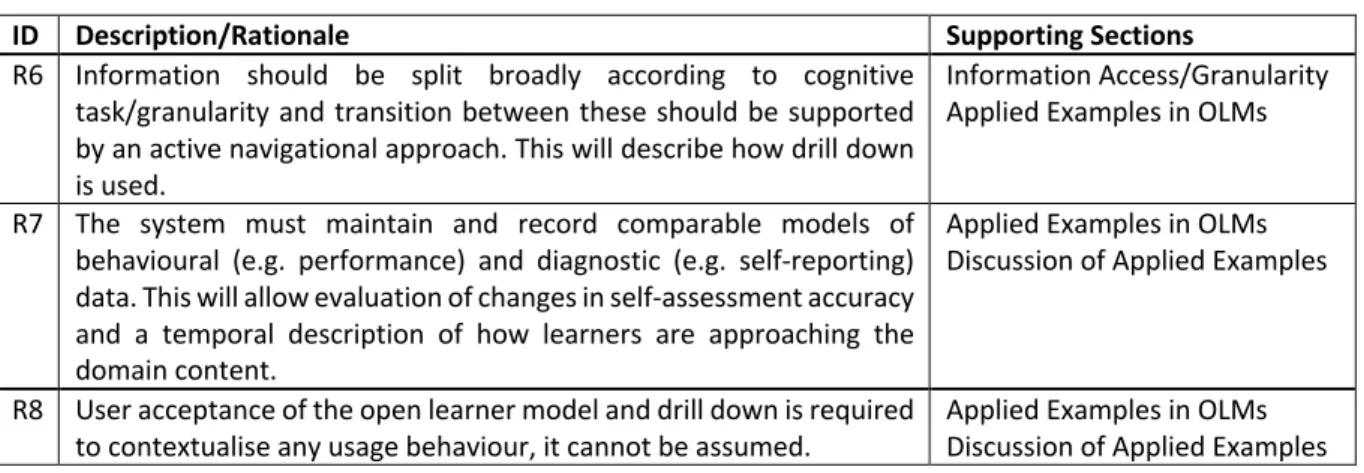
Table 5: requirements. ... 82
Table 6: experimental groups. ... 98
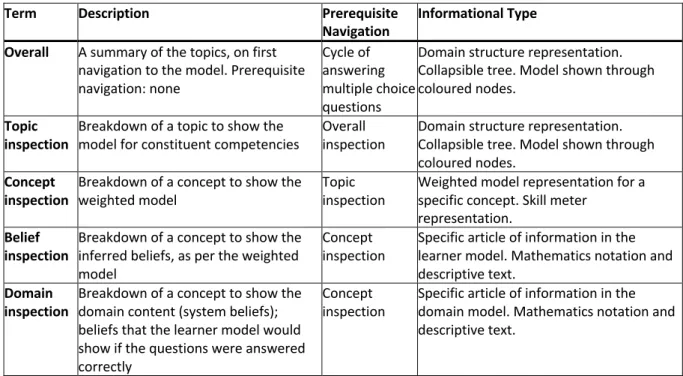
Table 8: analysis terms for OLM inspection and their prerequisite navigational paths. ... 100
Table 7: granularity of learner model externalisation. ... 101
Table 9: actioning of requirements. ... 112
Table 10: SMILI Framework description, Part I (x=important; xx=very important). ... 120
Table 11: SMILI Framework description, Part II (x=important; xx=very important). ... 121
Table 12: example drill down in to the open learner model. Cross-reference Figure 2. ... 134
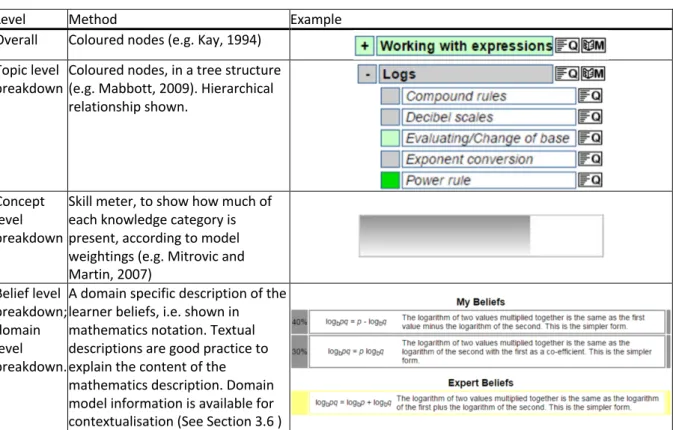
Table 13: visual methods for opening the learner model. ... 136
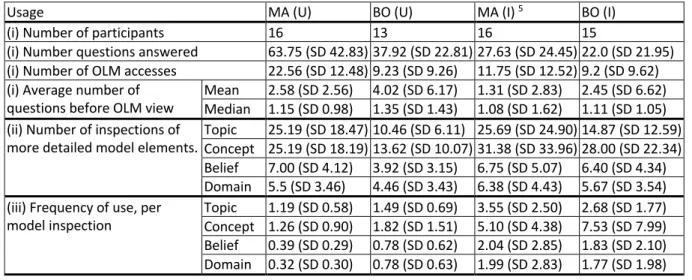
Table 14: general usage statistics. ... 139
Table 15: survey responses - whether intervention was understood/useful. ... 141
Table 16: frequencies of deepest level levels of OLM inspection. ... 146
Table 17: state models for system interaction showing average probabilities of transition. 148 Table 18: how is an OLM with a drill down approach used? - key observations. ... 149
Table 19: mean discrepancy between the behavioural and diagnostic models. ... 151
Table 20: students indication of their assessment ability correlated with changes in self-assessment during interaction. ... 151
9 Table 21: students’ frequency of use of the OLM correlated with changes in self-assessment
during interaction. ... 152
Table 22: students’ frequency of use of drill down correlated with changes in self-assessment during interaction. ... 152
Table 23: changes in self-assessment accuracy - key observations. ... 153
Table 24: survey responses - reasons for opening the learner model. ... 156
Table 25: intervention usage compared to the behavioural model - key observations. ... 162
Table 26: Is students’ use of drill down consistent across engineering domains? ... 163
Table 27: Is students’ use of drill down consistent with a large number of updates? ... 165
Table 28: Do students make use of open domain model information in the same way as open learner model information, from the perspective of a drill down approach? ... 166
Table 29: general usage statistics (27 participants). ... 172
Table 30: frequencies of deepest level levels of OLM inspection. ... 178
Table 31: how is an OLM with a drill down approach used? - key observations. ... 180
Table 32: mean discrepancy between the behavioural and diagnostic models. ... 181
Table 33: changes in self-assessment discrepancy, compared to frequency of OLM access. 183 Table 34: changes in self-assessment discrepancy, compared to depth of inspection. ... 183
Table 34: evidence of metacognitive affect - key observations. ... 184
Table 35: intervention usage compared to the behavioural model - key observations. ... 191
Table 39: observations and statistical significances of results in Chapter 7 to Chapter 8. .... 198
Table 40: change in behavioural/diagnostic model discrepancy, Vs self-assessment ability. ... 239
10 Table 42: change in behavioural/diagnostic model discrepancy Vs OLM inspection. ... 241 Table 43: behavioural model state and deviation from the model state at point of access. 246 Table 44: diagnostic model state and deviation from the model state at point of access. ... 247 Table 45: how many question blocks ago was the same concept worked with. ... 247 Table 47: behavioural model state and deviation from the model state at point of access. 252 Table 48: diagnostic model state and deviation from the model state at point of access. ... 254 Table 49: how many question blocks ago was the same concept worked with. ... 256
11
LIST OF FIGURES
Figure 1: example OLM visualisations. Images reproduced with permission. ... 46
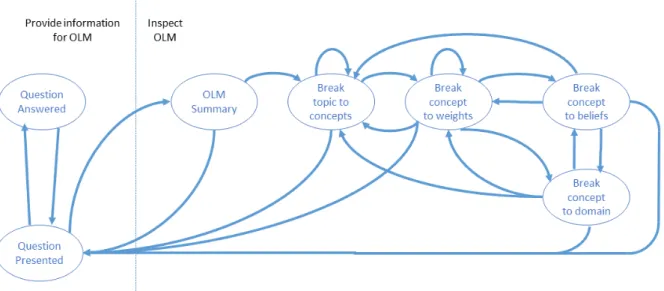
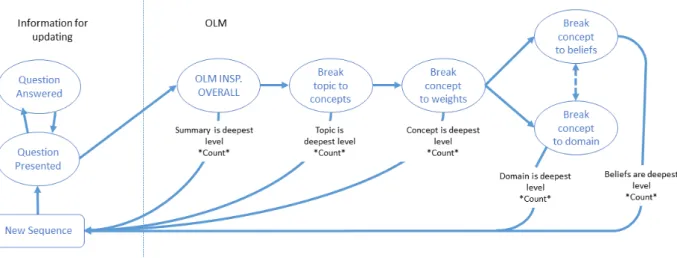
Figure 2: interaction state model. ... 102
Figure 3: workflow for identifying the deepest level of OLM inspection, per access. ... 103
Figure 4: model pipeline, per concept. ... 125
Figure 5: perturbation model. ... 126
Figure 6: aggregating information. ... 126
Figure 7: question interface. ... 131
Figure 8: OLM interface - high level. ... 133
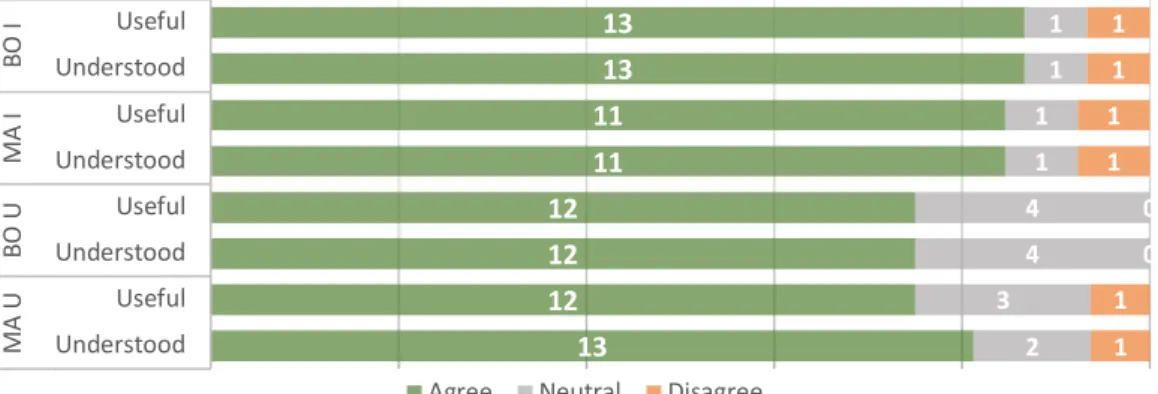
Figure 9: survey responses – drill down approach was understood/useful. ... 142
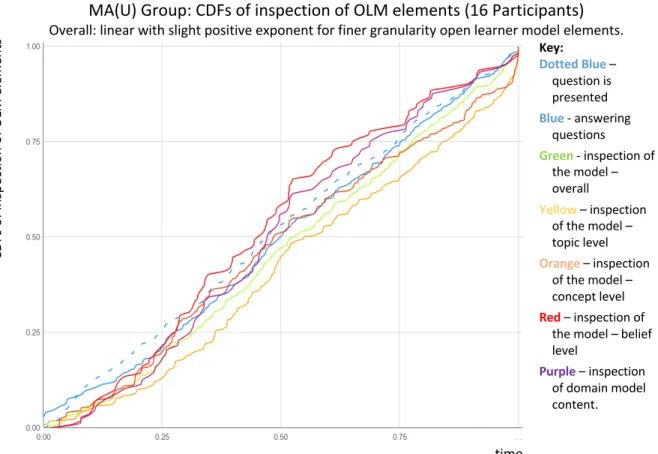
Figure 10: MA(U) group cumulative distribution frequencies of interface usage ... 144
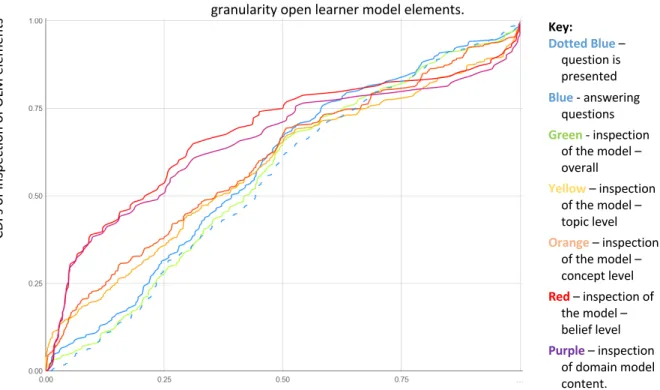
Figure 11: BO(U) group cumulative distribution frequencies of interface usage ... 144
Figure 12: MA(I) group cumulative distribution frequencies of interface usage . ... 145
Figure 13: BO(I) group cumulative distribution frequencies of interface usage ... 145
Figure 14: behavioural model state and deviation from the mean state at point of access. 155 Figure 15: diagnostic model state and deviation from the mean state at point of access. ... 158
Figure 16: for parts of the model inspected in more detail, how many question-answering sessions ago were the same topic/concept encountered? ... 159
Figure 17: stated reasons for viewing the learner model, in the context of updating it. ... 160
Figure 18: survey responses – intervention is understood/useful (24 respondents). ... 173
Figure 19: survey responses – drill down approach is understood/useful. ... 173
12
Figure 21: Example CDFs of early use of detailed interface elements. ... 176
Figure 22: Example CDFs of consistent use across time. ... 176
Figure 23: Example CDFs of later use of detailed elements. ... 177
Figure 24: state model for system interaction with the average probabilities of transition. 179 Figure 25: change in self-assessment discrepancy, Vs student self-assessment ability. ... 182
Figure 26: behavioural model state and deviation from the mean state at point of access. 185 Figure 27: survey items – reasons for intervention use. ... 186
Figure 28: diagnostic model state and deviation from the model state at point of access. .. 188
Figure 29: for parts of the model inspected in more detail, how many question-answering sessions ago were the same topic/concept encountered? ... 189
Figure 30: stated reasons for viewing the learner model, in the context of updating it. ... 190
Figure 31: key contributions to primary and secondary stakeholders. ... 208
Figure 32: MA(U) state and completeness of models over time. ... 234
Figure 33: BO(U) state and completeness of models over time. ... 235
Figure 34: MA(I) state and completeness of models over time. ... 235
Figure 35: BO(I) state and completeness of models over time. ... 236
Figure 36: state and completeness of the behavioural and diagnostic models over time .... 238
Figure 37: changes in self-assessment discrepancy, Vs frequency of inspection of model. .. 249
Figure 38: changes in self-assessment discrepancy, compared to depth of inspection. ... 251
Figure 39: behavioural model state and deviation at point of access, across time. ... 253
Figure 40: diagnostic model state and deviation at point of access, across time. ... 255
Figure 41: how recently domain content is encountered in questions, Vs change in self-assessment discrepancy. ... 258
13
ABBREVIATIONS
SA Self-Assessment
ITS Intelligent Tutoring System LM Learner Model
OLM Open Learner Model / Open Learner Modelling SD Standard Deviation
SDR Self-Directed Learning
STEM Science, Technology, Engineering and Mathematics
EESE School of Electronic, Electrical and Systems Engineering, University of Birmingham The terms “student” and “learner” may be used interchangeably. These are one and the same stakeholder type.
14
LIST OF PUBLICATIONS
Book Chapters
Johnson, M.D., Bull, S. (2016). Designing for Visualisation of Formative Information on Learning, in Reimann, P., Bull, S., Kickmeier-Rust, M., Vatrapu, R., Wasson, B. (Eds.) Measuring and Visualizing Learning in the Information-Rich Classroom. Routledge: 2016.
Bull, S., Johnson, M.D., Masci, D., Biel, C. (2016). Integrating and Visualising Diagnostic Information for the Benefit of Learning, in Reimann, P., Bull, S., Kickmeier-Rust, M., Vatrapu, R., Wasson, B. (Eds.) Measuring and Visualizing Learning in the Information-Rich Classroom. Routledge: 2016.
Biel, C., Ciernak, G., Johnson, M.D., Bull, S., Hesse, F.W (2016). Influencing Cognitive Density and Enhancing Classroom Orchestration, in Reimann, P., Bull, S., Kickmeier-Rust, M., Vatrapu, R., Wasson, B. (Eds.) Measuring and Visualizing Learning in the Information-Rich Classroom. Routledge: 2016.
Conference Proceedings
Ginon, B., Johnson, M.D., Turker, A., Kickmeier-Rust, M.D. (2016). Helping Teachers to Help Students using an Open Learner Model. To appear in the proceedings of European Conference on Technology Enhanced Learning (EC-TEL) 2016.
Ginon, B., Johnson, M.D.,Boscolo, C., Bull, S. (2016). Supporting Students of Italian as a Foreign Language with Learner Model Persuasion: An Exploratory Study. Proceedings of Intelligent Tutoring Systems (ITS 2016), Zagreb, Croatia.
Bull, S., Ginon, B., Boscolo, C., Johnson, M.D. (2016). Introduction of Learning Visualisations and Metacognitive Support in a Persuadable Open Learner Model. Proceedings of Learning, Analytics and Knowledge (LAK 2016), Edinburgh, UK.
Bull, S., Johnson, M.D., Demmans Epp, C., Masci, D., Alotaibi, M. & Girard, S. (2014). Formative Assessment and Meaningful Learning Analytics, Proceedings of ICALT 2014. Bull, S., Johnson, M.D., Alotaibi, M., Byrne, W. & Cierniak, G. (2013). Visualising Multiple
Data Sources in an Independent Open Learner Model, in H.C. Lane & K. Yacef (eds), Artificial Intelligence in Education.
Bull, S., Kickmeier-Rust, M., Vatrapu, R., Johnson, M.D., Hammermueller, K., Byrne, W., Hernandez-Munoz, L., Giorgini, F., Meissl-Egghart, G. (2013). Learning, Learning
Analytics, Activity Visualisation and Open Learner Model: Confusing?, Eighth European Conference on Technology Enhanced Learning, Paphos, Cyprus, September 2013.
15 Johnson, M.D., Bull, S., Wasson, B., Hansen, C., Cierniak, G., Debus, K., Biel, C. (2013). Initial
Use of a Flexible Open Learner Model, in Wong, L.-H. et al. (Eds.) (2013). Proceedings of the 21st International Conference on Computers in Education. Indonesia: Asia-Pacific Society for Computers in Education.
Johnson, M.D., Cierniak, G., Hansen, C., Bull, S., Wasson, B., Biel, C., Debus, K.
(2013).Teacher Approaches to Adopting a Competency Based Open Learner Model, in Wong, L.-H. et al. (Eds.) (2013). Proceedings of the 21st International Conference on Computers in Education. Indonesia: Asia-Pacific Society for Computers in Education. Vatrapu, R., Reimann, P., Johnson, M. & Bull, S. (2013). An Eye-Tracking Study of Notational,
Informational, and Emotional Aspects of Learning Analytics Representations, Proceedings of Learning Analytics and Knowledge.
Bull, S., Wasson, B., Kickmeier-Rust, M., Johnson, M.D., Moe, E., Hansen, C., Meissl-Egghart, G. & Hammermuller, K. (2012). Assessing English as a Second Language: From Classroom Data to a Competence-Based Open Learner Model, International Conference on
Computers in Education.
Johnson, M. & Bull, S. (2011). Optional Finer Granularity in an Open Learner Model, in G. Biswas, S. Bull, J. Kay & A. Mitrovic (eds), Artificial Intelligence in Education, Springer-Verlag, Berlin Heidelberg, 478-480.
Reimann, P., Bull, S., Halb, W. & Johnson, M. (2011). Design of a Computer-Assisted Assessment System for Classroom Formative Assessment, CAF11, IEEE.
Bull, S., Gakhal, I., Grundy, D., Johnson, M., Mabbott, A. & Xu, J. (2010). Preferences in Multiple View Open Learner Models, in M. Wolpers, P.A. Kirschner, M. Scheffel, S. Lindstaedt & V. Dimitrova (eds), Sustaining TEL: From Innovation to Learning and Practice, EC-TEL 2010, Springer-Verlag, Berlin Heidelberg, 476-481.
Bull, S., Mabbott, A., Johan, R., Johnson, M., Lee-Shim, K. & Lloyd, T. (2010). Interfaces for Inspectable Learner Models, in Aleven, V., Kay, J. & Mostow, J. (eds), Intelligent Tutoring Systems 2010, pp.275-277.
Johnson, M. & Bull, S. (2009). Belief Exploration in a Multiple-Media Open Learner Model for Basic Harmony, in V. Dimitrova, R. Mizoguchi, B. du Boulay & A. Graesser (eds), Artificial Intelligence in Education 2009, IOS Press, Amsterdam, 299-306.
Bull, S., Ahmad, N., Johnson, M., Johan, R., Mabbott, A. & Kerly, A. (2008). Adaptive
Navigation Support, Learner Control and Open Learner Models, in W. Neijdl, J. Kay, P. Pu & E. Herder (eds), Adaptive Hypermedia and Adaptive Web-Based Systems, Springer-Verlag, Berlin Heidelberg, 275-278.
Workshops and Interactive Events
Demmans Epp, C., Bull, S., & Johnson, M.D. (2014). Visualising Uncertainty for Open Learner Model Users, CEUR Proceedings associated with UMAP 2014.
16 Bull, S., Kickmeier-Rust, M., Meissl-Egghart, G., Johnson, M.D., Wasson, B., Alotaibi, M. &
Hansen, C. (2013). Interactive Event: From a Virtual Village to an Open Learner Model with Next-TELL, AIED 2013.
Johnson, M.D., Bull, S., Kickmeier-Rust, M. (2013). Student Competency Visualisation for Teachers, 3rd International Workshop on Teaching Analytics, EC-TEL 2013.
Bull, S., Wasson, B., Johnson, M.D., Petters, D. & Hansen, C. (2012). Helping Teachers Effectively Support Group Learning, in J. Kim & R. Kumar (eds), Workshop on Intelligent Support for Learning in Groups, ITS 2012.
Reimann, P., Bull, S., Hesse, F., Cerniak, G., Luckin, R., Vatrapu, R., Johnson, M.D., Halb, W., Utz, W., and Kossowski, M. (2012) Symposium on Supporting Teachers in Capturing and Analyzing Learning Data in the Technology-Rich Classroom, ICLS 2012.
Johnson, M.D., Reimann, P., Bull, S. & Fujita, N. (2011). Epistemic Beliefs and Open Learner Models, Workshop on Personalization Approaches in Learning Environments, User Modelling, Adaptation and Personalization 2011.
17
Chapter 1
INTRODUCTION
This thesis investigates “how is an open learner model with a drill down approach used and what is its impact on self-assessment and metacognition?” It aims to establish some of the context around the application of a drill down approach in an open learner model (OLM) with specific reference to deployment in a self-directed educational setting, and in particular considers the impact of the technology on the accuracy of student self-assessment and support for tasks that are regulatory to cognition.
Metacognition is ‘thinking on thinking’ or ‘cognition on cognition’. Literature suggests that metacognition affects learning and that good learners reflect on how to learn, that self-assessment is a regulatory practice which contributes to metacognitive development, and that metacognition includes the regulation of cognition, which comprises tasks such as comprehension and problem solving. This thesis considers student engagement with the OLM with particular reference to their use of a drill down approach, which is used to structure and externalise the learner model to the learner for these purposes.
Several assumptions are made about the question, which are explored in the literature review: • Aspects of metacognition are measurable.
• Mechanisms exist for measuring impact of self-assessment.
• A drill down approach is suitable for an open learner model.
• Self-assessment and metacognition are areas where an OLM should have impact.
18 use of a drill down approach in an OLM, and then responds to the research question in three parts, asking:
• How is an open learner model with a drill down approach used?
• What is the impact of an open learner model with a drill down approach on self-assessment accuracy?
• What is the impact of an open learner model with a drill down approach on the support for the regulation of cognition?
This thesis contributes:
• An open learner model with a drill down approach is used consistently across student use with a baseline pattern of activity of short bursts of questions followed by immediate inspection of the area of the OLM that is updated. Drill down is used conditionally to allow students to complete detailed inspection of problems that are apparent. The drill down structure also allows students to gain an overview of their learning without requiring all the detail of the model.
• The impact of an OLM with a drill down approach on self-assessment accuracy is that while there is no universal increase in self-assessment accuracy, some participants do improve in self-assessment accuracy during use and these students make greater use of drill down. These learners can also be accurately identified by asking students to give an indication of their own self-assessment abilities.
• The impact of an OLM with a drill down approach on the support for the regulation of cognition is that it can readily facilitate and evidence student actions that are consistent with problem solving, as a subprocess that facilitates the control of learning (metacognition). Problem solving behaviour is part of the baseline interaction of students interacting with an OLM of this type and drill down is used in a way as to support the conditional access of information that is required specifically when the detailed inspection of problems is to be undertaken.
19 To respond to the research theme, this thesis is organised as follows:
Chapter 2 clarifies the initial assumption in the literature that aspects of metacognition are measurable, and it establishes the role of self-assessment and self-directed learning as part of the learning process. Chapter 3 then considers open learner models, information granularity and a drill down approach, and the support that that these have for metacognition. Chapter 4 builds on both these components to look at applied examples of how a drill down approach has previously been realised in open learner modelling and design aspects related to this. In Chapter 5 the thesis introduces the approach to an evaluation to investigate the research theme and identifies the sub-questions and methods used throughout the analysis. Chapter 6 then introduces the design and implementation of technology specifically built as part of this research for students to use during the evaluation.
The evaluation itself is ordered in two chapters: Chapter 7 reports on a broad consideration of aspects of the research question with 4 experimental groups in 1 hour studies, and Chapter 8 reports on student use within a longitudinal study over an 8 week period.
20
Chapter 2
METACOGNITION, ASSESSMENT AND EDUCATION
This chapter considers the concept of metacognition as an important notion underlying education. Metacognition underpins much of the design of educational technology and indeed of open learner models (Chapter 3), aiding students in becoming effective learners in a self-directed learning context. Important aspects of this include the provision of formative- and self-assessment opportunities within learning.2.1 Metacognition
Metacognition is often referred to as the concept of thinking about the way in which we think. Mahdavi (2014) outlines that while the term has many different facets, most simply metacognition can be summarised as a “critical analysis of thought”, “thinking on thinking” or “cognition on cognition” (Wellman, 1985; Anderson, 2008; Livingston, 1997). Flavell (1976) considers this as concerning knowledge of “one’s own cognitive processes, products or anything related to them”, as a higher-order process, something that acts on cognitive information or artefacts, which may be knowledge of a person, task, strategy or experience. Veenman et al. (2006) collects a variety of different terms that have emerged from the field including metacognitive beliefs, metacognitive awareness, metacognitive experiences, metacognitive knowledge, feeling of knowing, judgement of learning, theory of mind, higher order skills, learning strategies and self-regulation; some of these are used in contradictory ways (Weinert, 1987). Schraw and Dennison (1994) summarise that metacognition can comprise:
21 knowledge about cognition, which can be categorised as:
• declarative:knowledge about self and about strategies.
• procedural:knowledge about how to use strategies.
• conditional:knowledge about when and why to use strategies.
regulation of cognition, including subprocesses that facilitate the control of learning, for example through key skills such as:
• planning.
• information management strategies.
• comprehension monitoring.
• problem solving/debugging strategies.
• evaluation.
Arguably, self-appraisal and self-management are the core aspects of metacognition (Paris, 1990). This includes both student awareness of their own knowledge, (including strengths, weaknesses and beliefs), and their ability of regulate their own actions in the application of that knowledge (Tanner and Jones, 1999). Those who might be considered the most effective learners would be self-regulators (Butler, 1995) and good self-assessors (Boud and Falchikov, 1989), with the ability to think critically in terms of what they have done and actions that they have taken (van Aalst et al., 2015). There is however evidence that students are not always good at self-evaluation (Boad and Falchikov, 1989; Mitrovic and Martin, 2007), that metacognitive learning is difficult (Zohar and Dori, 2003), that the approach is heavily dependent on student ability to accurately assess what is known (Schoenfeld, 1987) and that students need support in this (Mitrovic and Martin, 2007; Bull and Kay, 2013).
22 While some habitual behaviour and lower level consciousness might still be metacognitive (Veenman et al., 2006), enhancing metacognitive awareness in students is important (Bull and Kay 2013; Schraw and Dennison, 1994) and central to knowledge building (Scardamalia, 2002). It has important effects on cognitive tasks in terms of acquisition, application, comprehension, critical thinking and problem solving (Hartman, 1998). Student reflection in this dimension is important to foster the self-regulation of cognition (van Aalst et al., 2016), and it is not something that is innate, but is something that needs to be fostered (Veenman et al., 2004; Boud and Falchikov, 1989).
With reference to the regulation of cognition as a component of metacognition, tasks such as comprehension monitoring and problems solving have defined behavioural aspects. Namely, problem solving is aiming to achieve a goal without initially knowing the solution method (Mayer, 2013) and this will occur in a series of phases including:
• problem identification: recognising, identifying or defining the problem.
• structuring the problem: careful and inspection, observation, information gathering.
• looking for possible solutions: a range of possible actions or strategies.
• making a decision/solution implementation: carry out a course of action.
• monitoring/seeking feedback: evaluate success of action, further inspection.
These may be particularly identifiable in domains such as mathematics where there is often one solution to a problem (Blanchared-Fields, 2007) and cognitive processes for problem solving may include (Wang and Chiew, 2010): hypothesis testing (assuming an explanation and trying to prove/disprove it), means end analysis (choosing actions that move the learner closer to a goal), morphological analysis (observing outputs on an entire system), root cause analysis
23 (identifying the cause of a problem) or trial and error (repeated attempts at a possible solution until a correct one is found). Overall, the idea of problem solving is a “redirection in thinking” (Smyth et al., 1994) and can be part of routine methods or habitual ways of approaching a problem. There are three defining properties to problem solving: (1) it is purposeful; (2) it involves cognitive rather than automatic processes; and (3) a problem only exists when someone lacks the relevant knowledge to produce an immediate solution (Eysenck and Keane, 2005).
• Metacognition comprises: knowledge about cognition (declarative, procedural, conditional); and the regulation of cognition.
• Student reflection and self-assessment are important to metacognitive activity, and tasks such as comprehension, critical thinking and problem solving are core to the regulation of cognition.
• Students are not always good at self-evaluation and metacognitive learning is difficult.
• Problem solving has phases with associated identifiable behaviours (e.g. including problem identification) and strategies (e.g. trial and error).
Learner reflection and self-assessment are identified as important contributors to metacognitive development, both of which this thesis now explores in greater detail.
2.2 Reflection and Self-Assessment
An important component of metacognition as a higher-order process (Flavell, 1975) is the capability of reflection: “conscious exploration of one’s own experiences” (Boud et al., 1985), making thinking processes explicit (Silver, 2013). Reflection is a vital element in any form of learning, and one that can occur before, during and after an activity to which it may relate (Boud and Molloy, 2013). Reflection may be thought of as: reflection-in-action, whist
24 undertaking activity (time critical); reflection-on-action, post hoc; or, in a more meta form, reflection-on-reflection itself (Schon and DeSanctis, 1991). Reflection is also core to part of the learning cycle (Kolb, 1976).
While reflection is common, it is false to assume that it always occurs effectively (Boud and Molloy, 2013). However, learners may realistically improve their effectiveness by paying attention to their reflection (Li and Kay, 2005), and students should be given opportunities to think in terms of strategy, and to reflect on their learning (Black and Wiliam, 2006).
In terms of metacognition, reflection can take different forms such as, critiquing, planning, questioning, justifying, and explaining (Dewey 1933; Boud and Molloy 2013), all of which are vital activities for active participation in learning. Boud and Molloy (2013) describe reflection as an active process of discovery, and one that can often lead to unexpected outcomes. Indeed, fundamental to many aspects of reflection is the concept of assessment, making a judgement about a specific state, potentially making “formerly unconscious, intangible or reflexive processes or events explicit” (Desautel, 2009). In terms of metacognition, this is then an analysis of the discrepancy between one’s mental model and an observation. This is, more specifically, self-assessment: a specific subset of reflection (Boud and Molloy, 2013). Self-assessment is essential to the concept of autonomous learning (Cassidy, 2006), is a regulatory practice that contributes to metacognitive development (Desautel, 2009), encourages reflection by promoting the student to the role of their assessor, and should be supported (Mitrovic and Martin, 2007). Self-assessment is closely linked to self-monitoring, through which a person compares products with standards to determine if objectives have been met or if further work remains to be done (cognitive evaluations) (Azevedo et al., 2010).
25 • Reflection (core to metacognition) can have different points of initiation, with different temporality, and cognitive forms (e.g. critiquing, planning, questioning, justifying, and explaining). It is a process of discovery for the learner.
• Reflection may not always occur effectively, but students may improve in effectiveness if given opportunities (interventions) through which they may perform reflective thinking.
• Self-assessment is a sub-set of reflection, contributes to metacognitive development, and is important in self-directed learning. It fits well with formative assessment opportunities.
Self-assessment is a regulatory practice that contributes metacognitive development and formative assessment opportunities may provide opportunity for reflection and metacognition to occur. In the following section this thesis looks at formative assessment in more detail.
2.3 Formative Assessment
Assessment types fall into different categories. Section 2.2 has considered the idea of self-assessment as a reflective practice in which learners are able to make self-assessments about themselves. Similarly, assessment of students may be considered as summative or formative. Assessment is summative if it is to inform on student progress, described by Crooks (2011) as “a summary of students’ descriptive content knowledge”, or formative if it is “assessment with the intention to help learners improve content knowledge and/or skills” (Price, 2015), although there is some ambiguity in terms of a consistent formal definition. Formative assessment aims to go beyond establishing the state of student knowledge and to generate feedback with the intention to augment or expedite learning. It is formative assessment that is of particular interest to this thesis from the perspective of metacognitive practices, as it
26 provides a point of initiation for metacognitive activity, and something tangible that can be used for furthering the student’s learning and enhancing their understanding.
Formative assessment has been described as a continuous and systematic process to gather evidence and provide feedback during learning (Heritage et al., 2009), as something that can often be immediately used (Shepard, 2008), and as something that allows the appreciation of standard and qualities of work, with a view to producing improved work (Boud and Molloy, 2013). The ultimate aim for formative assessment is to help identify where the student is within their learning and then identify gaps and what he or she needs to do next to further his or her knowledge or skills (Pinchok and Brandt, 2009). Initiatives such as Assessment for Learning (see Black and Wiliam, 1998) underline that assessment is part of the learning process. The benefits of student involvement in assessment, and also the leverage it has over student self-esteem and motivation, are iterated by Black and Wiliam (1998). It has also been argued that formative assessment opportunities themselves need to be planned (Popham, 2008). Calls have been made to take this beyond the concept of feedback into feedforward, specifically an artefact (physical or verbal) that looks forward, with content about how the student might improve: Whitelock (2010) describes this as “advice for action”, and further states that feedback is not just for after a task, but something that provides hints before a task is commenced.
Hattie and Timperley (2007), summarised in Ras et al., (2016), suggest that formative assessment feedback occurs on four levels:
• Task level – feedback related to whether the task/activity is correct or not.
27 • Self-regulation – judgement of self-regulation of confidence skills with regard to the task (see
also Section 2.4 ).
• Self-level – elements that are personal and potentially unrelated, such as praise.
Likewise, Chappuis (2009) proposes formative assessment for learning strategies including: • Provision of a clear understandable vision / learning target.
• Examples and models of strong and weak work.
• Regular descriptive feedback.
and strategies which include skills for self-directed learning (see also Section 2.4 ): • Teach students to self-assess and set goals.
• Teach students to focus on one target or quality at a time.
• Teach students focussed revision.
• Engage students in self-reflection, and to keep track of and share their learning.
Black and Wiliam (1998) in their comprehensive review advocate the benefits of formative assessment, and state the consistent positive effects and improvements resulting from its use, even if there are sometimes great difficulties putting theory into practice and translating it to the educational setting (Black et al. 2005). Overall, how effective this might be relies on students’ (metacognitive) skills to perceive the gap between where they are and where they need to be (Biggs, 1998; Nicol and Macfarline-Dick, 2006).
With consideration of metacognition, (formative) assessment is an initiation point for an episode of reflection and metacognitive activity and requires a certain amount of self-assessment (and hence reflection) to be able to interpret it and make judgements (Nichol, 2009). Desautel (2009) cites ways of encouraging successful student self-assessment,
28 including student-generated rubrics, portfolios, contracts, and goal setting, and the practice of self-assessment is something that is important for further involving students in their own learning (Jackson and Larkin, 2002; Yancey, 1998) and in the regulation of cognition.
Technology that facilitates formative assessment also promotes the aims of metacognition, reflection and self-assessment in a way that uses data driven decision making to enhance and transform assessment practice (Redecker and Johannessen, 2013) and opens doors for new practices and feedback types (Ras et al., 2015). “It is the learners and teachers as human actors who ultimately determine the formative effects of engaging with technologies, but technologies can shape the potential for this to happen” (Pachler et al., 2010).
• Formative assessment (as a learning-based intervention method to facilitate both the reflective and regulatory aspects of metacognition) is systematic/continuous feedback/feedforward aiming to improve an aspect of student learning. This is part of the learning process and should be planned.
• Effectiveness of formative assessment relies on students’ metacognitive skills.
• Formative assessment (as an intervention) may be used to develop strategies for effective self-directed learning and regulation of self-assessment skills and might be enhanced by technology.
Formative assessment may be used as an intervention to promote and influence metacognitive activity and may be used to facilitate self-assessment practices. The effectiveness of formative assessment of this type may rely on students’ metacognitive abilities, particularly in terms of reflection and this is particularly applicable to regulation. As such, this thesis now considers formative assessment, in the context of self-directed learning.
29
2.4 Self-Directed Learning
Pintrich (2000) describes self-directed learning as an active process in which students attempt to monitor, regulate and control aspects such as their cognition, behaviour or motivation, underpinned by a strong focus on goals and context. This is arguably of key importance in fostering metacognitive skills. Gabrielle (2003) also states that self-direction is part of a student’s desire to learn beyond the requirements of their course. Furthermore, this is something that is core to lifelong learning (Boud, 2000), and something that fits very well with the empowering nature of formative assessment feedback that allows learners to “plot, plan, adjust, rethink and exercise self-regulation” (Hattie and Yates, 2014), and to allow learners to make decisions based on evidence (Black and Wiliam, 2009; Stiggins et al., 2006). Self-directed learning stems from a firm underpinning that students should identify their goals, strategies and models and be able to evaluate their decisions and outcomes (Knowles, 1975, in Mello, 2016). This is, in essence, formative assessment of one’s own learning practice, and much research has focused on how students are able to regulate their cognition, metacognition, motivation and engagement with tasks (Azevedo et al., 2010), and in doing so self-directed learning encompasses aspects of critical thinking and has the potential to encourage deep learning (Handelsman et al., 2004, in Mello, 2016).
Grow (1991) cites four stages of self-directed learning, in the context that learner autonomy of this type is something that needs to be fostered in students. Learners may be:
• dependent (e.g. receives coaching with immediate feedback; overcomes deficiencies).
• interested (e.g. goal-setting and has a learning strategy).
• involved (e.g. discussion with another, equal participation).
30 It is also acknowledged that not all students may be at the same level of self-regulation, but those who are the most effective undertake self-directed learning (Butler and Winne, 1995). Grow (1991) postulates that those who are closer to the dependent/interested stages are likely to need an authority, an expert or an entity to keep them motivated, whereas those who tend more towards the self-directed/involved stages may instead need someone to facilitate their learning, or to delegate the responsibility to them. As such, projects requiring a degree of independence are ideally suited to self-directed learners, and projects that allow immediate correction of problems are suited to dependent learners, although there is a degree of cross over between these two aspects. Gabrielle (2003) also extends this to consider that learners may be at different levels at different times and with different topics; it is heavily contextual. Effective self-directed learning can occur in four phases: task definition, goal-setting and planning, studying tactics, and metacognitive adaptations (Winne and Hadwin, 2008 in Azevedo et al., 2010). Thus, it takes the process from the inception of a task through to a reflective analysis of whether it has been achieved and how improvement might be made. There is suggestion though that self-regulation within learning is not always effective: it might be affected by error-carried-forward behaviour (e.g. if a learner believes that a task is too easy), and might be affected by cognitive load, inefficient use of cognitive strategy, lack of metacognitive control, or lack of prior knowledge (summarised in Azevedo et al., 2010). Shute (2008) also emphasises the point that feedback of any type should be in manageable chunks, to avoid cognitive overload, and should be actionable.
Self-direction relies greatly on self-assessment and formative assessment. Ras et al. (2015) emphasise that in the context of self-directed learning students need to be able to
31 comprehend the gap between their current learning state and their target goal, and have the freedom to make decisions in terms of their learning, and to also take responsibility for their learning. Citing Good (2011), Ras et al. (2016) state that strategies interact tightly with learning context and content. Shute (2008) highlights several relevant points in this context, in terms of effective strategy for feedback, namely, that:
• delayed feedback is more effective for simple tasks and immediate feedback for complex tasks.
• facilitative feedback is more useful for high achieving learners, when delayed.
• directive (corrective) feedback should be delivered immediately to low-achieving learners.
• low performers profit from scaffolding and using feedback where the correct answer is given, or an elaboration of the correct answer is provided.
• for high performing learners, verification feedback might be sufficient.
• low learning orientation leaners need specific goal-directed feedback.
This thesis considers that suitable formative assessment feedback may also be provided by online resources (Mello, 2016; Markauskaite and Jacobson 2015; Hattie 2008; Sharpe et al., 2006; Chudowsky and Pellegrino, 2003; Glaser et al., 2001), such as providing individualised feedback for reflection on knowledge in and out of the classroom (Glaser et al., 2001), to enrich assessment situations and support problem solving skills (Chudowsky and Pellegrino, 2003) and to provide opportunities for students’ independent and self-directed learning, where changes in course structures leave students requiring additional support (Mello, 2016). It is acknowledged that interaction behaviours with online formative assessment technologies can range from approaches that are conceptually astute, through to incomplete and unsystematic behaviours (Thompson and Reimann, 2010, in Markauskaite and Jacobson 2015): not all technology engagement strategies lead to consistently successful outcomes, and
32 so there is an important requirement the nature of learners’ interactions with technology are better understood. That students can conduct authentic enquiry, such as in the self-directed learning context, is an overarching goal of the science, technology, engineering and mathematics (STEM) curriculum and a critical skill in the 21st century (Pellegrino et al., 2014, in Markauskaite and Jacobson, 2015). Hattie (2008) states that the strongest effects of technology were reported when computers supplemented traditional teaching, when students were assumed to have control over their learning situation (pacing and mastering new material) and when computers were used to provide adaptive feedback.
This thesis therefore builds on the foundation that self-directed learning can be facilitated by educational technology with a strong underpinning in terms of the promotion of metacognitive development, and that there is a desire to understand more about how learners make use of the technology.
• Self-directed learning is an active process involving the regulation of cognition, and aspects of student self-assessment, which are the two key aspects of metacognition. The most effective learners undertake self-direction, but not all are able to do this.
• Strategies exist for the best point for learners at different levels to receive feedback (intervention) and technology has the potential to deliver this.
• There is a strong focus on goals and context. Intervention methods (e.g. formative assessment) are a decision point.
• Issues such as cognitive load, information volume, lack of metacognitive control, and lack of prerequisite knowledge will have an effect on student ability to undertake self-direction.
Effective self-direction encompasses many aspects of metacognition, using feedback as an intervention and a decision point within learning. The suggestion from the literature is that
33 there should be an impact on metacognition and self-assessment through learning of this type, but that it should not automatically be assumed to be taking place, nor should it be expected to be a uniform effect.
2.5 Summary
This chapter has highlighted that some aspects of metacognition are measurable, that metacognition can be impacted by learning, and that there are many different dimensions to metacognition, including those relating to learner reflection and those relating to the regulation of cognition. It has established that self-assessment is a regulatory practice that contributes to metacognitive development and also that the use of a self-directed learning context has potential to lead to metacognitive effects. The chapter has also highlighted a series of student tasks that can facilitate the regulation of cognition, including comprehension, planning, critical thinking or problem solving, and a suggestion that technology-based solutions may facilitate these.
Furthermore, this chapter has indicated that while metacognitive effects should be observed, there is no certainty that they should occur, and that there are great differences between students, so it is valid to continue to confirm situations in which metacognitive benefits might be achieved, and situations in which tasks and processes that contribute to this are effective. It has highlighted that the design of the technology (as a formative assessment-based intervention) is important, not least in terms of issues such as cognitive load, volumes of information, timeliness, and the context of the origin of the information. Similarly, it is important to underline that the content of the formative assessment is related to some aspect of the learner, such that reflection might occur.
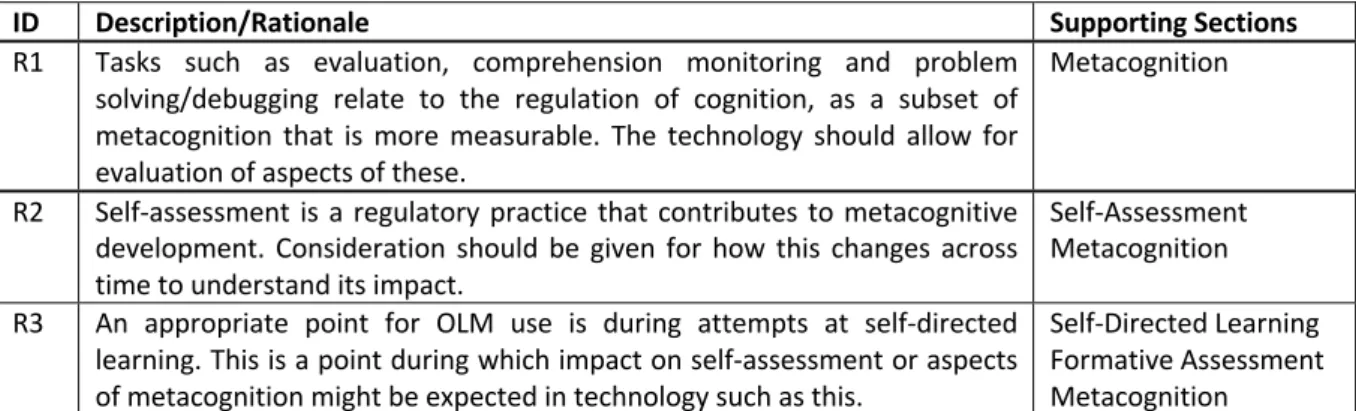
34 This chapter therefore contributes the following requirements to the design of its evaluation, which regard tasks relating to the regulation of cognition, measurement of self-assessment, and the use of self-directed learning:
Table 1: requirements.
ID Description/Rationale Supporting Sections
R1 Tasks such as evaluation, comprehension monitoring and problem solving/debugging relate to the regulation of cognition, as a subset of metacognition that is more measurable. The technology should allow for evaluation of aspects of these.
Metacognition
R2 Self-assessment is a regulatory practice that contributes to metacognitive development. Consideration should be given for how this changes across time to understand its impact.
Self-Assessment Metacognition R3 An appropriate point for OLM use is during attempts at self-directed
learning. This is a point during which impact on self-assessment or aspects of metacognition might be expected in technology such as this.
Self-Directed Learning Formative Assessment Metacognition
This thesis next moves forward in Chapter 3 to consider the design of open learner models as a method through which learners may access information about themselves and their learning.
35
Chapter 3
OPEN LEARNER MODELLING, DRILL DOWN
APPROACHES AND INFORMATION GRANULARITY
The literature of Chapter 2 highlights that metacognition should affect learning, and that formative assessment in a self-directed learning setting is suitable for promoting metacognitive activity. Tasks such as problem solving can be measurable aspects of the regulation of cognition, and self-assessment is important as a measurable regulatory practice that contributes to metacognitive development. Issues such as information volume, detail, content and temporality are also important when these practices are facilitated through technology.Building on these requirements, the thesis considers two technology-related aspects of the research question, that of:
(i) open learner models as technology that supports self-assessment practice, promotes the reflective aspect of metacognition and allows for the regulation of cognition though learner access to formative assessment information about themselves and their learning, and
(ii) the use of a drill down approach as a structural solution to the presentation of information, to allow some insight into the types of tasks that students may be attempting, in the context of self-direction.
36 specifically at the existing use of drill down approaches in open learner modelling, with view to implementing requirements for the design of a suitable investigatory method (Chapter 6). This chapter begins by summarising what learner models are and their origins in intelligent tutoring systems.
3.1 Intelligent Tutoring Systems
Intelligent tutoring systems (ITS) are pieces of adaptive educational technology that provide personalised and specific tutoring customised to the needs of the learner (Baker, 2016). Born out of earlier work in computer assisted learning (CAL), their design is built around a tripartite architecture containing each of the following principal elements (Self, 1999):
(i) Domain model. This contains the information about what is to be taught. It is a reference corpus containing a range of expertise, concepts, rules, relationships, knowledge or methods for problem solving. This is sometimes referred to as the ‘expert model’.
(ii) Learner model. This is the system’s understanding of the learner who is to be tutored. It is built during interaction, with inferences about the learner, in the context of the capabilities and expert information held in the domain model.
(iii) Teaching strategies. The tutorial strategy element draws on information from both the learner model and the domain model to regulate how the student is instructed, adapts interaction according to the needs of their learning, and decides what information to acquire from the learner. The strategies it contains act dynamically in the context of student action. Further to this, the user interface (UI) is sometimes considered as the fourth element. The UI is important to the user-system relationship, as it provides the means of communication. In
37 the traditional ITS approach the learner model is available only to the system itself, and not to the learner, and the system very much retains control. The learner modelling element has been prime in the continuation of this research, and work of the last few decades has considered making this available (open) to the learner, for a range of metacognitive benefits, formative assessment opportunities and as support for self-directed learning (see Bull and Kay, 2010 for an overview). Work reported in this thesis builds on this research strand.
• Intelligent tutoring systems contain a learner model component, well suited to collating information about student learning, and can express this in terms of the domain.
• The user interface is important to the user-system relationship and should be carefully designed depending on the aims of the system. The user does not automatically have access to everything.
The learner model component of an intelligent tutoring system can very easily express information about learners, which is an important requirement highlighted in Chapter 2. Next, the thesis considers what form learner models might take.
3.2 Learner Models
Learner models reflect the learner’s current learning needs and are usually dynamically updated throughout periods of interaction with a system (Bull and Kay, 2016). The contents of the model may include a diverse range of elements such as competencies, knowledge, skills, abilities, aptitudes or 21st Century skills (Reimann et al., 2011). In contexts where different aspects of the learner may be required to be considered it might also include such elements as affective states, collaborative interactions, engagements with activities, or student-, teacher-, or peer- assessments (Van Labeke et al, 2007; Johnson et al., 2013b). The learner
38 model’s purpose here is to be able to provide answers to questions about the learner’s current needs and is at all times a predictive diagnosis and estimation of the student within these dimensions. It is important to note that the knowledge state of the learner can both increase (learning) and decrease (forgetting) (Kump et al., 2012).
To fulfil its purpose, the learner model can be constructed using a variety of methods from simple weighted numerical algorithms (e.g. Zapata-Rivera and Greer, 2004), through to machine learning techniques that can learn to solve problems within the context of the domain (e.g. Sison and Shimura, 1998), and constraint based procedures that verify actions through the non-violation of constraints (e.g. Mitrovic and Ohlsson, 2016). (See also Woolf, 2008 for an overview of learner modelling methods.) Learner models may be updated upon receipt of new information or indeed may follow an active learner modelling approach (McCalla, 2004) whereby computation is completed at the point of access. This variety of techniques also implies that the underlying representations of the model also vary, each suited to the model’s purposes and aims. These representations might be numerical, symbolic, mathematical, logic-based, production rules or networks, for example (Bull and Kay, 2016). This in many cases may mean that the full volume of information underlying the model is of a much greater richness than that which is required within its educational role, and also may implicitly incorporate some aspects of domain information (e.g. structural relationships). The granularity of the information is also an important consideration, particularly for aspects of uncertainty and pedagogical decision making (McCalla and Greer, 1994).
In an increasingly digitised world, sources of information for the learner model have the potential to be numerous, and models built from multiple sources are becoming more
39 commonplace (Reimann et al., 2011; Rayborne and Regan, 2011). They may take into account a fuller range of activities, data collected as students interact, online activities (e.g. sent through an API), traditional feedback, or student/peer assessments. This also highlights the practical consideration that learner models may sometimes have to persist with missing, conflicting or incomplete data, which may not always be apparent in surface-level aggregations of items within a model. This is core to Self’s (1990) call for the learner model to be opened to the learner “in order to provoke the student to reflect upon its contents and to remove all pretence that the ITS has a perfect understanding of the student”.
• Learner models provide information for (the system) responding to the learner’s current needs, by making a prediction, based on a potentially rich body of information.
• Information can exist on different levels of granularity/abstraction, accessed at a suitable level as to answer a specific need. This can lead to conflicting and incomplete information which is not always apparent at surface level.
This section highlights that a learner model can readily contain information required to support reflective activity (as described as critical to metacognition in Chapter 2). It also underlines that not all issues are apparent at surface level representations, that learner models can hold large volumes of information, and that they are traditionally intended for use by the system. This thesis now considers the case for opening the learner model to the learner (making it inspectable) in terms of benefits for metacognition, formative assessment and self-directed learning (Section 3.3 ), and what form it might take (Section 3.5 ).
3.3 Open Learner Models
40 other educational stakeholder) in an interpretable form (Demmans Epp and Bull, 2015; Bull 2016). This can also be referred to as an open student model, and the open representation of the learner model can be termed a view or visualisation (Mathews et al., 2012). Some models are opened for inspection only (whether the visual methods are interactive or more static) (e.g. Johnson et al., 2013b), while others embody methods and mechanisms for interactive maintenance (e.g. Ginon et al., 2016; Mabbott and Bull, 2006; Bull and Pain, 1995), whereby the learner has some level of control over the contents of the model itself.
The main reasons and stated purpose for opening the learner model are based around attempts to facilitate metacognitive benefits. This makes this approach highly relevant to the research question. Building on the ideas and concepts covered in Chapter 2, such motivations to open the learner model to the learner are to promote learner reflection, provide formative assessment opportunities, encourage self-assessment, support planning, monitoring and learner autonomy within learning (self-directed learning), facilitate collaboration/ competition, support navigation, and improve the accuracy of the learner model (as summarised by Bull and Kay, 2013). Furthermore, this addresses each learner’s right to see information held electronically about them and increase learner trust in the information (Ahmad and Bull, 2008).
The open learner model is able to provide individualised feedback to students and the data visualised relates directly to their understanding, skills and competencies (Morales et al, 2008), and any other aspects upon which the model is able to provide information, such as affective states (e.g. Van Labeke et al., 2007).
41 university level (e.g. Mitrovic and Martin, 2007; Bull and Mabbott, 2004). Some instances of OLMs are used as learning resources in their own right, being made available independently from any wider educational environment, also potentially embodying an element of domain independence, or as a collection node for data from multiple sources (Reimann et al., 2011). Taking this approach potentially allows for students to assume more responsibility for, and control over, learning decisions and the development of metacognitive skills (Bull et al., 2014), whether this may originate from a system that has tasks or questions (Bull and Britland, 2007) or from other educational systems such as e-portfolios (Raybourn, 2011). OLMs have been deployed in a variety of domains from computer programming (e.g. Mabbott and Bull, 2006), and mathematics (Long and Aleven, 2013, Van Labeke et al., 2007) through to language learning (Dimitrova, 2003) and music (Johnson and Bull, 2009). The majority are in STEM domains, which very naturally lend themselves to the modelling process, although there is increasing interest in work with more ill-defined domains (Mitrovic and Weerasinghe, 2009). A variety of research in recent years has been completed on open learner models including: learner model negotiation and interactive maintenance (Kerly et al., 2008; Ginon et al, 2016); issues of trust (Ahmad and Bull, 2008); OLMs facilitating collaborative behaviour (Alotaibi and Bull, 2012; Brusilovsky et al., 2011); issues of accuracy (Long and Aleven, 2013), support for self-assessment accuracy (Mitrovic and Martin, 2007); and the opening of the learner model in new and novel visualisation types (Johnson and Bull, 2009; Lloyd and Bull, 2006). What remains at the heart of this research is how each dimension can support students in the most effective ways, particularly in terms metacognitive aspects (Bull and Kay, 2013) and formative- and self-assessment (Kerly et al., 2008). Research suggests that there are significant learning benefits from interactions with open learner models, especially for weaker students (Mitrovic
42 and Martin, 2007), although these learners may often struggle to interpret complex aspects of the learner model and potentially need the most support (Brusilovsky et al., 2011). Arguably the initiation points for metacognitive activity and reflection can be many within the technology and can vary from learner to learner, in alignment with individual differences, learning preferences or the extent to which metacognitive skills are already developed by the learner. The complexity and size of the learner model are also of key consideration, where these factors might influence student interaction and engagement, which from the self-directed learning perspective is essentially part of a sense-making exercise.
• Learner models are opened (made accessible) to the learner with the intention of facilitating self-assessment practice and metacognitive benefits, providing individualised feedback to students: these are open learner models (OLMs). They also make explicit information that is prerequisite to the completion of tasks that are metacognitive in nature.
• Significant learning benefits can be seen, but OLMs are not useful to all students all the time: for example, some often struggle to interpret complex aspects of the model.
• How open learner models best support students in terms of formative assessment, metacognitive practice and self-directed learning are ongoing lines of enquiry.
Facilitating metacognition is an important line of research in open learner modelling, and reasons for opening the learner model to the learner are centred on potential metacognitive benefits. In a self-directed learning context, OLMs can act as an intervention in the learning process through providing a formative assessment opportunity. They provide a body of information about the student that may be used for reflective activity, informing tasks appropriate to the regulation of cognition and for self-assessment. Literature also highlights
43 the diverse content they OLMs typically hold, and different levels of abstraction to which they may be opened. This theme must be carefully considered, as the literature of Chapter 2 suggests interventions such as formative assessment are decision points for students, that issues such as cognitive load will affect this, and that for reflective activities (e.g. planning, justifying, explaining) students require sufficient and accessible information to be available to undertake this.
It is worthy of note that many aspects of learning analytics also take a similar approach to the above, providing students with information about their learning. This thesis next briefly considers the cross over with the field of learning analytics.
3.4 Open Learner Models and Learning Analytics
Learning analytics is a relatively new field within the educational domain, which synthesises aspects of related areas such as academic analytics, action research, educational data mining, recommender systems and personalised adaptive learning (Chatti et al., 2012). Considerable interest has emerged in the visualisation of educational data (Tervakari et al 2014; Verbert et al. 2014). While definitions can be varied, it centres on the “use of intelligent data, learner-produced data and analysis models to discover information and social connections, and predict and advise on learning” (Siemens, 2010, in Chatti et al., 2012). In its core elements, this kind of information can be used effectively to make educational recommendations (Duval, 2011), and relates to tracking user activity and behavioural interaction, grown from Big Data, Educational Data Mining, and information visualisation techniques (Bull et al., 2016). In a similar approach to OLMs that externalise data from learner models, learning analytics display such data and information to users (e.g. Verbert et al., 2013), who may also be of different
44 stakeholder types. It has been previously argued that open learner models can very naturally make this information available to different members of the educational setup, and that these can be considered as a specific application of visual learning analytics (Bull et al., 2014). It is now the case that learning analytic approaches are being discussed together with open learner models, due to their great commonalities and literature suggesting that they may both fruitfully benefit from each other (e.g. Durall & Gros 2014; Ferguson 2012; Kalz 2014; Kay and Bull 2015).
• Learning analytics and OLMs overlap in terms of their goals and aims.
• Learning analytics can provide a much more diverse level of information about students in terms of their general activity. Learner models are often more focussed on student knowledge, skills and aptitudes.
Both OLMs and learning analytics provide students with suitable information about their learning to potentially support them, and provide the opportunity for episodes of metacognitive activity, such as on strategies, attainment of goals or supporting planning activities. Arguably OLMs are a specific form of learning analytic. This thesis focuses more specifically on cognition with reference to the student’s cognitive state, so both the system and student can assess the same variables. This is to support potential tasks relating to the regulation of cognition such as debugging and comprehension, and accuracy of self-assessment.
Having presented the concept of an open learner model, this thesis now considers ways in which the learner model may be opened to the learner.