Comparison of the effi
cacy and safety of new oral
anticoagulants with warfarin in patients with atrial
fi brillation: a meta-analysis of randomised trials
Christian T Ruff , Robert P Giugliano, Eugene Braunwald, Elaine B Hoff man, Naveen Deenadayalu, Michael D Ezekowitz, A John Camm, Jeff rey I Weitz, Basil S Lewis, Alexander Parkhomenko, Takeshi Yamashita, Elliott M Antman
Summary
Background Four new oral anticoagulants compare favourably with warfarin for stroke prevention in patients
with atrial fi brillation; however, the balance between effi cacy and safety in subgroups needs better defi nition. We aimed to assess the relative benefi t of new oral anticoagulants in key subgroups, and the eff ects on important secondary outcomes.
Methods We searched Medline from Jan 1, 2009, to Nov 19, 2013, limiting searches to phase 3, randomised trials
of patients with atrial fi brillation who were randomised to receive new oral anticoagulants or warfarin, and trials in which both effi cacy and safety outcomes were reported. We did a prespecifi ed meta-analysis of all 71 683 participants included in the RE-LY, ROCKET AF, ARISTOTLE, and ENGAGE AF–TIMI 48 trials. The main outcomes were stroke and systemic embolic events, ischaemic stroke, haemorrhagic stroke, all-cause mortality, myocardial infarction, major bleeding, intracranial haemorrhage, and gastrointestinal bleeding. We calculated relative risks (RRs) and 95% CIs for each outcome. We did subgroup analyses to assess whether diff erences in patient and trial characteristics aff ected outcomes. We used a random-eff ects model to compare pooled outcomes and tested for heterogeneity.
Findings 42 411 participants received a new oral anticoagulant and 29 272 participants received warfarin. New oral anticoagulants signifi cantly reduced stroke or systemic embolic events by 19% compared with warfarin (RR 0·81, 95% CI 0·73–0·91; p<0·0001), mainly driven by a reduction in haemorrhagic stroke (0·49, 0·38–0·64; p<0·0001). New oral anticoagulants also signifi cantly reduced all-cause mortality (0·90, 0·85–0·95; p=0·0003) and intracranial haemorrhage (0·48, 0·39–0·59; p<0·0001), but increased gastrointestinal bleeding (1·25, 1·01–1·55; p=0·04). We noted no heterogeneity for stroke or systemic embolic events in important subgroups, but there was a greater relative reduction in major bleeding with new oral anticoagulants when the centre-based time in therapeutic range was less than 66% than when it was 66% or more (0·69, 0·59–0·81 vs 0·93, 0·76–1·13; p for interaction 0·022). Low-dose new oral anticoagulant regimens showed similar overall reductions in stroke or systemic embolic events to warfarin (1·03, 0·84–1·27; p=0·74), and a more favourable bleeding profi le (0·65, 0·43–1·00; p=0·05), but signifi cantly more ischaemic strokes (1·28, 1·02–1·60; p=0·045).
Interpretation This meta-analysis is the fi rst to include data for all four new oral anticoagulants studied in the pivotal phase 3 clinical trials for stroke prevention or systemic embolic events in patients with atrial fi brillation. New oral anticoagulants had a favourable risk–benefi t profi le, with signifi cant reductions in stroke, intracranial haemorrhage, and mortality, and with similar major bleeding as for warfarin, but increased gastrointestinal bleeding. The relative effi cacy and safety of new oral anticoagulants was consistent across a wide range of patients. Our fi ndings off er clinicians a more comprehensive picture of the new oral anticoagulants as a therapeutic option to reduce the risk of stroke in this patient population.
Funding None.
Introduction
Atrial fi brillation, the most common sustained cardiac arrhythmia, predisposes patients to an increased risk of embolic stroke and has a higher mortality than sinus rhythm.1,2 Until 2009, warfarin and other vitamin K
antagonists were the only class of oral anticoagulants available. Although these drugs are highly eff ective in prevention of thromboembolism, their use is limited by a narrow therapeutic index that necessitates frequent monitoring and dose adjustments resulting in substantial
risk and inconvenience. This limitation has translated into poor patient adherence and probably contributes to the systematic underuse of vitamin K antagonists for stroke prevention.3,4
Several new oral anticoagulants have been developed that dose-dependently inhibit thrombin or activated factor X (factor Xa) and off er potential advantages over vitamin K antagonists, such as rapid onset and off set of action, absence of an eff ect of dietary vitamin K intake on their activity, and fewer drug interactions. The
Lancet 2014; 383: 955–62
Published Online
December 4, 2013 http://dx.doi.org/10.1016/ S0140-6736(13)62343-0 See Comment page 931
Brigham and Women’s Hospital and Harvard Medical School, Boston, MA, USA (C T Ruff MD, R P Giugliano MD,
Prof E Braunwald MD, E B Hoff man PhD, N Deenadayalu MPH, Prof E M Antman MD); Jeff erson Medical College, Philadelphia, PA, and Cardiovascular Research Foundation, New York, NY, USA
(Prof M D Ezekowitz MBChB); St George’s University, London, UK (Prof A J Camm MD); McMaster University and the Thrombosis and Atherosclerosis Research Institute, Hamilton, ON, Canada (Prof J I Wetiz MD); Lady Davis Carmel Medical Center, Haifa, Israel
(Prof B S Lewis MD); Institute of Cardiology, Kiev, Ukraine
(Prof A Parkhomenko MD); and The Cardiovascular Institute, Tokyo, Japan
(Prof T Yamashita MD) Correspondence to:
DrChristian T Ruff , Thrombolysis in Myocardial Infarction (TIMI) Study Group, 350 Longwood Avenue, 1st Floor Offi ces, Boston, MA 02115, USA
predictable anticoagulant eff ects of the new anti-coagulants enable the administration of fi xed doses without the need for routine coagulation monitoring, thereby simplifying treatment. Individually, new oral anti coagulants are at least as safe and eff ective as warfarin for prevention of stroke and systemic embolism in patients with atrial fi brillation.5–8 Dabigatran,
riva-roxaban, and apixaban have been approved by regulatory authorities, whereas edoxaban has completed late-stage clinical assessment.
Although previously published meta-analyses have been done of trials comparing new oral anticoagulants with warfarin in patients with atrial fi brillation,9–13 this
analysis is the fi rst to include data from the Eff ective Anticoagulation with Factor Xa Next Generation in Atrial Fibrillation–Thrombolysis In Myocardial Infarc-tion study 48 (ENGAGE AF-TIMI 48)8,14 with edoxaban,
the largest of the four trials. All four trials were powered to address their primary endpoints; however, the balance between effi cacy and safety in important clinical sub-groups needs better defi nition. We aimed to enhance
precision in assessment of the relative benefi t of new oral anticoagulants in key subgroups, and the eff ects of these drugs on important secondary outcomes, to off er clinicians a more comprehensive picture of the new oral anticoagulants as a therapeutic option to reduce the risk of stroke in patients with atrial fi brillation.
Methods
Study selectionWe undertook a prespecifi ed analysis of the four phase 3, randomised trials comparing the effi cacy and safety of new oral anticoagulants with warfarin for stroke pre-vention in patients with atrial fi brillation: Randomized Evaluation of Long Term Anticoagulation Therapy (RE-LY; dabigatran),5 Rivaroxaban Once Daily Oral Direct
Factor Xa Inhibition Compared with Vitamin K Antagonism for Prevention of Stroke and Embolism Trial in Atrial Fibrillation (ROCKET AF),6 Apixaban for
Reduction in Stroke and Other Thromboembolic Events in Atrial Fibrillation (ARISTOTLE),7 and the ENGAGE
AF–TIMI 48 study (edoxaban).8
RE-LY5 ROCKET-AF6 ARISTOTLE7 ENGAGE AF-TIMI 488 Combined
Dabigatran 150 mg (n=6076) Dabigatran 110 mg (n=6015) Warfarin (n=6022) Rivaroxaban (n=7131) Warfarin (n=7133) Apixaban (n=9120) Warfarin (n=9081) Edoxaban 60 mg (n=7035) Edoxaban 30 mg (n=7034) Warfarin (n=7036) NOAC (n=42 411) Warfarin (n=29 272) Age (years) 71·5 (8·8) 71·4 (8·6) 71·6 (8·6) 73 (65–78) 73 (65–78) 70 (63–76) 70 (63–76) 72 (64–68) 72 (64–78) 72 (64–78) 71·6 71·5 ≥75 years 40% 38% 39% 43% 43% 31% 31% 41% 40% 40% 38% 38% Women 37% 36% 37% 40% 40% 36% 35% 39% 39% 38% 38% 37%
Atrial fi brillation type
Persistent or permanent 67% 68% 66% 81% 81% 85% 84% 75% 74% 75% 76% 77% Paroxysmal 33% 32% 34% 18% 18% 15% 16% 25% 26% 25% 24% 22% CHADS2* 2·2 (1·2) 2·1 (1·1) 2·1 (1·1) 3·5 (0·94) 3·5 (0·95) 2·1 (1·1) 2·1 (1·1) 2·8 (0·97) 2·8 (0·97) 2·8 (0·98) 2·6 (1·0) 2·6 (1·0) 0–1 32% 33% 31% 0 0 34% 34% <1% <1% <1% 17% 17% 2 35% 35% 37% 13% 13% 36% 36% 46% 47% 47% 35% 33% 3–6 33% 33% 32% 87% 87% 30% 30% 54% 53% 53% 48% 50%
Previous stroke or TIA* 20% 20% 20% 55% 55% 19% 18% 28% 29% 28% 29% 30%
Heart failure† 32% 32% 32% 63% 62% 36% 35% 58% 57% 58% 46% 47%
Diabetes 23% 23% 23% 40% 40% 25% 25% 36% 36% 36% 31% 31%
Hypertension 79% 79% 79% 90% 91% 87% 88% 94% 94% 94% 88% 88%
Prior myocardial infarction 17% 17% 16% 17% 18% 15% 14% 11% 12% 12% 15% 15%
Creatinine clearance‡
<50 mL/min 19% 19% 19% 21% 21% 17% 17% 20% 19% 19% 19% 19%
50–80 mL/min 48% 49% 49% 47% 48% 42% 42% 43% 44% 44% 45% 45%
>80 mL/min 32% 32% 32% 32% 31% 41% 41% 38% 38% 37% 36% 36%
Previous VKA use§ 50% 50% 49% 62% 63% 57% 57% 59% 59% 59% 57% 57%
Aspirin at baseline 39% 40% 41% 36% 37% 31% 31% 29% 29% 30% 34% 34%
Median follow-up (years)¶ 2·0 2·0 2·0 1·9 1·9 1·8 1·8 2·8 2·8 2·8 2·2 2·2
Individual median TTR NA NA 67 (54–78) NA 58 (43–71) NA 66 (52–77) NA NA 68 (57–77) NA 65 (51–76)
Data are mean (SD), median (IQR), or percent, unless otherwise indicated. NOAC=new oral anticoagulant. CHADS2=stroke risk factor scoring system in which one point is given for history of congestive heart
failure, hypertension, age ≥75 years, and diabetes, and two points are given for history of stroke or transient ischaemic attack. TIA=transient ischaemic attack. VKA=vitamin K antagonist. TTR=time in therapeutic range. NA=not available. *ROCKET-AF and ARISTOTLE included patients with systemic embolism. †ROCKET-AF included patients with left ventricular ejection fraction <35%; ARISTOTLE included those with left ventricular ejection fraction<40%. ‡RE-LY <50 mL/min, 50–79 mL/min, ≥80 mL/min; ARISTOTLE ≤50 mL/min, >50–80 mL/min, >80 mL/min. §RE-LY, ARISTOTLE, and ENGAGE AF-TIMI 48patients who used VKAs for ≥61 days; ROCKET AF patients who used VKAs for ≥6 weeks at time of screening. ¶IQRs not available.
Statistical analysis
We obtained information about the following out comes from the main trial publications, supplemental appen-dices, and relevant subsequent analyses:5–8,15–23 stroke
and systemic embolic events, ischaemic stroke, haemor rhagic stroke, all-cause mortality, myocardial infarction, major bleeding, intracranial haemorrhage (including haemor rhagic stroke, epidural, subdural, and subarachnoid haemorrhage), and gastrointestinal bleeding. When poss ible, we did analyses with the intention-to-treat population for effi cacy outcomes and with the safety population for bleeding outcomes. In
RE-LY5 and ENGAGE AF–TIMI 48,8 two doses of
dabigatran and edoxaban, respectively, were compared with warfarin. Rather than combining data with both doses into one meta-analysis, which would merge the benefi t and risk of diff erent doses, potentially com-promising interpretability, we undertook a meta-analysis with both higher doses (dabigatran 150 mg twice daily for RE-LY and edoxaban 60 mg once daily for ENGAGE AF–TIMI 48) combined with the single doses studied in ROCKET AF6 (rivaroxaban 20 mg once daily)
and ARISTOTLE7 (5 mg twice daily). In a separate
analysis we undertook a meta-analysis of the two lower doses (dabigatran 110 mg twice daily for RE-LY and edoxaban 30 mg once daily for ENGAGE AF–TIMI 48). We did two sensitivity analyses including a meta-analy-sis of only the factor Xa inhibitors, with removal of the thrombin inhibitor dabigatran, and an analysis com-bining all doses of all drugs (both high and low doses of dabigatran and edoxaban with rivaroxaban and apixa-ban). We did not use any data from phase 2 dose-ranging studies because of their small sample size and short follow-up, which precluded comparable ascertain-ment for all the outcomes analysed.
We calculated relative risks (RRs) and corresponding 95% CIs for each outcome and trial separately and checked fi ndings against published data for accuracy. When necessary, we calculated numbers of outcome events on the basis of event rates, sample size, and duration of follow-up. Outcomes were then pooled and compared with a random-eff ects model.24 We assessed the
appropriateness of pooling of data across studies with use of the Cochran Q statistic and I² test for heterogeneity.25
We assessed comparative effi cacy and safety for stroke or systemic embolic events and for major bleeding (the primary effi cacy and safety outcomes) in important clinical subgroups: age (<75 vs ≥75 years), sex, history of previous stroke or transient ischaemic attack, history of diabetes, renal function (creatinine clearance <50 mL/min, 50–80 mL/min, >80 mL/min), CHADS2
risk score (0–1, 2, 3–6), vitamin K antagonist status at study entry (naive or experienced), and centre-based time in therapeutic range (threshold of <66% vs ≥66%). The centre-based time in therapeutic range is the mean time in therapeutic range at each enrolling centre achieved in its patients randomised to warfarin. The range is used as a surrogate of the quality of control of international normalised ratio for all the patients receiving warfarin at that site. All four of the trials reported the centre-based time in therapeutic range achieved in their respective warfarin groups by quartiles. We selected our threshold of centre-based time in therapeutic range because RE-LY, ROCKET AF, and ARISTOTLE all had a quartile boun dary near 66% and because the threshold diff erentiates the effi cacy and safety of oral anticoagulants from dual antiplatelet therapy.6,16,22 Because we had access to the clinical
database in ENGAGE AF–TIMI 48, we could run this analysis at a threshold of 66%. We did all analyses with Comprehensive Meta-Analysis software (version 2). Role of the funding source
There was no funding source for this study. All authors had full access to all the data in the study and had fi nal responsibility for the decision to submit for publication.
Results
42 411 participants received a new oral anticoagulant and 29 272 participants received warfarin. The table shows base line characteristics for each study. The average age of patients was similar between trials as was the proportion of women recruited (table). However, the underlying risk for stroke diff ered signifi cantly across the trials as shown by the proportion of patients with CHADS2 scores of 3–6 (table). Median follow-up ranged
from 1·8 years to 2·8 years and the median time in
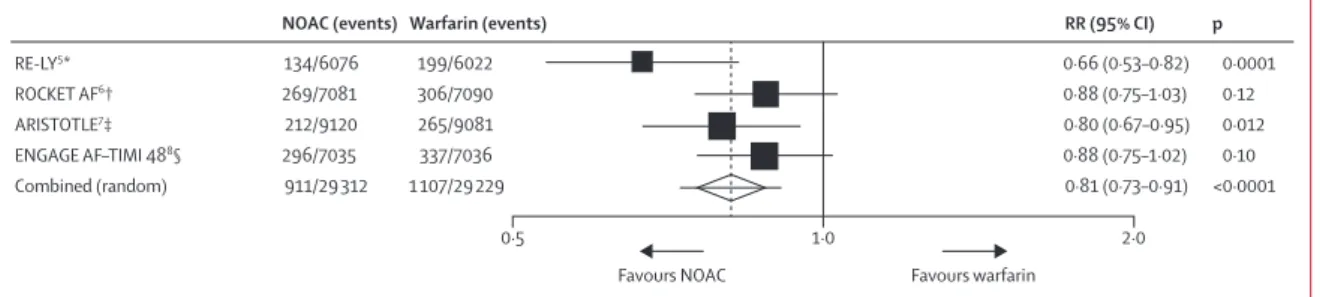
Figure 1: Stroke or systemic embolic events
Data are n/N, unless otherwise indicated. Heterogeneity: I²=47%; p=0·13. NOAC=new oral anticoagulant. RR=risk ratio. *Dabigatran 150 mg twice daily. †Rivaroxaban 20 mg once daily. ‡Apixaban 5 mg twice daily. §Edoxaban 60 mg once daily.
RR (95% CI) p NOAC (events) Warfarin (events)
RE-LY5* ROCKET AF6† ARISTOTLE7‡ ENGAGE AF–TIMI 488§ Combined (random) 134/6076 269/7081 212/9120 296/7035 911/29 312 199/6022 306/7090 265/9081 337/7036 1 107/29 229 0·66 (0·53–0·82) 0·0001 0·88 (0·75–1·03) 0·12 0·80 (0·67–0·95) 0·012 0·88 (0·75–1·02) 0·10 0·81 (0·73–0·91) <0·0001 1·0 0·5 2·0 Favours warfarin Favours NOAC
therapeutic range in patients in the warfarin groups ranged from 58% to 68% (table).
Figure 1 shows the comparative effi cacy of high-dose of new oral anticoagulants and warfarin. Allocation to a new oral anticoagulant signifi cantly reduced the com-posite of stroke or systemic embolic events by 19% compared with warfarin (fi gure 1). The benefi t was mainly driven by a large reduction in haemorrhagic stroke (fi gure 2). New oral anticoagulants were also asso ciated with a signifi cant reduction in all-cause mortality (fi gure 2). The drugs were similar to warfarin in the prevention of ischaemic stroke and myocardial infarction (fi gure 2).
Randomisation to a high-dose new oral anticoagulant was associated with a 14% non-signifi cant reduction in major bleeding (fi gure 3). In line with the reduction in haemorrhagic stroke, a substantial reduction in intra-cranial haemorrhage was observed, which included haemorrhagic stroke, and subdural, epidural, and sub-arachnoid bleeding (fi gure 2). New oral anticoagulants were, however, associated with increased gastrointestinal bleeding (fi gure 2).
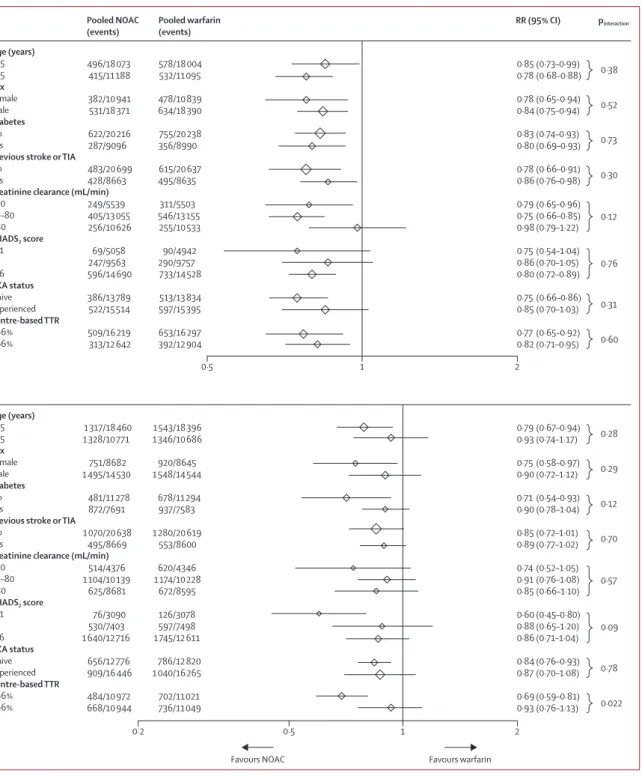
The benefi t of new oral anticoagulants compared with warfarin in reducing stroke or systemic embolic events was consistent across all subgroups examined (fi gure 4). The safety of new oral anticoagulants compared with
warfarin was generally consistent for the reduction of major bleeding across subgroups, with the exception of a signifi cant interaction for centre-based time in thera-peutic range (fi gure 4). We noted a greater relative reduction in bleeding with new oral anticoagulants at centres that achieved a centre-based time in therapeutic range of less than 66% than at those achieving a time in therapeutic range of 66% or more (fi gure 4).
The low-dose new oral anticoagulant regimens had similar effi cacy to warfarin for the composite of stroke or systemic embolic events (appendix). When diff eren-tiated by stroke type, the low-dose regimens were asso-ciated with an increase in ischaemic stroke compared with warfarin, which was balanced by a large decrease in haemorrhagic stroke (appendix). Similar to the higherdose regimens, the low doses showed a signifi cant reduc tion in allcause mortality (appendix). Signifi -cantly more myocardial infarctions were reported with the low-dose regimens than with warfarin (appen dix). The low-dose regimens were associated with a non-signifi cant reduction in major bleeding, but with a signifi cant reduction in intracranial haemor rhage. Gastro intestinal bleeding was similar between low-dose new oral anti coagulants and warfarin (appendix).
A meta-analysis of only the factor Xa inhibitors , with removal of dabigatran, showed similar results to the
Figure 2: Secondary effi cacy and safety outcomes
Data are n/N, unless otherwise indicated. Heterogeneity: ischaemic stroke I²=32%, p=0·22; haemorrhagic stroke I²=34%, p=0·21; myocardial infarction I²=48%, p=0·13; all-cause mortality I²=0%, p=0·81; intracranial haemorrhage I²=32%, p=0·22; gastrointestinal bleeding I²=74%, p=0·009. NOAC=new oral anticoagulant. RR=risk ratio.
Figure 3: Major bleeding
Data are n/N, unless otherwise indicated. Heterogeneity: I²=83%; p=0·001. NOAC=new oral anticoagulant. RR=risk ratio. *Dabigatran 150 mg twice daily. †Rivaroxaban 20 mg once daily. ‡Apixaban 5 mg twice daily. §Edoxaban 60 mg once daily.
RR (95% CI) p Pooled NOAC (events) Pooled warfarin (events) Efficacy Ischaemic stroke Haemorrhagic stroke Myocardial infarction All-cause mortality 665/29 292 130/29 292 413/29 292 2022/29 292 724/29 221 263/29 221 432/29 221 2245/29 221 0·92 (0·83–1·02) 0·10 0·49 (0·38–0·64) <0·0001 0·97 (0·78–1·20) 0·77 0·90 (0·85–0·95) 0·0003 Safety Intracranial haemorrhage Gastrointestinal bleeding 204/29 287 751/29 287 425/29 211 591/29 211 0·48 (0·39–0·59) <0·0001 1·25 (1·01–1·55) 0·043 1 0·2 0·5 2 Favours warfarin Favours NOAC RR (95% CI) p NOAC (events) Warfarin (events)
RE-LY5* ROCKET AF6† ARISTOTLE7‡ ENGAGE AF–TIMI 488§ Combined (random) 375/6076 395/7111 327/9088 444/7012 1 541/29 287 397/6022 386/7125 462/9052 557/7012 1 802/29 211 0·94 (0·82–1·07) 0·34 1·03 (0·90–1·18) 0·72 0·71 (0·61–0·81) <0·0001 0·80 (0·71–0·90) 0·0002 0·86 (0·73–1·00) 0·06 1·0 0·5 2·0 Favours warfarin Favours NOAC
main meta-analysis for both stroke or systemic embolic events and major bleeding (appendix). An additional analysis was done combining all doses of all drugs in one meta-analysis (including both high and low doses of dabigatran and edoxaban with rivaroxaban and apixaban;
appendix). Inclusion of low doses of dabigatran and edoxaban decreased the magnitude of the reduction in risk of stroke or systemic embolic events with new oral anticoagulants and resulted in less bleeding than warfarin (appendix).
Figure 4: Stroke or systemic embolic events subgroups (A) and major bleeding subgroups (B)
Data are n/N, unless otherwise indicated. No data available from RE-LY for the following major bleeding subgroups: sex, creatinine clearance, diabetes, and CHADS2 score. For ROCKET AF no major bleeding data available in the TTR and diabetes subgroup and major and non-major clinically relevant bleeding was used for subgroups of age, sex, CHADS2 score, and creatinine clearance. NOAC=new oral anticoagulant. RR=risk ratio. TIA=transient ischaemic attack. VKA=vitamin K antagonist. TTR=time in therapeutic range
RR (95% CI) pinteraction Pooled NOAC (events) Pooled warfarin (events) Age (years) <75 ≥75 Sex Female Male Diabetes No Yes
Previous stroke or TIA
No Yes
Creatinine clearance (mL/min)
<50 50–80 >80 CHADS2 score 0–1 2 3–6 VKA status Naive Experienced Centre-based TTR <66% ≥66% 496/18 073 415/11 188 382/10 941 531/18 371 622/20 216 287/9096 483/20 699 428/8663 249/5539 405/13 055 256/10 626 69/5058 247/9563 596/14 690 386/13 789 522/15 514 509/16 219 313/12 642 578/18 004 532/11 095 478/10 839 634/18 390 755/20 238 356/8990 615/20 637 495/8635 311/5503 546/13 155 255/10 533 90/4942 290/9757 733/14 528 513/13 834 597/15 395 653/16 297 392/12 904 0·85 (0·73–0·99) 0·78 (0·68–0·88) 0·78 (0·65–0·94) 0·84 (0·75–0·94) 0·83 (0·74–0·93) 0·80 (0·69–0·93) 0·78 (0·66–0·91) 0·86 (0·76–0·98) 0·79 (0·65–0·96) 0·75 (0·66–0·85) 0·98 (0·79–1·22) 0·75 (0·54–1·04) 0·86 (0·70–1·05) 0·80 (0·72–0·89) 0·75 (0·66–0·86) 0·85 (0·70–1·03) 0·77 (0·65–0·92) 0·82 (0·71–0·95) 0·38 0·52 0·73 0·30 0·12 0·76 0·31 0·60 1 0·5 2 0·2 1 0·5 2 Favours warfarin Favours NOAC A Age (years) <75 ≥75 Sex Female Male Diabetes No Yes
Previous stroke or TIA
No Yes
Creatinine clearance (mL/min)
<50 50–80 >80 CHADS2 score 0–1 2 3–6 VKA status Naive Experienced Centre-based TTR <66% ≥66% 1 317/18 460 1 328/10 771 751/8682 1 495/14 530 481/11 278 872/7691 1 070/20 638 495/8669 514/4376 1 104/10 139 625/8681 76/3090 530/7403 1 640/12 716 656/12 776 909/16 446 484/10 972 668/10 944 1 543/18 396 1 346/10 686 920/8645 1 548/14 544 678/11 294 937/7583 1 280/20 619 553/8600 620/4346 1 174/10 228 672/8595 126/3078 597/7498 1 745/12 611 786/12 820 1 040/16 265 702/11 021 736/11 049 0·79 (0·67–0·94) 0·93 (0·74–1·17) 0·75 (0·58–0·97) 0·90 (0·72–1·12) 0·71 (0·54–0·93) 0·90 (0·78–1·04) 0·85 (0·72–1·01) 0·89 (0·77–1·02) 0·74 (0·52–1·05) 0·91 (0·76–1·08) 0·85 (0·66–1·10) 0·60 (0·45–0·80) 0·88 (0·65–1·20) 0·86 (0·71–1·04) 0·84 (0·76–0·93) 0·87 (0·70–1·08) 0·69 (0·59–0·81) 0·93 (0·76–1·13) 0·28 0·29 0·12 0·70 0·57 0·09 0·78 0·022 B
Discussion
Our results show that stroke and systemic embolic events were signifi cantly reduced in patients receiving new oral anticoagulants. This benefi t was mainly driven by substantial protection against haemorrhagic stroke, which was reduced by half. Conceptually, haemorrhagic stroke is a complication of anticoagulant treatment even though it is part of the overall effi cacy assessment of these drugs. Importantly, overall intracranial haemor-rhage (which includes haemorrhagic stroke) was reduced by roughly half, which represents a substantial benefi t of treatment with new oral anticoagulants. Intracranial haemorrhage is a feared and often fatal complication of anticoagulant treatment and about one in six fi rst hospital admissions for this disorder are related to such treatment.26 For the prevention of ischaemic stroke, the
new oral anticoagulants had similar effi cacy to war-farin, which itself is very eff ective in this regard and reduces ischaemic stroke by two-thirds compared with placebo.27 In general, the new oral anticoagulants had a
favourable safety profi le compared with warfarin; how-ever, they were associated with an increase in gastro-intestinal bleeding. They were also associated with a signifi cant reduction in all cause-mortality compared with warfarin.
A separate analysis of the two low-dose new oral anticoagulant regimens showed that although they have a similar effi cacy to warfarin for protection against all stroke or systemic embolic events, they are not as eff ective for protection against ischaemic stroke in particular. However, they do have a safer profi le than warfarin and preserve the mortality benefi t noted with the high-dose regimens. Consequently, low-dose regimens might be an appealing option for frail patients or for those who have a high risk for bleeding with full-dose anticoagulation.
A criticism of meta-analyses in this specialty is that the large phase 3 trials for stroke prevention in patients with atrial fi brillation were well powered to evaluate the main treatment eff ect of their individual drug to reduce the risk of stroke or systemic embolic events compared with warfarin. However, most trials are underpowered to detect diff erences in secondary outcomes and subgroups. An example is the analysis of all-cause mortality; only apixaban and low-dose edoxaban were associated with signifi cant reductions in all cause-mortality, yet the point estimates for the hazard ratios for all drugs (and doses) are very similar. The results of the meta-analysis support the premise that compared with warfarin, the new oral anticoagulants, as a class, reduce all-cause mortality by about 10% in the populations enrolled in the clinical trials.
Perhaps, more important than the provision of robust estimates of secondary outcomes is the ability of meta-analyses to enhance precision in assessment of the relative benefi ts of new oral anticoagulants in important, clinically relevant subgroups. Both risk of stroke and bleeding vary signifi cantly across the range of patients with atrial fi brillation. For example, vulnerable popu-lations, such as elderly people (aged ≥75 years),28 patients
with a previous history of stroke,29,30 and those with renal
dysfunction,31,32 have an increased risk of both ischaemic
and bleeding events. Inclusion of these individuals in trials is variable and they are often underrepresented. Consequently, each trial alone can only off er partial reassurance that the overall balance of effi cacy and safety is preserved in these high-risk groups. For example, variations in the proportion of participants with a
CHADS2 score of 3–6 were mainly attributable to
diff erential enrolment of patients with previous stroke or transient ischaemic attack.33 This robust meta-analysis is
the fi rst to show that the relative effi cacy and safety of new oral anticoagulants is consistent across a broad range of vulnerable patients (panel).
We investigated whether the benefi t of new oral anticoagulants was dependent on whether patients had experience with use of vitamin K antagonists before enrolment in the trial. Previous fi ndings suggested that patients with little to no prior exposure to vitamin K antagonists (ie, naive) had a higher risk of both ischaemic and bleeding events than experienced patients.34 A concern
has remained that new oral anticoagulants might have reduced benefi t in experienced patients who have shown an ability to tolerate treatment with vitamin K antagonists. The results of our meta-analysis show that the benefi t of new oral anticoagulants is consistent irrespective of a patient’s history with vitamin K antagonists.
We also investigated whether the benefi t of new oral anticoagulants was dependent on how well warfarin was managed during the trial, as assessed by the centre-based
time in therapeutic range.35,36 In the ACTIVE W
trial,37 anticoagulant treatment had no signifi cant benefi t
compared with clopidogrel plus aspirin in centres with a centre-based time in therapeutic range that was less than Panel: Research in context
Systematic review
We searched Medline from Jan 1, 2009 to Nov 19, 2013. Keywords were “atrial fi brillation”, “dabigatran”, “rivaroxaban”, “apixaban”, “edoxaban”, “oral factor Xa inhibitor”, “oral thrombin inhibitor”, and “warfarin”. We also did a search of ClinicalTrials.gov to identify relevant ongoing clinical studies. We restricted our analysis to phase 3, randomised trials that included patients with atrial fi brillation who were randomly assigned to receive new oral anticoagulants or warfarin, and trials in which both effi cacy and safety outcomes were reported. We assessed the quality of identifi ed studies to ensure minimisation of bias. No formal scoring system was used to assess the quality of the evidence.
Interpretation
This meta-analysis is the fi rst to include results from all four new oral anticoagulants studied in the pivotal phase 3 clinical trials for stroke prevention in patients with atrial fi brillation. New oral anticoagulants showed a favourable risk–benefi t profi le with signifi cant reductions in stroke, intracranial haemorrhage, and mortality with similar major bleeding as warfarin, but increased gastrointestinal bleeding. The relative effi cacy and safety of the anticoagulants was consistent across a wide range of patients with atrial fi brillation. Our fi ndings off er clinicians a more comprehensive picture of the new oral anticoagulants as a therapeutic option to reduce the risk of stroke in this patient population.
the median of 65%, whereas a reduction of more than two times was reported for vascular events in centres with a time in therapeutic range of more than 65%. The trials included in this meta-analysis had varying success in management of warfarin (median time in therapeutic range 58–68%), and although they reported no hetero-geneity in the results across their trial-specifi c quartiles,6,16,22 each trial was underpowered to detect a
diff erence. In this meta-analysis, we examined a threshold of 66% for centre-based time in therapeutic range, which is similar to that used in the ACTIVE W analysis. We showed that the reduction in stroke or systemic embolism compared with warfarin is not dependent on how well warfarin is managed, within the limitations of analyses based on centre-based time in therapeutic range. However, an even more pronounced relative reduction in bleeding with new oral anticoagulants seems to take place in patients who have diffi culty maintaining a therapeutic international normalised ratio.
Because we did not have individual participant data for all the trials, our statistical approach was done at a study level. We pooled the data for the factor Xa inhibitors (rivaroxaban, apixaban, edoxaban) and the thrombin inhibitor (dabigatran). Although these drugs inhibit diff erent coagulation factors, we believe that pooling of the results is justifi ed for several reasons: the drugs are all specifi c inhibitors of important factors in the coagulation cascade, the phase 3 warfarin-controlled trials of all four drugs are qualitatively similar in design, published guidelines refer to these drugs together as new oral anti-coagulants, and previous meta-analyses have taken a similar approach. Additionally, sensitivity analyses removing dabigatran and including only factor Xa inhibitors showed similar results. Important diff erences also exist in drugs, patient demographics, and trial characteristics that might aff ect outcomes not accounted for in this analysis. We noted statistical heterogeneity across the trials with respect to major bleeding and gastro-intestinal bleeding, which could show true diff erences across trials or between drugs. However, some hetero-geneity is expected to be reported in large meta-analyses, and complete uniformity can show consistency in bias rather than consistency in real eff ects.38 Use of a
random-eff ects model and the robustness of the data across important clinical subgroups can help mitigate the potential eff ect of heterogeneity on the validity of the results. We included data from only clinical trials, which could aff ect the generalisability of the results because patients in clinical trials are often thought to be at lower risk for adverse events than are those in routine clinical practice.39 However, post-approval experience with the
new oral anticoagulants has approximated what was noted in the clinical trial population. For example, in a nation-wide cohort study in Denmark with dabigatran, the fi rst approved new oral anticoagulant, no excess of events in a clinical practice was reported compared with what was shown in the RE-LY trial.40
In summary, the new oral anticogulants show a favourable balance between effi cacy and safety compared with warfarin, which is consistent across a wide range of patients with atrial fi brillation known to be at high risk for both ischaemic and bleeding events.
Contributors
CTR wrote the fi rst draft of the manuscript; all authors contributed to subsequent drafts. CTR, ND, and EBH undertook the statistical analyses. Confl icts of interest
CTR has served as a consultant and has received honoraria from Daiichi Sankyo, Boehringer Ingelheim, and Bristol-Myers Squibb. RPG has served as a consultant and has received honoraria from Bristol-Myers Squibb, Janssen, Daiichi Sankyo, Merck, Sanofi , and is a member of the TIMI Study Group, which has received research grant support from Daiichi Sankyo, Johnson & Johnson, and Merck. EB has recieved grants and personal fees for lectures from Daiichi Sankyo; grants from Duke University, AstraZeneca, Johnson & Johnson, Merck & Co,
Sanofi -Aventis, GlaxoSmith Kline, Bristol-Myers Squibb, Beckman Coulter, Roche Diagnostics, and Pfi zer; uncompensated personal fees for consultancy from Merck & Co; personal fees for consultancies from Genyzme, Amorcyte, Medicines Co, CardioRentis, and Sanofi -Aventis; uncompensated personal fees for lectures from Merck and CVRx; and personal fees for lectures from Eli Lilly, Menarini International, Medscape, and Bayer outside the submitted work. MDE has served as a consultant and has received honoraria from Boehringer Ingelheim, Bayer, Johnson & Johnson, Janssen, Bristol-Myers Squibb, Pfi zer, Daiichi Sankyo, Sanofi , Portola, Medtronics, Aegerion, Merck, Gilead, and Pozen. AJC has served as a consultant and has received honoraria from Boehringer Ingelheim, Bayer, Bristol-Myers Squibb, Pfi zer, and Daiichi Sankyo. JIW has served as a consultant and has received honoraria from Boehringer Ingelheim, Bayer, Janssen, Bristol-Myers Squibb, Pfi zer, and Daiichi Sankyo. BSL has served as a consultant to Bayer, Bristol-Myers Squibb, and Pfi zer and received research grants in these trials from Boehringer Ingelheim, Bayer, Bristol-Myers Squibb, Pfi zer, and Daiichi Sankyo. AP has received a research grant from Daiichi Sankyo, Boehringer Ingelheim, Bayer, Bristol-Myers Squibb. TY has received honoraria from Boehringer Ingelheim, Bayer, Bristol-Myers Squibb, Pfi zer, and Daiichi Sankyo. EMA has received a research grant from Daiichi Sankyo. All other authors declare that they have no confl icts of interest.
References
1 Camm AJ, Kirchhof P, Lip GY, et al, and the European Heart Rhythm Association, and the European Association for Cardio-Thoracic Surgery. Guidelines for the management of atrial fi brillation: the Task Force for the Management of Atrial Fibrillation of the European Society of Cardiology (ESC). Eur Heart J 2010;
31: 2369–429.
2 Hylek EM, Go AS, Chang Y, et al. Eff ect of intensity of oral anticoagulation on stroke severity and mortality in atrial fi brillation.
N Engl J Med 2003; 349: 1019–26.
3 Birman-Deych E, Radford MJ, Nilasena DS, Gage BF. Use and eff ectiveness of warfarin in Medicare benefi ciaries with atrial fi brillation. Stroke 2006; 37: 1070–74.
4 Hylek EM, Evans-Molina C, Shea C, Henault LE, Regan S. Major hemorrhage and tolerability of warfarin in the fi rst year of therapy among elderly patients with atrial fi brillation. Circulation 2007;
115: 2689–96.
5 Connolly SJ, Ezekowitz MD, Yusuf S, et al, and the RE-LY Steering Committee and Investigators. Dabigatran versus warfarin in patients with atrial fi brillation. N Engl J Med 2009; 361: 1139–51. 6 Patel MR, Mahaff ey KW, Garg J, et al, and the ROCKET AF
Investigators. Rivaroxaban versus warfarin in nonvalvular atrial fi brillation. N Engl J Med 2011; 365: 883–91.
7 Granger CB, Alexander JH, McMurray JJ, et al, and the ARISTOTLE Committees and Investigators. Apixaban versus warfarin in patients with atrial fi brillation. N Engl J Med 2011;
365: 981–92.
8 Giugliano RP, Ruff CT, Braunwald E, et al. Once-daily edoxaban versus warfarin in patients with atrial fi brillation. N Engl J Med
9 Dentali F, Riva N, Crowther M, Turpie AG, Lip GY, Ageno W. Effi cacy and safety of the novel oral anticoagulants in atrial fi brillation: a systematic review and meta-analysis of the literature.
Circulation 2012; 126: 2381–91.
10 Baker WL, Phung OJ. Systematic review and adjusted indirect comparison meta-analysis of oral anticoagulants in atrial fi brillation. Circ Cardiovasc Qual Outcomes 2012; 5: 711–19. 11 Lip GY, Larsen TB, Skjøth F, Rasmussen LH. Indirect comparisons
of new oral anticoagulant drugs for effi cacy and safety when used for stroke prevention in atrial fi brillation. J Am Coll Cardiol 2012;
60: 738–46.
12 Dogliotti A, Paolasso E, Giugliano RP. Novel oral anticoagulants in atrial fi brillation: a meta-analysis of large, randomized, controlled trials vs warfarin. Clin Cardiol 2013; 36: 61–67.
13 Miller CS, Grandi SM, Shimony A, Filion KB, Eisenberg MJ. Meta-analysis of effi cacy and safety of new oral anticoagulants (dabigatran, rivaroxaban, apixaban) versus warfarin in patients with atrial fi brillation. Am J Cardiol 2012; 110: 453–60.
14 Ruff CT, Giugliano RP, Antman EM, et al. Evaluation of the novel factor Xa inhibitor edoxaban compared with warfarin in patients with atrial fi brillation: design and rationale for the Eff ective aNticoaGulation with factor xA next GEneration in Atrial Fibrillation-Thrombolysis In Myocardial Infarction study 48 (ENGAGE AF-TIMI 48). Am Heart J 2010; 160: 635–41. 15 Connolly SJ, Ezekowitz MD, Yusuf S, Reilly PA, Wallentin L, and
the Randomized Evaluation of Long-Term Anticoagulation Therapy Investigators. Newly identifi ed events in the RE-LY trial.
N Engl J Med 2010; 363: 1875–76.
16 Wallentin L, Yusuf S, Ezekowitz MD, et al, and the RE-LY investigators. Effi cacy and safety of dabigatran compared with warfarin at diff erent levels of international normalised ratio control for stroke prevention in atrial fi brillation: an analysis of the RE-LY trial. Lancet 2010; 376: 975–83.
17 Ezekowitz MD, Wallentin L, Connolly SJ, et al, and the RE-LY Steering Committee and Investigators. Dabigatran and warfarin in vitamin K antagonist-naive and -experienced cohorts with atrial fi brillation. Circulation 2010; 122: 2246–53.
18 Eikelboom JW, Wallentin L, Connolly SJ, et al. Risk of bleeding with 2 doses of dabigatran compared with warfarin in older and younger patients with atrial fi brillation: an analysis of the randomized evaluation of long-term anticoagulant therapy (RE-LY) trial.
Circulation 2011; 123: 2363–72.
19 Diener HC, Connolly SJ, Ezekowitz MD, et al, and the RE-LY study group. Dabigatran compared with warfarin in patients with atrial fi brillation and previous transient ischaemic attack or stroke: a subgroup analysis of the RE-LY trial. Lancet Neurol 2010; 9: 1157–63. 20 Mahaff ey KW, Wojdyla D, Hankey GJ, et al. Clinical outcomes with
rivaroxaban in patients transitioned from vitamin K antagonist therapy: a subgroup analysis of a randomized trial. Ann Intern Med
2013; 158: 861–68.
21 Hankey GJ, Patel MR, Stevens SR, et al, and the ROCKET AF Steering Committee Investigators. Rivaroxaban compared with warfarin in patients with atrial fi brillation and previous stroke or transient ischaemic attack: a subgroup analysis of ROCKET AF.
Lancet Neurol 2012; 11: 315–22.
22 Wallentin L, Lopes RD, Hanna M, et al, and the Apixaban for Reduction in Stroke and Other Thromboembolic Events in Atrial Fibrillation (ARISTOTLE) Investigators. Effi cacy and safety of apixaban compared with warfarin at diff erent levels of predicted international normalized ratio control for stroke prevention in atrial fi brillation. Circulation 2013; 127: 2166–76.
23 Hohnloser SH, Hijazi Z, Thomas L, et al. Effi cacy of apixaban when compared with warfarin in relation to renal function in patients with atrial fi brillation: insights from the ARISTOTLE trial.
Eur Heart J 2012; 33: 2821–30.
24 DerSimonian R, Laird N. Meta-analysis in clinical trials.
Control Clin Trials 1986; 7: 177–88.
25 Higgins JP, Thompson SG, Deeks JJ, Altman DG. Measuring inconsistency in meta-analyses. BMJ 2003; 327: 557–60. 26 Flaherty ML, Kissela B, Woo D, et al. The increasing incidence of
anticoagulant-associated intracerebral hemorrhage. Neurology 2007;
68: 116–21.
27 Hart RG, Pearce LA, Aguilar MI. Meta-analysis: antithrombotic therapy to prevent stroke in patients who have nonvalvular atrial fi brillation. Ann Intern Med 2007; 146: 857–67.
28 Hughes M, Lip GY, and the Guideline Development Group, National Clinical Guideline for Management of Atrial Fibrillation in Primary and Secondary Care, National Institute for Health and Clinical Excellence. Stroke and thromboembolism in atrial fi brillation: a systematic review of stroke risk factors, risk stratifi cation schema and cost eff ectiveness data. Thromb Haemost
2008; 99: 295–304.
29 Stroke Risk in Atrial Fibrillation Working Group. Independent predictors of stroke in patients with atrial fi brillation: a systematic review. Neurology 2007; 69: 546–54.
30 Pisters R, Lane DA, Nieuwlaat R, de Vos CB, Crijns HJ, Lip GY. A novel user-friendly score (HAS-BLED) to assess 1-year risk of major bleeding in patients with atrial fi brillation: the Euro Heart Survey. Chest 2010; 138: 1093–100.
31 Go AS, Fang MC, Udaltsova N, et al, and the ATRIA Study Investigators. Impact of proteinuria and glomerular fi ltration rate on risk of thromboembolism in atrial fi brillation: the
anticoagulation and risk factors in atrial fi brillation (ATRIA) study.
Circulation 2009; 119: 1363–69.
32 Piccini JP, Stevens SR, Chang Y, et al, and the ROCKET AF Steering Committee and Investigators. Renal dysfunction as a predictor of stroke and systemic embolism in patients with nonvalvular atrial fi brillation: validation of the R(2)CHADS(2) index in the ROCKET AF (Rivaroxaban Once-daily, oral, direct factor Xa inhibition Compared with vitamin K antagonism for prevention of stroke and Embolism Trial in Atrial Fibrillation) and ATRIA (AnTicoagulation and Risk factors In Atrial fi brillation) study cohorts. Circulation
2013; 127: 224–32.
33 Gage BF, Waterman AD, Shannon W, Boechler M, Rich MW, Radford MJ. Validation of clinical classifi cation schemes for predicting stroke: results from the National Registry of Atrial Fibrillation. JAMA 2001; 285: 2864–70.
34 Garcia DA, Lopes RD, Hylek EM. New-onset atrial fi brillation and warfarin initiation: high risk periods and implications for new antithrombotic drugs. Thromb Haemost 2010; 104: 1099–105. 35 Morgan CL, McEwan P, Tukiendorf A, Robinson PA, Clemens A,
Plumb JM. Warfarin treatment in patients with atrial fi brillation: observing outcomes associated with varying levels of INR control.
Thromb Res 2009; 124: 37–41.
36 Gallagher AM, Setakis E, Plumb JM, Clemens A, van Staa TP. Risks of stroke and mortality associated with suboptimal anticoagulation in atrial fi brillation patients. Thromb Haemost 2011; 106: 968–77. 37 Connolly SJ, Pogue J, Eikelboom J, et al, and the ACTIVE W
Investigators. Benefi t of oral anticoagulant over antiplatelet therapy in atrial fi brillation depends on the quality of international normalized ratio control achieved by centers and countries as measured by time in therapeutic range. Circulation 2008; 118: 2029–37.
38 Cleophas TJ, Zwinderman AH. Meta-analysis. Circulation 2007;
115: 2870–75.
39 Cabral KP, Ansell J, Hylek EM. Future directions of stroke prevention in atrial fi brillation: the potential impact of novel anticoagulants and stroke risk stratifi cation. J Thromb Haemost 2011;
9: 441–49.
40 Larsen TB, Rasmussen LH, Skjøth F, et al. Effi cacy and safety of dabigatran etexilate and warfarin in “real-world” patients with atrial fi brillation: a prospective nationwide cohort study. J Am Coll Cardiol