ENHANCING BREAST CANCER EARLY DETECTION IN MALAWI: A MIXED METHODS STUDY TO UNDERSTAND KNOWLEDGE AND PREFERENCES
Racquel Elizabeth Kohler
A dissertation submitted to the faculty at the University of North Carolina at Chapel Hill in partial fulfillment of the requirements for the degree of Doctor in Philosophy in the Department of Health Policy and
Management in the Gillings School of Global Public Health.
Chapel Hill 2015
Approved by:
Stephanie B. Wheeler
Satish Gopal
Clara N. Lee
Bryce B. Reeve
ii © 2015
iii ABSTRACT
Racquel Elizabeth Kohler: Enhancing Breast Cancer Early Detection in Malawi: A Mixed Methods Study to Understand Knowledge and Preferences
(Under the direction of Stephanie B. Wheeler)
Breast cancer is the most common cancer in sub-Saharan Africa, and the number of new cases
is increasing. Although early diagnosis is a vital factor for treatment outcomes, it is rare in resource-limited
settings like Malawi. Currently there is insufficient evidence on how breast cancer knowledge among
Malawians influences early detection. The purpose of this dissertation was to better understand
knowledge, beliefs, and preferences related to breast cancer in Malawi.
The first analysis entailed eliciting beliefs and perceptions related to breast cancer and cancer
care to explore various factors influencing diagnosis and treatment initiation. Results from interviews with
breast cancer patients indicated that individual, interpersonal, provider, and health system factors
influenced access to care and led to long delays from when a woman noticed symptoms to when she
inferred illness, decided to seek help, reached the health facility, and received care.
The second analysis involved interviews with community women and health workers to identify
factors influencing early detection behaviors and preferences. Based on the responses, we developed a
discrete choice experiment (DCE) to elicit women’s preferences about early detection. Cognitive testing
demonstrated the feasibility of administering a DCE in a low-literacy population where DCEs and early
detection are uncommon.
Finally, we conducted a survey among community women to assess knowledge, beliefs, and
preferences related to breast cancer and early detection. Our results showed that less than half of the
sample was aware of breast cancer. Misconceptions about causes were more commonly reported than
established risk factors. The results from the DCE suggest future interventions should provide clinical
iv
This dissertation provides a framework for understanding breast cancer delay in sub-Saharan
Africa, identifies what women know about breast cancer, and indicates what women value about early
detection interventions. Taken together, the findings can be used to tailor future cancer services and
educational programs to meet local needs. Policy, practice, and future research should focus on training
providers and educating the public about breast cancer signs and symptoms and also expanding access
v
ACKNOWLEDGEMENTS
First and foremost I would like to thank my committee chair, mentor, and friend, Dr. Stephanie
Wheeler. We have worked together for the past five years, and your advice and encouragement have
helped me become a better researcher and given me the confidence I needed to take on this study (and
hopefully a successful academic career). Thank you for teaching me to always ask questions, take risks
try something new, and learn more about this great world we live in. I know we will continue to collaborate
in the future and I look forward to new and exciting projects with you. To the rest of my committee
members, your guidance and support throughout this process has meant so much to me. Doing a
dissertation with primary data collection in a foreign country was no easy task, but your quick
turn-arounds on my award applications, emails, and manuscript drafts helped me meet an aggressive
deadline and complete the dissertation with great speed. Dr. Satish Gopal coached me through planning
and implementing a research project in Malawi, and is truly an inspiration to work with – I’m continually
impressed by how you balance family life, a research career, and provide clinical care in such a
resource-limited environment. I am excited about the growing cancer research program at UNC Project Malawi and
know it is destined for success under your leadership. Dr. Clara Lee, thank you for always taking time to
talk through ideas with me – I know your surgery schedule is demanding, but I always felt like our
meetings were a priority for you. I appreciate your positive attitude and am grateful for the many times
you reassured me that this project is an important contribution to the field. Dr. Bryce Reeve, thank you for
guiding me as I developed data collection instruments and learned more about survey methodology. I am
grateful to you for sharing your expertise and thoughtful insight. Dr. Bryan Weiner also provided valuable
feedback throughout my study and challenged me to really delve into the qualitative data.
I would also like to thank Dr. Pam Silberman, a wonderful co-instructor and truly inspiring woman.
Thank you for always checking on my dissertation progress and encouraging me. I have learned a lot
vi
together! I must also acknowledge Dr. Morris Weinberger, certainly one of the most dedicated professors
I have met. Thank you for fostering a strong and supportive learning environment for the students in the
Health Policy and Management PhD program; you mentor outside of the classroom and give so much of
your time to this university. Thank you for your leadership.
My mentors also encouraged me to cast a wide net for funding this project and I was fortunate to
receive multiple awards. I am grateful for my support from the Cancer Care Quality Training Program
(R25 CA116339) Dr. Weiner leads, which allowed me the freedom to pursue independent research and
spend a year in Malawi. I also received support from the UNC-Johns Hopkins-Morehouse-Tulane Fogarty
Global Health Fellows Program (R25 TW009340) in addition to an Explorations in Global Health Grant
from the UNC Institute for Global Health and Infectious Diseases with Dr. Lee.
This work would not have been possible without my Malawian research team: Beatrice Chafa,
Fortunate Chinunda, Triphonia Msanyama, Sylvia Thembulembu, and Olivia Yambeni. I was fortunate to
work with such strong women who taught me new things each day, shared lots of interesting foods, and
made fieldwork fun. I also need to acknowledge UNC Project Malawi leadership and staff who assisted
me with this project, helped with transportation, provided housing, and coordinated chief meetings. I
would like to thank Anna Miller, my qualitative research assistant for her countless hours of reading,
coding, and re-coding. Additionally, Trisha Crutchfield was incredibly helpful as I navigated Sawtooth
Software.
To my classmates and friends, thank you for your encouragement. Specifically, Megan Roberts
and Kathy Lancaster, you have both been right by my side as we went through this process. Thank you
for laughing and crying with me, for going on walks around the Guest House and for coffee dates across
Columbia Street; your friendship and advice helped me get through a year in Malawi and this last home
stretch of writing about it. To my family, I could not have done this without your support. Mom and Dad,
thank you for instilling in me a passion to pursue my dreams and to serve those most in need. I remember
the first time we toured Carolina when I was in high school, and it is still kind of surreal to think I’m
graduating from Chapel Hill again! Thanks to my siblings, Russell, Andrew, and Becky Kohler, for
reminding me to laugh and have fun every now and then. To my grandparents and extended family, thank
vii
always being right there when I needed you (or a phone call away if I happened to be 8,000 miles across
the globe), and for being patient with me - no matter how stressed out or frustrated I was. I could not have
accomplished this without your confidence in my abilities. You are my light and my love and inspire me
every day to pursue what is good and true. Thank you from the bottom of my heart.
I must also acknowledge my sweet friend Michelle Tiyamike Lemani – the first Malawian I met,
but in an African Health Systems course in Durham. Thank you for sharing your mother’s breast cancer
story with me and for making this study meaningful before I even got the funding to do it or set foot in
Malawi. I am also thankful for the Malawian participants who let us into their homes and shared their
perspectives with the research team. I am especially grateful to the breast cancer patients who told us
their stories; meeting some of the poorest cancer patients in the world and hearing about their hope in
light of so many struggles changed the way I approach each day. I hope I have represented their
experiences well and that more women will be helped as a result of this work. Zikomo kwambiri.
Most importantly, I am grateful to God for blessing me with such a wonderful support system and
viii
TABLE OF CONTENTS
LIST OF TABLES ... xi
LIST OF FIGURES ... xii
LIST OF ABBREVIATIONS... xiii
CHAPTER 1: INTRODUCTION ... 1
CHAPTER 2: LITERATURE REVIEW ... 4
Cancer Burden in Africa... 4
Breast Cancer Burden ... 6
Breast Cancer Awareness and Beliefs ... 8
Breast Cancer Screening and Early Detection ... 9
Knowledge and Practices of Breast Cancer Detection Methods ... 11
Health Care Providers’ Role in Early Detection ... 12
Delayed Diagnosis ... 12
Malawi ... 14
Cancer Care in Malawi ... 16
Expanding Women’s Cancer Detection Services ... 17
CHAPTER 3: STUDY DESIGN AND METHODS ... 19
Overview and Rationale... 19
Study Setting ... 20
Study Sites ... 20
Study Population ... 20
Research Design ... 21
Key Data Measures ... 21
ix
Overview and Rationale ... 22
Conceptual Model ... 23
Design ... 25
Sample Size ... 25
Recruitment ... 25
Data Collection ... 26
Analysis ... 26
Aim 2. Develop a preference assessment tool to elicit Malawian women’s preferences related to breast cancer services. ... 28
Overview and Rationale ... 28
Conceptual Model ... 28
Design ... 29
Sample Size ... 30
Recruitment ... 30
Data Collection ... 30
Analysis ... 31
Aim 3. Administer a questionnaire to assess women’s current knowledge, beliefs, behaviors, and preferences related to breast cancer and early detection services ... 31
Overview and Rationale ... 31
Conceptual Model ... 32
Design ... 33
Sample Size ... 35
Recruitment ... 35
Data Collection ... 35
Analysis ... 35
Ethical Approval ... 37
CHAPTER 4: A FRAMEWORK FOR IMPROVING EARLY DETECTION OF BREAST CANCER IN SUB-SAHARAN AFRICA ... 38
Introduction ... 38
Methods ... 39
x
Discussion ... 52
Conclusions ... 55
CHAPTER 5: DEVELOPING A DISCRETE CHOICE EXPERIMENT IN MALAWI: ELICITING PREFERENCES FOR BREAST CANCER EARLY DETECTION SERVICES ... 62
Introduction ... 62
Methods ... 63
Results ... 66
Discussion ... 74
Conclusions ... 76
CHAPTER 6: BREAST CANCER KNOWLEDGE, BELIEFS, AND PREFERENCES IN MALAWI: IMPLICATIONS FOR EARLY DETECTION INTERVENTIONS FROM A DISCRETE CHOICE EXPERIMENT ... 84
Introduction ... 84
Methods ... 85
Results ... 89
Discussion ... 94
Conclusions ... 97
CHAPTER 7: CONCLUSIONS AND IMPLICATIONS FOR POLICY, PRACTICE, AND RESEARCH ... 104
Summary of findings ... 104
Implications for policy and practice ... 105
Limitations ... 107
Future research directions ... 109
Conclusions ... 110
APPENDIX A. INTERVIEW GUIDES ... 112
APPENDIX B. QUESTIONNAIRE ... 121
APPENDIX C. CANCER FACTS ... 152
APPENDIX D. CERVICAL CANCER ANALYSIS ... 154
xi
LIST OF TABLES
Table 2.1. Age-standardized incidence and mortality rates per 100,000 population
per year for common female cancers ... 6
Table 2.2. Common types of cancers among females in Malawi ... 16
Table 3.1. Attributes and levels used in final discrete choice experiment ... 30
Table 3.2. Survey measures ... 34
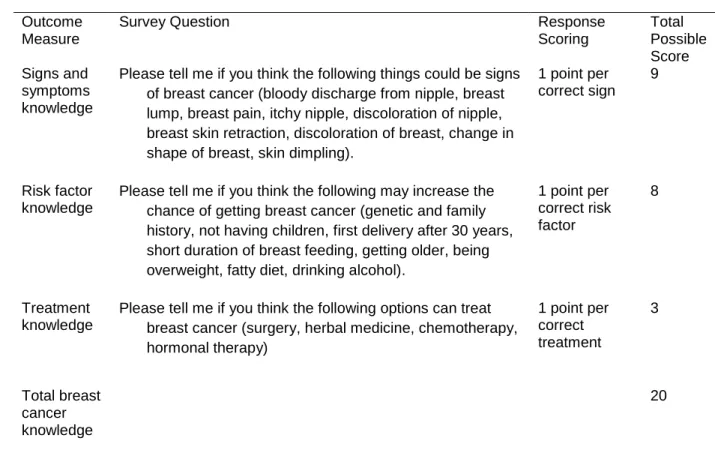
Table 3.3. Breast cancer knowledge scoring from survey measures ... 36
Table 4.1. Characteristics of Malawian breast cancer patients ... 56
Table 4.2. Factors affecting stages of the breast cancer help-seeking pathway ... 57
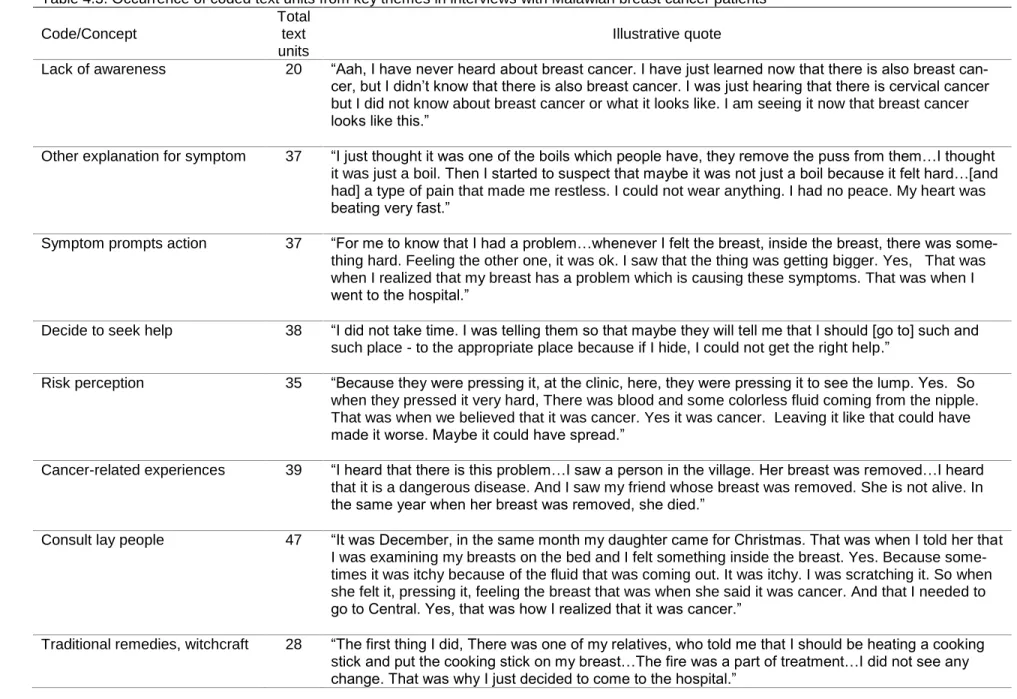
Table 4.3. Occurrence of coded text units from key themes in interviews with Malawian breast cancer patients ... 58
Table 5.1. Potential attributes and levels for cancer services compiled from the literature ... 77
Table 5.2. Sample characteristics of health care worker and community interview participants ... 78
Table 5.3. Potential attributes and levels emerging from the interviews ... 79
Table 6.1. Survey sample characteristics ... 99
Table 6.2. Knowledge among women aware of breast cancer ... 100
Table 6.3. Breast cancer beliefs among Malawian women aware of breast cancer ... 101
Table 6.4. Raw utility estimates from discrete choice experiment ... 102
xii
LIST OF FIGURES
Figure 2.1. Most common cancer sites among females in Africa by country ... 5
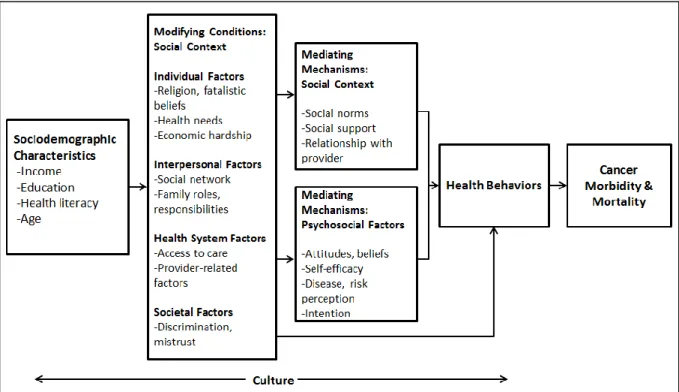
Figure 3.1. Application of the social contextual framework ... 24
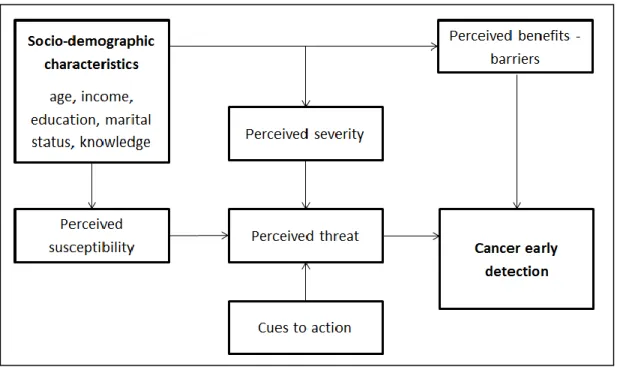
Figure 3.2. Application of Health Belief Model for early detection ... 32
Figure 5.1. Example choice scenario in discrete choice experiment ... 83
xiii
LIST OF ABBREVIATIONS
BSE Breast self-examination
BHGI Breast Health Global Initiative
BWS Best-worst scaling
CBE Clinical breast examination
DCE Discrete choice experiment
HBM Health Belief Model
HCW Health care worker
HIV Human immunodeficiency virus
HPV Human papillomavirus
KCH Kamuzu Central Hospital
LMIC Low- and middle-income country
MoH Ministry of Health
RLS Resource-limited setting
SSA Sub-saharan Africa
TA Traditional authority
VIA Visual inspection with acetic acid
1
CHAPTER 1: INTRODUCTION
Breast cancer is the most common cancer in sub-Saharan Africa (SSA), and the number of new
cases is expected to nearly double by 2030 (1). In SSA, breast cancer disproportionately affects
premenopausal women, who typically present with advanced incurable disease and experience long
delays between symptom onset, diagnosis, and treatment initiation (2, 3). Although data from SSA may
be country-specific due to sociocultural and economic differences, studies suggest reasons for late
diagnosis include misconceptions about the disease, fears of mastectomy, low awareness of cancer, and
poor access to providers (4-6). As a result of late diagnosis, mortality rates are high.
The existing breast cancer literature provides little insight into women’s use of breast cancer
detection and care services in Malawi, one of the most resource-limited countries in SSA. Currently,
cancer prevention and control in Malawi is limited; the health care system infrastructure cannot support
multidisciplinary cancer care, so patients are left with few treatment options. Despite breast cancer
becoming a significant health problem, no national control program exists. The potential of clinical
downstaging through breast cancer early detection has not yet been explored in Malawi and the optimal
strategy remains unclear. Malawian breast cancer patients have symptom durations of 8 months on
average, are diagnosed at young ages, and have aggressive tumor types (7). There is a critical need to
characterize local beliefs, knowledge, and preferences regarding breast cancer services in order to better
understand how and why women do or do not seek breast health services. These data are vital to help
address this gap and to develop culturally appropriate strategies to improve early detection.
The overall objective of this dissertation was to understand Malawian women’s beliefs,
knowledge, and preferences related to breast cancer and early detection. In order to frame awareness
2
about breast health care. We conducted the following three aims to better understand breast cancer
beliefs, knowledge, and preferences among Malawian women:
Aim 1. Explore local factors that influence breast cancer beliefs and early detection behaviors through interviews with breast cancer patients, providers, and women from the community. There is a paucity of research regarding breast cancer in Malawi. In fact, few studies have investigated emerging chronic health problems, such as cancer, due to the country’s burden of infectious
diseases such as HIV, tuberculosis, and malaria. To our knowledge, this is the first study on breast
cancer beliefs and knowledge in Malawi. This aim entailed eliciting attitudes, beliefs, and perceptions
related to breast health and breast cancer to understand the unique and nuanced determinants of early
detection and diagnosis. In-depth interviews were conducted with 20 breast cancer patients, 10 health
care providers, and 20 women from local communities. Transcripts from patients were analyzed
separately and are presented in Chapter 4. Transcripts from provider and community interviews were
used to help identify appropriate attributes for the preference assessment tool (Aim 2), and the analyses
of these qualitative data are included in Chapter 5.
Aim 2. Develop a preference assessment tool to elicit Malawian women’s preferences related to breast cancer services. Preference assessment is an innovative technique that helps patients clarify choices and values, provides information about important factors that influence early
detection use, and helps inform future delivery models and program planning. To our knowledge, no
previous studies have developed a discrete choice experiment (DCE) for breast cancer early detection in
Africa. In addition, few studies have used DCEs among vulnerable international or low-literacy
populations. Themes that emerged from provider and community interviews conducted in Aim 1 were
used to develop a DCE with locally relevant characteristics of early detection services. We designed a
DCE using Sawtooth Software (Sequim, Washington) in order to determine important attributes of early
detection interventions. We conducted cognitive interviews with eight low-income and/or low-literacy
women before incorporating the tool into the questionnaire (Aim 3). Results from this DCE development
process are presented in Chapter 5.
3
behaviors and preferences in SSA, may be influenced by very different social and cultural factors than in
the United States. Therefore, we administered a cross-sectional questionnaire to 213 women to examine
knowledge related to breast cancer signs, risk factors, risk perception, behaviors, and preferences.
Survey responses were used to assess associations between women’s socio-demographic
characteristics and knowledge, risk-perception, behaviors, and early detection preferences. This aim
provided data that can be used to tailor interventions to promote early detection and also determined
what services women preferred and how they should be delivered. Results of these survey analyses,
including the DCE, are presented in Chapter 6.
This dissertation adds to the literature in three major ways: 1) it addressed an emerging public
health problem, breast cancer, which had not yet been examined in Malawi; 2) it employed an innovative
technique – preference assessment – to align demand and delivery of services; and 3) it explored
developing a DCE in a vulnerable, low-literacy population. The findings can help inform the development
of public health interventions to improve breast cancer control in Malawi and other countries in SSA.
This dissertation is organized as follows: Chapter 2 describes the current literature regarding
breast cancer burden, knowledge and beliefs, and screening and early detection in SSA. Chapter 3
discusses an overview of the methods and includes a description of the rationale, setting, study design,
sample, data measures, and analytic approach for each aim. Chapters 4-6 are manuscripts from three
analyses: Chapter 4 analyzed reasons for delay from the patient interviews, Chapter 5 analyzed provider,
community, and cognitive interviews to develop the DCE and determine the feasibility of administering it
with the knowledge survey, and Chapter 6 analyzed the knowledge, beliefs, and preferences survey
results. The three manuscripts are in preparation for submission to peer-reviewed journals. Chapter 7
provides a review of the study findings and summarizes the policy, practice, and research implications.
4
CHAPTER 2: LITERATURE REVIEW
Cancer Burden in Africa
Cancer is the leading cause of death worldwide, and the burden is increasing in developing
countries. Over half of all new cases and more than two-thirds of all cancer deaths occur in developing
countries (8). The gap between developed and developing countries is expected to widen as incidence
trends continue to grow. In addition, large disparities in case fatality highlight the challenges developing
countries face in treating and managing cancer; estimates suggest that the ratio of mortality to incidence
is 75%, compared to 46% in developed countries (9). Structural, environmental, biological, and social
factors all contribute to disparities in cancer morbidity and mortality.
Global estimates from the World Health Organization (WHO) indicate that as many as 1.5 million
of the predicted 17 million new cancer cases in 2020 will occur in Africa (10). The growing and aging
populations, widespread poverty, and limited cancer resources, contribute to the rising cancer burden in
the region.(2) With people living longer and populations adopting unhealthy behaviors, including
increased alcohol and tobacco use and high-fat diets, the cancer burden is expected to increase across
the continent as more countries urbanize.
In a region where HIV, malaria, tuberculosis, and maternal mortality plague populations, cancer
control and cancer care programs struggle to get funding and attention from international donors and
health ministries. Many countries face an increasing double burden of infectious diseases and
non-communicable diseases, and are poorly equipped to tackle competing health needs. Although some
African countries have established cancer control efforts, most face challenges to prevent, diagnose, and
treat cancer in resource-limited settings (RLS). Few hospitals are equipped to care for cancer patients,
5
therapies, specialized equipment, and training required. Additionally, health care workforce shortages
leave many countries without oncology specialists. As a result of these challenges, the quality of cancer
care in SSA varies tremendously. Research is needed to develop country-specific, practical approaches
to cancer control in order to combat this growing public health problem, especially because resources are
scarce.
Among women, the most common cancers in SSA are breast cancer, cervical cancer, and liver
cancer (1). In most African countries breast cancer is the most common, but cervical cancer is still
frequently diagnosed cancer in many countries as shown in Figure 1.
Figure 2.1. Most common cancer sites among females in Africa by country (GLOBOCAN 2012) (1)
However, reports of new cases may be underestimated due to poor access to care, limited health
6
scarce: only about 1% of African populations are covered by cancer registries; however, GLOBOCAN
estimates represent the most accurate data available given the limited number of national registries in
Africa (1, 10, 11). Indeed, these data show that breast and cervical cancer are major public health
challenges among many African countries.
Table 2.1. Age-standardized incidence and mortality rates per 100,000 population per year for common female cancers
Incidence, ASR Mortality, ASR
Africa SSA Africa SSA
Breast 36.2 33.8 17.3 17.2
Cervix 20.4 34.8 17.5 22.5
Liver 5.8 6.4 5.6 5.1
Notes: ASR, age standardize rate GLOBOCAN 2012 data (12)
Breast Cancer Burden
Globally, breast cancer is the most frequently diagnosed cancer and the leading cause of death
among females (13). Although incidence rates in developed countries are much higher, breast cancer
incidence in developing countries is increasing at a faster pace and it is more fatal (14). Mortality to
incidence ratios are correlated with gross domestic product, and over 75% of breast cancer deaths occur
in developing countries (15, 16). Poorer countries fare worse; the ratio of breast cancer deaths to new
cases in developing countries was 0.39 and 0.54 in SSA (17).
In SSA, breast cancer recently surpassed cervical cancer as the most common cancer, and the
number of new cases is expected to nearly double by 2030 (1, 18). Generally incidence is higher in urban
settings, but there are significant geographic variations in incidence rates mainly due to the availability of
early detection services and differences in reproductive factors.
Research has identified numerous factors that affect a woman’s risk of developing breast cancer.
Current evidence indicates that age, nulliparity, late age at first birth (after 30), long menstrual history, and
exposure to hormonal therapies increase the risk of breast cancer (19). Other risk factors that increase
risk of breast cancer include a personal or family history, genetic mutations (i.e., BRCA1, BRCA2), and
biopsy-confirmed hyperplasia are well documented (20, 21). Lifestyle behaviors such as diet and exercise
also play a role in breast cancer risk (22). The literature also suggests that breastfeeding is an important
7
Recently many African countries have seen a shift in reproductive patterns as a result of
improved socioeconomic conditions, including lower fertility, delayed childbearing, earlier menarche, and
aversion to exclusive breastfeeding (1). Additionally, many African countries are experiencing increases
in physical inactivity, obesity, and alcohol consumption (23), all of which can contribute to increased
breast cancer risk. However, breast cancer in SSA and other developing countries may have a different
etiology than breast cancer in women from developed Western countries (16).
Breast cancer disproportionately affects young, premenopausal women in SSA, who typically are
diagnosed between 35 and 45 years of age (24). Younger women in SSA also tend to have high-grade,
aggressive tumors and present with advanced incurable disease. Late diagnosis often results in
ineffective curative efforts, which contribute to high breast cancer mortality rates across SSA. For
example, studies from Uganda, Sudan, Tanzania, and Nigeria indicate that 61-91% of patients present
with stage III or IV disease (16).
Although histopathological characterizations of breast tumors in SSA are lacking, some studies
suggest that African women are more likely to have hormone-receptor negative tumors (25). Studies from
South Africa, Nigeria, Senegal, and Tanzania suggest that breast tumors in black Africans are
predominantly large, late stage, high-grade tumors. Reports indicate a large variation in hormone receptor
status: 27-80% of tumors from multiple African countries were estrogen receptor negative (26-28).
Additionally, a large portion of tumors are triple negative tumors which are more aggressive and drive the
high mortality rates in the region (25). Based on these clinical features and the fact that women are often
diagnosed in their thirties and forties, evidence suggests a more rapid course of disease in African
populations with a poor prognosis (16). Many of the women diagnosed in the region have poor health
outcomes: five-year survival is only 32% in SSA compared to 81% in the United States (29).
Poor health outcomes are also the result of a majority of breast cancer patients experiencing long
delays between symptom onset, diagnostic evaluation, and treatment initiation (2, 3). Myths about the
availability and affordability of effective interventions may also deter women from seeking care for
women’s health issues and cancer diagnostic evaluations until symptoms have advanced. However,
variation in countries’ health system infrastructure and cancer resources may lead to differences in
8
and cancer treatment are limited, it is critically important for women to know where and how to seek
breast health care.
Breast Cancer Awareness and Beliefs
One of the main reasons for the high rates of breast cancer mortality is poor public awareness of
breast cancer. Generally in SSA, awareness of breast cancer signs/symptoms, treatment options, and
potential curability is low (30). Little knowledge of cancer risk factors and signs/symptoms has been linked
to delays in health-seeking behaviors, which can also lead to poor health outcomes (13, 31). Surveys
from northern Africa indicated people were largely unaware of signs/symptoms or risk factors of breast
cancer. In some populations less than half of women surveyed knew that a breast lump was a sign of
cancer (5, 6). However, previous surveys are largely hospital-based samples and may not be
generalizable to other populations.
Social norms and cultural beliefs may play a role in women’s breast cancer beliefs and can have
adverse effects on women’s interpretation of disease symptoms. Cultural misconceptions about causes of
breast cancer drove Ethiopian women to seek care from traditional healers (32). In some areas of Africa
supernatural etiology, such as curses and witchcraft, have been commonly noted as a cause of breast
cancer, especially among women living in rural villages (6, 33). Other misconceptions about causes
include exposure to certain plants, objects, or health conditions. For example, in Ethiopia many breast
cancer patients believed the disease was caused by “bad air” and breastfeeding problems (32). Also,
women from rural villages in Kenya and Ghana believed that keeping money or mobile phones inside a
bra was a physical cause of cancer (6, 33). However, due to differences in religious beliefs and cultural
traditions, it is unclear whether the same misconceptions are common across countries.
Many women, unaware of breast cancer risk, ignore symptoms until they become severe (34). It
may not uncommon for breast cancer patients to report they were unaware that the initial lump, rash, or
pain they noticed was a sign of cancer, as studies have found in Ethiopia (32, 35). Additionally, feelings of
hopelessness, fear, and fatalism have been reported among women in some populations (32, 36, 37).
While these studies provide helpful information about perceptions from some African populations,
none explicitly focus on breast cancer in Malawi, one of the most resource-limited countries in the world.
9
of breast cancer in Malawi. After assessing local knowledge of breast cancer and social or cultural
obstacles to early detection, behavioral and educational interventions can be designed to counteract low
levels of awareness and cultural perceptions to promote early detection and improve breast cancer
outcomes.
Breast Cancer Screening and Early Detection
The literature is clear that early diagnosis leads to more effective treatment and better outcomes,
and in many developed countries, screening is associated with early diagnosis. However, it is important to
differentiate screening from early detection. Screening focuses on systematically finding cancer in
asymptomatic populations who are generally healthy and have not sought medical intervention (38). Early
detection, however, is when breast cancer is diagnosed when a woman presents to a health care provider
with a symptom, and the disease is caught at a time when it can be treated with curative intent (20).
Educating the public and providers on the early signs and symptoms of breast cancer can be part of an
early detection program without providing screening services (39). Recognizing that screening requires
significant investments, and is not feasible is most SSA countries, this dissertation focuses on early
detection and begins to explore opportunities for screening.
The high breast cancer mortality rates in SSA underscore the importance of increasing early
detection, diagnosis, and treatment. Although mammography proved effective in developed countries, the
technology is not widely available in SSA due to high costs of infrastructure and human resources it
requires (30, 40). Additionally, mammography may not be appropriate for detecting breast masses in SSA
because a large proportion of women present with ulcerated, visible, or easily palpable tumors that are
evident without mammography. Because mammography is not affordable or feasible in much of SSA,
countries must implement practical early detection strategies to improve mortality rates (41).
Evidenced-based, resource-stratified guidelines on awareness, diagnostic, and therapeutic
options have been developed through a consensus panel process by the Breast Health Global Initiative
(BHGI) (42). For settings with basic resources, the BHGI recommendations include promoting breast
health awareness, including early signs/symptoms and breast self-exam (BSE), and using clinical breast
examination (CBE) to detect cancer (34). It is well established that breast cancer detected early and
10
signs/symptoms is crucial to prompt women to seek care, get diagnosed, and receive referrals for
treatment (34, 39, 41).
Evidence from observational studies about BSE is conflicting, but no study has demonstrated that
BSE detects breast cancer at earlier stages or improves survival (43, 44). Data from randomized BSE
intervention trials in Russia and China did not show significant differences in mortality. However, breast
cancer awareness was already high in both of the trial populations, suggesting BSE is not beneficial in
those settings. If a randomized trial on BSE were conducted in SSA, however, it might have different
results because of low awareness of the disease and symptoms; it might also have more opportunity to
reduce mortality because so many patients present at advanced stages. Nevertheless, many doctors and
health organizations promote breast health awareness. In general they suggest that women should be
aware of their breasts in order to notice changes and seek medical care; some also suggest routine BSE.
Still, expert health groups like the WHO and US Preventive Services Task Force agree that no evidence
has shown the benefits of BSE outweigh the risks, and therefore do not encourage BSE (20, 21).
Instead, most advocates of early detection endorse CBE as an appropriate approach in RLS
although the effect of CBE has not been rigorously examined in SSA. BHGI suggests that CBE is the
most resource-appropriate detection strategy for many developing countries (42). And preliminary results
from some studies suggest that CBE may be a valid screening tool. Additionally, CBE is well-suited for
RLS because it can be performed by trained non-medical personnel and can be easily decentralized.
However, the optimal strategy and age to start screening remain undetermined because evidence about
CBE efficacy is controversial, and long term data from randomized trials are not yet available.
Early results from trials in India and Egypt suggest that stage distribution was better in the
screened groups (45, 46). Similarly, a study in Malaysia saw reductions in late stage presentation of
breast and cervical cancers from a combined screening trial (47). And a recently published pilot study on
community-based awareness and door-to-door CBE screened over 10,000 women in rural Sudan with
community health volunteers. In the intervention population, a majority of women (12/17) with cancer
were diagnosed with early stage disease, compared to all three of the confirmed cancers from the control
11
However, problems with acceptance of screening and detection methods, follow-up diagnostic
procedures and treatment have been documented in multiple studies, highlighting the importance of
complex cultural factors that influence participation and compliance. For example, in the Muslim
Sudanese villages, participation was lower when the health volunteer was from a different village,
suggesting the importance of having a trusted, female community health volunteer perform the CBE (40).
And in the Mumbai trial, approximately 100 female workers had to make multiple door-to-door visits to
motivate and persuade women to attend screening and comply with follow-up (49). A similar trial in the
Philippines was stopped because women refused to attend follow-up appointments (41). Understanding
local perceptions of screening and early detection methods is critical to address social and cultural
obstacles to early diagnosis.
In RLS, clinical downstaging is an important alternative to screening and can be integrated in
pre-existing health programs. Clinical downstaging focuses on detecting cancer early in symptomatic patients
and ensuring women with early signs of breast cancer seek medical help and receive appropriate care.
For much of SSA, increased awareness of the early symptoms of cancer and promoting the benefits of
early detection are commonly noted as necessary first steps to improve early detection (34, 40, 49).
However, the most appropriate approach to breast cancer awareness campaigns must be determined for
each country, and remains unknown in Malawi. Recognizing what Malawians know and value about
breast cancer and early detection will allow tools and programs to be developed and tailored to a
population’s need.
Knowledge and Practices of Breast Cancer Detection Methods
Despite numerous reproductive health knowledge surveys being administered in Malawi, no
studies on breast cancer or breast cancer detection strategies have been conducted to date. Evidence
from other studies on general beliefs about cancer among Africans has suggested that individual
knowledge, perceptions, and beliefs play a significant role in women’s cancer practices. In general,
women who are knowledgeable about breast cancer are more likely to practice BSE or have a CBE or
mammogram.
However knowledge about breast cancer and detection methods may also be affected by
12
women in Kenya were familiar with CBE, they were usually examined due to a mastitis complaint not a
well visit (33). The low-income women from rural Kenya also reported they did not think it was necessary
to have a breast exam if there were no problems or pain (33). Other studies of breast cancer screening in
Africa reported common barriers to health-seeking behaviors including privacy concerns, religious beliefs,
preferences for alternative medicine, and fear of rejection by spouses (3, 37), (42). Women may also face
obstacles in accessing breast cancer services due to transportation, economic hardships, and women’s
roles in society (6, 50, 51). In some countries, women reported feeling more responsible to their family
roles than leaving the home for their own care. For example, caregiving for children and elders, cooking,
and farming responsibilities influence their ability to access personal health services (52-54).
Health Care Providers’ Role in Early Detection
Evidence from developed countries indicates that providers play a critical role in cancer screening
participation and early detection. Thus, knowledge and training about the disease and its detection
strategies are crucial for health care providers to communicate and promote cancer detection to the
public. Female health workers such as nurses, midwives, and community health workers are often trusted
sources of health information for African women, especially for reproductive health issues, so their
understanding of breast cancer could be essential to improve early detection (33, 40). For these primary
care providers, awareness of breast cancer symptoms and beliefs about breast cancer early detection
practices are particularly important to address among female patients to avoid delayed referrals for
diagnostic evaluation and treatment.
Low levels of breast cancer knowledge have also been reported among health care providers in
Africa (55-57). Data from Nigeria, Morocco, Ghana, and Ethiopia suggest that knowledge of breast cancer
among nurses, nursing students, and other clinicians is low. These studies indicate a need for increasing
breast cancer education for health care providers to improve their knowledge of breast cancer risk
factors, signs/symptoms, and detection strategies.
Delayed Diagnosis
Many complex individual, sociocultural, and health system factors can affect delays in breast
13
has shown that a delay of three months can have profound effects on prognosis and survival (58, 59).
Patient delay is typically considered a prolonged delay from noticing a symptom to presenting to a
provider. In comparison, provider or health system delays from presentation to treatment are also
important obstacles to breast cancer care (60). And in general the literature suggests that women who
are poor are more likely to experience delays, and often for a much longer time.
Multiple studies report that a majority of women across SSA wait more than six months to seek
care after noticing a breast problem, some with persistent problems for 2 years (3, 37, 61). A review of
delayed breast cancer presentation in developing countries found strong evidence that being poor,
unmarried, widowed, divorced, or having low education increased barriers to care; poverty was the most
important barrier across studies. The review also found evidence that women who live in rural areas, use
alternative treatments, and have low breast cancer awareness tend to experience more frequent and
longer delays (60).
Research suggests sociocultural reasons for delayed breast health-seeking behaviors include
ignorance of symptoms, stigma of disease, superstition and misconceptions about cancer, self-denial,
and fear of mastectomy (4-6). Additionally, multiple studies have reported women delaying reproductive
care and cancer screening because they were embarrassed to show their bodies to a male doctor (6, 33,
48, 50).
Long delays are often reported with using traditional herbal medicines; some women do not seek
medical attention until traditional herbal remedies fail. For example, studies from Nigeria indicated that
women were concerned about mastectomy, preferred to try traditional treatment, and nearly half of
patients who were recommended mastectomy refused the surgery (37, 62). However, mastectomy is not
the only procedure that influences delays; some patients are hesitant to have a biopsy and refuse the
diagnostic procedure. In addition, some women who are diagnosed may not follow-up on the results and
fail to attend subsequent appointments for treatment.
Economic and health system barriers to breast care include limited availability of treatment
options and poor access to providers, especially for women living in rural villages. Many women travel
14
significant cost for transportation. The high cost of care has also been reported as a burden for some
women in need of medical services and drugs to manage the disease (63).
These are important factors to consider, however, there may be significant variation in barriers to
care due to differences in country-specific cultural and economic factors. Therefore, research is needed
to examine reasons for delayed presentation in order to address individual, social, and health system
barriers to care in Malawi and encourage early detection.
Malawi
Malawi is a small, landlocked country located in southeast Africa; it shares borders with Tanzania,
Mozambique and Zambia. It is one of the smallest, but most densely populated countries in SSA, with a
population of approximately 16 million people, 11% of which is infected with HIV (64). The country is
made up of three regions: the Northern region is sparsely populated, the Central region is where the
capital city, Lilongwe, is located, and southern region is home to the largest commercial city, Blantyre.
There are 28 districts within the country, which are divided into traditional authority (TA) areas and
villages (65). Approximately 84% of the population lives in rural areas (66).
Malawi faces an unfortunate combination of economic development challenges including poverty,
drought, disease, and a lack of critical resources. About 79% of the population has access to an improved
water source, but only 11% of households have a drinking source at their house. In rural areas, most
household rely on a tube well or borehole for water (65). The most recent demographic and health survey
data indicated that household access to improved sanitation facilities is lacking. Eight percent of houses
use an improved latrine (not shared with other households) and most (75%) use a pit latrine without a
covering (65).
The 2012 GDP per capita was estimated to be $900 and health expenditures made up roughly
8.4% of GDP (66, 67). The formal sector employs only a small portion of Malawians, thus a majority of the
population work in the informal agriculture sector. In general, the economy is in a fragile state, and the
Kwacha, the local currency, has depreciated considerably although the cost of living has increased. The
labor market in Malawi struggles with a severe human capacity problem due to a large number of
unskilled and uneducated workers. Although school attendance has been increasing, there are
15
and those in rural areas are more likely to have no formal education (65). Secondary education was
introduced to Malawi in 1940, however, recent reports indicate that a quarter of students drop out after
the first year of primary school (64) and more men than women complete secondary school (65).
Not surprisingly, Malawi is heavily dependent on foreign aid; over half of the GDP is from foreign
donors. Many health and human service projects and other structural reforms are underway throughout
the country to improve development. However, the current economic climate and growing population
leave much of the population in poverty and over a quarter of Malawians are considered ultra-poor (68).
Malawi’s health system is tiered like most other African nations with a centralized referral hospital
system and free basic public services. Each district has a hospital which receives referrals from local
health centers. The tiered hospital system encourages patients to seek primary care at the small, local
health centers, but they may be referred to district-level hospitals or one of four central hospitals for
tertiary care (67, 69). In addition, privately-run facilities and hospitals run by non-governmental
organizations usually charge fees, but sometimes offer additional services, such as private birthing
rooms. Providing health care in Malawi is challenging due to the lack of trained personnel and poor
infrastructure; there are roughly 2 physicians for every 100,000 people (66). In general, deficits arise from
lack of health workers, supply stock-outs, and lack of basic utilities.
The health system challenges are exacerbated by the prevalence of HIV/AIDS and unhealthy
behaviors, chronic malnutrition, and frequent outbreaks of diseases. Average life expectancy has
increased since 2000, with improved access to HIV antiretroviral treatment; 2012 WHO data indicate that
life expectancy at birth is 59 years (66). However, HIV/AIDS was by far the leading cause of death and
disability in 2012 (66) Non-communicable diseases (NCD) like cancer are becoming significant causes of
morbidity and mortality and the prevalence of common risk factors is increasing nationwide. A recent
study of NCD risk factors found that overweight, obesity, and physical inactivity were more frequently
reported among women than men and more common in urban than rural areas (70). NCDs are estimated
to account for 28% of all deaths in Malawi and are expected to increase to up to 40% by 2015 (71). As
HIV mortality decreases and NCD risk factors affect more Malawians, cancer prevention and control
16 Cancer Care in Malawi
Cancer is a growing public health problem in Malawi. Due to the high prevalence of HIV,
AIDS-defining cancers including Kaposi’s sarcoma, cervical cancer, and non-Hodgkin lymphoma are very
common in Malawi (72). The WHO estimates that Malawian women bear a large burden of disease and
every year almost 8,000 Malawian women will be diagnosed with cancer (8). According to a recent review
of data from 2007-2010, the most common cancers among females in the national cancer database were
cervical cancer, Kaposi’s sarcoma, esophageal cancer, breast cancer, and non-Hodgkin lymphoma (73).
Table 2.2. Common types of cancers among females in Malawi Proportion of new female cancer cases
Incidence, ASR
Breast 4.6% 3.5
Cervix 45.4% 33.6
Esophagus 8.2% 6.8
Kaposi’s sarcoma 21.1% 11.9
Non-Hodgkin lymphoma 4.1% 1.7
Notes: ASR, age-standardized rate per 100,000 population per year Data summarized from Msyamboza et al. (73)
Malawi does not have a formal national cancer control plan as defined by WHO guidelines;
however, the Ministry of Health (MoH) has launched various initiatives, often with international donors, to
focus on preventing, screening, and treating certain cancer types. For example, in 2004, Malawi
established a national cervical cancer screening campaign, and recently private donors have conducted
human papillomavirus (HPV) vaccine pilot studies (74). But there is no national breast cancer awareness
campaign or screening program and little is known about the breast cancer burden in Malawi.
Retrospective studies of cancer registries suggest that breast cancers make up 5.5-8% of cancers in the
country (73, 75). The 2012 Globocan estimates suggest that the mortality to incidence ratio is higher for
Malawi (0.52) compared to SSA regional estimate (12).
Diagnostic capacity has improved recently, but there are only two government-run pathology
laboratories in two central hospitals (76). Most patients are diagnosed after clinical examination, chest
X-ray, ultrasound, and biopsy. Because imaging machines are expensive and require regular maintenance,
17
registry were histologically confirmed; 50% had some clinical investigations and 33% were diagnosed
based on history and physical clinical examination (73).
There are no radiotherapy facilities in the country, therefore, mastectomy is the most effective
treatment because breast conserving therapy would require adjuvant radiation (77). A small number of
Malawians may be referred to neighboring countries or India for radiation services; however, the referral
process is complex.
Malawi also faces challenges in cancer management due to a scarcity of trained oncology
professionals and drug shortages. Two national teaching hospitals in the central and southern regions are
where a majority of chemotherapy services are provided, however, drug supply is inconsistent and many
patients do not receive the full combination of chemotherapy agents as prescribed. Drugs are available at
no cost to the patient through the government hospital pharmacies, however, when they are out of stock,
patients must purchase drugs from private pharmacies. Neoadjuvant chemotherapy is used to treat some
women with locally advanced breast cancer to decrease tumor size prior to surgery, but there are no clear
guidelines for determining which tumors are resectable and eligible for treatment. Tamoxifen is available
and can be used to treat hormone-receptor positive tumors; however, immunohistochemistry is not
routinely performed to determine hormone-receptor status.
Patients with metastatic disease receive palliative care through hospitals, pharmacies, and local
non-governmental organizations. However, few, if any, support services exist to help patients and their
families navigate the fragmented health system and cope with the psychosocial aspects of a cancer
diagnosis and treatment.
Expanding Women’s Cancer Detection Services
Opportunities exist to increase access to breast cancer early detection services in Malawi. If
advanced tumors could be down-staged by earlier detection, many women’s lives could be saved. There
is potential to integrate breast cancer detection and diagnostic services at several levels. Providers
working in maternal and reproductive health clinics already offer a variety of preventive services including
family planning, sexually transmitted infection testing, and cervical cancer screening. Additionally,
midwives, nurses, and community health workers have been trained to conduct cervical exams in
18
differences in how cervical cancer and breast cancer screening programs are implemented (e.g.,
frequency and starting age), they share similar features and could be linked to improve early detection of
both cancers. However, downstaging capacity and provider practices regarding breast cancer detection
methods have not yet been examined in Malawi.
Currently the Malawian reproductive health guidelines recommend providers conduct CBE
annually on all women (79). The guidelines also indicate that education on BSE and risk factors to
increase awareness of breast cancer should be disseminated. However, breast cancer early detection
and educational campaigns have not been widely implemented. Without a systematic approach to early
detection of breast cancer, Malawi remains vulnerable to high rates of advanced disease, poor survival
outcomes, and an escalating public health problem.
Patterns of general preventive service use are low (80), and perceptions of breast cancer and
early detection among Malawians remain unclear. Because no previous studies have explored early
detection of breast cancer in Malawi, this gap in the literature lends itself to exploratory research methods
to address nuances specific to Malawian women. If breast cancer awareness programs are implemented
in the future, then it is critical that current beliefs, knowledge and preferences concerning breast cancer
and its early detection measures of the target audience are understood. This dissertation study makes a
major contribution by integrating qualitative and quantitative methods that will generate a deep
19
CHAPTER 3: STUDY DESIGN AND METHODS
Overview and Rationale
Successful breast cancer early detection and awareness interventions must address local
women’s knowledge and preferences; therefore this study was a necessary prior step to designing future
randomized trials in SSA. Given the increasing burden of breast cancer in the region and uncertainty
regarding optimal detection strategies in RLS, it is critical to ensure that any resources directed towards
developing interventions or programmatic strategies are based on what Malawian women need and want.
The overall objective of this dissertation was to understand Malawian women’s beliefs,
knowledge, and preferences related to breast cancer and early detection strategies. The rationale for this
research was that many women are diagnosed with advanced stage disease, therefore we must identify
opportunities to increase early detection of breast cancer in order to improve cancer outcomes. We need
to understand what women know and value about breast health care in order to enhance early detection
interventions and to develop sustainable cancer programs. This dissertation examined local beliefs,
knowledge, and preferences that influence breast health care access and behaviors. Overall, the findings
provide culturally-sensitive information about Malawian women’s knowledge and stated values that can
be used to inform how future cancer services and public health education should be tailored to meet local
needs.
Based on a review of breast cancer knowledge and attitudes in Africa and drawing upon the
social contextual framework and Health Belief Model, this dissertation relied on a mixed methods
approach to examine Malawian women’s beliefs, knowledge, and preferences of breast cancer and early
detection. The in-depth interviews in Aim 1 allowed exploration and insight into people’s beliefs,
perceptions, and opinions about breast cancer, including patients, providers, and the general community
20
Aim 2 entailed designing and testing a preference assessment tool. Finally, Aim 3 used a quantitative
survey approach to measure Malawian women’s knowledge about breast cancer and their early detection
behaviors and preferences. Taken together, these quantitative and qualitative approaches allowed us to
explore the wide array of what women know and believe about breast cancer and what they desire
regarding early detection services.
Study Setting
This dissertation was conducted through UNC Project Malawi, a 20-year long partnership with
UNC and the Malawi MoH. The collaboration is internationally recognized for HIV and infectious disease
research, and has a growing global oncology research program. UNC Project is based in Lilongwe,
Malawi’s capital, in the central region of the country. Women of diverse social, economic, and ethnic
backgrounds reside in the central region. Additionally, Lilongwe district is comprised of rural, urban, and
peri-urban TA areas.
The central referral hospital for the region, Kamuzu Central Hospital (KCH), is located in Lilongwe
City and provides free specialty care. KCH is a national teaching hospital with 1,000 beds serving a
catchment area of nearly 7 million people (81). Smaller, district-level hospitals, private facilities, and local
health centers refer patients to KCH. Nurses, clinical officers, and medical assistants usually provide care
at lower level facilities. Private pharmacies and dispensaries, where patients can purchase medications,
are located throughout the district.
Study Sites
Recruitment and enrollment of study participants occurred at hospitals, clinics, and community
neighborhoods in Lilongwe district. We recruited patients from the oncology clinic at KCH. Health care
providers were recruited from KCH, Bwaila District Hospital, and Lighthouse Clinic in Lilongwe. Additional
participants from the general population were recruited from various rural and urban TA areas in the
district.
Study Population
This study included three population groups: breast cancer patients, health care providers, and
21
participating in pilot testing was 285. All participants were required to be over 18 years of age and able
and willing to review and provide informed consent to be included in the study. Additionally, certain
participants had to meet the following inclusion criteria to participate in this study: for breast cancer
patients, clinical presentation or pathological confirmation of breast cancer diagnosis; and for health care
providers, formal employment at a hospital or health clinic in Lilongwe.
Research Design
This was a nonrandomized, non-interventional, observational study. We used two main data
collection instruments throughout the course of the study, including qualitative interview guides (Appendix
A) and a knowledge, behaviors, and preferences questionnaire (Appendix B). The interview guides were
adapted for each study population (patients, providers, and community women). All data collection
instruments were created in English and translated into Chichewa, the local language. Each participant
was provided a small travel reimbursement or chitenje for their time and effort equivalent to approximately
5USD per UNC Project Malawi standards. At the end of each interview, the research team member
reviewed a cancer fact sheet (Appendix C) with the participant.
Key Data Measures
Data were derived from two main sources: interviews transcripts, and survey responses. The
main outcomes for each data source are outlined below:
From the in-depth interviews (Aim 1):
1. Qualitative responses from breast cancer patients regarding breast cancer experiences and
reasons for delays to care
2. Qualitative responses from health care providers regarding barriers to early breast cancer
detection and treatment management, and important factors affecting early detection services
3. Qualitative responses from women in the community on perceptions of breast cancer and
early detection, and factors influencing preventive health seeking behaviors
From the cognitive testing interviews (Aim 2):
1. Acceptability of design and usability of tool in low-literacy population
22 From the survey (Aim 3):
1. Proportion of participants aware of breast cancer
a. Knowledge of signs/symptoms of breast cancer
b. Knowledge of risk factors of breast cancer
c. Mean knowledge score
d. Predictors of breast cancer knowledge
e. Perceived threat of breast cancer
2. Proportion of participants aware of BSE
a. Proportion of participants having ever performed a BSE
b. Reported benefits of BSE
c. Reported barriers of BSE
3. Proportion of participants aware of CBE
a. Proportion of participants having received a CBE
b. Reported benefits of CBE
c. Reported barriers of CBE
4. Proportion of participants aware of cervical cancer
a. Proportion of participants with knowledge of cervical cancer
b. Predictors of cervical cancer knowledge
5. Proportion of participants aware of cervical cancer
a. Proportion of participants having received cervical cancer screening
b. Predictors of cervical cancer screening
6. Utility of breast cancer detection intervention attribute levels
7. Importance of breast cancer detection intervention attributes
Aim 1. Explore local factors that influence breast cancer beliefs and early detection behaviors through interviews with breast cancer patients, providers, and women from the community.
Overview and Rationale. The proposed aim allowed for a deeper understanding of cultural nuances and
23
the disease, detection strategies, and treatment are perceived by Malawians in order to address
awareness and barriers to care. In-depth interviews are an effective way to gain insight into how people
interpret their experiences, especially for sensitive topics like women’s health. By interviewing patients,
providers, and women in the community we obtained different views of socioeconomic, individual,
interpersonal, and health system characteristics that influence breast cancer and early detection.
Conceptual Model.The goal of this aim was to investigate local beliefs and social contextual factors that
influence Malawian women’s perspectives about breast cancer as well as decisions to seek, delay, or
access breast cancer detection and diagnosis strategies. In order to do this, we considered concepts from
illness behavior theory, the help-seeking process, and the local cultural and social context of Malawi.
According to Mechanic, “interactions between personal history, social situations and the opportunities and
constraints of community institutions and social norms” are part of help-seeking behavior in response to
identifying a symptom (82). We used the social contextual framework to guide the research of Aim 1 to
understand the factors that may affect how women interpret and give meaning to breast cancer early
detection. The application of the social contextual framework for cancer behavior displayed in Figure 3.2
focuses on multiple levels of factors that shape the day-to-day experiences of individuals (83). The
complex relationships between social context, culture, and beliefs about health and cancer influence
24
Figure 3.1. Application of the social contextual framework
According to this framework, socioeconomic factors such as marital status, education,
employment, and health literacy shape social context and are strong determinants of breast health
behaviors (83). These social categories can lead to differential exposure to resources, opportunities, and
experiences which reflect social inequalities (84). In addition, this framework takes a social ecologic
approach to conceptualize the social contextual modifiers and mediators allowing multiple levels of
influence. For example, individual factors (e.g., competing health needs and material circumstances),
interpersonal factors (e.g., social ties and family roles/responsibilities), health system factors (e.g.,
availability and affordability of care), and societal factors (e.g., discrimination) may influence breast
care-seeking behaviors.
This conceptual framework also includes psychosocial factors and social contextual factors that
mediate the relationship between demographic characteristics and health behavior. Psychosocial factors,
such as beliefs and illness perceptions, build on concepts from behavior theories to explain their
importance in determining health behavior. Social norms and relationships are also mediators of health
25
Underlying cultural factors may influence the social contextual factors as well as the psychosocial
factors that predict health behavior. For example, illness/symptom disclosure, religious beliefs, social
networks, and patient-provider relationships are often driven by culture and have been linked with breast
cancer behavior. Importantly, cultural beliefs regarding women’s roles can have a profound effect on
women’s health and health behaviors.
Given the lack of information on social contextual factors of breast cancer in Malawi and the
importance of improving early detection, investigating local beliefs and health practices is crucial for
developing effective cancer control interventions.
Design. We developed three semi-structured interview guides to solicit beliefs and perceptions of breast
cancer from breast cancer patients, health workers, and women from the community (Appendix A). The
open-ended, semi-structured guides were designed to encourage candid narration about preventive care,
breast cancer, and treatment delays. Broad interview topics included women’s perceptions of cancer,
causes of cancer, potential to treat or cure breast cancer, health behaviors, locally available screening
services (e.g., VIA screening for cervical cancer), and other cultural norms and values. Probing questions
were used as needed to encourage additional thoughts if sensitive or supporting topics were not
mentioned.
Sample Size. We recruited 20 breast cancer patients, 10 health care providers, and 20 women from the
community for the interviews. As an exploratory public health study, this number was based on
recommended numbers for qualitative studies and the maximum number that can be reasonably enrolled
based on budget and expected attendance at the clinic site. Qualitative research methods generally
suggest that 15-30 interviews are an appropriate sample size to provide reasonably representative
responses of a group, and these sample sizes are typical of many similar studies taken from the medical
literature.
Recruitment. Breast cancer patients were recruited from KCH oncology clinic. A review of the clinic
registry supplemented local staff members’ identification of patients who were diagnosed with or treated
for breast cancer. We purposefully recruited patients who were recently diagnosed, currently undergoing
treatment, and under more long-term surveillance. Following their clinic visit, a study team member