A PILOT STUDY EXAMINING THE TREATMENT FEASIBILITY, ACCEPTABLITY, AND INITIAL OUTCOMES OF STEPS (STUDENT TRAINING FOR EDUCATIONAL AND PERSONAL SUCCESS): A SOCIAL-EMOTIONAL LEARNING PROGRAM FOR BLACK
MALES
Letanya A. Love
A dissertation submitted to the faculty at the University of North Carolina at Chapel Hill in partial fulfillment of the requirements for the degree of Doctor of Philosophy in the School of
Education (School Psychology).
Chapel Hill 2020
Approved by: Steve Knotek Sandra Evarrs Cassandra Davis
iii ABSTRACT
Letanya A. Love: A Pilot Study Examining the Treatment Feasibility, Acceptability, and Initial Outcomes of STEPS (Student Training for Educational and Personal Success): A
Social-Emotional Learning Program for Black Males (Under the direction of Steve Knotek)
Racial disparities in school discipline were first highlighted in a 1975 seminal report released by The Children’s Defense Fund (Children’s Defense Fund, 1975). Since that time, racial disparities in school discipline have increased, and Black students remain the most
vulnerable group affected (Wald & Losen, 2003; Losen, 2012). Of all students, Black boys face the most significant rates of out-of-school suspension (U.S. Department of Education, 2016), and research indicates that disparities in school discipline begin as early as preschool (U.S.
iv
Social-emotional learning has emerged as a framework to address students’ behaviors within a school-wide MTSS approach to promote prosocial skills and reduce problem behaviors. This pilot study investigated the feasibility and initial outcomes of an SEL intervention for 11 Black male high school students with a history of aggression. Using a quasi-experimental, pretest-posttest design, this research examined how student involvement in the STEPS Program impacted aggression, school conduct, school engagement, and academic performance. While the initial results indicated that no statistically significant differences were found, data collected during the one-year follow-up period revealed significant reductions in office disciplinary referrals and small gains in academic performance. With these encouraging trends, this study supports the promise of the STEPS Program as an alternative to suspension which promotes SEL skills. Limitations and directions for future research are discussed.
v
vi
ACKNOWLEDGEMENTS
I would like to extend my sincerest thanks to my dissertation advisor, Dr. Steve Knotek, for his support and guidance throughout this process. In the early stages of this project, you believed in this work and encouraged me to pursue a social innovation residency to bring forth my ideas. Your commitment to creating space for emerging social entrepreneurs has challenged us to tackle seemingly insurmountable social problems and use our brilliance to transform the world. I am also thankful for my committee members, Drs. Sandra Evarrs, Cassandra Davis, Patricia Hahn, and Rune Simeonsson, whose insightful questions and keen interest contributed significantly to this work and to my development as a scholar. I will forever appreciate your guidance and support.
vii
In 2016, the STEPS Program was selected for funding by UNC Campus Y’s CUBE (Creating University-Born Entrepreneurs) Social Innovation Incubator. This 18-month residency allowed me to further develop my ideas with the mentoring of leading social innovators. I would like to thank Richard Hammel, Callie Brauel, and Laura Fieselman for affording me the
opportunity to advance and launch this pilot project.
The STEPS pilot program was possible because of the support of Eric Yarbrough and Maile Briscoe, and the participation of the focus group educators, STEPS students, and parents. I sincerely thank you all for your YES! Because of you, I was able to implement my work that was the culmination of three years of research.
viii
TABLE OF CONTENTS
LIST OF TABLES………...xii
LIST OF FIGURES……….………...xiii
LIST OF ABBREVIATIONS……….…………...xiv
CHAPTER 1: INTRODUCTION………...………...1
Racial Disparities in School Discipline: Historical Context………...4
Explanations of Racial Disparities in School Discipline……….………8
Poverty and Community Characteristics……….…………...….……….8
Individual Behavioral Differences……….10
Low Achievement………..11
Bias ………12
Current Trends in School Discipline………..15
The School-to-Prison Pipeline ………...16
Zero Tolerance Policies……….18
School Resource Officers………..19
School Climate………...20
Two Systems. One Population………...21
Need for Interventions and Alternatives to Suspension……….…23
Current Intervention Approaches………...23
ix
Individual Level Interventions………..….25
Statement of the Problem………...27
CHAPTER 2: LITERATURE REVIEW……….……….29
Social Emotional Learning………...……...29
Theoretical Framework………..33
Cognitive Behavioral Theory……...………...……….33
Behavioral and Academic Challenges of At-Risk Males.……….……… 34
Aggression ……….34
National and State Level Data………...35
Risk and Protective Factors………...35
Aggression and SEL………..37
School Conduct………..39
School Conduct and SEL………...40
School Engagement.………...40
School Engagement and SEL……….………43
Academic Achievement………...43
National and State Level Data………...44
Academic Achievement and SEL………..46
Intervention Research………...….46
Summary of Relevant Research……….52
CHAPTER 3: METHODOLOGY………….………….………...57
Purpose of the Study……….………..57
x
Participants……….59
Sampling……….………... 60
Focus Group Participant Recruitment………60
STEPS Participant Recruitment ……….61
Measures...………...63
STEPS Focus Group Protocol…….………...63
STEPS Parent Questionnaire…….……….64
STEPS Student Questionnaire……….………...64
Behavior Assessment System for Children, Third Edition (BASC-3)……….…..65
Student Engagement Instrument (SEI)……….………..65
Educational Record Review……….…………..66
Procedures……….………….66
Data Collection……….………..66
Intervention Procedures………. 68
Data Analysis ……… 71
Qualitative Analysis………...70
Quantitative Analysis………...71
Descriptive Statistics………..71
Initial Outcomes……….72
Ethical Considerations………... 72
The Investigator………. 74
CHAPTER 4: RESULTS………..76
xi
Focus Group Demographics…….……….…….76
Focus Group Content Analysis…….………..77
Descriptive Analysis………..90
STEPS Participant Demographics……….…90
Quantitative Analysis……….……94
Supplementary Analysis……….………97
CHAPTER 5: DISCUSSION……….……….105
Interpretation of Results……….………..106
Limitations………...114
Implications and Future Directions……….……….116
Conclusions……….……….120
APPENDIX A: TABLES………...……….122
APPENDIX B: FIGURES...……….……….………...126
APPENDIX C: CONSENT FORMS….…….………...132
APPENDIX D: RECRUITMENT EMAIL…...……….……….….151
APPENDIX E: STUDENT RECRUITMENT FORM…….….………….…….……...……….152
APPENDIX F: STEPS FLYER……….……….……….153
APPENDIX G: RECRUITMENT LETTERS………..…………..….…….….………..154
APPENDIX H: RECRUITMENT SCRIPTS……….………..…………..……….156
APPENDIX I: STEPS PARTICIPANT CONTACT FORM……….……..……….……..161
APPENDIX J: ASSESSMENT INSTRUMENTS……….….………...……….…162
xii
LIST OF TABLES
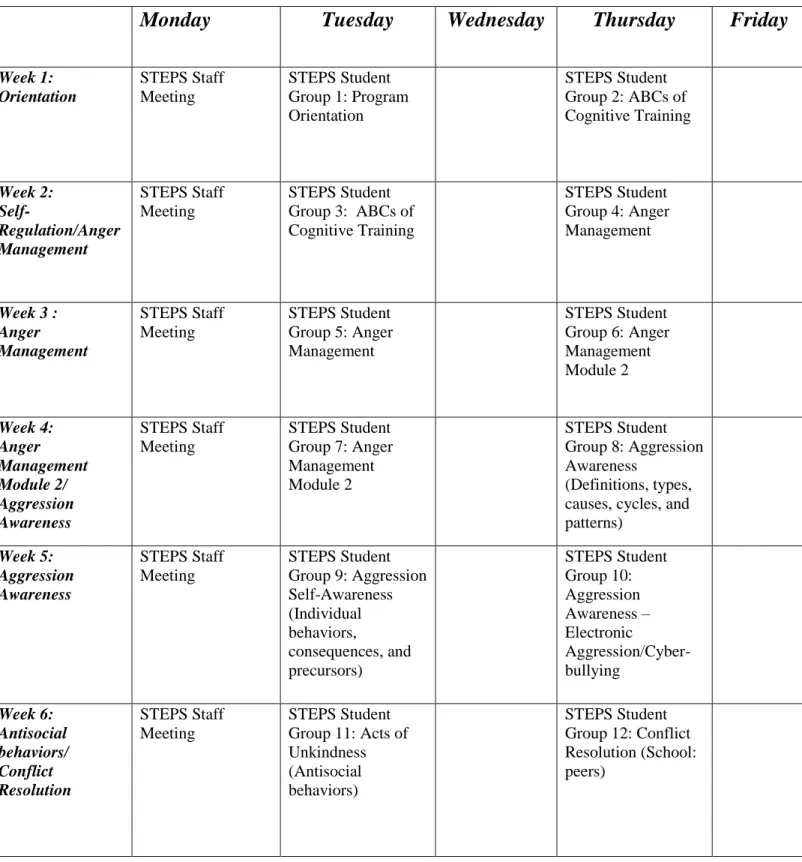
Table 1: Sequence of Sessions……….……...123
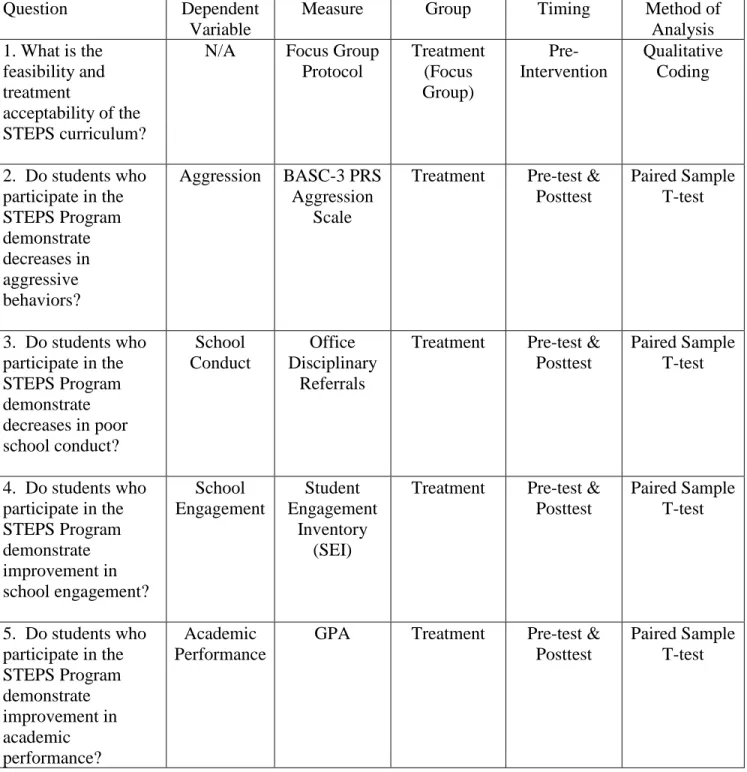
Table 2: Data Analysis Plan……….……….……. 125
Table 3: Summary of Focus Group Demographic Characteristics….……….……..76
Table 4: STEPS Focus Group Content Analysis……….…….78
Table 5: Summary of Participant Demographic Characteristics……….….….91
Table 6: Summary of Parental Demographic Characteristics…….……….…….94
Table 7: Comparison of Mean Aggression Scores……….…...95
Table 8: Comparison of Mean Office Disciplinary Referrals……….…..96
Table 9: Comparison of Mean Student Engagement Inventory Scores……….….…..96
Table 10: Comparison of Mean Semester Grade-Point Averages……….….97
Table 11: Comparison of Mean Office Disciplinary Referrals at 9-Month Follow-up……..98
Table 12: Comparison of Mean Student Engagement Subscale Scores………...99
Table 13: Summary of Mean Item-Level Engagement Scores – SEI………....100
Table 14: Comparison of Cumulative Mean Grade-Point Averages………....101
Table 15: Comparison of Mean CBT Knowledge Scores………...102
Table 16: Summary of Item Difficulty Scores-STEPS Curriculum Test……….….103
xiii
LIST OF FIGURES
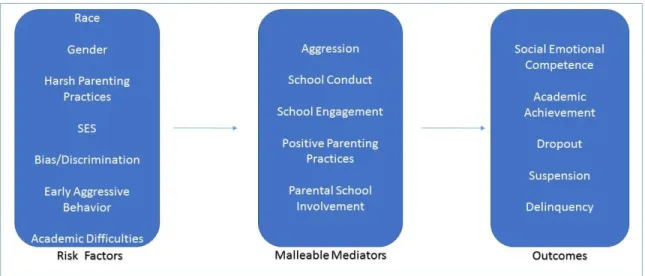
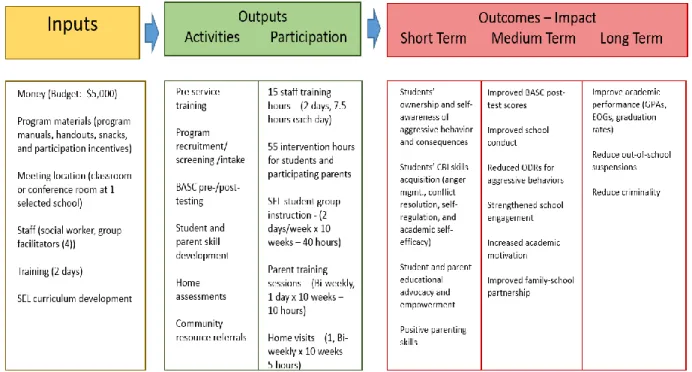
Figure 1: STEPS Program Problem Theory………...127
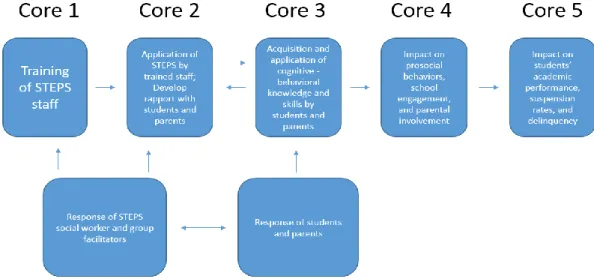
Figure 2: STEPS Theory of Change……….128
Figure 3: STEPS Program Logic Model………..129
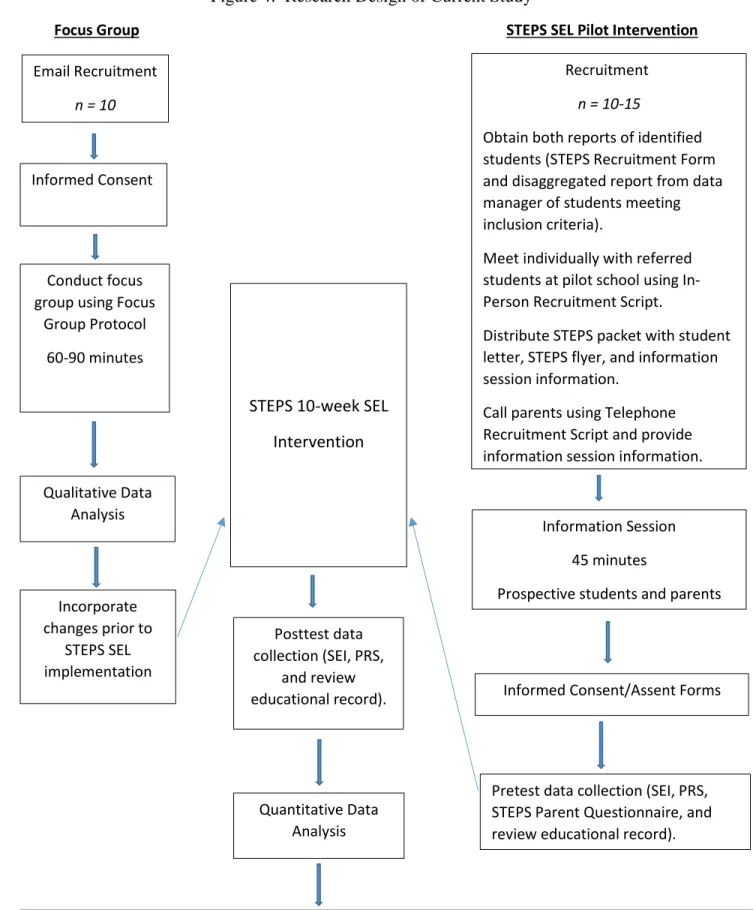
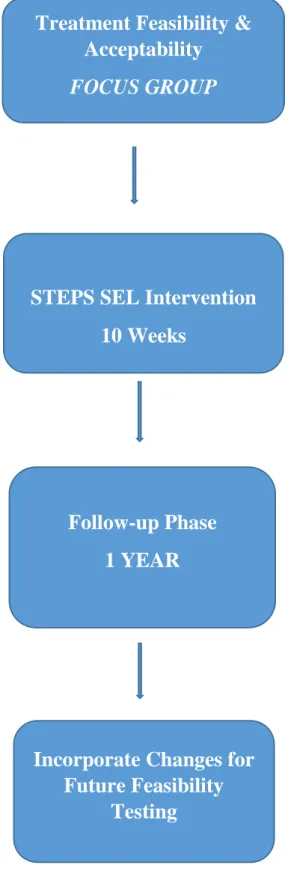
Figure 4: Research Design of Current Study………...130
xiv
LIST OF ABBREVIATIONS
BASC-3 Behavior Assessment System for Children (Third Edition) CBI Cognitive-Behavioral Intervention
CBT Cognitive-Behavioral Therapy EOG End of Grade
GPA Grade Point Average
MTSS Multi-Tiered System of Supports ODR Office Disciplinary Referral
PBIS Positive Behavioral Interventions and Supports PRS Parent Rating Scale
1
CHAPTER 1: INTRODUCTION
Black boys in America have not realized the promise of an equitable non-discriminatory education set forth by the Brown v. Board of Education (1954) Supreme Court ruling. Black males attending our nation’s schools continue to face significant educational disparities which mark them for limited academic advancement and suppressed life outcomes. Data indicates that school-aged Black males are overrepresented in special education - most notably for services involving intellectual disability and emotional disturbance (Canty-Barnes, 2015), lag behind in areas of achievement, and continue to demonstrate elevated school dropout rates (McFarland, Cui, & Stark, 2018). An examination of recent data analyzing the 4-year freshman cohort graduation rate illuminates the problem of on-time graduation for Black males. According to data from the National Center for Education Statistics, for the 2012-2013 data collection period, 82% percent of all U.S. freshmen graduated within four years (McFarland et al., 2018).
Unfortunately, Black male students are graduating at lower rates with only 64.3% graduating in four years (McFarland et al., 2018). In addition to these disparities, another startling educational inequity impedes the promise of a non-discriminatory education for Black males: the
2
similar trend: Black boys are expelled at a disproportionately higher rate when compared to their White male peers (U.S. Department of Education, 2016). This stark disparity has heightened public interest in how schools operate in pushing students, particularly Black males, out of school and into the school-to-prison pipeline.
The school-to-prison pipeline describes a system of school policies and practices that push students out of school thus making them vulnerable to and at risk of flowing into the prison system (Wald & Losen, 2003). Researchers illuminating the school-to-prison pipeline point to the following: 1) the pipeline often begins with school suspension (ACLU, 2008 as cited in Kirwan Institute, 2014); 2) exclusionary discipline places students at risk of lower achievement and dropout (Arcia, 2006) which significantly increases risk of criminal involvement (Fabelo et al., 2011; Monahan et al., 2014); and 3) more reliance on zero tolerance policies for minor infractions (American Psychological Association, 2008) and school resource officers (Education Week, 2017) accelerates juvenile justice referrals that disproportionately impact students of color (American Psychological Association, 2008). While the current empirical evidence of the
3
for their transition to adulthood: Black males aged 18 to 19 are 11.8 times more likely to be incarcerated when compared to their White male peers (U.S. Department of Justice, 2018).
In 2010, following a speech by Arne Duncan, U.S. Secretary of Education, which highlighted the racial disparities in school discipline, more public outcry regarding this educational inequity and its deleterious effects ensued (Losen, 2011). With support from the Obama Administration, on January 8, 2014, the U.S. Department of Education, Office for Civil Rights, and the Civil Rights Division of the U.S. Department of Justice, released joint guidelines on school discipline to address racial disparities in school disciplinary practices (U.S.
Department of Justice & U.S. Department of Education, 2014). Given the growing public interest in creating equity in education, scholars began reemphasizing the need for more
prevention programs and alternatives to school suspension and highlighted potential school- and individual-level strategies to address this national crisis (see Owen, Wettach, & Hoffman, 2015).
The current based pilot study was developed out of a need to create more school-based prevention programs and alternatives to suspension, and it represents one component (SEL program for Black high school males) of a three-pronged approach developed to address
4
reduce problem behaviors and ultimately decrease risk of entering the school-to-prison pipeline. The following literature review is intended to provide: a historical context of racial disparities in school discipline; a review of school-to-prison pipeline facilitators; a summary of alternatives to suspension; a review of social-emotional learning and key malleable mediators of students with aggressive behaviors; and a call to action for a school-based SEL program for aggressive at-risk students.
Racial Disparities in School Discipline: Historical Context
The federal government began collecting data on exclusionary school discipline indicators in 1968 (U.S. Department of Education, 2014). Exclusionary school discipline is defined as punitive disciplinary action that results in removing a student from school (Losen, 2013). These measures can result in out-of-school suspension that is defined as removal from school buildings and grounds for one school day or longer, or expulsion – removal from a child’s regular school for disciplinary purposes for the remainder of the school year or longer (U.S. Department of Education, 2014). These discipline indicators are collected biennially by the U.S. Department of Education, Office for Civil Rights (OCR), through the Civil Rights Data
Collection (CRDC) survey. The most recent surveys were completed by all U.S. traditional public schools, alternative schools, career and technical education schools, and charter schools. Since the initial data collection began, it has been clear that the rates of suspension and expulsion have disproportionately impacted Black students.
5
students during the 1972-73 school year. The results indicated that Black secondary and elementary school students were two to three times more likely to be suspended at least once from school when compared to their White peers, respectively (Children’s Defense Fund, 1975). Moreover, according to research released by the UCLA Civil Rights Project, racial disparities in school discipline continued to rise sharply from the 1970s to the mid-2000s (Losen et al., 2015; Losen & Martinez, 2013). Research conducted by Wald & Kurlaender (2003) revealed that although Black students accounted for less than 17% of the overall student population in 2000, Black school-aged children represented 34% of all suspensions (a rate 2.6 times greater than White students). Wald & Losen (2003) reported that from 1972 – 2000, the rate of suspension for White students rose from 3.1 to 5.1 percent. Comparatively, the suspension rate for Black students rose sharply from 6.0 to 13.2 percent, during the same time period (Wald & Losen, 2003). Taken together, these data illuminate the finding that Black students received more exclusions from school, from 1972 – 2000, that undoubtedly lead to missed instruction and a higher likelihood of school failure.
Since 2000, more recent national and regional data of racial disparities in school
6
be referred for problem behavior as White students. In a regional investigation, Smith & Harper (2015) explored 2011-2012 school discipline trends in K-12 public schools in 13 Southern States: Alabama, Arkansas, Florida, Georgia, Kentucky, Louisiana, Mississippi, North Carolina, South Carolina, Tennessee, Texas, Virginia, and West Virginia. Strikingly, the data indicated that 55% of Black student suspensions, and 50% of Black student expulsions from public schools in the United States occurred across these 13 Southern states. Furthermore, a closer inspection of the disaggregated data revealed that while Black students comprised approximately 24% of the students in the 3,022 districts analyzed, Black students were suspended and expelled at disproportionately higher rates (Smith & Harper, 2015). For each of the Southern states reviewed, Black student suspensions were 1.5 to 2 times greater than their school enrollment percentage. Astoundingly, in 84 of the Southern school districts examined, Black students comprised 100% of school suspensions. Overall, Smith & Harper (2015) found that Black students represented 48% of suspensions, and 49% of all expulsions for public schools districts in the South.
State-level investigations from other regions in the United States revealed a similar pattern of racial disparities in school discipline. Rausch & Skiba (2004) examined
disproportionality among minority students in the Midwest (Indiana). These scholars analyzed out-of-school suspension and expulsion rates for Indiana’s three largest racial groups (i.e.,
7
students was higher than White students – reaching a rate that is 3 times greater by high school. This finding suggested that not only are Black students suspended from school earlier in their matriculation, they are also expelled at higher rates by the time they reach high school (Rausch & Skiba, 2004).
Within North Carolina, data from the North Carolina Department of Public Instruction’s 2015-16Consolidated Data Report indicated that Black students attending public schools experience higher rates of out-of-school suspensions and expulsions (NCDPI, 2017) – a finding that is consistent with other studies of racial disparities in school discipline. Smith & Harper (2015) reported that Black students accounted for 26% of students in school districts across North Carolina, but comprised 51% of suspensions and 38% of expulsions, during the 2011-12 school year. Further, Losen (2013) illustrated that among North Carolina students suspended for the first-time, Black students were more likely to be suspended for minor offenses including cell phone use, disruptive behavior, disrespect and public displays of affection than White students. This finding in Wake County Public Schools prompted an OCR complaint filed by the NAACP alleging that Black first-time students received a higher rate of out-of-school suspensions for the same category of offenses when compared to White students (NAACP et al., v. Wake County Board of Education et al., 2010 as cited in Losen, 2013).
8
racial and gender student groups (U.S Department of Education, 2014 & 2016). With a national student enrollment of approximately 8%, 18% percent of Black boys received out-of-school suspensions (U.S Department of Education, 2016). Shollenberger (2015) revealed that by the time Black boys finish high school, an astounding seven in ten can expect to receive at least one in-school or out-of-school suspension. These data are concerning as school suspension and expulsion have been linked to innumerable negative outcomes including lower academic achievement and increased dropout risk (Arcia, 2006; Bowditch, 1993), retention (Owen et. al., 2015), and criminal involvement (Suh & Suh, 2007; Boneshefski & Runge, 2014). Given the documented negative outcomes associated with exclusionary school discipline, it is important to explicate the root causes underlying these disparities currently found within the literature. Explanations of Racial Disparities in School Discipline
Given the overwhelming evidence illuminating the disproportionalities in school discipline, scholars have generated several theories explaining why these discrepancies exist. Primarily, these hypotheses assert that the influence of poverty, individual differences, implicit bias, and low achievement contribute to the disparities in school discipline. Gregory, Skiba, & Noguera (2010) synthesized the empirical evidence explaining the racial discipline gap (another term commonly used within the literature to describe racial disparities in school discipline) and postulated five explanations: poverty and neighborhood characteristics, low achievement, differential behavior, differential selection, and differential processing. Their taxonomy will serve as a guide for the current examination of these potential causal mechanisms.
9
result in “acting out” behaviors, more limited range of behavioral responses, inappropriate emotional responses, impatience and impulsivity, and less empathy for others’ misfortunes. Further, Jensen (2009) posited that these behaviors can frustrate, puzzle, or irritate teachers who have limited experience with lower SES youth. Gregory, Skiba, & Noguera (2010) noted that children living in economically distressed neighborhoods may experience an increased exposure to violence and substance abuse that could lead to school sanctions (Brantlinger, 1991) as a result of school conduct problems secondary to violence exposure and behavioral difficulties. The disproportionate rates of exclusionary discipline found with lower SES communities has been documented within the literature. The research conducted by Raffaele Mendez (2003) revealed that lower SES children are suspended and expelled at higher rates.
Gregory & Mosely (2004) explored teachers’ views on the causes underlying racial disparities in school discipline. Using a sample of 19 high school teachers, 14 White, four Black, and one Latino, the researchers conducted 40-minute, semi-structured interviews to investigate the teachers’ understanding of the causes of discipline problems and how they chose to handle them. The findings revealed that approximately 45% of teachers emphasized Black youth culture and factors related to poverty as the cause for the discipline gap. Considering the
association between race and SES, one White teacher explained: “African American kids in my class come from lower SES backgrounds and have a lot more problems, home problems”
(Gregory & Mosely, 2004, p.23).
10
(U.S. Department of Commerce, 2016). Given these data, if school sanctions are associated with poverty, Black children are most likely to be on the receiving end of those sanctions. Gregory, Skiba, & Noguera (2010) argued that because race, SES, and neighborhood factors are highly correlated, it is difficult to tease out the significant contributions of each factor to the racial discipline gap. Yet, these researchers indicated that the empirical evidence is clear in revealing one highly consistent finding: race/ethnicity remains a significant predictor of discipline even after controlling for measures of family income. This suggests that student SES alone is not sufficient in explaining racial disparities in school discipline (Gregory, Skiba, & Noguera, 2010).
Individual Behavioral Differences. Individual student behavioral deficits and differences are another explanation often espoused to explain racial disparities in school discipline. Early theories from the 60s and 70s attempted to characterize Black students as unskilled, culturally deprived and lacking the skills to succeed in school (Coleman, 1999 as cited in Gregory & Mosely, 2004). While the language has shifted from these extreme derogatory mischaracterizations, the stereotype still remains that students from certain racial/ethnic groups misbehave or contribute to more of the safety problems found in school than students from other groups (Gregory, Skiba, & Noguera, 2010). The qualitative research conducted by Gregory & Mosely (2004) revealed that some high school teachers believed that Black children came into the classroom with individual deficits as a result of community and culture that lead to higher rates of school misbehaviors. This assertion is not supported by evidence found within the literature.
11
Michael, Nardo & Peterson (2000) examined middle school disciplinary records and did not find any evidence to support the hypothesis that individual student behaviors among Black and White students were responsible for the discipline gap. In sum, Gregory, Skiba, & Noguera, (2010) found a dearth of evidence to support the hypothesis that racial disparities in school discipline could be explained by differential student behaviors.
Low Achievement. Gregory, Skiba, & Noguera, (2010) posited that lower achievement was another factor that may impact racial disparities in school discipline. Sattler (2008) reported that lower achievement is closely related to poverty and is associated with ethnic minority children entering kindergarten almost three months behind the national average in reading and mathematics. Moreover, minority children are more likely to attend schools with limited resources, poorly trained teachers, and inadequate curricula which adversely impact academic achievement (Sattler, 2008). Educational statistics have also demonstrated that these educational difficulties persist and Black children often lag behind White children and some racial/ethnic minority groups in national indicators of educational performance (U.S. Department of
Education, 2016 & 2018). Some researchers have suggested that these academic gaps may lead to student frustration and contribute to the high rate of school conduct problems (Miles & Stipek, 2006) which could result in school sanctions.
12
interviewed subscribed to this theory as an explanation for the overrepresentation of Black students receiving exclusionary discipline. Gregory & Mosely (2004) concluded that by
embracing low achievement theory teachers see low achievement as a “cause for rejection of the educational process and framed as an individual psychological coping mechanism that occurs regardless of experiences of cultural mismatch, discrimination, or institutionalized racism” (p. 23).
Bias. Much of the research on racial disparities in school discipline has considered in some part the impact of discrimination, implicit bias, or cultural incongruence on school disciplinary practices. Within the educational context, differential selection, which has been heavily documented in justice research provides a useful framework for understating how discrimination could contribute to the documented disparities in school discipline (Gregory, Skiba, & Noguera, 2010). The differential selection hypothesis posits that persons of color are more likely to be arrested because they are more likely to be arrested and picked out for
13
Related to differential selection is Piquero’s (2008) differential processing hypothesis that points to discrimination in the courts and correctional systems leading to disproportionate arrest and incarceration rates for minorities (as cited in Gregory, Skiba, & Noguera, 2010). When applied to the school setting, the hypothesis suggests that minority and non-minority students may receive different consequences when office disciplinary referrals are received for the same behavior (Gregory, Skiba, & Noguera, 2010). Support for the differential processing assertion often reveals that Black students receive harsher consequences for school misconduct (Skiba et al., 2011).
14
Black name, although the behaviors were the same (Okonofua & Eberhardt, 2015). A recent report from the Kirwan Institute (2014) examined racial disproportionality in school discipline and argued that implicit bias was heavily implicated in these disparities.
A cultural incongruence or “mismatch” created by a teaching workforce that is
predominately White has also been posited as an explanation for the racial disparities in school discipline. Townsend (2000) asserted that most classrooms are based on Eurocentric culture and beliefs with different academic and behavioral expectations of Black students that are not consistent with Black culture. For example, Black children may talk in louder tones that are not aligned with mainstream cultural values, which may pose some difficulty in an instructional climate that expects students to speak in quieter tones (Townsend, 2000). This could lead to office disciplinary referrals for disruptive behavior and perhaps exclusionary discipline.
Relatedly, Townsend summarized research by Gilbert & Gay (1985) who highlighted that Black children may exhibit “stage setting” (i.e., sharpening pencils, collecting papers, socializing with peers, getting water) before initiating an academic task. These behaviors are often not
encouraged or rewarded within a classroom environment that emphasizes engagement in one academic activity at a time (Townsend, 2000). Monroe (2005) provided further analysis of the cultural incongruence hypothesis in her research. Monroe argued that teachers can
15
While several explanations of the mechanisms that underlie racial disparities in school discipline have been posited, it is clear that no one explanation can account for the
overrepresentation of Black children being excluded from school. Skiba et al. (2011) determined that with multiple hypotheses asserted it is likely that the cause of discipline disproportionality is complex and the result of numerous factors.
Current Trends in School Discipline
Unfortunately, the OCR data first reported over 40 years ago has remained unchanged: racial disparities in school discipline indicate that Black students are disproportionately
suspended, expelled, and referred to law enforcement in comparison to their White peers (U.S Department of Education, 2014). Moreover, school-aged Black males continue to be at greatest risk for exclusionary school discipline (U.S Department of Education, 2014 & 2016). The risk is even higher for Black males in special education with 1 in 4 Black boys with disabilities
receiving one or more out-of-school suspensions (U.S Department of Education, 2016). A newer finding in the OCR data exposed that racial disparities in school discipline begin as early as preschool (U.S. Department of Education, 2014). With a preschool enrollment of 19%, Black children represented 47% of preschool children receiving one or more out-of-school suspensions (U.S. Department of Education, 2016). White children accounted for 41% of preschool
16
Taken together, these data illustrate the alarming fact that Black students continue to be at greater risk of maladaptive educational and social outcomes associated with racial disparities in school discipline. Given this, it is important to elucidate how racial disparities in school discipline underlie many social problems including fueling the school-to-prison pipeline (especially for Black males).
The School-to-Prison Pipeline
17
the student group with the highest rates of out-of-school suspension, these students will be the ones most likely pushed out of school and into the criminal justice system.
Over the last two decades, more investigations have explored the associated factors contributing to the school-to-prison pipeline. Arcia (2006) found that students who were suspended had lower achievement prior to suspension, and continued to lag behind their non-suspended peers which resulted in high dropout rates. Suh and Suh (2007) added that non-suspended students are 78% more likely to drop out of school. Moreover, research on adolescents has revealed the association between exclusionary discipline and subsequent delinquency, arrest and criminal justice involvement (Arum & Bestie, 1999; Fabelo et al., 2011; Monahan et al., 2014; Shollenberger, 2015). Townsend (2000) further explained the exclusionary discipline and delinquency link by noting that Black children who are excluded from school because of discipline are likely to be unsupervised by adults which increases their opportunity to engage with deviant peers and commit illegal acts. A recent report from the Brown Center on Education Policy (2017) further elucidated this phenomenon and summarized that out-of-school
suspensions are associated with low achievement, poor attendance, and juvenile crime – a combination that pushes students into the school-to-prison pipeline.
18
Zero Tolerance Policies. Cornel, Gregory & Fan (2011) indicated that zero tolerance policies refer to discipline policies or practices that mandate a fixed punishment. These policies are often misunderstood by teachers and applied without consideration of the school context, developmental level of the child, or any mitigating factors including home environment. Cornell (2006) found that zero tolerance may result in harsher penalties for minor school offenses. Moreover, there is evidence to suggest that these policies unfairly punish minority students. A report from the American Academy of Pediatrics (2013) summarized research asserting that while zero tolerance legislation was designed to address incidents perpetrated by White students, the vast majority of zero tolerance policy applications adversely impact Black or Hispanic students. Robbins (2005) revealed that zero tolerance policies are often unfairly applied to minority students as these groups are often perceived as disruptive and prone to behavioral problems. This finding was supported by additional research indicating that zero tolerance policies lead to exclusionary discipline for minority students even for minor violations including dress code and absences (Alliance for Quality Education, 2015).
19
enforcement strategies including profiling, use of security personnel, and metal detectors; and the policies increase referrals to the juvenile justice system for violations once handled by schools (American Psychological Association, 2008). Further, recommendations from the Zero Tolerance Task Force included using a tiered primary prevention model to address school discipline and school violence. In its 2013 report, the American Academy of Pediatrics did not support the use of zero tolerance policies and advocated for more appropriate methods to address school discipline including programs to reduce behaviors that lead to out-of-school suspension or expulsion.
School Resource Officers. School resource officers (SROs) are local police officers who are placed at schools to maintain the safety and security of school grounds. According to the literature, research has shown that SRO presence has not been consistently linked to feelings of safety (George, 2016). Moreover, for minority children, the SROs often create an assumption of guilt and a feeling of surveillance that reinforces racial inferiority (Wolf, 2014). While these officers have law enforcement responsibilities, they are expected to have additional skills in managing school-aged children through counseling and educational services (Scholosser, 2014). Unfortunately, research has shown that the officers often rely mostly on their law enforcement duties and have decreased reliance on their counseling role (Scholosser, 2014).
20
percentage is less for White students; 65% of White high school students attend schools with SROs (Education Week, 2017). It is significant to note that this finding could be related to unsafe neighborhood characteristics related to high poverty and high crime that results in more security personnel on school grounds (Brown Center on Education Policy, 2017). Alternatively, it could reflect the tendency to criminalize Black youth through methods of power and control. While the cause of the presence of SROs in schools with a high percentage of Black students should not be reduced to one explanation, it does appear that SRO presence in schools with high Black student enrollment contributes to the racial disparities in school arrests – and the increased likelihood of Black students entering the school-to-prison pipeline. Although Black students comprised 15% of overall school enrollment, for the 2013-14 school year, they represented 25.8% of students referred to law enforcement, and 33.4% of arrests (Education Week, 2017). White students were 50% of enrolled students, 38.2% of referrals to law enforcement, and 33.7% of schools arrests (Education Week, 2017). These results revealed the overrepresentation of Black students in criminal justice encounters, and the underrepresentation of White students for these indicators.
21
(2011) examined the school suspension rates at 289 Virginia public schools. Their finding revealed that high suspending schools tended to have higher dropout rates. Cotton et al. (1994) explored the factors related to suspensions and found that a school’s reliance on exclusionary discipline for behavior management was associated with students receiving suspensions. Moreover, school administrators set the disciplinary culture for any school, and some scholars have found that principals’ attitudes toward school discipline have facilitated punitive practices (Skiba, Chung, Trachok, & Hughes, 2014). Finally, a report of exclusionary discipline practices in California’s public schools uncovered three school characteristics that were related to
increases in school suspensions: high percentage of Black student enrollment, high total enrollment (more than 1,300 students), and school level (middle schools reported the highest suspension rates) (Brown Center for Public Education, 2017).
Taken together, empirical evidence demonstrates that a reliance on zero tolerance policies, SROs in schools (particularly in high poverty, high minority schools), and a punitive school climate facilitate the school-to-prison pipeline that disproportionately impacts Black youth. These data indicate the importance of considering existing school policies and practices and partnering with the school administrators when developing and implementing prevention programs addressing suspension risk and the school-to-prison pipeline.
22
Association, 2008), it suggests that school-aged Black males appear to be at greater risk for entering the school-to-prison pipeline. Bird & Bassin (2014) acknowledged that in addition to disproportionality in special education, disparities across school disciplinary practices and the juvenile justice system have raised grave concerns “from the U.S. Department of Education’s office for Civil Rights and the Office of Special Education Programs, the National Association of School Psychologists, the American Civil Liberties Union, the American Psychological
Association, and several youth advocacy groups about school policies and practices that promote certain groups of students being removed from school and pushed into the juvenile justice
system” (Bird & Bassin, 2014, pp. 5).
Wald & Losen (2003) poignantly described the relationship between the racial disparities in school discipline and the disproportionalities in the justice system. They commented:
“…the racial disparities within the two systems [school and criminal justice] are so similar – and so glaring – that it becomes impossible not to connect them. Many observers, advocates, and educators have done so, crafting terms such as prison track and school-to-prison pipeline to describe these dual trends. Such phrases depict a journey through school that
becomes increasingly punitive and isolating for its travelers. Many will be taught by unqualified teachers, tested on material they never reviewed, held back in grade, placed in restrictive special education programs, repeatedly suspended, and banished to alternative outplacements before dropping out or getting pushed out of school altogether. Without a safety net, the likelihood that these same youths will wind up arrested and incarcerated increases sharply.” (p. 11)
23
and to a larger extent the school-to-prison pipeline, were noted by Monroe (2005): 1) the criminalization of Black males; 2) race and class privilege; and 3) zero tolerance policies. To assist educators in their efforts to address this burgeoning educational disparity, Monroe offered four recommendations: 1) teachers must be afforded professional development opportunities to challenge their biases and long-held beliefs about African American males; 2) culturally responsive disciplinary strategies should be valued and incorporated; 3) the discourse around school disciplinary decisions should be broadened; and 4) high-quality, engaging instruction
must be maintained to engage students.
Need for Interventions and Alternatives to Suspension
While the body of empirical evidence has demonstrated that Black males are the largest student group impacted by disparities in school discipline (Toldson et al., 2013; U.S Department of Education, 2014 & 2016), which have been associated with disparities in criminal justice involvement (Wald & Losen, 2003), less is known about effective school-based prevention programs and alternatives to suspension shown to reduce the discipline gap for at-risk students – particularly at the secondary level. It is clear that interventions and alternatives to suspension addressing disparities in school discipline are needed at the state-, district-, school-, and individual-level to systematically target this inequity and ultimately reduce the risk of students entering the school-to-prison pipeline.
24
Hoffman (2015) reported on school discipline legislation enacted by the North Carolina General Assembly in 2011 which addressed the negative outcomes of school exclusion and called for a “full range of responses to violations of disciplinary rules” including counseling and instruction in conflict resolution (p. 6).
School-Level Strategies. At the school level, Owen and colleagues advocated for the implementation of Positive Behavioral Interventions and Supports (PBIS) or Safe and Responsive Schools (SRS; Skiba, Ritter, Simmons, Peterson, & Miller, 2006), improving professional development to increase teacher capacity to manage problem behaviors, and examining the role of SROs who tend to unduly criminalize adolescent misconduct. For school climate initiatives, PBIS employs a set a strategies based on behavioral psychology that are implemented by all adults in the school and offers interventions within a tiered framework to address more challenging behaviors. SRS focuses on improving student behavior, reducing violence, and improving overall school climate through recommended programing for each school level and intensity of student behaviors. The program incorporates training in life skills, screening and assessment for students at risk of more challenging behaviors, and behavior plans for the most disruptive behaviors. With regard to professional development, research has revealed pre-service and in-service teacher professional development is critical to effective interventions targeting the discipline gap. Office discipline referrals begin with teachers, and it is important to evaluate the teachers’ beliefs, expectations, personal biases, classroom
bi-25
weekly coaching (Gregory, Allen, Mikami, Hafen, Pinta, & 2013). Finally, given that nearly half of the juvenile justice referrals in North Carolina were related to school offenses (Owen, Wettach & Hoffman, 2015), Owen and colleagues advocated for limiting the role of SROs in North Carolina schools (a strategy that has been proven to reduce suspensions, expulsions, and referrals to law enforcement in other states).
Owen, Wettach, & Hoffman (2015) presented several encouraging school-level
suspension alternatives that should garner interest from school officials across the state. Of those presented, PBIS has received a high level of support from North Carolina school leaders and policymakers interested in reducing school suspensions and expulsions. However, while PBIS has been shown to be effective in reducing school-wide discipline referrals and suspensions (Owen, Wettach, & Hoffman, 2015; Vincent, Sprague, & Gau, 2013), research examining PBIS has revealed that Black students remained the largest student group receiving these punishments (Vincent, Sprague, & Gau, 2013). This suggests that racial disparities in school discipline may remain even after school-wide attempts to improve behavioral supports. Therefore, race must be considered, understood, valued, and incorporated into intervention designs addressing the
discipline gap. Some schools have responded and incorporated district and school level racial equity training for school staff, but more work is needed for specific individual level
interventions for those students most affected by exclusionary discipline.
Individual-Level Interventions. Owen, Wettach, & Hoffman (2015) reported a number of individual level interventions that schools and districts have adopted as alternatives to suspension for students engaged in misbehavior. These strategies include restorative justice programs to repair victim harm and hold offenders accountable, community service requirements as a
26
interventions for students whose misbehavior involves drug offenses, and alternative schools for the most severe behaviors. Although these suggested alternatives are needed across our schools and districts, what is missing is an easily accessible prevention program and alternative to suspension for those students who are most at-risk of suspension and expulsion and whose early behaviors may lead to more serious offenses long term.
In its recommendations of strategies to address the school-to-prison pipeline within North Carolina, Youth Justice North Carolina, now the Youth Justice Project – a subsidiary of the Southern Coalition of Social Justice, recommended social-emotional learning programs as a prevention strategy (Youth Justice North Carolina, 2014). In considering the need for more individual level prevention and intervention efforts, and the Monroe (2005) recommendation for culturally responsive disciplinary strategies, interventions at the individual level are needed for Black males who are at greatest risk for exclusionary discipline and resulting negative outcomes. From a school violence prevention perspective, targeting aggressive behavior should be a
primary concern as it poses a threat to school safety (Larson, 2008) and increases risk for later violence (Farrington, 1991). Thus, one point of prevention entry may be more targeted efforts to address problem behaviors in a student population at high risk for suspension and expulsion. Toldson et al. (2013) found that aggressive behavior was associated with school disengagement and ODRs for Black male students, but this relationship was not as strong for Latinos and White males. Therefore, prevention efforts and alternatives to suspension that seek to remediate problem behaviors and maintain a child’s connection to the school environment should be considered.
27
behaviors place one at greater risk for adult violence (Farrington, 1991), school disengagement (Toldson et al., 2013), lower achievement (Choi, 2007) and subsequent contact with law enforcement (Fite et al., 2009). Suspension is often the primary disciplinary method used by schools to address problem behaviors (Toldson et al., 2013) including aggression. However, research has shown that suspension is an ineffective means to correct and deter problem behavior (Losen, 2013; Raffaele Mendez, 2003), and there is evidence to suggest that it could serve as a behavioral reinforcer (Jacobsen, Pace, & Ramirez, 2016). Moreover, as powerfully argued by Raffaele Mendez (2003), students who misbehave are often suspended and return to school without receiving services to address the underlying cause of the misconduct. Townsend (2000) also recognized that students who are suspended and expelled generally do not receive
instruction on prosocial behavior which increases the likelihood of dismal outcomes. Social emotional learning programs have demonstrated effectiveness in building SEL competencies that lead to reducing aggressive behaviors, decreasing school conduct problems, and improving academic success (Pennsylvania State University, 2017; Dymnicki, Sambolt, & Kidron, 2013; Durlak et al., 2011). Therefore, a school-based SEL program may hold promise as a prevention program and alternative to suspension for students with aggressive behaviors to foster the development of social competence which impacts behavioral and academic success. Statement of the Problem
Black children face significant vulnerabilities which place them at greater risk for
28
to the need for system-wide strategies and individual-level interventions which support the development of prosocial behavior. This is promising as schools have traditionally focused primarily on academic learning with limited efforts placed on social-emotional learning. Moreover, as more states and districts move to implementation of Multi-Tiered System of Supports (MTSS), which incorporates PBIS, schools will be challenged further to meet the behavioral needs of all students at each tier. Social-emotional learning interventions provide a pathway to meeting the behavioral needs of students, and research has shown that these
programs can result in increased academic performance and decreased problem behaviors (aggression and conduct problems) (Pennsylvania State University, 2017; Dymnicki, Sambolt & Kidron, 2013; Durlak et al., 2011). Furthermore, these initiatives will be vital to students with externalizing behaviors as schools have largely resorted to exclusionary approaches for behavior management of aggression with limited emphasis on providing high-intensity, explicit
instruction in the social and emotional areas of need (i.e., anger management, conflict resolution, emotion regulation, interpersonal skills, etc.).
29
CHAPTER 2: LITERATURE REVIEW
Social-Emotional Learning
Historically, school personnel have assumed responsibility for academic learning and given less attention to social-emotional learning; however, Scott, Anderson, & Alter (2012) assert that social behavior is just as important and must be explicitly taught. Further, these scholars suggest that “the student who leaves school with academic skills but who has few social interaction skills and quickly resorts to physical violence during a disagreement is as likely to fail in life as the student with academic deficits” (Scott et al., 2012, pp. 6). In an effort to meet the needs of all students, schools have recognized the need to build “non cognitive” skills to facilitate academic and behavioral success.
30
The goals of social-emotional learning are achieved through the development of five core skills: self-awareness, self-management, social awareness, relationship skills, and responsible decision-making (CASEL, 2015). Kress & Elias (2006) and Dymnicki, Sambolt & Kidron (2013) conceptualized the core components as follows: Self-awareness is defined as recognizing and naming one’s emotions and involves having a growth mindset, understanding the reasons and circumstances for feeling as one does, and knowing one’s strengths, needs, and values. Self-management is defined as managing one’s emotions to achieve academic and personal goals and encompasses impulse control and coping with emotions (i.e., anger, anxiety, and depression). Social awareness is defined as the ability to show empathy and understanding of others and consists of perspective taking and diversity awareness. Relationship skills involve the capacity to form and maintain relationships and include communication, social engagement, and
managing conflict. Responsible decision-making is defined as making ethical decisions based on social norms, respect for others, and consequences. These skills are vital for students with a history of aggression and should be the foundation of a curriculum-based program designed to facilitate prosocial skills and decrease negative behaviors.
Effective social-emotional learning programs can be delivered through various
31
at the secondary level to promote SEL (Pennsylvania State University, 2017). Durlak et al. (2011) suggested that the most effective SEL programs incorporate SAFE practices: S
(Sequenced) - use of a connected and coordinated set of activities to develop social emotional competencies to achieve their objective; A (Active) – active forms of learning to engage students and provide practice (i.e., role-plays, behavioral rehearsal); F (Focused) – at least one session component dedicated to the development of personal or social skills; and E (Explicit) – target specific skills for SEL development rather than general skills for positive development. The integration of a primary delivery approach with SAFE practices ensures that the SEL program is developmentally appropriate and connected for optimal acquisition of knowledge and skills.
Empirical evidence demonstrates that SEL programs are effective for elementary, middle, and high school students. In a 2011 meta-analysis, Durlak and colleagues reviewed 213 school-based, universal (SEL) programs involving over 270,000 K-12 students. Their findings suggested that in comparison to controls, SEL students saw improvements in SEL skills, attitudes,
32
social-emotional support. Further, Durlak, Weissberg, & Pachan (2010) conducted a meta-analysis of SEL after-school programs (ASP) and found that SEL curricula implemented after normal school hours yielded positive outcomes including reductions in problem behaviors and improved school performance. Taken together, these findings suggest that SEL is effective for children at all school levels and demonstrate clinical utility for a range of social-emotional deficits (for both in-school and after-school models).
Recent research has investigated the effectiveness of SEL programs with urban and alternatively placed students. Hamedani & Darling-Hammond (2015) investigated the overall impact of SEL programming in three ethnically diverse high schools in Boston, Brooklyn, and San Antonio. Across these schools, the student populations were largely comprised of Black and Latino students with a combined 57% of the students receiving free and reduced lunch. The results revealed that each of the schools with SEL programs had stronger persistence, academic outcomes, and graduation rates in comparison to other schools (without SEL programming) in the district serving similar students. Slaten, Irby, Tate & Rivera (2015) examined the SEL outcomes in an alternative urban school. Using interviews with 15 school staff members, the researchers investigated the predominately Black urban alternative school’s approach to meeting the SEL needs of its students. Employing innovative methods to reach students was important to school personnel considering that students placed in alternative schools are the most vulnerable youth in an educational setting with linkages that support the school-to-prison pipeline (Slaten et al., 2015). Results revealed that by culturally adapting (i.e., incorporating culturally
33
strengthened teacher-student relationships enhance a student’s sense of belonging which is critical for school engagement and overall academic success. These studies indicate that SEL programs demonstrate clinical utility with diverse, at-risk populations and culturally relevant SEL content can foster the development of social-emotional competency.
Theoretical Framework
Cognitive-Behavioral Theory. Elias et al. (2007) postulated that many interventions within SEL employ cognitive-behavioral theory as the source of their pedagogy. Cognitive-behavioral theory, as posited by Aaron Beck and Albert Ellis, asserts that maladaptive behaviors result from faulty/irrational cognitions (thinking errors) that impact our emotions. This
framework can be applied to a number of clients with problematic behaviors as it emphasizes that our faulty beliefs are not fixed (Elias et. al., 2007), and once replaced with more positive and adaptive cognitions clients can experience changes in affective and behavioral consequences.
Cognitive-behavioral therapy (CBT), which focuses on strategies to produce changes in thinking, feeling, and behavior (Kendall, 2006), can be implemented with children and
34
feedback, and homework techniques were positively associated with the magnitude of the effect size (Sukhodolsky et al., 2004). This evidence demonstrates the utility of CBT approaches in reducing aggression in adolescents. To that end, a social-emotional learning program which incorporates CBT pedagogy can be implemented to improve the outcomes of Black male students with a history of aggressive behaviors. The current research is guided by the
overarching belief that teaching aggressive youth new cognitive and behavioral skills (through the SEL curriculum) will increase their coping strategies and ability to reduce aggression and related problem behaviors.
Behavioral and Academic Challenges of At-Risk Males
Aggression
Connor (2002) defined aggression as an overt behavior that can result in harm to self or others. Aggressive behaviors can involve physical aggression, verbal aggression, bullying, unwanted sexual touch, relational aggression, and electronic aggression (Reilly & Shopshire, 2002). Within the school setting, physically aggressive behaviors are important behaviors to address within a comprehensive intervention approach to school violence as these behaviors could result in victim harm and impede overall school safety (Larson, 2008). Moreover, Musu-Gillette, Zhang, Wang, Zhang, & Oudekerk (2017), revealed that physical attack or fight (without a weapon) was the most common violent school discipline incident reported by school principals on a national school crime and safety survey; approximately 57% of school principals reported physical attacks in their school. In focusing on these concerns, it is important to
35
to improve student social emotional competence and reduce the risk of exclusionary discipline and later violence.
National and State Level Student Data. In a recent Youth Risk Behavior Survey (2015), conducted by the Centers for Disease Control and Prevention (CDC), a nationally representative sample was assessed to explore self-reported school and community violence. The results revealed that Black high school males are at high risk for aggression. This finding is important as it adds to the cumulative risk (Townsend, 2000) of a vulnerable population facing seemingly insurmountable challenges. According to the CDC report, in 2015, during the 12 months before the survey, 38.6% of Black high school males reported involvement in a fight, 5.8% were injured in a fight, 15.4% were in a physical fight on school property, and 8.9% were threatened or injured with a weapon on school property. These numbers were higher in
comparison to their White peers; the report indicated that 26.6% of White high school males reported involvement in a fight, 2.8% were injured in a fight, 8.0% were in a physical fight on school property, and 4.4% were threatened or injured with a weapon on school property, during the same time period (CDC, 2016). Within North Carolina, the data revealed the same trends – Black males attending North Carolina’s public schools are at higher risk for physical aggression on and off school grounds when compared to their White male peers (CDC, 2016). These results illuminate the need to target physical aggression as a behavioral concern warranting school-based intervention for Black males as physical aggression has been identified as a risk factor for conduct disorder, later violence, and other mental health concerns including ADHD (Loeber et al., 2000).
36
violence (Zins et al., 1994; Loeber et al., 2000), it is important to further elucidate the risk factors of youth violence that may warrant clinical attention. Several individual, familial, and
environmental risk factors of violence have been identified by empirical studies. First, gender, early multi-setting aggression, difficulty reading non-verbal cues, low self-esteem, academic failure, disruptive classroom behavior, and poor communication skills were found to be key individual risk factors of youth violence (Embry et. al., 1996; Christie, Petrie, & Christie, 1999; Larson, 2008). Familial factors shown to predict an increased likelihood of youth violence include inconsistent child-rearing practices, lack of parental supervision, parental criminality, harsh discipline, and single parenthood (Embry et. al., 1996; Christie, Petrie, & Christie, 1999; Larson, 2008). Moreover, social and community factors related to the development of youth violence were poverty, peer rejection, association with a deviant peer group, high delinquency rate schools, and neighborhood exposure to violence (Embry et. al., 1996; Christie, Petrie & Christie, 1999; Larson, 2008).
Adding to this research, the CDC summarized factors which contribute to the
37
Scholars have revealed significant findings regarding aggression among Black youth. Cotton et al. (1994) explored within group differences in aggression among a sample of North Carolina middle schoolers who were predominantly Black (97%) and male (53%). Their findings suggested that age and gender were predictive of individual student reports of
aggressive behavior and fighting at school. Further, poverty and school factors were associated with students having a school suspension record for fighting. Basch (2011) summarized national school crime and safety data that showed aggression disproportionately impacts Black youth and has a negative impact on academic achievement. More specifically, Basch acknowledged that the link between aggression and academic achievement is mediated by school engagement and conduct indicators (school connectedness and absenteeism). Basch (2011) also recognized that verbal aggression warranted clinical attention as minority and public school students were more likely to report race-related hate words used against them. To reduce aggression and violence, Basch (2011) provided a number of recommendations which included implementing curricula and instruction to help students learn and practice pro-social behaviors. Social-emotional learning initiatives would meet that need. Adding to this line of inquiry, Toldson et al. (2013) found that for Black males, aggressive behaviors preceded school disengagement – which negatively impacted academic achievement. According to Toldson and colleagues, aggressive behaviors and school disengagement were found to have the most significant impact on
suspensions and disciplinary referrals for Black males.
38
students school may be “the last best hope” (Larson, 2008, p. 14). Further, he acknowledged that many “frustrated” school principals believe in error that the threat of exclusionary school
sanctions will result in a student’s willingness to control their aggressive behaviors (p. 14). To target the behavioral difficulties for at-risk students, he advocated for selected (at-risk students) or indicated (severe and pervasive aggression) school interventions which involve skills training that builds cognitive and behavioral skills (i.e., anger management, conflict resolution, self-regulation) over time.
Unsurprisingly, many of the factors related to aggression and youth violence are also shared by Black males who experience more exclusionary school discipline: gender, poverty, low achievement, school disengagement, school conduct problems (disruptive behaviors
including aggression), and lack of parental supervision. This provides more support for the need to address aggressive behaviors early on and at the school level for at-risk youth. Lee, Cornell, Gregory & Fan (2011) acknowledged that aggressive behaviors such as fighting are common reasons for school suspension. However, as previously explained, while suspension is the most often used disciplinary strategy in schools (Toldson et al., 2013), it has been shown to be ineffective in reducing future misbehavior (Massar, McIntosh, & Eliason, 2015; Losen, 2013; Raffaele Mendez, 2003). Cornell, Gregory & Fan (2011) acknowledged that students who are suspended from school tend to engage in higher rates of subsequent misbehavior. Moreover, this method does not address the root causes of the student’s misbehaviors (Raffaele Mendez, 2003). Given this, scholars have called for social-emotional learning initiatives to build social
39 School Conduct
Appropriate school conduct is reflected in a student’s ability to follow school rules, demonstrate respect for peers and authority figures, and complete academic tasks as instructed. Students who exhibit conduct problems may have difficulty conforming to school rules, cheating in school, stealing, and lying (Reynolds & Kamphaus, 2015). While related to aggression, conduct problems would be categorized as behaviors that are rule-breaking and antisocial rather than overtly threatening and potentially harmful behaviors (physical or verbal) that are directed at another person or object (Reynolds & Kamphaus, 2015). Within the school setting, these behaviors are concerning as they disrupt the learning environment and could lead to a major or minor disciplinary infraction. Reducing conduct problems would be important in a school-based program focused on reducing risk for exclusionary discipline and negative outcomes as these behaviors can lead to suspension, and place students at risk of delinquency, juvenile arrest, and mental health concerns (Fite, Wynn & Pardini, 2009).
40
the most vulnerable due to the level of cumulative risk (Townsend, 2000) endured by this population. From a prevention perspective, Fite and colleagues advocated for an increased emphasis on school- and community based programs for predominantly Black families that target early conduct problems.
Reducing adolescent risk for conduct problems will be important as it has been associated with low achievement and increased risk of arrest and violence (Fite et al., 2009). With regard to exclusionary school discipline, Black youth have been commonly cited for conduct problems (i.e., lying, inappropriate language, theft) and suspended for these concerns (Skiba et al., 2011). While the literature indicates that some element of this overrepresentation could reflect
differential selection bias (Skiba et al., 2011), a school-based program aimed to reduce risk of exclusionary discipline for Black males should seek to target reductions in school conduct
problems. Bolstering skill building in responsible decision making and social awareness through explicit instruction will support the development of SEL skills in these domains.
SEL and Conduct Problems. Conduct problems are amenable to intervention within an SEL framework. With an emphasis on the five core component skills, students will be able to build social competence in domains related to problem behaviors (i.e., self-management and responsible decision making). Empirical evidence supports the utility of SEL programs with diverse, at-risk youth (Hamedani & Darling-Hammond, 2015; Dymnicki, Sambolt, & Kidron, 2013) and has been shown to reduce school conduct problems (Durlak et al., 2011).
School Engagement
41
2013). This construct is multi-dimensional (Hart, Stewart, & Jimerson, 2011) and believed to encompass cognitive (i.e., self-regulation, relevance/value of education), behavioral (i.e., attendance, participation in class), and affective (i.e., sense of belonging, close school
relationships, teacher connectedness) aspects of engagement (Reschly, Appleton, & Christenson, 2007). Empirical evidence has demonstrated consistently that school engagement is correlated with school dropout (Jimerson et al., 2009). It has also been correlated with other variables critical to student academic success (i.e., academic performance) and predicative of behavior problems in school (Appleton, Christenson, & Furlong, 2008; Shernoff & Schmidt, 2008). Given that school engagement has been shown to predict school behavioral problems, school engagement has also been correlated with aggression (Carter, McGee, Taylor, & Williams, 2007) and disciplinary referrals (Toldson et al., 2013). For school practitioners, school engagement has become an important target of intervention efforts as it is a dynamic (malleable) correlate of academic achievement (Christenson, Sinclair, Lehr & Godber, 2001).
A review of the literature revealed that school engagement is an important variable to consider when promoting academic success and reducing risk of exclusionary discipline of Black youth – particularly males. Carter et al. (2007) reported that school engagement correlated with aggression. Relatedly, since Black school-aged males are at increased risk for aggressive