EVALUATION OF EFFECT OF DIFFERENT CONCENTRATIONS OF TITANIUM DIOXIDE ON SUN
PROTECTION FACTOR.
Vyawahare NS, Bidkar SG, Shinde SG.
Department of Pharmacology, AISSMS College of Pharmacy, Kennedy Road,
Pune- 411 001, India.
Summary
Sun protection products have been used for mitigating the harmful effects of Ultra Violet (UV) sun rays from time immemorial. These products protects against sunlight induced erythema with the level of performance indicated by sun protection factor (SPF). The present investigation was carried out with the aim to determine the effect of different concentrations of titanium dioxide on SPF using mice. In this investigation the mice were divided into four groups. Group I served as control, Group II and III served as test groups and treated with formulation containing 10% and 20% titanium dioxide respectively. All the mice were anesthetized, shaved 2 X 2 cm2 area on their back and exposed to UV rays (SPF apparatus) at 850 µ w/cm2 on 1 x 1cm2 shaved area and they were periodically observed for burn sign & skin erythema and the UV exposure time required to produce such signs was noted down. The Minimal erythema dose (MED) of exposed area is compared with non exposed area. The results of this study showed that the sample was found to have SPF of the formulation containing 10% titanium dioxide was found to be 6.18 ± 0.14 whereas the SPF of formulation containing 20% titanium dioxide was found to be 14.33 ± 0.25 which indicates that the formulation containing 20% titanium dioxide shows favorable retention time in normal sunlight.
Keywords: sun protection factor, titanium dioxide, Minimal
Introduction
Sun burn is the typical ailment in the tropical or moderate climatic countries. Changes in the climate or by sunbathing leads to general increase in daily exposure of skin to ultraviolet (UV) light. Depletion of the stratospheric ozone layer from the most damaging solar UV radiations may also contribute to this increased exposure and further complications like skin cancer1. As a consequence the hazards associated with exposure to the UVA and UVB components of sunlight, which include erythema, sunburn, photo damage, photo carcinogenesis, and damage to eyes2-6. Phototoxicity is generally characterised by erythema and hyperpigmentation. UVB radiations may cause specific damage to macromolecules, such as DNA, RNA and protein membranes7. The usual methods of mitigating these harmful effects are wearing protective clothing, staying out of sun etc. however these methods have their limitations on the other hand the use of sunscreen agents is another method which is becoming popular day by day8-10. Sun protection products have been used for mitigating the harmful effects of UV sun rays from time immemorial. These products protect against sunlight induced erythema with the level of performance indicated by sun protection factor (SPF).sun protected products have long protected against sunlight induced erythema with the level of performance indicated by the sun protection factor(SPF). However, since the SPF number is influenced primarily by UVB wavelengths, it is not sufficiently indicator of a sunscreen product’s protection against UVA exposure11.
In recent years, the harmful effects of the UVA wavelengths of sunlight have been more thoroughly established. With this understanding arose a need, not only for sun protection products that were effective against the UVA wavelengths, but also for a common test method for measuring UVA protection levels11.
Materials and methods
Animals:
bedding. Animals had free access of standard pellet animal diet and water.
Chemicalsand drugs:
Thiopentone sodium injection, Test formulation.
Apparatus:
The SPF apparatus was fabricated as per reported standards. It consists of two wooden compartments (60 x 60 x 140cm). Upper compartment for holding UV radiation source and lower compartment to place animal. Mercury lamp 160 W was used as radiation source to induce erythema. A UV meter was used to measure intensity of irradiation.
Procedure:
The mice were divided into three groups. Group I served as control, Group II and Group III served as test groups and treated with titanium dioxide formulations. All the mice were anesthetized with thiopentone (90 mg/kg/i.p.). A mercury lamp (OSRAM) was warmed up for about 10 minute prior to use and placed at a constant distance (20 cm) above the animal. The intensity was adjusted and stabilised. .The mice were shaved 2 X 2 cm2 area on their back and exposed to UV rays (SPF apparatus) at 850 µ w/cm2 on 1 x 1cm2 shaved area and they were periodically observed for burn sign & skin erythema and the UV exposure time required to produce such signs was noted down. The MED of exposed area is compared with non exposed area. The UV exposure time to produce such sign was noted down. Minimal erythemal dose assessment was carried out by visual (morphological) observation; unprotected and protected skin was observed by same observer7, 14.
Observations: Intensity of irradiation of radiation measured in µw/cm2 by using following factor:
Intensity of irradiation (J/cm2) =intensity of irradiation (µw/cm2) x.
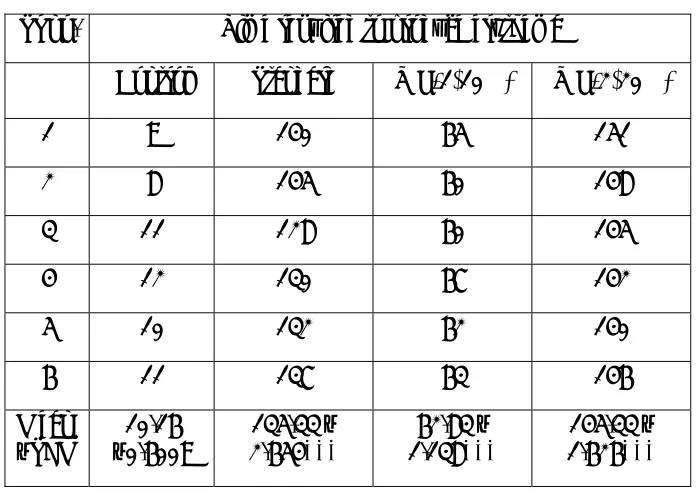
. Time required to Produce erythema (min.) --- ---
Table no 1: Time required to produce erythema in mice.
Sr no. Time required to produce erythema
Control Standard WL-1(10%) WL-2(20%)
1 9 140 65 151
2 8 145 60 148
3 11 128 60 145
4 12 130 67 142
5 10 132 62 140
6 11 137 63 146
Mean ±SEM
10.16 ±0.6009
135.33 ± 2.654***
62.83 ± 1.138***
145.33 ± 1.626***
Values are expressed as Mean ± SEM (N=6)
***The P value is < 0.001, considered significant.
Calculation of SPF:
Formula:
Minimal erythema dose in
Test formulation protected skin in j/cm 2
SPF = --- . Minimal erythema dose in
Non sunscreen protected skin in j/cm 2
Results
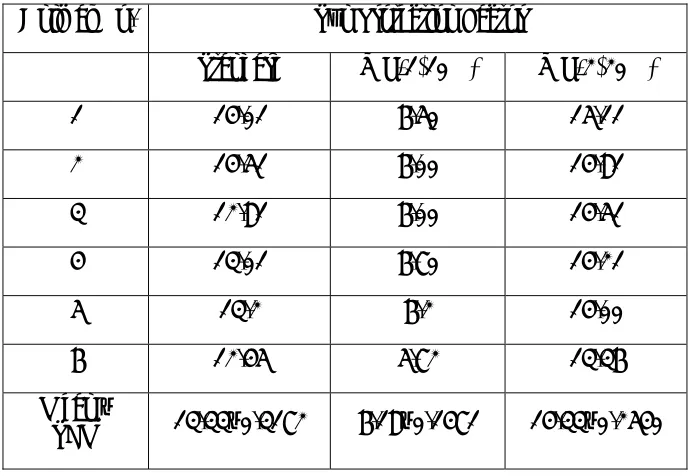
morphological evaluations of the skin of standard, WL-1, WL-2 were found to be similar. From the observed time to produce skin burn the MED was evaluated for SPF calculation. The SPF of standard was found to be 13.58 ± 0.80.however the same of WL-1, WL-2 were found to be 6.18±0.1471 and 14.33±0.2540 respectively.
Table no.2: Sun Protection Factor.
Animal No. Sun Protection Factor
Standard WL-1(10%) WL-2(20%)
1 14.01 6.50 15.11
2 14.51 6.00 14.81
3 12.81 6.00 14.51
4 13.01 6.70 14.21
5 13.2 6.2 14.00
6 12.45 5.72 13.36
Mean ±
SEM 13.33±0.3172 6.18±0.1471 14.33±0.2540
Discussion
References
1. Abarca JF, Casiccia CC. Skin cancer and ultraviolet-B radiation under the Antarctic ozone hole: southern Chile, 1987-2000. Photodermatol Photoimmunol Photomed. 2002 Dec; 18 (6):294-302.
2. Drobetsky EA, Turcotte J, Chateauneuf A. A role for ultraviolet A in solar mutagenesis. Proc Natl Acad Sci U S A. 1995 Mar 14; 92(6):2350-4.
3. Taylor CR, Stern RS, Leyden JJ, Gilchrest BA. Photoaging/photodamage and photoprotection. J Am Acad Dermatol. 1990 Jan; 22(1):1-15.
4. Lucas RM, Ponsonby AL. Ultraviolet radiation and health: friend and foe. Med J Aust. 2002 Dec 2-16;177(11-12):594-8.
5. Clydesdale GJ, Dandie GW, Muller HK. Ultraviolet light induced injury: immunological and inflammatory effects. Immunol Cell Biol. 2001 Dec; 79(6):547-68.
6. Armstrong BK, Kricker A. The epidemiology of UV induced skin cancer Journal of Photochemistry and Photobiology B: Biology 63 (2001) 8–18
7. Nicolas JL, Nadim AS, Madhu AP.
Sunscreens,developement,evaluation and regulatory aspects .cosmetic science and technology series, volume 15,second edition ,Marcel Dekker, New York, page no. 499-512
8. Thompson SC, Jolley D, Marks R. reduction pf solar keratoses by regular sunscreen use. N.Engl.J.Med. 1999; 329,1147-1151
9. Diffey BL, Robson J. A new substrate to measure sunscreen protection factors throughout the ultraviolet spectrum. J. Soc.cosmet.chem., 40; 127-133.
11.Notes of guidance for testing of cosmetic ingredients for their safety evaluation. Third revision the scientific committee on cosmetic products and non food products intended for consumers.1999
12.Method for the in vitro determination of UVA protection provided by sunscreen products, Guideline 2007. Prepared by the colipa in vitro photoprotection methods task force.
13.Pissavini M, Fererro L. in vitro determination of sun protection factor. Business briefing 1-5