Original Article
Risk association of polycystic ovary syndrome with
paraoxonase 1 and TNF-α gene polymorphisms:
a meta-analysis
Liu Liu, Jing Yang, Qian Liu, Wenjie Yan, Yanqi Wen
Reproductive Medicine Center, Renmin Hospital of Wuhan University, Wuhan 430060, China
Received October 25, 2015; Accepted January 21, 2016; Epub April 15, 2016; Published April 30, 2016
Abstract: Nowadays, the association of the single nucleotide polymorphisms (SNPs) in the paraoxonase 1 (PON-1) and Tumor Necrosis Factor alpha (TNF-α) genes with polycystic ovary syndrome (PCOS) risk has been receiving a lot of attention and an extensive of work have done for it. However, for these published results, they were inconsistent and sometime even contradictory with each other. To address this issue, this meta-analysis aims to provide a com-prehensive summary and analysis on the association between these polymorphisms and PCOS risk. A systematic review and analysis for the eligible studies published before June 1, 2015 was conducted based on the materials retrieving from database of PubMed, Embase, Web of Science, Medline, Chinese National Knowledge Infrastructure (CNKI), Chinese Biomedical Literature Database (CBM) and Wan Fang online library. According to heterogeneity test results, odds ratios (OR) with corresponding 95% confidence intervals (95% CI) were used to evaluate the strength of the association under a fixed or random effect model. Funnel plots and Egger’s tests were performed to test for possible publication bias. All statistical analyses were performed using the STATA 12.0 statistical software. Nineteen case-control studies were covered in this meta-analysis with a total of 3,838 cases and 3,321 controls,where the following polymorphisms are involved: PON-1 (-108C/T, -192Q/R, -55L/M), TNF-α (-308G/A, -1031T/C). Our results
show a significant association between PCOS and PON-1 (-108C/T) polymorphism (For T allele vs. C allele: OR=1.17, 95% CI=1.04-1.32, P=0.012. For TT vs. CC: OR=1.437, 95% CI=1.43-1.84, P=0.005. For TT vs. TC+CC: OR=1.51, 95% CI=1.21-1.87, P=0.011), PON-1 (-192Q/R) polymorphism (For R allele vs. Q allele: OR=1.61, 95% CI=1.08-2.42, P=0.02. For RR+RQ vs. QQ: OR=1.02, 95% CI=1.02-2.68, P=0.043) and TNF-α (-1031 T/C) polymorphism
(For CC+CT vs. TT: OR=1.97, 95% CI=1.56-2.50, P<0.001. For CC vs. TT: OR=2.11, 95% CI=1.09-4.06, P=0.026).No
associations are found between PCOS risk andPON-1 (-55L/M), TNF-α (-308G/A) polymorphism. Therefore, Variant T allele of PON-1 (-108C/T), variant R allele of PON-1 (-192Q/R), and variant C allele of TNF-α (1031T/C) may be associated with a higher PCOS susceptibility, and SNPs of PON-1 (-55L/M), TNF-α (-308G/A) may be not related to PCOS risk.
Keywords: Paraoxonase 1, tumor necrosis factor alpha, polycystic ovary syndrome, gene polymorphism, meta-analysis
Introduction
Polycystic ovary syndrome (PCOS), a common
cause of reproductive dysfunction and
abnor-mal glucose metabolism, is a heterogeneous
reproductive endocrine and metabolic disorder
occurred in 5-7% women of childbearing age
[1-3]. Characterized by oligomenorrhea or ame-
norrhea, anovulation,
hyperandrogenism and
polycystic ovarian morphology,
PCOS can result
in abnormal hormone
environment which incr-
eases the risk of some other diseases such as
type 2 diabetes, cardiovascular disease and en-
ported that some of polymorphisms of TNF-
α
are related to gynecological diseases, e.g.
pre-eclampsia and endometriosis [25]
. It has been
shown that
single nucleotide polymorphism
(SNP) at positions -308G/A (rs1800629) [G
(guanine) >A (adenine)] and -1031T/C (rs17999-
64) [T (thymine) >C (cytosine)] of TNF-α gene is
linked with altered promoter activity so as to
differentiate plasma levels of TNF-α [26]. The
rs1800629 polymorphism of TNF-α gene has
been reported to produce the less common
TNF2
allele which was identified to be
associ-ated with insulin dependent diabetes and
increasing adiposity [27, 28]. Further, the rs179-
9964 polymorphism of TNF-α gene has been
proposed to be a risk haplotype for type 2
dia-betes and associated with several
inflammato-ry disorders and PCOS [29, 30].
Based on the above mentioned studies, the
purpose of this paper was to examine the effect
of gene PON-1 -108C/T, -192Q/R, -55L/M
poly-morphism and gene TNF-
α -
308 G/A, -1031T/C
polymorphism on human PCOS.
Although the
association of gene PON-1 -108C/T, -192Q/R,
-55L/M polymorphisms and gene TNF-
α -
308-
G/A, -1031T/C polymorphisms with PCOS risk
has been widely studied, the results are
incon-sistent and controversial due to the factors of
limited sample sizes and differences in the
source of controls. Inspired by the above
men-tioned issues in the current research, a
meta-analysis of all eligible studies was conducted
here, with the ultimate goal of elucidating a
comprehensive and reliable conclusion by me-
ans of pooling available data and reevaluating
the relationship between the PCOS incidence
risk and the above gene polymorphisms.
Materials and methods
Literature search strategy
A systematic literature search for eligible
stud-ies published before June 1, 2015 was
per-formed among the following electronic
data-bases: PubMed, Embase, Web of Science, Med-
line, Chinese National Knowledge Infrastructure
(CNKI),
Chinese Biomedical Literature Database
(CBM)
and Wanfang online libraries. The search
strategy of following terms was used: (“PCOS”
or “polycystic ovary syndrome”) and (“PON-1” or
“paraoxonase 1” or “tumor necrosis factor al-
pha” or “TNF-alpha”) and (“polymorphism” or
“variant” or “mutation”). The publication langua-
genism related genes, insulin action related
genes, chronic inflammatory factor genes and
so on [8].
PON-1
Enzyme paraoxonase 1 (PON-1) is a
calcium-dependent multifunctional enzyme mainly ex-
pressed by the liver, which is associated with
high density lipoproteins (HDLP) and
impeded
atherogenic modifications (oxidation) of low
(LDLP) and
ultimately decreased the risk of car
-diovascular disease [9, 10]. The human PON-1
gene is located on 7q21.3
chromosome
con-taining 9 exons spanning 26 kb [11].
PON-1
activity depends on both its environmental fact
and polymorphic variants such as polymorphic
forms at positions C108T, A192G, L55M. The
promoter region PON-1 -108C/T (rs705379)
polymorphism [C (cytosine) >T (thymine)] was
reported to influence the expression of PON-1
enzyme and what’s more, the coding region
PON-1 -192Q/R (rs662) polymorphism [A
(ade-nine) >G (gua(ade-nine)] and PON-1 -55L/M (rs854-
560) polymorphism [T (thymine) >A (adenine)]
was reported to influence the concentration
and activity of PON-1 enzyme [12-15]. Reduced
PON-1 activity was associated with disorders
such as cardiovascular disease, unfavorable
lipid profiles, and diabetes [16-18]. What is
more, several polymorphisms PON-1 gene have
been recognized to be associated with PCOS
[19-21]. However, relationship between PON-1
-108C/T, -192Q/R, -55L/M polymorphism and
PCOS is still controversial and ambiguous due
to the heterogeneous condition with the
com-plex genetic backgrounds and environmental
exposures.
TNF-α
ge was restricted to English or Chinese and the
publication species was restricted to human
subjects. The reference lists of retrieved
arti-cles were also manually screened to identify
additional potential sources. This
[image:3.629.103.532.81.612.2]meta-analy-sis was conducted according to the Preferred
Reporting Items for Systematic Reviews and
Meta-analyses (PRISMA) guidelines [31] with
only slight modification to better suit the nature
of those studies.
Inclusion criteria
A study was included only if it met all the
follow-ing criteria: (1) clinical case-control or cohort stu-
dies focused on the relationship between PON-
1 (-108C/T, -192Q/R, -55L/M), TNF-α
(-308G/
A, -1031T/C) polymorphisms and susceptibility
to PCOS; (2) all patients met the diagnostic
cri-teria for PCOS, the National Institute of Health
(NIH) criteria or the Rotterdam criteria or clini
-cal criteria; (3) sufficient genotype data in cases
and controls to calculate odds ratios (OR) and
95% confidence intervals (95% CI) was provid
-ed. Studies were excluded if they did not
con-firm to all the inclusion criteria.
Data extraction
[image:4.629.99.529.92.533.2]According to the PRISMA guidelines, two
review-ers
independently
checked the articles and
extracted the following information from each
study: surname of fist author, published year,
origin of country, ethnicity, sample size, single
nucleotide polymorphisms (SNPs), genotype nu-
mber of cases and controls, genotyping
meth-od, and PCOS diagnostic criteria. A consensus
Table 1.
Main characteristics of all eligible studies
Author Year Country descentRacial Sample size Controlsource Genotyping method Diagnostic stan-dard Case Control
PON-1 -108C/T (rs705379)
Zhang [40] 2015 China Asian 455 441 HB PCR-RFLP Rotterdam criteria
Ferk [39] 2014 Slovenia Caucasian 118 108 HB PCR-RFLP Rotterdam criteria Paltoglou [38] 2013 Greece Caucasian 142 112 HB PCR-RFLP NIH criteria
Zhang [37] 2011 China Asian 346 315 HB PCR-RFLP Rotterdam criteria San Millán [36] 2004 Spain Caucasian 72 42 HB PCR-RFLP Clinical criteria PON-1 -192Q/R
(rs662)
Roshan Dadachanji [42] 2015 India Asian 482 326 HB PCR-RFLP Rotterdam criteria Zhang [40] 2015 China Asian 455 441 HB PCR-RFLP Rotterdam criteria Paltoglou [38] 2013 Greece Caucasian 142 112 HB PCR-RFLP NIH criteria
Wang [41] 2012 China Asian 610 503 HB PCR-RFLP Rotterdam criteria San Millán [36] 2004 Spain Caucasian 72 42 HB PCR-RFLP Clinical criteria PON-1 -55L/M
(rs854560)
Roshan Dadachanji [42] 2015 India Asian 482 326 HB PCR-RFLP Rotterdam criteria Zhang [40] 2015 China Asian 455 441 HB PCR-RFLP Rotterdam criteria Wang [41] 2012 China Asian 610 503 HB PCR-RFLP Rotterdam criteria
Lenarcik [20] 2010 Poland Caucasian 130 70 HB PCR-RFLP Rotterdam criteria San Millán [36] 2004 Spain Caucasian 72 42 HB PCR-RFLP Rotterdam criteria
TNF-α -308G/A
(rs1800629)
Grech [43] 2014 Greece Caucasian 185 165 HB PCR-RFLP Rotterdam criteria Wen [45] 2013 China Asian 144 72 HB PCR-RFLP Rotterdam criteria
Deepika [44] 2013 India Asian 283 306 HB ARMS-PCR Rotterdam criteria Peng [47] 2010 China Asian 130 175 HB PCR-RFLP Rotterdam criteria
Vural [48] 2010 Turkey Caucasian 97 95 HB PCR-RFLP Rotterdam criteria Zhang [46] 2010 China Asian 78 40 HB Microarray Rotterdam criteria
Mao [49] 2000 China Asian 118 54 HB PCR-RFLP NIH criteria
Milner [50] 1999 Australia Caucasian 84 28 HB PCR-SSCP NIH criteria TNF-α -1031T/C
(rs1799964)
Hazwanie [51] 2014 Malaysia Asian 12 145 HB ARMS-PCR Rotterdam criteria
between reviewers was reached after
discus-sion for disagreements.
Statistical analysis
Analysis of polymorphisms was conducted in at
least three studies. The Cochran Q test and I
2test were used to evaluate the potential
between-study heterogeneity. The significant
heterogeneity was indicated by P<0.05 for the
Q test or I
2>50% [32]. If
P
value >0.05 or
I
2<50%, a fixed-effect model was used to
esti-mate pooled odds ratios (OR) and their
corre-sponding 95% confidence intervals (CI) [33].
Table 1.
Main characteristics of all eligible studies
Author Year Country descentRacial Sample size Controlsource Genotyping method Diagnostic stan-dard Case Control
PON-1 -108C/T (rs705379)
Zhang [40] 2015 China Asian 455 441 HB PCR-RFLP Rotterdam criteria
Ferk [39] 2014 Slovenia Caucasian 118 108 HB PCR-RFLP Rotterdam criteria Paltoglou [38] 2013 Greece Caucasian 142 112 HB PCR-RFLP NIH criteria
Zhang [37] 2011 China Asian 346 315 HB PCR-RFLP Rotterdam criteria San Millán [36] 2004 Spain Caucasian 72 42 HB PCR-RFLP Clinical criteria PON-1 -192Q/R
(rs662)
Roshan Dadachanji [42] 2015 India Asian 482 326 HB PCR-RFLP Rotterdam criteria Zhang [40] 2015 China Asian 455 441 HB PCR-RFLP Rotterdam criteria Paltoglou [38] 2013 Greece Caucasian 142 112 HB PCR-RFLP NIH criteria
Wang [41] 2012 China Asian 610 503 HB PCR-RFLP Rotterdam criteria San Millán [36] 2004 Spain Caucasian 72 42 HB PCR-RFLP Clinical criteria PON-1 -55L/M
(rs854560)
Roshan Dadachanji [42] 2015 India Asian 482 326 HB PCR-RFLP Rotterdam criteria Zhang [40] 2015 China Asian 455 441 HB PCR-RFLP Rotterdam criteria Wang [41] 2012 China Asian 610 503 HB PCR-RFLP Rotterdam criteria
Lenarcik [20] 2010 Poland Caucasian 130 70 HB PCR-RFLP Rotterdam criteria San Millán [36] 2004 Spain Caucasian 72 42 HB PCR-RFLP Rotterdam criteria
TNF-α -308G/A
(rs1800629)
Grech [43] 2014 Greece Caucasian 185 165 HB PCR-RFLP Rotterdam criteria Wen [45] 2013 China Asian 144 72 HB PCR-RFLP Rotterdam criteria
Deepika [44] 2013 India Asian 283 306 HB ARMS-PCR Rotterdam criteria Peng [47] 2010 China Asian 130 175 HB PCR-RFLP Rotterdam criteria
Vural [48] 2010 Turkey Caucasian 97 95 HB PCR-RFLP Rotterdam criteria Zhang [46] 2010 China Asian 78 40 HB Microarray Rotterdam criteria
Mao [49] 2000 China Asian 118 54 HB PCR-RFLP NIH criteria
Milner [50] 1999 Australia Caucasian 84 28 HB PCR-SSCP NIH criteria TNF-α -1031T/C
(rs1799964)
Hazwanie [51] 2014 Malaysia Asian 12 145 HB ARMS-PCR Rotterdam criteria
[image:5.629.97.535.106.639.2]Deepika [44] 2013 India Asian 283 306 HB ARMS-PCR Rotterdam criteria Wang [52] 2013 China Asian 135 180 HB PCR-RFLP Clinical criteria Yun [30] 2011 Korea Asian 217 144 HB PCR-RFLP Rotterdam criteria Notes: RFLP: polymerase chain reaction-restriction fragment length polymorphism; HB: hospital based; ARMS-PCR: amplification refractory mutation system; PCR-SSCP: Polymerase chain reaction-single strand conformation polymorphism. NIH: National Institute of Health.
Table 2.
Meta-analysis results for the PON-1 (-308C/T, -192Q/L, -55L/M), TNF-α (-308G/A, -1031T/C)
Polymorphism and PCOS risk
Contrast Population N CASE CONTROL Test of association Mode Test of heterogeneity
OR 95% CI P P I2 (%)
PON-1 -108C/T (rs705379)
T vs. C Total 5 2266 2036 1.17 [1.04, 1.32] 0.012 F 0.550 0.0 TT vs. CC Total 5 600 483 1.43 [1.43, 1.84] 0.005 F 0.450 0.0 TT vs. TC+CC Total 5 1133 1018 1.51 [1.21, 1.87] 0.011 R 0.012 69.0 TT+TC vs. CC Total 5 1133 1018 1.06 [0.88, 1.27] 0.547 F 0.158 39.5 PON-1 -192Q/R
(rs662)
R vs. Q Total 5 3522 2848 1.61 [1.08, 2.42] 0.020 R <0.001 91.7 RR vs. QQ Total 5 996 770 1.86 [1.49, 2.32] 0.075 R 0.007 71.9 RR vs. RQ+QQ Total 5 1761 1424 1.41 [0.98, 2.02] 0.061 R 0.016 67.3 RR+RQ vs. QQ Total 5 1761 1421 1.65 [1.02, 2.68] 0.043 R <0.001 84.1 PON-1 -55L/M
(rs854560)
M vs. L Total 5 3498 2764 0.92 [0.77, 1.10] 0.364 F 0.309 16.5 MM vs. LL Total 5 1483 1167 1.25 [0.72, 2.17] 0.432 F 0.881 0.0 MM vs. ML+LL Total 5 1749 1382 1.32 [0.78, 2.21] 0.299 F 0.915 0.0 MM+ML vs. LL Total 5 1749 1382 0.86 [0.70, 1.05] 0.140 F 0.335 12.3 TNF-α -308G/A
(rs1800629)
A vs. G Total 8 2153 1844 0.98 [0.82, 1.16] 0.786 F 0.267 20.5 Caucasians 3 732 576 1.34 [0.90, 1.98] 0.148 F 0.549 0.0
Asian 5 1421 1268 0.90 [0.74, 1.10] 0.297 F 0.327 13.6 AA vs. GG Total 8 675 541 0.59 [0.26, 1.35] 0.210 F 0.599 0.0
Caucasians 3 296 251 0.90 [0.26, 3.16] 0.875 F 0.740 0.0 Asian 5 379 290 0.42 [0.13, 1.31] 0.134 F 0.293 18.6 AA vs. AG+GG Total 8 1078 922 0.62 [0.28, 1.38] 0.238 F 0.575 0.0
Caucasians 3 366 288 0.88 [0.25, 3.05] 0.835 F 0.724 0.0 Asian 5 712 634 0.48 [0.16, 1.40] 0.180 F 0.244 29.1 AA+AG vs. GG Total 8 1078 922 1.01 [0.76, 1.33] 0.954 F 0.32 14.0 Caucasians 3 366 288 1.41 [0.92, 2.17] 0.112 F 0.478 0.0
Asian 5 712 634 0.77 [0.53, 1.12] 0.177 F 0.632 0.0 TNF-α -1031T/C
(rs1799964)
C vs. T Caucasians - - -
-Asian 4 1294 1550 1.40 [0.89, 2.23] 0.149 R 0.003 78.4
CC vs. TT Caucasians - - -
-Asian 4 341 508 2.11 [1.09, 4.06] 0.026 F 0.373 4.0
CC vs. CT+TT Caucasians - - -
-Asian 4 647 775 1.03 [0.32, 3.39] 0.956 R 0.027 67.2
CC+CT vs. TT Caucasians - - -
Otherwise, a random effect model was applied.
[image:6.629.100.531.74.677.2]Results
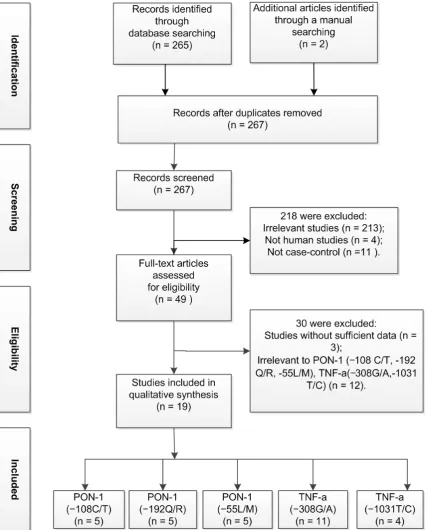
A total of 265 relevant papers were identified
using the pre-specified search strategy. In
accordance with the inclusion criteria, 19
case-control studies were included [20, 30, 36-52],
of which 8 were on PON-1 [5 were on -108 CT
(rs705379), 5 were on -192Q/R (rs662), 5 were
on -55L/M (rs854560)]
and 11 were on TNF-α
tivity analyses were performed to assess the
[image:7.629.99.534.74.566.2]stability of the results by removing one study at
a time. Potential publication bias was analyzed
by Begg’s funnel plot and Egger’s test [34, 35].
All two tailed P<0.05 were considered as
statis-tical significance. All above statisstatis-tical analyses
were performed using STATA statistical
soft-ware (version 12.0; Stata Corp, College Station,
TX, USA).
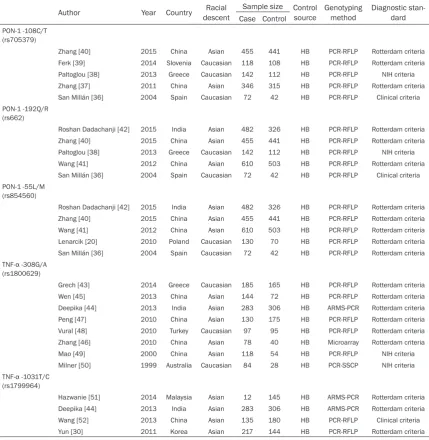
acteristics and methodology of the included
studies are summarized in Table 1.
Association between the PON-1 (-108C/T,
-192Q/R, -55L/M) polymorphism and PCOS
risk
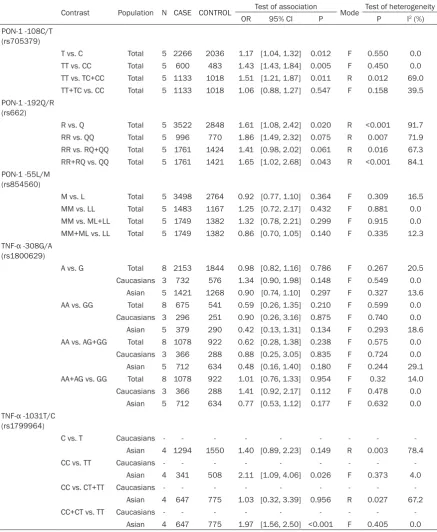
The evaluation of the association between the
PON-1 -108C/T (rs705379, C>T), -192Q/R (rs-
[8 were on -308G/A
(rs1800629), 4 were on
-1031T/C (rs1799964)
]. A flow chart of the
selec-tion process and the specific reasons for
excluding from this meta-analysis are shown in
Figure 1. A total number of 7,159 individual
were included in this meta-analysis, of which
3,838 were PCOS patients and 3,321 were
controls. The publication years of included
studies ranged from 1999 to 2015. The
[image:8.629.100.530.73.568.2]95% CI=0.77-1.10, P=0.364; MM vs. LL: OR=
1.25, 95% CI=0.72-2.17, P=0.432; MM vs. ML+
LL: OR=1.32, 95% CI=0.78-2.21, P=0.299; MM
+ML vs. LL: OR=0.86, 95% CI=0.70-1.05).
Association between the TNF-α (-308G/A,
-1031T/C) polymorphism and PCOS risk
The evaluation of the association between the
TNF-α -308
G/A (rs1800629, G>A)
, TNF-α -
1031-
T/C (rs1799964, T>C) polymorphism and PCOS
incidence is summarized in Table 2.
662, A>G), -55L/M (rs854560, T>A) polymor
-phism and PCOS incidence risk is summarized
in Table 2.
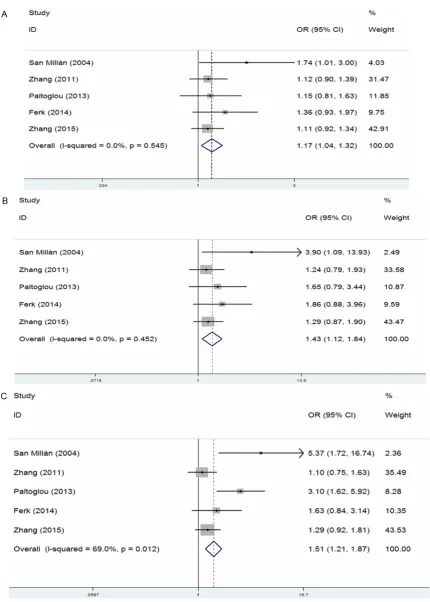
[image:9.629.99.395.81.265.2]5 case control studies [36-40]
with a total of
1133
PCOS cases and 1018 controls were
assessed to identify associations between the
PON-1 (-108C/T) polymorphism and PCOS. The
results indicated that the PON-1 (-108C/T)
poly-morphism was associated with PCOS in the
allelic model (T vs. C: OR=1.17, 95%
CI=1.04-1.32, P=0.012), model (TT vs. CC: OR=1.437,
95% CI=1.43-1.84, P=0.005) and
recessive
Figure 5. Begg’s funnel plot analysis was used to detect publication bias for the association between PON-1 -108C/T polymorphism and PCOS risk in T vs. C allele model.
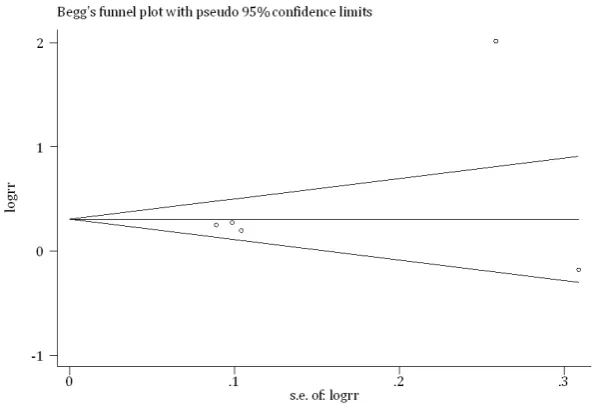
Figure 6. Begg’s funnel plot analysis was used to detect publication bias for the association between PON-1 -192Q/R polymorphism and PCOS risk in R vs. Q allele model.
model (TT vs. TC+CC:
OR=
1.51, 95% CI=1.21-1.87, P=
0.011
). However,
no obvio-
us associations were found
in dominant model (TT+TC
vs. CC:
OR=1.06, 95% CI=
0.88-1.27, P=0.547
).
A
for-est plot of the PON-1 (-108-
C/T) polymorphism is sho-
wn in
Figure 2
.
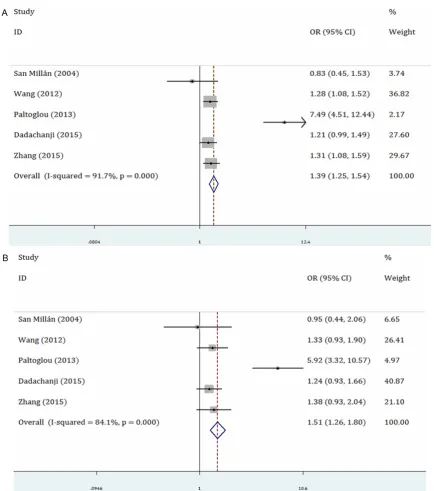
[image:9.629.98.395.329.534.2]For the PON-1 (-192Q/R) po-
lymorphism, the data from
five studies (PCOS 1761 ca-
ses and 1424 controls) [36,
38, 40-42] were combined
and significant associations
were found in the allelic mo-
del (R vs. Q: OR=1.61, 95%
CI=1.08-2.42, P=0.02) and
dominant model (RR+RQ
vs. QQ: OR=1.02, 95% CI=
1.02-2.68, P=0.043).
How-
ever, in the recessive mo-
del (RR vs. RQ+QQ: OR=
1.41, 95% CI=0.98-2.02, P
=0.061) and model (RR vs.
QQ: OR=1.86, 95%
CI=1.49-2.32, P=0.075) no
associa-tion was detected. A forest
plot of the PON-1 (-192Q/R)
polymorphism is shown in
Figure 3
.
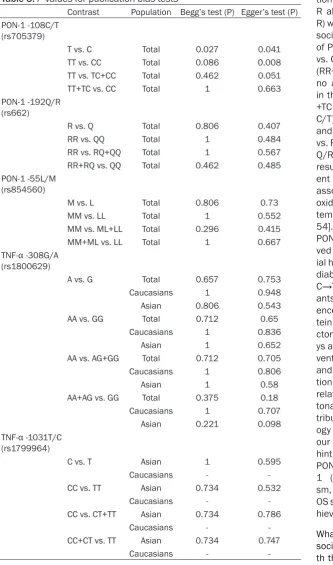
for the meta-analysis. The statistical results did
not show any evidence of publication bias
(P>0.05), with the exception of the PON-1 (-108
C/T) polymorphism under the allelic model with
the Begg’s test and Egger’s test (P=0.027 and
P=0.041, respectively; as shown in
Table 3
). To
evaluate the possibility of publication bias,
sen-sitivity analysis was performed by the trim and
fill method while unchanged data throughout
the filled meta-analysis was found, suggesting
the absence of publication bias for the PON-1
(-108C/T) polymorphism under the allelic mo-
del.
Discussion
It is well known that PCOS is a common
endo-crine disease, associated with dyslipidemia,
vascular endothelial injury, oxidative stress,
chronic inflammation and other cardiovascular
disease risk factors. The occurrence of
poly-morphisms in the TNF-α and
PON-1 genes in
women affected by PCOS has also been
inves-tigated over the past few decades [30, 44]. How-
ever, no clear consensus has been reached. To
our best knowledge, this is the first
meta-analy-sis on PON-1 (-108C/T, -192Q/R, -55L/M),
TNF-α (-308G/A, -1031T/C) polymorphisms and PC-
OS risk.
In the current meta-analysis, it shows no
signifi-cant association between PON-1 (-55L/M) and
PCOS risk in the overall population analysis
under all genetic models. However, the findings
8 studies (1119 cases and 935 controls)
[43-50] investigated the association of the TNF-α
(-308G/A)
polymorphism with PCOS risk were
included in the analysis. The Fixed effect model
was conducted. However, no association was
found between the TNF-α (-308G/A) polymor
-phism and PCOS risk in the overall population
(A vs. G: OR=0.98, 95% CI=0.82-1.16, P=0.267;
AA vs. GG: OR=0.59, 95% CI=0.26-1.35, P=
0.210; AA vs. GA+GG: OR=0.62, 95%
CI=0.28-1.38, P=0.238; AA+GA vs. GG: OR=1.01, 95%
CI=0.76-1.33, P=0.954).
A stratified analysis
was conducted to assess the effect estimated
in subgroups defined by ethnicity, however,
still
no obvious associations were found.
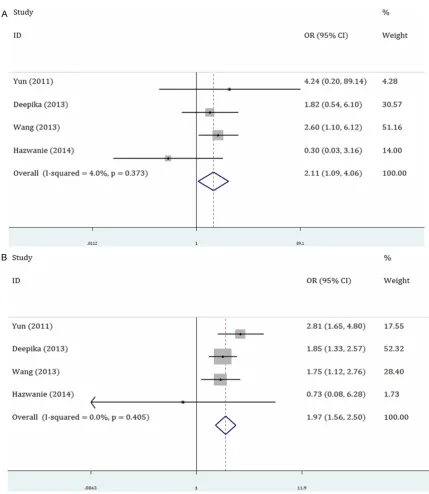
Additionally, 4 studies [30, 44, 51, 52] (647 ca-
ses and 775 controls) provided data between
the TNF-α (-
1031T/C)
polymorphism with PCOS.
The results indicated that the TNF-α (-
1031T/C)
polymorphism was associated with PCOS in the
dominant model (CC+CT vs. TT:
OR=1.97, 95%
CI=1.56-2.50, P<0.001
)
and model (CC vs. TT:
OR=2.11, 95% CI=1.09-4.06, P=0.026)
.
[image:10.629.99.394.81.256.2]How-ever,
no obvious associations were found in
allelic model (C vs. T: OR=1.4, 95%
CI=0.89-2.23, P=0.149) and recessive model (CC vs.
CT+TT: OR=1.03, 95% CI=1.09-4.06, P=0.026),
as shown in
Figure 4
. Unfortunately, all of the
studies were conducted for Asian and no study
from Caucasians was retrieved and analyzed.
Therefore, there was no direct evidence
show-ing association
between TNF-α
(-1031T/C)
poly-morphism and PCOS incidence in Caucasians.
Figure 7. Begg’s funnel plot analysis was used to detect publication bias for the association between TNF-α -1031T/C polymorphism and PCOS risk in CC vs. TT allele model.
Sensitivity analyses and
publication bias
tion. What’s more, variant
R allele of PON-1 (-192Q/
R) was also found being as-
sociated with a higher risk
of PCOS in allelic model (R
vs. Q) and dominant model
(RR+RQ vs. QQ). However,
no association was found
in the dominant model (TT
+TC vs. CC) of PON-1 (-108-
C/T), model (RR vs. QQ)
and recessive model (RR
vs. RQ+QQ) of PON-1 (-192-
Q/R), which could probably
results from the insuffici-
ent sample sizes. PCOS is
associated with increased
oxidative stress and
sys-temic inflammation [53,
54]. What is more, Lower
PON1 activity was obser-
ved in patients with
famil-ial hypercholesterolemia or
diabetes [36, 55]. The -108-
C→T and -192Q→R
vari-ants of PON-1 greatly
influ-ences the expression,
pro-tein level or activities of la-
ctonase PON-1, which pla-
ys an important role in
pre-venting oxidative stress
and controlling
inflamma-tion, and the absolute or
relative lack of PON-1
lac-tonase activity may
con-tribute to the PCOS
pathol-ogy [40, 56, 57]. Therefore,
our results give a valuable
hint that by detecting the
PON-1 (-108C/T) and PON-
1 (-192Q/R) polymorphi-
sm, the forecasting the PC-
OS susceptibility can be ac-
hieved.
What is more, a strong as-
sociation was identified
wi-th wi-the TNF-α -1031T>C
po-lymorphism, while no
sig-Table 3.
P
values for publication bias tests
Contrast Population Begg’s test (P) Egger’s test (P) PON-1 -108C/T
(rs705379)
T vs. C Total 0.027 0.041
TT vs. CC Total 0.086 0.008
TT vs. TC+CC Total 0.462 0.051
TT+TC vs. CC Total 1 0.663
PON-1 -192Q/R (rs662)
R vs. Q Total 0.806 0.407
RR vs. QQ Total 1 0.484
RR vs. RQ+QQ Total 1 0.567
RR+RQ vs. QQ Total 0.462 0.485
PON-1 -55L/M (rs854560)
M vs. L Total 0.806 0.73
MM vs. LL Total 1 0.552
MM vs. ML+LL Total 0.296 0.415
MM+ML vs. LL Total 1 0.667
TNF-α -308G/A (rs1800629)
A vs. G Total 0.657 0.753
Caucasians 1 0.948
Asian 0.806 0.543
AA vs. GG Total 0.712 0.65
Caucasians 1 0.836
Asian 1 0.652
AA vs. AG+GG Total 0.712 0.705
Caucasians 1 0.806
Asian 1 0.58
AA+AG vs. GG Total 0.375 0.18
Caucasians 1 0.707
Asian 0.221 0.098
TNF-α -1031T/C (rs1799964)
C vs. T Asian 1 0.595
Caucasians -
-CC vs. TT Asian 0.734 0.532
Caucasians -
-CC vs. CT+TT Asian 0.734 0.786
Caucasians -
-CC+CT vs. TT Asian 0.734 0.747
Caucasians -
-from the current meta-analysis supported that
variant T allele of PON-1 (-108C/T) was
associ-ated with a higher risk of PCOS. The effect on
PCOS susceptibility was found in the allelic
model (T vs. C), model (TT vs. CC) and recessive
model (TT vs. TC+CC), confirming their
associa-nificant association was found between the
-308G>A polymorphism
and PCOS risk in the
[image:11.629.100.434.85.651.2]References
[1] Asuncion M, Calvo RM, San Millan JL, Sancho J, Avila S and Escobar-Morreale HF. A prospec-tive study of the prevalence of the polycystic ovary syndrome in unselected Caucasian wom-en from Spain. J Clin Endocrinol Metab 2000; 85: 2434-2438.
[2] Legro RS. The genetics of obesity. Lessons for polycystic ovary syndrome. Ann N Y Acad Sci 2000; 900: 193-202.
[3] Balen AH, Conway GS, Kaltsas G, Techatrasak K, Manning PJ, West C and Jacobs HS. Polycystic ovary syndrome: the spectrum of the disorder in 1741 patients. Hum Reprod 1995; 10: 2107-2111.
[4] Rotterdam ESHRE/ASRM-Sponsored PCOS co- nsensus workshop group. Revised 2003 con-sensus on diagnostic criteria and long-term health risks related to polycystic ovary syn-drome (PCOS). Hum Reprod 2004; 19: 41-47. [5] Mani H, Levy MJ, Davies MJ, Morris DH, Gray
LJ, Bankart J, Blackledge H, Khunti K and How- lett TA. Diabetes and cardiovascular events in women with polycystic ovary syndrome: a 20-year retrospective cohort study. Clin Endocrinol (Oxf) 2013; 78: 926-934.
[6] Simoni M, Tempfer CB, Destenaves B and Fau- ser BC. Functional genetic polymorphisms and female reproductive disorders: Part I: Polycystic ovary syndrome and ovarian response. Hum Reprod Update 2008; 14: 459-484.
[7] Diamanti-Kandarakis E, Kandarakis H and Le- gro RS. The role of genes and environment in the etiology of PCOS. Endocrine 2006; 30: 19-26.
[8] Legro RS and Strauss JF. Molecular progress in infertility: polycystic ovary syndrome. Fertil Steril 2002; 78: 569-576.
[9] Mackness MI, Arrol S, Abbott C and Durrington PN. Protection of low-density lipoprotein again- st oxidative modification by high-density lipo-protein associated paraoxonase. Atherosclero- sis 1993; 104: 129-135.
[10] Draganov DI and La Du BN. Pharmacogenetics of paraoxonases: a brief review. Naunyn Sch- miedebergs Arch Pharmacol 2004; 369: 78-88.
[11] Goswami B, Tayal D, Gupta N and Mallika V. Paraoxonase: a multifaceted biomolecule. Clin Chim Acta 2009; 410: 1-12.
[12] Camps J, Marsillach J and Joven J. The paraox-onases: role in human diseases and method-ological difficulties in measurement. Crit Rev Clin Lab Sci 2009; 46: 83-106.
[13] Brophy VH, Jampsa RL, Clendenning JB, Mc- Kinstry LA, Jarvik GP and Furlong CE. Effects of 5’ regulatory-region polymorphisms on paraox-onase-gene (PON1) expression. Am J Hum Ge- net 2001; 68: 1428-1436.
vs. TT) and dominate model (CC+CT vs. TT),
while no associations were found in allelic
model (C vs. T) and recessive model (CC vs.
CT+TT). Based on the fact that the retrieved
studies was conducted for Asian without for
other ethnicities, an obvious conclusion can be
reached that the variant C allele of
TNF-(-1031T/C) could increase the risk of PCOS in the
Asian. To make this research more complete,
research with large sample sizes across diverse
ethnicities will be conducted in the future for
evaluating the role of TNF-α (-1031T/C)
poly-morphism in PCOS pathogenesis.
In this current meta-analysis, there are some
limitations and shortages. First of all, the
num-ber of study and the sample sizes were not
large enough for each gene polymorphism,
which may not have sufficient statistic power to
assess the differences. Secondly, all eligible
studies were limited to English and Chinese
papers and a language bias could exist.
What is
more, most included articles were online
pub-lished studies, and the studies that were
unpublished online so far might not cover in
this research,
which may also result in
publica-tion bias.
Finally, some potential confounding
factors were not well controlled for the
multi-factorial etiology of PCOS such as BMI, lifestyle,
alcohol consumption and so on, where the
roles of above mentioned status should be
evaluated in PCOS development.
In conclusion, the present meta-analysis
indi-cated that
PON-1 (-108C/T, -192Q/R) and TNF-
α (-1031T/C)
polymorphism could be a potential
risk factor contributing to PCOS, from which a
potential application is proposed: by taking
these genes polymorphisms as useful biomark
-ers, the PCOS susceptibility of
human being
could be forecasted in this way. However, the
conclusion should be interpreted with caution
due to the above mentioned limitations. In our
future research, larger-scale studies
associat-ed with multiple ethnicities and well-matchassociat-ed
controls are to be implemented to confirm our
findings further.
Disclosure of conflict of interest
None.
Onfray F and Aguillon JC. The -308 polymor-phism in the tumour necrosis factor (TNF) gene promoter region and ex vivo lipopolysaccha-ride-induced TNF expression and cytotoxic ac-tivity in Chilean patients with rheumatoid ar-thritis. Rheumatology (Oxford) 2003; 42: 308-313.
[27] Ovalle F and Azziz R. Insulin resistance, poly-cystic ovary syndrome, and type 2 diabetes mellitus. Fertil Steril 2002; 77: 1095-1105. [28] Monos DS, Kamoun M, Udalova IA, Csanky E,
Cizman B, Turetskaya RL, Smirnova JB, Zharkov VG, Gasser D, Zmijewski CM, et al. Genetic polymorphism of the human tumor necrosis factor region in insulin-dependent diabetes mellitus. Linkage disequilibrium of TNFab mic-rosatellite alleles with HLA haplotypes. Hum Immunol 1995; 44: 70-79.
[29] MacEwan DJ. TNF receptor subtype signalling: differences and cellular consequences. Cell Signal 2002; 14: 477-492.
[30] Yun JH, Choi JW, Lee KJ, Shin JS and Baek KH. The promoter -1031(T/C) polymorphism in tu-mor necrosis factor-alpha associated with poly-cystic ovary syndrome. Reprod Biol Endocrinol 2011; 9: 131.
[31] Moher D, Liberati A, Tetzlaff J, Altman DG and Group P. Preferred reporting items for system-atic reviews and meta-analyses: the PRISMA statement. PLoS Med 2009; 6: e1000097. [32] Jackson D, White IR and Riley RD. Quantifying
the impact of between-study heterogeneity in multivariate meta-analyses. Stat Med 2012; 31: 3805-3820.
[33] Higgins JP, Thompson SG, Deeks JJ and Altman DG. Measuring inconsistency in meta-analy-ses. BMJ 2003; 327: 557-560.
[34] Peters JL, Sutton AJ, Jones DR, Abrams KR and Rushton L. Comparison of two methods to de-tect publication bias in meta-analysis. JAMA 2006; 295: 676-680.
[35] Egger M, Davey Smith G, Schneider M and Minder C. Bias in meta-analysis detected by a simple, graphical test. BMJ 1997; 315: 629-634.
[36] San Millan JL, Corton M, Villuendas G, Sancho J, Peral B and Escobar-Morreale HF. Association of the polycystic ovary syndrome with genomic variants related to insulin resistance, type 2 diabetes mellitus, and obesity. J Clin Endocrinol Metab 2004; 89: 2640-2646.
[37] Zhang F, Liu H, Fan P, Bai H and Song Q. The -108 C/ T Polymorphism in Paraoxonase 1 Gene in Chinese Patients with Polycystic Ovary Syndrome. J Sichuan Univ (Med Sci Edi) 2011; 42: 24-28.
[38] Paltoglou G, Tavernarakis G, Christopoulos P, Vlassi M, Gazouli M, Deligeoroglou E, Creatsas G and Mastorakos G. 108 TT and PON1-192 RR genotypes are more frequently en-[14] Rainwater DL, Rutherford S, Dyer TD, Rainwater
ED, Cole SA, Vandeberg JL, Almasy L, Blangero J, Maccluer JW and Mahaney MC. Determinants of variation in human serum paraoxonase ac-tivity. Heredity (Edinb) 2009; 102: 147-154. [15] Humbert R, Adler DA, Disteche CM, Hassett C,
Omiecinski CJ and Furlong CE. The molecular basis of the human serum paraoxonase activi-ty polymorphism. Nat Genet 1993; 3: 73-76. [16] Aviram M and Vaya J. Paraoxonase 1 activities,
regulation, and interactions with atheroscle-rotic lesion. Curr Opin Lipidol 2013; 24: 339-344.
[17] Camps J, Garcia-Heredia A, Rull A, Alonso-Villa- verde C, Aragones G, Beltran-Debon R, Rodri- guez-Gallego E and Joven J. PPARs in Regu- lation of Paraoxonases: Control of Oxidative Stress and Inflammation Pathways. PPAR Res 2012; 2012: 616371.
[18] Soran H, Younis NN, Charlton-Menys V and Durrington P. Variation in paraoxonase-1 activ-ity and atherosclerosis. Curr Opin Lipidol 2009; 20: 265-274.
[19] Fenkci IV, Serteser M, Fenkci S and Kose S. Paraoxonase levels in women with polycystic ovary syndrome. J Reprod Med 2007; 52: 879-883.
[20] Lenarcik A, Bidzinska-Speichert B and Tworow- ska-Bardzinska U. The role of chronic inflam-mation and Leu55Met PON1 polymorphism in the pathogenesis of polycystic ovary syndrome. Gynecol Endocrinol 2010; 26: 673-683. [21] Knebel B, Janssen OE, Hahn S, Nitzgen U,
Jacob S, Haas J, Mack S, Muller-Wieland D and Kotzka J. [Combined analyses of paraox-onase-1 and IGF-2 polymorphism in polycystic ovary syndrome]. Dtsch Med Wochenschr 2009; 134: 1040-1046.
[22] Montgomery Rice V, Limback SD, Roby KF and Terranova PF. Differential responses of granu-losa cells from small and large follicles to folli-cle stimulating hormone (FSH) during the men-strual cycle and acyclicity: effects of tumour necrosis factor-alpha. Hum Reprod 1998; 13: 1285-1291.
[23] Spaczynski RZ, Arici A and Duleba AJ. Tumor necrosis factor-alpha stimulates proliferation of rat ovarian theca-interstitial cells. Biol Reprod 1999; 61: 993-998.
[24] Pujhari SK, Ratho RK, Prabhakar S, Mishra B and Modi M. TNF-alpha promoter polymor-phism: a factor contributing to the different im-munological and clinical phenotypes in Japanese encephalitis. BMC Infect Dis 2012; 12: 23.
[25] Bischoff FZ and Simpson JL. Heritability and molecular genetic studies of endometriosis. Hum Reprod Update 2000; 6: 37-44.
Salazar-[49] Mao W, Yu L and Chen Y. Study on the relation-ship between a polymorphism of tumor necro-sis factor-a gene and the pathogenenecro-sis of poly-cystic ovary syndrome. Chin J Obstet Gynecol 2000; 35: 536-539.
[50] Milner CR, Craig JE, Hussey ND and Norman RJ. No association between the -308 polymor-phism in the tumour necrosis factor alpha (TNFalpha) promoter region and polycystic ova-ries. Mol Hum Reprod 1999; 5: 5-9.
[51] H. Hazwanie SYG. The relevance of genetic polymorphism of CYP1A1, ICAM-1, TNF-α and INSR Genes in women with polycystic ovary syndrome. Journal of Medical and Bioengine- ering 2015; 4: 367-370.
[52] Wang F and Zhang J. Research on the associa-tion between polycystic ovary syndrome and SNP rs1799964 in TNF-gene promoter region. Heilongjiang Medicine and Pharmacy 2013; 36: 78-79.
[53] Murri M, Luque-Ramirez M, Insenser M, Ojeda-Ojeda M and Escobar-Morreale HF. Circulating markers of oxidative stress and polycystic ova-ry syndrome (PCOS): a systematic review and meta-analysis. Hum Reprod Update 2013; 19: 268-288.
[54] Repaci A, Gambineri A and Pasquali R. The role of low-grade inflammation in the polycystic ovary syndrome. Mol Cell Endocrinol 2011; 335: 30-41.
[55] Christopoulos P, Mastorakos G, Gazouli M, De- ligeoroglou E, Katsikis I, Diamanti-Kandarakis E, Panidis D and Creatsas G. Peroxisome prolif-erator-activated receptor-gamma and -delta polymorphisms in women with polycystic ovary syndrome. Ann N Y Acad Sci 2010; 1205: 185-191.
[56] Precourt LP, Amre D, Denis MC, Lavoie JC, Delvin E, Seidman E and Levy E. The three-gene paraoxonase family: physiologic roles, ac-tions and regulation. Atherosclerosis 2011; 214: 20-36.
[57] Leviev I and James RW. Promoter polymor-phisms of human paraoxonase PON1 gene and serum paraoxonase activities and concen-trations. Arterioscler Thromb Vasc Biol 2000; 20: 516-521.
countered in Greek PCOS than non-PCOS wom-en, and are associated with hyperandrogen-aemia. Clin Endocrinol (Oxf) 2013; 79: 259-266.
[39] Ferk P and Gersak K. Association of -108 C>T polymorphism with polycystic ovary syndrome. Biomed Rep 2014; 2: 255-259.
[40] Zhang Y, Liu H, He J, Xu K, Bai H, Wang Y, Zhang F, Zhang J, Cheng L and Fan P. Lactonase activity and status of paraoxonase 1 in Chinese women with polycystic ovarian syndrome. Eur J Endocrinol 2015; 172: 391-402.
[41] Wang Y, Liu H, Fan P, Bai H, Zhang J and Zhang F. Evidence for association between paraox-onase 1 gene polymorphisms and polycystic ovarian syndrome in southwest Chinese wom-en. Eur J Endocrinol 2012; 166: 877-885. [42] Dadachanji R, Shaikh N, Khavale S, Patil A,
Shah N and Mukherjee S. PON1 polymor-phisms are associated with polycystic ovary syndrome susceptibility, related traits, and PON1 activity in Indian women with the syn-drome. Fertil Steril 2015; 104: 207-216. [43] Grech I, Giatrakos S, Damoraki G, Kaldrimidis
P, Rigopoulos D and Giamarellos-Bourboulis EJ. Impact of TNF haplotypes in the physical course of acne vulgaris. Dermatology 2014; 228: 152-157.
[44] Deepika ML, Reddy KR, Yashwanth A, Rani VU, Latha KP and Jahan P. TNF-alpha haplotype association with polycystic ovary syndrome-a South Indian study. J Assist Reprod Genet 2013; 30: 1493-1503.
[45] Wen Q, Wu J, Wu L, Liu L, Yang H, Sun Z and Chen C. Association of TNF-α G-308A and G-238A gene polymorphisms with PCOS in women. Chin J Clinicians (Electronic Edition) 2013; 7: 3394-3399.
[46] Zhang J and Liu Q. Association study of genetic polymorphisms in LEP and TNF-α genes with the pathogenesis of polycystic ovary syndrome. Chinese Journal of Health Laboratory Technology 2010; 20: 3272-3274.
[47] Peng CY and Lu G. Role of TNF-α and AR gene in polycystic ovary syndrome. (Doctor Thesis) Central South University, Changsha, Hunan, China, 2010.
Supplementary Figure 2. Begg’s funnel plot analysis was used to detect publication bias for the association be-tween PON-1 -108Q/R polymorphism and PCOS risk in RR+RQ vs. QQ model.