Copyright © The Author(s). All Rights Reserved. Published by American Research Institute for Policy Development DOI: 10.15640/ijn.v6n2a2 URL: https://doi.org/DOI: 10.15640/ijn.v6n2a2
Effect of Implementing an Educational Program about Utilizing Proper Inhaler Technique
on Knowledge and Practice of Patients with Emphysema
Soheir Mohamed Weheida
1and Amany Mohamed Shebl
2and
Rasha Hassan Abass Shady
3Abstract:
Background: in spite of the accessibility of effective treatments for emphysema disease control is often suboptimal due to the failure of patients to follow prescribed regimes, or to demonstrate competence in the administration of inhaled medications. Poor inhaler technique results in less than optimal delivery of medicine to the lungs and consequent inadequate symptom control. Aim: is to evaluate the effect of implementing an educational program about utilizing proper inhaler technique on knowledge and practice of patients with emphysema. Study design; one group, pre\posttest, control trial research design was used. Setting; study was conducted in inpatient departments of medical department and intensive care unit affiliated to Mansoura chest Hospital. The setting affiliated to Dakhlia Governorate, Egypt. Subjects; all available patients of both sexes ( 100 ) during period of data collection and fulfilling inclusion criteria , patients diagnosed with emphysema at least since three months ago, receiving inhaler medications, able and willing to participate in the study. Tools: two tools were used for data collection Tool I: Biosocio demoghraphic and knowledge assessment: structured interview schedule; Tool II: Emphysema patients utilizing proper inhaler technique: observational checklist. Results: almost of the patients claimed to know how to more than two thirds of participants had poor inhaler technique pre educational program. The total mean percentage score of emphysema knowledge increased significantly from 58.3 %( pre teaching) to 90.2% (post teaching). In relation to utilization of inhaler technique of metered dose inhaler, accuhaler and hand haler 28. 3 %, 10%, 22.2% of the respondents respectively had good technique pre teaching which increase post teaching to 81.1%, 70%, and 88.9% respectively had demonstrated good technique .When the gap between pre/post teaching increased this indicates the better effect of educational program of utilizing proper inhaler technique. Conclusion and recommendation; findings illustrate that utilizing of proper inhaler technique had a significant improvement in patient total knowledge mean score and improving patients’ inhaler technique. Ongoing assessment and monitoring of patient’s inhaler technique with regular follow-up using a case management is essential for ensuring emphysema control
Keywords: Emphysema, inhaler technique, Knowledge. Educational Program. Introduction
Emphysema is a chronic disease of the small airways. The hallmarks of emphysema are chronic inflammation, reversible obstruction and airflow limitation 1. Obstructive airway diseases including emphysema are leading causes of mortality and morbidity worldwide with profound economic and social burden. The global prevalence of emphysema in general population ranges from 1%-18% Global Initiative for Emphysema (2017) 2. Prevalence of emphysema among Arabic countries is varied and ranged from 11% to 24 % (2019) 3. However, a little is known about the incidence of emphysema in Egypt .However, a study conducted by Zedan et al (2017)4 to investigate the prevalence of emphysema among Egyptian adult found that the prevalence of emphysema in the Nile Delta region was 7.7%. Emphysema represents a worldwide socioeconomic burden on every health care delivery system. In the US, the cost of emphysema is estimated to be around $56 billion each year5.
1 Professor of Medical surgical Nursing, Faculty of Nursing, El - Mansoura University, Egypt
2 Professor of Medical surgical Nursing, Faculty of Nursing, El - Mansoura University, Egypt
In a systematic review of the economic burden of emphysema, hospitalization costs up to 86% of all emphysema‑related cost, and poor emphysema control was associated with increased cost of care6.Although difficult to measure, the indirect cost of emphysema is immense. Missed work days, absence from school, low productivity, emotional and social impacts are examples of indirect costs of emphysema 7.
Long acting beta agonists and inhaled corticosteroids are the main medication categories used for emphysema. Inhaled bronchodilators and corticosteroids are provided by inhalation route. This route affords the advantage of direct supply to the aimed organ, therefore ideally increasing the favorite effects and reducing expected side effects linked with systemic absorption8. Optimal inhaler technique allows maximal drug delivery to lungs improving the therapeutic benefit leading to improved symptom control. However several studies have documented that more than 50-80% of patients fail to use their inhaler devices correctly (9-12). John and Clare, (2016)13mentioned that disease control is often suboptimal in spite of the accessibility of effective treatments for respiratory disorders due to the failure of patients to follow prescribed regimes, or to demonstrate competence in the often complex steps in the administration of inhaled medications. The cost of poor adherence and in correct use of inhaler medications is significant, both economically and in terms of health-related impact13. Misuse of an inhaler is common in clinical practice, and proper training of patients and health care provider is important to ensure the correct use of the device14. Unfortunately the physician often fundamentally prescribes inhaler therapy, taking for granted that the patient will use it properly, while the majority of patients do not recognize that the efficiency of inhaler therapy often depends on whether it is used correctly or not 15.Inhalation therapy use necessitates directed continuous training, while patients are often not aware that they use their inhaled medication inadequately, and overestimate their own abilities16.
Harnett et al, (2014), 17 confirmed in their study on the significance of educating and correctly evaluating inhaler technique in patients with emphysema as part of their current clinical examination. The first step to ensure proper management of the disease is therefore to educate patients in inhaler technique. Patient satisfaction is also an essential aspect, as it significantly associated with healthier outcomes14. Adherence to therapy is likely to be influenced by patients’ attitudes and their experience in using the device. If patients feel that treatment is not working, adherence is likely to be poor with consequently reduced efficacy of treatment18. The availability of several inhaler devices may also confuse the patient. Switching between different inhalers negatively affects care, as inhaler classes and brands differ in design particularly dry powder inhalers (DPIs) and each device has unique required steps and techniques19. The key issue in emphysema management is therefore to train patients and to verify the correct inhalation maneuver20.
it is important in emphysema management moved towards patients’ involvement in treating his/her own disease and emphysema education has been implemented at different points of care with variable outcomes7 and help patients with emphysema to develop and practice the skills they need to achieve disease-specific medical regimes, direct changes in health behavior and offer emotional support to empower patients to control their disease21. The education program aimed at teaching skills to optimally control the disease, behavior change, and coping with the disease. Several studies on emphysema management education for patients with emphysema, have been published 22
Significant Of the Study
With the changing health care environment, prevalence of chronic health conditions such as emphysema increasing challenges of health literacy and provides chances for health care providers to enhance efficiency and, at the same time, to involve patients to share in managing their own personal care 23. Daily inhaler therapy is a first-line controller therapy for emphysema. The incidence of Misuse of inhaled medications is common, in mansoura hospital chest is 37 % from 2017 and 2018 years. For these reasons, there was an urgent need to conduct this study in mansoura chest hospital to test evidence for utilizing proper inhaler techniques .It is also hoped that this effort will generate attention and motivation for further studies into this topic.
Aim of the study: is to evaluate the effect of implementing an educational program about utilizing proper inhaler technique on knowledge and practice of patients with emphysema
Research hypothesis
Methodology Study design
One group, pre\posttest, control trial research design was used to conduct this study. Setting
Study was conducted in inpatient departments at medical department and intensive care unit affiliated to Mansoura chest Hospital. The setting affiliated to Dakhlia Governorate, Egypt.
Subjects;
Sample of this study comprised of all available patients of both sexes ( 100 ) during data collection period and are fulfilling the following criteria:
• Adult patients,
• Patients diagnosed with emphysema at least since three months age • Receiving inhaler medications
• Willing to participate in the study. Tools
Two tools were used in this study by the researcher for collection of patient data and achieving the aim of the study as follows;
Tool I: Biosociodemoghraphic and knowledge assessment: structured interview schedule Tool II: Emphysema patients utilizing proper inhaler technique: observational checklist Tool I: Biosociodemoghraphic and knowledge assessment: structured interview schedule:
This tool was developed and used by researcher to collect the required data. .It was comprised of three categories as the following:
Category I : concerned with data related to socio demographic characteristics of the study sample such as age, gender, education level, marital status, residence, occupation…etc
Category II: concerned with medical data of study sample such as previous/current history of smoking, duration of disease, type of used inhaler devices, frequency of using / months, previous inhaler training, and self-reported adherence to prescribed medication…..etc.
Category III: is a standardized structured emphysema knowledge assessment. It was adopted from Desal et al., (2013)25 and used to assess patient’s knowledge regarding emphysema. It is a self- reported instrument and consisted of 18 close-ended questions, presenting yes, no or I don’t know options.
Scoring system: One score was assigned for each correct answer and 0 for incorrect or I don’t know answer, the total score was ranged also from 0 to 18.
Tool II: Emphysema patients utilizing proper inhaler technique: observational checklist:
This tool derived from Global Initiative for Disease Burden (GIDB)(2017)2 and the Australian Respiratory Guidelines, (2018)26 To assess proper utilizing inhaler technique . It consists of two categories:
Category I: this a checklist adapted for each inhaler device. To assess proper utilizing inhaler technique has been evaluated in a practical manner, by asking patients to demonstrate their inhaler technique with a placebo device.
Category II : is concerned with collection of data regarding inhaled medication .It consists of seven items, the first sex items answered by yes or no while the last seventh one (How many times has your physician observed you using your inhaled medication?) answered by never, once, or twice / more times.
Tool validity:
The developed tools were reviewed by a panel of 5 experts (3 nursing staff and 2 internal medicine staff).in order to assess content validity. The experts reviewed the tools for its content, clarity, simplicity, relevance, comprehensiveness, appropriateness and applicability. Minor modifications were done and then the final forms of the tools were developed.
Reliability:
Testing the reliability of the tool was tested through test/retest which was 0.89 for tool I and 0.93 for tool II. Pilot study:
A pilot study was carried out on 10% of patients to test the applicability of the study tools to test clarity of the designed questionnaires, as well as to estimate the time needed for the application of each tool. The modifications were done for each tools then the final format was developed. Patients of the pilot study were excluding from the study’s subjects.
Ethical considerations:
The research approval was obtained from the faculty of nursing research ethical committee and Approval from administrative authority from director of Mansoura Chest Hospital
Informed consent was obtained from patients who agree to participate in the study pre to his/her inclusion Purpose and aim of the study was emphasized to nurses included in the study
Confidentiality and privacy of subjects’ data were assured .
Patients were informed that they are allowed to withdraw from the study at any time without penalty. Methods;
I was included of four phases: assessment, planning, implementation and evaluation phase. Assessment phase:
In this phase the researcher collect the baseline data through:
• Assessment of knowledge used too I was distributed to the patients to fill it in order to assess knowledge regarding utilizing inhaler technique. For literate patients the researcher provide them with the tool I but for the illiterate subjects they interviewed separately and data collection was obtained through asking the questions and recording the responses by the researchers .
• Assessment the skills regarding utilizing inhaler technique used tool II has been evaluated in a practical manner, by observing the three times using observational checklist. It took 30-45 minutes.
Planning phase:
• Based on the finding of the assessment phase goals, priorities, and expected outcomes was formulated • Educational program was developed for each patients putting in consideration priorities
• The researchers developed the coloured booklet about utilizing proper inhaler technique distributed to each patient including general knowledge about emphysema etiology, path physiology, investigations, medications and steps of use proper inhaler devices, treatment, prognosis and effect of misuse of inhaler technique .In addition, the subjects also had a physical demonstration and video demonstration of different inhaler technique devices and correct technique for each one for their personal study at home.
Expected outcomes criteria:
• Demonstrates correct use of inhaler technique
• reports a decrease in dyspnea and other respiratory complication • Improving breathing pattern and exercise tolerance
• Practices pursed-lip and diaphragmatic breathing and uses them when short of breath and with activity • Uses relaxation techniques appropriately
• expresses interest in a pulmonary rehabilitation Program
• Coping with chronic disease and communicating with the health care team, • Demonstrating the correct techniques with a placebo inhaler
• A getting the patient to observe themselves (e.g. Mobile phone video) Implementation Phase:
• Data collection and teaching sessions were conducted over a period of six months starting at January till the end of July 2018.
• The contents of educational program were explained over 3sessions with45 minute for every session. Each session started at 10am in special room at mansoura chest hospital.
• All patients were divided into 10 small groups; each group consists of ten patients , and each group received the three sessions
• The educational program : Were presented in form of three sessions for all nurses included in the study. Two practical session and one theoretical sessions as the following:
• Practical training session: at the beginning of this session, the researcher introduced herself and explained the expected outcomes of program This session included patients training on his/her role about how utilizing proper inhaler technique and in second session each patient re demonstration in front the researcher its own inhaler .
• Theoretical sessions: were carried out in one session that . It covered also the following: types of inhalers and action, how it works, side effect of misuse inhaler and complications.
• Method of teaching, discussion, lecture and small group discussion for giving the theoretical part, while demonstration and re-demonstration was used for practical session During each session the researcher used brief, clear, simple words, and at end of each session a brief summary was given by the researcher. Moreover the instruction colored booklet was distributed to each patient for clarification and knowledge
Evaluation phase
Evaluation was done immediately after educational sessions in relation to : The patients knowledge by using first tool ( Tool I )
The patients skills regarding inhaler technique by using second tool (Tool II ). Statistical analysis
Data were analyzed using the Statistical Package for the Social Sciences (Version 15.0; SPSS) Descriptive and frequency statistics were performed to determine the subject’s distribution according to demographic and medical data. Wilcoxon Signed Ranks Test was used to check the difference between pre and post intervention emphysema knowledge and patients’ inhaler technique. P < 0.05 was considered to be statistically significant. P < 0.001 was considered to be highly statistically significant
I. Results
Table I: Percentage distribution of the study participants according to bio-socio demographic characteristics (No=100)
Characteristics No %
Residence
Rural 69 58.7
Urban 31 41.3
Age
21- years 6 8.0
31- years 21 28.0
41- years 12 16.0
51-60 years 61 48.0
Sex
Male 74 65.3 Female 26 34.7 Marital status
Married 89 76.0
Single 5 6.7
Widow 13 17.3 Educational level
Illiterate 54 38.7
Read and write 25 33.3
Secondary 13 17.3
Higher education 8 10.7 Occupation
Office work 21 28.0
Manual work 55 40.0
Table I show percentage distribution of the study participants according to bio-socio demographic characteristics. It is clear that more than half of participants (58.7%) were from rural area, 48% of them their age ranged from 51-60 years, 65.3% were male, 76.0% married, illiterate were constituted approximately 38.7 %, and manual work was found to be most prevailing job 40.0 %.
Table II: Percentage distribution of the study subjects according to medical data N = 100
⃰⃰⃰
Number is greater than the total number of participants (N=100) as some patients were using more than one type of inhaler device
Table II: represent percentage distribution of the study participants according to medical characteristics. It was shown that, 72.0% of the study participants had no smoking history, 70.6% of the study participants were used metered dose inhaler . 26.7% of them were used Diskus inhaler while Aerolizer/ handihaler were used by 24% the study participants. In relation to emphysema triggers reported by the study participants it is noticed that, 76% were relate to dust and 52% related to smoke.
Items No %
Smoking history
No 79 72.0
Yes 21 28.0
Duration of disease in years M±SD 12.49 ± 8. 69 Frequency of inhaler use in months M±SD 7.22±5.15 Frequency of inhaler use
Once 18 24.0
Two 59 52.0
Three 12 16.0
Four 6 8.0
Type of inhaler used ⃰⃰⃰
Metered Dose Inhaler 73 70.6
Diskus 20 26.7
Aerolizer/ handhaler 18 24
Hospitalization during last year due to disease condition
Yes 59 52
No 36 48
Received health education related to disease condition
Yes 18 24
No 77 76
Emphysema triggers as reported by the patients
Smoke 39 52
Dust 77 76
Cold 11 14.7
Exercise 8 10.7
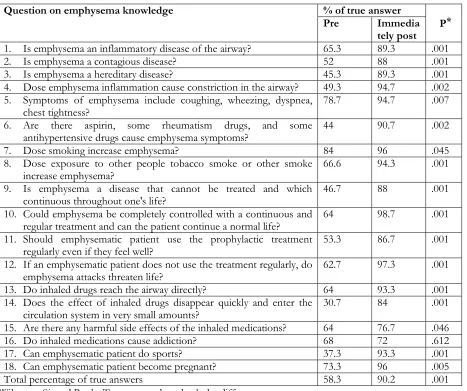
Table III: Percentage distributions of the study subjects according to knowledge assessment about emphysema pre and immediately post teaching
Question on emphysema knowledge % of true answer
P ⃰
Pre Immedia
tely post 1. Is emphysema an inflammatory disease of the airway? 65.3 89.3 .001
2. Is emphysema a contagious disease? 52 88 .001
3. Is emphysema a hereditary disease? 45.3 89.3 .001
4. Dose emphysema inflammation cause constriction in the airway? 49.3 94.7 .002 5. Symptoms of emphysema include coughing, wheezing, dyspnea,
chest tightness? 78.7 94.7 .007
6. Are there aspirin, some rheumatism drugs, and some
antihypertensive drugs cause emphysema symptoms? 44 90.7 .002
7. Dose smoking increase emphysema? 84 96 .045
8. Dose exposure to other people tobacco smoke or other smoke
increase emphysema? 66.6 94.3 .001
9. Is emphysema a disease that cannot be treated and which
continuous throughout one's life? 46.7 88 .001
10. Could emphysema be completely controlled with a continuous and
regular treatment and can the patient continue a normal life? 64 98.7 .001 11. Should emphysematic patient use the prophylactic treatment
regularly even if they feel well? 53.3 86.7 .001
12. If an emphysematic patient does not use the treatment regularly, do
emphysema attacks threaten life? 62.7 97.3 .001
13. Do inhaled drugs reach the airway directly? 64 93.3 .001
14. Does the effect of inhaled drugs disappear quickly and enter the
circulation system in very small amounts? 30.7 84 .001
15. Are there any harmful side effects of the inhaled medications? 64 76.7 .046
16. Do inhaled medications cause addiction? 68 72 .612
17. Can emphysematic patient do sports? 37.3 93.3 .001
18. Can emphysematic patient become pregnant? 73.3 96 .005
Total percentage of true answers 58.3 90.2 .001
⃰⃰
Wilcoxon Signed Ranks Test was used to check the difference
Table IV: Percentage distribution of the study subjects according to response related to using inhaled medications
Questions Positive responses
No %
Q. 1: Do you know how to use the inhaled medication prescribed 86 88 Q. 2: Do you think that inhaled medications yield good results? 87 89.3 Q. 3: Do you think that your inhaler technique or the way you use your
inhaled medication is important? 87 89.3
Q. 4: Has your physician or another health care professional taught you
how to use your inhaled medication yet? 56 48
Q. 5: Has your physician ever observed you using your inhaled
medication? 52 42.7
Q. 6: Does your physician re-evaluate how you use your inhaled
medication at every medical visit? 36 21.3
Q. 7: How many times has your physician observed you using your inhaled medication?
(a) Never 63 57.3
(b) Once 30 40
(c) Twice or more times 2 2.7
Table IV: this table represent the percentage distribution of the study subjects according to positive response related to inhaled medications as shown nearly almost of the subjects emphasized that they knew how to use their inhaled medication, believe that inhaled medications yield good results, and think that their inhaler technique or the way they use their inhaled medication is important, the percentages were 88%, 89.3%, and 89.3% respectively. However, only 48 % of study participants didn’t receive education related to their inhaled medication, and when they asked how many times has your physician observed you using your inhaled medication? 57.3% of them answered with (never).
Table V: Percentage distribution of the study subjects according to their response related to causes of missed doses of inhaled medications
Questions Positive responses
No %
1. Have you missed any regular doses of the medicines due to cost? 26 34.6 2. Have you missed any regular doses of the medicines due to
embracement from others? 37 49.4
3. Have you missed any regular doses of the medicines for any
psychosocial reason? 40 53.3
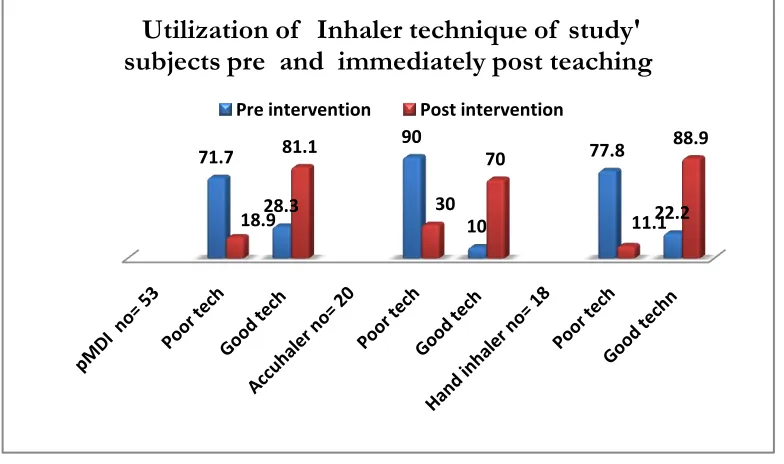
Figure (I) Utilization of inhaler technique for study subjects pre and immediately post teaching
Figure (I) In relation utilization of inhaler technique of pMDI, accuhelar and hand haler 28. 3 %, 10%, 22.2% of the respondents respectively had good technique pre teaching which increase post teaching to 81.1%, 70%, and 88.9% respectively had demonstrated good technique .When the gap between pre/post teaching increased this indicates the better effect of educational program of utilizing proper inhaler technique.
Table VI: Percentage of mistakes / step of using metered dose inhaler (MDI) pre and immediately post teaching No = 63.
Checklist Steps Mistakes per step (%) n=63 p⃰
Pre Post
1. Remove the cap from the inhaler 1.9 0 .317
2. Shake the inhaler 28.3 0 .001
3. Hold inhaler upright 18.9 1.9 .002
4. Exhale to residual volume 32.1 3.8 .001
5. Place mouthpiece between lips and teeth to seal the
mouthpiece 18.3 0 .046
6. Inhale slowly and simultaneously and activate the
canister 24.5 5.7 .002
7. Continue slow and deep inhalation 54.7 11.4 .003
8. Take inhaler out of mouth and hold breath for 10
seconds 66 15.2 .001
Table VI represents the percentage of mistakes per step of using metered dose inhaler (MDI) pre and post teaching. As shown there is a significant reduction in participants’ mistakes post teaching in all steps of metered dose inhaler except first one. Also the most prevalence errors pre teaching are inability of the study patients to take inhaler out of mouth and hold breath for 10 seconds (66. %) followed by failure to continue slow and deep inhalation (54.7%).
71.7
28.3
90
10
77.8
22.2 18.9
81.1
30 70
11.1 88.9
Utilization of Inhaler technique of study'
subjects pre and immediately post teaching
Table VII: Percentage of mistakes / step of using Accuhaler Inhaler Technique (Diskus) pre and post teaching No = 40
Checklist Steps Mistakes per step (%) n=20 p⃰
Before After
1: Keep Diskus horizontal 40 0 .001
2: Prepare Diskus 20 0 .045
3: Exhale to FRC/RV 45 10 .001
4: Position mouth piece between lips 40 5 .001
5: Inhale forcefully and deeply 30 0 .046
6: Remove the device from mouth before exhale 60 10 .014
7: Hold breath for 10 s 60 5 .001
8: Exhale and wait 20 s for 2nd use 100 20 .001
⃰
Wilcoxon Signed Ranks Test was used to check the difference
Table VII: represents the percentage of mistakes per step of using accuhaler inhaler technique (Diskus) pre and post teaching. It was clear from the table that there is a significant reduction in participants’ mistakes post teaching in all steps of inhaler technique. However, the most prevalence errors pre teaching were failed to exhale and wait 20 s for 2nd use (100%), failed to remove the device from mouth before exhale and hold breathe for 10 s (60% of study participants).
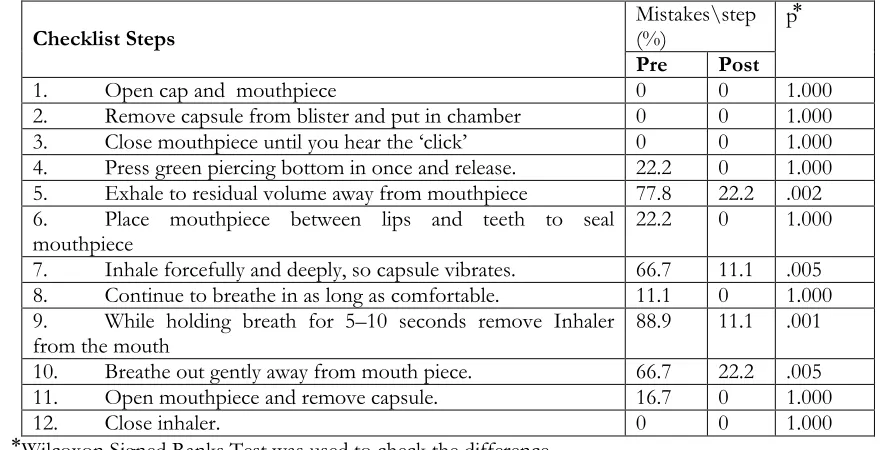
Table VIII: Percentage of mistakes /step of using Aerolizer/ hand haler Technique pre and post teaching No= 20
Checklist Steps Mistakes\step (%) p⃰
Pre Post
1. Open cap and mouthpiece 0 0 1.000
2. Remove capsule from blister and put in chamber 0 0 1.000
3. Close mouthpiece until you hear the ‘click’ 0 0 1.000
4. Press green piercing bottom in once and release. 22.2 0 1.000 5. Exhale to residual volume away from mouthpiece 77.8 22.2 .002 6. Place mouthpiece between lips and teeth to seal
mouthpiece 22.2 0 1.000
7. Inhale forcefully and deeply, so capsule vibrates. 66.7 11.1 .005 8. Continue to breathe in as long as comfortable. 11.1 0 1.000 9. While holding breath for 5–10 seconds remove Inhaler
from the mouth 88.9 11.1 .001
10. Breathe out gently away from mouth piece. 66.7 22.2 .005
11. Open mouthpiece and remove capsule. 16.7 0 1.000
12. Close inhaler. 0 0 1.000
⃰
Wilcoxon Signed Ranks Test was used to check the difference
Table VIII: represents the percentage of mistakes /step of using aerolizer/ hand haler technique pre and post teaching. As shown there are no errors in the first three steps of hand haler technique among study participants pre and post teaching. It was clear from table that there is a significant reduction in participants’ mistakes post teaching. However, the most prevalence errors pre teaching were failed to while holding breath for 5–10 seconds remove inhaler from the mouth (88.9%), failed to exhale to residual volume away from mouth piece (77.8%), and breathe out gently away from mouth piece and inhale forcefully and deeply, so capsule vibrates. (66.7% of study subjects ).
Discussion
Also, low health literacy has been well documented with emphysema patients to be related to more hospitalizations, more emergency visits, poorer physical function, poorer QOL, and lower medical decision making. Patients with low health literacy are at risk for poor emphysema control due to their lack of emphysema knowledge and skills 29-30. The study was done to effect of implementing an educational program about utilizing proper inhaler technique on knowledge and practice of patients with emphysema Actually the findings of the present study prove the previously stated hypothesis through marked improvement in patient’s knowledge and their inhaler techniques.
Schaffer & Yarandi, (2017) 31, reported that patients with lower emphysema knowledge scores showed less management skills consequently, patients’ knowledge is an important variable to consider in proper utilization of inhaler technique . The present study revealed that, there was a significant improvement in patient knowledge regarding emphysema post teaching when compared with pre teaching. This may be due to individualization of education and using more approaches of teaching such as face to face interaction, video presentation and providing written colored booklet. Also there is empirical support that emphysema knowledge improved with teaching sessions 32. Poureslami et al, (2016) 33 in their study concluded that short, simple, culturally, and linguistically appropriate education can promote knowledge gain about emphysema and improve inhaler use that can be sustained over the short term. Such program that provides reliable learning materials that draw on patients’ life experiences and sociocultural context can overcome certain limitations of conventional patient education approaches. In a sample of 200 adults with emphysema, more emphysema knowledge was related to better health education program about disease as measured by physician visits, improved lung, and improved symptoms scores34. In addition, Coffman et al, (2018)35 reviewed 25 randomized controlled trials of school‑based emphysema education program and found that the majority of studies reported significant improvement knowledge about emphysema of school‑age as compared to control group.
Regarding inhaler technique, in agreement with Souza et al., (2018) 36 nearly almost of the emphysema patients claimed to know how to use inhalation devices correctly. However, the fact that, the majority of study participants showed poor technique with all inhaler devices used, this means that there is a discrepancy between understanding and practice and not enough for health care providers to ask patient if he knew how to use the inhaler or not.
They should ask the patient to demonstrate the technique in front of them to be sure from his or her performance. In addition, the present study found that more than half of the study participants have not received education related to how to use their inhaler devices. This was in agreement with Madkour, and Galal, (2015) 24, they found that 30% of the patients have not been ever taught how to use their inhaler devices. Also Al Jahdali et al, (2017) 10, in their study In Saudi Arabia found that, 40% of emphysematic patients do not receive any formal education on how to use their medications. While Bjermer, (2017)14 reported that about 39–67% of nurses, doctors, and respiratory therapists are not able to adequately train patients on the correct use of the device. In accordance with Paosche et al.,(2017) 29 the present study revealed that, the common mistakes were due to the inability to coordinate breathing with pressing of inhaler canister, failure to remove inhaler from mouth after actuation and failure to breathe out slowly after the removal of inhaler from the mouth and more than half of the subjects correctly demonstrated the initial steps 1-4.
In relation to emphysema triggers, in accordance with Peterson (2018) 37, the most common emphysema triggers reported by study participant in the current study were dust, smoke, cold, and spray & perfume. Health care providers may need to educate adults with emphysema about identifying their specific emphysema triggers and minimizing exposure 38. Regarding different causes of missed doses of inhaled medication as reported by study participants, more than half of the participants relate the causes to psychological aspect. This is in accordance with Sachdeva (2018) 39, who found depression complicates therapy adherence among COPD patients. However, Howell (2018)40 reported that, high treatment cost is one of the major contributors to non-adherence and patients may skip daily inhaled corticosteroid steroids doses in an attempt to stretch out their medication and to reduce financial burden. In the present study more than the third of study participant reported they missed their inhaler medication due to cost.
Comparison between devices showed that a correct inhalation technique most likely occurred with the use of prefilled dry powder devices. While the present study found that, in accordance with other studies by Bryant et al.,(2016) and Meloni et al., (2017) 27-28, more than two thirds of participants had poor inhaler technique pre educational intervention and participants using an accuhaler demonstrated poorer technique compared to those using a pMD or hand inhaler (prefilled dry powder inhaler).
The major avoidable factor for improper device use was the lack of education of how the patient uses the inhaler device correctly 24. Providing education on correct inhaler technique is an integral component of emphysema education plans and has been shown to improve symptoms, utilizing proper inhaler technique and adherence to therapy 43-44. This supports the findings of the present study which revealed significantly improvement in inhaler technique of the study participants after implementation of the educational program. Also Takemura et al (2015)45 tested the effect of a structured educational programme on the use of inhalation devices and reported that implementation of the programme for emphysematic patients led to proper use of inhaler devices and better adherence to treatment. However, Dalcin, etal (2015) 46 disagree with the present study findings; they found that the educational intervention had no improving effect on the inhalation technique. Also, Alotaibi (2015) 7. reported that, 50% of adults continue to use inhalers improperly after providing needed instruction.
Conclusion
The findings of current study conclude that the implementation of the educational program has positive effects on improving patient knowledge and practice regarding emphysema and utilizing proper inhaler technique. Recommendation
Based on research findings several recommendations can be made for clinical practice:
1.Nurses need to tailored patient health education program to meet the need of patients with emphysema and assess its effectiveness.
2.Certified nurse's educators should emphasized patient education, with an emphasis on instruction about proper inhaler technique.
3.Inhaler technique education should be delivered by demonstration and re demonstration of the technique by a skilled nurse to patients using, either face to face and video.
4.Further study using larger representative sample including all types of inhaler devices is recommended. References
Kroegel C. (2018). Global Initiative for Disese Burden (GIDB) guidelines: 15 years of application. Expert Rev Clin Immunol; 5:239-49.
Global Initiative for Emphysema (GINE) (2017). Global strategy for emphysema management and prevention. http://www.ginemphysema.com. Accessed on March 4, 2017.
Mohammed, MA and Muhbes, FJ. (2019). Assessment of Emphysema-Related Stressors among Bronchial Emphysema Patients in Jordan. American Journal of Nursing Research,. 3, ( 3) : 54-8.
Zedan, M., Settin, A., Farag, M., Ezz-Elregal, M., Osman, O., Fouda A. (2017). Prevalence of Bronchial Emphysema among Egyptian School Children. Egyptian Journal of Bronchology.3, ( 2)
Center for Disease Control and Prevention CDC). (2016). National Emphysema Control Program. An investment in American’s health. Available at : http://www.cdc.gov/emphysema/pdfs/investment_americas_health. pdf [Accessed on April 2016.
Sullivan PW, Ghushchyan VH, Slejko JF, Belozeroff V, Globe DR, Lin SL. (2017). The burden of adult emphysema in the United States: Evidence from the Medical Expenditure Panel Survey. J Allergy Clin Immunol;127:363-9.e1-3.
Alotaibi GA (2015). Emphysema control and self-management: The role of emphysema education. Saudi J Health Sci; 4:16-22.
Virchow JC, Crompton GK, Dal Negro R,. (2016). Importance of inhaler devices in the management of airway disease. Respir Med;102:109.
Hammerlein A, Muller U, Schulz M. (2018). Pharmacist led intervention study to improve inhalation technique in emphysema and COPD patients. J Eval Clin Prac,.
Sehajpal R, Koolwal A, Koolwal S. (2016). Assessment of inhalation technique of chronic obstructive pulmonary disease patients attending tertiary care hospital in Jaipur, Rajasthan. Ind Allergy Emphysema Immunol; 28:78-82.
Lavorini F, Magnan A, Dubus JC, Voshaar T, Corbetta L, Broeders M . (2017). Effect of incorrect use of dry powder inhalers on management of patients with emphysema and COPD. Resp Med; 102:593-604.
John P and Clare N. (2016). Emerging technologies for electronic monitoring of adherence, inhaler competence, and true adherence. Journal of Aerosol Medicine and Pulmonary Drug Delivery. 28(2): 69-81.
Bjermer L. (2014). The importance of continuity in inhaler device choice for emphysema and chronic obstructive pulmonary disease. Respiration.;88(4):346–52.
Melani, A. (2007). Inhalatory therapy training: a priority challenge for the physician, Acta Biomed. 78, 233–45.
Souza MLM, Meneghini AC, Ferraz E, Vianna EO, Borges MC. (2018) Knowledge of and technique for using inhalation devices among emphysema patients and COPD patients. J Bras Pneumol.35(9):824-831.
Harnett CM, Hunt EB, Bowen BR . (2017). A study to assess inhaler technique and its potential impact on emphysema control in patients attending an emphysema clinic. J Emphysema.; 51(4):440–5.
Lavorini F. (2014). Inhaled drug delivery in the hands of the patient. J Aerosol Med Pulm Drug Deliv.; 27(6):414–8. Thomas M, Price D, Chrystyn H, Lloyd A, Williams AE, von Ziegenweidt J. (2017). Inhaled corticosteroids for
emphysema: impact of practice level device switchingon emphysema control. BMC Pulm Med.; 9:1. Scichilone, N. (2015). Emphysema Control: The Right Inhaler for the Right Patient Adv Ther 32:285–292
Zwerink M1, Brusse-Keizer M, van der Valk PD, Zielhuis GA, Monninkhof EM, van der Palen J, Frith PA, Effing T. (2014). Self-management for patients with chronic obstructive pulmonary disease. Cochrane Database Syst Rev. 19; 3.
Monninkhof E., van der Valk P., van der Palen J., van Herwaarden C., Zielhuis G. (2015). Effects of a comprehensive self-management programme in patients with chronic obstructive pulmonary disease. Eur Respir J; 22: 815–820. McGowan PT. (2012). Self-management education and support in chronic disease management. Prim Care. Jun;
39(2):307-25.
Madkour, A. and Galal, I. (2015). Do Egyptian patients use their inhalers correctly? A checklist auditing for inhalation devices usage techniques. Egyptian Journal of Chest Diseases and Tuberculosis. 64, 497–504.
Desalu,O., Abdurrahman A., Adeoti A., and Oyedepo O.(2017). Impact of Short-Term Educational Interventions on Emphysema Knowledge and metered-dose Inhaler Techniques among Post Basic Nursing Students in Ilorin, Nigeria- Result of a Pilot study. Sudan Journal of Medical Sciences. 8; (2):77-84.
Australian Respiratory Guidelines, (2018) A randomized controlled trial of supplemental oxygen versus medical air during exercise training in people with emphysema : supplemental oxygen in pulmonary rehabilitation trial (Support) (Protocol). BMC Pulm. Med. 16: 25
Bryant L., Bang C., Chew BC., Hee Baik C., Wiseman D. (2016). Adequacy of inhaler technique used by people with emphysema or chronic obstructive pulmonary disease; 5(3):191–8.
Melani A, Bonavia M, Cilenti V, Cinti C, Lodi M, Martucci P. (2017). Inhaler mishandling remains common in real life and is associated with reduced disease control. Respir Med.; 105(6):930–8.
Paasche-Orlow MK, Riekert KA, Bilderback A .(2017). Tailored education may reduce health literacy disparities in emphysema self-management. Am J Respir Crit Care Med; 172:980–6.
Holland J. (2014). Factors which Influence Adult African Americans’ Emphysema Self-Management. Published Doctoral Dissertation. Lewis School of Nursing and Health Professions, Georgia State University.
Schaffer, S. D., & Yarandi, H. N. (2017). Measuring emphysema self-management knowledge in adults. Journal of the American Academy of Nurse Practitioners, 79(10), 530-5.
Pink, J., Pink, K., & Elwyn, G. (2018). Measuring patient knowledge of emphysema: Asystematic review of outcome measures. The Journal of Emphysema, 46(10), 980- 7.
Poureslami I., Nimmon L., Doyle-Waters M., Rootman I., Schulzer M., Kuramoto., and FitzGerald M. (2016). Effectiveness of Educational Interventions on Emphysema Self-management in Punjabi and Chinese Emphysema Patients: A Randomized Controlled Trial. Journal of Emphysema 49, 542-51.
Van der Meer, V., Bakker, M. J., van den Hout, W. B., Rabe, K. F., Sterk, P. J., Kievit, J., Sont, J. K. (2018). Internet-based self-management plus education compared with usual care in emphysema. Annals of Internal Medicine; 151(2), 110- 20.
Coffman JM, Cabana MD, Yelin EH. (2017). Do school-based emphysema education programs improve self-management and health outcomes? Pediatrics; 124:729-42.
Souza MLM, Meneghini AC, Ferraz E, Vianna EO, Borges MC. (2018) Knowledge of and technique for using inhalation devices among emphysema patients and COPD patients. J Bras Pneumol.35 (9):824-31.
Malone, A. M., Gupta, R. S., Lyttle, C. S., & Weiss, K. B. (2018). Characterizing community-based emphysema knowledge in Chicago and its high risk neighborhoods. The Journal of Emphysema, 45(4), 313-8.
Sachdeva R, Mehar S, Sachdeva S. (2015). Inhalational Therapy for Airway Disease Among Adult Patients: Compliance is a Major Challenge Toward Effective Management. Med Sci;1:80-4
Howell G. (2018) .Inhalation Therapy, Rationales for Nursing Practice. 7th ed. Philadelphia: Lippincott, Williams, & Wilkins; 832-50.
Molimard M, Le Gros V. (2018). Impact of patient-related factors on emphysema control. J Emphysema; 45:109 -13. Rootmensen. G., van Keimpema A., Jansen A., and de Haan R (2010). Respiratory Care in Chest Infection. Journal of
Aerosol Medicine and Pulmonary Drug Delivery. ; 23(5): 323-8.
Prabhakaran L, Lim G, Abisheganaden J, Chee CBE, Choo YM. (2006). Impact of an emphysema education programme on patients’ knowledge, inhaler technique and compliance to treatment. Singapore Med J. 47(3):225–31.
Janson S, McGrath K, Covington J, Cheng S, Boushey H. (2017). Individualized emphysema self-management improves medication adherence and markers of emphysema control. J Allergy Clin Immunol. 123(4):840–6. Takemura M, Kobayashi M, Kimura K, Mitsui K, Masui H, Koyama M . (2010). Repeated instruction on inhalation
technique improves adherence to the therapeutic regimen in emphysema. J Emphysema; 47:202-8.