RECONCEPTUALIZING BEHAVIOR OUTBURSTS IN ASD: THE ROLE OF ANXIETY
Katerina M. Dudley
A dissertation submitted to the faculty at the University of North Carolina at Chapel Hill in partial fulfillment of the requirements for the degree of Doctor of Philosophy in the Department
of Psychology and Neuroscience in the School of Arts and Sciences.
Chapel Hill 2019
ABSTRACT
Katerina M. Dudley: Reconceptualizing Behavior Outbursts in ASD: The Role of Anxiety (Under the direction of Laura Grofer Klinger)
Behavior outbursts (e.g., tantrums, aggression, self-injury) are the leading cause of psychiatric hospitalizations for those with autism spectrum disorder (ASD) and relate to worse individual and family quality of life (QOL). Thus, the clinical significance and need for
treatment of behavior outbursts is clear. Despite significant changes in the ASD population in the last several decades (i.e., increase of psychiatric comorbidities such as anxiety, less cognitive impairment), our conceptualization and treatment of behavior outbursts as an associated feature of ASD have experienced little change. The continued focus on behavior outbursts in ASD as an indication of an externalizing behavioral disorder has not examined the potential for internal mechanisms (e.g., anxiety) that could be driving their occurrences. Thus, the present study aimed to examine the role of anxiety as a mechanism through which behavior outbursts occur and its impact on individual and family outcomes in an intellectually diverse adult sample. Results indicated that anxiety played a key role in directly and indirectly increasing behavior outbursts and family burden, and in indirectly decreasing QOL for adults with ASD. Notably, the
TABLE OF CONTENTS
LIST OF TABLES………. vi
LIST OF FIGURES………...vii
LIST OF ABBREVIATIONS………..viii
INTRODUCTION ………..1
Behavior Outbursts in ASD……….4
Predictors of Behavior Outbursts……….6
Behavior Outbursts Across Development………7
Summary of Behavior Outburst ASD Literature……….8
Anxiety in ASD…………...……….8
Rates and Subtypes of Anxiety………9
Typical and Atypical Presentations of Anxiety……….10
Predictors of Anxiety……….11
Anxiety Across Development………13
Treatment of Anxiety……….14
Summary of ASD Anxiety Literature………….………...15
Quality of Life ……….………..16
Impacts of Anxiety on Individual and Family QOL………..17
Impacts of Behavior Outbursts and Anxiety on Family Burden………17
Summary………21
Present Study……….22
METHOD………..26
Participants……….26
Measures………28
Procedure………...32
PLAN OF ANALYSES………...33
Demographics and Constructs of Interest………..35
Aim 1……….35
Aim 2…..………...35
Aim 3…..………...37
Reexamining Age Relationships Across Communication Groups………38
Reexamining Models Across Communication Groups………..38
RESULTS………..38
Aim 1……….39
Aim 2…..………...39
Aim 3…..………...42
DISCUSSION………....47
LIST OF TABLES
Table 1. Demographic characteristics for the caregiver and the individual with ASD at the time of adult survey. Data for total sample and groups
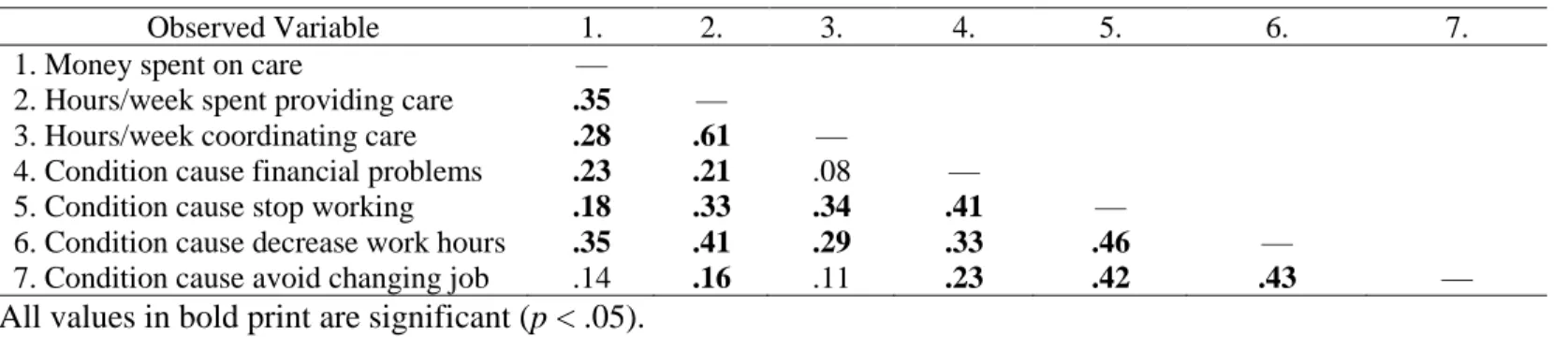
by communication level ………61 Table 2. Correlation matrix for CFA of insistence on sameness latent
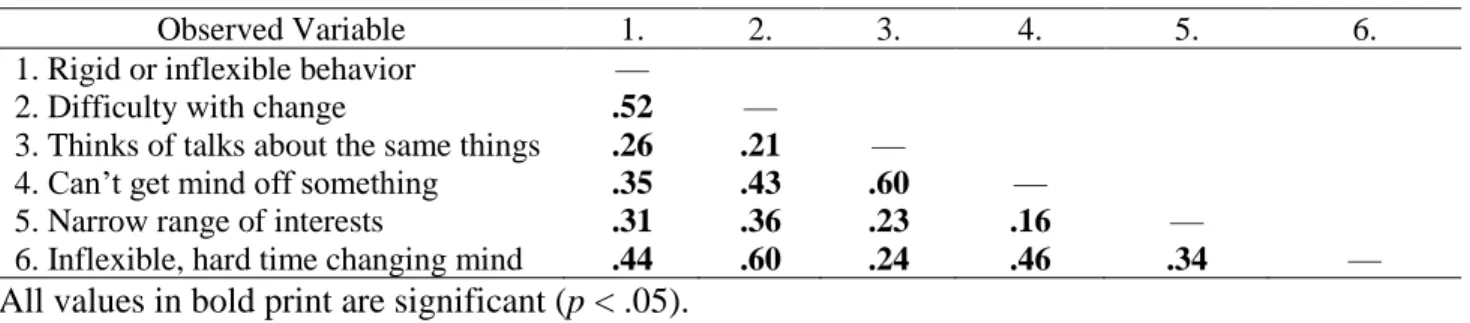
variable for full sample……….……….63 Table 3. Correlation matrix for CFA of family burden latent variable for
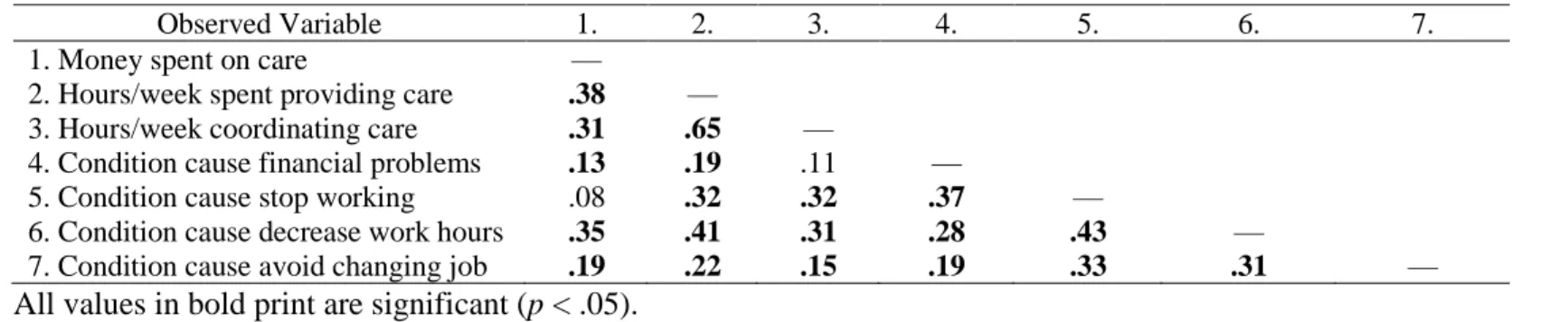
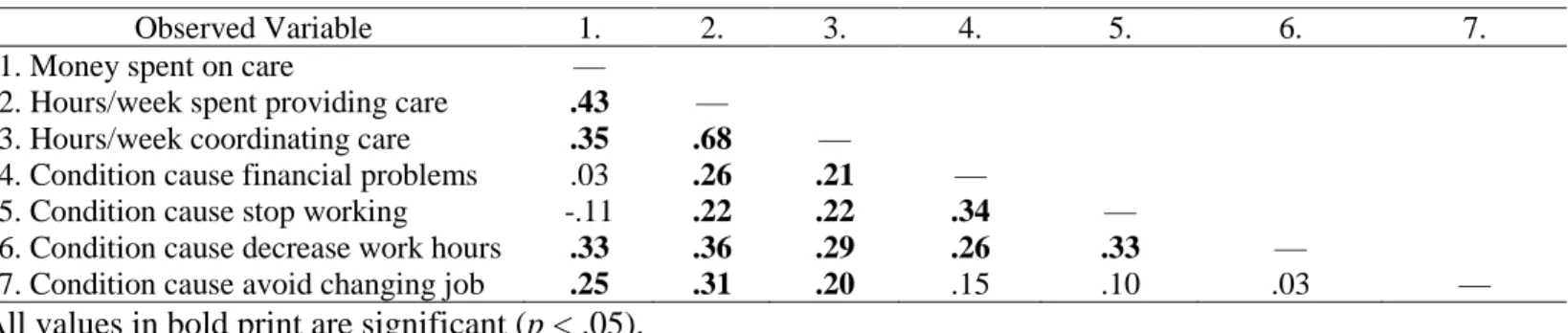
full sample……….……….64 Table 4. Correlation matrix for CFA of insistence on sameness latent
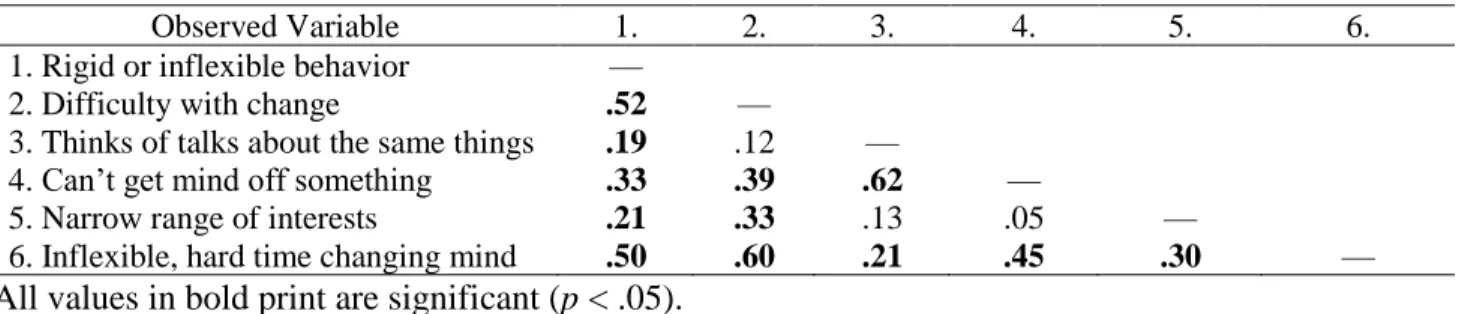
variable for those with poor communication skills..……….……….65 Table 5. Correlation matrix for CFA of insistence on sameness latent
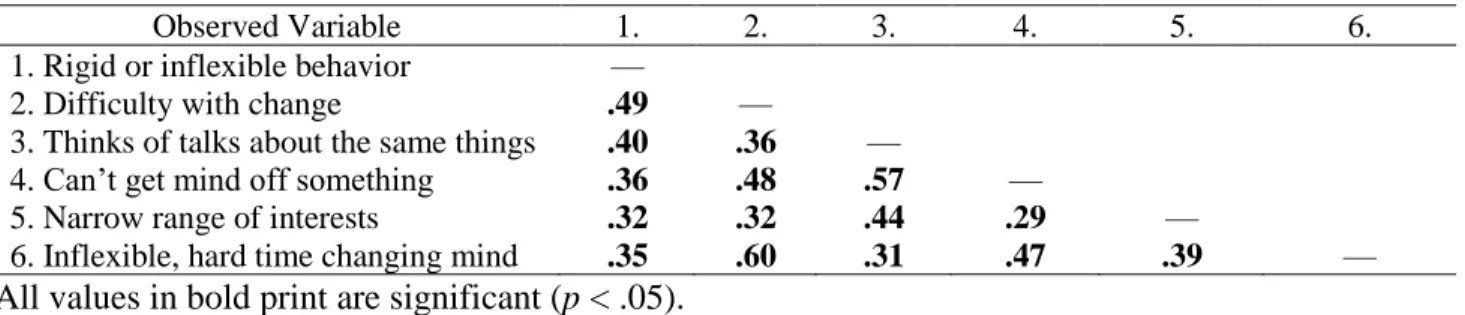
variable for those with good communication skills..……….………66 Table 6. Correlation matrix for CFA of family burden latent variable
for those with poor communication skills..……….………...………67 Table 7. Correlation matrix for CFA of family burden latent variable
LIST OF FIGURES
Figure 1. Model 1. The relationship between insistence on sameness,
behavior outbursts, anxiety, and individual QOL………..69
Figure 2. Model 2. The relationship between insistence on sameness, behavior outbursts, anxiety, and family burden……….70
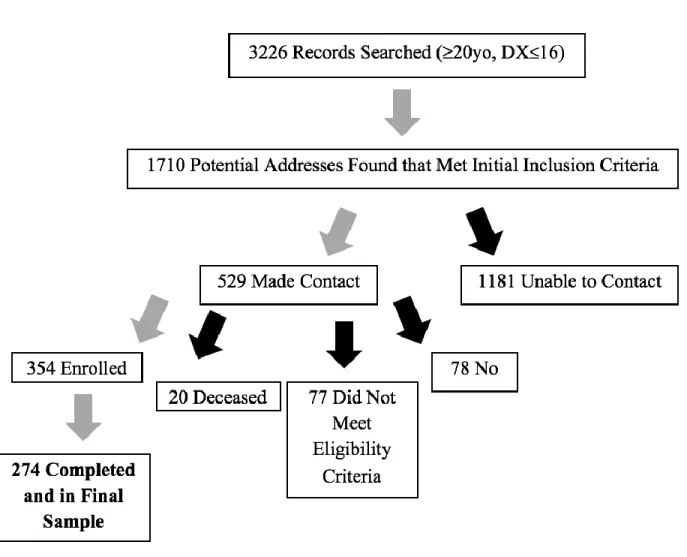
Figure 3. Sample ascertainment chart .………..71
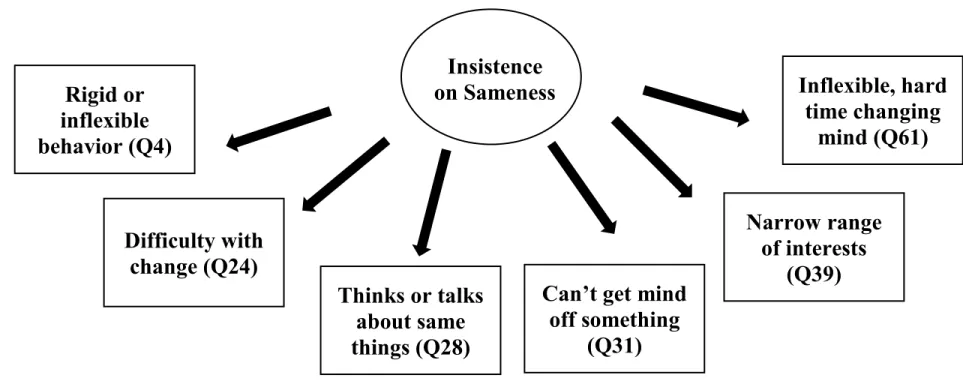
Figure 4. Insistence on sameness latent variable ………..72
Figure 5. Family Burden Latent Variable..………73
Figure 6. The relationship between age and QOL Total Raw Score..………...74
Figure 7. The relationship between age and Insistence on Sameness Total Raw Score..………...75
Figure 8. Finalized Insistence on Sameness Latent Variable..………..76
Figure 9. Finalized Family Burden Latent Variable..………77
Figure 10. Finalized Model 1………...………78
LIST OF ABBREVIATIONS ASD Autism Spectrum Disorder
QOL Quality of life
INTRODUCTION
As defined by the Diagnostic and Statistical Manual of Mental Disorders (DSM-5),
Autism Spectrum Disorder (ASD) is characterized by deficits in social communication and
includes the presence of restricted and repetitive behaviors and interests (RRBIs) (American
Psychiatric Association, 2013). These two areas are critical to the diagnosis of ASD and frame
our conceptualization of this disorder. However, in addition to social deficits and RRBIs, there
are several associated features of the disorder, with behavior outbursts (e.g.,
tantrums/meltdowns, aggression, self-injury) being one of the most frequently mentioned. In Leo
Kanner’s seminal paper first conceptualizing ASD, he described destructive tantrums and
breakdowns that were difficult to stop (Kanner, 1943). Recent research has continued to support
behavior outbursts as an associated feature of ASD, with studies indicating that a majority of
individuals on the autism spectrum are identified to have these issues (e.g., Jang, Dixon, Tarbox,
& Granpeesheh, 2011; Reiss, 1988). Importantly, behavior outbursts are a leading cause of
psychiatric hospitalizations across the ASD spectrum (Siegel & Gabriels, 2014) and have been
shown to relate to worse quality of life (QOL) for the individual with ASD and for their family
(e.g., Estes et al., 2009; Lecavalier, Leone, & Wiltz, 2006), emphasizing their importance and
need for treatment.
With evidence for an impact on QOL and a leading cause of psychiatric hospitalizations,
researchers and clinicians have sought to better understand behavior outbursts. However, the
field has made relatively little change in their conceptualization of behavior outbursts in decades,
despite the ASD population changing significantly during this time (Baio, Wiggins, Christensen,
to only impact those who were considered intellectually impaired (Fombonne, 2005; Lotter,
1966). In contrast, ASD currently occurs in 1 in 59 individuals and the fastest growing subgroup
is those with average to above average IQs (Baio et al., 2018). For instance, the most recent CDC
report indicates that 44% of individuals with ASD have average to above average IQs and only
30% have an intellectual disability (ID) (Baio et al., 2018). In addition to a change in the
prevalence and level of intellectual impairment associated with this population, the fact that ASD
has always been considered a childhood disorder has impacted our framing of the disorder and
treatment approaches (Klinger & Dudley, 2019). However, millions of adults have a diagnosis of
ASD and over 50,000 individuals with ASD enter adulthood each year (Nightingale, 2012;
Shattuck et al., 2012). Lastly, previous DSM versions did not allow for the diagnosis of ASD to
occur with other psychiatric diagnoses (e.g., ASD + internalizing disorders, attention deficit
hyperactivity disorder). Thus, assessing and treating core ASD symptoms and other psychiatric
concerns were not part of the ASD field’s previous framework. With the advent of DSM-5, the
field has recognized that ASD can co-occur with other psychiatric diagnoses. As such, within the
last decade studies have found that over 70% of ASD children meet criteria for a psychiatric
diagnosis (Simonoff et al., 2008). As a whole, the ASD population that researchers and clinicians
are currently seeing tends to be older, less cognitively impaired, and exhibit comorbid
psychiatric diagnoses compared to previous generations. Even with these significant changes in
the current ASD population, behavior outbursts remain a common referral concern for both
children and adults with ASD (Mazefsky, Pelphrey, & Dahl, 2012; Samson, Hardan, Podell,
Phillips, & Gross, 2014).
Historically, behavior outbursts in those with ASD have generally been treated using an
applied behavior analysis (ABA) approach or through discipline strategies (e.g., Eyberg, 1988;
Odom & Strain, 1986; Schreibman, 2000). These behaviorist approaches are founded upon the
experimental analysis of behavior, which seeks to understand the environmental events that
influence and affect behavior. As such, clinicians using a behavioral framework aim to examine
and change the external factors prior to (i.e., antecedent) and after (i.e., consequence) an event to
impact the likelihood that a behavior will occur. Although ABA was originally used for
individuals with below average IQs or very young children, it continues to be used with those
who have average to above average IQs and those in adolescence and adulthood, despite recent
pushback from self-advocates with ASD indicating many of them consider this treatment
“harmful” due to its one-size-fits-all approach (Devita-Raeburn, 2016). Similarly, behavioral
discipline strategies such as punishment are often used to treat behavior outbursts, especially
when they are interpreted as purposeful and noncompliant (Eyberg, 1988; Patterson, 1982). Both
ABA approaches and discipline strategies have clear evidence for their treatment effectiveness in
ASD (see Klinger & Dudley, 2019, for a review), however, these approaches generally ignore
the internal factors, such as anxiety, through which behavior outbursts could be occurring (e.g.,
antecedentàanxiety increaseàbehavior outburstàconsequence). For instance, what if a
behavior outburst (e.g., aggression, tantrum) is a product of an anxiety attack, rather than due to
noncompliance. This shift in inclusion of internal changes impacting an event sequence would
allow for the targeting of internal factors, rather than just the external circumstances surrounding
an event.
Little attention has been paid to whether internalizing factors, including anxiety, could
drive some behavioral outbursts. Similar to behavior outbursts, anxiety occurs in a large
percentage of the ASD population (Kent & Simonoff, 2017) and has been shown to impact QOL
(van Steensel, Bogels, & Dirksen, 2012). Although both behavior outbursts and anxiety appear to
Estes et al., 2009; Kerns et al., 2015; Lecavalier et al., 2006), and it is plausible they could relate
to one another, no studies have been conducted assessing theoretically-driven models that test the
potential relationships between these domains. A reconceptualization of behavioral outbursts as
being related to underlying anxiety would recommend a shift in treatment approaches which may
prove more effective at long-term treatment of behavior outbursts (e.g., including intervention
models that target internalizing symptoms). In the last decade, the ASD field has become more
open to cognitive-behavioral treatment (CBT) approaches with the increase of those with average
to above average IQs, but is still far behind the general Psychology field in terms of its
understanding of behavior outcomes that could be addressed through CBT and other
anxiety-reduction approaches (Klinger & Dudley, 2019).
A better understanding of behavior outbursts in ASD, including the potential impact of
anxiety as a mechanism through which outbursts occur, is necessary to guide the treatment field.
In order to bridge this gap in the research, a review of the ASD literature on behavior outbursts,
anxiety, individual and family QOL, and the emotion regulation framework is necessary to create
and test theoretical models mapping relationships between these constructs.
Behavior Outbursts in ASD
Behavior outbursts are often characterized as tantrums, meltdowns, aggression,
self-injury, and property damage (e.g., throwing objects, punching walls) (e.g., Blacher & McIntyre,
2006; Hartley et al., 2008; Lerner, Haque, Northrup, Lawer, & Bursztajn, 2012; McCarthy et al.,
2010). These behaviors are referred to differently depending on the literature reviewed, but most
frequently are considered within the classes of “problem behaviors,” “maladaptive behaviors,”
and “challenging behaviors.” There are very few distinctions between these labels and all tend to
provide similar examples in their definitions. Regardless of their reference term, these types of
included children across the IQ spectrum found that 87% of their sample was reported to exhibit
behaviors aligned with these definitions (Murphy, Healy, & Leader, 2009). Of all the types of
behavior outbursts, tantrums and aggression are most frequently targeted by interventions for
children with ASD (Bolte & Diehl, 2013; Horner, Carr, Strain, Todd, & Reed, 2002).
Not only has research consistently found that behavior outbursts are extremely common
for those on the autism spectrum, the literature has also indicated that they occur more frequently
compared to individuals with typical development and compared to those with other disorders
and disabilities (e.g., Bradley, Summers, Wood, & Bryson, 2004; Matson, Wilkins, & Macken,
2008; McCarthy et al., 2010; McClintock, Hall, & Oliver, 2003; Richards, Oliver, Nelson, &
Moss, 2012). Additionally, research has shown that behavior outbursts last for longer periods of
time for those with ASD compared to peers with typical development (Jahromi, Meek, &
Ober-reynolds, 2012), suggesting that it is more difficult for those with ASD to re-regulate themselves
after having a behavior outburst.
Research has also compared these behaviors across diagnoses that are associated with
Intellectual Disability (ID) (e.g., ASD, Down Syndrome, Fragile X, Prader-Willi Syndrome,
Williams Syndrome). Across various studies, results indicate that individuals with ASD and
comorbid ID demonstrate more behavior outbursts compared to those with ID without ASD
(Bradley et al., 2004; Matson et al., 2008; McCarthy et al., 2010; McClintock et al., 2003). For
instance, one study found that adults with ASD and comorbid ID were four times more likely to
exhibit challenging behaviors compared to adults with only ID (McCarthy et al., 2010). Other
studies have found that specific aspects of these behaviors are more common in ASD compared
to other types of intellectual disabilities. A meta-analysis of maladaptive behaviors in children
and adults with different types of IDs found that aggression, disruptive behavior, and self-injury
Similarly, another study found that children with ASD had significantly higher levels of
self-injurious behavior (50% of ASD sample) compared to children with Down Syndrome (19% of
DS sample) (Richards et al., 2012). These results suggest that behavior outbursts are not simply a
product of intellectual functioning, but that they are uniquely associated with ASD in a way not
seen in other populations.
Predictors of Behavior Outbursts
In order to better understand behavior outbursts, potential predictors of these behaviors
have been evaluated. Although ASD diagnosis has been consistently found to predict behavior
outbursts (e.g., McCarthy et al., 2010; McClintock et al., 2003), there is less consensus regarding
the impact of ASD symptom severity. Some studies have found that ASD symptom severity does
not predict challenging behaviors, suggesting that these behaviors occur equally across severity
levels of the autism spectrum (Hartley et al., 2008; Mctiernan, Leader, Healy, & Mannion, 2011;
Murphy et al., 2009). In comparison, other studies have indicated that ASD symptom severity
predicts behavior outbursts, with more severe ASD symptoms relating positively to the number
and intensity of challenging behaviors (Jang et al., 2011; Matson et al., 2008). In addition,
although less frequently studied, some researchers have noted that certain aspects of ASD
symptoms predict behavior outbursts more than others. For instance, Maddox and colleagues
(2017) found that increased insistence on sameness (i.e., narrow interests, rigid routines, rituals,
wanting things to occur the same way) as measured by the Repetitive Behaviors Scale—Revised
(RBS-R) (Bodfish, Symons, Parker, & Lewis, 2000) significantly predicted higher levels of
challenging behaviors in youth with ASD.
In addition to ASD symptom severity, the relationship between intellectual functioning
and behavior outbursts has also been frequently evaluated. Overall, the majority of the results
with lower intellectual functioning displaying more problem behaviors (Mctiernan et al., 2011;
Murphy et al., 2009). More specifically, studies have found that those with ASD with low IQs
tend to display higher frequency and higher intensity of self-injurious behaviors and higher
frequency of aggressive behaviors compared to those with higher IQs (Mctiernan et al., 2011). In
further support of IQ differences in behavior outbursts, longitudinal studies have documented
that not only do individuals with ASD with lower IQs demonstrate more maladaptive behaviors
compared to those with average to above average IQs, but these behaviors also improve less
across time (Shattuck et al., 2007; Taylor & Seltzer, 2010). However, it is noteworthy that even
though individuals with average to above average IQs tend to exhibit fewer behavioral outbursts,
they do exhibit these behaviors (Jang et al., 2011; Maddox et al., 2017). Theorists have suggested
that the expression of these behaviors may be a communication method (Hartley et al., 2008), as
communication impairments (e.g., verbal, non-verbal) are considered a core symptom of ASD
across the IQ spectrum (American Psychiatric Association, 2013). That is, behavioral outbursts
may be a way of communicating distress for those with ASD across the intellectual spectrum.
Behavior Outbursts Across Development
Developmentally, research has found that age is a predictor of maladaptive behaviors,
with the majority of research indicating that older individuals with ASD demonstrate fewer
maladaptive behaviors than younger individuals with ASD (Gray et al., 2012; Shattuck et al.,
2007; Taylor & Seltzer, 2010). For instance, Shattuck and colleagues (2007) found that adults
(age 31 and up) with ASD had fewer maladaptive behaviors compared to adolescents and young
adults with ASD. In contrast, Taylor and Seltzer (2010) found in their longitudinal study that
although maladaptive behaviors improved throughout childhood and adolescence, they
significantly slowed in their improvement after high school exit. Together, these results suggest
improve, and other periods in which improvement may slow or even stop. However, even in
instances in which improvements across time are evidenced, these behaviors have been found to
remain at clinically elevated levels in adulthood (Gray et al., 2012). This suggests that, despite
potential improvements in behavior outbursts, they continue to remain a major issue for
individuals with ASD across development (i.e., evidence for continuity and change).
Summary of ASD Behavior Outburst Literature
Together, it appears that behavior outbursts are more prevalent in ASD, even compared
to those with other disabilities associated with ID. Although there is less consensus, ASD
symptom severity, and more specifically insistence on sameness behaviors, have been found to
predict behavior outbursts. The most consistent predictor of behavior outbursts is intellectual
functioning, with individuals with lower IQs displaying more of these behaviors. However, there
is evidence that individuals with ASD across the IQ spectrum demonstrate a higher prevalence of
these behaviors than expected. Similarly, adults with ASD tend to have fewer instances of
behavior outbursts compared to younger individuals, but that these behaviors are still higher than
expected compared to non-ASD individuals. Thus, there is evidence that behavior outbursts
occur for individuals with ASD throughout development.
Anxiety in ASD
As anxiety is not considered a core symptom of ASD, it has received less attention
compared to the primary deficit domains related to the diagnosis (i.e., social communication,
RRBIs) (American Psychiatric Association, 2013). However, research examining the association
between anxiety and ASD has substantially increased in the last decade with the rise in the
number of individuals with ASD with average to above average IQs. From these investigations,
there is growing consensus that individuals on the autism spectrum experience significant levels
Kim, Szatmari, Bryson, Streiner, & Wilson, 2000; Sukhodolsky et al., 2008; van Steensel,
Bögels, & Perrin, 2011; White, Oswald, Ollendick, & Scahill, 2009).
Rates and Subtypes of Anxiety
Overall prevalence estimates of anxiety disorders for those with ASD range from 11% to
84%, with most studies reporting a prevalence rate of approximately 40-50% (Kent & Simonoff,
2017; Kim et al., 2000; van Steensel et al., 2011; White, Oswald, Ollendick, & Scahill, 2009).
This anxiety prevalence rate is notably higher than the 5-10% prevalence rates of anxiety
disorders seen in the general population (Kent & Simonoff, 2017; Kim et al., 2000; White et al.,
2009). In addition to documenting a clinically significant presence of anxiety for many
individuals with ASD, studies have also sought to identify the different subtypes of anxiety seen
in this population, with some studies indicating that up to 87% of children with ASD with
anxiety elevations have two or more comorbid anxiety disorders (Renno & Wood, 2013). It
appears, then, that individuals on the autism spectrum are often not affected by a single type of
anxiety, but frequently exhibit symptoms mapping onto to several classifications of anxiety
disorders. Although it is difficult to differentiate between the various anxiety subtypes for those
with ASD, specific phobia is frequently cited as the most common comorbid anxiety disorder
(approximately 30% meeting DSM criteria) (e.g., Morrow Kerns et al., 2014; van Steensel et al.,
2011). There is less consensus regarding the frequency of other anxiety disorders. However,
generalized anxiety disorder (GAD), obsessive compulsive disorder (OCD), social anxiety
disorder/social phobia, and separation anxiety disorder are regularly noted as the next most
commonly provided anxiety disorders (Kent & Simonoff, 2017; van Steensel et al., 2011; White
Typical and Atypical Presentations of Anxiety
With certain anxiety diagnoses more frequently identified, researchers have sought to
better understand the manifestations of anxiety and how they may be distinctive from those seen
in other populations. For instance, Morrow Kerns and colleagues (2014) examined anxiety
presentations in children and adolescents with ASD (i.e., ages 7-17, IQs greater than 60) with the
goal of determining whether a participant’s anxiety was considered consistent (i.e., “traditional”)
or inconsistent (i.e., “atypical”) with diagnostic and statistical manual (DSM) descriptions of
anxiety disorders. Examples of atypical anxiety that are not regularly seen in the general
population are fears of loud sounds, unusual phobias (e.g., intense fear of toilets, beards,
mechanical objects, changes in environment or schedule), social phobia without concern of
rejection, and rigid behavior related to rule-governed preferences (e.g., only eating food of one
color, verbal rituals). Study results indicated that 17% of participants presented with traditional
anxiety, 15% presented with atypical anxiety, and 31% of the sample presented with both typical
and atypical forms of anxiety (Morrow Kerns et al., 2014). Interestingly, language ability,
anxious cognitions, and hypersensitivity, but not ASD symptoms, predicted traditional anxiety.
In comparison, ASD symptoms and traditional anxiety predicted atypical anxiety (Morrow Kerns
et al., 2014). These results suggest that individuals with ASD experience manifestations of
anxiety that are similar to those of the general population, but they also experience atypical
symptoms of anxiety that are not often seen in the general population and are directly associated
with the hallmark features of ASD (i.e., social communication, RRBIs). In line with this, Leo
Kanner, who diagnosed the first cases of autism, noted these types of atypical anxiety features in
his seminal paper describing autism in the early 1940s (Kanner, 1943), suggesting that, although
rarely addressed in the literature, an atypical anxiety presentation has be associated with this
Predictors of Anxiety
In addition to examining anxiety presentations in ASD, researchers have also sought to
understand the predictors of anxiety. For instance, IQ and language level have been evaluated as
potential predictors of anxiety. The majority of the research suggests that greater levels of
anxiety are seen in children and adolescents with ASD who have average to above average IQs
and functional language abilities (Dubin, Lieberman-Betz, & Michele Lease, 2015; Gotham,
Brunwasser, & Lord, 2015; Hallett, Lecavalier, Sukhodolsky, & Cipriano, 2013; Kerns et al.,
2015; Morrow Kerns et al., 2014), perhaps because of greater insight into their struggles with
social understanding and ability to self-report on the anxiety symptoms that they experience.
Although those with ASD with average to above average IQs may exhibit more anxiety
symptoms compared to those with lower IQs and lower language abilities, several studies still
suggest that anxiety occurs (although potentially to different extents) across the autism spectrum
(Eussen et al., 2013; Strang et al., 2012). In support of this, Bradley and colleagues (2004)
examined anxiety in children with ASD with comorbid ID compared to those with severe ID
without ASD; significantly more of the ASD with comorbid ID sample met criteria for clinically
significant anxiety symptoms compared to those with ID only. Other studies have found that IQ
may reflect different relationships depending on the subtype of anxiety. For instance,
Sukhodolsky and colleagues (2008) found that higher intellectual capabilities were only
associated with GAD, separation anxiety disorder, and panic-related worries, but specific
phobias and social phobias were equally common across low and high IQ participants
(Sukhodolsky et al., 2008).
Another common predictor of anxiety examined in the literature is ASD symptom
severity. Some studies have indicated that there is no relationship between ASD symptom
suggest that ASD symptoms, specifically those related to the RRBI domain of the diagnosis,
positively relate to anxiety symptoms as measured by both parent- and self-report (Joyce, Honey,
Leekam, Barrett, & Rodgers, 2017; Magiati et al., 2016; Rodgers, Glod, Connolly, &
McConachie, 2012; Sukhodolsky et al., 2008; Teh, Chan, Tan, & Magiati, 2017; Wigham,
Rodgers, South, McConachie, & Freeston, 2015). This clear relationship between RRBIs and
anxiety has not been found in other populations prone to anxiety who have similar
developmental delays (i.e., Williams Syndrome), suggesting it may play an important and unique
role in anxiety for those with ASD (Rodgers, Riby, Janes, Connolly, & Mcconachie, 2012).
Moreover, some researchers have posited that RRBIs play a role in the development and
maintenance of anxiety not only in predicting the presence of elevated anxiety, but that RRBIs
may also be used as a coping mechanism to reduce anxiety (Joosten, Bundy, & Einfeld, 2009;
Rodgers, Glod, Connolly, & Mcconachie, 2012; Rodgers, Riby, et al., 2012; Spiker, Lin, Dyke,
& Wood, 2012). These researchers hypothesize that RRBIs may serve a similar function as the
compulsions seen in OCD, as they share parallel features in their repetitiveness and rigidity in
routine (Rodgers, Riby, et al., 2012; Spiker et al., 2012). For instance, an individual with ASD
could use repetitive or ritualistic behaviors to cope with anxiety, just as an individual with OCD
may use compulsions to cope with obsessive thoughts.
With a consistent relationship evidenced between RRBI symptoms and anxiety, studies
have begun to examine potential aspects of RRBIs that may be playing a role in predicting
anxiety symptoms. The majority of this research has focused on insistence on sameness and
intolerance of uncertainty. Overall, the insistence on sameness aspect of RRBIs has garnered the
most support in its relationship to anxiety (Rodgers, Glod, Connolly, & McConachie, 2012;
Uljarević, Richdale, Evans, Cai, & Leekam, 2017). For instance, Lidstone and colleagues (2014)
behaviors, and other studies have also supported this relationship (Rodgers, Glod, Connolly, &
McConachie, 2012; Uljarević et al., 2017).
In addition, an insistence on sameness related construct that has been investigated in its
association to anxiety in non-ASD samples (and more recently in ASD-samples) is referred to as
“intolerance of uncertainty,” (IU) which is defined as an individual’s negative perception of
situations in which there is a high level of uncertainty (e.g., in outcome, in next steps) (Dugas,
Gagnon, Fabien, Ladouceur, & Freeston, 1998). At its core, IU relates to insistence on sameness
behaviors in that if an individual has poor abilities to tolerate uncertainty, they tend to desire to
keep things in their life the same. In non-ASD anxiety samples, IU has been found to serve as a
key feature in predicting anxiety disorders, with results consistently indicating significant
positive relationships between higher IU and higher levels of anxiety and worry (e.g., Buhr &
Dugas, 2009; Carleton et al., 2012; Yook, Kim, Suh, & Lee, 2010). While little research has been
conducted on the intolerance of uncertainty in ASD, recent research suggests that it may be
related to anxiety in ASD (Boulter, Freeston, South, & Rodgers, 2014) and may play a role in
treatment response, with children with ASD with higher pre-intervention levels of IU showing
less CBT-based treatment change (Keefer et al., 2017).
Anxiety across Development
Although there is strong evidence supporting the presence of significant anxiety
symptoms for individuals with ASD in toddlerhood (e.g., Ben-Sasson et al., 2008; Green et al.,
2012), early to middle childhood (e.g., Baker et al., 2008; Kim et al., 2000; White et al., 2009),
and adolescence and early adulthood (e.g., Joyce et al., 2017; Uljarević et al., 2017), there is
scarce information investigating anxiety in in middle to late adulthood. In addition, less research
has been conducted assessing changes in anxiety symptoms throughout development for those on
development, with some increases and decreases across the lifespan. For instance, Davis and
colleagues (2011) investigated anxiety symptoms in a cross-sectional sample of 131 individuals
diagnosed with autism from infancy to adulthood (age range 17 months-65 years); results
indicated that anxiety increased from toddlerhood to childhood, decreased from childhood to
young adulthood, and increased again from young adulthood to older adulthood. Another
longitudinal study investigating anxiety in those with ASD (N = 165, age range 6-24 years)
indicated that adolescence was a specific developmental period in which females may see
increases in anxiety; even though males had higher levels of anxiety in middle childhood, by
early adulthood, there were no gender differences in anxiety symptoms (Gotham et al., 2015).
Throughout this longitudinal study, individuals with ASD had higher levels of anxiety than those
with other forms of developmental delay, suggesting anxiety remains a problem throughout
childhood and early adulthood for those on the autism spectrum compared to those with similar
intellectual styles (Gotham et al., 2015).
Treatment of Anxiety
With high anxiety prevalence rates evidenced across development, clinicians and
researchers have attempted to treat this associated feature of ASD. In the general population, the
gold standard method for treating anxiety is cognitive-behavioral therapy (CBT) (Beck, 2011). In
CBT, psychoeducation, self-monitoring of symptoms, thought identification and challenging,
and coping strategies are often employed to target symptoms (see Beck, 2011, for a review). As
noted, previous conceptualizations and treatment frameworks of ASD were often founded on
targeting core ASD symptoms in more impaired individuals (often early in development) with
significant cognitive delays. Thus, CBT approaches were not previously conceptualized as
treatment options for this population. However, as the rates of those with ASD who have average
treatments. Although some adaptations are often employed (e.g., emotion regulation training,
more cognitively concrete and structured approach, involving caregivers, greater use of visuals
and structured worksheets) (see Klinger & Dudley, 2019, for a review), various studies have
demonstrated medium to large effect size decreases in anxiety post-CBT (Reaven,
Blakeley-Smith, Culhane-Shelburne, & Hepburn, 2012; Reaven, Blakeley-Blakeley-Smith, Nichols, & Hepburn,
2011; Scarpa & Reyes, 2011; Wood et al., 2015). Results from these studies indicate that anxiety
can be effectively targeted through CBT for those with ASD with average to above average IQs.
As such, CBT is now considered an evidence-based practice for this population (Lang, Regester,
Lauderdale, Ashbaugh, & Haring, 2010; Wong et al., 2015). Importantly, research teams (e.g.,
Judy Reaven and colleagues) are currently attempting to adapt these approaches for use in more
cognitively impaired ASD samples.
Summary of ASD Anxiety Literature
Overall, the literature suggests that individuals with ASD have higher rates of anxiety
than the general population and exhibit both typical and atypical presentations of anxiety. In
addition, higher levels of anxiety in ASD are most commonly predicted by higher levels of
intellectual functioning and higher levels of specific RRBI symptoms (i.e., insistence on
sameness gaining the most support which is likely related to intolerance of uncertainty). Studies
indicate clinically significant anxiety symptoms in those with ASD with lower IQs, suggesting
that it is a problem across the IQ spectrum. Although we do not yet have clear evidence
consistently identifying developmental periods in which anxiety levels may change, it appears
that anxiety is frequently seen in individuals with ASD at different points throughout
development, including adulthood. Studies have also demonstrated significant decreases in
and researchers are attempting to adapt these curricula for those with more intellectually
impaired presentations.
Quality of Life
One way to measure the clinical impact of behavior outbursts and anxiety is to examine
their relations to quality of life. The World Health Organization (WHO) defines QOL as
“individuals’ perceptions of their position in life in the context of culture and value systems in
which they live and in relation to their goals, expectations, standards, and concerns” (World
Health Organization, 1998, p. 11). The standard definition of QOL often includes aspects of
physical health, psychological health, and social relationships and connectedness (World Health
Organization, 1998). Because it incorporates various aspects of wellbeing and satisfaction with
one’s life, is it important to assess QOL as an outcome domain and intervention target in ASD.
As such, it is often assessed in adults with ASD as a marker of outcomes.
The bulk of research on QOL indicates that those with ASD have a lower QOL compared
to individuals with typical development and compared to those with other diagnoses (Chiang &
Wineman, 2014; van Heijst & Geurts, 2014; Kamp-Becker et al., 2010; Sheldrick et al., 2012;
Cottenceau et al., 2012). This suggests that core symptoms associated with an ASD diagnosis
increase the likelihood that an individual will have lower QOL. For instance, two systematic
reviews have found that QOL is lower for children, adolescents, and adults with ASD compared
to peers with typical development (Chiang & Wineman, 2014; van Heijst & Geurts, 2014;
Kamp-Becker et al., 2010; Sheldrick et al., 2012; Cottenceau et al., 2012), and that this
relationship is characterized by a large effect size (van Heijst & Geurts, 2014). However, the
majority of this research has been conducted on children. In a review of 16 studies, Chiang and
Wineman (2014) noted that 91% of their sample were children (Chiang & Wineman, 2014). Yet,
with results indicating no age effects for QOL across these developmental time periods (Chiang
& Wineman, 2014; Kamp-Becker et al., 2010; van Heijst & Geurts, 2014).
Although having an ASD diagnosis has been found to relate to lower QOL, IQ and ASD
symptom severity do not appear to predict QOL (Khanna, Jariwala-Parikh, & West-Strum, 2014;
van Heijst & Geurts, 2014; Ying & Cheung, 2013). However, aspects of emotion regulation
difficulties, such as maladaptive coping strategies (Khanna et al., 2014) and behavior problems
(Chiang & Wineman, 2014), are associated with worse QOL.
Impacts of Anxiety on Individual and Family QOL
Although less frequently investigated, studies have also begun to assess the impact of
anxiety on individuals with ASD and their families. Autistic individuals with comorbid anxiety
have been found to exhibit more self-injury, higher levels of depression (Kerns et al., 2015),
more gastrointestinal problems (e.g., constipation, diarrhea, abdominal pain, bloating, nausea)
(Mazurek et al., 2013), and have significantly worse QOL compared to those with ASD without
comorbid anxiety (van Steensel et al., 2012). In addition, parents of individuals with ASD with
comorbid anxiety diagnoses report higher levels of stress (Kerns et al., 2015) compared to
parents of individuals with ASD without anxiety and parents of non-ASD peers with anxiety.
Together, these statistics suggest that anxiety plays an important role in outcomes on both
individual and familial levels.
Impacts of Behavior Outbursts and Anxiety on Family Burden
Although few studies have examined this construct, another aspect of family QOL is the
level of family burden associated with an individual’s diagnosis. Measures of family burden
typically include the amount of care, time, and money that family members spend supporting
their family member and other ways this level of care impacts their life (e.g., ability to attend
of adolescents and young adults with ASD have a high level of family burden associated with
caring for their family member, and that burden is significantly greater than seen in other
disorders (e.g., Attention Deficit Hyperactivity Disorder) (Cadman et al., 2012). Cadman and
colleagues (2012) found that caregiver burden was explained primarily by the individual with
ASD’s unmet service needs, which other studies have found are extremely high for adults with
ASD (Dudley, Klinger, Meyer, Powell, & Klinger, 2019). Furthermore, Cadman and colleagues
(2012) found that one’s level of depression/anxiety, inappropriate behaviors, and
aggression/violence were significant predictors of unmet needs. Thus, although not specifically
investigated previously, behavior outbursts and anxiety could be playing a role in increasing
family burden. There have been no studies investigating family burden across age in adulthood.
Even with relationships evidenced between behavior outbursts and anxiety with worse
QOL for both the individual with ASD and their family, interventions aiming to improve QOL
do not often target outbursts or anxiety. More often, interventions aiming to improve QOL
attempt to target core ASD symptoms (Bolte & Diehl, 2013; Rogers & Vismara, 2008). An
increased focus on behavior outbursts and anxiety to improve QOL and family burden, rather
than a primary focus on core ASD symptoms, could prove to be more malleable targets for
treatment, as core ASD symptoms are extremely heterogenous and are difficult to change (Bolte
& Diehl, 2013).
Connections between Behavior Outbursts and Anxiety in ASD: An Emotion Regulation Framework
Although behavior outbursts and anxiety have typically been studied as completely
separate constructs in the ASD field, from a theoretical perspective, it is plausible that they are
related to one another. Both behavior outbursts and anxiety could be examined from an emotion
regulation framework and be considered products of ineffective emotion regulation coping
Emotion regulation (ER) is defined as the automatic or intentional ability to initiate,
maintain, modulate, and/or modify the occurrence, intensity, and expression of emotions
(Thompson, 1994). Research has consistently found that many individuals on the autism
spectrum experience significant impairments in ER (e.g., Lerner, Haque, Northrup, Lawer, &
Bursztajn, 2012; Loveland, 2005; Mazefsky et al., 2013; Mazefsky et al., 2012) and have even
hypothesized that emotion dysregulation may prove intrinsic to the conceptualization of ASD
(Mazefsky & White, 2014). Problems with ER have been associated with higher levels of
emotional reactivity (e.g., more and higher intensity responses to emotional stimuli with
difficulty re-regulating emotions) (Gross, 2002, 2007) and, notably, often connect to both
internalizing symptoms (i.e., anxiety, depression) and behavior outbursts in adolescents and
young adults with ASD (Cai, Richdale, Dissanayake, & Uljarević, 2018; Mazefsky et al., 2014;
Rieffe et al., 2011). Various studies have also indicated that individuals with ASD tend to use
more maladaptive ER strategies (e.g., rumination, emotional numbing, avoidance) compared to
other populations and the use of these strategies relates to higher levels of psychopathology (i.e.,
anxiety, depression) (Mazefsky et al., 2014; Samson et al., 2014) and increased behavior
problems (Silk, Steinberg, & Morris, 2003). Additionally, emotion dysregulation in children with
ASD has also been found to predict increases in both social and behavior challenges across time
(Berkovits, Eisenhower, & Blacher, 2017), suggesting that it plays an important role in atypical
development of both ASD symptoms and developmental trajectories across the lifespan. In
combination, these results suggest that behavior outbursts and anxiety could be products of
impaired ER and more related to one another than previously conceptualized.
With the potential for an overarching shared etiology (i.e., emotion dysregulation and
lack of adaptive ER coping strategies) between behavior outbursts and anxiety, research
conceptualization of the ER and anxiety link is relatively new within the typical developmental
literature (e.g., Mennin, Heimberg, Turk, & Fresco, 2005) and only recently been explored in the
ASD field; only one research team (i.e., White et al., 2014) has begun to theorize the
mechanisms through which these domains are connected. Through a developmental
psychopathology ER perspective, White and colleagues (2014) have used typical ER
development as the foundation of their theory on how these processes go awry in ASD.
In typical development, the theory of the development of emotion regulation involves a
variety of complex processes. Infants begin by using co-regulation strategies in which the
infant-parent relationship provides the context for beginning to build ER skills through infant-parents helping
regulate their child’s emotions and socializing them to emotion expression. The preschool and
early childhood years, which are marked by periods of linguistic and cognitive growth, involve
the use of more self-regulation strategies and increased verbalization of feelings. The most
growth in ER skills appears to occur in middle childhood, as children are better able to
conceptualize emotions more abstractly, have gained more executive function skills to plan and
monitor their behavior, and are better able to regulate their own emotions in different contexts
(e.g., social, home, academic) (see Cole et al., 1994, for a review).
White and colleagues (2014) hypothesized that the ER processes seen in typical
development go awry in ASD, with the development of emotion dysregulation mediated by
neural, psychological, and socio-cognitive mechanisms associated with this diagnosis (e.g.,
heightened levels of arousal, irregular resting state physiology). Further, they suggest that this
impaired ER leads to anxiety, and that this relationship is moderated by the characteristics of
ASD (e.g., rigidity, attentional bias, social motivation, sensory issues). Although, this theory has
colleagues (2014) have helped lay the foundation of using an ER lens to examine the relation
between anxiety and behavioral outbursts in ASD.
Summary
Although the current ASD population clearly looks different than in previous decades,
with higher prevalence numbers, less cognitive impairment, more comorbid psychopathology,
and includes a large number of adults, our conceptualization and treatment of behavior outbursts
as an associated feature of ASD has experienced little change. Behavior outbursts in those with
ASD are frequently viewed as intentional and noncompliant and have generally been treated with
behavioral approaches that often do not examine internal factors that could be driving their
occurrences. However, anxiety could be having a more significant influence on behavior
outbursts than previously conceptualized.
A review of the literature suggests that both anxiety and behavior outbursts occur more
frequently in ASD than in other disorders. In addition, a core diagnostic feature of the RRBI
domain of ASD, insistence on sameness, has been found to predict both anxiety and behavior
outbursts. Knowing that those with ASD often utilize ineffective ER coping strategies, insistence
on sameness could be used as a protective mechanism to “cope” with and avoid ER-salient
situations. However, when an individual has a greater desire to keep things the same in their life,
when things do change, they may respond through an increase in anxiety, which ultimately could
lead to a behavior outburst. As such, it is plausible that one form of emotion dysregulation which
often begins internally in nature (i.e., anxiety), could present as (or drive) an external form of
emotion dysregulation (i.e., behavior outburst). This externalizing response to an internalizing
symptom may occur when effective strategies are not used to cope with this anxiety and/or if an
individual has difficulty communicating the presence of this anxiety. Thus, an anxiety-driven
and behavior outbursts. In addition, the literature has shown that more behavior outbursts lead to
lower individual and family QOL, but, additionally, it is probable that higher levels of anxiety
could exacerbate these relationships. To date, no one has conceptualized the link between these
variables (i.e., insistence on sameness, behavior outbursts, anxiety, QOL, and family burden).
Answering these questions through the testing of theoretically-driven models could expand our
understanding of key associated features of ASD.
Present Study
The present study aims to bridge the gap in the literature by modeling and testing
relations between insistence on sameness, behavior outbursts, anxiety, individual QOL, and
family burden. Specifically, the present study aims to examine whether anxiety is a mediator
between insistence on sameness and behavior outbursts, a moderator between behavior outbursts
and QOL, and a moderator between behavior outbursts and family burden. In addition to gaining
a better understanding of the relationships among these constructs, it is also critical to examine
how these constructs may change with age; a review of the literature found scarce information
examining these domains beyond adolescence which, again, could inform treatment planning.
Since it is plausible that relationships between these constructs and age relationships may differ
across levels of intellectual functioning, it is also important to take this variable into account
when testing models. As such, these questions will be examined in an intellectually diverse, early
to middle adulthood ASD sample. Using an adult sample to test these models could help clarify
the ways in which anxiety could be impacting behavior outbursts, provide insight into how these
relationships affect adult outcomes (QOL, family burden), and potentially inform treatment
planning earlier in development to improve adult outcomes. Aims of the study will be examined
for the full sample (Aims 1 and 2), as well across developmental levels (Aim 3) (i.e., good versus
Thus, the aims and hypotheses of the present study were to:
1. Examine age relationships across adulthood for constructs of interest in the full
sample. It was predicted that:
1a. Insistence on sameness would be present across age and characterized by a
linear increase such that as the age of the adults with ASD increases, so too, will
insistence on sameness.
1b. Behavior outbursts would be present across age and characterized by a negative
curvilinear relationship in which behavior outbursts slightly decrease across age
and then plateau in middle adulthood.
1c. Anxiety would be present across age and characterized by a positive curvilinear
relationship in which anxiety increases across age, but plateaus in middle
adulthood.
1d. Low levels of QOL would be present across ages with no statistically significant
change across age.
1e. Family burden would be present across ages and characterized by a linear
increase such that as the age of the adults with ASD increases, so too, will family
burden.
2. Test models of behavior outbursts (see Figures 1 & 2) in the full sample. It was
predicted that:
2a. Anxiety would be a mediator between insistence on sameness and behavior
outbursts.
2b. Anxiety would be a moderator between behavior outbursts and QOL. That is,
it was hypothesized that behavior outbursts predict QOL, but that anxiety
2c. Anxiety would be a moderator between behavior outbursts and family burden.
That is, it was hypothesized that behavior outbursts predict family burden, but
that anxiety exacerbates this relationship.
3. Test Aims 1 and 2 across communication-level subsamples (as a proxy for intellectual
ability) to see if these relationships manifest differently across those rated with good
communication skills vs. those rated with poor communication skills. It was predicted
that:
Age Relationships across Communication-Level Subsamples:
3a. Poor communication skills would be associated with higher levels of
insistence on sameness across ages and with a greater increase in insistence on
sameness across ages. Good communication skills would be associated with lower
levels (although still above average) of insistence on sameness across ages and
less of an increase across ages.
3b. Poor communication skills would be associated with higher levels of behavior
outbursts across ages and with less change in behavior outbursts across ages.
Good communication skills would be associated with lower levels (although still
above average) of behavior outbursts across ages and with a slight curvilinear
decrease in behavior outbursts across ages (with that decrease plateauing in
middle adulthood).
3c. Poor communication skills would be associated with slightly lower levels of
anxiety across ages and with less change in anxiety across ages. Good
communication skills would be associated with higher levels of anxiety across
ages and with a slight curvilinear increase in anxiety levels across ages (with that
3d. Both good and poor communication skills would be associated with low levels
of QOL across ages and no significant change in QOL across ages.
3e. Both good and poor communication skills would be associated with high
levels of family burden with a relatively linear increase in family burden across
ages, such that as the age of adults with ASD increases, so too, would family
burden for both communication groups.
Models of Behavior Outbursts across Communication-Level Subsamples:
3f. The relationship seen in the full sample (i.e., anxiety mediating insistence on
sameness and behavior outbursts) would be consistent and a good fit across
communication-level subsamples, but the strength of the relationship would be
stronger in the good communication compared to the poor communication group.
This was hypothesized due to the potential for caregivers of those with good
communication skills to be better able to report on their adult’s anxiety symptoms
because of the adult’s increased ability to communicate the presence of this
anxiety. Thus, it was expected that less anxiety would be reported by caregivers
of those with poor communication symptoms, decreasing the strength of this
relationship.
3g. The relationship seen in the full sample (i.e., anxiety moderating relationship
between behavior outbursts and QOL) would be consistent and a good fit across
communication groups, but the strength of the relationship would be stronger in
the good communication compared to the poor communication group.
3h. The relationship seen in the full sample (i.e., anxiety moderating relationship
across communication groups, but the strength of the relationship would be
stronger in the good communication compared to the poor communication group.
METHOD Participants
Participants were 274 caregivers of individuals diagnosed with an ASD by clinicians at
the University of North Carolina TEACCH Autism Program (TEACCH), part of the University
of North Carolina at Chapel Hill School of Medicine, between 1969 and 2000. TEACCH was
funded by the state of North Carolina in 1972, and until 2012 provided diagnostic services free
of charge for families across the state of North Carolina through a system of regional outpatient
clinics throughout the state. This sample provides the opportunity to examine a large, diverse
group of adults with a formal diagnosis of ASD from childhood.
Please see Figure 3 for information regarding the ascertainment process. Participants for
this study were recruited from a clinical database of more than 3,000 individuals who were seen
at a TEACCH clinic between 1969 and 2000 using the following inclusion criteria: 1) at least 20
years old at the time of the records review; 2) at least one clinical evaluation before the age of 17;
3) met criteria for elevated symptoms of ASD on the Childhood Autism Rating Scale (CARS;
Schopler, Reichler, and Rochen Renner 1988) as defined by a score of 27 or higher; and 4) had a
confirmed ASD diagnosis in archival clinical records. Using an online search program, we
searched for addresses for those that met all inclusion criteria listed above. We located potential
addresses for and mailed letters to 1,710 individuals. Of these, we successfully contacted 529
families. We were unable to locate the remaining 1,181 due to a variety of reasons, such as current
contact information being unavailable (e.g., home address, phone number), or initial phone calls
to discuss interest in the study were not returned. Of the 529 that were successfully contacted via
eligibility criteria for this study due to various reasons (e.g., family could not confirm ASD
diagnosis, excluded due to childhood blindness and/or deafness). Of the 432 that were eligible,
354 enrolled (82% enrollment) and 78 declined to participate (18%). Of the 354 who were enrolled
in this study, 274 competed the survey (78% completion). One-way ANOVAs were conducted to
assess any differences between childhood characteristics for those who completed the study (n =
274), those who enrolled in the study but did not complete their participation (n = 80), and those
we were able to contact but declined to participate (n = 78). There were no significant differences
between groups on childhood measures of IQ, F(2, 348) = 2.56, p = .08, although there was a trend
for caregivers whose adults had lower IQs to decline participation or not complete their
participation. Autism symptom severity as measured by the Childhood Autism Rating Scale
(CARS) (Schopler et al., 1988), F(2, 415) = .33, p = .72, and adaptive behavior as measured by
the total Vineland composite score, F(2,237) = 2.02, p = .13, were not significantly different between groups.
The final sample of adults with ASD for the present study (N = 274, age range 20-58)
was 80% male, consistent with the 4.27 ratio of males to females typically reported for ASD
(Baio, Wiggins, Christensen, et al. 2018). The sample for this study was identified as 73%
Caucasian, 21% African American, and 6% biracial or other races. These race percentages are
consistent with the percentages seen in the population of North Carolina from the 1970s to the
1990s. According to the 1980 U.S. Census, 75% of the population was Caucasian, 22% was
African American, and 3% were biracial or of another race, making our sample representative of
the population at the time of original diagnosis (U.S. Census Bureau, 1983). In terms of current
living situation of the adult with ASD at the time of survey completion, 53% lived with family
lived in some type of supported living facility (n = 101; i.e., those in supervised housing, group
homes, etc.).
Measures
TEACCH Autism in Adulthood Survey. This 87-item caregiver survey measured a variety of demographic variables (e.g., parental education level, adult age and gender) and variables
measuring autism outcomes in adulthood, including education level, living situation, recreational
activities and social life, adult service needs and utilization, employment status, and level of
government benefits. Questions related to caregiver and adult with ASD demographic
characteristics, included: 1) adult with ASD’s race; 2) maternal education level (1 = some high
school education; 2 = high school degree; 3 = vocational training; 4 = some college but no
degree; 5 = four-year college; 6 = graduate degree); and 3) caregiver respondent type (e.g.,
mother, father, other). In addition, this survey assessed for adult current communication ability
(i.e., good communication skills [n = 110] or poor communication skills [n = 164]), which was
used as a proxy for current intellectual ability in this study. To test whether current
communication ability was a reasonable indicator of current intellectual ability, a bivariate
correlation was conducted between communication ability and childhood Full-Scale IQ (FSIQ).
Childhood FSIQ data was available on 81% of participants and has been shown to have good
stability into late adulthood (Begovac, Begovac, Majić, & Vidović, 2009; Deary, Whalley,
Lemmon, Crawford, & Starr, 2000). For those that had more than one FSIQ score from different
childhood evaluations, the score associated with the oldest childhood age was used in this
analysis. A bivariate correlation indicated a significant positive correlation between current
communication level and childhood FSIQ, r = .623, p < .001. Thus, since childhood FSIQ is
thought to remain relatively stable into adulthood (Begovac et al., 2009; Deary et al., 2000),
Social Responsiveness Scale—Adult, Informant Report (2nd Ed.) (SRS-2; Constantino &
Gruber, 2012). The SRS-2 is a 65-item caregiver-report form that assesses symptoms associated
with ASD. Items are rated on a 4-point Likert Scale from 0 (not true) to 3 (almost always true).
The SRS-2 is aligned with DSM-5 criteria for diagnosis of ASD, with two major domains
assessed (i.e., social communication and restricted interests and repetitive behaviors). Thus, the
SRS-2 contains two higher order indices that correspond to the two symptom domains of ASD:
Social Communication and Interaction (SCI) and Restricted Interests and Repetitive Behaviors
(RRB). In addition, the SCI and RRB Indices can be summed for a Total SRS-2 score that
represents overall ASD symptoms. Higher scores indicate more ASD symptoms. All SRS-2
items were completed by caregivers. The SRS has high internal consistency (.96) (Constantino &
Gruber, 2012) and has been found to discriminate well between symptoms of ASD to symptoms
associated with other disorders (Mandell et al., 2012). All items of the SRS-2 were completed by
caregivers.
Specific questions from the SRS-2 were chosen to create an insistence on sameness
measure. Please see Plan of Analyses to reference questions from the SRS-2 and to view which
items were summed to create an insistence on sameness variable used in analyses to address
present study aims.
Anxiety, Depression, and Mood Scale (ADAMS; Esbensen, Rojahn, Aman, & Ruedrich, 2003). The ADAMS is a 28-item caregiver-report form that assesses anxiety, depression, and
other symptoms of psychiatric disorders for the last four weeks in individuals with Intellectual
Disability. Items are rated on a 4-point Likert Scale ranging from 0 (not a problem, has not
occurred) to 3 (severe problem, occurs frequently), indicating the frequency and severity of
symptoms associated with certain behaviors. The ADAMS provides five subscale scores,
5) Obsessive-Compulsive Behavior. Items included in each scale are summed to create a raw
subscale score, with higher scores indicating more symptoms. As very few measures exist to
assess these symptoms in individuals with Intellectual Disability, the ADAMS was developed to
fill this assessment need, and thus, has been recommended for use in samples of individuals with
ASD who have a large range of intellectual functioning (Esbensen et al., 2003). The ADAMS
has demonstrated high internal consistency with coefficients ranging from .75 to .83 for clinical
samples; test-retest reliability is also high, with a mean subscale retest correlation of .78
(Esbensen et al., 2003). The measure is also considered to be clinically meaningful and accounts
for comorbid diagnoses (Esbensen et al., 2003). All 28 items of the ADAMS were completed by
caregivers. Please see Plan of Analyses to reference questions from the ADAMS and to view
which items were summed to create an anxiety measure used in analyses to address present study
aims.
Reiss Screen for Maladaptive Behavior (Reiss; Reiss, 1988). The Reiss Screen for Maladaptive Behaviors is a 38-item caregiver-report form that screens for various forms of
psychopathology and different types of outward expressions of emotion dysregulation that may
have occurred during the last four weeks. The Reiss is designed to assess these symptoms in
individuals aged 16 or older with mild, moderate, or severe Intellectual Disability. Items are
rated on a 4-point Likert Scale ranging from 0 (not a problem, has not occurred) to 3 (severe
problem, occurs frequently), indicating the frequency and severity of symptoms associated with
certain behaviors. The Reiss provides eight scale scores, including: 1) Aggressive Behavior; 2)
Autism; 3) Psychosis; 4) Paranoia; 5) Depression (behavior signs); 6) Depression (physical
signs); 7) Dependent Personality Disorder; and 8) Avoidant Personality Disorder.
For this study, caregivers only completed items from the Aggressive Behavior subscale
and drug use, self-injury, and suicidal thoughts). No other questions from the Reiss were given in
order to avoid redundancy with other measures used in this study (e.g., SRS-2, ADAMS).
As very few measures exist to assess these symptoms in individuals with Intellectual
Disability, the Reiss has frequently been used when working with ASD samples that have a large
range of intellectual functioning. Internal reliability is considered high for both the Reiss Total
Score (average across samples = .84) and for the Aggressive Behavior scale used in this study
(average across samples = .83) (Reiss, 1988). Please see Plan of Analyses to reference questions
from the Reiss and to view which items were summed to create a behavior outbursts variable
used in analyses to address present study aims.
Quality of Life Questionnaire (QOL-Q; Schalock & Keith, 1993). The Quality of Life
Questionnaire is a 40-item caregiver or self-report form that is commonly used to measure a
variety of aspects of QOL in individuals with Intellectual Disability. Items are rated on a 3-point
Likert Scale, with individual response choices provided from 1 to 3 corresponding to each
individual question (e.g., “How much fun and enjoyment do you get out of life?” response
choices: 3 = lots, 2 = some; 1 = not much; “How satisfied are you with your current home or
living arrangement?” response choices: 3 = very satisfied, 2 = somewhat satisfied, 1 =
unsatisfied or very unsatisfied). The QOL-Q provides four subscale scores, including: 1)
Satisfaction; 2) Competence/productivity; 3) Empowerment/independence; and 4) Social
Belonging. In addition, all subscales are summed to create a Total QOL score, with higher scores
indicting better overall QOL. The QOL-Q demonstrates good internal reliability (.90), as well as
good construct and concurrent validity (Schalock & Keith, 1993). All QOL-Q items were
completed by caregivers.
following regarding care for the adult with autism in the last 12 months: money spent for care;
number of hours spent caring for adult with ASD; amount of time spent coordinating care;
financial problems resulting from adult with ASD’s condition; impact on family employment
decisions (i.e., need to stop working) because of adult with autism’s condition; impact on family
employment hours because of adult with autism’s condition; impact on family employment
choices because of adult with autism’s condition. Each question was coded on an ordinal scale,
with responses indicating higher levels of family burden receiving a higher ordinal score. Scores
from each question were summed to create a total family burden score, with higher scores
indicating higher levels of family burden. Please see Plan of Analyses to reference questions
assessing family burden and to view which items were summed to create a family burden
variable used in analyses to address present study aims.
Procedure
The current study was part of a larger study examining ASD in adulthood conducted by
the TEACCH Autism Program at the University of North Carolina at Chapel Hill. After contact
was made, a potential caregiver participant was screened over the phone for eligibility. Screening
questions for eligibility included: 1) confirmation that their adult son or daughter received an
ASD diagnosis; 2) confirmation that the caregiver had enough contact with the adult child to
answer survey questions; 3) confirmation that the adult child was not blind and/or deaf and did
not have significant mobility impairments which could create outliers in the measures assessed.
Once eligibility was established and the caregiver participant verbally indicated their
desire to participate, a survey was distributed either electronically or a hard copy was mailed to
the participant based on participant preference. The electronic version of the survey was
presented by Qualtrics survey software and was distributed to participants by an email that