CAROB (Ceratonia siliqua): HEALTH, MEDICINE AND
CHEMISTRY
Abdullatif Azab
[a,b]*
Keywords: Carob, antimicrobial, antioxidant, chemical composition, polyphenols, nutritional value.
Carob (Ceratonia siliqua) is one of the important crops over western Asia and North Africa. Its nutritional value has been acknowledged for millennia but its medicinal properties were practically studied only in the last four decades, despite the fact that some of them were used in traditional medicines for centuries. Modern food industry is just starting to discover the great potential of this plant. Carob has outstanding antioxidant capacity along with other important medicinal activities. Some of these have been extensively studied and reported in the last decades, but very few review articles were published about this plant, that summarize and discuss the findings. In this comprehensive review article, we present these reports and discuss them with special attention to traditional medicine, modern research findings, natural products and recommendations for future research subjects.
* Corresponding Authors
Telephone: +972-(0)4-6357011 Fax: +972-(0)4-6356168
E-Mail: [email protected]
[a] Triangle Research & Development Center, Box 2167, Kfar-Qari, Israel 30075
[b] Eastern Plants Company, Box 868, Arara, Israel 30026
Introduction
Carob (Ceratonia siliqua) is an evergreen tree that belongs to the legume (Fabaceae) family. Its original habitats are the western parts of Asia, but after its domestication, it spread to all Mediterranean basin and then to the western shores of the Americas, South Africa and southern regions of Australia.1 Until 1980, the genus
Ceratonia was considered to include only one species, Carob, C. siliqua, but in 1980, another species, C. oreothauma, was identified in the eastern region of Africa and Arabian Peninsula.2 So far, C. oreothauma has not been reported to have medicinal or nutritional properties.
According to archeological studies, Carob was used by human beings since very ancient times. But the accurate time of domestication remains debatably unclear. Some scholars reported that it was as late as the Roman era,3,4 other studies indicate much earlier use.5,6 However, due to its economic and nutritional value, especially in North Africa, many studies were conducted to investigate the various conditions that effect growth of the plant,7 and the quantity and the qualities of the fruits (pods) of various wild and domesticated variaties.8,9
As far as we could find, three comprehensive review articles were published so far about chemical and medicinal properties of carob. R. Sundararajan and his colleagues meantioned C. siliqua among other plants that contain phytoconstituents with nephroprotective activity.10 The authors designate Carob as a an important plant that has natural products with nephroprotective activity, and they cite "Ben et al., 2011". But reading the reference list revealed no Ben. The article of Nasar-Abbas focuses only on Carob, it is much more comprehensive and more reliable.11 This article has two weaknesses. First, it does not refer to traditional medicinal knowledge which is the base of many of modern research studies. Secondly, it does not refer to medicinal activities of various extracts and other
Table 1. Ethnomedicinal uses of Carob
Region Ethnomedicinal use Method/Reference
Cyprus Laxative NIa,13
Egypt Diarrhea Infusion14
Greco-Arab
Diabetes, herpes, lip sores
Leaf decoction15
India Antiobesity NI16
Iran Menorrhagia Patient should sit in a container of a decoction of several plants. Including Carob Details in reference17
Iraq Abdominal pain, diarrhea
Eating ripe fruits18
Israel Antidiabetic; Against viral and bacterial infections and fevers
Leaves decoction: 50 g in 1 L;19 Fruit syrup mixed with sesame paste20
Italy Animal food; Emollient
Dry fruits,21 Fruits decoction with Ficus carica and Malva sylvestris22 Jordan Antidiabetic; Cough Leaves decoction,23
Hot/cold infusion of fruits24
Lebanon Sweetener; medicinal Molasses of ripe fruits,25 NI26
Morocco Diarrhea, fish killer, kills intestinal parasites, Relief of skin, digestive system, nervous system
Fruit, bark, leaves,27 Fruits/leaves decoction,28
Infusion/decoction of fruit powder, oral.29 Fruit powder.30
Palestine Food Fruits eaten
raw(cooked) or ripe31
Sicily Food Fruits eaten
raw(cooked) or ripe32 Spain Chocolate, coffee
substitute, olive preservative
Ripe fruits, leaves33
Tunisia Food Ripe pods34
Turkey Diuretic, purgative Fresh pods35
materials produced from the tree leaves, which are drawing more and more research attention. Finally, an excellent yet a short review article was published by an internationally leading researcher of Carob, K. Rtibi and his colleagues from Tunisia.12 But in addition to being a relatively short article, it also focuses on the fruits of the plant, hardly mentioning leaves and other parts of the tree. It also presents all data from the gastrointestinal tract point of view. But it displays some important phenolic compounds in clear and useful figure (page 3 in article).
Ethnomedicinal and other traditional uses of Carob
As mentioned above, Carob is being used by humans as food source and for medicinal purposes since antiquity. Most nations of the Mediterranean basin have such recorded uses as shown in table 1, but other nations discovered its qualities as well.
Modern research of Carob uses, composition and
biological activities
Comparing with other fruiting wild trees with very important nutritional value, modern research has neglected Carob. This is to say that most publications of its medicinal/biological activities date from the 2000's. Most of the few earlier publication focus on chemical composition of the pods. We summarized below the findings of modern research of the properties and health uses of Carob. It is important to advise readers that when looking for a specific activity, it is worthy to look for it not only in designated columns, because many publications include reports of more than one activity. Moreover, many publications about Carob are not cited in this review because they studied subjects that are out of the interest of this article.
Antiatherogenic
Aqueous extracts of fruits inhibits lipid peroxidation, inflammation and enhances cholesterol efflux.36
Antibacterial, antimicrobial, antifungal and related activities
Methanolic extract of C. siliqua was tested for antibacterial activity, compared with methanolic extract of
Plantago major, which was found more active for most bacteria. The extract of C. siliqua was more active for
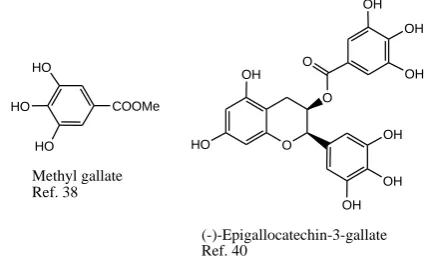
Enterococcus sp.37 Aqueous and methanolic extracts were tested for antibacterial activity, alone and in combination with other antibacterial agents (ampicillin, gentamicin, amikacin and clindamycin). The combination of extracts and antibacterial agents was more efficient than each separately. The extracts were analyzed and some pure compounds were isolated and characterized (Figure 1).38 Ethanolic and acetone extracts were tested for antibacterial activity against
P. atrosepticum in potato soft rot. Acetone extract was more active.39 Methanolic extract of leaves found to be active against Listeria monocytogenes. HPLC analysis of extract yielded seven compounds with antibacterial activity, especially epigallocatechin-3-gallate (Figure 2).40
Dichloromethane-methanol (1:1, v/v) extract of dried pods was tested against 14 types of bacteria and fungi.
Figure 1. Some compounds isolated from the extract of C. siliqua
Figure 2. Some compounds isolated from C. siliqua by HPLC.
It was found highly active against 11 of them, in concentrations of 1000 and 500 g/ml.41 Chloroform and hydroalcoholic (no ratio indicated) extracts of dry leaves were prepared and found active against 15 species of bacteria and fungi, including 3 species of C. albicans.42
Dried powder of the plant (part not indicated) was soaked in methanol and the suspension was centrifuged, filtered and tested for antibacterial and antifungal activities results were positive. Its photosensitizing capacity was also tested and found sufficient. No analysis for natural products was done.43
Hexane, chloroform, ethyl acetate and methanolic extracts of dry leaves were prepared and tested for antifungal activity against citrus sour rot agent G. candidum. First two were inactive and methanol extract more active than ethyl acetate extract.44 Methanolic extract of dry pods was prepared and tested against 13 different microbes and 8 different fungi. It was active against all. Total phenolic content was found as 465.5 mg g-1 with reference to gallic acid, and total flavonoid content was found as 24.6 mg g-1 compared with quercitin.45 Fresh fruits were extracted with 80 % methanol in water. The extract was found antimicrobial and moderate antioxidant (DPPH).46 Dry leaves were extracted with n-hexane, ethanol, methanol, ethyl acetate and water. Extracts were tested for antimicrobial, antifungal and cytotoxic activity (brine shrimp assay). n-Hexane was the most cytotoxic and it had the highest antimicrobial activity along with methanolic extract.47
n-C19H39OH
Nonadecanol
HO Lupeol
O
O
OH HO
OH
Genistein
O HO
OH
Liquiritigenin HO
OMe OH
Geraldone
HO
HO HO
COOMe
Methyl gallate Ref. 38
(-)-Epigallocatechin-3-gallate Ref. 40
HO OH
O O O
OH
OH OH
OH OH
Antidiabetic and related activities
Ethanol/water (96 %) extract of dry pods was tested for streptozotocin-induced diabetes in rats. It decreased blood glucose and lipids.48 Mixture of dried flowers of Roselle (Hibiscus sabdariffa) and dry pods of Carob, was water extracted and administered to alloxan-induced diabetic rats. The extract was tested with or without Gamma radiation of the plants mixture powder. In both cases it was found active.49
Aqueous extract of immature pod was tested in alloxan-induced diabetic rats for antidiabetic activity. It was found more active than the aqueous extract of mature pods.50 Powder of dry pods was extracted with n-hexane for phytosterols. The dry extract was found active against alloxan-induced diabetes in pregnant female rabbits.51 Same extract was used by the same group to test the same activity, but female rabbits were not pregnant.52 Fiber purified aqueous extract of seed-free dry pods, was prepared and tested for antidiabetic activity by -glucosidase inhibition. Sufficient activity was found.53
Antiviral activity
Ethanolic extract of leaves was tested against Newcastle Disease Virus and found partially active.54
Anticancer, antiproliferative and related activities
Ethanolic and ethyl acetate extracts of propolis that was collected in an area (Morocco) with Carob as a major tree were prepared, and tested against three mammalian tumor cell lines. Medium activity was measured.55 Dry pods were extracted with ethanol, and it was analyzed for reductive components (very detailed), antioxidant, anticancer and anticalpain activities. It was found moderately active for the three activities.56 Aqueous extracts of dry pods or leaves were tested against mouse hepatocellular carcinoma cell line, and both found active, but leaves extract was more active. Authors attribute this activity to the presence of gallic acid and some of its esters.57 Methanolic extracts of pods and leaves were prepared and tested for antiproliferative and apoptotic activities in MDA-MB-231 human breast cancer cells, and both found active, with higher activity of leaves extract. Authors relate these activities to the presence of phenolic compounds.58
Antidepressant
Acetone extract of fresh pods was prepared and analyzed for tannins content, and tested as antidepressant by tail suspension test and forced swim test. It was active in both and the proposed mechanism of action is by an interaction with the adrenergic and dopaminergic systems.59
Antifibrotic
Seed and fibre free dry pods were extracted with water and tested for Schistosoma mansoni-induced liver fibrosis and reduction of oxidative stress in mice. Significant activity was found.60
Anti-inflammatory and related activities
Methanol extract of bark was tested for antioxidant (DPPH), acute toxicity (rats) and chemical (Carrageenan) or mechanical pow oedema. It was analyzed for major compound families and flavonoids, tannins, sterols, quinones and mucilages were found.61 A galactomannan extracted from pods, authors refer to as LBG (locust bean gum) was used as constrast material in magnetic resonance enteroclysis (MRE) for immaging of Crohn‘s disease (bowels chronic inflammatory disease). It gave best results when used with water and mannitol.62 Leaves were extracted with dichloromethane:methanol, 1:1 v/v. The extract was tested for anti-inflammatory and cytotoxic activities and found inactive in both.63
Antioxidant and related activities
Methanol extracts of leaves and pulps (all sexes of the tree) were tested for radical scavenging (DPPH) and antioxidant (carotene-linoleate) activities and leaves extract found to be more active.64 Leaves were extracted successively with hexane, methanol/water (8:2, v/v), diethyl ether, dichloromethane and ethyl acetate. The extracts of three varieties of the tree were tested for antioxidant activity (DPPH) and total phenolic content was determined.65
Ethanol extract of dry pods was tested for antioxidant activity (BHA, highly active) and analyzed for polyphenols and carotenoids.66 80 % Aqueous methanol extract was prepared from pods and tested for antioxidant activity (3 methods) and analyzed by reverse phase HPLC.67 Immature pods were extracted (without seeds) with water, methanol, ethanol, acetone, petroleum ether and hexane. Extracts were tested for antioxidant activity (ABTS), analyzed for total phenolic content and tested in vitro and in vivo (rats) for cerebral and myocardial lipid peroxidation. Polar extracts were more active than non-polar ones.68
Methanol extract of leaves was tested for antioxidant activity by various methods and found highly active compared with other fruiting plants.69 Total phenolic content and antioxidant (DPPH, FRAP) capacity of dry leaves methanolic extract were determined. Compared with other studied plants (3), Carob showed moderate activities.70 Dry Carob pods powder aqueous extract was prepared and its total phenolic content and antioxidation activity were determined. Both were found relatively high.71 Aqueous and methanolic extracts were prepared (plant part not indicated) and were tested for antioxidant activity and total phenolic content. Both extracts showed similar results and were relatively high compared with other (94) plants.72 Methanolic extract of leaves was prepared and tested for radical scavenging activity (DPPH, high), antioxidant activity (linoleic acid system assay, high) and antitumor activity (remarkable). It was also analyzed for polyphenolic content.73
Methanolic and ethyl acetate extracts were prepared from bark and were analyzed for major compound families, total phenolic content and antioxidant activity (DPPH) were measured. Methanolic extract was more active.75 Dry leaves were extracted with 80 % ethanol-water, and the extract was fractionated with n-hexane, DCM and ethyl acetate. The ethyl acetate fraction showed the highest antioxidant (DPPH, -carotene bleaching assay) and antimicrobial activities.76 Carob seeds were ground and supplied, without further treatment, to female rats to test antioxidant and hepatoprotective activities of the powder against ethanol-induced oxidative stress. Results were measured by serum enzymes.77 Aqueous extract of dry pods (or leaves) was prepared and found active inhibitor of neutrophils myeloperoxidase.78,79 Dry leaves aqueous extract was found protective against cell DNA oxidative stress caused by H2O2 and it had no genotoxicity.80 Fresh pulp was extracted by ultrasonic-assisted 80 % aqueous ethanol. The effect of the free/ecapsulated extract was tested for anioxidant and nutritional value of yogurts. The free form had higher antioxidant activity (shorter shelf-life) and both forms did not alter nutritional value.81 Ground pods were defatted with hexane and the dry residue was added to Kefir (yogurt). It improved its antioxidant capacity and increased bacteria growth.82 Dry pods powder was added to pasta flour. The antioxidant activity (ABTS, FRAP) was improved and the nutritional values were increased.83 Powdered Carob pods were added directly to rats food to test its hepato- and nephroprotective effect against oxidative stress induced by CCl4. Positive results were obtained.84 Pulp powder was extracted with acetone/water (7:3) and encapsulated with polycaprolactone. Encapsulated and non-ecapsulated extract of ripe and unripe pulp was tested for antioxidant activity (ORAC, DPPH, FRAP) after in vitro digestion model. The encapsulation provided slow release of phenolic compounds and protection against digestive fluids.85 Pod powder was fed to rabbits and its antioxidant activity was monitored through the activity of three oxidizing enzymes. It also promoted the growth of the animals.86
Antiatherosclerotic
Commercial insoluble dietary fibre (81 % w) from carob pod was found antiatherosclerotic in rabbits.87
Anxiolytic-sedative and antiproliferative
Methanolic extracts of leaves and pods were prepared and tested for central and peripheral benzodiazepine receptors binding. Leaf extracts, especially young leaves, found more active. No active compounds are indicated.88
Chemical composition and some related activities
Methanolic and aqueous extracts of sapwood were prepared and analyzed for phenolic contents and their components. The extracts were also tested for antioxidant (H2O2) and antitumor activities, where methanolic extract was more active.89 Pods of trees from various locations in Morocco were analyzed for fibre, sugar and polyphenolic content.90 Seeds-free pod syrup was prepared from trees that grow in Bulgaria and in Turkey, analyzed for sugar content and compared. Turkish product had higher sugar content.91
Chemical composition of pods from different localities was determined for major compound families, minerals and nutritional ingredients. Aqueous extracts were prepared with hot and cold water, and higher temperatures yielded higher concentrantions.92 Determination of the tannins, pectins, hemicellulose, cellulose, nitrogen, mineral elements, sugars and fat contents was carried out on carob pods.93 Major chemical composition was determined with detalied extraction (aqueous) conditions of time and temperature.94 Composition of Carob pods was determined in terms of carbohydrates, protein, fat, polyphenols and tannins. 70 % acetone/water was the most effective solvent for the extraction and recovery of tannins.95 Detailed report of major nutrients determination in pods, with results and methods.96 Pods were analyzed for carbohydrates, protein, fat, minerals, vitamins (6), phenolics (11) and fatty acids (17).97 Major nutritional components of pulp and detailed amino acid composition is reported.98 Methanolic extract of green pods and leaves was prepared, analyzed for chemical composition (major categories) and tested for antibacterial activity.99 Three pulp extracts were prepared: 70% ethanol/water, 80 % methanol and aqueous. All were analyzed for chemical composition and tested for in vitro
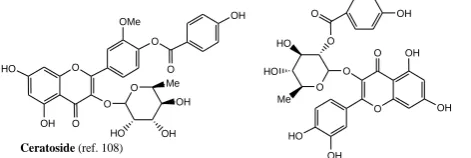
antioxidant activity. Ethanolic extract found most active and it was tested in vivo (rats, AlCl3-induced oxidative stress), and found active antioxidant.100 This study focused on carbohydrate and fatty acid content of pods during different development satges of Carob trees. It also compared wild and domestic cultivars.101 This study compares between phenolic content (mainly) of ripe and unripe pods.102 Effect of seasonality and its relation with CO2 assimilation and photosynthesis is reported in terms of changes in chemical composition of major nurtrients.103 Detailed study of determination of compounds in methanolic pod extract by Liquid Chromatography–Electrospray Ionization-Tandem Mass Spectrometry. Details include conditions (solvents, positive, negative), compounds and their fragmentation.104 Essential oil was prepared from fresh whole pods and extracted from aqueous phase with DCM. Its analysis showed mainly long chain hydrocarbons, unpolar acids and other unpolar compounds. It was found active against several types of bacteria and cycotoxic against cancer cell line.105 A short review article about chemical composition of Carob with some interesting uses that are usually ignored by other reports has appeared.106 Total flavonoid content of leaves was determined by 70 % ethanol/water extraction. The extract was analyzed by HPLC and nine compounds were detected, with myricetin as major.107 New acylated flavonol glycoside was isolated and characterized from
methanolic extract that was fractionated and
chromatographed by various solvents. Authors name the new compound ceratoside (Figure 3). Full spectroscopic data is reported.108
Figure 3. New compounds isolated from Carob.
O
O
O
OH OMe
O O
O Me
OH
OH HO OH
HO
Ceratoside (ref. 108)
O O
OH OH
HO OH
O O Me HO
HO O
O OH
Experimental and theoretical method for reducing isobutyric acid content in pods by roasting is required, since its foul smell decreases Carob uses for food products.109 Seed oil was analyzed and the major constituents are: fatty acids, tocopherols and phytosterols.110 Defatted pods of two types (natural and commercial flour) were extracted with methanol and phenolic acids content was determined. Gallic acid was the major constituent.111
Dry leaves were extracted with 70 % ethanol/water and analyzed by different methods for polyphenols. No new compounds are reported.112 Leaves, bark, skin and pulp were oven-dried (500 C) and their mineral content (Ca, K, Mg, Na, P, Cl, Cu, Fe, Zn, Se) was measured by atomic absorption spectrophotometry.113 Nitrogen and ash content of pods was measured in wild and grafted Carob trees.114 Mineral content (Mg, Cu, Fe, Zn, Se, Mn) of pods was determined by ICP-OES.115 Partial mineral content (K, Ca, Cl, Mg, Na) was determined by neutron activation analysis.116 Kinetic study of the extraction of polyphenols from pods using environment friendly solvents (best, 30 % ethanol/water, 1 % citric acid), and a new compound reported (Figure 3).117
Three types of domesticated Carob were analyzed for sugars, minerals and fatty acids.118 Phytochemical analysis of methanolic extract of pods has been done and antioxidant (DPPH) and cytotoxic activities were tested. Polyphenolics (gallic acid) comprised most of the extract, that had high antioxidant activity and low cytotoxic activity.119 D-pinitol content in various commercial Carob syrups was determined to be around 90 g Kg-1 on an average of the dry weight.120 A detailed report of isolation, quantification and identification of polyphenols in pods has appeared.121 70 % Acetone/water was used to extract pods and the extract was analyzed for polyphenols and tested for antioxidant activity. Gallic acid was major compound.122 A short report of quantification of polyphenolic content of different Carob cultivars in Portugal has been published.123 Total phenolic content of pods from different areas and different domesticated cultivars in Morocco was determined in this report.124
Comparison between ripe and unripe pods and using three solvents for extraction of the content of leucoanthocyanins (3,4-dihydroxy flavans).125 In this report, 137 compounds were identified in the volatile phase of Carob seeds. During roasting, more than 50 % of them are evaporated, mostly those that have unpleasant odors.126 Later study discovered 169 compounds with clear dominance of short chain acids (77.5 %).127 Use of advanced isolation and detection method (headspace solid-phase micro extraction, HD-SPME) revealed new yet known volatile compounds in pods, that were not reported in ref. 126, 127.128 The extraction, isolation, quantification and characterization of galloyl glucose compounds have been reported.129
Deseeded pods of cultivatied and wild varieties were analyzed for sugar content. Domesticated plants had higher sugar content. Monosaccharide compositions were also reported.130 Alkaline hydrolysis of condensed tannins separated sugars from polyphenols in pods, gave (+)-gallocatechin, (-)-epicatechin and (-)-epicatechin gallate as major compounds.131 Tannins isolated from ripe pods were hydrolysed with thioglycolic acid to yield free polyphenols and sugars ( Scheme 1).132 It has been claimed that part of sweet taste of pods is due to 6-deoxymannose and
1-methoxy-6-deoxygalactose but no evidence has been provided.133
Ethanol production
Ethanol was produced from pods that were extracted with water. Details of extraction and fermentation conditions have been presented. Maximum yields were around 45 %.134
Heavy metals related activities
Silver nanoparticles were prepared from AgNO3 solution, using Carob aqueous extract as reductant. The AgNP's have antibaterial activity against E. coli.135 Dry pod methanolic extract found to be active corrosion inhibitor of copper and brass in aqueous 1 M HNO3.136 Bark was cleaned and treated for biosorption of heavy metals (Zn+2, Ni+2, Cu+2 and Cd+2). Different variables are discussed and pH, metal concentration, contact time, adsorbent dose have been optimized. Kinetics of adsorption has been presented.137 Ethanol extract of pods was found protective against lead (Pb) poisoning in Oreochromis niloticus fish. In this report, all along the article ether extract is mentioned but in the experimental section, alcohol extraction is described.138
Scheme 1. Hydrolysis of tannins.
Human nutrition, nurtitional sources and risk assessment
Carob flour was added to Tarhana (yogurt-wheat based food), and fibre, ash, Ca, K, Cu, total phenolic content and total antioxidant capacity were determined. All nutitional values and antioxidant property increased.139 Powder of Carob pods was added to wheat biscuits. Their mineral and total phenolic content was found higher than biscuits without addition.140 Risk assessment (Italy) of toxic metals (Pb, Cd) and pesticides (organochlorines, organophosphates, pyrethrins and pyrethroids, in honey of bees that feed on Carob trees) were done. No risk was detected.141 Heavy metals (Cd, Pb, Fe, Cu, Mn, Ni, Cr, Se) in honey of bees that fed from Carob trees (Turkey) among other plants have been determined.142
Honey of bees that feed on Carob flowers (Italy) has been physicochemically characterized. Most important presented value is sugar content.143 Honey of bees that feed on Carob flowers (Morocco) was physicochemically characterized. Most important presented value is mineral content. Antioxidant activity (DPPH) was tested and found high.144 Human volunteers, fed with tannates rich carob-fibre that was added to diary food, had improved cardiovasular functions and significantly lowered cholesterol levels.145 Extraction of pods with refluxing methanol resulted in high
O
O O
OH
OH HO
OH OH OH
O HO
OH
Myricetin-3-rhamnoside
Me
O
OH
O OH
OH HO
OH OH OH
O HO
OH
Me
+ HSCH2COOH
Thioglycolic acid
HO
Myricetin
content of condensed tannins extract, that was added to kids’ diet. Lowering of cholesterol level was significant.146 Sancks that conatined Carob with the same amount of available carbohydrates as chocolate snacks were compared in terms of glycemic index (GI). Carob snacks resulted in much lower GI.147 This study aimed on the finding of optimal ratio of Carob flour in snack to achieve acceptable taste and texture in order to compete with chocolate snacks.148 Nutritional content was tested and compared between homemade and commercial Carob flour. In all nutritional aspects, soluble sugars, amino acids, fatty acids and mineral content, homemade flour was better.149 Carob pods are fermented in to produce a special type of wine in Serbia.150
Animal food and nutrition
Aqueous extract of Pod was tested against cellulolysis and proteolysis of rumen bacteria activity. Its inhibition of cellulolytis was related by authors to high carbohydrate content, while anti-proteolysis activity was related to tannin compounds.151 Deseeded pods and seeds were analyzed for mineral, protein and energy content. Seeds have higher values but tests showed that they are harder to digest for animals. So, pods have higher nutritional importance.152 Sugar content of Carob pods help both nursing ewes and lambs in the growth process.153 Effect of feeding quails with Carob seed powder as food additive was tested. It was found that mortality of birds decreased, egg quality and fatty acid content increased, and cholesterol levels decreased.154
Gastroprotection and other digestive system related activities
Pods were extracted with 70 % methanol/water and extract was tested against HCl-ethanol induced gastric ulcer and found moderately active, compared with other plants used in this study.155 Aqueous extract of pods was tested for antioxidant activity (DPPH) and against ethanol-induced oxidative gastric stress (lipoperoxidation and hydrogen peroxide increase) in rats and found active.156 Aqueous extract of pods was tested against dextran sulfate sodium-induced sub-acute experimental ulcerative colitis in adult Wistar rats. Results were positive and authors attributes this to phenolic compounds in Carob.157 Aqueous extract of pods was prepared, analyzed (RP-HPLC) for tannins and dietary fiber, total sugar and total phenolics content. It was also tested against small intestinal motility in rats and jejunal permeability in mice, and found active in both tests.158 Soluble galactomannans were water extracted from Carob seeds, and formulated to treat gastric reflux of infants. Results were positive after three days treatment.159
Hepatoprotective
Aqueous extract of dry pods was tested against ethanol-induced oxidative stress in rat liver and found active.160
Inhibition of enzymes and other medicinally active materials
Ethyl acetate extract of immature pods inhibits the growth of peas (Pisum sativum) promoted by gibberellic acid.161 Growth inhibition of peas by different extracts of Carob was compared with the same activity of abscisic acid. This
natural growth inhibitor is stronger than Carob extracts.162 Carob extracts inhibit natural growth promoter indol-3-acetic acid, but this inhibition is weaker than inhibition of gibberellic acid (ref. 161).163 Pods were extracted with 60 % ethanol/water and the extract moderately inhibited protease action. This was done in search of anti-infectous plant extracts.164 Decoctions of different parts of Carob tree were prepared and tested for antioxidant activity (DPPH, ABTS and FRAP), and enzyme inhibition (AChE, BuChE, -amylase and -glucosidase). All decoctions were highly active in all tests.165
Nephroprotection and urinary system related activities
Carob honey (syrup) was tested as diuretic in rats and found very active. Authors attribute this activity to flavonoid content of Carob pods.166 Pods were extracted with 70 % ethanol/water and the extract was administered to diabetic (STZ-induced) rats. Results showed moderate improvement in kidney function.167 Aqueous extract of pods was prepared and tested against dextran sulfate sodium-induced injuries in rat liver and kidney, and found active. Polyphenolic content of extract is probably responsible for the antioxidant and anti-inflammatory properties.168 Leaves and pods were extracted with 70 % ethanol-water, and the extract was tested for reduction of oxidative nephrotoxicity of synthetic anticancer agent cisplatin, and found active.169 Leaves were extracted with 80 % ethanol/water and the extract was fractionated with ethyl acetate, n-hexane and DCM. All fractions, including the remaining aqueous phase, were analyzed for total phenolic content and tested for antioxidant activity (3 methods). It was also against renal failure caused by oxidative stress that was CCl4-induced. All tested fractions were active, where the ethyl acetate fraction was most active.170
Glycemic response
Carob seeds were extracted with methanol and petroleum ether. Both extracts were tested in vivo (rats) for glycemic response. Crude polyphenols of Carob were also tested. No positive results were obtained.171 Healthy human volunteers were supplied with tablets of Carob flour. Glycemic index showed clear improvement.172
Neuroprotection
In a short review article attempts have made to link the active compounds in Carob with neuroprotection against monosodium glutamate damages. No direct link is established.173
Reproductive system related activities
Phytoestrogens, bone recovery
Seed flour was screened for chemical composition, especially lignans. The detected phytosterols were secoisolariciresinol, lariciresinol, isolariciresinol and pinoresinol (Figure 4).177 Rats that were fed with Carob pod powder showed improvement in osteoporosis bone model in rats.178
Skin depigmentation
Various parts of Carob were extracted with ethanol and the dry extract was fractionated with other solvents. Methanolic fraction of bark extract was most active inhibitor of tyrosinase, the enzyme responsible for oxidation of amino acid tyrosine, that causes hyperpigmentation. The extract was also tested in L-dopa model and found active. It was also tested with human volunteers for irritation and found non-irritant. Three isolated gallates were active.179
Figure 4. Phytosterols detected in the seed flour of Carob.
Toxicological evaluation
Goats fed with Carob leaves showed no signs of illness.180 Seeds aqueous extract was prepared and supplied to rabbits in drinking water. No physical or behavioral adverse effects were recorded.181
Meatbolism of proanthocyanins
Proanthocyanidins (condensed tannins) in unripe pods were radiolabelled by 14C, they were extracted with acetone-water (3:1 v/v), isolated and fed to rats. Proanthocyanidins were partially metabolized and they are not inert within the animal gut.182
Neutralization of toxicity of Egyptian horned viper venom
Aqueous extract of seeds was tested for neutralization of toxicity of Egyptian horned viper (Cerastes cerastes) venom
in vitro (hyaluronidase inhibition) and in vivo (rats). It had weak activity.183
Waterpipe smoke and amiodarone toxicity amelioration
Aqueous extract of pods ameliorates impairments in liver, kidney and lung functions and decreased the oxidative stress induced by exposure to water pipe smoke and amiodarone in rats.184
Discussion
Reading the literature of ethnomedicinal and other traditional uses of Carob (Table 1) reveals an interesting, yet a strange fact. The plant (molasses of ripe pods) is very well know in Palestinian traditional medicine to have strong anti-inflammatory activity, especially mouth inflammations; and modern research approves this property. But articles of ethnomedicine of Carob do not mention this at all. S. A. Baydoun and her colleagues from Lebanon (Ref. 26), mention many traditional uses of Carob but not a clue of anti-inflammatory activity.
Antibacterial/antifungal activity of various extracts of C. siliqua was reported by many research groups (ref. 38-47). A. H. Ibrahim and her colleagues, prepared aqueous and methanolic extracts of C. siliqua and tested them for antibacterial activity.38 They isolated nine pure compounds from these extracts. All the nine compounds are known to have antibacterial activities. The structures of five of them are shown in Figure 1.
These five compounds were reported by other groups for having antibacterial activities. For example, n-nonadecanol from Schinus lentiscifolius,185 lupeol from Albizia
adianthifolia,186 genisstein from soybean (Glycine max),187 geraldone from Flourensia oolepis,188 and liquiritigenin from Dalbergia odorifera.189 N. Aissani et al. isolated (−)-epigallocatechin-3-gallate (Figure 2) from the methnolic extract of Carob leaves. It is interesting to notice that in reference 38 the same extract was prepared and analyzed but this compound was not isolated. Methyl ester of gallic acid was isolated. Epigallocatechin-3-gallate is the major antibacterial agent in green tea (Camellia sinensis).190
One general fact can be noticed, methanolic extract of leaves has the highest antibacterial capacity. But it is also important to notice the contradiction between the reports of I. Talibi et al.44 and B. Kivcak and T. Mert47: while the first reports that n-hexane extract of dry leaves was inactive antimicrobial, the second reports that the very same extract had the highest activity, along with methanolic extract. The weak antimicrobial activity reported by C. Tassou et al.,191 can not be explained or compared with later reports since Carob tree part was not indicated and extraction solvent was 80 % ethanol/water.
But Carob can be a medium for bacteria growth also. A. Hariri and his colleagues reported the growth of L. bulgaricus from Carob pods syrup.192 Despite the fact that this bacterium is a "friendly" one that is used for cheese production from milk, the sugar rich Carob pods syrup, that has high nutritional value, can potentially help growing harmful bacteria. Fungi can also grow on nutritional Carob trees. M. El-Neketi and her colleagues have isolated and characterized six new interesting compounds, including alkaloids and polyketides from the fungi Penicillium citrinum, that grows on Carob trees in Morocco.193 The structures of these compounds are shown in Figure 5.
Among the reported Carob extracts tested for antidiabetic activity, it seems that the report of F. Mounce and M. Al-Saeed (ref. 51) is the less understandable.
OH
OH HO
MeO
OH OMe
HO MeO
Secoisolariciresinol
OH
OH HO
MeO
OH OMe
O
OH
OH
OMe
Lariciresinol
HO MeO
Isolariciresinol
O
O OH
OMe
Figure 5. Alkaloids and polyketides from the fungi Penicillium citrinum, that grows on Carob trees.
They claim to find n-hexane extract of dry pods to be active against alloxan-induced diabetes in pregnant female rabbits. They claim that this extraction method yields "phytosterol extract". Obviously, phytosterols are highly soluble in hexane, but this extract naturally contains many other non-polar compounds that are found in Carob pods. So, it is scientifically inaccurate to refer the biological activity to a single compound or compound family, while the extract is crude and not fractionated.
Anticancer and related activities of Carob have been studied partially. Anyhow, some of these published studies must be considered very carefully. For example, H. A. Mouse and his colleagues tested ethanolic and ethyl acetate extracts of popolis extract from Morocco. They claim that the raw material was prepared by bees from mailny three trees, including Carob. But when they analyzed these extracts by HPLC, they did not find a single compound that is solely conatined in Carob.
Anti-inflammatory activity of Carob extracts reported in references 61-63, are to the best our knowledge, underestimating the capacities of this plant. Based on very pesonal experience and many others, we can state that molasses of Carob are very active against mouth
infalammations. As we mentioned above, this is very well known activity in Palestinian traditional medicine, and its very strange that even publications about ethnomedicine of
C. siliqua do not mention it.
Most reports about medicinal activities of Carob extracts, especially antioxidant activity and its related properties (ref. 64-86) indicate very clearly that extracts of polar solvents have higher activity than those of non-polar solvents. In most cases, extraction was done with methanol. This can be understood on the basis of the nature of the active compounds in Carob, most of them are polyphenols, that are relatively polar compounds. Even though other powerful antioxidants such as carotenoids are present in Carob, their amounts are much lower than that of polyphenols, and so, their contribution to the total antioxidant capacity is low. Special attention can be paid to the report of A. Ben Hsouna and his colleagues (ref. 76), where they state that the ethyl acetate leaves "extract" had the highest antioxidant and antimicrobial activities among the "extracts" that they prepared. As far as we can understand this, introducing the results this way is misleading. Leaves were originally extracted with 80 % aqueous ethanol, a very polar solvent. The dry extract was fractionated with ethyl acetate, DCM and n-hexane, where ethyl acetate is the most polar solvent among the three. HPLC analysis of this fraction yielded
polyphenolic compounds: 1,6-di-galloyl-glucose, 1,2,6-tri-galloyl-glucose, myricetin glucoside, 1,2,3,6-tetra-galloyl-glucose, myricetin rhamnoside and syringic acid. To conclude this part, it is important to pay attention to two additional reports. First, S. Klenow and her colleagues,194 raised the question: does an extract of Carob have chemopreventive potential related to oxidative stress? And after a fundamental research they conclude that the answer is not clearly "yes". So, the antioxidant quality of Carob is superb but its anticancer properties are not the same. This doubt is strengthened by the report of N. Khalifa and her colleagues who found high antioxidant of extracts of leaves and pods of Carob, but zero and very weak cytotoxic activity, respectively.195* Second, V. Goulas et al. published a comprehensive review article about "functional components of Carob fruit".196 Its not clear why the most important medicinal and food value of Carob pods, antioxidant activity, was so clearly ignored there.
The chemical composition of Carob was widely investigated. Locality, seasonality and stage of development can influence the chemical composition of plants, and Carob is not an exception (ref. 90-92, 101-103). These effects are well known for other plants, and many studies of Carob indicate this, including the report of A. Haddarah and her colleagues from Lebanon.197 One of the important reports of chemical composition of Carob was published by Y. M. Boufdi and her colleagues.100 They prepared three extracts of pulp, and while the vast majority of composition studies report approximate compositions, this study reports a very detailed composition (Table 2, page 79 in the article). Most of the identified compounds are polyphenols and their derivatives.
Polyphenolic compounds are major components of Carob. They are responsible for most of its medicinal and other activities, such as antioxidant-reductive activity. This property enable extracts of Carob being corrosion inhibitors.136 One of the new polyphenolic that were isolated for the first time from Carob is ceratoside, that its structure is shown in Figure 3.108
Hydrolysis (degradation) of condensed tannins which are polyphenols attached by glycosyl bonds to sugars can be done in several reactions. One of the convenient reactions that is performed under mild conditions, is hydrolysis with thioglycolic acid, that can also hydrolyse other ether bonds.132 This reaction was discussed by Sears and Casebier.198 In scheme 1, we illustrate the application of this reaction to myricetin-3-rhamnoside.102
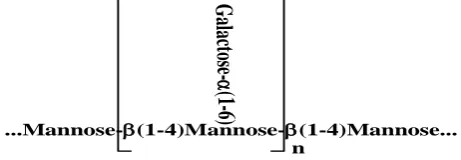
Carob extracts are being studied in recent years for gastroprotective activities, and they were found highly active, so far.155-159 Most studies were done in vivo after induction of gastric disorder in animals. These diorders were induced by various chemicals such as ethanol, hydrochloric acid, sodium chloride or dextran sulfate sodium. In most reports, authors link the medicinal activity to polyphenols found in Carob pods. One of these compounds is pyrogallol (1,2,3-trihydroxy benzene).158 A short summary of these activities can be found in a recent review article that was published by I. C. Theophilou and her colleagues.199 Some activities however, have been attributed to soluble galactomannans.159 A general structure of Carob galactomannan, polysaccharide composed of mannose in major chain, with galactose branching, is shown in figure 6 (short form).200
N H
N O
O O
OH MeO
HO
OH
COOH COOH
OH HO
COOH OH
HO O
N HO
OMe
N H
N
Figure 6. General structure of galactomannan found mainly in Carob beans
Carob phytoestrogens were found active in bone recovery.177,178 These compounds are shown in figure 4. This activity is very well known and it was finely presented in a comprehensive review article by Lagari & Levis.201
Finally, Carob tree is a very important nutritional source, both for humans and animals, and relying on its potenial and safety, even its used parts and by-products can have nutritional and medicinal important uses.202 It is important to indicate here that in this review article we tried to focus our attention on major natural products found in Carob, despite the fact that some compounds that are found in trace amounts, might be of some interest.203 But these compounds are found in other plants in higher amounts and were studied in that context.204
Conclusions and suggested future research
(1) Carob has very important nutritional and medicinal qualities. Some were reasonably studied but others should be studied more thoroughly.
(2) Some of the reports concerning antibacterial activity of Carob are contradicting. Further studies are needed to clear these confusions. It is also recommended to use modern tools such as ionic liquids for extraction.
(3) There is a need to perform more studies of antiviral capacity of Carob.
(4) It is highly desirableto expand the research of anti-inflammatory activity of Carob since it is very well based in Palestinian ethnomedicine and almost was not studied so far.
(5) Works of actual research of neuroprotective effect of Carob were never published. This field should be extensively studied.
6) There is an importance to expand the studies of the medicinal studies of the potential of Carob products as nutritional sources, especially in terms of antiobesity agents.
References
1Battle, I., Tous, J., Promoting the conservation and use of underutilized and neglected crops. 17. Institute of Plant Genetics and Crop Plant Research, 1997, 92 pages, https://www.scribd.com/document/79689913
2Hillcoat, D., Lewis, G., Verdcourt, B., Kew Bull., 1980, 35, 261-271. DOI: 10.2307/4114570
3Zohary, D., Isr. J. Plant Sci., 2002, 50, 141-145.
DOI: 10.1560/BW6B-4M9P-U2UA-C6NN
4Jahns, S., Veg. Hist Archaeobot, 2003, 12, 127–130. DOI
10.1007/s00334-003-0013-8
5Liphschitz, N., Isr. J. Bot., 1987, 36, 191-197. DOI:
10.1080/0021213X.1987.10677083
6Sahin, G., Tasligil, N., Turk. J. Agric. Food Sci. Technol., 2016, 4, 1192-1200. https://doi.org/10.24925/turjaf.v4i12.1192-1200.979
7Bostan, S. Z., Kili, D., Turk. J. Agric. Nat. Sci., 2014, 1, 706-708. http://www.mulkiyedergi.org/ttdb/article/view/5000090881/5 000084283
8Sidina, M. M., El Hansali, M., Wahid, N., Ouatmane, A., Boulli, A., Haddaioui, A., Sci. Hort., 2009, 123, 110-116. https://doi.org/10.1016/j.scienta.2009.07.009
9Gharnit, N., Ennabili, A., Int. J. Fruit Sci., 2016, 16, 259-274. http://dx.doi.org/10.1080/15538362.2015.1102674
10Sundararajan, R., Bharampuram, A., Koduru, R., Pharmacophore,
2014, 5, 160-182.
http://www.pharmacophorejournal.com/index/AbstractView/ 302
11Nasar-Abbas, S. M., Huma, Z., Vu, T-H., Khan, M. K., Esbenshade, H., Jayasena, V., Compr. Rev. Food Sci. Food Saf., 2016, 15, 63-72. DOI: 10.1111/1541-4337.12177
12Rtibi, K., Selmi, S., Grami, D., Amri, M., Eto, B., El-benna, J., Sebai, H., Marzouki, L., Biomed. Pharmacother., 2017, 93, 522-528. http://dx.doi.org/10.1016/j.biopha.2017.06.088
13Ozkum, D., Aki, O., Toklu, H. Z., J. Med. Plants Res., 2013, 7, 1652-1664. DOI: 10.5897/JMPR12.1207
14Abou Zid, S. F., Mohamed, A. A., J. Ethnobiol. Ethnomed., 2011,
7, 6 pages. DOI: 10.1186/1746-4269-7-18
15Saad, B.; Said, O. Greco-Arab and Islamic Herbal Medicine; Hoboken, New-Jersy; John Wiley & Sons, Inc.; 2011, pp. 308
16Fatima, S., Shahid, M., Mand, D., Parveen, S., Naaz, I., World J.
Pharm. Res., 2017, 6, 1475-1485. DOI: 10.20959/wjpr201710-9472
17Tansaz, M., Memarzadehzavareh, H., Qaraaty, M., Eftekhar, T., Tabarrai, M., Kamalinejad, M., J. Evid. Based Complement. Alternat. Med., 2016, 21, 71-76. DOI: 10.1177/2156587215589522
18Ahmed, H. M., J. Ethnobiol. Ethnomed., 2016, 12, 17 pages. DOI
10.1186/s13002-016-0081-3
19Said, O., Khalil, K., Fulder, S., Azaizeh, H., J. Ethnopharmacol.,
2002, 83, 251-265. https://doi.org/10.1016/s0378-8741(02)00253-2
20Landau, S. Y., Muklada, H., Abu-Rabia, A., Kaadan, S., Azaizeh, H., Small Ruminant Res., 2014, 119, 161-171. http://dx.doi.org/10.1016/j.smallrumres.2014.01.004
21Guarrera, P. M., Giovanni Salerno, G., Caneva, G., J. Ethnobiol.
Ethnomed., 2016, 12, 17 pages. DOI: 10.1186/1746-4269-2-37
22Montesano, V., Negro, D., Sarli, G., De Lisi, A., Laghetti, G., Hammer, K., J. Ethnobiol. Ethnomed., 2012, 8, 10 pages.
DOI: 10.1186/1746-4269-8-15
23Afifi-Yazar, F. U., Kasabri, V., Abu-Dahab, R., Planta Med.,
2011, 77, 1210–1220. http://dx.doi.org/10.1055/s-0031-1279983
24Oran, S. A., Al-Eisawi, D. M., J. Bio. Env. Sci., 2015, 6, 381-400. http://www.innspub.net/wp-content/uploads/2015/03/JBES-Vol6No3-p381-400.pdf
25Baydoun, S., Chalak, L., Dalleh, H., Arnold, N., J.
Ethnopharmacol., 2015, 173, 139-156. http://dx.doi.org/10.1016/j.jep.2015.06.052
n
...Mannose-(1-4)Mannose-(1-4)Mannose...
G
ala
cto
se-
(1
-6
26Baydoun, S.A., Kanj, D., Raafat, K., Aboul Ela, M., Chalak. L., Arnold-Apostolides, N., J. Ecosys. Ecogr., 2017, S7, 8 pages.
DOI: 10.4172/2157-7625.S7-001
27Ennabili, A., Gharniti, N., El Hamdouni, E., Stud. Bot., 2000, 19, 57-74. http://revistas.usal.es/index.php/0211-9714/article/viewFile/6081/6101
28El-Hilaly, J., Hmammouchi, M., Lyoussi, B., J. Ethnopharmacol.,
2003, 86, 149-158. https://doi.org/10.1016/S0378-8741(03)00012-6
29Ouhaddou, H., Boubaker, H., Msanda, F., El Mousadik, A., J.
Appl. Biosci., 2014, 84, 7707-7722. http://dx.doi.org/10.4314/jab.v84i1.5
30Orch, H., Zidane, L., Douira, A., Int. J. Recent Sci. Res., 2017, 8, 15213-15220.
http://www.recentscientific.com/sites/default/files/6806.pdf
31Ali-Shtayeh, M. S., Jamous, R. M., Al-Shafie', J. H., Elgharabah, W. A., Kherfan, F. A., Qarariah, K. H., Khdair, I. K., Soos, I. M., Musleh, A. A., Isa, B. A., Herzallah, H. M., Khlaif, R. B., Aiash, S. M., Swaiti, G. M., Abuzahra, M. A., Haj-Ali, M. M., Saifi, N. A., Azem, H. K., Nasrallah, H. A., J. Ethnobiol. Ethnomed., 2008, 4, 13 pages.
doi:10.1186/1746-4269-4-13
32Lentini, F., Venza, F., J. Ethnobiol. Ethnomed., 2007, 3, 12 pages. DOI:10.1186/1746-4269-3-15
33Tardio, J., Pardo-de-Santayana, M., Morales, R., Bot. J. Linn.
Soc., 2006, 152, 27–71. https://doi.org/10.1111/j.1095-8339.2006.00549.x
34Kaderi, M., Ben Hamouda, G., Zaeir, H., Hanana, M., Hamrouni, L., Phytothérapie, 2015, 13, 144-147. DOI 10.1007/s10298-014-0904-4
35Fakir, H., Korkmaz, M., Guller, B., J. Appl. Biol. Sci., 2009, 3, 33-43.
http://citeseerx.ist.psu.edu/viewdoc/download?doi=10.1.1.45 9.6995&rep=rep1&type=pdf
36 Berrougui, H., Loued, S., Elghmari, A., Bouadili, A., Haddadi, B., Khalil, A., Chem. Phys. Lipids, 2008, 154, S53-S54. https://doi.org/10.1016/j.chemphyslip.2008.05.147
37Abd Razik , B. M., Hasan , H., A., Murtadha, M. K., Iraqi
Postgraduate Med. J., 2012, 11, 130-135. https://iasj.net/iasj?func=fulltext&aId=30208
38Ibrahim, A. H., Abd El-Baky, R. M., Desoukey, S. Y., Abd-Lateff, A., Kamel, M. S., J. Adv. Biotechnol. Bioeng., 2013, 1, 3-13. https://doi.org/10.12970/2311-1755.2013.01.01.1
39Meziani, S., Oomah, B. D., Zaidi, F., Simon-Levert, A., Bertrand, C., Zaidi, Yahiaoui, R., Microb. Pathog., 2015, 78, 95-102. http://dx.doi.org/10.1016/j.micpath.2014.12.001
40Aissani, N., Coroneo, V., Fattouch, S., Caboni, P., J. Agric. Food
Chem., 2012, 60, 9954−9958. DOI: 10.1021/jf3029623
41Kumar, V. P., Chauhan, N. C., Padh, H., Rajani, M., J.
Ethnopharmacol., 2006, 107, 182-188. DOI: 10.1016/j.jep.2006.03.013
42Rahmoun, N. M., Ziane, H., Boucherit-Otmani, Z., J. Coast. Life
Med., 2014, 2, 975-979. DOI:
10.12980/JCLM.2.2014APJTB-2014-0072
43Al-fawwaz, A. T., Al-Khaza'leh, K. A., Eur. Sci. J., 2016, 12, 147-157. http://dx.doi.org/10.19044/esj.2016.v12n6p147
44Talibi, I., Askarne, L., Boubaker, H., Boudyach, E. H., Msanda, F., Saadi, B., Ben Aoumar, A. A., Lett. Appl. Microbiol.,
2012, 55, 155-161.
DOI: 10.1111/j.1472-765X.2012.03273.x
45Ben Hsouna, A., Alayed, A. S., Abdallah, E. M., Afr. J.
Microbiol. Res., 2012, 6, 3480-3484. DOI: 10.5897/AJMR11.1613
46Jamous, R. M., Abu Zaitoun, S.Y., Husein, A. I., Qasem, I. B., Ali-Shtayeh, M. S., Eur. J. Med. Plants, 2015, 9, 1-13. DOI: 10.9734/EJMP/2015/17429
47Kivcak, B., Mert, T., Turk. J. Biol., 2002, 26, 197-200. http://journals.tubitak.gov.tr/biology/issues/biy-02-26-4/biy-26-4-2-0111-4.pdf
48Mokhtari, M., Sharifi, S., Tabatabaee, M. S., Int. Proc. Chem.
Biol. Environ. Eng., 2011, 3, 82-86. http://www.ipcbee.com/vol3/22-L10002.pdf
49Hamza, R. G., Al-Seeni, M. N., Int. J. Pharm. Bio. Sci., 2015, 6, 951 – 960. http://www.ijpbs.net/details.php?article=4022
50Rtibi, K., Selmi, S., Grami, D., Saidani, K., Sebai, H., Amri, M., Eto, B., Marzouki, L., J. Sci. Food Agric., 2017; 97, 2664– 2670. DOI: 10.1002/jsfa.8091
51Mounce, F. S., Al-Saeed, M. H., Bas. J.Vet.Res., 2017, 16, 219-242.
http://www.basjvet.com/wp-content/uploads/2017/05/219-242.pdf
52Mounce, F. S., Al-Saeed, M. H., Bas. J.Vet.Res., 2017, 16, 219-242. IAJMR, 2017. 3, 1094-1102. DOI: 10.22192/iajmr.2017.3.2.6
53Macho-Gonzalez, A., Garcimartin, A., Lopez-Oliva, M. E., Bertocco, G., Naes, F., Bastida, S., Sanchez-Muniz, F. J., Benedi, J., Food Funct., 2017, 8, 2258-2265. DOI: 10.1039/c7fo00166e
54Khaldoun J. Al-Hadid, K. J., Am. J. Agric. Biol. Sci., 2016, 11, 157-163. DOI: 10.3844/ajabssp.2016.157.163
55Mouse, H. A., Tilaoui, M., Jaafari, A., M’barek, L. A., Aboufatima, R., Chait, A., Zyad, A., Rev. Bras. Farmacogn.,
2012, 22, 558-567. http://dx.doi.org/10.1590/S0102-695X2012005000030
56Amessis-Ouchemoukh, N., Ouchemoukh, S., Meziant, N., Idiri, Y., Hernanz, D., Stinco, C. M., Rodríguez-Pulido, F. J., Heredia, F. J., Madani, K., Luis, J., Ind. Crops Prod., 2017,
95, 6-17. http://dx.doi.org/10.1016/j.indcrop.2016.10.007
57Corsi, L., Avallone, R., Cosenza, F., Farina, F., Baraldi, C., Baraldi, M., Fitoterapia, 2002, 73, 674–684. https://doi.org/10.1016/s0367-326x(02)00227-7
58Custodio, L., Fernandes, E., Escapa , A. L., Lopez-Aviles, S., Fajardo, A., Aligue, R., Alberício, F., Romano, A., Planta Med., 2008, 74, PA48. DOI: 10.1055/s-0028-1084046
59Agrawal, A., Mohan, M., Kasture, S., Foddis, C., Frau, M. A., Loi, M. C., Andrea Maxia, A., Nat. Prod. Res., 2011, 25, 450-456. DOI: 10.1080/14786419.2010.527447
60Al-Olayan, E. M., El-Khadragy, M. F., Alajmi, R. A., Othman, M. S., Bauomy, A. A., Ibrahim, S. R., Abdel Moneim, A. E.,
BMC Complement. Altern. Med., 2016, 16, 11 pages. DOI 10.1186/s12906-016-1389-1
61Lachkar, N., Al-Sobarry, M., El Hajaji, H., Lamkinsi, T., Lachkar, M., Cherrah, Y., Alaoui, K., J. Chem. Pharm. Res., 2016, 8, 202-210. http://www.jocpr.com/articles/antiinflammatory- and-antioxidant-effect-of-ceratonia-siliqua-l-methanol-barks-extract.pdf
62Narin, B., Sungurlu, F., Balci, A., Arman, A., Kurdas, O. O., Simsek, M., Saudi J. Gastroenterol., 2009, 15, 253-257.
DOI: 10.4103/1319-3767.56104
63Kaileh, M., Berghe, W. V., Boone, E., Essawi, T., Haegeman, G.,
J. Ethnopharmacol., 2007, 113, 510–516.
DOI:10.1016/j.jep.2007.07.008
64Custodio, L., Fernandes, E., Romano, A., Acta Hortic., 2009, 841, 507-510. DOI: 10.17660/ActaHortic.2009.841.70
65El Hajaji, H., Lachkar, N., Alaoui, K., Cherrah, Y., Farah, A., Ennabili, A., Bali, B., Lachkar, M., Rec. Nat. Prod., 2010, 4, 193-204.
http://www.acgpubs.org/RNP/2010/Volume%204/Issue%201 /23_RNP_1001_181.pdf
66El-sherif, G., El-sherif, M. A., Tolba, K. H., Nat. Sci., 2011; 9, 108-115.