of Spasticity: A Retrospective Cohort Study in
a Portuguese Centre
Bombas Perfusoras de Baclofeno Intratecal no
Tratamento da Espasticidade: Estudo de Coorte
Retrospetivo num Centro Português
Pedro Videira REIS1, Catarina Rocha VIEIRA2, Ana Cristina MIDÕES1, Virgínia REBELO3, Paula BARBOSA1,
Armanda GOMES1
Acta Med Port 2019 Dec;32(12):754–759 ▪ https://doi.org/10.20344/amp.10482
1. Department of Anaesthesiology. Centro Hospitalar São João. Porto. Portugal. 2. Unidade de Saúde Familiar Camélias. Vila Nova de Gaia. Portugal. 3. Department of Psychiatry. Centro Hospitalar São João. Porto. Portugal.
Autor correspondente: Pedro Videira Reis. [email protected]
Recebido: 02 de março de 2018 – Aceite: 17 de junho de 2019 | Copyright © Ordem dos Médicos 2019
ABSTRACT
Introduction: Spasticity is a complex problem in patients with neurological disorders and may distress their quality of life. Intrathecal baclofen infusion pumps reduce spasticity with low doses and minimal side effects but are not free from complications. We aimed to evaluate the efficacy and safety of intrathecal baclofen infusion pumps as well as patients’ satisfaction.
Material and Methods: Retrospective cohort study including all intrathecal baclofen infusion pumps placed up to December 2015. Demographic characteristics, clinical diagnoses, date of placement or withdrawal/replacement of intrathecal baclofen infusion pumps, baclofen dosage and complications of intrathecal baclofen infusion pumps were collected. Assessments from the Ashworth and Penn’s scales, Katz index and patients’ global satisfaction were analysed.
Results: In 19 years we placed 251 intrathecal baclofen infusion pumps in 155 patients. The mean age was 41.1 ± 15.8 years. The most frequent conditions were: trauma (34%), cerebral palsy (14%), multiple sclerosis (12%) and stroke (12%). Eighty-five patients (55%) required a second pump, and eleven (7%) a third one. The lifetime of the first pump was 72 (36 – 89) and the total follow-up time was 96 (9 – 132) months. The causes of withdrawal/replacement were: battery failure (57%), catheter migration/kinking (24%), infection (14%) and pump displacement/exteriorization (7%). The complication rate was 0.21 events/month. There was a significant improvement in the Ashworth and Penn’s scales after the placemen of intrathecal baclofen infusion pumps (p < 0.001 for all diagnoses) and the patients were satisfied with the treatment.
Discussion: The incidence of complications was within range of other international studies despite our long follow-up time. Events per month, loss to follow-up, re-intervention rate, incidence of infection and mortality were similar to other studies.
Conclusion: Intrathecal baclofen infusion pumps are safe and effective in the treatment of spasticity. Infusion pumps provide a high level of satisfaction regarding treatment and quality of life.
Keywords: Baclofen/administration & dosage; Baclofen/therapeutic use; Infusion Pumps, Implantable; Muscle Spasticity/drug therapy RESUMO
Introdução: A espasticidade é um problema complexo em doentes com distúrbios neurológicos influenciando a sua qualidade de vida. As bombas perfusoras intratecais de baclofeno reduzem a espasticidade com doses baixas e efeitos laterais mínimos, mas não estão livres de complicações. Pretendemos avaliar a eficácia, segurança e satisfação dos doentes com bombas perfusoras intratecais de baclofeno.
Material e Métodos: Estudo de coorte retrospetivo, incluindo todas as bombas perfusoras intratecais de baclofeno colocadas até dezembro de 2015. Foram avaliadas as características demográficas, diagnósticos, data de colocação ou retirada/substituição e com-plicações das bombas perfusoras intratecais de baclofeno. Analisaram-se as escalas Ashworth, Penn, Katz e satisfação dos doentes.
Resultados: Durante 19 anos colocaram-se 251 bombas perfusoras intratecais de baclofeno em 155 doentes. A idade média foi 41,1 ± 15,8 anos. As patologias mais freqüentes foram: traumatismo (34%), paralisia cerebral (14%), esclerose múltipla (12%) e acidente vascular cerebral (12%). Oitenta e cinco doentes (55%) precisaram de uma segunda e onze (7%) de uma terceira bomba. A semi--vida da primeira bomba foi 72 (36 – 89) e o tempo total de seguimento 96 (9 – 132) meses. As causas de retirada/substituição foram: falha de bateria (57%), migração/kinking do cateter (24%), infeção (14%) e deslocamento/exteriorização da bomba (7%). A taxa de complicações foi 0,21 eventos/mês. Houve uma melhoria significativa nas escalas de Ashworth e Penn após colocação das bombas perfusoras intratecais de baclofeno (p < 0,001 para todos os diagnósticos) e os doentes ficaram satisfeitos com o tratamento.
Discussão: A incidência de complicações situou-se dentro do intervalo reportado por outros estudos internacionais, apesar do longo tempo de seguimento. Número de eventos por mês, perda de seguimento, taxas de re-intervenção ou infecção e mortalidade foram semelhantes a outros estudos.
Conclusão: As bombas perfusoras intratecais de baclofeno são seguras e eficazes no tratamento da espasticidade e oferecem um alto nível de satisfação quanto ao tratamento e qualidade de vida.
ARTIGO ORIGINAL
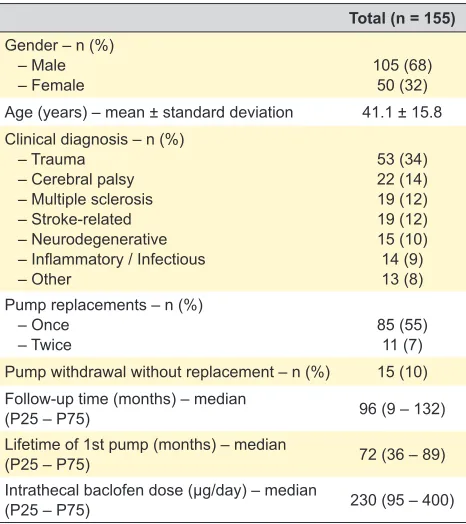
Table 1 – Patients’ characteristics
Total (n = 155)
Gender – n (%) – Male
– Female 105 (68)50 (32)
Age (years) – mean ± standard deviation 41.1 ± 15.8 Clinical diagnosis – n (%)
– Trauma – Cerebral palsy – Multiple sclerosis – Stroke-related – Neurodegenerative – Inflammatory / Infectious – Other
53 (34) 22 (14) 19 (12) 19 (12) 15 (10) 14 (9) 13 (8) Pump replacements – n (%)
– Once
– Twice 85 (55)11 (7)
Pump withdrawal without replacement – n (%) 15 (10) Follow-up time (months) – median
(P25 – P75) 96 (9 – 132)
Lifetime of 1st pump (months) – median
(P25 – P75) 72 (36 – 89)
Intrathecal baclofen dose (μg/day) – median
(P25 – P75) 230 (95 – 400)
INTRODUCTION
Spasticity is a complex problem that follows an upper motor neuron injury, affecting muscle tone and resistance to passive stretch, and is associated with hyperreflexia and muscle spasms.1 It is a consequence of numerous
condi-tions of the central nervous system (CNS) such as traumat-ic brain injury (TBI), spinal cord injury (SCI), stroke, cere-bral palsy (CP) and multiple sclerosis (MS).1 Spasticity may
cause pain, discomfort and interfere with mobility. In addi-tion to the physical consequences, patients often present emotional disturbances and may become dependent, which affects their quality of life.1
Various functional scales classify the severity of the dis-ease. The Katz Index grades the patient as independent, partially dependent, and totally dependent, depending on the activities that can be accomplished before any treat-ment. The Ashworth and Modified Ashworth scales are based on the degree of muscle tone assessment while the Penn Scale is based on the frequency of muscle spasms. These scales range from 0 to 4 in accordance to the pres-ence of more or less tonus or muscular spasms. These quantitative scales are not only used to assess the degree of spasticity, but also to evaluate treatment efficacy.2–17
Baclofen acts on γ-Aminobutyric acid (GABA)-B recep-tors inhibiting the release of excitatory neurotransmitters and reducing spasticity. As a result of its low lipid solubil-ity, oral baclofen barely crosses the blood brain barrier. Intrathecal administration reduces muscle tone with only 1% of the oral dose being required. A continuous admin-istration is desirable as its half-life in cerebrospinal fluid (CSF) is only five hours and has limited dispersion.1 This
is accomplished with infusion pumps (IPs) which have two components: a refillable reservoir connected to an intrath-ecal catheter and a lithium battery. The infusion rate and additional boluses can be programmed externally by radio telemetry. Before the placement of IPs, a test dose is per-formed with 50 or 100 µg of intrathecal baclofen, followed by spasticity evaluation every 2 hours for 6 – 8 hours. The test is positive if there is a 2 point reduction in the Ashworth or Modified Ashworth scale.2–18
Possible complications of IPs are surgical (infection, dehiscence); intrinsic pump failure (mechanical or bat-tery failure, migration, occlusion, fracture or disconnection of the catheter); and human error (overdoses by mistake while programming doses or pump refills). These can lead to discontinuation of therapy, surgical removal of the pump, or, in rare cases, death. Prolonged administration causes down-regulation of receptors and the abrupt discontinua-tion may lead to withdrawal syndrome. Alarms decreased human errors and improved detection of mechanical prob-lems. Technological evolution allowed its use in paediatric patients.6,10,16,19–22
Our Chronic Pain unit (CPU) is a national reference in the treatment of patients with spasticity. This study aimed to evaluate the efficacy and safety of IPs, their complications, as well as the patients’ satisfaction with this treatment.
MATERIAL AND METHODS
Retrospective cohort study approved by the institution-al ethics committee of our hospitinstitution-al including institution-all patients with an implanted IP since 1997 until December 2015. Demographic characteristics, clinical diagnoses, date of placement or withdrawal/replacement of IPs and baclofen dosage in micrograms /day were collected. Assessments from the Ashworth and Penn's scales pre and post place-ment of IPs, Katz Index and patients’ global satisfaction (numeric rating scale from 0 to 10, 0 being very unsatisfied and 10 totally satisfied) were also analysed. All complica-tions related to the IPs or intrathecal catheter were obtained until December 2015.
The histogram and the Kolmogorov-Smirnov tests were used to evaluate the distribution of ordinal and continuous variables. A descriptive analysis was used to summarize the results with the data being presented as mean ± standard deviation (SD) or median and interquartile range (P25-P75). Dichotomic variables were analysed with the X2 or Fisher
tests and the continuous variables were analysed with the Mann-Whitney test, paired or independent t-test. A statisti-cally significant p was defined as < 0.05.
RESULTS
ARTIGO ORIGINAL
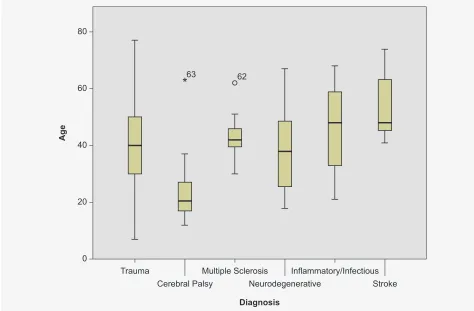
Figure 1 – Distribution of ages by diagnoses
from time to time in the Outpatient Clinic, as well as during the pump refills. Continuous infusion with fixed dose is pre-scribed, total daily dose being 230 (95 – 400) μg/day, with a minimum dose of 25 and a maximum dose of 2130 μg/day. During the follow-up period (1997 – 2015), 55% (n = 85) required a second and 7% (n = 11) a third IP. In 15 patients (10%) the IP was removed without replacement. The lon-gevity of the patients’ first pump was 72 (36 – 89) with a maximum of 144 months. The average follow-up time was 96 (9 – 132) months. Table 2 and Fig. 2 show the causes of withdrawal or replacement of the IPs, as well as the fol-low-up time until complications.
Excluding battery replacements that required interven-tions within the predicted time, there was a total of 48 com-plications in 251 procedures (an incidence of 19%). Dividing Trauma
0 20 40
60 62
63
*
80Cerebral Palsy Neurodegenerative
Diagnosis
Ag
e
Stroke Multiple Sclerosis Inflammatory/Infectious
statistically significant difference in age among patients with CP versus stroke (p < 0.001).
The invasive procedures of our CPU are performed in an operating room on a monthly basis, with patients being admitted the day before surgery. Our surgical team always includes two anaesthesiologists. Most pumps are placed under general anaesthesia. Antibiotic proph-ylaxis consists of intravenous cefazolin according to the institutional protocol.
A small incision between lumbar spinal processes, usu-ally the L3 – L4 interspace, is made and the subarachnoid space is punctured with a 14G Tuohy needle, through which the guide wire catheter is introduced and advanced under radiological control until the T10 level. After removing the guide wire and with the catheter in the desired location, the needle is withdrawn. The catheter is then tunnelled subcu-taneously from the lumbar region to the abdominal wall and connected to the IP when fully filled by CSF. It is fixed to the paravertebral muscles with a tense U-point to reduce the risk of CSF leakage. We used the Medtronic SyncroMed EL up to 2005 and SyncroMed II thereafter. The InDura intrath-ecal catheter (Model 8709SC) was used up to 2011, and was replaced by the Ascenda intrathecal catheter (Model 8780 – 8781) thereafter.
The starting dose of baclofen infusion is 50 μg/day except in paediatric patients where it starts at 25 μg/day. During postoperative hospitalization, the patient is re-eval-uated daily and the dose is adjusted according to their spasticity. Subsequently, the patient is also re-assessed
Table 2 – Causes of pump withdrawal or replacement and follow-up time until complications
Total (n = 111)
Reason for withdrawal / replacement – Battery
– Catheter (migration or kinking) – Infection
– Pump displacement / exteriorization
n (%) 63 (57) 24 (22) 16 (14) 8 (7) Months until battery replacement – median
(P25 – P75) 84.5 (81 – 102)
Months until infection – median (P25 – P75) 49 (13 – 78) Months until catheter / pump complications –
ARTIGO ORIGINAL
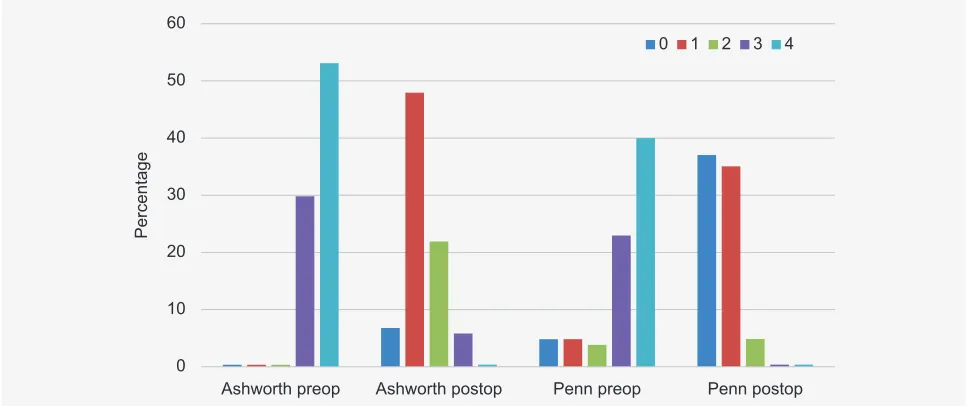
Figure 3 – Variation of the Ashworth and Penn functional scales between preoperative (preop) and postoperative period (postop), p < 0.001
Figure 2 – Follow-up time up to the first complication in months
the number of complications by the number of months of follow-up (228), we found a rate of 0.21 events per month. Three rare events occurred: one CSF fistula demanding blood patch, one pump rotation inside a surgical pocket requiring relocation, and one abrupt baclofen withdrawal syndrome due to a catheter problem. It should be noted that the fistula event was prior to the insertion of the U-point for catheter fixation.
There were 10 patients lost to follow-up (6%) and 22 deaths (14%) from non-related causes. These patients were not different from all the others in terms of age, gender, pre-operative diagnoses, complications or follow-up time. No
patient had any side effects directly due to intrathecal use of baclofen or neurological deficits as a result of this treatment.
We measured the pre-operative Katz Index in 107 patients, and 43% (n = 46) were totally dependent, 39% (n = 42) partially dependent and 18% (n = 19) independent. There were no significant differences in age, sex and diag-noses between groups. Regarding the Ashworth and Penn functional scales, there was a significant improvement com-paring the pre [Ash and Penn 4 (3 – 4)] to the postoperative [Ash 1 (1 – 2) and Penn 1 (0 – 1)], p < 0.001 for all sub-groups of diagnoses (Fig. 3). All of them were satisfied with the treatment (score ≥ 5), as shown in Fig. 4.
0 50 100 150
42
Months of follow up
Infection Catheter/pump displacement
Battery
Cause of replacement or withdrawal
10
Ashworth preop
Percentage
Ashworth postop Penn preop
0 1 2 3 4
Penn postop 0
ARTIGO ORIGINAL
Figure 4 – Global patient satisfaction with the treatment (1 – 10). All patients were satisfied with the treatment (all answers ≥ 5).
DISCUSSION
During the 19 years of follow-up, 19% of procedures had complications (48/251). In other studies, the incidence of serious complications that required re-intervention varied between 25% and 37%, despite shorter follow-up times.20–23
We had an average of 0.21 events per month, very similar to the 0.23 obtained by Borrini et al.19
According to Taira et al, the incidence of infection can vary between 0.8% and 15%.22 We obtained an infection
rate of 6.4% (16/251), less than the 26% of Borrini et al.19
In the Motta et al study, carried out in a paediatric popula-tion, the subfascial implantation had a lower rate of infection compared with subcutaneous implantation: 3.6 vs 20.1%, p < 0.001.21 Globally, the rate of infection in that study was
9.3%.21 Some other studies1 mention a higher rate of
infec-tion in patients with CP, which was not the case in our study (X2 = 0.703, p = 0.402). Although the subfascial technique
appears to have a lower rate of complications such as dehiscence or infections in the literature, we found a rate that is lower compared to most of those studies.21 Type of
infection, pathogenic agent and established treatment were already described by Malheiro et al regarding complications that occurred until May 2014.24 Antibiotic prophylaxis with
2 g of intravenous cefazolin is recommended by national and institutional guidelines for surgical site infection preven-tion and may explain our results.25
Problems related to the catheter occurred in 9.6% of cases (24/251). In a summarized chart from Taira et al, we can see rates as different as 6% to 75%.22 Before 2011, with
first generation catheters, the study of its correct positioning or functioning could be done by simple radiography since it was radiopaque and there were those who defended peri-odic imaging as a way to detect early problems.21 Currently,
the new generation catheters are incompressible (anti-kink-ing system), but not radiopaque, requir(anti-kink-ing magnetic reso-nance evaluation. For this reason, at the time of placement, it is necessary to maintain the guide wire inside the catheter
to allow its intraoperative visualization with fluoroscopy. When the catheter reaches the desired level, the guide wire is removed, as well as the needle.18
In our study, 22 patients died during the follow-up period corresponding to a mortality rate of 14%. In literature, this rate varies between 0 and 21%.18,20,21,26 This difference can
be explained by the inclusion of different conditions and dif-ferent follow-up times.
According to Albright et al, teams dedicated to IPs must carry out a minimum of 10 annual procedures to maintain their skills.22 In our CPU, we perform an average of 14
pro-cedures per year. The 6% loss to follow-up is essentially due to patients changing address. We follow IPs implanted in our and in other medical centres in Europe.
Like in other investigations, this study demonstrated the efficacy of IPs in the treatment of spasticity, through the improvement of muscular tonus and the number of spasms.2,7,14,15,20 The reduction of the Ashworth and Penn
scales from pre to post-surgery was respectively 2 (2 – 3) and 3 (2 – 3), p < 0.001 for both, in line with the literature. This reduction was statistically significant in all the diagnos-tic subgroups with p < 0.001.
This study also tried to measure the therapeutic impact of IPs in the quality of life using a global satisfaction index. All patients confirmed improvements with the IPs (≥ 5 score) and almost half (44.6%) rated their quality of life and every-day activities with the level 10. It should be noted that 84% presented a level of satisfaction ≥ 8, similar to the study of Mathur et al.2
Most patients showed a therapeutic control with a dose of 230 (95 – 400) µg/day of baclofen. These doses are simi-lar to those described in the literature.2–5,7,9,11–17,19,22,26–29
The cost-benefit analysis carried out by Saulino et al demonstrated a high initial cost with the IPs but with mit-igation and even long-term benefit.30 The transition from
a higher cost to a lower one would be around the second year after implantation, which corresponds in our study to 5
5 6 7 8 9 10
Percentage
0 10 20
ARTIGO ORIGINAL a significant benefit since the follow-up time is long
(medi-an of 96 months). It is expected that the improvement in physical and mental well-being of patients promotes a lower number of complications, such as pressure sores or venous thrombosis, leading to a lower number of hospitalizations, thus making IPs cost-efficient.
The limitations of our study are related to the fact that it is retrospective and only focuses on major complications that required surgical intervention. It was not possible to verify the existence of adjuvant therapies in the treatment of spasticity, such as physical therapy, orthosis or other drugs that can influence outcomes. It would be interesting to evaluate its efficacy in different muscular groups, such as upper and lower limbs but we did not have that data avail-able for analysis.
CONCLUSION
The results of this study demonstrate that IPs are a safe, valid and effective therapy in the treatment of spasticity.
Infusion pumps provide a high level of satisfaction in rela-tion to the type of treatment and the patient’s quality of life.
PROTECTION OF HUMANS AND ANIMALS
The authors declare that the procedures were followed according to the regulations established by the Clinical Research and Ethics Committee and to the Helsinki Declaration of the World Medical Association.
DATA CONFIDENTIALITY
The authors declare having followed the protocols in use at their working center regarding patients’ data publication.
CONFLICTS OF INTEREST
All authors contributed to the study and declare no con-flicts of interest.
FUNDING SOURCES
No funds were used for this work.
REFERENCES
1. Ammar A, Ughratdar I, Sivakumar G, Vloeberghs MH. Intrathecal baclofen therapy—how we do it. J Neurosurg Pediatr. 2012;10:439–44. 2. Mathur SN, Chu SK, McCormick Z, Chang Chien GC, Marciniak CM.
Long-term intrathecal baclofen: outcomes after more than 10 years of treatment. PM R. 2014;6:506–13.
3. Khurana SR, Garg DS. Spasticity and the use of intrathecal baclofen in patients with spinal cord injury. Phys Med Rehabil Clin N Am. 2014;25:655–69.
4. Veiros IM, Martins F. O baclofeno intratecal no tratamento da espasticidade. Acta Med Port. 2006;19:217–24.
5. Heetla HW, Staal MJ, Proost JH, van Laar T. Clinical relevance of pharmacological and physiological data in intrathecal baclofen therapy. Arch Phys Med Rehabil. 2014;95:2199–206.
6. Bethoux F, Boulis N, McClelland S, Willis MA, Hussain M, Machado A, et al. Use of intrathecal baclofen for treatment of severe spasticity in selected patients with motor neuron disease. Neurorehabil Neural Repair. 2013;27:828–33.
7. Natale M, D'Oria S, Nero VV, Squillante E, Gentile M, Rotondo M. Long-term effects of intrathecal baclofen in multiple sclerosis. Clin Neurol Neurosurg. 2016;143:121–5.
8. Erwin A, Gudesblatt M, Bethoux F, Bennett SE, Koelbel S, Plunkett R, et al. Intrathecal baclofen in multiple sclerosis: too little, too late? Multiple sclerosis. 2011;17:623–9.
9. Ordia JI, Fischer E, Adamski E, Spatz EL. Continuous intrathecal baclofen infusion delivered by a programmable pump for the treatment of severe spasticity following traumatic brain injury. Neuromodulation. 2002;5:103–7.
10. Francisco GE, Saulino MF, Yablon SA, Turner M. Intrathecal baclofen therapy: an update. PM R. 2009;1:852–8.
11. Clearfield JS, Nelson ME, McGuire J, Rein LE, Tarima S. Intrathecal baclofen dosing regimens: a retrospective chart review. Neuromodulation. 2016;19:642–9.
12. Margetis K, Korfias S, Boutos N, Gatzonis S, Themistocleous M, Siatouni A, et al. Intrathecal baclofen therapy for the symptomatic treatment of hereditary spastic paraplegia. Clin Neurol Neurosurg. 2014;123:142–5. 13. Margetis K, Korfias SI, Gatzonis S, Boutos N, Stranjalis G, Boviatsis E,
et al. Intrathecal baclofen associated with improvement of consciousness disorders in spasticity patients. Neuromodulation. 2014;17:699–704. 14. Ordia JI, Fischer E, Adamski E, Chagnon KG, Spatz EL. Continuous
intrathecal baclofen infusion by a programmable pump in 131 consecutive patients with severe spasticity of spinal origin Neuromodulation. 2002;5:16–24.
15. McIntyre A, Mays R, Mehta S, Janzen S, Townson A, Hsieh J, et al. Examining the effectiveness of intrathecal baclofen on spasticity in individuals with chronic spinal cord injury: a systematic review. J Spinal Cord Med. 2014;37:11–8.
16. Stetkarova I, Brabec K, Vasko P, Mencl L. Intrathecal baclofen in spinal spasticity: frequency and severity of withdrawal syndrome. Pain
Physician. 2015;18:E633–41.
17. McCormick ZL, Chu SK, Binler D, Neudorf D, Mathur SN, Lee J, et al. Intrathecal versus oral baclofen: a matched dohort study of spasticity, pain, sleep, fatigue, and quality of life. PM R. 2016;8:553–62.
18. Scannell B, Yaszay B. Scoliosis, spinal fusion, and intrathecal baclofen pump implantation. Phys Med Rehabil Clin N Am. 2015;26:79–88. 19. Borrini L, Bensmail D, Thiebaut JB, Hugeron C, Rech C, Jourdan C.
Occurrence of adverse events in long-term intrathecal baclofen infusion: a 1-year follow-up study of 158 adults. Arch Phys Med Rehabil. 2014;95:1032–8.
20. Walter M, Altermatt S, Furrer C, Meyer-Heim A. Intrathecal baclofen therapy in children with severe spasticity: outcome and complications. Dev Neurorehabil. 2014;17:368–74.
21. Motta F, Antonello CE. Analysis of complications in 430 consecutive pediatric patients treated with intrathecal baclofen therapy: 14-year experience. J Neurosurg Pediatr. 2014;13:301–6.
22. Taira T, Ueta T, Katayama Y, Kimizuka M, Nemoto A, Mizusawa H, et al. Rate of complications among the recipients of intrathecal baclofen pump in Japan: a multicenter study. Neuromodulation. 2013;16:266–72. 23. Thakur SK, Rubin BA, Harter DH. Long-term follow-up for lumbar
intrathecal baclofen catheters placed using the paraspinal subfascial technique. J Neurosurg Pediatr. 2016;17:357–60.
24. Malheiro L, Gomes A, Barbosa P, Santos L, Sarmento A. Infectious complications of intrathecal drug administration systems for spasticity and dhronic pain: 145 patients from a tertiary care center. Neuromodulation. 2015;18:421–7.
25. Paiva JA, Uva AS, Pina E, Alves V. Profilaxia antibiótica cirúrgica na criança e no adulto. Norma da Direcção-Geral da Saúde nº 031/2013 de 31/12/2013. Lisboa: Direcção Geral da Saúde; 2013.
26. Draulans N, Vermeersch K, Degraeuwe B, Meurrens T, Peers K, Nuttin B, et al. Intrathecal baclofen in multiple sclerosis and spinal cord injury: complications and long-term dosage evolution. Clin Rehabil. 2013;27:1137–43.
27. Wang ZM, Law JH, King NK, Rajeswaran DK, Soh S, Rao JP, et al. Treatment of severe, disabling spasticity with continuous intrathecal baclofen therapy following acquired brain injury: the experience of a tertiary institution in Singapore. Singapore Med J. 2016;57:8–12. 28. Dressler D, Berweck S, Chatzikalfas A, Ebke M, Frank B, Hesse S,
et al. Intrathecal Baclofen therapy in Germany: Proceedings of the IAB-Interdisciplinary Working Group for Movement Disorders Consensus Meeting. J Neural Transm. 2015;122:1573–9.
29. Al-Khodairy AT, Wicky G, Nicolo D, Vuadens P. Influence of intrathecal baclofen on the level of consciousness and mental functions after extremely severe traumatic brain injury: brief report. Brain Inj. 2015;29:527–32.