1
OVARIAN CANCER TREATMENT DECISIONS: ACCESSING GYNECOLOGIC ONCOLOGY CARE
Sun Hee Rim
A dissertation submitted to the faculty at the University of North Carolina at Chapel Hill in partial fulfillment of the requirements for the degree of Doctor of Philosophy in the Department
of Health Policy and Management in the Gillings School of Global Public Health.
Chapel Hill 2016
Approved by: Stephanie Wheeler Bryce B. Reeve Wendy Brewster Antonia Bennett
iii ABSTRACT
Sun Hee Rim: Ovarian Cancer Treatment Decisions: Accessing Gynecologic Oncology Care (Under the direction of Stephanie Wheeler)
Ovarian cancer is the most fatal gynecologic malignancy and the fifth leading cause of cancer-related deaths among women in the U.S (USCS 2015). The majority (>80%) of women is diagnosed at late stages (III or IV), often when the prognosis is poor and the 5-year survival rate is 37-45% (Howlader et al. 2015; USCS 2015). Poor prognosis has been attributed to a lack of an early detection strategy, lack of access of specialist care, variations in surgical and
chemotherapeutic treatment and patient variability in uptake, as well as healthcare systems characteristics that may contribute to variable quality of care and delays (Bristow et al. 2014b; Carney et al. 2002; Cliby et al. 2015; Thrall et al. 2011). While earlier research efforts have shown treatment from a gynecologic oncologist (GO) to be associated with improved survival, studies have suggested that a substantial number of women with ovarian cancer still do not receive care from a GO at any point during their care (Vernooij et al. 2007). Less is known about when women are accessing the care from a GO (i.e. preoperative/consult only,
intraoperatively, postoperatively, or continuous involvement at all phases) and how accessing a GO at different phases of care (i.e. timing) impacts survival. Furthermore, gaps still exist in the literature on the role of a patient’s psychosocial experience and voice in ovarian cancer care
iv
preferences and roles around decision-making and decisional self-efficacy among women with ovarian cancer (Aim 3). Through use of cancer registries supplemented with medical record abstraction (n=2,162) and survey data (n=170), this research examined different aspects around when and where ovarian cancer patients accessed a GO and among those largely seen by a GO, we explored patient-centered factors associated with having greater decisional efficacy and/or decisional support needs. Based on our findings, differences in GO involvement were evident by patient age, race, and place of care. The patient’s perception of a GO as the most important physician in treatment decisions about care did not affect decisional efficacy, but other psychosocial domains did. Though our results likely reflects the confluence of clinical
management processes, patient- and provider treatment preferences, and the complexities of the patient-provider clinical interaction that determine the extent of care, it underscores the
importance of further examining equitable care delivery to all subgroups of women, particularly those whom may be vulnerable to decisional support needs. We expect that our research
v To Mom.
vi
ACKNOWLEDGEMENTS
Though my name solely appears on the cover of this dissertation work, there are many people to acknowledge and thank on this journey. First, my committee members: I am indebted to your timely responses and in many cases, prioritization of me even through your holidays, vacations, maternity leave, surgeries, and countless other competing demands. Without you, completion of this final product (and thus, this phase of my life) would not have been possible. Also to my professors and colleagues at the University of North Carolina at Chapel Hill,
colleagues and collaborators at the University of Alabama at Birmingham, and the many individuals who worked on data collection that enabled me to analyze the data for research: I owe my sincerest appreciation and thanks. To my esteemed mentors, colleagues, and friends at the Centers for Disease Control and Prevention: I am infinitely grateful and honored for the support and guidance offered to me through the years. I am privileged and blessed to know you. And last, but not least, to my family members and friends, whom have walked with me through many of life’s trials and joys and have never been short of encouragement and support: your
vii
TABLE OF CONTENTS
LIST OF TABLES ...x
LIST OF FIGURES ... xii
LIST OF ABBREVIATIONS ... xiii
CHAPTER 1: INTRODUCTION ...1
CHAPTER 2: LITERATURE REVIEW ...10
Burden of Ovarian Cancer ...13
Basic Epidemiology and Risk Factors ...14
NCCN Treatment Guidelines and Standard of Care ...15
Treatment Receipt from a Gynecologic Oncologist ...17
Barriers to Treatment Receipt from a Gynecologic Oncologist and the Role of Treatment Preferences for Women with Ovarian Cancer ...18
Age and Race Disparities in Incidence, Mortality, and Treatment Receipt ...20
Age and Race Disparities and Treatment Variation by Place of Care ...21
CHAPTER 3: STUDY DESIGN AND METHODS ...24
Overview and rationale ...24
Conceptual Model ...25
Research Question and Hypotheses ...30
Data ...31
Study population and criteria for inclusion ...33
viii
Dependent variables ...35
Key independent variables ...36
Covariates ...37
Statistical Analysis by Aim ...38
CHAPTER 4: PATIENT- AND HEALTHCARE SYSTEMS-LEVEL FACTORS ASSOCIATED WITH THE TIMING AND INVOLVEMENT OF GYNECOLOGIC ONCOLOGISTS IN PERIOPERATIVE OVARIAN CANCER CARE ...43
Overview ...43
Introduction ...45
Methods...47
Results ...53
Discussion ...55
CHAPTER 5: ASSOCIATIONS OF TIMING AND INVOLVEMENT OF GYNECOLOGIC ONCOLOGISTS IN PERIOPERATIVE OVARIAN CANCER CARE WITH OVERAL SURVIVAL ...69
Overview ...69
Introduction ...71
Methods...73
Results ...77
Discussion ...79
CHAPTER 6: TREATMENT DECISIONAL ROLE AND PSYCHOSOCIAL RESPONSE DURING AND AFTER AN OVARIAN CANCER DIAGNOSIS: A CDC-Funded Study on Research to Understand Treatment Choices in Ovarian Cancer ...90
Overview ...90
Introduction ...92
ix
Results ...104 Discussion ...107 CHAPTER 7: SUMMARY OF FINDINGS AND IMPLICATIONS FOR
POLICY, PRACTICE, AND RESEARCH ...121 Summary of Findings and Implications for Policy, Practice,
and Research ...121 Future Research ...130 Conclusion ...134 APPENDIX 1: DISTRIBUTION OF PATIENT-LEVEL AND HEALTHCARE-
LEVEL CHARACTERISTICS BY GYNECOLOGIC ONCOLOGIST
INVOLVEMENT IN OVARIAN CANCER CARE ...137
APPENDIX 2a: SURVIVAL PROBABILITIES OF WOMEN IN THE OVARIAN CANCER TREATMENT, SUBSPECIALIST CARE, AND
OUTCOMES STUDY BY GYNECOLOGIC ONCOLOGIST INVOLVEMENT
IN PERIOPERATIVE CARE ...139
APPENDIX 2b: SURVIVAL PROBABILITIES OF WOMEN IN THE OVARIAN CANCER TREATMENT, SUBSPECIALIST CARE, AND
OUTCOMES STUDY BY GYNECOLOGIC ONCOLOGIST INVOLVEMENT IN PERIOPERATIVE CARE AND BY CARE AT NCI vs. NON-NCI-
DESIGNATED CANCER CENTERS ...139 APPENDIX 3: DESCRIPTIVE STATISTICS OF THE ANALYTIC SAMPLE
OF WOMEN IN THE OVARIAN CANCER TREATMENT, SUBSPECIALIST CARE, AND OUTCOMES STUDY BY GYNECOLOGIC ONCOLOGIST
INVOLVEMENT ...140 APPENDIX 4: FREQUENCY OF RUTH SURVEY ITEM-LEVEL RESPONSE
FOR SOCIAL SUPPORT AND DECISIONAL PERCEIVED SELF-EFFICACY ...142 APPENDIX 5: 1- to 4- FACTOR ANALYSIS OF RUTH WORRY SCALE ITEMS ...144 APPENDIX 6: MULTIVARIABLE LOGISTIC REGRESSION OF PATIENT-
LEVEL WORRIES DURING CANCER TREATMENT DECISION-MAKING
x
LIST OF TABLES Table
1: Outcome Variables and Measures ...35
2: Independent Variables and Measures for Aim 1, Aim 2, Aim 3 ...37
3: Descriptive Statistics of Ovarian Cancer Disease in the Cancer Registry Sample ...62
4: Characteristics of Women Treated by a Gynecologic Oncologist ...64
5a: Logistic Regression Model of Gynecologic Oncologist Involvement in Ovarian Cancer Care Among Women in the Cancer Registry Sample ...65
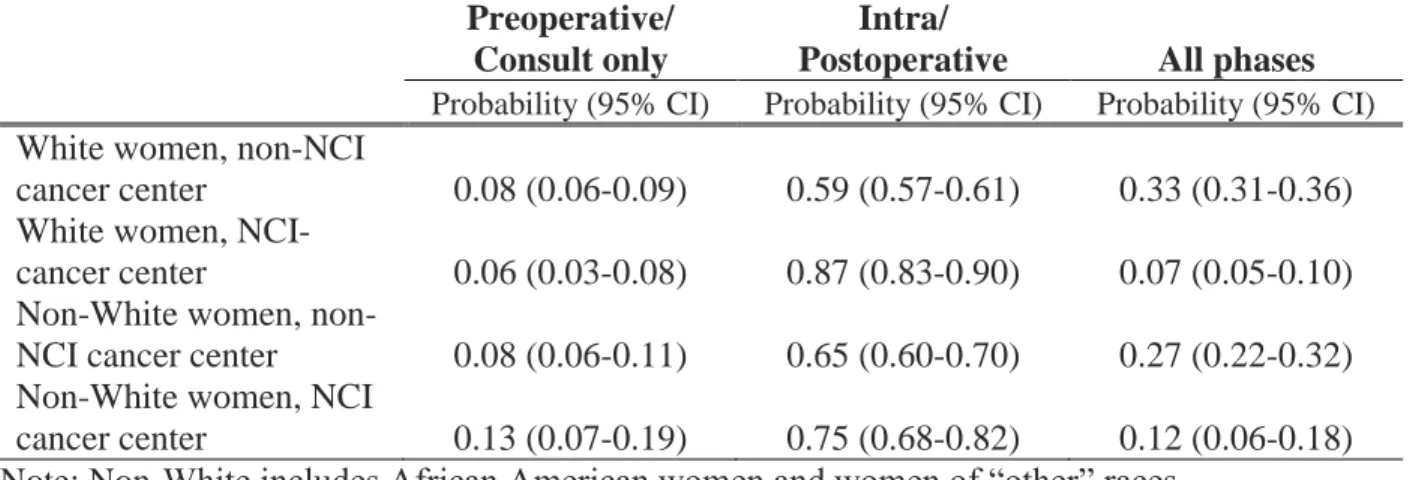
5b: Predictive Probability of Ever Receiving GO Care by Race- and and NCI-designated Cancer Center Interaction ...66
6a: Multinomial Logistic Regression Model on Timing of Involvement Among Women Who Had Seen a Gynecologic Oncologist ...67
6b: Predictive Probability of Race- and NCI-designated Cancer Center Interaction and GO Timing ...68
7: Descriptive Statistics of the Analytic Sample of Women in the Ovarian Cancer Treatment, Subspecialist Care, and Outcomes Study (n=2,137) ...85
8: Kaplan-Meir Median (unadjusted) Time (in days) from Diagnosis to Death by Individual Subgroups ...87
9a: Cox Proportional Hazard Model Regression Results of Time from Diagnosis to Death Among Women in the Ovarian Cancer Treatment, Subspecialist Care, and Outcomes Study...88
9b: Cox Proportional Hazard Model Regression Results of Time from Diagnosis to Death Among Women in the Ovarian Cancer Treatment, Subspecialist Care, and Outcomes Study–Interaction of Race and Place of Care (NCI-designated Cancer Center) ...89
10: Characteristics of Women in the RUTH Sample ...115
11a: Unadjusted Frequencies of Decisional Role by Race ...117
xi
12: Unadjusted Mean and Adjusted Marginal (or Differential) Effects from
Multivariable Linear Regression of RUTH Participants’ Perceived Self-Efficacy ...118 13: Unadjusted Mean and Adjusted Marginal (or Differential) Effects from
Multivariable Linear Regression of Patient Worries
xii
LIST OF FIGURES Figure
1: U.S. Cancer Statistics Top 10 Cancer Sites: 2011, Female, United States ...12 2: Opportunities to Optimize Cancer Care Across the Cancer Care Continuum ...12 3a: Estimates of the National Expenditure for Cancer Care in the U.S. in
2010 (in billions of dollars) by Cancer Site and Phase of Care ...13 3b: Estimates of the Proportion of National Expenditures for Cancer Care
in the U.S. in 2010 (in billions) by Cancer Site and Phase of Care ...13 4: Conceptual Model for Assessing Quality: Health Care Structure,
Process of GO Care, and Survival Outcome for Aims 1 and 2 ...27 5: Conceptual Model of Transactional Model of Stress and Coping
xiii
LIST OF ABBREVIATIONS CA-125 Cancer antigen – 125
CanCORS Cancer Care Outcomes Research and Surveillance Consortium CDC Centers for Disease Control and Prevention
CI Confidence Interval
FIGO International Federation of Gynecology and Obstetrics
GA Georgia
GO Gynecologic Oncologist
HR Hazard Ratio
ICD International Classification of Diseases for Oncology IRB Institutional Review Board
NCCN National Comprehensive Cancer Network NCI National Cancer Institute
NOS Not Otherwise Specified
OR Odds Ratio
RUTH Research to Understand Treatment Choices in Ovarian Cancer
SC South Carolina
SEER Surveillance Epidemiology and End Results SGO Society for Gynecologic Oncology
SOC Standard of Care
1
CHAPTER 1: INTRODUCTION
Ovarian cancer is the leading cause of death among gynecologic cancers (USCS 2015). Three out of four ovarian cancer diagnoses occur at late (regional & distant) stages, generally when the clinical prognosis is poor and the 5-year survival rate is approximately 30% (Howlader et al. 2015). Without an adequate early detection strategy, ensuring that women receive
appropriate treatment (concordant with standard of care) and treatment from a gynecologic oncologist (GO) are the only known interventions that have been shown to improve survival from ovarian cancer. As such, the National Comprehensive Cancer Network (NCCN) recommends that all women undergo clinical evaluation prior to chemotherapy and surgical treatment by a GO (NCCN 2014).
Women with suspected ovarian cancer—based on a palpable pelvic mass or recognition of symptoms (such as abdominal pain, early satiety, urinary symptoms, etc. (Ryerson et al. 2007))—receive a workup that includes an ultrasound and a blood test for tumor marker CA-125; however ovarian cancer is mainly a surgically staged and surgically treated disease (Goff et al. 2006; NCCN 2014). The prognosis is generally dependent on the histologic type and operative extent of the tumor. Current standard of care treatment approaches for women with advanced ovarian cancers include both surgery (to assess the extent of disease and attain maximal
2
2011). Women who received care from a gynecologic oncologist were more frequently (58-60%) appropriately staged compared to those staged by general surgeons and tended to have better survival outcomes (Chan et al. 2007b; Earle et al. 2006; Goff et al. 2006; Vergote et al. 2011). Prior studies have also shown that women who received surgical treatment from a GO had lower rates of recurrences after comprehensive surgical staging (Le et al. 2002) and
improved median survival associated with cytoreduction (Hunter, Alexander, and Soutter 1992). In a recent study of women diagnosed with ovarian cancer in the Medicare population, those who “ever” obtained surgery from a GO had approximately 2.35 times the odds of receiving the
surgical standard of care and 1.25 times the odds of receiving chemotherapeutic standard of care than women who obtained treatment from a non-GO (p < 0.01) (Rim, et al in press). Women who had ever received surgical treatment from a GO had a statistically significant lower risk of dying from ovarian cancer, even after controlling for age, race, comorbidities, and receipt of surgical standard of care (Rim, et al in press).
3
postoperatively, or continuously at all phases and whether GO involvement at different phases of care (i.e. timing) impacts survival. And though the NCCN and Society of Gynecologic
Oncology (SGO) recommend the early involvement of subspecialist care in consult and surgery, the specific timing of involvement has not been rigorously examined as a quality process
measure associated with improved survival.
Despite the noted benefits and recommendations to seek treatment from a GO, only an estimated 30-40% of women with ovarian cancer are treated by a GO (Vernooij et al. 2007). There is a dearth of information on why women with ovarian cancer do not receive care from a GO at any point during their care. Though some studies have suggested the lack of access to be related to the availability of GOs across the U.S. (Stewart, Rim, and Richards 2011), the
decisions for accessing skilled subspecialist care and receiving guideline-based treatment are likely to be more complex, as these decisions involve the underlying patient-level condition as well as the socio-behavioral-environmental factors that may affect healthcare utilization and treatment receipt. Improving survival from ovarian cancer is critically dependent on the
4
account for the variation in treatment patterns and subsequently, the survival differences in this population and across different subgroups of ovarian cancer patients (Shavers and Brown 2002).
For ovarian cancer patients, the majority of whom are diagnosed at advanced stages, the period occuring prior to and post-surgical treatment (i.e. the perioperative period) can be critical. Having timely, continuous, quality care during this time period can be important not only in terms of improving survival, but also the patients’ psychosocial needs and well-being, which is
an endpoint of comparable significance in delivering quality care.
The central objective of this dissertation was two-fold. First, the objective was to understand the impact of perioperative timing and continuity of GO involvement on mortality outcomes and second, to explore patient-level perspectives on treatment decision-making during the perioperative period and the impact that a GO and other psychosocial factors have on
decisional self-efficacy and worries during treatment. The specific aims included:
Aim 1: Examine the association between patient- (i.e. age, race/ethnicity) and healthcare systems- level characteristics (i.e. NCI designation, teaching hospital status) with the timing and involvement of gynecologic oncologists a) preoperative/consult only, b) intraoperatively/postoperatively only, c) at all phases (e.g. preoperative/consult, intraoperatively, and postoperatively) and d) no involvement.
Aim 2: Examine the associations of timing and involvement of gynecologic oncologists with overall survival.
5
Aim 3: Explore ovarian cancer patient-level beliefs and psychosocial concerns during perioperative treatment decision-making, perspectives of GO involvement, and factors associated with decisional self-efficacy during perioperative care to identify women with potential decisional support needs for survivorship care.
6
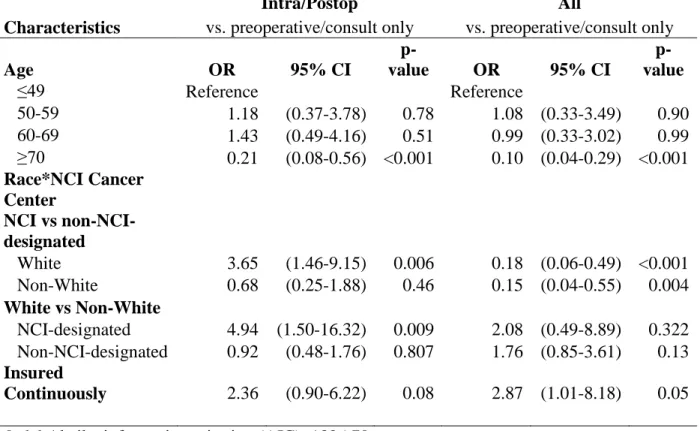
Findings from Aims 1 and Aim 2 indicated that younger women and women seen at an NCI-designated cancer center were more likely to see a GO. Younger women had statistically significantly greater odds of having a GO involved in intra/postoperative care and all phases of care. While White/non-White women differentially saw a GO within NCI-designated cancer centers—with White women seen at an NCI-designated cancer center more likely to receive intra/post operative care than non-White women—no statistically significant difference was observed by race among non-NCI-designated cancer centers. Overall, three-year survival probabilities were best observed among women receiving GO care at all phases at
NCI-designated cancer centers. Among White women, those seen at NCI-NCI-designated cancer centers had better survival outcomes. Poorer outcomes were observed among those with advancing age, stage, and greater comorbidities.
Data for Aim 3 of the dissertation was from the Research to Understand Treatment Choices in Ovarian Cancer (RUTH) Study, a Centers for Disease Control and Prevention’s Cooperative Agreement (Special Interest Project #11-42) with the University of Alabama at Birmingham (UAB). This study included patient surveys collected from approximately 170 ovarian cancer patients to explore the domains (e.g. patient’s choice, access, beliefs about treatment and doctor) that may contribute to a patient’s treatment decision-making, receipt of treatment from a gynecologic oncologist, and quality of life during and after the cancer diagnosis.
7
examine the associations between key demographic, clinical, and psychosocial factors on perceived self-efficacy and worry scores. The decisional self-efficacy dependent variable was computed by summing item scores and then linearly transforming on a 0-100 scale, per user’s manual (higher scores indicating greater self-efficacy) (O'Connor 1995). Similarly, composite scores for worry were calculated to a range of 0 to 36, with higher scores indicating greater worry. Due to concerns for heteroscedasticity, the final modeling approach used was a feasible generalized least square model.
Findings from Aim 3 indicated that a high proportion of women received surgical and chemotherapeutic care from a GO. However, in general, women were not aware of the GO specialty of their doctors. Our results suggested an apparent disconnect in women knowing that they saw/received care from a GO. Treating physician specialty had no significant effect on a patient’s decisional self-efficacy and cancer worries during/after treatment. Furthermore, most
women had high confidence in their ability to get the facts about their treatment choices, ask questions, and figure out choices that best suited them. Yet, subgroups of African American women and older aged women had an expected decisional self-efficacy score that was lower than their respective White and younger aged counterparts. Our findings highlighted a clear need for and opportunity to educate patients and improve patient experience and supportive needs during treatment/perioperative period.
8
findings underscored the importance of GO subspecialty in delivering quality ovarian cancer care and healthcare system characteristics (i.e. where patient care is received) as relevant to survival. Second, the research provided important patient-level psychosocial and behavioral domains in treatment-relevant decision-making that offer avenues for improving the delivery of patient-centered ovarian cancer care.
This dissertation research was timely under the current transformations in the healthcare system. As a result of the U.S. Patient Protection and Affordable Care Act (HR3590), there have been renewed interest in and the prioritization of the “triple aims” of improving quality, reducing costs, and enhancing the patient and provider experience (Peikes et al.). With these changes in health policy, the goals of healthcare have shifted towards delivering person-centered, team-based, coordinated care (Peikes et al.). These goals complement the Institute of Medicine (IOM)’s aim of providing high-quality health care: effective, safe, timely, efficient, equitable,
and patient-centered (Medicine 2001). Not only does this research have implications for
improving quality, but it also has broader implications for cancer survivorship and the process of care as potential intervention points across the cancer care continuum (Figure 2) (Fennell et al. 2010).
No studies to date have attempted to examine the timing of access to GO specialist care for ovarian cancer. The results of this study provides important information on the predictors of how patients access the care (for example, timing and extent of the GO care) (Aim 1) and the
9
about cancer treatment options. It is also a recommended research priority as defined by the Institute of Medicine’s Committee on the State of the Science in Ovarian Cancer Research (IOM
2016). The goals of the research are consistent with national initiatives and efforts to prioritize patient-centered outcomes research and registry-supplemented studies that will help translate research into practical and effective public health prevention strategies.
In the subsequent chapters of this dissertation, Chapter 2 provides background literature on ovarian cancer, current treatment guidelines and standard of care (including treatment receipt from a GO), disparities in treatment and survival, and the potential role of patient-level attributes in decision-making and preferences for care among women with ovarian cancer. Chapter 3 provides an overview of the methods including the study design, data sources, research question, hypothesis, and analytic approach. Chapters 4 – 6 correspond respectively to Aims 1 – 3, and are intended for submission for peer-reviewed publication. Lastly, Chapter 7 summarizes the
10
CHAPTER 2: LITERATURE REVIEW Overview
More women die of ovarian cancer than any other gynecologic cancer (USCS 2015). Each year in the U.S., over 20,000 women are newly diagnosed and nearly 15,000 die from the disease (USCS 2015). Ovarian cancer is the eighth most commonly diagnosed cancer and the fifth leading cause of death among all cancers that affect women (Figure 1) (USCS 2015). In 2012, the year for which the most recent data are available, the incidence rate of ovarian cancer was 11.3 per 100,000 women and the mortality rate was 7.4 per 100,000 (USCS 2015). All women, regardless of age or race/ethnicity, are at risk of getting the disease. The mean age at diagnosis is 63 years; and the risk of disease increases with advancing age (Howlader et al. 2015). Risk factors also include family history, or personal history of endometrial, colon, breast, or ovarian cancer which may be related to a genetic predisposition (e.g. through mutations in the BRCA 1 and BRCA2 genes or other familial conditions such as hereditary non-polyposis
colorectal cancer or hereditary breast and ovarian cancer syndrome) (Hankinson and Danforth 2006; Hennessy, Coleman, and Markman 2009). Although oral contraceptive use is a recognized chemo-preventive agent, evidence on primary prevention strategies is otherwise limited for average risk women (Havrilesky 2013). There are several hypotheses on the etiology and pathogenesis of ovarian cancer (Hankinson and Danforth 2006), but the cause is unknown.
11
surgical and perioperative management (Herzog et al. 2014), there is a clear need for improved therapeutic approaches and interventions, as long-term survival has not significantly changed over time. At present, with the shortcomings in primary prevention and screening (Jacobs et al. 2015), the focus for improving ovarian cancer prognoses continues to lie in understanding how to increase early diagnosis of ovarian cancer and provide quality perioperative care (pre-, intra-, and post-operatively) from a GO following diagnosis and during the tertiary care stages of the disease. Much of the care happens at the later stages on the cancer care continuum (Figure 2).
While identifying ways of prolonging survival are important, addressing preference-sensitive components of the care process, to stop/continue treatment, palliate disease-related symptoms, and maintain/improve quality of life are also critical (Havrilesky et al. 2014). This is particularly relevant for women with ovarian cancer as the psychosocial burden of disease is high. Given that women with an ovarian cancer diagnosis face a high mortality rate and/or high risk of recurrence (du Bois et al. 2003; Havrilesky et al. 2014; Lowery et al. 2013), the threat of an early death and/or the fear of recurrence are potential realities. The actual and perceived barriers for accessing care and a woman’s cognitive preferences can influence decisions to seek
care and receive treatment (Thewes et al. 2012). Specifically, for the 20% of ovarian cancer patients with platinum-resistant disease (defined according to the time-to-recurrence as within 6 months of receiving platinum-based therapy), treatment preferences often involve careful consideration on an individual-basis with consideration as to the extent and severity of the disease and the patient’s tolerance to treatment side-effects, drug toxicity, and management of
disease-related symptoms (Jelovac and Armstrong 2011; Pfisterer and Ledermann 2006).
12
Figure 1. U.S. Cancer Statistics Top 10 Cancer Sites: 2012, Female, United States
Source: http://www.cdc.gov/cancer/npcr/. Age-adjusted Invasive Cancer Incidence and
Mortality Rates for the Ten Primary Sites. Rates are per 100,000 persons and are age-adjusted to the 2000 U.S. Standard Population.
13 Burden of Ovarian Cancer
Ovarian cancer is a disease of high economic and social burden. The estimated national cost of ovarian cancer care was approximately $5 billion (Mariotto et al. 2011). Ovarian cancer ranks 7th highest among estimates of national cancer-related expenditures. Unlike most other cancers which follow in a pattern of a “u-shaped” curve with higher costs generally at the
beginning and end of life, (Yabroff et al. 2011) the proportion of national cancer care
expenditures for ovarian cancer is relatively equi-distributed at all phases of care (See Figure 3a and 3a) (Mariotto et al. 2011; Yabroff et al. 2011). Indirect costs such as patient morbidity costs and lost productivity from premature deaths are also high. The literature on the psychosocial domains of ovarian cancer survivors suggest that many of these women fear recurrence,
death/dying, experience concerns about spirituality/hopelessness, and symptoms/toxicity (Roland et al. 2013). However, there is likely to be other unexplored psychosocial domains that may be important factors contributing to the decisions about treatment choices in this population. Examining the cancer care continuum and identifying potential clinical and patient-level strategies for addressing the disease burden, while maintaining quality, can be an important contribution to guideline-issuing organizations, practitioners, or policy-makers (Taplin et al. 2012).
Figure 3a and 3b - Reprinted from Yabroff, K. R., J. Lund, D. Kepka, and A. Mariotto. 2011. Cancer Epidemiology, Biomarkers and Prevention 20(10): 2006-14.
a. Estimates of the National Expenditures for Cancer Care in the U.S. in 2010 (in billions of dollars) by Cancer Site and Phase of Care
14 Basic Epidemiology and Risk Factors
Long-term (> 5-year) survival is expected in less than 20% of ovarian cancers patients (Herzog et al. 2014; Howlader et al. 2015; USCS 2015). At localized stage disease, ovarian cancer patients have a 5-year survival rate of 92%, however only about 15% of new cases are diagnosed with localized disease (Howlader et al. 2015). The majority (>80%) of women treated for ovarian cancer are diagnosed at regional or distant stage disease when the prognosis is poorer and the relative 5-year survival rate decreases markedly from 71% and 30% for regional and distant stage disease, respectively (Howlader et al. 2015).
15
cancer cases but have been shown to have much better prognoses (DiSaia and Creasman 2007). Non-epithelial cancers have 5-year survival rates of up to 90% (DiSaia and Creasman 2007).
There are a number of other factors that differentiate epithelial vs. non-epithelial ovarian cancers. First, the anatomic structures from which the tumors presumably originate are different (DiSaia and Creasman 2007). Epithelial tumors are histologically similar to the mesothelium, or the epithelium that lines the interior of pelvic and abdominal cavities, from which they may share a common origin (DiSaia and Creasman 2007; Hankinson and Danforth 2006). Sex cord-stromal tumors, such as granulosa, theca cells, Sertoli and Leydig tumors, are thought to originate from ovarian stromal and support cells (DiSaia and Creasman 2007). Germ cell tumors arise from the pathogenetic transformation of ovarian germ cells, and include dysgerminomas, embryonal carcinomas, choriocarcinomas, yolk sac tumors, and teratomas (DiSaia and Creasman 2007). Second, while epithelial tumors most often occur in post-menopausal women, non-epithelial tumors (both ovarian sex cord-stromal and germ cell tumors) tend to happen at a younger age at diagnosis (DiSaia and Creasman 2007; Hankinson and Danforth 2006). As such, women with non-epithelial cancers are likely to have differing patterns of care (as different tumor histologies respond differently to standard therapy and treatment regimens) and concerns about treatment (e.g. fertility sparing concerns).
National Comprehensive Cancer Network (NCCN) Treatment Guidelines and Standard of Care
16
comprehensive staging is recommended. Since most incident ovarian cancer cases are epithelial (90%), the standard initial treatment in most cases is optimal tumor debulking (including total hysterectomy and bilateral salpingo-oophorectomy, with residual disease less than 1cm in diameter or thickness) and six cycles of chemotherapy administration with carboplatin and paclitaxel (Hennessy et al. 2009; NCCN 2014; Stewart et al. 2011). Surgical management options, however, can depend upon several factors including patient and tumor characteristics, histologic type, extent of disease, and the overall patient condition to ensure appropriate treatment and optimized survival (Morgan et al. 2008). Although most women benefit from first-line therapy (~ 80%), ovarian cancer survivors have a high probability of experiencing a recurrence. Second-line therapies may improve quality of life and prolong survival, but can be individually-based on several patient-level factors and considerations (Havrilesky et al. 2014; Morgan et al. 2008; Stewart et al. 2011).
According to the NCCN guidelines (NCCN 2014), “it is recommended that a gynecologic oncologist perform the appropriate surgery.” Standard recommendations also involves a patient
evaluation by a gynecologic oncologist before initiating surgery and chemotherapy, particularly if the patient is under consideration for neoadjuvant chemotherapy (NCCN 2014). Per
recommendation, a gynecologic oncologist should evaluate these patients before they are considered to be a “poor surgical candidate” (NCCN 2014). Additionally, after primary treatment (e.g. surgery/6 cycles of chemotherapy), recommendations call for patient follow-up, clinical re-evaluation, and monitoring (NCCN 2014).
17 Treatment Receipt from a Gynecologic Oncologist
Gynecologic oncologists (GOs) are skilled surgeons who are trained to provide comprehensive care management from diagnosis, to surgery, prescribing appropriate
chemotherapy, through survivorship and palliative/end-of-life care (Society for Gynecologic Oncology White Paper, 2013) (Minig, Padilla-Iserte, and Zorrero 2015; Stewart et al. 2011). Their training equips them to serve as the physician who coordinates all aspects of a woman’s care and recovery from ovarian cancer and “minimize hazards related to undertreatment (failure
to cancer control) and overtreatment (avoidable expenses and complications)” (SGO 2000). Numerous studies have demonstrated that women with ovarian cancer treated by GOs have better clinical outcomes than those who are not (Chan et al. 2007b; Cliby et al. 2015; Earle et al. 2006; Vergote et al. 2011). This is largely due to the fact that patients operated on by a GO tend to more often receive optimal debulking or better rates of complete removal of disease (du Bois et al. 2005; Vernooij et al. 2007). Furthermore, prior studies have shown that patients treated by a GO had nearly four times the probability of receiving all recommended surgical staging procedures than those who were not (Cress et al. 2011). Additionally, clinical procedures, such as lymph node dissection for stage I patients and debulking surgery, were performed more often by GOs than by gynecologists or general surgeons (Earle et al. 2006; Goff et al. 2006; Stewart et al. 2011). Lastly, ovarian cancer patients seen by a GO had more often received standard
18
The current guidance from the American College of Obstetricians and Gynecologists, the Society of Gynecologic Oncologists, the National Comprehensive Cancer Network as well as the U.S. Centers for Disease Control and Prevention (CDC) and National Institutes of Health is such that women with ovarian cancer are suggested to obtain treatment from a GO (ACOG 2011; NCCN 2014).
Barriers to Treatment Receipt from a Gynecologic Oncologist and the Role of Treatment Preferences for Women with Ovarian Cancer
Despite the noted benefits, a SEER-Medicare study (2000-2002) of ovarian cancer patients showed that only an estimated 42% of women accessed a GO at any time during their care (Austin et al. 2013). Furthermore, use of GO varied by demographic subgroups—with African American women among the lowest to access GO specialists at any point; and use of GO services also differed by phase of care (51% during the 12 months after diagnosis, 29% during the last 12 months of life, and 42% during the time in between) (Austin et al. 2013). In addition to the low utilization of GOs, several SEER-Medicare or large population-based studies have also examined the surgical and/or chemotherapeutic treatment patterns among ovarian cancer patients (Cress et al. 2003; Du et al. 2008; Earle et al. 2006; Fairfield et al. 2010; Goff et al. 2006; Harlan, Clegg, and Trimble 2003; Howell et al. 2013; Jordan et al. 2013; Thrall et al. 2011); these findings also note the underuse of cancer-directed surgeries and the variable receipt of chemotherapy and combined surgical and chemotherapy care.
19
For example, although there is little existing information on ovarian cancer treatment-seeking behaviors (and how it may differ by different subgroups), research among breast cancer patients has speculated that older patients may have differing treatment decisions that affect some aspects of their care, including chemotherapy treatment receipt (Siminoff et al. 2000). In a study among approximately 900 older women with newly diagnosed breast cancer (Mandelblatt et al. 2010), women who “very much” believed that by having chemotherapy, cancer was “less likely to come back” more commonly received chemotherapy; and similarly, women who “very much” believed that the “adverse effects of chemotherapy [were] worse than the disease,” less frequently
received chemotherapy. In the same study, women who indicated that they would “prefer” chemotherapy, even for the smallest gain (i.e. one week) in life, had 3.9 times the odds of receiving chemotherapy, adjusting for other covariates (Mandelblatt et al. 2010).
The patient voice is important in understanding the variations in surgical and
chemotherapeutic treatment receipt, care delivery, and subsequent mortality from cancer. The literature on cancer disparities and utilization of healthcare services (e.g. screening and
treatment) has highlighted several patient-level concerns including cost/inability to afford out-of-pocket co-payments, lack of transportation, barriers to time off from work, beliefs on the
effectiveness of the screening/treatment, and having a fatalistic view (that nothing can be done to prevent what will happen) that can affect uptake (Champion and Skinner 2003; Lopez et al. 2009; Menon et al. 2007; Price et al. 1988). Although there is much variability by demographic subgroups in how these factors affect utilization, identification of the issues have enabled targeted inventions for specific subgroups over the years.
20
part of delivering quality care (Herzog et al. 2014; IOM 2001). Briefly, in a discrete choice experiment of a woman’s willingness to trade clinical benefit (progression free survival (PFS))
for reduced toxicity from chemotherapy, there was a clear preference for PFS (Havrilesky et al. 2014). However, other studies from in-clinic surveys have shown a relatively even split in preference with regards to quality of life vs. length of life (Meropol et al. 2008). Furthermore, when asked to make decisions about a hypothetical illness, approximately 84% of a sample of Medicare beneficiaries did not want potentially life-prolonging drugs at the cost of feeling worse all the time (quality of life), although about 16% did; this study was not able to map how these preferences related to treatment receipt (Barnato et al. 2007). The literature on patient
preferences in treatment/decision-making is difficult to synthesize given that patient preferences, the patient sample, the measurement, and the measures/context of such can differ widely. The studies do, however, provide a glimpse of the variability of responses and preferences as well as possible gaps in the literature.
Age and Race Disparities in Incidence, Mortality, and Treatment Receipt
Ovarian cancer is predominately a disease of older women. Treatment among older adults vary considerably. Physician biases for treatment (Duska, Tew, and Moore 2015; Harder et al. 2013; Tew and Fleming 2015) and individual-level preferences of older adults (Puts et al. 2015) have been suggested among the many reasons for the observed variation. According to a recent systematic review of older adults, there were notable psychosocial reasons for
21
Fleming 2015). The influence of comorbidities at advanced age (Leroy et al. 2014) can also have significant effects on treatment receipt and disease-related survival (O'Malley et al. 2012).
Racial/ethnic disparities in ovarian cancer have been previously documented in the scientific literature and particularly examined with respect to stage at diagnosis, treatment, and survival (Barnholtz-Sloan et al. 2002; Bristow et al. 2013; Bristow, Zahurak, and Ibeanu 2011; Collins et al. 2014; Du et al. 2008; Howlader et al. 2015; Liu et al. 2014; Merrill, Anderson, and Merrill 2010; USCS 2015). Although incidence of ovarian cancer is lower among African American women than in White women (8.8 vs. 11.7/100,000 respectively), a greater proportion of African Americans and American Indian/Alaska Native are diagnosed at later stage disease than White and Hispanic women (Goodman and Shvetsov 2009). The 5-year relative survival is considerably lower for African American women than their White counterparts at all ages (USCS 2015).
The reasons for survival disparities among African American women are largely
unknown and still being explored (Barnholtz-Sloan et al. 2002; Bristow et al. 2013; Collins et al. 2014). However, there is likely to be an interplay of many nuanced differences in access to treatment/specialists, differences in quality of care received, as well as patient-level factors including tumor characteristics and preferences for care, by race/ethnicity, that account for the racial disparities in ovarian cancer care.
Age and Race Disparities and Treatment Variation by Place of Care
22
income, health insurance status, and patient choice) (Collins et al. 2014; Onega et al. 2009b; Onega et al. 2008; Stewart et al. 2014; Su et al. 2010). Regardless of the reasons, studies have shown that patient outcomes for some cancers are better when cancer care is provided at high-volume, centralized facilities (for example National Cancer Institute (NCI)-designated cancer centers) and from specialized, high case-volume providers (Birkmeyer et al. 2005; Bristow et al. 2010; Bristow et al. 2009; Friese et al. 2010; Onega et al. 2009b; Woo et al. 2012). At present (at the time of this dissertation), there are 69 NCI-designated cancer centers dispersed within 35
U.S. states and the District of Columbia (
http://www.cancer.gov/research/nci-role/cancer-centers). Given that designation required extensive peer- and site- reviewed evaluation of basic and population science research programs as well as high standards of comprehensive clinical research and practice (http://www.cancer.gov/research/nci-role/cancer-centers), these centers have an influence within the cancer community as leaders in cancer care (at the forefront of new surgical methods and therapies) and often “serve as de facto regionalized facilities” of care
(Onega et al. 2009b). It is expected that favorable outcomes in these institutions are, in part, due to greater adherence to evidence based-care, access to clinical (sub)specialists, and thus, delivery of better quality care (Bilimoria et al. 2008; Birkmeyer et al. 2005; Bristow et al. 2015; Onega et al. 2010b).
Despite the comprehensive, multi-disciplinary care that these facilities offer (Gomella et al. 2010; Hui et al. 2010), studies have also shown differential accessing of such specialized facilities like the NCI-designated cancer centers, particularly among specific subgroups such as older patients and ethnic minorities (Huang et al. 2014; Onega et al. 2009a). Attendence at NCI-designated facilities was low particularly among persons of older age (i.e. Medicare
23
(i.e. African Americans (Onega et al. 2010a)) and Hispanic ethnicities (Huang et al. 2014). Access to specialists and specialized health facilties have also been noted to be low particularly in rural populations (Chan, Hart, and Goodman 2006; Onega et al. 2010a). While proximity to care facilities has been noted to be one reason for underutilization (Bristow et al. 2014a; Onega et al. 2008; Su et al. 2010), other reasons for differences in the appropriate utilization of
24
CHAPTER 3: STUDY DESIGN AND METHODS Overview and Rationale
Aim 1 and Aim 2 employed primary data from two independent cancer registries (South Carolina and Georgia) collected via a contracting, non-federal organization. The cancer registry-collected data were supplemented with manually abstracted data from medical records of women with ovarian cancer diagnoses from two states within the U.S. South Atlantic census division (http://www.census.gov); this region has the second highest tertile of ovarian cancer incident rates within the United States, particularly among African American women
(http://wonder.cdc.gov/cancer.html). Aims 1 and 2 analyzed ovarian cancer cases from a retrospective cohort of women in the Ovarian Cancer Treatment, Subspecialist Care, and Outcomes Study, derived from the registry, using binary and multinomial logistic regression (Aim 1) and survival analysis (Aim 2). For Aim 1, the dependent variables of interest were the timing of gynecologic oncologist involvement operationalized as 1) no GO involvement vs. ever involved for binary logistic regression models and 2) for multinomial logistic regression: no GO involvement, preoperative/consult only, some involvement (i.e. intraoperatively/post-operatively only), and GO involvement at all phases (e.g. preoperatively, intraoperatively, and
25
(intraoperatively/post-operatively only), c) preoperative/consult only, and d) no GO involvement.
The analysis in Aim 3 utilized patient surveys (Alabama and Georgia) of women newly diagnosed with ovarian cancer, collected as part of a Special Interest Project, titled “Research to Understand Treatment Choices in Ovarian Cancer” (hereafter referred to as RUTH), with the Centers for Disease Control and Prevention (CDC). Aim 3 explored the patient-level concerns during treatment decision-making and factors associated with decisional self-efficacy during perioperative care. The dependent variables of interest were 1) reported perceived self-efficacy and 2) cancer-related worry/well-being. The key independent variable for Aim 3 was gynecologic oncologist being the important physician in treatment decision-making, age, race, social support measure, and perceived self-efficacy (for regression of the cancer worry
dependent variable).
Conceptual Model
Conceptual Model: Aim 1 and Aim 2
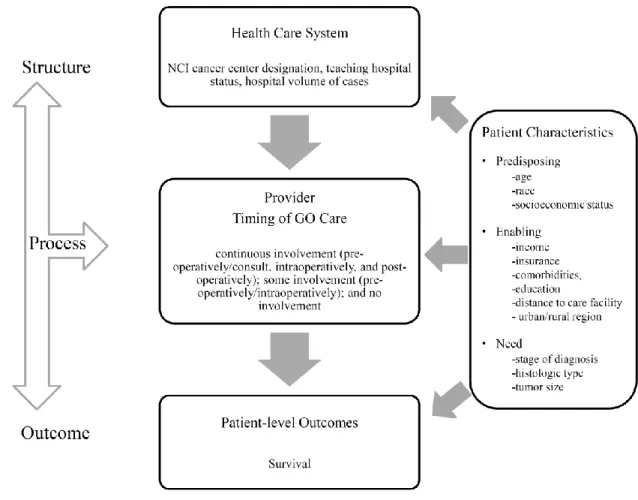
Figure 4 presents the conceptual framework illustrating the interwoven relationship of patient-level, provider-level, and healthcare systems-level interactions. The model adapts
Donabedian’s widely used approach for assessing quality (Donabedian 1980; Donabedian 1992),
which considers three components of structure, process, and outcome. Structure is defined as the “physical and organizational properties of the setting in which care is provided” (Donabedian
26
care (as previously described, continuous involvement pre-operatively/consult only,
intraoperatively, and post-operatively; some involvement pre-operatively/intraoperatively; and no involvement). Lastly, outcome is defined as “what is accomplished for patients” (Donabedian 1992), which is measured in terms of survival (time to death) in this model. As Donabedian points out, outcome measures can only make inferences about the quality of the process rather than direct statements about quality (Donabedian 1992). They are also integrative in that they are the summation of all of the collective efforts of structure and process and all of the
individuals, systems, and resources involved (Donabedian 1992). Ideally, efforts to improve quality should incorporate all three (i.e. multiple) domains.
This adaptation of the Donabedian model also loosely incorporates parts of Andersen and Aday’s Behavioral Model of Health Service Use (Andersen 1995) to better categorize elements within a person’s characteristics that influence the inclusion into the structure, process of care, and outcome. According to the Andersen and Aday’s Behavioral Model, there are factors that
predispose individuals to access or seek care (i.e. age, race, socioeconomic status); enabling
27
Figure 4. Conceptual Model for Assessing Quality: Health Care Structure, Process of GO Care, and Survival Outcome for Aims 1 and 2.
Note: Model adapted and modified from Donabedian Framework for Assessing Quality and Behavioral Model of Health Service Use (Andersen 1995; Donabedian 1992)
Theory can be a useful tool when attempting to disentangle complex human behaviors, given that it provides an organized structure for examining issues, identifies and relates various components, and helps to explicate important assumptions (Brundage, Feldman Stewart, and Tishelman 2010). To more carefully examine the patient-level constructs and treatment
28
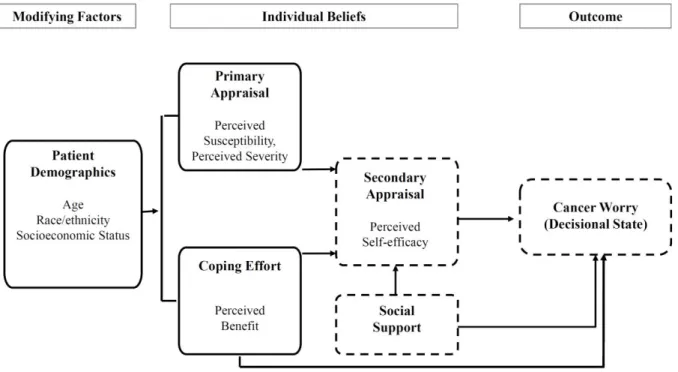
Model of Stress and Coping within a sample of women diagnosed with ovarian cancer (Figure 5).
Conceptual Model: Aim 3
The Health Belief Model is one of the most commonly used conceptual frameworks for understanding health behavior. The model, originally developed in the 1950s to predict
behaviors related to disease prevention, has been successful applied to understanding the relationship of health behaviors, practices, and healthcare utilization (Hochbaum 1958; Rosenstock and Kirscht 1974). According to the Health Belief Model, an individual’s motivation to assume a health-related action, is based on three main categories: modifying factors, individual beliefs/behaviors, and the health action/intention/outcome. The modifying factors are the patient-level demographics such as the age, race/ethnicity, and socioeconomic status. The individual perceptions are factors that affect “why people will take action;” these include susceptibility, seriousness, benefits and barriers, as well as self-efficacy (Glanz, Rimer, and Viswanath 2008). Lastly, the health action of interest is the woman’s treatment seeking outcome, intention or behavior.
According to the Transactional Model of Stress and Coping, in the primary appraisal phase, a woman initially assesses the potential significance of the threat (i.e. her perceived susceptibility and perceived severity of signs/symptoms). Secondary appraisal involves the perceived ability to control/cope with the “stressor” (i.e. cancer diagnosis) (Glanz et al. 2008),
for example, their decisional self-efficacy and role in decision-making. Coping efforts mediate these appraisals, but involve complexities of both a problem-management and an emotionally- /meaning-based focus. This encompasses both the perceived physical and emotional benefits
29
a sense of meaning or purpose (i.e. spiritual beliefs and religion) and the presence/type of social support in the individuals’ life.
Figure 5. Conceptual Model of Transactional Model of Stress and Coping Constructs for Aim 3
Construct Definition Primary Appraisal
Perceived susceptibility Belief about the chances of experiencing a risk
Perceived severity Belief about how serious a condition and its sequelae
Secondary Appraisal
Perceived self-efficacy Confidence in one’s ability to take action Coping Effort
Problem management Perceived benefits Beliefs in efficacy of the advised action to reduce risk or seriousness of impact Perceived barriers Beliefs about the tangible and
psychological costs of the advised action
Emotional/meaning-based coping
Spiritual beliefs
Outcome Emotional well-being, health behaviors,
30
Note: Revised and reprinted from Glanz K, Rimer BK, Viswanath V (Eds.) Health Behavior and Health Education: Theory, Research, and Practice. Fourth Edition. San Francisco: Jossey-Bass, Inc. 2008 (Glanz et al. 2008). Adapted to items specific for the RUTH Study.
---Dotted lines represent key constructs examined in this analysis. First, we examine decisional self-efficacy and factors associated with perceived self-efficacy. Second, we examine impact of perceived self-efficacy and social support on cancer worries.
The conceptual framework presented informs variable selection for analytic models and demonstrates how theory is operationalized and provides insight into the potential impact of these pathways on observed disparities in ovarian cancer outcomes.
Research Question and Hypotheses
Research Question 1: Examine the association between patient- (i.e. age, race/ethnicity) and healthcare systems- level characteristics (i.e. NCI designation, teaching hospital status) with
the timing and involvement of gynecologic oncologists a) preoperative/consult only, b)
intraoperatively/postoperatively only, c) at all phases (e.g. preoperative/consult,
intraoperatively, and postoperatively) and d) no involvement, controlling for known covariates.
Hypothesis 1: African American compared to White women and older women compared to younger women will have lower odds of continuous GO involvement in care.
Hypothesis 2: NCI hospital designation compared to non-NCI-designated hospitals and those with teaching affiliation will have greater odds of providing patients with continuous GO care (at all phases preoperatively, intraoperatively, and postoperatively).
31
a. Examine variations in timing and involvement of GO and survival by race and
healthcare facility where care was received (i.e. NCI-designated cancer center vs.
non-NCI-designated cancer center).
Hypothesis 1: Women who received GO care continuously (preoperatively, intraoperatively, and postoperatively) will have better survival outcomes than those who did not.
Hypothesis 2: Women who received GO care at NCI-designated cancer centers, regardless of race, will have better survival outcomes than those who did not.
Research Question 3: Explore ovarian cancer patient-level beliefs and psychosocial concerns during perioperative treatment decision-making, perspectives of GO involvement, and factors
associated with decisional self-efficacy during perioperative care to identify women with
potential decisional support needs for survivorship care.
Hypothesis 1: Older aged women and those of lower income/socioeconomic status may have potential decisional support needs.
Hypothesis 2: Women with stronger (more confident) perceived self-efficacy and stronger (more reliable) social support will be associated with lower cancer-related worries/better well-being.
Data Sources
32
Aims 1 and 2 were addressed through use of an enhanced cancer registry dataset supplemented with manually abstracted medical records of women with invasive epithelial ovarian cancer from two states (South Carolina and Georgia); Aim 3 utilized primary data collected from the University of Alabama at Birmingham (UAB) RUTH Study from 170 ovarian cancer patients, recruited through cancer registry, hospital and local gynecologic
oncology/oncology practices.
The Ovarian Cancer Treatment, Subspecialist Care, and Outcomes Study (2010-2014) was funded by the CDC and conducted by the South Carolina and Georgia Cancer Registries. Both registries conduct high-quality, population-based cancer surveillance per standards of the United States Cancer Statistics (USCS), and are both certified by the North American
Association of Central Cancer Registries (NAACCR). These registries routinely review medical records to abstract demographics, tumor characteristics and treatment data as part of
state-mandated cancer surveillance. However, for the Ovarian Cancer Treatment, Subspecialist Care, and Outcomes Study, staff from these respective registries collected more detailed treatment data (e.g. timing of GO involvement, chemotherapeutic agents received, results of cytoreductive surgery) from various sources including hospital, outpatient facility and physician records. All data were abstracted by specially-trained certified tumor registrars using standard practices [NAACCR dictionary 2006]. A contracting, non-federal organization coordinated the data collection efforts from both states.
33
(http://appliedresearch.cancer.gov/cancors/) (Malin et al. 2006), which purports to examine the characteristics and beliefs of cancer patients as possible reasons for disparities in cancer care, the RUTH survey also collected information (during 2013-2014) on patient demographics,
symptoms that led to the diagnosis, initial treatment offered and received, medical decision making, goals of treatment and prognosis, and other financial/coverage-related information. The survey additionally included questions directly related to ovarian cancer, as identified from the literature, including cancer-related expenses as tradeoffs for family needs (Darby et al. 2009; Sherwood et al. 2008) and topics related to fertility sparing surgery or sexual concerns that may be important domains for women with ovarian cancer (Grzankowski and Carney 2011;
Mirabeau-Beale et al. 2009; Sun et al. 2005). The RUTH study was approved by the University of Alabama at Birmingham Institutional Review Board (protocol # X120914008) and the CDC Institutional Review Board. Access to the data was granted to the doctoral student (presently at the University of North Carolina at Chapel Hill) through a data-use agreement with the doctoral student and an existing collegial partnership between the CDC/UNC and UAB.
Study Population and Criteria for Inclusion
34
epithelial tumors, 3% germ cell, and 2% sex-cord stromal tumors (Rim, et al. poster presentation, October 2010). Benign and low malignant potential tumors, primary peritoneal and fallopian tube cancer cases (ICD-O codes 8442, 8451, 8462, 8472, and 8473) were not included in the Ovarian Cancer Treatment, Subspecialist Care, and Outcomes Study population (Goodman and Shvetsov 2009). Persons diagnosed at autopsy or by death certificate only were ineligible. Vital status was determined by linkage with the National Death Index.
Patients in the RUTH Study included newly diagnosed women (within the first year of cancer diagnosis) who were recruited from several different sources: 1) partnership with the Alabama Statewide Cancer Registry (ASCR), 2) existing contracts with the University of South Alabama/Mitchell Cancer Institute in Mobile, AL and Northside Hospital in Atlanta, GA and 3) in-reach recruitment efforts through the University of Alabama at Birmingham hospitals. Eligible patients included women who 1) were age 21 years or older 2) had a recent diagnosis of ovarian cancer (stage I-IV or unstaged) 3) were proficient in the English language and
able/willing to provide their consent to participate in the telephone-based survey. Women were specifically excluded if they were currently being treated for another primary cancer or were institutionalized (such as being on hospice). Patients who did not participate in the study were documented as to the reasons for non-eligibility (e.g. disconnected phone/could not be reached, non-English speaker, etc.), or personal preference in declining participation.
Only women who met the RUTH study inclusion criteria were recruited and interviewed in the study (n=170). Survey recruitment strategies had minor variations by site. Study
35
about the study and the option to decline participation at any time via dialing a 1-800 phone number or by email. Within several days (usually three days), the potential participant was contacted by phone for an eligibility screen, verbal consent, and to schedule a date/time for the 60-minute structured, phone-based interview.
Variables and Measurement by Aim Dependent variable
For Aim 1, the outcome variable of interest was an ordinal/nominal variable, whether the patient received a) no GO involvement (no GO), b) involvement preoperative/consult only, c) intraoperatively/postoperatively or d) at all phases (e.g. preoperative/consult, intraoperatively, and postoperatively) (all GO). See Table 1.
The Aim 2 focus was on all-cause survival, where the outcome variable was a count (number of days between events) from date of diagnosis to death. Survival time was calculated from the date of diagnosis to the date of death. Death was defined as death from any underlying cause.
For Aim 3, the dependent variable was a continuous score measure for 1) perceived decisional efficacy, with values ranging from 0 (not at all confident/extremely low self-efficacy) to 100 (very confident/extremely high self-self-efficacy) and 2) cancer worry, with values ranging from 0 to 36 (higher scores indicating greater worry).
Table 1. Outcome Variables and Measures
Aim Outcome Measure Variable
Aim 1 GO timing Ordered 0=no GO;
1=preoperative;
36
Aim 2 Survival time (date of diagnosis to date of death)
Count (number of days between events) Aim 3 Perceived self-efficacy score
Cancer worry score
Continuous (range 0 – 100) Continuous (range 0 – 36)
Key independent variable
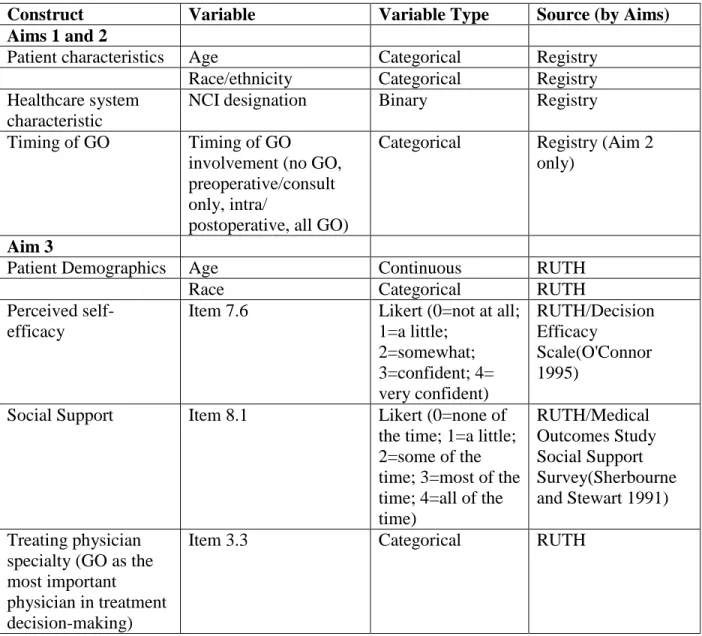
For Aims 1 and 2, the key independent variables included age, race/ethnicity (defined as White, African American/Other races). Although we initially aimed to examine mutually exclusive race/ethnicity categories, data on race and ethnicity were inconsistently collected across states (http://www.cdc.gov/cancer/npcr/uscs/technical_notes/interpreting/race.htm) and some state registries (for example, South Carolina) opted not to report Hispanic ethnicity case counts and rates to the U.S. Cancer Statistics for state-specific analyses, although they are included in aggregate national data. Based on the data available, the majority of cases in our analytic dataset were non-Hispanic; only about 1.8% were of Hispanic origin. In sensitivity analyses, removing Hispanic women did not significantly alter regression results. However, given the concerns with records of ethnicity at the state-specific level (as noted above), in these analyses, the race variable was retained as originally collected by the respective state registries (i.e. as non-mutually exclusive categories). For the healthcare systems-level characteristics, the main independent variables included was NCI cancer center designation. See Table 2 for detailed information on how these variables were measured and coded, per NAACCR standards and/or the research protocol.
37
confident/extremely low self-efficacy to 100=very confident/extremely high self-efficacy). RUTH survey items that mapped to the constructs of the conceptual model were incorporated for background descriptive statistics.
Table 2. Independent Variables and Measures for Aim 1, Aim 2, Aim 3.
Construct Variable Variable Type Source (by Aims) Aims 1 and 2
Patient characteristics Age Categorical Registry
Race/ethnicity Categorical Registry
Healthcare system characteristic
NCI designation Binary Registry
Timing of GO Timing of GO
involvement (no GO, preoperative/consult only, intra/
postoperative, all GO)
Categorical Registry (Aim 2 only)
Aim 3
Patient Demographics Age Continuous RUTH
Race Categorical RUTH
Perceived self-efficacy
Item 7.6 Likert (0=not at all; 1=a little; 2=somewhat; 3=confident; 4= very confident) RUTH/Decision Efficacy Scale(O'Connor 1995)
Social Support Item 8.1 Likert (0=none of
the time; 1=a little; 2=some of the time; 3=most of the time; 4=all of the time)
RUTH/Medical Outcomes Study Social Support Survey(Sherbourne and Stewart 1991) Treating physician
specialty (GO as the most important physician in treatment decision-making)
Item 3.3 Categorical RUTH
Covariates
38
which included both demographic and tumor/clinical characteristics. For Aims 1 and Aim 2: continuous insurance coverage (primary payer at diagnosis, treatment initiation, and completion), rural/urban residence (based on census track/block of where the patient lives), income (not in poverty vs in poverty), histologic type, grade, and co-morbidity count (0 through 4+). Histologic type and grade are standard NAACCR data elements. Given that histology and grade both affect prognosis and impact treatment, epithelial histologies (serous, mucinous, endometrioid, clear cell) were adjusted for in the analyses (NCCN Clinical Practice Guidelines in Oncology for Ovarian Cancer 2014). The Charlson comorbidity score is commonly used to provide a better understanding of the patient’s physical health. Scoring for the index was calculated for each ovarian cancer patient based on their comorbid conditions available at admission for the ovarian cancer surgery, on the discharge summary from the diagnosing facility, or from prior inpatient or outpatient admissions, as noted in Charlson, et al (1994) (Charlson et al. 1994). Specific
comorbidities captured in the index included: myocardial infarction, congestive heart failure, peripheral vascular disease, cerebrovascular disease, dementia, chronic obstructive pulmonary disease, connective tissue disease, peptic ulcer disease, diabetes mellitus, liver disease,
hemiplegia, chronic kidney disease, lymphoma, leukemia, acquired immune deficiency
syndrome. For Aim 3, covariates included: patient-reported education, stage of disease, number of comorbidities, number of symptoms, income, perceived quality of life.
Statistical Analysis by Aim
39
statistics were examined prior to data analysis (regression models) to determine proportions and means of patient demographics and disease characteristics and to ensure appropriate sample sizes. Chi-squared tests and t-tests were used, as appropriate, to determine statistically
significant differences. Univariate statistics helped identify the potential impact of missing data on the planned analysis. Data analyses were primarily conducted using STATA software (version 13, StataCorp, College Station, Texas) and SAS version 9.3 (SAS Institute, Inc. Cary, North Carolina).
Aim 1
Ordinal logistic regression (or proportional-odds model) (Cameron and Trivedi 2005) was used to determine the association between patient-level(i.e. age, race/ethnicity) and healthcare systems- level characteristics (i.e. NCI designation) and the timing of GO involvement continuously at all phases (preoperatively/consult, intraoperatively, and
postoperatively), intra/postoperatively, preoperative/consult only, or no GO involvement. Given the natural ordering of the outcome variable, the ordered logit was the most appropriate and parsimonious approach for analysis. However, since an underlying assumption of the ordered logit model is that the relationship between each pair of outcome group is the same, the model was tested for the proportional odds or parallel regression assumption (Long and Freese 2014). An insignificant test statistic (p>0.05) would have provided evidence that the assumption had not been violated. However, given that such was not the case (and the parallel regression
40
conducted and model fit statistics like the pseudo R-squared and Akaike information criterion (AIC) were examined (Wooldridge 2009). The functional form of variables such as age and comorbidity count were assessed to determine if continuous or categorical forms should be used. Multicollinearity (Wooldridge 2009) of explanatory variables were examined based on pairwise correlations and variance inflation factor between right-hand side variables. The Huber-White robust standard errors were used to correct standard errors in the final model arising from heteroskedasticity in the model (Cameron and Trivedi 2005; Wooldridge 2009).
The basic form of the ordered logit model is:
Ordered logit = ∏[( 1
1 + e−(δ0−XB) y=1
x [( 1
1 + e−(δ1−XB) N
i=1
− ( 1
1 + e−(δ0−XB)]
y=2x [1
− ( 1
1 + e−(δ1−XB)] y=3]]
where α + ∑ 𝑋𝐵= 𝛽0+ 𝛽1race + 𝛽2𝑎𝑔𝑒 + 𝛽3ℎ𝑒𝑎𝑙𝑡ℎ𝑐𝑎𝑟𝑒_𝑠𝑦𝑠𝑡𝑒𝑚_𝑐ℎ𝑎𝑟𝑎𝑐𝑡𝑒𝑟𝑖𝑠𝑡𝑖𝑐𝑠 + 𝛽4𝑐𝑜𝑣𝑎𝑟𝑖𝑎𝑡𝑒𝑠 + 𝜀 where healthcare_system_characteristics and covariates represent the vector of healthcare system variables and covariates described above.
Aim 2
41
interaction terms. The logrank test was used to examine consistent differences between survival curves, by timing, using a 5% level of significance. The key independent variable of interest was the timing of GO involvement continuously at all phases (preoperatively/consult,
intraoperatively, and postoperatively), intra/postoperatively, preoperatively/consult only, or no GO involvement, as previously specified.
The basic form of the KM estimator is:
𝑆̂(𝑡) = ∏ (1 −𝑑𝑗 𝑛𝑗) 𝑗|𝑡𝑗<𝑡
where dj is the number dying in month j and nj is the number still alive at the beginning of the month.
Aim 3
Univariate and multivariate linear regression analyses were used to examine the
42
43
CHAPTER 4: PATIENT- AND HEALTHCARE SYSTEMS-LEVEL FACTORS ASSOCIATED WITH THE TIMING AND INVOLVEMENT OF GYNECOLOGIC
ONCOLOGISTS IN PERIOPERATIVE OVARIAN CANCER CARE (AIM 1) OVERVIEW
Objectives: The beneficial effects of gynecologic oncologist involvement in ovarian cancer care have been previously examined. This study’s purpose was to identify patient- and healthcare systems- level factors predictive of the extent of gynecologic oncologists’ (GO’s) involvement in ovarian cancer care.
Methods: We conducted an analysis of state-based (South Carolina and Georgia) cancer registry data, supplemented with detailed treatment information manually abstracted from medical records of 2,162 ovarian cancer patients. The final models include 1) a binary logistic regression model (of no GO involvement vs. ever involved) and 2) a multinomial logistic regression of dependent variables: no GO involvement, preoperative/consult only,
intraoperatively/post-operatively only, and GO involvement at all phases (e.g. preoperatively, intraoperatively, and postoperatively).
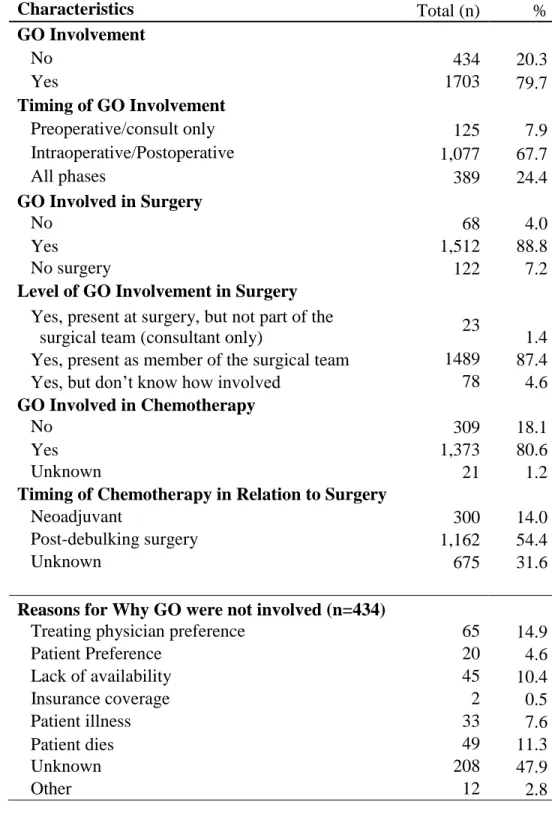
Results: A GO was involved in the care of 79.7% of patients. Among the women who had a GO involved, 7.9% women received GO care preoperatively or as consult only, 67.7% received both intraoperative and postoperative GO care, and 24.4% had a GO involved at all perioperative phases of their care. Older women (aged ≥ 70 years) had statistically significantly lower odds
44
had greater odds (OR=3.65, 95% CI, 1.46-9.15) of intra/post-operative from a GO, when seen at NCI vs non-NCI-designated centers.