“DOING THE SAME PUZZLE OVER AND
OVER AGAIN”: A QUALITATIVE
ANALYSIS OF FEELING STUCK IN GRIEF
Lucy Hope Poxon
A thesis submitted in partial fulfilment of the requirements of the
University of East London for the degree of Professional
Doctorate in Counselling Psychology
July 2013
Abstract
This research aimed to examine the meanings and constructions underlying
narratives on feeling stuck in the grieving process and the interplay between
grief experience and the internally and externally sourced expectations
about the nature of grief. Four participants who self-referred to a National
Bereavement support charity and reported feeling stuck in grief were
interviewed and the resultant transcripts were analysed using Interpretative
Phenomenological Analysis (IPA).
Four Master Themes emerged from the analysis: Eclipsed by the deceased;
The power in powerlessness; The double-edged sword of coping behaviours
and Living in Purgatory. The results reveal new insights on the significance
and consequences of living with unresolved dilemmas of grieving, namely
being stuck in a vicious cycle of fear and avoidance and feeling a sense of
impending doom, loneliness and stagnancy.
Findings support a meaning reconstruction approach to grief therapy and
highlight the negative implications of holding a time-limited, stage-based
conceptualistion of grief. Suggestions for service providers are made,
including the potential for using targeted cognitive-behavioral grief
interventions that can help to reduce dissonance and address an over
Acknowledgements
Thank you to the participants who volunteered their time to be interviewed
during a very difficult time in their lives. I feel privileged to have met you all
and to be representing your stories within my research. Thank you also to
Cruse Bereavement Care, specifically my local branch whose support was
invaluable in the recruitment of participants.
I would also like to thank my fantastic supervisor Dr. Jane Lawrence who
has tirelessly read every page of this thesis, providing me with guidance and
encouragement along the journey. I also want to thank Dr. David Kaposi who
went above and beyond the call of duty to ensure I had supervision during
the critical analysis phase. Both supervisors have been instrumental in
helping me to reflect on the profound connection I felt with the participants
and their stories, and to capture this passion for my subject effectively in the
write up.
And finally, I would like to thank my parents. Without your financial and
emotional support and belief in me, none of this would have been possible.
Contents
PG
ABSTRACT II
ACKNOWLEDGEMENTS III
CONTENTS 1 - 4
LIST OF FIGURES 5
ABBREVIATIONS 5
INTRODUCTION 6 – 8
CHAPTER 1 – LITERATURE REVIEW 9 -33
1.1 INTRODUCTION 9 – 10
1.2 DEFINITIONS 10
1.3 THE ROLE OF CULTURE IN GRIEF 10 – 12
1.4 THEORIES OF GRIEF – A HISTORICAL PERSPECTIVE
13 -16
1.4.1 PSYCHOANALYTIC 13
1.4.2 STAGE THEORIES 13 – 16
1.5 CHALLENGING COMMON ASSUMPTIONS ABOUT ‘NORMAL’ GRIEF
16 – 17
1.6 NEW EMERGING PERSPECTIVES ON GRIEF 17 – 20
1.6.1 DUAL PROCESS MODEL OF COPING WITH BEREAVEMENT
18
1.6.2 MEANING RECONSTRUCTION 19
1.6.3 INTEGRATED MODEL OF MEANING MAKING 19 – 20
1.7 DEVELOPMENTS IN GRIEF RESEARCH
METHODOLOGY 21 – 24
1.8 A RESURGENCE OF THE MEDICAL MODEL: CATEGORISING GRIEF AND THE ‘FUNDAMENTAL PARADOX’ IN GRIEF LITERATURE
1.8.1 PROLONGED GRIEF DISORDER 24 – 28
1.9 UNDERSTANDING THE EXPERIENCE OF GRIEF: THE CHALLENGE FACING THERAPISTS AND RESEARCH
28 – 31
1.10
1.10 IMPLICATIONS FOR THEORY AND PRACTICE 31 – 32
1.11 RESEARCH QUESTIONS 32 – 33
CHAPTER 2 - METHODOLOGY 34 – 53
2.1 RESEARCH PARADIGM – WHY HERMENEUTIC PHENOMENOLOGY?
34 – 35
2.2 RESEARCH METHODOLOGY – WHY IPA? 35 – 38
2.3 EMBEDDING QUALITY INTO THE DESIGN 38 – 40
2.4 ETHICAL CONSIDERATIONS 40 - 42
2.5 RESEARCH DESIGN FRAMEWORK 42 - 52
2.5.1 SAMPLING AND RECRUITMENT 42 – 45
2.5.2 CONTEXT 45 – 46
2.5.3 INTRODUCTION TO PARTICIPANTS 46
2.5.4 DATA COLLECTION 47 – 48
2.5.5 DATA ANALYSIS 48 - 52
I) READING, RE-READING AND INITIAL COMMENTING 48 – 50
II) DEVELOPING EMERGENT THEMES 50 - 52
2.6 CONCLUDING COMMENTS 53
CHAPTER 3 - ANALYSIS 54 – 92
3.1 OVERVIEW 54
3.2 INTRODUCTION TO THEMES 54 - 55
3.3 MASTER THEME 1: ECLIPSED BY THE DECEASED 56 – 64
3.3.2 ‘THEY WERE PART OF ME’: LOSS AS AMPUTATION
59 – 60
3.3.3 FEAR OF LETTING GO 61 – 64
3.4 MASTER THEME 2: THE POWER IN POWERLESSNESS
64 – 73
3.4.1 FEELING OUT OF CONTROL 65 - 66
3.4.2 FEELING LET DOWN BY OTHERS 67 – 69
3.4.3 FEELING OBLIGED TO ‘GET ON WITH IT’ 70 – 73
3.5 MASTER THEME 3: THE DOUBLE EDGED SWORD OF COPING BEHAVIOURS
73 – 83
3.5.1 ‘LOCKED INSIDE’: NEGATING EMOTIONS 73 – 76
3.5.2 ‘LIKE WORZEL GUMMAGE’: AVOIDANCE AS RELIEF
76 – 80
3.5.3 PRIORITISING OTHERS OVER SELF 80 – 83
3.6 MASTER THEME 4: LIVING IN PURGATORY 83 – 90
3.6.1 IMPENDING DOOM 83 – 86
3.6.2 LONELINESS 86 – 87
3.6.3 ‘DOING THE SAME PUZZLE OVER AND OVER AGAIN’: STAGNANT
88 – 90
3.7 ANALYSIS SUMMARY 91 – 92
CHAPTER 4 - DISCUSSION 93 – 116
4.1 OVERVIEW 93 – 94
4.2 UNDERSTANDING THE EMERGENT THEMES IN THE CONTEXT OF EXISTING GRIEF LITERATURE
94 – 104
4.2.1 THE UNRESOLVED DILEMMAS OF GRIEVING 95 – 100
I) THE ZERO SUM GAME 96 – 98
II) THE POWERFUL POWERLESS 98 – 100
4.2.3 THE PURGATORIAL CONSEQUENCES OF LIVING IN AMBIVALENCE
102 - 104
4.3 SUMMARY OF FINDINGS 104 - 106
4.4 CLINICAL IMPLICATIONS 106 - 110
4.5 REFLEXIVITY 110 - 114
4.6 CRITIQUE OF THE RESEARCH RESEARCH
114 - 116
4.7 SUGGESTIONS FOR FUTURE DIRECTIONS IN GRIEF RESEARCH
116
CHAPTER 5 - CONCLUSION 117 - 119
REFERENCES 120 - 135
APPENDICES 136 - 178
APPENDIX I ETHICS APPROVAL – UEL, CRUSE 136 - 138
APPENDIX II RECRUITING LEAFLET - VOLUNTEERS 139
APPENDIX III RECRUITING LEAFLET - PARTICIPANTS 140
APPENDIX IV INTERVIEW SCHEDULE 141
APPENDIX V INFORMATION SHEET FOR PARTICIPANTS 142
APPENDIX VI INFORMED CONSENT 143
APPENDIX VII DEBRIEFING LEAFLET 144
APPENDIX VIII PICTORIAL REPRESENTATIONS OF THEMES
145 -147
APPENDIX IX ILLUSTRATIVE QUOTES FOR THEMES 148 - 154
List of Figures
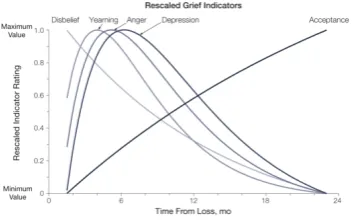
Figure 1. Rescaled results from nonlinear regression analyses of an
empirical test of stage theory of grief (Source: Maciejewski et
al, 2007). Page 14
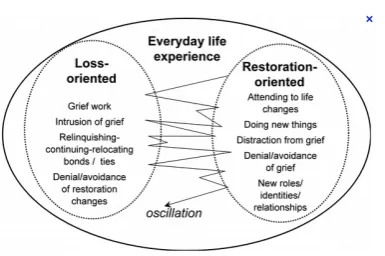
Figure 2. The Dual Process Model of coping with bereavement (Source:
Stroebe & Schut, 2001). Page 18
Abbreviations
APA American Psychiatric Association
CG Complicated Grief
CGT Complicated Grief Treatment
DPM Dual Process Model
DSM-V Diagnostic Statistical Manual of Mental Disorders
GAD Generalised Anxiety Disorder
IPA Interpretative Phenomenological Analysis
MDD Major Depressive Disorder
PGD Prolonged Grief Disorder
PTSD Post Traumatic Stress Disorder
UEL University of East London
Introduction
I have worked for Cruse Bereavement Care, the National charity supporting
bereaved individuals, for over 4 years and heard many clients reporting
feeling stuck in their grieving process. However, when researching this
widely cited phenomenon within the grief literature, I was unable to find the
richness and depth of the devastation, pain and loneliness that are inherent
in my client’s experiences. At the same time, changes to the Diagnostic
Statistical Manual of Mental Disorders (DSM-V) were being proposed and
debated: the proposed inclusion of Prolonged Grief Disorder (Prigerson,
VanderWerker & Maciejewski, 2008), and the proposed removal of the
bereavement exclusion from the diagnosis of Major Depressive Disorder
(Lamb, Pies & Zisook, 2010). These changes have elicited significant
criticism for their potential to pathologise normal grief responses to
bereavement and their contribution to the widely held stage-based
construction of grief: that we should grieve according to cultural norms and
tight deadlines.
Research that explores aspects of grief and improves our understanding is of
particular relevance to the discipline of Counselling Psychology. In a survey
of 729 psychiatric outpatients, over half were found to have experienced a
significant loss, and about a third met the criteria for moderate to severe
complicated grief (Piper, Ogrodniczuk, Azim & Weideman, 2001). The
population of clients who seek and receive therapeutic interventions from
Counselling Psychologists is therefore likely to include a proportion of
suggests that grief therapy is most effective for the 11% to 15% (Prigerson et
al, 2008; Shear et al, 2011) of bereaved individuals who are stuck in a
chronic state of mourning (Currier, Neimeyer & Berman, 2008; Neimeyer &
Currier, 2009; Worden, 2009). Furthermore, the effectiveness increases for
this group when the therapeutic interventions are targeted (Matthews &
Marwit, 2004), informed by contemporary theories of grief (Shear et al, 2005)
and are combined with a focus on the therapeutic relationship (Hardy et al,
2001). The requirement for a flexible approach, grounded in psychological
theory, to therapeutic interventions for this group of clients arguably means
that Counselling Psychologists are particularly well-positioned to work
effectively with this group of clients. As Clarkson (1998, p10) asserts,
Counselling Psychology seems “uniquely placed, and can, without too much
historical baggage be the approach to evaluate and implement theories
which are used as tools, as metaphors [ ] rather than as laws set in tablets of
stone, unresponsive to changing conditions, unaware of the interrelatedness
of all our explanatory theoretical nets”.
I was inspired to take a hermeneutic phenomenological approach to
exploring the lived experience of feeling stuck in grief. By using this inductive
approach and the client’s language of ‘feeling stuck’, it was hoped that
subjective experience would be given a voice as opposed to a label of
complicated or prolonged grief. The research examines the meanings and
constructions underlying narratives on feeling stuck in the grieving process
and the interplay between grief experience and the internally and externally
This study is aligned to several contemporary directions in grief research,
including the lived experience (Davies, 2004), adaptation to loss (Rothaupt &
Becker, 2007; Worden, 2009) and the social and cultural aspects of
meaning-making (Park 2010; Stroebe, Hansson, Schut & Stroebe, 2008). The
centrality of the role of meaning-making in the adjustment to traumatic events
(Park & Folkman, 1997) and of the importance of continuing bonds (Klass,
Silverman & Nickman, 1996) locates this study within a burgeoning body of
research.
Three key research findings in this study comprise a distinctive contribution
to Counselling Psychology and bereavement research. Firstly, the significant
dilemma of unresolved internal conflicts in the experience of individuals
feeling stuck in grief is highlighted. Secondly, the distressing consequences
of living in ambivalence as a result of the unresolved conflicts are highlighted.
And thirdly, this research positions the service providers’ conceptualisation of
grief as paramount to the efficacy of future therapeutic interventions,
specifically the risk of not effectively addressing internal conflicts in grief
clients by working from a stage model of grief.
Chapter One
Literature Review
“I not only live each endless day in grief, but live each day thinking about living each day in grief.” C.S. Lewis, (1961)
1.1 Introduction
This critical review of bereavement research begins with an overview of the
cultural context that has shaped Western1 grief theories and the cultural
diversity identified in mourning rituals that has inspired a fresh perspective
on the norms of grieving. The traditional psychoanalytic and stage-based
theories are summarised, followed by a critique of the common assumptions
held about ‘normal’ grief and an introduction to the contemporary
developments in grief theory and research methodology which reflect a shift
in approach towards meaning reconstruction and the uniqueness of grief
experience. Contradictory to this position, however, is a resurgence of the
medicalisation and categorisation of grief, manifest in the proposal by some
researchers (Prigerson, VanderWerker & Maciejewski, 2008; Shear et al,
2011) for a prolonged/complicated grief diagnosis to be included in DSM-V.
Conflict between attempts to delineate ‘normal’ grief and the widely held
belief that all grief experience is unique represents a fundamental paradox in
the grief literature (Breen & O’Connor, 2007). The implications for therapists
and researchers of the pervasive tendency to conceptualise grief as a
stage-based and time-limited response to loss are explored, and the existing
literature on the phenomenon of feeling stuck in grief within this construction
of grief is reviewed. The chapter concludes with a summary of the research
questions addressed in this qualitative study.
1.2 Definitions
Despite grief being understood to be a universal experience, the definition is
not universally agreed upon in bereavement literature. Operational
definitions of grief vary from broad: ‘highly unique, personal response to loss’
(Lang & Caplan, 1993) to the more specific: ‘primarily emotional reaction to the loss of a loved one through death’. (Stroebe, Hansson, Schut & Stroebe, 2008, p5). For the purposes of this research, Howarth’s (2011, p4)
comprehensive definition of grief will be utilised: ‘the various emotional, physiological, cognitive and behavioural reactions to the loss of a loved one
to death’.
1.3 The role of culture in grief
Although the overall effect of bereavement has been found to be the same
across cultures (Alford & Catlin, 1993), the nature of that effect and the way
grief is experienced depends on unique cultural characteristics (Mystakidow
et al, 2004). Individuals are prepared, through cultural traditions, to respond
to the death of a loved one in a certain way and these notions guide the
actual response to bereavement (Alford & Catlin, 1993). Western cultural
traditions played an important role in shaping traditional grief theories where
deceased (Lalande & Bonanno, 2006) and to recovery following
bereavement (Rosenblatt, 2007).
However, these notions are largely irrelevant for some cultures and research
on these cultural mourning customs has expanded knowledge on what is
adaptive mourning. For example the Maoris, the indigenous population of
New Zealand, grieve collectively and don’t acknowledge the idea of recovery
as a redefinition of the individual self (Rosenblatt, 2007). Maintaining bonds
with the deceased is overtly encouraged through ritualised ceremonies in
many cultures including China (Lalande & Bonanno, 2006), Japan (Stroebe,
Gergen, Gergen & Stroebe, 1992) and in Egypt (Rothaupt & Becker, 2007),
but is forbidden in the Hopi tribe of Arizona as contact with the deceased is
viewed as polluting (Stroebe et al, 1992). Lalande & Bonanno (2006) found
that continuing bonds with the deceased is only likely to be an adaptive
response to grief if it is culturally accepted and the bereaved are supported
by their community.
Diverse mourning rituals across cultures reflect the extent to which death
and grief are prepared for within communities and the different ways they
are perceived. For example, the Greek language defines the word ‘end’ as
both a termination and purpose, which leads to an understanding of death as
the final goal in life and as a departure on a journey. Certain cultural
mourning customs are still carried out in parts of Greece, which were
specifically created hundreds of years ago in order to prevent complicated
grief reactions (Loukatos, 1978, cited in Mystakidow et al, 2004). These
the wife and sister cutting their hair as a symbol of strength for the deceased
and the holding of memorial services on the 3rd, 9th, 40th days after the
funeral and then after 6 months, 9 months and annually thereafter
(Mystakidow et al, (2004).
Walter (2006) argues that the concept of ‘complicated grief’ is a social
construction, and a reflection of the cultural norms in Western society. These
norms, which are widely known yet never explicitly stated, impact the
bereaved profoundly by governing the support offered and public policies
following a death (Harris, 2010). Grief norms are proposed to operate along
several dimensions: What should be done with the emotions of grief, to what
extent should mourners spend time with the dead, how long should grief last,
how legitimate is the loss, how should grief be manifest and is there any
stigma surrounding the death? (Harris, 2010; Walter, 2006). Culture has
been found to shape, limit, define and create grieving, but Rosenblatt (2008)
argues that you need to go beyond a description of an individual’s culture.
An understanding of the fit between how someone is grieving and what their
culture asks of bereaved people is required. Walter (2006) maintains that the
concept of ‘complicated’ grief is not only rooted in the mourner’s psyche, but
also in the concern from society to reduce their own inconvenience and
worry, and to replace the ensuing chaos and guilt with order and
1.4 Theories of grief – a historical perspective
1.4.1 Psychoanalytic
The classic psychoanalytic view of grief, drawn primarily from Freud’s (1917) seminal paper ‘Mourning and Melancholia’, was a dominant model in 20th century bereavement literature. It emphasises the importance of ‘the work of mourning’, which should continue until the bereaved individual has sufficiently ‘worked through’ their loss and freed themselves from their intense attachment from the deceased. Only recently has this model been challenged and the concepts such as grief work criticised for being too broad and lacking in clarity (Stroebe & Schut, 2001).
1.4.2 Stage Theory
During the second half of the 20th Century, stage theories of grief began to
emerge. Bowlby (1969) applied his influential attachment theory to the
process of grief, which he perceived as a struggle between the opposing
forces of activated attachment behaviour and the reality of the loved one’s absence. Bowlby & Parkes (1970) present a four-stage process of grieving: (1) Numbness, shock and denial with a sense of unreality, (2) Yearning and
protest. (3) Despair, disorganisation, hopelessness, low mood, (4)
Re-organisation, involving letting go of the attachment and investing in the
future. The model was the first to provide a rationale for searching and
anger, and it remains influential in grief research because it provides a
(1970) stage model to propose a five-stage model of the responses of terminally ill patients: (1) Denial, (2) Anger, (3) Bargaining, (4) Depression,
(5) Acceptance. Kubler-Ross’ (1969) stage theory has since been widely
accepted and generalised to a wide variety of losses (Wortman & Boerner,
2007) and continues to be taught to, and accepted by, medical professionals
as the model of ‘normal’ grief (Kilcrease, 2008).
Despite being entrenched in grief literature and the training manuals of medical professionals, attempts to find empirical proof for stages have only been made in the last few years. Maciejewski, Zhang, Block, & Prigerson (2007) aimed to empirically determine ‘normal’ grief through the analysis of
data generated from the Yale Bereavement Study, in order to improve the
identification and treatment for those labelled with ‘abnormal’ bereavement
adjustment. Maciejewski et al (2007) interviewed 233 participants at 3
intervals over a 24 month post-bereavement period, focusing on the
frequency that participants experienced the five stages of grief proposed by
Jacobs (1993): Disbelief, yearning, anger, depression and acceptance. The
researchers assert that the data provides an exact fit to the hypothesised
sequence of Jacob’s (1993) stages of grief, thereby providing the first
[image:17.595.120.300.627.737.2]empirical support for the stage model of grief (see Figure 1).
However, serious doubt has been cast on the validity of this research
(Kilcrease, 2008), primarily for its selective recruitment of participants. 40%
of participants were excluded either through design, thought not to be
experiencing ‘normal’ grief, or choice, participants who opted out due to
feeling fine, or providing no response (Silver & Wortman, 2007). It can also
be argued that although the five stages in Maciejewski et al’s (2007) results
(see Figure 1) can be seen to peak in a sequence, each element occurs
simultaneously throughout the 24-month period, which is specifically not
representative of stages (Roy-Byrne & Shear, 2007).
A new wave of grief theory has been identified in the last decade, which
reflects a changing zeitgeist about the role of loss in human experience and
these theories are sceptical about stage theory where an emotional
trajectory is purported to lead from psychological disequilibrium to
readjustment (Neimeyer, 2001). It is argued that stage theory doesn’t allow
for variability in response, and places the grieving individual in a passive
role, focusing primarily on emotional response whilst ignoring cognitions and
behaviours (Wortman & Boerner, 2007). Others assert that stage theory is
an artificial construct that has the potential to pathologise those who don’t
follow the defined stages (Kilcrease, 2008). As a grief theory, stage theory
offers little in explanatory value, about how people might cope with the loss,
why they might experience varying degrees of distress at different times and
how they can adjust to a life without their loved one (Bonanno, 2007). It is
increasingly accepted in contemporary bereavement literature that, although
Stewart, 2007), a mistaken belief in this conceptualisation of grief can lead to
ineffective support, unhelpful responses from medical professionals and can
leave bereaved individuals feeling that they are not coping appropriately
(Silver & Wortman, 2007).
1.5 Challenging common assumptions about ‘normal’ grief
Wortman & Boerner (2007) identify some common assumptions about coping
following the loss of a loved one, held by medical professionals and
laypersons, which have little or no supporting empirical evidence but are
often implicit in stage theories. Their findings highlight the rigidity of the
common conceptualisation of ‘normal’ grief, which fails to consider the unique
context of every loss. For example, there is an expectation that bereaved
individuals will show significant distress after a major loss, the absence of
which would be indicative of maladaptive coping. Maladaptive, in this context,
refers to processes employed to manage environmental demands (Lazarus &
Folkman, 1984), where adaptive coping is defined as “the effectiveness of
coping in improving the adaptational outcome” (Lazarus, 1993, p237).
However, in an analysis of research, the proportion of participants who
experienced little grief reaction was between 26% and 78% in various
studies, with no evidence of delayed grief (Wortman & Boerner, 2007). Far
from maladaptive coping, Stroebe, Hanson & Stroebe (1993) found that a
lack of distress can be explained by early adjustment or relief that the
Another assumption, derived from the psychoanalytic view of grief (Freud,
1917) is that once the process of ‘working through’ the loss is completed and
the ties to the deceased have been relinquished, recovery will be achieved
with a return to pre-bereavement levels of psychological distress. Firstly,
research has found that continuing bonds with the deceased is not
pathological but normal, and although not uniformly adaptive, it can be
beneficial (Boerner & Heckhausen, 2003; Klass, Silverman & Nickman,
1996). Secondly, recovery in bereavement is no longer an appropriate term
as it implies a closure that has been found not to occur. Wortman & Boerner
(2007) refer to a growing consensus that bereaved individuals may never
return to their pre-loss state, as major losses are thought to produce lasting
changes in a person’s character (Weiss, 1993).
1.6 New emerging theoretical perspectives on grief
In their review of Western bereavement theories, Rothaupt & Becker (2007)
highlight a recent shift in focus from the healing of pathology in bereavement
to an approach which facilitates the adaptation to loss. Similarly, a shift in
bereavement research has been recognised towards a non-positivistic
approach where the focus is increasingly on the lived experience and
meaning-making in grief (Davies, 2004). Neimeyer (2001) identifies several
commonalities in the emerging bereavement theories: a focus on cognitive
processes, emotional consequences and the role of families and the wider
social context, appreciate the potential for post traumatic growth, and a shift
away from psychoanalytic thinking where detachment from the deceased is
1.6.1 Dual Process Model of coping with bereavement
The effectiveness of coping is a focus for bereavement researchers as it is
assumed to have an impact on adaptation to bereavement, where
improvements in coping effectiveness are linked with reductions in suffering
and in mental and physical health difficulties (Stroebe & Schut, 2010).
Stroebe & Schut’s (2001) Dual Process Model (DPM) of coping with
bereavement expands on the grief work hypothesis, with its psychoanalytic
origins, asserting that grief work and sharing with others, although important,
are not sufficient for adaptive coping.
The DPM model suggests that the loss of a loved one involves both
loss-oriented coping – resolving aspects of the loss, and restoration-oriented
coping - mastering challenges in everyday life that may have changed.
Stroebe & Schut (2001) argue that it is the regulatory process of oscillation
between loss-oriented and restoration-oriented coping (illustrated in Figure
2) that is the key to adaptive coping. Each mode of coping has costs
attached to them, so by alternating between the two, the costs are
minimised.
[image:21.595.114.307.593.721.2]
1.6.2 Meaning Reconstruction
The role of meaning-making when dealing with and recovering from highly
stressful experiences is widely accepted to be central (Park, Edmondson,
Fenster and Blank, 2008). In their conceptualisation of meaning
reconstruction, Gillies & Neimeyer (2006) suggest that the search for
meaning occurs when the loss of a loved one is inconsistent with their
pre-loss meanings held. The model proposes three meaning-making activities:
sense making, benefit-finding and identity change which can help the
bereaved individual construct new post-loss meanings. Within this model,
Sense-making is viewed as central to the experience of grief whereby
bereaved persons question, find, and make sense of their bereavement.
Benefit-finding or the search for renewed purpose, describes the process of
building new meaning structures incorporating the traumatic experience,
assessing the value of an event on one’s life more globally and reinvesting in
a new future. Identity change refers to a reconstruction of self in response to
a loss, including a greater sense of life’s fragility with changes to resilience, independence, and confidence.
1.6.3 Integrated Model of Meaning-making
Despite convergence in the meaning-making literature pertaining to the
centrality of meaning in traumatic events, there are pronounced
inconsistencies regarding the widely held assumptions that over time people
search for and find meaning, and that finding meaning is critically important
been described as ‘nebulous’ (Stroebe & Schut, 2001) due to the rarity of
agreement on terminology amongst researchers and theorists. With regard
to definitions, meaning in the context of coping has many, including: a
general life orientation, personal significance, causality and an outcome
(Park & Blumberg, 2002).
Frustrated by the disparity between research findings, Park & Folkman
(1997; Park 2010) developed an integrated model of meaning-making which
proposes that an individual’s global beliefs and goals, from which they derive
purpose in life, form their global meaning system. When faced with a
stressful life event, individuals appraise the situation and assign some form of
meaning to it, and the extent to which this appraised meaning is discrepant
with their global beliefs and goals determines the level of distress
experienced. Most meaning-making theories generally converge on the
notion that confrontation with severe stressors shatters one’s global ‘world
assumptions’ (Janoff-Bulman, 1992) or meaning systems which initiates
meaning-making or cognitive processing to rebuild those meaning systems
(Park et al, 2008).
Meaning-making efforts attempt to reduce this discrepancy
by either assimilation (changes in situational meaning) or accommodation
(changes in global meaning) and are linked with improved adjustment.
Park & Folkman’s (1997) model has succeeded in integrating diverse
conceptual definitions and Park (2010) challenges researchers in this field to
take a broader view of the ways that meaning is involved in the coping
process and to be more explicit about the conceptual model underlying their
1.7 Developments in grief research methodology
The most recent edition of the Handbook of bereavement research and
practice (Stroebe, Hansson, Schut & Stroebe, 2008) continues to take a
predominantly positivist approach, emphasising empirical studies and the
effectiveness of increasingly sophisticated grief scales. Qualitative
approaches to bereavement research seem to be valued for the potential to
generate theory and as a way to ensure content validity for quantitative
measures (Neimeyer, Hogan, Laurie, 2008), which is suggestive of a
positivist/post-positivist approach. This position is also evident in Parkes’
(1995) review of ethical criteria for bereavement research and Stroebe,
Stroebe & Schut’s, (2003) review of methodological issues in bereavement
research where concepts usually associated with empirical research such as
variables, control groups and validity are used in reference to assessing
qualitative research design. Although Stroebe et al’s (2003) review reflects a
rise in popularity of the ‘alternative’ qualitative paradigm, both reviews
highlight the enduring legacy of the positivist tradition in bereavement
research. Within this environment, there is a risk in focusing on qualitative
research that remains compatible with criteria of traditional quantitative
studies, as it may lead to the isolation and rejection of more radical
perspectives and methodologies (Yardley, 2000).
Two methods of data collection dominate bereavement research: large scale
surveys and in-depth interviews (Stroebe et al, 2003). Recommendations to
combine them in research projects include the bringing together of the
disadvantages inherent in both approaches (Stroebe et al, 2003). Dimond,
Caserta & Lund’s (1994) research is an example of such a design where
they employed a preliminary quantitative survey to guide the data collection
for 10 in-depth interviews about depression in bereaved spouses.
Triangulation, whereby researchers choose to gather data from different
sources or analyse data using more than one method, is understood to be a
respected and beneficial way of achieving a rounded understanding of a
complex topic such as grief (Yardley, 2000). Grounded theory (e.g. Nadeau,
1998; Rosenblatt & Wallace, 2005) offers the bereavement researcher the
potential to integrate newly generated theory from qualitative data with that
of quantitative survey data. Glaser (2003) asserts that Grounded theory is
complementary to both paradigms, as it has the ability to provide a
conceptual overview of the phenomenon that includes grounded
interpretation, explanations, impacts and underlying causes.
A small number of researchers have recently introduced a
phenomenological approach to bereavement research by conducting IPA
studies (Golsworthy & Coyle, 2001; Robson, 2002; Begley & Quayle, 2007;
Reilly, Huws, Hastings & Vaughan, 2008). Despite only being
conceptualized in the mid 1990s, IPA research is argued to have already
assumed a position as a dominant qualitative research methodology (Willig,
2008; Hefferon & Gil-Rodriguez, 2011), particularly in Health Psychology
(Smith, 2010). The benefits that IPA offers researchers exploring illness
experience: championing the individual’s subjective report, recognition of the
experiences (Brocki & Wearden, 2006), can equally benefit contemporary
bereavement research.
Reilly et al (2008) chose to use IPA in their exploration into the experiences
of mothers who have lost a child with intellectual disabilities. Based on
Yardley’s (2000) four guiding principles for quality in qualitative research
(transparency and coherence, commitment and rigour, impact and
importance, sensitivity to context), Reilly et al’s (2008) research represents a
high quality IPA study. The transparency and coherence are the most salient
qualities, including the study’s consistency with the underlying principles of
IPA and reflexivity of the primary researcher’s influence on the themes. They
remain sensitive to context through their commitment to idiographic
principles and by grounding their interpretations in the transcripts. The
research demonstrates commitment and rigour, through the quality of the
interview and thoroughness of the analysis, and impact and importance by
providing new insight on the complexity of post-bereavement requirements
for this group of mothers, including the shared need to maintain a role within
the world of intellectual disability.
In their recent evaluation of the rise in popularity of IPA, Hefferon &
Gil-Rodriguez (2011) identify that a failure to develop the analysis to a sufficient
interpretative level will result in research that doesn’t represent good IPA. An
example of such research seems to be Begley & Quayle’s (2007) exploration
of the lived experience of adults bereaved by suicide. Their purely
phenomenological position is inconsistent with the hermeneutic guiding
sense of how a phenomenon appears to a participant (Smith et al, 2009).
This results in a descriptive account, lacking in coherence and transparency,
which fails to have impactor importance bygiving little further insight into the
nature, meaning and origin of the phenomenon.
1.8 A resurgence of the medical model: Categorising grief and the
‘fundamental paradox’ in grief literature
Given the unique and complex qualities of grief, many researchers are
hesitant to distinguish ‘normal’ grief from ‘complicated’ grief, as it is
dependent on cultural norms and expectations around the duration of
symptoms and intensity (Stroebe, Hansson, Schut & Stroebe, 2008). Even
the use of the term ‘complicated grief’ (CG) remains unresolved and has not
escaped recent debate. However, Prigerson, VanderWerker & Maciejewski
(2008) are among a selection of researchers who have championed the
delineation of complicated or Prolonged grief disorder (PGD) from that of
‘normal’ grief and have proposed a set of PGD criteria for inclusion in the
Fifth Edition of the Diagnostic Statistical Manual of Mental Disorders
(DSM-V).
1.8.1 Prolonged grief disorder (previously known as Complicated Grief)
Prigerson et al (2008) chose the term PGD as they feel ‘complicated’ –
defined as difficult to analyse, understand and explain – doesn’t represent
the clarity they have provided in defining the features of PGD. The different
consensus, but for the purposes of this research, I shall use Prigerson et al’s
(2008, p166) conceptualisation of PGD, defined as ‘a persistently elevated
set of symptoms of grief identified in bereaved individuals with significant
difficulties adjusting to the loss’.
Prigerson (2004) argues that by 6 months post-loss, the majority of
bereaved people (80%-90%) reach a sense of acceptance, are able to
engage in productive work, see the potential for future satisfying
relationships and can enjoy leisure activities. Researchers assert this leaves
between 11% (Prigerson et al, 2008) and 15% (Shear et al, 2011) bereaved
individuals ‘stuck’ in a chronic state of mourning, a painful and debilitating
reaction to bereavement that has been empirically distinguished from
bereavement related depression and anxiety (Lichtenthal, Currier, Neimeyer,
Keesee, 2010). Prigerson et al (2008) propose four criteria for a PGD
diagnosis which is distinct from ‘normal’ grief, major depressive disorder
(MDD), generalised anxiety disorder (GAD) and Post traumatic stress
disorder (PTSD):
A. At least one of the following three symptoms must be experienced by the bereaved
individual: (1) intrusive thoughts related to the deceased, (2) intense pangs of
separation distress (3) distressingly strong yearnings for the deceased.
B. The bereaved individual must experience 5 of the following 9 symptoms daily or to a
disruptive degree: (1) Confusion about one’s role in life, diminished sense of self, (2)
difficulty accepting the loss, (3) avoidance of reminders of the realities of the loss, (4)
inability to trust others, (5) bitterness or anger related to the loss, (6) difficulty moving
on with life, (7) numbness, (8) feeling that life is unfulfilling, empty and meaningless, (9)
feeling stunned, dazed or shocked.
C. Duration of at least 6 months since the onset of separation distress
Risk factors for PGD (or CG) are divided into three categories: the first is
psychological vulnerability (history of mood disorders, insecure attachment
styles, childhood abuse), the second is the circumstances of the death
(violent, unexpected), and the third is the context in which the death occurs
(insufficient social support, financial hardship) (Shear, Boelen & Neimeyer,
2011). Clinicians and researchers who support the inclusion of PGD in the
DSM-V as a distinct mental illness (Prigerson et al, 2008; Shear et al, 2011)
believe that it constitutes a clinically significant behavioural or psychological
syndrome associated with present distress or disability, and therefore
requires diagnosis and treatment.
The proposed categorisation of PGD in the Diagnostic and Statistical Manual
of mental disorders - V (DSM V) is one of the most controversial issues in
contemporary bereavement research (Stroebe et al, 2008). The
categorisation of PGD is not the only grief-related controversy surrounding
the DSM-V, as the American Psychiatric Association (APA) mood disorder
work group is proposing to eliminate the bereavement exclusion from the
criteria for classification of major depressive disorder (MDD) (Fox & Jones,
2013). Removal of the bereavement exclusion will facilitate the diagnosis of
MDD in grieving individuals from 2 weeks post loss, if they satisfy the
diagnostic criteria of 5 symptoms for 2 weeks (Wakefield & First, 2012). The
proposal has been inspired primarily by research (Zisook & Kendler, 2007;
Zisook, Shear & Kendler, 2007) that found that bereavement and depression
have similar symptomology and both respond to antidepressant medication.
This evidence contradicts Clayton’s (1974) research cited to implement the
phenomenological research. Pies (2009) argues that whereas depressed
people tend to feel socially exiled, have a morbid preoccupation with ‘me’
and have a sense of permanence, bereaved people are able to feel an
intimate connection with those around them, have an outward focus and
generally believe that their sorrow is temporary. The removal of the
bereavement exclusion from the diagnosis of MDD has been criticised for it’s
potential to pathologise normal grief responses, but is supported by those
who see bereavement as any other life stressor that can lead to the
development of depression (Fox & Jones, 2013).
It is understood that the categorisation of ‘normal’ and ‘abnormal’ grief
emerged following Lindemann’s (1944, cited in Walter, 2006) seminal article,
which was the first to use psychiatric terminology with reference to grief.
These attempts to categorise grief are in stark contrast to one of the widest
held concepts in grief research – the ‘unique and subjective quality’ of grief
(Worden, 2009). Key reviews of thanatological literature have agreed that
grief experience is as unique as the circumstances of the death,
characteristics of the death and the bereaved individual and the provision
and availability of support (Sanders, 1993; Stroebe & Schut, 2001). The
unequivocal conflict between the attempts to delineate ‘normal’ grief and the
assertion that all grief experience is unique represents a fundamental
paradox in the grief literature (Breen & O’Connor, 2007).
The proposal to include a PGD diagnosis in the DSM-V has met with fierce
opposition from clinicians and researchers and been the focus of two recent
express concern that the diagnosis may narrow the range of ‘healthy
functioning’. They also highlight that the potential treatment gains associated
with a PGD category of diagnosis, may be outweighed by the risk of
pathologising individual differences and diversity in human behaviour.
Stroebe & Schut (2005) highlight the real concern that the death of a loved
one will be placed in the realm of psychopathologies. Dr Allen Frances, one
of the most vocal critics was the Chair of the Task Force for DSM-IV, whose
primary argument centres on the potential for the medicalisation of normality
and the subsequent unnecessary psychiatric labels placed on bereaved
individuals (Frances, 2012). A recent editorial featured in The Lancet (2012),
a medical journal, stated that the medicalisation of grief, to include the
legitimised treatment with antidepressants, is not only dangerously
simplistic, but also flawed. However, the complete dismissal of all the
serious signs of major depression as a normal part of the mourning process
risks the failure to recognise the sometimes-harmful extremes of a grief
response (Fox & Jones, 2013), where professional support is legitimately
required.
1.9 Understanding the experience of grief: the challenge facing
therapists and researchers.
Following widely cited claims that grief counselling is ‘typically ineffective,
and perhaps even deleterious’ (Neimeyer, 2000, p541), a major
meta-analysis was conducted on 61 outcome studies which concluded that grief
therapy has little or no effect for clients with less oppressive and sustained
with significant clinical distress (Currier, Neimeyer & Berman, 2008;
Neimeyer & Currier, 2009). Research evaluating satisfaction with Cruse
bereavement counselling revealed that six weeks after the end of
counselling, 89% clients felt the loss less intensely; 88% experienced fewer
physical symptoms; 81% felt less anxious, 85% found it easier to cope; 72%
felt more confident, 86% were more able to relate to others and 80% were
more able to look to the future (Gallagher, Tracey & Millar, 2005). Although
these results demonstrate impressive satisfaction rates, Schut & Stroebe
(2010) advise caution as they are based on satisfaction measures rather
than the effects of interventions and therefore may risk accounting for
natural change rather than change attributable to the intervention.
Currier et al’s (2008) meta-analytic review has since been criticised for using
an invalid statistical technique (Hoyt & Larson, 2010) but other studies
concur that therapeutic interventions are generally more effective when the
client is high-risk (Schut & Stroebe, 2010), has complicated grief reactions
(Jordan & Neimeyer, 2003), is experiencing chronic grief, has experienced
bereavement through sudden or violent death (Worden, 2009) and has
self-referred (Allumbaugh & Hoyt, 1999).
A clear misalignment has been identified between contemporary grief
research and grief counselling practices, disparity between which may
impact grief intervention effectiveness. Research has found that grief
counsellors continue to be influenced by classic grief theories and the grief
work hypothesis (Breen, 2010), have a reliance on stage and task models
despite acknowledging that grief experience is unique to each client (Payne,
Jarrett, Wiles & Field, 2002). This is partly explained by the fact that despite
journals being the most popular way to disseminate the latest research on
interventions, they were rated as least helpful in the practice of service
providers (Bridging Work Group, 2005).
This disconnect carries significant cause for concern because specifically
targeted grief interventions, informed by a meaning reconstruction
conceptualisation of grief, have been found to be particularly effective for
complicated grief reactions (Matthews & Marwit, 2004) and yet are not
reflected in practice. For example, Shear, Frank, Houck & Reynolds (2005)
have developed a tailored complicated grief treatment (CGT), informed by
the dual process model (Stroebe & Schut, 1999), which involves a series of
interventions to facilitate adaptive oscillation between orientation to the loss
and restoration of contact with a changed world. In research conducted over
16 weeks, CGT produced twice the rate of improvement in clients compared
with those who received a more general form of psychotherapy (Shear et al,
2005). Niemeyer & Currier (2009) cite a promising new direction in grief
intervention research, which takes a cognitive-behavioural approach to
complicated grief. Preliminary findings from research comparing cognitive
behavioural interventions with supportive counselling indicate that a
combination of cognitive restructuring (focusing on identifying, challenging
and changing negative cognitions) and exposure therapy (confronting
reminders and elaborating on the implication of the loss) is significantly more
effective for clients presenting with complicated grief than supportive
Prioritising an approach that facilitates the dissemination of recent
theoretical developments into clinical practice is therefore likely to benefit
both clients and service providers by improving the efficacy of interventions.
1.10 Implications for theory and practice of understanding grief as a
stage-based reaction: feeling ‘stuck’ in grief
Breen & O-Connor (2007, pp.202) assert that “the prevailing construction of
grief, endorsed by laypersons and mass media, remains a stage-based
reaction, where recovery occurs within a relatively short time frame, where
there are normal and abnormal reactions to grief, and continued attachment
to the deceased is pathologised.” It is therefore suggested that reports of
feeling ‘stuck’ in the grief process will likely be experienced in the context of
this construction of grief. Aversion to ‘social pain’, defined as the “specific emotional reaction to the perception that one is being excluded from desired relationships or being devalued by desired relationship partners or groups” – is argued to be a powerful motivating force for compliance to social norms
(MacDonald & Leary, 2005, p. 202). The sense of shame when deviating from social norms associated with bereavement can be internalised by
grieving individuals, leaving them feeling frustrated with a sense that they
are not moving on (Harris, 2010). Despite research confirming the diverse
factors implicated in the various reactions to loss, it is argued that bereaved
individuals in Western society still grieve in the context of social expectations
of conformity and uniformity (Harris, 2010). Specifically, the categorisation of
six months (Prigerson et al, 2008), may impose the concept of feeling stuck
on bereaved individuals.
Despite the lack of consensus in the literature surrounding PGD and theories
of grief, the concept that individuals can become ‘stuck’ is common to most
researchers and practitioners in bereavement. The Dual Process Model
(DPM) views chronic grievers, associated with rumination and preoccupation
with thoughts of the deceased, as stuck in loss orientation, with little or no oscillation to restoration tasks (Stroebe, M., Schut & Stroebe, 2005). Individuals with PGD are conceived to be stuck in a state of chronic
mourning (Prigerson et al, 2008), appear stuck in their anguish for extended
periods (Holland, Neimeyer, Boelan & Prigerson, 2009, Wolff & Wortman,
2006) and cannot proceed through the normal bereavement process
(Howarth, 2011). The phenomenon referred to as bereavement overload is
thought to leave relatives overwhelmed and stuck in their grief as multiple
bereavement deprives them of their natural support system (Neimeyer &
Holland, 2006).
1.11 Research Questions
Despite this consensus on the potential for bereaved individuals to become
stuck, the meaning that individuals attribute to those feelings of being stuck
remains unexplored in grief literature, as does the nature and origin of
expectations about the grief process. Recent developments in grief theory
highlight the centrality of meaning-making in adaptation to negative and
experience and understanding this, within the context of their cultural and
social norms. This study therefore requires a research method that respects
and identifies with the centrality of meaning-making evident in grief research.
IPA is an example of such a methodology as it locates sense-making
activities as the basis for learning about one’s relationship to the world with a
focus on meaning and communicative action (Smith et al, 2009). An IPA
study is therefore proposed which aims to explore the following research
questions:
1. What are the meanings and constructions underlying narratives on
feeling stuck in the grieving process?
2. What is the nature of the interplay between grief experience and
expectations about grief?
3. What is the nature of the interplay between feelings of being stuck
and the responses from family members and friends to these feelings
Chapter Two
Methodology
This chapter presents the rationale for choosing the research paradigm of
hermeneutic phenomenology and the research methodology of Interpretative
Phenomenological Analysis (IPA). The research design framework is also
outlined detailing ethical considerations, quality assessment criteria,
sampling and recruitment of participants, data collection and data analysis.
Personal reflections on the process of conducting an IPA study are included
in grey font throughout the chapter to promote transparency and
cohesiveness.
2.1 Research Paradigm – Why Hermeneutic Phenomenology?
The chosen paradigm from which the research is conducted is
phenomenology, specifically the hermeneutic and existentialist
phenomenology informed by Heidegger (1962). Hermeneutic
phenomenology is positioned between the realist and relativist paradigms
where experience of phenomenon is viewed as the product of interpretation
(Willig, 2008). Phenomenology is a philosophical approach to the study of
lived experience, where experience is explored within its specific context and
in its own terms. Smith, Flowers & Larkin (2009) cite the rich source of ideas
on how to examine and understand lived experience as the key value for
psychologists. Heidegger’s phenomenology emphasises interpretation as
hermeneutics. Heidegger’s (1962) philosophy is particularly relevant to this
study of grief as his existential focus sees death as providing a temporal
dimension to our subjective experience and ‘being-in-the-world’.
Phenomenology was chosen over realism as a positivist approach would not
only directly challenge the widely held notion that an individual’s grief has a
‘unique and subjective quality’ (Worden, 2009, p9), but would also fail to
address the overall aim of the research: to explore the meaning that
individuals attribute to the phenomena of feeling stuck in their grief.
Valentine (2006) argues that this approach can also medicalise grief as it
excludes subjective experience and ignores how individuals make sense of
their world.
Although a relativist approach would effectively challenge the positivist
notion that individuals share one experience of grief encapsulated by a stage
theory, social constructionism’s primary focus would always be the effect of
the language, compared to phenomenology’s focus on the meanings of the
language. The latter approach was therefore deemed more congruent with
the research questions and can offer meaningful insights through
interpretation (Smith et al, 2009).
2.2 Research Methodology – Why IPA?
The contention between hermeneutic phenomenology and phenomenology
provides weight to Madill, Jordan & Shirley’s (2000) argument for
(1994) emphatic calls for phenomenological methodologies to reflect the
chosen philosophy throughout the research process. I therefore selected
Interpretative Phenomenological Analysis (IPA) as the most appropriate
research methodology as Smith et al (2009) have been explicit about the
philosophical influences of phenomenology, hermeneutics and its
ideographic perspective.
IPA was conceived as an experiential and qualitative method for
psychologists, championing a research focus on the human predicament
(Smith et al, 2009). Smith (2011b) cites the motivation for developing IPA in
the mid 1990s as striving for a rich and detailed portrayal of personal
experience, something he felt psychology research had failed to achieve.
IPA is phenomenological evidenced by it’s focus on the interpretation of
meaning-making activities (Smith et al, 2009) and its concern with
individuals’ perceptions of objects or events. Smith et al (2009) view
phenomenology as a pluralist endeavor, and have been inspired by the work
of the most prominent phenomenological philosophers: Husserl, a influential
philosopher inspired to discover the essence of conscious experience;
Heidegger, a student of Husserl whose direction in phenomenology
emphasised interpretation; Merleau-Ponty, who situated the body as a
central element in experience; and Sartre, another student of Husserl,
extends the notion of existential phenomenology (Smith et al, 2009). The
three latter philosophers were particularly influential in IPA as they take
phenomenology from the descriptive to an interpretative position. This
personal experience and is thus, strongly connected to the hermeneutic
tradition (Smith, 2004).
Hermeneutics, the theory of interpretation (Smith et al, 2009), forms the
second major theoretical underpinning to IPA. It provides space for a
researcher to reflect on the nature of the relationship between
fore-understanding and the phenomenon itself and allows for the process of
analysis to be iterative. The third and final influence underpinning IPA
research is Idiography. This approach differs from traditional nomothetic
psychological research, which seeks to generalise results to a population.
IPA takes an idiographic approach through its dedication to the particular,
both in the sense of understanding a specific phenomenon in a specific
context and in the sense of carrying out systematic and detailed analysis.
Since the first publication of an IPA paper in the mid 1990s (Smith, 1996),
the rate of publication has accelerated significantly, initially in the UK but
now globally, to a situation where the number of IPA studies in peer
reviewed journals had totalled 293 by 2008 (Smith, 2011a). It has therefore
been argued that it now assumes a dominant position within qualitative
research (Hefferon & Gil-Rodriguez, 2011; Willig, 2008) with the two largest
domains being health and clinical/counselling psychology (Smith, 2011a).
Smith’s (2011a) assertion that IPA’s raison d'être is lived experience which is
of some existential import to the participant, provides a case for employing
IPA in a study focusing on loss and grief. IPA is aligned to the theoretical
understood by exploring the meanings attached, which in turn illuminates the
existential domains of psychology (Smith, Flowers & Larkin’s, 2009). The
selection of IPA is further supported by its applicability to other studies of
bereavement (Golsworthy & Coyle, 2001; Begley & Quayle, 2007; Reilly,
Huws, Hastings & Vaughan, 2008) and by Nadeau (2008) who suggests that
approaches with phenomenological sensibilities are particularly relevant to
studies of meaning-making in bereavement.
2.3 Embedding Quality into the Design
Despite a rise in popularity of the qualitative paradigm in bereavement
research, literature reviews within the field reveal an enduring legacy of the
positivist tradition, where concepts usually associated with empirical
research such as variables, control groups and validity are used in reference
to assessing qualitative research design (Parkes, 1995, Stroebe et al, 2003,
Stroebe et al, 2008). In order to ensure that my research consistently reflects
my epistemological position of hermeneutic phenomenology and remains
consistent with the underpinning principles of IPA methodology, all stages
were conducted in alignment with Yardley’s (2000) guiding principles for
quality in qualitative research. These principles are (i) transparency and
coherence, (ii) commitment and rigour, (iii) impact and importance and (iv)
sensitivity to context.
Sensitivity to context was addressed in two ways: firstly, the literature review
in Chapter 2 communicates a comprehensive understanding of the historical
bereavement. This is an important pre-requisite on which to base the
hermeneutic aspect of IPA, where added-value interpretation comes from an
oversight of the ‘whole’ (Smith et al, 2009). Secondly, the idiographic roots of
IPA emphasise the importance for the research to remain sensitive to the
participant as an individual and to view their experience as unique. This has
been addressed through reflexivity and transparency throughout the
research process from the recruitment of participants, the interview process
and the interpretations made in the analysis phase.
Linked to reflexivity is ensuring transparency and coherence in both the
process of research and the resultant write up. By taking a hermeneutic
phenomenologist position, I acknowledge that my experience and
‘fore-understanding’ is embedded in my interpretations (Heidegger, 1962) and
therefore advocate transparency and reflexivity. The write up of my research
therefore includes a discussion of my epistemological position, my position
on grief theory and practice, and a detailed description including reflections
on the data collection and analysis stages. These reflections are integrated
throughout the methodology in grey font and are written in the first person.
Part of addressing the commitment and rigour of research includes taking
care to theoretically align the sampling with the orientation of the
methodology. Other aspects of ensuring the research was carried out with
rigour include completeness of interpretation and in recognising the value of
The concept of feeling stuck in the grieving process is popular within
contemporary grief literature (Wolff & Wortman, 2006; Prigerson et al, 2008;
Worden, 2009). In order to ensure the research has impact and importance,
it was crucial for the results to effectively communicate the unique
meaning-making, experiential aspect of this research, which will distinguish it from the
pervasive pathologising perspective. IPA’s ideographical influence helped in
achieving this goal, through its commitment to understanding a phenomenon
from the perspective of particular people within a particular context (Smith, et
al, 2009).
2.4 Ethical Considerations
Ethical approval was sought from both University of London’s ethics
committee and from Cruse Bereavement Care Head Office. Approval was
granted from UEL on 5th August 2011, by Cruse local branch on 25th July
2011 and Cruse Head Office on 2nd August 2011. (Appendix I)
Two ethical considerations for participants were identified and precautions
outlined in the ethics approval process for this research. The first was the
potential for participant distress during the research interviews due to the
emotive content being discussed. Participants were informed about the type
of questions that they could expect when booking the interview over the
phone and were given the opportunity to read and digest the aims and
procedures of the research ahead of the interview as part of the informed
consent. The participants were informed that they were able to stop the
answering it may cause them distress. No participants chose to stop the
interview or withdraw their consent. The potential for the participants to
express deep sadness was also prepared for and two participants did sound
distressed at times during their interview. At the end of these interviews, a
check was made that they had an appointment with their Cruse volunteer
supporter within the next week and that they had the number of the
Samaritans if they felt they needed support in the mean time.
The second potential hazard highlighted for participants in this research was
the possibility of blurring boundaries between the nature of the interview
conversation as research versus the interview conversation as a counselling
task. The dilemma faced by qualitative researchers: that research interviews
on sensitive topics can become therapeutic in nature, is perhaps unsurprising
given that it gives participants an opportunity to tell their story to someone who
is listening, helps them to put their story in context and to make sense of what
has happened to them (Drury, Francis & Chapman, 2007). However, a
research interviewer must respect the