ORIGINAL RESEARCH ARTICLE
EFFECTIVENESS OF THE BAROPODOMETER FOR POSTURAL EVALUATION DETECTION
Fernanda Guerreiro de Paula, Josivaldo Godoy da Silva, Suzi Rosa Miziara Barbosa, Alexandra Maria
Almeida Carvalho, *Valdir Aragão do Nascimento, Igor Domingos de Souza, Cleberson Dias Lima,
Cecília Lacerda de Queiroz Assunção, Gisele Leite de Abreu, Natalia Matos Tedesco,
Thais da Cruz Penha Jabrayna and Adriane Melo Arakaki
1Graduate Program in Health and Development in the Mid-West Region, Federal University of Mato Grosso do Sul,
79070–900, Campo Grande, MS, Brazil
ARTICLE INFO ABSTRACT
The aim of this manuscript was to investigate the effectiveness of the baropodometer in postural evaluation. Problems in the postural system lead to physical imbalance in which unleashes a functional overload generating dysfunctions. Research results have shown that the baropodometer is able to provide data on postural control through information obtained from plantar pressure.Within this context, we carried out an exploratory bibliographical research considering the publications in Portuguese and English in the last 15 years, involving qualitative and quantitative articles, experience reports, books and dissertations.The results obtained in our study showed that the baropodometer has the potential to be used as a complementary tool in the postural evaluation, since it is not invasive and has good precision and can contribute effectively to the treatment.
Copyright © 2019,Fernanda Guerreiro de Paula et al. This is an open access article distributed under the Creative Commons Attribution License, which permits unrestricted use, distribution, and reproduction in any medium, provided the original work is properly cited.
INTRODUCTION
Postural control and the ability to keep the body in equilibrium in the upright position depend on the sensory system and skeletal muscle biomechanics, where the foot system plays an
important role in this control (MANTOVANI et al., 2011).
The feet constitute the basis of the human body and it adapts postural alterations of the body structures, and changes may arise due to the modification of the plantar arches (PROTETTI
et al., 2012). According to research results, the baropodometer
is able to provide data related to postural control through information obtained from plantar pressure, since it is a posturographic recording technique. Thus, this technique consists of a pressure sensitive platform in which it is developed for the analysis of the plantar pressure points exerted by the body, being possible to detect the stability of the body in space (DA SILVA; STADNIK; BARRETO, 2014). Currently, there are several models of baropodometers that perform plantar pressure assessment and that can be divided into three different types: platforms, which measure the
*Corresponding author: Valdir Aragão do Nascimento
Graduate Program in Health and Development in the Mid-West Region, Federal University of Mato Grosso do Sul, 79070–900, Campo Grande, MS, Brazil
pressure between the foot and the ground; insoles that measure the pressure between foot and footwear, and a runway that functions as a longer version of the platform (ROSARIO, 2014). The sensors of these platforms capture the plantar pressure, and generate analog signals that are interpreted by software that transforms them into computerized images, thus allowing the evaluation and analysis of the data(DELGADO; BERTO, 2015). The baropodometric devices have two fundamental types of sensors: the first consists of the usual capacitive sensors that are based on the thickness variation of an elastic material, and the increase in pressure generates a proportional increase of capacitance. The other one is the resistive sensors that can be of various types, but they all involve the modulation of an electric current flow when plantar pressure is exerted on the surface of the sensor (ROSÁRIO, 2014). In view of what was mentioned, this study aimed to verify the effectiveness of the baropodometer in the postural evaluation. For data collection, the Latin American and Caribbean Literature in Health Sciences (LILACS) and Scientific Electronic Library Online (SCIELO) databases were used. In this research the following keywords were used: baropodometer, postural evaluation and postural deviation, weight unloading.Inclusion criteria were: publications of the last 15 years in Portuguese and English, articles on qualitative
ISSN: 2230-9926
International Journal of Development Research
Vol. 09, Issue, 03, pp.26497-26501, March, 2019
Article History:
Received 19th December, 2018 Received in revised form 24th January, 2019
Accepted 11th February, 2019
Published online 31st March, 2019
Key Words:
Postural evaluation. Baropodometer. Postural deviation. Weight discharge. Plantar pressure.
Citation: Fernanda Guerreiro de Paula, Josivaldo Godoy da Silva, Suzi Rosa Miziara Barbosa, Alexandra Maria Almeida Carvalho, *Valdir
Aragão do Nascimento, et al. 2019. “Effectiveness of the baropodometer for postural evaluation detection”, International Journal of Development
Research, 09, (03), 26497-26501.
and quantitative research on the topic under study, literature review, experience reports, books and book chapters, theses, monographs, dissertations, reviews, reviews and manuscripts that deal with the use and effectiveness of the baropodometer. However, only ten publications that deal specifically with baropodometer use individually or in addition to other resources for postural evaluation were included in the study. A search of the scientific databases was carried out in all fields using the string "systematic review" and the initial selection resulted in forty-three articles of which the abstracts were analyzed in the databases SCIELO and LILACS being considered pertinent. It was reported that eight articles did not meet the inclusion criteria and thirty-five remaining articles met the exclusion criterion, ie, journals that did not specifically address the effectiveness of the baropodometer as a single or complementary method in the evaluation of postural deviation. From the inclusion and exclusion criteria only ten articles were classified as relevant. Thus, the data obtained from the selected articles were inserted into a spreadsheet that includes the names of the study authors, year of publication, type of study, as well as the objectives of the article. The methodological quality of the publications used in the study was analyzed using information from the Baseline Data on Evidence in PEDro Physiotherapy.
Ribas and Guirro (2007) used computerized baropodometry to analyze plantar pressure due to postural balance in the three
trimesters of pregnancy, and correlated with the
anthropometric characteristics of sixty women, with a mean age of 23.3 ± 5,5 years. Based on their results, the authors demonstrate the influence of the anatomical and physiological changes inherent to gestation and observed in plantar pressure, in addition to suggesting a reduction of the postural balance in the three quarters, related to the greater anteroposterior
displacement (AP). Bankoffet al. (2004) verified the postural
balance of five males with mean age was 21,2 years (range, 18–25 years), through static and dynamic postural analyzes, measuring the area of the plantar surface and the percentage distribution of body load. Regarding the analysis of the body balance, two individuals were able to stand for three seconds on the right foot keeping their eyes open while another individual was leaning on the left foot while also keeping their eyes open and none of the subjects involved complete the test
by keeping your eyes closed. Carnielet al. (2018) conducted a
study involving twelve healthy subjects of both sexes aged 30 years using a strength baropodometry (Eclipse 3000 Guy-Capron, SA-France) platform containing 1600 sensors and 6400 points definition. The measurements obtained with this platform before and after a Mat Pilates session had the objective of verifying the influence of exercises on plantar pressure in a single session. It was observed that open-chain exercises in a single Mat Pilates session did not demonstrate significant influence on plantar pressure. Bannach and Horodeski (2012) used a baropodometer whose platform model was applied in fifty-eight women aged 18 to 35 years. The authors aimed to compare the body balance through the plantar pressures in the forefoot of the different biotypes that make use of high heels. The results showed that the Body Mass Index (BMI) was not related to the increase in
imbalances and oscillations. A study conducted by Nozabieliet
al. (2012) with twenty-eight healthy individuals of both sexes,
of whom twenty-five had diagnosed diabetic neuropathy using a baropodometer whose platform model was not informed, had as objective to analyze the static postural equilibria and
sensorimotor system. Multivariate and variance analyzes indicated inferior performance in relation to muscle strength and dynamic balance, but no difference was observed in the static equilibrium.From these studies, it can be inferred from these results that differences in gait balance in neuropaths may be the result of tactile insensitivity and muscle strength.
Teleset al. (2015) analyzed postural, static and dynamic
balances of individuals with Diabetes Mellitus (DM) by performing a systematic review of seven manuscripts published between the years 2005 and 2015. In these studies, the authors noted that pressure platforms predominant in 90% of the studies were Foot Walk Pro brand, AM CUBE, France and to a lesser extent was used barcode meter Matscan
Tekscan®. In a study performed by Cordeiroet al. (2014), with
an 11-year-old male patient who presented postural alteration due to reduced limb length, baropodometry allowed to propose a treatment through the use of postural insoles combined with Pilates sessions that were held for forty days. After this period, a better distribution of peak pressures and also body mass was observed, which can lead to improvements in postural correction and thus prevent spinal injuries. In other studies such as that carried out by Fanfoni (2017), the baropodometer implemented in the Laboratory of Electronic Instrumentation and Biomedical Engineering (LIEB) of the Department of Electrical Engineering of the Faculty of Engineering of IlhaSolteira of UNESP was used to classify the degree of scoliosis in sixty-three volunteers diagnosed. In this study, 77.8% of the patients were females aged between 20 and 59 years. The implemented system can contribute to the physiotherapeutic treatment of patients with grade of scoliosis contained in the range of 1° to 19°.
Postural deviations:Postural deviations are associated with a
number of different types of pain and dysfunction
(NOZABIELI et al., 2012). However, the postural evaluation
presents difficulties for its execution due to the fact that it depends on the accomplishment of expensive examinations, that produce radiation harmful to the human body or that they present imprecision in the produced images like Nuclear Magnetic Resonance and X-rays. However, relevant scientific information associates the human posture with the occurrence of balance problems due to orthopedic and rheumatic diseases such as osteoarthritis of the knee and instability in the ankle
(MAFINSKI et al., 2005; MARTINI et al., 2012; ROSARIO
et al., 2014. According to Bellizziet al. (2011), problems in the
postural system lead to a state of physical imbalance that triggers a functional overload and that localize in a certain part of the body causing dysfunctions such as bone weakening and clinical problems, such as difficulties in walking, usually associated with intense pain in the spine.It is estimated that the neurological control of the individual's posture and locomotion is interdependent at different levels of the nervous system. The parts of the body that lead to the presence of pain symptoms indicate the need to perform postural corrections through
treatment (MAZZOCCHI et al., 2012). Bellizziet al. (2011)
affirm that the postural system maintains the balance when the body is in the static position and when it develops motor activities such as walking, walking and running. In this way, the information is sent from peripheral afferent structures such as the ears, eyes, muscles, tendons and viscera to the cerebral cortex, and has as an objective the processing of the information that guides the individual to perform the
postural scheme that encompasses the geometric aspect and a kinetic representation of the body, especially of the forces applied in the support, in ordering this in relation to gravity to the body control system, in which if it is capable of perceiving harmony in relation to the actions performed.
The body schema is composed of the action of the sensory nerves and motor nerves in which both jointly assume the role of providing balance, in order to guarantee the vertical projection of the center of gravity, and thus keep the body erect. The body must be maintained between the limits of balance delimited by the lateral borders of the feet and that allows the accomplishment of several movements, considering that the foot and the ankle constitute the base of support or the foundation of the body. The feet are the base of support and propulsion of the body for the accomplishment of the gait and support that guarantees the flexibility and the discharge of weight (ORLIN; MCPOIL, 2000). According to the biomechanical system of the foot, it is responsible for the maintenance of correct body posture and the symmetrical pressure distribution (VIANNA, GREVE, 2004). In addition, suchbiomechanical system exertsthe postural controleither for
theorthostatic position or for thegait (LAFOND;
CORRIVEAU; PRINCE, 2004). Hight plantar pressures can lead to postural instability, falls, and deformities that affect the feet, pain, calluses, and ulcerations. In view of the above, it should be emphasized that prevention should begin with the adoption of adequate posture, especially at work, since inadequate postures are among the main causes of postural instability. Thus, the analysis of these plantar pressures is important for the prevention of diseases already mentioned (ZAMMIT; MENZ; MUNTEANU, 2010). In correct posture, the axis of gravity coincides with the axes of rotation of the cervical, lumbar and thoracic vertebrae, and is represented by a vertical line drawn on the center of gravity of the body (FERST, 2003). The axis of gravity is constantly changing as the position of the body in the vertical posture changes, although this line of gravity in general does not pass through all the articular axes. Therefore, the closer the positional alignment of the center of all articular axes, the lower the possibility of gravitational stress on the soft tissue components of the support system.
Baropodometric analysis: The consequences of the postural
alterations presented in performing the baropodometric analysis is of paramount importance to identify possible dysfunctions, traumas in the plantar surface and the rupture of the skin in patients with peripheral neuropathy in the feet. These consequences do not only occur due to the location of pressure points, but also according to the respective intensities
applied to the plantar surface (BELLIZZI et al., 2011). In fact,
the investigation allows obtaining the percentage of the body mass supported in each foot as well as the relation of symmetry between the feet, thus obtaining an adequate distribution of the body weight between the lower limbs
(MENEZES et al, 2012). The baropodometer has sensors that
generate analog information regarding the distribution of plantar pressure exerted by the feet against the footwear or against the floor. In this way, the analog information is handled by means of a signal conditioning circuit which also generates digital responses which are displayed on dials. The baropodometer circuit produces sound signals, which provides a biofeedback to the individual regarding the correct placement of the feet on the footwear or on the floor (SCREMIM, 2012).
The information obtained during the measurements can be recorded in Secure Digital Card (SD) memory, allowing to obtain the history of the performance of the individual and thus produce charts and tables that show the effectiveness of the treatment (SCREMIM, 2012). The baropodometer favors a specific evaluation that allows to discriminate the contact pressures of the foot with the footwear and quantifies areas of risk, which favors the production of orthopedic insoles, detection of biomechanical alterations, of the pelvis and spine.
According to Bankoffet al. (2004), the acquisition of the
images produced by the baropodometer are accurate, formed instantly, and do not produce any kind of energy harmful to the
human body. Schmidt et al. (2003) used a baropodometer
consisting of electronic platinum sensors that recognize the information produced by the plantar support and at the same time conserves the body's natural mobility. Image acquisitions are accurate, instant, reproducible and non-invasive. Such equipment documents the analyzes with images of plantar pressure points, oscillations of the center of pressure measured in area of the surface and also the distribution of the weight.
MATERIALS AND METHODS
RESULTS
It was verified from the twenty-six publications analyzed that ten managed to reach their goals in the use of the baropodometer in a complementary way to other systems: clinical postural evaluation and imaging (Nuclear Magnetic Resonance and X-ray). Nozabiele (2012) analyzed the postural balance of twenty-eight non-diabetic individuals and twenty-five diabetic neuropaths through an electronic baropodometry platform (FootwalkPro brand, AM CUBE, France) relating to changes in the sensorimotor system: loss of dynamic balance and tactile insensitivity in the feet.
The anthropometric data, sensitivity, isometric muscular strength of the ankle, static and dynamic posture balances were also evaluated. The dynamic balance is influenced by the reduction of the ankle force and the tactile insensibility of the
feet. Teleset al. (2015) in their studies using a systematic
review of seven articles on body balance in diabetic subjects, aiming to analyze the static and dynamic posture balances of these individuals, observed a higher prevalence of sagittal plane oscillation, joint mobility and gait weakness. In this systematic review, the authors verified that baropodometry is an effective evaluative tool when searching for studies on the
balance of diabetic patients (Teles et al., 2015). Ribas and
Guirro (2007) verified that the pregnant women from the third trimester of pregnancy present anatomical and physiological changes that lead to changes in plantar pressure, as well as reduction of the postural balance, which is related to antero-posterior displacement through the use of baropodometer as a complementary tool. In addition, the authors Bannach and Horodeski (2012) also used the baropodometer in order to compare the dynamic and static balances and the plantar
who will wear high heel shoes, oscillations of the body. Considering all the studies analyzed, the most important factor was the Fanfoni dissertation (2017), which aimed to evaluate scoliosis using artificial neural networks to separate patients with Grade I in the Ricard classification, from 1 to 19 of scoliosis, in two groups, C1 (1st to 9th) and C2 (10th to 19th). As relevantresults in theresearch, accuracywasobtained in theclassificationwas 93.7% for group C1 and 94.5% for group C2. Considering that the results obtained with the baropodometer were satisfactory, this researcher shows that the equipment has a good potential to be used as a complementary tool in the diagnosis of scoliosis, since it is
able to determine the group of scoliosis in which the patient it is rapidly, non-invasively and with good accuracy in the classification, and can contribute effectively to the treatment of patients.However, in the study presented, it was not possible to verify by means of the analyzed studies the brands and models of more accurate baropodometers, which produce the best images, considering that the majority of the researchers limited to mentioning the effectiveness of the devices, always as a tool complementary. Therefore, it was verified that all the researchers who used the baropodometer are from the area of Physiotherapy, although researchers from other areas such as: Orthopedics and Traumatology, Physical Education can also make use of it.
REFERENCES
BANKOFF, A.D.P, et al. Estudo do equilíbrio corporal
postural através do sistema de baropodometria eletrônica. Revista Conexões, 2. 2004.
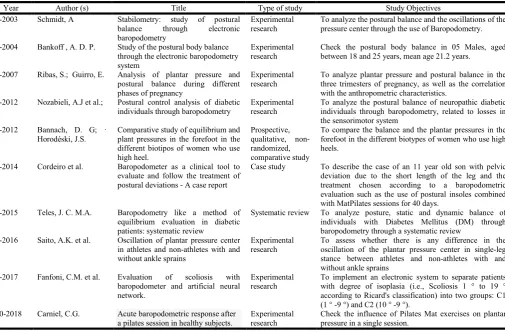
[image:4.595.45.551.223.555.2]BANNACH, D.G.; HORODÉSKI, J.S. Estudo comparativo do Table 1. Analysis of analyzed articles
Year Author (s) Title Type of study Study Objectives
1-2003 Schmidt, A Stabilometry: study of postural balance through electronic baropodometry
Experimental research
To analyze the postural balance and the oscillations of the pressure center through the use of Baropodometry.
2-2004 Bankoff , A. D. P. Study of the postural body balance through the electronic baropodometry system
Experimental research
Check the postural body balance in 05 Males, aged between 18 and 25 years, mean age 21.2 years.
3-2007 Ribas, S.; Guirro, E. Analysis of plantar pressure and postural balance during different phases of pregnancy
Experimental research
To analyze plantar pressure and postural balance in the three trimesters of pregnancy, as well as the correlation with the anthropometric characteristics.
4-2012 Nozabieli, A.J et al.; Postural control analysis of diabetic individuals through baropodometry
Experimental research
To analyze the postural balance of neuropathic diabetic individuals through baropodometry, related to losses in the sensorimotor system
5-2012 Bannach, D. G; · Horodéski, J.S.
Comparative study of equilibrium and plant pressures in the forefoot in the different biotipos of women who use high heel.
Prospective, qualitative, non-randomized, comparative study
To compare the balance and the plantar pressures in the forefoot in the different biotypes of women who use high heels.
6-2014 Cordeiro et al. Baropodometer as a clinical tool to evaluate and follow the treatment of postural deviations - A case report
Case study To describe the case of an 11 year old son with pelvic deviation due to the short length of the leg and the treatment chosen according to a baropodometric evaluation such as the use of postural insoles combined with MatPilates sessions for 40 days.
7-2015 Teles, J. C. M.A. Baropodometry like a method of equilibrium evaluation in diabetic patients: systematic review
Systematic review To analyze posture, static and dynamic balance of individuals with Diabetes Mellitus (DM) through baropodometry through a systematic review
8-2016 Saito, A.K. et al. Oscillation of plantar pressure center in athletes and non-athletes with and without ankle sprains
Experimental research
To assess whether there is any difference in the oscillation of the plantar pressure center in single-leg stance between athletes and non-athletes with and without ankle sprains
9-2017 Fanfoni, C.M. et al. Evaluation of scoliosis with baropodometer and artificial neural network.
Experimental research
To implement an electronic system to separate patients with degree of isoplasia (i.e., Scoliosis 1 ° to 19 ° according to Ricard's classification) into two groups: C1 (1 ° -9 °) and C2 (10 ° -9 °).
10-2018 Carniel, C.G. Acute baropodometric response after a pilates session in healthy subjects.
Experimental research
biotipos de mulheres que fazem o uso de salto alto. Revista interdisciplinar Saúde Meio Ambiente. 1 jun. 2012.
BELLIZZI, M, et al. Baropodometria eletrônica em pacientes
afetado por torticollis ocular. Estrabismo 19, 21 e 25. 2011.
CARNIEL, C.G, et al. Resposta baropodométrica aguda após
uma sessão de matpilates em indivíduos saudáveis.
Acessado: 25 fevereiro 2018. Disponível em
www.salesianolins.br/universitaria/avaliacao/no2/artigo35. doc
CORDEIRO, T.L, et al. Baropodômetro como uma ferramenta
clínica para avaliar e seguir o tratamento de desvios posturais - Um relatório de caso. J Spine, Volume 3, número 4. 2014.
DA SILVA, B.M, STADNIK, A.M.W, BARRETO, A.M. Análise baropodométrica em criança portadora de paralisia cerebral submetida a tratamento com a técnica pediasuit: um estudo de caso. Revista uniandrade, v. 15, n. 1, p. 7–17, 2014.
DELGADO, R.C.M.; BERTO, R. Distribuição da força plantar em relação ao peso e posicionamento do material escolar. Revista Eletrônica de Educação e Ciência, v. 5, n. 1, p. 25– 32, 2015.
FANFONI, C.M, et al. Avaliação da escoliose com
baropodômetro e rede neural artificial. Res. Biomed. Eng. 2017 June; 33, pp. 121-129 (dissertação). 2017.
FERST, N.C. O uso da mochila escolar e suas implicações posturais no aluno do colégio militar de Curitiba. (Dissertação). Florianópolis. 2003.
KENDALL, F. P. McCREARY, E. K. e PROVAMCE, P. G.
Músculos provas e funções. Barueri, Manole, 1995. LAFOND D, CORRIVEAU H, PRINCE F. Controle postural
mecanismos durante a calma em pacientes com diabetes neuropatia sensorial. Diab. Care 27, 173e178. 2004.
MANTOVANI, AM, et al. Palmilhas Proprioceptivas para o
controle postural. Colloquium Vitae, v. 2, n. 2, p. 34-38, 2011.
MAFINSKI M, Cordeiro RM. A influência da palmilha termomoldada na postura corporal. Universidade Regional de Blumenau, Blumenau. 2005.
MARTINI S, et al. Análise baropodométrica preliminar de
jovens Jogadores de futebol ao caminhar: morfometria geométrica e avaliação comparativa. J. Sports Med. Phys. Fitness 52, 144 e 150. 2012.
MAZZOCCHI M, et al. Um estudo das mudanças posturais
após abdominoplastia abdominal reta plástica. Hérnia. 8 de novembro de 2012.
MENEZES, L.T, et al. Tecnologia baropodométrica utilizada
para analisar tipos de suporte de peso durante postura ortostática hemiparética. Fisioter. Mov., Curitiba, v. 25, n. 3, p. 583-594, jul./set. 2012.
NOZABIELI, A.J, et al. Análise do equilíbrio postural de
indivíduos diabéticos por meio de baropodometria. Motricidade. vol. 8, n. 3, pp. 30-39. 2012.
ORLIN MN, MCPOIL TG. Avaliação da pressão plantar. Phys. Ther. 80, 399e409. 2000.
PROTETTI MS, et al. Avaliação do Controle Postural e do
Tipo do Pé de Pessoas com Deficiência Visual. Revista da Associação Brasileira de Atividade Motora Adaptada, v. 13, n. 2, p. 61-66, 2012.
RIBAS SI, GUIRRO ECO. Análise da pressão plantar e do equilíbrio postural em diferentes fases da gestação. Rev. bras. fisioter., São Carlos, v. 11, n. 5, p. 391-396, set./out. 2007.
ROSÁRIO, J.L.P. A review of the utilization of
baropodometry in postural assessment. Journal of bodywork and movement therapies, v. 18, n. 2, p. 215–219, 2014.
ROSÁRIO, J.L.P, et al. Melhorando a postura: comparando
Segmental Terapia de Cadeia alongada e musculosa. Clin. Quiropraxia. 15, 121 e 128. 2012.
SAITO AK, et al. Oscilação do centro de pressão plantar de
atletas e não atletas com e sem entorse de tornozelo. Revista brasileira de ortopedia. 51(4):437–443. 2016. SCHMIDT A. Estabilometria: estudo do equilíbrio postural
através da baropodometria eletrônica. 2003. Acesso em: 21 mar. 2018. Disponível em: <file:///C:/Users/USER/ Downloads/EstabilometriaCBCE_2003%20(3).pdf> SCREMIM, R.D. Aparelho de baropodometria para uso na
reabilitação de alterações de marcha (Dissertação de mestrado). 2012. [acessado: 25 fevereiro 2018. Disponível
em http://files.dirppg.ct.utfpr.edu.br/cpgei/Ano_2012/
dissertacoes/CPGEI_Dissertacao_595_2012.pdf
SUZUKI H. Et al. Posição fechada para a medição de
alinhamento da coluna vertebral sagital. EUR. Spine J. 19, 782e786. 2010.
TELES JCMA. Baropodometria como um método de avaliação do equilíbrio em pacientes diabéticos: revisão sistemática. Revista Varia Scientia – Ciências da Saúde, Volume 1 – Número 2 – Segundo Semestre de 2015. VIANNA, D.L, GREVE, JMD. Relações entre a mobilidade
do tornozelo e pé e uma magnitude da força vertical de reação do solo. Rev. Bras. Fisioter 10, 339 e 345. 2006. ZAMMIT GV, MENZ HB, MUNTEANU SH. Confiabilidade
do TekScanMatScan (R) sistema para a medição plantar Forças e pressões durante o andar descalço em adultos saudáveis. J. Foot Ankle Res. 3. 2010.