The Open Journal of Occupational Therapy
The Open Journal of Occupational Therapy
Volume 5
Issue 1 Winter 2017 Article 13
January 2017
Changes in Knowledge, Skills, and Confidence in Fieldwork
Changes in Knowledge, Skills, and Confidence in Fieldwork
Educators After an Evidence-Based Practice Short Course
Educators After an Evidence-Based Practice Short Course
Alison Nichols
University of Indianapolis - USA, [email protected]
Follow this and additional works at: https://scholarworks.wmich.edu/ojot
Part of the Occupational Therapy Commons
Recommended Citation Recommended Citation
Nichols, A. (2017). Changes in Knowledge, Skills, and Confidence in Fieldwork Educators After an Evidence-Based Practice Short Course. The Open Journal of Occupational Therapy, 5(1). https://doi.org/ 10.15453/2168-6408.1204
This document has been accepted for inclusion in The Open Journal of Occupational Therapy by the editors. Free, open access is provided by ScholarWorks at WMU. For more information, please contact
Changes in Knowledge, Skills, and Confidence in Fieldwork Educators After an Changes in Knowledge, Skills, and Confidence in Fieldwork Educators After an Evidence-Based Practice Short Course
Evidence-Based Practice Short Course
Abstract Abstract Background
Background: It is critical that fieldwork educators demonstrate effective use of evidence for clinical decision making so that occupational therapy (OT) students learn to apply concepts from the classroom to everyday practice.
Method
Method: OT fieldwork educators completed a 3-hour short course designed to provide instruction on the first three steps of the evidence-based practice (EBP) process: developing a clinical question, searching the literature, and assessing the evidence. The participants completed a pretest on site and posttest 3 weeks after the course to assess their knowledge, skills, and confidence when using EBP. The Adapted Fresno Test was used to measure knowledge and skills, and the Evidence-Based Practice Confidence Scale measured confidence.
Results
Results: Fourteen OT practitioners completed the short course and pretest; nine returned the posttest, and six answered all of the questions. These six participants improved their knowledge and skills (3.75%) and their confidence (17.99%) from pretest to posttest.
Conclusion
Conclusion: Fieldwork educators showed improvements in their knowledge, skills, and confidence when using EBP after a 3-hour introductory course. This could lead to improved modeling of appropriate EBP behaviors for OT students, promoting the translation of knowledge from classroom to clinic.
Keywords Keywords
Fieldwork educators, evidence-based practice
Cover Page Footnote Cover Page Footnote
Thank you to Dr. Tammy Bickmore and Dr. Sally Wasmuth for their assistance in this research.
Credentials Display
Alison M. Nichols, OTR, OTD
Copyright transfer agreements are not obtained by The Open Journal of Occupational Therapy (OJOT). Reprint permission for this Topics in Education should be obtained from the
corresponding author(s). Click here to view our open access statement regarding user rights and distribution of this Topics in Education.
DOI: 10.15453/2168-6408.1204
Literature Review
Evidence-based medicine (EBM) has been
endorsed for more than 300 years, but the term
evidence-based practice only began to appear in
occupational therapy literature in the mid-to-late
1990s (Egan, Dubouloz, Von Zweck, & Vallerand,
1998; Law & Baum, 1998). Evidence-based
practice (EBP) involves the use of research
evidence combined with clinical reasoning and
experience to make decisions about which
interventions would be the most effective for a
specific client (Law & Baum, 1998). Most EBM
and EBP courses focus on five steps in the EBP
process. Clinicians using EBP should: (a) develop a
clinical question to narrow the focus for searching
the evidence, (b) search and retrieve available
evidence, (c) critically appraise the evidence to
determine which is best, (d) integrate the evidence
into the treatment plan for the client, and (e)
evaluate the outcome of the evidence-based
intervention and reflect on what could be changed
(Straus, Glasziou, Richardson, & Haynes, 2011).
Occupational therapy (OT) programs
accredited by the Accreditation Council for
Occupational Therapy Education (ACOTE®)
currently include EBP in their Accreditation
Standards for a Master’s-Degree-Level Educational
Program for the Occupational Therapist and for an
Associate-Degree-Level Educational Program for
the Occupational Therapy Assistant (OTA;
ACOTE, 2012). ACOTE first included information
related to evidence-based interventions in the
standards published in 1999 (ACOTE, 1999). OT
and OTA practitioners who graduated prior to 1999,
however, may not have received formal education
on developing a clinical question, searching for
evidence, or analyzing the literature.
The most current version of the
Accreditation Standards for Educational Programs
for OT and OTA students lists a variety of standards
related to fieldwork, as well as the use of evidence.
During the didactic portion of coursework, OT
students need to be able to select appropriate
assessment tools, apply evaluations, and develop
intervention plans that are all evidence-based
(ACOTE, 2012). In relation to fieldwork, there are
standards that require Level I fieldwork to provide
students with opportunities to carry out professional
responsibilities and experiences that enhance
didactic coursework (ACOTE, 2012). Level II
fieldwork should help OT students demonstrate
clinical reasoning, develop competence in the
responsibilities of their future careers, and
appropriately role model OT practice (ACOTE,
2012).
The American Occupational Therapy
Association (AOTA) reinforces the need for
incorporating evidence into practice. The
organization developed a Centennial Vision for
2017 to provide a map for the future of OT when
the profession turns 100 years old. The Centennial
Vision states, “We envision that occupational
therapy is a powerful, widely recognized,
science-driven, and evidence-based profession with a
globally connected and diverse workforce meeting
society's occupational needs” (AOTA, 2006, p. 1).
It is critical that fieldwork educators demonstrate
effective use of evidence for clinical decision
making so that OT students learn to apply concepts
from the classroom to everyday practice. OT
students are expected to establish treatment plans
from the results of their evaluations that integrate
EBP, as well as use evidence to inform their
intervention choices.
Stronge and Cahill (2012) surveyed OT
students in Ireland who were in the last year of their
OT program (n = 111) and found that 40% of the
students did not observe EBP during fieldwork.
Twenty percent of these students reported that they
did not view themselves as evidence-based
clinicians (Stronge & Cahill, 2012). While there are
not currently any published studies in the United
States with similar methodologies, there has been
research regarding the preparation of OT students
for using EBP during fieldwork. Evenson (2013)
found that OT students reported increased
confidence in their ability to use research to analyze
a case study prior to completing Level II fieldwork.
In addition, Crabtree, Justiss, and Swinehart (2012)
reported that OT students completed a
semester-long course on EBP prior to Level II fieldwork.
After the completion of the fieldwork experience,
the students demonstrated a decline in performance
of EBP knowledge and skills when compared to
scores at the end of the EBP course (Crabtree et al.,
2012). Tying together the academic and clinical
settings, Stube and Jedlicka (2007) used focus
groups to learn more about OT students’
perceptions of EBP in the classroom and during
fieldwork. The students indicated that having
positive role models for using EBP was important,
and that their relationship with their fieldwork
educator helped them learn to apply the principles
of EBP (Stube & Jedlicka, 2007). There is a current
lack of evidence available to determine if students
are observing EBP clinically in the United States.
While there are differences in health care systems
and educational background, if the results from
Stronge and Cahill’s study of Irish OT students are
indicative of practice in the United States, then
students may not be observing appropriate role
modeling of EBP behaviors.
While Stronge and Cahill (2012) and Stube
and Jedlicka (2007) examined the relationship of
the student and fieldwork educator from the
student’s perspective, Thomas and Law (2014)
examined the OT practitioner’s perspective. They
surveyed 1,800 Canadian occupational therapists
working with children or older adults to determine
supports for EBP and attitudes toward these
supports. Of the 368 participants (n = 368), a large
majority agreed or strongly agreed that supervising
a student increased their own knowledge (80%),
helped them to be more evidence-based (71%), and
was an important part of clinical practice (89%)
(Thomas & Law, 2014). Graham, Robertson, and
Anderson (2013), who surveyed 1,587 New Zealand
OT practitioners, also reported these positive
attitudes. Greater than 80% of respondents felt that
EBP was useful in everyday practice and overall OT
practice, as well as improved client-centered care.
However, 67% of these OT practitioners used
research evidence to support their clinical decisions
less than half of the time. Reported common
barriers to implementing EBP by these occupational
therapists mirrored findings in other allied health
professions. Barriers were focused on the process
of finding appropriate evidence and implementing
it, including difficulty defining a clinical question;
limited searching and appraisal skills; lack of
The Open Journal of Occupational Therapy, Vol. 5, Iss. 1 [2017], Art. 13
confidence, training, and familiarity with search
strategies; difficulties in using databases, difficulty
understanding research terminology, statistics, and
critical appraisal skills; a perceived lack of evidence
to support the use of specific interventions; and
uncertainty if the evidence was applicable to clients
and practice (Copley & Allen, 2009; Crabtree et al.,
2012; Fruth et al., 2010; Graham et al., 2013;
Hankemeier & Van Lunen, 2011; Stronge & Cahill,
2012). In addition, there are environmental barriers,
such as lack of time or money to pursue EBP, large
caseloads, poor organizational support, limited
access to published information, and poor patient
compliance (Crabtree et al., 2012; Fruth et al., 2010;
Stronge & Cahill, 2012). This combination of
potential barriers, despite having positive attitudes
and believing that EBP is important, formed the
foundation for this research. A 3-hour short course
on the initial three steps of the EBP process (Strauss
et al., 2011) was created and offered to fieldwork
educators. The purpose of this research was to
answer the following research questions: Do OT
fieldwork educators demonstrate improvements in
EBP knowledge and skills after an introductory
short course in EBP? Do fieldwork educators
demonstrate improvements in self-confidence
related to using EBP after an introductory short
course in EBP?
Methods
Participants
Participants were recruited from a list of 185
active fieldwork sites at a private urban university.
All of the individuals on the list were part of an
organization in the same state as the university and
had accepted Master of Occupational Therapy
(MOT) fieldwork students from the university.
These individuals had the option to forward the
e-mail on to any co-workers or employees who were
occupational therapists. All functional e-mail
addresses received a description of the short course
and two options for participation dates. The
participants were allowed to choose the date that
best worked for their schedule to allow a greater
number of individuals to attend the short course.
The participants received a reminder e-mail 2 weeks
later. Initially, nine occupational therapists
volunteered to participate in Cohort A, and 10
volunteered to participate in Cohort B. All of the
OT practitioners in Cohort A (n = 9) and five of the
OT practitioners in Cohort B attended and
completed the short course. The university’s
Institutional Review Board approved this study, and
all of the participants provided consent via an online
Qualtrics survey prior to completing the pretest and
the short course.
Instruments
Salbach and Jaglal (2011) created the
Evidence-Based Practice Confidence Scale (EPIC)
to evaluate health care providers’ beliefs in their
abilities to implement EBP. The authors tested the
EPIC with physical therapists and found that it
demonstrated a test-retest reliability with an overall
intraclass correlation coefficient (ICC) of 0.89
(Salbach, Jaglal, & Williams, 2013) with individual
item ICC scores ranging from 0.63 to 0.91 with a
95% confidence interval (CI), which would be
sufficient for monitoring changes in confidence
over time. Internal consistency measured by
Cronbach’s alpha was excellent at 0.89. Brangan,
Quinn, and Spirtos (2015) used the EPIC with Irish
occupational therapists and found statistically
significant improvements in confidence after a
course in EBP. The 11 EPIC items are related to
confidence in completing the steps of the EBP
process, as well as more specific questions related
to critically appraising statistics found in research.
The Fresno Test of competence in EBM is
an objective measure of skills and knowledge that is
used with medical students (Ramos, Schafer, &
Tracz, 2003). McCluskey and Lovarini (2005)
developed the Adapted Fresno Test (AFT), which
includes six clinical scenarios more relevant to the
field of OT, with two scenarios each for pretest,
posttest, and follow-up. In addition, some of the
more advanced statistical questions were removed
from the original Fresno Test. Version 1 of the
AFT was used as the pretest, and Version 2 of the
AFT was used as the posttest in this study. The
AFT demonstrated excellent inter-rater reliability
on total AFT scores (Version 1: ICC 0.96 and
Version 2: ICC 0.91) with a 95% CI (McCluskey &
Bishop, 2009). The tool also demonstrates
acceptable internal consistency with a Cronbach’s
alpha of 0.74. The AFT is also responsive to
change, with an average change of 20.6 points out
of a 156-point scale. Novice learners of EBP
demonstrated the greatest amount of change (26.8
points) from baseline, which is the targeted
population of the AFT.
The EPIC scale, AFT, and demographic
questionnaire were administered via a Qualtrics
online survey. The pretest took place on site prior
to the start of the short course, and the posttest was
e-mailed to participants 3 weeks after the short
course for completion on their own time. The
demographic questions were not included in the
posttest.
Procedures
The project took place over 5-weeks, and the
participants were divided into two cohorts. Cohort
A was in contact with the author during weeks 1, 3,
and 4, with the on-site course taking place during
week 1. Cohort B was in contact with the author
during weeks 2, 4, and 5, with the on-site course
taking place during week 2. The time between the
on-site course and next contact was intended to
allow practitioners to have time to search for
evidence.
At the beginning of the 3-hour short course,
the participants completed the pretest measures via
a Qualtrics online survey. These consisted of the
EPIC scale, AFT, and demographic questions.
Through the remainder of the course, the
participants focused on gaining familiarity with the
beginning stages of EBP as described by Straus et
al. (2011). The participants were provided with an
example of a sample PICO/PIO question, and then
developed their own clinical question. They then
shared the question in small groups, and finally with
the larger group. The next step of the EBP process
and short course focused on the most effective ways
to search the literature. The participants practiced
using free, available resources to find appropriate
evidence to answer their clinical questions. Some
chose to work in pairs to search, while others
worked individually. The participants were assisted
in improving their searches by prompts for search
terms and suggestions on ways to expand or limit
results. After locating a resource, the participants
shared their search strategies, as well as any
The Open Journal of Occupational Therapy, Vol. 5, Iss. 1 [2017], Art. 13
successes or challenges they faced. The final
portion of the course, focused on a discussion
regarding the differences between quantitative and
qualitative research, as well as the different levels
of quantitative evidence as described by Law and
MacDermid (2008). The participants were provided
with a template that could be used to analyze
research and challenged to implement EBP into
their clinical practice over the next week.
After 1 week, the participants received an
e-mail containing additional information related to
critical appraisal of evidence and were invited to
join an online message board where they could ask
questions to improve their understanding of the
material. During the next 2 weeks, the author
facilitated discussion related to the final steps of
EBP, including the use of evidence in practice.
This encouraged the participants to complete the
final two steps of the EBP process, specifically
related to how they applied EBP to their clinical
setting and assess its efficacy. After 3 weeks had
passed from the date of the short course, the
participants received an e-mail link to complete the
posttest, which included the EPIC scale and the
AFT.
Data Analysis
The quantitative data obtained from the pre
and posttests were analyzed using Qualtrics
Research Suite and Microsoft Excel to determine
average scores and comparisons between the
outcome measures and pre and posttests and to
determine statistical significance. For qualitative
data on the message boards, the author used content
analysis to code the responses. Both the author and
a blinded expert in qualitative data analysis coded
the responses. These researchers compared
responses and established coding and sub-coding of
the data. The codes identified common themes
exhibited throughout the written responses. The
data set was minimal, with only three respondents
and a total of four responses; it is likely not
representative of the larger population. Each
qualitative response was coded into two categories
matching these themes: limitations of using EBP
(3/3 respondents) and feeling encouraged to apply
EBP in the workplace (3/3 respondents), with a
sub-code of using journal clubs (2/3 respondents).
Results
Demographics
Two cohorts of occupational therapists
participated in the short course, with nine
participants in Cohort A and five participants in
Cohort B. Originally, 10 occupational therapists
indicated interest in participating in Cohort B, but
only five attended the course. Information about
the participants is reported as a whole to protect the
identities of the participants. Twelve participants
were female, and two were male. Of the 14
participants, 36% worked in a skilled nursing
facility or long-term care, representing the largest
practice area. Other participants worked in settings
related to school systems, outpatient pediatrics,
outpatient adults, inpatient adults, rehabilitation
hospitals, and home health for pediatrics.
Seventy-one percent of the participants had been employed
as an occupational therapist for 10 years or less. All
of the participants had at least a Master’s degree.
Only one participant had supervised more than two
Level II fieldwork students from the University
over the past 3 years. The majority of these
participants had graduated in the last 10 years or
less, and therefore, they should have received
formal education on the use of EBP. However, the
participants only averaged a 28.3% when their
knowledge was measured during the pretest.
Pretest
Quantitative data were gathered from the
AFT, the EPIC, and the demographic questions that
the participants answered in the pretest. The pretest
was completed using Qualtrics Research Suite, and
data analysis occurred through Qualtrics and
Microsoft Excel to determine average scores and
comparisons between tools and testing. All of the
participants agreed that they understood the concept
of EBP; five reported neither agree nor disagree or
disagree to understanding how to incorporate EBP
into their clinical setting. While 71% were
comfortable discussing EBP with Level II fieldwork
students, only 50% felt comfortable demonstrating
the use of EBP to students. All of the participants
agreed that EBP is an important part of the OT
process.
Prior to answering questions related to the
knowledge and skills of EBP, the OT practitioners
(n = 14) rated their confidence in using EBP on the
EPIC, using a range of scores between 0-100
percent. On average, the participants had a 64.2%
confidence level, with a range from 37.3-93.6%.
The participants were most confident in their
abilities to identify a gap in their knowledge related
to a patient or client situation (82.1%), and in
asking a patient or client about his/her needs,
values, and treatment preferences (89.3%). The
participants were least confident in their ability to
interpret study results obtained using statistical
procedures (36.4%) and statistical tests (42.9%).
The responses to the AFT (n = 14) were
individually scored. The average score for the AFT
pretest was 44.1 out of a possible 156 points, with
scores ranging from 20-82. The average overall
percent was 28.3%, and the points converted to a
percentage score range between 12.8-52.5%. The
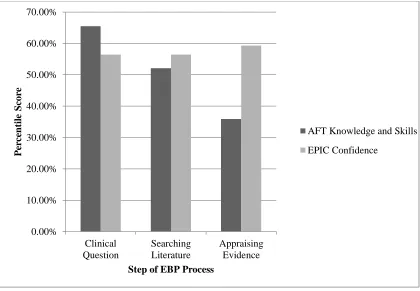
participants scored highest on questions related to
developing a clinical question (average of 65.5%),
specifically at developing a question that included
appropriate descriptors of the population and the
intervention. The majority of the participants did
not provide a strong rationale for using a specific
search strategy. The three primary steps of the short
course were developing a clinical question,
searching the literature, and appraising the evidence
found. Specific questions from the AFT and the
EPIC addressed these steps, and Figure 1 illustrates
the relationship between the participants’ overall
average knowledge and skills related to these three
concepts, as well as their self-reported confidence.
The participants demonstrated good knowledge and
skills in formulating a clinical question, but they
were not confident in their abilities. In addition, the
participants reported average confidence in
searching the literature, which matched their
knowledge and skills in this activity. Finally, the
participants reported high confidence in their ability
to critically appraise literature compared to their
actual performance.
The Open Journal of Occupational Therapy, Vol. 5, Iss. 1 [2017], Art. 13
Figure 1. Pretest relationship between knowledge, skills, and confidence in initial steps of EBP process.
Figure 2 illustrates the relationship between
each participant’s average pretest confidence and
average score of knowledge and skills as measured
by the EPIC and AFT respectively. All of the
participants rated their confidence at a higher
percentage than their achieved score of knowledge
and skills.
Figure 2. Relationship between pretest knowledge, skills, and confidence of all participants. 0.00%
10.00% 20.00% 30.00% 40.00% 50.00% 60.00% 70.00%
Clinical Question
Searching Literature
Appraising Evidence
P
er
ce
n
til
e
S
cor
e
Step of EBP Process
AFT Knowledge and Skills
EPIC Confidence
0% 10% 20% 30% 40% 50% 60% 70% 80% 90% 100%
P
er
ce
n
ti
le
S
co
re
Participants
Knowledge/Skil ls% (AFT)
Confidence% (EPIC)
Posttest
All of the participants received a link to the
posttest 3 weeks after their completion of the short
course, as well as a reminder e-mail 1 week later.
Only nine participants (64.2%) returned the posttest
survey, all completing the demographic questions
and the EPIC scale. Only six completed the survey
in its entirety. All nine respondents agreed or
strongly agreed that they understood the concept of
EBP and how to incorporate it into practice. They
also felt comfortable discussing and demonstrating
use of EBP to fieldwork students, and they all felt
EBP was an important part of the OT process.
The nine respondents ranked their
confidence on the EPIC an average of 78.9%. The
respondents ranked themselves most confident in
their ability to identify a gap in their knowledge
related to a client situation (93.3%), continually
evaluate the effect of their actions on the client’s
outcomes (92.2%), and decide on an appropriate
course of action based on integrating research
evidence (91.1%). The respondents were least
confident in their ability to interpret study results
using statistical tests (57.8%) and statistical
procedures (53.3%).
The average AFT score of the six completed
posttests for assessing knowledge and skills was
48.6 out of a possible 156 points. Scores ranged
from 25-68 points. The average percentile score
from the AFT was 31.2%, with scores ranging from
16.03% to 43.59%. The respondents scored highest
on developing a clinical question that included
population and intervention components, as well as
describing an effective search strategy. The
respondents scored lowest on describing a rationale
for using a specific search strategy and determining
the magnitude and significance of the study’s
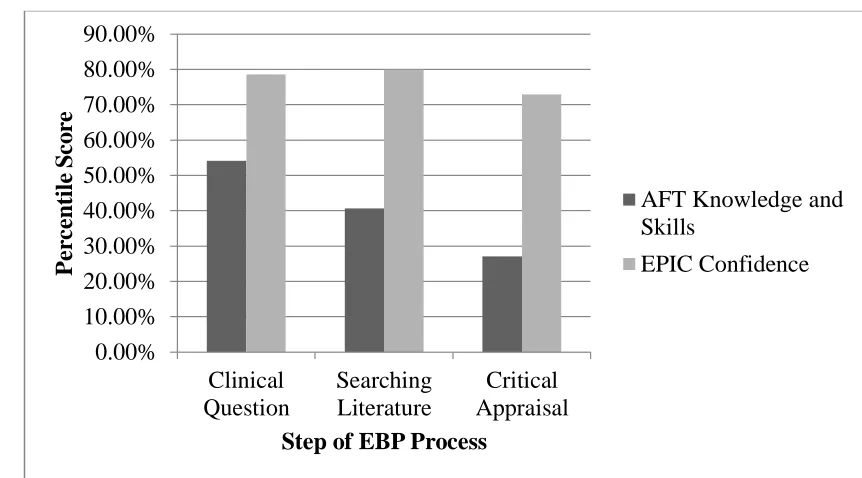
findings. Figure 3 illustrates the relationship
between the respondents’ overall average
knowledge and skills related to the concepts of
developing a clinical question, searching the
literature, and critically appraising the evidence, as
well as their self-reported confidence.
Figure 3. Posttest relationship between knowledge, skills, and confidence in initial steps of EBP process. 0.00%
10.00% 20.00% 30.00% 40.00% 50.00% 60.00% 70.00% 80.00% 90.00%
Clinical Question
Searching Literature
Critical Appraisal
P
er
ce
n
ti
le
S
co
re
Step of EBP Process
AFT Knowledge and Skills
EPIC Confidence
The Open Journal of Occupational Therapy, Vol. 5, Iss. 1 [2017], Art. 13
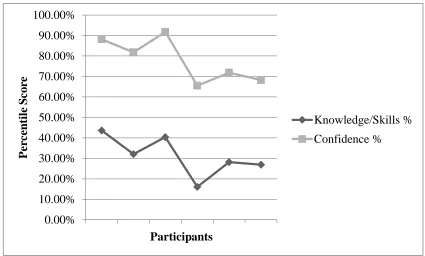
Figure 4 illustrates the relationship between
each respondent’s average posttest confidence and
average score of knowledge and skills, as measured
by the EPIC and AFT respectively. This figure
does not include the confidence scores of the three
respondents who left the AFT questions blank. All
of the participants rated their confidence at a higher
percentage than their average overall achieved score
of knowledge and skills, similar to the pretest.
Figure 4. Relationship between posttest knowledge, skills, and confidence of survey respondents.
The six participants who completed the AFT
at pretest and posttest improved their overall
knowledge and skills by 3.75%. This was not
statistically significant (.30) with p < .05. The nine
participants who completed the EPIC scale at
pretest and posttest improved their average overall
confidence by 17.99%. This result is statistically
significant (.00044) with p < .05.
Qualitative Outcomes
The participants received a link to a private
message board 1 week after their on-site short
course. The message board contained different
threads designed to elicit information and
discussion. The first thread was a place for
participants to ask questions related to the
additional statistical information they received. The
participants asked no questions in this thread. A
separate thread was aimed at gathering information
related to the fourth and fifth steps of EBP and
applying and assessing the use of evidence.
Only three participants opted to take part in
the message boards, with four posts. The author
and an expert in qualitative research analysis who
was blinded to the remainder of the study used
content analysis to code the responses. The
qualitative responses were coded into two primary
codes. The first was limitations of using EBP (3/3
respondents). One participant stated, “My main
limiting factor was the lack of time and my
hospital’s requirements for meeting productivity.” 0.00%
10.00% 20.00% 30.00% 40.00% 50.00% 60.00% 70.00% 80.00% 90.00% 100.00%
P
er
ce
n
ti
le
S
co
re
Participants
Knowledge/Skills %
Confidence %
Another participant reported that she was required
to log her daily activities for the week to track
productivity, leaving her no time to search for
evidence. The second code was feeling encouraged
to apply EBP in the workplace (3/3 respondents).
In this second code, the respondents were sub-coded
by 2/3 respondents indicating use of journal clubs.
One participant wrote, “My team has discussed
more ways to implement EBP and research into our
practice and general continuing education with
journal clubs.” The second participant commented, “I’m really excited to share what I’ve learned
through this workshop with my OT colleagues at
the next journal club.” The final message board
participant expressed a desire to provide a good
example of EBP to an upcoming Level II fieldwork
student.
Discussion
This study aimed to determine if fieldwork
educators demonstrated improvements in EBP
knowledge, skills, and confidence after an
introductory short course. When comparing the
pretest scores to the posttest scores from the AFT
and the EPIC scale, the participants who completed
both pretest and posttest (n = 6) improved their
overall knowledge and skills by 3.75% and
improved their average overall confidence (n = 9)
by 17.99%. These results are similar to what was
found in the literature. McCluskey and Lovarini
(2005) provided OT practitioners with a 2-day
workshop and additional support for 8 months
following the workshop. The participants improved
their knowledge and skills from pretest to posttest
by 13.5% (McCluskey & Lovarini, 2005). These
participants completed the posttest immediately
following the EBP workshop, unlike the
participants in the current study, who completed the
posttest approximately three weeks after the short
course. Medical residents demonstrated
improvements in a variety of areas related to EBP
after a training course consisting of 4 half-days,
including formulating a question, determining
sources of information, searching literature, and
choosing a quality study design (Argimon-Pallás,
Flores-Mateo, Jiménez-Villa, & Pujol-Ribera,
2011). The participants in this study demonstrated
similar or improved knowledge and skills on all
AFT questions but one, which was related to
assessing clinical and statistical significance. On
this item, the participants demonstrated a 4.17%
decrease in score. This may have been due to the
smaller number of participants completing the
posttest than the pretest. The largest improvement
was in identifying the best type of study design,
with an average of a 22.9% increase in score on this
item.
Just as the participants in this study
demonstrated improvements in confidence after the
short course, allied health students and medical
students demonstrated improvements in confidence
after completing EBP workshops (Bennett,
Hoffmann, & Arkins, 2011; Ilic, Tepper, & Misso,
2012). The medical students demonstrated
improvements in confidence in specific areas,
including creating clinical questions, being aware of
resources, and identifying gaps in their professional
practice (Ilic et al., 2012). The participants in this
study demonstrated improvements in confidence as
measured by the EPIC on all but one question,
which asked about confidence in the ability to ask a
The Open Journal of Occupational Therapy, Vol. 5, Iss. 1 [2017], Art. 13
client about his or her needs, values, and treatment
preferences. On this item, the participants
demonstrated a 3.7% decrease in score. This area
was not specifically addressed during the EBP short
course and the decrease in score may have been due
to the smaller number of participants completing the
posttest than the pretest. The greatest improvement
in confidence was in the ability to conduct a
literature search, with an average increase of 26.9%.
While the improvements in knowledge,
skills, and confidence were small, they are critical
for fieldwork educators’ ability to model EBP use
for students. As the number of OT and OTA
programs continue to grow, there is a continued
need for additional fieldwork educators who
demonstrate the confidence and knowledge in using
EBP to OT and OTA students. This EBP short
course demonstrates the need for continuing
education opportunities for fieldwork educators to
improve knowledge, skills, and confidence in using
EBP.
Limitations
This study used a convenience sample of
fieldwork educators from one private urban
university. Despite reaching out to at least 185
fieldwork educators, only 14 completed the short
course. The small number of participants could
have resulted in a Type II statistical error in which
there was a significant change in scores, but there
may not have been enough power to find that
difference.
While this course was offered to both OTs
and OTAs, the 14 participants were all OTs. This
may have been because the pool of fieldwork
educators came from a MOT program, where OTs
are required to supervise Level II fieldwork
students. In addition, only 29% of those who
completed the pretest had greater than 10 years of
clinical experience and were less likely to have
received an academic education in the use of EBP.
The remaining participants may have had greater
confidence or knowledge due to their academic
training. Only one of the participants was an
experienced fieldwork educator, having supervised
more than two Level II fieldwork students in the
past 3 years. The survey did not question the
participants on their supervision of Level I
fieldwork students, which may have provided
greater detail on the experience as a fieldwork
educator. In addition, as this course was offered for
continuing education units, the author allowed any
OT or OTA who received this e-mail to participate,
whether they had taken a fieldwork student or not.
Another limitation of this study was the
length and style of questions included in the AFT.
This portion of the survey took 20-30 min to
complete and included long, open-ended questions.
The participants may not have been willing to
complete this survey again during posttest, which
may have affected the return rate and ultimately the
overall results of the posttest. In addition, the
cohorts consisted of different numbers of
participants, which led to variance in discussions
among the participants and with the facilitator. It is
possible that the cohorts received different delivery
of the content that may have affected their
understanding of the material.
Several of the participants did not complete
the posttest, nor did they actively engage in the
online message boards. This may have been due to
barriers to implementation of EBP noted in the
literature review, including a lack of time or money
to pursue EBP, large caseloads, or poor
organizational support (Crabtree et al., 2012; Fruth
et al., 2010; Stronge & Cahill, 2012). The original
purpose of the message boards was to allow the
participants to ask questions to improve their
understanding of the material and for the author to
facilitate discussion related to the final steps of
EBP. Due to a lack of participant use of the
message boards, the author was unable to gather
sufficient qualitative data related to the participants’
use of clinical reasoning and experience in
conjunction with searching literature to develop a
plan for their clients.
Recommendations for Future Practice
Due to the lack of time that OT practitioners
have to engage in EBP activities, this short course
or ones similar to it could be broken into smaller
1-hour segments and provided at workplaces over
lunch hours or other scheduled times. This would
allow occupational therapists to be familiar with
one another and likely have similar evidence needs,
leading to opportunities for brainstorming sessions
for how to use evidence in the workplace.
In addition, OT students receive education
during their academic preparation on searching for
evidence and analyzing it. The students also have
access to a variety of resources through university
libraries. Fieldwork educators and OT students
need to collaborate to enhance the learning of both
parties in effectively using the entire EBP process.
Students can assist fieldwork educators in learning
to effectively search and analyze available
literature, while the fieldwork educator can teach
the students how to apply the selected evidence
clinically with clients and analyze its effects.
Conclusion
This study assessed changes in knowledge,
skills, and confidence of fieldwork educators after
participation in a short course on EBP. The
fieldwork educators demonstrated a small
improvement in knowledge and skills, and a
statistically significant change in confidence from
pretest to posttest, which occurred 3 weeks after the
completion of the short course. The participants
improved the most in their ability to determine
which type of study design would best answer their
clinical question and in their confidence related to
effectively conducting an online search. The
improvements may have been small due to only 6 of
14 participants completing the posttest in its
entirety. Common barriers to implementing EBP
may have also prevented the participants from
completing the posttest on their own time.
Universities need to continue to reach out to
fieldwork educators and offer opportunities for
improving EBP behaviors, such as access to
databases or short courses to increase education.
This could also motivate additional practitioners to
become fieldwork educators, knowing that they
would have access to additional continuing
education courses related to EBP and access to
databases. These steps will enable fieldwork
educators to model appropriate EBP behavior for
students, encouraging their transfer of knowledge
from the classroom to the clinic.
Dr. Alison Nichols is an Assistant Professor of Occupational Therapy at the University of Indianapolis, where she teaches entry-level students in both the MOT and OTD programs. The Open Journal of Occupational Therapy, Vol. 5, Iss. 1 [2017], Art. 13
References
Accreditation Council for Occupational Therapy Education. (1999). Standards for an accredited educational program for the occupational therapist. American
Journal of Occupational Therapy, 53(6), 575-582.
http://dx.doi.org/10.5014/ajot.53.6.575
Accreditation Council for Occupational Therapy Education. (2012). 2011 Accreditation Council for Occupational Therapy Education (ACOTE®) standards and interpretive guide. American Journal of
Occupational Therapy, 66(Suppl. 6), S6-S74.
http://dx.doi.org/10.5014/ajot.2012.66S6 American Occupational Therapy Association. (2006).
AOTA’s Centennial Vision. Retrieved from
http://www.aota.org/-/media/Corporate/Files/AboutAOTA/Centennial/Bac kground/Vision1.pdf
Argimon-Pallàs, J. M., Flores-Mateo, G., Jiménez-Villa, J., & Pujol-Ribera, E. (2011). Effectiveness of a short-course in improving knowledge and skills on evidence-based practice. BMC Family Practice,
12(64), 1-7. http://dx.doi.org/10.1186/1471-2296-12-64
Bennett, S., Hoffmann, T., & Arkins, M. (2011). A multi-professional evidence-based practice course improved allied health students’ confidence and knowledge. Journal ofEvaluation in Clinical
Practice, 17(4), 635-639.
http://dx.doi.org/10.1111/j.1365-2753.2010.01602.x Brangan, J., Quinn, S., & Spirtos, M. (2015). Impact of an
evidence-based practice course on occupational therapist’s confidence level and goals. Occupational
Therapy in Health Care, 29(1), 27-38.
http://dx.doi.org/10.3109/07380577.2014.968943 Copley, J., & Allen, S. (2009). Using all the available
evidence: Perceptions of paediatric occupational therapists about how to use evidence-based practice.
International Journal of Evidence-Based Healthcare,
7(3), 193-200.
http://dx.doi.org/10.1111/j.1744-1609.2009.00137.x
Crabtree, J. L., Justiss, M., & Swinehart, S. (2012). Occupational therapy Master-level students’ evidence-based practice knowledge and skills before and after fieldwork. Occupational Therapy in Health Care, 26(2-3), 138-149.
http://dx.doi.org/10.3109/07380577.2012.694584 Egan, M., Dubouloz, C., Von Zweck, C., & Vallerand, J.
(1998). The client-centered evidence-based practice of occupational therapy. Canadian Journal of
Occupational Therapy, 65(3),136-143.
http://dx.doi.org/10.1177/000841749806500303 Evenson, M. E. (2013). Preparing for fieldwork: Students’
perceptions of their readiness to provide evidence-based practice. Work, 44(3), 297-306.
http://dx.doi.org/10.3233/WOR-121506
Fruth, S. J., Van Veld, R. D., Despos, C. A., Martin, R. D., Hecker, A., & Sincroft, E. E. (2010). The influence of a topic-specific, research-based presentation on physical therapists’ beliefs and practices regarding evidence-based practice. Physiotherapy Theory and
Practice, 26(8), 537-557.
http://dx.doi.org/10.3109/09593980903585034 Graham, F., Robertson, L., & Anderson, J. (2013). New
Zealand occupational therapists' views on evidence-based practice: A replicated survey of attitudes, confidence and behaviours. Australian Occupational
Therapy Journal, 60(2), 120-128.
http://dx.doi.org/10.1111/1440-1630.12000 Hankemeier, D. A., & Van Lunen, B. L. (2011). Approved
clinical instructors’ perspectives on implementation strategies in evidence-based practice for athletic training students. Journal of Athletic Training, 46(6), 655-664.
Ilic, D., Tepper, K., & Misso, M. (2012). Teaching evidence-based medicine literature searching skills to medical students during the clinical years: A randomized control trial. Journal of the Medical Library
Association, 100(3), 190-196.
http://dx.doi.org/10.3163/1536-5050.100.3.009 Law, M., & Baum, C. (1998). Evidence-based occupational
therapy. Canadian Journal of Occupational Therapy,
65(3),131-135.
http://dx.doi.org/10.1177/000841749806500301 Law, M., & MacDermid, J. (2008). Evidence-based
rehabilitation: A guide to practice. Thorofare, NJ:
SLACK, Inc.
McCluskey, A., & Bishop, B. (2009). The Adapted Fresno Test of competence in evidence-based practice.
Journal of Continuing Education in the Health
Professions, 29(2), 119-126.
http://dx.doi.org/10.1002/chp.20021
McCluskey, A., & Lovarini, M. (2005). Providing education on evidence-based practice improved knowledge but did not change behaviour: A before and after study.
BMC Medical Education, 5(40), 1-12.
http://dx.doi.org/10.1186/1472-6920-5-40
Ramos, K. D., Schafer, S., & Tracz, S. M. (2003). Validation of the Fresno test of competence in evidence based medicine. BMJ, 326(7384), 319-321.
http://dx.doi.org/10.1136/bmj.326.7384.319
Salbach, N. M., & Jaglal, S. B. (2011). Creation and validation of the evidence-based practice confidence scale for health care professionals. Journal of Evaluation in
Clinical Practice, 17(4), 794-800.
http://dx.doi.org/10.1111/j.1365-2753.2010.01478.x Salbach, N. M., Jaglal, S. B., & Williams, J. I. (2013).
Continuing Education in the Healthcare Professions,
33(1), 33-40. http://dx.doi.org/10.1002/chp.21164 Straus, S., Glasziou, P., Richardson, W. S., & Haynes, R. B.
(2011). Evidence-based medicine: How to practice
and teach it (4th ed.). Edinburgh, Scotland: Churchill
Livingstone Elsevier.
Stronge, M., & Cahill, M. (2012). Self-reported knowledge, attitudes, and behaviour towards evidence-based practice of occupational therapy students in Ireland.
Occupational Therapy International, 19(1),7-16.
http://dx.doi.org/10.1002/oti.328
Stube, J. E., & Jedlicka, J. S. (2007). The acquisition and integration of evidence-based practice concepts by occupational therapy students. American Journal of
Occupational Therapy, 61,53-61.
http://dx.doi.org/10.5014/ajot.61.1.53
Thomas, A., & Law, M. C. (2014). Evidence-based practice supports among Canadian occupational therapists.
Canadian Journal of Occupational Therapy, 81(2),
79-92. http://dx.doi.org/10.1177/0008417414526972
The Open Journal of Occupational Therapy, Vol. 5, Iss. 1 [2017], Art. 13