Walden University
ScholarWorks
Walden Dissertations and Doctoral Studies Walden Dissertations and Doctoral StudiesCollection
2018
Eighth-Grade Students with Low Academic
Performance in Middle School Science
Tennille Heath Fowler
Walden University
Follow this and additional works at:https://scholarworks.waldenu.edu/dissertations
Part of theScience and Mathematics Education Commons
This Dissertation is brought to you for free and open access by the Walden Dissertations and Doctoral Studies Collection at ScholarWorks. It has been accepted for inclusion in Walden Dissertations and Doctoral Studies by an authorized administrator of ScholarWorks. For more information, please [email protected].
Walden University
College of Education
This is to certify that the doctoral study by
Tennille Heath
has been found to be complete and satisfactory in all respects, and that any and all revisions required by
the review committee have been made.
Review Committee
Dr. Judy Shoemaker, Committee Chairperson, Education Faculty Dr. Christopher Cale, Committee Member, Education Faculty
Dr. Karen Hunt, University Reviewer, Education Faculty
Chief Academic Officer Eric Riedel, Ph.D. Walden University
Abstract
Eighth-Grade Students with Low Academic Performance in Middle School Science by
Tennille Heath
MA, Central Michigan University, 2012 BS, Clayton State University, 2010
Doctoral Study Submitted in Partial Fulfillment of the Requirements for the Degree of
Doctor of Education
Walden University August 2018
Abstract
The problem of low achievement and failure of 8th-grade students to attain state proficiency level in science in a local school district was addressed in this case study. Data from 2012–2016 revealed that 93% of 8th-grade students in 2 suburban middle schools in the targeted state failed to meet science proficiency standards on the science Criterion-Referenced Competency Tests and the state’s Milestone Assessments. The purpose of conducting this qualitative case study was to develop an understanding of teachers’ perceptions regarding high failure rate of 8th-grade students to meet state mandated standards in science. Piaget’s constructs of developmental and operational learning were used as the conceptual framework. Guiding questions were used to explore teacher perceptions of the challenges middle school students experience in learning science, as well as developmental and operational learning characteristics affecting science achievement. Data were collected from interviews with 12 middle school science teachers at the two schools. Data were analyzed using open coding and thematic analysis and were checked for accuracy through member checking. Common themes were
behavioral issues, lack of concept application, lack of intellectual development, the need for relatable instructional strategies, and the need for teachers’ professional development. A professional development program for teachers was constructed as a project to address each of these themes. The study may affect positive social change by providing teachers and stakeholders with a deeper understanding of student needs in science learning and improved instructional strategies for teachers to enhance students’ science achievement.
Eighth-Grade Students with Low Academic Performance in Middle School Science
by Tennille Heath
MA, Central Michigan University, 2012 BS, Clayton State University, 2010
Doctoral Study Submitted in Partial Fulfillment of the Requirements for the Degree of
Doctor of Education
Walden University August 2018
Dedication
I would like to dedicate this study to my loving family for their support and continuous encouragement. Also, I would like to thank Dr. Shoemaker, Dr. Cale, Dr. Stoudt, and Dr. Hunt for helping me to accomplish my goal. Most importantly, I give God all the praise for helping me persevere through this journey.
i Table of Contents
List of Tables ...v
List of Figures ... vi
Section 1: The Problem ...1
The Local Problem ...1
Rationale ...2
Evidence of the Problem at the Local Level ... 2
Evidence of the Problem from the Professional Literature ... 9
Definition of the Problem ...13
Definitions...14 Significance...15 Guiding/Research Questions ...17 Guiding Question 1 ... 17 Guiding Question 2 ... 17 Review of Literature ...18
Literature Search Strategy... 20
Theoretical Framework ... 21
Students’ Performance in Science ... 25
Benefits of Science Education ... 26
Science Students: Critical Thinking and Cognitive Skills ... 28
Science Teachers: Issues and Challenges ... 35
Science Education: Globalization ... 53
ii
Summary ...55
Section 2: The Methodology ...567
Qualitative Research Design and Approach ...57
Research Design...58
Participants ...60
Eligibility Criteria ... 60
Justification for the Number of Participants ... 61
Procedures for Gaining Access to the Participants ... 63
Methods of Establishing a Researcher-Participant Working Relationship ... 64
Measures for Ethical Protection ... 64
Data Collection ...65
Instrumentation ... 66
Data Collection Procedure ... 68
Role of the Researcher ... 69
Data Analysis ...70
Data Analysis Results ...73
Results of the Study ... 74
Discussion ... 83
Project Deliverable... 90
Transition and Summary ... 91
Section 3: The Project ...92
Introduction ...92
iii
Rationale ...96
Review of the Literature ...99
Pedagogical Strategies ... 99
Quality Professional Development for Pedagogical Change ... 107
Implementation ...115
Design of the Professional Development Program ... 116
Potential Resources and Existing Supports... 122
Potential Barriers ... 124
Proposal for Implementation and Timetable... 127
Roles and Responsibilities of Stakeholders ... 128
Table 1 ... 129
Day 1 (of 3) activities for the training ... 129
Table 2 ... 129
Day 2 (of 3) activities for the training ... 129
Table 3 ... 130
Project Evaluation ... 131
Implications Including Social Change ...135
Local Community ... 136
Far-Reaching ... 136
Conclusion ...137
Section 4: Reflections and Conclusions ...139
Introduction ...139
iv
Recommendations for Remediation of Limitations ...141
Recommendations for Alternative Approaches ...142
Scholarship ...142
Project Development and Evaluation ...143
Leadership and Change ...144
Analysis of Self as Scholar ...145
Analysis of Self as Practitioner ...145
Analysis of Self as Project Developer ...146
The Project’s Potential Impact on Social Change...146
Implications, Applications, and Directions for Future Research ...147
Conclusion ...147
References ...149
Appendix A: The Project ...193
Appendix B: Open-Ended Interview Questions ...200
Appendix C: Bracketing Template ...201
v List of Tables
Table 1. Daily activities (every Monday) for the three days of training: Day1 ...129 Table 2. Daily activities (every Monday) for the three days of training: Day 2 ...129 Table 3. Daily activities (every Monday) for the three days of training: Day 3 ...130
vi List of Figures
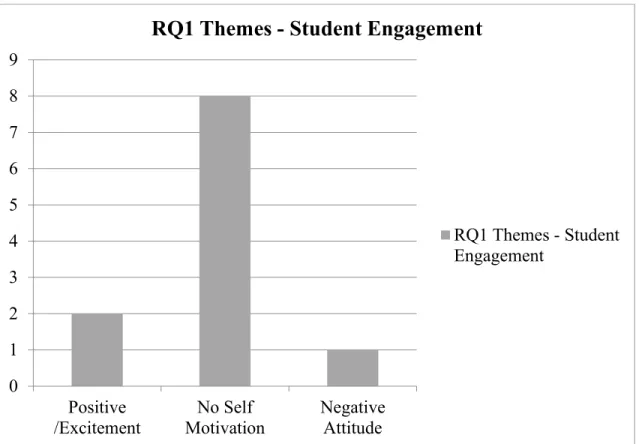
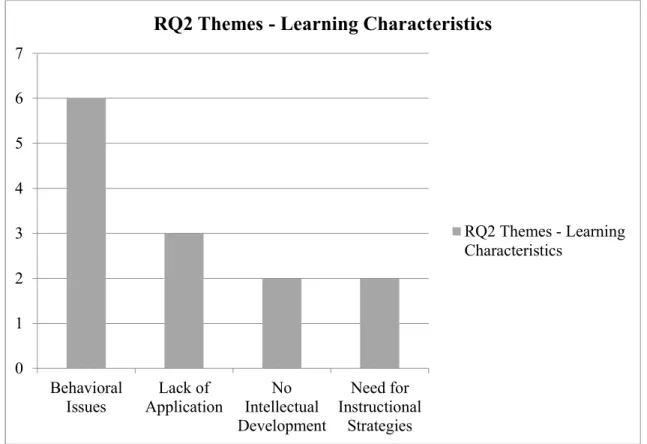
Figure 1. Years of participants’ teaching experience ... 62 Figure 2. Themes related to Research Question 1: What are teachers’ perceptions of
challenges of teaching science to eighth-grade students and how their students relate what they have learned to the world around them? ... 75 Figure 3. Themes related to Research Question 2: What developmental and operational
learning characteristics are viewed by science teachers as affecting the achievement of proficiency in science learning? ... 76
1 Section 1: The Problem
The level of mathematics and science achievement of students in America has been a major area of concern for the last 50 years (Pinder, 2013). America’s gap in science achievement, sometimes referred to as the “Silent Epidemic,” stems from some school systems that are ineffective because of their disregard for teaching fundamental principles like teaching and applying the scientific method, and the residual consequences of inadequate scientific knowledge (Netterfield, 2011). Because of this concern,
American schools have tried to recognize the significance of science in education (Archer-Bradshaw, 2015; Xie & Killewald, 2012). One key component in scientific literacy is the scientific method. However, over the past 10 to 20 years, students have failed to learn the steps of the scientific method, which include critical thinking. Critical thinking skills impact overall academic achievement. Poor critical thinking skills
negatively affect the contributions made to science by our society (Ross, Hooten, & Cohen, 2013). Ross et al. (2013) posited that science and technology advancements have become essential to our world, requiring schools to change the curriculum to foster the relevant learning environment that helps students think critically and prepares them for future science careers.
The Local Problem
Peach Middle School and Pear Middle School (pseudonyms) are two of many middle schools in Georgia that have recorded low scores in science from the 2012-2013 school year through the 2016-2017 school year. In response to these low science scores, the targeted county provides a formal curriculum guide for teachers to follow. The curriculum guide provides teachers with an overview of what students are expected to
2 learn in math, language arts, science, and social studies. The curriculum guide was
created for students in Grades 6 through 8. However, during a meeting held at one of the schools within the targeted county, some staff and community leaders expressed that the science curriculum guide lacks clear teaching strategies, overlooks professional skill capacity, and underestimates the significance of facilitation techniques needed to
encourage student engagement (Target County School District meeting notes, August 4, 2016). According to the 2017 school accountability reports, only 2.2% of Peach Middle School and 13.2% of Pear Middle School eighth graders were proficient or above in science (Georgia Department of Education [GDOE], 2017). Furthermore, of the 27 middle schools located in the targeted county, only seven of those schools’ eighth-grade students were proficient or above in science (GDOE, 2017). According to data from the GDOE (2017), 15 out of 27 middle schools within the targeted county have eighth-grade students not meeting proficiency in science. Even though this study focused on two middle schools within the targeted county, other schools may benefit from this research, because meeting science proficiency is an issue for many middle schools.
Rationale Evidence of the Problem at the Local Level
Due to low performance of eighth-grade students in science at both Peach Middle School and Pear Middle School during academic years 2014-2015 through 2016-2017, in-depth research was necessary to examine why eighth-grade students are not meeting the state science standards. Science performance was measured by the
Criterion-Referenced Competency Tests (CRCT) until the beginning of the 2014-2015 school year, at which time the state adopted the Georgia Milestones Standardized Test (GMST). In the
3 2016-2017 school year approximately 81% of the eighth graders at Peach Middle School
and 63.5% of eighth graders at Pear Middle School received a beginning learner score
factor on the GMST (GDOE, 2017). However, only 19% of the eighth-grade students at Peach Middle School Middle School met or exceeded these expectations for this test, and at Pear Middle School 36.3% met or exceeded these expectations on the GMST (GDOE, 2017). Students at both Peach and Pear Middle Schools who performed poorly in science were unable to participate in certain school programs, such as science, technology, engineering, and math (STEM) programs. This policy has continued with the implementation of the GMST (Target County Board, 2017).
Teachers and students at Peach and Pear Middle Schools have had access to resources, which are available to assist teachers in helping students to learn science. Traditional teaching strategies and instructional activities from 2014-2015 through 2016-2017 were used as the media for teaching content in science. The Georgia Standards website (2017) was available as an online resource for students, including a practice tool. The online website’s practice tool was also used by teachers within the classroom setting to improve student skill sets, context understanding of cells and genetics, as well as interdependence of life and evolution (Target County School Board, 2017). Students could use the practice tool to gain an in-depth understanding of subject matter and to learn practical problem-solving techniques. Teachers could observe student engagement with similar science content standards, address questions about the material, and gauge learning capacity, and achievement levels (Target County Board, 2017).
However, even with multiple resources available, test data showed that students were not making improvements in science. Georgia teachers are required to design
4 instruction based on the Georgia Common Core Standards of Excellence. These standards are intended to assist teachers with knowing the content standards they are responsible for teaching and for preparing students for the GMST (Georgia State Standards, 2017). According to 2016 data from the GDOE, the GMST accomplishes the following: (a) ensure that students are learning; and (b) provide data to teachers, schools, and school districts. Consequently, educators can make better instructional decisions and provide data for use in Georgia’s accountability measures and reports. The results of the GMST are used to measure the academic achievement of students, classes, schools, and school systems.
Teachers and administrators conduct routine meetings to discuss the results of both the practice and official GMST scores. These meetings encourage meaningful dialogue to problem-solve unsuccessful outcomes and to propose alternative strategies to address poor performance. Teachers and administrators at Peach Middle School and Pear Middle School meet yearly to review the newest GMST data and compare that with past test scores. During this meeting, GMST data are discussed and used to establish short- and long-term goals for the upcoming school year.
Teachers, administrators, and the community stakeholders understand the
impending consequences of GMST and Adequate Yearly Progress (AYP) data that fail to meet Georgia requirements for assessments. The state can impose escalating sanctions on schools, permit students to transfer to other public schools, cut off school funding, force schools to pay for students from low-income families to enroll in after-school tutoring programs, and ultimately, close persistently failing schools (United States Department of Education [USDOE], 2017). In order to improve student learning, local districts must
5 analyze their instructional practices and tools, weigh their teacher effectiveness, consider how well their students are being prepared for the 21st century job market, and examine broader implications of deficits in science education (Eagleton, 2017).
Instructional practices and tools. One aspect of addressing the problem of poor science achievement on the local level is to analyze instructional practices and tools. Schools have the challenge of preparing students to learn science and engineering by using effective instructional strategies that will help them connect science to their lives (Freeman et al., 2014). The study of instructional strategies, usage of innovative tools, lesson plan implementation, and classroom management is critical to the establishment of an effective learning environment for students (Conner & Sliwka, 2014). An effective classroom environment helps students gain the necessary skills for learning success (Tunca, 2015). A positive classroom setting can motivate students to thrive and maximize instruction (Chumbley, Haynes, & Stofer, 2015). The maximum learning of content is crucial to lay a foundation upon which to build. Piaget’s theory states that learners can best construct innovative understanding through prior knowledge and experiences (Barrouillet, 2015).
One instructional strategy that teachers use is problem-based learning (PBL), which is a student-centered teaching approach. PBL encourages students to learn and understand subject matter through the experience of problem-solving activities (English & Kitsantas, 2013). PBL strategy and Piaget’s theory both center on the significance of integrating the learner’s motivation to understand content matter through their
experience, reflection and critical reasoning process.
6 achievement on the local level is analyzing teacher effectiveness, which is acknowledged to be one of the most important factors influencing what students learn (Welch, Pitts, Tenini, Kuenlen, & Wood, 2010). Highly qualified teachers find effective ways to advance academic studies by stimulating student interests to explore, learn and retain science concepts. Furthermore, teacher effectiveness may influence students’ success on standardized tests. However, some teachers have resorted to teaching only the concepts on which students will be tested, due to the need to improve standardized test scores (Hitt & Tucker, 2016).
Research supports the need for teachers to teach the content versus teaching to the test. The most common criticism of standardized testing is that teachers find themselves teaching to the test instead of teaching the various content and skill areas of the
curriculum. In recent years, standardized tests have become the predominant tool used to determine a student’s progress. Such tests are also used to promote or retain a student at the current grade level, and to identify whether a learning disability exists
(Bhattacharyya, Junot, & Clark, 2013). While these are important functions of a test, tests cannot be the sole focus for instruction. Effective teachers must teach the content, which should be preparing the student for the assessment, but should also be preparing the student for the future (Storksdieck, 2016).
21st century students should be prepared for careers that require them to be creative, innovative, critical thinkers, problem solvers and collaborators (Kola, 2013). Attention needs to be focused on American education’s knowledge deficiencies in science, history, math, literature, and other subject areas that are important for success in the 21st century (Donovan, Green, & Mason, 2014). Some remedies are attainable,
7 particularly when obstacles are more overt, such as outdated teaching strategies.
However, ineffectual approaches to assessment preparation may have irrevocable ramifications. Reading fluency, cognitive ability, and conceptual thinking are characteristics that are not easily learned. Far too many middle school students are promoted to the next level despite their low-test scores and context deficiencies (Lynch, 2013). Inadequate performance is carried on to the next grade levels.
Broader implications. One final aspect of addressing the problem of poor science achievement on the local level is for schools to look at broader implications of deficits in science education. Students’ underachievement in science extends beyond the local setting, a concern cited on a national academic scale. The United States has made it a priority to improve student achievement in math and science (Lochmiller, Huggins, & Acker-Hocevar, 2012). For the past 50 years, improving the quality of mathematics and science instruction has become a paramount objective (Pinder, 2013). Cavas, Cavas, Karaoglan, and Kisla (2009) emphasized that improvement in the science content area must begin with science teachers being knowledgeable in all areas of science.
Additionally, Cavas et al. (2009) stressed the importance of teacher accountability to develop positive attitudes toward science and mathematics through motivational classroom experiences. With strong teacher content knowledge and motivational classrooms, teachers can help increase student engagement (Akers, 2017).
A common approach to student engagement is contingent on participation in the classroom. Successful results are noted when activities are based on everyday life experiences and relevant content information. Avoiding physical constraints, such as sitting in one place, is also important when encouraging engagement (Rukavina,
Zuvic-8 Butorac, Ledic, Milotic, & Jurdana-Sepics, 2012). Recent studies show some examples of indicators that influence cognitive engagement such as the use of learning strategies, execution of a particular work style, and self-regulated learning (Khosa & Volet, 2014; Lu & Churchill, 2014).
Educators who can recognize a student’s cognitive emotion, which equates to understanding the relationship between interest, instrumentality, and self-regulation, have an opportunity to plan lessons and activities that stimulate academic engagement
(Brickman, Alfaro, Weimer, & Watt, 2013). The ability exemplifies a greater awareness of critical motivational factors that inspire learning success. Ely, Ainley, and Pearce (2013) argued:
From an educational practitioner’s perspective, knowledge of patterns of situational interest may be used to direct attention to specific curriculum
activities. The awareness may be helpful in personalizing a task so that students engage readily. Knowledge of students’ more enduring individual interests may also be used to trigger a state of positive affect by engaging students’ attention and willingness to explore thereby increasing their knowledge of interest content. (p. 13)
To support this type of student engagement, the targeted county provides a formal curriculum guide. The curriculum guide is a tool that gives an overview of content areas, concepts, skills, and processes. Teaching is such a “particularistic endeavor” that guiding teaching practice by one-size-fits-all test data will only take us so far (Popham, 2008, p. 27). Perhaps a better perspective on the role of data in education is that data helps
9 2007).
Teachers have discussed their perceptions about inadequacies with the schools’ instructional learning tools, student engagement, and their struggle with the implementation process (Targeted County School, 2017). Perhaps this research project
helps determine if learner frustrations and teacher ineffectiveness inhibit the learning process. Behavioral cues such as anger, disengagement, and confusion may obstruct students’ participation during learning activities (Gonida & Cortina, 2014). Teachers who
have the ability and tools that are needed to manage such behaviors could help students obtain a valuable and focused learning experience (Helm, 2017). As noted by Dewey (1932), this fundamental endeavor is observed when the successful classroom teachers have a passion for knowledge, as well as an intellectual curiosity about the materials and
methods they teach. Such educators possess an intrinsic curiosity and love for learning. These abilities differ from one’s ability to acquire, recite, and reproduce textbook knowledge. Both teachers and students may experience frustration when it comes to meeting state requirements. Educators must understand these difficulties to implement a
plan that will promote success for students (Pinder, 2013).
Evidence of the Problem from the Professional Literature
Low performance of eighth-grade students in science is not limited to the schools in this study. The need for student improvement in science is a topic that has been researched by many professionals. Mansfield and Woods-McConney (2012) offered opinions about how to circumvent achievement gaps in science. They believed this could be accomplished through research of teaching practices and tools used to prepare for science standardized tests. Student achievement is actually dependent on many factors.
10
Diversity. Jackson and Ash (2012), Olswang and Prelock (2015), and Pasley, Trygstad, and Banilower (2016) noted the growing need to minimize science gaps across diverse student populations. Jackson and Ash (2012) conducted a 3-year study with two high-poverty, ethnically diverse public elementary schools in Texas. Their research involved the following specific interventions: purposeful planning, inquiry science instruction, and contextually rich academic science vocabulary development (Jackson & Ash, 2012). Jackson and Ash used specific interventions for an ethnically diverse school. Ethnically diverse classrooms present teaching challenges. When educators are aware of differences in cultures and in learning styles, they can effectively implement teaching strategies that increase student learning (Wallace & Brooks, 2015). Therefore, teachers must be prepared to address the dimensions of diversity that influence opportunities to teach and learn science. Emmer and Evertson (2017) suggested that interactive learning is an imperative feature of science learning. Educators should use a variety of teaching methods, assessment tools, and online resources.
Self-efficacy. Teacher efficacy has become an important field of research, especially with those content areas teachers find challenging, such as science (Wyatt, 2016). Most notably, opportunities for collaboration and successful participation in science teaching practice are proven to enhance teachers’ efficacy for science teaching. Although teacher efficacy is important, it is inadequate alone for students’ academic achievement. Students’ self-efficacy impacts academic achievement as well (Shahzad & Naureen, 2017). Both teacher and student efficacy are equally important to achieve optimal success in the classroom (Donovan et al., 2014; Griggs, Rimm-Kaufman, Merritt, & Patton, 2014).
11
Collaboration. In addition to teacher and student self-efficacy, student
achievement in science has been affected by teacher team work. Acar and Yıldız (2016) and Can (2010) found an emerging theme in all science teacher focus groups,
emphasizing the importance of opportunities for collaboration with colleagues. These studies examined teacher education among these professionals, and efficacy beliefs about teaching science. For example, teaching efficacy decreases when an educator feels he or she has an inadequate understanding of introductory science concepts. Overall, the participants of this current study reported both positive and negative experiences influenced their own approach to learning and teaching science curriculum. Further, opportunities for collaboration emerged from teaching context, which led to subject matter expertise. Teachers who function at high-level understanding may play a role in analysis of the effective teaching and assessment of personal competence. The role of effective teaching was also noted when teaching tasks involved team teaching with another more knowledgeable colleague (Acar & Yıldız, 2016; Can, 2010).
Quality instructors. The positive influence of more knowledgeable colleagues emphasizes the need for quality instructors. Educators agree that to increase student performance, the quality of the teachers placed into every classroom is of critical importance (Goldhaber, Gratz, & Theobald, 2016). However, they do not fully
understand how to go about placing a highly-qualified teacher into every core classroom as mandated in No Child Left Behind (NCLB, 2002). Professional development and support from administration help maintain highly-qualified teachers. Cavas et al. (2009) found, in the last 20 years, initiatives related to use of information and communication technologies (ICT) in education motivate teachers to gain subject matter knowledge and
12 skills in using ICT in their instruction.
Effective teaching strategies are needed to improve students’ math and science skills. Instructional practices are as multifaceted as student learning styles. These
strategies and practices can be fostered by administrators who are actively involved with the teachers. According to Lochmiller et al. (2012), leaders of instruction have the ability to influence teachers by working collaboratively with them to improve instruction for students. When schools demonstrate dramatic gains in academic achievement, this endeavor is considered a residual influence of effective school models. When academic achievements are realized in the public-school setting, one may consider whether a student’s ability to pass a standardized test is contingent on the quality of instruction received. The quality of instruction is important because it prepares the student for standardized tests (Sornson, 2015).
Instructional time and test preparation. In addition to professional development and administrators’ support, student achievement in science has been affected by federal mandates regarding instructional time allotted to various subjects. NCLB legislation was developed for many reasons, including the need to diminish student achievement gaps. Dresser (2012) indicated that weak reading skills were having a negative impact in all subjects. Although students had proficient decoding skills, they struggled with reading comprehension and content knowledge. To this end, NCLB mandated 2 hours for reading and 1 hour for math coursework each day for schools to maintain eligibility for certain funds. Bhattacharyya et al. (2013) noted several concerns expressed by teachers. One teacher felt with the time mandated for reading and math, students were not getting enough time for science and social studies. Bhattacharyya et al.
13 (2013) stated because of these NCLB directives, other content areas such as science become irrelevant. Another teacher indicated frustration that instructional time was to be focused on preparing for high-stakes tests, not leaving time for covering the subject curriculum. Devoting the needed time to grasp core subjects will help students learn the content and give them an opportunity to master what they have learned (Farbman, 2015), which may positively affect standardized test outcomes.
Science literacy is achieved when teachers are equipped with the knowledge and skills necessary to facilitate scientific concepts within a classroom of diverse learners (Chinn, 2012; Kok-Sing, 2016). The review of professional literature provides many perspectives as to why students are not performing well in science. My intent for this study project was to explore factors, such as those presented in professional literature, contributing to science underachievement in eighth-grade students in two middle schools.
Definition of the Problem
The problem is that only 32% of all eighth-grade students in the United States are achieving National Science Education Standards (NSES) benchmark expectations
(National Assessment of Educational Progress [NAEP], 2016). Bursal (2013) investigated science academic achievement of 222 elementary and middle school
students, finding science scores decreased as students’ grade level increased in Grades 4 through 8. Bursal indicated on the national level students are not meeting proficiency in science. Several possible reasons explain why students are not meeting standards in science curricula. One of these reasons is students have difficulty meeting grade level expectations throughout academic content areas (Hunley, Davies, & Miller, 2013). Sagirli (2016) and Yüksel and Geban (2016) found insufficient content area knowledge and
14 under-developed skill sets negatively impact both individual students and schools,
resulting in under-performance in all content areas, including science.
As schools experience a decline in science test scores, they need to develop a plan to support and encourage improved performance in science (NAEP, 2016). To address this decline, many US schools are in the process of implementing programs to improve science. However, the core of discussion is ensuring teachers know what to teach and how to teach it (USDOE, 2015). According to the USDOE (2015), if proactive measures are not taken, this trend will impact the role of the United States as a global leader in science.
Definitions
The following terms and definitions were used in this study:
Collaborative group work: Students are organized into designated peer groups to maximize learning. The identification of the placement criteria of the learners in the given groups depends on their individual ability (Kershner, Warwick, Mercer, & Staarman, 2014). The students who have been identified to be weak in certain areas are grouped with stronger students in that area to foster the learning process.
Criterion Referenced Competency Test (CRCT): According to the GDOE website (2014), CRCT is designed to measure how well students acquire the skills and knowledge described in the state mandated content standards in reading,
English/language arts, mathematics, science and social studies. The assessments yield information on academic achievement at the student, class, school, system, and state levels. The information is used to analyze individual student strengths and weaknesses as
15 related to the instruction of the state standards, and to gauge the quality of education throughout Georgia.
Definitional information on multiple contexts: According to Bintz (2011), the multiple contexts approach allows the students to have a variety of ideas on a topic and they discover how their ideas can help them understand the new concept. The process of students discovering how to make connections from previous material learned with a new concept or idea may increase student understanding.
Inspired teaching: According to Wood, Thall, and Parnell (2015), the primary consideration of the inspired teaching approach encourages all learners to be actively involved in the lesson. Inspired teaching provides learners the opportunity to anticipate the content before it is taught. For example, some teachers use word clouds that contain several random words suggestive of the topic that is pending discussion. Students can discuss what they know about the topic, as well as what they want to learn about the topic.
Student Response System (SRS): An SRS is an individual remote-control keypad, designed with multiple choice questions that are displayed on a screen. The SRS is used on many levels, kindergarten through 12th grade (Kaiser & Wisniewski, 2012). Kaiser and Wisniewski (2012) conducted a preliminary study, using SRS to explore the academic achievement and engagement of a particular middle school classroom.
Significance
From the 2012-2013 school year through the 2016-2017 school year, the two schools in this study introduced changes in the science department and curriculum. However, according to 2016-2017 test results, science standardized test scores showed no
16 improvement. The purpose of this study was to investigate why eighth-grade students are not meeting the Georgia science standards. The study is significant because standardized science test scores are consistently low, both locally and nationwide (NAEP, 2016). Locally, 15 out of 27 middle schools in the same county as the two schools in this study have not met proficiency in science.
The NAEP (2016) reported that students have not made the expected gains in science. Conducting a comprehensive study that leads to pragmatic implementation of instructional best practice was the focus of this study. According to Hussain, Jamil, Noor, Sibtain, and Shah (2011) approximately 75% of US students who have completed eight years of school failed to achieve passing grades. Analyzing combined science grades, Husain et al. found less than 20% of students maintaining grades A to C in science classes.
A quality education is contingent upon an effective teaching and learning process. Specific fundamentals of learning enhance successful classroom instruction (Barattucci, 2017). Hussain et al. (2011) assessed the efficacy of the learning process by analyzing several elements. Teacher experience, teacher competencies, pre-service and in-service training, teacher-student interaction, efficient use of instructional time and materials, and assessment of student achievement were used to assess the efficacy of the learning process. The information might be a useful resource for teachers when teaching science curricula.
As a parent of an eighth-grade student who recently failed the science portion of
the CRCT yet achieved an A average in science, I was compelled to research relevant
17 students’ performance in science. The county provides a formal curriculum guide, which presents an overview of content areas, concepts, skills, and processes used to support student development. Helping teachers to be more effective in the classroom may influence learning outcomes and help students be successful (Welch et al., 2010). Therefore development of a project based on the findings of this study may address the problem (Appendix A).
Guiding/Research Questions
The purpose for engaging in this study was to develop an understanding of teachers’ perceptions of why eighth-grade students have consistently failed to meet state-mandated standards in science curricula. The study explored how teachers apply
Piagetian developmental milestones to analyze student learning. The following questions guided this study:
Guiding Question 1
What are teachers’ perceptions of challenges of teaching science to eighth-grade students and of how their students relate what they have learned to the world around them?
Guiding Question 2
What developmental and operational learning characteristics are viewed by science teachers as affecting the achievement of proficiency in science learning?
Constructivist theorists purport that learning occurs based on how people perceive their world. Science education is directly connected with the way the world works. Challenges that middle school students encounter in learning science might be related to
18 the way in which they perceive science and whether they can concretize science learning to the way they construct their world (Fosnot, 2013; Gordon, 2009). The ability of middle school students to concretize science learning to the way they construct their world hinges upon their developmental and cognitive operational skills. The first research question guiding this study related to teachers’ perceptions of the challenges middle school students experience based on the way they construct their world in relation to science learning. The way students construct their world may reflect the developmental and operational skills of middle school students within the context of Piaget’s cognitive development theory (Ghazi & Ullah, 2015). The connection of developmental and operational skills to constructivism and achievement was the focus behind the second research question.
The research questions are important to this study because research findings can positively influence professional effectiveness, including classroom setting, tools and resources, and even student preparedness. Participating science teachers were asked to assess benefits and constraints posed by diverse learning, student performance, and tried-and-true instructional strategies. Moreover, responses to these questions revealed reasons
why achieving academic success is elusive or what can contribute to improvement.
Review of Literature
Past research has indicated that science education contributes to the development of critical thinking skills in students (Archer-Bradshaw, 2015; Pinder, 2013; Xie & Killewald, 2012). Research has also indicated that proficiency in science increases students’ proficiency in critical thinking skills that are applied to all other areas of learning and improves overall academic success. However, research into recent
19 performance of students in middle and high schools in the United States has indicated declining performance in mathematics and science (Archer-Bradshaw, 2015; Pinder 2013; Ross et al., 2013; Xie & Killewald, 2012).
Comparative analysis of the performance of students in science globally revealed that the performance of students in the United States in science has fallen behind the performance of students in other nations in the world (Carillo & Papagni, 2013;
Koosimile & Suping, 2015). Benchmarks were identified in the Next Generation Science Standards (NGSS) that are concomitant with international standards for performance in science (NGSS, 2013; Penuel, Harris, & DeBarger, 2015). These benchmarks were earmarked for implementation at the national level (NGSS, 2013; Penuel et al., 2015). However, appraisal of students’ performance in the very recent past indicated that students in middle and high schools across the nation were performing below the proficiency benchmarks in science (Haigen & Guodong, 2016; Hammond, 2014).
Science education includes subject areas of science, technology, engineering, and mathematics (STEM; NGSS, 2013; Penuel et al., 2015). Poor performance in these critical subject areas has implications for students’ overall academic performance, as well as implications for national socioeconomic development (Archer-Bradshaw, 2015;
Haigen & Guodong, 2016; Ross et al., 2013). As such, there is a critical need to address this problem of poor performance in science and the inherent problem of lowered critical thinking skill attainment for middle and high school students. The problem is that eighth graders are consistently failing to meet state-mandated science score standards. The purpose for engaging in this study was to obtain teachers’ perceptions of why eighth-grade students have consistently failed to meet state mandated standards in science
20 curricula.
In this literature review, I will provide a description of my search strategy. I will also present the theoretical framework that undergirded the study and an expanded background on students’ performance in science. Next, I will provide a description of the problem of poor performance in science among students, and teachers’ perceptions of the challenges associated with poor performance. Furthermore, I will discuss science
education and globalization. In the next section, I will present a discussion of the
measures identified in the research to address these challenges and their relationship with the current study. In the final section I will address a discussion of gaps in the literature and the implications for this study. The section ends with a summary and a preview of the next section.
Literature Search Strategy
For this literature review I used the following databases and search engines: Educational Information Center (ERIC), Education Research Complete, ProQuest Central, Google Scholar, JSTOR: Journal Storage, PubMed, and EBSCOhost. The literature search included peer reviewed articles published between 2012 and 2018 to ensure that the most recent and up-to-date research was included in this study. The use of sources prior to 2012 was limited only to those sources with information that was highly
relevant to the study. Key words and string searches included: CRCT, differentiation,
science achievement, teacher perspective, science success in classrooms, science proficiency among students, benefits of science education, ethical considerations in science education, cognition and science education, challenges in teaching science, cognition and learning science, next generation science standards, factors that affect
21
teaching science and low science test scores. I included all the key terms and string searches that yielded studies relevant to the research study and problem and were included in this literature review.
Theoretical Framework
An examination of relevant theories allowed me to establish a conceptual
framework to support the importance of this study. The first theory in the framework was that of constructivism. The other key theory guiding this study was Piaget’s theory of cognitive development.
Constructivism. The constructivist theory presents the argument that learners’ experiences tend to play an important role in molding them and shaping their behaviors and perceptions about pertinent learning processes (Gordon, 2009). Powell and Kalina (2009) stated that, although the theory of constructivism is based on explicit concepts, the benefits and teaching applications are multifaceted. The effectiveness of this theory is contingent on individual learning, life experiences, and engagement, which enhances the student’s cognitive skill and critical thought process (Fosnot, 2013). Given the need for improving standardized science scores, schools may benefit from this theory (Gordon, 2009). Powell and Kalina’s philosophy draws parallels with the focus of this study, exploring reasons for low test scores in science, the impact on academic achievement, and teaching strategies to engage students. Because instructional methodologies are varied, knowledgeable and perceptive teachers ensure a greater success rate (Fosnot, 2013). Skilled teachers need to know how to effectively assess students’ learning styles and subject knowledge and how to engage them in activities that will take them to their next level (Corbin, 2017; Fosnot, 2013; Gordon, 2009). Constructivism is an approach
22 that allows opportunities for students to associate and create personal experiences needed to build on new information, and to synthesize the new concepts already established in their brains (Fosnot, 2013; Gordon, 2009).
Constructivism can be applied to the way students learn science when they can assimilate the knowledge with their personal experiences and the world around them (Scogin, Kruger, Jekkals, & Steinfeldt, 2017). A teacher’s ability to evaluate each student’s level of comprehension is critical. Ideally, educators would be able to integrate effective learning tools, create differentiated lesson plans, and facilitate high-level instruction, while enhancing optimal understanding among students (Fosnot, 2013; Gordon, 2009). According to Powell and Kalina (2009), “In cognitive constructivism, ideas are constructed in individuals through a personal process, as opposed to social constructivism where ideas are constructed through interaction with the teacher and other students” (p. 241). Constructivism asserts that students building their own knowledge and connections among concepts enhances learning, which would be applicable to this study investigating how to address low standardized science scores.
Piaget’s cognitive theory. Another theory applicable to this study wasPiaget’s cognitive theory, which is critical in the comprehension of learning. Piaget’s four stages of development are sensorimotor, preoperational, concrete operational, and formal operational (Ghazi & Ullah, 2015). Piaget identified the concrete operational stage as occurring between the ages of seven and eleven (Barrouillet, 2015). The concrete operational development stage refers to the cognitive abilities in children to process, understand, and engage in mental operations and thoughts using concrete concepts. In a study to assess the applicability of Piaget’s cognitive development learning theory at the
23 concrete operational stage, Ghazi and Ullah (2015) conducted a study engaging 200 urban and rural students. Ghazi and Ullah concluded that sociocultural environments are critical elements that facilitate cognitive development through science education. Science education can be provided using hands-on, active learning as the concrete element that enhances concrete operational development. Students in three subject areas: biology, chemistry, and physics, were analyzed in this study. Findings confirmed that science education in these three disciplines were efficacious in developing cognitive skills in students between the ages of seven and 11 who are at the concrete operational stage (Ghazi & Ullah, 2015).
The formal operational stage begins right around the time students are
transitioning into middle school, which was the focus for this current study (G. Brown, 2013; Ghazi & Ullah, 2015). During this stage of formal operation, children start to use higher levels of thinking (G. Brown, 2013; Ghazi & Ullah, 2015). For example, they use their experience to create logical, mathematical concepts, and rules of inference for advanced conceptualizations (Powell & Kalina, 2009). Piaget’s cognitive theory could be applied to student’s learning science in middle school. Given the dynamic brain processes that are engaged in active learning within the various science disciplines, science
education could be designed to target the development and enhancement of higher order cognitive skills and executive functioning (Jegstad & Sinnes, 2015; Kim, Sharma, Land, & Furlong, 2013).
Unfortunately, many students are unable to think critically or on a higher level due to environmental or academic factors affecting their understanding of the science curriculum (Hoffman, Collins, & Schickedanz, 2015). Failure to establish the
24 foundational skills that are critical for learning science during the earlier years of formal education presents challenges to learning science in middle and high school (Hoffman et al., 2015). Concentration on the use of informational text and a reduction of emphasis on the development of critical skills have been cited as being responsible for the absence of critical thinking skills required to engage in the analytical process that is used in the scientific method (Beilin & Pufall, 2013; Hoffman et al., 2015). Additionally, when a student is learning science through informational text, the text can present vocabulary and ideas unfamiliar to the students, which may affect how well they can master the material (Beilin & Pufall, 2013; Hoffman et al., 2015). If critical thinking skills are not adequately developed, then the use of informational text and the way that students experience
learning related to vocabulary and ideas might be limited.
Critical thinking skills influence the way that students interact with learning materials and the way that learning occurs. Critical thinking allows the student to bridge the gap between new knowledge that might present cognitive dissonance and the way that this new material is cognitively incorporated to acquired knowledge and concepts. In giving an account of Piaget’s theory, Powell and Kalina (2009) stated “equilibration occurs when children shift from one stage to another and is manifested with a cognitive conflict, a state of mental unbalance or disequilibrium in trying to make sense of the data
or information they are receiving” (p. 243). Xia, Caulfield, and Ferns(2015) stated that
knowledge building is an expectation when transitioning to the next grade level. Piaget’s cognitive development theory hinges on the knowledge-building processes of
assimilation and accommodation. Assimilation poses a more natural approach, as student learning is influenced by prior knowledge and experiences. As children age, the
25 accommodation process is thought to be more challenging (Gordon, 2009). Learners must adapt to a changing educational environment.
The purpose of this study was to develop an understanding of teachers’
perceptions of why eighth-grade students have consistently failed to meet state mandated standards in science curricula. I used a case study to investigate possible reasons why students in the eighth-grade at Peach Middle School and Pear Middle School have not been meeting the science standards. I also examined teachers’ perceptions regarding challenges in the facilitation of the science curriculum and how those challenges affect science achievement. Piaget’s cognitive theory was particularly applicable to the current study in answering the second research question regarding students’ developmental level and key characteristics associated with learning science. The theory of constructivism and Piaget’s cognitive development theory may help in understanding why eighth-grade students are not being successful in science. Students’ success in learning science might be related to the way they construct their world and the way that development influences their cognitive abilities (Gordon, 2009; Xia et al., 2015).
Students’ Performance in Science
Statistics from the NAEP (2016) indicated that merely 34% of eighth-grade students in the State of Georgia performed at or above proficiency level in 2015. The average score in science for eighth-grade students in 2015 was 154, which was lower than 26 other states or jurisdictions and higher than nine states or jurisdictions (NAEP, 2016). Lowered performance and failure to achieve grade proficiency in science is a problem at the national level, state level, and local level (Humanities Indicators, 2016; NEAP, 2016). The public data were relevant to the problem being explored in this study.
26 [[The above was the last page I edited thoroughly, so please be sure to continue through this section and make the appropriate changes, as they are indicated above.]]
Benefits of Science Education
National and community levels. When measuring proficiency in science
education, consideration must be given to the contextual elements of scientific knowledge and how this knowledge could be actively applied at the national, community and
individual levels (Ghazi & Ullah, 2015; Jegstad & Sinnes, 2015; Kim et al., 2013; Kola, 2013; Lamanauskas, 2013; Nair, Mohamed, & Marimuthu, 2013; Özgüç & Cavkaytar, 2015). Science education promotes the development of cognitive skills foundational to all areas of academic achievement (Jegstad & Sinnes, 2015; Kola, 2013; Lamanauskas, 2013; Nair et al., 2013; Özgüç & Cavkaytar, 2015). At the national level, science education is critical for national development with the use and allocation of resources. These have implications for global leadership and for the United States maintaining a competitive edge in the global market (Jegstad & Sinnes, 2015; Kola, 2013;
Lamanauskas, 2013; Nair et al., 2013; Özgüç & Cavkaytar, 2015).
At the community level, science education is relevant because of the impact of individual interaction with resources and the way individuals function within the community. Science education has implications for the quality of life, economic development, and for how science and technology are integrated into community and national life (Jegstad & Sinnes, 2015; Kola, 2013; Lamanauskas, 2013; Nair et al., 2013; Özgüç & Cavkaytar, 2015). Students’ performance in science is of growing concern, especially considering the changing base of the economy (Naizer, Hawthorne, & Henley, 2014; Wang, Hsu, Campbell, Coster, & Longhurst, 2014). Proficiency in science
27 education and science literature serves an important function in ensuring optimal
functionality in society and the efficacious use of community resources (Ghazi & Ullah, 2015; Kim et al., 2013).
Individual level. At the individual level, science education is important for cognitive skills development and for the way that the individual processes and interacts with the environment. Science education promotes scientific thinking among students (Broks, 2014). Students trained in science education have learning experiences that assist in developing a range of cognitive skills that are applicable to their lived experiences. These include epistemological, theoretical, observational, and application of knowledge skills that help in the development of cognitive skills in students trained in the scientific process and scientific methodology (Broks, 2014; Brownell, Price, & Steinman, 2013; Griffith, 2013; Jegstad & Sinnes, 2015; G. Sarma, 2015).
Scientific method. The scientific method is a specific technique applied in scientific study, disciplines and research (Broks, 2014; Griffith, 2013; G. Sarma, 2015). The scientific method is an ongoing process that incorporates observation of a
phenomenon in the real world. The scientific process begins with creating hypotheses or questions about a phenomenon and engaging in observation to test the hypotheses or questions to arrive at a conclusion based on the evidence retrieved. Students trained in the scientific methods develop a systematic approach to decision-making that applies the scientific process. Students transfer the skills acquired in scientific methodology to the way they process their experiences and the way they interact with others and their environment (Broks, 2014; Griffith, 2013; G. Sarma, 2015).
28 epistemological knowledge, which is a body of knowledge about the world and the way that the world functions (Broks, 2014; Brownell et al., 2013; Griffith, 2013; Jegstad & Sinnes, 2015; Kola, 2013; Lamanauskas, 2013; Nair et al., 2013; Özgüç & Cavkaytar, 2015; G. Sarma, 2015). Students who are proficient in scientific epistemology use this knowledge in a way that improves their understanding of the world. For example, students exposed to epistemological knowledge of environmental science are likely to apply this knowledge to how they treat the environment. Consequently, science education is significant for building science literacy in the general population (Kola, 2013;
Lamanauskas, 2013; Nair et al., 2013; Özgüç & Cavkaytar, 2015).
The philosophy of science epistemology is grounded in an ongoing process of change (Kola, 2013; Lamanauskas, 2013; Nair et al., 2013; Özgüç & Cavkaytar, 2015). This change takes place in ongoing research. Seeking new answers and better ways to interact and process the world is critical to scientific and technological innovation. Consequently, proficiency in science education among students is an important element for future research and development that would lead to continued scientific and
technological innovations (Kola, 2013; Lamanauskas, 2013; Nair et al., 2013; Özgüç & Cavkaytar, 2015).
Science Students: Critical Thinking and Cognitive Skills
Cognitive learning theory provides an explanation of how people learn based on individual brain processes that involve memory, problem-solving, critical thinking, and perceptual reasoning skills (Barrouillet, 2015). Science education engages students in critical thinking skills that require them to identify issues, observe patterns and behaviors, seek out evidence, critically analyze and evaluate data and evidence, make judgements,
29 draw conclusions, and apply findings (Jegstad & Sinnes, 2015; Kim et al., 2013; Kola, 2013; Nair et al., 2013). When these skills are well developed, knowledge is transferred to other areas of the student’s academic research and study, as well as to their lived experiences. These skills allow students to approach their life experiences from a more rational and informed perspective, which in turn enhances decision-making or higher order cognitive executive functioning (Jegstad & Sinnes, 2015; Kim et al., 2013; Kola, 2013; Nair et al., 2013).
In their study, Kim et al. (2013) posited that science education presents many opportunities for students to engage in problem solving tasks that require complex cognitive functions. Additionally, science education presents the opportunity for students to engage in active learning that enhances cognitive development and cognitive
processes. Critical thinking skills that can be applied to life context are one of the benefits of science education (Jegstad & Sinnes, 2015; Kim et al., 2013). To demonstrate the efficacy of science education in developing critical thinking skills, Kim et al. engaged in a study that involved 155 undergraduate students at a public university. In their study Kim et al. designed two active-learning modules that allowed the participants the opportunity to apply the knowledge gained in specific science-based training in real-life context. According to constructivist theory, learning experiences are translated into the way that individuals perceive and construct their world (Fosnot, 2013).
Kim et al. (2013) used a quantitative methodology and interrater analysis to increase the scoring reliability of their findings. Findings from this study confirmed an increase in critical thinking skills, and application in life context between the two groups of students that were exposed to the active learning modules in this study. Following the
30 exposure to the active learning that was designed to increase critical thinking skills, all participants demonstrated increased proficiency in problem identification,
communication, developing decision-making strategies, and efficiency in their application of these skills to solving problems in life context. Additionally, all
participants showed an increase in their mean scores based on measures of variables that indicated gains in critical thinking skills.
Metacognitive skills. Kim et al. (2013) concluded that science education could facilitate active learning experiences that could promote critical thinking skills and increase in application and judgment skills in life context. Uzuntiryaki-Kondakçi and Çapa-Aydin (2013) agreed, noting critical thinking skills encompass an array of cognitive skills and executive functioning. Reflective thinking is one aspect of critical thinking skills identified as meta-cognition. Meta-cognition is integral to the way an individual engages in reflection and self-regulation. Kim et al. and Uzuntiryaki-Kondakçi and Çapa-Aydin concluded that the benefits of science education are best earned as long-term gains. Contending that critical thinking skills relate to metacognition,
Uzuntiryaki-Kondakçi and Çapa-Aydin posited that when students engage in reflective thinking in the critical thinking process, students reflect on themselves by monitoring their thinking to arrive at a specific goal or achieve a specific outcome. The process is evaluative in nature because students monitor their behavior, and this monitoring of behavior produces self-regulation. Consequently, this self-regulation is closely linked to the way students construct their world (Fosnot, 2013). The researchers further noted that epistemological readiness is an important component of the individual’s philosophical approach to scientific knowledge (Kim et al., 2013).
31
Science literacy. Developing critical thinking skills leads to scientific literacy, which relates to how well the individual understands the nature of scientific knowledge, including its flexibility and the process for arriving at scientific conclusions (Cebesoy & Öztekin, 2016; Johnson, 2016; Kim et al., 2013; Uzuntiryaki-Kondakçi & Çapa-Aydin, 2013). Scientific literacy is an important element in science education. Scientific literacy refers to the personal knowledge, understanding, and approach to scientific concepts and the body of scientific knowledge and theory that the individual possesses. Scientific literacy is an important element among the general population and in personal day-to-day decision making. The individual’s level of scientific literacy can affect decision-making concerning things such as pollution and recycling.
Science education is important as an element of scientific literacy in preparing individuals to live and function adequately in a society and world that is increasingly becoming scientific and technologically oriented (Ozdem-Yilmaz & Cavas, 2016). Science education is determined to be efficacious if delivered as active, hands-on learning. Science education could be delivered within the context of community
resources with the aim of providing the hands-on, active learning experiences that would promote cognitive development (Ozdem-Yilmaz & Cavas, 2016).
Visuospatial skills. Visuospatial abilities are important cognitive abilities that are applied and developed in science education (Kell & Lubinski, 2013). Research findings have repeatedly shown that students with high visuospatial abilities demonstrate a higher interest in science, technology, engineering, and mathematics (STEM) training. Spatial ability is a cognitive process that individuals apply to learning in mathematics, science, reading abilities, and is critical in general educational performance (Kell & Lubinski,
32 2013). Science education is useful in developing high levels of spatial abilities. Students who are high functioning in visuospatial skills are better placed for entering higher education institutions. High functionality in visuospatial skills also offers graduating students better opportunities in key areas in science, technology, and military careers (Kell & Lubinski, 2013).
Executive functioning skills. Researchers exploring the role of cognition and social learning contend that executive function plays a significant role in how well
students adapt to science learning (Diamond, 2013; Kell & Lubinski, 2013; Rhodes et al., 2012; Stevenson, 2012; Stevenson, Bergwerff, Heiser, & Resing, 2014). Executive functioning comprises a broad range of cognitive skillsets and their sub components that seem to have implications for specific aspects of learning (Rhodes et al, 2012; Stevenson, 2012). Exposure to educational experiences during the developmental stages enhances and optimizes the development of these cognitive skills.
Several critical executive functioning capabilities, including working memory, planning, and problem solving, have been realized to be important in the way the brain in children and adolescents processes information (Kell & Lubinski, 2013; Rhodes et al., 2012). Executive functioning has been shown to be related to broad domains of cognitive skills such as working memory and inductive reasoning (Stevenson, 2012; Stevenson et al., 2014). However, within each of these broad domains of executive function, other cognitive processes occur as subdomains operating at the micro level of the broader domains of executive functioning. These processes occur at the micro level and involve sub-components of aspects of broader cognitive functioning that influence how well students adapt to science learning (Stevenson et al., 2014). In an effort to explore the
33 relationship between one aspect of executive function and conceptual learning in biology, Rhodes et al. (2014) engaged in a quantitative study and recruited 63 adolescents between the ages of 12 and 13 years over a period of 18 months. Rhodes et al. reported their findings substantiated findings from previous studies that established a link between executive working memory and learning science.
Working memory and inductive reasoning. Several studies have explored specific aspects of executive function within the subdomains of working memory and fluid reasoning (Diamond, 2013; Rhodes et al, 2012; Rhodes et al., 2014; St. Clair-Thompson, Overton, & Bugler, 2012; Stevenson, 2012; Stevenson et al., 2014). Working memory and inductive reasoning skills have been found to be related to how well
students learn science (Stevenson et al., 2014). Given the importance of these cognitive skills to the successful learning of science and mathematics, it is imperative that students in middle school acquire those benchmarks that are reflective of the cognitive skills necessary for performing well in science prior to entering middle school (Nevo & Breznitz, 2013; Rhodes et al., 2012). In addition to developing those skills, it is also important that cognitive skills at the micro level within the broader range of executive function be developed with the aim of improving students’ performance in science (Kell & Lubinski, 2013; Rhodes et al., 2012; Stevenson, 2012, Stevenson et al., 2014).
Four aspects of working memory that facilitate students’ ability to process, store, and retrieve information have been identified as being critical to academic success (Kell & Lubinski, 2014; Rhodes et al., 2012). Fluid reasoning or the ability to adapt and apply past knowledge to solve new problems is also important for students to learn science successfully. Most learning in school requires apt application of these skillsets. These
34 skillsets, working memory and inductive reasoning, are particularly relevant for science learning (Stevenson et al., 2014). On the other hand, science learning has also been known to further develop these skills in students. When these skillsets are well developed, they are transferred into other areas of academia (Kell & Lubinski, 2013; Rhodes et al., 2012; Stevenson et al., 2014).
Science learning is based on cognitive abilities that can be evaluated using assessments that measure ability at a specific point, as well as cognitive skills that are employed in the process of learning. The way that students apply their cognitive process during active learning can be measured using dynamic assessment. Students use fluid reasoning as part of the analytical process that is required in science learning. Analogical reasoning or the ability to apply past learning and knowledge to solve current or new problems can be measured using dynamic measures to assess how learning occurs at the micro level. Using dynamic testing instead of static assessment allowed researchers to gain a better understanding of how learning takes place (Stevenson, 2012; Stevenson et al., 2014).
In an effort to assess whether there were unique aspects of working memory and inductive reasoning that contributed to achievement and performance in mathematics and reasoning, Stevenson et al. (2014) engaged 188 children from five elementary schools in a quantitative study. Students were administered a dynamic test of analogical reasoning, verbal and visuospatial working memory, and scholastic achievement tests at two intervals. Findings from this study corroborated previous findings that students with higher working memory skills and those students who performed higher on dynamic measures of analogical reasoning generally obtained higher math and reading scores