Munich Personal RePEc Archive
An overview over the worldwide
development of e-government
Teiu, Codrin-Marius
Al.I.Cuza University, University of Rostock
15 September 2011
Online at
https://mpra.ub.uni-muenchen.de/36470/
Rostock 2011
An overview over the
worldwide development of
e-government
1
Codrin Teiu
Doctoral School of Economics
Faculty of Economics and Business Administration
“
Al. I. Cuza
”
University of Iasi
1
This paper presents itself as a state of the art over e-government development in the world.
The paper was made as background material for future Phd. Project, during a summer Erasmus training program at University of Rostock, Germany.
2
Contents
Contents 2
1. Defining e-Government 3
2. Delivery models of e-Government 5
2.1. G2C –Government to Citizen 5
2.2. G2B – Government to Business 5
2.3. G2G – Government to Government 5
2.4. Table overviews of delivery models 6
3. Status of E-Government in the world 8
3.1. E-government usage statistics 9
3.2. Trends in development 15
3.3. The big picture 17
4. Controversies in E-Government 20
4.1. Risks 22
4.2. Advantages 24
4.3. Technology specific e-government 25
4.4. Integration issues in E-government 26
5. Regional examples of good practice 29
5.1. Africa 30
5.2. Americas 31
5.3. Asia 33
5.4. Europe 36
5.5. Statistics on features 37
6. Debate subjects in academic literature 40
6.1. Harnessing E-government using Open Source Software 41
6.2. Best practices when implementing e-government 53
6.3. A minimalistic approach to calculating TCO and ROI on open source platforms 55
3
E-Government is a term that is the short version of electronic government, also known as e-gov, online government, digital government or connected government.
1.
Defining e-Government
The term is not yet a common one, thus many dictionaries don't offer an extended definition of it. One of the most simple is defining e-government as the provision of government information and services by means of the Internet and other computer resources [http://www.thefreedictionary.com/e-government].
The term can be defined also using a “what it‟s about” approach. E-Government is about using the tools and systems made possible by Information and Communication Technologies (ICTs) to provide better public services to citizens and businesses [European Commission, Information Society,http://ec.europa.eu/information_society/activities/egovernment/index_en.htm ]. Aspects as rethinking organizations, re-engineering processes and delivering services more efficiently to the people are involved in effective e-Government.
A different perspective starts with what governments are supposed to do or to offer: delivery of government services to citizens, interact with business and industry, offer access to information, internal management, etc. In this context, e-Government refers to the use by government agencies of information technology(such as Wide Area Networks, the Internet, and mobile computing) that have the ability to transform relations with citizens, businesses, and other arms of government in the sense of offering better delivery, improving interactions, increase efficiency [ http://go.worldbank.org/M1JHE0Z280]. In analogy with e-Commerce, which briefly can be defined as marketing and sales via the internet that are bringing the customers closer to the business(B2C) or allows businesses to transact with each other more efficiently (B2B) [Gordon, T., ERCIM News No.48, January 2002, on
http://www.ercim.eu/publication/Ercim_News/enw48/intro.html], e-Government aims to make the interaction between government and citizen(G2C), government and business enterprises(G2B), and inter-agency relationships (G2G) more friendly, convenient, transparent and inexpensive [http://go.worldbank.org/M1JHE0Z280]. Besides these three, we can add to the portfolio internal efficiency and effectiveness and lines of business [REPORT TO CONGRESSON THE BENEFITSOF THE PRESIDENT‟SE -GOVERNMENT INITIATIVES, www.whitehouse.gov, 2011]. Governments do take part in activities of marketing and sales, both as buyers and sellers so we can speak of e-government apps for e-commerce because after all, governments do conduct business.
4
power, another is the executive power and last judicial power. In a very simple way of understanding the process, the legislature is responsible for making policy in the form of laws, the executive will implement these policies and enforce the law, and the judiciary will resolve legal conflicts. E-Government is about improving the work of all of these branches of government, not just PA‟s (Public Administrations) in the narrow sense. [Gordon, T., ERCIM News No.48, January 2002, on
http://www.ercim.eu/publication/Ercim_News/enw48/intro.html].
Within the community there is a debate on the correct use of the term government and e-governance. Both of them are used to describe a government use of ICT‟s to render services to its citizens. E-governance can be defined as “the use of emerging information and communication technologies to facilitate de process of government and public administration” [Drucker, 2001].
E-government can be defined as “the use of information technology to support E-government operations, engage citizens, and provide government services” [West, 1996].
Gartner Group‟s definition for e-government is: “the continuous optimization of service delivery, constituency participation, and governance by transforming internal and external relationships through technology, the Internet and new media.”
The UNESCO definition of e-governance is: “E-governance is the public sector‟s use of information and communication technologies with the aim of improving information and service delivery, encouraging citizen participation in the decision-making process and making government more accountable, transparent and effective. E-governance involves new styles of leadership, new ways of debating and deciding policy and investment, new ways of accessing education, new ways of listening to citizens and new ways of organizing and delivering information and services. E-governance is generally considered as a wider concept than e-government, since it can bring about a change in the way citizens relate to governments and to each other. E-governance can bring forth new concepts of citizenship, both in terms of citizen needs and responsibilities. Its objective is to engage, enable and empower the citizen.”[www.unesco.org]
“E-democracy builds on e-governance and focuses on the actions and innovations enabled by ICTs combined with higher levels of democratic motivation and intent” [Clift, 2003].
5
2.
Delivery models of e-Government
The three main target groups involved in e-government are the citizens, the government and businesses/interest groups. The external strategic objectives are focused on citizens and businesses and interests groups, while the internal objectives are focused on the government itself [Backus, 2001]. In the
following discussion we will include one more, government to constituencies (e - democracy) [Shailendra, 2007].
2.1. G2C –Government to Citizen
G2C are activities that provide on-line access to information and services to citizens. In this category we can include applications that enable citizens to ask questions and receive answers, pay taxes, file income taxes, make appointments for vehicle inspection, renew certain paperwork. Also through this channel government may disseminate information on the web, like laws and decisions available online for consulting, or provide downloadable form citizens can use, help citizens find employment, file flood relief compensation (like in the case of Hurricane Katrina in USA, New Orleans) electronically through the use of smart cards.
2.2. G2B – Government to Business
This relationship includes two way interactions and transactions between the two. B2G refers to selling products and services to government. In the e-gov context, the government deals with businesses such as suppliers using the Internet or other ICTs. The key areas are e-procurement and auctioning of government surpluses. Many government agencies auction equipment surpluses ranging from seized goods to vehicles or foreclosed real estate.
Business from the US and other countries can file income taxes and financial reports online, and also sales taxes and value added tax can be paid online.
2.3. G2G – Government to Government
These types of activities are aiming to improve efficiency and effectiveness of government operations. They deal with those activities that take place between different government organizations/agencies.
Government to Constituents (E-Democracy)
e-6 Democracy electronic voting is an important application.
[image:7.612.58.559.147.537.2]2.4. Table overviews of delivery models
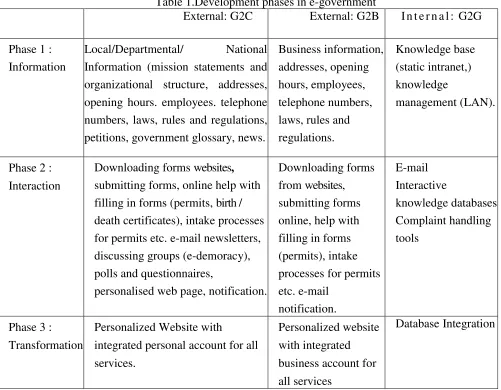
Table 1.Development phases in e-government
External: G2C External: G2B I n t e r n a l : G2G
Phase 1 : Information
Local/Departmental/ National Information (mission statements and organizational structure, addresses, opening hours. employees. telephone numbers, laws, rules and regulations, petitions, government glossary, news.
Business information, addresses, opening hours, employees, telephone numbers, laws, rules and regulations.
Knowledge base (static intranet,) knowledge
management (LAN).
Phase 2 : Interaction
Downloading forms websites,
submitting forms, online help with filling in forms (permits, birth / death certificates), intake processes for permits etc. e-mail newsletters, discussing groups (e-demoracy), polls and questionnaires,
personalised web page, notification.
Downloading forms from websites, submitting forms online, help with filling in forms (permits), intake processes for permits etc. e-mail notification. E-mail Interactive knowledge databases Complaint handling tools
Phase 3 : Transformation
Personalized Website with
integrated personal account for all services.
Personalized website with integrated business account for all services
Database Integration
(Source: Backus, M., E-Governance and Developing Countries, Introduction and examples, Research Report, No. 3, April 2001)
7
Table 2. Applications in e-government
(Source: El Jamali, 2004)
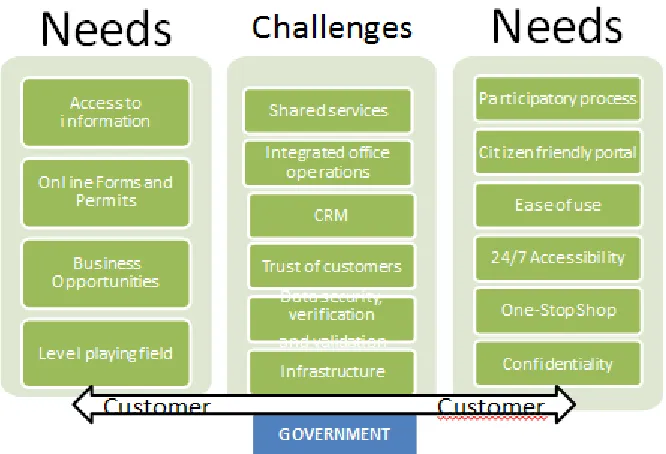
Figure 1. An e-government model focused more on G2C and G2G.
[image:8.612.154.487.439.666.2]8
3.
Status of E-Government in the world
The United Nations Division for Public Economics and Public Administration developed one if de indexes that are used to assess e-government‟s status. The index indicates the progress that the 191 UN member countries have made in implementing e-government services. In the 2003, 2004 and 2005 report it is called the e-Government Readiness Index and it is a composite index, comprising of the Web Measure Index, the Telecommunication Infrastructure Index and the Human Capital Index [UN report, 2005].From the 2008 report the indexes name has been changed to e-government development
index.
The Web Measure Index
This index is based upon a five stage model of e-government framework. The stages are similar to the ones in the three stage model presented before..
Stage 1. Emerging presence
E-government offers limited and basic information such as a web page, links to ministrie or/and local government, the constitution and maybe some more archived information; most of it is only static.
Stage 2. Enhanced presence
The citizens have acces to policies, laws and regulations, reports, and downloadable databases (basically a larger selection of public documents). Facilities as searches within the documents database, a site map and help are present. Information still has one direction, from government to the citizen.
Stage 3. Interactive presence
In this stage, online services of the e-government enter in interactive mode with offline services, thus they enhace convenience for the citizen (ex: downloadable form for tax payment, or licence renewal). Facilities would include audio and video capability for relevant public information which is updated with greater regularity, and multiple ways for contacting officials (email, fax, mail, and phone).
Stage 4. Transactional presence
This is the stage at which the two-way interactions apper between government and citizens. Options include but are not limited to applying for ID cards/passport, pay taxes, fees for postal services or other relevant public services. The business levels is also present here, hence providers of goods and services can bid online for public contracts.
Stage 5. Networked presence
9
The key elements are collective decision making, participatory democracy and citizen empowerment as a democratic right.
Telecommunications Infrastructure Index
The index measures the country‟s ITC infrastructure capacity. There are six primary measures which are averaged to provide the index: PCs/1000 persons; Internet users/1000 persons; Telephone lines/1000 persons; online population; Mobile phones/1000 persons; TV‟s/1000 persons (UN report, 2008).
Human Capital Index
Relies on the education index, which is a composite of the adult literacy rate and the combined primary, secondary and tertiary gross enrollment ratio with two third weight given to adult literacy and one third to gross enrollment ratio (UN report, 2005).
3.1. E-government usage statistics
No matter how many facilities e-government is offering they are of no practical use and bring no gain unless they have a satisfactory usage rate.
Eurostat offers detailed statistics about government use in Europe. One of their indicators is e-government usage by individuals aged 16-74 using the Internet (percentages) for interaction with public authorities (obtaining information from public authorities websites, downloading official forms, sending filled forms). For each year, the data is gathered for three month before calculating the indicator.
10
[image:11.612.54.563.74.160.2]While the usage of e-government by individuals does not rise above a third of the users with Internet access, e-government proves its efficiency on the enterprise side. In EU the number of enterprises that are using e-government in their relations with public authorities (obtaining information, downloading forms, filling-in web-forms, full electronic case handling) is more than double in percentage than in the case of individuals. This shows that e-government is a tool that serves well the enterprises activity which is governed by economic rationality.
Table 4. E-government usage by enterprises (percentages)
(Source: Eurostat 2010 Statistics at http://epp.eurostat.ec.europa.eu/ )
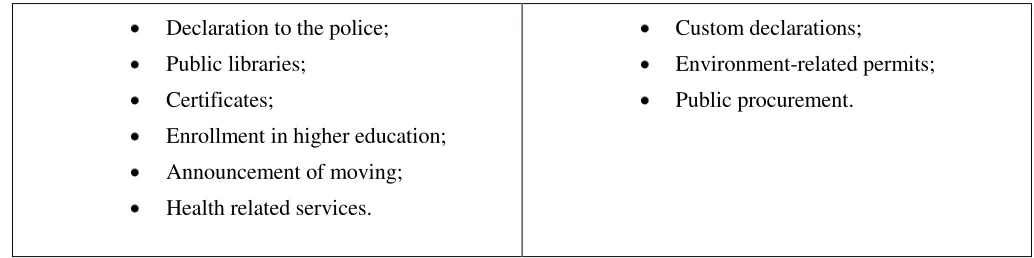
[image:11.612.58.559.565.712.2]According to Eurostat, another important indicator to assess the state of government is e-government on-line availability. The EU has set a number of 12 basic public services for individuals and 8 for enterprises. The basic public services for individuals and enterprises are:
Table 5. Basic public services
Individuals Enterprises
Income taxes;
Job search;
Social security benefits;
Personal documents;
Car registration;
Building permission;
Social contributions;
Corporate tax;
VAT;
Registration of a new company;
Submission of data to statistical
11
Declaration to the police;
Public libraries;
Certificates;
Enrollment in higher education;
Announcement of moving;
Health related services.
Custom declarations;
Environment-related permits;
Public procurement.
(Source: Eurostat methodology at http://epp.eurostat.ec.europa.eu/)
[image:12.612.45.562.69.198.2]The indicator shows the percentage of the 20 basic services which are fully available online for which it is possible to carry out full electronic case handling. For example if in a country 13 of the 20 services were measured as being 100% available on-line and one service was not relevant (e.g. does not exist), the indicator is 13/19 which is 68.4%. In the case of this indicator there are in Europe three countries that score a full 100% : Ireland, Italy and Sweden.
Table 6. E-government on-line availability (percentages)
(Source: Eurostat 2010 Statistics at http://epp.eurostat.ec.europa.eu/ )
In these conditions a good subject for improvements is increasing the usage rate of the citizens, taking into account that now is only a third of the number of those with Internet access. According to Eurostat, about 50% of those who use the internet did not use the internet or a mobile phone to contact a website in their last contact with government. The most common reasons for not doing so are that:
They preferred contact with a real person; An online option was not available; The process could only be done in person; Usability: website navigation difficulties.
Access: lack of familiarity with Internet this kind of tools; Security and privacy concerns;
12
Discoverability of content: ex.:The people in rural area did not know which department to look for online;
Within the interactions take takes place in the e-government process, there can be identified four types of activities that are taking place [Shailendra, 2007]:
Publishing information over the Internet, e.g.: laws, regulations, notifications, etc.
A two-way communication between government and citizens, businesses or another government agency. The users are engaging in dialog with the government, can comment, post problems or requests.
Transaction: tax returns and payments, applications for different government services.
Governance, e.g.: the active participation of the citizen in the governments‟ activity, by consulting the citizen. The citizen is no longer in the position where he has only passive access to information.
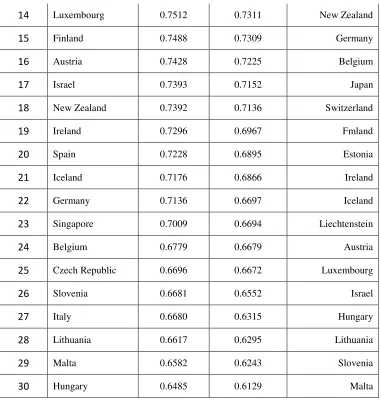
Table 7. Top 35 Countries in the e-Government Development Index
2008 2010
Rank Country Index value Index Value Country
1 Sweden 0.9157 0.8785 Republic of Korea
2 Denmark 0.9134 0.8510 United States
3 Norway 0.8921 0.8448 Canada
4 United States 0.8644 0.8147 United Kingdom
5 Netherlands 0.8631 0.8097 Netherlands
6 Republic of Korea 0.8317 0.8020 Norway
7 Canada 0.8172 0.7872 Denmark
8 Australia 0.8108 0.7863 Austratia
9 France 0.8038 0.7516 Spain
10 United Kingdom 0.7872 0.7510 France
11 Japan 0.7703 0.7476 Singapore
12 Switzerland 0.7626 0.7474 Sweden
13
14 Luxembourg 0.7512 0.7311 New Zealand
15 Finland 0.7488 0.7309 Germany
16 Austria 0.7428 0.7225 Belgium
17 Israel 0.7393 0.7152 Japan
18 New Zealand 0.7392 0.7136 Switzerland
19 Ireland 0.7296 0.6967 Fmland
20 Spain 0.7228 0.6895 Estonia
21 Iceland 0.7176 0.6866 Ireland
22 Germany 0.7136 0.6697 Iceland
23 Singapore 0.7009 0.6694 Liechtenstein
24 Belgium 0.6779 0.6679 Austria
25 Czech Republic 0.6696 0.6672 Luxembourg
26 Slovenia 0.6681 0.6552 Israel
27 Italy 0.6680 0.6315 Hungary
28 Lithuania 0.6617 0.6295 Lithuania
29 Malta 0.6582 0.6243 Slovenia
30 Hungary 0.6485 0.6129 Malta
[image:14.612.117.498.67.470.2](Source: United Nations E-Government Survey 2008 and 2010, at http://www2.unpan.org/egovkb/global_reports/10report.htm)
14
(Source: United Nations E-Government Survey 2008 and 2010, at http://www2.unpan.org/egovkb/global_reports/10report.htm)
[image:15.612.99.487.72.244.2]
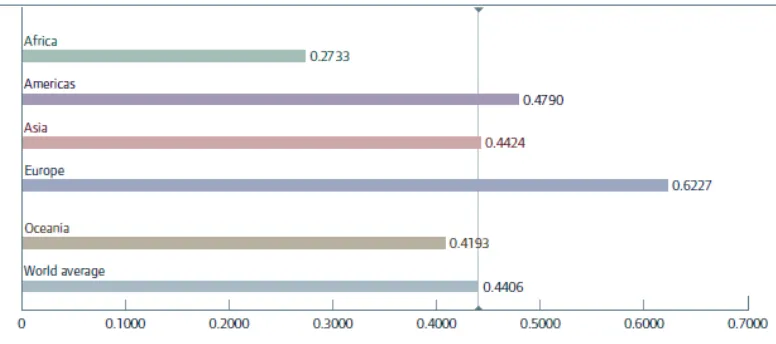
Table 8. Regional comparison: E-government development index value
Region 2010 2008
Africa 0.2733 0.2739
Eastern Africa 0.2782 0.2879 Middle Africa 0.2603 0.2530 Northern Africa 0.3692 0.3403 Southern Africa 0.3505 0.3893 Western Africa 0.2156 0.2110
Americas 0.4790 0.4936
Caribbean 0.4454 0.4480 Central America 0.4295 0.4604 Northern America 0.8479 0.8408 South America 0.4869 0.5072
Asia 0.4424 0.4470
15
Europe 0.6227 0.6490
Eastern Europe 0.5449 0.5689 Northern Europe 0.7113 0.7721 Southern Europe 0.5566 0.5648 Western Europe 0.7165 0.7329
Oceania 0.4193 0.4338
World average 0.4406 0.4514
(Source: United Nations E-Government Survey 2010, at http://www2.unpan.org/egovkb/global_reports/10report.htm)
3.2. Trends in development
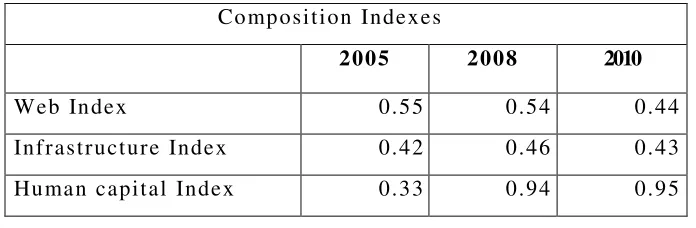
[image:16.612.174.440.69.243.2]The following table contains the values of these three indexes for Europe during the years 2005 – 2010.
Table 9. Index values for Europe
Co mp osition Indexes
2005 2008 2010
Web In dex 0.55 0.54 0.44
Infrastructure Index 0.42 0.46 0.43
Hu ma n capital Index 0.33 0.94 0.95
(Source: United Nations Reports, 2005-2010)
As we can see at a first glance, the human capital index has the biggest values. The infrastructure index is registering a slow but constant growth while the web index is falling. We can get a better perspective on the situation from the following chart.
[image:16.612.133.481.447.561.2]16
(Source: United Nations Reports, 2005-2010)
The most obvious observation is that from 2005 to 2008 the human capital index resisted a significant growth of about 15%, with a small drawback after 2008. The right assumption to make in this case is that investments in education were made during the economic crisis. Hence the developed european countries already had high values when measuring the index, the growth comes most probably from less developed countries that are new members of the EU (European Union), countries known to have problems with school enrollment and literacy rate. This might have been caused by the different programs that the EU is running in these countries in order to increase the adult literacy rate and gross enrollment ratio. Also, aligning the policy of new member states with the EU policy, led to a set of reforms that changed the educations system in most east European countries.
17
The effects of the crisis are more obvious in the case of the web development index. From 2005 to 2008 this index had a small drop of 1% out of the total, this telling us that there were very few improvements on this subject during this period. Between 2008 and to 2010, the index registered a fall of 10% out of the total score. This suggests that no major investments were done during this period due to financial reasons. Also, it may be that other regions that might have not been affected so much by the crisis invested more in e-government, thus raising the standards, while Europe was defined by stagnation.
Governments are significant purchasers of IT, their decisions being able to influence the market. Policymakers should develop procurement policies that are neutral with respect to specific technologies or platforms and that allow the governmental decision maker to choose the best alternative in a particular situation based on reasonable, objective criteria.
3.3. The big picture
On a regional level, the highest ratings on e-government development index are received by Europe, followed by the Americas. Other regions (Oceania, Asia) are in close range to the world average while Africa is the only one far behind. By looking at the composition of the e-government development index, the first big impediment in Africa‟s development would be telecommunications infrastructure component (United Nations, 2010).
Romania is situated at about the same level with east European countries (Czech Republic, Hungary, Poland, Slovakia, Ukraine, Bulgaria, Romania, Belarus, Russian Federation, and Republic of Moldova) involved in the analysis. There are many considerations and potential implications in designing and implementing government. There are also a series of issues that can be listed as e-government disadvantages, though I consider them to be more of a weak points and subjects for improvements and good management, rather than disadvantages. Some of these may be the lack of equality in public access to Internet, reliability of published information, vulnerability to cyber-attacks, increased surveillance leading to lack of privacy, cost and a false sense of accountability and transparency.
18
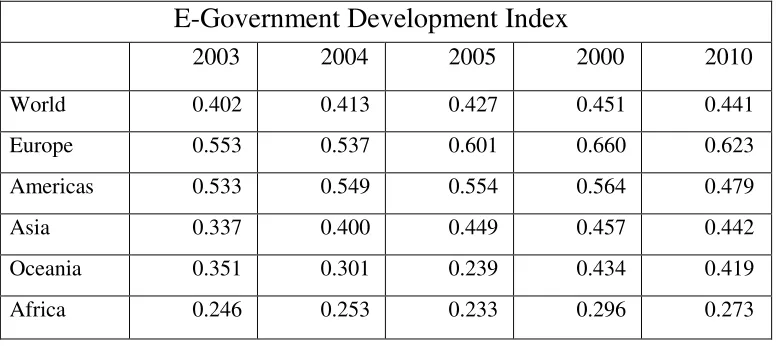
Table 10. E-government development index – regional values
E-Government Development Index
2003 2004 2005 2000 2010
World 0.402 0.413 0.427 0.451 0.441
Europe 0.553 0.537 0.601 0.660 0.623
Americas 0.533 0.549 0.554 0.564 0.479
Asia 0.337 0.400 0.449 0.457 0.442
Oceania 0.351 0.301 0.239 0.434 0.419
Africa 0.246 0.253 0.233 0.296 0.273
(Source: UN Reports, 2003-2010)
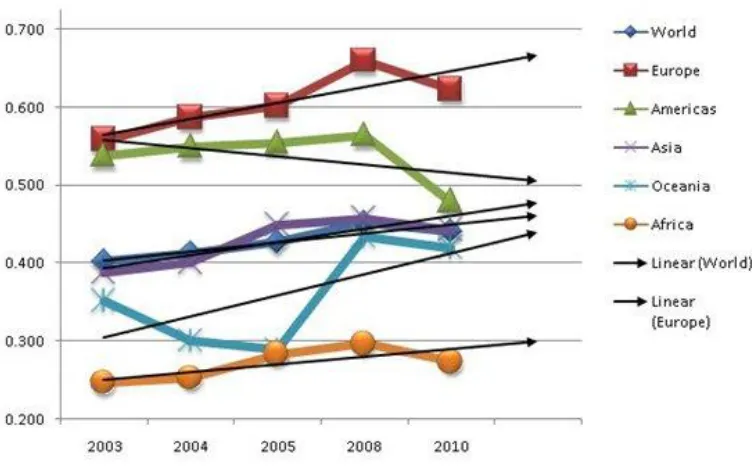
Figure 4. E-government development index – regional chart
(Source: UN Reports, 2003-2010)
[image:19.612.152.499.408.625.2]19
between the values registered in 2008, compared to the ones registered in 2010.
In what concerns e-government, Asia did not had much to suffer from the crisis. Asia‟s score remained mostly constant, with small variations, and very close to the world‟s average. This was expected because Asia is a big market for technology and also because the crisis, having American roots, affected more the economy of Europe rather than Asia‟s.
The crises affected also the EU funds that were granted for e-government research and development. From 2001 to 2006, there were two big projects aimed on e-government development. One of them was COSPA (Consortium for Open Source Software in Public Administration) and the other was FLOSS (Free/Libre and Open Source Software). These projects were aimed to develop methodologies, business models and frameworks for implementing and using open source software in public administration around Europe. Although the projects had many deliverables and successful implementations, there were no other similar projects funded after 2006.
[image:20.612.128.504.407.641.2]After 2006 there are no big projects at European scale, but there are many local projects that benefit from the knowledge of the ones before them. Some cases worth mentioning are implementations made in Munich, Vienna or Extremadura region from Spain, where local governments leveraged the benefits of open source software to establish a solid e-government environment.
Figure 5. Regional trends in e-government development index
20
All European regions excel in the e-government development index and achieve scores above the world average. Western and northern Europe countries perform especially well in e-government development, drawing on the advantages of the well-developed telecommunications infrastructure and high human resources capacity. Many countries in Europe are high-income developed countries, and this advantage in reflected in the chart above. Even so, a decline is registered from 2008 to 2010, decline that can be correlated with the decrease of the web index for that period, but we cannot but notice that this did not affect the ascendant trend of e-government development in Europe.
In comparison with other areas, we see that the loss in the index value registered by Europe was smaller than in the case of the America, thus the crisis had more influence over e-government development in the Americas. While Europe still maintains on an ascendant trend, the economic crisis did put e-government development in the Americas on a descendent trend. Asia ranks very close to the world‟s average, registering a higher increase than the world average. Africa was and still is the least developed, some effects of the crises can be noticed from 2008, but this region has still a lot to suffer from poor infrastructure and very low score in human development index. Oceania registered the highest increase in e-government development during times of economic crisis, mainly because of a very low level development before 2005 and just achieving online government presence after 2005, boosted its web development index.
Given the actual state of the economy in Europe, e-government depends of a series of key factors that would enable it to reach higher levels of development. One of the factors is human capital, which should be a priority and a framework should exist to ensure education attainment in schools include teaching on ICT use to ensure that future generations are adept with technological advancements. Also, computer penetration rates are a subject for enhancing efforts and have strong potential for further development. Service providers should be able to offer high speed Internet connection at competitive prices. This will help bridge the gap in digital divide.
European countries that cannot afford proprietary software and applications for e-government should strongly consider either to outsource e-government or to use open source software.
Security and ease of use should also be desired and provided with affordable authentication technologies for making online transaction more reliable. Online transactions have to become more attractive to citizens so a good idea for e-government sites would be to provide incentives for users to complete their transactions online.
4.
Controversies in E-Government
21
consider them to be more of a weak points and subjects for improvements and good management, rather than disadvantages. Some of these may be the lack of equality in public access to Internet, reliability of information published, vulnerability to cyber-attacks, increased surveillance leading to lack of privacy, cost, and a false sense of accountability and transparency.
When speaking about e-government, the appropriate way to regard the so called disadvantages is to treat then as risk. Although this section is mainly about advantages and risks (disadvantages), either of these two categories arises when we actually try to measure benefits. Finally, the whole purpose of an e-government initiative is to bring benefits. The e-government program of Australia has grouped e-government benefits into four categories: agency benefits, consumer financial benefits,
social benefits and contribution to broader government objectives.
Agency benefits include cost reductions and increased revenues, improved price to output performance (efficiency), improved effectiveness (changing the demand profile for outputs) and improved service.
Consumer financial benefits taking shape as time saving for users, cost savings and revenue opportunities delivered to citizens, businesses or intermediaries; and financial benefits gained from leveraging improvements in government service levels, integration and effectiveness.
Social benefits are the category which is the hardest to measure in financial terms. In this category we find the contribution made by government online services to the quality of life of citizens, businesses and intermediaries. The social benefits are a result of the fact that information in easier to find and to use thanks to e-government. This information has the capacity of helping people, the community or businesses make decisions.
Contribution to broader government objectives is including macro-level improvements in economic, social and technological development, improvements in information availability and more open and democratic government.
22
(Source: E-gov benefits study in Australia, at
www.agimo.gov.au/archive/__data/assets/file/0012/16032/benefits.pdf )
4.1. Risks
While disadvantages state a clear state of lack of something, risks can be managed. A short summary of such risks can begin with:
The risk of e-government not being accessible to certain categories of people (elderly persons,
people affected by poverty, illiterate people, etc.);
Implications on data security, such as protection of personal data, confidentiality, etc. ;
Transferring a series of costs to the citizen: buying a computer, connecting to the internet, printing, etc. ;
Citizens lacking access to Internet, thus to e-government (weak ICT infrastructure);
Cultural barriers or lack of IT knowledge (ex.: in some countries electronic communications not considered trustworthy, meaning that the majority of people would choose to go in persons when having to deal with governance);
23 Inacesibility
Since e-government is oriented firstly towards the citizens we can‟t but think of a few categories of people on which e-government might not have any effect. Because of limited access to Internet and technology, e-government cannot reach potential users that are living in remote areas or are homebound. Moreover, there are a lot of people with low literacy levels (there is a study stating that 40% of USA‟s population is at the limit of literacy) that are not able to interact with such technology or people that live on poverty line incomes [Becker, 2009]. Though some of these points are not problems for e-government to solve, them being more complex and involving social and economic development of certain areas and populations, they can seriously affect any e-government initiatives by limiting their efficiency and effectiveness, thus making it hard to assess whether to implement or not.
Cost
In any kind on investment, whether private or public, money is an issue to be discussed. In the
public sector the money being spent are the money of the contributors, thus there is a high demand of transparency and accountability. By implementing e-government projects, the government also states
that the implementation will lead to an increase of both those demands, but if the government finds itself in the situation of spending a prodigious amount of money and the outcome is difficult to gauge or unsatisfactory. Governments have mostly been using technology for projects where public support is likely to be strong and opposition low, like putting information online, simplifying tax administration, etc. Few have tried to tackle the big task: reshaping the government in order to take advantage of the possibilities that technology now permits [The pros and cons of e-governemnt, The Economist,
athttp://www.economist.com/node/10638105?STORY_ID=10638105 ].
Transparency and accountability
Transparency and accountability are often listed as reasons for e-government initiatives. Viewed from the disadvantages side, they are addressed as a false sense of transparency and accountability. Since the government itself is the one maintaining online governmental transparency and information can be added or removed from the public eye to the government‟s convenience, governmental transparency becomes a dubious subject.
24
brought by a few low-cost solutions in e-government. In California, the state spent about 21000$ for a public spending transparency website that costs 40000$ to run each year. Visitors to the website can report unnecessary spending to the government and after just a few months of operation, the website has already saved the state over $20 million. In a similar way, a transparency website from Texas, in just a few months from launching, had helped achieve savings of over $5 million (Baxandal, 2008).
Surveillance
The relations that established between government and citizens its becoming more and more to be a two way relationship, with the development of e-government services. The development of e-gov services and their increased sophistication are increasing the interaction level, so citizens are interacting with the government electronically on a larger scale. This interaction leads to more and more information about the citizen to be stored on governments computers and in time the government will have countless information about its citizens. This could potentially lead to a lack of privacy or even loss of privacy [Singel, 2007].
4.2. Advantages
E-government comes with the advantage of easy access to the most current information available without spending resources to get. Some simple task may be easier to perform through electronic government access. Many processes that are taking place while the government interacts with the citizen require an extended amount of time and a lot of paperwork for the citizen. More convenience is brought to the citizens by using e-government.
The policies that are being implemented and what is the government working on are subjects of interest for the great public, thus these are funded from the taxpayers money. Within this issue, government transparency is an important topic and e-government allows for government transparency, but whether or how it accomplishes it is at the government‟s choice.
Implementing e-government solutions has a series of potential advantages that cannot be ignored by government. A few of these advantages would be:
Making services available on-line 24/7;
Using new technology that is available to the citizens and that many citizens have (personal computer, Internet, printer, mobile phone, etc.);
25 Increased transparency and accountability;
Information is widely available and are offered faster; Simplifying the public administrations (less forms to fill in); Involving the citizens in governance;
Offering personalized services to citizens or businesses (tax calculations, personal file overview);
Speed, efficiency and convenience
For the citizens that have access to Internet and are computer literate, e-government eliminates the necessity for physical travel to government agents sitting behind a desk and allows interactions with the government to take place at any time and from any location. The management of information and the access to information are improved (improved record keeping and accounting, access to forms and information) because the information is stored in databases that can be easily queried and not in hardcopies stored in different locations. There are some categories of people with mobility problems that now can be active in governance from the comfort of their home, like individuals with disabilities or conditions.
Environmental benefits
E-government will reduce the amount of paper used in public services because the use of electronic forms will lessen the need for hardcopy forms [Dezayas, 2008]. The United States government utilizes a website (http://www.forms.gov) to provide internal government forms for federal employees and thus produce significant savings in paper.
[http://www.whitehouse.gov/omb/assets/egov_docs/FY09_Benefits_Report.pdf].
E-democracy
In theory, with the proper application of e-government governments could move towards a true democracy. Transparency will give insight to the people on how decisions are made and hold elected officials or public servants accountable for their actions [Thorpe, 2009]. The public will become a direct and prominent influence in government legislature to some degree.
4.3. Technology specific e-government
There are also some specific technology-specific sub-categories of e-government, such as
26 Ministry of Agriculture from Romania).
4.4. Integration issues in E-government
E-government can be defined as the use of ICT to improve the activities of the public sector organizations and their agents. These improvement efforts can be directed either to the “front office” (delivery of services to citizens) or to improve operational efficiency within the “back office”. By integrating the back office functions operational efficiency can be improved.
The back office functions are those areas that support front line delivery of services. The European Commission has identified a few priority areas that will require back office integration at national and European level (vertical and horizontal alignment). These areas are:
Making efficiency and effectiveness a reality which is achieved through high user satisfaction with public services through using ICT appropriately to reduce the administrative burdens of citizens and businesses;
Implementing high impact key services for citizens and businesses. This includes establishing Pan-European electronic procurement processes using common platforms to achieve efficiency gains;
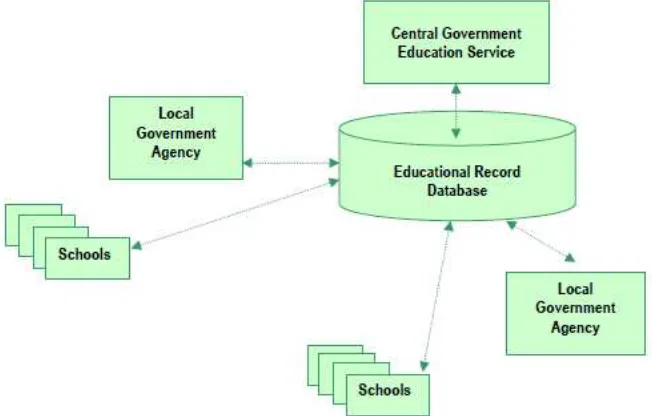
[image:27.612.155.481.458.666.2]Putting key enablers in place which includes promoting interoperability between e-government systems so that as an example e-signatures can be used along with other aspects of electronic identification management.
Figure 7. Example of vertical integration of Educational Records
27
Vertical integration involves connecting different tiers of public administration for one or more functions. Horizontal integration takes place in a single organization, linking several functions, or between a number of agencies and public sector bodies engaged in delivering a specific function or group of functions. As an example of vertical alignment we can state a single electronic financial planning system used by both local and central government. A common example of horizontal integration would be a database populated and used by local and central government, private sector partners, community groups, NGO‟s .
For delivering back office integration there can be used three methodologies, each of them with its strengths and weaknesses:
In-house delivery; Strategic partnerships; Outsourcing;
[image:28.612.175.460.439.584.2]The key factors that are driving back office integrations are:
Figure 8. Back office integration
(Source: UN E-government Survey 2008)
28 strategic partner or a mature outsourcing market.
Table 11. In-house delivery In-house delivery
Strengths Weaknesses
Retains full control of the project; Keeps ownership;
Flexibility in implementation;
Skills and knowledge develops in-house;
Can be cost-effective;
Can motivate the in-house staff.
Possible lack of knowledge and skills that may lead to poor project design, control and delivery and expenses on consultants;
Allocating the in-house staff to different projects can have a negative impact on existing services and may cause the need to hire temporary staff.
Strategic partnerships are usually long term contracts (@10 years) in which an external partner brings specialist expertise as well as investment in technology. The contract involves a mutual commitment to develop innovative service delivery. The partnership element is seen as a plus in quality over the common relationship between a buyer and a supplier.
Table 12. Strategic partnership Strategic partnership
Strengths Weaknesses
External expertise, knowledge and skills; Can bring capital investment in
technology;
Clarity in objectives and deliverables; Knowledge transfer between in-house and
external staff;
Keeps control of the project/functions.
Long term commitment and costs;
Potential mismatch in culture and expectations; Dependency on partner;
Priorities cannot be chanced once on signed contract;
External environment can affect the partner (mother-child company)
[image:29.612.50.559.374.547.2]29
[image:30.612.52.361.551.762.2]outsource a function, there are a series of steps that should be done: having a methodology that can be used to determine whether outsourcing is appropriate for the function, establishing a framework to measure the benefits against the risks/costs of outsourcing, developing guidelines for implementations and management, preparing staff for a potential strategic alternative in the future.
Table 13. Outsourcing Outsourcing
Strengths Weaknesses
Passes the problems to a third party to solve;
External expertise;
Possible external investment;
Reduces demand organizational /management capacity.
Control only on outputs; Potentially high costs;
Contractual relationship may be inflexible; Takes time and expertise to outsource; Costs of contract management;
New skills required in contract management.
5.
Regional examples of good practice
In the following pages there will be an overview of some of the world‟s leading e-government websites, structured by region. These initiatives can be taken as examples of good practice in e-government implementation, and they stand up from the total number of e-e-government websites by having high customer satisfaction rate. When assessing the customer‟s satisfaction rate, some of the aspects that are taken into consideration are functionality, navigation, look and feel, site performance, and content (Customer Satisfaction Index, USA).
One of the websites that according to its surveys has some of the highest satisfaction rates (90%) among its users is the United States Social Security Administration website.
According to the customer satisfaction index from the USA, the SSA website is the top government portal in terms of customer satisfaction. This portal receives a high number of repeat customers and is the primary resource for information on social
30
services in the US. The portal is constantly holding surveys to determine customer‟s needs, which led to an increase in loyalty and cost savings.
A fine example of using good practices to improve your own organization is given to us by the Kingdom of Bahrain, situated in the Middle East.
(http://www.bahrain.bh/wps/portal). The site is also available in English and has a similar map as the American SSA website. During implementation citizen involvement played a key role by obtaining continuous feedback. The e-government program is also present on social networks (Facebook, YouTube). In addition, the national portal provides open forums, blogs, live chats, online polls and e-newsletters in order to involve citizens in government decision making. In their last survey from may 2009, customer satisfaction was at around 85%.
5.1. Africa
In e-government rankings Northern Africa leads the region and is closely followed by Southern Africa (link). Despite the overall low scores of the e-government development index in the region, there are a few notable e-government initiatives in countries that improved their Web presence either by portals or ministry websites.
31 One more example of
e-government implementation is in
Ethiopia. The website
cyberethiopia.com owned by a NGO registered in Geneva is a good example of digital inclusion and participation in the information society because they have converted the Amharic language (one of the oldest in Africa) into a script that is web friendly, so a vast majority of the population can use the website.
The site provides accurate information about/for Ethiopia and Ethiopians, is not controlled by the government thus it is censored in some regions, and provides functionalities as chat, forums, blogs, web directory and a mail service.
The national portal of Algeria improved in the recent two years. They have also implemented an emergency national hotline for the H1N1 flu. This new portal has sections for both citizens and health care professionals, with links to information and medical resources, hotline numbers and symptoms and hygiene protocol.
The Western Africa region has the lowest ranking and is showing no improvements since 2008. Results in this region are mainly due to poor infrastructure and low human capacity. In the region broadband is almost non-existent and the best case in the region is Capo-Verde with only 1.48 subscribers per 100 inhabitants. Despite limited resources, there still are examples like the national website of Benin with pod-casting and online forums on a variety of topics or Ghana‟s incipient national website with links to Facebook accounts of government officials in the Ministry of Information.
5.2. Americas
In this region North America is a detached leader in e-government, with South and Central America and Caribbean following at a big distance (link). There is a small improvement in the Caribbean region that in 2010 is ranked above the world average, while in
32 2008 was below it.
United States and Canada are ranked second and third in the world, by the 2010 UN report on e-government. Both countries have well-developed portals with a wide spectrum of e-services for their citizens. They have both created a favorable environment to encourage citizens to participate in decision-making around political issues and to provide feedback.
The leader in e-government is the national portal of the US. The USA.gov page provides links to over 100 government services and transactions. Its general information is available in 88 languages with extensive online service for foreigners that that want to conduct business, work, study or travel in the US. There is live chat assistance available and also a blogging platform. Besides the blogs, social media tools like YouTube, Facebook, and Twitter are used to share information and citizens can also share their own experiences. The main menu of the portal is divided into the following categories: information for citizens, business and NGO‟s, government employees, and visitors of the country. In then breaks down from these categories to relevant points of interest for each category.
The national portal of Canada links to Service Canada, an e-services portal for citizens, Canada Business for entrepreneurs and Canada International for Canadians living abroad. Citizens can open an account on the portal to have a single point of access to manage personalized information.
Central America is dominated by low scores, but there are a few projects that are starting to be promising.
One of the initiatives is in Panama. The First Lady‟s website is making an effort to support the poor and women. This site has a link from the national website and hosts a national campaign of non-violence against women. Another initiative promoted on this website is a micro-credit initiative to support rural women.
33
offers registration and authentication, viewing of contracts awarded and provides information about the contracts and procurement system of the state. All opportunities for suppliers and products for buyers are listed.
The website of the Ministry of Labor from Peru is the only one in the South American region that has a page dedicated to unemployment in light of the global economic crisis. It presents a program on labor recruiting and government stimulus activities.
Colombia has the highest global ranking from the region in the UN 2010 Survey. The national portal of Columbia offers comprehensive information on procedures and services and allows citizens to search by department or region. They also have an initiative on digital literacy through which citizens can take courses and become certified.
Argentina‟s Ministry of Labor dedicates sections of its homepage to special topics such as child labor, women in the workplace and war veterans. They also have an official page on the H1N1 flu virus with downloadable video and information pamphlets.
The Ministry of Health and Sports from Bolivia offers a portal (Promocion de la salud) that covers special topics ranging from gender violence to environmental health to disability.
5.3. Asia
While Western Asia is above world‟s average, Central and South-Eastern Asia are slightly below average. Republic of Korea, Singapore and Bahrain are the topr three in the rankings from this region.
An initiative that stands out from the many available national websites is Kazakhstan‟s e -government portal which provides a comprehensive selection of e-services for citizens. E-services include e-payments, e-documents, e-registration, e-signatures, e-forms, etc. On the portal there are also videos and educational programs for children, online discussion and consultation, and other citizen‟s engagement tools. The government sees the portal as a tool to build citizens trust in government authorities.
34
(www.e-gov.kz)
Japan has developed statistical information portals. This portal also comes in English language and is available to mobile phones too, due to the high usage of mobile phones in Japan. While the national e-government portal (http://www.e-gov.go.jp/) is only available in Japanese and does not have a wide variety of features, the statistical portals have a user-friendly interface are providing users with options to gain access to official Japanese statistics, understand statistical systems and study about statistics. There are options to select statistics by ministries and government agencies. Users can also subscribe to RSS feeds on subjects of interest.
(http://www.e-stat.go.jp/SG1/estat/eStatTopPortalE.do) – English version
35
easy access to government information and there are features for mobile alerts, forms, transactions and online consultation. For e-participation, users are connected to E-people, which is a single online service that integrates the e-services of all government agencies. Its purpose is to improve transparency of government administration, diminish corruption by using reporting and engage citizens through petitions, proposals, and policy discussions.
(http://www.korea.go.kr/; http://www.epeople.go.kr/; http://egov.go.kr/ )
In mobile e-government Singapore is the spearhead. The mobile phone‟s market in Singapore has a penetration rate of 136%, with 6.5 million mobile devices. The country‟s e -government plan includes mobile service delivery as a strategic initiative. At this time, over 300 public services can be accessed through mobile technology. The next wave of development in e-government in Singapore will support even more 24/7 transactions, including paying for train and bus fares, redemption of e-coupons, opening doors with the tap of a phone against a wireless reader.
An initiative from Oman is setting new trends in e-learning. The Ministry of Education has its own e-learning system that features virtual classroom and self-learning system (audio, video, text). They also employ a SMS feature for parents. Through Oman Mobile, they‟ve set up a system that allows parents to follow their children‟s school performance on mobile phones. Parents can track
36
student attendance, receive grade reports, learn about temporary suspensions or receive calls to visit the school.
5.4. Europe
All European sub-regions excel in the e-government development index and score far abova world average. An overview of the most representative e-government implementation in East Europe would be the websites of the Ministry of Finance from Ukraine and Romania score high due to extensive content and a number of e-services.
The United Kingdom offers a user-friendly portal with 16 categories of information on the homepage. Citizens can subscribe to different feeds of information and receive them on their mobile phone.
The national portal of Belgium, which is available in four languages, has a link called MyBelgium that is a single point contact to government information and services. Over 9 million Belgians have an e-ID card that allows them to download authenticated certificates from their own file from MyBelgium.
(http://www.belgium.be/en/)
Austria has a website that supports gender equality. The government has a few new initiatives such as the “New child” law and “equal pay and revenue transparency for women”, project on which they are providing information on this new website. The website promotes a program that provides parents with additional income for the first 14 months of the child‟s life, supporting mothers, fathers and single parents during difficult economic times (http://www.frauen.bka.gv.at).
37
various services for citizens, such as Emprego 2009 for access to educational and professional resources.
The website of the Ministry of Finance of Norway was ranked highest among ministries in the region in the 2010 Survey.
http://www.bundesregierung.de/)
The national portal of Germany has a link off the homepage to a website for children to learn how their government works, Regierenkapieren. It has tabs for interactive features titled such as “discover”, “games” and “questions” and a daily news section. It captures the children‟s attention and gives them a better understanding of the process of government.
The national portal of the Netherlands offers a gateway to the municipalities of the Netherlands. It also harbors a substantive resource for elderly and disabled individuals wishing to locate online government services
5.5. Statistics on features
The UN 2010 Survey was made on a number of 183 countries. The following tables are illustrating the statistics that were obtained on different features that e-government is offering. These numbers can help us have a better idea on how developed e-government really is around the world.
[image:38.612.133.481.534.637.2]Although in all the three tables the data is from the UN reports, the percentages, when put into Excel have different values that the ones in the table. This might be because in the tables the difference up to the total is made of a sum of other factors.
Table 14. Online payment
Payment type Number of
countries Percent
Taxes 34 18
Registrations 36 19
Permits, certificates, identification cards 33 17
Fines 22 11
Utilities 18 9
38
[image:39.612.86.528.71.294.2]Online payment activities are mostly represented by registrations, paying taxes procedures and applying for permits, certificates and ID‟s. There are about 15% of users who find it confortable to pay fines online and about 13% of them are paying for utilities, which in my opinion is a very low percentage.
Table 15. Online submissions
Feature Number of
countries Percent
Online forms 53 28
Online transactions 60 32 Application for government benefits 32 17
Acknowledgement of receipt 19 10
(Source: UN 2010 Survey on e-government)
Taxes 24%
Registrations 25% Permits,
certificates, identification cards
23%
Fines 15%
Utilities 13%
39
[image:40.612.114.537.71.342.2]Most online submissions appear in the shape of online transactions which mostly involve registration or payment procedures. Online forms represent almost a third out of the all online submission which is a good reason to make this kind of service increasingly available because of its benefits for both parts. Citizen awareness is a subject to improve on in order to increase the 19% ratio for application for government benefits.
Table 16. Connecting to citizens
Feature Number of
countries Percent
Citizens can request personal information about themselves
21 11
Users can tag, assess and rank content 7 4
Users can initiate proposals 16 8
Users can personalize the Website 12 6
Online forms 32%
Online transactions
37% Application for
government benefits
19% Acknowledgement
of receipt 12%
40 Government has committed to
incorporating e-participation outcome in decision making
22 11
(Source: UN 2010 Survey on e-government)
In the process of connecting to citizens one on the most important direction is incorporating e-participation outcome in decision making. Also transparency regarding the data that the government has about the citizen is a matter of high concern for the population. The ability to initiate proposals supports e-participation and the personalizing the website is leading to an increased ease of use.
6.
Debate subjects in academic literature
Subjects to enhance on:
OSS in E-government;
Best practices when engaging in e-government;
building a TCO and ROI calculation framework for OSS;
Citizens can request personal information about
themselves 27%
Users can tag, assess and rank
content 9%
Users can initiate proposals
21% Users can
personalize the Website
15% Government has
committed to incorporating
e-participation outcome in decision making
28%
41
6.1. Harnessing E-government using Open Source Software
OSS (Open Source Software) adoption by PA‟s (Public Administration) is a highly debated subject by economists from both public and academic environments (Von Krogh &Spaeth, 2007; Federspiel& Brinker, 2010). For start, Lewis (2004, 2006, 2007, 2008) wrote and improved a set of public policies for supporting OSS adoption in the public sector. From his work, there are three observations to take into account:
The most numerous initiatives of implementing OSS in PA‟s, that were also approved, come from European countries;
The most common policies regarding the use of OSS in PA‟s are recommendation policies, followed by preference and research policies;
The number of public policies to regulate PA‟s is increasing.
In the academic literature, when looking at e-government through the OSS lens, the accent falls on the role of PA‟s. The main questions of research in this area are: “Why should a PA adopt OSS?”, “How should we implement such a migration?”, “What impact has OSS in productivity?”, “Is it possible for small to medium city to deliver services and conduct business using OSS?”, “Do the basic IT capabilities of a city support adoption and deployment of OSS?”, “Which are the characteristic of an organization that would adopt OSS?”, “Does organizational culture plays a role?”, etc. On this topic, Mukerji et al. (2006) wrote an essay that names many of the benefits and challenges that arise from implementing OSS in PA‟s in both developed and in course of development countries. Regarding the benefits of implementing OSS the most common in all the papers is the cost of software licenses, which is small or zero, but this is just a small part of the total cost of ownership. Another popular reason for adopting OSS in e-government is to diminish dependency on software providers. The improved scalability (OSS can run good on older hardware) in taken into account together with the possibility to customize the software due to access to the source code. Regarding challenges, PA‟s are most interested in the effects that OSS implementations has on efficiency, also on technical support and accountability. Besides all these, the total cost of ownership of an open source solution is not easy or clear to assess. Last but not least, among the most common barriers is the human capital, PA‟s in many cases do not have employees with the required technical skills to implement OSS.
42
the adoption was motivated by lowering costs, increased scalability and possibility to customize. Based on these findings, Cassel (2008) researched on why a PA is choosing to migrate to OSS and which are the factors that have an influence over the implementation process. He made a comparative study on 4 local European PA‟s that migrated to Linux. The most important reasons behind these migrations were reducing dependency on software providers and lowering licensing costs. According to the findings of Cassel, the organizational structure of the PA and the opinions of the employees are the most important when implementing OSS. Similar results were found on a study on the implementation of OSS in the health system, were the main reasons behind adopting OSS were low acquisition costs and the possibility to customize (Fitzgerald & Kenny, 2004; Valdes et al., 2004). Another study (Kantor et al., 2004) brings to the front a totally different motivation: increasing interoperability between data standards. OSS uses ODS(Open Data Standards) for its output data, meaning the output is saved in a format that can be widely used because its specifications and characteristics are available. Among such formats of data we can mention the PDF files from Adobe, or the HTML language foe web pages, or JPEG/MPEG for pictures and videos.
Following this line, Simon (2005) evaluated the strengths of both OSS and proprietary software that are adopting ODS. Adopting these standards improves interoperability, avoids the vendor lock-in effect and brings flexibility. The author also states that it's not about choosing the better side when procuring software, neither OSS nor proprietary software have to be viewed as a salvation, but the decision has to be taken on a case situation. He accentuates than in the public sector where ODS are appreciated, OSS has a small advantage.
A case study from the health sector came up with results that are different from the ones we just stated. Munoz-Cornejo (2008) performed a survey to find the reasons behind OSS adoption in 30 hospitals from the US and their findings showed that software vendors had a positive effect on the hospitals choosing OSS, the vendors themselves being the triggers for this adoption by offering customization options of OSS to fit the hospital‟s needs.
43
[image:44.612.48.564.155.324.2]employee‟s resistance to migrating to CentOS on the workstations. The first benefits that were registered were significant lowering of costs on the server side and a drop of 50% for technical support for CentOS compared to Windows.
Table 17. Largest OSS migrations
Region Number of
workstation
Type Distribution
Extremadura 80000 Desktop/Server GnuLinex
Munich 14000 Desktop Debian
Vienna 7500 Desktop Wienux (Debian/KDE)
Largo, FL 900 Desktop/Server Linux KDE 2.1.1
Between the years 2003-2006 some countries in the UE, USA and South America introduced laws that were regulating procurement policy by favoring the adoption of OSS in municipalities (McLean, 2008). We have to acknowledge that municipalities are important buyers of software and laws that can are favoring OSS or proprietary software have the power of changing the software market. Many of these laws were canceled in a court of law by trials started by proprietary software vendors on reasons of discrimination, proving the laws as being illegal. Most of the laws were changed to suggest a recommendation of OSS while stating that the superiority of a product over the other has to be clearly visible.
By far the biggest OSS implementation that ever took place is the one in Extremadura, one of the poorest regions from Spain where they have installed Linux on about 80.000 workstations. The municipality worked on a project and developed its own customized Linux distribution called gnuLinex. According to their IT department the savings were estimated at about 18 millionEuro (Marson, 2005). They had almost no ICT development in the region, but they had a minimum of infrastructure so they‟ve decided to enter this world directly with OSS. They opened public libraries in every village in the region, every school has a computer for every 2 students and there are public internet access points in every village with a 2mb connectivity speed. Pensioners, unemployed and housewives received free digital literacy training courses (78000 citizens trained within this program).
Another case that registered success is the one in Largo, Florida where there were migrated about 900 workstations with savings estimated at around $300000 - $400000 US Dollars (Miller, 2002).