Scholarship@Western
Scholarship@Western
Electronic Thesis and Dissertation Repository
3-27-2019 10:00 AM
The Influence of a Centrally-Procured School Food Program on
The Influence of a Centrally-Procured School Food Program on
Consumption and Instances of Fruits and Vegetables in
Consumption and Instances of Fruits and Vegetables in
School-Age Children
Age Children
Kimberly D. Charbonneau The University of Western Ontario Supervisor
Seabrook, Jamie
Brescia University College Co-Supervisor O'Connor, Colleen
Brescia University College Co-Supervisor
Gilliland, Jason
The University of Western Ontario
Graduate Program in Foods and Nutrition
A thesis submitted in partial fulfillment of the requirements for the degree in Master of Science © Kimberly D. Charbonneau 2019
Follow this and additional works at: https://ir.lib.uwo.ca/etd Part of the Public Health Commons
Recommended Citation Recommended Citation
Charbonneau, Kimberly D., "The Influence of a Centrally-Procured School Food Program on Consumption and Instances of Fruits and Vegetables in School-Age Children" (2019). Electronic Thesis and Dissertation Repository. 6062.
https://ir.lib.uwo.ca/etd/6062
This Dissertation/Thesis is brought to you for free and open access by Scholarship@Western. It has been accepted for inclusion in Electronic Thesis and Dissertation Repository by an authorized administrator of
Background: In Canada, 70% of youth are not meeting the recommended five servings of fruits and vegetables (FV) daily. School nutrition programs are one strategy for
improving dietary habits in youth.
Methods: A two-year pilot cluster randomized controlled trial was implemented within Southwestern Ontario to assess how a ten-week centrally-procured school food program
(CPSFP) influences students’ consumption and instances of FV compared to the
traditional school nutrition program (TSNP).
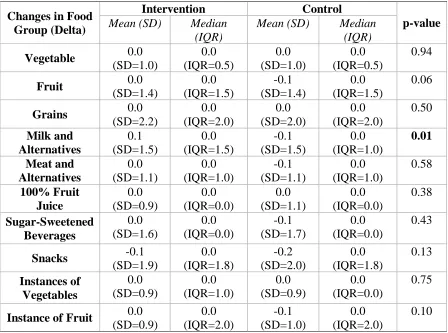
Results: Children were 9-13 years of age; 30 schools received the CPSFP and 30 received the TSNP. Vegetable consumption did not change with the CPSFP (mean=0.0;
SD=1.0) or the TSNP (mean=0.0; SD=1.0; p=0.94). Fruit consumption did not change
with the CPSFP (mean=0.0; SD=1.4) and decreased by 0.1 servings (SD=1.4) with the
TSNP (p=0.06). Instances of vegetables and fruit were similar between groups.
Conclusions: The CPSFP resulted in no significant change in consumption or instances of FV.
ii
ACKNOWLEDGEMENTS
I would like to express my deepest thanks to my supervisor, Dr. Jamie Seabrook,
for providing me with this opportunity and for all his guidance and encouragement with
my thesis. I would also like to thank Dr. Jason Gilliland (Principal Investigator) and Dr.
Colleen O’Connor for being a part of my supervisory committee, and for their feedback
in revising this thesis.
I would also like to express my appreciation to all volunteers and graduate
students at the HEAL lab who assisted in fieldwork and data collection. Without their
help, this project would not have been possible. Funding for this project was generously
offered by the Seeding Food Innovation grant provided by the Weston Foundation.
Most of all, I would like to thank my parents, Christine and Dave Charbonneau,
and my partner, Stephen Moscicky, whose support and encouragement throughout this
iii
TABLE OF CONTENTS
ABSTRACT ... I ACKNOWLEDGEMENTS ... II TABLE OF CONTENTS ... III LIST OF TABLES ... V LIST OF APPENDICES ... VI LIST OF ABBREVIATIONS ... VII
CHAPTER 1 ... 1
INTRODUCTION ... 1
STUDY OBJECTIVES AND HYPOTHESIS ... 5
RATIONALE ... 5
ORGANIZATION OF THE THESIS ... 7
CHAPTER 2 ... 8
DIETQUALITY,SCHOOLNUTRITIONPROGRAMS,ANDCHILDREN’S HEALTH... 8
SCHOOL NUTRITION PROGRAMS IN CANADA AND THEIR IMPACT ON CHILDREN’S HEALTH ... 11
Nutrition Knowledge ... 12
Attitudes Towards Fruits and Vegetables ... 17
Preferences Towards and Willingness to Try Fruits and Vegetables ... 20
Fruit and Vegetable Consumption ... 24
Fruit and Vegetable Variety... 29
Milk and Alternative Consumption ... 31
School Policies and Diet Quality ... 34
LIMITATIONS OF CURRENT STUDIES ON SCHOOL NUTRITION PROGRAMS IN CANADA ... 37
Sample Size ... 37
Monetary and Personal Support ... 38
Program Duration ... 38
Dietary Intake Tool ... 39
Control Group ... 39
CONCLUSION... 40
CHAPTER 3 ... 41
METHODS ... 41
STUDY DESIGN... 41
SAMPLE SIZE CALCULATION AND PARTICIPANT RECRUITMENT ... 42
DATA COLLECTION:THE PEASSURVEY ... 45
DATA COLLECTION:THE YOUTH SURVEY ... 46
DATA COLLECTION PROCEDURES ... 46
DATA INPUT ... 47
iv
CHAPTER 4 ... 50
RESULTS ... 50
COMPARISONS OF FOOD GROUPS BETWEEN THE INTERVENTION AND CONTROL PARTICIPANTS ... 50
Baseline Consumption Values for each Food Group ... 50
Changes in Consumption of each Food Group from Baseline to Follow-up ... 51
COMPARISONS BETWEEN THE INTERVENTION AND CONTROL GROUPS WITHIN BSD SCHOOLS ... 52
COMPARISONS BETWEEN THE INTERVENTION AND CONTROL GROUPS WITHIN TSD SCHOOLS ... 53
MODERATION EFFECTS OF CLUSTERS WITHIN THE INTERVENTION GROUP ... 53
CHANGES IN CONSUMPTION OF EACH FOOD GROUP REGARDLESS OF INTERVENTION OR CONTROL ... 55
The Relationship between Age and Changes in Food Group Consumption ... 55
The Relationship between Gender and Changes in Food Group Consumption ... 55
CHAPTER 5 ... 61
DISCUSSION ... 61
Nutrition Knowledge and Literacy... 62
Parental Influence ... 64
Peer Influence ... 65
School Schedule ... 65
Duration of the Program ... 66
Measurement Method... 67
The Intervention ... 70
STUDY STRENGTHS ... 71
STUDY LIMITATIONS ... 72
FUTURE RESEARCH ... 74
CONCLUSION... 75
REFERENCES ... 77
APPENDIX A – THAMES VALLEY DISTRICT SCHOOL BOARD ETHICS APPROVAL LETTER ... 88
APPENDIX B – WESTERN UNIVERSITY ETHICS APPROVAL LETTER... 89
APPENDIX C – SAMPLE SIZE CALCULATION ... 90
APPENDIX D – CHILD LETTER OF INFORMATION AND ASSENT ... 92
APPENDIX E – PARENT LETTER OF INFORMATION AND CONSENT ... 93
APPENDIX F – EXAMPLE OF A COMPLETED PEAS SURVEY FOR A BSD SCHEDULE... 96
APPENDIX G - PEAS CODING ASSUMPTIONS ... 102
v
LIST OF TABLES
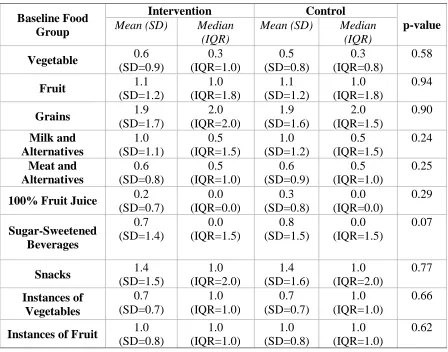
Table 1. Comparison of Baseline Consumption Values for each Food Group in the Intervention and Control Groups... 57
Table 2. Comparison of Changes in Consumption for each Food Group in the
Intervention and Control Groups... 58
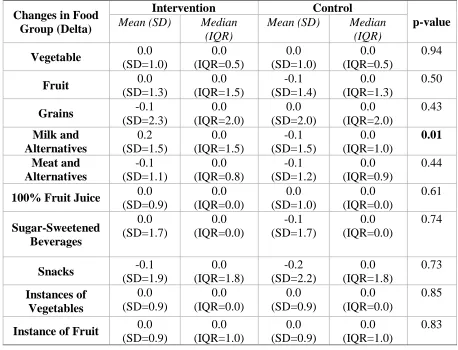
Table 3. Comparison of Changes in Consumption for each Food Group in the
Intervention and Control Groups within BSD Schools ... 59
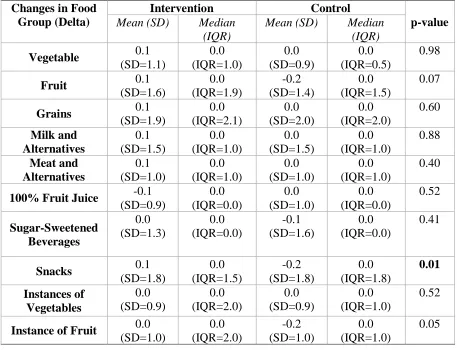
Table 4. Comparison of Changes in Consumption for each Food Group in the
vi
LIST OF APPENDICES
APPENDIX A – THAMES VALLEY DISTRICT SCHOOL BOARD ETHICS
APPROVAL LETTER... 88
APPENDIX B – WESTERN UNIVERSITY ETHICS APPROVAL LETTER ... 89
APPENDIX C – SAMPLE SIZE CALCULATION ... 90
APPENDIX D – CHILD LETTER OF INFORMATION AND ASSENT ... 92
APPENDIX E – PARENT LETTER OF INFORMATION AND CONSENT ... 93
APPENDIX F – EXAMPLE OF A COMPLETED PEAS SURVEY FOR A BSD SCHEDULE ... 96
vii
LIST OF ABBREVIATIONS
Abbreviation Meaning
BSD Balanced School Day
CFG Canada’s Food Guide
CPSFP Centrally-Procured School Food Program
DILQ Day in the Life Questionnaire
FFQ Food Frequency Questionnaire
ICC Intracluster Correlation Coefficient
OSNP Ontario Student Nutrition Program
OSNP-SW Ontario Student Nutrition Program – Southwest Region
PEAS Pupils-Eating-At-School
RCT Randomized Controlled Trial
SES Socioeconomic Status
TSD Traditional School Day
CHAPTER 1
INTRODUCTION
Adolescence, characterized as 10 to 19 years of age, is a stage in life where a
balanced nutritious diet is essential for continued growth both physically and mentally
(1,2). Adolescents who consume diets of a higher quality, and are well-nourished, have
been found to perform well academically (3-5), have higher attention capacities (6), and
better mental health (7) than children who consume poorer diets (3-7). Conversely,
excess calories, fats, salt, and sugars, with minimal consumption of fruits and vegetables,
increase one’s risk for numerous chronic diseases, including obesity, heart disease,
stroke, diabetes, and several cancers (8,9). As less than one third of Canadian children
consume the daily recommended five servings of fruits and vegetables established by
Canada’s Food Guide (CFG; 10-13), it is important to implement strategies that improve
healthy eating early in childhood.
School nutrition programs are one strategy for improving healthy eating
behaviours in youth, as research has shown that nutrition programs implemented in
Canadian schools have led to increased consumption of fruits and vegetables (14-19) and
improved overall diet quality (17,20). To date, school nutrition programs have varied in
the nutritional quality, variety, and amount of food offered (14-25), and studies assessing
such programs have lacked strong experimental designs. For example, some studies have
not used an appropriate dietary intake measurement method for youth, using a Food
Frequency Questionnaire (FFQ) to calculate food consumption (14,15,17,21,22). FFQs
lead to over-reporting (26). Several studies used small sample sizes (n=10 to n=122)
(16,20-23,25), including one study that did not meet the sample size required to detect an
intervention effect, thus impacting their statistical power (16). Moreover, many studies
did not include a control group (20-23,25), where it cannot be determined whether the
changes observed were due to the intervention itself or other factors, such as age, gender,
or external influences (23). Due to the variability in the characteristics of the nutrition
programs and study designs, additional research is needed with more thorough
evaluations and experimental methods.
Currently, several schools within Southwestern Ontario have partnered with the Ontario Student Nutrition Program – Southwest Region (OSNP-SW) to provide students
with a school snack or meal program that offers fruits or vegetables, dairy products, meat
and alternatives, or grain products three to five days per week. The OSNP-SW provides
funding and support for the implementation of a Healthy Snack Program, a Blended
Program, or a Meal Program (Breakfast or Lunch) in schools in Southwestern Ontario.
The Healthy Snack Program provides students with at least one CFG serving of fruits or
vegetables, and one CFG serving of dairy products, meat and alternatives, or grain
products. The Blended Program is similar to the Healthy Snack Program in that students
are provided with one CFG serving of fruits or vegetables, although there are at least two
other food groups available for students who wish to have more food. The Meal
Programs run by OSNP are typically Breakfast Programs, as most schools do not possess
cafeteria facilities. The Breakfast Program may offer hot or cold breakfasts through their
Traditional Program, or prepackaged meals through their “Grab and Go” Program. In
serving of fruits or vegetables, one serving of dairy products, and one serving of either
grain products or meat and alternatives.
The programs designed by OSNP are based on nutritional guidelines proposed by
the Ministry of Children and Youth Services, which states that a fruit or vegetable should
be offered with every snack/meal and that Ontario grown produce should be chosen as
much as possible. The guidelines also indicate that a meal should contain one serving
from three out of the four CFG food groups, including one serving from the vegetables
and fruit food group, as well as one serving from the milk and alternatives food group.
Additionally, a snack should contain one serving from two out of the four CFG food
groups, one of which must be the vegetables and fruit food group. The nutritional value
of a meal can be improved through offering choices from each of the four food groups,
while a snack can be improved by offering choices from three of the four food groups.
Finally, the guidelines state that drinking water should always be available and offered
(27).
In the traditional school nutrition program (TSNP), schools independently run the
program and have volunteers purchase and prepare the snacks. However, the food
purchased may not always align with the program nutritional guidelines set forth by the
Ministry of Children and Youth Services, which can lead to variation in the nutritional
quality of food provided to students.
In order to streamline the process of such programs, a centrally-procured school
food program (CPSFP) was implemented to ensure that all participating schools are
provided with the same nutritional quality and sources of food. Specifically, the CPSFP
include locally-sourced fruits and vegetables, rather than having volunteers from each
school source, purchase, and transport snacks specific to their own school on an
individual basis.
The CPSFP is a naturally-occurring intervention, such that the execution of the
program, including the selection and quantity of food provided, is beyond the control of
the research team. The CPSFP allows the OSNP to control the nutritional quality of the
food offered through the snack programs by having them directly deliver the produce to
the schools. Through the CPSFP, children will be provided with fresh, healthy snacks
based on a dietitian-approved menu, including locally-sourced fruits and vegetables, once
per day. The CPSFP consistently provides foods of high nutrient quality that follows the
2016 Student Nutrition Program Guidelines implemented by the Ministry of Children and
Youth Services. The aim of the CPSFP is to improve the nutritional quality of the food
provided in current school snack programs, while also obtaining a greater proportion of
the food for the program from local farmers through the formulation of local food
procurement strategies. Whereas the TSNP does not consider geographical origins when
purchasing food, the CPSFP requires a minimum of 20% of the food provided through
the program to be locally sourced. Thus, the CPSFP is not only of benefit to students and
schools, but to local farmers as well. Through the formulation of local food procurement
strategies, the CPSFP aims to strengthen Ontario’s food system, redirecting the savings
Study Objectives and Hypothesis
This study contributes to the existing literature by evaluating how the CPSFP
influences student nutrition compared to the traditional school nutrition program (TSNP).
Our objective was to assess changes in:
a. Quantity of fruit and vegetable consumption; and
b. Instances of fruit and vegetable consumption
over a ten-week period in children ages 9-13 that are attending a sample of schools within
the Thames Valley District School Board and the London District Catholic School Board.
Quantity of fruit and vegetable consumption is defined as the total CFG servings consumed during the school day. Instances of fruits or vegetables is classified as the
number of nutrition breaks within the school day where a fruit or vegetable was
consumed, with the highest value possible being three instances based on the number of
nutrition breaks within a school day.
As the CPSFP will provide participating schools with equal access to a wide variety of fruits and vegetables, it was hypothesized that the new CPSFP would result in a
larger increase in daily consumption and instances of fruits and vegetables compared to the TSNP.
Rationale
While several schools in Ontario provide school nutrition programs, the
nutritional quality and sources of food offered varies by school (28), and no standardized
school nutrition program currently exists in Canada (29-31). Accordingly, there is an
standardized program that can improve children’s dietary habits (and related health issues) by improving access to nutritious food. In contrast to previous snack programs
and the current TSNP in Ontario where volunteers purchase and prepare the snacks, the new CPSFP is a naturally-occurring intervention which ensures all food provided comes from one organization and is based off a pre-set menu, controlling the nutritional quality
and variety of the food offered and giving schools equal access to produce.
Including the potentially improved nutritional quality of the program, this study
contributes to our understanding of snack program interventions by being the first large-scale school snack program to be reported on in Canada. This study included 60 schools located within the Thames Valley region in Southwestern Ontario, of which 30 schools
participated as control schools to ensure an accurate assessment of the intervention’s effectiveness was completed. This study also introduced a new tool called the
“Pupils-Eating-At-School (PEAS) Survey” for measuring dietary intake, that upon validation,
may have the potential to become an effective, and more efficient, alternative to the gold-standard of direct food observation.
If successful, this new CPSFP will aid in our understanding of how to improve children’s diets by demonstrating the positive impact a CPSFP can have on children’s
dietary consumption habits. If the CPSFP is unsuccessful at increasing consumption or instances of fruits and vegetables compared to the TSNP, the study will provide further knowledge about which components are effective within a school nutrition program and
Organization of the Thesis
Following the introduction, this document includes four chapters. Chapter 2
provides a detailed literature review of studies that analyzed school nutrition programs
implemented within Canada. This review focuses on components of school nutrition
programs that were found to successfully influence students’ nutrition knowledge,
attitudes towards fruits and vegetables, preferences towards and willingness to try fruits
and vegetables, fruit and vegetable consumption, fruit and vegetable variety, milk and
alternative consumption, and diet quality. Chapter 3 describes the methodology, data
collection, and statistical analyses used for my thesis. Chapter 4 presents the results of
this study; particularly a comparative analysis of changes in consumption and instances
of fruits and vegetables between the CPSFP and the TSNP. Chapter 5 includes the
discussion, strengths and limitations of the present study, suggestions for future research,
CHAPTER 2
DIET QUALITY, SCHOOL NUTRITION PROGRAMS, AND CHILDREN’S HEALTH
Fruits and vegetables are heavily promoted for their health benefits, as they
contain a wide range of micronutrients that increase protection against several chronic
diseases, including coronary heart disease and cancer (29,32,33). Despite these health
benefits, 70% of children are not meeting the minimum Canada’s Food Guide (CFG)
recommendation of five servings of fruits and vegetables per day (10-13). Alternately,
many children consume foods high in calories, fats, salt, and sugars (10,34).
The determinants of dietary habits among youth are multifaceted, with four
factors playing a major role. First, parents influence their child’s food preferences
through what they purchase and prepare within the home, which in turn influences their
child’s consumption habits (35-38). Children are more likely to select foods they are
familiar with (39), with foods consumed in the home directly linked with their food
preferences (23,25). Second, food insecurity, where roughly one in six Canadian children
live in a household unable to provide nutritious foods (40), is associated with inadequate
fruit and vegetable consumption among youth. For families living in poverty, the price of
food becomes a major consideration in what gets purchased, usually resulting in a
selection of foods higher in calories and lower in cost (41). Third, diet quality of youth is
influenced by their peers, as children may fear that eating differently than their peers will
result in being laughed at or excluded from a group (42). Hence, children are more likely
environment influences a child’s eating habits through the food provided at school,
nutrition and health curricula, teacher and peer modelling, school nutritional policies
(35), and even school schedule. School schedule may be a balanced school day (BSD)
schedule where students receive two 45-minute breaks broken up into 20 minutes for
eating and 25 minutes for recess (45), or a traditional school day (TSD) schedule where
students receive 20 minutes for eating with 40 minutes for recess, plus two 15-minute
recesses for snacks and/or activities (45,46). Neilson et al. (12) compared packed lunches
between students in BSD and TSD schools, finding that the schedule of the school may
influence how a student’s lunch is packed, with students attending BSD schools found to
have higher servings of milk and alternatives, sugar-sweetened beverages, and snacks
packed in their lunches compared to children attending schools with a TSD schedule (12).
A child’s diet can have implications for the remainder of life, as poor eating
habits that develop during childhood can carry into adolescence and adulthood (35,47).
Consequently, it is imperative for strategies to be implemented that can aid in improving
diets early in life. As children spend most of their day at school, school nutrition
programs have become of interest as an intervention for promoting and improving
healthy eating practices in youth (35,48).
This chapter provides a review of school nutrition programs studied within
Canada. Specifically, it will discuss factors known to influence healthy eating habits such
as nutritional knowledge, attitudes towards fruits and vegetables, preferences towards and
willingness to try fruits and vegetables, fruit and vegetable consumption, fruit and
vegetable variety, milk and alternative consumption, as well as school policies and diet
programs for targeting each factor, including which strategies were found to be
successful and/or unsuccessful at improving such factors. The literature review will
further discuss the limitations of these studies that impacted their overall success.
A search of PubMed, EMBASE, and CINHAL was conducted for articles on
school nutrition programs published after 1990, when the first school nutrition policy was
established (49). The articles were reviewed for eligibility through titles and abstracts,
and subsequently full texts if relevant. Articles discussing school nutrition programs
conducted in Canada and their influence on child health outcomes were included.
Specifically, quantitative studies discussing school nutrition programs that contained a
primary evaluation, assessment, or analysis of the program, and reported on an outcome
related to children’s dietary behaviours such as nutritional knowledge, preferences
towards fruits and vegetables, and/or consumption habits among school-age children (i.e.,
ages 6 to 14 years of age) were included. References from selected studies were also
reviewed for articles that may have been missed through the database search. The
following search terms were used in various combinations: snack program, food program,
nutrition program, nutrition intervention, fruit and vegetable program, healthy eating
intervention, intervention, youth, children, health, healthy eating, consumption, fruit and
vegetable, eating behaviour, child heath, health promotion, knowledge, preference,
attitude, school, and Canada. After exclusion of irrelevant articles and removal of
duplicates, 13 articles were selected for full review that discussed 11 different school
School Nutrition Programs in Canada and Their Impact on Children’s Health In Canada, few school nutritional policies exist and there is no standardized
school nutrition program (29,30,31). To date, eleven school nutrition programs have been
implemented and studied within Canada. Each program had a distinctive design, ranging
from six weeks in length to three years, and assessed changes in nutritional knowledge,
attitudes towards fruits and vegetables, preferences towards and willingness to try fruits
and vegetables, fruit and vegetable consumption, fruit and vegetable variety, milk and
alternative consumption, and/or diet quality, among children between the ages of 6 to 14
years (14-25,50). Several of these programs aimed to provide high-quality, nutrient-dense
foods to children, including a wide variety of fruits and vegetables, whole grains, protein
sources, and milk and alternatives (14-17,20-23,25). Some programs also incorporated
lessons on healthy eating into the curriculum, promoting healthy eating, physical activity,
fruits and vegetables, and milk and alternatives, through interactive activities, cooking
workshops, and storytelling (14-16,20,21,23-25). Students who took part in these
programs had an increase in preference for (16,20,23,25) and consumption of fruits and
vegetables (14-19), as well as consumption of foods lower in fat, lower in sugar, and
higher in fiber (20). Participants also gained higher nutritional knowledge, particularly in
regard to the nutritional content of food, food transformation, cooking procedures (24),
adequate milk and alternatives intake (21), and foods low or high in dietary fats (20),
Nutrition Knowledge
To observe a change in diet, a behavioural change must also occur. Several key
factors are involved in behaviour change, including knowledge, perceived self-efficacy,
outcome expectations, health goals, and perceived facilitators and barriers (51,52).
Knowledge sets the foundation for change. People have little reason to engage in
behavioural changes without the knowledge that their current behaviours can affect their
health (51). School nutrition programs which incorporated nutrition into the school
curriculum through cooking workshops, storytelling, and interactive activities, all
demonstrated an increase in knowledge amongst the children who participated
(20,21,23,24), suggesting that having hands-on experience and interactive activities
within a nutrition program may be beneficial if an increase in nutrition knowledge is
desired.
The Petits cuistots – parents en réseaux, or Little Cooks-Parental Networks,
program was a community-based initiative involving nutrition workshops with
community dietitians (24). This program included eight annual nutrition workshops that
each revolved around a different food item and nutrition theme. Nutrition workshops
were completed in grade five classrooms among participating schools, where teachers
were asked to provide classroom management and program support. Each nutrition
workshop was 90 minutes long and included a recipe for food preparation based on the
food item and nutrition theme of that workshop, as well as a tasting sample of what was
prepared. Information regarding the nutrient content of food and cooking procedures
were provided during each workshop. Additionally, each workshop had take-home
invite parents’ participation in the nutrition workshop. At the end of the program,
children had higher knowledge about the nutritional content of food, food transformation,
and cooking procedures compared to grade six students who were not exposed to the
program (24).
Gates et al. (21) implemented a comprehensive school nutrition program which
provided education on milk and alternatives to students in grades six to eight. The
nutrition education component was adapted from the “Power4Bones” program created by
the Dairy Farmers of Canada, which involved online modules that teach children about
bone-building foods and physical activities through the storytelling of Agent Bones.
Gates et al. (21) modified the “Power4Bones” program to include more interactive
activities, to better suit students’ literacy and numeracy levels, and to eliminate the use of
computers due to limited access within the First Nations community. Nutrition lessons
were provided to the students for 30 minutes each week for five weeks and also included
goal-setting and peer-modeling. Following the five weeks, participants had a significant
increase in knowledge with respect to adequate milk and alternatives intake (21).
The EarthBox Kids program provided classrooms at the Kipohtakaw Education
Centre in Alexander First Nation Alberta with EarthBoxes to grow vegetables, herbs, and
berries (23). Children in grades one to six planted seeds for tomatoes, green beans, beets,
lettuce, carrots, green peppers, zucchini, chives, and dill. Each teacher decided how the
gardens were to be used as an educational tool in their curriculums, with some choosing
to use the harvested vegetables for classroom taste-testing activities. Teachers also used
the harvested vegetables to discuss healthy food choices and CFG, while librarians used
knowledge of fruits and vegetables, participants were asked to write down five fruits and
vegetables that they knew. Out of the 66 participants, 65 were able to name five fruits and
vegetables after receiving the program for 18 months, compared to only 51 participants at
baseline, resulting in a significant improvement in knowledge (p=0.01). The five most
commonly mentioned fruits and vegetables were apple, banana, carrot, orange, and
strawberry (23).
The Sandy Lake Diabetes Prevention Intervention implemented a curriculum
focused on developing knowledge and skills surrounding healthy eating, physical
activity, and diabetes education (20). The curriculum consisted of 16 weekly lessons that
were 45 minutes in length. To assimilate with the Native North American culture, the
curriculum was adapted to include foods and physical activities from the community,
while also including lessons from the elders. The main concepts from health education
lessons were covered through the storytelling of Missy and Buddy Daaybway as they
learned the importance of living a healthy lifestyle to prevent diabetes. Family members
were informed about the lessons learned in school through a weekly community radio
show, information booths during parent-teacher nights, and letters sent home with
students. The program provided opportunities for peers to act as role models through a
children’s video cooking club where students could demonstrate how to prepare healthy
snacks, and a “Diabetes Kids” radio show that aired three times per week. To assess
changes in knowledge among students in grades three to five, a health knowledge and
behaviour questionnaire was administered that included questions surrounding diabetes,
dietary fat, label reading skills, physical activity, and other concepts provided within the
specifically with knowledge of foods low and high in dietary fats, and curriculum
knowledge (20).
The Northern Fruit and Vegetable Pilot Programme (NFVPP) was a 21-week
program implemented to promote healthy eating and wellness, while increasing
children’s awareness of the benefits of eating fruits and vegetables (16). Included within
the program was Enhanced Nutrition Education entitled “Paint Your Plate! Create a
Masterpiece: Vegetables and Fruit Action Guide for Schools”, a comprehensive
curriculum-based resource for teachers to incorporate into the classroom. The activities
included were to be used to promote fruits and vegetables. Knowledge of participants was
assessed by asking them how many servings of fruits and vegetables they think they
should eat every day to stay healthy. The Enhanced Nutrition Education within the
NFVPP did not result in a significant difference in participants’ knowledge of fruits and
vegetables compared to participants in the control group who did not receive the NFVPP
(16). During the intervention, the Enhanced Nutrition Education was not implemented
fully, and He et al. (16) speculated this to be the cause of the insignificant change in
nutrition knowledge.
The Freggie Friday Program was implemented to encourage Canadian children to
eat the daily recommended fruit and vegetable servings, while helping them understand
the benefits of making healthy choices (50). Each participating school received a tool kit
intended to complement their school’s healthy living initiatives and ministry health
guidelines. Within the tool kit was a two-page educator’s guide on the program, incentive
prize materials (i.e., ballot boxes, certificates, and toys) for children who brought a fruit
a “We are a Freggie Friday School” poster. The program was implemented by
administrators and teachers who were to follow instructions from the project coordinator.
The Freggie Friday Program was implemented over four months and did not result in a
significant increase in nutritional knowledge. These insignificant findings may be due to
limited implementation of the intervention, inadequate teacher training, and a simple tool
kit (50).
Action Schools! BC – Healthy Eating was a program that integrated classroom
learning, environmental change strategies, and a family/community component to
promote the consumption of fruits and vegetables among grades four and five children
(14). To promote higher fruit and vegetable consumption, a menu of classroom activities
and materials for implementation were provided to schools, along with 90 minutes of
staff training. During the 12 weeks, teachers were asked to implement two weekly
classroom activities and one monthly taste-testing activity. Schools were also asked to
provide monthly newsletters, voluntary take-home activities, presentations to parent
advisory committees, and the encouragement of parental involvement in schools’ Healthy
Eating events. Activities outside the classroom, however, did not solely focus on fruits
and vegetables. Knowledge of the importance of fruits and vegetables for disease
prevention did not change over the course of the program. The absence of change in
nutrition knowledge may be attributed to a lack of support from additional personnel,
which negatively impacted the frequency and duration of lessons and taste testing
experiences (14).
Based on comparisons of previous nutrition programs, nutritional knowledge may
defined a specific time for nutrition lessons each week, such as one 30-minute class (21),
an increase in knowledge was observed (21,23,24), unlike when resources were just
asked to be incorporated into the curriculum (14,16,50). Students also had greater
knowledge at the end of the program when nutrition classes were 90 minutes in duration
as opposed to 30 minutes or less (21,24). Lastly, when programs were implemented over
a long period of time, such as seven months (23) as compared to five weeks (21), children
were able to improve their knowledge more, as there were more opportunities for
learning (23,24).
Attitudes Towards Fruits and Vegetables
Few studies have assessed the impact of a school nutrition program on children’s
attitudes (i.e., their thoughts or feelings) towards fruits and vegetables (14,16,24).
Research has demonstrated that attitudes towards fruits and vegetables are positively
associated with intention to increase consumption, and strategies to promote attitude
changes are more successful in the early stages of the intervention (53-55).
As mentioned previously, Action Schools! BC – Healthy Eating was a program
that created a menu of classroom activities and materials for implementation within
participating schools to promote the consumption of fruits and vegetables among students
in grades four and five (14). During the 12 weeks, teachers were asked to implement two
weekly classroom activities and one monthly taste-testing activity. For the taste-testing
activities, teachers purchased the fruits and vegetables using the $12.50 they received
each month from the program coordinators. Efforts within the classroom to increase fruit
food choices within the school. Children’s attitudes towards eating fruits and vegetables,
however, did not change over the duration of the program (14).
The 21-week NFVPP offered students free fruit and vegetable snacks in addition
to the Enhanced Nutrition Education (16). The snack component of the program offered
students in kindergarten to grade eight with one serving of either a fruit or vegetable three
times per week. A three-week menu rotation was created which included a total of nine
items, including carrot sticks, broccoli florets, and whole pear fruit cups. Impact
evaluation was completed on students in grades five to eight. To assess attitudes towards
fruits and vegetables, students were asked to answer three statements on a scale ranging
from fully disagree to fully agree. The statements included “eating fruits and vegetables
every day makes me feel good”, “eating more fruits and vegetables every day gives me
more energy”, and “eating fruits and vegetables could help prevent heart disease”. Mean
scores were high for attitudes towards fruits and vegetables, however, there was no
significant difference in attitude scores between students who received the intervention
and those who did not (16).
Both the Action Schools! BC and the NFVPP provided a resource that could be
integrated into the curriculum and neither resulted in a significant difference in children’s
attitudes towards fruits and vegetables when comparing students receiving the
interventions to those who did not (14,16). Given that the resources were just asked to be
incorporated into the curriculum with no specific directions for duration of activities, and
Day et al. (14) found that teachers only completed 64% of the required amount of two
activities per week, it is possible that the resources were not provided frequently or long
Providing nutrition education through positive experiences can cause significant
changes in attitudes towards fruits and vegetables (24,56). The Little Cooks-Parental
Networks program designed themed nutrition workshops with hands-on activities for the
students and was the only nutrition program found to improve children’s attitudes
towards fruits and vegetables. Attitudes towards fruits and vegetables among grade five
students was measured in two ways. First, attitude was measured by its perceived
association between healthy eating and knowing how to cook. Second, attitude was
measured by asking students whether they anticipated their peers to have a negative
reaction to uncommon or new foods. There was a significant difference in attitudes
towards fruits and vegetables between students who participated in the workshop
compared to those who did not participate, with participants reporting to a higher degree
that knowing how to cook was an important component of healthy eating (24). Creating a
theme for each workshop, and having the kids participate in hands-on cooking activities,
allowed for a more constructive atmosphere and an overall greater experience. This, in
turn, promoted more positive attitudes towards fruits and vegetables. Furthermore, this
program had consistent nutrition lessons for students, providing eight workshops
throughout the year that were 90 minutes in duration, and this consistency may have also
played a role in the observed improvement in attitudes towards fruits and vegetables
among students (24).
Of the programs that targeted attitudes towards fruits and vegetables, only one
program, the Little Cooks-Parental Networks program, resulted in an improvement in
attitudes towards fruits and vegetables. This program incorporated hands-on activities
suggesting that these components should be considered when designing a school nutrition
program aimed at improving attitudes (24).
Preferences Towards and Willingness to Try Fruits and Vegetables
School nutrition programs which target changes in taste preferences towards
fruits and vegetables may be most beneficial, as preferences for fruits and vegetables are
a significant predictor of consumption (36,37,52). Children’s preferences and willingness
to try fruits and vegetables are strongly influenced by direct experience with those foods.
Thus, how often a child is exposed to a fruit or vegetable, as well as the environment in
which the food is tasted, will positively impact one’s preferences (24,52). School
nutrition programs which included scheduled taste-testings of fruits and vegetables over a
longer duration, such as eight times over a period of one year, resulted in greater
preferences towards fruits and vegetables, as well as an increase in the willingness to try
new foods among children who participated (23-25). Conversely, when programs did not
include a taste-testing component, the children experienced no change in their preference
or willingness to try fruits and vegetables (16,50). This suggests that taste-testing, as well
as how often the taste-testing is offered, is an important component of school nutrition
programs if changes in preference or willingness to try fruits and vegetables are to be
observed (23-25).
The eight annual nutrition workshops held by the Little Cooks-Parental Networks
program included a recipe for food preparation based on the food item and nutrition
theme of that workshop, as well as a tasting sample of what was prepared (24).
food items most commonly disliked by children; students had to indicate whether they
have tasted and like or dislike the item, or if they have not tasted the item but are willing
or not willing to try it. The greater the number of food items that students indicated they
liked or were willing to try indicated a more positive preference towards fruits and
vegetables. At the end of the program, students in grade five indicated a greater readiness
to taste new foods or to like a set of less typical foods when compared to grade six
students who had not participated in the program (24).
The EarthBox Kids program took place from September 2010 to June 2011 and
from September 2011 to June 2012 at the Kipohtakaw Education Centre in Alexander
First Nation Alberta (23,25). The vegetables harvested from the EarthBoxes were
sometimes used for classroom taste-testing activities, while the Healthy Snack Program
offered students daily taste-testing of fruits and vegetables during the 2011-2012 school
year. To test children’s preferences towards fruits and vegetables, a 6-point Likert scale
was used which ranged from “I will never eat it again” to “I really like it”. Children were
asked to taste and then rate how much they liked 17 raw fruits and vegetables from a list,
including broccoli, green pepper, carrot, tomato, celery, cauliflower, cucumber, radish,
mushroom, kiwi, pear, grape, orange, apple, cantaloupe, grapefruit, and banana. Of the 17
items on the questionnaire, only apple, pear, kiwi, broccoli, radish, mushroom, and
grapefruit were not provided by the snack program or EarthBox. After each food item
was tasted and rated, children were asked “Do you eat this food item at home?”. These
questions were completed at baseline when the EarthBoxes were first planted in
November 2010, at the 7-month follow-up in June 2011, and at the 18-month follow-up
a significant increase in their preferences towards fruits, including grapes and kiwi.
Preferences for vegetables significantly increased at the 7-month follow-up, however,
preferences decreased below baseline values at the 18-month follow-up. Children most
preferred apples, bananas, oranges, and grapes, while preferring radishes, mushrooms,
and grapefruit the least. Foods most preferred by participants were those most frequently
consumed at home, while foods least preferred by participants were rarely consumed at
home (23,25).
Despite Action Schools! BC – Healthy Eating incorporating a monthly
taste-testing activity, no effect on willingness to try fruits and vegetables was observed
post-intervention in grades four and five students (14). As there were only a maximum of three
taste-testing activities during the program, this may not have been sufficient exposure to
result in changes in preferences or willingness to try fruits and vegetables, as it has been
found that exposures to a new food as many as 10 to 15 times is needed in order to
enhance preferences towards it (14,37).
During the 21-week NFVPP, children were provided with one serving of either a
fruit or vegetable three times per week (i.e., Free Fruit and Vegetable Snacks) and/or
curriculum-based resources that focused on promoting fruits and vegetables (i.e.,
Enhanced Nutrition Education) (16). To assess changes in preferences towards fruits and
vegetables among students in grades five to eight, participants were asked to score their
preferences for 20 fruits and 23 vegetables. Preference scores for all fruits and vegetables
were relatively low, while all three groups had a high willingness to try new fruits and
vegetables. There was no significant difference between those who received the Free
only the Free Fruit and Vegetable Snacks, and those who did not receive any intervention
(16). The lack of a taste-testing component in the NFVPP, and snacks only offered three
times per week, likely played a role in the low preferences found. The Freggie Friday
Program additionally did not change preferences towards fruits and vegetables, likely
attributable to the lack of a taste-testing component and shorter program (50).
When children engaged in hands-on activities, in addition to discussions of
healthy eating, they developed higher preferences towards fruits and vegetables
(20,23-25). For instance, the EarthBox Kids program consisted of a gardening activity and
weekly snack program that incorporated the foods the children had grown into the snacks
provided (23,25). By gardening, the children were provided with hands-on experience of
how to grow, harvest, prepare, and eat healthy foods, while also increasing their exposure
to the taste of new fruits and vegetables. Teachers also assimilated the food grown into
their lessons, using them as examples of healthy food choices. These components of the
program worked to create an environment conducive to changes in children’s food
preferences (25). The Sandy Lake Diabetes Prevention Intervention similarly allowed for
hands-on activities through the children’s video cooking club and radio show. These
activities, in combination with the storytelling incorporated into the school curriculum,
created a positive environment for students to learn and resulted in an increase in
preferences towards fruits and vegetables (20).
Programs which offered taste-testing of fruits and vegetables were found to be
successful at increasing preferences towards fruits and vegetables among children aged
six to eleven (20,23-25). Though, how frequently the taste-testing occurs and the duration
one-year in length and provision of at least eight taste-testing activities being more successful
(23-25). When designing a school nutrition program, hands-on activities should also be
considered for incorporation due to their influence on preferences towards fruits and
vegetables (20,23-25).
Fruit and Vegetable Consumption
School nutrition programs have been effective at increasing children’s
consumption of fruits and vegetables following the program (14-19). Peer influence plays
a role in this observed effect, as evidenced by one program, Team Nutriathlon, that
implemented a team approach to motivate students (18,19). For the program, grade five
and six students from eight different schools were divided into teams of five to six
students and encouraged to increase their consumption of fruits and vegetables in order to
meet team requirements set by Team Nutriathlon. Team goals were based on the quantity
and variety of food eaten; quantity was measured by the accumulated portions of fruits
and vegetables team members consumed during the eight-week program. Students were
also provided with individual goals, where they were challenged to reach their
recommended CFG servings based on their age and sex. Students were asked to record
their daily fruit and vegetable consumption for each meal from Monday to Friday. Every
two weeks students were provided with a summary report of their consumption both
individually and as a team, discussing the goals set and if students were meeting them.
Using this data, teachers were able to motivate students and help them reflect on their
behaviours, while students could create individual and team strategies in order to
provided with the results and administered individual and team awards to students based
on their outcomes. At the end of the study, those who participated in the intervention
consumed approximately five servings of fruits and vegetables, while participants who
did not have the intervention consumed approximately three and a half servings of fruits
and vegetables. When comparing the intervention group to the control group, there was a
significant difference in their fruit and vegetable consumptions (18). Chamberland et al.
(19) also implemented Team Nutriathlon with grade seven and eight students from three
different schools, who were divided into teams of three to five students. The goals for
individuals and teams remained the same during this study, however it was completed
over six weeks instead of eight. At the end of the six weeks, students in the intervention
group consumed approximately six servings of fruits and vegetables, while the control
group consumed approximately three and a half servings of fruits and vegetables,
rendering a significant difference between groups. Students stated that teachers also
played a key role in the success of the program by providing encouragement, reminders
for recording one’s data, and tips to help increase consumption, demonstrating that the
influence of the teacher and school environment are important factors associated with
fruit and vegetable consumption (19).
Most school nutrition programs that found an increase in self-reported
consumption of fruits and vegetables assessed consumption at baseline and immediately
following the intervention (14-17). Only in the studies by Chamberland et al. (19) and
Drapeau et al. (18) were students’ consumption further evaluated ten weeks following the
end of the Team Nutriathlon program. Drapeau et al. (18) found that children’s
compared to students who had not participated in the program. By contrast, Chamberland
et al. (19)found that increased consumption of fruits and vegetables was only observed
during the six-week nutrition intervention, as consumption of fruits and vegetables
returned to baseline levels at the ten-week follow-up. This was likely the case because,
without continuous support from their peers and teachers, students were no longer
motivated to change their consumption habits. It is also noteworthy that in the study by
Chamberland et al.(19), the Team Nutriathlon program was conducted over a six-week
period compared to an eight-week period in the study by Drapeau et al. (18).The
eight-week period was found to instil long-term changes amongst the children participating in
the program, while the six-week program did not. This suggests that the length of the
program can impact efficacy with regard to improving consumption of fruits and
vegetables.
Successful programs also incorporated nutrition into the school curriculum
throughout the intervention period, including the NFVPP and the Action Schools! BC –
Healthy Eating program, indicating its importance in influencing fruit and vegetable
consumption (14-16). The Alberta Project Promoting active Living and healthy Eating
(APPLE) Schools was a three-year initiative aimed at providing healthy eating and active
living strategies through contributions to the schools’ health curriculum during both
instructional and non-instructional school time. The program focused on the unique needs
and barriers of each participating school, including parents, staff, and the community, in
program plans. The APPLE Schools program provided classroom gardens, after-school
cooking classes, and physical activity programs to make healthy living fun and engaging
The APPLE Schools Program and the Children’s Lifestyle and
School-Performance Study (CLASS) incorporated components of the Annapolis Valley Health
Promoting Schools (AVHPS) program which was designed “to make the healthy choice
the easy choice”. Based on the AVHPS program, each program implemented school
policies and practices designed to increase the physical activity of students and offer
healthier menu alternatives. Both the APPLE and CLASS studies resulted in a significant
increase in the consumption of fruits and vegetables among grade five students,
suggesting that school nutritional policies and healthy menu alternatives provided at
school may play an important role in improving fruit and vegetable consumption (15,17).
The EarthBox Kids program included a four-month snack program during the
2010 to 2011 school year and the 2011 to 2012 school year (23,25). From February 2011
to May 2011 students were provided with seven vegetables and seven fruits, including
carrots, celery, cucumbers, cauliflower, peas, tomatoes, peppers, grapes, bananas,
oranges, cantaloupe, strawberries, watermelon, and apricots. During the 2011 to 2012
school year, additional produce was provided such as mini-carrots, celery, cucumber,
cauliflower, peas, tomato, broccoli, corn, peppers, and beans. When assessing
consumption of fruits and vegetables at home, the EarthBox Kids program did not result
in an increase in home consumption of fruits and vegetables among students. Although
children received a variety of fruits and vegetables during the program and had an
increase in their preferences towards them, the food provided was not available outside of
school (23,25). Parents are primarily responsible for purchasing and preparing the meals
provided within the home, thus influencing a child’s food preferences (38). However,
As the program was implemented on First Nations reserves, there was limited access to
nutritious foods, and any fresh food available was of high cost (57). Thus, parents could
not provide their children with the same variety and quantity of fruits and vegetables as
the snack program, which affected the children’s consumption of fruits and vegetables
when at home. As consumption of fruits and vegetables at school was not reported by
Hanbazaza et al. (23) or Traidor et al. (25), it is unclear whether the quantity and type of
fruits and vegetables provided through the program impacted the consumption of fruits
and vegetables during the school day.
The NFVPP was the only program among the studies assessing fruit and
vegetable consumption that incorporated a snack program and was successful at
improving fruit and vegetable intake (16). Students who received the snack program as
well as the Enhanced Nutrition Education mentioned previously, and those who solely
received the snack program, had higher total fruit and vegetable intake following the
program when compared to the control group (i.e., students who did not receive the
NFVPP). Particularly, a higher intake of fruits and vegetables was seen in students at
school, where students who received the Enhanced Nutrition Education and snack
program consumed approximately 1.9 (SD=0.1) servings of fruits and vegetables; those
who only received the snack program consumed approximately 1.8 (SD=0.2) servings of
fruits and vegetables; and the control group consumed approximately 1.4 (SD=0.2)
servings of fruits and vegetables. This change may be attributed to the snack program
received by both intervention groups, as no significant difference in intake was found
Several school nutrition programs have been effective at increasing children’s
consumption of fruits and vegetables following the program (14-19). Peer and teacher
influence play a role in consumption of fruits and vegetables, as evidenced by one
program, Team Nutriathlon (18,19). The length of the program can further impact
efficacy with regard to improving consumption of fruits and vegetables (18,19).
Successful programs incorporated nutrition into the school curriculum (14-16), or school
nutritional policies (15,17), indicating their importance in influencing fruit and vegetable
consumption (14-17). Lastly, the inclusion of a snack program offering fruits and
vegetables may positively influence consumption of fruits and vegetables at school
(16,23,25).
Fruit and Vegetable Variety
The variety of fruits and vegetables consumed is also important when addressing
healthy food choices, as diversifying the intake of fruits and vegetables allows for a
greater consumption of nutrients found to be protective against chronic diseases (58).
Only two studies assessed the influence of school nutrition programs on fruit and
vegetable variety; the Action Schools! BC nutrition program and Team Nuriathlon.
Following the 12-week Action Schools! BC program, the five intervention schools had a
significant increase in fruit and vegetable variety when compared to the five schools that
did not receive the intervention. This significant increase may be attributed to the
classroom activities and taste-testing activities incorporated into the program, which
allowed children to positively learn about healthy eating and become exposed to a wider
Team Nutriathlon, implemented over eight weeks with grade five and six
students, encouraged consumption of a variety of fruits and vegetables through the
formulation of team goals. These team goals were based on the quantity and variety of
food eaten; variety was based on equal distribution of the six categories of foods. Fruits,
vegetables, and milk and alternatives were organized into coloured groups based on their
nutritional content. The green category consisted of vegetables rich in folic acid; orange
represented fruits and vegetables rich in beta-carotene; purple consisted of vegetables
rich in potassium and folic acid; yellow comprised fruits rich in vitamin C; red consisted
of fruits rich in potassium and vitamin C; and blue included milk and alternatives rich in
calcium and vitamin D. To motivate students, teachers provided students with awards if
their team goals were met. Over the eight-week program, the blue category (i.e., milk and
alternatives) increased at the fastest rate, followed by the red category which included
fruits and vegetables such as apples, bananas, grapes, and fruit juices. The green category
consisting of asparagus, broccoli, brussels sprouts, and spinach, and the orange category
consisting of carrots, pumpkins, and mangoes, were consumed the least, increasing at the
slowest rate over the eight weeks. Although the Team Nutriathlon program encouraged
consumption of a variety of fruits and vegetables, no increase in variety was measured.
This could be due to the lack of fruits and vegetables provided by this program, as well as
limiting exposures to fruits and vegetables, thus affecting children’s willingness to try
new foods (18).
Limited studies have assessed the influence of school nutrition programs on the
variety of fruit and vegetables consumed in youth. Classroom activities that promoted the
result in positive changes in fruit and vegetable variety, whereas incentive materials
provided through Team Nutriathlon did not result in significant changes in variety (18).
This suggests that children require more knowledge of, and exposure to, fruits and
vegetables if changes in fruit and vegetable variety are to occur.
Milk and Alternative Consumption
One in three children in Canada are not consuming the recommended amount of
milk and alternatives (10). Milk and alternatives are essential in one’s diet, as they
provide protein and a number of nutrients necessary for healthy growth and development,
particularly for the development of healthy bones and teeth. Through the essential
nutrients found in milk and alternatives, including vitamin A, vitamin D, and vitamin
B12, milk and alternatives can also provide protective effects for several chronic diseases
such as cardiovascular disease, diabetes, osteoporosis, and some cancers (59). Due to the
many associated health benefits, improving the consumption of milk and alternatives is
an important focus of school nutrition programs (18,19,21,22). Research has shown that
nutrition programs that administered (21,22) or promoted consumption of milk and
alternatives (18,19) resulted in an increased consumption of milk and alternatives
amongst children participating in the program (18,19,22).
A pilot snack program was initiated in Kashechewan, and an existing snack
program was supplemented in Attawapiskat, to provide at least one serving of milk and
alternatives each day to students in grades six to eight (22). Following the eight-month
program, students attending the J.R. Nakogee School in Attawapist had a significant
baseline to 2.1 (SD=1.4; p=0.03) servings one-week post-program. Students attending the
St. Andrew’s School in Kashechewan also had an increase in their consumption of milk
and alternatives, from 2.2 (SD=1.9) servings at baseline to 2.8 (SD=2.0) servings at
follow-up, although this difference was not statistically significant (p=0.07).
Consumption of milk and alternatives among participants in Kaschechewan was further
assessed at one-year follow-up, which showed a significant decrease in consumption of
milk and alternatives when compared to the one-week post-program values, decreasing to
1.6 (SD=1.1) servings of milk and alternatives (p=0.02). Due to logistical and staffing
issues, the snack program in Kaschechewan was provided intermittently, which may have
influenced the results (22).
Team Nutriathlon also assessed consumption of milk and alternatives, utilizing
individual and team goals to encourage children to increase their consumption of milk
and alternatives (18,19). Drapeau et al. (18) implemented Team Nutriathlon over eight
weeks with grade five and six students, finding that at the end of the program those who
had received the intervention consumed approximately three servings of milk and
alternatives, while the control group consumed approximately two servings of milk and
alternatives. There was a statistically significant difference between the control and
intervention groups, and this difference persisted at the ten-week follow-up (18).
Chamberland et al. (19) implemented Team Nutriathlon over six weeks with grade seven
and eight students. Students who had received the program consumed approximately
three and a half servings of milk and alternatives at the end of the program, which was
significantly higher than the one and a half servings of milk and alternatives consumed by
were assessed at the ten-week follow-up, finding that the intervention group’s
consumption of milk and alternatives decreased to two servings (19).
The decrease in the consumption of milk and alternatives found post-program in
the studies by Gates et al. (22) and Chamberland et al. (19) may be attributed to the
cessation of the program, the surrounding community where milk and alternatives are no
longer readily available for consumption (22), and a decrease in peer-modelling that had
occurred during the program (19).
A school nutrition program was implemented over the 2009 to 2010 school year
in Fort Albany that included policy, education, food provision, family and community
involvement, and program evaluation components (21). The nutrition education
component of the program consisted of the “Power4Bones” program, goal setting, and
peer-modeling. To influence the home environment, an informational handout was
created for each class and provided to parents. The program further incorporated a
community feast that was planned by the students to emphasize healthy foods and
influence the community environment. Healthy breakfasts and snacks consisting of
vegetables, fruits, whole grains, protein sources, and milk or milk and alternatives, were
provided to students each day (21). Despite these attributes, the program had a very small
sample size, consisting of only ten students for their dietary analysis. Although
participants increased their servings of milk and alternatives from 1.8 servings (SD=1.1)
to 2.1 servings (SD=3.0) post-program, the difference was not statistically significant
(p=0.21), as the small number of participants impacted statistical power (21).
Studies that have assessed the influence of school nutrition programs on milk and
alternatives (18,19) can positively influence consumption of milk and alternatives
amongst children participating in the programs (18,19,22). Inadequate statistical power in
the study by Gates et al. (21), however, impacted the ability to make definitive
conclusions regarding the efficacy of nutrition education, parental and community
involvement, and school policies, at influencing milk and alternative consumption (21).
School Policies and Diet Quality
Schools in Ontario must abide by four food and nutrition policies and guidelines:
(i) Bill 8 – Healthy Food for Healthy Schools Act; (ii) Trans Fats Standards; (iii)
Policy/Program Memorandum No. 135: Healthy Foods and Beverages in Elementary
School Vending Machines; and (iv) the School Food and Beverage Policy (30,60). Bill 8
gives power to the Minister of Education to create policies, guidelines, and regulations
surrounding nutrition standards, while also regulating the trans-fat content of all food and
beverages sold in school cafeterias. The Trans Fat Standards determines the maximum
amount of trans fat, as well as the ingredients used in the preparation of food and
beverages, that can be sold to students in schools. The Policy/Program Memorandum No.
135 is a voluntary provincial policy outlining the recommended nutrition standards,
selection criteria, and recommended servings sizes, for foods and beverages offered in
school vending machines (30). The School Food and Beverage Policy states that all food
and beverages sold in school cafeterias, vending machines, tuck shops/canteens, catered
lunch programs, bakes sales, and sports events, must comply with set nutrition standards.
Nutrition criteria are based on three categories: “sell most”, “sell less”, and “not