
Type of the Paper (Review)
1
Nanotechnology: An Elixir to Life Sciences
2
Zulqurnain Khan1*, Sultan Habibullah Khan2, Muhammad Zubair Ghouri2, Hina Shahzadi2,
3
Sarmad Frogh Arshad1, Ummara Waheed1, Summra Firdous3, Qurat-ul-ain Mehboob3,
4
Aftab Ahmad2,4*
5
1Institute of Plant Breeding and Biotechnology, MNS University of Agriculture, Multan, Pakistan
6
2Cotton Biotechnology Lab, Center for Advanced Studies (CAS), University of Agriculture, Faisalabad, Pakistan
7
3Department of Biochemistry and Biotechnology, The Islamia University of Bahawalpur, Pakistan.
8
4Department of Biochemistry, University of Agriculture, Faisalabad
9
10
*Correspondence: [email protected], [email protected]
11
12
Abstract: Nanotechnology has been playing a tremendous role in all fields of life sciences including
13
cell biology, genetics, molecular biology, botany, microbiology, zoology, evolution, ecology, and
14
physiology. Applications of nanotechnology are more on applied side in different sectors from
15
industry to agriculture.Agriculture sector is the backbone of developing countries for their economy.
16
Growing world’s population is putting more pressure on agriculture sector and there is a need to
17
develop new technology to address the crises of food safety and food shortage. Today’s agriculture
18
has been entered in a new era where nanotechnology works as a technological advancement
19
regarding entire agriculture crops, and food sector revolution, even though, it has prodigious
20
applications in food production, food processing, food packaging, food storage and economic growth
21
of industries. Moreover, nanotechnology is the best solution to solve problems related to better food
22
and agriculture. Likewise, biotechnology, nanotechnology also raised high concerns upon safety on
23
biodiversity, health and environment. Nanotechnology is providing efficient alternatives to increase
24
the crop production by managing the insect/pests in agriculture in an eco-friendly manner. It also
25
promotes plant efficiency to absorb nutrients. However, the concerns are very high regarding
26
regulation, safety and approval of nanotechnology products by risk assessment authorities. The
27
suggested review includes stupendous applications of nanotechnology in food and agriculture sector
28
along with its prospective merits and associated risks.
29
Keywords: Nanotechnology, Nanoparticles, Biosynthesis, Agriculture, Food Sciences, Health
30
Sciences, Environmental Sciences
31
1. Introduction
32
Development of agriculture is the most powerful tool that can reduce poverty and can feed an
33
expected population of 9.7 billion people by 2050. Agricultural growth is effective in generating
34
incomes for poor compared to other sectors. Agriculture is extremely important for economic growth,
35
poverty and food security are at risk due to climate change that mainly affects the food insecure
36
regions. About 25% of greenhouse gas emissions are due to agriculture, forestry and land use change.
37
Today’s food systems also affect people’s health and 70% use of agricultural water would produce
38
unsustainable levels of pollution and waste. There are certain risks associated with poor diets that
39
leads to deaths worldwide. An estimated three billion people are victims of health crisis due to usage
40
of wrong type of food. Several reports in 2016 suggested that hunger is a challenge worldwide [1].
41
Despite the use of nanotechnology in nanomedicine and nanotoxicology disciplines aimed at the
42
betterment of human life, nanotechnology also occupies an eminent position between the newest line
43
of technological novelties in the area of agriculture, to modernize agriculture and food production so
44
that the demands can be fulfilled in an effective and economical way [2-4].
45
Likewise, biotechnology, nanotechnology also has countless applications like drug delivery, tissue
46
culturing, food industry and biomedical engineering [5]. Precision farming techniques, nutrient
47
delivery systems, novel functional ingredients, innovative and improved packaging, safety testing,
48
authenticity and traceability, tracking devices, nano sensors, targeted delivery of required
49
components, development of new products, precision processing and smart packaging are all
50
included in stupendous applications of nanotechnology [6,7]. Now, it is accepted worldwide that
51
nanotechnology will bring consistent benefits, and research in this proposed field is attracting large
52
scale investments by support from academic science, leading food companies and increasing
53
governmental financial investment and conceptual backing [8,9].
54
Nanomaterials can be used in different food products like titanium dioxides widely used a food
55
additive and an antimicrobial agent in packaging of food products and food storage containers. Like
56
titanium dioxide, silver nanoparticles are also used as antimicrobial agents in packaging of food
57
products, storage of food containers, chopping boards and refrigerators, and they are also given as
58
health supplement. For provision of nutrition, zinc and zinc oxide nanoparticles are used with food
59
products. To improve analysis pattern of food, platinum and gold nano-wires are used as biosensors
60
[10]. The suggested review article includes the monumental applications of nanotechnology in
61
agriculture and food sector along with its prospective merits and associated risks.
62
2. Types of Nanoparticles
63
Any material having one dimension in range 1 to 100×10-9 or one to a hundred billionth of a matter
64
having unique properties than its similar bulk material if did not cause any toxic/harms i.e.
65
carcinogenic, immunogenic and thrombogenic to the living organism known as biocompatible
66
nanoparticles. Now-a-days, different organic and inorganic nanoparticle have been used as carrier
67
for targeted delivery into the living organisms e.g. genetic material, drugs, proteins, antibodies,
68
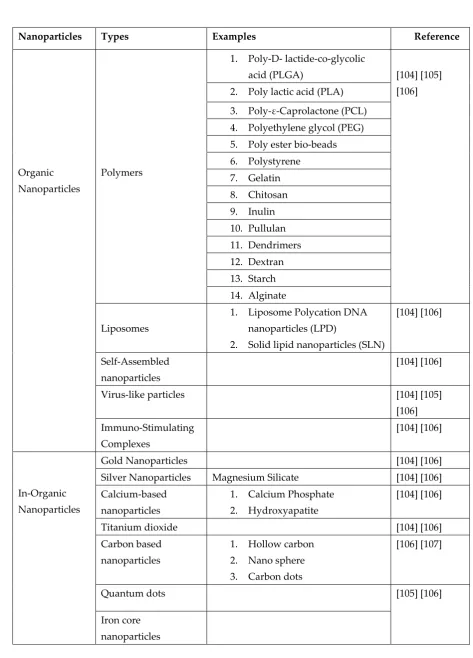
vaccines. Both organic and inorganic materials can be biocompatible in nature some of them are listed
69
below in Table 1.
70
3. Synthesis of nanoparticles using living systems
71
Nanoparticles have been produced by different method from physical to chemical. It has been found
72
that most of these methods have certain limitations such as high cost and time-consuming and
eco-73
toxicity. To encounter these issues, biosynthesis of nanoparticles using living systems has been found
74
very fascinating and attractive approach. Various living systems/organisms, form unicellular to
75
multicellular, have been used for biosynthetic production of nanoparticles such asplants, bacteria,
76
fungi and yeast etc. Biosynthesis of nanoparticles is the need of the hour owing to the increasing
77
demand for nanoparticles in millions of tons worldwide. Some examples of different plants, bacteria,
78
fungi and yeast species have been given the Table 2.
79
4. Applications of Nanotechnology in Agriculture
80
Nanotechnology plays a decisive role in agriculture sector and its use in agriculturally based products
81
can monitor growth of plants and can also detect diseases. Application of nanotechnology-based
82
nanomaterials in agriculture aimed to reduce the use of conventional plant protection methods,
83
increase yields through nutrient management or minimizing loss of nutrients by fertilization.
84
4.1 Seed germination and nanotechnology
85
Morphological and physical characteristics of crops change due to excessive salinity. For a crop
86
subjected to salt stress, one of the most significant steps is seed germination. In a soil with high
87
concentration of salt in the planting zone, seed germination fails [11]. Plant emergence is significantly
88
based on seed germination, so, the time from sowing to emergence of seedling has substantial value
89
in crop production. Increased germination can lead to strong early growth and better plant
90
establishment. Addition of silicon can improve the salt tolerance and increases the photosynthetic
91
activity of barely leaf cells [12].
Table 1. Types of Nanoparticles
95
96
97
98
99
100
Nanoparticles Types Examples Reference
Organic
Nanoparticles
Polymers
1. Poly-D- lactide-co-glycolic
acid (PLGA) [104] [105]
[106]
2. Poly lactic acid (PLA)
3. Poly-ε-Caprolactone (PCL)
4. Polyethylene glycol (PEG)
5. Poly ester bio-beads
6. Polystyrene
7. Gelatin
8. Chitosan
9. Inulin
10. Pullulan
11. Dendrimers
12. Dextran
13. Starch
14. Alginate
Liposomes
1. Liposome Polycation DNA
nanoparticles (LPD)
2. Solid lipid nanoparticles (SLN)
[104] [106]
Self-Assembled nanoparticles
[104] [106]
Virus-like particles [104] [105]
[106]
Immuno-Stimulating
Complexes
[104] [106]
In-Organic Nanoparticles
Gold Nanoparticles [104] [106]
Silver Nanoparticles Magnesium Silicate [104] [106]
Calcium-based
nanoparticles
1. Calcium Phosphate
2. Hydroxyapatite
[104] [106]
Titanium dioxide [104] [106]
Carbon based
nanoparticles
1. Hollow carbon
2. Nano sphere
3. Carbon dots
[106] [107]
Quantum dots [105] [106]
Iron core
Table 2: Biosynthesis of Nanoparticles from Plants, Bacteria, Fungi and Yeas
101
Organism Nanoparticles Plant Species References
Plants
Gold nanoparticles
Terminalia catappa [108]
Banana peel [109]
Medicago sativa [110]
Azadirachta indica
Azadirachta juss
[111]
Camellia sinensis [112]
Silver nanoparticles
Euphorbia hirta [113]
Azadirachta indica [114] [115] [116]
Brassica juncea [117]
Coriandrum sativum [118]
Carica papaya [119]
Capsicum annum [120]
Avicennia marina [121]
Bacteria
Silver nanoparticles
Bacillus cereus [122]
Escherichia coli [123]
Bacillus subtilis [124]
Bacillus sp. [125]
Bacillus thuringiensis [126]
Lactobacillus strains [127]
Corynebacterium [129]
Staphylococcus aureus [130]
Gold nanoparticles
Alkalothermophilic actinomycete [131]
Thermomonospora sp. [132]
102
In lentil genotypes, use of Silicon-di-oxide nanoparticles, improves the seed germination under salt
103
stress [13].
104
Effects of nanomaterials on development and growth of plants with special aim of using them in
105
agriculture have been studied by different researchers. Spinach seeds containing TiO2 nanoparticles
106
had improved germination by 73% of dry weight, photosynthesis rate increased by three-fold,
107
chlorophyll A formation has also increased. Size of nanomaterials was inversely proportional to
108
spinach seeds i.e. smaller the size of particles greater will be the germination [14]. If gold
109
nanoparticles are used for seed germination instead of TiO2, the germination may be improved up to
110
90-95% and may also reduce biosafety concerns [15].
111
Major concern of nanoparticles in seed germination is about phytotoxicity and it depends upon type
112
of nanomaterial i.e. bio labels were used for promoting germination like fluorescein isothiocyanate
113
(FTIC) labeled silica nanoparticles and photostable Cadmium-Selenide (CdSe) quantum dots. Nair et
114
al. (2011) stated that quantum dots affect negatively, the germination of rice but FTIC nanoparticles
115
produced considerable results [16]. Nanoparticles has efficient physiological and biomolecular
116
mechanism in plant that leads to better germination of seed and growth of seedling [17]. In reliance
117
to this, the nanotechnology will improve the seed germination in highly stressed areas such as saline
118
areas, water shortage areas like Cholistan desert, Thal desert etc. of Pakistan. Overall green synthesis
119
of nanoparticles strongly effects on the germination of seed as shown in Fig. 1, which directly related
120
to the quality of the NPs.
121
122
Lactobacillus strain [131]
Yeast and
Fungi
Silver nanoparticles
Silver tolerant yeast strains MKY3 [129]
Fusarium semitectum [130]
Fusarium oxysporum [131]
Aspergillus flavus [132]
Aspergillus niger [133]
Aspergillus oryzae [134]
Fusarium solani [54]
Trichodem aviride [135]
Gold and Silver
nanoparticles
123
Fig. 1. Green synthesis of GNPs and its effect on seed germination. Reprinted with permission
124
[18]. Copyright 2016 Elsevier.
125
126
4.2 Fertilizer use efficiency and crop management
127
Employing nanotechnology in sustainable agriculture for developmental purposes finds its
128
applications in producing new types of fertilizers that proved promising in significantly increasing
129
plant growth and agronomic yields to overcome the food shortage and environmental problems [19].
130
Fertilizers play a significant role in advancement of agriculture. Solanki et al. (2015) and Chien et al.
131
(2011) reported that the uptake of conventional fertilizers and performance phosphate products
132
(PPP’s) do not reach to their target due to their instability in environment [20,21].
133
Efficient and targeted delivery of agents was possible by use of small sized nano-based smart delivery
134
systems [22,23]. Also, they were stable in environment and provides PPP’s and nutrients to crops. By
135
the use of smart delivery systems that are nano-based, it was possible to deliver PPP’s and nutrients
136
in slow or controlled release manner [24,25].
137
Traditional fertilization methods are outdated and are replaced by nano-fertilizers for release of
138
specific nutrients into the soil progressively in a controlled manner. The use of nano-fertilizers may
139
prevent the soil from getting polluted and from excessive eutrophication [26,27]. Nanofertilizers are
140
designed in such a way that they regulate the requirement-based release of nutrients of thecrops, so
141
they are more efficient than usual fertilizers [28]. They are being used to lessen the nitrogen loss
142
caused by emissions, leaching, and continuous amalgamation by soil microorganisms. They allow
143
careful release of nutrients associated with time and environmental circumstance [29].
144
Nanonat and ferbanat liquid fertilizer are the examples of nanotechnology-based fertilizers. Ferbanat
145
is a new generation biostimulator that is used against soil microorganisms and stress and it contains
146
natural elements. It contains vitamins, amino acids, micro elements, micro humates, natural
147
biological substances and soil microfloras. Furthermore, for agricultural products, nanonat has been
148
described as a source of minerals and vitamins to make chemical dressing by using 30–50% with
149
biological nitrogen, calcium, potassium, magnesium, phosphorus, and the elements in it [30].
150
Fertilizers that have a slow-release property are the outstanding substitutes of the soluble fertilizers.
151
The whole time during the growth of crop, plants are capable to uptake majority of nutrients with no
152
wastage by the process of leaching. Nutrients slow release in the environment isattained by the use
153
of a group of naturally occurring zeolites which works as a pool for those nutrients that are released
154
in controlled manner on demand [31]. To facilitate the release of nutrients at a slow and stable rate,
155
the particles of fertilizer are coated by nanomembranes [28]. A nano-composite comprising P, K, N,
156
amino acids, mannose, micronutrients has been patented that boost the uptake and consumption of
157
nutrients by grain crops [32].
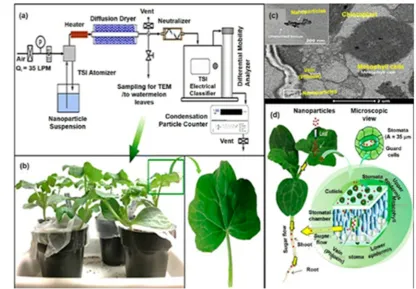
Agro-chemicals that are nanoformulated are being used throughout the primary production to
159
enhance the efficiency of the agro-chemicals in comparison to conventional formulations as shown
160
in Fig. 2. A number of pesticides that contain nanoparticles or nanotechnology based
agro-161
chemicals are present in the market. Nanoparticles containing micronutrients can be used to increase
162
the yield of crops [33]. Prasad et al. (2012) compared and suggested that zinc oxide nanoparticles
163
improved stem, root growth and pod productivity than ZnSO4 application [34]. Laware and Raskar,
164
(2014) reported that ZnO-NP applied on onion crop has shown efficient growth than control [35]. The
165
nanofertilizers can play a significant role in reclaiming soils by reducing use of chemical fertilizers
166
that are damaging soil structure, plants, nutrient cycles, and even more damage to food chains
167
causing heritable mutations.
168
169
170
171
172
173
174
175
176
177
178
179
180
181
182
183
184
185
186
187
188
189
190
191
Fig.2. Aerosol-mediated nanoparticle delivery to a watermelon plant. (a) Schematic diagram of the
192
experimental setup. (b) Watermelon plants used in this work. (inset b) Typical watermelon leaf.
193
(c) TEM micrograph showing the presence of nanoparticles inside the leaf after applying
194
nanoparticles for 3 days. (d) Schematic diagram of nanoparticle transport inside watermelon
195
plants. The figure is adapted and modified with permission [36]. Copyright 2013 Springer.
196
197
4.3 Use of nanotechnology to increase water use efficiency
198
Cerium oxide is one of the most commonly used metallic nanoparticles. Some reports have also
199
suggested increased yield in some crop species [37]. Water use efficiency (WUE) can be increased by
200
using nanoparticles. Hydraulic conductivity of roots in corn seedlings was reduced dramatically by
201
using TiO2 nanoparticles. Singh et al. (2016) have found that carbon nanotubes improved the
202
transpiration and uptake of water in plants [38]. Enhancing the key water channel proteins
203
“Aquaporins” by using carbon nanotubes has improved the water uptake in tobacco root cell wall
204
[39]. Cerium oxide nanoparticles improved the rubisco activity and net photosynthesis rate of
205
soybean and also improved water use efficiency [40]. Wang et al. (2012) applied cerium oxide
206
nanoparticles on tomato and found an increase in tomato (Solanum lycopersicum) yield [41]. In the
207
same way, Wheat (Triticum aestivum L.) growth and yield was improved by application of CeO2
208
nanoparticles [37]. Use of Gold nanoparticles showed strong adsorption capacity andincrease WUE
209
efficiently, also has reduced biosafety concerns [42]. The nanoparticles-based crops like cerium oxide,
titanium oxide and silver have a great interest to be used in areas where there is scarcity of water like
211
deserts, as these plant crops contain nanoparticles, use less water with great efficiency.
212
213
214
215
216
4.4 Monitoring of field conditions
217
Monitoring of field conditions in real time and growth of crop is another application of
218
nanotechnology in which smart field sensing systems are being used to monitor temperature, light,
219
nutritional status, moisture content, fertility of soil and presence of weeds, insects and various plant
220
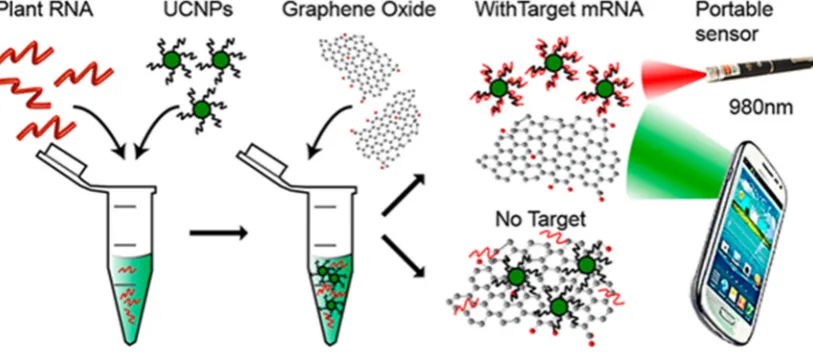
diseases [7]. Precision farming has been a goal for a long time to make the most of the crop yield and
221
lessen the use of fertilizers, herbicides and pesticides via monitoring the variables of environment,
222
decreasing the agricultural waste and consequently minimizing the environmental pollution using
223
different nanosensor to increase the yield of crops as shown in Fig 3.
224
Organic farming has been a long-felt goal to enhance the crop production with a little input via
225
monitoring environmental variables and applying targeted action. Organic farming uses remote
226
sensors, GPS systems and computers for the measurement of highly contained environmental
227
situations, consequently determining that if crops are growing at utmost competence or accurately
228
spotting the location and nature of harms. With the use of centralized data to find out soil conditions
229
and development of plant, the use of seeds, water and fertilizers can be adjusted to the lower cost of
230
production and potentially increased crop yield that will prove to be beneficial to farmers [43]. Along
231
with a lot of benefits which can be achieved using nanotechnology, there are biosafety concerns
232
regarding use of nanoparticles in sensing system that needs solid evaluation of their reactivity,
233
mobility, environmental toxicity, and stability. Some studies have been conducted to investigate
234
unfriendly effects of nanoparticles on environment but there are no clear standardsto determine their
235
effects. The unskillful persons and lack of technical information about the method of choice has
236
provided an appropriate clue for supporters and opponents of use of nanoparticles to present
237
contradictory and ill-considered results. The uncertainty about use of nanoparticles posed serious
238
concerns. So, adequate studies are necessary to identify the real risks associated with the use of
239
nanotechnology-based sensing systems.
240
241
242
Fig.3 Schematic Illustration of the Detection of mRNA Biomarkers Related to the Nutrient
243
Deficiency in Crops. Reprinted with permission [44]. Copyright 2018 American chemical society.
244
4.5 Nanoencapsulation
245
Nanoencapsulation is a technique which causes the release of insecticides like chemicals at a very
246
efficient and slow rate to a specific host plant for the purpose of insect control. Nanoencapsulation
247
with nanoparticles in the form of pesticides allows proper absorption of the chemicals into the plants
248
[45]. Release mechanisms of nanoencapsulation include diffusion, dissolution, biodegradation and
249
osmotic pressure with specific pH. Nanoencapsulation is currently the most promising technology
for protection of host plants against insect pests. Now, most leading chemical companies are
251
emphasizing on the formulation of nanoscale pesticides for delivery into the target host tissue
252
through nanoencapsulation [46]. Nanoemusion can increase the availability of nutrients for crops as
253
shown in Fig 4.
254
255
256
257
258
259
260
261
262
263
264
265
266
267
268
269
270
271
272
273
274
275
276
277
Fig. 4. Controlled release of pesticides/fungicides/nutrients from nanocoating. Reprinted with
278
permission [47]. Copyright 2017 Elsevier.
279
280
4.6 Genome editing reagents with Nanoparticle coatings
281
282
Genome engineering has now become a very powerful genetic tool for modifying genomes to study
283
gene function and to correct and introduce gene. In recent years, various types of reagents have been
284
developed that can generate double strand breaks and can be repaired by non-homologous end
285
joining or homologous recombination based double strand break repair pathway provided a suitable
286
template is available [48].
287
A long-standing goal of biomedical researchers is the development of efficient and reliable ways to
288
make precise, targeted changes to the genome of living cells. Recently, a new tool CRISPR/Cas9 has
289
been developed from Streptococcus pyogenes which has generated considerable excitement in the
290
history of genome editing [49]. Several attempts have been made and it took about years to
291
manipulate the gene function which includes homologous recombination and RNAi [50]. RNAi has
292
also become a powerful tool that enables inexpensive and high throughput cross-examination of
293
genes, but the only limitation, it hampers the gene function temporarily and there are certain off
294
target effects of this technology [51,52].
295
Viral vectors are very important for delivery of proteins. Engineering has shown that engineered gold
296
nanoparticles can stably deliver the template DNA and Cas9 proteins in vitro and also in mouse
297
model. This is an important step towards realizing non-viral CRISPR therapeutics [53]. Murthy et al.
298
formulated the nanoparticle that contains a core of gold that was surrounded by CRISPR machinery
299
components like Cas9, gRNA, template DNA and endosomal disrupting polymer for targeted editing
300
of DNA (Fig. 5). They have demonstrated that cells uptake the nanoparticles along with CRISPR Cas9
components via endocytosis, Cas9 repair the disease-causing mutation by replacing mutated gene by
302
a process HDR [53].
303
Lee et al. (2017) reported, CRISPR vehicle composed of gold nanoparticle conjugated with donor
304
DNA and cationic disruptive polymer can deliver Cas9 ribonucleoprotein (RNP) and donor DNA
305
into a variety of cell types and efficiently correct the DNA mutations in mice [54]. It was also
306
speculated that dystrophin deficient mice repair the mutated dystrophin gene when nanoparticles
307
were injected intramuscularly and editing efficiency was found to be 5% at protein level comparing
308
with wild type mice [55-57].
309
310
311
312
313
314
315
316
317
318
319
320
321
322
Fig. 5. Gold nanoparticle mediated delivery of CRISPR Cas9. Gold nanoparticle is surrounded with
323
endosomal disrupting polymer, Cas9-gRNA complex and template donor DNA.
324
325
326
327
328
329
330
331
332
333
334
335
336
337
338
339
340
341
342
343
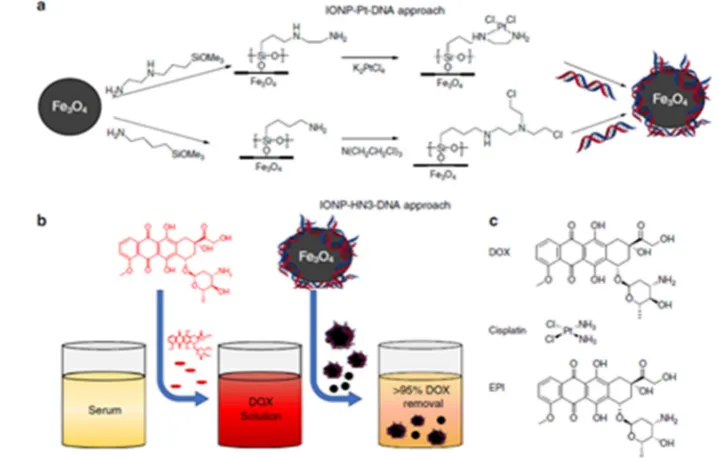
Fig. 6. Experimental approach. a Two synthetic approaches for covalently attaching genomic DNA
344
onto iron-oxide nanoparticle (IONP) surfaces. b Drug capture concept. c Three common
345
chemotherapy agents used in this study. Reprinted with permission [58]. Copyright 2018 Nature.
346
4.7 Nanopesticides
351
Pests have a pivotal role in decreasing the yield of crops in plants. Traditional methods to control the
352
pests include the use of anti-pest agents in a bulk which results in increasing the cost of crop
353
production. Large quantity of these pesticides is also a source of water and environmental pollution.
354
The pesticides should be used in small amount so that environment could be saved and cost of crop
355
production could be reduced [59]. Due to greater solubility, mobility and durability of
nano-356
formulations may offer prodigious benefits. It can also provide the opportunity to reduce the active
357
ingredient’s amount to be used by the crops without their wastage. Nano-formulations based
358
products use may release less harmful chemicals to non-target organisms. This was employed and
359
utilized to reduce the development of resistance and protection against premature degradation of
360
active ingredients [60-61]. Nanoparticle mediated delivery of DNA has its own applications in
361
nanotechnology. The DNA and other desired chemicals can be delivered in tissues of plants to protect
362
them from other insects. Liu et al. (2006) proposed about porous hollow silica nanoparticles (PHSNs)
363
coated with validamycin can be used efficient delivery system for controlled release of water-soluble
364
pesticides. Due to this behavior, it finds its importance in agriculture [27]. Insect, pests can also be
365
controlled by using nano-silica and its mode of action is by physisorption. Nano-silica gets absorbed
366
through cuticle of insects which leads to successive death of the insect in later stages [45]. A
367
technological advanced and attractive tool for protection of environment and human health is the
368
use of nano pesticides. The data stated in the earlier sections demonstrates that the use of
369
conventional pesticides and nano pesticides are different from each other and hence there must be a
370
need for redefined risk assessment approaches for nanopesticides.
371
372
373
374
375
376
377
Fig. 7. Schematic diagram for the fabrication and application of PRCRP. Reprinted with
378
permission [62]. Copyright 2017 Elsevier.
379
4.8 Nanobioremidiation
383
In many countries, among pesticides organochlorines (OC’s) are restricted due to their adverse effects
384
[63]. Food industries, waster effluents and agriculture are major producers of OC’s. High
385
concentration of OC’s which cause environmental pollution by their waste discharged in water and
386
this discharge in water is imperative due to high toxicity and potential of bioaccumulation [63].
387
Different types of nanomaterias are used now a day for advanced type of degradation of specific
388
compounds. Nanoparticles like TiO2 and Fe are considered excellent absorbents, and they are
389
efficient in photocatalysis or degradation of OC’s which open up new opportunities to explore other
390
nanoparticles as well. These types of methodologies are economic, fast and very efficient [63].
391
Bioremediation by the use of nanoparticles is very important for slowly degradable compounds like
392
pesticides. The harmful compounds present in pesticides may be degraded or converted into less
393
harmful compounds. Otherwise, there is a concern if these harmful compounds enter the food chain
394
can cause serious problems. Hence, nanotechnology can also be used for environmental protection
395
of compounds [64]. Uranium remediation, groundwater remediation, hydrocarbon remediation,
396
solid waste remediation, waste water remediation and heavy metal remediation are the major
397
applications of nanotechnology. The important nanomaterials used innano bioremediation are nano
398
sized dendrimers, nanoiron and its derivatives, carbon nanotubes, engineered nanoparticles single,
399
enzyme nanoparticles etc. [65]. Nanoparticles are being used for the cleaning of soil and water.
400
Nanoparticles such as aluminum oxide, nanoscale iron particles and lanthanum particles are used
401
for the cleaning of soil and purification of water [66]. Nanotechnology based techniques for water
402
treatment are supported by membrane filters that are originated from magnetic nanoparticles,
403
nanoporous ceramics and carbon nanotubes instead of using UV light and chemicals are widespread
404
in conventional water treatment [67]. Magnetic separations and the use of magnetic nanoparticles
405
is now achievable at very low gradients of magnetic field. Nanocrystals, such as monodisperse
406
magnetite (Fe3O4) like nanocrystals have an irreversible and strong relation with arsenic though
407
keeping their magnetic properties. A simple magnet could be used to eliminate arsenic and
408
nanocrystals from water. This type of treatment could be exploited for filtration process of irrigation
409
water [68].
410
Zeolites are the silicates of crystalline aluminum that assist in retention and infiltration of water in
411
soil because of their extremely porous properties and the capillary suction it applies. For non-wetting
412
sands, it is an exceptional modification because of its performance as a natural wetting agent and also
413
supports distribution of water through soils. In sandy soils, retention of water is significantly
414
improved by this and porosity is also increased in clay soils. Improvement in water retention
415
capability of soils results in an increased production of crops in areas that are affected by drought.
416
Zeolite will additionally improve the ability of soil to hold nutrients and produce improved yield
417
production by consequent application [43]. Due to its powerful potential, it is expected that their
418
application will increase at a great leap in the near future, and it will play a critical role in sustainable
419
development.
420
421
4.9 Limiting growth and development of microorganisms in plants
422
423
Botrytis cinerea is a significant post-harvest pathogen which is a source of gray mold disease. It
424
destroys a large quantity of fruit and vegetables of great economic importance during their growth
425
season and post-harvest storage. During storage, it is crucial to overcome this disease because of its
426
development at low temperatures like -0.5 °C and quickly spreads among vegetables and fruit [72].
427
It has been observed that the growth of Botrytis cinerea could directly be inhibited by Chitosan of
428
varying molecular weight in in-vivo and in-vitro assays. Resistance of tomato fruit against gray mold
429
disease is enhanced by Chitosan and is capable of being used as an alternative for the synthetic
430
fungicides in vegetable and fruits up to some extent as a natural compound. If ZnO,
nano-431
CaCO3 and nano-silicon is used along with Chitosan film, then the decay incidence, red index,
432
respiration rate and weight loss of coated vegetables and fruit could be decreased [73]. An analysis
433
technique named as reflective interferometry is produced, by use of nanotechnology that offers a
label free, rapid and biomolecules optical detection in compound mixtures. This new technique
435
provides quality assurance of food via detecting Escherichia coli in a food sample by light scattering
436
detection in mitochondrial cell. The working principle of this sensor is a protein of a distinguished
437
and known bacterium placed on a chip of silicon can attach with any other E. coli that exists in food
438
sample. This attachment will lead to a nanosized light scattering which could be detected via digital
439
image analysis [74].
440
441
442
443
444
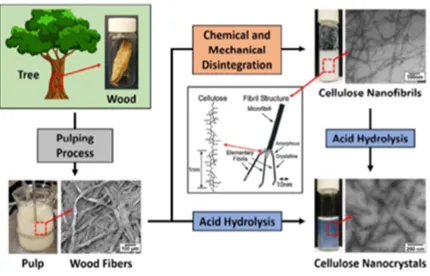
Fig. 8. Schematic diagram showing the process of extracting CNs from trees along with
445
micrographs of the wood fibers during the various stages of the extraction process. (Sections of
446
this schematic diagram are reproduced with permission [69] © 2011 IOP Publishing, [70]© 2011
447
The Royal Society of Chemistry, [71] © 2007 American Chemical Society)
448
449
5. Applications of Nanotechnology in Food Sector
450
451
Similarly, nanotechnology has possible applications in agriculture as well as in food industry.
452
Technological improvements lead us to develop new tools for detection of pathogens, delivery
453
systems for treatment of diseases, food packaging and targeted delivery of bioactive compounds.
454
Moreover, application of these new tools related to nanotechnology in food systems has provides us
455
with new methods of environmental safety and to enhance the nutritional value of food products
456
[76]. Applications of nanotechnology in agriculture and food sector is given in the Figure 2.
457
Native β-lactoglobulin is a food protein that is about 3.6 nm in length and it goes through
458
denaturation biofactors like pressure, pH and heat and the resembling denatured components join to
459
form larger structures, like aggregates and fibrils. These large structures can be joined together to
460
make large networks of gel e.g. yogurt [77]. Casein micelles are being used as nanovehicles that
461
entrap, protect and deliver sensitive hydrophobic nutraceuticals present inside many food products.
462
Food system is modernized by nanotechnology and it is influencing the food science in a positive
463
manner as it is generating innovative texture, process ability, taste and stability of food. Nano derived
464
assemblies are being used as a tool to deliver bioactive nutrients for better bioavailability [78].
466
467
468
Fig. 9. Mechanisms of NP action in bacteria cells. Reprinted with permission [75]. Copyright 2017
469
Dove press
470
471
5.1 Nanotechnology and Food Processing
472
473
Nanotechnology is serving as a platform for the development of interactive and functional foods that
474
respond according the requirements of body as they have the potential to deliver nutrients more
475
effectively. Various nanotechnology-based approaches are being used to produce “on demand”
476
foods that will remain dormant inside the body and nutrients will be delivered to cells when required.
477
The main element in processing of food is adding up nanoparticles to already present foods to
478
enhance the nutrient absorption. Microcapsules are designed in such a way that they break open only
479
after they have reached the stomach, so the repulsive taste of fish oil incorporated inside them could
480
be avoided [80].
481
482
The Oil Fresh Corporation of United States has developed a nanoceramic product that has reduced
483
the use of oil in fast food shops and restaurants by half because it has a large surface area [81].
484
Nanotechnology based spray is available in which Nanodroplets ranging in size up to 87 nm are used
485
to increase the uptake of supplements like vitamin B12 [82]. Nanoporous media, magnetic
486
nanoparticles, carbon nanotubes and nanofibers are being used for immobilization of enzymes [83].
487
For hydrolysis of soybean oil immobilization of lipase on magnetic nanoparticles and nanofibers has
488
been reported [84,85].
494
Fig. 10. Limitation of plant essential oils as food preservative sand prospect of nanotechnology for
495
the development of carrier agents to enhance the practical applicability of essential oils in food
496
system. Reprinted with permission [79]. Copyright 2018 Eleviser.
497
498
Active ingredients that are nano encapsulated such as fatty acids and vitamins are commercially
499
available to be used in food processing and preservation of meat, beverages and cheese etc. Like in
500
case of industrial cured meat and sausage production, several additives are needed to accelerate the
501
production, improve taste and stabilize color. A German company named Aquanova, has launched
502
a nanotechnology-based product of size 30 nm to encapsulate fatty acids and vitamins like C & E to
503
be used as preservatives and marketed with a brand name of "NovaSol". NovaSol offers faster
504
processing of meat, cheaper ingredients and higher stability of color claimed by German industry
505
“Fleischwirtschaft" [10].
The stupendous and profound applications of nanotechnology in food sector play its role in
507
increasing the nutritional value, smart sensing and there must be the need for safer techniques and
508
risks management.
509
510
5.2 Smart food packaging via nanotechnology
511
512
Customers demand that the food should be fresh for a longtime, and the materials for packaging
513
should be safe, healthy and easy to handle. Developing and determining the effective material for
514
packaging is a main issue in food science. Using a huge amount of silicate nanoparticles, a hybrid
515
system has been developed that is more airtight plastic packaging to keep food fresh for a longer time
516
than plastics [86].
517
Using natural biopolymers like protein and starch, bio-degradable nanocomposites has been
518
developed that act as better food packaging material because they offer improved organoleptic
519
properties such as odor, flavor and appearance [87]. Silicate nanoparticles and nano silver,
520
magnesium and zinc-oxide are used to enhance the ability of packaging materials to act as barriers.
521
When nanoparticles are used in the packaging material of food then direct contact with food is
522
feasible only by nanoparticle migration. Nanoparticle migration from metals like clay nanocomposite
523
films used in smart packaging of materials for gas barrier attributes to vegetable samples [88].
524
The perfect solution for plastic beer bottles is the use of nanocomposites, as the use of plastic for this
525
purpose resulted in flavor problems and spoilage. Microgravure is a process launched by a Japanese
526
company Nano Material Inc., important in coating plastic films with nanocomposite barrier material
527
and it can perform as a better substitute to alumina and silica coated packaging films for foods. These
528
nanocomposites made possible the use of biodegradable and edible films. It helps to decrease the
529
packaging waste related to the processed food and also supports preservation of food by increasing
530
their shelf life [89].
531
Significant factors like gases, moisture and accumulation of lipids cause rotting of food. For the
532
protection of food from such agents nano-lamination is done. Food is nano-laminated by coating
533
them with nano-laminates or the food surface is simply sprayed by nano-laminating agents. Besides
534
preserving the food, the texture, color and flavor of food can also be improved [90]. Harmless
nano-535
laminates and thin protective films are produced from edible proteins, lipids and polysaccharides
536
[91]. They have been proved to be a good barrier against carbon dioxide and oxygen. Lipid based
537
nano-laminates are more effective for protection against moisture. Another development in this area
538
is development of nanoparticles coatingsto protect fruits from shrinkage and weight loss [92].
539
Nanocomposites which can be degraded biologically are of great importance to environment. By
540
using smart packaging, one may choose the product of choice that has increased shelf life which is
541
indicated by nature of food. Consequently, smart sensors are very fruitful for the consumers
542
providing better quality food identification and for producers that allows fast distribution and
543
further authentication of food products.
544
545
5.3 Nanoencapsulation of probiotics
546
547
Nanoencapsulation is used for the development of designer probiotics that are bacterial preparations
548
desired to be delivered to specific parts of the gastro-intestinal tract to interact with particular
549
receptors. These Nano encapsulated probiotics behave as de novo vaccines, having the ability to
550
modulate the immune responses [46]. Biopolymer assemblies that are stabilized by different types of
551
non-covalent forces are showing considerable progress [46].
552
Drug administration by means of oral route is considered the most convenient means of delivery.
553
The smart carrier systems have the ability to control or time release the bioactive compounds that
554
leads to better dosage pattern and minimizing side effects. Nanocarriers or nano-encapsulation is
555
advantageous and ruled over the conventional methods of drug delivery. Drug can be protected from
556
degradation due to enzymes and their bioavailability can be increased by using nanocarriers.
Nanoencapsulation of certain prebiotics has opened new methods of oral drug delivery as they have
558
natural ability in gastro intestinal (GI) tract to protect the encapsulated material.
559
A nanoparticle that resembles starch can stop lipids oxidation and consequently improves the o/w
560
emulsions stability. Curcumin is a natural pigment that is responsible for yellow coloration of
561
turmeric and its health benefits could be improved by encapsulation in Nano emulsions [93].
562
Nanoemulsions can also improve the oral bioavailability and stability of curcumin and
563
epigallocatechingallate [93]. A stearin rich fraction of milk is used alone or with α-tocopherol to
564
prepare o/w Na2+-caseinate stabilized Nano emulsions. Due to the reduced size, nanoemulsions have
565
replaced the conventional emulsions. Adsorption rate is increased due to the large surface area
566
provided by reduced size of nanoemulsions and this is the basic principle in making the
nano-567
emulsions more efficient.
568
569
570
571
572
Fig. 11. Synthesis of encapsulated urease protein to detect Urea. Reprinted with permission [94].
573
Copyright 2017 Elsevier
574
575
5.4 Nanotechnology and food safety
576
577
Food products can be kept fresh for a longer period of time by using nano-sensors, and they are used
578
in food production and food packaging [31]. Nanotechnology has significantly increased the
579
sensitivity of nano-sensors that even they are able to detect spoilage or changes in product quality
580
with respect to time. To ensure food safety, scientists of Good Food Project have developed a portable
581
nano-sensor which has the tendency to detect pathogens and toxins in food in real time [95].
582
Nano-sensors that can monitor grain quality have now been developed which detect the source and
583
the type of spoilage and respond to various analytes and volatiles in food storage environment.
584
Thousands of nanoparticles can be placed on a single sensor to correctly detect the harmful fungus
585
and insects in stored grain. Nanosensors are of small size, lightweight and require low power and
586
can be used into the crevices of grain, where the pests often hide in stored grain [96]. An electronic
587
tongue for presence of spoilage in food packaging is developed which detect the gases released by
588
spoiled food can be detected by an array of nanosensors strip which change the color giving a clear
589
visible signal of whether the food is fresh or not [97]. So, the food industry has been revolutionized
590
by nanotechnology as it by provides strong and high resistance packaging materials, more effective
591
antimicrobial agents and efficient sensors to detect trace contaminants, microbes and gasses in
592
packaged foods.
594
6. Nanotechnology improving animal production and health care
595
596
Livestock has a close relation with agriculture and plays an important role in human nutrition.
597
Nanotechnology has a vital role in improving nutritional efficiency of feed, product quality and
598
management of diseases and provides state of threat remedies for the challenges in these areas [98].
599
Nanotechnology has improved the profile of nutrients and also their efficiency in developing
600
countries. The Best way to elevate protein synthesis is the supplementation of nutrients and
601
utilization of minor nutrients in animals. Cellulosic enzymes can help in utilizing energy from the
602
plant products. Numerous delivery systems are available like liposomes, biopolymeric
603
nanoparticles, micelles, nano-emulsions, protein carbohydrate complexes, dendrimers, solid nano
604
lipid particles which are efficient in nutrient supplementation. The above discussed systems are
605
better suited to the environmental stresses and have high absorption, better solubility in food and
606
feed and controlled release kinetics [78].
607
Nanotechnology has promising applications in anima1l production as it provides enhanced nutrition
608
and effectiveness of animal feeds by fortifying it with nanosupplements, detoxifying nanomaterials,
609
antimicrobial additives and Nano biosensors to diagnose animal disease. For example, an animal
610
feed additive containing a natural biopolymer is obtained from yeast cell wall that binds mycotoxins
611
to provide protection against mycotoxicosis in animals. A nano additive derived from nanoclay that
612
binds aflatoxin is also used in animal feed [7]. By modifying animal feed, animal production could
613
be improved and product quality and value is also improved that helps in food production resourced
614
from animals like milk fatty acids, vaccinic acid, cis-9, trans-11 conjugated linoleic acid with suitable
615
health recommendations. Atherogenesis and cancer in humans can be prevented by these types of
616
products.
617
Delivery of nutrients on basis of nanotechnology helps to control the biosynthesis and concentration
618
of conjugated linolenic acid (CLA) and vaccinic acid (VA) in milk fat of lactating ruminants
619
efficiently. It also helps to examine the biological benefits of functional foods with high level of
620
CLA/VA [99].
621
There are substantial losses due to various diseases in animal production. Many infectious diseases
622
have emerged since past four decades and according to WHO, 75% of them are zoonotic. The two
623
important tools for integrated animal disease management are detection and intervention to
624
reduce/eradicate the disease. There are various techniques that have been offered by nanotechnology
625
which are highly specific and sensitive in detection and diagnostics are time saving, robust, and are
626
convenient to use and economical. Simple and quick remedies of certain problems are offered by use
627
of nanotechnology. Nowadays, new drugs and vaccines are developed through nanotechnology
628
which are cheaper and very efficient than conventional methods of drug manufacture [100].
629
Nanotechnology is also making progress in dairy industry as a protective coating named as
630
“Nansulate”. It is launched by Industrial Nanotech company to provide protection against high
631
temperature and corrosion to dairy processing equipment. An insulating oxide material is used by
632
the company, and they claim that material is not good for the conduction of thermal energy in the
633
world. Thermal energy conduction via this material is delayed by the minute contact area among the
634
little particles connected in a 3-D network to make up the conduction path [101]. No doubt, intensive
635
research is needed for nanotechnology as it has environmental concerns ahead, but there are
636
prodigious benefits offered by nanotechnology in disease diagnosis, drug delivery and treatment.
642
643
644
645
646
647
648
649
650
651
652
653
654
655
656
657
658
659
660
661
662
663
664
665
666
667
Fig.12. Illustration showing the synthesis and preclinical applications of Toco-Photoxil for
668
imaging guided photo thermal therapy. Reprinted with permission [102]. Copyright 2018 Nature.
669
670
Nanotechnology: Pros and Cons
671
The use of nanoparticles depends upon many factors which should be considered before doing
672
research/experiments i.e. size of particles, surface chemistry of the particles (positive, negative and
673
neutral), pore size of the particle (mesoporous, semi porous, porous and solid), shape of the particles
674
and the nature of the material (organic and inorganic). All these factors determine the high efficient
675
delivery of antigen/DNA/drug/vaccine/protein/antibodies etc. to the target site [103]. The
676
nanoparticles i.e. polymers, gelatin, chitosan, inulin, pullulan, dendrimers, dextran, starch, alginate,
677
liposomes, self-assembled particles, VLPS and ISCOMs are highly biocompatible in nature as
678
compare to the gold, silver, carbon, silica, calcium and titanium dioxide nanoparticles [104].
679
Nowadays nanoparticle has been used in most of the researches due to number of different benefits;
680
1) More availability of antigen/gene/protein/drug to the target site, 2)due to small size large surface
681
area exposed and ultimately more reactivity and availability of the antigen to the target site, 3) Large
682
amount of antigen/protein/ drug/ gene can be loaded to the nanoparticles, 4)more circulation time in
683
blood stream, 5) less dose of antigen/ protein/ DNA required, 6) Easily pass through the membrane,
684
7) less toxicity, 8) metallic nanoparticles not only use for drug delivery but also useful for imaging of
685
tumor cells, 9) sustain and control release to the target site, 10) we can use nanoparticles in all the
686
administration routes [105].
687
As, it a thumb rule, anything which have some benefits also have some limitations, similarly, all the
688
above mentioned in-organic nanoparticles are also biocompatible in nature but up to a certain limit
689
if their concentration/ dose increase these may cause cellular toxicity [105]. 1. Whenever we inject
690
nanoparticle into the cells, the cellular catalytic protein which keep balance in cellular activities will
691
make corona formation especially by the opsonin protein and ultimately cause degradation of the
692
nanoparticles by the phenomenon known as opsonization. So, the chance of targeted delivery will
be reducing down. 2. There is another issue if we will use cationic nanoparticle as such these will
694
bind to the surface of cell membrane and ultimately cause inflammation [105]. 3. Aggregation
695
phenomenon may occur due to small size and large surface area it will cause difficulty in handling
696
the samples in liquid form. 4. Due to their small size these will accumulate into the site where these
697
will never pass or any part of living organism which allow only smaller particles than nanoparticles
698
[105].
699
Conclusion
700
Nanotechnology excelling in almost every field of life thus it could be considered as the future of any
701
nation. It has applications in food industry, pollution control, genetic engineering, water treatment,
702
agriculture, medical sciences and many other grounds to help mankind by improving quality of life.
703
World agriculture is already facing serious issues and increasing population and food demand has
704
further intensified its problems. Modern agricultural practices have been improved by the use of
705
nanotechnology by making them susceptible, technical and safer. Agriculture products are
706
performing efficiently due to nanotechnology usage in packaging and storage conditions.
707
Additionally, nanotechnology has been making the food products more nutritious and fresher with
708
enhanced shelf life. Delivery of fertilizers has also been improved similarly as of pesticides, herbicides
709
and plant growth regulators just because of nanotechnology. There are health safety concerns due to
710
the possibility of nanomaterials accumulation in local food products. There are concerns raised to the
711
use of nanopesticides on the biosafety and their impact on environment and possibly on humans,
712
especially to those workers which are chronically exposed to nanotechnology. Nanoparticles has the
713
tendency to penetrate human organ and organelles. So, their exposure concentrations, exposure time,
714
sites of penetration, accumulation, immune response and retention in body substantial effects should
715
be assessed carefully. Estimation level of nanoparticle release into the environment and their
716
exposure levels must be evaluated for further discussion. There is a little bit known about toxicology
717
of nanoparticles due to lack of validated test methods.
718
As there are many unpredicted risks of using this technology that may come through its productive
719
potential thus, we should be very careful about its use. Standardized test procedures against
720
nanoparticles are obligatory for evaluation of the risk assessment on human exposure and their
721
effects on living cells. It is very important to create a fully trained workforce for research and
722
development in this area. To create a fully trained workforce, first step is making the public well
723
aware about the importance of nanotechnology and its potential benefits. The future of
724
nanotechnology is still uncertain because of adverse effects of nanoparticles on the environment and
725
human health. There is a need to reduce the limitations that nanotechnology is facing in the course
726
of its development for provision of desirable and healthier future. This could be achieved by the
727
collaboration between international organizations of developing and developed countries.
728
Chemical synthesis of nanomaterials is considered toxic for nature or environment. To overcome this,
729
from plant systems, nanomaterials are being synthesized and it is termed as green nanotechnology.
730
Green nanotechnology is energy efficient and safe process and nanomaterials synthesized by it are
731
eco-friendly sustainable. Hence, there is more shift in a faster rate towards the green nanotechnology.
732
Still, there are concerns at its peak, what are the consequences of green nanotechnology on
733
environment in near future. The potential risks associated with green nanotechnology must be
734
considered and mitigated with this emerging field of agriculture.
735
Author Contributions: Authors ZK and AH contributed equally in writing the basic text of the manuscript.
736
MZG and HS contributed in composition of the manuscript. Author SHK reviewed the final version of the
737
manuscript. SFA and UW also reviewed the manuscript. SF and QM added latest developments in the field of
738
bionanotechnology and also modified the figures.
739
Funding: No funding has been yet received for the work.
740
Acknowledgments: We want to acknowledge all the scientists who have given us permission for publication of
741
their work such as figures etc.
742
Conflicts of Interest: “The authors declare no conflict of interest.”

![Fig. 1. Green synthesis of GNPs and its effect on seed germination. Reprinted with permission [18]](https://thumb-us.123doks.com/thumbv2/123dok_us/7866119.1304829/6.595.79.512.74.303/fig-green-synthesis-gnps-effect-germination-reprinted-permission.webp)
![Fig. 4. Controlled release of pesticides/fungicides/nutrients from nanocoating. Reprinted with permission [47]](https://thumb-us.123doks.com/thumbv2/123dok_us/7866119.1304829/9.595.98.479.146.430/controlled-release-pesticides-fungicides-nutrients-nanocoating-reprinted-permission.webp)
![Fig. 7. Schematic diagram for the fabrication and application of PRCRP. Reprinted with permission [62]](https://thumb-us.123doks.com/thumbv2/123dok_us/7866119.1304829/11.595.76.509.387.670/fig-schematic-diagram-fabrication-application-prcrp-reprinted-permission.webp)
![Fig. 9. Mechanisms of NP action in bacteria cells. Reprinted with permission [75]. Copyright 2017 Dove press](https://thumb-us.123doks.com/thumbv2/123dok_us/7866119.1304829/14.595.82.522.71.419/mechanisms-action-bacteria-cells-reprinted-permission-copyright-dove.webp)
