Approved for Public Release, Distribution Unlimited
1
Mike Walker
Program Manager
Cyber Competition Challenges
Turing, Rice, & Undecidable Problems:
•
Is the software correct & secure?
•
If not, how incorrect or insecure is it?
Q: Can we
compete
when the answers required
Approved for Public Release, Distribution Unlimited
3
Competitive Programming: TopCoder
1: Construct
2: Challenge
Competitive Programming: TopCoder
1: Construct
2: Challenge
Approved for Public Release, Distribution Unlimited
5
Competitive Programming: TopCoder
1: Construct
2: Challenge
2
31
int mid = (low + high) / 2;
ArrayIndexOutOfBoundsException *
*http://googleresearch.blogspot.com/2006/06/extra-extra-read-all-about-it-nearly.html
Competitive Programming
Q: Can we
compete
when the answers required
to name a victor are undecidable?
A:
consensus evaluation
Approved for Public Release, Distribution Unlimited
7
Competitive Computer Security: DEF CON CTF
Construct
Challenge
Artificial ecosystem
8
Competitive Computer Security: DEF CON CTF
Construct
Challenge
Artificial ecosystem
9
Competitive Computer Security: DEF CON CTF
Approved for Public Release, Distribution Unlimited
Construct
Challenge
Artificial ecosystem
Competition Paradigm
Harness consensus evaluation to identify
breakthrough technology.
Approved for Public Release, Distribution Unlimited
11
A tournament for fully automated network defense
•
DARPA Experimental Cyber Research Evaluation Environment
•
Specially Designed Environment
•
7 System Calls [Garfinkel2003]
•
terminate – end program (exit)
•
transmit – write data to an fd (write)
•
receive – read data from an fd (read)
•
fdwait – wait for fds (select)
•
allocate – allocates memory (mmap)
•
deallocate – releases allocated memory (munmap)
•
random – populate a buffer with random bytes
•
Restricted Inter-Process Communication
•
No shared memory
•
Only socketpairs
•
Clean bidirectional communication
•
Automatically created by system on startup
•
Shared between all processes in an IPC CB
DECREE
13
CTF: Alternative Software Ecosystem
Authentic
Analysis
Challenges
Memory aliasing Race condition dependent memory corruption Randomized Initial State Dependent Flaws Hidden Interpreters Dynamic Network UtilizationSynthetic
Programs
Lightweight Network ServicesUsed Only Once
No A Priori Knowledge
Authentic Skills, Synthetic Software
*nopsr.us
Defcon CTF Qualifiers 2007
Highest difficulty (500), network application flaw category
Hidden mutex unlock condition triggers timing specific memory corruption*
•
No filesystem access, no new network connections, no process creation, no
signals, no shared memory
•
Userspace only and statically linked [Qu2011]
•
Compiled Binaries only (not hand coded)
•
Always available
•
Ground truth
•
Wide availability of “lifters” (these are open source x86)
•
BAP (BAP IR) - http://bap.ece.cmu.edu/
•
BitBlaze (VINE IR) - http://bitblaze.cs.berkeley.edu/
•
McSema (LLVM IR) - “It is in the process of being open sourced” [Dinaburg2014]
•
QEMU (TCG IR) – http://www.qemu.org/
•
Valgrind (VEX IR) – http://www.valgrind.org/
Challenge Binaries
RedHat 7.0 - (default Sendmail 8.11.0) does not crash RedHat 7.2 - (default Sendmail 8.11.6) does not crash RedHat 7.3 (p) - (patched Sendmail 8.11.6) does not crash RedHat 7.0 - (self compiled Sendmail 8.11.6) crashes RedHat 7.2 - (self compiled Sendmail 8.11.6) crashes RedHat 7.3 - (self compiled Sendmail 8.11.6) crashes Slackware 8.0 (p)- (patched Sendmail 8.11.6 binary) crashes Slackware 8.0 - (self compiled Sendmail 8.12.7) does not crash RedHat 7.x - (self compiled Sendmail 8.12.7) does not crash (p) - patched box
“A null pointer dereference vulnerability (CVE-2009-1897) in the Linux kernel, where the dereference of pointer tun is before the null pointer check. The code becomes exploitable as gcc optimizes
away the null pointer check [10]” [Wang2013] “Due to the nature of the overflowed buffer declaration (static), exploitation of this issue is highly dependent on the way
15
•
DARPA’s Intentions
•
One single software platform – DECREE
•
One single hardware architecture – x86
•
One large set of benchmarks (~200) – Challenge Binaries
•
Source code, Vulnerable Binary, Patched Binary, Deterministic Proof(s) Of Vulnerability, Polls
•
Specially designed by the authors to distinguish between techniques
•
Large set of data from the events
•
Network traffic captures
•
Competitor patched binaries, actual POVs used, etc.
Reproducibility
“Evaluating a non-trivial idea is beyond the time budget of any single paper as this requires
running many benchmarks on multiple implementations with different hardware and
software platforms. Often a careful comparison to the state of the art means implementing
competing solutions. The result of this state of affairs is that papers presenting potentially
useful novel ideas regularly appear without a comparison to the state of the art, without
appropriate benchmarks, without any mention of limitations, and without sufficient
detail to reproduce the experiments. This hampers scientific progress and perpetuates
the cycle.” [Vitek2011]
CTF: Real World Challenges
Challenges CTF
Attribution &
Reputation
Network Mixing
Resilience
New Flags
Random Intervals
Availability
Service Poller
VM 1 Team 1 Jail VM 2 Team 2 Jail Service Poller
Mixing
Flag Monitoring Proof of Vulnerability Service Poller Mixed Inputs Scoring Server17
CTF: Real Time Defense
Service Poller
M
ixin
g A
pp
lia
nc
e
Competitor
PoV
Vulnerability
Proofs
Service Polls
Blended
Traffic
Ne
tw
ork
D
efe
ns
e
Function
Flaw
Failed test traffic
- Score
CB
Failed PoV
+ Score
Functioning
Software
+ Score
Flawed Software
- Score
Pa
tch
ed
Chal
le
ng
e B
inar
y
Proof of Vulnerability
(PoV)
CTF: Human Reasoning Workflow
Challenge
Binaries
Triage
Capture & Replay
Fuzzing
SMT/SAT
Symbolic
Execution
Trace,
Monitor,
Prioritize
Program
Path DB
Fingerprints
Scanners
Guards
Signatures
Unpack
Post-Mortem
Analysis
Static Analysis
CTF: Representative Microcosm
Challenge
Binaries
Triage
Capture & Replay
Fuzzing
SMT/SAT
Symbolic
Execution
Trace,
Monitor,
Prioritize
Program
Path DB
Fingerprints
Scanners
Guards
Signatures
Unpack
Post-Mortem
Analysis
Static Analysis
Program Analysis Network Analysis Defense Generation
Approved for Public Release, Distribution Unlimited
Security Auditing
Malware
Analysis
CTF in 2014: Seeds of Automation
Challenge
Binaries
Triage
Capture & Replay
Fuzzing
SMT/SAT
Symbolic
Execution
Trace,
Monitor,
Prioritize
Program
Path DB
Fingerprints
Scanners
Guards
Signatures
Unpack
Post-Mortem
Analysis
Static Analysis
Academic Paper
Research Project
Commercial
Restricted Commercial
McCabe IQ
Renovo (Song)
Pai Mei
Radamsa
MU-4000
DEFENSICS
AFG (Song)
ReVirt(Chen)
Microsoft
!analyze
Codesonar
BitBlaze
Microsoft iDNA
STING (Brumley)
DynInst
TEMU
Tracecap
AGCFHE
(Heelan)
Program Analysis Network Analysis Defense Generation
Microsoft Z3
21
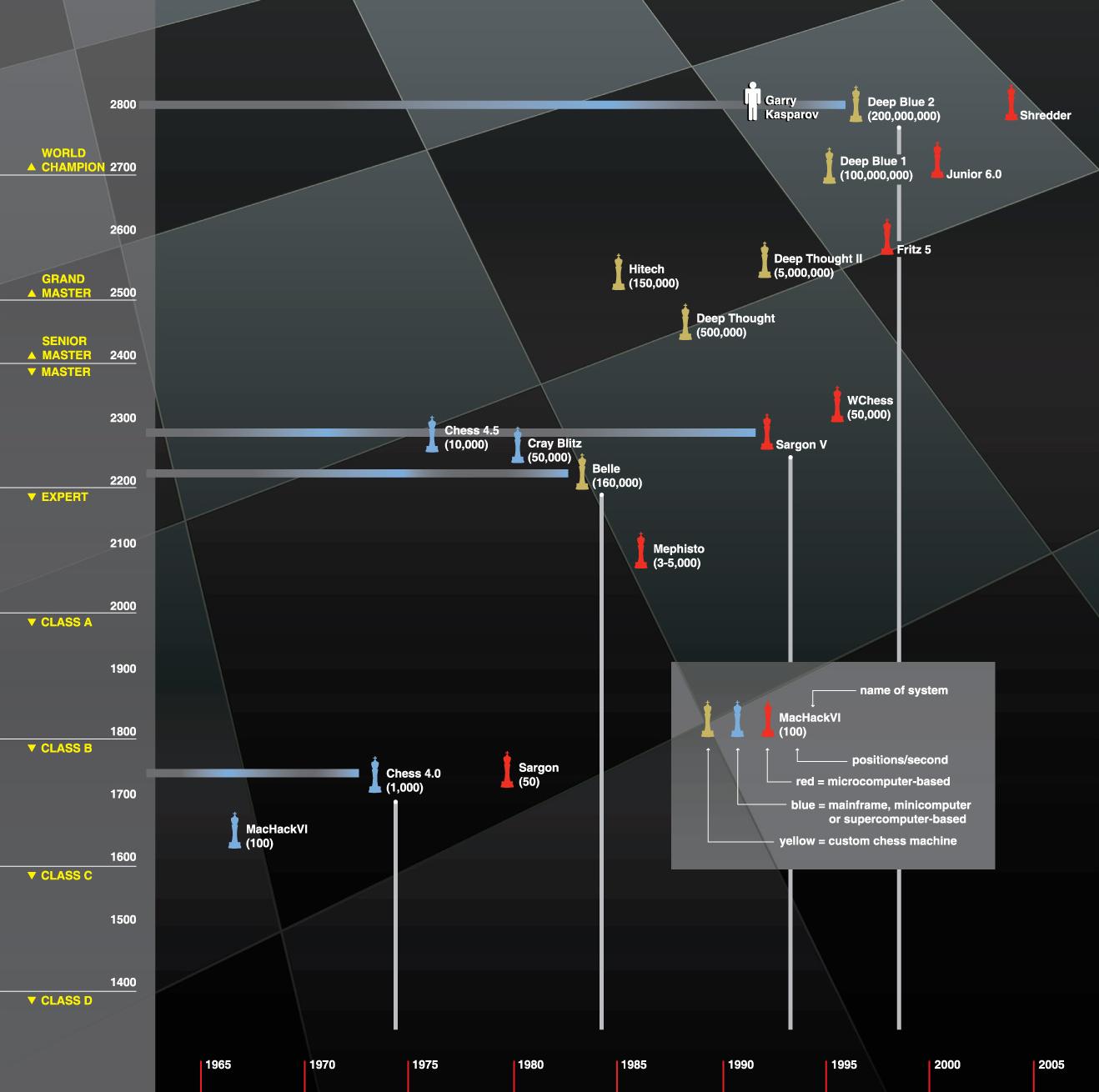
We’ve Been Here Before
Can We Do It Again?
Chess Grandmasters
Dedicated Systems
World Class CS
Deep Blue
Cyber Grandmasters
Dedicated Systems
Program Analysis
Deep CTF?
Approved for Public Release, Distribution Unlimited
Photo courtesy US Air Force Academy Cyber Competition Club http://blog.pontiflex.com/2010/05/13/ibm-enters-social-media/ © IBM Research
dailyheadlines.uark.edu
1977: NWU-Chess – Grandmaster Michael Stean defeated by a computer
A League of Their Own
2800
2600
2400
2200
2000
1800
Competition
Rating
Data Source: Computer History Museum
http://archive.computerhistory.org/resources/still-image/Chess_temporary/still-images/5.1a.%20Chess_Rating_Chart.L062303076.jpg
0
1965
1975
1985
1995
2005
1600
1400
MacHackVI Chess 4.5 Chess 4.0 Belle Hitech Deep Thought Deep Thought 2 Deep Blue Deep Blue 2 World Champion Grand Master Expert Senior Master Master1970: First
all-computer
tournament
1970 to 1977:
An innovation explosion through
measurable dominance:
•
Chess hash tables
•
Iterative deepening
•
Bit boards
•
Opening books
•
Endgame databases
Software, General Purpose Hardware Single Purpose Hardware Key Cray Blitz1977: NWU-Chess – Grandmaster Michael Stean defeated by a computer
23
A League of Their Own
2800
2600
2400
2200
2000
1800
Competition
Rating
Data Source: Computer History Museum
http://archive.computerhistory.org/resources/still-image/Chess_temporary/still-images/5.1a.%20Chess_Rating_Chart.L062303076.jpg
0
1965
1975
1985
1995
2005
1600
1400
MacHackVI Chess 4.5 Chess 4.0 Belle Hitech Deep Thought Deep Thought 2 Deep Blue Deep Blue 2 World Champion Grand Master Expert Senior Master Master1970: First
all-computer
tournament
1970 to 1977:
An innovation explosion through
measurable dominance:
•
Chess hash tables
•
Iterative deepening
•
Bit boards
•
Opening books
•
Endgame databases
Software, General Purpose Hardware Single Purpose Hardware Key Cray BlitzApproved for Public Release, Distribution Unlimited
“In the past Grandmasters came to our computer
tournaments to laugh.
Today they come to watch.
Soon they will come to learn.”
Monroe Newborn,
President International Computer Chess Association, 1977
Could a purpose built supercomputer play DEF CON CTF?
Cyber Grand Challenge
25
Open Track
•
Open to any eligible team
•
No IP restrictions on
entrant system
Proposal Track
•
DARPA Scientific Review
Board
•
Funded $750k/phase
•
Government Purpose
Rights to funded
development
Cyber Grand Challenge: Scheduled Participation Opportunities
See rules at www.darpa.mil/cybergrandchallenge for full details
Open Track
Proposal Track
•
$750k/phase
Cyber Grand Challenge: Scheduled Events
Challenge Qualification Event
•
Top teams advance to finals
•
Open Track Finalists receive $750k prize
Challenge Final Event
1
st
place: $2,000,000
2
nd
place: $1,000,000
3
rd
place: $750,000
N
ow
2015
2016
27
For All Secure
GrammaTech
Lekkertech
SIFT
SRI
Trail of Bits
University of California, Berkeley
28
Consensus Evaluation
Mixing
Service Poller Flag Monitoring Proof of Vulnerability Service Poller Mixed Inputs Consensus Evaluation CB Deployment Network Filters Scoring Server29
Consensus Evaluation
Approved for Public Release, Distribution Unlimited
Mixing
Service Poller Flag Monitoring Proof of Vulnerability Service Poller Mixed Inputs Consensus Evaluation CB Deployment Network Filters Scoring Server30
Consensus Evaluation
Mixing
Service Poller Flag Monitoring Proof of Vulnerability Service Poller Mixed Inputs Consensus Evaluation CB Deployment Network Filters Scoring Server31
Consensus Evaluation
Approved for Public Release, Distribution Unlimited
Mixing
Service Poller Flag Monitoring Proof of Vulnerability Service Poller Mixed Inputs Consensus Evaluation CB Deployment Network Filters Scoring Server32
Consensus Evaluation
Mixing
Service Poller Flag Monitoring Proof of Vulnerability Service Poller Mixed Inputs Consensus Evaluation CB Deployment Network Filters Scoring Server33
Consensus Evaluation
Approved for Public Release, Distribution Unlimited
Mixing
Service Poller Flag Monitoring Proof of Vulnerability Service Poller Mixed Inputs Consensus Evaluation CB Deployment Network Filters Scoring Server34
Consensus Evaluation
Mixing
Service Poller Flag Monitoring Proof of Vulnerability Service Poller Mixed Inputs Consensus Evaluation CB Deployment Network Filters Scoring ServerAwaiting Vendor Reply/Confirmation Awaiting CC/S/A use validation Vendor Replied – Fix in development
Color Code Key:
Current vulnerability watch list:
Vulnerability Title Fix Avail? Date Added
XXXXXXXXXXXX XXXXXXXXXXXX Local Privilege Escalation Vulnerability No 8/25/2010
XXXXXXXXXXXX XXXXXXXXXXXX Denial of Service Vulnerability Yes 8/24/2010
XXXXXXXXXXXX XXXXXXXXXXXX Buffer Overflow Vulnerability No 8/20/2010
XXXXXXXXXXXX XXXXXXXXXXXX Sanitization Bypass Weakness No 8/18/2010
XXXXXXXXXXXX XXXXXXXXXXXX Security Bypass Vulnerability No 8/17/2010
XXXXXXXXXXXX XXXXXXXXXXXX Multiple Security Vulnerabilities Yes 8/16/2010
XXXXXXXXXXXX XXXXXXXXXXXX Remote Code Execution Vulnerability No 8/16/2010
XXXXXXXXXXXX XXXXXXXXXXXX Use-After-Free Memory Corruption Vulnerability No 8/12/2010
XXXXXXXXXXXX XXXXXXXXXXXX Remote Code Execution Vulnerability No 8/10/2010
XXXXXXXXXXXX XXXXXXXXXXXX Multiple Buffer Overflow Vulnerabilities No 8/10/2010
XXXXXXXXXXXX XXXXXXXXXXXX Stack Buffer Overflow Vulnerability Yes 8/09/2010
XXXXXXXXXXXX XXXXXXXXXXXX Security-Bypass Vulnerability No 8/06/2010
XXXXXXXXXXXX XXXXXXXXXXXX Multiple Security Vulnerabilities No 8/05/2010
XXXXXXXXXXXX XXXXXXXXXXXX Buffer Overflow Vulnerability No 7/29/2010
XXXXXXXXXXXX XXXXXXXXXXXX Remote Privilege Escalation Vulnerability No 7/28/2010
XXXXXXXXXXXX XXXXXXXXXXXX Cross Site Request Forgery Vulnerability No 7/26/2010
XXXXXXXXXXXX XXXXXXXXXXXX Multiple Denial Of Service Vulnerabilities No 7/22/2010
Additional security layers often create vulnerabilities…
6 of the
vulnerabilities
are in security
software
35
Approved for Public Release, Distribution Unlimited36
Consensus Evaluation
Mixing
Service Poller Flag Monitoring Proof of Vulnerability Service Poller Mixed Inputs Consensus Evaluation CB Deployment Network Filters Scoring Server37
Consensus Evaluation
Approved for Public Release, Distribution Unlimited
Mixing
Service Poller Flag Monitoring Proof of Vulnerability Service Poller Mixed Inputs Consensus Evaluation CB Deployment Network Filters Scoring Server38
Consensus Evaluation
Mixing
Service Poller Flag Monitoring Proof of Vulnerability Service Poller Mixed Inputs Consensus Evaluation CB Deployment Network Filters Scoring ServerAt Microsoft, a Precursor
7/30/2014
39
Machine
Reasoning now
accounts for
many security
flaws removed
from Windows
systems.
40
Consensus Evaluation
Mixing
Service Poller Flag Monitoring Proof of Vulnerability Service Poller Mixed Inputs Consensus Evaluation CB Deployment Network Filters Scoring Server41
Consensus Evaluation
Approved for Public Release, Distribution Unlimited
Mixing
Service Poller Flag Monitoring Proof of Vulnerability Service Poller Mixed Inputs Consensus Evaluation CB Deployment Network Filters Scoring Server42
Consensus Evaluation
Mixing
Service Poller Flag Monitoring Proof of Vulnerability Service Poller Mixed Inputs Consensus Evaluation CB Deployment Network Filters Scoring Server43
Consensus Evaluation
Approved for Public Release, Distribution Unlimited
Mixing
Service Poller Flag Monitoring Proof of Vulnerability Service Poller Mixed Inputs Consensus Evaluation CB Deployment Network Filters Scoring Server44
Consensus Evaluation
Mixing
Service Poller Flag Monitoring Proof of Vulnerability Service Poller Mixed Inputs Consensus Evaluation CB Deployment Network Filters Scoring ServerApproved for Public Release, Distribution Unlimited
45
Defensive Adaptation Speed
“a typical zero-day attack lasts
312 days” *
…and takes 24 days to patch.
* Before We Knew It Bilge,Dumitras
*
**
46
Consensus Evaluation
Mixing
Service Poller Flag Monitoring Proof of Vulnerability Service Poller Mixed Inputs Consensus Evaluation CB Deployment Network Filters Scoring Server47
Consensus Evaluation
Approved for Public Release, Distribution Unlimited
Mixing
Service Poller Flag Monitoring Proof of Vulnerability Service Poller Mixed Inputs Consensus Evaluation CB Deployment Network Filters Scoring Server48
Consensus Evaluation
Mixing
Service Poller Flag Monitoring Proof of Vulnerability Service Poller Mixed Inputs Consensus Evaluation CB Deployment Network Filters Scoring Server49
Consensus Evaluation
Approved for Public Release, Distribution Unlimited
Mixing
Service Poller Flag Monitoring Proof of Vulnerability Service Poller Mixed Inputs Consensus Evaluation CB Deployment Network Filters Scoring Server50
Consensus Evaluation
Mixing
Service Poller Flag Monitoring Proof of Vulnerability Service Poller Mixed Inputs Consensus Evaluation CB Deployment Network Filters Scoring Server51
Consensus Evaluation
Approved for Public Release, Distribution Unlimited
Mixing
Service Poller Flag Monitoring Proof of Vulnerability Service Poller Mixed Inputs Consensus Evaluation CB Deployment Network Filters Scoring ServerScoring Server
52
Scheduled Final Event: Multi-Team Real Time Tournament
Mixing
Service Poller Flag Monitoring Proof of Vulnerability Service Poller Mixed Inputs53
•
Build a team and sign up @ https://cgc.darpa.mil
•
Lots of relevant work in ISSTA 2014.
•
Session 1: Concurrency and Verification
•
Session 3: Artifact Studies
•
Session 4: Static Analyses and Transformations
•
Session 5: Test Selection and Reduction
•
Session 6: Localization and Repair
•
Session 7: Security
Participation
•
You have the infrastructure
•
You *will* have the challenge binaries, all source code, POVs …
•
You have the expertise
•
You have the power to keep CGC alive after August 2016
•
Games have the International Computer Games Association
(http://www.icga.org/)
•
Robotics have the RoboCup (
http://www.robocup2014.org
)
•
Turing Test has the Loebner Prize Competition
(http://www.loebner.net/Prizef/loebner-prize.html)
•
Artificial Intelligence has the AAAI Annual Computer Poker Competition
(http://www.computerpokercompetition.org/)
•
Satisfiability has the SAT Competition (http://www.satcompetition.org/)
•
Satisfiability Modulo Theories has the SMT Competition
(http://smtcomp.sourceforge.net/2014/index.shtml)
•
Software Testing and Security have ???
55
For more information:
www.darpa.mil/cybergrandchallenge