Arch. Anim. Breed., 62, 335–344, 2019 https://doi.org/10.5194/aab-62-335-2019 © Author(s) 2019. This work is distributed under the Creative Commons Attribution 4.0 License.
Open Access Archives Animal Breeding
iginal
study
Effects of different floor materials on the welfare and
behaviour of slow- and fast-growing broilers
Enver Çavu¸so˘glu and Metin Petek
Department of Animal Science, Faculty of Veterinary Medicine, Bursa Uludag University, Bursa, Turkey
Correspondence:Enver Çavu¸so˘glu ([email protected])
Received: 4 March 2019 – Revised: 16 May 2019 – Accepted: 22 May 2019 – Published: 14 June 2019
Abstract. Litter quality and fast growth rate are the two main issues in broiler welfare. This study aimed to evaluate the effects of genotype and floor material on broiler welfare and behaviour. In the study, slow-growing (Hubbard JA57) and fast-growing (Ross 308) broilers on a slatted floor and deep litter were used; there were four main groups (2 genotype×2 housing) and each treatment group consisted of 5 replicates. Each replicate group consisted of 10 male chicks, and 200 birds were used in total. The experiment lasted for 8 weeks. The welfare parameters were recorded in weeks 6, 7, and 8, whereas behaviour data were collected in week 8 only. Results showed that welfare parameters of broiler chickens were affected by genotype and floor type. Slow-growing broilers had better welfare parameters than fast-growing broilers. The slatted floor had a positive effect on main welfare parameters of the birds. Slower-growing broilers had a longer distance in the avoidance distance test. Tonic immobility reaction was longer in slow-growing broilers compared to fast-growing broiler. On the other hand, floor type did not affect behaviour parameters. As a conclusion, slow-growing broilers had better welfare parameters than fast-growing broilers and slat flooring could be beneficial to improve broiler welfare, but further behavioural investigations are needed such as dust bathing and walking behaviour.
1 Introduction
Rapidly growing chickens in broiler meat production have been intensively selected for 40–50 years, and performance of broiler chickens has improved rapidly by the develop-ments of feeding, environmental conditions, and health im-provements (Fanatico et al., 2007). Nowadays, a broiler chicken can reach up to 2.5 kg live body weight in 5 or 6 weeks of age with about 1.7 to 1.8 feed conversion ratio at the end of the growing period (Awad et al., 2009; Goliomytis et al., 2014). This fast growth rate has led to some undesir-able consequences, which are one of the main concerns in an-imal welfare. Fast growth rate, metabolic diseases associated with fast growth rate, lower locomotor activity, high stocking density, and bad management of air and litter quality have be-come main welfare topics of broiler meat production in the last 20 years (RSPCA, 2017; Bessei, 2006). Fast-growing broilers show higher rates of heart attack and hypoxia (Ju-lian, 2005; Olkowski et al., 1998; Reeves et al., 1991) and are more prone to behavioural disorders and immune sys-tem impairments (Rauw et al., 1998). These are caused by
the rapid growth rate of muscle tissues of broilers which was achieved by breeding programmes and has been criticized for its negative impact on animal welfare. Therefore, either slower-growing broilers or a different feeding regime to con-trol the growth rate has been advised in commercial broiler production (Dawkins and Layton, 2012).
weight might be reduced when the feet of the bird are in contact with manure and the litter (Chuppava et al., 2018). Wet litter is the main cause of contact dermatitis in different body regions in broiler chicks (Dunlop et al., 2016; Mayne et al., 2007; Shepherd and Fairchild, 2010). The occurrence of foot-pad dermatitis can have significant welfare and financial implications (De Jong et al., 2014).
As a result of poor animal health and welfare-related prob-lems in deep-litter production systems, which occur when the litter management is not good enough, alternative floor sys-tems come into question in commercial broiler meat produc-tion (Petek et al., 2015; Petek and Orman, 2013). Although cages and slatted floor housing for broiler meat production have been available for many years, they have not become common because broiler chickens are prone to leg deformi-ties and breast blisters, which adversely affects broiler meat quality (Zhao et al., 2009). As a result of current technolog-ical improvements, cage systems have recently become pop-ular in many countries such as Russia and Turkey (Özhan and Simsek, 2014). However, limited space and inappropri-ate conditions for natural broiler behaviour in cage systems have been criticized for the poor wellbeing of poultry, e.g. in egg production. It was reported that using a fully slatted floor not only led to higher body weight but also reduced the foot-pad injury rate (Chuppava et al., 2018). It has been thought that slatted floors would become more popular since they have no litter cost and they minimize the negative effects of improper litter management (Shields and Greger, 2013; Slepukhin et al., 2000; Petek et al., 2015).
Although numerous studies have been conducted to study the effect of different litter and floor materials on the welfare of broilers, slat flooring has rarely been evaluated (Chuppava et al., 2018; Kaukonen et al., 2017; Petek et al., 2015). There is also a lack of information about the influence of slat floor-ing on broiler behaviour and welfare. This study aimed to investigate the effects of floor material on some welfare and behaviour parameters of fast- and slow-growing broilers un-der experimental conditions.
2 Material and methods
The study was conducted at the experimental animal farm of Bursa Uludag University, Faculty of Veterinary Medicine. Ethical permission has been given for this study from Bursa Uludag University, Ethical Committee for Animal Experi-ments with the tracking number of 2015-10/12.
2.1 Management
In this study, the effects of two flooring types (deep litter and slatted floor) and two genotypes of broilers (slow-growing Hubbard JA57 and fast-growing Ross 308) were investigated. Thus, there were four main groups (2×2) and five replicates of each main group in the study. For each replicate, 1 m2 space was provided and 10 male chicks were put into each
replicate group. Therefore, each main group consisted of 50 chicks; in total, 100 slow-growing and 100 fast-growing 1-day-old chicks were studied. The chicks were allocated to each replicate randomly at the same time. Replicates of all main groups were distributed to every part of the barn to eliminate the environmental effect on groups.
To prevent chicks falling through holes between the slats, the floor on the slats was covered by paper during the first week. Rice hull, 7 kg m−2, was used as litter material in deep litter. All birds in the groups were raised under standard broiler raising conditions for 8 weeks.
During the day, daylight was used as a light source, and during the dark period, tungsten lights were used. A continu-ous light regime consisting of daylight and artificial light was used in the first 7 days of the experiment. From the eighth day until the end of the experiment, daylight and intermittent lighting (2 h light+2 h darkness for a total of 16 h darkness period in each day) were applied during the night. All birds were fed with a commercial multiphase feed (starter from days 0 to 15, grower I from days 15 to 30, grower II from days 30 to 40, and finisher from days 40 to 56), which was produced by a commercial feed company in Turkey.
2.2 Data
2.2.1 Welfare parameters
In the study, a welfare assessment was performed on the birds at 6, 7, and 8 weeks of the experiment. The birds were scored on four main welfare measures: gait score (walking ability), plumage cleanliness (breast dirtiness), foot-pad dermatitis, and hock burn at the ages of weeks 6, 7, and 8.
In live birds, walking ability (gait score) was assessed us-ing the scorus-ing system developed by Kestin et al. (1992).
The methodology consisted of visual observations of how birds walk on a surface. The system is di-vided into six levels as follows: 0 (healthy bird); 1 (the bird moves fast, but a slight walking deficiency is observed); 2 (the bird moves fast, but there is significant walking deficiency); 3 (the bird moves fast, but it presents an important deficiency); 4 (the bird moves with serious difficulty); and 5 (the bird barely moves and often uses the wings for crawl-ing).
Foot-pad lesions were scored according to five levels: a score of 0 indicated no lesion, 1 indicated a very small or su-perficial lesion, 2 indicated a mild lesion (minor susu-perficial lesion), 3 indicated a medium-severity lesion (moderate hy-perkeratosis), and 4 indicated a severe lesion (deep and large epithelial necrosis) (Welfare Quality Consortium, 2009; But-terworth, 2013; Pagazaurtundua and Warriss, 2006).
Breast plumage dirtiness was scored visually from 1 (very clean) to 8 (very dirty) as reported by Wilkins et al. (2003).
2.2.2 Behavioural parameters
To assess the behaviour of the birds, tonic immobility was measured, and an avoidance distance test was performed at the end of the experiment for each bird.
Tonic immobility. Before applying the test, the birds were put in a separated room to avoid disturbance by other birds. This test was induced by placing the bird on its back on a flat surface area and restrained by holding one hand on its sternum for 15 s (Jones and Faure, 1981). After removing the hold of the experimenter, a stopwatch was started while the person retreated about 1.5 to 2 m away out of sight of the bird. The duration of tonic immobility, time until the bird recovers its position to normal standing, was recorded.
Avoidance distance test. Each bird was taken out of the group and put down on a flat area of a separated compartment and 5 min were given for the birds to rest and the test person was in sight of the bird to get used to the test person. After that, the test person stood at a distance of 1.5 m from the bird. One hand was held in front of the body, the other hand was hanging loose at the side, and then the test person approached the bird at a speed of one step per second until it withdrew and then measured the distance from the test person’s hand to the position of the bird’s feet before the withdrawal. That distance was calculated as the avoidance distance test value (Graml et al., 2008). The same person applied all tests to avoid the step size difference of different persons.
2.3 Statistical analysis
All statistical analyses for all traits investigated were per-formed using SPSS®computer software 13.00 (IBM SPSS, 2011). Analysis of variance was used to test the effects of, and interactions between, floor type and genotype of broiler (Snedecor and Cochran, 1989). The general form of the model used in the analyses was the following:
Y ij k=µ+Ai+Bj+A×B+eij k, (1)
whereArepresents the effects of floor type andBrepresents the effects of genotype;A×Brepresents an interaction; also
i=1,2 (1=deep litter, 2=slat),j =1,2 (1=fast-growing genotype, 2=slow-growing genotype).µis a constant ande
is an error term.
Figure 1.Mean value of foot-pad dermatitis scores of all groups. SG: slow growing, FG: fast growing, DL: deep litter, SF: slatted floor.
Figure 2.Mean values of hock-joint dermatitis scores of all groups. SG: slow growing, FG: fast growing, DL: deep litter, SF: slatted floor.
3 Results
Broiler welfare was measured by assessing scores of the foot-pad dermatitis and hock-joint dermatitis, breast feather dirti-ness, feather cover, and gait at the ages of 6, 7, and 8 weeks in the experiment. All welfare indicators investigated in the experiment are presented in Figs. 1, 2, 3, and 4.
3.1 Foot-pad dermatitis
Figure 3.Mean values of feather dirtiness scores of all groups. SG: slow growing, FG: fast growing, DL: deep litter, SF: slatted floor.
Figure 4.Mean values of gait scores of all groups. SG: slow grow-ing, FG: fast growgrow-ing, DL: deep litter, SF: slatted floor.
both flooring systems. Fast-growing broilers had a higher (worse) foot-pad dermatitis score than slow-growing broilers throughout the experiment at all ages (P <0.005,P <0.001,
P <0.001). However, the highest (worst) foot-pad dermati-tis scores were found in the fast-growing deep-litter group. The mean score for the birds on the slatted floor was lower than for birds raised on deep litter at all ages (P <0.007,
P <0.001,P <0.001). The genotypes–floor-type interactions for foot-pad dermatitis were significant for all ages. The prevalence of scores 3 and 4 for foot-pad dermatitis existed only in fast-growing broilers in the deep-litter group (Ta-ble 1).
Table 1. Prevalence of foot-pad dermatitis in the experimental groups at the end of the experiment (%).
Scores∗
Groups 0 1 2 3 4
Genotype
Slow growing 76.3 15.2 8.5 0 0
Fast growing 61.8 9.1 7.3 5.5 16.4
Flooring
Deep litter 42.1 21.1 15.8 5.3 15.8
Slatted floor 96.5 3.5 0 0 0
Genotype–flooring
Slow growing – deep litter 56.7 26.7 16.6 0 0
Slow growing – slatted floor 96.6 3.4 0 0 0
Fast growing – deep litter 25.9 14.8 14.8 11.2 33.3
Fast growing – slatted floor 96.4 3.6 0 0 0
∗Welfare Quality Project, assessment protocol for poultry, 2009.
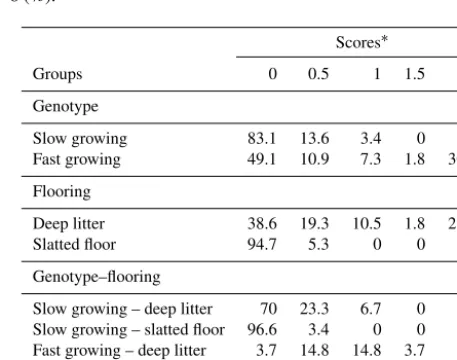
Table 2.Prevalence of hock-joint dermatitis in the groups in week 8 (%).
Scores∗
Groups 0 0.5 1 1.5 2
Genotype
Slow growing 83.1 13.6 3.4 0 0
Fast growing 49.1 10.9 7.3 1.8 30.9
Flooring
Deep litter 38.6 19.3 10.5 1.8 29.8
Slatted floor 94.7 5.3 0 0 0
Genotype–flooring
Slow growing – deep litter 70 23.3 6.7 0 0
Slow growing – slatted floor 96.6 3.4 0 0 0
Fast growing – deep litter 3.7 14.8 14.8 3.7 63
Fast growing – slatted floor 92.9 7.1 0 0 0
∗RSPCA broiler welfare assessment protocol, 2017.
3.2 Hock-joint dermatitis
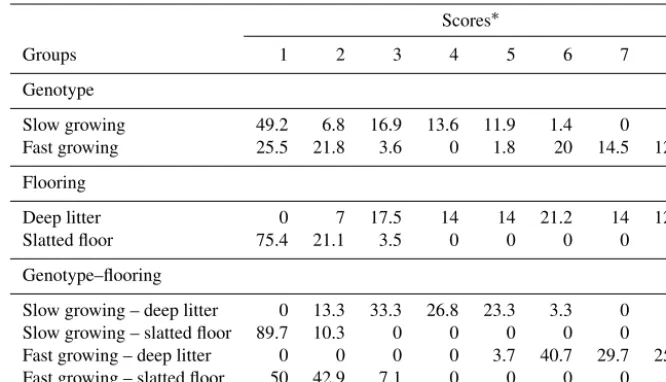
Table 3.Breast feather dirtiness score prevalence in week 8 (%).
Scores∗
Groups 1 2 3 4 5 6 7 8
Genotype
Slow growing 49.2 6.8 16.9 13.6 11.9 1.4 0 0
Fast growing 25.5 21.8 3.6 0 1.8 20 14.5 12.7
Flooring
Deep litter 0 7 17.5 14 14 21.2 14 12.3
Slatted floor 75.4 21.1 3.5 0 0 0 0 0
Genotype–flooring
Slow growing – deep litter 0 13.3 33.3 26.8 23.3 3.3 0 0
Slow growing – slatted floor 89.7 10.3 0 0 0 0 0 0
Fast growing – deep litter 0 0 0 0 3.7 40.7 29.7 25.9
Fast growing – slatted floor 50 42.9 7.1 0 0 0 0 0
∗Wilkins et al. (2003).
3.3 Feather dirtiness scores
The prevalence of breast feather dirtiness on the birds in the experimental groups is shown in Table 3. Slow-growing broiler breast feathers were cleaner compared to feathers of fast-growing broilers through the experiment. As expected, the birds raised on the slatted floor had much cleaner feath-ers than those raised on deep litter. The interaction between genotype and floor type was found to be significant in weeks 6, 7, and 8. While only 12.3 % of slow-growing broilers had scores of 5 and higher, 49 % of fast-growing birds had scores of 5 and higher. No birds raised on slatted floors had scores 5 or greater, but 61.5 % of the birds in the deep litter had scores 5 and higher. The fast-growing broilers raised in the deep litter had the dirtiest feathers among all groups.
3.4 Gait scores
In this study, all the slow-growing broilers had better gait scores compared to the fast-growing broilers. Even though the birds in the deep litter had a better walking ability in week 6, there were no statistical differences between the two floor types in weeks 7 and 8. Genotype and floor type interaction for gait were only significant in week 6 of the growth pe-riod. The birds in the fast-growing–slatted-floor group had the poorest gait score in week 6 (Fig. 4). The prevalence of gait scores in the experiment is shown in Table 4. All the birds in slow-growing broilers had only gait score 0 and 1. However, 18.1 % of fast-growing broilers had gait score 2 and greater. When subgroups were compared, 14.8 % of the fast-growing–deep-litter group had score 2 or higher.
3.5 Behaviour
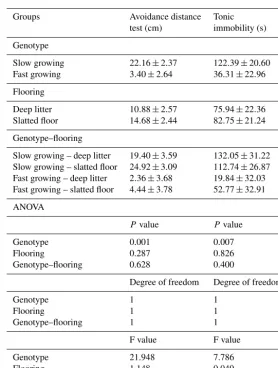
Results on the avoidance distance test and tonic immobil-ity are shown in Table 5. While slow-growing broilers had 22.16 cm avoidance distance, fast-growing broilers had only 3.4 cm avoidance distance. Additionally, slow-growing broil-ers had a longer tonic immobility reaction period (122.39 s) compared to fast-growing broilers (36.31 s). There was no significant difference between the two flooring types in both avoidance distance test and tonic immobility test results.
4 Discussion
Foot-pad dermatitis and hock-joint dermatitis, which are a form of contact dermatitis, are commonly observed in fast-growing chickens in broiler meat production. Both negatively affect the welfare of birds and performance parameters in poultry meat production (Grandin, 2017). Foot-pad dermati-tis is not only important for broiler welfare but also for pro-duction economics (Bokkers and de Boer, 2009) since foot-pad dermatitis causes pain and pain impedes animals to reach the feed. Moreover, foot-pad dermatitis also causes hock-joint dermatitis and breast blisters, and this reduces the prof-itability (De Jong et al., 2014).
Table 4.Prevalence of gait scores in the groups in week 8 (%).
Scores∗
Groups 0 1 2 3 4 5
Genotype
Slow growing 96.6 3.4 0 0 0 0
Fast growing 70.9 10.9 10.9 1.8 1.8 3.6
Flooring
Deep litter 82.5 10.5 3.5 0 1.8 1.8
Slatted floor 86 3.5 7 1.8 0 1.8
Genotype–flooring
Slow growing – deep litter 96.7 3.3 0 0 0 0
Slow growing – slatted floor 96.6 3.4 0 0 0 0
Fast growing – deep litter 66.7 18.5 7.4 0 3.7 3.7 Fast growing – slatted floor 75 3.6 14.2 3.6 0 3.6
∗Kestin et al. (1992).
Table 5.Avoidance distance test and tonic immobility test scores in the groups (mean±SEM, standard error of the mean).
Groups Avoidance distance Tonic
test (cm) immobility (s)
Genotype
Slow growing 22.16±2.37 122.39±20.60
Fast growing 3.40±2.64 36.31±22.96
Flooring
Deep litter 10.88±2.57 75.94±22.36
Slatted floor 14.68±2.44 82.75±21.24
Genotype–flooring
Slow growing – deep litter 19.40±3.59 132.05±31.22 Slow growing – slatted floor 24.92±3.09 112.74±26.87 Fast growing – deep litter 2.36±3.68 19.84±32.03 Fast growing – slatted floor 4.44±3.78 52.77±32.91
ANOVA
P value Pvalue
Genotype 0.001 0.007
Flooring 0.287 0.826
Genotype–flooring 0.628 0.400
Degree of freedom Degree of freedom
Genotype 1 1
Flooring 1 1
Genotype–flooring 1 1
F value F value
Genotype 21.948 7.786
Flooring 1.148 0.049
of litter material on foot-pad skin (Bassler et al., 2013; De Jong et al., 2014), damp litter also reduces the dust bathing of broilers (Moesta et al., 2008). Moreover, wet litter results in dirty plumage (Martland, 1985) and decreases broiler growth and feed efficacy (De Jong et al., 2014). Nutrition is an im-portant factor affecting water intake, excreta moisture, and litter quality and, in this way, the occurrence and intensity of foot-pad dermatitis in birds (Cengiz et al., 2013). Meluzzi et al. (2008) found that the incidence of foot-pad dermati-tis is higher in flocks reared in winter than those reared in the summer because the ventilation rate, reduced to main-tain the temperature, is not enough to remove the excess of moisture from the air and litter. It is observed that a high in-cidence of foot-pad lesions in birds kept at a stocking density of 35 kg m−2is associated with a high litter nitrogen content, which causes a lower litter pH (Meluzzi et al., 2004).
In this study, the majority of birds raised on slatted floor, and the majority of slow-growing broilers showed no foot-pad dermatitis or hock-joint dermatitis (score 0). In con-trary, there was a lot of foot-pad dermatitis in fast-growing broilers raised in deep litter (Table 1). In broiler produc-tion, breed and cross-breeds can differ in their susceptibil-ity to foot-pad dermatitis. In particular, slow-growing breeds have been shown to be less susceptible to foot-pad dermati-tis compared to fast-growing strains and cross-breeds (Bil-gili et al., 2006; Çavu¸soglu et al., 2018; Kestin et al., 1992; Kjaer et al., 2006; Sarica et al., 2014; Shepherd and Fairchild, 2010). Whilst it has been shown that male birds are more susceptible than females to foot-pad dermatitis (Bilgili et al., 2006; Nagaraj et al., 2007), there is also evidence to suggest the opposite (Kjaer et al., 2006), and it may be that body weight is a more important risk factor than sex (Dawkins et al., 2017). It was reported that the prevalence of hock burns was lower in lighter weight birds, mild hock burns and mild foot-pad dermatitis were more common in medium weight birds, and severe hock burns were more frequent in heavier birds (Dawkins et al., 2017). There is a significant interac-tion between genotype and floor type for foot-pad dermatitis. The negative effect of deep litter for this parameter was only linked to fast-growing broilers, as suggested by another re-search report (Sarica et al., 2014). Our experiment suggests that deep litter would be more beneficial for slow-growing broilers.
In the current study, the hock-joint dermatitis results were similar to the prevalence of foot-pad dermatitis across the groups (Table 2). A total of 50.90 % of fast-growing broilers had hock lesion scores 0.5 and higher. Additionally, 7.30 % of them had mild hock burns (score 1) and 30.9 % of the birds had severe hock burns (score 2). These values are higher than those found for moderate or severe hock lesions by Haslam et al. (2007) and Hepworth et al. (2011). The significant genotype–floor-type interactions for hock lesions revealed that only the birds in the fast-growing–deep-litter group showed a greater incidence of severe hock-joint der-matitis (score 2; 63 %). According to Kjaer et al. (2006) and
Sørensen et al. (2000), the high prevalence of hock burns in heavier birds may be related to the fact that they spend more time lying on their joints as compared to lighter birds. In an-other study, no differences in hock and foot-pad lesions and lameness on different floor types were found (Li et al., 2017). The higher incidence of hock lesions on deep litter might be caused because this material is more abrasive than plastic floors that have a smoother surface (Haslam et al., 2006).
Breast feather dirtiness is one of the basic indicators of environmental conditions in a broiler house (Saraiva et al., 2016). It is correlated with contact dermatitis and lame-ness within the individual in broiler meat production. As expected, in this study, the birds raised on slatted floors had much cleaner feathers than those raised in deep litter (Wilkins et al., 2003). The fast-growing birds raised in the deep litter had much dirtier feathers than slow-growing birds raised in deep litter. The interaction between genotype and floor type for breast dirtiness was significant in weeks 6, 7, and 8. This was because fast-growing birds produce more fe-ces which make the litter dirtier and causes breast blisters (De Jong et al., 2014). In the present study, it clearly seems that the presence of a plastic floor improved plumage hygiene since the broilers had less contact with feces. Akpobome and Fanguy (1992) and Fraley et al. (2013) observed better (lower) results of feather dirtiness of the broilers for those reared on plastic floors than those reared on wood shavings. On the other hand, Li et al. (2017) reported that an increase in breast blister incidence was observed in birds raised with the perforated flooring system during the summer.
The avoidance distance test was used to try to determine the human–broiler relationship. This is also referred to as the “touch test” because the idea is to see if you can get close enough to touch the birds. Any changes in the environment and lack of exposure or contact to humans can cause fear-fulness in broilers and leads to increased damage and high mortality (Coleman and Hemsworth, 2010; Jones and Boissy, 2011; Li et al., 2017). Bird age also affects the outcome of the avoidance distance test; birds’ activities and desire to move significantly drops after 5 weeks of age with increased weight (Bokkers and Koene, 2003). Li et al. (2017) showed that avoidance distance test scores of the bird in two dif-ferent houses were similar and indicated that the fearfulness and stress levels in both houses were similar. Hemsworth et al. (1994) found that there was a significant relationship be-tween the behavioural responses of birds to an experimenter and feed conversion and suggest that fear of humans may be an important factor limiting the productivity of commercial broiler chickens. In this study, slower growing broilers had a longer distance for the avoidance distance test (22.16 cm) compared with the fast-growing broilers (3.4 cm).
The duration of tonic immobility indicates fear levels of the birds, and some feed additives can prolong duration of tonic immobility in broilers (Ghareeb et al., 2014).
In this study, tonic immobility reaction times were longer in slow-growing broilers (122.2 s) than fast-growing broilers (36.3 s). We assume that this was because slower growing broilers were more active that fast-growing broilers. How-ever, more behavioural traits should be examined, e.g. dust bathing, standing, and walking behaviours to make a bet-ter comparison. We could not do this since we did not have enough capacities in our experimental unit. Floor type did not affect both behavioural parameters (avoidance distance test and tonic immobility).
5 Conclusions
As a conclusion, it can be said that slow-growing broilers had better welfare parameters and slat flooring could be benefi-cial to improve animal welfare in broiler production. How-ever, further investigations are needed to evaluate the be-havioural needs like dust bathing as well as other active and locomotory behaviours of the broilers in slatted floors.
Data availability. The data of this study can be accessed from the corresponding author upon a reasonable request.
Author contributions. EÇ and MP planned and designed the study, collected the data, and wrote the article.
Competing interests. The authors declare that they have no con-flict of interest.
Acknowledgements. There was no funding for this study from any funding institution.
Review statement. This paper was edited by Manfred Mielenz and reviewed by two anonymous referees.
References
Akpobome, G. O. and Fanguy, R. C.: Evaluation of cage floor sys-tems for production of commercial broilers, Poultry Sci., 71, 274–280, https://doi.org/10.3382/ps.0710274, 1992.
Awad, W. A., Ghareeb, K., Abdel-Raheem, S., and Böhm, J.: Effects of dietary inclusion of probiotic and synbiotic on growth performance, organ weights, and intestinal his-tomorphology of broiler chickens, Poultry Sci., 88, 49–56, https://doi.org/10.3382/ps.2008-00244, 2009.
Baracho, M., Nääs, I., Bueno, L., Nascimento, G., and Moura, D.: Broiler walking ability and toe asymmetry under harsh rearing conditions, Rev. Bras. Ciência Avícola, 14, 217–222, https://doi.org/10.1590/S1516-635X2012000300009, 2012. Bassler, A. W., Arnould, C., Butterworth, A., Colin, L., De Jong,
I. C., Ferrante, V., Ferrari, P., Haslam, S., Wemelsfelder, F., and Blokhuis, H. J.: Potential risk factors associated with con-tact dermatitis, lameness, negative emotional state, and fear of humans in broiler chicken flocks, Poultry Sci., 92, 2811–2826, https://doi.org/10.3382/ps.2013-03208, 2013.
Berg, C.: Health and welfare in organic poultry production, Acta Vet. Scand., 43, 95–2001, 2002.
Bergmann, S., Schwarzer, A., Wilutzky, K., Louton, H., Bachmeier, J., Schmidt, P., Erhard, M., and Rauch, E.: Behavior as welfare indicator for the rearing of broilers in an enriched husbandry en-vironment – A field study, J. Vet. Behav. Clin. Appl. Res., 19, 90–101, https://doi.org/10.1016/j.jveb.2017.03.003, 2017. Bessei, W.: Welfare of broilers: a review, Poult. Sci. J., 62, 455–466,
https://doi.org/10.1079/WPS2005108, 2006.
Bilgili, S. F., Alley, M. A., Hess, J. B., and Nagaraj, M.: Influence of age and sex on footpad quality and yield in broiler chickens reared on low and high density diets, J. Appl. Poult. Res., 15, 433–441, https://doi.org/10.1093/japr/15.3.433, 2006.
Bokkers, E. A. M. and de Boer, I. J. M.: Economic, ecologi-cal, and social performance of conventional and organic broiler production in the Netherlands, Br. Poult. Sci., 50, 546–557, https://doi.org/10.1080/00071660903140999, 2009.
Bokkers, E. A. M. and Koene, P.: Behaviour of fast- and slow growing broilers to 12 weeks of age and the phys-ical consequences, Appl. Anim. Behav. Sci., 81, 59–72, https://doi.org/10.1016/S0168-1591(02)00251-4, 2003. Butterworth, A.: On-Farm Broiler Welfare Assessment and
Associ-ated Training, Bras. J. Poult. Sci., 15, 71–77, 2013.
Çavu¸soglu, E., Petek, M., Abdourhamane, I. M., Akkoc, A., and Topal, E.: Effects of different floor housing systems on the wel-fare of fast-growing broilers with an extended fattening period, Arch. Anim. Breed., 61, 9–16, https://doi.org/10.5194/aab-61-9-2018, 2018.
Chuppava, B., Visscher, C., and Kamphues, J.: Effect of different flooring designs on the performance and foot pad health in broilers and Turkeys, Animals, 8, 1–12, https://doi.org/10.3390/ani8050070, 2018.
Coleman, G. J. and Hemsworth, P. H.: Human-Livestock Inter-actions: The Stockperson and the Productivity of Intensively Farmed Animals, 2nd edn., CABI Publishing, Wallingford, UK, 2010.
Dawkins, M. S. and Layton, R.: Breeding for better welfare: Ge-netic goals for broiler chickens and their parents, Anim. Welf., 21, 147–155, https://doi.org/10.7120/09627286.21.2.147, 2012. Dawkins, M. S., Roberts, S. J., Cain, R. J., Nickson, T.,
and Donnelly, C. A.: Early warning of footpad dermatitis and hockburn in broiler chicken flocks using optical flow, bodyweight and water consumption, Vet. Rec., 180, 499, https://doi.org/10.1136/vr.104066, 2017.
De Jong, I. C., Gunnink, H., and Van Harn, J.: Wet litter not only induces footpad dermatitis but also reduces overall welfare, tech-nical performance, and carcass yield in broiler chickens, J. Appl. Poult. Res., 23, 51–58, https://doi.org/10.3382/japr.2013-00803, 2014.
De Jong, I. C., Hindle, V. A., Butterworth, A., Engel, B., Fer-rari, P., Gunnink, H., Perez Moya, T., Tuyttens, F. A. M., and Van Reenen, C. G.: Simplifying the Welfare Quality® assess-ment protocol for broiler chicken welfare, animal, 10, 117–127, https://doi.org/10.1017/S1751731115001706, 2016.
De Jong, I. C., Gunnink, H., van Hattum, T., van Riel, J. W., Raaijmakers, M. M. P., Zoet, E. S., and van den Brand, H.: Comparison of performance, health and welfare aspects between commercially housed hatchery-hatched and on-farm hatchery-hatched broiler flocks, animal, 13, 1–9, https://doi.org/10.1017/S1751731118002872, 2018.
Dunlop, M. W., Moss, A. F., Groves, P. J., Wilkinson, S. J., Stuetz, R. M., and Selle, P. H.: The multidimensional causal factors of “wet litter” in chicken-meat production, Sci. Total Environ., 562, 766–776, https://doi.org/10.1016/j.scitotenv.2016.03.147, 2016. Fanatico, A. C., Pillai, P. B., Emmert, J. L., and Owens, C.
M.: Meat quality of slow-and fast-growing chicken geno-types fed low- nutrient or standard diets and raised in-doors or with outdoor access, Poultry Sci., 86, 2245–2255, https://doi.org/10.1093/ps/86.10.2245, 2007.
Fraley, S. M., Fraley, G. S., Karcher, D. M., Makagon, M. M., and Lilburn, M. S.: Influence of plastic slatted floors compared with pine shaving litter on Pekin Duck condi-tion during the summer months, Poultry Sci., 92, 1706–1711, https://doi.org/10.3382/ps.2012-02992, 2013.
Ghareeb, K., Awad, W. A., Sid-Ahmed, O. E., and Böhm, J.: In-sights on the host stress, fear and growth responses to the de-oxynivalenol feed contaminant in broiler chickens, PLoS One, 9, 87727, https://doi.org/10.1371/journal.pone.0087727, 2014. Goliomytis, M., Tsoureki, D., Simitzis, P. E., Charismiadou, M.
A., Hager-Theodorides, A. L., and Deligeorgis, S. G.: The ef-fects of quercetin dietary supplementation on broiler growth per-formance, meat quality, and oxidative stability, Poultry Sci., 93, 1957–1962, https://doi.org/10.3382/ps.2013-03585, 2014. Graml, C., Waiblinger, S., and Niebuhr, K.: Validation of tests
for on-farm assessment of the hen-human relationship in non-cage systems, Appl. Anim. Behav. Sci., 111, 301–310, https://doi.org/10.1016/j.applanim.2007.06.002, 2008.
Grandin, T.: On-farm conditions that compromise animal welfare that can be monitored at the slaughter plant, Meat Sci., 132, 52– 58, https://doi.org/10.1016/j.meatsci.2017.05.004, 2017. Haslam, S. M., Brown, S. N., Wilkins, L. J., Kestin, S. C., Warriss,
P. D., and Nicol, C. J.: Preliminary study to examine the util-ity of using foot burn or hock burn to assess aspects of hous-ing conditions for broiler chicken, Br. Poult. Sci., 47, 13–18, https://doi.org/10.1080/00071660500475046, 2006.
Haslam, S. M., Knowles, T. G., Brown, S. N., Wilkins, L. J., Kestin, S. C., Warriss, P. D., and Nicol, C. J.: Factors af-fecting the prevalence of foot pad dermatitis, hock burn and breast burn in broiler chicken, Br. Poult. Sci., 48, 264–275, https://doi.org/10.1080/00071660701371341, 2007.
Hemsworth, P. H., Coleman, G. J., Barnett, J. L., and Jones, R. B.: Behavioural responses to humans and the productivity of com-mercial broiler chickens, Appl. Anim. Behav. Sci., 41, 101–114, https://doi.org/10.1016/0168-1591(94)90055-8, 1994.
Hepworth, P. J., Nefedov, A. V., Muchnik, I. B., and Morgan, K. L.: Hock burn: An indicator of broiler flock health, Vet. Rec., 168, 303, https://doi.org/10.1136/vr.c6897, 2011.
IBM Corp.: IBM SPSS Statistics for Windows, Version 24.0. Ar-monk, Released 2016, IBM Corp., NY, available at: http:// www-01.ibm.com/support/docview.wss?uid=swg21476197 (last access: 25 October 2018), 2011.
Jones, R. B. and Boissy, A.: Fear and other negative emotions, in: Animal Welfare, edited by: Appleby, M. C., Mench, J. A., Ols-son, I. A. S., and Hughes, B. O., CABI Publishing, Wallingford, UK, 78–97, https://doi.org/10.1079/9781786390202.0092, 2011. Jones, R. B. and Faure, J. M.: Tonic immobility (“righting time”) in laying hens housed in cages and pens, Appl. Anim. Ethol., 7, 369–372, 1981.
Julian, R. J.: Production and growth related disorders and other metabolic diseases of poultry – A review, Vet. J., 169, 350–369, https://doi.org/10.1016/j.tvjl.2004.04.015, 2005.
Kaukonen, E., Norring, M., and Valros, A.: Evaluating the effects of bedding materials and elevated platforms on contact dermati-tis and plumage cleanliness of commercial broilers and on lit-ter condition in broiler houses, Br. Poult. Sci., 58, 480–489, https://doi.org/10.1080/00071668.2017.1340588, 2017. Kestin, S. C., Knowles, T. G., Tinch, A. E., and Gregory,
N. G.: Prevalence of leg weakness in broiler chickens and its relationship with genotype., Vet. Rec., 131, 190–194, https://doi.org/10.1136/vr.131.9.190, 1992.
Kjaer, J. B., Su, G., Nielsen, B. L., and Sørensen, P.: Foot pad dermatitis and hock burn in broiler chickens and degree of inheritance, Poultry Sci., 85, 1342–1348, https://doi.org/10.1093/ps/85.8.1342, 2006.
Knowles, T. G., Kestin, S. C., Haslam, S. M., Brown, S. N., Green, L. E., Butterworth, A., Pope, S. J., Pfeiffer, D., and Nicol, C. J.: Leg disorders in broiler chickens: Prevalence, risk factors and prevention, PLoS One, 3, 1545, https://doi.org/10.1371/journal.pone.0001545, 2008.
Martland, M. F.: Ulcerative dermatitis in broiler chickens: The effects of wet litter, Avian Pathol., 14, 353–364, https://doi.org/10.1080/03079458508436237, 1985.
Mayne, R. K., Else, R. W., and Hocking, P. M.: High litter moisture alone is sufficient to cause footpad der-matitis in growing Turkeys, Br. Poult. Sci., 48, 538–545, https://doi.org/10.1080/00071660701573045, 2007.
Meluzzi, A., Sirri, F., Betti, M., Bianchi, C., and Franchini, A.: Ef-fect of stocking density, litter depth and light regimen on foot-pad disorders of broiler chickens, No. 1715, in: Proc. 22nd World’s Poultry Congr. on CD-Rom, 8–13 June 2004, Istanbul, Turkey, 2004.
Meluzzi, A., Fabbri, C., Folegatti, E., and Sirri, F.: Sur-vey of chicken rearing conditions in Italy: effects of lit-ter quality and stocking density on productivity, foot der-matitis and carcase injuries, Br. Poult. Sci., 49, 257–264, https://doi.org/10.1080/00071660802094156, 2008.
Moesta, A., Knierim, U., Briese, A., and Hartung, J.: The effect of litter condition and depth on the suitability of wood shavings for dustbathing behaviour, Appl. Anim. Behav. Sci., 115, 160–170, https://doi.org/10.1016/j.applanim.2008.06.005, 2008.
Nagaraj, M., Wilson, C. A. P., Hess, J. B., and Bilgili, S. F.: Effect of high-protein and all-vegetable diets on the incidence and severity of pododermatitis in broiler chickens, J. Appl. Poult. Res., 16, 304–312, https://doi.org/10.1093/japr/16.3.304, 2007.
Olkowski, A. A., Classen, H. L., and Kumor, L.: Left atrio-ventricular valve degeneration, left ventricular di-lation and right ventricular failure: A possible asso-ciation with pulmonary hypertension and aetiology of ascites in broiler chickens, Avian Pathol., 27, 51–59, https://doi.org/10.1080/03079459808419274, 1998.
Özhan, N. and ¸Sim¸sek, Ü. G.: Kafes Sisteminde Yeti¸stirilen Et-lik Piliçlerde Sürü Büyüklü˘günün Performans, BazıKan ve Kemik Parametreleri, Musculus pectoralis pH Düzeyi ve Karkas KusurlarıÜzerine Etkisi, Fırat Üniversitesi Sa˘glık Bilimleri Vete-teriner Dergisi, 29, 1–8, 2014
Pagazaurtundua, A. and Warriss, P. D.: Levels of foot pad dermati-tis in broiler chickens reared in 5 different systems, Br. Poult. Sci., 47, 529–532, https://doi.org/10.1080/00071660600963024, 2006.
Petek, M. and Orman, A.: Age and sex effects on main welfare indi-cators of broiler in a commercial flock, Arch. Zootech., 16, 79– 87, 2013.
Petek, M., Topal, E., and Cavusoglu, E.: Effects of age at first access to range area on pecking behaviour and plumage qual-ity of free-range layer chickens, Arch. Tierzucht, 58, 85–91, https://doi.org/10.5194/aab-58-85-2015, 2015.
Rauw, W. M., Kanis, E., Noordhuizen-Stassen, E. N., and Grom-mers, F. J.: Undesirable side effects of selection for high produc-tion efficiency in farm animals: A review, Livest. Prod. Sci., 56, 15–33, https://doi.org/10.1016/S0301-6226(98)00147-X, 1998.
Reeves, J. T., Ballam, G., Hofmeister, S., Pickett, C., Morris, K., and Peacock, A.: Improved arterial oxygenation with feed restric-tion in rapidly growing broiler chickens, Comp. Biochem. Phys. A, 99, 481–485, https://doi.org/10.1016/0300-9629(91)90037-D, 1991.
RSPCA Broiler Welfare Assesment Protocol., available at: https://science.rspca.org.uk/sciencegroup/farmanimals/ standards/chickens (last access: 19 November 2018), 2017. Saraiva, S., Saraiva, C., and Stilwell G.: Feather
condi-tions and clinical scores as indicators of broilers wel-fare at the slaughterhouse, Res. Vet. Sci., 107, 75–79, https://doi.org/10.1016/j.rvsc.2016.05.005, 2016.
Sarica, M., Yamak, U. S., and Boz, M. A.: Effect of produc-tion systems on foot pad dermatitis (FPD) levels among slow-, medium- and fast-growing broilers, Eur. Poult. Sci., 78, 1–10, https://doi.org/10.1399/eps.2014.52, 2014.
Shepherd, E. M. and Fairchild, B. D.: Footpad dermatitis in poultry, Poultry Sci., 89, 2043–2051, https://doi.org/10.3382/ps.2010-00770, 2010.
Shields, S. and Greger, M.: Animal welfare and food safety as-pects of confining broiler chickens to cages, Animals, 3, 386– 400, https://doi.org/10.3390/ani3020386, 2013.
Slepukhin, V., Galpern, I., and Cherepanov, S.: Breeding Russian broilers to adapt them to the cage environment, World Poultry, 16, 25–27, 2000.
Snedecor, G. W. and Cochran, W. G.: Statistical Methods, 8th edn., Iowa State University, Ames, IA, USA, 1989.
Sørensen, P., Su, G., and Kestin, S. C.: Effects of age and stock-ing density on leg weakness in broiler chickens, Poultry Sci., 79, 864–870, https://doi.org/10.1093/ps/79.6.864, 2000.
Taira, K., Nagai, T., Obi, T., and Takase, K.: Effect of Litter Moisture on the Development of Footpad Dermati-tis in Broiler Chickens, J. Vet. Med. Sci., 76, 583–586, https://doi.org/10.1292/jvms.13-0321, 2014.
Welfare Quality® Assessment protocol for poultry: http://edepot. wur.nl/233471 (last access: 11 October 2018), 2009.
Wilkins, L. J., Brown, S. N., Phillips, A. J., and War-riss, P. D.: Cleanliness of broilers when they arrive at poultry processing plants, Vet. Rec., 153, 701–703, https://doi.org/10.1136/vr.153.23.701, 2003.
Zhao, F. R., Geng, A. L., Li, B. M., Shi, Z. X., and Zhao, Y. J.: Ef-fects of environmental factors on breast blister incidence, growth performance, and some biochemical indexes in broilers, J. Appl. Poult. Res., 18, 699–706, https://doi.org/10.3382/japr.2009-00018, 2009.