Volume - 4, Issue - 6, November - December - 2018, Page No. 132 - 139
e
132
An Overview of Different Types of Power Generation Methods and Techniques
1
Ankit Agarwal, 2Saurabh Kumar, 3Nikhil Rawat, 4Nitin Singh Rathore
Department of Electrical Engineering, Arya College of Engineering and Research Centre, Jaipur
E-mail: [email protected], [email protected], [email protected], 4
[email protected] Abstract
The world is currently facing problems with power generation, low power and high demand. The main objective of this
article is to familiarize you with the methods of energy production, techniques adapted to the methods of each country,
according to their natural resources, their skills and their economy. This article offers the best opportunity to choose the
right method and technique for fair and economical energy production after researching energy production, methods,
techniques and economic strategy. Many countries produce power against their opportunistic tactics. Each state can
exercise its power over its own local opportunities and events in accordance with the guidelines and reforms of this
article.
Keywords: Power generation, Techniques of Power Generation, Solar Power Generator, Wind Power Generator, Bio
Power Generator.
Introduction
Electricity generation and energy have returned to the bones of all countries to live in this world. Electricity generation is
the generation of electricity from other primary energy sources. The basic principles of energy production were
discovered by the British scientist Michael Fradi in the 1820s and 1830s. The basic method is still used today: Electricity
is produced by moving a wire ring or copper disc between a polar magnet. Since 1881, people produce electricity at an
industrial scale.
The first plants were used for water and coal. The generator is an electromechanical device that converts mechanical
energy into alternating current into electrical energy. Most generators use a fixed drive rotating field, but sometimes a
rotating part with a fixed magnetic field is used. Or use the linear rotation. The main goal is to move and push the rotor in
some way and technique to generate energy. Generators generate electricity according to the same principle as DC
generators.
That is, as the magnetic field changes around the conductor, the current in the conductor occurs. In general, a rotating
magnet, referred to as a rotor, is converted into a fixed set of connectors wound in a coil on an iron core, referred to as a
hard part.
This field interrupts the conductors that generate the EMC (electrical drive force), with the mechanical input causing the
rotation of the rotor. The rotating magnetic field converts the AC voltage into fixed parts files. There are often three sets
of hard core files that are physically compensated so that the magnetic field of the rotor generates a three phase current
133
133
133
133
133
133
133
133
133
133
133
133
133
133
133
133
133
133
133
133
133
Fuel and Input for Power Generation
Gasoline, diesel, HFO, uranium, coal, air, geothermal, sea water, water, sun and sunlight, natural gas, biogas, etc.
Key Point to Select a Right Method of Power Generation
You must specify this type of power generation if fuel and inputs are local and are not imported. This method is
economical and distinctive, but depends on your energy needs and energy quality for industrial and private purposes.
Solar and wind energy are not suitable for heavy machinery and equipment. All roads have their own characteristics,
quality, quantity, advantages and disadvantages and fuel safety & Continuous availability and economic benefits. The
coal method at this time is used worldwide as the maximum to generate electricity.
Most Import and Reliably Methods
These are very important factors: quality, high quantity, economy, insensitivity of industrial energy to heavy loads and
suitable production methods (hydropower, coal, nuclear power plants, thermal) that depend on characteristics, economy
and natural resources of each product. Countries Hydropower and coal power plants are very suitable for Pakistan, China,
India etc., reliable and economical, but worse for Saudi Arabia and the Middle East and so on. If the thermal energy
method for Saudi Arabia, Iran and the Middle East etc. is very economical, reasonable and reliable is worse for Pakistan,
e
134
e
134
e134
e
134
e134
e
134
e134
e
134
e134
e
134
e
134
e
134
e
134
e134
e
134
e134
e
134
e134
e
134
e134
e
134
World Power Generation Machinery and Equipment Brand
FG Wilson, AKSA - Turkey, Listterpetter-uk, Cummins-UK, VISA-Italy, Otto engine Mexico, GE-USA,
GE-Jenbacher-Gas-Austria
Siemens Germany, Caterpillar, Waukesha, Wartsila, Weichai and AIDS, Dongfong, China. Mitsubishi Japan, Jinko Solar,
Hitachi, Toshiba, Man, Duetz-Germany, Toshiba-Japan and others.
I.C. Engine: Weichai, Cummins, John Deere, Perkins, Volvo, Listerpitter, Chinese, Yuchai & AIDS, MAN, Duetz etc.,
Generator: Stamford, Leroy Sumer, MECC, Sincro etc.
Factors to consider: - Economics, quantity and quality, fuel 365, application, capital investment, etc.
Popular World Power Generation Fuel & Methods and Techniques of Power Generation
There are various methods and techniques for generating energy and electricity in the world using machinery and
equipment.
1. Coal Power Generation: Coal, also known as thermal coal, is used in power plants to produce electricity. The coal
is crushed first in a good powder, which increases its surface and allows it to burn faster. In coal dust systems (PCC
systems), powdered coal is introduced into the combustion chamber of the boiler, which is burned at high
temperature (see table below). Hot gases and heat energy for water vapor: create a boiler in the wall.
135
135
135
135
135
135
135
135
135
135
135
135
135
135
135
135
135
135
135
135
135
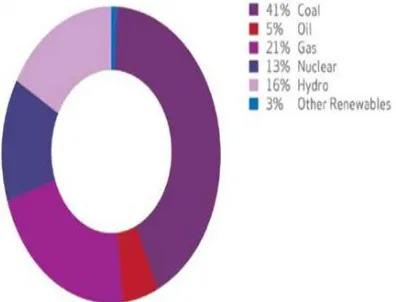
Coal plays a vital role in power generation worldwide. Currently, coal-fired power plants supply 41% of the world's
electricity. In some countries, coal increases electricity.
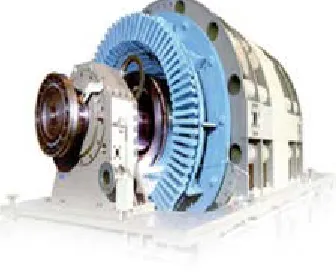
2. Thermal Power Generations: Small generators often use interchangeable diesel engines, biogas or natural gas.
Diesel engines are often used to generate electricity in standby mode, usually at low voltage. However, most large
networks use diesel generators, which are initially provided as emergency assistance to a particular facility, such as a
hospital, to supply the network under certain conditions. Biogas, such as a landfill or treatment plant, is often burned
with low frequency or turbo motors, the GE-Gas turbine and the CAT-IE engine, as follows.
Figure 2 : Thermal Power Generator
3. Nuclear Power Generation: A nuclear reactor that produces and controls the release of energy from a part of uranium atoms. Nuclear energy in uranium is a clean and efficient way to boil water to produce steam that feeds turbine generators. Except for the reactor itself, the nuclear power plant operates like most coal or gas plants.
Figure 3 : Diagram of Pressurized Water Reactor
PWRs and BWRs : The main design is the PWR, which contains water in the central cooling and cooling circuit and
generates steam in the secondary circuit. The BWR produces steam in the primary circuit above the reactor core, although
it is still under high pressure. Both types use water as a cooling and control agent to slow down neutrons.
4. Hydro-Power Generation: Hydropower is created using generators to extract energy from the water transfer.
Historically, people have used river energy to grow and grind wheat. Today, rivers and streams are redirected via
water generators to produce energy, although there are advantages and disadvantages with respect to local ecosystems
e
136
e
136
e136
e
136
e136
e
136
e136
e
136
e136
e
136
e
136
e
136
e
136
e136
e
136
e136
e
136
e136
e
136
e136
e
136
Figure 4 : Hydro Power Generator
5. Geothermal Power Generation: Geothermal energy is generated by harnessing the geothermal energy of
geothermal energy earth. Contrary to popular belief, geothermal energy is not technically a source of renewable
energy. There is a vast debate about its effectiveness in generating electricity or heating. Articles on this page explore
geothermal energy technology.
Figure 5 : Geothermal Energy Generator
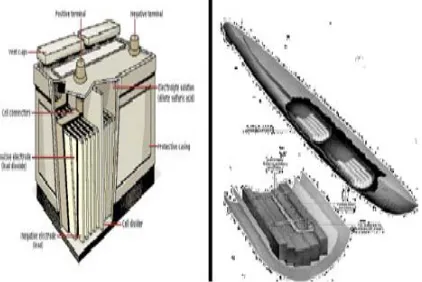
6. Battery Power Generation: Batteries store electricity electrically in a closed energy system. It can be used as a source of
energy in small appliances, cars and remote areas. Advances in battery technology can help one day resolve our energy
crisis. Submarines and cars use a battery to work with this type. The submarine includes 24 cells that are used in the sea.
137
137
137
137
137
137
137
137
137
137
137
137
137
137
137
137
137
137
137
137
137
7. Wind Power Generation: Wind energy is generated by wind turbines to use the kinetic energy of the wind. The city is popular throughout the world as a massive energy source, although it provides less than 1% of global energy consumption.
Figure 7 : Wind Power Generation
Wind turbines are used to generate electricity from kinetic wind energy. History is used as a mechanic to convert cars.
There are two main types of wind turbines: vertical and horizontal. Wind turbines can be used to generate large amounts
of electricity in wind power plants and in marine fields. Articles on this page are driving wind turbines.
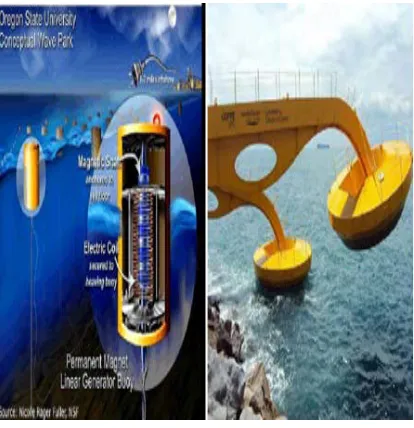
8. Waves Power Generation: When generators are placed on the surface of the ocean, wave energy is generated. Energy
is often used in desalination plants, power plants and water pumps. Output power is determined by wave height, wave
speed, wavelength, and water density. While there are only a few generators of solar generators around the world.
Articles On this page the world opens up a wave of energy and its potential plans. Energy is a wave of energy
transmitted by ocean surface waves that absorbs this energy for useful applications, such as energy generation,
freshwater or water pumps (in tanks). Known waves are commonly known as WEC.
Figure 8 : Waves Power Generator
9. Waste Water & Bio-Gas Power: Consumer habits of the modern consumer lifestyle cause the problem of the largest
e
138
e
138
e138
e
138
e138
e
138
e138
e
138
e138
e
138
e
138
e
138
e
138
e138
e
138
e138
e
138
e138
e
138
e138
e
138
countries. It has a devastating effect on ecosystems and cultures throughout the world. Some energy companies are
replacing new ways to recycle waste by developing electricity at landfills and pollution.
Figure 9 : Bio Gas Generator
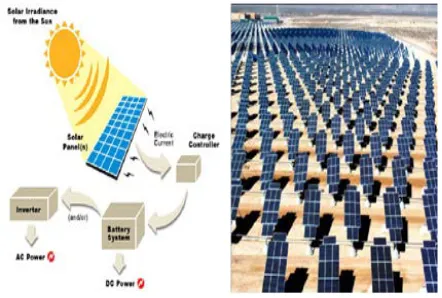
10. Solar Power Generation: Solar energy is generated by collecting sunlight and converting it into electricity. This is
done using solar panels, large flat plates composed of many individual solar cells. It is often used in remote areas,
although it is more common in urban areas.
Figure 10 : Solar Power Generator
11. Combine Cycle Power Plant & Generation: In the production of electrical energy, the combined cycle combines
thermodynamic engines, which work together with a heat source and convert them into mechanical energy, which, in
turn, generates generators. The principle is that the fluid of the first engine after the end of the cycle (in the first
engine) still remains quite low in entropy, this second and then heat engine can convert thermal energy from waste
(energy) into the working fluid of the engine First extract.
Conclusion
The quality and use of solar energy, wavelength and battery energy are not suitable for industrial and heavy loads
compared to water, heat and electrical energy. Currently, the world is faced with problems of power generation, low
139
139
139
139
139
139
139
139
139
139
139
139
139
139
139
139
139
139
139
139
139
techniques and there comparatively study. In this we shown the different types of the power generation technique and
there uses.
Reference
1. Kamal Kant Sharma, Dr Balwinder Singh, “DISTRIBUTED GENERATION- A NEW APPROACH”, International
Journal of Advanced Research in Computer Engineering & Technology (IJARCET), Volume 1, Issue 8, October
2012.
2. Ashish S. Ingole, Prof. Bhushan S. Rakhonde, “ Hybrid Power Generation System Using Wind Energy and Solar
Energy”, International Journal of Scientific and Research Publications, Volume 5, Issue 3, March 2015.
3. Gagari Deb, Ramananda Paul, and Sudip Das, “Hybrid Power Generation System”, International Journal of
Computer and Electrical Engineering, Vol.4, No.2, April 2012.
4. Sandeep Kumar, Vijay Kumar Garg, “A Hybrid model of Solar-Wind Power Generation System”, International
Journal of Advanced Research in Electrical, Electronics and Instrumentation Engineering (IJAREEIE), Vol. 2, Issue
8, August 2013.
5. A. Adejumobi, S.G. Oyagbinrin, F. G. Akinboro & M.B. Olajide, “Hybrid Solar and Wind Power: An Essential for
Information Communication Technology Infrastructure and people in rural communities”, IJRRAS, Volume 9,
Issue1, October 2011.
6. Willis, H. L., Scott, W. G., “Distributed power generation,” New York, Marcel Dekker, 2000.
7. Nfah, E.M., Ngundam, J.M., “Modeling of wind/diesel/ battery hybrid power systems for far North Cameroon,”