©2016 Academia Publishing
Research Paper
Fermentation Performance of Selected Microorganisms in Malbec Musts under
Two Different Wine Making Conditions
Accepted 19th August, 2016
ABSTRACT
This work evaluates the fermentation performance of simultaneous cultures of selected indigenous Saccharomyces cerevisiae mc2, Kloeckera apiculata mF and Oenococcus oeni X2L in Malbec musts. Fermentations (3 L) were carried out under two conditions: 1-initial pH 5.5, 60.24 mg/L SO2, 26°C) and 2-initial pH 3.8, 125 mg/L SO2, 28°C), using different culture combivnations and S. cerevisiae IOC 18 to 2007 as a control. The final wine densities were 0.992 to 0.997 g/L (10 days). Micro-organisms grew in all conditions. Yeasts prevailed, especially S. cerevisiae (108 CFU/ml), while O. oeni reached a value of 107 CFU/ml. Total reducing sugars consumption was >80% and full malate consumption was observed in all musts inoculated with O. oeni. Ethanol formation corresponded to the Malbec variety (310 to 342 mM), while total acidity did not exceed the organoleptic quality limit (4.6 to 6.49 g/L). Glycerol production was approximately, 84.3 to 95.1 mM. Among the esters tested, ethyl acetate/2-phenyl ethyl acetate showed the highest concentration. The sensory analysis showed the highest scores for visual descriptors (fluency, color intensity and tonality), olfactory intensity, taste descriptors and general harmony. Thus, we proposed an inoculation condition using mixed yeasts-O. oeni culture and an optimal statistical point to improve the microbial performance in order to obtain quality Malbec wines, thus, enhancing the body and sensorial properties.
Key words: Malbec wine, fermentation, mixed yeasts culture, Oenococcus oeni,
glycerol.
INTRODUCTION
In the modern winemaking process, alcoholic fermentation (AF) is conducted by starters of selected Saccharomyces cerevisiae strains, in contrast to traditional spontaneous fermentations carried out by the indigenous microbiota present in grapes and wineries (Mercado et al., 2011). New fermentation technologies for optimizing quality and producing wines with particular flavor profiles are one of the worldwide trends in oenology (Romano et al., 2003; Escudero et al., 2007; Medina et al., 2013; Maturano et al., 2015). These monocultures ensure easy control and homogeneity of fermentations. However, end-products have often shown absence of flavor complexity, stylistic distinction or vintage variability (Lambrechts and
Pretorius, 2000; Romano et al., 2003; Maturano et al., 2015). Thus, the use of mixed starter cultures instead of spontaneous fermentations would allow an improvement in wine quality with no risk of a stuck fermentations or wine spoilage (Ciani et al., 2003; Jolly et al., 2003; Rojas et al., 2003; Romano et al., 2003; Medina et al., 2013). Some non-Saccharomyces yeast can improve the fermentation behavior of Saccharomyces starter cultures, leading to a product with a more complex aroma (Romano et al., 1997; Ciani and Maccarelli, 1998; Egli et al., 1998; Henick-Kling et al., 1998; Medina et al., 2013; Maturano et al., 2015).
The transformation of grape juice into wine represents a complex process that involves the sequential development C.E. Ale1, V.I. Morata de Ambrosini2, R.O.
Carrión2 and S.E. Pasteris1*
1Instituto Superior de Investigaciones
Biológicas (INSIBIO-CONICET) - Instituto de Biología “Dr. Francisco D. Barbieri”, Facultad de Bioquímica, Química y Farmacia - Universidad Nacional de Tucumán, Chacabuco 461, CP: T4000ILI. San Miguel de Tucumán, Argentina.
2Facultad de Ciencias Aplicadas a la Industria,
Universidad Nacional de Cuyo, Bernardo de Irigoyen 375. San Rafael, Mendoza, Argentina. CP: 5600.
3Instituto de Microbiología, Facultad de
Bioquímica, Química y Farmacia, Universidad Nacional de Tucumán. Ayacucho 471, CP: 4000INI. San Miguel de Tucumán, Argentina.
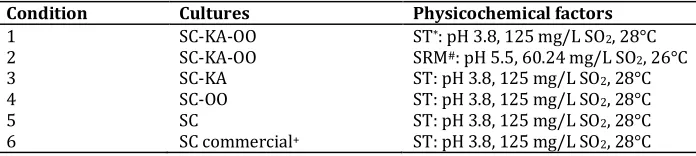
Table 1: Fermentations conditions of Malbec musts.
Condition Cultures Physicochemical factors
1 SC-KA-OO ST*: pH 3.8, 125 mg/L SO2, 28°C
2 SC-KA-OO SRM#: pH 5.5, 60.24 mg/L SO2, 26°C
3 SC-KA ST: pH 3.8, 125 mg/L SO2, 28°C
4 SC-OO ST: pH 3.8, 125 mg/L SO2, 28°C
5 SC ST: pH 3.8, 125 mg/L SO2, 28°C
6 SC commercial+ ST: pH 3.8, 125 mg/L SO2, 28°C
*Standard condition. #Surface response method. SC: S. cerevisiae mc2, KA:K. apiculata mF, OO: O. oeni
X2L. +S. cerevisiae IOC18-2007 was used as control because it is widely used in local fermentations.
of members of its indigenous microbiota mainly constituted by yeasts and bacterial species (Barata et al., 2012). Grape must exert a strong selective pressure on the microbiota due to its low pH and high sugar content where only a few microbial species can proliferate, S. cerevisiae,
Kloeckera apiculata and Oenococcus oeni being the best mainly under controlled conditions. Sulphur dioxide addition, anaerobic conditions during wine making, nutrients depletion and high ethanol levels enhance selective pressure (Henschke, 1997; Hansem et al., 2001; Barata et al., 2012).
In order to simulate standard wine making conditions in previous works we used S. cerevisiae mc2, K. apiculata mF and O. oeni X2L on the basis of their ability to grow and metabolize sugars when grown in simultaneous cultures in natural grape juice.
These conditions allowed the improvement in glycerol production and therefore in the organoleptic properties of the end-products (Ale et al., 2014b). Moreover, the effect of some physico-chemical factors involved in wine making allowed the selection of a statistical fermentation condition (initial pH 5.5, 60.24 mg/L SO2 and 26°C) to improve glycerol synthesis (Ale et al., 2014a). Therefore, the aim of the present work is to evaluate the fermentation performance of selected micro-organisms in Malbec musts under two different wine making conditions.
MATERIALS AND METHODS
Micro-organisms
S. cerevisiae mc2 (elliptic yeast), K. apiculata mF (apiculate yeast) and O. oeni X2L were selected for their ability to drive AF efficiently, to produce glycerol and carry out MLF, respectively. Moreover, this microbial consortium improves glycerol production in a natural grape juice (NGJ) medium (Ale et al., 2014a, b).
Culture conditions
Growth media
S. cerevisiae mc2 (SC) and K. apiculata mF (KA) were grown
in YEPG medium (in g/L: yeast extract, 10; peptone, 20; glucose, 20), pH 5.5, for 24 h at 28°C in microaerophilic conditions (5% CO2 enriched-chamber), while O. oeni X2L (OO) was grown in MRS medium (de Man et al., 1969) supplemented with 150 ml/L natural tomato juice (MRStj), pH 4.8 for 24 h at 30°C in microaerophilia.
Pre-adaptation medium
Micro-organisms were grown in pure cultures in NGJ medium (17 ml/L), pH 5.5, previously treated by heating at 90°C for 10 min to prevent thermal decomposition of the grape juice. After 24 h at 28ºC, micro-organisms were inoculated into musts.
Musts
The Malbec variety was used to conduct vinification trials. Grapes (Vitis vinífera L.) were pressed by hand extrusion using sterilized latex gloves at 20°C and automatically dumped in flasks before microbial inoculation. Fermentations were carried out in 3-L glasses flasks containing 2.5 L Malbec must in the presence of skins (total reducing sugars 1,283 mmol/L, titratable acidity 0.42 g/L, total acidity 1.42 g/L and pH 4.22).
Musts inoculation and fermentation conditions
three consecutive days indicates the end of the fermentation.
Enumeration of microbial populations
Yeasts and O. oeni populations were determined by viable cell counts. In order to differentiate Saccharomyces and non-Saccharomyces yeasts from mixed cultures, samples were plated on YEPG medium supplemented with ethanol (120 ml/L), sodium metabisulphite (0.15 g/L) and chloramphenicol (1 g/L) for the elliptic yeast, while YEPG medium supplemented with cycloheximide (0.01% w/v) was used for the apiculate strain. The samples were also plated on MRStj (pH 4.8) supplemented with cycloheximide (0.1% w/v) to assess O. oeni X2L growth.
Bottling of young wines
After fermentation, young wines were recovered and allowed to stand for 72 h for lees separation. Then, wines were bottled in 750-ml dark glass recipients, which were sealed with synthetic corks, leaving an air chamber of 3 cm in the neck. The bottles were stabilized by storing at 7°C for 60 days. Finally, sensory analysis and analytical determinations were carried out.
Analytical determinations
Enzymatic assays
Cell-free wine samples were obtained from each experiment and stored at -20°C until analytical determinations. Glucose, ethanol, glycerol and organic acids (total lactic, acetic and malic) were quantified using kits supplied by Boehringer-Mannheim, Inc. (Germany).
Chemical assays
Total reducing sugars and fructose were determided according to Ale et al. (2014a, b). Titratable acidity was measured using acid-base titration with standardized 0.1 M NaOH. Chemicals were purchased from Sigma-Aldrich Chemical Co., St. Louis, MO (USA).
Gas chromatography
The analysis of main esters related to wine aroma was conducted by gas chromatography (GC). The extraction of volatile compounds from the wine samples was done by addition of 5 ml diethyl ether to 3 ml of each wine followed by vigorous shaking for 2 min and centrifugation (1,300 g
for 5 min). The top solvent layer was then transferred to a
vial (Mamede and Pastore, 2006). A GC (Agilent 6890N, Agilent Technologies, CA, USA) equipped with a flame ionization detector (FID) was used. An HP-5 column (length 30 m, i.d. 0.32 mm, thickness 0.25 µm) (Hewlett-Packard, CA, USA) was used to analyze the following esters: ethyl acetate, ethyl caproate, ethyl caprylate, isoamyl acetate, and 2-phenyl ethyl acetate according to Abeijón et al. (2009).
Sensory analysis
Sensory descriptive analysis of the young wines (2 months after bottling) was carried out by a tasting panel that consisted of three trained judges from the Bianchi winery and from the National Institute of Viticulture (Mendoza, Argentina). Wines were equilibrated at room temperature (22°C) and 50 ml-samples were poured into randomly numbered wine glasses. Two consecutive sessions were performed on different days. The selection of sensory descriptors was done by the panelists during the first session, taking into account the ones that allowed discrimination among treatments as previously analyzed in our group (Mendoza et al., 2011; Merín et al., 2014). During the second session, the intensity of each descriptor was rated on a scale from 0 (not perceivable) to 5 (very strong). The points evaluated were: 1: visual descriptors: fluency, clarity, tone, intensity; 2: olfactory descriptors: intensity, floral and fruity aromas; 3: taste descriptors: astrigency, body, complexity, floral and fruity flavors, bitterness, and 4: general harmony.
Statistical analysis
Experiments were performed in triplicate. One-way analysis of variance (ANOVA) was applied to the experimental data for the comparison of mean values for growth, metabolic behavior and sensory analysis (Fisher’s test) while Tukey’s test was used for multiple mean comparisons. All statistical analyses were performed with Infostat software version 7 (Universidad Nacional de Córdoba, Argentina).
RESULTS AND DISCUSSION
Evolution of growth and fermentation of wine microorganisms
The growth performance of selected micro-organisms in wine making conditions in Malbec musts was evaluated. S. cerevisiae mc2, K. apiculata mF and O. oeni X2L were grown in NGJ and inoculated into Malbec musts.
Figure 1: Density diminution during fermentation in Malbec musts.
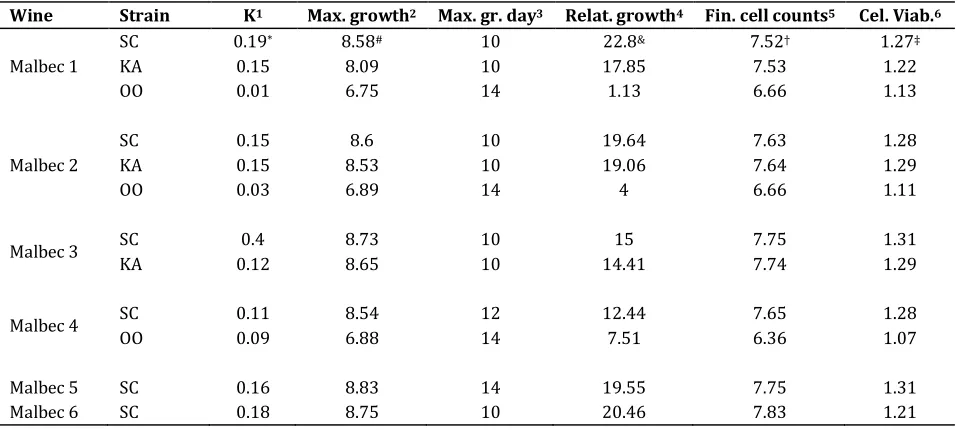
Table 2: Growth parameters of wine micro-organisms in vinification assays.
Wine Strain K1 Max. growth2 Max. gr. day3 Relat. growth4 Fin. cell counts5 Cel. Viab.6
Malbec 1
SC 0.19* 8.58# 10 22.8& 7.52† 1.27‡
KA 0.15 8.09 10 17.85 7.53 1.22
OO 0.01 6.75 14 1.13 6.66 1.13
Malbec 2
SC 0.15 8.6 10 19.64 7.63 1.28
KA 0.15 8.53 10 19.06 7.64 1.29
OO 0.03 6.89 14 4 6.66 1.11
Malbec 3 SC 0.4 8.73 10 15 7.75 1.31
KA 0.12 8.65 10 14.41 7.74 1.29
Malbec 4 SC 0.11 8.54 12 12.44 7.65 1.28
OO 0.09 6.88 14 7.51 6.36 1.07
Malbec 5 SC 0.16 8.83 14 19.55 7.75 1.31
Malbec 6 SC 0.18 8.75 10 20.46 7.83 1.21
KA. K. apiculata mF, SC: S. cerevisiae mc2, OO: O. oeni X2L, 1Growth rate (h-1), 2 Maximun growth (log CFU/ml), 3Maximum growth day, 4Relative growth: (%)= (Nt-N0/N0) x100, 5Final cell counts (log CFU/ml),6Cell viability = log Nt/log N0: N0: initial viable cell counts; Nt:
viable cell counts. condition 1: simultaneous inoculation of S. cerevisiae mc2, K. apiculata mF and O. oeni X2L at 26ºC/~60 mg/L SO2/pH 5.5;
condition 2: simultaneous inoculation of S. cerevisiae mc2, K. apiculata mF and O. oeni X2L at 28°C/125 mg/l SO2/pH 3.8; condition 3:
simultaneous inoculation of S. cerevisiae mc2 and K. apiculata mF at 28°C/125 mg/L SO2/pH 3.8; condition 4: simultaneous inoculation of S.
cerevisiae mc2 and O. oeni X2L at 28°C/125 mg/L SO2/pH 3.8; condition 5: inoculation of a pure culture of S. cerevisiae mc2 at 28°C/125
mg/L SO2/pH 3.8;condition 6: inoculation of a pure culture of S. cerevisiae IOC 18-2007 (commercial yeast) at 28°C/125 mg/L SO2/pH 3.8.
standard condition (2) with initial pH= 3.8. Moreover, other 4 conditions (3 to 6) were defined only for microbial growth and analytical controls.
Although, pH 5.5 in condition 1 does not agree with the standard wine making processes, it was selected according to the predictive model (RSM) in order to obtain high glycerol levels and low acetate production and represents only the initial pH value of the simultaneous cultures since the cultures reached pH<4.0 at the end of exponential growth (Ale et al., 2014a).
Fermentation was considered finished on day 16, when the
density of young wines was between 0.992 and 0.997 g/L for a minimum of 3 consecutive days (Figure 1). Musts incubated with three indigenous strains in condition 1 (Malbec 1) evidenced a faster decrease in density than the other musts assayed. A density diminution below 1.049 g/L was observed in all culture conditions since day 7 (Malbec 1 to 6), indicating that the fermentation process ocurred mainly during the first week.
for yeasts and 107 CFU/ml for O. oeni X2L.
S. cerevisiae growth reached 8.58 log units after day 10 when cultured at 26°C, 60.24 mg/L SO2 and pH 5.5 (condition 1), while growth in condition 2 was 8.6 log units (Table 2). Both growth values were lower than those observed for the mixed culture of yeast strains (8.73 log units, condition 3); however, this value diminished even more in the presence of O. oeni (8.54, culture 4). Maximum growth was found in S. cerevisiae in pure cultures (8.83, culture 5). On day 16 of vinification, S. cerevisiae viability was about 107 CFU/ml, with a relative growth of between 1.28 and 1.3 above the initial inoculum (Table 2).
K. apiculata grew up to 108 CFU/ml in co-cultures, showing 8.65, 8.53 and 8.09 log units for Malbec 3, 2 and 1, respectively. At the end of fermentation, cell viability was 1.22 to 1.29 (final cell counts 7.53 to 7.74). The relative growth values of the yeast strains in mixed cultures (Malbec 1, 2 and 3) were above 12%, with growth rates between 0.11 and 0.19 h-1 (Table 2).
It was observed that both yeast populations
maintained similar values (cell viability approximately, 1.2 to 1.3) at 16 days of fermentation. Similar results for total fermentative yeasts (36.7% of Saccharomyces, 21.4% of K. apicultata and 41.9% of other non-Saccharomyces
strains) under pilot scale conditions at 24°C were reported by Maturano et al. (2015) where total yeast population used as fermentation control reached its maximum growth at day 6 (~8 log units) and diminished below 7 log units until the end of the assay (14 days) in Malbec musts under standard wine making conditions.
Our results showed that the lactic acid bacterium failed to reach 107 CFU/ml (Table 2), while growth rate values ranged from 0.01 to 0.09, maximum growth being reached at day 14. This behavior was different when the same strain was compared in simultaneous cultures with S. cerevisiae mc2 and K. apiculata mc1, where it reached values of 107 CFU/ml at about 4 to 5 days and then decreased without cell counts on day 14 (Mendoza et al., 2011).
In our work, only S. cerevisiae growth was
significantly higher in pure cultures with respect to mixed cultures 1 and 2 (Fisher’s test, P>0.05). No significat differences were found in the growth pattern of the other micro-organisms with respect to the number of different strains present in musts.
All microbial strains exhibited similar growth patterns to those observed in a smaller scale (Ale et al., 2014b). Although, the elliptic strain prevailed in laboratory conditions (Ale et al., 2014b), its growth was 1 log unit above the one determined in this work.
Strains reached maximum population values after 10 days of fermentation while in laboratory conditions those values were reached at day 6 (Ale et al., 2014b). The number of viable cells obtained at this stage was in agreement with Mendoza et al. (2011), where S. cerevisiae
mc2 and K. apiculata mc1 reached about 108 CFU/ml in
Malbec musts; however, in those conditions the maximum population value was found between 2 and 3 days of fermentation. In our work, the apiculate yeast prevailed over other microbial populations and remained with similar values after 4 to 6 days. In another mixed yeast culture, it was reported that the viability of an elliptic yeast strain remained higher than those of the
non-Saccharomyces yeast (Fleet et al., 2003; Moreira et al., 2005; Ciani et al., 2006).
Analysis of substrates and products in young wines
Substrate consumption and products formation
Table 3 shows the patterns of sugars/malic acid consumption and products formation by a selected mixed culture. The strains used between 84 to 94% glucose (range= 497.32 to 553.46 mM in conditions 1 and 2, respectively), 75 to 90% fructose (range= 476.19 to 573.44 mM in conditions 5 and 1, respectively) and 6.59 to 9.56% pentoses (range= 6.43 to 9.32 mM in conditions 6 and 1, respectively). This sugar consumption represents 80.2 and 85.27% of total reducing sugars in conditions 1 and 2, respectively. When using the commercial yeast under standard wine making (condition 6), 505.13±2.2 glucose, 547.32±1.54 fructose and 6.43±0.98 pentoses consumption was observed, representing about 80.16% of total reducing sugars.
Overall, sugar consumption did not show significant differences (P<0.05) between different wines, with the exception of Malbec 5 (pure culture of S. cerevisiae mc2) for glucose and fructose, and Malbec 4 (SC-KA) and 6 (commercial S. cerevisiae) for pentoses. Since total sugar content in musts (1,320.92 mM) was higher than in NGJ medium (Ale et al., 2014b), a modification in the microbial consumption pattern was expected, and in fact we observed that sugar utilization exceeded 85% in all fermentation conditions. This consumption was also observed by Maturano et al. (2015) in Malbec musts fermented with a mixed yeasts population (S. cerevisiae
Lalvin D254= 2 x 10⁷ CFU/ml and nativeyeasts= 2±0.25 × 10³ CFU/ml) after 6 days.
Malic acid consumption for conditions 1 and 2 was 90.43 and 98.72%, respectively, and between 50 to 62% in musts without O. oeni X2L inoculation (61.66 and 54.27% for conditions 5 and 6, respectively). This consumption was significantly lower (P<0.05) in Malbec 3, 5 and 6 than in the other conditions. The total consumption of malic acid under all conditions allowed us to infer a successful MLF, which represents an important point in the wine making process for quality wine (Versari et al., 1999). This malic acid diminution was observed in the acceptance by the jury since the values of bitterness/acidity were below 2.5.
Table 3: Substrate consumption and products formation in winemaking assays.
Conditio
n Strains Sample Glucose Fructose Pentoses Malic acid Acetic acid Ethanol Glycerol acidityTotal †
- - Must‡ 589.36±
1.24*# 634.12±1.02 97.44±1.6 16.73±1.22 24.32±0.52 8.12±1.47 1.02±0.24 1.42±0.34
1-RSM SC-KA-OO Wine 527.14±2.01¥a 573.44±2.88¥
a
9.32±3.07¥
a
15.13±1.23¥
a 16.52±1.7Δa 332.1±1.02Δa 95.12±1.32
Δ
a 5.02±0.22Δb
2-ST SC-KA-OO Wine 553.46±2.03a 563.95±2.22a 8.98±2.44a 16.22±1.33a 18.31±1.26a 342.23±0.87a 88.48±1.12a 6.08±0.12a
3-ST SC-KA Wine 544.83±3.02a 513.40±3.4a 8.62±1.72a 9.73±1.74b 16±2,41a 312.6±0.9b 87.55±0.42a 4.55±0.53a
4-ST SC-OO Wine 502.42±2.01a 505.64±3.13a 7.44±1.32b 15.23±1.58a 13.16±0.93b 310.8±0.88b 84.29±1.32a 6.49±0.12a
5-ST SC Wine 497.32±2.12b 476.19±1.43b 7.62±1.12a 9.33±0.94b 10.12±1.38b 318.6±0.9b 68.64±0.72b 5.35±0.62a
6-ST SC com. Wine 505.13±2.2a 547.32±1.54a 6.43±0.98b 9.08±0.91b 12.38±1.41b 327.98±0.32a 92.44±1.25a 5.47±1.15a
‡Compounds values in musts without inoculation, *Concentration expressed in mM. †Concentration expressed in g l-1 tartaric acid, #Values obtained are results of three independent
determinations ± standard deviation. ¥Subtratesconsumption, ΔProducts formation. Condition 1: simultaneous inoculation of S. cerevisiae mc2 (SC), K. apiculata mF (KA) and O. oeni X2L
(OO)at 26ºC/~60 mg/L SO2/pH 5.5; condition 2: simultaneous inoculation of S. cerevisiae mc2, K. apiculata mF and O. oeni X2L at 28°C/125 mg/L SO2/pH 3.8; condition 3: simultaneous
inoculation of S. cerevisiae mc2 and K. apiculata mF at 28°C/125 mg/L SO2/pH 3.8; condition 4: simultaneous inoculation of S. cerevisiae mc2 and O. oeni X2L at 28°C/125 mg/L SO2/pH
3.8; condition 5: inoculation of a pure culture of S. cerevisiae mc2 at 28°C/125 mg/L SO2/pH 3.8;condition 6: inoculation of a pure culture of S. cerevisiae IOC 18-2007 (commercial
yeast-SC com.) at 28°C/125 mg/L SO2/pH 3.8. a-b: Different words indicate significant differences for each column (Tukey’s test, P≤0.05).
between 11.25 to 12.55% v/v, a significantly higher ethanol production (P<0.05) being found in systems 1, 2, 3 and 6. As expected, ethanol contents were in accordance with Malbec variety and similar values were observed by other authors who detected 12.97±0.44 g/L (Mendoza et al., 2011) and 14.1±0.1 g/L (Maturano et al., 2015) in Malbec wines by simultaneous fermentation carried out with Saccharomyces/non-Saccharomyces/O. oeni
and commercial S. cerevisiae+O. oeni, respectively. Total acidity was between 4.6 and 6.49 g/L. The highest value was observed for condition 4, followed by condition 2 (6.08 g/L). The lowest value was detected for condition 3 (Table 3).
Volatile acidity was between 10.12 and 18.3 mM, which would represent an acetic acid content of 0.1 to 1.1 g/L. In our work conditions, only Malbec 2 (mixed culture of the three selected micro-organisms under standard winemaking conditions) exceeded the limit of organoleptic quality only by 0.1 g/L above the unit (Table 3). Acetic acid production was significantly lower (P<0.05) only in Malbec 4, 5 and 6.
These total acidity values (6.49 g/L; acetate= 1.23 g/L), which were similar in all conditions, were below the ones previously reported for Malbec wines (Mendoza et al., 2011). In our experimental conditions, in the fermentations performed using the predictive condition obtained from RSM (condition 1 or Malbec 1), total and volatile acidity were within the limits of organoleptic quality and therefore would not affect the sensory profile of the end-product. This was also supported by sensory analysis and the results were comparable to the ones obtained from musts fermentation with commercial yeast (Malbec 6). On the other hand, Malbec 2 exceeded the established range by 0.1 g/L. Our results are in agreement with Maturano et al. (2015), who observed that volatile acidity was 0.61±0.05 g/L in Malbec musts fermented with commercial S. cerevisiae.
Glycerol production was between 84.3 and 95.1 mM, highest production being observed in wines fermented at low temperature with the three selected micro-organisms (condition 1). These values were similar to those found in wines
obtained by fermentation with commercial yeasts and in those fermented with mixed cultures under standard conditions (condition 2), and significant lower (P<0.05) only in Malbec 5 (Table 3). The presence of glycerol is in agreement with the expected profile for this variety (Rankine and Bridson, 1971; Ough et al., 1972; Nieuwoudt et al., 2004; Moro et al., 2007).
Profile of short chain esters
Table 4: Esters concentrations of Malbec wines.
Short chain esters Malbec 1 Malbec 2
Ethyl acetate 7.15±0.33ª,1* 18.73±0.23a,2
Isoamyl acetate 0.05±0.01b,1 0.05±0.01b,1
Ethyl caproate 0.04±0.01b,1 0.04±0.01b,1
Ethyl caprylate 0.02±0.01b,1 0.03±0.01b,1
2-Phenylethyl acetate 0.45±0.03b,1 0.27±0.01b,2
*mg/L. Values obtained using calibration curves of each compound for each sample analyzed in triplicate. a,b Means
within a column with different superscripts differ (Fisher’s test, P < 0.05). 1,2 Means within a line with different
superscripts differ (Fisher’s test, P<0.05). M: Malbec, condition 1: simultaneous inoculation of S. cerevisiae mc2, K.
apiculata mF and O. oeni X2L at 26ºC/~60 mg/L SO2/pH 5.5; condition 2: simultaneous inoculation of S. cerevisiae
mc2, K. apiculata mF and O. oeni X2L at 28°C/125 mg/L SO2/pH 3.
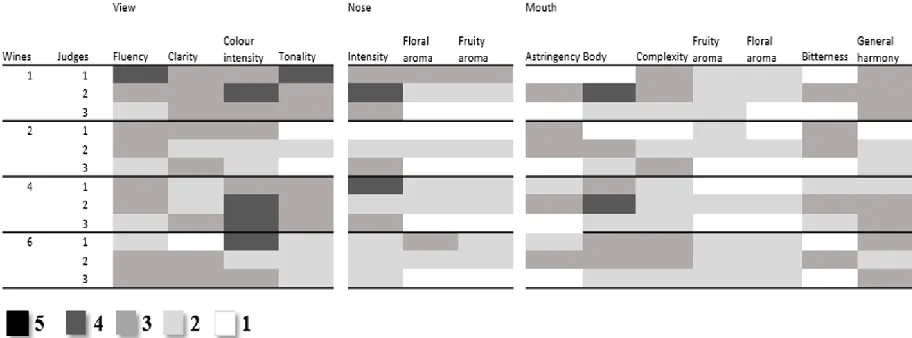
Figure 2: Visual panel of evaluation from judges. 5: very strong → 1: very low.
concentrations in conditions 1 and 2 (0.45±0.03 and 0.27±0.01 mg/L, respectively). Isoamyl acetate, ethyl caproate and ethyl caprylate were detected at low concentrations (0.02 to 0.05 mg/L) (Table 4).
The values found in this study (Table 4) for Malbec wines were lower than those reported by Mendoza et al. (2011) for the same wine variety produced by simultaneous fermentation of S. cerevisiae mc2/K. apiculata mc1/O.oeni X2L. However, Fabani et al. (2013) reported intermediate concentrations of ethyl caproate and ethyl caprylate in Malbec wines inoculated with both commercial and autochthonous monocultures of S. cerevisiae.
Low/medium esters concentrations in wine are considered a desirable feature because high ethyl acetate concentrations (150 to 200 mg/L) can produce an aroma similar to organic solvents (Lambretchs and Pretorius, 2000). In our experimental conditions, ethyl acetate concentrations in Malbec 1 and 2 were below 80 mg/L, which was favorable for wine complexity (Lambretchs and Pretorius, 2000). In addition, the synthesis of ethyl and acetate esters could also be affected by the time of laboratory inoculation, simultaneous cultures being a more advantageous strategy than a sequential one (Knoll et al., 2012). The presence of non-Saccharomyces yeasts improves this characteristic (Maturano et al., 2012;
Medina et al., 2013). Moreover, pH 5.5 would favor the growth of the apiculate strain by increasing esters production as well as, glycerol synthesis (Ale et al., 2014a).
Sensory analysis
Figure 2 shows the visual profile assessment (scores 1 to 5) of the jury for young wines. Overall, highest scores were awarded for positive visual descriptors (fluency, color intensity and tonality) and olfactory intensity. With respect to the characteristics in the mouth (taste descriptors), positive scores in both body (scores 2 to 4) and general harmony (scores 2 to 3) of wines were determined. Wines fermented at low temperature (condition 1) had better scores for descriptor “preference” (Figure 2) and were comparable with wines obtained with commercial yeasts in standard wine making conditions.
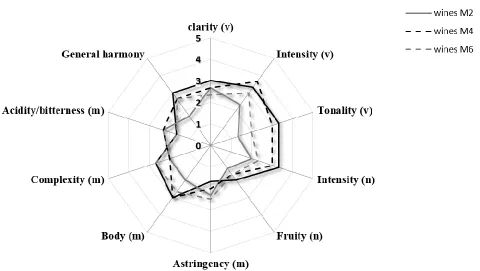
Figure 3 shows the main descriptors analyzed in the visual evaluation of young wines. Among them, tonality and visual intensity showed a general mean of 3.33, with Malbec 4 significantly higher for intensity and both Malbec 1 and 4 for tonality as compared to other conditions for wine production.
Figure 3: Main descriptors in sensory analysis. v: visual descriptors; n: olfactory descriptors; m: taste descriptors. a,b indicates
significant differences between descriptors for each wine (1, 2, 4, 6).
(body and complexity in mouth) showed a general mean of 3.33. Overall, descriptors did not exceed score 3 for bitterness/acidity in the mouth even in Malbec 4, in which acetic acid concentration exceeded the highest organoleptic quality limit. The “body” attribute agreed with the results observed in the analytical determinations and is directly related to glycerol production.
The general mean for astringency was 2.6, while the general harmony of the wines had a mean score of 3, Malbec 2 being the only condition with a significantly lower difference. The descriptors evaluated did not show significant differences in their respective mean values (P≥0.05).
In practical terms, judges tested those wines produced by controlled alcoholic and malolactic fermentation with different combinations of the proposed starter culture (S. cerevisiae mc2, K. apiculata mf and O. oeni X2L) against traditional fermentation with commercial wine yeast (spontaneous malolactic fermentation, culture 6). Thus, Malbec 3 (S. cerevisiae mc2-K. apiculata mF, spontaneous malolactic fermentation) and Malbec 5 (inoculation with a pure culture of S. cerevisiae mc2) were only used for microbiological and analytical determinations. Visual descriptors were in agreement with Maturano et al. (2015), where color intensity and astringency had similar patterns to those obtained in this work. Medium/high astringency was also observed by Casassa et al. (2015) in fermentations of Malbec musts using commercial starters in simultaneous inoculation.
In our experimental conditions, bitterness was lower than the that observed by Maturano et al. (2015), who carried out fermentations of Malbec musts using commercial S. cerevisiae and Mendoza et al. (2011), who performed simultaneous fermentation of S. cerevisiae
mc2/K. apiculata mc1/O. oeni X2L.
Finally, fruit and floral aroma (directly related to esters production) scored low in the sensory analysis and did not exceed 2.7 (Figures 2 and 3).
Conclusion
The results obtained in this work, based on a laboratory scale research using an optimal statistical point (initial pH 5.5, 26°C and 60.24 mg/L SO2, condition 1) (Ale et al., 2014a, b) as a fermentation condition against traditional fermentation (condition 2) allowed us to propose a microbial inoculation condition to achieve high wine production with roundness, appropriate alcohol content and acidity and acceptable visual, olfactory and taste characteristics.
ACKNOWLEDGEMENT
REFERENCES
Abeijón MMC, Medina RB, Alvarez, MF, González SN (2009). Ester synthesis by lactic acid bacteria isolated from goat’sand ewe’s milk and cheeses. Food Chem. 117: 241-247.
Ale CE, Bru E, Strasser de Saad AM, Pasteris SE (2014a). Effect of physicochemical factors on glycerol production by simultaneous cultures of wine micro-organisms using the response surface method. J. Appl. Microbiol. 117: 1336-1347.
Ale CE, Farías ME, Strasser de Saad AM, Pasteris SE (2014b). Glycerol production by Oenococcus oeni during sequential and simultaneous cultures with wine yeast strains. J. Basic Microbiol. 54: S200-S2009. Barata A, Malfeito-Ferreira M, Loureiro V (2012).The microbial ecology
of wine grape berries. Int. J. Food Microbiol. 153(3): 243-259.
Casassa LF, Bolcato EA, Sari SE (2015). Chemical, chromatic, and sensory attributes of 6 red wines produced with prefermentative cold soak. Food Chem. 174: 110-118.
Ciani M, Maccarelli F (1998). Oenological properties of
non-Saccharomyces yeasts associated with wine-making. World J. Microbiol. Biotechnol. 14: 199-203.
Ciani M, Beco L, Comitini F (2006). Fermentation behaviour and metabolic interactions of multistarter wine yeast fermentations. Int. J. Food Microbiol. 108: 239-245.
de Man, Rogosa M, Sharpe E (1969). A medium for cultivation of lactobacilli. J. Appl. Bacteriol. 23: 130-145.
Egli CM, Ediger WD, Mitrakul CM, Henick-Kling, T (1998). Dynamics of indigenous and inoculated yeast populations and their eVects on the sensory character of Riesling and Chardonnay wines. J. Appl. Microbiol. 85: 779-789.
Escudero A, Campo E, Fariña L, Cacho J, Ferreryra V (2007). Analytical characterization of the aroma of five premium red wines. Insights into the role of odor families and the concept of fruitiness of wines. J. Agr. Food Chem. 55(11): 4501-4510.
Fabani MP, Ravera MJA, Wunderlin DA (2013). Markers of typical red wine varieties from the Valley of Tulum (San Juan-Argentina) based on VOCs profile and chemometrics. Food Chem. 141: 1055-1062.
Fleet GH (2003). Yeast interactions and wine flavour. Int. J. Food Microbiol. 86: 11-22.
Fukuda K, Yamamoto N, Kiyokawa Y, Yanagiuch T, Wakai Y, Kitamoto K, Inoue Y, Kimura A (1998). Balance of activities of alcohol acetyltransferase and esterase in Saccharomyces cerevisiae is important for production of isoamyl acetate. Appl. Environ. Microbiol. 64: 4076-4078.
Hansem EH, Nissen P, Sommer P, Nielse JC, Arneborg N (2001). The effect of oxygen on the survival of non-Saccharomyces yeasts during mixed culture fermentations of grape juice with Saccharomyces cerevisiae. J. Appl. Microbiol.91: 541-547.
Henick-Kling T, Ediger WD, Daniel P, Monk P (1998). Selective effects of sulfur dioxide and yeast starter culture addition on indigenous yeast populations and sensory characteristics of wine. J. Appl. Microbiol. 84: 865-876.
Henschke PA (1997). Wine yeasts. In F. Zimmermann and K.D. Entian (Eds.), Yeast sugar metabolism, Biochemistry, genetics, biotechnology and applications (pp. 527-556). Technomic, Lancaster, PA,
Jolly NP, Augustyn OPH, Pretorius IS (2003). The use of Candida pulcherrima in combination with Saccharomyces cerevisiae for the production of Chenin blanc wine. S. Afr. J. Enol. Vitic. 24: 63-69. Knoll C, Fritsch S, Schnell S, Grossmann M, Krieger-Weber S, du Toit M,
Rauhut D (2012). Impact of different malolactic fermentation inoculation scenarios on Riesling wine aroma. W. J. Microbiol. Biotechnol. 28: 1143-1153.
Lambrechts MG, Pretorius IS (2000). Yeast and its importance to wine aroma-a review. S. Afr. J. Enol. Vitic.21: 75-97.
Mamede ME, Pastore GM (2006). Study of methods for the extraction of volatile compounds from fermented grape must. Food Chem. 96: 586-590.
Maturano YP, Mestre MV, Esteve-Zarzoso B, Nally MC, Lerena MC, Toro ME, Vazquez F, Combina M (2015). Yeast population dynamics during prefermentative cold soak of Cabernet Sauvignon and Malbec wines. Int. J. Food Microbiol. 199: 23-32.
Medina K, Boido E, Farina L, Gioia O, Gómez ME, Barquet M, Gaggero C, Dellacassa E, Carrau F (2013). Increased flavour diversity of Chardonnay wines by spontaneous fermentation and co-fermentation with Hanseniaspora vineae. Food Chem. 141(3): 2513-2521.
Mendoza LM, Merín MG, Morata VI, Farías ME (2011). Characterization of wines produced by mixed culture of autochthonous yeasts and
Oenococcus oeni from the northwest region of Argentina. J. Ind. Microbiol. Biotechnol. 38: 1777-1785.
Mercado L, Sturm ME, Rojo MC, Ciklic I, Martínez C, Combina M (2011). Biodiversity of Saccharomyces cerevisiae populations in Malbec vineyards from the “Zona Alta del Río Mendoza” region in Argentina. Int. J. Food Microbiol. 151: 319-326.
Merín M G, Mendoza LM, Morata de Ambrosini VI (2014). Pectinolytic yeasts from viticultural and enological environments: novel finding of
Filobasidium capsuligenum producing pectinases. J. Basic Microbiol. 54(8): 835-842.
Moreira N, Mendes F, Hogg T, Vasconcelos I (2005). Alcohols, esters and heavy sulphur compounds production by pure and mixed cultures of apiculate wine yeasts. Int. J. Food Microbiol. 10: 285-294.
Moro E, Majocchi R, Ballabio C, Molfino S., Restani P (2007). A rapid and simple method for simultaneous determination of glycerol, fructose, and glucose in wine. Am. J. Enol. Vitic. 58(2): 279-282.
Nieuwoudt HH, Prior BA, Pretorius IS, Manley M, Bauer FF (2004). Principal component analysis applied to fourier transform infrared spectroscopy for the design of calibration sets for glycerol prediction models in wine and for the detection and classification of out-lier samples. J. Agr. Food Chem. 52(12): 726-3735.
Rankine BC and Bridson DA (1971). Glycerol in australian wines and factors influencing this formation. Am. J. Enol. Vitic. 22: 6-12.
Rojas V, Gil JV, Piñaga F, Manzanares P (2003). Acetate ester formation in wine by mixed cultures in laboratory fermentations. Int. J. Food Microbiol. 86: 181-188.
Romano P, Suzzi G, Comi G, Zironi R, Maifreni M (1997). Glycerol and other fermentation products of apiculate wine yeasts. J. Appl. Microbiol. 82: 615-618.
Romano P, Fiore C, Paraggio M, Caruso M, Capece A (2003). Function of yeast species and strains in wine flavour. Int. J. Food Microbiol. 86: 169-180.
Versari A, Parpinello GP, Cattaneo M (1999). Leuconostoc oenos and malolactic fermentation in wine: a review. J. Ind. Microbiol. 23(6): 447-455.
Wang DJC, Coones CL, Demain AL (1979). Fermentation and enzyme technology. John Wiley and Sons Ltd. New York, U.S.A.
Cite this article as:
Ale CE, de Ambrosini VIM, Carrión RO, Pasteris SE (2016). Fermentation Performance of Selected Microorganisms in Malbec Musts under Two Different Wine Making Conditions. Acad. J. Med. Plant. 4(8): 030-038.
Submit your manuscript at