SYNTHESIS OF LINEAR OLEFINS FROM FATTY ACIDS: A
COMPARISON OF NICKEL(I) AND RHODIUM(I) CATALYSTS
IN LIQUID TRIPHENYLPHOSPHINE
Franco Cataldo
[a]*Keywords: Lauric acid; Fatty acids; Ni(Ph3P)2Cl2; Rh(Ph3P)3Cl; Dehydration-decarbonylation; Linear olefins (LO); Linear α-olefins (LAO)
Linear α-olefins (LAO) with good selectivity toward linear olefins (LO) can be synthesized from widely available fatty acids (lauric, decanoic, miristic, palmitic and stearic acids) in high yield using a Ni(II) complex: Ni(Ph3P)2Cl2 in liquid triphenylphosphine (TPP). It is shown spectrophotometrically, in liquid triarylphosphine that Ni(Ph3P)2Cl2 assumes an octahedral coordination geometry which is believed to be the active species in the dehydration-decarbonylation reaction of fatty acids. For comparison also the Wilkinson's catalyst, i.e., the Rh(I) complex Rh(Ph3P)3Cl was also studied as a fatty acid decarbonylation catalyst in liquid TPP. The Wilkinson's catalyst gives an extremely smooth >95% selectivity toward LAO. Thus, when high LAO selectivity is requested, Rh(Ph3P)3Cl is the catalyst of choice. On the other hand, when economic LO/LAO mixtures are requested in high yields, for instance as in the case of hydroformylation feedstocks, then Ni(Ph3P)2Cl2 is the recommended catalyst. The LO/LAO products were determined with GC-MS and the LAO selectivity was also determined with Raman spectroscopy.
* Corresponding Author
E-Mail: [email protected]
[a] Actinium Chemical Research Institute, Via Casilina 1626A, 00133, Rome, Italy
Introduction
Linear olefins (LO) are produced in multimillion ton per
year worldwide. More in detail, linear α-olefins (LAO) which are the major products among the linear olefins and have reached a production of 5 million metric ton/year with sustained yearly growth.1 LO and LAO are derived from
petroleum mainly with three different processes. The most common process for LO/LAO production is based on ethylene oligomerization over Ziegler catalyst, although also alternative catalysts based on Ni-complexes are used as well.2
Alternative industrial processes for LO/LAO synthesis are based on paraffin thermal cracking, paraffin catalytic dehydrogenation as well as monochlorination and dechlorination of paraffins,2 although the latter processes
starting from paraffins are somewhat obsolete with respect to the ethylene oligomerization. The LO/LAO find many different applications ranging from co-monomers in commodity polymers i.e. different polyethylene LLDPE grades, to specialty polymers like the polyolefin elastomers or “plastomers”, to polyalpha olefins (PAOs) oligomers suitable as lubricant oil and lubricant oil additives, to raw materials for surfactants and alkylation reactions and in the synthesis of other niche specialties.1 In the surfactant
application, the LO/LAO are hydroformylated and then hydrogenated to fatty alcohols. In the hydroformylation reaction, both LAO and LO with internal double bond are suitable raw materials since the hydroformylation catalyst causes the isomerization of LO to LAO.2 Fatty alcohols are
then sulfated to produce surfactants like sodium lauryl
sulfate. LAO is also directly sulfonated or used to alkylate benzene and then produce alkylbenzene sulfonates surfactants.2
Fatty acids are widely available from a number of natural and renewable sources and the current world production exceeds the 20 million metric ton/year.3,4 There is a growing
interest in producing raw materials from renewable sources, to moderate the environmental impact of the excessive use of fossil sources of raw materials.5-13 Recently, it has been
demonstrated that fatty acids could be a valuable source of LO and LAO through a dehydration-decarbonylation reaction as comprehensively reviewed by Behr and Vorholt.14 In other words, fatty acids can be converted in
LO/LAO in a single reaction step and in high yields. In a steadily growing demand of LO/LAO there is certainly field to introduce a process based on renewable raw materials and in particular based on fatty acids dehydration-decarbonylation. The latter process is defined dehydration- decarbonylation because the fatty acid undergoes the release of water and carbon monoxide as two distinct products:14
R-CH2-CH2-COOH R-CH=CH2 + CO + H2O (1)
rather than the CO2 release in the true decarboxylation
process, which could be schematically represented as:8,15
R-CH2-CH2-COOH R-CH2-CH3 + CO2 (2)
Initially, reaction (1) was achieved on fatty acid with the aid of an anhydride additive (like acetic anhydride) and Pd- or Rh-based complexes with good LAO selectivity:14,16
R-CH2-CH2-COOH + (CH3CO)2O R-CH=CH2 +
Eur. Chem. Bull. 2019, 8(3), 88-95 DOI: 10.17628/ecb.2019.8.88-95
More recently, it was shown that (3) can be performed effectively with metallic Pt or Pd on C preserving the high selectivity toward LAO.17,18 The mechanism of such
dehydration-decarbonylation reactions is discussed in detail by Eliasson et al.19 The research on LAO formation from
fatty acids involved also the adoption of pre-formed Pd-complexes which reduce the amount of triphenylphosphine (TPP) used as reaction solvent,20 and a study on the effect of
different phosphine ligand structures on the selectivity toward LAO or the conversion of fatty acids to LO/LAO with Pd complexes.21-23 The research also moved toward the
study of more economical and wide available catalysts. For example, a simple iron-based catalyst was found effective in LO/LAO production from fatty acids, but it was found effective only under CO overpressure.24
On the other hand, metallic nickel on carbon was found an effective decarboxylation catalyst for the production of fuels from fatty acids.25 Remarkable results were obtained in
LO/LAO synthesis from fatty acids using simple Ni(II) salts in TPP,23 or in other phosphine ligands,21 without the need
to use anhydrides and without the need of CO or H2
overpressure. Particularly interesting was also the demonstration of the regeneration of the TPP ligand, which acts as metal catalyst reducing agent and in the course of the dehydration-decarbonylation of fatty acids is converted into triphenylphosphine oxide (TPPO).23
As pointed out by Behr and Vorholt,14 the anhydride
formation is a crucial step in the dehydration-decarbonylation process of fatty acids. If the reaction is conducted at moderate temperatures, a light anhydride (like acetic anhydride) should be added and the selectivity in LAO is above 96%. On the other hand, operating at higher temperatures, acetic anhydride (as a promoter) is no more needed because the fatty acids anhydride formation is induced thermally. However, in such conditions, the selectivity to LAO is expected to drop considerably. Once the anhydride is formed there is the interaction with the metal catalyst, with oxidative addition of the metal, the decarbonylation step and the alkene formation and release.19
In literature the complex bis(triphenylphosphine)nickel(II) dichloride (i.e.(Ph3P)2NiCl2) was reported as an effective
decarbonylation reagent of certain cycloaliphatic anhydrides.26 The present research is dedicated to the study
of the mentioned Ni(II) complex as decarbonylation reagent of fatty acids at high temperatures, when the fatty acids anhydride formation is thermally-induced. For comparison, in similar reaction conditions, the mentioned Ni(II) complex was substituted with the Wilkinson catalyst (i.e. (Ph3P)3RhCl, a well-known catalyst for carbonylation and
decarbonylation reactions. The dehydration-decarbonylation products of fatty acids were studied by GC-MS and Raman spectroscopy.
Experimental
Materials
All fatty acids, namely decanoic acid (≥ 98 % purity),
myristic acid (≥ 98 % purity), palmitic acid (> 99 % pure) were purchased from Aldrich-Merck (St.Louis, MO), with
the exception of lauric acid (> 99 % pure) which was obtained directly from Merck (Darmstadt, Germany) and stearic acid which was a commercial technical grade, being a mixture of saturated fatty acids from hydrogenated vegetable oils or from animal fats. The catalysts and ligands consisting in bis(triphenylphosphine)nickel(II) dichloride and tris(triphenylphosphine)rhodium(I) chloride as well as nickel dichloride, triphenylphosphine and diphenyl(p-tolyl)phosphine were purchased from Aldrich-Merck.
Methods
The electronic absorption spectra were recorded in a Shimadzu UV 2450 spectrophotometer with a temperature controlled cell holder TCC-240A. The complex (Ph3P)2NiCl2 was dissolved in liquid
diphenyl(p-tolyl)phosphine and the spectra were collected at 70 °C. For comparison also NiCl2 was dissolved in
diphenyl(p-tolyl)phosphine and the resulting spectra were recorded at 70 °C.
The analysis of the LO/LAO products was performed on a GC-MS (gas-chromatograph coupled with a mass spectrometer). The GC was model 7890A from Agilent Technologies equipped with 30 m capillary column type HP5-MS model 19091S-433. The MS was from Agilent Technologies model 5975C VL-MSD with triple axis detector. Typical injection volumes were about 5 μL. The inlet was kept at 300 °C and a ramp from 40°C to 300°C was employed in 3 min, then an isotherm at 300 °C for 60 min. The setpoint quad of the MS was kept at 150 °C while the setpoint of the source at 230 °C. The LO/LAO synthesized from carboxylic acids were diluted with n-hexane before injection in the GC-MS. Dilutions 1:10, 1:100 and 1:1500 were employed for each sample studied. The Raman spectra were recorded with a BWTEK spectrometer model BWS415i using its laser source at 785 nm. The spectra were acquired on liquid LO/LAO samples directly through Pyrex vials.
Synthesis of LO/LAO from fatty acids using Ni(Ph3P)2Cl2
The set up employed for the olefin synthesis from fatty acids consists of an ordinary distillation apparatus connected with a vacuum pump. The reaction mixture was typically loaded in 50 mL round-bottomed reaction flask attached to the distillation apparatus and submerged in a sand bath kept in a Duran glass pot over an electrical heating plate. The reaction flask was typically loaded by 25 mmol of the fatty acid, 25 mmol of triphenylphosphine (TPP) and 0.84 mmol of Ni(Ph3P)2Cl2 complex. It was heated to 330 °C
(temperature measured with a thermocouple inside the sand bath) applying a vacuum initially kept at 90-150 Torr but brought gradually to 40-50 Torr during the LO/LAO distillation. The LO/LAO distillation resulted in quite a slow process, it was completed in a couple of hours.
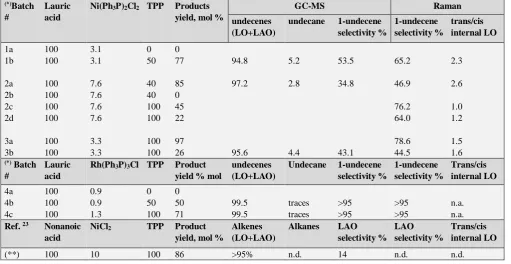
Table 1. LO/LAO formation from lauric acid Ni(Ph3P)2Cl2 vs. Rh(Ph3P)3Cl
(*)Batch
#
Lauric acid
Ni(Ph3P)2Cl2 TPP Products yield, mol %
GC-MS Raman
undecenes (LO+LAO)
undecane 1-undecene selectivity %
1-undecene selectivity %
trans/cis internal LO
1a 100 3.1 0 0
1b 100 3.1 50 77 94.8 5.2 53.5 65.2 2.3
2a 100 7.6 40 85 97.2 2.8 34.8 46.9 2.6
2b 100 7.6 40 0
2c 100 7.6 100 45 76.2 1.0
2d 100 7.6 100 22 64.0 1.2
3a 100 3.3 100 97 78.6 1.5
3b 100 3.3 100 26 95.6 4.4 43.1 44.5 1.6
(*) Batch
#
Lauric acid
Rh(Ph3P)3Cl TPP Product yield % mol
undecenes (LO+LAO)
Undecane 1-undecene selectivity %
1-undecene selectivity %
Trans/cis internal LO
4a 100 0.9 0 0
4b 100 0.9 50 50 99.5 traces >95 >95 n.a.
4c 100 1.3 100 71 99.5 traces >95 >95 n.a.
Ref. 23 Nonanoic acid
NiCl2 TPP Product
yield, mol %
Alkenes (LO+LAO)
Alkanes LAO selectivity %
LAO selectivity %
Trans/cis internal LO
(**) 100 10 100 86 >95% n.d. 14 n.d. n.d.
(*) Results of the present work. The reagents are reported in molar ratio making 100 lauric acid; reaction conditions 320-340°C in sand bath, vacuum applied 40-90 Torr. Product yield is calculated on the moles of the starting fatty acid. Amount of LO, LAO and alkane determined by GC-MS. LAO selectivity and trans/cis ratio determined by Raman spectroscopy.
Synthesis of LO/LAO from fatty acids using Rh(Ph3P)3Cl (Wilkinson catalyst)
The same reaction set-up and reaction conditions described in the previous section was also employed in the lauric acid dehydration-decarbonylation reaction using the Wilkinson catalyst, i.e., Rh(Ph3P)3Cl in place of the
Ni-complex. The results are summarized at the bottom of Table 1. The Rh(I) complex was used at about 1/3 the concentration of the Ni-complex.
Results and discussion
The work of John, Hillmayer and Tolman,23 on the
dehydration-decarbonylation reactions of fatty acids was impressive, since excellent results were achieved without the need to use acetic anhydride as a promoter of fatty acid anhydride formation and without the need of any other additive than simple nickel (II) salts. However, it was reported that the Ni-complex (Ph3P)2NiCl2 is an active
dehydration-decarbonylation catalyst on carboxylic acid anhydrides.26 Since (Ph
3P)2NiCl2 is commercially available
and not expensive, this prompted us to study its activity in the dehydration-decarbonylation reaction of fatty acids aiming to better yields and better selectivity than simple NiI2
and NiCl2 catalysts reported previously.
Spectrophotometric study of (Ph3P)2NiCl2 in liquid diphenyl(p-tolyl)phosphine
Among the first-row transition metals, Ni(II) is unique in the behavior of its complexes which interconvert into different stereoisomers rather easily.27 For instance,
(PhP)NiCl has a tetrahedral and paramagnetic structure,
but its crystallization from chlorinated solvents convert the complex into the square planar diamagnetic stereoisomer. 27-29 Furthermore, also in solution the equilibrium between the
tetrahedral and the square planar structure has been detected for several Ni(II) complexes.27-29
Fig. 1 shows the electronic absorption spectrum of (Ph3P)2NiCl2 dissolved in diphenyl(p-tolyl)phosphine
(DPTP), a ligand and solvent analogous to TPP but having a lower melting point than TPP (67°C vs. 80°C respectively). Thus, DPTP was used as a solvent at 70°C in the temperature controlled cell holder. The spectrum of (Ph3P)2NiCl2 in liquid DPTP is characterized by three
electronic transitions. The transition next to the near infrared occurs at 906 nm and has approximately the same intensity of the transition in the visible at 540 nm. The transition next to the UV-A occurs at about 400 nm and its peak is too strong to be observed in the spectrum of Fig. 1, but it was observed at lower (Ph3P)2NiCl2 concentration in DPTP.
Eur. Chem. Bull. 2019, 8(3), 88-95 DOI: 10.17628/ecb.2019.8.88-95
Such electronic spectral band pattern is typical of the octahedral structure of the nickel complexes which are paramagnetic.27-29 Thus, it should be admitted that an
equilibrium of the type
(Ph3P)2NiCl2+2(o-MeC6H4)Ph2P
((o-MeC6H4)Ph2P)2(Ph3P)2NiCl2 (4)
occurs in the DPTP medium. The originally tetrahedral
complex (Ph3P)2NiCl2 assumes an octahedral and
paramagnetic structure in a coordinating solvent like TPP or DPTP. Thus, it is believed that the actual catalytically active species in the dehydration-decarbonylation reaction of the fatty acids is this octahedrally coordinated nickel complex.
Fig. 1 also shows the electronic spectrum of NiCl2
dissolved in DTPT at 70 °C. The spectrum is characterized by a unique absorption band at about 400 nm accompanied by a broad and weak feature at about 550 nm. This spectrum suggests that at 70 °C NiCl2 is able to coordinate DPTP, but
the electronic transitions indicate essentially a square planar diamagnetic geometry. There is no evidence for an eventual square planar – tetrahedral equilibrium and no evidence at all for the formation of the octahedral coordination structure of Ni(II). It should be assumed that NiCl2 reacts with DPTP
and hence also with TPP at higher temperatures than 70°C and longer time to produce the effective active species which is able to catalyze the dehydration-decarbonylation reaction on fatty acids. With these premises, it is expected a better catalytic performance from (Ph3P)2NiCl2 in the
dehydration-decarbonylation of fatty acids with respect to NiCl2 in liquid TPP.
LO/LAO synthesis from lauric acid and (Ph3P)2NiCl2 in TPP
Lauric acid (or dodecanoic acid) which is obtained from coconut oil and palm kernel in multimillion metric ton/year,3
was the preferred fatty acid to study the dehydration-decarbonylation reaction to LO/LAO in the present study. The results relative to lauric acid are reported in Table 1 while the results on a selection of other fatty acids dehydration-decarbonylation are summarized in Table 2.
Other authors,23 have already reported that NiCl
2 in TPP is
able to convert nonanoic acid into products with 89 % yield but low selectivity in LAO products which is reported as limited to 14 % only. These results are also reported at the bottom of Table 1 as a reference, suggesting the low selectivity of NiCl2 toward LAO.
As shown in Table 1, TPP is an essential solvent and ligand in the dehydration-decarbonylation with (Ph3P)2NiCl2
complex. Run #1a in Table 1 shows that 3.1 % mol of (Ph3P)2NiCl2 in lauric acid alone is not able to produce any
dehydration-decarbonylation reaction on lauric acid. However, the addition of 50 % mol TPP over lauric acid (run #1b) provides 77 % mol yield of products. The products were composed of 94.8% of LO/LAO undecenes and the undecane represents only 5.2 %. The selectivity to the LAO 1-undecene was found at 53.5 % by GC-MS and 65.2 % by Raman spectroscopy. A discussion on Raman spectroscopy for the analysis of LO/LOA is covered in detail in the last section of this paper.
Run #2a shows that an increase of (Ph3P)2NiCl2
concentration over lauric acid improves the overall products yield from 77.0 % to 85 %, suppresses the formation of the alkane undecane to 2.8 % but reduces the selectivity considerably to LAO down to 34.8 % by GC-MS and 46.9 % by Raman, increasing the yield of LO with internal double bond. In run #2b, the consumed lauric acid in the exhausted run #2a was reconstituted. However, no reaction products were obtained at all, probably because of the oxidation of TPP to triphenylphosphine oxide (TPPO) as already noticed by other authors.23 Indeed, GC-MS analysis
of the white condensate found in the head of the distillation apparatus has revealed the presence to TPPO accompanied by lower amounts of TPP.
Run #2c was made after the addition of a new amount of TPP so that the total TPP already present from run #2a (and transformed to TPPO) and the newly added TPP were in an equimolar amount with the lauric acid. Run #2c is characterized by a relatively low yield in the LO products which was limited to 44.5 % mol while the selectivity to LOA was found at 76.2 % by Raman spectroscopy. A further replacement of the consumed lauric acid, produced the run #2d, where the overall products yield dropped further to only 22 % by mol over lauric acid while the selectivity to LOA remained quite good, 64 % by Raman. The latter permits the determination of the trans/cis isomers ratio for the olefins with an internal double bond. While in batches #1a and #2a the trans olefins amount was more than double the cis olefins amount, in run #2c and #2d the trans and cis olefins were found at an approximately equimolar ratio.
When an equimolar mixture of lauric acid and Ph3P are
melted together, they form a clear and homogeneous liquid phase. Such a mixture seems to have all the characteristics of a deep eutectic solvent.30 In such a solvent, it is believed
that the fatty acid decarbonylation reaction may be facilitated. To test this hypothesis run #3a was designed with the use of an equimolar mixture of lauric acid and TPP while the (Ph3P)2NiCl2 concentration was brought back to
the levels employed in run #1b. The yield in overall products was exceptionally high, i.e., 97 % mol over the starting lauric acid, while the alkane undecane was only 4.4% of the products and 95.6 % were LO. The LAO selectivity, i.e., 1-undecene content in the products was found at 78.6 %, a good result. Indeed, other authors23 have
reported that certain Ni(0) complexes such as Ni(Ph3P)4 as
well as (Ph3P)2Ni(CO)2 are able to increase the selectivity
considerably toward LAO in nonanoic acid deoxygenation reporting values of 66-70 % but at the expenses of low yields in the conversion of nonanoic acid i.e. 25-30 %. Instead, with Ni(II) complex (Ph3P)2NiCl2 and the
conditions of run #3a, the yields in lauric acid conversion were nearly quantitative, and the selectivity to LAO (1-undecene) was quite impressive, reaching 78.6 %.
All the data in Table 1 show that the expected better catalytic performances of the complex (Ph3P)2NiCl2, are
confirmed both in terms of higher conversion of lauric acid into LO/LAO and moreover in terms of much higher selectivity in LAO production than NiCl2. Furthermore, the
Raman spectroscopy has assessed that the undecenes with internal double bonds in all the batches 1-3 reported in Table 1 occur most frequently with an excess of trans isomer over the cis isomer. Thermodynamically the trans
isomers are more stable than the cis isomers while α-olefins are thermodynamically the least stable.31 Thus, the
dehydration-decarbonylation reaction is supposed to
produce first the α-olefins for kinetics reasons, which in their turn isomerize into the thermodynamically more stable cis and trans olefins with the internal double bond. The prevalence of trans olefins (over the cis olefins) may be explained with the thermodynamic argument while the selectivity in LAO has certainly a mechanistic and kinetics basis.
LO/LAO synthesis from lauric acid and (Ph3P)3RhCl in TPP
The Wilkinson's catalyst is an Rh(I) complex very effective as homogeneous hydrogenation catalyst of alkene and alkynes in mild conditions and as hydroformylation catalyst for olefins.32 The chemical structure of (Ph
3P)3RhCl
is square planar with tetrahedral distortion32 and the
complex was reported as an active decarboxylation catalyst.33 Thus, in this study, the Wilkinson's catalyst was
tested in the dehydration-decarbonylation reaction of lauric acid in comparison with the results obtained with (Ph3P)2NiCl2 and using similar reaction conditions. The
results are summarized at the bottom of Table 1.
Run #4a shows that (Ph3P)3RhCl is completely ineffective
in the dehydration-decarbonylation reaction of lauric acid in
the absence of TPP, exactly as in the case of (Ph3P)2NiCl2 in
run #1a.
Thus, TPP plays a key role in this reaction irrespective to the nature of the central metal complex involved. Run #4b shows that the addition of 50% mol of TPP over lauric acid makes (Ph3P)3RhCl effective in producing undecenes with
very high selectivity. Undecane by-product is obtained in trace amounts. Run #5b also shows that (Ph3P)3RhCl
ensures a very high selectivity toward LAO (1-undecene) formation with >95% content overall undecenes as detected by Raman and confirmed by GC-MS.
In run #4c the (Ph3P)3RhCl complex was acting over an
equimolar mixture of lauric acid and TPP. A remarkable increase in the undecenes yield was observed with respect to run #4b (from 50 to 71% by mol over lauric acid), while the selectivity toward 1-undecene was preserved above 95%.
In summary, the Wilkinson’s catalyst (Ph3P)3RhCl
presents the merit over (Ph3P)2NiCl2 of very high selectivity
toward LAO production while the by-product alkane, undecane, is produced only in trace amounts. However, the overall products yield of LO/LAO from lauric acid is lower with the Rh(I) complex in comparison to the overall yields achieved with the Ni(II) complex.
LO/LAO synthesis from a selected fatty acid and (Ph3P)2NiCl2 in TPP
The Ni(II) complex (Ph3P)2NiCl2 was also studied in the
decarbonylation-dehydration reaction of a series of selected fatty acids as reported in Table 2. Using the equimolar ratio between the fatty acid and TPP, the complex (Ph3P)2NiCl2
ensures in all cases a high conversion of the fatty acids into the products LO/LAO.
Table 2. LO/LAO formation from fatty acids (other than lauric) and Ni(Ph3P)2Cl2 catalyst
(*) Batch #
Fatty acid Ni(Ph3P)2Cl2 TPP Product yield, mol %
GC-MS RAMAN
Type Molar ratio
Alkenes (LO+LAO)
Alkanes Selectivity LAO %
Selectivity LAO %
trans/cis internal LO
5 Decanoic 100 3.4 100 71 80.3 2.3
6 Myristic 100 3.4 100 93 93.6 6.4 57.6 47.6 2.9
7 Palmitic 100 3.4 100 90 86.3 13.7 43.2 35.0 3.6
8 Stearic 100 3.9 100 83 91.1 8.9 43.6 34.0 3.8
(*) Results of the present work. The reagents are reported in molar ratio making 100 lauric acid; reaction conditions 320-340 °C in sand bath, vacuum applied 40-90 Torr. Product yield is calculated on the moles of the starting fatty acid. Amount of LO, LAO and alkane determined by GC-MS. LAO selectivity and trans/cis ratio determined by Raman spectroscopy.
Table 3. Distribution of products LO/LAO as determined by Raman and GC-MS
Run # Catalyst % LAO % LO with internal C=C % cis-LO % trans-LO
by GC-MS 3b Ni(Ph3P)2Cl2 45.0 55.0 n.d. n.d.
by Raman 3b Ni(Ph3P)2Cl2 44.5 55.5 30 60
by GC-MS 4c Rh(Ph3P)3Cl >95 4 n.d. n.d.
by Raman 4c Rh(Ph3P)3Cl >95 n.d. n.d. n.d.
Eur. Chem. Bull. 2019, 8(3), 88-95 DOI: 10.17628/ecb.2019.8.88-95
The by-product formation, i.e., alkanes remains significant also with higher fatty acids homologs than lauric acid. In the case of palmitic and stearic acid, the alkane fraction (respectively pentadecane and heptadecane) reached about 10 % or more of the overall products. Regarding the LAO content, the maximum selectivity of 80 % was detected with Raman on 1-nonene produced from decanoic acid and remained quite high also on the higher homologs of fatty acids. For instance, it is remarkable the LAO selectivity of 57.6 % observed on the products from myristic acid. In the case of the olefins obtained from palmitic and stearic acid, the LAO selectivity stopped at about 43 % (GC-MS).
It is quite remarkable that the trans/cis ratio is found higher in the LO with internal double bonds produced from higher fatty acids homologs whereas thermodynamics favor the trans isomer with the higher olefins homologs.
LO/LAO selectivity determination with Raman spectroscopy
In addition to the GC-MS analysis of the products obtained from the dehydration-decarbonylation reaction of fatty acids, also the Raman spectroscopy is a suitable analytical tool which is able to distinguish the amount of LAO over the total LO. Regarding LO with internal double bonds, Raman spectroscopy is able to detect both the amount of cis-LO and trans-LO. Raman spectroscopy is very sensitive to the geometry of the double bonds, and their substitution degree.34 In the Raman spectra the alkane
by-products were not determined. Thus, the focus is only on the LO/LAO olefins.
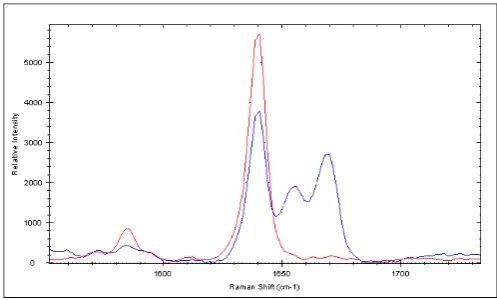
Fig. 2 shows the Raman spectra of the LO produced from lauric acid and Ni(II) complex (run #3b). Three distinct peaks can be observed at 1640, 1656 and 1670 cm-1. The
peak at a lower frequency is due to the LAO 1-undecene, the peak at 1656 cm-1 to cis-undecenes with an internal double
bond and the peak at 1670 cm-1 to trans-undecenes with an
internal double bond. From the integrated absorptivity of each of these peaks, it is possible to determine the relative amount of the three mentioned LO isomers.
Figure 2. Raman spectra of the undecene mixture obtained from the lauric acid decarbonylation-dehydration reaction. The blue trace is due to the undecenes produced with Ni(II) catalyst from run #3a. The peak at 1640 cm-1 is due to 1-undecene, the band at 1656 cm-1 to cis-undecenes with an internal double bond and the peak at 1670 cm-1 to trans-undecenes with an internal double bond. The red trace is essentially due to 1-undecene produced from Rh(I) catalyst and run #6.
The calculations are summarized in Table 3 and compared with GC-MS results, recalculated by excluding the alkane components present in the mixture of products.
For the LO from lauric acid and Ni(II) complex (run #3b), the LAO content determined by GC-MS was 45.0% in fair agreement with 44.5% determined from the Raman spectrum of Fig. 2. Furthermore, among the LO with an internal double bond which represents more than 50% of the total olefins, the trans isomers are preponderant representing 60% of the LO. However, as shown in Table 1 and 2, the coincidence in the LAO values found with GC-MS and estimated with Raman spectroscopy are seldom precisely the same. However, Raman spectroscopy is a rapid screening tool for the analysis of the LO/LAO while GC-MS remains the most useful analytical tool in this case.
Fig. 2 also shows the Raman spectrum of the LO/LAO obtained from lauric acid and Rh(I) complex (run #4c). In this case, only a single and sharp band can be observed at 1640 cm-1 suggesting that the LAO 1-undecene was by far
the main product. In fact, from the Raman spectrum, it is possible to determine an LAO content of >95% which is in good agreement with the value of >95% determined by GC-MS. Because of the very low content of LO with an internal double bond, in the case of the products from run #4c, it was not possible to determine the trans/cis ratio as done in the case of the products from batch #3b. All the results are summarized in Table 3.
Conclusions
It was shown that starting from lauric or dodecanoic acid, widely available from coconut and palm kernel oil it is possible to synthesize in a single step and high yields a mixture of linear olefins (LO) i,e, a mixture of undecenes with a good selectivity toward the linear α-olefin (LAO) 1-undecene. The synthesis can be achieved with the easily accessible and economic Ni(II) complex (Ph3P)2NiCl2 using
liquid triphenylphosphine (TPP) as a solvent. The best yields were reached when an equimolar mixture of lauric acid and TPP were heated with (Ph3P) 2NiCl2. The reaction
starting from fatty acids and leading to LO/LAO was defined as a dehydration-decarbonylation reaction,14 since it
involves firstly the formation of the fatty acid anhydride with the release of water, followed by the decarbonylation with CO release (see Eqns. 1) and (3) as assessed experimentally.23 As secondary product also the alkane
undecane was detected by GC-MS in very low yield and undoubtedly due to the decarboxylation reaction of lauric acid according to Eqn. (2).
The Ni(II) complex (Ph3P)2NiCl2 is an effective
dehydration-decarbonylation in liquid TPP and it works well also with other fatty acids than lauric acid. As shown in Table 2, the mentioned complex is able to produce LO/LAO in high yield and good LAO selectivity also with decanoic, myristic, palmitic and stearic acid, confirming the general purpose effectiveness of the proposed catalyst. The electronic absorption spectra of (Ph3P)2NiCl2 in liquid
same spectrum as that displayed by (Ph3P)2NiCl2 at 70 °C
and it is already known to be less effective in the dehydration-decarbonylation reaction of fatty acids, giving lower yields and low to negligible selectivity toward LAO.23
The catalytic performances of (Ph3P)2NiCl2 in the
dehydration-decarbonylation reaction were also compared with those of the expensive Rh(I) complex Rh(Ph3P)3Cl
known as Wilkinson’s catalyst. The Rh(I) catalyst shows an extremely high selectivity in LAO formation with yields >95 % as determined both with Raman spectroscopy and confirmed by GC-MS. Furthermore, the alkane by-product is produced in trace amounts. The unique drawback of the Wilkinson’s catalyst is the lower yields in the lauric acid conversion to LO/LAO in comparison to those achieved with the Ni(II) complex.
In conclusion, Rh(Ph3P)3Cl is the catalyst of choice if
>95 % LAO selectivity is required with no other by-products. However, if the industrial goal is to produce a mixture of LO/LAO in high yields without the need of high selectivity to LAO, as in the case of feedstock for hydroformylation reaction, then the catalyst of choice is the easily accessible and economic Ni(II) complex (Ph3P)2NiCl2.
TPP plays a key role both as ligand and as redox solvent.
References
1Morgan, M., Linear alpha olefins – A question of balance, Chem. Week, 2016, March 14.
https://chemweek.com/CW/Document/77664
2Weissermel, K., Arpe, H. J., Industrial Organic Chemistry, 3rd ed. Wiley-VCH, Weinheim, 2008, pp. 74-83.
https://books.google.it/books?hl=it&lr=&id=AO5HyPl_X0w C&oi=fnd&pg=PP2&dq=2Weissermel,+K.,+Arpe,+H.+J.+In dustrial+Organic+Chemistry,+3rd+ed.+WileyVCH,+Weinhe im,+2008,+pp.+7483&ots=uMQ8crEHIG&sig=qqTFFJfhD6 JLUmdACUNJeL1NfGc&redir_esc=y#v=onepage&q&f=fal se
3Gunstone, F. D., Fatty Acid and Lipid Chemistry. Springer, Dordrecht, 2012. DOI: https://doi.org/10.1007/978-1-4615-4131-8
4Ahmad, M. U., (ed.). Fatty Acids. Chemistry, Synthesis and Applications. Elsevier, Amsterdam, 2017.
https://books.google.it/books?hl=it&lr=&id=QioUDgAAQB AJ&oi=fnd&pg=PP1&dq=Ahmad,+M.U.,+(ed.).+Fatty+Aci ds.+Chemistry,+Synthesis+and+Applications.+Elsevier,+Am sterdam,+2017.&ots=6oe3K7HHpn&sig=fJpiQO9QRZSA5 Qi2AZaXj5dwtQ&redir_esc=y#v=onepage&q=Ahmad%2C %20M.U.%2C%20(ed.).%20Fatty%20Acids.%20Chemistry %2C%20Synthesis%20and%20Applications.%20Elsevier%2 C%20Amsterdam%2C%202017.&f=false
5Corma, A., Iborra, S., Velty, A., Chemical Routes for the Transformation of Biomass into Chemicals, Chem. Rev.,2007, 107, 2411.
https://pubs.acs.org/doi/abs/10.1021/cr050989d
6Metzger, J. O., Fats and oils as renewable feedstock for chemistry, Eur. J. Lipid Sci. Technol., 2009, 111, 865.
https://doi.org/10.1002/ejlt.200900130
7de Espinosa, L. M., Meier, M. A., Plant oils: The perfect renewable resource for polymer science?! Eur. Polym. J. 2011, 47, 837.
https://doi.org/10.1016/j.eurpolymj.2010.11.020
8Dawes, G. J. S., Scott, E. L., Le Nôtre, J., Sanders, J. P., Bitter, J. H., Deoxygenation of biobased molecules by decarboxylation and decarbonylation – a review on the role of heterogeneous, homogeneous and bio-catalysis, Green Chem., 2015, 17, 3231. DOI: 10.1039/C5GC00023H
9Deuss, P. J., Barta, K., de Vries, J. G., Homogeneous catalysis for the conversion of biomass and biomass-derived platform chemicals, Catal. Sci. Technol., 2014, 4, 1174. DOI:
10.1039/C3CY01058A
10Gandini, A., Lacerda, T. M., From monomers to polymers from renewable resources: Recent advances, Progr. Polym. Sci., 2015, 48, 1.
https://doi.org/10.1016/j.progpolymsci.2014.11.002
11Beller, M., Centi, G., Sun, L., Chemistry Future: Priorities and Opportunities from the Sustainability Perspective, ChemSusChem, 2017, 10, 6.
https://doi.org/10.1002/cssc.201601739
12Lozano, F. J., Lozano, R., Freire, P., Jiménez-Gonzalez, C., Sakao, T., Ortiz, M. G., Trianni, A., Carpenter, A., Viveros, T., New perspectives for green and sustainable chemistry and engineering: Approaches from sustainable resource and energy use, management, and transformation, J. Cleaner Prod.,2018, 172, 227.
https://doi.org/10.1016/j.jclepro.2017.10.145
13Clarke, C. J., Tu, W. C., Levers, O., Brohl, A., Hallett, J. P., Green and Sustainable Solvents in Chemical Processes, Chem. Rev.2018, 118, 747.
https://pubs.acs.org/doi/abs/10.1021/acs.chemrev.7b00571
14Behr, A., Vorholt, A. J., Homogeneous Catalysis With Renewables (Vol. 39 of the Springer’s book series: Catalysts by Metal Complexes), 2017, Springer, Cham, Switzerland. DOI: https://doi.org/10.1007/978-3-319-54161-7_12
15Schwarz, J., König, B., Decarboxylative reactions with and without light – a comparison, Green Chem. 2018, 20, 323. DOI : 10.1039/C7GC02949G
16Miller, J. A., Nelson, J. A., Byrne, M. P.. A Highly Catalytic and Selective Conversion of Carboxylic Acids to 1-Alkenes of One Less Carbon Atom, J. Org. Chem. 1993, 58, 18-20.
https://pubs.acs.org/doi/abs/10.1021/jo00053a008?journalCo de=joceah
17Lopez-Ruiz, J. A., Davis, R. J., Decarbonylation of heptanoic acid over carbon-supported platinum nanoparticles, Green Chem.2014, 16, 683. DOI: 10.1039/C3GC41287C
18Chatterjee, A., Jensen, V. R., Heterogeneous Catalyst for the
Transformation of Fatty Acids to α-Olefins, ACS Catal.2017, 7, 2543.
https://pubs.acs.org/doi/abs/10.1021/acscatal.6b03460
19Eliasson, S. H. H., Chatterjee, A., Occhipinti, G., Jensen, V. R., The Mechanism of Rh-Catalyzed Transformation of Fatty Acids to Linear Alpha-olefins, Inorganics, 2017, 5, 87.
https://doi.org/10.3390/inorganics5040087
20Chatterjee, A., Hopen Eliasson, S. H., Törnroos, K. W., Jensen, V. R., Palladium Precatalysts for Decarbonylative Dehydration of Fatty Acids to Linear Alpha Olefins, ACS Catal.2016, 6, 7784. https://pubs.acs.org/doi/abs/10.1021/acscatal.6b02460
21John, A., Miranda, M. O., Ding, K., Dereli, B., Ortuño, M. A., LaPointe, A. M., Tolman, W. B. Organometal. 2016, 35, 2391.
https://pubs.acs.org/doi/abs/10.1021/acs.organomet.6b00415
22John, A., Dereli, B., Ortuño, M. A., Johnson, H. E., Hillmyer, M. A., Cramer, C. J., Tolman, W. B., Nickel Catalysts for the Dehydrative Decarbonylation of Carboxylic Acids to Alkenes, Organometallics, 2017, 36, 2956.
https://pubs.acs.org/doi/abs/10.1021/acs.organomet.7b00411
23John, A., Hillmyer, M. A., Tolman, W. B., Anhydride-Additive-Free Nickel-Catalyzed Deoxygenation of Carboxylic Acids to Olefins, Organometal.2017, 36, 506.
Eur. Chem. Bull. 2019, 8(3), 88-95 DOI: 10.17628/ecb.2019.8.88-95 24Maetani, S., Fukuyama, T., Suzuki, N., Ishihara, D., Ryu, I.,
Iron-catalyzed decarbonylation reaction of aliphatic carboxylic acids leading to a-olefins, Chem. Comm. 2012, 48, 2552. DOI : 10.1039/C2CC18093F
25Wu, J., Shi, J., Fu, J., Leidl, J. A., Hou, Z., Lu, X., Decarboxylation of Fatty Acids to Aviation Fuels over Nickel Supported on Activated Carbon, Sci. Rep., 2016, 6, 27820 (8 pages). https://doi.org/10.1038/srep27820
26Trost, B. M., Chen, F., Transition metal mediateliminations in in anhydrides and thioanhydrides, Tetrahedron Lett. 1971, 12, 2603. https://doi.org/10.1016/S0040-4039(01)96930-8
27Nicholls, D. « Nic.» ». In Bailar, J.C., Emeleus, H.J., Nyholm, R., Trotman-Dickenson, A.F. (Eds.), Comprehensive Inorganic Chemistry, chapter 42, Pergamon Press, Oxford, 1973.
28Greenwood, N. N., Earnshaw, A. Chemistry of the Elements, 2nd, Elsevier, Amsterdam, 2004.
29Cotton, A. F., Wilkinson, G., Bochmann, M., Murillo, C. A. Advanced Inorganic Chemistry. Wiley, New York, 1999.
https://www.wiley.com/enus/Advanced+Inorganic+Chemistr y%2C+6th+Edition-p-9780471199571
30Smith, E. L., Abbott, A. P., Ryder, K. S., Deep Eutectic Solvents (DESs) and Their Applications, Chem. Rev. 2014, 114, 11060. DOI: 10.1021/cr300162p
31Anslyn, E. V., Dougherty, D. A. Modern Physical Organic Chemistry. University Science books. Sausalito, California,
2006.https://books.google.it/books?hl=it&lr=&id=gYSxijk_t
MC&oi=fnd&pg=PR23&dq=Anslyn,+E.+V.,+Dougherty,+D .+A.+Modern+Physical+Organic+Chemistry.+University+Sc ience+books.+Sausalito,+California,+2006.&ots=evwHbfGi Xd&sig=es56OD0HWB2AjWqSqhPmyxX1bNA&redir_esc =y#v=onepage&q&f=false
32Cotton, A. F. Chemistry of Precious Metals. Chapman & Hall, London, 1997, pp.91-132.
33Cornils, B., Herrmann, W.A., Schlogl, R., Wong, C.H. (Eds.). Catalysis from A to Z. A Concise Encyclopedia. Wiley-VCH, Weinheim, 2000, p. 159.
34Freeman, S. K. Applications of Laser Raman Spectroscopy. John Wiley and Sons, New York, 1974.