pharmacological aspects
of corticotrophinergic and
vasopressinergic function tests
for hpa axis activation
proefschrift
ter verkrijging van de graad van Doctor aan de Universiteit Leiden, op gezag van de Rector Magnificus prof. mr. P.F. van der Heijden,
volgens besluit van het College voor Promoties, te verdedigen op woensdag 15 december 2010,
klokke 10: 00 uur
door
Gabriël Etienne Jacobs, geboren te Vereeniging, Zuid-Afrika
promotiecommissie
promotores
Prof. dr. J.M.A. van Gerven Prof. dr. F.G. Zitman Prof. dr. A.F. Cohen
overige leden
Prof. dr. E.R. de Kloet Prof. dr. H. Pijl
Dr. H.J. Gijsman, psychiater, opleider psychiatrie, ggz Nijmegen
design
Caroline de Lint, Voorburg ([email protected])
acknowledgements
9 chapter 1
Introduction
35 chapter 2
Desmopressin as a pharmacological tool in vasopressinergic hypothalamus–pituitary–adrenal (hpa) axis modulation: neuroendocrine, cardiovascular and coagulatory effects
57 chapter 3
A pharmacological tool to assess vasopressinergic co-activation of the hypothalamus–pituitary–adrenal (hpa) axis more integrally in healthy volunteers
77 chapter 4
Pharmacology of rising oral doses of 5-hydroxytryptophan with carbidopa
99 chapter 5
Enhanced tolerability of the 5-hydroxytryptophane challenge test combined with granisetron
117 chapter 6
Metoclopramide as pharmacological tool to assess
vasopressinergic co-activation of the hypothalamus–pituitary– adrenal (hpa) axis: A study in healthy volunteers
141 chapter 7
Hypothalamic glutamate levels following serotonergic stimulation: A pilot study using 7-Tesla magnetic resonance spectroscopy in healthy volunteers
163 chapter 8
General discussion and conclusions
180 Samenvatting / Summary in Dutch
189 Curriculum Vitae
191 Nawoord
list of abbreviations
5-ht 5-hydroxytryptamine; serotonin 5-htp 5-hydroxytryptophan 7t 7-tesla
acth adreno-corticotrophic hormone
adh antidiuretic hormone
ae adverse event
ancova analysis of covariance
ans autonomic nervous system
atd acute tryptophan depletion
auc area under the plasma drug
concentration-time curve
avp arginine-vasopressin
bbb blood-brain-barrier
bold blood oxygen level dependent
camp Cyclic adenosine monophosphate
car cortisol awakening response
cbd carbidopa
chdr centre for human drug research
chol choline
cl total clearance of drug from plasma
cns central nervous system
cort cortisol
cmax maximal mean plasma concentration
creat creatine crha crha receptor
crh corticotrophin-releasing hormone
ctz chemoreceptor trigger zone
db dopamine-2 receptor
da dopamine
dbp diastolic blood pressure
ddavp desmopressin
dex dexamethasone
dex/crh dexamethasone/corticorelin test
ecg electrocardiogramme
fmri functional magnetic resonance imaging
gaba γ-aminobutyric acid
glx glutamate/glutamine
gr glucocorticoid receptor
hr heart rate
hcrh corticorelin
hpa hypothalamus-pituitary-adrenal
lsm least squared means
lumc leiden university medical centre
mcpp m-chlorophenylpiperazine
maoi mono-amine oxidase inhibitor
mcp metoclopramide
mdd major depressive disorder
mdma 3,4-methylenedioxymethamphetamine
mpfc Medial prefrontal cortex
mr mineralocorticoid receptor
mrna messenger ribonucleic acid
mrs proton magnetic resonance spectroscopy
naa n-acetyl-aspartate
na noradrenaline
nri noradrenaline reuptake inhibitor
ogtt oral glucose tolerance test
pd pharmacodynamic
pk pharmacokinetic
pomc pro-opiomelanocortin
ptsd post-traumatic stress disorder
pvn paraventricular nucleus
sam sympatho-adrenal-medullary
sbp systolic blood pressure
scl-90 symptoms check list
ssri selective serotonin reuptake inhibitor
son supraoptic nucleus
steam single voxel stimulated echo acquisition
mode
tlkb elimination half life
tca tricyclic antidepressant drug
te echo time
thc tetrahydrocannabinol
tmax time to maximal plasma drug concentration
tm mixing time
tr repetition time
tsst trier social stress test
vb vasopressin-2 receptor
vc vasopressin-3 receptor
vas visual analogue scale
voi volume-of-interest
chapter 1
Introduction
The hypothalamus is the principle integrating centre between
central neurotransmitter circuits involved in affective
pro-cessing and the peripherally situated pituitary and adrenal
glands (de Kloet et al., 2005; Holsboer and Ising, 2008).
Stim-uli from the environment activate affective neurotransmitter
circuits in the medial prefrontal cortex (MPFC), the limbic
system and the autonomic brainstem (Gratton and Sullivan,
2005; Reul and Droste, 2009). Afferent neurotransmitter
pro-jections originating from these circuits ultimately terminate
in the hypothalamus (Aguilera and Rabadan-Diehl, 2000; de
Kloet et al., 2005; Dinan and Scott, 2005; Holsboer and Ising,
2008). There, rapid gene transcription products modulate
the production of the neuropeptides corticotrophin-releasing
hormone (
crh
) and arginine-vasopressin (
avp
) (DeBold et al.,
1984; Favrod-Coune et al., 1993; Scott and Dinan, 1998).
crh
and
avp
in turn induce the production and release of
acth
from the anterior pituitary (Holsboer and Barden, 1996).
acth
hpa
axis activation in health
The paraventricular nucleus (pvn) of the hypothalamus is inti-mately involved in the coordination of hpa axis function. It main-tains the physiological tone of the hpa axis and plays a crucial role in the integration and translation of stress signals (Herman et al., 2005). Following affective stimuli, the pvn is activated by serotonin (5-hydroxytryptamine – 5-ht) and noradrenaline (na) that projects from distinct nuclei situated in the brainstem (Ulrich-Lai and Her-man, 2009; Herman et al., 2005) and by stimulatory pathways from the (medial nuclei) of the amygdala (Ulrich-Lai and Herman, 2009). Conversely, the pvn is inhibited by γ-aminobutyric acid (GABA)-producing cells in the peri-paraventricular region of the hypothala-mus and by a relatively specific population of neurons in the subic-ulum of the hippocampus (Ulrich-Lai and Herman, 2009). The (central) hypothalamic pvn induces (peripheral) endocrine activa-tion by releasing the neuropeptides crh and avp into the pituitary portal circulation. crh is considered the major hpa axis secreta-gogue under physiological conditions, while avp co-activates the
hpa axis together with crh under conditions of acute stress (Agu-ilera and Rabadan-Diehl, 2000; Dinan and Scott, 2005; Holsboer et al., 1984a; Pariante and Lightman, 2008; Keck, 2006). crh is primar-ily produced by the parvocellular neurons of the hypothalamic pvn
and acts specifically at the crha receptors on the anterior pituitary to release acth into the systemic circulation (corticotrophinergic activation) (Holsboer et al., 1984a; von Bardeleben and Holsboer, 1988; Dinan and Scott, 2005). avp, otherwise known as antidiuretic hormone (adh), is produced in both the magnocellular- and parvo-cellular neurons of the pvn and the supraoptic nucleus (son) of the hypothalamus (Ring, 2005). avp secreted by the magnocellular cells is transported via the medial eminence to the posterior pituitary where it is stored and released systemically in response to (physio-logical) stimuli such as hypotension, hypoglycemia, hypovolemia and hyperosmolality (Dinan and Scott, 2005; Keck, 2006; Pariante and Lightman, 2008; Ring, 2005). On the other hand, avp originat-ing from the hypothalamic parvocellular neurosecretory cells is released into the pituitary portal system following acute (affective) stress, enabling avp to stimulate the vasopressin 3 receptor (vc or
avp transiently mobilizes calcium into the cytoplasm and subse-quently potentiates crha-associated acth release by enhancing its production via proteolysis of the acth precursor pro-opiomelano-cortin (pomc).(DeBold et al., 1984; Dinan and Scott, 2005; Favrod-Coune et al., 1993). avp synergizes acth release in the presence of increased crh, culminating in the enhanced release of cort from the adrenal cortices into the systemic circulation (vasopressinergic co-activation) (Dinan and Scott, 2005; Holsboer and Barden, 1996; Pariante and Lightman, 2008; Scott and Dinan, 1998; Tichomirowa et al., 2005). In turn, cort induces concentration-dependent affec-tive-, cognitive- and metabolic effects that facilitate adequate adaptive behavioural responses to (stressful) environmental stim-uli. In parallel, cort inhibits the neuroendocrine response via a complex feedback mechanism that involves the glucocorticoid receptors (gr) and mineralocorticoid receptors (mr) in the pitu-itary, hypothalamus and hippocampus (Figure 1) (Ulrich-Lai and Herman, 2009; de Kloet et al., 2005). Thus, physiological hpa axis activity is the consequence of a dynamic balance between cortico-trophinergic activation and cort feedback, while a stress-induced increase of this neuroendocrine activity is determined by both cor-ticotrophinergic activation and vasopressinergic co-activation on the one hand and cort feedback on the other hand (Pariante and Lightman, 2008; Tichomirowa et al., 2005; Aguilera and Rabadan-Diehl, 2000; de Kloet et al., 2005).
Pathological
hpa
axis function
Abnormal hpa axis function is associated with different forms of stress-related psychopathology, which include chronic fatigue syn-drome, post-traumatic stress disorder (PTsd) and major depressive disorder (mdd) (Bao et al., 2008; Dinan and Scott, 2005; Holsboer et al., 1984a; Holsboer and Ising, 2008; von Bardeleben and Holsboer, 1988). Specifically, hyperactivity of the hpa axis is the most consis-tently reported finding in mdd and is especially present in individ-uals that develop more severe forms of the disease (Bao et al., 2008; Dinan and Scott, 2005; Pariante and Lightman, 2008; Ticho-mirowa et al., 2005). Untreated depressed patients with melan-cholic and/or psychotic features are likely to display increased
gland enlargement (Nemeroff et al., 1992; Rubin et al., 1995), dis-turbed acth- and cort secretory bursts (Tichomirowa et al., 2005; Carroll et al., 2007), increased basal cort levels and urinary free
cort excretion (Carroll et al., 2007; Pariante and Miller, 2001), and increased cort release after the administration of exogenous acth
(Dinan et al., 1999; Dinan et al., 2004; Amsterdam et al., 1983). Mechanistically, both disturbed neurotransmitter/neuropeptide function (leading to increased activation) and dysfunctional gr/
mr feedback (leading to decreased inhibition) have been impli-cated in mdd-associated hpa axis hyperactivity (Carroll et al., 2007; Pariante and Miller, 2001; Pariante and Lightman, 2008; Carroll, 1982b). Increased hpa axis activation in mdd has traditionally been ascribed to increased crh production or increased sensitivity of the crha receptors (Nemeroff et al., 1984; Nemeroff et al., 1988). However, recent observations have also implicated avp in mdd -associated hpa hyperactivity. In mdd, crha receptors undergo downregulation in response to the chronically elevated cort lev-els, peripheral avp levels seem to be elevated (Dinan et al., 1999; Dinan et al., 2004; van Londen et al., 1997) and an increased expres-sion of hypothalamic vasopressinergic-secreting neurons has been found in suicide victims (Meynen et al., 2006; Purba et al., 1996). Also, chronically elevated cort levels in rats enforce the avp sys-tem by increasing the expression of avp-receptor mrna and the
avp: crh mrna ratio in the pvn (Aguilera and Rabadan-Diehl, 2000). Taken together, these findings suggest that either increased
vc receptor expression, increased central avp levels or a combina-tion of these factors leads to sustained vasopressinergic co-activa-tion and subsequent hpa axis hyperactivity in severe mdd (Figure 2). The individual contributions of corticotrophinergic activation and vasopressinergic co-activation to hpa axis pathology have not been clearly defined. This is not surprising considering that hpa
treatment, particularly for new therapies that are specifically designed to correct one essential step in the various abnormal feedback loops of the dysregulated hpa axis. Reliable clinical labo-ratory tools that functionally dissect corticotrophinergic and vaso-pressinergic aspects of hpa axis activation and/or feedback would clearly be advantageous.
Clinical laboratory tools for the
hpa
axis:
pharmacological function tests
either (1) agonism at excitatory (mainly postsynaptic) receptors, (2) increase of a (direct) precursor to a neurotransmitter or neuropep-tide (3), antagonism at inhibitory (mainly presynaptic axodendritic) receptors, (4) release stimulation of a neurotransmitter or neuro-peptide, or (5) reuptake inhibition of a neurotransmitter (Gijsman et al., 2004). Pharmacological cns function tests induce a wide range of pd effects that vary from (neuro)physiological or -psycho-logical effects such as changes in cognition or in subjective mood or anxiety, to neuroendocrine hpa activation and the release of
acth, prolactin, cort and/or growth hormone.
Pharmacological function tests: application in
hpa
axis
function assessment
Many different pharmacological systems are involved in hpa axis activation, which reflects its central role in the stress system that is essential for survival. Consequently, a number of different drugs have been used as pharmacological function tests of the hpa axis in the past (Table 1) (Gijsman et al., 1998; Gijsman et al., 2002b; Gijsman et al., 2002a; Gijsman, 2002). A range of serotonergic drugs have been used to study the links between the hpa axis and psychiatric disorders like depression and anxiety, in which both serotonergic and stress systems are involved (Gijsman, 2002; Van der Does, 2001). The most direct way of investigating the cortico-trophinergic and vasopressinergic aspects of hpa axis activation is by administration of (synthetic forms of) the neuropeptides avp
and crh. Exogenous i.v. administration of corticotrophin-releasing hormone (corticorelin - hcrh) alone induces corticotrophinergic activation by directly stimulating the peripheral pituitary crha receptors. Similarly, direct stimulation of the pituitary vc receptors with i.v. administration of desmopressin (ddavp) allows for the examination of vasopressinergic co-activation. The integrity of hpa
axis feedback can be assessed with the synthetic glucocorticoid dexamethasone (dex), which is administered p.o. either alone (dex suppression test) or in combination with i.v hcrh (dex/crh test).
In this chapter, a short (non-exhaustive) overview of some of the most frequently applied pharmacological function tests in
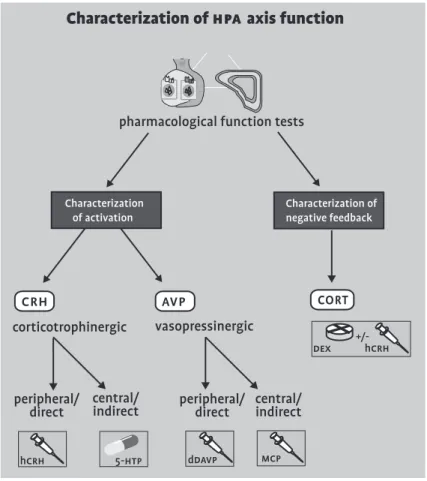
assess hpa axis feedback integrity and those addressing hpa axis activation (major corticotrophinergic activation and vasopressin-ergic co-activation) (Figure 3).
Assessment of
hpa
axis feedback
oral dexamethasone (dex) test
The oral dex test consists of measuring early morning cort con-centrations after the oral administration of a single dose of dex
(usually 1.5 mg) on the preceding evening (Carroll, 1982c; Carroll, 1982a). dex is a synthetic glucocorticoid with relatively specific affinity for the gr. Contrary to cort, dex does not cross the blood-brain-barrier (bbb) and hence does not mimic the endogenous hypothalamic cort feedback. The dex excess however does cause feedback inhibition of acth production on the level of the pitu-itary, which suppresses the physiological morning acth - and cort
surge in healthy individuals. In depressive illness this so-called “dex suppression” is decreased, meaning that cort levels are ele-vated after dex administration compared to healthy controls (Heu-ser et al., 1994; Holsboer, 1983). This phenomenon is interpreted as a sign of reduced feedback inhibition of the hpa axis in depression, probably by an abnormality at the level of gr/mr-receptor function (Carroll et al., 2007; Holsboer, 1983). However, the dex suppression test typically consists of a fixed dose of dex and two cort mea-surements, which is a relatively simple way to measure a complex regulatory process. Hence, the variability is quite large and the sen-sitivity of this test to distinguish patients with mood disorder from the healthy population is too low to be of much clinical value (Ising et al., 2005). In most cases, the dex suppression test is also too imprecise for a more detailed evaluation of hpa axis dysregulation.
dex/hcrh test
In an attempt to enhance the dex test’s reliability, hcrh was administered after dex which resulted in the combined dex/hcrh
administration of dex reduces the release of acth and cort by hcrh, much as it suppresses the early morning activation of the
hpa axis without exogenous hcrh. In depressed patients however, the dex/hcrh test is associated with an enhanced release of acth
and cort compared to both healthy individuals and depressed patients receiving 100µg hcrh alone, again similar to non-suppre-sion following the dex-suppression test and another sign of reduced negative feedback sensitivity (Heuser et al., 1994; Ising et al., 2007; Watson et al., 2006). A possible explanation is that the fall in brain cort levels after dex reduces the occupation of limbic mr- and gr-receptors, which are usually occupied due to increased
cort production in depression. The disoccupation of mr- and gr -receptors disinhibits the blunting of the hpa axis after hcrh
administration without prior dex treatment in depression. Such exaggerated response may involve avp release since the decrease in
cort levels due to dex pretreatment leads to a compensatory increase in avp release which in turn enhances the effect of hcrh
administered i.v. (Aguilera and Rabadan-Diehl, 2000). Thus, the next afternoon these changes culminate in an increased sensitivity to crh, which is reflected by the enhanced cort response to hcrh
in depressed patients, the so-called “dex/hcrh non-suppression”.
Assessment of
hpa
axis activation
corticotrophinergic activation using hcrh
100µg hcrh i.v. induces a blunted acth response in patients with depression compared to healthy volunteers (Holsboer et al., 1984b; Holsboer et al., 1984a; von Bardeleben and Holsboer, 1988). This phenomenon is assumed to be due to the downregulation and/or desensitization of crha receptors secondary to chronic hypercorti-solism (Pariante and Lightman, 2008; von Bardeleben and Hols-boer, 1988). Such an assumption is supported by the fact that cort
vasopressinergic activation using ddavp
Vasopressinergic hpa axis activation can be quantified dose-dependently by the administration of 5µg and 10µg ddavp i.v. and the subsequent measurement of acth and cort (Scott et al., 1999). ddavp is a partially specific vasopressin receptor agonist exhibiting pharmacological activity at the vc as well as the vaso-pressin 2 receptors (vb) (Lethagen, 1994). Since endogenous crh
concentrations are low under non-pathological situations and avp
acts as co-activator of the hpa together with crh, hpa axis activa-tion associated with ddavp administration in healthy individuals is small. In depressed patients, 10µg ddavp i.v induces an exagger-ated acth response compared to that in healthy volunteers, indi-cating vasopressinergic (receptor) hyperactivity in depression (Dinan et al., 2004; Dinan and Scott, 2005; Scott and Dinan, 1998). This has been confirmed by an experiment combining both ddavp
and hcrh in patients. As alluded to earlier, 100µg hcrh i.v. induces a “blunted” acth response in depressed patients compared to healthy individuals. However, when 100µg hcrh and 10µg ddavp
are administered concomitantly, the blunting associated with hcrh in the depressed patients is abolished and the acth
response of depressed individuals is identical to that of healthy volunteers (Dinan et al., 1999). These findings are strongly indica-tive of avp acting as principle hpa axis activator in depression as opposed to crh in health.
alternative function tests to hcrh and ddavp
hcrh and ddavp modulate hpa axis activation on the level of the pituitary. By focusing on the pituitary, the crucial role of the more “proximal” structures such as the hypothalamus and important central neurotransmitter contributions originating from the mpfc
release or enzymatic conversion rather than direct pituitary receptor stimulation. Such an approach might therefore reflect
hpa axis functionality in depression more accurately and may have less potentially (indirect) confounding effects than the tradi-tional “exogenous” function tests. In this context, the release of endogenous crh and/or avp instead of directly stimulating crha
receptors with hcrh and vc receptors with ddavp has been pro-posed. Acute increases of serotonin (5-ht) stimulate the release of crh via 5-htba and/or 5-htbc receptors in the pvn to induce cor-ticotrophinergic activation of the hpa axis (Gartside and Cowen, 1990; Lowry, 2002; Zhang et al., 2002). Central 5-ht concentra-tions can be increased by the administration of the direct 5-ht
precursor 5-hydroxytryptophan (5-htp). Similarly, an agent that releases endogenous avp from the hypothalamus or pituitary would be able to induce vasopressinergic co-activation without directly interacting with vc receptors. In this context, the anti-emetic db receptor antagonist metoclopramide has been reported to activate the hpa axis by releasing avp. 5-htp might therefore be an alternative to hcrh to quantify corticotrophinergic hpa
activation, and metoclopramide to ddavp in assessing vasopress-inergic co-activation.
corticotrophinergic activation using 5-htp
The role of the neurotransmitter serotonin/5-hydroxytryptamine (5-ht) in the regulation of affective circuits of the brain is widely accepted. Moreover, dysfunction in the serotonergic circuits is implicated in the pathophysiology of depression according to its monoamine hypothesis (Pariante and Lightman, 2008). 5-ht is pro-duced in the serotonergic dorsal raphé nuclei which are located in the brain stem. From its source in the brain stem, 5-ht is projected into several different functional brain circuits, including the limbic system and the hypothalamus (Dinan, 1996; Leonard, 2005; Sotty et al., 2009). A pharmacological function test that enhances seroto-nergic neurotransmission would therefore also activate the hpa
purpose (Gijsman, 2002; Gijsman et al., 2004). Notably, orally administered 5-htp activates the hpa axis as a precursor drug for endogenous 5-ht, which stimulates the postsynaptic 5-htba and 5-htbc receptors in the hypothalamic pvn (Lowry, 2002; Zhang et al., 2002; Gartside and Cowen, 1990). Corticotrophinergic hpa axis activation with 5-htp therefore reflects (central) hypothalamic hpa
activation as opposed to (peripheral) pituitary activation with administration of hcrh. Although such an approach is attractive, the use of oral 5-htp has been associated with technical problems. Variable kinetics, little standardization and a narrow window between pd effects and side-effects have hampered its application in hpa axis research (Gijsman et al., 2002a). Further development and fine tuning of the 5-htp test was therefore needed. In this con-text, the addition of the peripheral monoamine decarboxylase inhibitor carbidopa to 5-htp increased the availability of 5-htp for central conversion to 5-ht and rendered 5-htp pharmacokinetics (pk) more predictable. However, the frequent occurrence nausea and vomiting with 5-htp remains an obstacle to its further devel-opment and validation.
vasopressinergic activation using metoclopramide
The anti-emetic metoclopramide has previously been shown to activate the hpa axis (Chiodera et al., 1986; Seki et al., 1997; Walsh et al., 2005). Metoclopramide is a substituted benzamide and acts as db- and 5-htc receptor antagonist on the one hand and 5-htd receptor agonist on the other hand. It is hypothesized to release endogenous avp from the hypothalamus and/or the pituitary, leading to vasopressinergic co-activation through pharmacolo-gical mechanisms that have not been clearly identified. However, it is an unknown test and has not been applied frequently as func-tion test for vasopressinergic hpa axis activation. Also, method-ological issues in previous trials examining its effects limit inter-pretation of the results (Chiodera et al., 1986; Seki et al., 1997; Walsh et al., 2005). avp release from the hypothalamus by meto-clopramide would be confirmed by a reliable avp assay detecting
Shortcomings of pharmacological function tests for
hpa
axis activation
model of the investigated system, based on the pk/pd -characteris-tics of the function test; (5) limited and acceptable adverse effects; (6) a wide window between pd effects and undesirable effects; (7) pd
effects that can be plausibly linked to the system or function under investigation; (8) practical to administer and (9) an ethical balance between the information obtained with the function test and the discomfort it causes for patients or healthy volunteers (van Gerven, 2005). The application of these principles to pharmacological func-tion tests is expected to reduce their inherent variability and in- crease their reliability. However, most existing function tests have not been exposed to such systematic scrutiny. Consequently, many questions regarding the interpretation of hpa axis function in mdd
and other stress-related disorders still remain. It is expected that the systematic application of these principles to existing function tests will address such issues and contribute to their wider application in
cns research. The main objective of this thesis was to address some of the major shortcomings of several different corticotrophinergic and vasopressinergic hpa axis function tests (Table 2, Chapters 2 - 6). The (functional) characteristics of the hpa axis are almost always derived from changes in acth and cort levels. The pharmacokinetic properties of these hormones vary considerably between subjects, and release rates change with time due to feedback inhibition. Therefore, it is very difficult to construct a quantitative physiologi-cal model of the hpa axis based on these instable parameters, and hence to comply with criterion number four mentioned above. It would be helpful to directly quantify the activation of the hypothal-amus, which drives the hpa axis after central stimulation. To this end, a neuroimaging technique was applied to investigate pharma-cologically-induced hypothalamic changes in Chapter 7.
shortcomings of hcrh and ddavp
minimal attention for systemic effects that may cause secondary
hpa axis activation. Specifically, ddavp may cause blood pressure reduction that may lead to acth release by activation of the auto-nomic nervous system (ans). Also, ddavp enhances the coagula-tion cascade, which is particularly relevant if the ddavp function test is to be applied in patient populations with comorbid cardio-vascular disease. We therefore investigated the relation between neuroendocrine, cardiovascular, pro-coagulatory, anti-diuretic and non-specific stress effects of ddavp applied as pharmacological function test for assessing vasopressinergic co-activation of the
hpa in healthy volunteers (Chapter 2).
The individual effects of corticotrophinergic activation (with hcrh) and vasopressinergic co-activation (with ddavp) and their interactions are required for a proper understanding of hpa axis activation. Although it is possible to induce hpa axis activation with ddavp, it is difficult to derive quantitative measures of co-activation from this response without knowing the prevailing level of crh activity. Therefore, we examined whether concomitant administration of ddavp and hcrh could provide more informative vasopressinergic co-activation of the hpa axis than ddavp alone in healthy volunteers (Chapter 3). In the literature, corticotrophinergic activation and vasopressinergic co-activation of the hpa axis have been determined on different study days, which gives rise to inter-session variability and is unpractical for patient studies. So far, there was no practical function test that is able to examine both activation routes on a single short study occasion. Independent evaluations of each route would logically require an adequate washout period, to ensure that vc stimulation does not affect subsequent crha stimulation (or vice versa), but it is unknown how long the carry-over effects remain. Since the plasma half-life of ddavp is only 90 to 180 minutes, we determined the feasibility of a practical function test of both corticotrophinergic activation and vasopressinergic co-activation of the hpa axis on a single short laboratory visit, with a washout period of two hours (Chapter 3).
5-htp
et al., 2002a). The addition of the peripheral monoamine decarbox-ylase inhibitor carbidopa to 5-htp increased the availability of 5-htp for central conversion to 5-ht and rendered 5-htppk more predictable (Gijsman et al., 2002a). However, the dose-response relationship and the pharmacokinetic properties of various oral doses of 5-htp, their tolerability and subjective (adverse) effects, and their secondary impact on hpa axis activation are still unclear. We investigated the feasibility of the combined 5-htp/cbd func-tion test as candidate test for examining endogenous hpa activa-tion. To this end, we examined the dose- and concentration effect relationship of different doses of orally administered 5-htp in combination with cbd in healthy volunteers (Chapter 4) and we attempted to suppress the most confounding systematic seroto-nergic side-effects (nausea and vomiting) without influencing the neuroendocrine response, using a subtype selective serotonin receptor antagonist (Chapter 5).
metoclopramide
Metoclopramide is hypothesized to lead to vasopressinergic co-activation of the hpa axis. It would have the advantages of releas-ing endogenous avp from the hypothalamus or pituitary and of inducing minimal confounding effects. However, there is a paucity of data regarding its potency to co-activate the hpa axis, and meth-odological issues in previous trials preclude adequate interpreta-tion of metoclopramide’s effects on hpa axis activation. Therefore, endogenous vasopressinergic co-activation using metoclopramide was investigated under conditions of low and enhanced endoge-nous crh-release in healthy volunteers (Chapter 6).
hypothalamic neuroimaging
magnetic resonance imaging (fmri) to demonstrate regional shifts in blood oxygen level dependent (bold) signals. However, the appli-cation of bold-mri is limited by factors such
as drift of the mri signal with time, changes due to nonspecific confounding factors such as (drug-induced) vascular reactivity, and substantial intersession variance in cross-over designs. These factors limit the application of fmri in the quantification of drug-induced neuronal activity. Alternatively, functional proton reso-nance magnetic spectroscopy (mrs) could be a candidate neuro-imaging technique to directly quantify drug-induced neurotrans - mission. In vivo proton magnetic resonance spectroscopy (mrs) of the brain determines relative and absolute concentrations of protons from tissue chemicals other than water, such as glutamate-glutamine (Glx), n-acetyl-aspartate (naa), myo-inositol, lactate, choline and creatine. In this context, naa and Glx are generally regarded as surrogate mrs markers for neuronal activity, and Chol is considered a metabolic marker of membrane density and integrity. Although mrs is typically applied in neurodegenerative disease and malignant brain tumours, recent findings suggests that mrs might also be able to demonstrate and quantify changes in neuronal bio-chemistry during (prolonged) pharmacological treatment with cns -active drugs (Taylor et al., 2008). We studied the effects of a com-bined 5-htp/cbd/granisetron function test on hypothalamic levels of glutamate/glutamine (Glx), choline, n-acetyl-aspartate (naa) and creatine using 7-Tesla (7T) mrs, and related these effects to 5-htp-induced acth and cort in peripheral blood in healthy volun-teers (Chapter 7).
This thesis focuses on the most important pharmacological short-coming of hcrh and 5-htp (for corticotrophinergic activation) and ddavp and metoclopramide (for vasopressinergic co-activation), in an attempt to contribute to the validation of these drugs as clinical laboratory tools in hpa axis research. At the same time, these func-tion tests are expected to contribute to a better understanding of
hpa axis function and to further clarify the respective contributions of crh and avp in its activation. Hopefully, such information will be helpful in the future application of these function tests to investi-gate aberrant hpa axis activation in different patient groups and as clinical tools in the development of novel drugs targeting the major
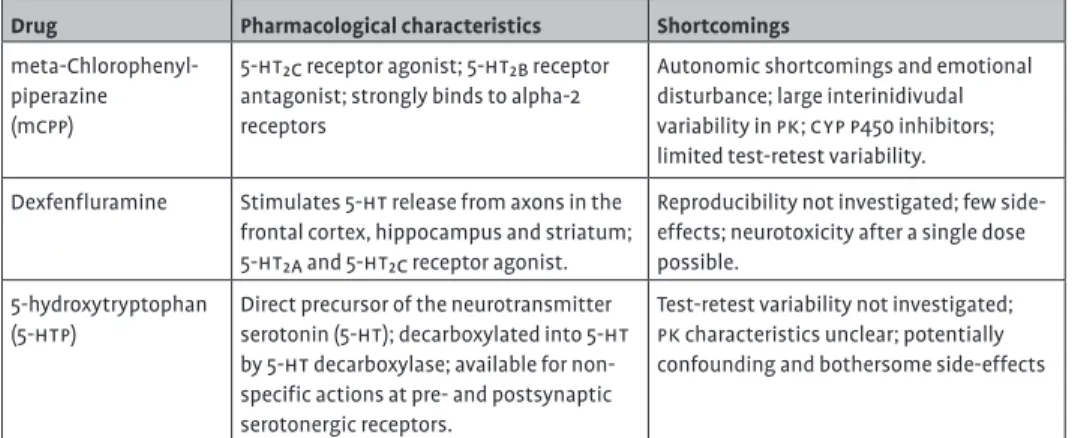
Table 1 Drugs that have been used as function tests to assess hpa axis activation: a summary of their respective characteristics and shortcomings (adapted from Gijsman 2002).
Drug Pharmacological characteristics Shortcomings
meta-Chlorophenyl-piperazine (mcpp)
5-htbc receptor agonist; 5-htbb receptor
antagonist; strongly binds to alpha-2 receptors
Autonomic shortcomings and emotional disturbance; large interinidivudal variability in pk; cyp p450 inhibitors; limited test-retest variability.
Dexfenfluramine Stimulates 5-ht release from axons in the frontal cortex, hippocampus and striatum;
5-htba and 5-htbc receptor agonist.
Reproducibility not investigated; few side-effects; neurotoxicity after a single dose possible.
5-hydroxytryptophan (5-htp)
Direct precursor of the neurotransmitter serotonin (5-ht); decarboxylated into 5-ht by 5-ht decarboxylase; available for non-specific actions at pre- and postsynaptic serotonergic receptors.
Table 2 Summary of the corticotrophinergic (hcrh and 5-htp/carbidopa) and vasopress-inergic (ddavp and metclopramide) function tests to assess hpa axis activation and their correspondence to the proposed principles of reliable pharmacological function tests
Corticotrophinergic activation Vasopressinergic co-activation Characteristic hcrh 5-htp/carbidopa ddavp Metoclopramide
Pharmaco-logical mechanism
Agonism at the crha
receptor in the anterior pituitary
Conversion of 5-htp to 5-ht in the raphé nuclei followed by agonism at 5-htba or
5-htbc receptors in the
pvn
Agonism at the vc
(vab) receptor of the anterior pituitary
Unclear, maybe db
antagonism
Confounding effects
Blood pressure reduction leading to autonomic nervous system activation
Nausea and vomiting leading to autonomic nervous system activation
Blood pressure reduction leading to autonomic nervous system activation
None known
Measurable
pd effects
acth, cortisol, prolactin acth, cortisol, prolactin acth, cortisol, prolactin acth, cortisol, prolactin Robust physiological model Convincingly demonstrated Not convincingly demonstrated Convincingly demonstrated Never demonstrated Safe/few adverse effects
Few effects Few effects, nausea and vomiting potentially the most disturbing
Few effects Few effects
Wide window between
pd – and undesirable effects
Probably Narrow window between pd effect and side-effects
Probably, ceiling effects seem likely
Unknown
Plausibility Abnormalities in the crh system have been associated with mdd
Abnormalities in the 5-ht system are implicated according to the monoamine hypothesis of depression
Abnormalities in the avp system have been associated with mdd
Unclear
Practical Easy to administer (i.v.)
Administration complicated by carbidopa pretreatment (p.o)
Easy to administer (i.v.) Easy to administer (i.v.)
Figure 1 Graphic representation of hpa axis function in health: light gray arrows signify activation and dark gray arrows signify inhibition via negative feedback (crh: corticotrophin-releasing hormone; avp: vasopressin; acth: adrenocorticotrophic hormone; gr: glucocorticoid receptor; mr: mineralocorticoid receptor).
hypothalamus
anterior pituitary
adrenal cortex
ACTH CRH
CRH1 V3
CORT AVP
GR GR
GR MR
-hippocampus
Figure 2 Graphic representation of hpa axis function in severe major depressive disorder (mdd): thick arrows signify hyperactivation and dotted arrows signify decreased inhibition via negative feedback (crh: corticotrophin-releasing hormone; avp: vasopressin; acth: adrenocorticotrophic hormone; gr: glucocorticoid receptor; mr: mineralocorticoid receptor).
hypothalamus
anterior pituitary
adrenal cortex
ACTH CRH
CRH1 V3
CORT AVP
GR GR
GR MR
Figure 3 Graphic representation of the characterization of hpa axis function: proposed classification of pharmacological function tests (crh: corticotrophin-releasing hormone; avp: vasopressin; hcrh: corticorelin; 5-htp: 5-hydroxytryptophane; ddavp: desmopressin; MCP: metoclopramide; dex: dexamethasone).
Characterization of
hpa
axis function
pharmacological function tests
Characterization of activation
5-htp
hcrh
crh avp
corticotrophinergic vasopressinergic
peripheral/
direct central/indirect peripheral/direct central/indirect
Characterization of negative feedback
dex +/-hcrh
ddavp mcp
reference list
Aguilera G, Rabadan-Diehl C (2000) Vasopressinergic regulation of the hypothalamic-pituitary-adrenal axis: implications for stress adaptation. Regul Pept 96: 23-29.
Amsterdam JD, Winokur A, Abelman E, Lucki I, Rickels K (1983) Cosyntropin (acth alpha 1-24) stimulation test in depressed patients and healthy subjects. Am J Psychiatry 140: 907-909.
Bao AM, Meynen G, Swaab DF (2008) The stress system in depression and neurodegeneration: focus on the human hypothalamus. Brain Res Rev 57: 531-553. Carroll BJ (1982a) Clinical applications of the
dexamethasone suppression test for endogenous depression. Pharmacopsychiatria 15: 19-25. Carroll BJ (1982b) The dexamethasone suppression test
for melancholia. Br J Psychiatry 140: 292-304. Carroll BJ (1982c) Use of the dexamethasone
suppression test in depression. J Clin Psychiatry 43: 44-50.
Carroll BJ, Cassidy F, Naftolowitz D, Tatham NE, Wilson WH, Iranmanesh A, Liu PY, Veldhuis JD (2007) Pathophysiology of hypercortisolism in depression. Acta Psychiatr Scand Suppl90-103. Chiodera P, Volpi R, Delsignore R, Marchesi C, Salati G,
Camellini L, Rossi G, Coiro V (1986) Different effects of metoclopramide and domperidone on arginine-vasopressin secretion in man. Br J Clin Pharmacol 22: 479-482.
Clow A, Thorn L, Evans P, Hucklebridge F (2004) The awakening cortisol response: methodological issues and significance. Stress 7: 29-37. de Kloet ER, Joels M, Holsboer F (2005) Stress and the
brain: from adaptation to disease. Nat Rev Neurosci 6: 463-475.
DeBold CR, Sheldon WR, DeCherney GS, Jackson RV, Alexander AN, Vale W, Rivier J, Orth DN (1984) Arginine vasopressin potentiates
adrenocorticotropin release induced by ovine corticotropin-releasing factor. J Clin Invest 73: 533-538.
Dinan TG (1996) Serotonin and the regulation of hypothalamic-pituitary-adrenal axis function. Life Sci 58: 1683-1694.
Dinan TG, Lavelle E, Scott LV, Newell-Price J, Medbak S, Grossman AB (1999) Desmopressin normalizes the blunted adrenocorticotropin response to corticotropin-releasing hormone in melancholic depression: evidence of enhanced vasopressinergic responsivity. J Clin Endocrinol Metab 84:
2238-2240.
Dinan TG, O’Brien S, Lavelle E, Scott LV (2004) Further
neuroendocrine evidence of enhanced vasopressin vc receptor responses in melancholic depression. Psychol Med 34: 169-172.
Dinan TG, Scott LV (2005) Anatomy of melancholia: focus on hypothalamic-pituitary-adrenal axis overactivity and the role of vasopressin. J Anat 207: 259-264.
Favrod-Coune C, Raux-Demay MC, Proeschel MF, Bertagna X, Girard F, Luton JP (1993) Potentiation of the classic ovine corticotrophin releasing hormone stimulation test by the combined administration of small doses of lysine vasopressin. Clin Endocrinol (Oxf) 38: 405-410.
Gartside SE, Cowen PJ (1990) Mediation of acth and prolactin responses to 5-htp by 5-ht2 receptors. Eur J Pharmacol 179: 103-109.
Gijsman HJ (2002) Pharmacological aspects of challenge tests of the serotonergic system of the brain. Gijsman HJ, Cohen AF, van Gerven JM (2004) The
application of the principles of clinical drug development to pharmacological challenge tests of the serotonergic system. J Psychopharmacol 18: 7-13.
Gijsman HJ, van Gerven JM, de Kam ML, Schoemaker RC, Pieters MS, Weemaes M, de Rijk R, van der PJ, Cohen AF (2002a) Placebo-controlled comparison of three dose-regimens of 5-hydroxytryptophan challenge test in healthy volunteers. J Clin Psychopharmacol 22: 183-189.
Gijsman HJ, van Gerven JM, Tieleman MC, Schoemaker RC, Pieters MS, Ferrari md, Cohen AF, van Kempen GM (1998) Pharmacokinetic and pharmacodynamic profile of oral and intravenous
meta-chlorophenylpiperazine in healthy volunteers. J Clin Psychopharmacol 18: 289-295.
Gijsman HJ, van Gerven JM, Verkes RJ, Schoemaker RC, Pieters MS, Pennings EJ, Hessing TJ, Cohen AF (2002b) Saccadic peak velocity and EEG as end-points for a serotonergic challenge test. Hum Psychopharmacol 17: 83-89.
Gratton A, Sullivan RM (2005) Role of prefrontal cortex in stress responsivity. In: Handbook of stress and the brain (Steckler T, Kalin NH, Reul JMHM, eds), pp 807-817. Elsevier.
Herman JP, Ostrander MM, Mueller NK, Figueiredo H (2005) Limbic system mechanisms of stress regulation: hypothalamo-pituitary-adrenocortical axis. Prog Neuropsychopharmacol Biol Psychiatry 29: 1201-1213.
Holsboer F (1983) The dexamethasone suppression test in depressed patients: clinical and biochemical aspects. J Steroid Biochem 19: 251-257. Holsboer F, Barden N (1996) Antidepressants and
hypothalamic-pituitary-adrenocortical regulation. Endocr Rev 17: 187-205.
Holsboer F, Gerken A, Steiger A, Benkert O, Muller OA, Stalla GK (1984a) Corticotropin-releasing-factor induced pituitary-adrenal response in depression. Lancet 1: 55.
Holsboer F, Ising M (2008) Central crh system in depression and anxiety--evidence from clinical studies with crha receptor antagonists. Eur J Pharmacol 583: 350-357.
Holsboer F, von Bardeleben U, Gerken A, Stalla GK, Muller OA (1984b) Blunted corticotropin and normal cortisol response to human corticotropin-releasing factor in depression. N Engl J Med 311: 1127.
Ising M, Horstmann S, Kloiber S, Lucae S, Binder EB, Kern N, Kunzel HE, Pfennig A, Uhr M, Holsboer F (2007) Combined dexamethasone/corticotropin releasing hormone test predicts treatment response in major depression - a potential biomarker? Biol Psychiatry 62: 47-54. Ising M, Kunzel HE, Binder EB, Nickel T, Modell S,
Holsboer F (2005) The combined dexamethasone/ crh test as a potential surrogate marker in depression. Prog Neuropsychopharmacol Biol Psychiatry 29: 1085-1093.
Keck ME (2006) Corticotropin-releasing factor, vasopressin and receptor systems in depression and anxiety. Amino Acids 31: 241-250.
Kirschbaum C, Pirke KM, Hellhammer DH (1993) The ‘Trier Social Stress Test’--a tool for investigating psychobiological stress responses in a laboratory setting. Neuropsychobiology 28: 76-81.
Leonard BE (2005) The hpa and immune axes in stress: the involvement of the serotonergic system. Eur Psychiatry 20 Suppl 3: S302-S306.
Lethagen S (1994) Desmopressin (ddavp) and hemostasis. Ann Hematol 69: 173-180. Lowry CA (2002) Functional subsets of serotonergic
neurones: implications for control of the hypothalamic-pituitary-adrenal axis. J Neuroendocrinol 14: 911-923.
Meynen G, Unmehopa UA, van Heerikhuize JJ, Hofman MA, Swaab DF, Hoogendijk WJ (2006) Increased arginine vasopressin mrna expression in the human hypothalamus in depression: A preliminary report. Biol Psychiatry 60: 892-895.
Nemeroff CB, Krishnan KR, Reed D, Leder R, Beam C, Dunnick NR (1992) Adrenal gland enlargement in
major depression. A computed tomographic study. Arch Gen Psychiatry 49: 384-387.
Nemeroff CB, Owens MJ, Bissette G, Andorn AC, Stanley M (1988) Reduced corticotropin releasing factor binding sites in the frontal cortex of suicide victims. Arch Gen Psychiatry 45: 577-579. Nemeroff CB, Widerlov E, Bissette G, Walleus H,
Karlsson I, Eklund K, Kilts CD, Loosen PT, Vale W (1984) Elevated concentrations of CSF corticotropin-releasing factor-like
immunoreactivity in depressed patients. Science 226: 1342-1344.
Pariante CM, Lightman SL (2008) The hpa axis in major depression: classical theories and new
developments. Trends Neurosci 31: 464-468. Pariante CM, Miller AH (2001) Glucocorticoid receptors
in major depression: relevance to pathophysiology and treatment. Biol Psychiatry 49: 391-404. Purba JS, Hoogendijk WJ, Hofman MA, Swaab DF (1996)
Increased number of vasopressin- and oxytocin-expressing neurons in the paraventricular nucleus of the hypothalamus in depression. Arch Gen Psychiatry 53: 137-143.
Reul JMHM, Droste SK (2009) The hypothalamic-pituitary-adrenal axis as a dynamically organized sysrtem: lessons from exercising mice. In: Handbook of stress and the brain (Steckler T, Kalin NHRJMHH, eds), pp 95-112. Elsevier.
Ring RH (2005) The central vasopressinergic system: examining the opportunities for psychiatric drug development. Curr Pharm Des 11: 205-225. Rubin RT, Phillips JJ, Sadow TF, McCracken JT (1995)
Adrenal gland volume in major depression. Increase during the depressive episode and decrease with successful treatment. Arch Gen Psychiatry 52: 213-218.
Ryckmans T (2010) Modulation of the vasopressin system for the treatment of cns diseases. Curr Opin Drug Discov Devel 13: 538-547.
Scott LV, Dinan TG (1998) Vasopressin and the regulation of hypothalamic-pituitary-adrenal axis function: implications for the pathophysiology of depression. Life Sci 62: 1985-1998.
Scott LV, Medbak S, Dinan TG (1999) acth and cortisol release following intravenous desmopressin: a dose-response study. Clin Endocrinol (Oxf) 51: 653-658.
Seki K, Kato T, Sekiya S (1997) Corticotrophin and vasopressin responses to metoclopramide in patients with hypothalamic amenorrhoea. Clin Endocrinol (Oxf) 46: 203-207.
raphe nucleus firing in serotonin 5-ht(2C) receptor blockade-induced augmentation of ssris effects. Neuropharmacology 57: 18-24.
Swaab DF, Bao AM, Lucassen PJ (2005) The stress system in the human brain in depression and
neurodegeneration. Ageing Res Rev 4: 141-194. Tichomirowa MA, Keck ME, Schneider HJ, Paez-Pereda
M, Renner U, Holsboer F, Stalla GK (2005) Endocrine disturbances in depression. J Endocrinol Invest 28: 89-99.
Ulrich-Lai YM, Herman JP (2009) Neural regulation of endocrine and autonomic stress responses. Nat Rev Neurosci 10: 397-409.
Van der Does AJ (2001) The effects of tryptophan depletion on mood and psychiatric symptoms. J Affect Disord 64: 107-119.
van Gerven JM (2005) Het benevelde brein: de Delyside-challenge-test van Sandoz.
van Londen L, Goekoop JG, van Kempen GM, Frankhuijzen-Sierevogel AC, Wiegant VM, van der Velde EA, De Wied D (1997) Plasma levels of arginine vasopressin elevated in patients with major depression. Neuropsychopharmacology 17: 284-292.
von Bardeleben U, Holsboer F (1988) Human
corticotropin releasing hormone: clinical studies in patients with affective disorders, alcoholism, panic disorder and in normal controls. Prog
Neuropsychopharmacol Biol Psychiatry 12 Suppl: S165-S187.
Walsh P, Spelman L, Sharifi N, Thakore JH (2005) Male patients with paranoid schizophrenia have greater acth and cortisol secretion in response to metoclopramide-induced avp release. Psychoneuroendocrinology 30: 431-437. Watson S, Gallagher P, Smith MS, Ferrier IN, Young AH
(2006) The dex/crh test--is it better than the DST? Psychoneuroendocrinology 31: 889-894.
chapter 2
Desmopressin as a
pharmaco-logical tool in vasopressinergic
hypothalamus–pituitary–
.
adrenal (
hpa
) axis modulation:
neuroendocrine,
cardiovascu-lar and coagulatory effects
J Psychopharmacol. 2010 Mar 23. [Epub ahead of print]G.E. Jacobs mdA, E.G.J. Hulskotte PhDB, J.M.A. van GervenAmd
PhD, L. Zuurman md PhDA, M.L. de Kam MScA, J Elassaiss-Schaap PhDB, G. Ruigt PhDB, J. van Pelt PhDC, B.W.M.M. Peeters PhDB, P.A.M. Peeters PhDB, J. Burggraaf md PhDA
1 Centre for Human Drug Research, Leiden, The Netherlands 2 NV Organon, part of Schering-Plough Corporation, Department
Abstract
background Arginine-vasopressin(avp) is a physiological co-activator of the
hypothalamus-pituitary-adrenal-axis(hpa), together with
cortico-trophin-releasing hormone (crh). A synthetic analogue of avp,
desmopressin(ddavp) is often used as pharmacological tool to
assess co-activation in health and disease. The relation between
ddavp’s neuroendocrine, cardiovascular, pro-coagulatory,
anti-diuretic and non-specific stress effects has not been studied.
objectives A randomized, double-blind, placebo-controlled, three-way cross-over study was performed in 12 healthy male and female
volun-teers(6: 6). ddavp was administered intravenously as a 10µg bolus
(over one minute) or a 30µg incremental infusion (over 60 min-utes). Neuroendocrine, cardiovascular, pro-coagulatory,
anti-diuretic effects and adverse events (ae’s) were recorded, and
auto-nomic nervous system (ans) activation evaluated.
results The incremental infusion reached 1.8 fold higher ddavp concentra-tions than the bolus. Neuroendocrine effects were similar for the
10µg ddavp bolus and the 30µg incremental infusion, while
cardio-vascular- and coagulatory effects were greater with the 30µg dose.
Osmolality and ans activity remained uninfluenced. ae’s
corre-sponded to ddavp’s side-effect profile.
conclusions The neuroendocrine effects of a 10µg ddavp bolus administered over one minute are similar to those of a 30µg incremental infusion
administered over one hour, despite higher ddavp concentrations
after the infusion. Cardiovascular and coagulatory effects showed
clear dose-related responses. A 10µg ddavp bolus is considered a
Introduction
Arginine-vasopressin (avp) is the nonapeptide modulator of the human vasopressinergic system. It acts as neurotransmitter within the central nervous system (cns) and as neuroendocrine hor-mone in the peripheral circulation (Ring, 2005). avp produced by hypothalamic parvocellular neurones of the medial paraventricular nucleus (pvn) is not only released into the cns but also secreted into the pituitary portal circulation (Aguilera and Rabadan-Diehl, 2000; Scott and Dinan, 2002). Centrally acting avp is believed to play a role in the regulation of learning and memory, social behav-iours, circadian rhythmicity and thermoregulation (Ring, 2005). Furthermore, following acute psychological and/or physical stress, it acts as co-activator of the hypothalamus-pituitary-adrenal (hpa) axis by inducing acth release via the vc receptor (vc or Vab) on the
anterior pituitary (Dinan and Scott, 2005; Scott and Dinan, 1998). Co-activation is believed to occur in the presence of the main hpa
axis activator corticotrophin-releasing hormone (crh) (Scott and Dinan, 2002). Subsequently, the stress hormone cortisol is released into the circulation from the adrenal cortices, causing various systemic and metabolic effects in peripheral tissues, and differ-ent behavioural and cognitive effects in the cns. In addition to these actions on the hpa-axis, avp originating from magnocellular neurons of the supraoptic nucleus and pvn of the hypothalamus is secreted peripherally via the posterior pituitary (Ring, 2005). Peripheral release is triggered by hypo-osmolality, hypovolemia, reduced blood pressure, hemorrhage, hypoglycemia, fever and pain. After release, it acts principally at Vaa receptors of the renal
predominantly ascribed to pre-existing hypersensitivity of the avp
system (Holsboer, 1983; Holsboer, 2000). However, the exact role of
avp in the pathophysiology of different (sub)types of affective dis-orders or other psychiatric conditions has not been clearly defined. The lack of a better understanding of the role of avp in psycho-pathology is in part related to the lack of validated function tests of vasopressinergic hpa axis regulation. A reliable pharmacological vasopressinergic function test would not only be useful to examine
comorbid cardiovascular disease or (components of) the metabolic syndrome (Evans et al., 2005; Musselman et al., 2003; Ramasubbu, 2002).
We performed a study that simultaneously investigated the neuroendocrine-, cardiovascular-, anti-diuretic-, pro-coagulant- and (indirect) ans effects of ddavp, and their concentration- and infusion rate-dependence. Two different doses of ddavp were administered i.v. using two different administration modes: (1) 10µg ddavp was administered as a bolus over 60 seconds and (2) 30µg ddavp was administered incrementally over a period of 60 minutes. The 10µg dose was previously shown to be the minimum dose able to induce vasopressinergic hpa axis activation, whereas an incremental dose of 30µg was expected to produce comparable peak ddavp plasma levels (cmax) (Agerso et al., 2004). In this regard,
it is important to note that the predictability of this approach is limited since previous pharmacokinetic analyses have reported more than 2-fold differences in clearance and 100-fold differences in cmax of i.v. administered ddavp (Callreus et al., 1999;
Fjellestad-Paulsen et al., 1996; Odeberg et al., 2004; Rembratt et al., 2004). At any rate, the use of two different infusion paradigms was to provide an impression on how the different peripheral and central effects of ddavp were influenced by concentrations and infusion rates.
Methods
Study design
A randomized, double-blind, double-dummy infusion, placebo-controlled, three-way crossover study was performed in 12 healthy volunteers. The study protocol was approved by the Medical Ethics Committee of Leiden University Medical Centre (lumc) and per-formed according to Good Clinical Practice and International Conference on Harmonisation guidelines.
Main outcome measures
and (2) cardiovascular effects (systolic blood pressure (sbp), diasto-lic blood pressure (dbp) and heart rate (hr)). Furthermore, ddavp’s effect on coagulation was assessed by measuring plasma Von Willebrand factor (vwf) and its antidiuretic effects were investi-gated by measuring serum osmolality. ddavp-modulated ans acti-vation was assessed indirectly by measuring serum prolactin and saliva alpha amylase. Adverse events (ae’s) were recorded through-out the trial.
Drug administration
The incremental infusion consisted of cumulative i.v. doses of ddavp 30µg over 60 minutes (0min to 60min). The infusion rate was increased every five minutes for the first 30 minutes up an infusion rate of 40µg/h, after which the infusion rate remained constant at 40µg/h for the remaining 30 minutes. At 50min an intravenous bolus of 10µg ddavp was administered over 60 seconds.
Volunteers
Twelve healthy volunteers (six male and six female) participated in the study. After obtaining written informed consent, the sub-jects underwent a full medical screening to assess eligibility. Vol-unteers were excluded from study participation if (1) using more than 4 units alcohol on average per day, (2) smoking more than 5 cigarettes per day, (3) using any drug (except oral contraceptives for females) or substance within one week before the first dosing, (4) using any drug or substance known to influence the metabolism of ddavp in the month preceding the trial (5) demonstrating an
adamts-13 deficiency or presenting with a personal or family
beverages, tobacco or alcohol were not allowed during the stay on the research unit. Concomitant medication other than paraceta-mol was not permitted during the study period.
d
davp
Ddavp (Octostim ®) and placebo (0.9% NaCl) were prepared for administration by Profil GmbH, Neuss, Germany and were identical in appearance.
Study days
Volunteers arrived at the Centre for Human Drug Research (chdr) on the evening before the study day. On admission urinary screen-ing was performed for drugs of abuse usscreen-ing the OnCalltm Test, ACON laboratories, Inc. Rapid Assays for Drug Abuse (Instruchemie Hilversum B.V. the Netherlands) and qualitative color immunochro-matografic urinary hCG was performed in all female subjects using the ‘On Call’ test device (Acon Laboratories Inc, San Diego, CA 92121,
Biochemical measurements
Venous blood (1.2ml; prechilled edta tubes) was collected for the determination of plasma acth on -20, -10 before and 5, 10, 15, 20, 25, 30, 35, 40, 45, 50, 55, 60, 65, 70, 75, 80, 85, 90, 100, 110, 120, 140, 160, 180, 210, 240, 270 and 480 minutes after start of the incremental infusion. Samples were immediately placed on ice, processed within 30 minutes and stored at -80°C. Samples were analyzed within six weeks using the Immulite 2500 Analyzer Assay
(euro/dcp, United Kingdom) at the Central Laboratories of lumc.
infusion. Samples were stored for 30 – 45 minutes at ambient temperature to allow coagulation, subsequently centrifuged for 10 minutes at 2000xg and 4°C and stored refrigerated until analysis at the end of the collection day. Samples were analyzed by molecular freezing-point depression with a Osmometer OM-6050 of Arkry (Japan) at the Central Laboratories of lumc.
Vital signs
Blood pressure and pulse rate were measured continuously from 15 minutes prior until 4 h after start infusion using the Finapres methodology (Finapres Medical Systems BV, Amsterdam The Netherlands) and Nihon-Kohden (bsm-1100) or Colin (Pressmate BP-8800) blood pressure apparatus. Electrocardiogram (ecg) recordings were made at -30min and 180 min.
Data analysis
Neuroendocrine parameters (acth, cortisol), cardiovascular parameters (systolic blood pressure (sbp), diastolic blood pres-sure (dbp), heart rate (hr)), serum osmolality, vwf and indirect
Results
Subject disposition and demographic data
Eighteen volunteers were screened after having provided informed consent. Four subjects did not comply with the in- and exclusion criteria and were excluded from participation. Twelve volunteers received study medication of which one dropped out due an ae not related to study medication. The mean age of the volunteers was 21 years (range 18-27 years) and was similar for males and females. Females had a mean weight of 65kg (60-67kg) and mean height of 1.73m (range 1.68-1.84m). Males had a mean weight of 80kg (range 63-99kg) and mean height of 1.88 (range 1.83-1.90m).
Adverse events
All ae’s were of mild to moderate intensity, transitory in nature and had mostly dissipated within 12 hours after drug administration.
ae’s were predictable based on the side-effect profile of ddavp
and no subjects discontinued participation directly due to related adverse effects. The most commonly occurring ae’s were light-headedness (2/12 subjects), headache (2/12 subjects) and fatigue (2/12 subjects) for placebo; facial flushing(5/12 subjects), headache (5/12 subjects), fatigue (3/12 subjects) and dizziness (2/12 subjects) for the incremental infusion and facial flushing (8/11 subjects), dizziness (4/11 subjects) and headache (4/11 subjects) for the bolus infusion respectively.
Pharmacokinetics
In contrast to the expectation, a 1.8-fold higher maximal ddavp
Neuroendocrine pharmacodynamic effects
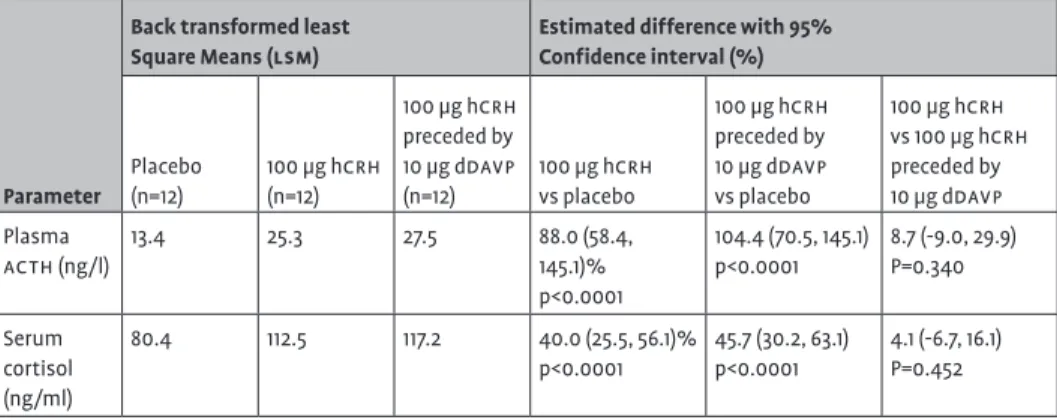
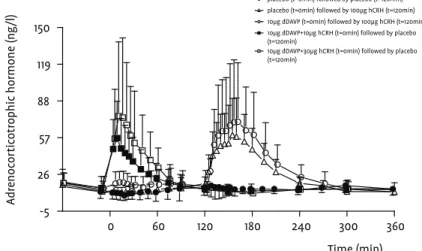
Mean acth release was statistically significant for both the bolus +26.1 (5.8, 50.3)% and incremental +30.9 (11.1, 54.2)% infusions com-pared to placebo, but the difference between the two infusion regi-mens was not significant (Table 1). Maximal mean acth concentra-tions were also comparable with 15.85 ng/l and 15.02 ng/l for the bolus and incremental infusions respectively. The maximal mean
acth concentration was attained at 55 min, 5 minutes after the
cmax of ddavp for both the bolus and incremental infusions. Mean
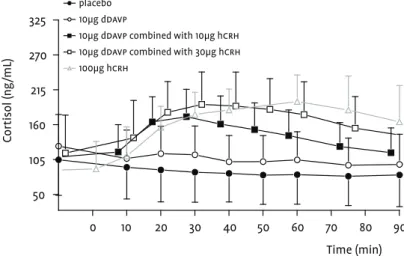
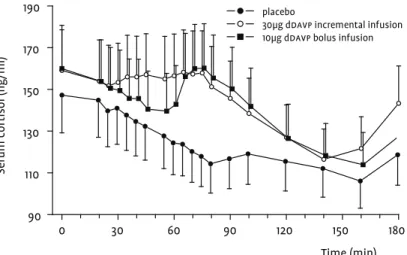
cortisol levels increased with +18.9 (4.1, 35.8)% for the bolus and +17.7 (3.5, 33.8)% for the incremental infusion compared to placebo (Table 1). The maximal mean concentrations of cortisol, attained 15 minutes after those of acth, were very similar at 160.22 ng/ml and 158.25 ng/ml for the bolus and incremental infusions respectively. The effects on acth and cortisol are illustrated in figures 1 and 2.
Pro-coagulant – and anti-diuretic effects
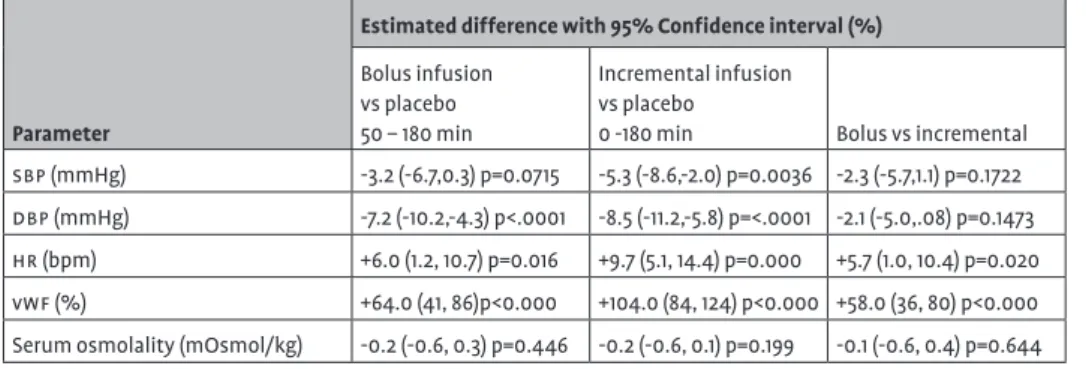
vwf was released after ddavp administration, with higher lev-els attained with the 30µg incremental infusion. Compared to placebo, the incremental infusion led to an increase of +104% (84,124). A smaller increase of +64.0% (41,86) was observed with the bolus infusion (Table 2). Although the levels of vwf-Ag tended to decrease from 120min onwards, they had not returned to base-line at the end of the measurement period (480min). Furthermore, serum osmolality was not altered by either the bolus or the incre-mental infusion.
Cardiovascular pharmacodynamic effects
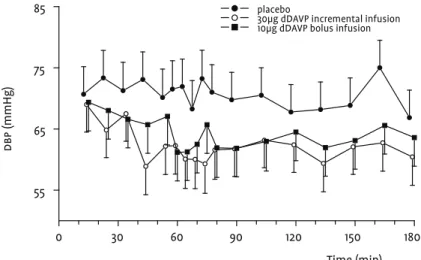
The incremental infusion had larger blood pressure lowering effects than the bolus infusion. Heart rate increased compensa-tory with both infusions. These effects are illustrated best for dbp
sbp by -3.2 (-6.7, 0.3) mmHg and dbp by -7.2 (-10.2, -4.3) mmHg, and increased hr by +6.0 (1.2, 10.7) bpm. These effects were somewhat smaller than after the incremental infusion, which decreased aver-age sbp by -5.3 (-8.6, -2.0) mmHg and dbp by -8.5 (-11.2,-5.8) mmHg, and increased hr by +9.7 (5.1, 14.4) bpm (Table 2).
Measures of d
davp
-induced
ans
activation
Serum prolactin was not consistently affected by either ddavp
infusion. The incremental infusion decreased prolactin significant-ly by -15.4 (-23.5,-6.4) % while the bolus infusion increased prolac-tin non-significantly by +6.1 (-5.2, 18.8)% compared to placebo. Sali-va alpha-amylase increased non-significantly by +11.4 (-14.5,45.2)% following the incremental infusion and by +13.6 (-13.9,50.0)% after the bolus infusion.
Discussion
This study aimed to concomitantly investigate neuroendocrine-, cardiovascular-, antidiuretic-, procoagulatory- and (indirect) ans
effects of i.v. ddavp, administered using two different dosing regi-mens. ddavp could be a useful pharmacological function tests of vasopressinergic activation of the hpa axis to study the involve-ment of this system in normal or abnormal (psycho)physiology and during treatment. The study showed differences in neuroen-docrine, coagulatory and cardiovascular effects between a slow incremental infusion of 30µg and a rapid intravenous bolus of 10µg in healthy volunteers.
avp is a physiological co-activator of the hpa-axis, mediated by
vc-receptors on anterior pituitary corticotrophes and requiring the presence of endogenously available crh to release acth (Dinan and Scott, 2005; Ring, 2005). We found small but statistically sig-. We found small but statistically sig-nificant increases in acth and cortisol release after administering either 10µg ddavp over one minute or 30µg ddavp over 60 minutes. Both administration modes induced comparable elevations of
attained previously with serotonergic and corticotrophinergic function tests. Meta-chlorophenylpiperazine (mcpp) 0.5 mg/kg administered i.v. lead to a cortisol cmax 228.4ng/ml (Gijsman et
al., 1998), 5-hydroxytryptophan (5-htp) 300mg administered orally induced a cortisol cmax of 218.9ng/ml (Smarius et al., 2008) and
100µg human crh (hcrh) i.v. produced maximal serum cortisol concentrations of 210ng/ml (Dinan et al., 1999; Scott et al., 1999b). This indicates a higher maximum release of acth and cortisol fol-lowing corticotrophinergic stimulation than after vasopressinergic co-activation. This is also illustrated in trials where ddavp induced a dose-dependent acth release for 5µg and 10µg but not for 15µg ddavp (Scott et al., 1999a) and crh augmented the vasopressin-induced vc effects when administered concomitantly with ddavp
(Favrod-Coune et al., 1993). Such limited vasopressinergic co-acti-. Such limited vasopressinergic co-acti-vation may be determined by low levels of endogenous crh, since this study was performed late in the morning and early afternoon, when circadian activity of the hpa-axis is relatively low.
The hpa-axis can also be activated by homeostatic perturba-tions, like hypotension causing an indirect stress responses via the sympatho-medullary route. ddavp-induced blood pressure reduction seems to be dependent on vb stimulation, causing pros-taglandin release from vascular endothelium (Aldasoro et al., 1997; Medina et al., 1999). A reduction in peripheral resistance can acti-. A reduction in peripheral resistance can acti-vate sympathetic outflow via fibres descending from the vasocon-strictor regions of the medulla oblongata. Concomitantly, direct stimulation of sympathetic outflow fibres terminating on the adrenal cortex can release adrenaline, which in turn might induce
Thus, ddavp’s effects on the hpa-axis do not seem to be mediated by peripheral stress effects, at least if subjects are kept supine dur-ing the test to minimize blood pressure lowerdur-ing effects of ddavp. ddavp displayed a differential concentration-effect relationship for the neuroendocrine parameters on the one hand and cardiovas-cular and coagulatory parameters on the other. ddavp’s vb -mediat-ed effects (hr and vwf) were concentration dependent, which was not the case for its vc-mediated effects (acth and cortisol release). The maximal plasma concentrations (cmax) attained with 30µg
ddavp were nearly twice (1.8-fold) as large as those reached with 10µg ddavp. This difference was reflected by the concentration-dependence of the cardiovascular and coagulatory effects, but not of the neuroendocrine responses, which were similar for the two doses.
ischemic heart disease or a (congenital) adamts13 deficiency. In this study, ddavp had its maximum neuroendocrine effects at a dose of 10µg, with limited coagulatory and cardiovascular manifes-10µg, with limited coagulatory and cardiovascular manifes-tations. At this dose, the risk of thrombotic complications seems very small in patients who suffer from depression but have no clearly elevated cardiovascular risk.
In conclusion, administering 10µg ddavp intravenously over one minute is an effective pharmacological tool to induce vasopress-inergic hpa axis activation in healthy volunteers. Under low corti-cotrophinergic conditions, this function test produces a clear but limited co-activation of pituitary acth-release via the vc. A 10µg ddavp bolus does not cause much systemic effects, and avoids non-specific stress responses. The effects on serum osmolality and coagulation are limited, although the safety in specific risk populations remains to be established. Higher doses of ddavp are not expected to produce much more informative vasopressinergic co-activation, and could induce adverse and confounding vb -medi-ated effects.

![Table 1Average plasma acth (ng/l) and serum cortisol (ng/ml) for the period 120–510 min for 100 mg hcrh and for 100 mg hcrh preceded by 10 mg ddavp: estimated means (back transformed least square means [lsm]) for placebo, 100 mg hcrh and 100 mg hcrh prece](https://thumb-us.123doks.com/thumbv2/123dok_us/8285381.2194097/71.680.158.548.56.806/table-average-plasma-cortisol-preceded-estimated-transformed-placebo.webp)