i
THE ASSOCIATIONS AMONG RACIAL DISCRIMINATION, RACIAL IDENTITY, AND OBSESSIVE-COMPULSIVE SYMPTOMS
Henry Artez Willis
A thesis submitted to the faculty at the University of North Carolina at Chapel Hill in partial fulfillment of the requirements for the degree of Master of Arts in the department of Psychology
and Neuroscience in the School of Arts and Sciences (Clinical Psychology)
Chapel Hill 2017
Approved by:
iii ABSTRACT
Henry Artez Willis: The Associations Among Racial Discrimination, Racial Identity, and Obsessive-Compulsive Symptoms
(Under the direction of Enrique W. Neblett, Jr.)
iv
TABLE OF CONTENTS
List of Tables ... v
List of Figures ... vi
List of Abbreviations ... vii
Introduction... 1
Theoretical Framework: A Sociocultural Model of OCD ... 3
Sociocultural Risk and Protective Factors ... 4
Racial Discrimination and Mental Health Outcomes ... 5
Racial Identity as a Protective Factor ... 6
Conceptualization of Racial Identity ... 7
Limitations of Existing Research... 8
Current Study ... 10
Method ... 12
Participants ... 12
Procedures... 12
Measures ... 13
Demographic Information ... 13
Racial Discrimination ... 13
Racial Identity ... 14
Obsessive-Compulsive Disorder ... 16
Results ... 17
Discussion ... 24
Tables ... 36
Figures ... 41
Appendix ... 43
v
LIST OF TABLES Table
1. Intercorrelations, Means, Standard Deviations for Key Study
Variables ... 36 2. Model Fit Statistics from Latent Class Analyses ... 37 3. Racial Identity Cluster Raw and Standardized Means ... 38 4. General Linear Model for Racial Discrimination Frequency, Racial
Identity, and Control Variables Predicting OC Symptoms ... 39 5. General Linear Model for Racial Discrimination Bother, Racial
vi
LIST OF FIGURES
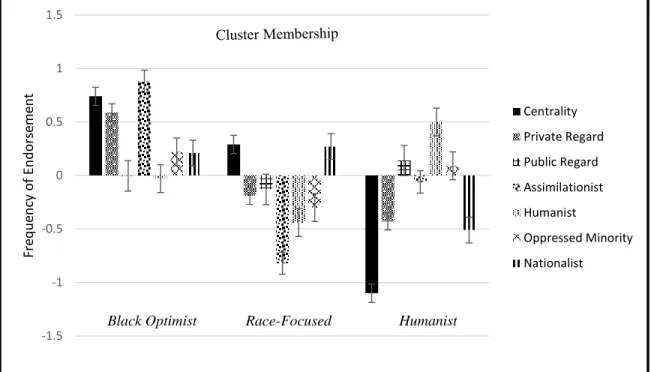
Figure 1. Summary of racial identity groups using standardized means ... 41
vii
LIST OF ABBREVIATIONS
DLE Daily Life Experiences Scale
MIBI-S Multidimensional Inventory of Black Identity MMRI Multidimensional Model of Racial Identity
OC Obsessive-Compulsive
OCD Obsessive-Compulsive Disorder PWI Predominantly White Institution
1 Introduction
Obsessive-Compulsive Disorder, most often referred to as OCD, is clinically
characterized as the manifestation of obsessions and/or compulsions (American Psychiatric Association, 2013). Past clinical research of OCD has largely focused on the biological risk factors associated with the etiology and treatment of this disorder and its symptoms (Milad & Rauch, 2012). While this approach has been vital to understanding the characteristics of these symptoms within European American OCD patients, the field has not sufficiently investigated cross-cultural differences in OC symptom presentation, especially factors associated with the etiology of OC symptoms within African Americans (Williams & Jahn, 2016). Epidemiological surveys have shown that African Americans suffer from OCD at nearly identical rates as other racial/ethnic groups, and that OCD among African Americans is very persistent and associated with high overall mental illness severity and functional impairment (Himle et al.,2008). Yet, because African Americans are grossly unrepresented in clinical trials, behavioral treatment centers, and studies among many of the institutions at the forefront of OCD research, it is unclear whether recent advancements in our understanding of this disorder and its symptoms can be effectively applied to this population (Williams, Proetto, Casiano, & Franklin, 2012).
2
(Paradies, 2006; Priest et al., 2013). Researchers have noted that experiences of racial
discrimination are traumatic for African Americans, and given that traumatic life experiences have been linked to the onset of OC symptoms (Cromer, Schmidt, & Murphy, 2007), race-related traumatic experiences during childhood/adolescence may spur the development of obsessions and/or compulsions.
Although racial discrimination may exacerbate OC symptoms, racial/ethnic identity, or the significance and meaning of one’s race or ethnicity (Sellers et al., 1998), may moderate this relationship and act as a protective factor against the deleterious effects of racism. Previous research has shown that ethnic/racial identity may protect African Americans against negative mental health outcomes (i.e. Bynum, Best, Barnes, & Burton, 2008; Sellers, Caldwell, Schmeelk-Cone, & Zimmerman, 2003; Sellers & Shelton, 2003; Smith & Silva, 2011). For instance, unlike European Americans, African Americans who reported having a stronger, more stable, ethnic identity also reported being more psychologically healthy in the form of lower anxiety and depressive symptoms (Sawyer et al., 2015).
3
identity interact to buffer against race-related stress. In light of these limitations, the specific aims of this study are: (1) to longitudinally examine the effects of racial discrimination on OC symptom distress; and (2) to explore the moderating role of patterns of racial identity on the relationship between racial discrimination and subsequent OC symptoms.
Theoretical Framework: A Sociocultural Model of Obsessive-Compulsive Disorder
There is evidence that suggests that OC symptoms may present differently within African American samples as compared to their ethnic/racial counterparts (e.g., Thomas, Turkheimer, & Oltmanns, 2000; Wheaton, Berman, Fabricant, & Abramowitz, 2013; Williams, Abramowitz, & Olantunji, 2012). In light of this, and given the absence of African Americans in clinical trials for OCD (Williams, Powers, Yun, & Foa, 2010), recent theoretical models of this disorder have highlighted the importance of sociocultural factors in the development and maintenance of OC symptoms. For instance, building on the existing model of OCD that focuses on traditional risk factors (e.g., generalized psychological and biological vulnerabilities; Barlow, 2002), Williams and Jahn (2016) developed a sociocultural model of OCD that may serve as a useful foundation in understanding how sociocultural factors, such as racial discrimination and racial identity, may affect OC symptom severity and distress within African American youth.
4
whereas religious/scrupulosity concerns are dominant in the Middle East, reflecting the cultural role of collectivism and religion common in this area (Lewis-Fernandaz et al., 2010).
Unfortunately, little is known about how cultural/societal factors that are unique to African Americans in the U.S. (i.e. the history of slavery, police brutality, and the experience of racial discrimination) affect the development of OC symptoms within this population. Although genetics and biological/psychological vulnerabilities (i.e. Barlow, 2002) may explain the genesis of OC symptoms, it cannot be denied that culture plays a role in shaping and exacerbating the development, expression, and severity of obsessions and compulsions.
Sociocultural Risk and Protective Factors
Williams and Jahn (2016) argue that racial discrimination, which several studies have shown to be linked to negative psychological outcomes (i.e. Priest et al., 2013; Williams & Mohammed, 2009), may be a sociocultural risk factor that uniquely affects the development and maintenance of OC symptoms within African American youth. At the same time, though African American youth may be susceptible to specific risk factors, there are several cultural protective mechanisms that may converge to promote resiliency against the development and maintenance of this disorder. Given the link between racial identity and positive mental health outcomes for African American youth (i.e. Sawyer et al., 2015; Smith & Silva, 2011), and evidence that this construct moderates the relationship between racial discrimination and psychiatric symptoms (i.e. Banks & Kohn-Wood, 2007), Williams and Jahn (2016) proposed that racial identity may reduce or protect against the deleterious effects of various sociocultural risk factors (i.e. racial discrimination) that exacerbate OC symptoms and severity. Taken together, in an effort to
5
Americans, there is an immediate need to uncover the impact of racial discrimination on OC symptoms and explore the moderating role of racial identity.
Racial Discrimination and Mental Health Outcomes
Racial discrimination has been conceptualized to operate on three different levels: institutionalized (defined as inequitable access to products, services, and opportunities based on race), internalized (defined as the acceptance of negative stereotypes or beliefs by the
stigmatized group about their own race), and personally-mediated racism (defined as the experience of prejudice or discrimination; i.e. Berman & Paradies, 2010; Jones, 2000). The perception of racial discrimination by African Americans as a result of interactions with their environment is an example of personally-mediated racism, and it has been shown that this type of racism results in psychological and physiological stress responses, also referred to as race-related stress (Clark et al., 1999). In exploring the effects of perceptions of racial discrimination, researchers have examined the frequency of perceptions of discrimination, as well as the event-specific outcomes of these experiences (event-specifically, the extent to which the individual was distressed or bothered by the event), as both have unique effects on psychological outcomes (Sellers & Shelton, 2003).
6
ethnic minority youth reported statistically significant associations between perceived racism and negative mental health outcomes, behavioral problems, and reductions in positive mental health outcomes (Priest et al., 2013). With respect to anxiety disorders, in a large, national survey of 3,570 African American adults, racial discrimination was shown to be a significant predictor of Generalized Anxiety Disorder (GAD; Soto, Dawson-Andoh, & BeLue, 2011). Although no studies have explicitly explored the role of racial discrimination in the development of OC symptoms, one study found that experiences of racial discrimination contributed significantly to reported OC symptoms for African American adults (Klonoff, Landrine, & Ullman, 1999). Finally, experiences of racial discrimination have been likened to traumatic experiences for African Americans (Butts, 2002). Given that traumatic life experiences have been linked to the onset of OC symptoms (Cromer, Schmidt, & Murphy, 2007), race-related traumatic experiences of discrimination during childhood/adolescence may spur the development of obsessions and/or compulsions.
Racial Identity as a Protective Factor
7
Copeland-Linder, Martin, & Lewis, 2006). Racial identity may act as a buffer against race-related stress by enhancing youth’s self-concept and cognitive-appraising processes, as well as facilitating their development of adaptive coping styles (Neblett et al., 2012).
Conceptualization of Racial Identity
The Multidimensional Model of Racial Identity (MMRI) is a particularly useful
conceptualization of racial identity that could highlight how racial identity protects against the deleterious effects of racial discrimination to inhibit the development of OC symptoms. The MMRI consists of four dimensions that refer to the significance and qualitative meaning race has in African Americans’ self-concepts: salience, centrality, regard, and ideology. Salience
measures the extent to which individuals’ races are relevant to their self-concept during a specific moment or situation, whereas centrality corresponds to the extent to which individuals define themselves according to their race over time and across situations (Sellers et al., 1998). Both salience and centrality measure the significance individuals attach to being African American. On the other hand, regard, which measures the extent to which individuals feel positively about their race, and ideology, which measures individuals’ beliefs, attitudes, or opinions about how they feel people from their race should act, both refer to the perceptions one has about the meaning of being Black or African American (Sellers et al., 1998). Racial regard consists of two sub-dimensions: public regard and private regard. Public regard refers to the extent individuals feel that others view African Americans positively or negatively. Private regard measures the extent to which individuals feel positively or negatively about being African American and about other African Americans. Finally, Sellers et al. (1998) describe ideology as consisting of four sub-dimensions: (1) an assimilationist philosophy (which stresses the
8
(which refers to the view that all humans, regardless of racial/ethnic background, are similar); (3) an oppressed minority philosophy (which emphasizes the commonalities between the oppression that African Americans with that of other groups); and (4) a nationalist philosophy
(characterized by views that the African American experience is unique from that of other groups).
Previous studies exploring the link between racial discrimination and psychological outcomes have shown that the dimensions of the MMRI are useful when investigating the protective role of racial identity (e.g., Banks & Kohn-Wood, 2007; Neblett & Carter, 2012; Seaton, 2009; Sellers et al., 2006). For instance, Sellers et al. (2006) found that African American adolescents with low public regard were at the greatest risk of experiencing racial discrimination, but protected against the impact of racial discrimination on psychological functioning. On the other hand, private regard has been shown to buffer the effects of racial discrimination on anxiety symptoms (Bynum et al., 2008). Similarly, it has been shown that African American youth with high levels of racial centrality and low public regard report lower depressive symptoms and appear to be protected against the effects of perceived racism (Sellers, 2009). Conversely, Banks & Kohn-Wood (2007) found that the relationship between racial discrimination and depression was stronger for African American adolescents who reported lower levels of racial centrality and private regard, and higher levels of assimilationist and humanist ideologies. These results suggest that racial identity can either protect against or exacerbate the impact of race-related stress on psychiatric outcomes.
Limitations of Existing Research
9
& Jahn (2016), the incorporation of sociocultural factors has not acquired an evidence-base to support the relationships purported by the authors. For instance, there have been few, if any, empirical studies of the proposed risk and protective factors (i.e. racial discrimination and racial identity, respectively) and OC symptoms, or OCD in general, within a sample of African
American youth (Williams & Jahn, 2016). Given that the average age of onset for OCD is around the age of 19 (Himle et al., 2008; Ruscio et al., 2010), and that epidemiological studies report that by late adolescence, OCD has a lifetime prevalence of 2% to 3% (Zohar, 1999), it is imperative that we begin to explore OC symptoms, as well as the impact of these sociocultural risk and protective factors, within African American late adolescent populations.
Furthermore, there have only been a handful of studies that have explored the
associations between racial discrimination, racial identity, and OC symptoms (i.e. Klonoff et al., 1999; Worrell, Andretta, & Woodland, 2014), but these studies have either been cross-sectional or conducted with niche samples (i.e. at-risk youths). Longitudinal analyses of OC symptoms within African American youth must be performed in order to determine if racial discrimination and racial identity are associated with the development and maintenance of these symptoms.
Finally, most studies examining racial identity as a protective factor have taken a variable-centered approach, examining only the relationship between certain dimensions of the MMRI (Sellers et al., 1998) and psychological/health outcomes (i.e. Neblett & Carter, 2012; Sellers et al., 2006). This approach to understanding the impact of racial identity is inconsistent with the multidimensional nature of the MMRI, and does not illustrate the complexity and
10
racial identity interact to affect mental health outcomes when attempting to explore racial identity as a moderator.
Current Study
Given the above limitations, the current study aimed to (1) longitudinally examine the effects of racial discrimination on OC symptom distress; and (2) explore the moderating role of patterns of racial identity on the relationship between racial discrimination and subsequent OCD symptoms. The current study sought to address the following questions:
1. What are the longitudinal associations between experiences of racial discrimination, racial identity, and obsessive-compulsive symptoms?
2. Do racial identity profiles moderate the association between racial discrimination and obsessive-compulsive symptoms?
11
Given that Williams and Jahn's (2016) model purports that racial identity is a
12 Method
Participants
Participants were African American first-year students who participated in a longitudinal study of health and life experiences at a mid-size, public, southeastern, predominantly-White university in the United States. To be eligible to participate, students had to be a college student at the university where the study was conducted, be at least 18, and self-identify as African American. Data collection was conducted in three waves, with approximately eight months between each wave of data collection, but this study’s sample utilized the initial (Time 1) and third wave (Time 2) of data because at Time 2, participants’ mean age was 19.5, which coincides with the emergence of OC symptoms for young adults found in previous studies (Himle et al., 2008; Ruscio et al., 2010). The first wave was comprised of 171 students (69% female, mean age = 18.3). The second wave of data was comprised of 130 students (74% female; mean age = 19.5). Students who participated in both waves did not differ in gender composition, age, parent educational attainment, racial discrimination, or reports of OC symptoms from those who dropped out after the first wave.
Procedures
13
American college students. Eligible participants completed a battery of online and paper and pencil questionnaires including the measures in the present study in survey administrations lasting approximately one hour. These measures assessed demographics, health history and current health, mood and feelings, stress and coping, and life experiences. Participants completed the same battery of questionnaires during subsequent waves of data collection and were not tracked between data collection points. African American research assistants administered the online questionnaires at each time point. Participants received payment of $15 for participating in each wave of data collection.
Measures (See Appendix)
Demographic Information. Study participants reported demographic data, which were used as covariates in the analyses. This information consisted of gender, age, race/ethnicity, and mothers’ highest level of educational attainment (1 = Elementary School to 7 = Graduate or professional degree). Past research suggests that parental educational attainment may be a more accurate measure of SES (Almeida, Neupert, Banks, & Serido, 2005; Grzywacz, Almeida,
Neupert, & Ettner, 2004). As a result, parental educational attainment was utilized as an indicator for SES.
Racial Discrimination. The Daily Life Experiences Scale (DLE; Harrell, 1994) is a subscale that is a part of Harrell’s (1994) Racism and Life Experience scale. As a whole, this self-report scale is used to assess past experiences with racial discrimination. However, the Time 1 measure was used as the primary indicator of racial discrimination to model the effects of prior discrimination on subsequent reports of OC symptom distress. The DLE subscale is a self-report measure of the frequency and bother associated with 18 independent microaggressions
14
the DLE are rated from 0 = never to 5 = once a week or more, with higher scores corresponding
to more frequent experiences of racial discrimination (Time 1: α = .92). Afterwards, the mean score of this subscale is computed, with higher scores corresponding to more frequent exposure
to racial discrimination. For racial discrimination bother, participants were asked to indicate how much they were bothered by reported experiences of discrimination from 0 = has never
happened to 5 = bothers me extremely (Time 1: α = .97). Afterwards, the mean score of this subscale is computed, with higher scores corresponding to higher levels of distress by racial discrimination experiences Previous studies have illustrated the DLE to have reliable and valid psychometric properties within similar samples of African American young adults (e.g., Harrell, 1994; Neblett & Carter, 2012; Neblett et al., 2016; Seaton, Neblett, Upton, Hammond, & Sellers, 2011). These earlier studies have shown that the DLE has adequate internal consistency,
construct and criterion validity, and produce Cronbach alpha's ranging from 0.90 to 0.94. Racial Identity. The current study utilized a shortened version of the Multidimensional Inventory of Black Identity (MIBI-S; Martin, Wout, Nguyen, Sellers & Gonzalez, 2008) to assess racial identity. In regards to racial identity, participants’ scores at Time 1 on the MIBI-S measure were used as the primary index of racial identity in the study as I wished to evaluate how initial levels of racial identity will attenuate or exacerbate the subsequent consequences of prior racial discrimination experiences on OC symptom distress. Responses on the MIBI-S are rated from 1 = strongly disagree to 7 = strongly agree, with responses assessing the three stable
15
aspect in defining one’s self. Next, as noted above, the Regard scale is composed of two
subscales assessing both Public and Private Regard. The Public Regard subscale consists of four items that measures the extent to which participants feel that other ethnic/racial groups have positive feelings toward African Americans (i.e., “Overall, Blacks are considered good by others”; Time 1: α = .85), whereas the Private Regard subscale measures the extent to which participants have positive feelings toward African Americans in general (i.e., “I feel good about Black people; Time 1: α = .85) and consists of three items. Higher scores on the Private Regard subscale relate to the belief that the respondent has more positive feelings toward other African Americans and being an African American, whereas lower scores on the Public Regard subscale demonstrates a view that other ethnic/racial groups have a more negative view of African
Americans.
16
(i.e. “Whenever possible, Blacks should buy from other Black businesses”; Time 1: α = .58). Previous studies have illustrated the construct and predictive validity for the MIBI in large African American college samples (Banks & Kohn-Wood, 2007; Jones et al., 2013; Seaton, 2009; Sellers, Rowley, Chavous, Shelton, & Smith, 1997), with reliability analyses in previous studies producing Cronbach’s alphas that range from .61 to .81.
17 Results
Preliminary Analyses: Racial Discrimination Experiences, Racial Identity Variables, and OC Symptoms
Preliminary analyses consisted of examining means and standard deviations among experiences with racial discrimination at Time 1, racial identity variables (Time 1), and OC symptom distress at Time 2 (Table 1). On average, African American college students reported experiencing each of 18 racial discrimination experiences on the subscale at least “once” in the past year at Time 1 (M = 1.36; SD = 0.93). On average, participants reported being bothered “a little” by these experiences in the past year (M = 1.9, SD = 1.21).
With respect to racial identity, participants reported, on average, high levels of
assimilationist ideology, and moderate levels of private regard, humanist ideology, oppressed minority ideology, and centrality at Time 1. Participants scored below the midpoint, on average, for nationalist ideology and public regard Time 1. This suggests that overall, participants did not emphasize the uniqueness of being African American nor did they feel that others viewed African Americans positively. Finally, in regards to OC symptoms, participants reported being bothered “a little bit” by these symptoms at both Time 1 (M = 1.05, SD = .74) and Time 2 (M = 1.16, SD = .80).
18
with OC symptom distress. None of the racial identity dimensions were significantly related to OC symptom distress at the bivariate level.
Racial Identity Profile Analysis
Latent class analysis (LCA) implemented by the Latent Gold program (Vermunt & Magidson, 2005) was used to determine racial identity clusters from the sample. LCA is a model-based cluster analysis that provides statistical criteria for selecting a plausible cluster solution among alternatives (Magidson &Vermunt, 2004). First, model fits and comparisons were assessed using the likelihood ratio chi-squared statistic (L2). For the baseline (one-class) model, L2 can be considered as the total association among the indicators. When the baseline model is compared with an alternative model from the same data with a higher number of classes, the percent reduction in L2 reflects the total association explained. Typically, L2 is evaluated against the chi-squared distribution. On the other hand, when the number of indicators or the number of categories of these indicators is large, L2 is not well approximated and the alternative bootstrap p-value is recommended (Langeheine, Pannekoek, & Van de Pol, 1996). Next, the percent reduction in L2 is used in conjunction with the Bayesian information criterion (BIC), an index of model fit and parsimony. In general, a model with the largest association explained (i.e., the greatest reduction in L2) and the lowest BIC value is preferred. Finally, recent
advances in LCA allow the specification of models that account for associations between
19
Using the data that from the MIBI-S subscales measured at Time 1, latent class models (ranging from 1 to 6 clusters) were estimated. Summary statistics of these six models can be found in Table 2. Of the six potential models that emerged, the three-cluster model appeared to be the most appropriate and parsimonious solution. It had a low BIC (3333.24), a nonsignificant bootstrap p-value (.10), and a substantial reduction in L2 over the baseline (9.3%). Although the four-cluster, five-cluster, and six-cluster models showed a slightly further reduction in L2
(11.4%, 13.1%, and 14.3%, respectively) than the three-cluster model, these models also had a larger BIC (3341.7, 3357.1, and 3379.1, respectively) suggesting that they are not as
parsimonious as the cluster model. Next, the BVRs for each variable pair of the three-cluster model were examined for local dependence. The centrality/private regard racial identity pair had a substantially large BVR (6.46). As a result, a three-cluster model with the direct effect of between centrality and private regard was then estimated. The direct effect accounted for the residual correlation between the two indicators and provided a more parsimonious model with a better fit. This modified three-cluster model had a smaller BIC (3307.65), a larger reduction in L2 (13.3%), and acceptable BVRS. Thus, I adopted this model as my final cluster solution.
Next, the raw and standardized means of each racial identity variable were used to describe and label the clusters (Figure 1). The first cluster was labeled Black Optimist (n = 58, 34% of sample). This cluster was characterized by scores slightly lower than the sample mean on public regard and humanist ideology, and high scores relative to the sample mean (approximately .5 SD above the mean) on assimilationist ideology, centrality, and private regard. With respect to raw means, this cluster had relatively high scores on the centrality, private regard,
20
centrality and nationalist subscales. In terms of raw means, the Race-Focused cluster had relatively high scores, compared to the other two groups, on the nationalist subscale, and the lowest scores on the public regard, assimilationist, humanist, and oppressed minority subscales. The third and smallest cluster was labeled Humanist (n = 55, 32% of sample), and was
characterized by high scores relative to the sample mean on the humanist subscale, scores near the mean on the public regard and oppressed minority subscales, and scores below the mean on the assimilationist, nationalist (.5 SD below the mean), and centrality (approximately 1 SD below the mean) subscales. With respect to raw means, this cluster had a relatively high score on the humanist subscale, and the lowest scores on the centrality, private regard, and nationalist subscales.
Cluster Group Differences in Demographic and Racial Discrimination Variables
Analyses were conducted in order to assess whether cluster groups differed by age, gender, or primary caregiver’s educational attainment. Only the participants that completed both waves of data were included in the analyses. Results suggested no significant cluster differences in gender (2 [2, N = 120] = .674], ns), age (F [2, 117] = .42, p = .66), or mother’s educational attainment (F [2, 114] = .77, p = .46).
21
Humanist cluster was bothered significantly less by racial discrimination experiences at Time 1 (M = 1.56, SD = 1.2), as compared to the Black Optimist (M = 2.5, SD= 1.24) and Race-Focused (M = 2.13, SD = 1.17) clusters.
Relations among Racial Discrimination Experiences, Racial Identity, and OC Symptoms
22
The first GLM ANOVA model included Time 1 racial discrimination frequency and explained 36% of the variance in OC symptom distress at Time 2 (see Table 4). Age was found to be a significant covariate in the model, in that older college students reported being distressed less by OC symptoms at Time 2 relative to baseline levels of OC symptom distress (b = -.32, p= .01). Moreover, OC symptoms at Time 1 were significantly associated with OC symptoms at Time 2 (b = .50, p = .001). In terms of racial discrimination bother, the overall model explained 31% of the variance in OC symptoms (see Table 5). Age was again found to be a significant covariate, such that older college students reported being distressed less by OC symptoms at Time 2 (b = -.35, p = .01), and initial reports of OC symptoms were associated with OC
symptom distress at Time 2 (b = .52, p = .001). No other significant covariates were found within either model.
Racial Discrimination as a Risk Factor for OC Symptoms
Analyses revealed that after controlling for the covariates, individuals who experienced greater discrimination in the past year at Time 1 experienced higher levels of distress from OC symptoms at Time 2 (b = .19, p = .02), relative to baseline levels of OC symptom distress and overall psychological functioning. The main effect of racial discrimination bother (b = .09; ns) was not significantly associated with reports of OC symptom distress at Time 2.
Patterns of Racial Identity as Protective Resilience Factors against OC Symptoms Development and Maintenance
There were no main effects for cluster group membership in either the racial
23
revealed that after controlling for the covariates, including baseline levels of OC symptom distress and psychological functioning, racial discrimination frequency at Time 1 had a
24 Discussion
This study examined the associations between experiences of racial discrimination, racial identity, and OC symptoms in African American college students attending a PWI. The first aim of this study was to longitudinally examine the effects of racial discrimination on OC symptom distress. Next, I also sought to explore the moderating role of patterns of racial identity on the relationship between racial discrimination and OC symptom distress. In light of this, two key findings emerged from the data. First, African American young adults who experienced greater discrimination events at Time 1 had significantly higher levels of OC symptom distress at Time 2 (approximately one year later). Secondly, the association between the frequency of racial discrimination at Time 1 and OC symptom distress at Time 2 was only significant for those African American college students with a Race-Focused racial identity profile. These findings help to expand the state of a burgeoning literature and theoretical framework (i.e. Williams & Jahn, 2016) that seek to understand the impact of sociocultural risk and protective factors
specific to African American youth (i.e. racial discrimination and racial identity, respectively) on the development of OC symptoms and OCD.
Racial Discrimination as a Risk Factor for OC Symptoms
25
socioeconomic status, and baseline levels of psychological distress. The current study suggests that longitudinally, more frequent experiences of racial discrimination may exacerbate the development and/or maintenance of OC symptoms, as it was a significant predictor of increases in OC symptom distress approximately one year following prior year reports of racial
discrimination. Although, to my knowledge, this is the first study to explore the impact of perceived racism on the development of OC symptoms, these findings are consistent with William and Jahn’s (2016) sociocultural model of OC symptom development and maintenance for African American youth, in that perceived racism emerged as a sociocultural risk factor that led to greater OC symptom distress over time. These findings could have emerged because as past research has shown, exposure to stress increases the incidence of unwanted intrusive thoughts (Rachman, 1997). In the context of the current study and the sociocultural model of OCD symptoms, it could be that more frequent experiences of racial discrimination may be a source of stress that is unique to African American youth, and that these experiences may further exacerbate the frequency of intrusive thoughts. In light of this, future work should seek to
understand the association between intrusive thoughts and racial discrimination experiences. Contrary to my hypothesis and prior findings, the distress caused by racial discrimination experiences did not emerge as a significant predictor of later OC symptom distress. It could be that rather than affecting OC symptoms directly, the distress caused by these experiences may affect these symptoms in more complex ways. For instance, it could be that the distress caused by racial discrimination may cultivate beliefs hypothesized to maintain OC symptoms, such as an inflated sense of responsibility (ISR) for preventing or causing harm and the tendency to
26
association between the distress caused by racial discrimination, cognitive distortions associated with OC symptoms, and the severity and distress of OC symptoms. Taken together, researchers and clinicians should continue to explore the association between perceived racism and OC symptoms and OCD as this experience may uniquely influence the development and maintenance of this disorder and its symptoms.
Racial Identity Profiles
The second aim of this study was to explore if certain patterns of racial identity would moderate the association between racial discrimination and OC symptoms. By utilizing latent profile analyses, I identified three patterns or profiles of racial identity within my sample of African American college students. These three profiles provide a more detailed picture of the significance and meaning of race in the lives of African American young adults, and highlights the heterogeneity in racial identity beliefs within the sample. This person-oriented approach (Magnusson, 1987) allows for the identification of groups of individuals with similar profiles across six dimensions of the MMRI, thus allowing me to examine how each identity subscale is related to each other and other variables of interest (Banks & Kohn-Wood, 2007).
27
the highest scores relative to the sample mean on assimilationist and oppressed minority ideologies subscales.
The Race-Focused profile is consistent with the Race-Focused cluster that emerged in Banks & Kohn-Wood’s study with regard to high racial centrality, high private regard, and low public regard relative to the sample mean, but in terms of racial identity ideology, it also
resembles the Separatist cluster found by Rowley et al. (2003) in that students in this group had the lowest scores relative to the mean on assimilationist, oppressed minority, and humanist ideologies subscales, but the highest scores on the nationalist ideology subscale.
Finally, the Humanist profile that emerged from the sample is consistent with both the Undifferentiated cluster found by Banks and Kohn-Wood (2007) in terms of having low racial centrality, private regard, assimilationist ideology and high public regard relative to the sample mean, as well as the Integrationist cluster found by Rowley et al. (2003) in terms of having high scores relative to the mean on the humanist subscale, but low scores on the nationalist subscale. Overall, these findings suggest that these racial identity patterns are similar across studies, which provides some evidence that not only are these patterns common among African American youth, but that there is heterogeneity in the racial identity beliefs of African American emerging adults.
Racial Identity as a Protective Factor
Consistent with my initial hypotheses, racial identity profiles did moderate the
association between the frequency of racial discrimination at Time 1 and OC symptom distress approximately one year later at Time 2. In line with Williams and Jahn’s (2016) sociocultural model of OCD symptoms, both the Black Optimist and Humanist racial identity patterns
28
within the Race-Focused cluster were at risk for increased OC symptom distress as a result of racial discrimination. These findings expand upon Williams and Jahn’s theoretical model in that it suggests that when taking into account the complexity and multidimensionality of racial identity, not all patterns of racial identity beliefs are protective when exploring the association between perceived racism and the development and maintenance of OC symptoms.
To my knowledge, this is the first study to explore the moderating effect of racial identity profiles on the relationship between racial discrimination and OC symptoms over time. On the other hand, studies that have taken a variable-centered approach to understanding the moderating effect of racial identity may shed light on how the differences between the profiles above may either protect against or exacerbate the effects of discrimination on OC symptoms. For instance, consistent with previous research (i.e. Seaton, 2009), the Black Optimist profile, which was characterized by high racial centrality, high private regard, and low public regard, did buffer against the effects of discrimination on OC symptoms. These dimensions have been shown to be protective against race-related stress (i.e. Sellers et al., 2003; Sellers et al., 2006; Sellers & Shelton, 2003). It could be that this combination of racial identity beliefs equip youth with higher levels of self-confidence, more positive attitudes about their race, and higher self-esteem, which may help these individuals cope with both the stress caused by discriminatory events, as well as the anxiety that accompanies intrusive thoughts.
29
individuals, regardless of racial/ethnic background, and de-emphasized the importance of the Black experience. In the context of this study, it could be that when faced with frequent experiences of discrimination, individuals in this group may not have attributed the cause of these experiences to their race. Furthermore, given the de-emphasis of being African American for those with this profile, racial discrimination may not have had a significant impact on their self-concepts and self-esteem. Finally, although this group had the highest public regard scores out of the three clusters, those with this profile still had low public regard (M = 3.34). This could mean that low public regard, in combination with high humanist ideology, could be protective against the effects of discrimination on subsequent OC symptoms. Taken together, this pattern of racial identity may have made discriminatory events less stressful for those in this group, which may have protected against the development of factors that undergird OC symptoms, such as intrusive thoughts or ISR. This would also be consistent with the preliminary analyses that revealed that the Humanist group was bothered significantly less by racial discrimination experiences as compared to both the Black Optimist and Race-Focused groups.
30
nationalist ideology are associated with increased perceptions of racial discrimination (Sellers & Shelton, 2003). Additionally, in an experimental study, it was found that higher levels of racial centrality may make individuals more likely to perceive ambiguous stimuli as racial
discrimination (Shelton & Sellers, 2000). In the context of OC symptom development, threat overestimation has been linked to these symptoms (Shafran, Thordarson, & Rachman, 1996), so it could be that this pattern of beliefs may place African American individuals at risk for
overestimating the threat of these perceived experiences of racial discrimination. As a result, those in the Race-Focused group may be at risk for perceiving more racial discrimination while overestimating the threat associated with these experiences, which then increases their
vulnerability for developing increased OC symptoms over time.
Taken together, these findings are important in that they illustrate that certain patterns of racial identity beliefs may either be protective against or increase vulnerability for developing OC symptoms over time. In the context of the sociocultural model of OCD by Williams and Jahn (2016), it is important to consider racial identity as a multidimensional and complex construct, and that not all patterns of racial identity may be protective against sociocultural risk factors in the development and maintenance of OC symptoms. It is also important to note that patterns of racial identity beliefs are not pathological, but may interact with other processes to influence psychological symptoms. Future work should continue to explore how different dimensions of racial identity interact to impact OC symptom severity and distress among African American youth.
Clinical Implications
31
and that racial identity beliefs moderate this association. Consequently, these findings underscore the importance of considering the influence of sociocultural risk and protective factors specific to African Americans (i.e. racial discrimination and racial identity, respectively) on OC symptom development in the assessment and case conceptualization phases of treatment. If assessments included a deeper probing of racial discrimination and identity, they may be able to discern unique sources of stress or patterns of racial identity beliefs that sustain or exacerbate these symptoms, allowing for more complex case conceptualizations and a deeper understanding of how these symptoms are experienced by African American clients.
Additionally, the associations among racial discrimination, racial identity, and OC symptoms would have several implications for cognitive-behavioral therapy (CBT) for African American young adults. For instance, studies are able to repeatedly show that African Americans with OC symptoms do not receive evidence-based treatments (EBTs; Himle et al., 2008) for OCD and OC symptoms, so creating cultural adaptations of CBT that incorporate these
sociocultural risk and protective factors may improve treatment outcomes for this group. In this context, during the psychoeducation phase of treatment and prior to exposure and response prevention (EXRP; which is a standard treatment for those with OC symptoms), clinicians
should be willing to discuss and process experiences of racism with their clients, as this may help African American clients identify how this unique source of stress could be contributing to increases in intrusive, automatic thoughts.
32
cognitive-appraising processes, as well as by facilitating their development of adaptive coping styles (Neblett et al., 2012). Taken together, this suggest that clinicians should aim to target specific racial identity beliefs, and that an important behavioral treatment goal during CBT could be increasing racial centrality and private regard attitudes. For instance, clinicians could
collaborate with African American young adults to explore the meaning of race to their self-concepts, as well as identify African-centered organizations and activities on campus and in their communities in an attempt to increase clients’ positive feelings towards being African American and towards other African Americans. This approach may improve the ability of African
American clients to cope with the stress associated with intrusive thoughts, as well as sociocultural risk factors that may exacerbate OC symptoms (i.e. racial discrimination).
Conversely, clinicians could also collaborate with the client to identify if certain racial identity beliefs may be increasing the influence of cognitive distortions or beliefs that are known to exacerbate OC symptoms (i.e. ISR, threat overestimation). In the end, these proposed cultural adaptations to CBT have the potential to increase the effectiveness of this EBT for this group, which could improve long-term outcomes for African Americans suffering from OC symptoms. Furthermore, the inclusion of cultural adaptations for CBT could also increase the willingness among African Americans to seek and engage in EBTs for OC symptoms, thereby reducing the current disparities in OCD treatment among this population.
Study Limitations and Future Directions
Few, if any, empirical studies have explored the impact of sociocultural risk and
33
sample was nonclinical, drawn from a single geographic location, and comprised of majority females from a large PWI (predominately White institution), it is unclear how these findings would apply to African American emerging adults outside of this context, and those who are suffering from clinically significant levels of OC symptoms. While exploring these associations within a nonclinical sample is in line with a developmental psychopathology approach to
understanding OC symptoms, as it emphasizes the origins and course of probabilistic, individual patterns of maladaptation (Rutter & Sroufe, 2000; Sroufe, 2009), which may be particularly informative given the increased incidence of OCD during the transition to adulthood, future studies should seek to explore the associations between racial discrimination, racial identity, and OC symptoms among African Americans suffering from more severe symptoms. Similarly, given that prior research has suggested that African American males may be more prone to experiencing racial discrimination (Priest et al., 2013), future studies should also seek to explore these associations in a more representative sample of African American young adults.
Furthermore, the measure used to assess OC symptoms only captures overall distress, and may not fully illustrate the range of OC symptom subtypes and severity that exists in this sample. As a result, it is difficult to determine what dimensions of OC symptoms are most influenced by both racial discrimination and racial identity. This is particularly important given that researchers have observed that African Americans clinically diagnosed with OCD reported more
34
identity, and OC dimensions such as contamination fear, responsibility for harm and mistakes, symmetry/incompleteness, and unacceptable thoughts within this population.
Finally, although our findings suggest that racial discrimination may lead to increased OC symptom distress, and that racial identity may either protect against or exacerbate the effects of racial discrimination, we are limited in our ability to assess what mechanisms are responsible for these associations. For instance, it could be that racial discrimination increases the frequency of intrusive thoughts, which exacerbates OC symptoms over time. Alternatively, racial identity may protect against beliefs and cognitive distortions that influence the development and maintenance of OC symptoms, such as ISR, threat overestimation, and misinterpretation of intrusive thoughts (i.e. Shafran et al., 1996). In light of this, future studies should seek to understand the mediating role of these constructs within the relationship between racial discrimination, racial identity, and OC symptoms among African American young adults. Conclusion
The present study contributes to the burgeoning literature that seeks to explore the impact of sociocultural factors on OC symptoms within African American young adults. To my
35
identity emerged as sociocultural risk and protective factors, respectively, for African American youth.
Additionally, the finding that different patterns or profiles of racial identity beliefs may protect against or exacerbate the effects of race-related stress on subsequent OC symptom distress of members within this group further supports utilizing a person-centered approach to exploring the role of racial identity in the lives of African American youth. This
36 Table 1
Intercorrelations, Means, Standard Deviations for Key Study Variables (N = 171)
1 2 3 4 5 6 7 8 9 10 11
1. RD
Frequency Time 1
-
2. RD Bother Time 1 .784
** -
3. OC Symptoms Time 1
.385** .326** -
4. OC Symptoms Time 2
.411** .302** .478** -
5. Centrality .217** .342** .164* .091 -
6. Private
Regard -.065 .105
-.081 -.149 .573** -
7. Public Regard
-.317**
-.283** -.146 .151 -.027 .317
** -
8. Assimilation
-ist -.037 .072 0.07 .036 .208
** .255** .116 -
9. Humanist -.15
-.219** -.036 .041
-.270** -.125 .201
** .178* -
10. Minority .108 .071 .009 .121 .002 .069 .156* .190* .274**
11. Nationalist .258** .334** .111 .068 .391** .216** -.026 -.021 -.356** -
Mean 1.36 1.90 1.05 1.16 4.7 5.77 3.18 6.17 5.56 5.06 3.48
S.D. .93 1.21 0.74 0.80 1.29 1.17 1.14 .83 .99 1.22 .97
37 Table 2
Model Fit Statistics From Latent Class Analyses of Racial Identity Subscales (N = 171)
Note. BIC(LL) = Log-likelihood based Bayesian information criterion, L2 = Likelihood ratio chi-square, BVR = Bivariate residuals.
Model BIC
(LL) L
2 df Bootstrap
p-Value
% Reduction
in L2
Maximum BVR
With Direct Effects
One-class 3393.91 1541.35 150 .00 .0 63.77
Two-class 3333.12 1439.43 142 .10 6.6 16.37
Three-class 3333.24 1398.41 134 .10 9.3 6.46
Four-class 3341.68 1365.72 126 .06 11.4 6.78
Five-class 3357.06 1339.96 118 .04 13.1 4.93
Six-class 3379.07 1320.84 110 .04 14.3 4.84
With direct effects Three-class with direct effect between Centrality and Private Regard
38 Table 3
Raw and Standardized Means of Racial Identity Subscales at Time 1 by Racial Identity Cluster (N = 171)
Racial Identity Variable
Black
Optimist Race-Focused Humanist
Raw means
Racial Centrality 5.65 (.82) 5.07 (.84) 3.3 (.82) Private Regard 6.47 (.66) 5.56 (1.13) 5.27 (1.28) Public Regard 3.17 (1.24) 3.02 (.95) 3.34 (1.22) Assimilationist 6.91 (.18) 5.49 (.66) 6.12 (.78)
Humanist 5.53 (.95) 5.12 (.99) 6.05 (.82)
Oppressed
Minority 5.33 (1.3) 4.7 (1.2) 5.17 (1.14)
Nationalist 3.68 (.95) 3.74 (.9) 2.98 (.9)
Standardized means
Racial Centrality .74 .29 -1.1
Private Regard .59 -.19 -.43
Public Regard -.004 -.13 .14
Assimilationist .88 -.82 -.06
Humanist -.03 -.44 .50
Oppressed
Minority .22 -.30 .09
39 Table 4
General Linear Model Analysis of Variance Predicting Obsessive-Compulsive Symptom Distress at Time 2 From Racial Discrimination Frequency, Racial Identity, and Control Variables
(N = 171)
Source df B(SE) Type III Sum
of Squares
Partial Eta Squared
F p
Corrected Model 10 – 27.81 .36 6.49 .00
Intercept 1 6.3 (2.3) 3.36 .06 7.84 .01
Gender 1 .06 (.14) .07 .001 .162 .69
Age 1 -.32 (.12) 3.03 .06 7.08 .01
Mother’s Educational
Attainment 1 .04 (.04) .38 .01 .881 .35
Global Severity Index
(T1) 1 -.26 (.23) .55 .01 1.273 .26
Discrimination
Frequency (T1) 1 .19 (.08) 2.51 .05 5.86 .02
OC Symptoms (T1) 1 .50 (.15) 5.01 .09 11.71 .001
Cluster Group 2 – .16 .003 .181 .84
Cluster x Discrimination 2 – 2.65 .05 3.09 .05
Error 116 49.66
Total 127 244.04
40 Table 5
General Linear Model Analysis of Variance Predicting Obsessive-Compulsive Symptom Distress at Time 2 from Racial Discrimination Bother, Racial Identity, and Control Variables (N
= 171)
Source df B(SE) Type III Sum
of Squares
Partial Eta Squared
F p
Corrected Model 10 – 23.61 .31 5.13 .00
Intercept 1 6.9 (2.4) 3.86 .07 8.39 .01
Gender 1 -.05 (.14) .07 .001 .147 .70
Age 1 -.35 (.13) 3.41 .06 7.41 .01
Mother’s Educational
Attainment 1 .02 (.04) .09 .002 .19 .66
Global Severity Index
(T1) 1 -.17 (.24) .23 .004 .49 .49
Discrimination Bother
(T1) 1 .09 (.06) 1.08 .02 2.34 .129
OC Symptoms (T1) 1 .52 (.15) 5.36 .09 11.65 .001
Cluster Group 2 – .34 .006 .37 .69
Cluster x Discrimination 2 – .13 .002 .14 .87
Error 115 52.92
Total 126 239.58
41
-1.5 -1 -0.5 0 0.5 1 1.5
Fre
q
u
en
cy
o
f
En
d
o
rs
em
en
t
Centrality
Private Regard
Public Regard
Assimilationist
Humanist
Oppressed Minority
Nationalist
42
Figure 2. Racial discrimination frequency and OC symptom distress by racial identity cluster group membership. This plot represents the relationship between racial discrimination frequency at Time 1 and OC symptom distress at Time 2 by cluster group membership. Racial
discrimination was positively associated with OC symptom distress in the Race-Focused cluster, but unrelated to OC symptom distress in the Black Optimist and Humanist clusters.
0 0.5 1 1.5
Low (-1 SD) High (+1 SD)
OC S
ym
p
tom
Dist
ress
at
T
im
e
2
Racial Discrimination Frequency at Time 1
Black Optimist
Race-Focused
43 APPENDIX
Measures for Key Study Variables
RACIAL DISCRIMINATION – Daily Life Experiences Scale (DLE; Harrell, 1997)
The next questions ask you to think about how being Black relates to experiences you have had IN THE PAST YEAR. On the left side, tell us how often you have experienced each event because you were Black. On the right side, tell us how much it bothered you when the experience happened.
How often did it happen to you because of race?
0 = never 1= once 2= a few times
3 = about once a month 4=a few times a month 5 = once a week or more
How much did it bother you?
0 = never happened to me 1 = didn’t bother me at all 2=bothered me a little 3=bothered me somewhat 4=bothered me a lot 5=bothered me extremely
a.Being ignored, overlooked or not given service (in a restaurant, store, etc.)
_____ _____
b.Being treated rudely or
disrespectfully _____ _____
c.Being accused of something or
treated suspiciously _____ _____
d.Others reacting to you as if they
were afraid or intimidated _____ _____
e.Being observed or followed while in
public places _____ _____
f. Being treated as if you were
“stupid”, being “talked down to” _____ _____
g.Your ideas or opinions being
minimized, ignored, or devalued _____ _____
h.Overhearing or being told an
offensive joke or comment _____ _____
i. Being insulted, called a name, or
harassed _____ _____
j. Others expecting your work to be
inferior _____ _____
k.Not being taken seriously _____ _____
l. Being left out of conversations or
activities _____ _____
m. Being treated in an “overly”
friendly or superficial way _____ _____
n.Other people avoiding you _____ _____
o.Being mistaken for someone who
serves others (i.e., janitor) _____ _____
p.Being stared at by strangers _____ _____
q.Being laughed at, made fun of, or
44
r.Being mistaken for someone else of
45
RACIAL IDENTITY – Multidimensional Inventory of Black Identity – Short Form (Martin et al., 2010)
Read the statements below and check the box next to the response that most closely represents how you feel. Do not check more than one response.
Strongly Disagree
Neutral
Strongly Agree
a.Overall, being Black has very little to do
with how I feel about myself.
□
1□
2□
3□
4□
5□
6□
7 b.It is important for Black people tosurround their children with Black art, music, and literature.
□
1□
2□
3□
4□
5□
6□
7c.I feel good about Black people.
□
1□
2□
3□
4□
5□
6□
7d.Overall, Blacks are considered good by
others.
□
1□
2□
3□
4□
5□
6□
7e.I am happy that I am Black.
□
1□
2□
3□
4□
5□
6□
7f. Blacks would be better off if they adopted
Afrocentric values.
□
1□
2□
3□
4□
5□
6□
7g.Black people must organize themselves
into a separate Black political force.
□
1□
2□
3□
4□
5□
6□
7h.In general, others respect Black people.
□
1□
2□
3□
4□
5□
6□
7i. Whenever possible, Blacks should buy
from other Black businesses.
□
1□
2□
3□
4□
5□
6□
7j. I have a strong sense of belonging to
Black people.
□
1□
2□
3□
4□
5□
6□
7k.Blacks should have the choice to marry
interracially.
□
1□
2□
3□
4□
5□
6□
7l. Blacks would be better off if they were more concerned with the problems facing all people than just focusing on Black issues.
46 m. Being an individual is more important
than identifying oneself as Black.
□
1□
2□
3□
4□
5□
6□
7 n.Blacks should judge Whites as individualsand not as members of the White race.
□
1□
2□
3□
4□
5□
6□
7 o.I have a strong attachment to other Blackpeople.
□
1□
2□
3□
4□
5□
6□
7p.The struggle for Black liberation in American should be closely related to the struggle of other oppressed groups.
□
1□
2□
3□
4□
5□
6□
7q.Blacks should strive to be full members of
the American political system.
□
1□
2□
3□
4□
5□
6□
7 r. Blacks should try to work within thesystem to achieve their political and economic goals.
□
1□
2□
3□
4□
5□
6□
7s.Blacks should strive to integrate all
institutions which are segregated.
□
1□
2□
3□
4□
5□
6□
7 t. The racism Blacks have experienced issimilar to that of other minority groups.
□
1□
2□
3□
4□
5□
6□
7 u.Blacks should feel free to interact sociallywith White people.
□
1□
2□
3□
4□
5□
6□
7v.There are other people who experience racial injustice and indignities similar to Black Americans.
□
1□
2□
3□
4□
5□
6□
7w.Being Black is an important reflection of
who I am.
□
1□
2□
3□
4□
5□
6□
7x.The same forces which have led to the oppression of Blacks have also led to the oppression of other groups.
□
1□
2□
3□
4□
5□
6□
7y.In general, other groups view Blacks in a
positive manner.
□
1□
2□
3□
4□
5□
6□
7z.I am proud to be Black.
□
1□
2□
3□
4□
5□
6□
750 REFERENCES
Abramowitz, J. S., Deacon, B. J., Olatunji, B. O., Wheaton, M. G., Berman, N. C., Losardo, D., ... & Björgvinsson, T. (2010). Assessment of obsessive-compulsive symptom
dimensions: Development and evaluation of the Dimensional Obsessive-Compulsive Scale. Psychological Assessment, 22(1), 180
Aiken, L. S., & West, S. G. (1991). Multiple Regression: Testing and Interpreting Interactions. Newbury Park, CA: Sage.
Almeida, D. M., Neupert, S. D., Banks, S. R., & Serido, J. (2005). Do daily stress processes account for socioeconomic health disparities?. The Journals of Gerontology Series B:
Psychological Sciences and Social Sciences, 60(Special Issue 2), S34-S39.
American Psychiatric Association. (2013). Diagnostic and statistical manual of mental disorders DSM-5. Washington, D.C: American Psychiatric Association.
Banks, K. H., & Kohn-Wood, L. P. (2007). The Influence of Racial Identity Profiles on the Relationship Between Racial Discrimination and Depressive Symptoms. Journal of Black Psychology, 33(3), 331–354. http://doi.org/10.1177/0095798407302540
Barlow, D. H. (2002). Anxiety and its disorders: The nature and treatment of anxiety and panic (2nd ed.). New York, NY: Guilford Press.
Berman, G., & Paradies, Y. (2010). Racism, disadvantage and multiculturalism: towards effective anti-racist praxis. Ethnic and Racial Studies, 33(2), 214–232.
http://doi.org/10.1080/01419870802302272
Butts, H. F. (2002). The black mask of humanity: Racial/ethnic discrimination and post-traumatic stress disorder.
Bynum, M. S., Best, C., Barnes, S. L., & Burton, E. T. (2008). Private regard, identity protection and perceived racism among African American males. Journal of African American Studies, 12, 142–155. http://doi.org/10.1007/s12111-008-9038-5
Chou, T., Asnaani, A., & Hofmann, S. G. (2012). Perception of racial discrimination and psychopathology across three US ethnic minority groups. Cultural Diversity and Ethnic Minority Psychology, 18(1), 74.
Clark, R., Anderson, N. B., Clark, V. R., & Williams, D. R. (1999). Racism as a stressor for African Americans. A biopsychosocial model. The American Psychologist, 54(10), 805– 816. http://doi.org/10.1037/0003-066X.54.10.805
51
Derogatis, L. R. (2000). Brief Symptom Inventory 18. Minneapolis: National Computer Systems.
Freedy J.R., Hobfoll S.E. (Eds) (1995) Traumatic stress: From theory to practice. New York: Plenum Press.
Grzywacz, J. G., Almeida, D. M., Neupert, S. D., & Ettner, S. L. (2004). Socioeconomic Status and Health: A Micro-level Analysis o Exposure and Vulnerability to Daily
Stressors∗. Journal of Health and Social Behavior, 45(1), 1-16.
Harrell, S. P. (1994). The Racism and Life Experience scales. Unpublished manuscript.
Hatch, M. L., Friedman, S., & Paradis, C. M. (1997). Behavioral treatment of obsessive
compulsive disorder in African Americans. Cognitive and Behavioral Practice, 3(2), 303 315.
Himle, J. A., Muroff, J. R., Taylor, R. J., Baser, R. E., Abelson, J. M., Hanna, G. L., & Jackson, J. S. (2008). Obsessive‐compulsive disorder among African Americans and Blacks of Caribbean descent: Results from the national survey of American life. Depression and
Anxiety, 25(12), 993-1005.
Jones, C. P. (2000). Levels of Racism: A Theoretic Framework and a Gardener ’ s Tale. American Journal of Public Health, 90(8), 1212–1215.
http://doi.org/10.2105/AJPH.90.8.1212
Jones, K. P., Peddie, C. I., Gilrane, V. L., King, E. B., & Gray, A. L. (2016). Not so subtle: A meta-analytic investigation of the correlates of subtle and overt discrimination. Journal of Management, 42(6), 1588-1613.
Klonoff, E. A., Landrine, H., & Ullman, J. B. (1999). Racial discrimination and psychiatric symptoms among Blacks. Cultural Diversity and Ethnic Minority Psychology, 5(4), 329. Langeheine, R., Pannekoek, J., & Van de Pol, F. (1996). Bootstrapping goodness-of-fit measures
in categorical data analysis. Sociological Methods & Research, 24, 492–516.
Lewis-Fernández, R., Hinton, D. E., Laria, A. J., Patterson, E. H., Hofmann, S. G., Craske, M. G., … & Liao, B. (2011). Culture and the anxiety disorders: recommendations for DSM
V. Anxiety, 9(3), 351-368.
Magidson, J., & Vermunt, J. (2004). Latent class models. In D. W. Kaplan (Ed.), The Sage handbook of quantitative methodology for the social sciences (pp. 175–198). Thousand Oaks, CA: Sage Publications.
Magnusson, D. (1987). Adult delinquency in the light of conduct and physiology at an early age: A longitudinal study. In D. Magnusson & A. Ohman (Eds.), Psychopathology: An
interactional perspective (pp. 221–234). San Diego, CA: Academic Press Inc.
Martin, P. P., Wout, D., Nguyen, H., Sellers, R. M., & Gonzalez, R. (2008). Investigating the
Psychometric Properties of the Multidimensional Inventoryof Black Identity in Two